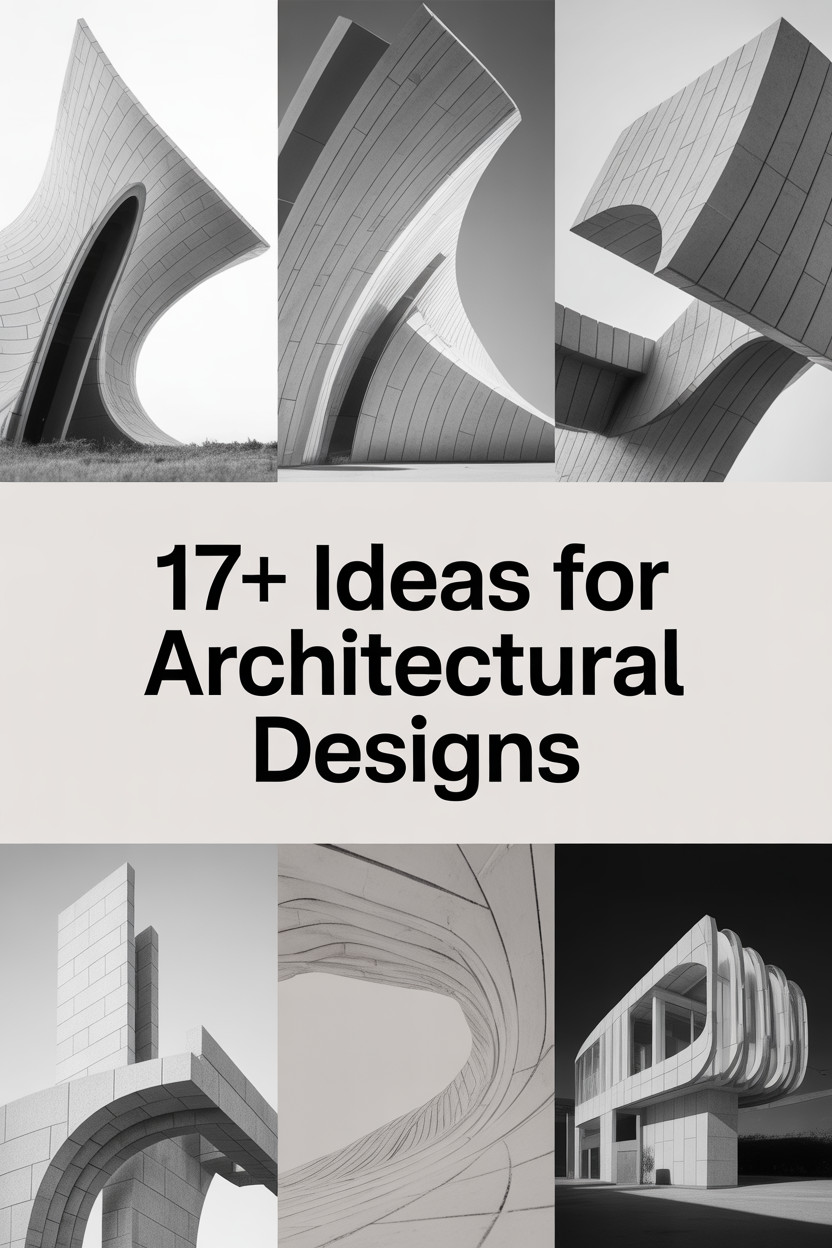
Architectural design is where imagination meets reality, creating spaces that speak to the soul. It’s about more than walls and roofs; it’s art, science, and emotion all rolled into one. Here are ideas that promise to ignite your creativity and transform spaces into dynamic works of art.
1. Flowing Curves
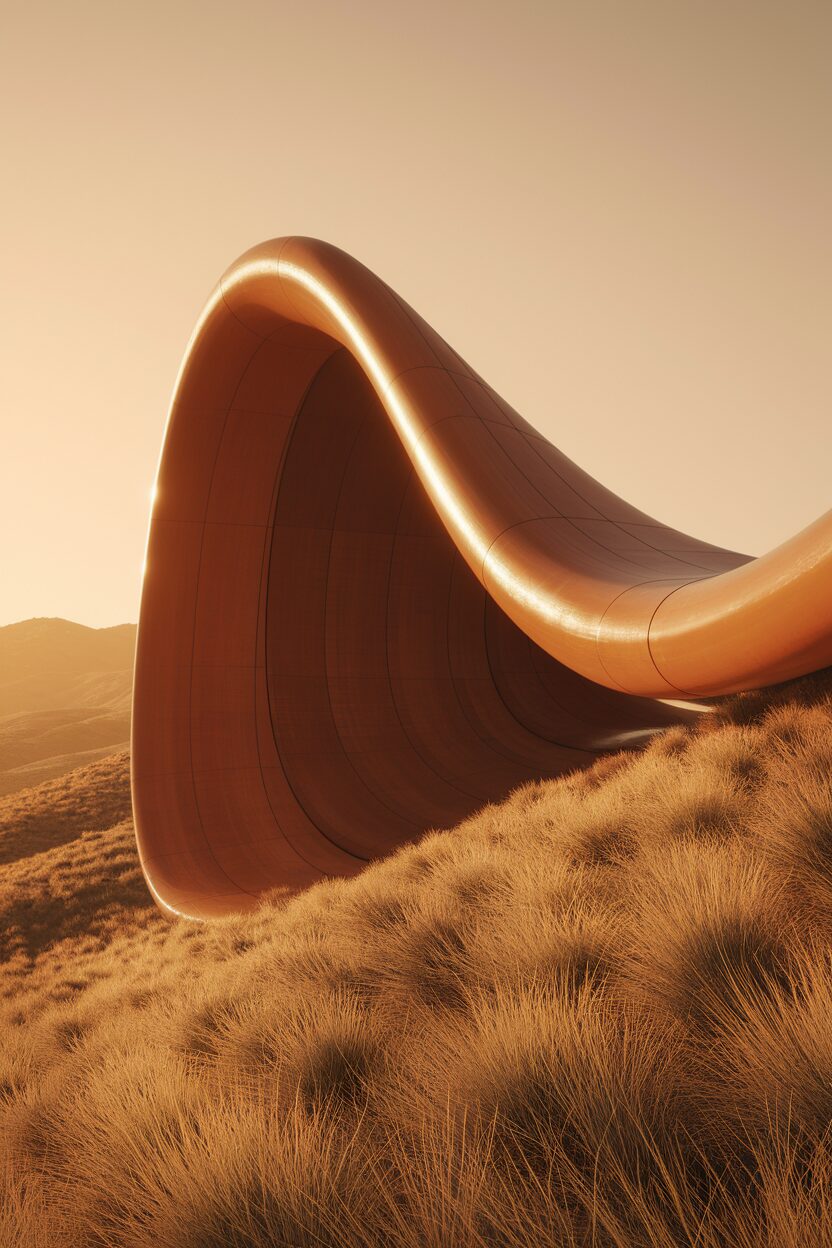
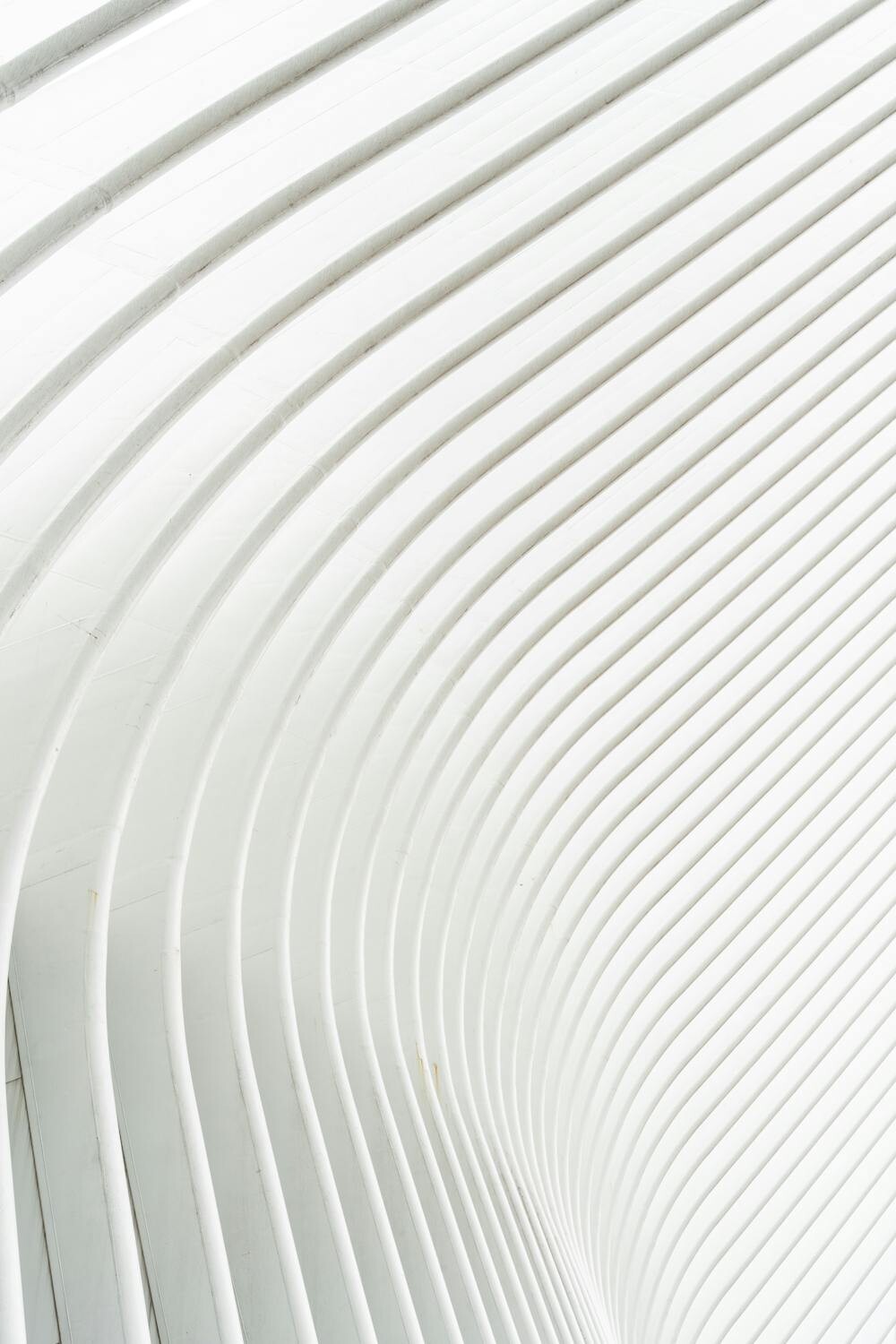
Imagine a building that mimics the gentle curves of a river. Flowing curves bring softness and movement, making spaces feel alive. This design breaks away from the traditional straight lines and sharp angles.
Curved structures can create a sense of calm and relaxation. They invite the eye to wander and explore, offering a unique visual experience. Plus, they tend to be more aerodynamic, which can reduce wind resistance.
Curves can be incorporated into walls, roofs, or even entire buildings. They offer flexibility to personalize spaces according to specific tastes. While they can be more costly due to the complexity of the design, the end result is often breathtaking.
2. Green Roofs
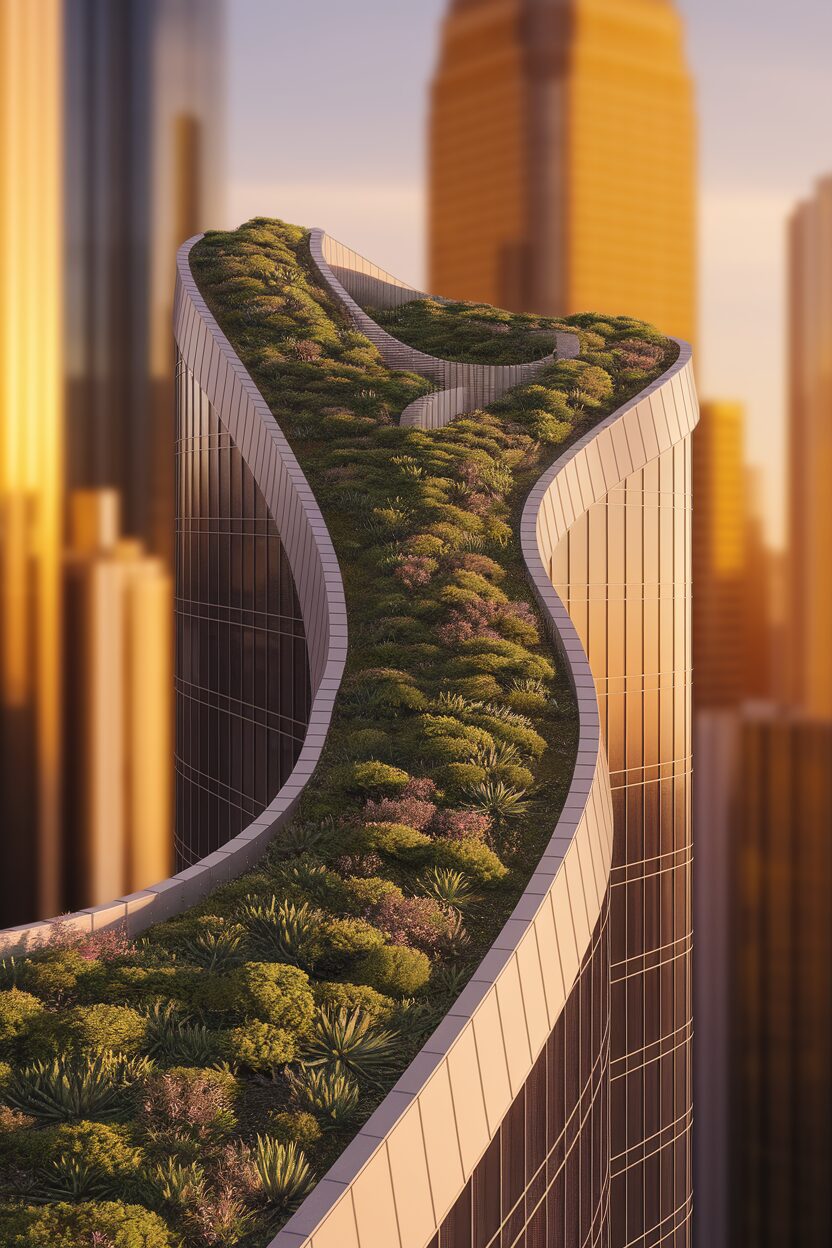
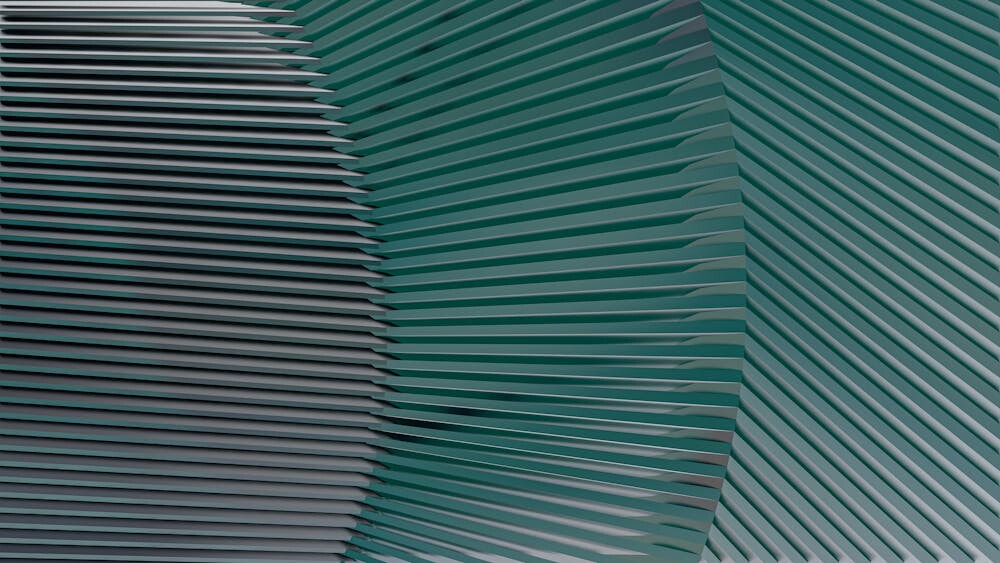
A roof covered with grass and plants isn’t just beautiful; it’s beneficial. Green roofs provide insulation, reduce stormwater runoff, and improve air quality. They bring nature into urban environments, creating a little oasis above the city streets.
This design is perfect for those who love gardening or want to make an environmental impact. Green roofs can support a variety of plants, from wildflowers to small shrubs. They also act as a natural sound barrier, making the building quieter inside.
The cost can vary depending on the size and type of plants, but many find the benefits outweigh the expenses. Consider local climate and plant types for the best results.
3. Floating Staircases
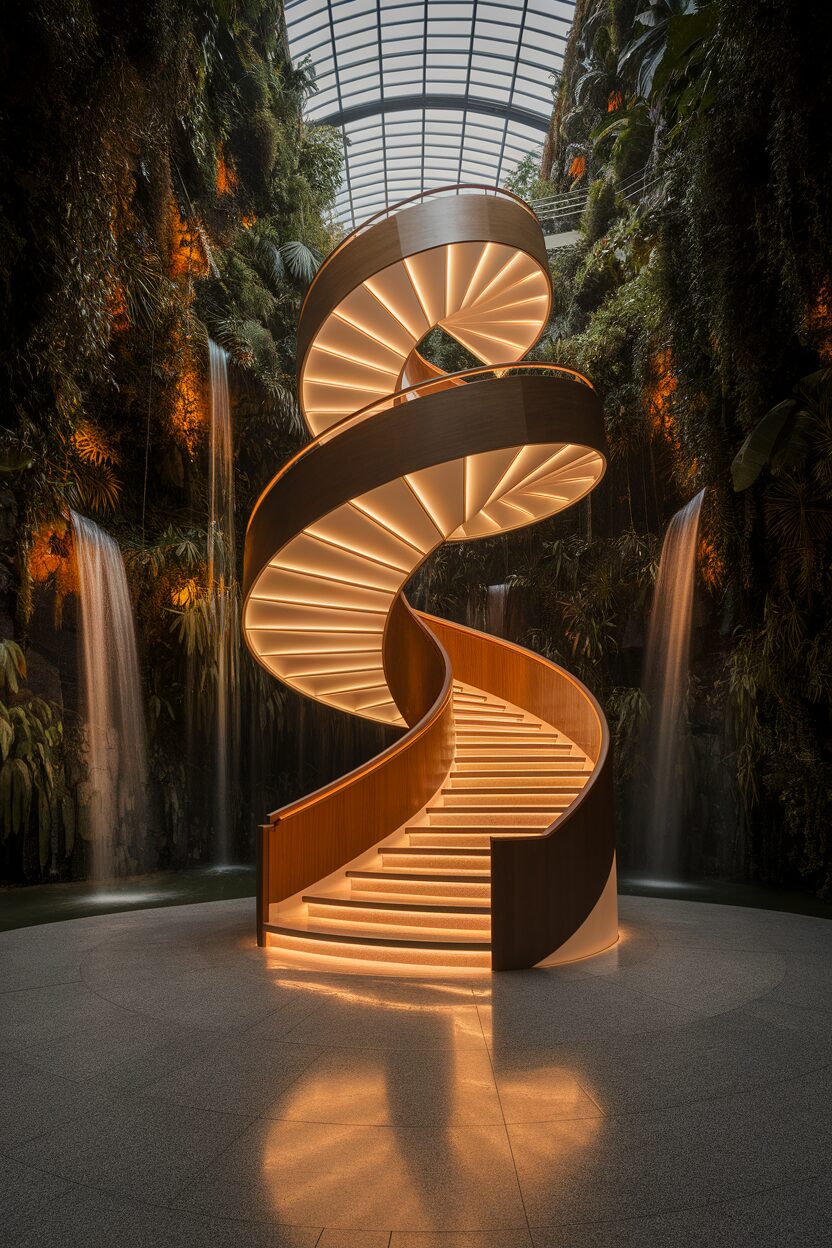

Floating staircases are mesmerizing, giving the illusion of steps suspended in mid-air. They create an open and uncluttered look, making spaces feel larger and more modern.
These staircases are a perfect blend of function and art. They can be made with wood, glass, or metal, offering endless customization options. The transparency allows light to flow freely, brightening up the interior.
While they can be more expensive due to the need for precise engineering, the visual appeal is unmatched. Make sure to consider safety, especially if children are present.
4. Indoor Water Features
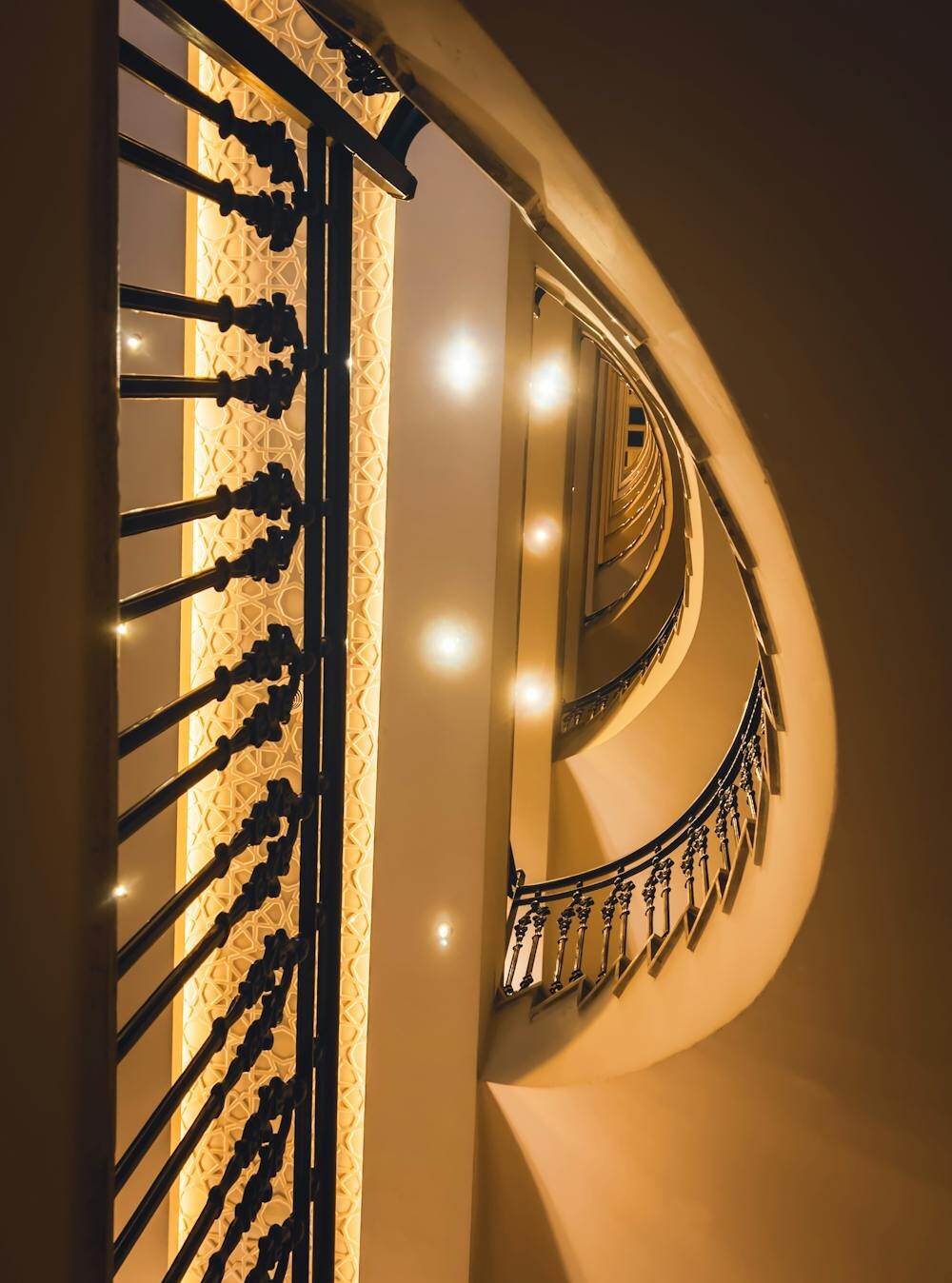
Bringing water indoors is like adding a touch of magic to your home. Water features like fountains or small waterfalls create a soothing atmosphere with their gentle sounds.
These features can be as simple as a tabletop fountain or as grand as a wall-sized waterfall. They not only look stunning but also help humidify the air, especially in dry climates.
Costs can vary widely, but the calming benefits are priceless. Personalize with stones, plants, or colorful lights for added charm.
5. Movable Walls
Imagine having the ability to change the layout of your home with just a push. Movable walls offer flexibility, allowing spaces to adapt to different needs.
These walls can be used to create private areas or open up spaces for gatherings. They’re perfect for small homes, maximizing the use of every inch.
While the initial setup might be more costly, the versatility they offer is invaluable. Choose lightweight materials for easy movement and consider soundproof options for added privacy.
6. Solar Panels with Style

Solar panels are no longer just functional; they can be stylish too. Modern designs integrate them into roofs and facades, making them an attractive part of the building.
They reduce electricity bills and carbon footprint, making them a smart choice for environmentally conscious homeowners. Plus, they can increase property value.
Costs can be high initially, but government incentives and long-term savings make them worthwhile. Consult with experts to find the best design and placement for efficiency.
7. Colorful Facades
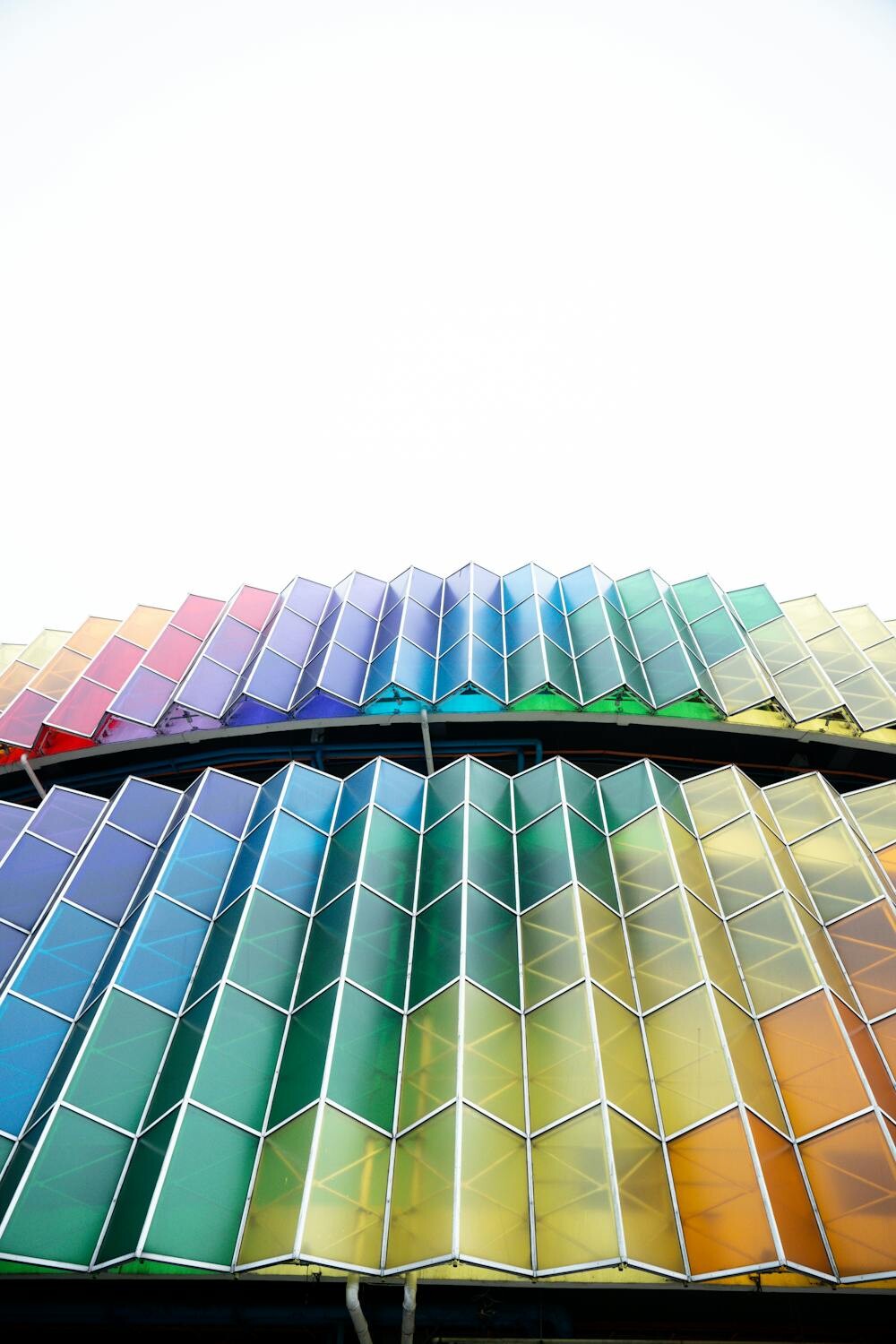
Why stick to plain colors when your building can be a canvas? Colorful facades add personality and joy, turning any structure into a piece of art.
This trend is all about expressing individuality. Bright colors can make a building stand out, while softer tones can blend it with the surroundings.
Painting a facade can be a budget-friendly way to refresh an old building. Consider the local environment and cultural context when choosing colors.
8. Living Walls
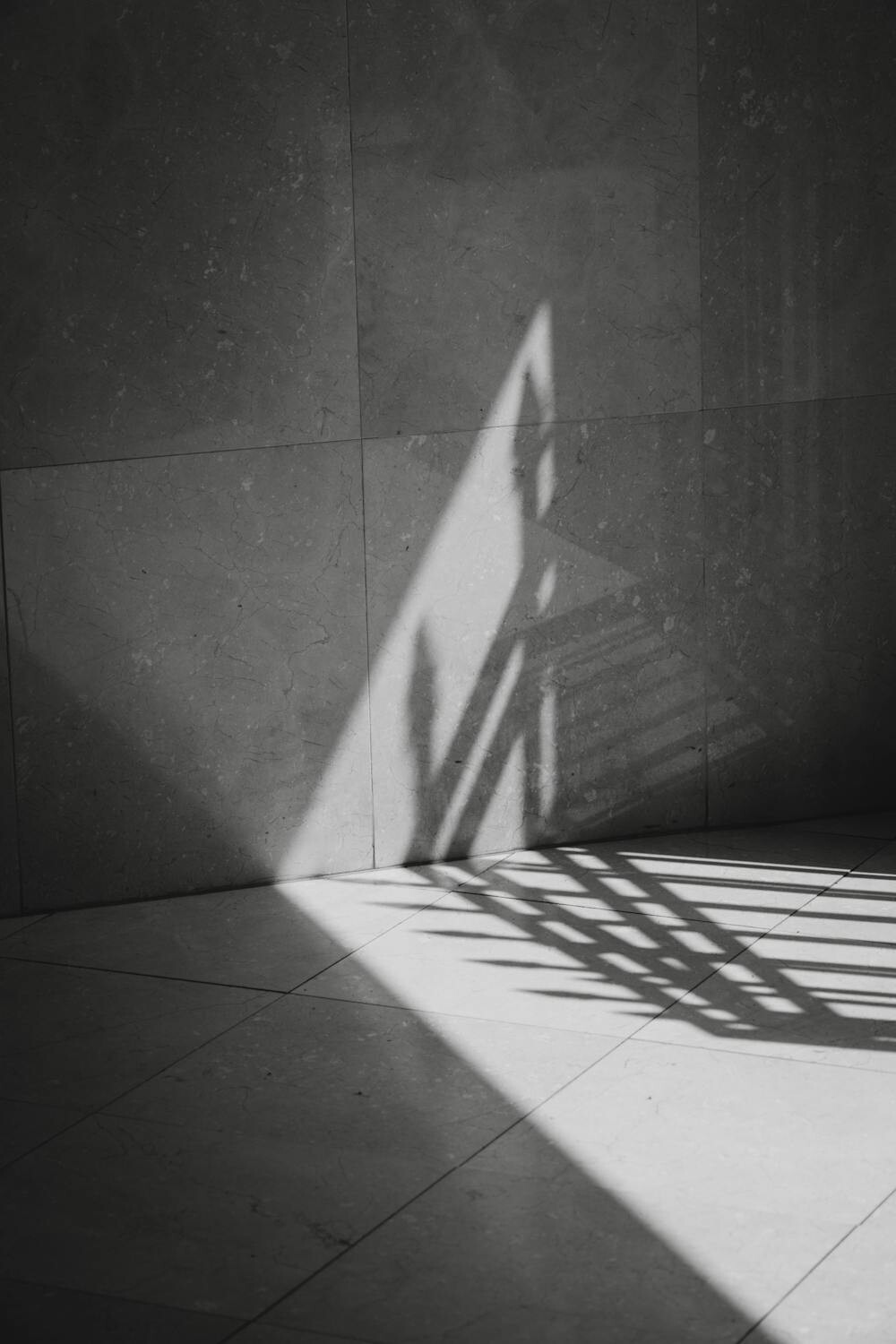
Imagine a wall that’s alive! Living walls, or vertical gardens, are covered with plants, bringing nature to urban spaces.
They improve air quality, reduce noise, and create a natural cooling effect. Plus, they’re a great way to grow herbs or small vegetables in limited spaces.
Costs depend on the size and plant types, but the benefits are plentiful. Ensure proper irrigation and sunlight for lush growth.
9. Glass Floors
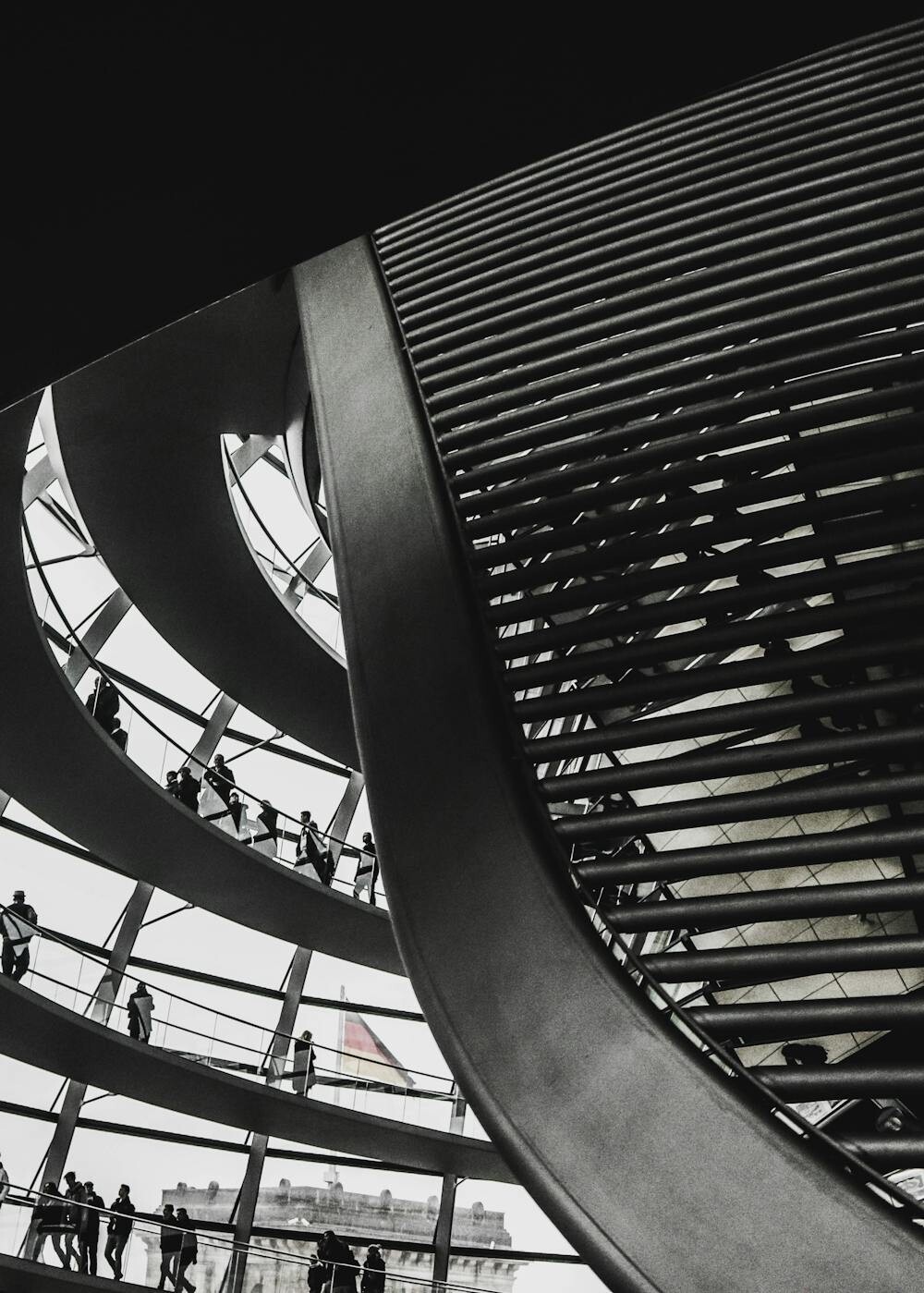
Walking on a glass floor feels like floating in the air. It adds a touch of luxury and opens up spaces with light and transparency.
Glass floors can be used in various parts of a building, from bridges to staircases. They offer a unique perspective, creating an exciting architectural feature.
While they require a higher budget, the effect is stunning. Ensure high-quality, tempered glass for safety and durability.
10. Rooftop Gardens
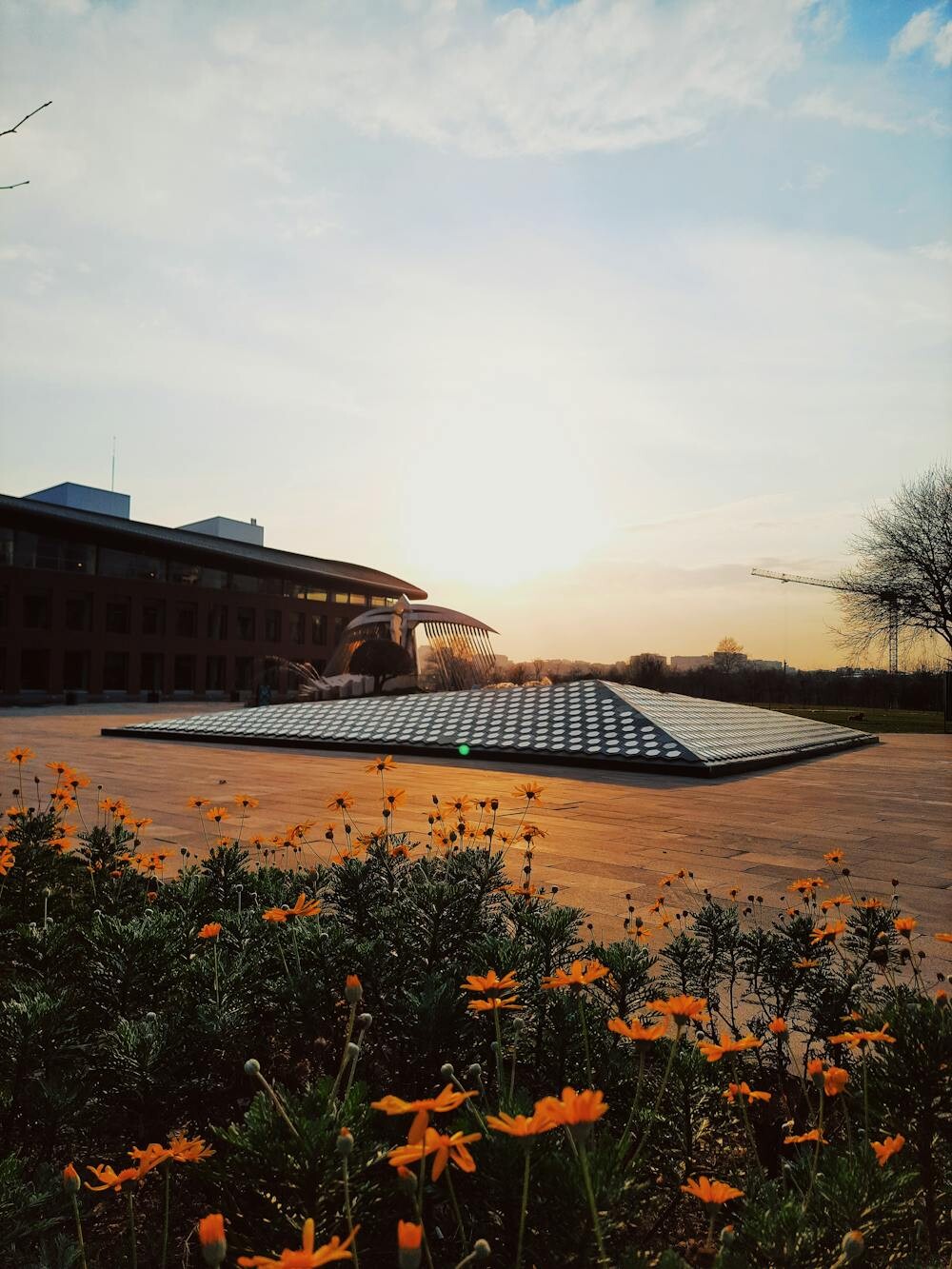
Transform your roof into a green paradise! Rooftop gardens are perfect for urban areas where ground space is limited.
They provide a relaxing retreat, improve air quality, and can even reduce energy costs by insulating the building. They’re perfect for growing flowers, vegetables, or even small trees.
Costs depend on the garden’s size and complexity, but the results are worth it. Consider weight limits and proper drainage in the design.
11. Spiral Staircases
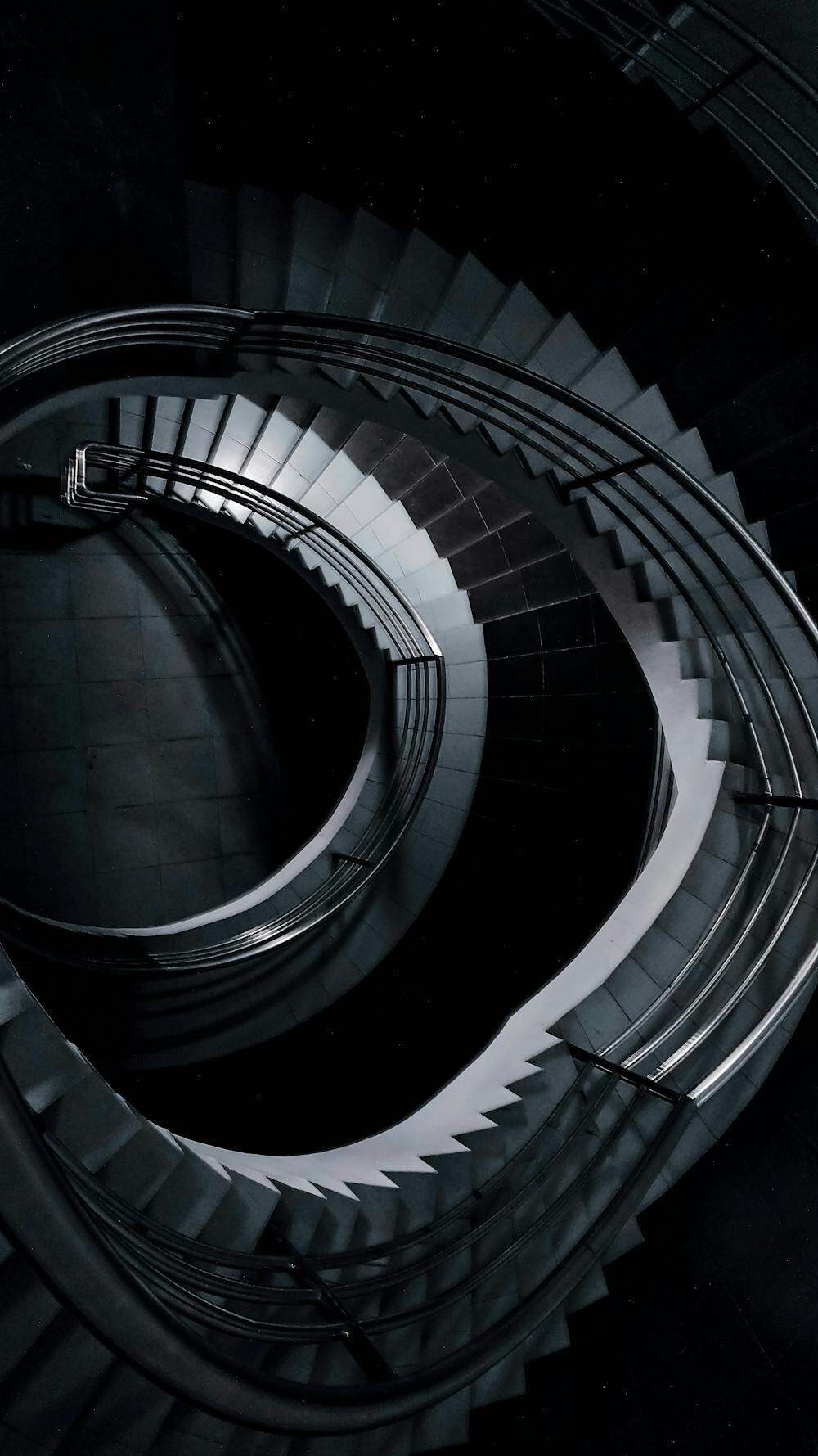
Spiral staircases are not just space-saving; they’re a statement piece. They add elegance and a touch of whimsy to any home.
These staircases can be made from various materials like wood, metal, or glass, offering endless customization. They’re perfect for small spaces or as a focal point in larger rooms.
While they may require precise planning, the visual impact is immense. Ensure they meet safety standards, especially in homes with children.
12. Transparent Roofs
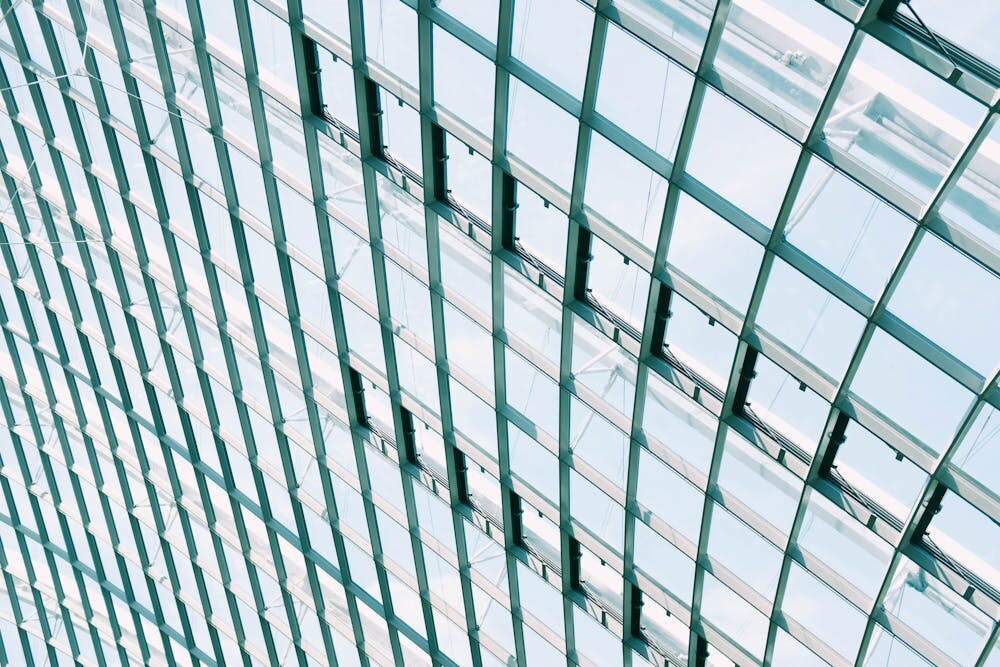
Imagine lying in bed under a starlit sky. Transparent roofs bring the outdoors in, flooding spaces with natural light.
They’re perfect for areas with beautiful views, creating a seamless connection with nature. They can make small spaces feel larger and more open.
While they can be more expensive, energy savings can offset costs. Use high-quality materials to ensure durability and comfort.
13. Cantilevered Designs

Defying gravity is possible with cantilevered designs. They create dramatic overhangs and open up spaces without the need for supporting columns.
This design offers a sleek and modern look, perfect for homes on hills or near water. They provide unique views while maximizing usable space.
Costs can be higher due to engineering challenges, but the architectural interest they add is unmatched. Work with experienced architects to achieve the best results.
14. Color-Changing Walls

Imagine walls that change color with the touch of a button. Color-changing walls offer a futuristic and playful element to any room.
These walls use LED technology, allowing you to set the mood for any occasion. They’re perfect for living rooms, bedrooms, or even offices.
While the initial setup can be pricey, the fun and flexibility they offer are worth it. Consider energy-efficient options for cost savings.
15. Open-Concept Spaces

Open-concept spaces break down walls, creating a sense of flow and togetherness. They make homes feel larger and more connected.
This design is perfect for families or those who love to entertain. It allows for easy movement and communication between different areas.
While it may require structural changes, the result is a modern and airy home. Use furniture to define spaces and add coziness.
16. Geometric Patterns
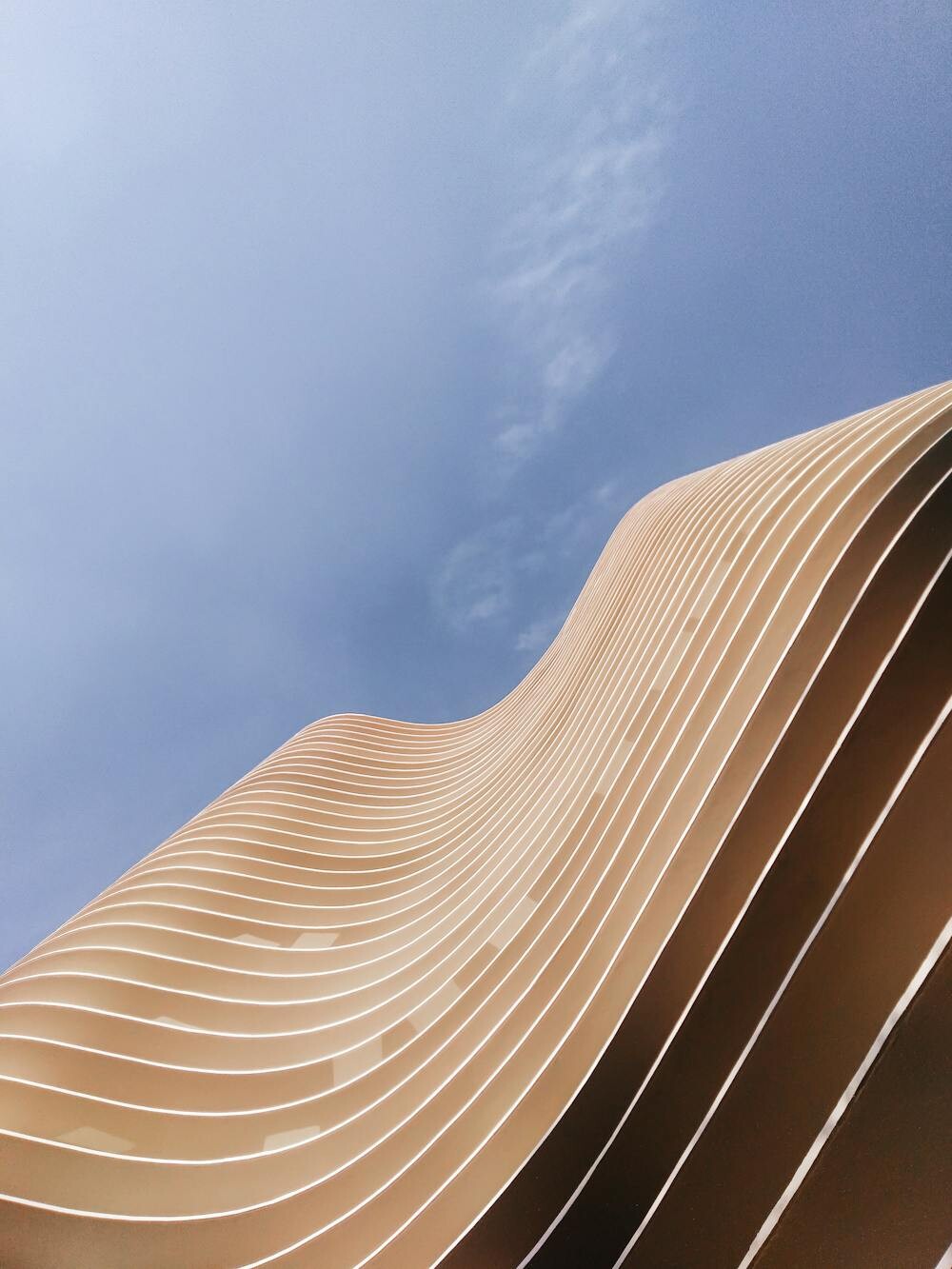
Geometric patterns add a touch of sophistication and intrigue. They can be used in flooring, walls, or even furniture.
These patterns create visual interest and can make spaces feel more dynamic. They’re perfect for modern and minimalist designs.
Costs are generally low, making it an easy way to update a room. Mix and match shapes and colors for a personalized touch.
17. Indoor-Outdoor Living
Blur the line between indoor and outdoor living with seamless transitions. This design connects interior spaces with nature, offering a breath of fresh air.
Sliding glass doors, large windows, and patios are great ways to achieve this look. It encourages outdoor activities and makes entertaining a breeze.
While costs can vary, the lifestyle benefits are immense. Use durable materials to withstand weather changes and ensure comfort.
18. Adaptive Reuse

Giving old buildings a new life with adaptive reuse is both sustainable and creative. It transforms unused structures into vibrant spaces.
This approach preserves history while meeting modern needs. It’s perfect for those who appreciate character and uniqueness.
While it can be cost-effective, it may require creative problem-solving. Work with a team experienced in renovations for the best outcome.