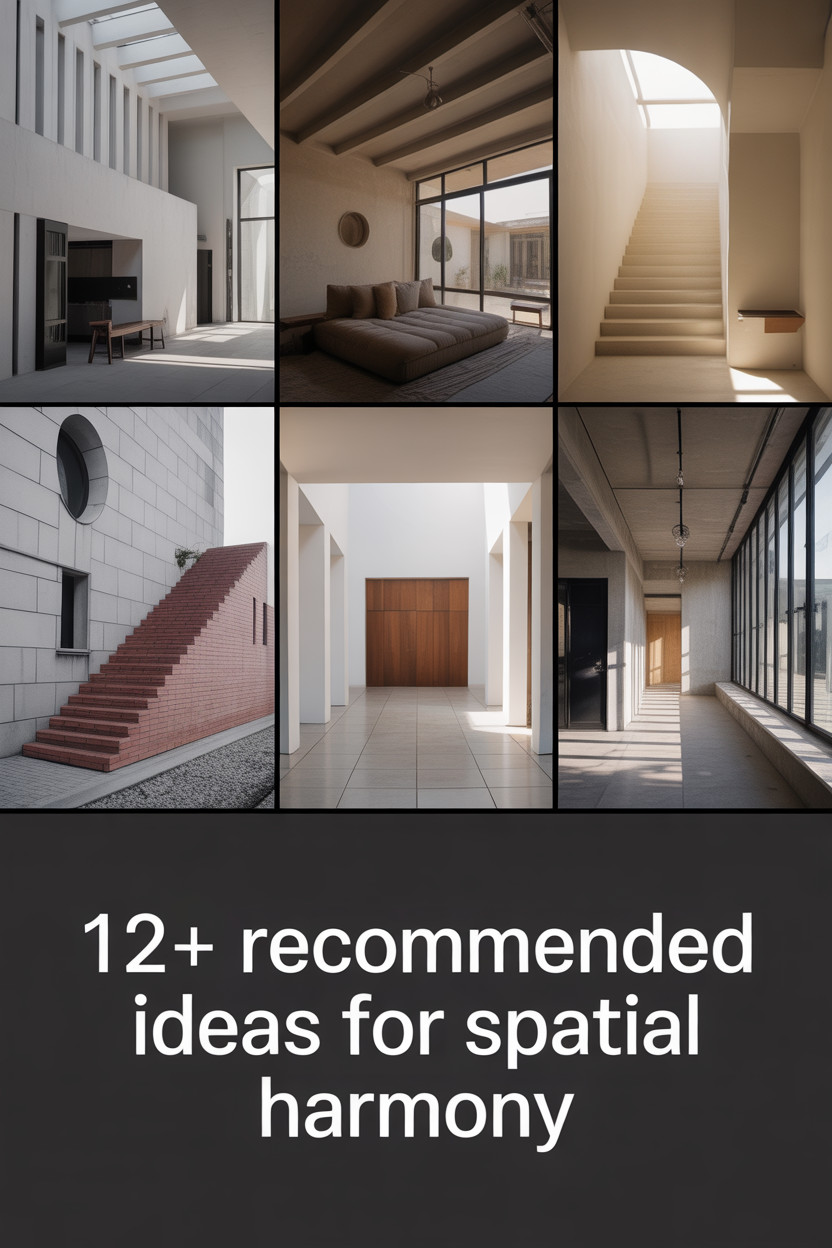
Architectural spaces can tell stories, whisper secrets, and hold memories. This intricate dance of design influences how we feel, live, and breathe within our homes. Here, you’ll find a collection of ideas that inspire a serene balance and harmony in your living spaces.
1. Open Floor Plans

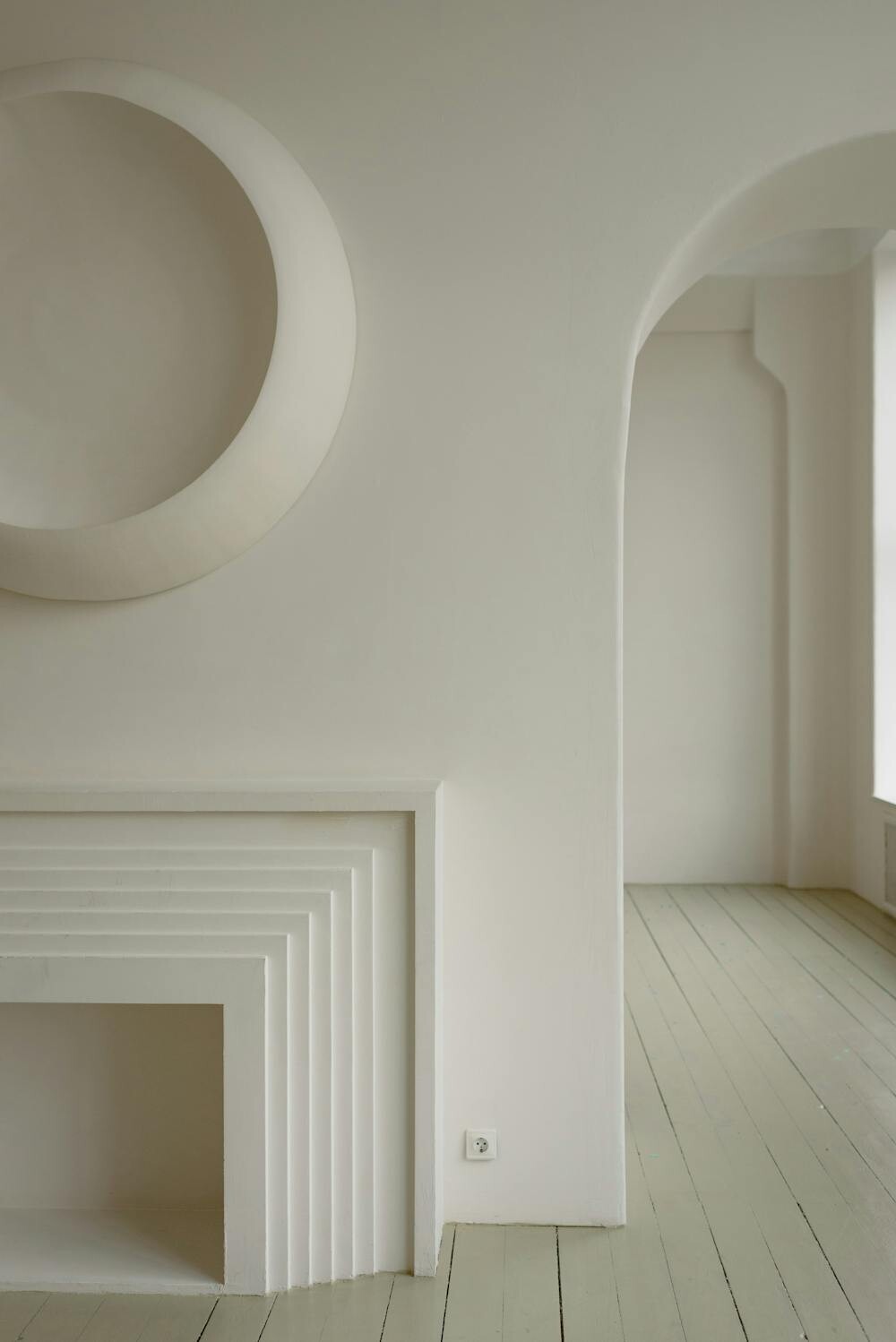
Open floor plans make spaces feel larger by reducing walls and partitions. They create a seamless flow between rooms, making homes feel airy and bright.
They are great for social events, allowing everyone to interact with ease. Personalize with area rugs to define spaces within the openness.
Though initially pricey, the investment can boost your home’s value. Consider using lighter colors to enhance the open feeling.
2. Natural Light Maximization
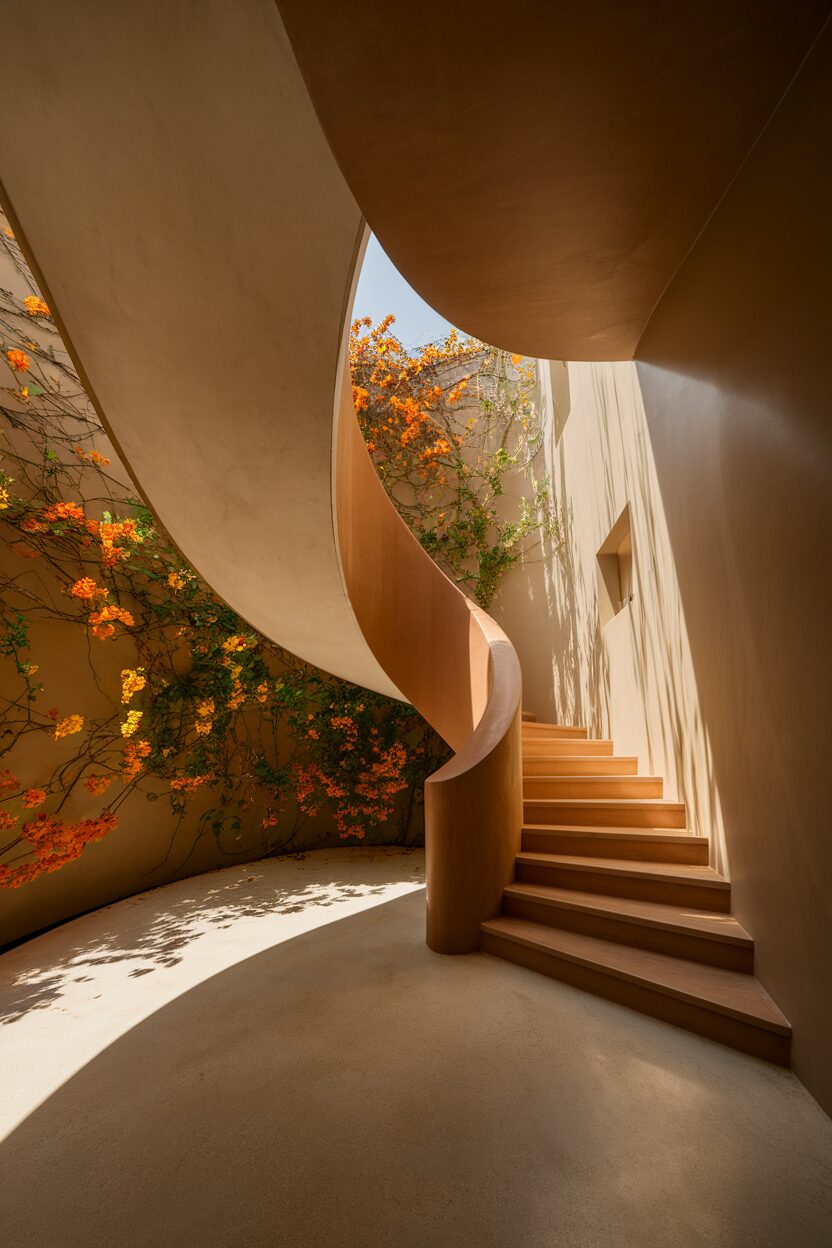
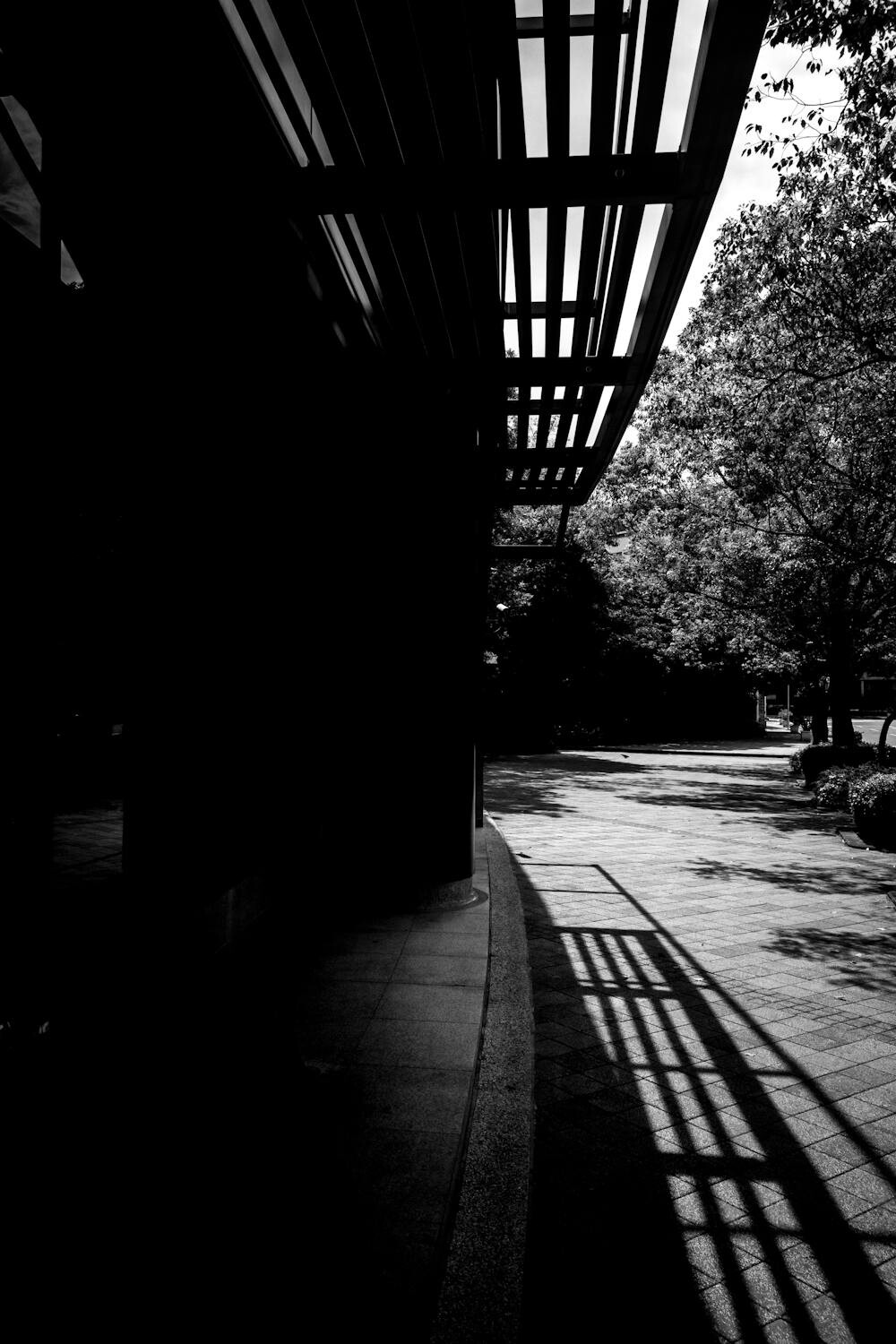
Let the sunshine in! Large windows or glass doors can flood your space with natural light, creating an inviting and warm atmosphere.
It’s a mood booster and helps save on electricity. Use sheer curtains to soften the light without blocking it.
Though installation can be costly, the long-term benefits are worth it. Use strategically placed mirrors to reflect light further into your space.
3. Vertical Gardens
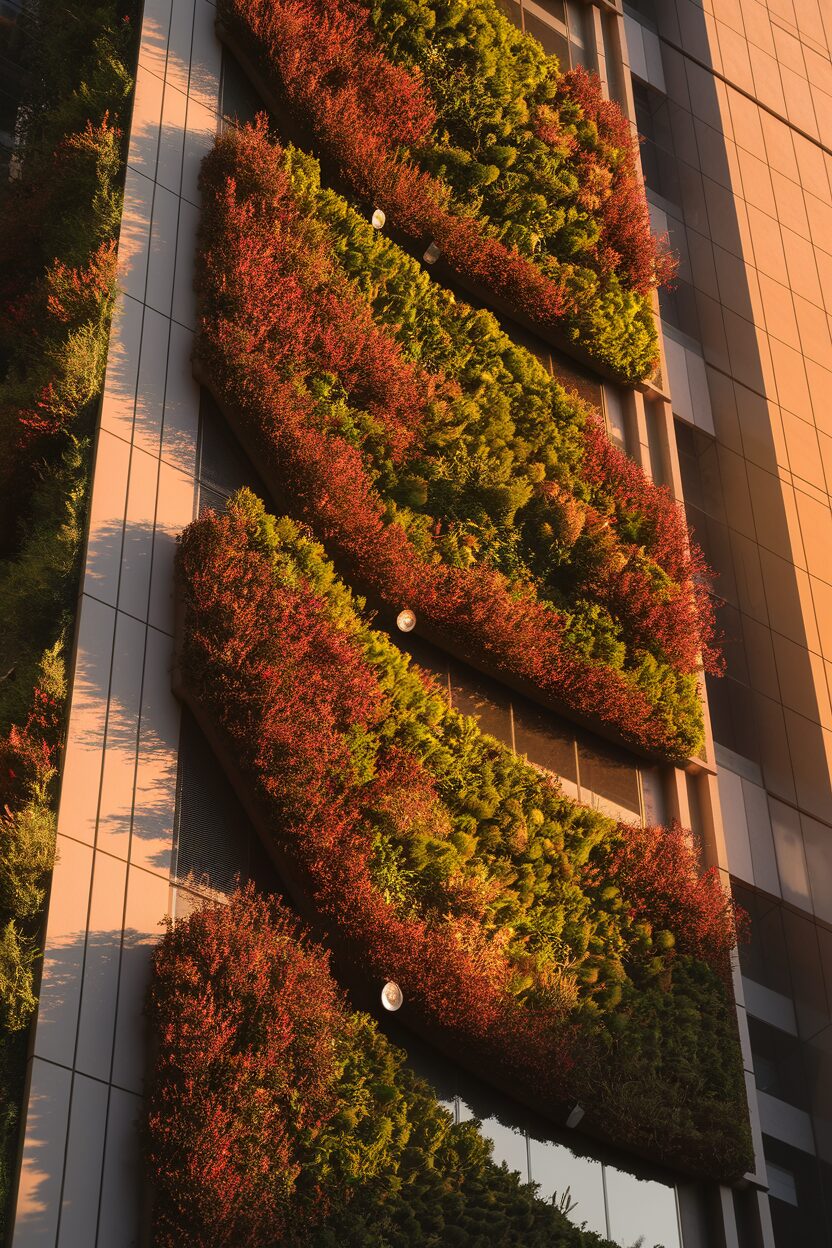
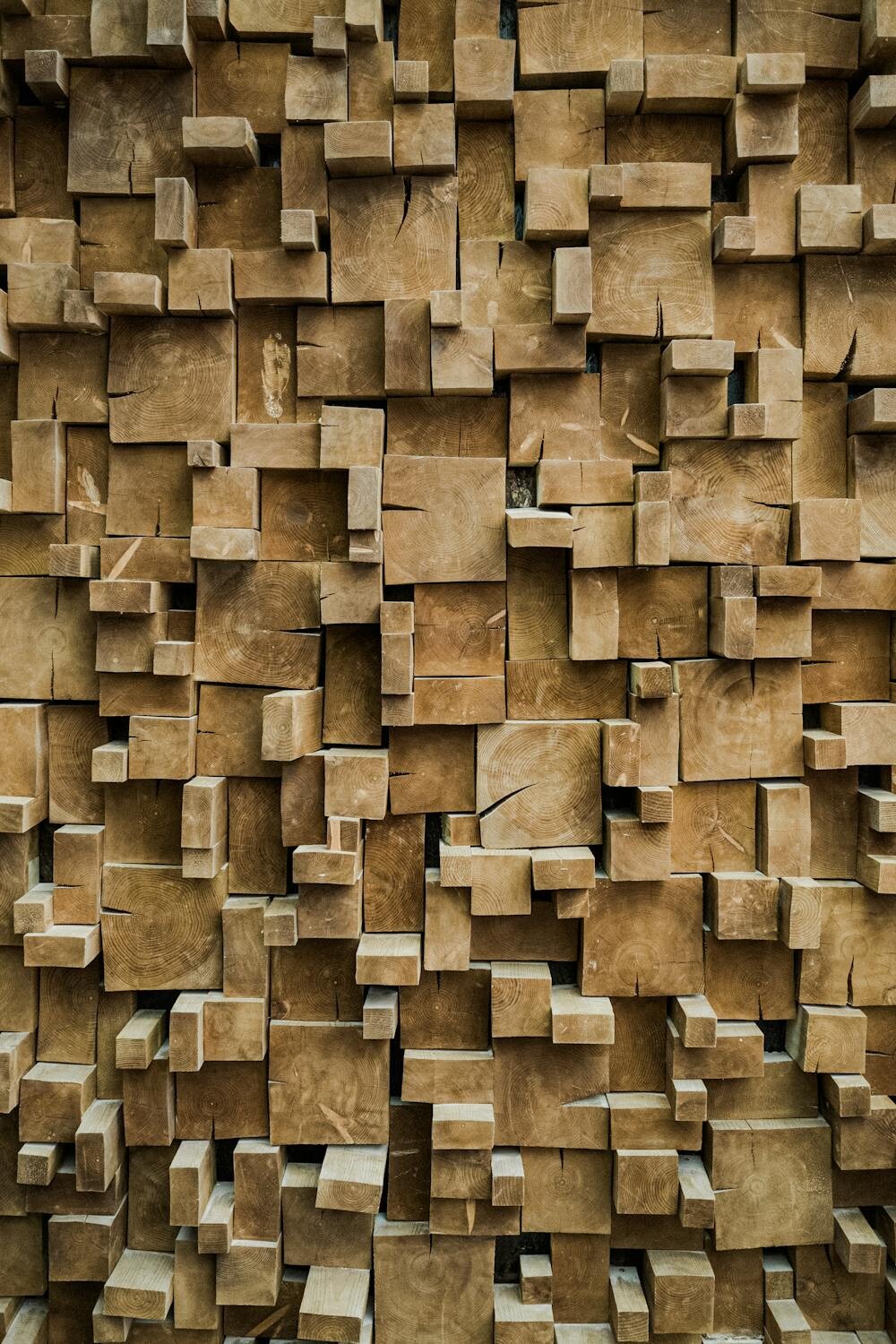
Bring the outside in with vertical gardens, offering a slice of nature without needing much space. These lush green walls are visually stunning and very trendy.
They purify the air and provide a calming effect. Customize with a mix of plants for variety and texture.
While setup requires some investment, maintenance is relatively low. Choose plants that thrive indoors for best results.
4. Multi-functional Furniture
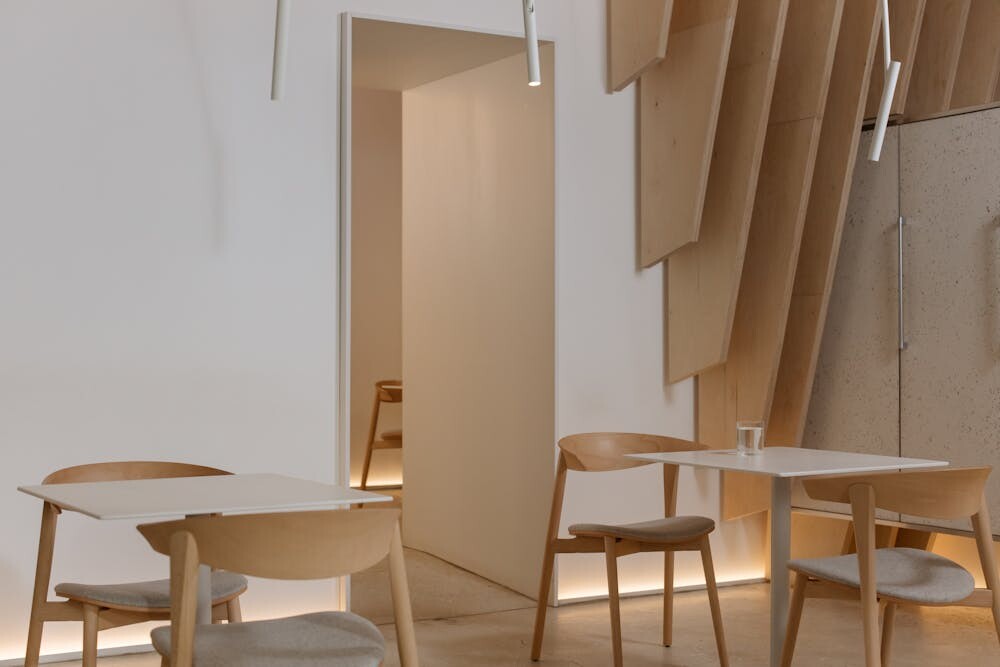
Furniture that serves more than one purpose is a game-changer, especially in small spaces. Think sofa beds, storage ottomans, or fold-out tables.
They help keep your space tidy and organized. Look for pieces that match your style and color scheme for cohesion.
Costs vary, but they can save money by reducing the need for additional furniture. Opt for quality materials for durability.
5. Color Harmony
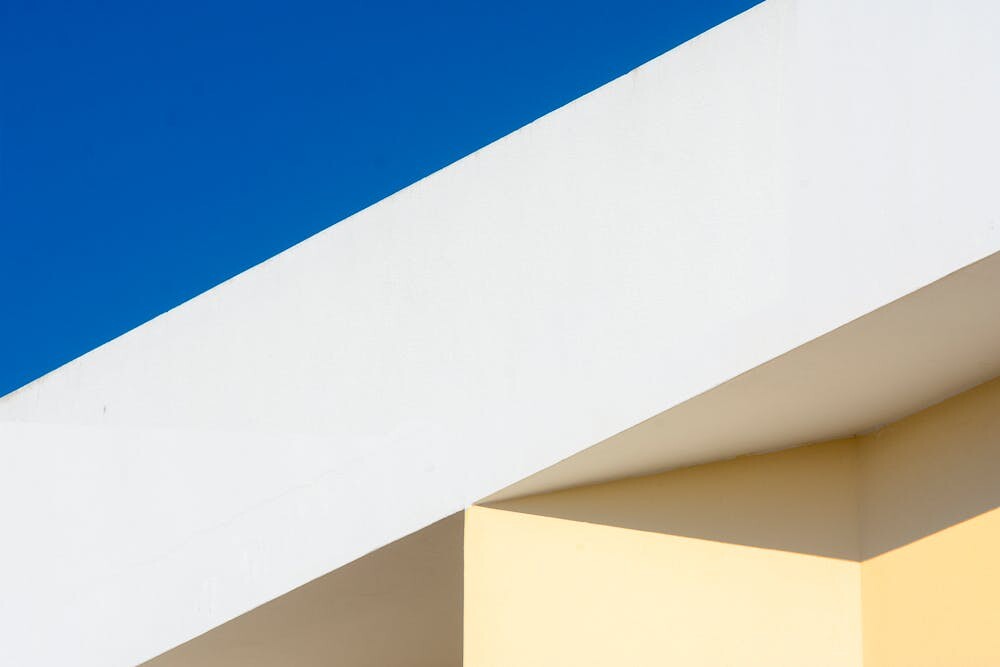
Colors can change how a space feels. Choose a palette that blends well, creating a harmonious and soothing environment.
Pastels, earth tones, and neutrals are popular for a calming effect. Add pops of color with accessories for interest.
Paint is an affordable way to revamp your space. Experiment with different shades to find what feels right for you.
6. Minimalist Design
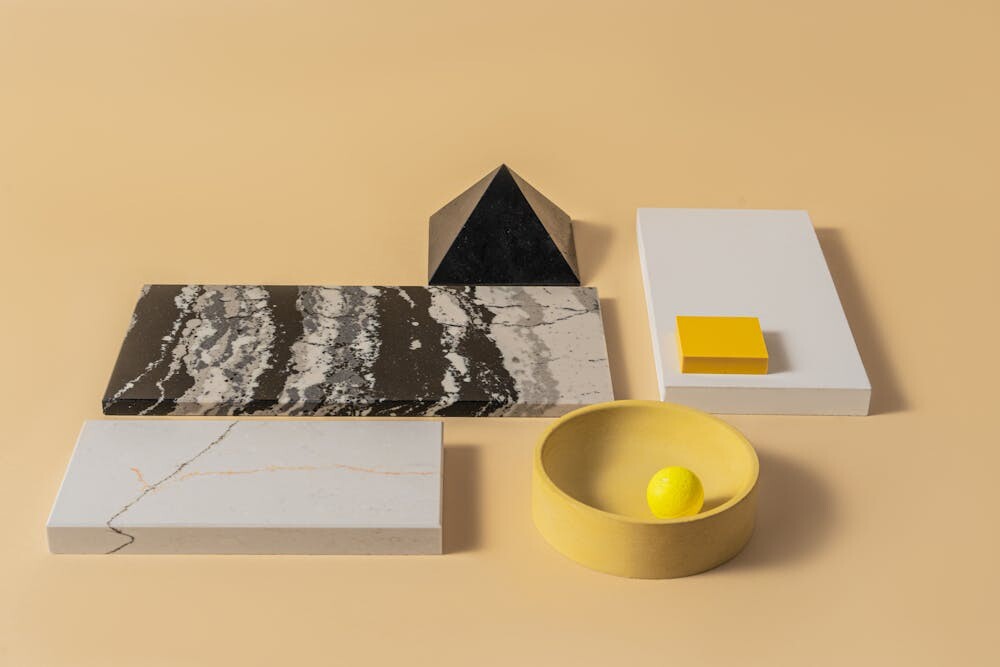
Less is more with minimalist design, focusing on simplicity and functionality. It creates a clean, uncluttered look that’s timeless.
This style promotes peace and reduces stress. Choose furniture with sleek lines and minimal decoration.
It’s cost-effective as it requires fewer items. Keep only what you love and need for a truly minimalist feel.
7. Architectural Accents
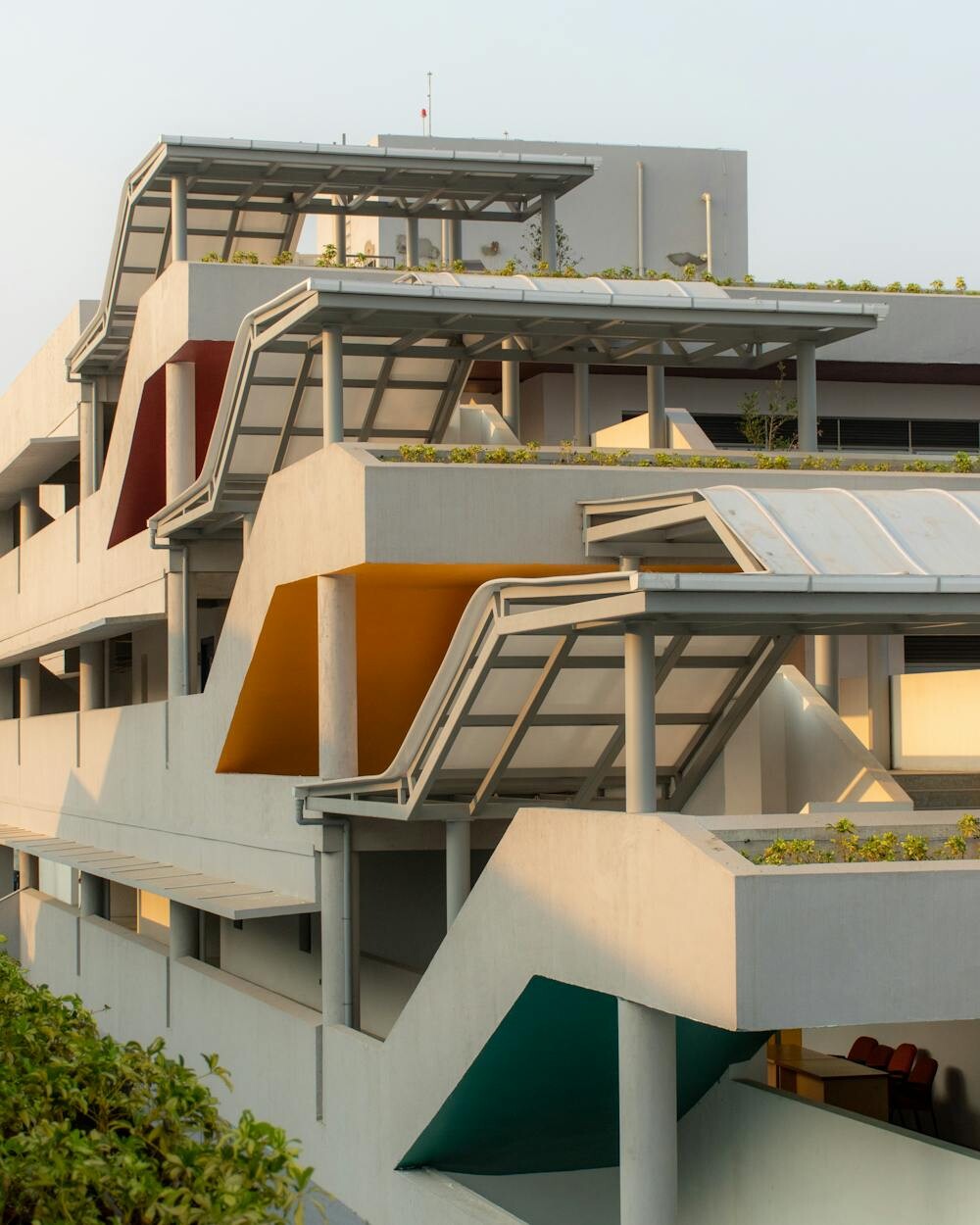
Architectural accents like exposed beams or brick walls add character and charm. They give your home a unique identity.
These features can be focal points in a room. Balance them with simple decor to avoid overwhelming the space.
Retrofitting old homes can be costly, but it adds immense value. Consider faux versions for a budget-friendly option.
8. Indoor-Outdoor Flow
Blurring the lines between indoor and outdoor spaces creates a seamless transition. It extends your living area and enhances the connection with nature.
Large sliding doors or bi-fold doors are perfect for this. Decorate with outdoor-friendly furnishings that match your interior style.
Though installation can be expensive, the lifestyle benefits are significant. Choose durable materials for long-lasting enjoyment.
9. Smart Storage Solutions
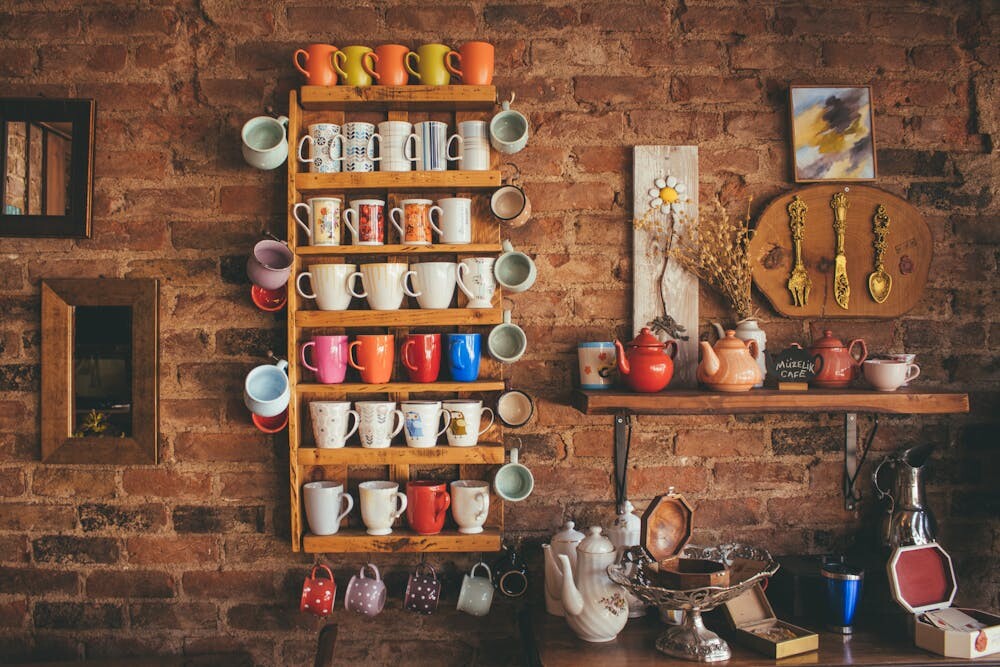
Smart storage solutions help keep spaces tidy without sacrificing style. Built-in shelves or under-stair storage maximize your space.
They keep clutter out of sight, creating a more peaceful environment. Customize with adjustable shelving for flexibility.
Costs depend on complexity, but they can increase your home’s value. Use baskets or boxes to organize smaller items neatly.
10. Textural Contrast
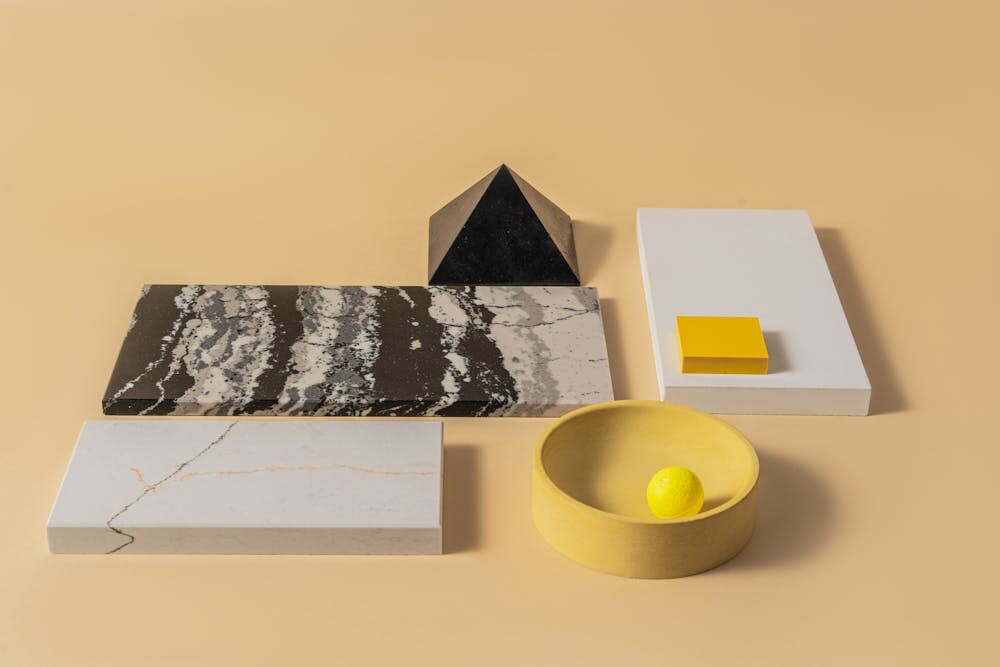
Mixing different textures adds depth and interest to a room. Combine smooth, rough, shiny, and matte surfaces for a balanced look.
This approach is visually engaging and adds a tactile element. Layer rugs, cushions, and throws for a cozy feel.
It’s an affordable way to refresh your space. Experiment with different materials to see what works best for you.
11. Personalized Art Displays
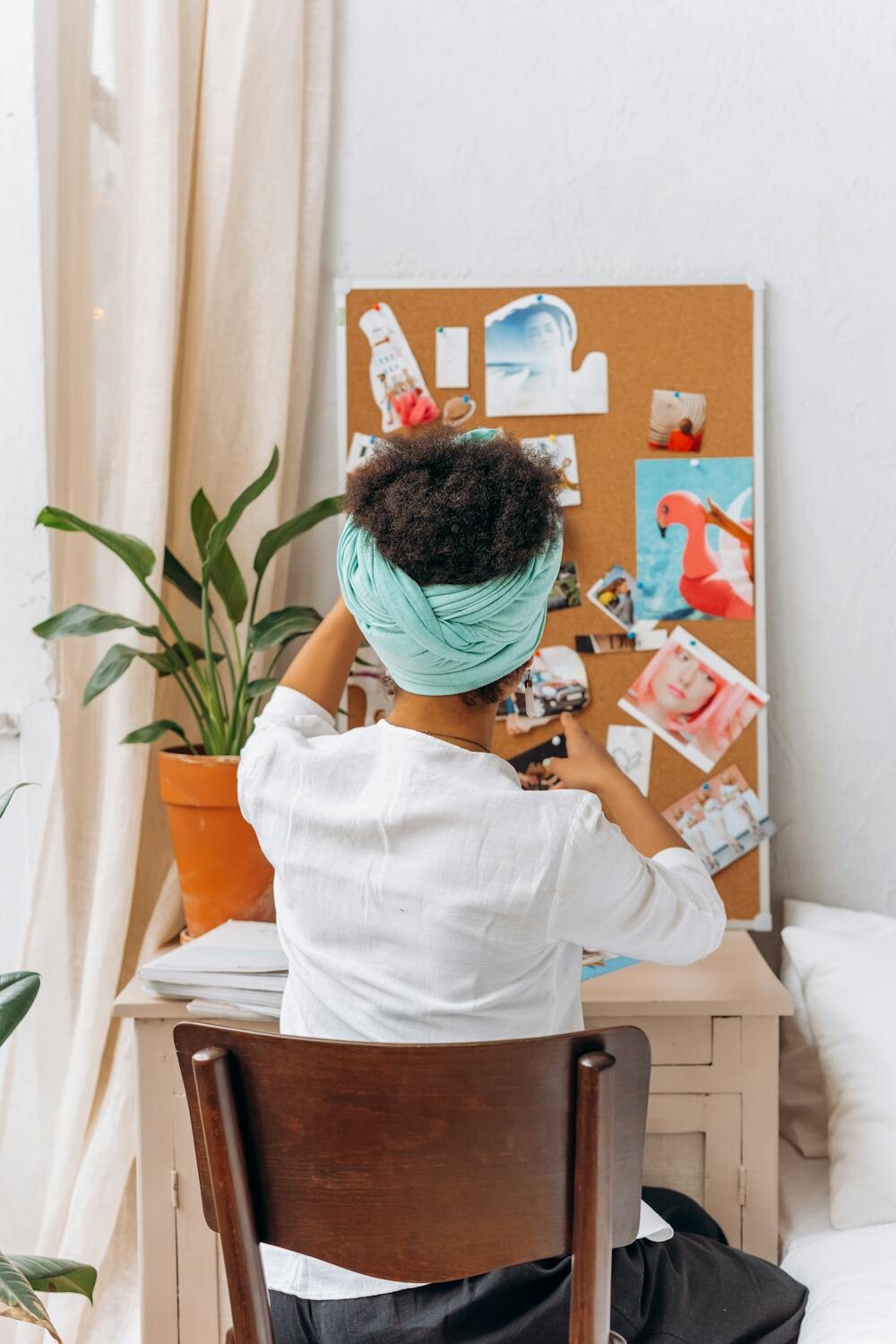
Art displays that reflect your personality make your space uniquely yours. Whether it’s paintings, photos, or sculptures, they tell your story.
They spark conversation and create focal points in rooms. Arrange them creatively for a gallery-like effect.
Art can range from affordable prints to investment pieces. Mix and match frame styles for a dynamic display.
12. Acoustic Panels
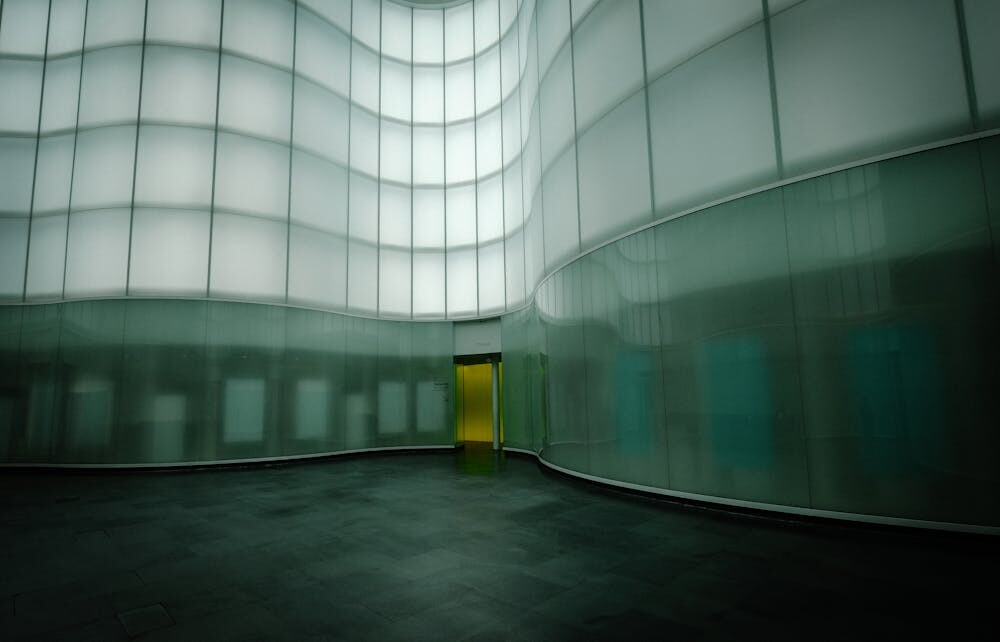
Acoustic panels absorb sound, reducing noise and echo. They improve the comfort and tranquility of your space.
Available in various colors and designs, they can complement your decor. Install them in areas with high noise levels.
Though an initial investment, they enhance the quality of your living environment. Choose panels that match your aesthetic for cohesion.
13. Biophilic Design
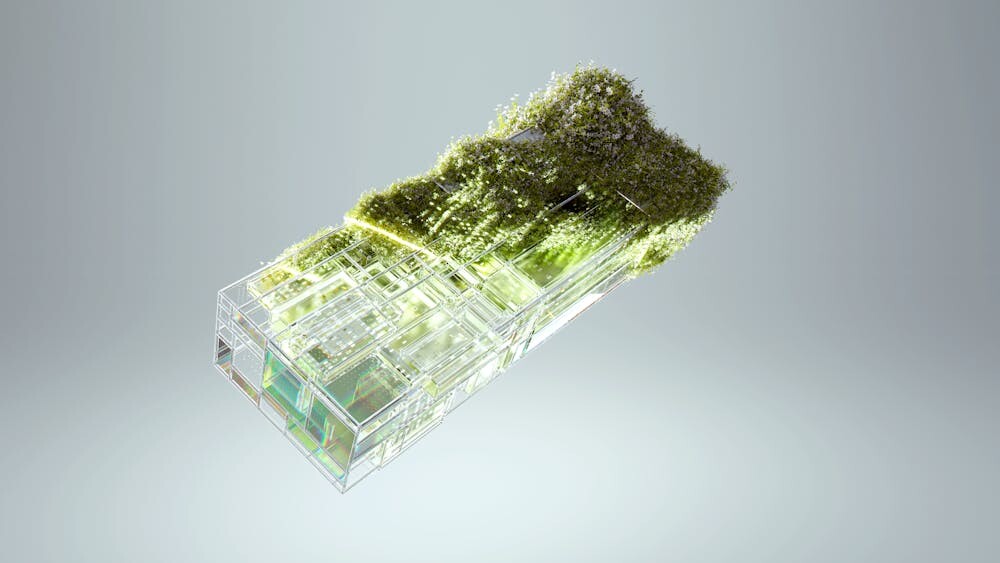
Biophilic design incorporates natural elements into architecture, enhancing well-being. It includes plants, water features, and natural materials.
It connects you to nature, promoting relaxation and health. Use natural wood, stone, and greenery to bring the outdoors in.
Costs vary, but simple additions like plants are budget-friendly. Consider larger installations if your budget allows.