
Lines can make a pattern feel clean, bold, and easy to notice. This list gives simple ways to use line patterns in clothes, rooms, and small design choices.
1. Pinstripes for a Clean Work Look

Pinstripes are thin lines that run close together, and they give a neat and sharp feel. They often show up in suits, shirts, and pants, and they work well when you want a look that feels calm but still stands out.
They are a smart pick for work clothes because they can make an outfit look put together without much effort. A pinstripe shirt can be worn with plain pants, while a pinstripe blazer can help a simple top look more finished.
This style is easy to use in many places, from office wear to casual street looks. If you want a low-cost way to try it, start with one shirt or one tie so you can see how the lines fit with your closet.
2. Wide Stripes for Strong Contrast
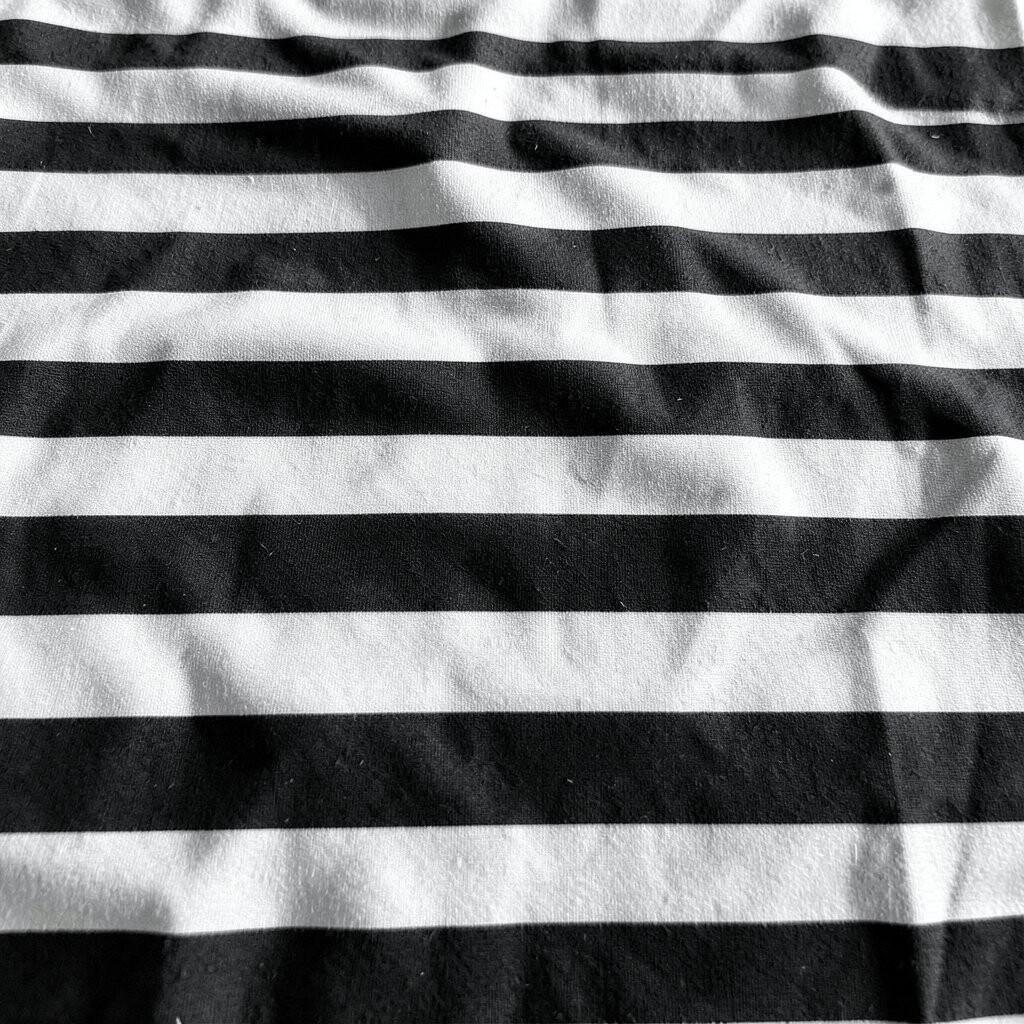
Wide stripes are bold and easy to see, so they make a strong visual effect right away. They can be used in shirts, dresses, rugs, pillows, and wall art to add a clear pattern that does not feel too busy.
One good thing about wide stripes is that they can change the mood of a space or outfit in a simple way. Dark and light stripes can make a room feel lively, while a striped top can make plain jeans look more thoughtful.
Many people like this style because it is easy to match with solid colors. If you want to keep costs down, use wide stripes in a few small pieces first, then add more if you enjoy the look.
3. Vertical Lines for a Taller Feel
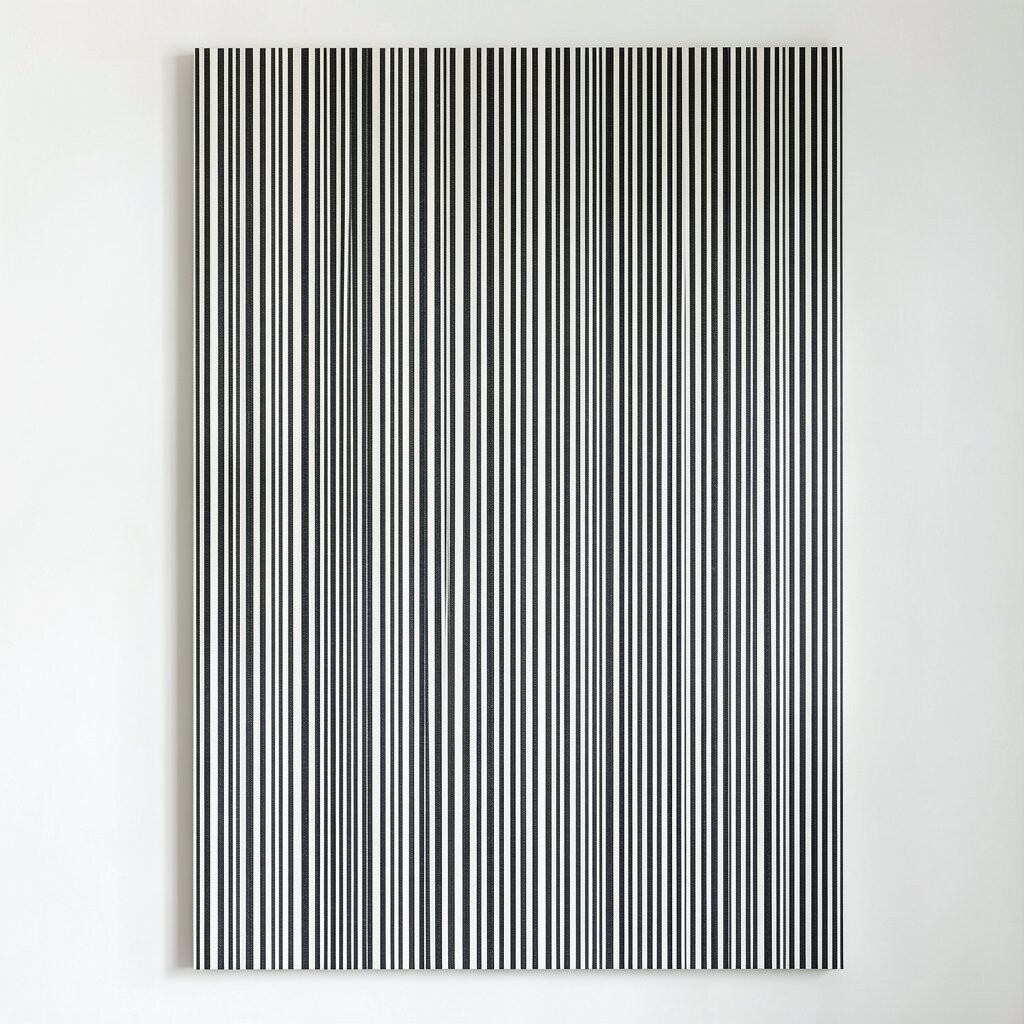
Vertical lines go up and down, and they often give a longer, slimmer look. This makes them a common choice for pants, skirts, wallpaper, and curtains when people want a neat shape and a calm feel.
They can help guide the eye in a smooth path, which makes them useful in both fashion and home style. A dress with vertical lines can look simple and fresh, while striped curtains can make a window seem taller.
This style works well in small spaces because it can help a room feel less crowded. A good tip is to use soft colors if you want a calm look, or use darker lines if you want more edge and contrast.
4. Horizontal Lines for a Wide, Relaxed Look

Horizontal lines run side to side, and they often feel easy and laid-back. They are common in shirts, sweaters, blankets, and bedding, where a soft and open look can be nice.
These lines can make a design feel wider, which can help a small item seem more open. A striped tee with jeans can feel casual and simple, while a striped throw can add a cozy touch to a couch.
They are also easy to buy at many price points, from low-cost fast fashion to higher-end home goods. If you want a fresh touch without a big change, use this pattern in one part of a room or in one basic outfit piece.
5. Diagonal Lines for a Fast, Active Style
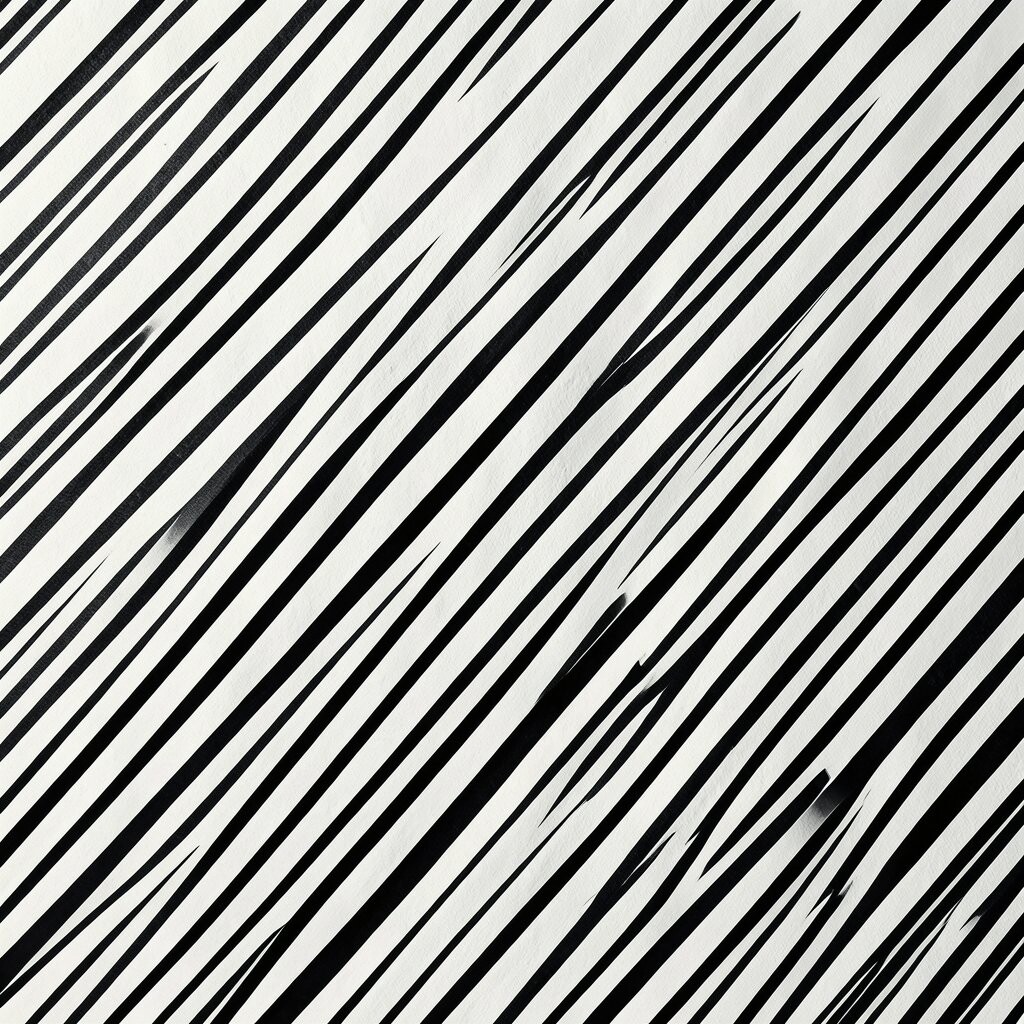
Diagonal lines move across a shape at an angle, and they often feel active and full of motion. This makes them a good choice for sportswear, graphic tops, bags, and wall prints that need a little more energy.
They can make a design feel less stiff than straight up-and-down or side-to-side lines. A diagonal line dress can look sharp and modern, while a rug with angled lines can make a room feel more alive.
Many newer fashion and home styles use diagonal lines because they can make simple items look more current. If you want to try this trend, start with one bold piece and keep the rest plain so the look stays balanced.
6. Thick and Thin Line Mixes for Extra Interest
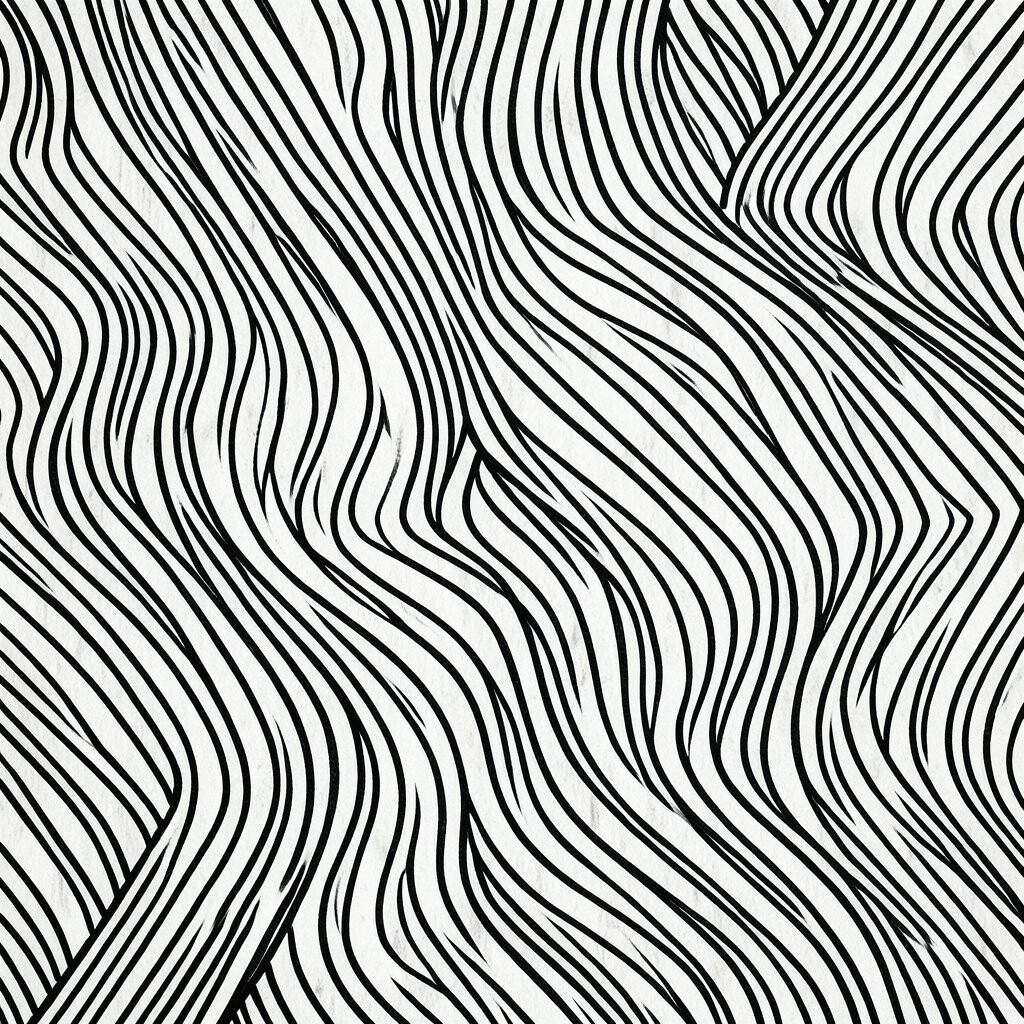
Mixing thick and thin lines gives a pattern more depth and helps it stand out. The eye can follow the change in line size, which makes the design feel more layered without needing extra colors.
This kind of pattern works well in shirts, scarves, bedding, and even tile designs. It can make a plain space or outfit feel more thoughtful, and it often looks less basic than one-size stripes.
It is a useful choice if you want something fresh but not too loud. To keep it from feeling messy, pair it with simple shapes and solid colors, and use it in one main item instead of many at once.
7. Broken Lines for a Modern Edge
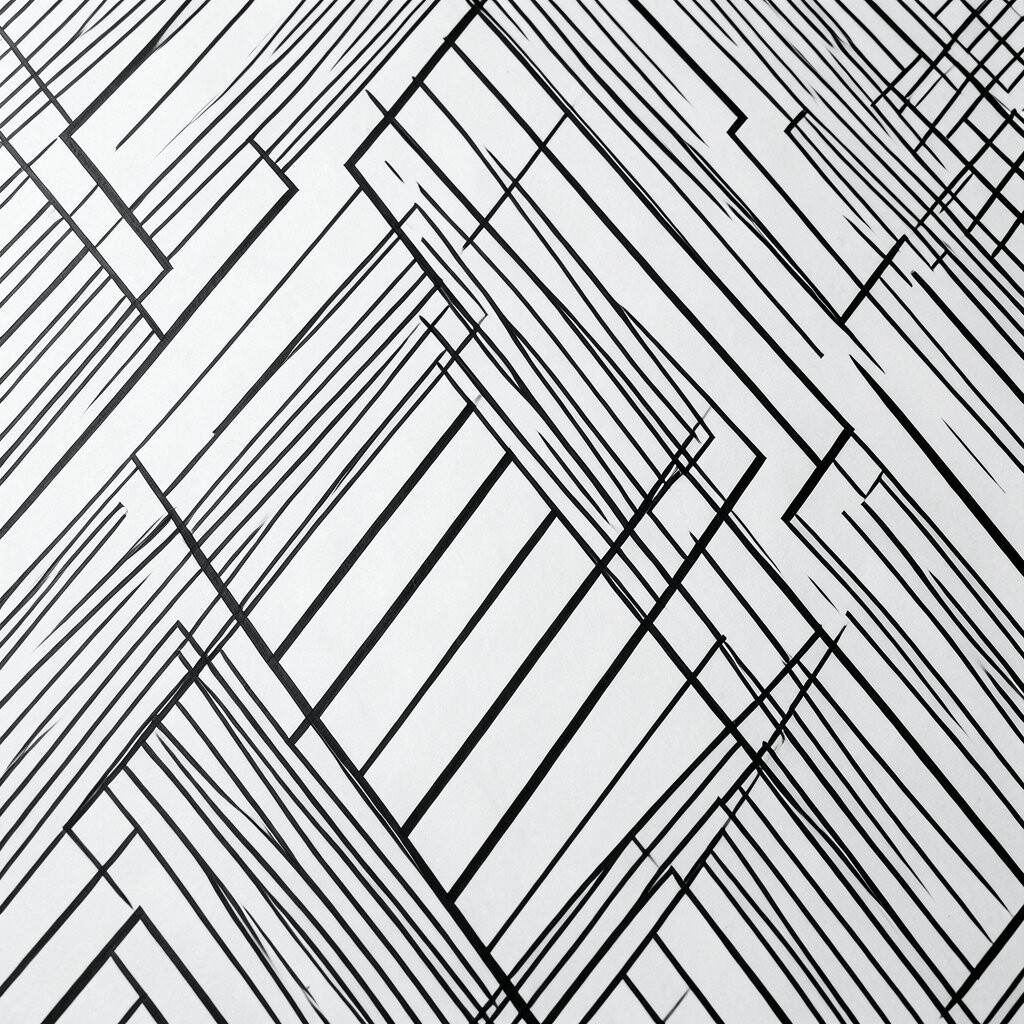
Broken lines do not stay smooth from start to end, and that is what gives them a modern look. They can come in short bars, gaps, or uneven paths, and they often show up in prints, art, and home accents.
This style can add a cool edge without using bright colors or large shapes. A broken-line shirt can feel more current than a plain stripe, and a wall print with broken lines can add life to a simple room.
People like this pattern because it feels a little different from the usual stripe. It can also be a good low-cost way to try a fresh design trend, since small prints and graphic pieces are often easy to find.
8. Curved Lines for a Soft and Easy Look
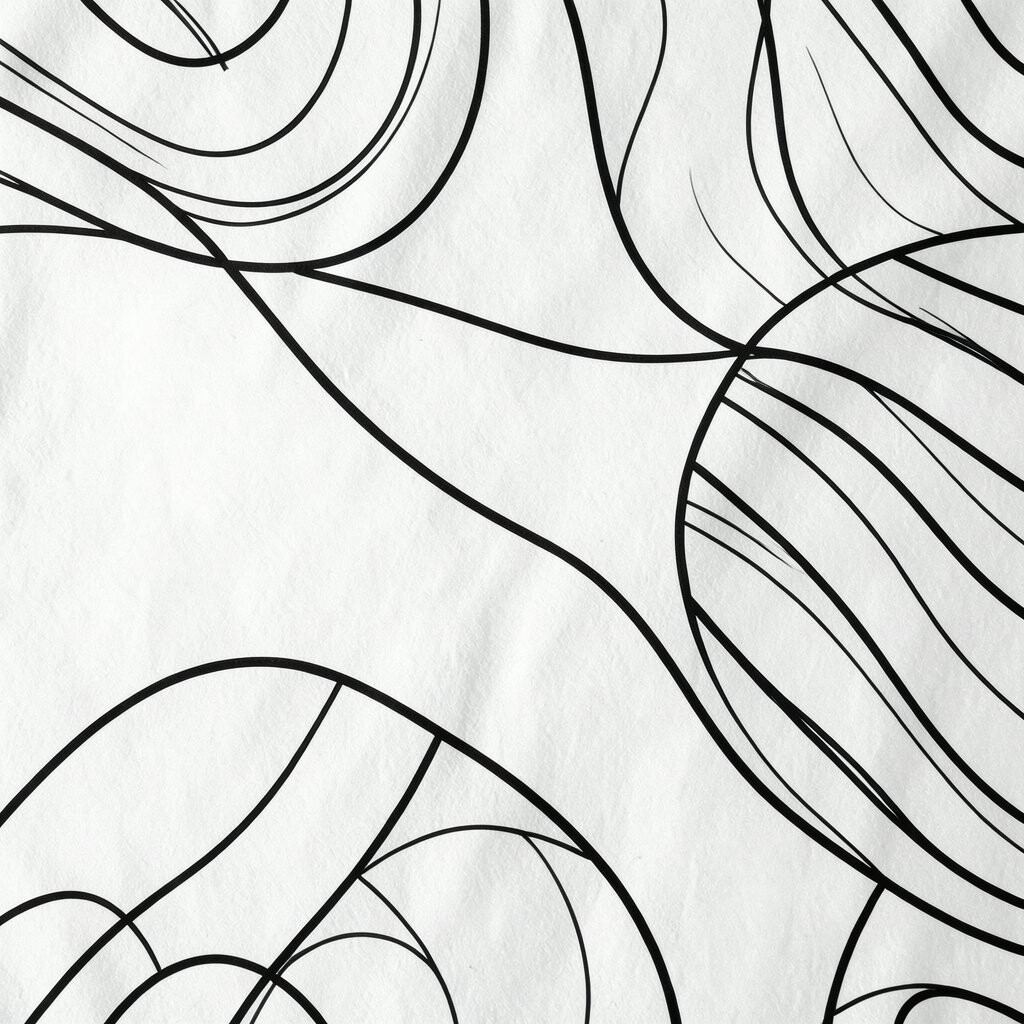
Curved lines do not move in a straight path, so they can make a pattern feel gentle and smooth. They are often seen in art prints, rugs, fabrics, and decor pieces where a softer look is wanted.
These lines can help a room feel less stiff and can make a shirt or dress feel more relaxed. Curved patterns also work well for people who want line art but do not want a sharp or строг look.
If you want to personalize this style, choose curved lines in your own favorite colors or pair them with shapes that mean something to you. It can be a nice choice for a bedroom, reading corner, or casual outfit that needs a calm feel.
9. Line Art Prints for Simple Wall Style
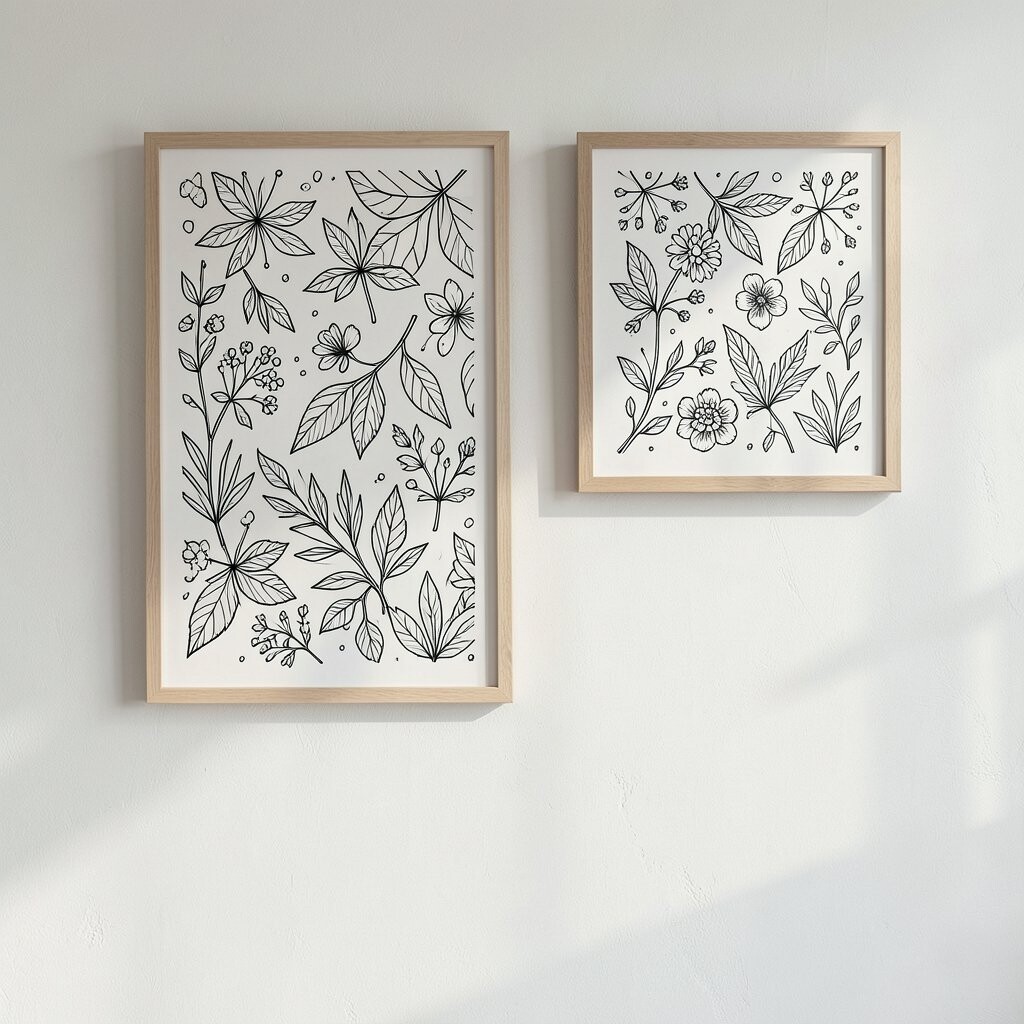
Line art prints use clean lines to make shapes, faces, plants, or objects in a simple way. They are popular in homes because they look neat, modern, and easy to mix with many color themes.
These prints can help a wall feel finished without taking over the whole room. A single line drawing in a frame can sit well above a desk, a bed, or a shelf and still keep the space light.
They are also a smart cost choice because you can find them as budget prints, posters, or even simple DIY art. If you want more personal style, make your own line art with a photo, a memory, or a shape you like.
10. Checker Lines for a Fresh Graphic Feel

Checker lines use a blocky line pattern that feels bold and easy to spot. They can look playful or cool, depending on the colors and the size of the squares or lines.
This pattern works well in fashion, table items, phone cases, and small home pieces. It gives a strong graphic look that can help a plain item feel more current and less plain.
Checker-style patterns are seen a lot in trend lists because they work in both simple and loud looks. If you want a fun but easy update, use this pattern in one small item first, like a bag, pillow, or scarf.
11. Hand-Drawn Lines for a Personal Touch
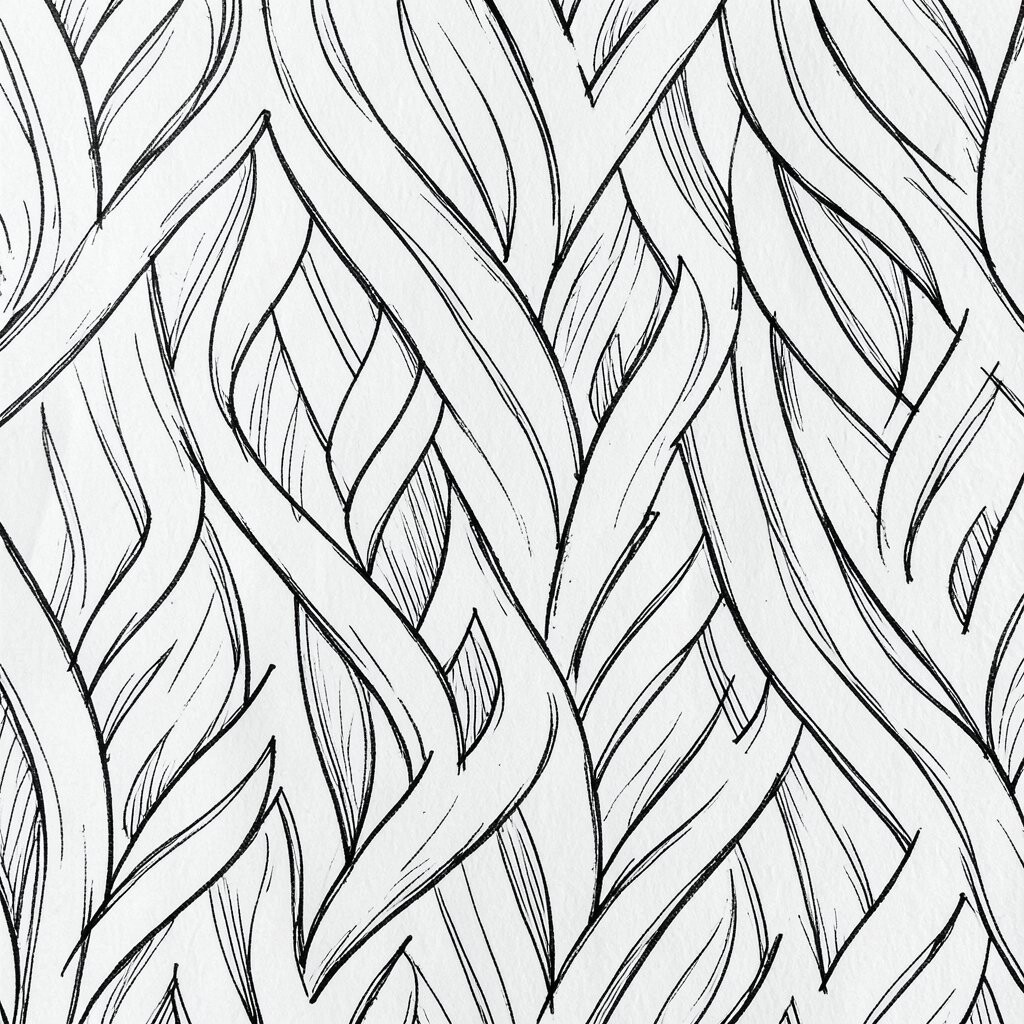
Hand-drawn lines do not look perfect, and that is part of their charm. They can feel warm and human, which makes them a nice fit for art, fabric prints, notebooks, and home decor.
This style can help a space or outfit feel less formal and more lived in. A hand-drawn line pillow can make a couch feel softer, and a shirt with sketch-like stripes can look easy and unique.
Because the lines are not exact, each piece can feel a little different, even when the pattern is repeated. That makes it a good choice for anyone who wants style that feels personal instead of too polished.
12. Mixed Line Patterns for a Bold, Current Look
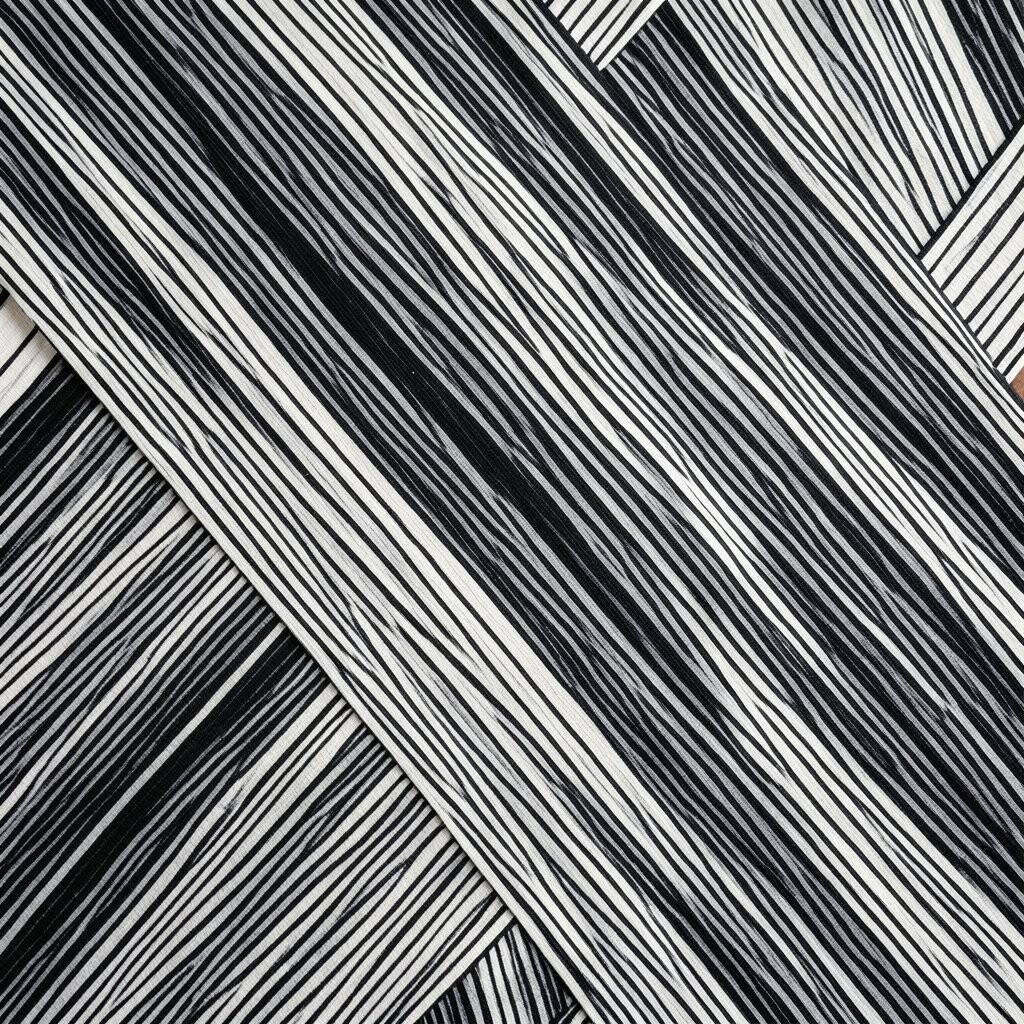
Mixed line patterns bring together more than one type of line in one design, such as thin stripes with angled marks or straight lines with curves. This mix can make a pattern feel bold and current without needing bright colors or large graphics.
They are a strong pick for people who like style that feels fresh and a bit different. A mixed-line shirt can work with plain pants, while a mixed-line rug or blanket can help a room feel more lively and layered.
To make this style work well, keep the rest of the look simple so the pattern has room to stand out. It can be a good choice if you want something that feels new, but still easy to use in daily life and at a fair cost.