
Sliding doors can save space and bring in more light, but small mistakes can lead to daily problems. This guide shows common slip-ups so you can use them with less trouble.
1. Picking the Wrong Door Type for the Space

One common mistake is choosing a sliding door that does not fit the room. A door that looks good in a store may feel too big, too small, or hard to use at home.
Think about the wall space, the opening size, and how the door will move. A glass door can make a room feel open and bright, while a wood door can add warmth and privacy.
It helps to measure the area first and check how much room you need for the track. If you want a calm, clean look, a simple style may work best, but if you want more character, a framed design can fit better.
2. Forgetting to Check Wall Space Around the Opening
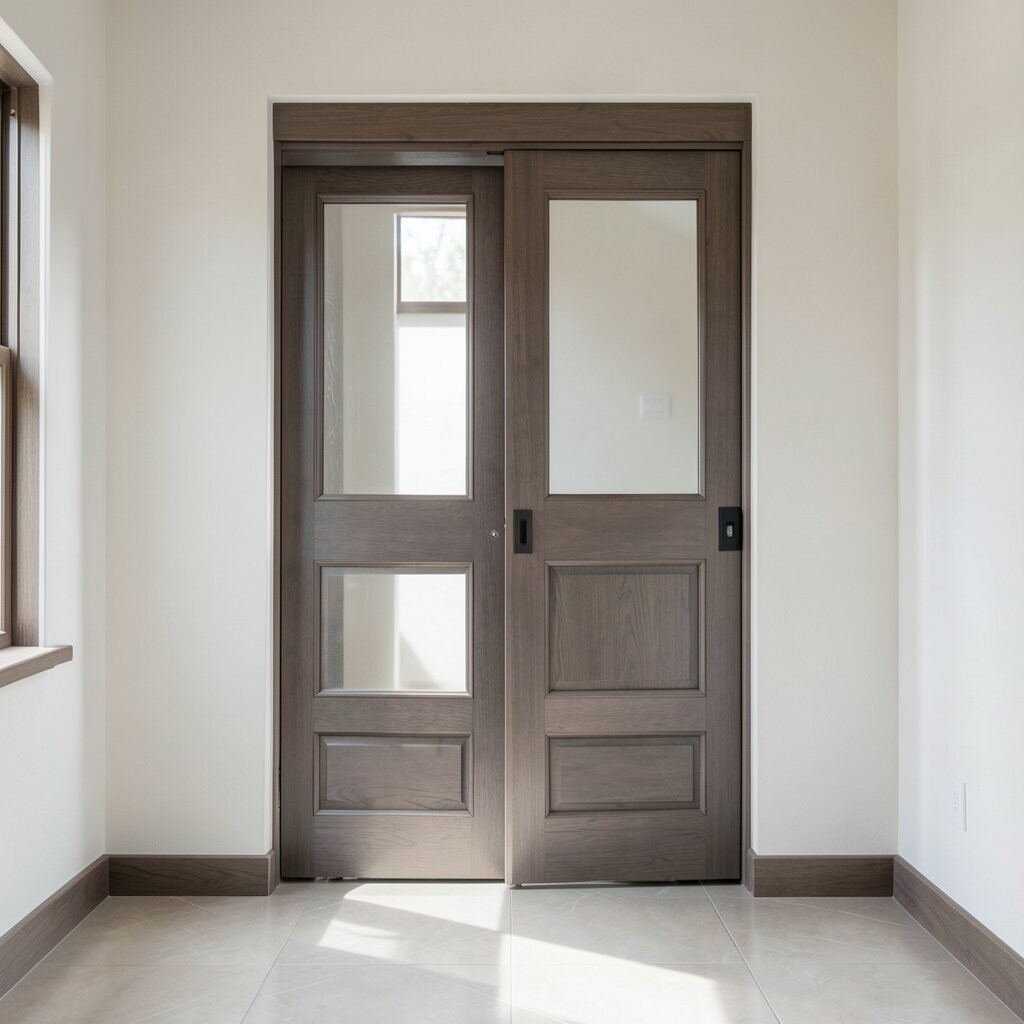
Many people focus on the door panel and forget the wall beside it. A sliding door needs room to move, and shelves, switches, or art in the way can cause daily frustration.
Before you buy, look at both sides of the opening and see what may block the path. This simple step can save time and keep you from paying for changes later.
Some homes need small changes to make the door fit right, and that can add to cost. A good plan helps the door feel like part of the room instead of a piece that fights with the space.
3. Using Cheap Hardware That Wears Out Fast
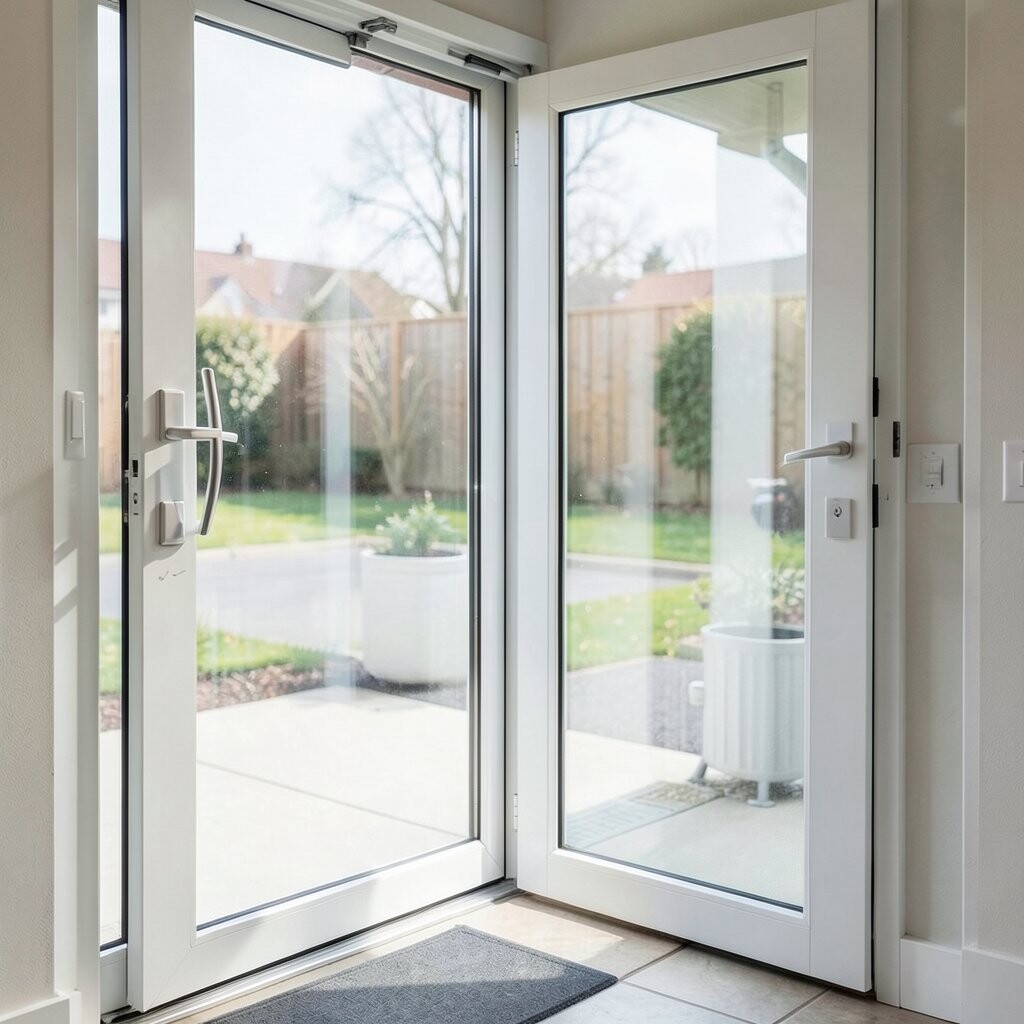
The door panel gets a lot of attention, but the rollers, track, and handles matter just as much. Cheap parts can make the door stick, shake, or make noise after only a short time.
Good hardware helps the door slide with less effort and can make the whole setup feel smoother. It may cost more at first, but it can save money by cutting down on repairs.
Look for parts that match the weight of the door and the way you plan to use it. For a busy family room or patio door, strong hardware is often worth the extra price.
4. Skipping Proper Measurements

A sliding door needs careful measuring, not just a quick guess. If the height, width, or track space is off, the door may not close well or may leave gaps.
Take time to measure more than once and check the opening at several points. Walls and floors are not always even, and a small difference can change how the door works.
Accurate sizes help you get a cleaner look and better use of the space. They also make it easier to order the right parts and avoid returns.
5. Ignoring Floor Level Problems

Sliding doors can look fine at first, but an uneven floor can cause trouble. The door may drag, wobble, or not line up the way it should.
Check the floor before the door is put in, especially near older homes where surfaces may dip or slope. If the base is not level, the door can feel hard to move and may wear out sooner.
A small fix now can help the door run more smoothly later. It also gives the room a neater look, since the door will sit more evenly in the opening.
6. Choosing the Wrong Glass for Privacy

Clear glass looks bright and open, but it is not always the best choice for every room. In a bedroom, bathroom, or office, too much clear glass can make people feel exposed.
Frosted, tinted, or patterned glass can give you more privacy while still letting in light. These styles can also add a unique look that feels more personal and current.
Think about how the room is used before you pick the glass style. A better match can help the door feel useful, calm, and right for the space.
7. Not Planning for Easy Cleaning

Sliding doors can gather dust, dirt, and finger marks faster than many people expect. Tracks and panels need care, or the door can start to look messy and work less well.
Some styles are easier to clean than others, so it helps to think ahead. Smooth panels, simple frames, and tracks that are easy to reach can save time in the long run.
If you want less work, choose finishes that hold up well and do not show marks too fast. This can be a smart choice for homes with kids, pets, or lots of use.
8. Forgetting About the Track Location

The track is a key part of the door, but people often do not pay enough attention to it. If it is placed badly, the door may stick out, get in the way, or collect dirt.
Think about how the track will look from the room and how it will affect daily use. A well-placed track can make the door feel neat and easy to live with.
Some track styles sit on the floor, while others hang from above, and each has its own pros and cons. The best choice depends on your room, your budget, and how much cleaning you want to do.
9. Missing the Need for Soft Close Features

Many sliding doors shut hard and make a loud bang when they move too fast. That can be annoying in a quiet home and can also put stress on the door parts.
Soft close features help the door slow down near the end, which makes it safer and calmer to use. This is useful in homes with kids, older adults, or anyone who wants less noise.
These parts may add to the cost, but they can make daily use feel better. They also give the door a more finished feel, which many people like in newer homes.
10. Overlooking Weather and Outdoor Use
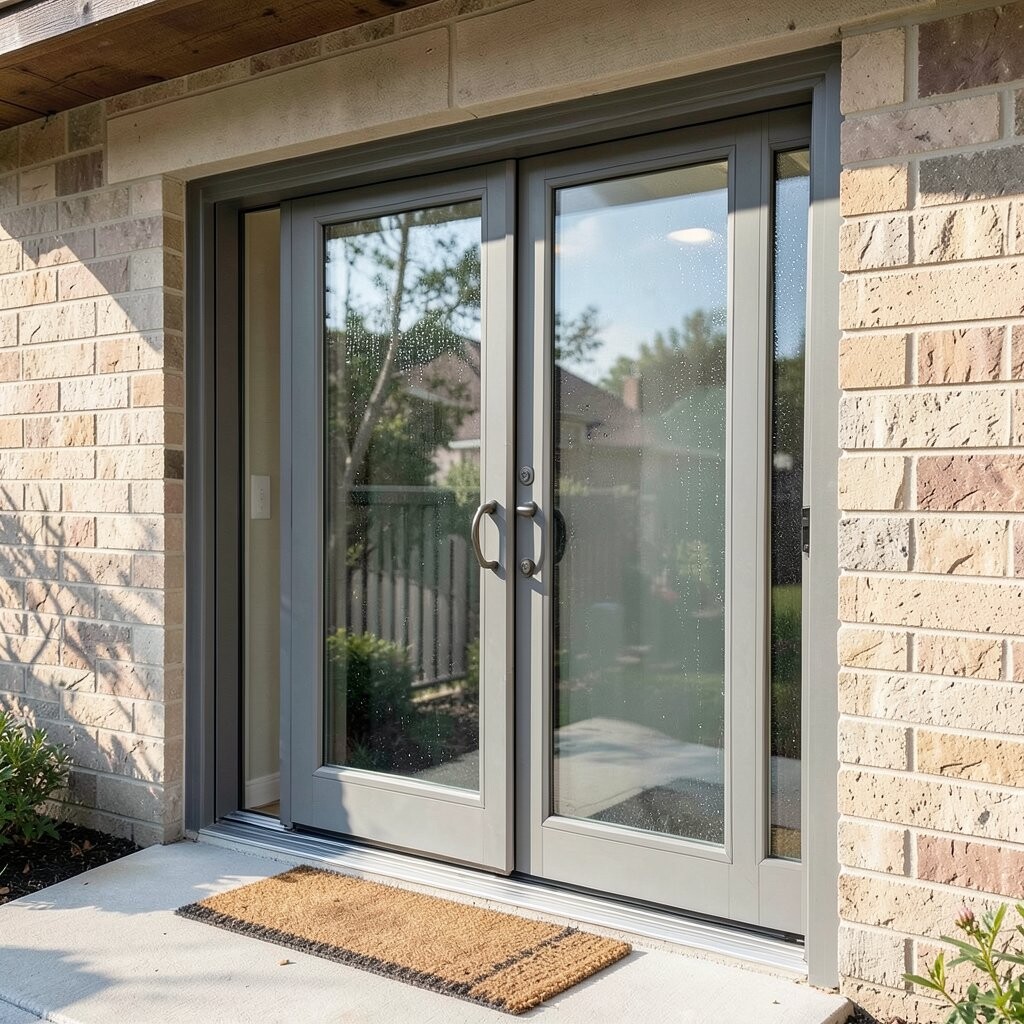
Patio sliding doors face sun, rain, wind, and changing heat, so they need the right build. A door that works fine inside may not hold up well near an outdoor space.
Look for strong seals, tough frames, and glass made for weather use if the door opens to the yard or balcony. These parts can help keep water out and make the room more comfortable.
Outdoor doors also shape the view from inside, so style matters too. A clean frame and wide glass panel can make the space feel open without giving up comfort.
11. Not Thinking About Security

Some people think a sliding door is safe enough on its own, but that is not always true. Weak locks or thin glass can make the door easier to force open.
Choose a lock that fits the door well and use glass that adds more protection. Many modern doors also have added security parts that blend in and still look neat.
This does not have to make the door look heavy or plain. You can still get a nice style while making the room feel more secure.
12. Picking a Style That Does Not Match the Home

A sliding door can look great, but it should still fit the rest of the house. A very modern glass door may feel out of place in a home with warm wood trim and classic details.
Try to match the color, frame shape, and finish with the room around it. A good match helps the door feel like part of the home, not just a new add-on.
Personal style matters here, and there is room to make the door your own. You can go simple, bold, clean, or rustic, as long as it works with the rest of the space.
13. Ignoring Noise Problems

A sliding door that squeaks or rattles can get old fast. The sound may seem small at first, but it can bother people every day.
Noise can come from poor rollers, loose parts, dirt in the track, or a bad fit. A better build and regular care can keep the door moving in a quieter way.
If you want a calm home, test the door before you buy it or put it in. A smooth, quiet slide is one of the best benefits of this door style.
14. Forgetting About Future Repairs

Some doors look nice when new but are hard to fix later. If parts are hidden or hard to find, even a small repair can become a bigger job.
Pick a door with parts that are easy to reach and replace. This can save money and time if a wheel, handle, or lock wears out later.
It also helps to ask how often the door may need care and what that care looks like. A little planning now can keep the door useful for many years.
15. Not Planning the Room Around the Door
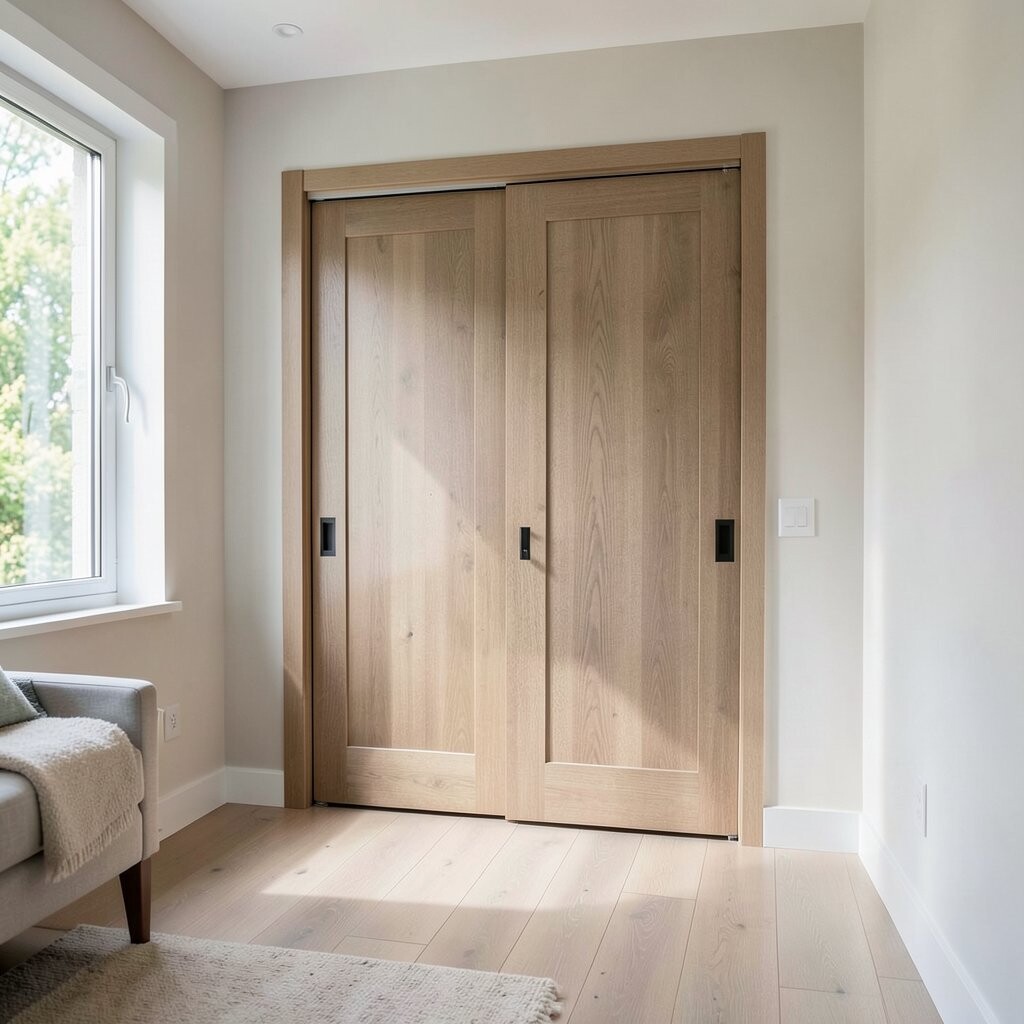
A sliding door changes how a room is used, so the furniture plan matters. If a couch, chair, or table sits too close, it can block the flow and make the room feel tight.
Think about how people walk through the space and how the door will open into daily life. A smart layout can make a small room feel easier to use and more open.
This is also a chance to make the room feel more personal and balanced. The right setup can help the door stand out in a good way without taking over the room.
16. Choosing Based on Looks Alone

A sliding door may catch your eye because of its color, glass, or clean lines, but looks should not be the only thing you think about. If the door does not fit the room, the budget, or the way you live, it may become a problem later.
Balance style with use, cost, care, and comfort. That way, you get a door that looks good and also works well day after day.
Trends can help you pick a fresh look, but your own needs should come first. A smart choice is one that fits your home now and still feels right after years of use.