Many people want new ways to make things and feel more at ease with their own ideas. Simple creative acts can help you make time for yourself and see daily life in a new way.
1. Sketch Small Things You See Each Day
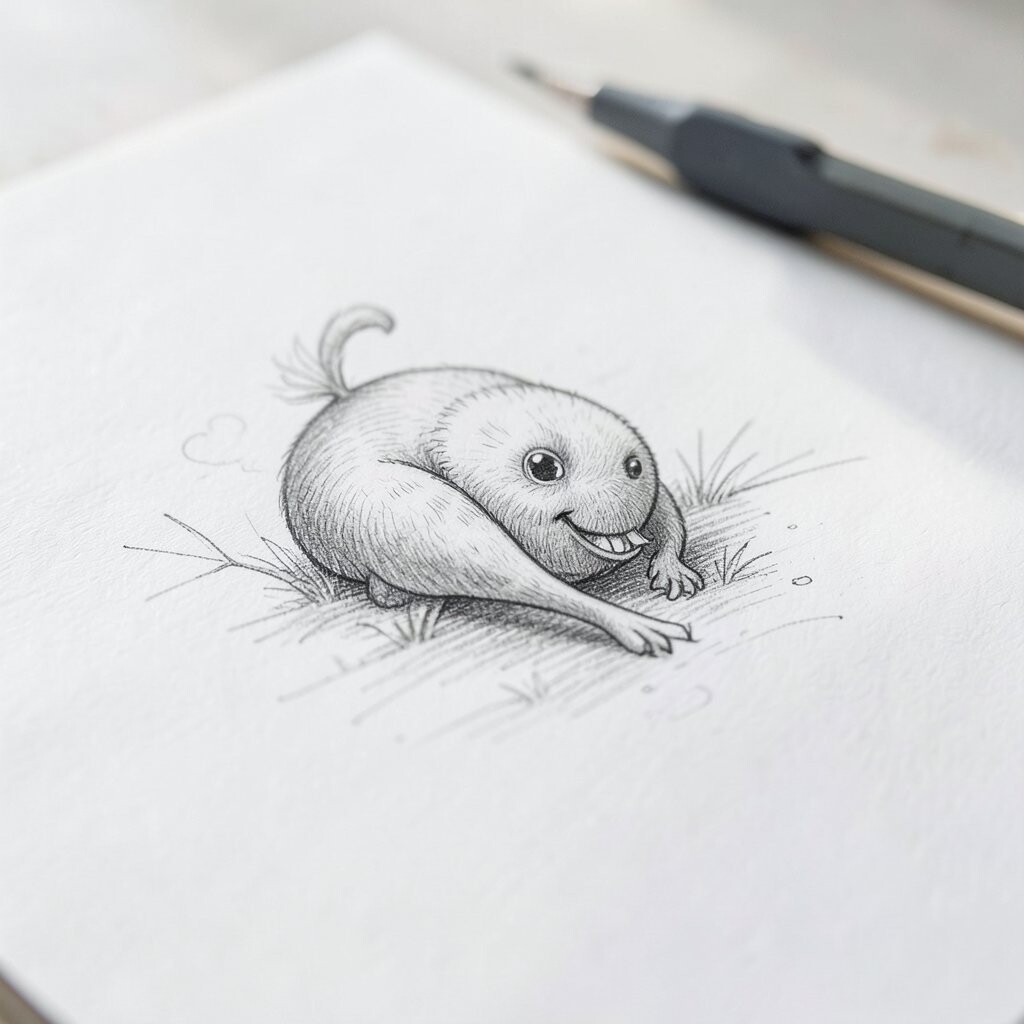
Sketching small things is a simple way to start using your eyes and hands together. You can draw a cup, a shoe, a leaf, or a chair right in front of you, and each one gives you a new shape to study.
This kind of art costs very little because you only need a pencil and paper. It also helps you slow down and notice details like lines, shadows, and edges that you may miss when you rush through the day.
Try keeping a small notebook near your bed, desk, or kitchen table so you can draw at any time. If you want a more personal style, use colored pencils, thick markers, or soft shading to give each page your own look.
2. Make a Collage From Old Magazines
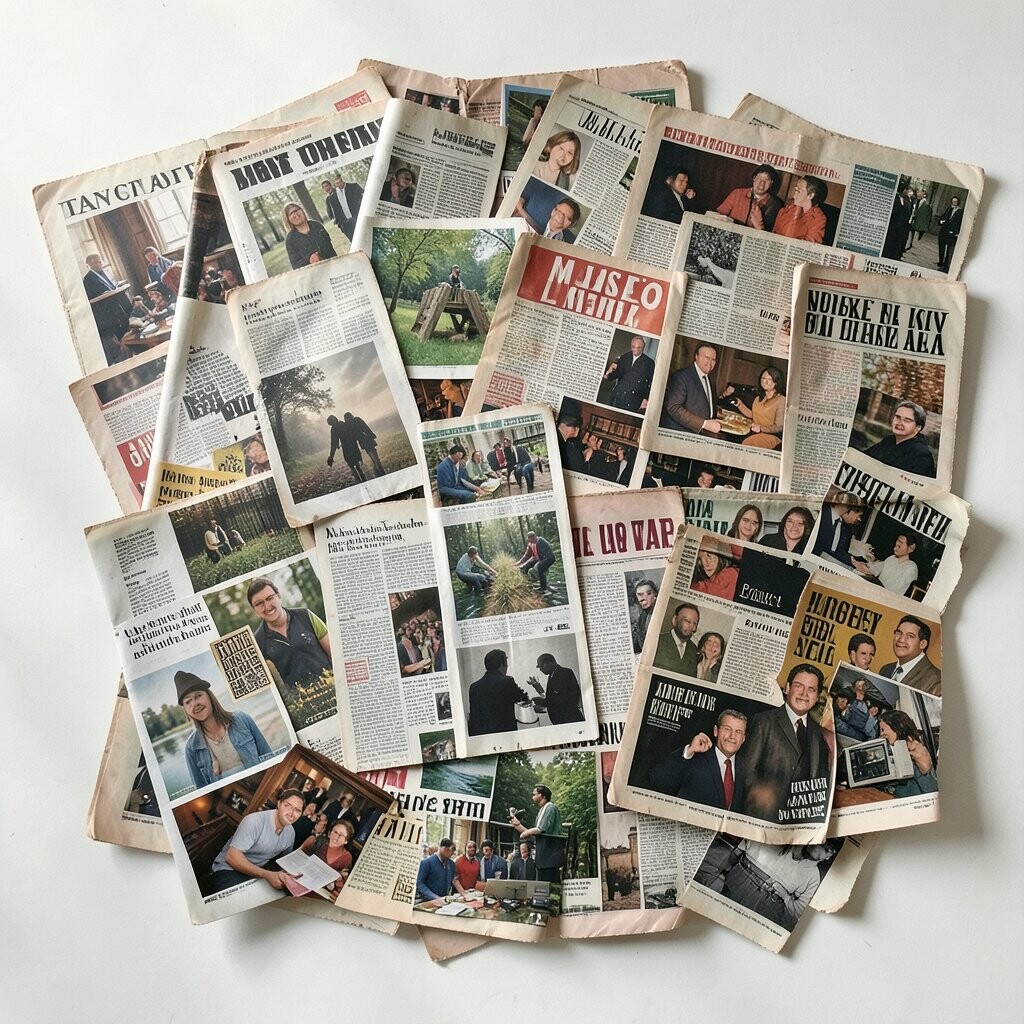
A collage can turn old paper into something fresh and fun. You can cut out words, faces, colors, and shapes from magazines or mail ads, then place them in a new way on poster board or notebook paper.
This idea works well because it is low cost and easy to start at home. It also fits a trend many people like now, since using old items in new ways can help cut waste and make your work feel more personal.
Try setting a theme like calm rooms, travel dreams, or food moods if you want your page to feel more focused. You can glue pieces in neat rows or let them overlap for a more mixed and playful look.
3. Write a Short Poem About an Ordinary Moment
Writing a poem about an everyday moment can help you find meaning in small things. A bus ride, a rainy window, or a late snack can give you enough detail to fill a few lines.
This kind of writing is useful because it helps you pay attention to how a moment feels, not just what happened. It can also be done with almost no cost, since all you need is a pen, notes app, or scrap paper.
To make it feel more like your own voice, use words that sound like the way you really talk. You can keep it plain and direct, or add gentle images like steam, light, or color without making it hard to read.
4. Try Hand Lettering on Cards or Notes
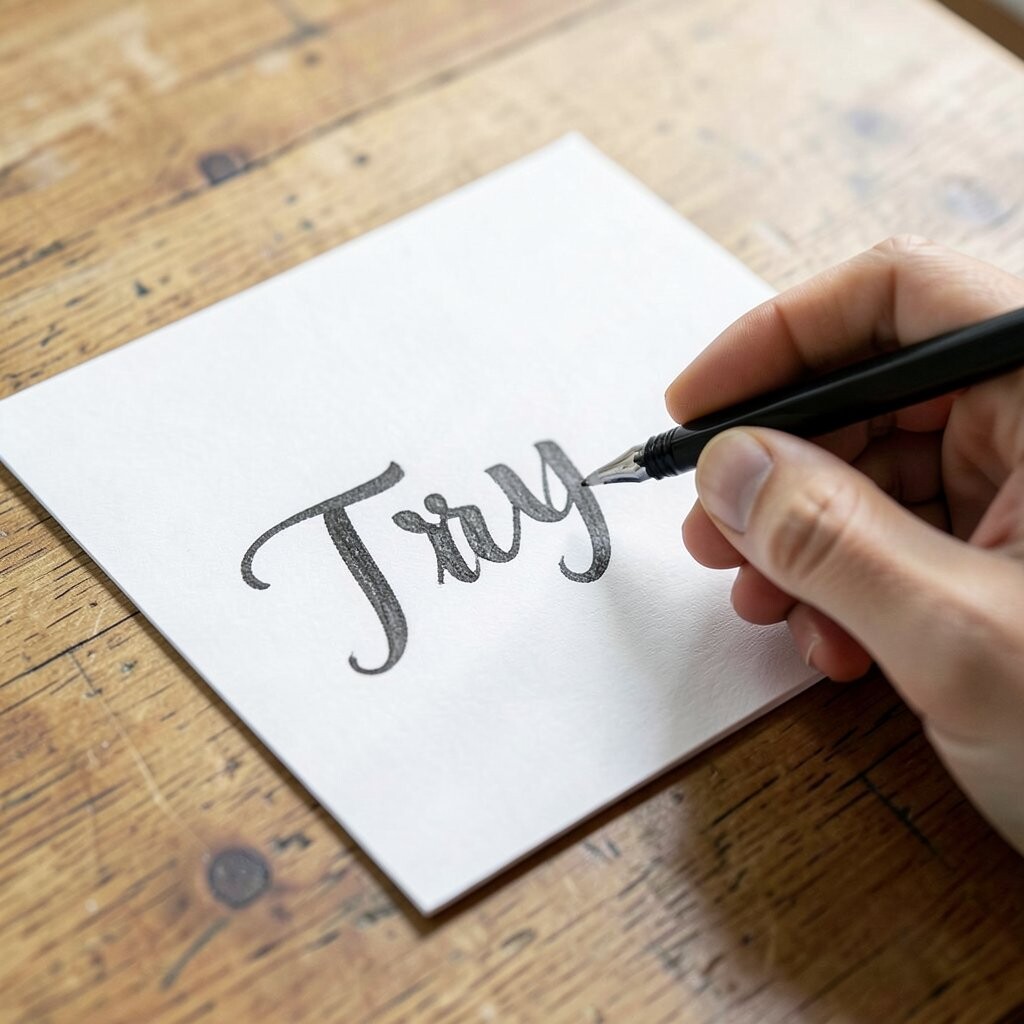
Hand lettering is a nice way to turn simple words into art. You can write names, short sayings, or kind notes with bold loops, block letters, or thin lines that stand out on the page.
This idea is useful for gifts, school projects, and home notes, and it does not cost much. Many people like it because hand-made text looks warm and personal in a way that printed text cannot match.
Use a plain pen first if you want to keep things easy, then move to markers or brush pens when you feel ready. You can also make your style match the event, like soft letters for a birthday card or neat black text for a clean look.
5. Paint With Simple Shapes and Bright Color
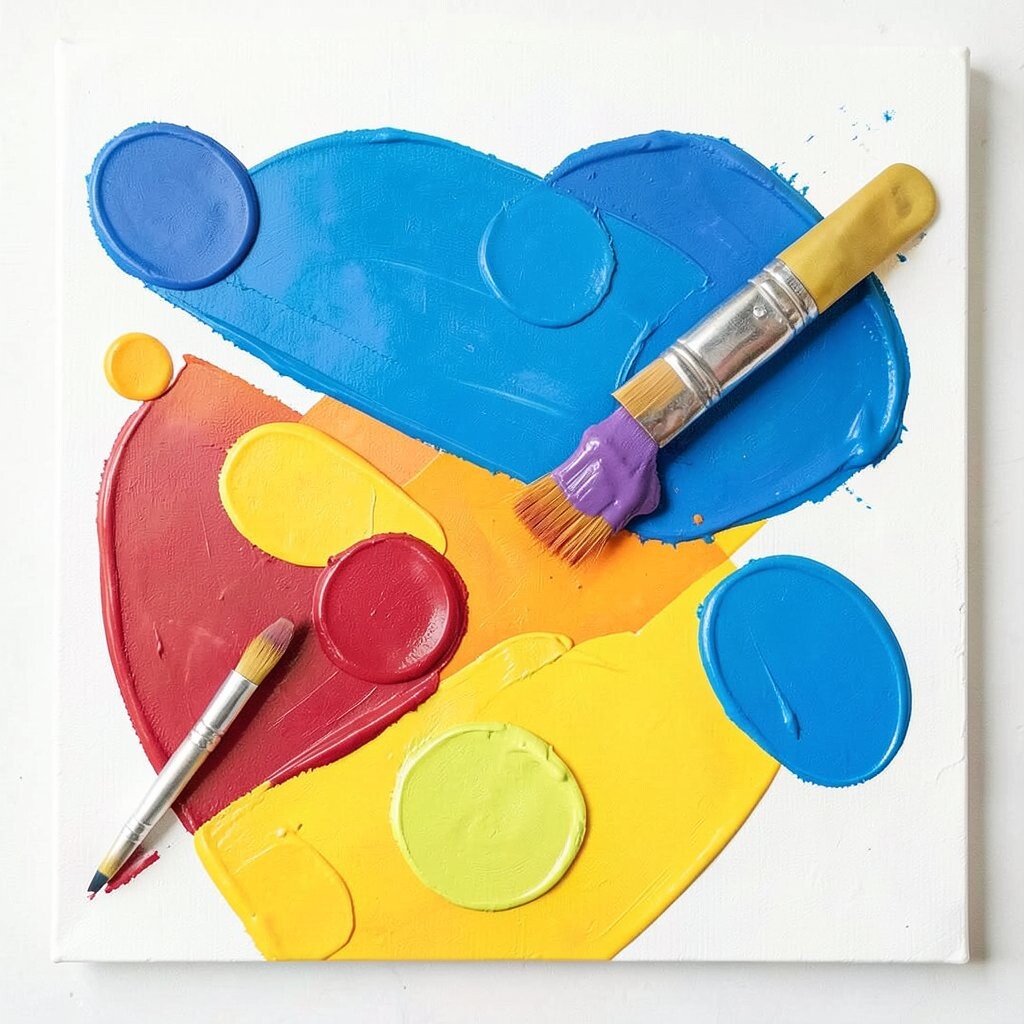
Painting with simple shapes can make art feel open and easy, even if you do not think of yourself as an artist. Circles, blocks, waves, and stripes can all come together to make a strong page or canvas.
This kind of art can fit a lot of styles, from calm and clean to bright and busy. It is also a good choice if you want something low pressure, since you do not need to paint people, animals, or perfect scenes.
Try picking one color and adding lighter and darker parts around it so the piece has balance. If you want a more current look, use colors that are popular now, like earth tones, soft blue, dusty pink, or warm green.
6. Build a Photo Story From Your Phone Pictures

A photo story can help you see how everyday moments fit together. You can print pictures or place them in a digital album, then arrange them by day, mood, place, or event.
This idea is nice because it uses photos you already have, so the cost can be very low. It also helps you notice small things in your life, like a meal, a walk, a pet, or a room that feels good to you.
Try adding short notes under each picture so you remember why it matters. If you want the story to feel more personal, pick a color style or theme that matches your own taste.
7. Turn a Walk Into a Sound Journal

A sound journal can help you notice the world in a new way. While you walk, sit outside, or rest near a window, you can write down sounds like birds, bikes, footsteps, wind, or dishes in a kitchen.
This practice is simple and costs almost nothing, yet it can make you more aware of place and mood. It is also a fresh way to keep a record, since most people focus only on sights and miss how a space feels through sound.
You can make your notes short, like a list, or longer if you want to describe how each sound changes over time. Some people even pair their notes with small drawings of the scene, which adds a nice mix of art and memory.
8. Create Art With Reused Boxes and Scrap Paper
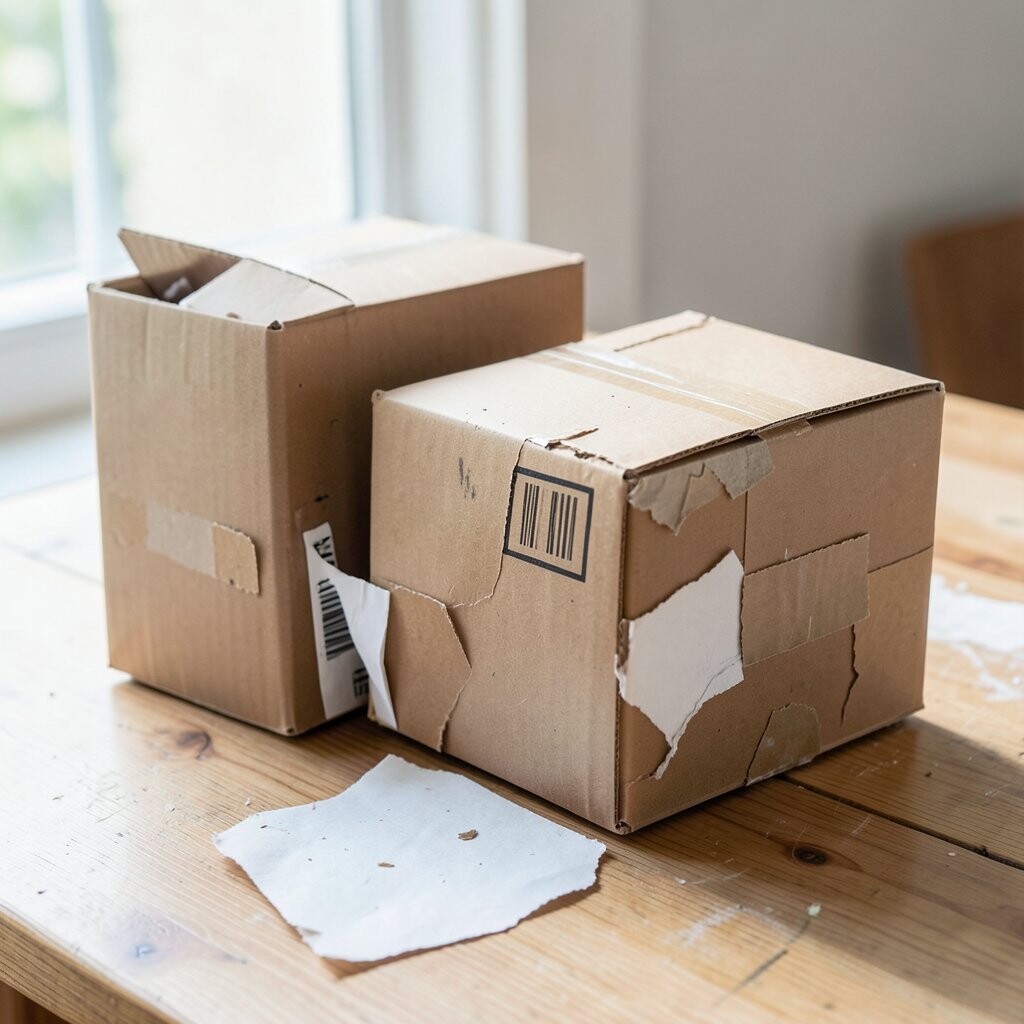
Using reused boxes and scrap paper can turn plain trash into something useful and fun. You can cut, fold, tape, and color these materials to make signs, models, shapes, or small scene pieces.
This idea is great for saving money and for making art with less waste. It also fits a common trend in home projects and school crafts, where people try to use what they already have instead of buying more.
Try making a small house, a toy stage, or a desk organizer if you want a project that looks good and works well. You can paint the outside, wrap it in paper, or leave parts rough for a more mixed handmade look.
9. Keep a Mood Page With Color, Words, and Texture
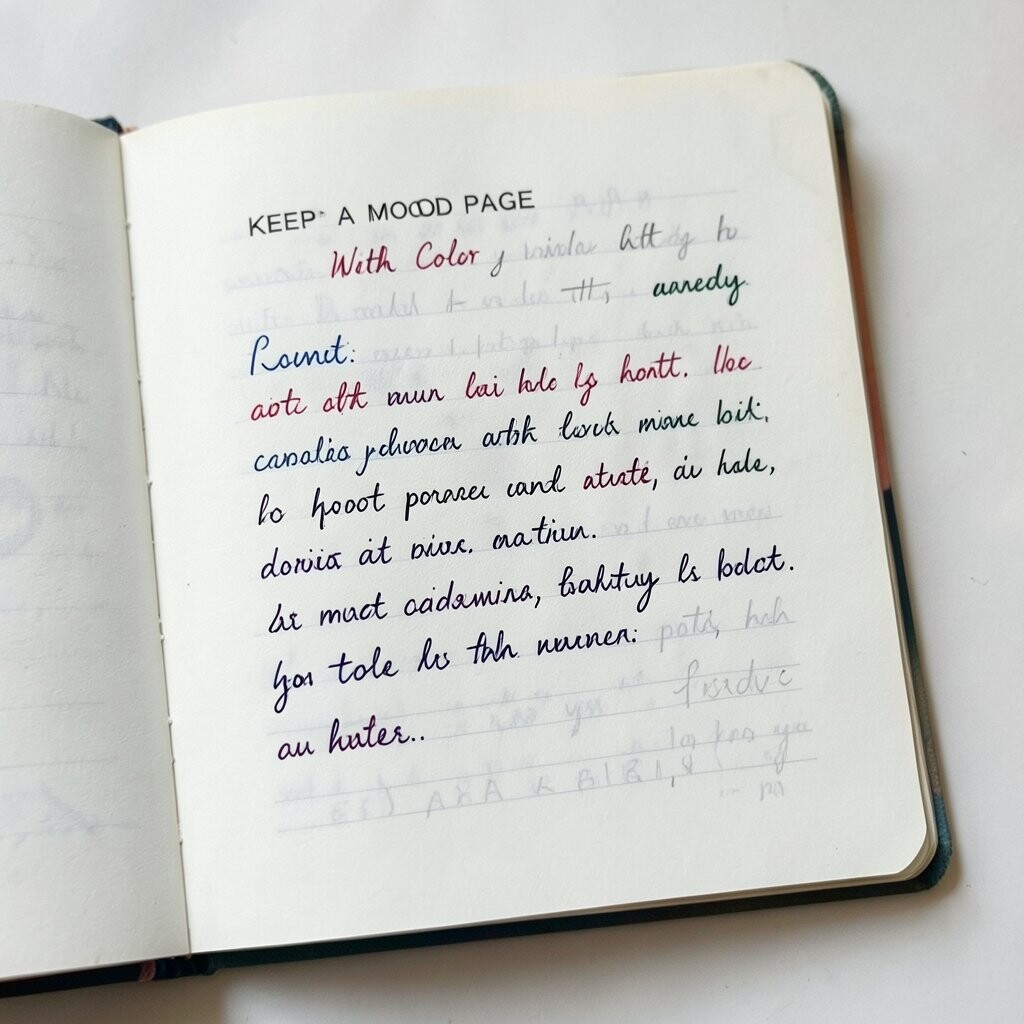
A mood page is a free-form page that shows how you feel or what you like right now. You can add color swatches, short words, fabric bits, sticker shapes, or anything else that fits the mood.
This kind of page is helpful because it gives your thoughts a place to land without strict rules. It can also be a nice way to track your style over time, since the page often shows what colors and shapes feel right in the moment.
Try making one page for calm days, one for busy days, and one for days when you want extra energy. The mix of soft paper, rough edges, shiny tape, and bold marks can make each page feel unique.
10. Make a Tiny Comic About Your Day
A tiny comic can turn an ordinary day into a short story with pictures. You only need a few boxes on a page to show a start, a middle, and an end with simple words or speech bubbles.
This idea is easy to try and does not cost much at all. It helps you laugh at small mistakes, notice what stands out, and tell a story in a way that feels light and clear.
Use simple stick figures or basic shapes if drawing people is hard for you. You can also make the comic more personal by using your own room, your own clothes, or the small habits that make your day feel normal.
11. Sew or Tie a Small Fabric Item by Hand
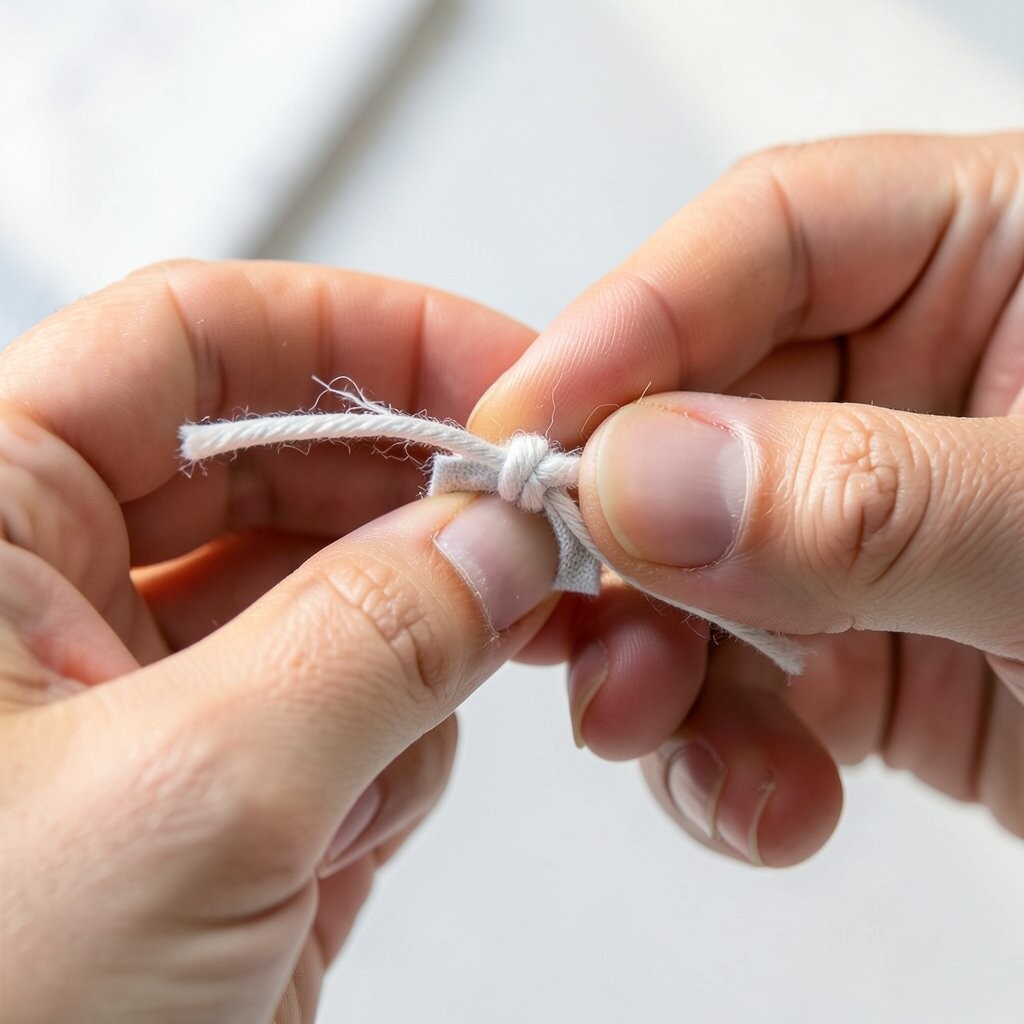
Hand sewing or tying fabric can give you a calm task with a real result. You can make a pouch, patch, bookmark, pillow cover, or simple cloth tag using old fabric pieces and thread.
This kind of work has a warm handmade look that many people enjoy right now. It can also save money if you use scrap cloth from old shirts, worn jeans, or leftover fabric from a house project.
Try simple stitches first so the work stays easy and does not feel too hard. If you want a more personal touch, add your name, a small symbol, or a color that means something to you.
12. Build a Song List That Matches a Color or Feeling
A song list can be a creative project when you sort music by color, mood, or memory. For example, you might make a list for rainy blue days, fast morning walks, quiet study time, or family trips.
This is a low-cost way to make something that feels rich and personal, since you can use music you already own or stream. It also shows how sound, color, and memory can work together in a simple but clear way.
Try giving each list a short name and a cover image made from your own drawing or photo. If you want it to feel current, use the kind of playlist styles people share now, such as soft focus, late-night, or clean morning themes.
13. Make a Daily Page With One Small Drawn Detail
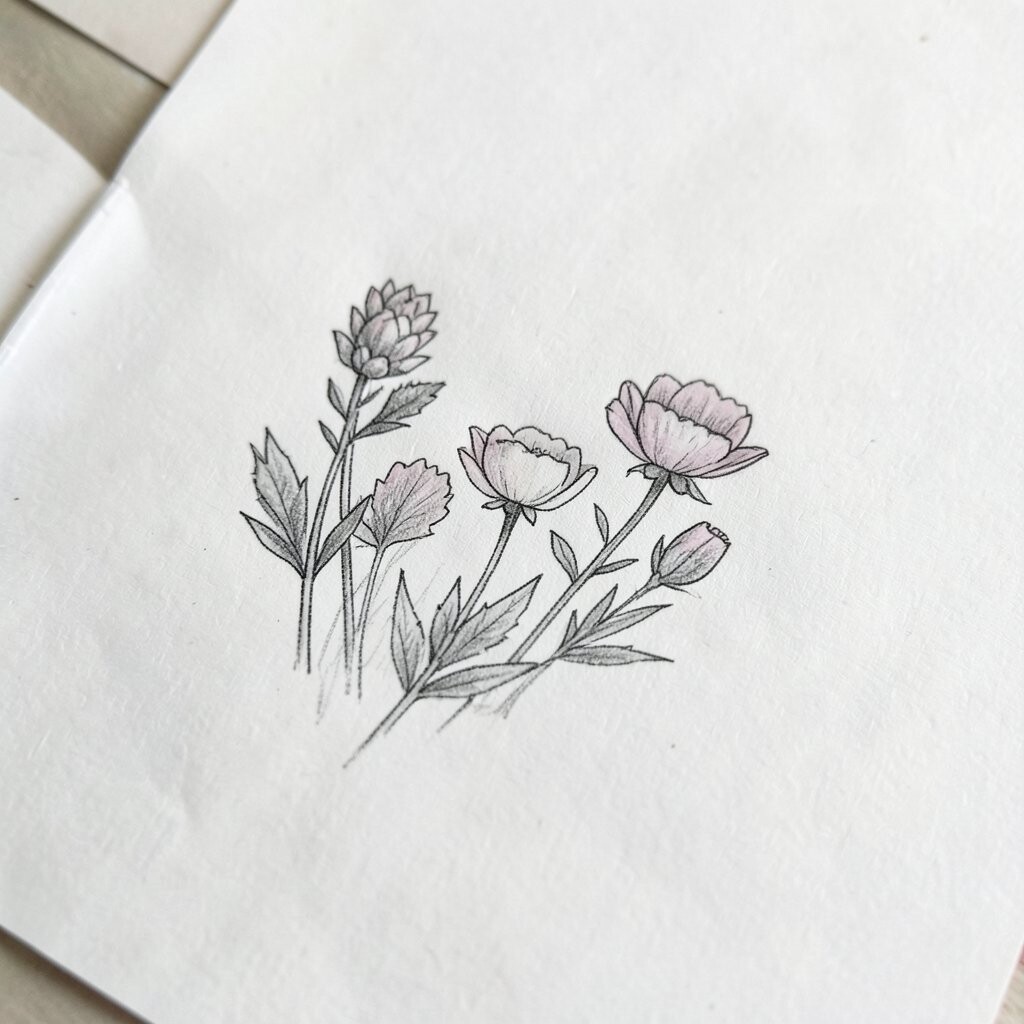
A daily page with one small drawn detail can help you keep a steady habit without much stress. Each day, you can draw one leaf, one snack, one face, one object, or one scene from your own life.
This idea is nice because it is simple, low cost, and easy to keep going for a long time. Over time, the pages show your style, your habits, and the small things you cared about on each day.
Try using the same page size or same notebook so the whole set feels connected. You can also write a short note next to each drawing, which makes the page more useful and helps you remember why you drew it.