Saving power can be a simple part of daily life, and small changes can lower bills and cut waste. These tips can help you use less energy at home in ways that fit your own habits and space.
1. Use LED Bulbs

LED bulbs are a simple swap that can make a big difference in a room. They give off a clean, bright light and use less power than old-style bulbs.
Many people like them because they last a long time and need less changing. That means less store time, less trash, and lower costs over time.
You can also pick from warm light, cool light, and dimmable options to match each room. This makes them easy to use in a kitchen, bedroom, or work area.
2. Turn Off Lights When Not in Use
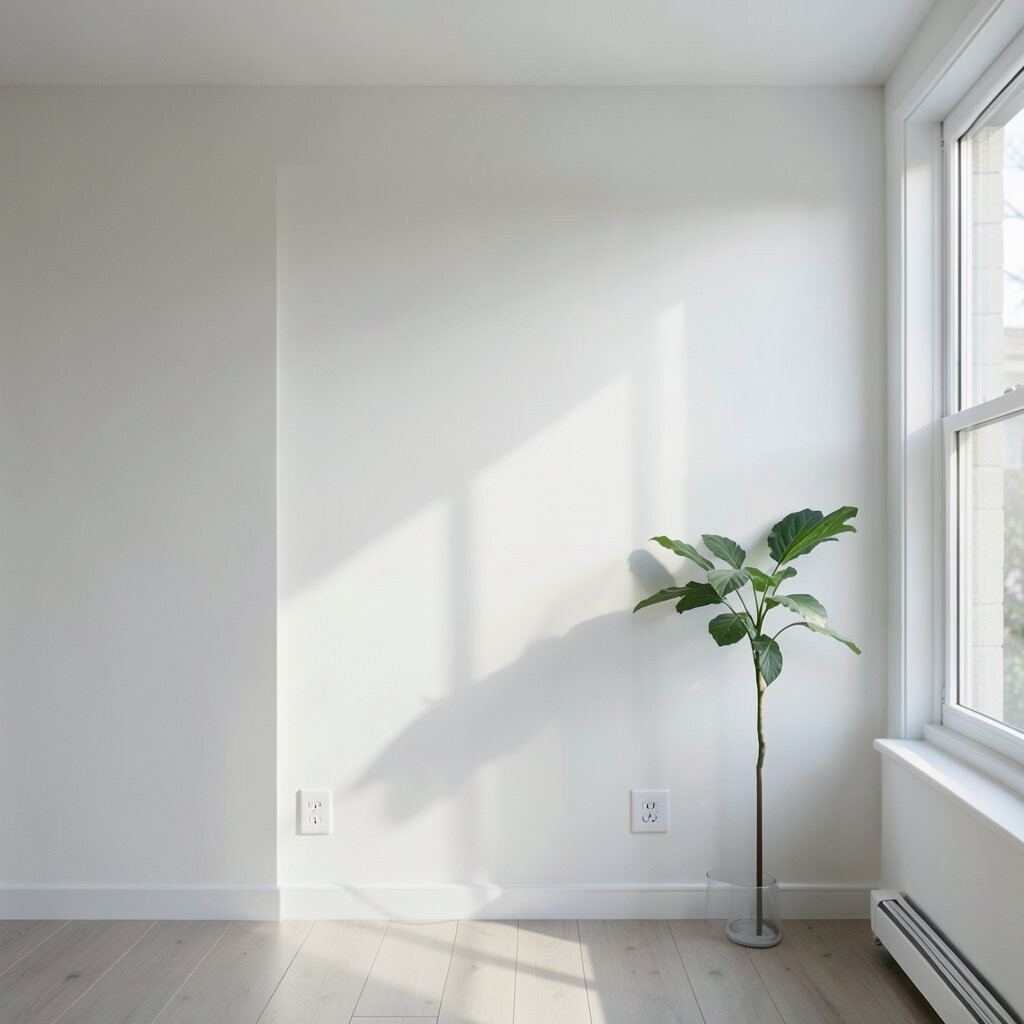
Turning off lights when you leave a room is one of the easiest habits to make. It takes no special tool and can cut waste right away.
This works well in halls, bathrooms, and rooms that get light from windows during the day. The change is small, but it adds up when you do it often.
Some families place a note near the switch to help everyone remember. That little visual cue can make the habit feel more natural.
3. Unplug Idle Devices
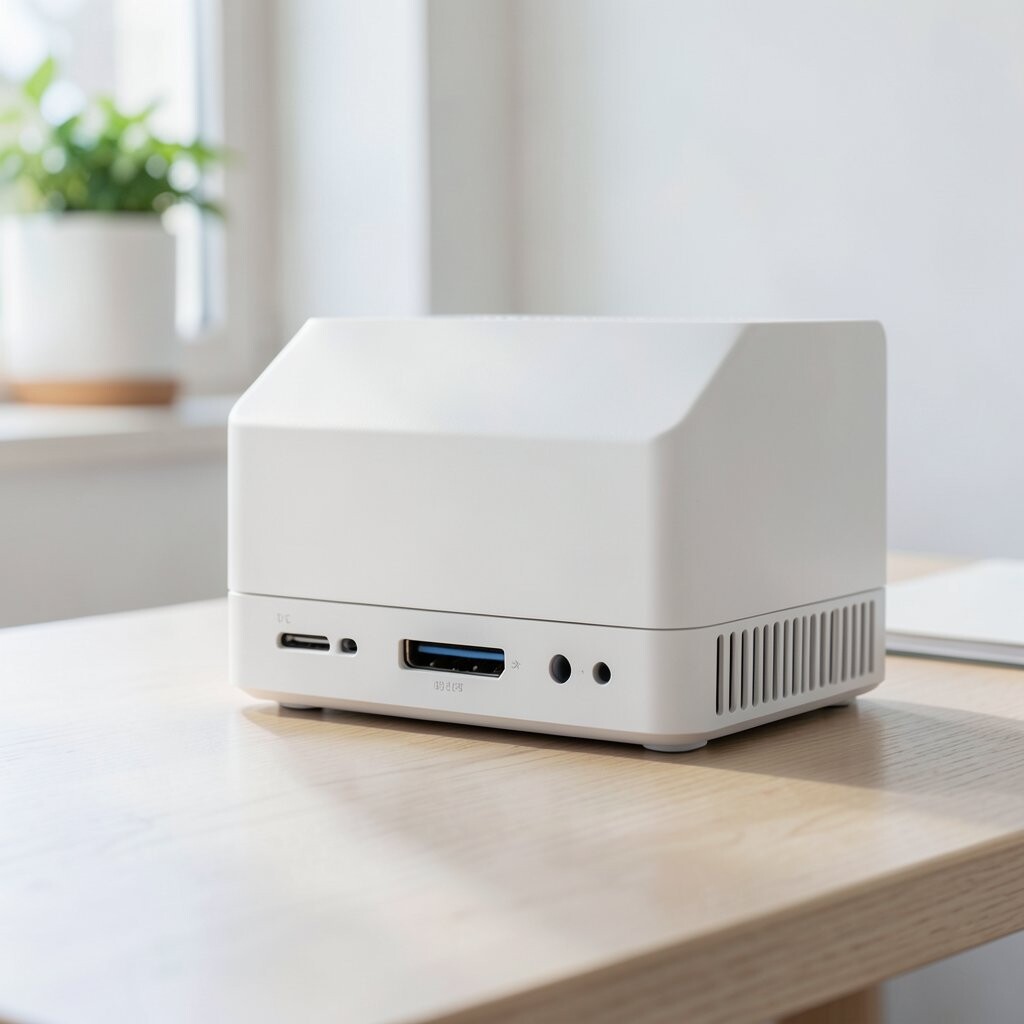
Many devices still use power when they are plugged in, even if they are not being used. Chargers, game systems, and coffee makers can all add to the bill in a quiet way.
A power strip can make this task easier because you can cut power to many items at once. It also helps keep cords neat, which makes a room look less cluttered.
This tip is useful for people who want a low-cost way to save power. It does not need a big home change or a big budget.
4. Use a Smart Thermostat
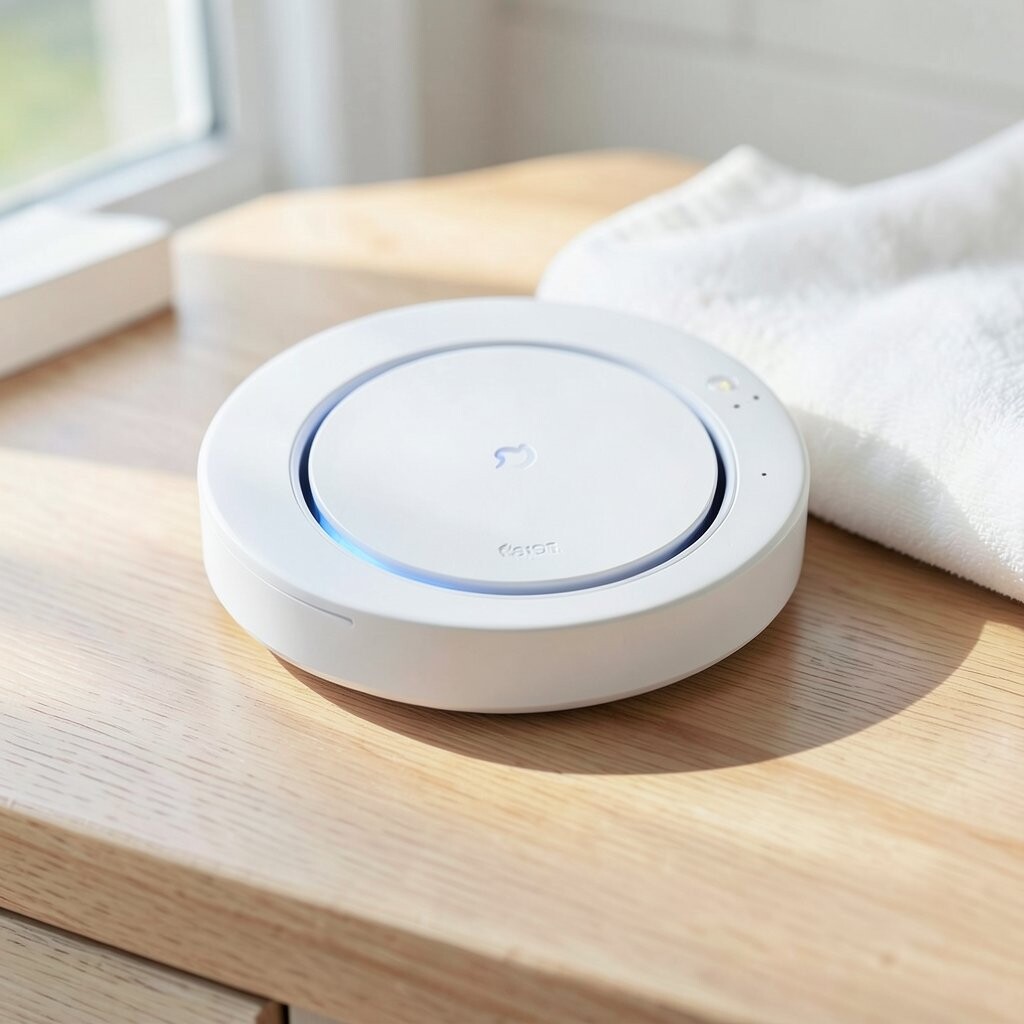
A smart thermostat helps you set your home heat and cooling in a way that fits your daily life. It can lower use when you are away and bring comfort back before you return.
The screen often looks clean and modern, and many models can be checked from a phone. That makes it easy to change settings without walking across the house.
Some homes save a good amount over time, while others may see smaller gains based on use. The best fit depends on your home size, weather, and habits.
5. Seal Drafts Around Windows and Doors
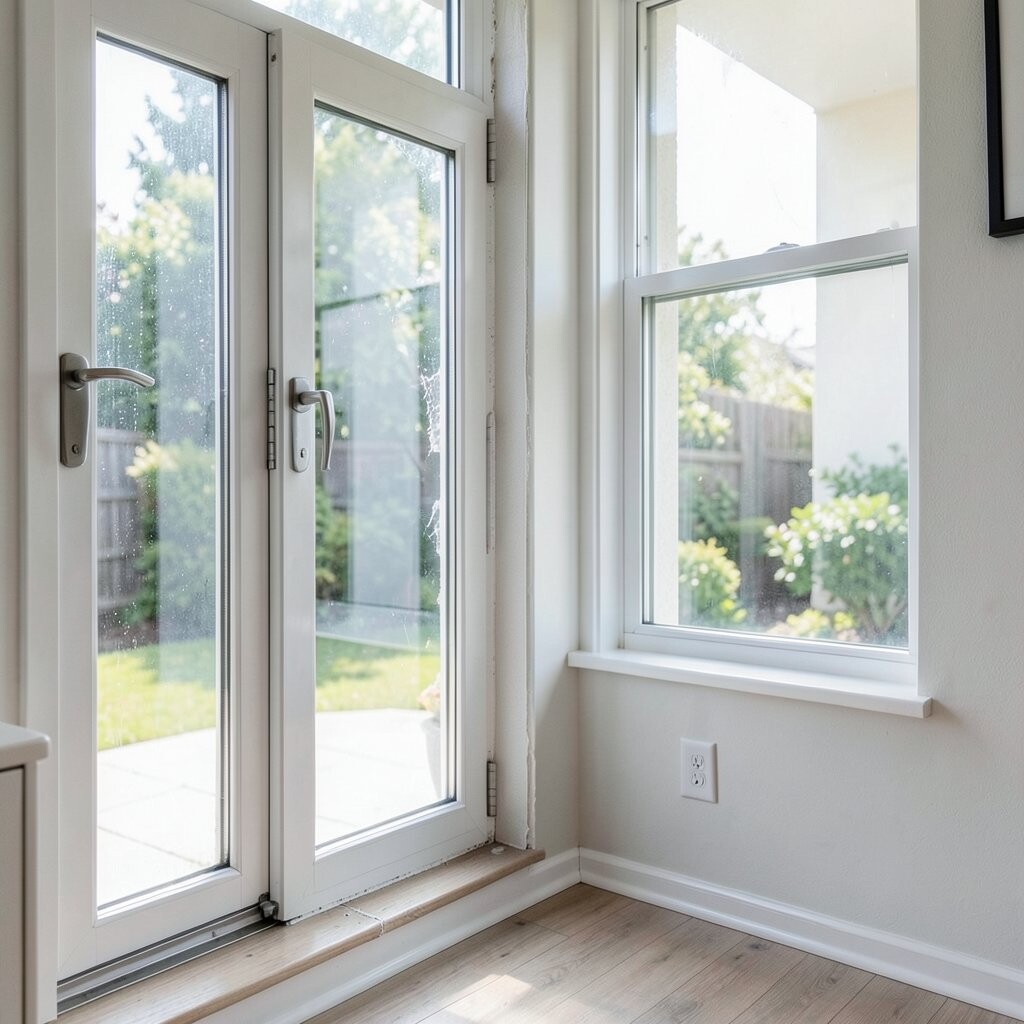
Air leaks can make a home feel too cold or too warm even when the heat or AC is on. Sealing gaps helps keep the air inside where you want it.
You can use weather strips, caulk, or door sweeps to close open spots. These items are often low cost and easy to find at a local store.
This tip can make a room feel more steady and calm in all seasons. It may also help you hear less street noise, which is a nice extra bonus.
6. Wash Clothes in Cold Water
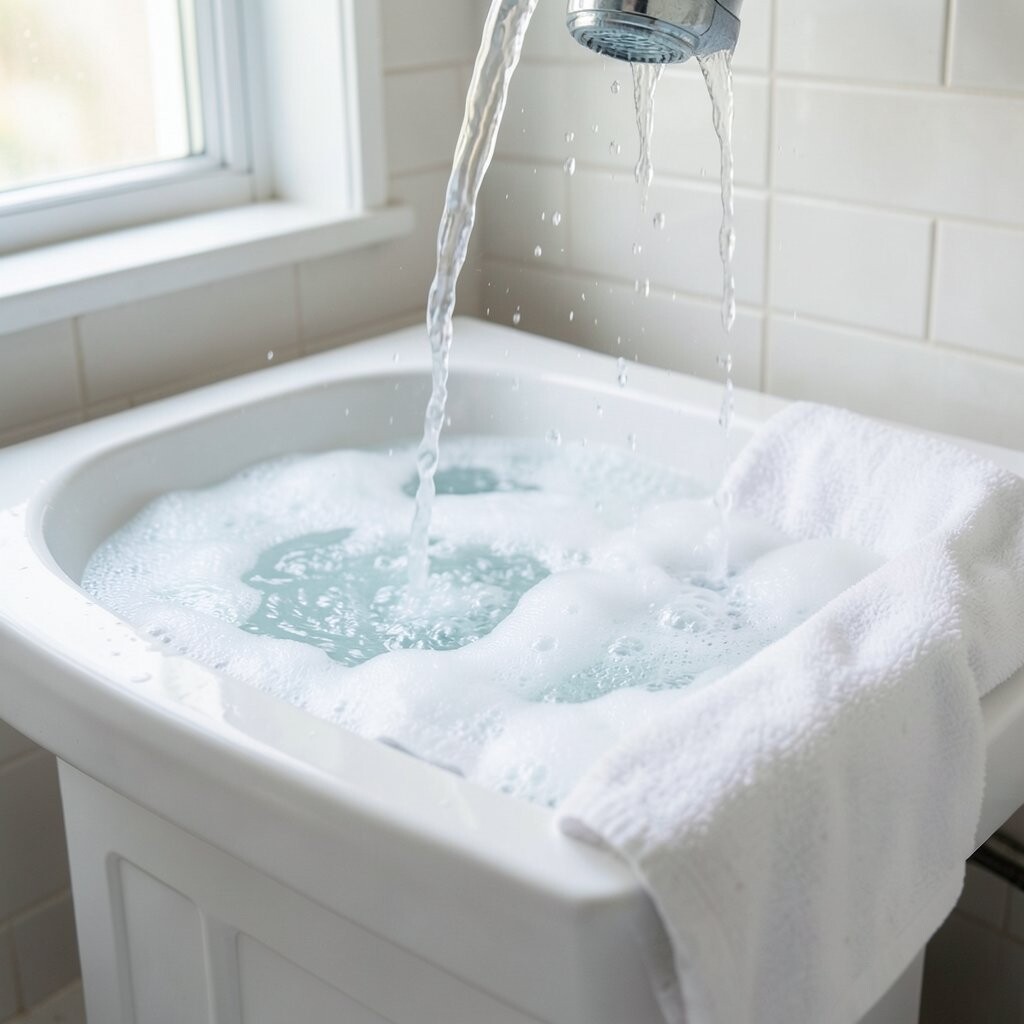
Cold water washing can save power because the machine does not need to heat the water as much. For many everyday loads, it works well and keeps clothes clean.
The washer may sound the same, but the energy use can be lower behind the scenes. That makes it a smart habit for busy homes that do laundry often.
It also helps clothes stay in good shape for longer in many cases. Dark colors and soft fabrics often do well with this simple change.
7. Air Dry Clothes When You Can
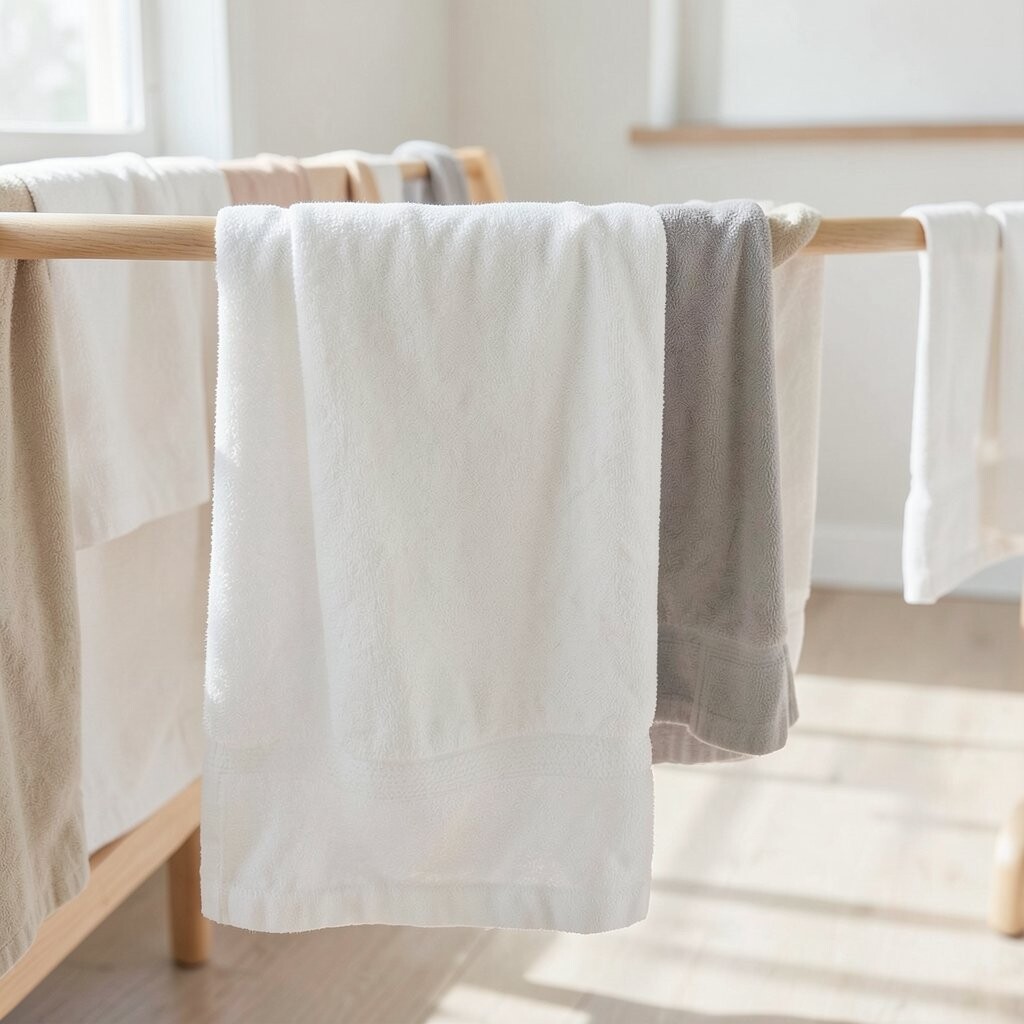
Hanging clothes to dry can cut the need for a dryer, which uses a lot of power. A drying rack or clothesline can do the job in a simple way.
The look can be neat and tidy if you place the rack in a laundry room, balcony, or sunny spot. Many people like the fresh feel of air-dried clothes and towels.
This option is free after you buy the rack, so it can help with cost right away. It also gives you a good choice on days when you do not need clothes fast.
8. Keep Fridge and Freezer Coils Clean
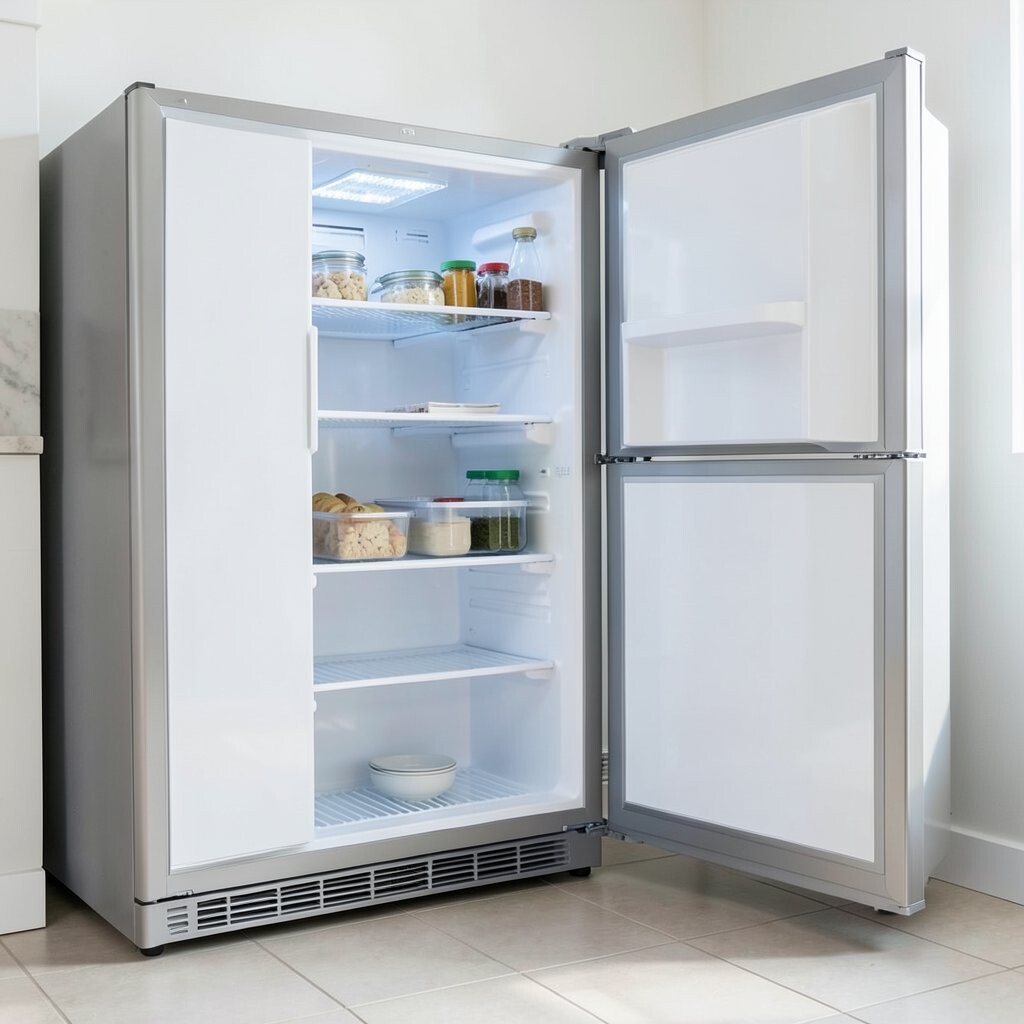
Dusty coils can make a fridge work harder than it should. A clean coil helps the machine run in a smoother way and may use less power.
The back or bottom of the appliance can show signs of dust build-up, which is easy to miss. A quick clean a few times a year can make a real difference.
This is a good example of a small task with a clear payoff. It can also help the fridge last longer, which is useful for both cost and waste.
9. Set the Water Heater to a Safe, Lower Setting
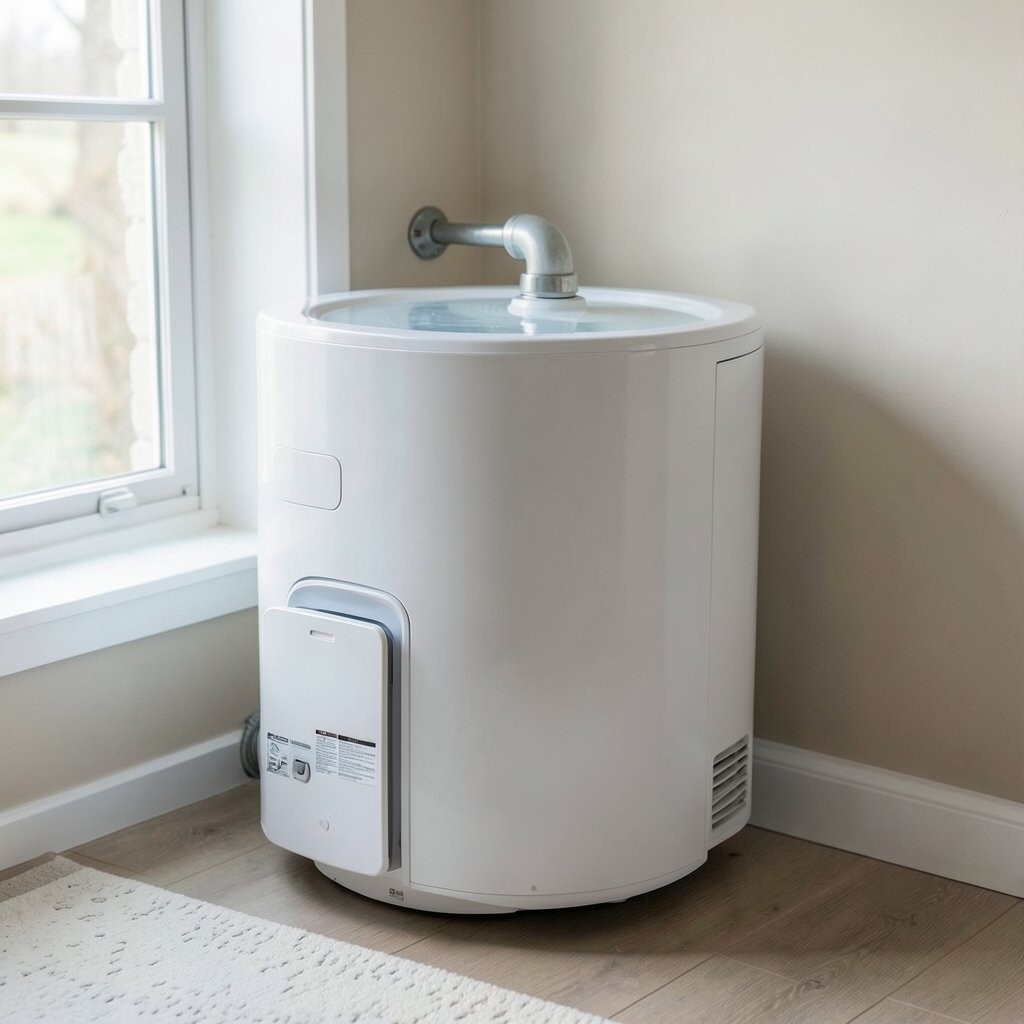
Many water heaters are set higher than needed for daily use. Lowering the setting a bit can save power while still giving you warm water for showers and dishes.
The heater often sits in a basement, closet, or garage, so it may not be on your mind. A small change there can help without changing how your day feels.
It is smart to keep safety in mind and follow the maker’s guide. If you are not sure, a simple check with a repair person can help you choose the right setting.
10. Use Ceiling Fans the Right Way
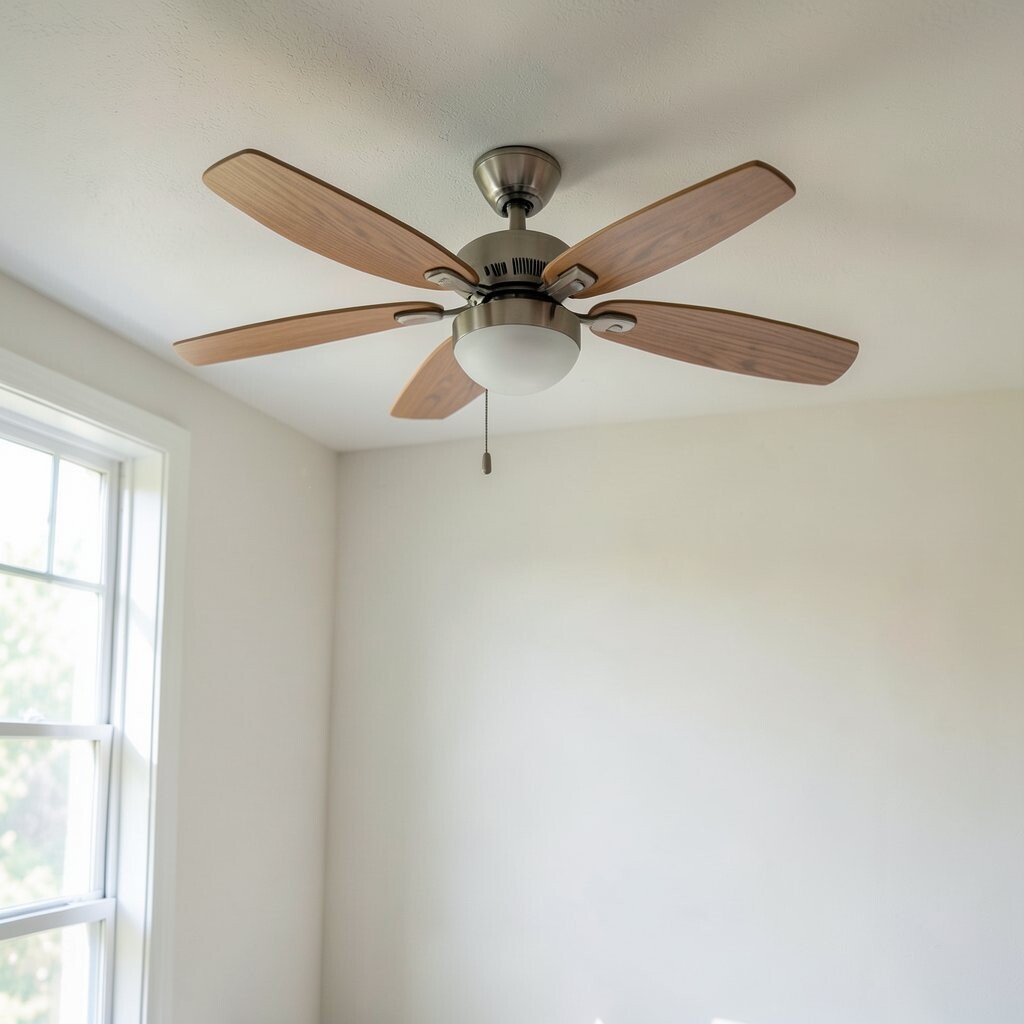
Ceiling fans can help you feel cooler in warm months and move warm air in cold months. They use far less power than full heating or cooling systems.
The fan blades also add a nice visual feel to a room, with styles from plain to modern. You can pick a look that fits your space and your budget.
Fans work best when you use them in the right direction for the season. That small detail can help you feel better without turning the thermostat as much.
11. Cook with Energy-Saving Methods

Cooking in a smaller appliance, like a toaster oven, slow cooker, or microwave, can use less power than a full oven. This is handy for quick meals, snacks, and small dishes.
The kitchen can feel less hot when you avoid heating a large oven for a tiny meal. That can be nice in summer and can also make cooking feel easier.
Many homes now use meal plans that match their tools and time, which is a growing trend. You can pick the method that fits your food, your schedule, and your cost goals.
12. Keep Shades and Curtains in Use
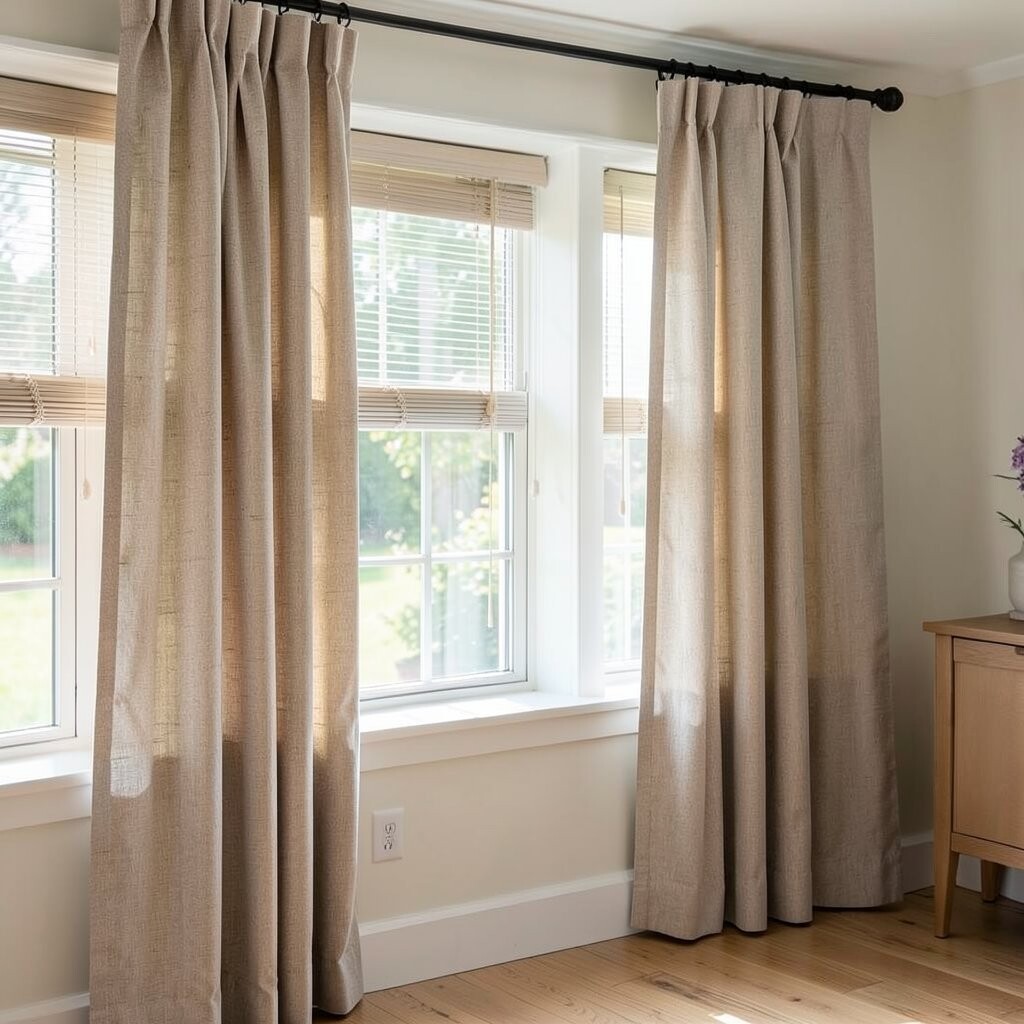
Sunlight can heat a room fast, and shades or curtains can help control that. Closing them during hot hours can lower the need for cooling, while opening them in cold weather can bring in warmth.
The look of your windows can also change the feel of a room in a simple, calm way. Light fabrics, thick curtains, and simple blinds each give a different result.
This is a personal choice that depends on your home, your sun exposure, and your style. It can be a low-cost way to help manage comfort all year.
13. Choose Energy-Efficient Appliances
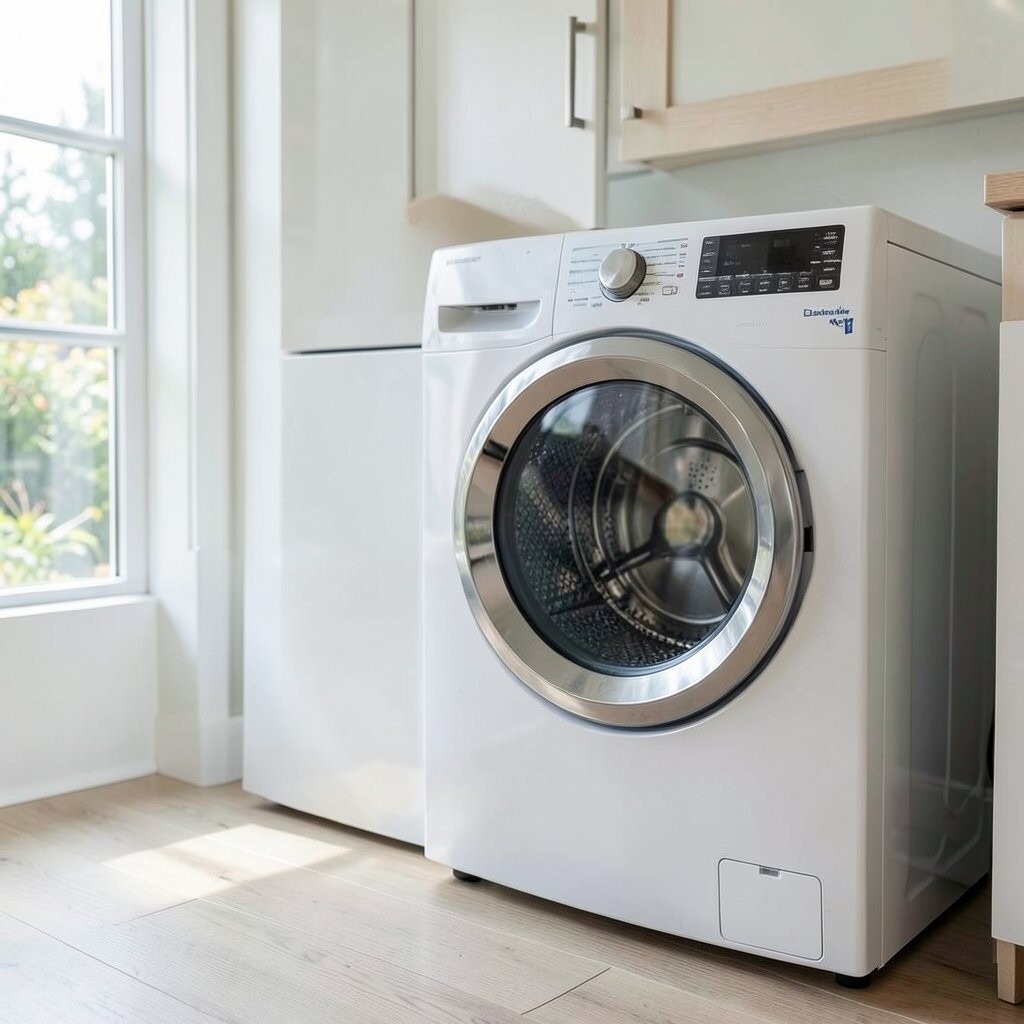
When it is time to replace a washer, fridge, or dishwasher, an efficient model can save power for years. Many new machines use less water and less energy while still doing the job well.
The labels and ratings can help you compare options before you buy. That makes it easier to match your needs with your budget and avoid guesswork.
Some newer designs also have a cleaner, simpler look that fits many homes. The upfront price can be higher, but the long-term savings often make it a smart choice.
14. Track Your Power Use
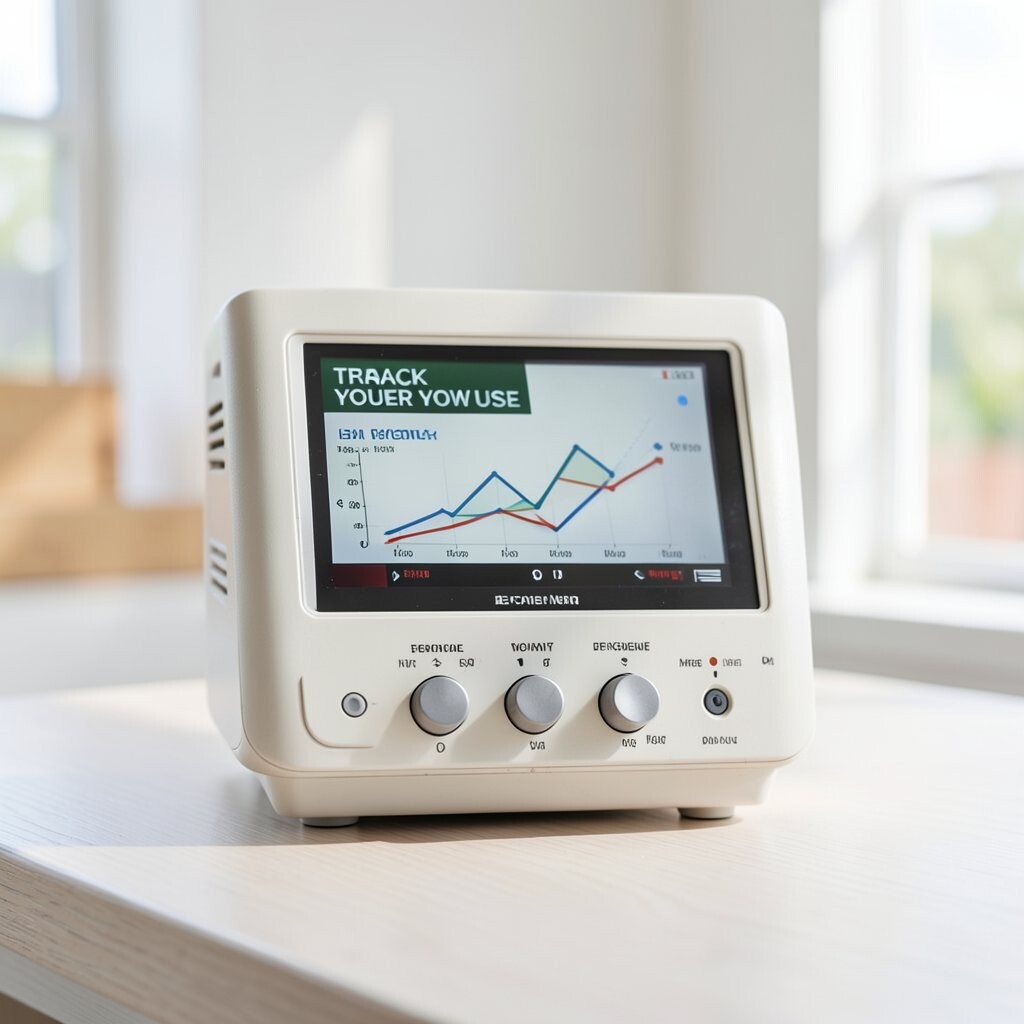
Watching your power use can help you see what is working and what is not. A home energy app, smart meter, or simple bill check can show where money may be going.
This makes the process feel more personal because you can spot the habits that matter most in your home. Some people cut use by changing a few daily actions, while others may need a bigger fix.
Tracking use is also part of a growing trend as more homes try to manage waste with better data. It gives you a clear picture, which can help you make better choices over time.