Exposed brick and tile both give rooms a clear style, but they do it in different ways. This list can help you see which one fits your home, your budget, and your daily needs.
1. Raw Warmth and Clean Finish
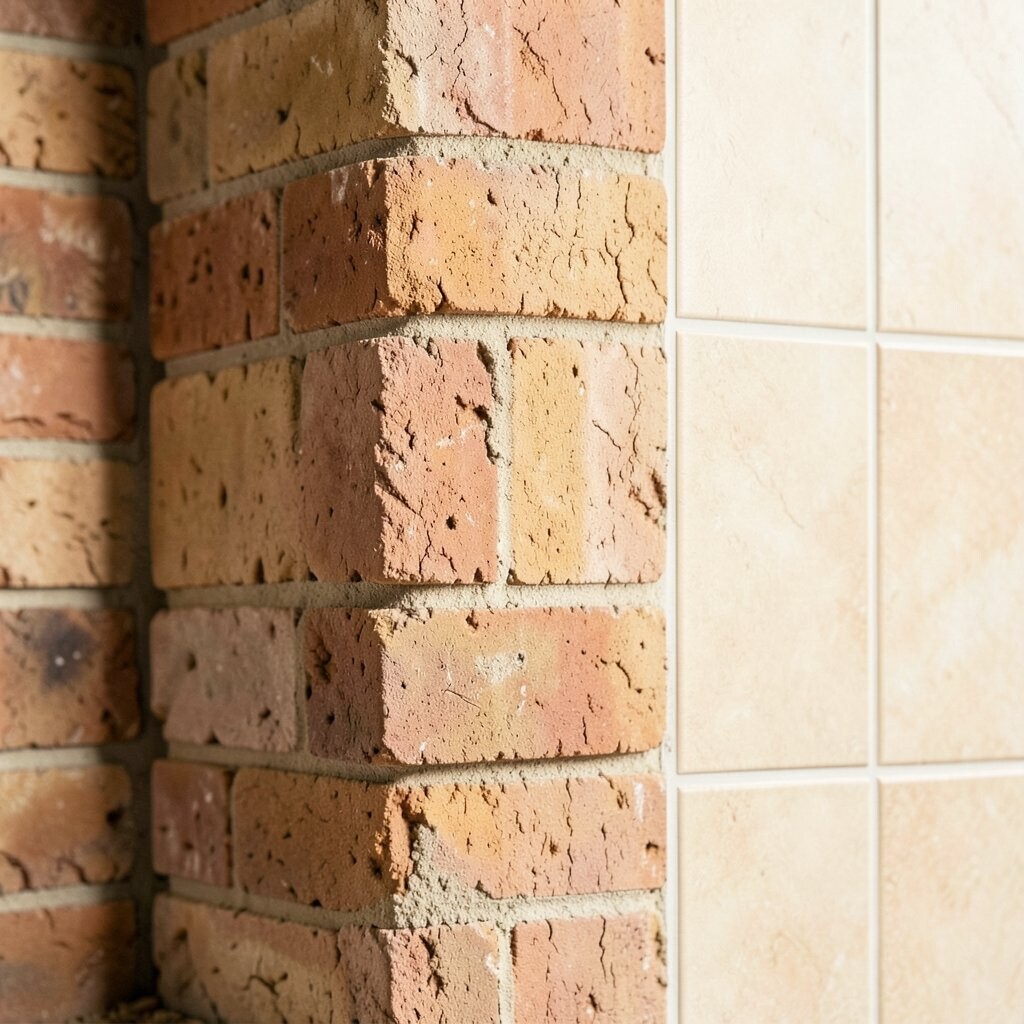
Exposed brick has a rough look that feels warm and lived in. Tile has a cleaner face and can make a room look neat fast.
Brick often shows small color changes, chips, and lines that give it a natural look. Tile gives a more even surface, which many people like for a calm and tidy feel.
If you want a space with more character, brick can help a lot. If you want a space that looks simple and clear, tile may fit better.
2. Cost Differences That Matter
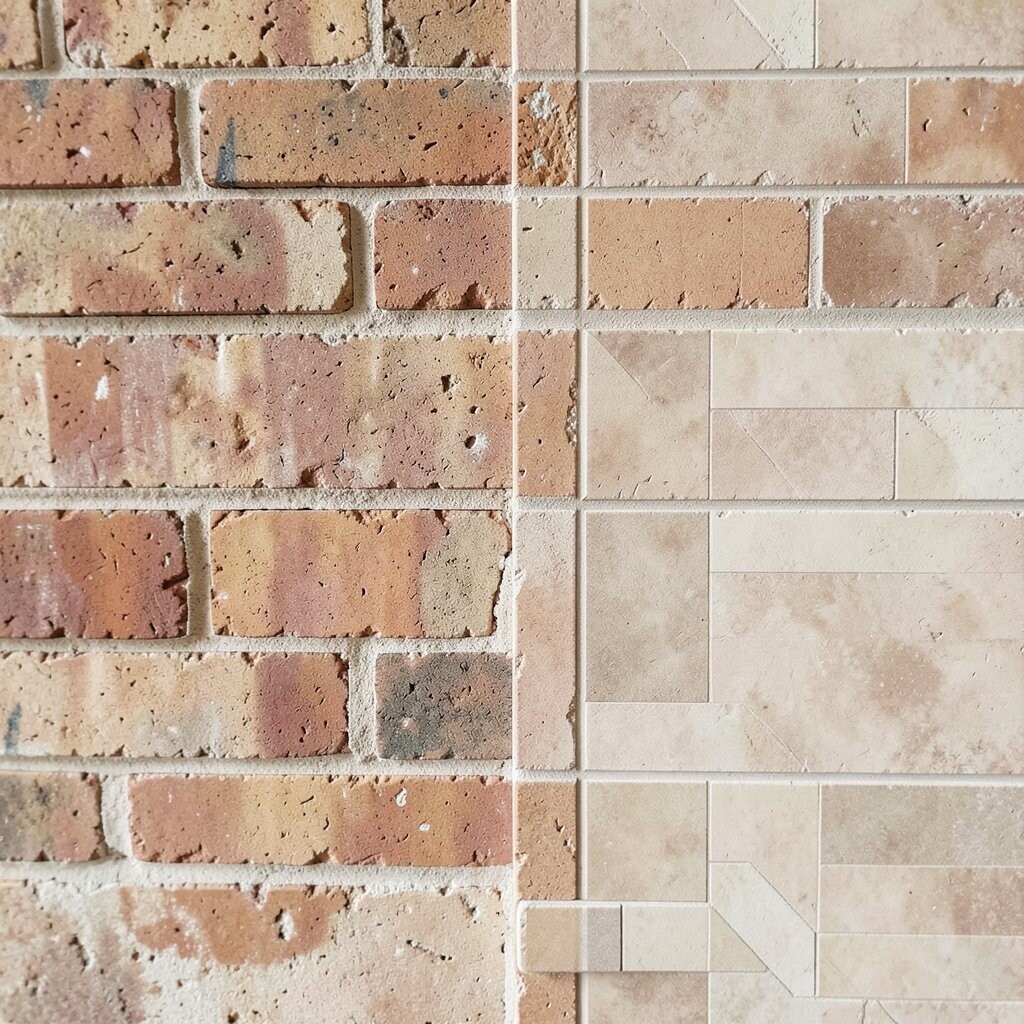
Brick walls can cost less if the brick is already in place behind old drywall. In that case, the main job is to clean it and seal it.
Tile can cost more because you may need a good base, glue, grout, and careful work. Labor can also add up if the pattern is detailed or the area is large.
For a low-cost update, exposed brick can be a smart choice when the wall is already there. For a planned build, tile lets you set a clear budget before work starts.
3. Easy Care and Daily Use

Tile is often easier to wipe down, which helps in kitchens, baths, and busy halls. A damp cloth can handle most messes on a smooth tile face.
Brick can need a bit more care because of its rough surface and small gaps. Dust may settle in the lines, so a soft brush or vacuum tool can help.
If you have kids or pets, easy care may matter a lot. Tile can help you save time, while sealed brick can still work well if you like its look.
4. A Style That Feels Old or New

Exposed brick often feels old in a good way. It can remind people of lofts, old shops, or historic homes.
Tile can feel new, neat, and fresh, but it can also look old-school with the right shape and color. Small square tiles can feel classic, while large flat tiles can feel modern.
You can use either one to match your home style. Brick works well with wood, metal, and soft cloth, while tile can match many colors and shapes.
5. Color Choices and Room Mood
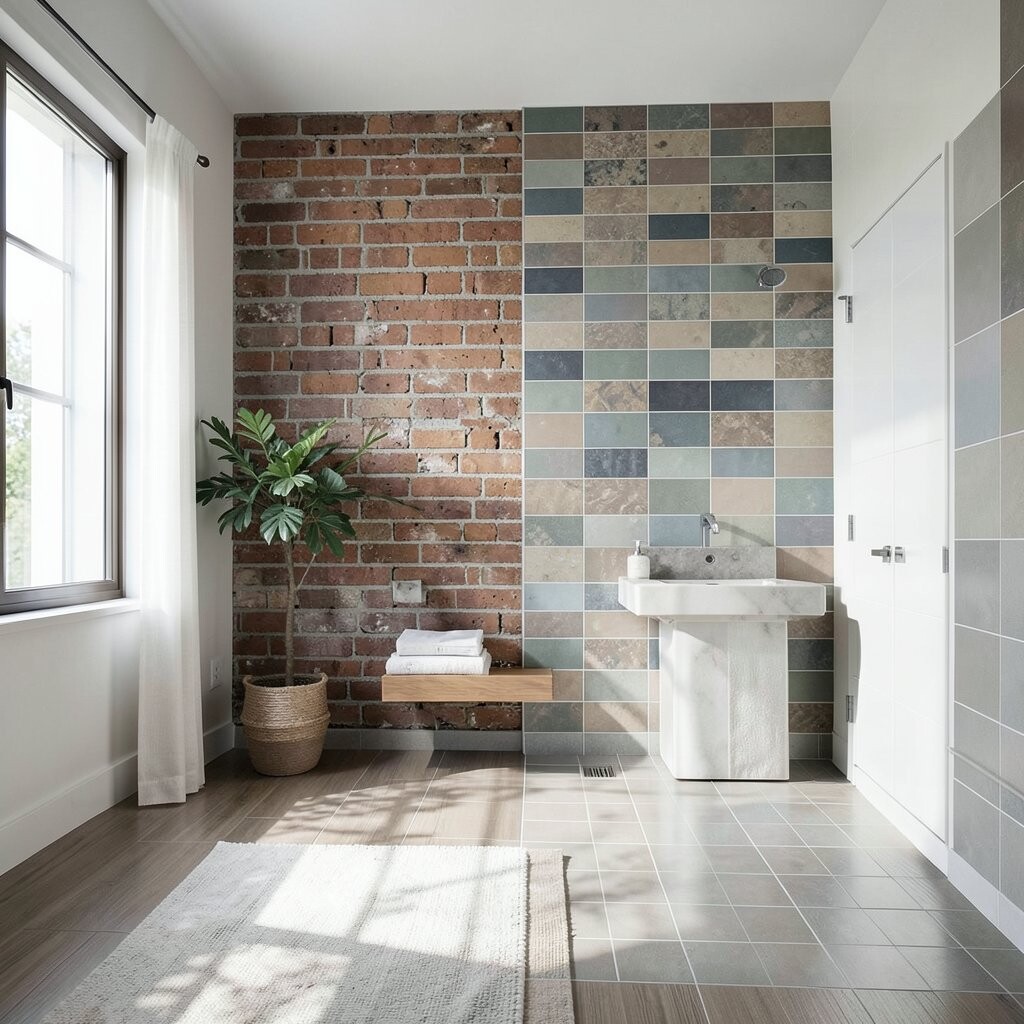
Brick usually comes in red, brown, tan, gray, or whitewashed tones. These shades can make a room feel warm, steady, and grounded.
Tile gives you far more color choice. You can use soft white, deep blue, soft green, black, or even mixed patterns if you want a bolder look.
If you want a calm room, both can help, but in different ways. Brick gives quiet texture, while tile can set the mood with color and shine.
6. Texture You Can See and Feel

Brick has strong texture that catches light in a soft, uneven way. That texture can make a plain wall feel more alive.
Tile can be smooth, glossy, matte, or even raised in small ways. Some tiles have a hand-made look, which adds charm without the rough feel of real brick.
People who like touchable, natural surfaces often choose brick. People who want a polished finish often go with tile.
7. Best Use in Kitchens
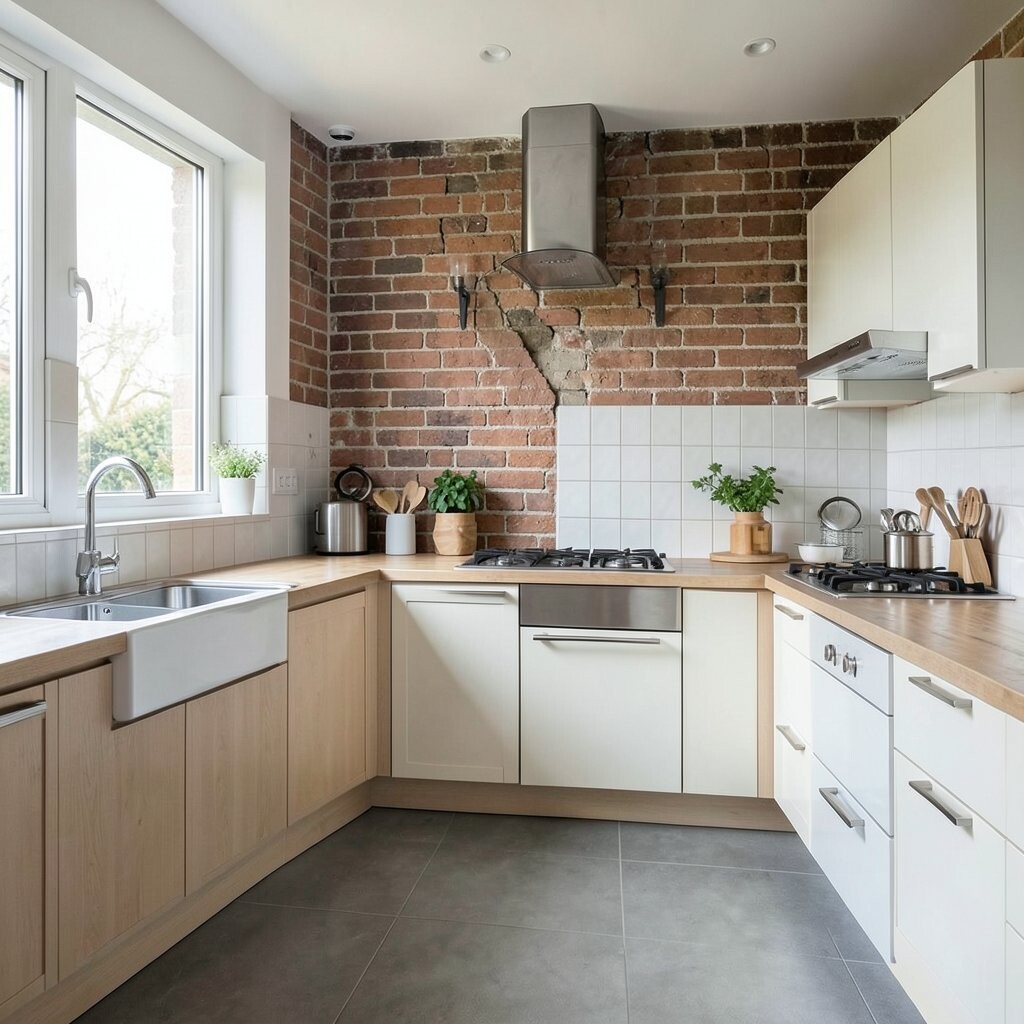
In kitchens, tile is often a top pick for backsplashes and splash zones. It stands up well to water, grease, and food stains when it is sealed and set right.
Exposed brick can also work in a kitchen, but it needs sealing to help protect it. Without that, smoke, steam, and oil can leave marks that are hard to clean.
For a modern kitchen, many people use tile around work areas and brick on a side wall. That mix gives both easy care and a warm look.
8. Best Use in Living Rooms
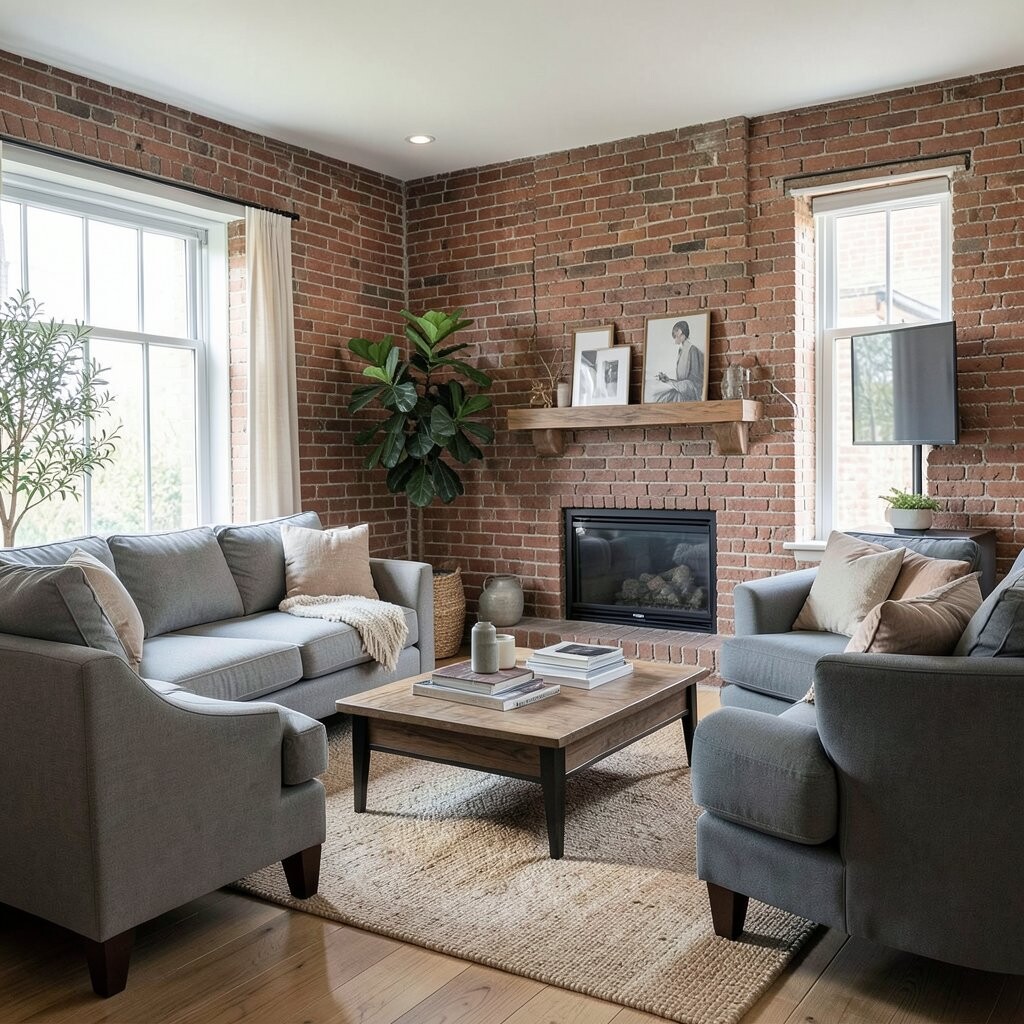
Brick can make a living room feel cozy and full of life. A single brick wall can act like a backdrop for shelves, art, and a TV.
Tile in a living room is less common on walls, but it can work well near a fireplace or on a feature wall. It gives a neat surface that can look sharp and orderly.
If your room gets a lot of natural light, brick can help soften the space. If the room is dark, lighter tile can help it feel brighter and more open.
9. Best Use in Bathrooms
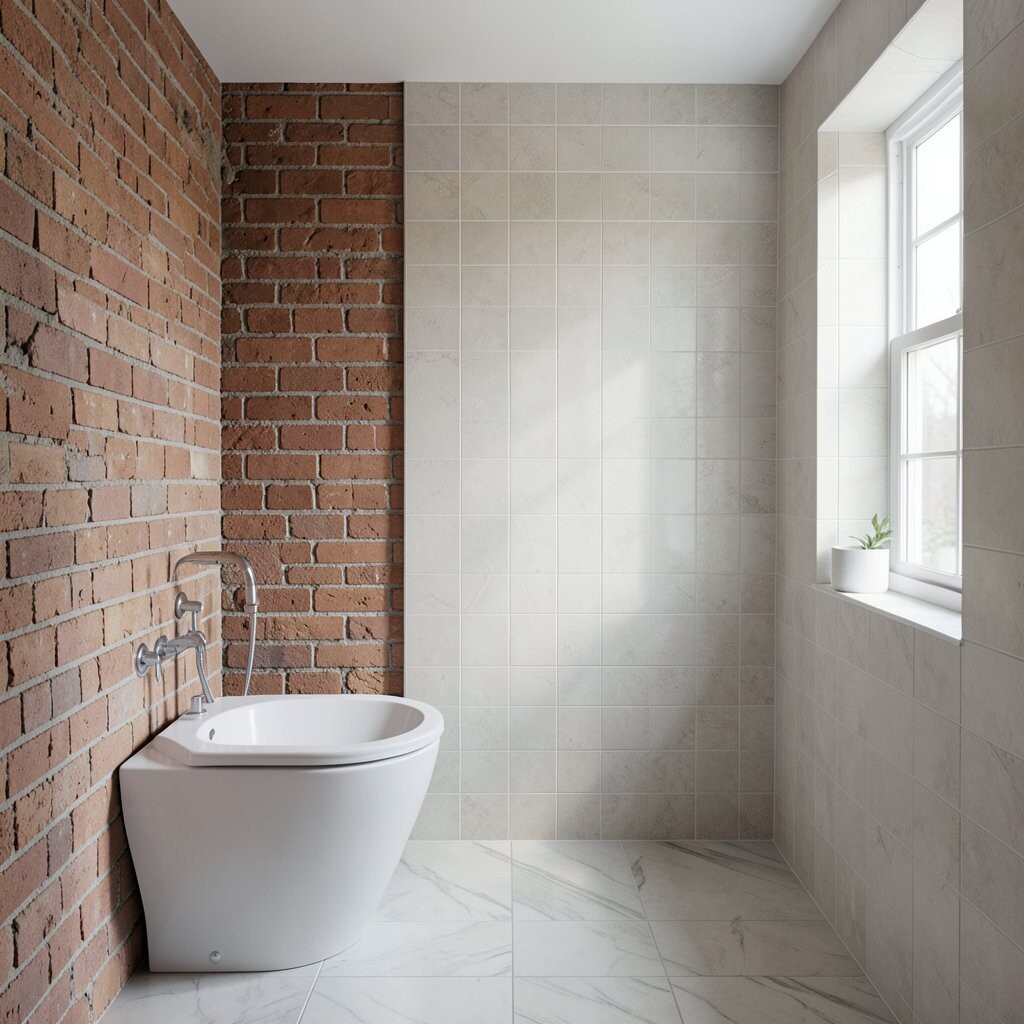
Tile is the clear favorite in bathrooms because it handles water so well. It works on floors, walls, showers, and around sinks.
Brick can be used in a bathroom only if it is sealed with care. Even then, it may not be the best pick for wet spots.
For a soft spa look, many people use tile with a stone-like face. If you want a more unusual look, a small brick wall outside the wet area can add charm.
10. How Each One Shapes Light

Brick usually has a duller finish, so it absorbs more light. This can make a room feel warmer and less shiny.
Tile can bounce light, especially if it has a gloss finish. That can help a small room feel more open and bright.
If you have a space with poor light, tile may help more. If you want a calm room without glare, brick can be a better match.
11. Personal Touch and Custom Style

Brick can be painted, whitewashed, or sealed in a clear coat. That lets you keep the wall rough while still making it fit your taste.
Tile gives even more room for personal style because you can mix shapes, colors, and patterns. You can use plain rows, herringbone lines, or small mixed pieces for a custom look.
Some people like a one-wall statement with brick. Others like to use tile to make a neat frame around a sink, stove, or fireplace.
12. Trends and Long-Term Value

Exposed brick has stayed popular for a long time, and many people still like it for its real, old feel. It often works well in homes that want warmth and a bit of history.
Tile trends change more often, but that can be a good thing if you enjoy fresh styles. Right now, many people like large tiles, soft earth colors, handmade looks, and simple shapes.
For long-term value, both can help if they fit the home well. Brick can add charm that feels timeless, while tile can add a clean finish that buyers often find easy to live with.