Roller shades can do more than block light, and many small details affect how they look and work. A close look at these features can help you choose shades that fit your room and your daily needs.
1. Light Control Levels
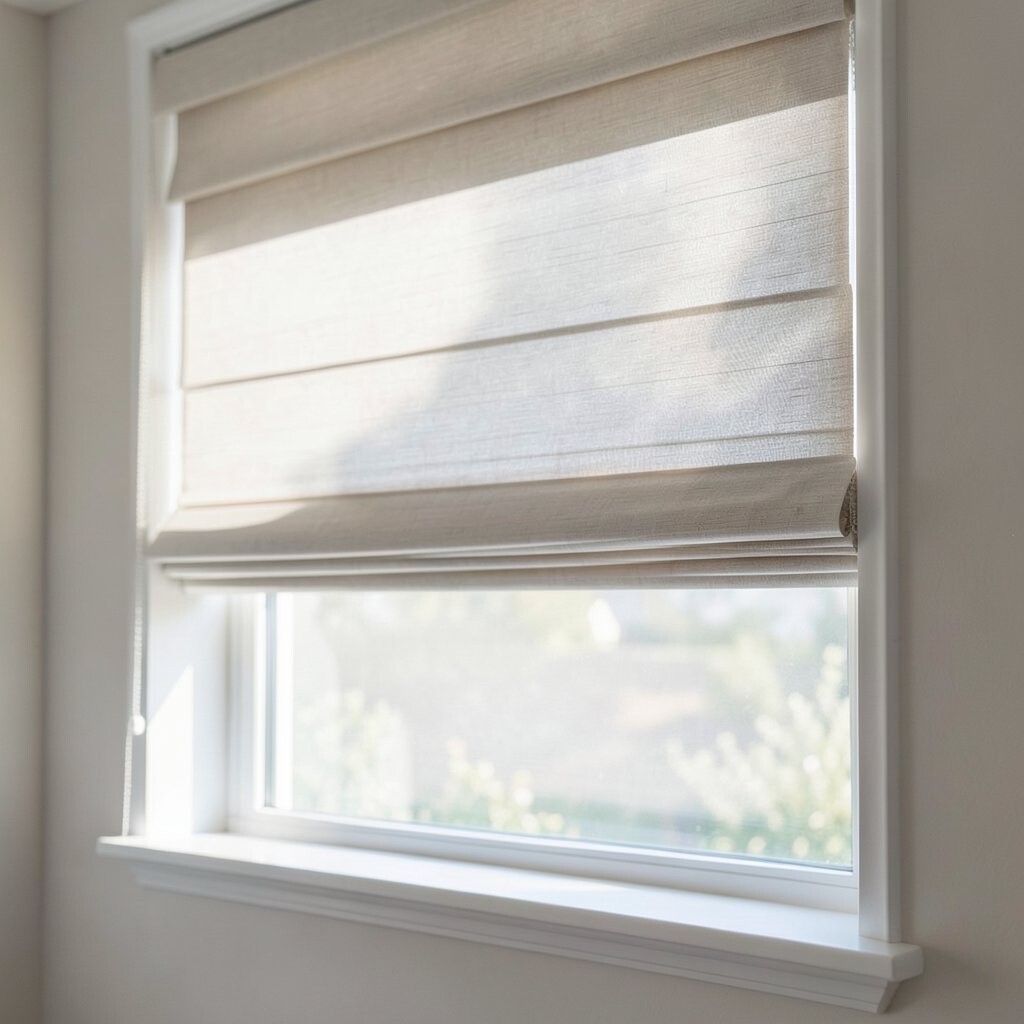
Many people focus on color first, but light control is often the feature that matters most. Roller shades can range from sheer styles that soften sun to blackout styles that block most light.
This gives you more control over how bright a room feels at different times of day. It can also help with sleep, screen use, and room comfort without changing the whole look of the space.
2. Fabric Opacity
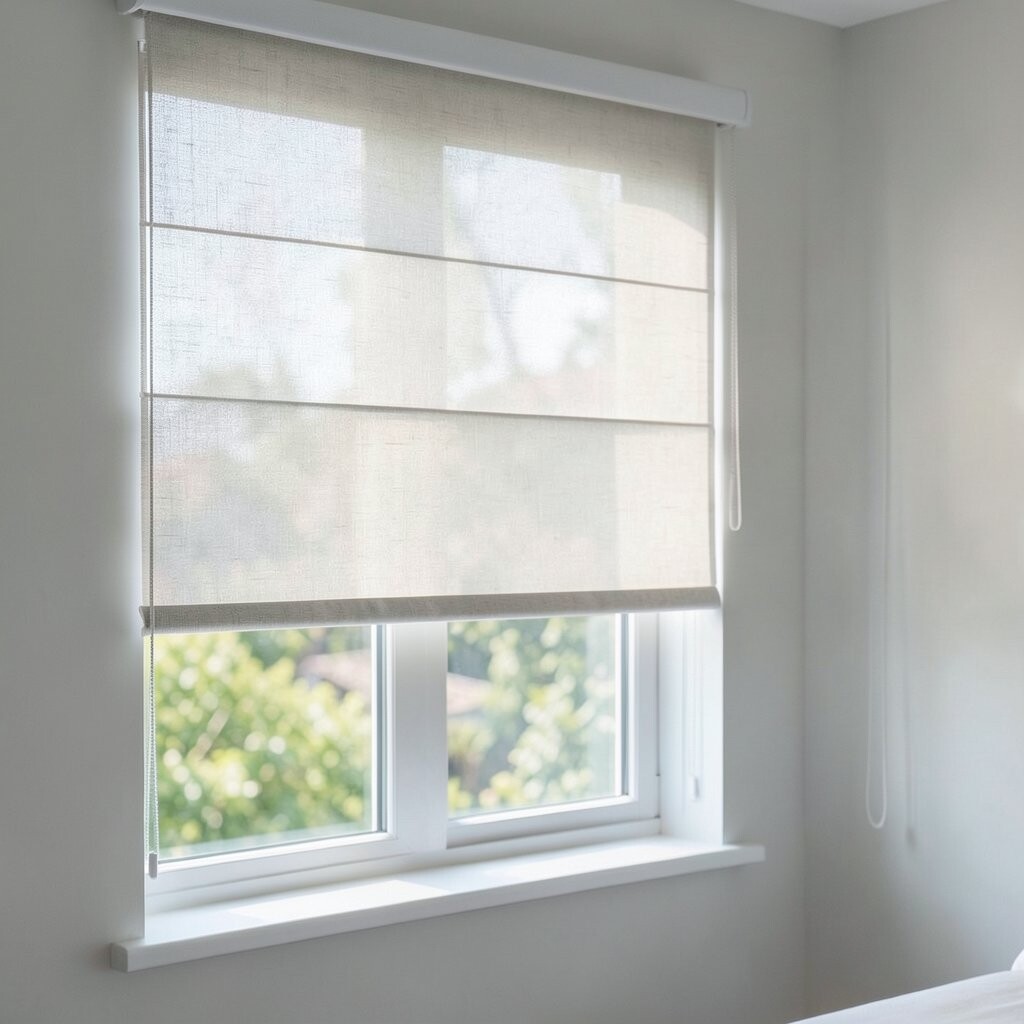
Fabric opacity tells you how much light can pass through the shade. Some fabrics look soft and airy, while others appear thick and smooth with a more closed look.
The choice can change the mood of a room in a big way. A lighter fabric can make a space feel open, while a darker one can help a room feel calmer and more private.
3. Side Channel Fit
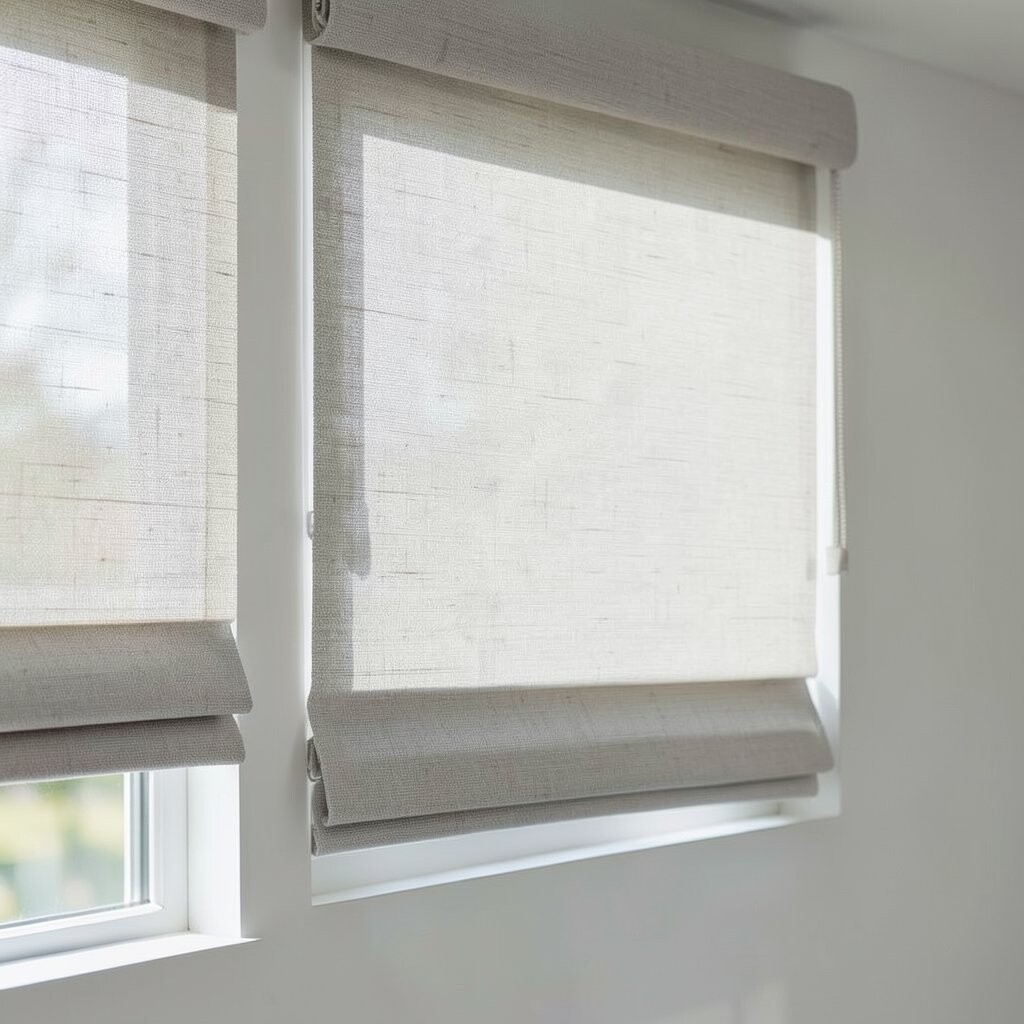
Side channels are not always used, so they are easy to miss. They guide the shade along the window edges and can help cut down light gaps.
This is useful in bedrooms, media rooms, and other places where even small beams of light can be annoying. The finished look is also neat and simple, which many people like.
4. Bottom Bar Design
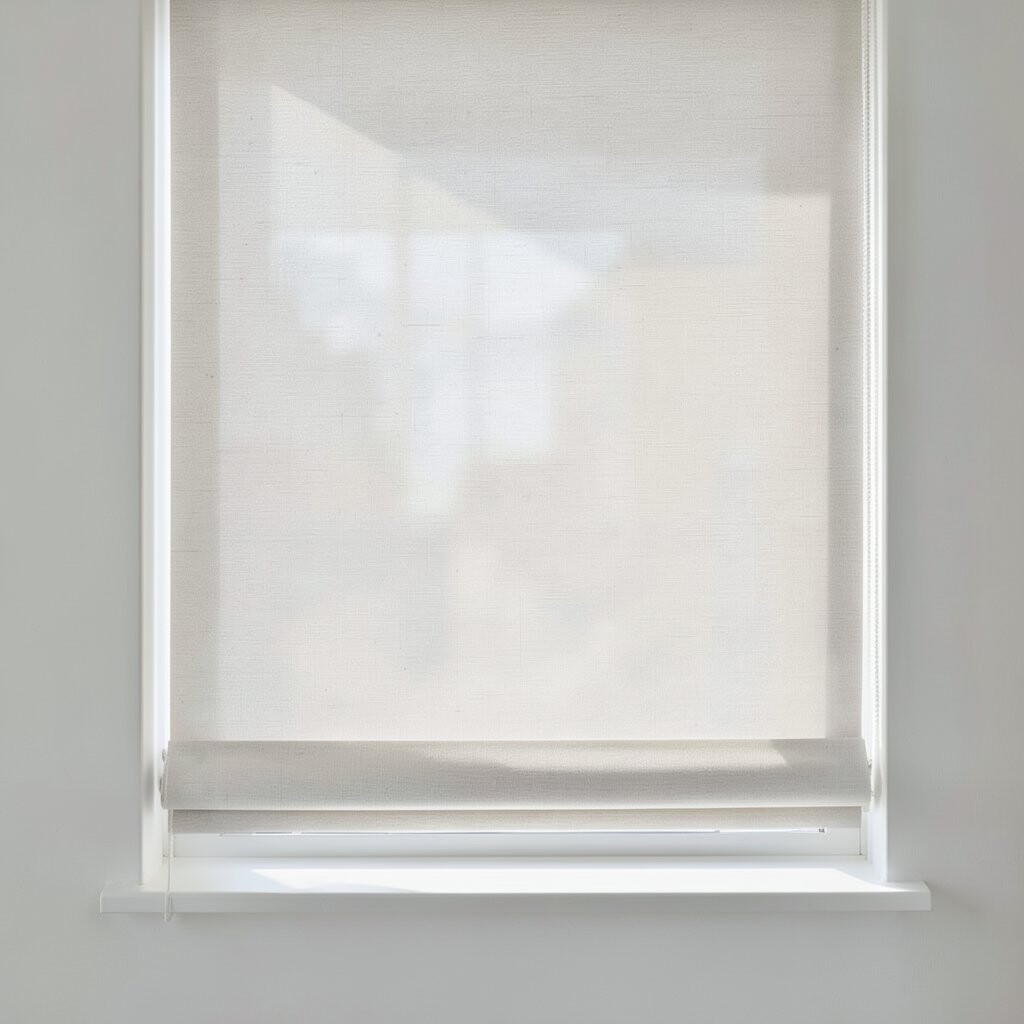
The bottom bar is the weight at the end of the shade, and it does more than hold the fabric in place. Its shape and finish can change the way the shade hangs and how straight it looks from a distance.
A slim metal bar can look clean and modern, while a covered bar can feel softer. This small part can help the whole shade look more complete and balanced.
5. Lift Style Options
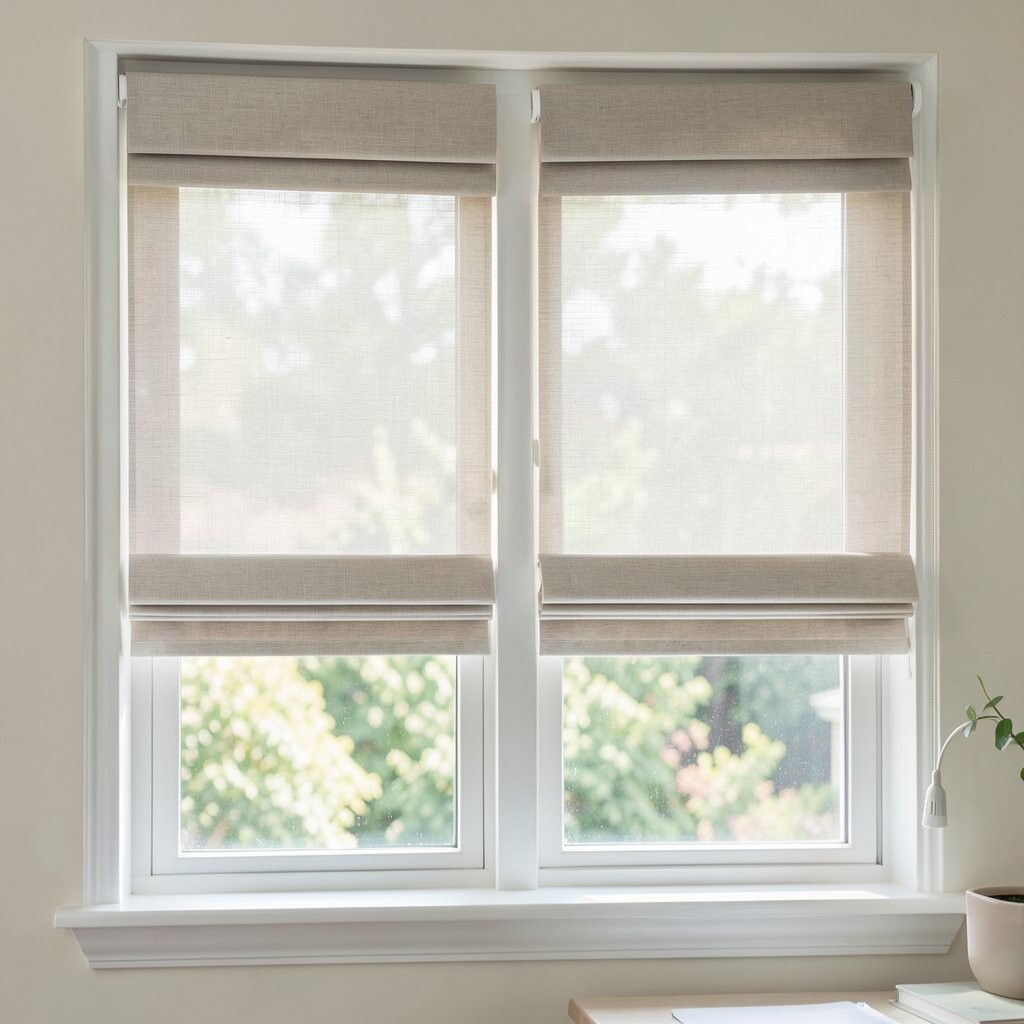
The way a shade goes up and down can change daily use a lot. Some roller shades use a chain, while others use a spring pull or a motor system.
Each style has its own feel, cost, and level of ease. A simple chain may cost less, while motorized shades can be easier to use in hard-to-reach windows or in busy homes.
6. Cord Safety Features
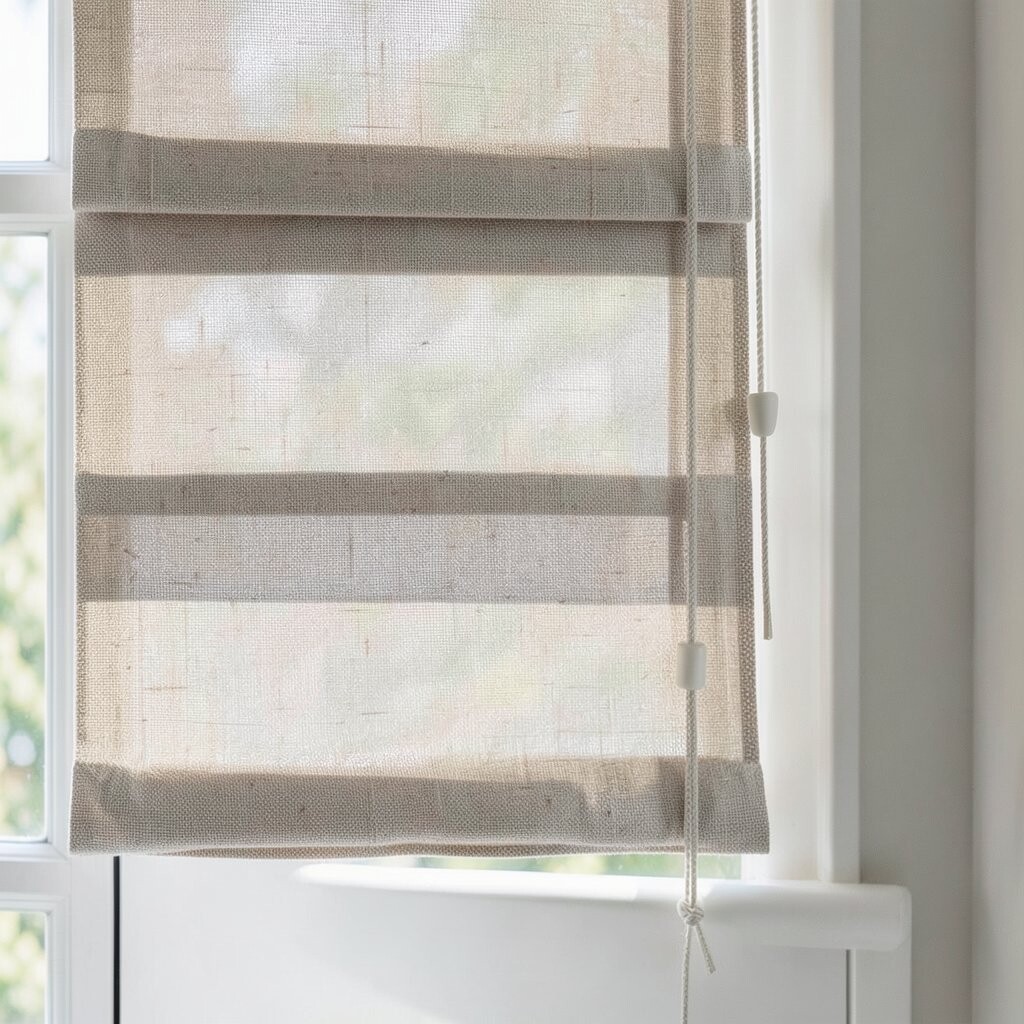
Cord safety is easy to overlook, but it matters in homes with children or pets. Many modern roller shades come with cordless or hidden cord designs that look neat and reduce risk.
This feature can make the shade feel cleaner and less cluttered as well. It is a smart choice for family spaces and for anyone who wants a tidy window look.
7. Motorized Control
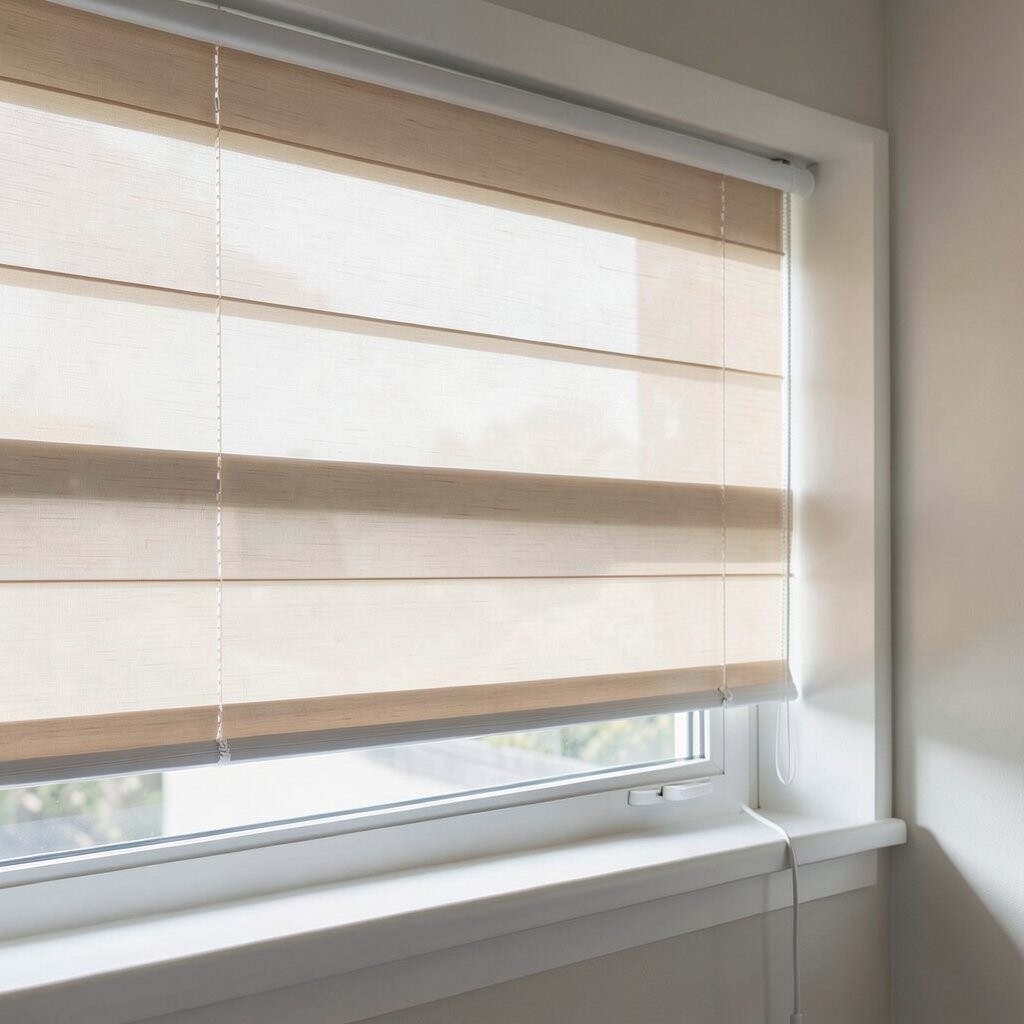
Motorized roller shades are no longer just a high-end choice. They now come in many styles and price ranges, so more homes can use them.
You can often run them with a remote, wall switch, or phone app. This adds ease for tall windows, hard-to-reach spots, and people who want a simple daily routine.
8. Smart Home Connection
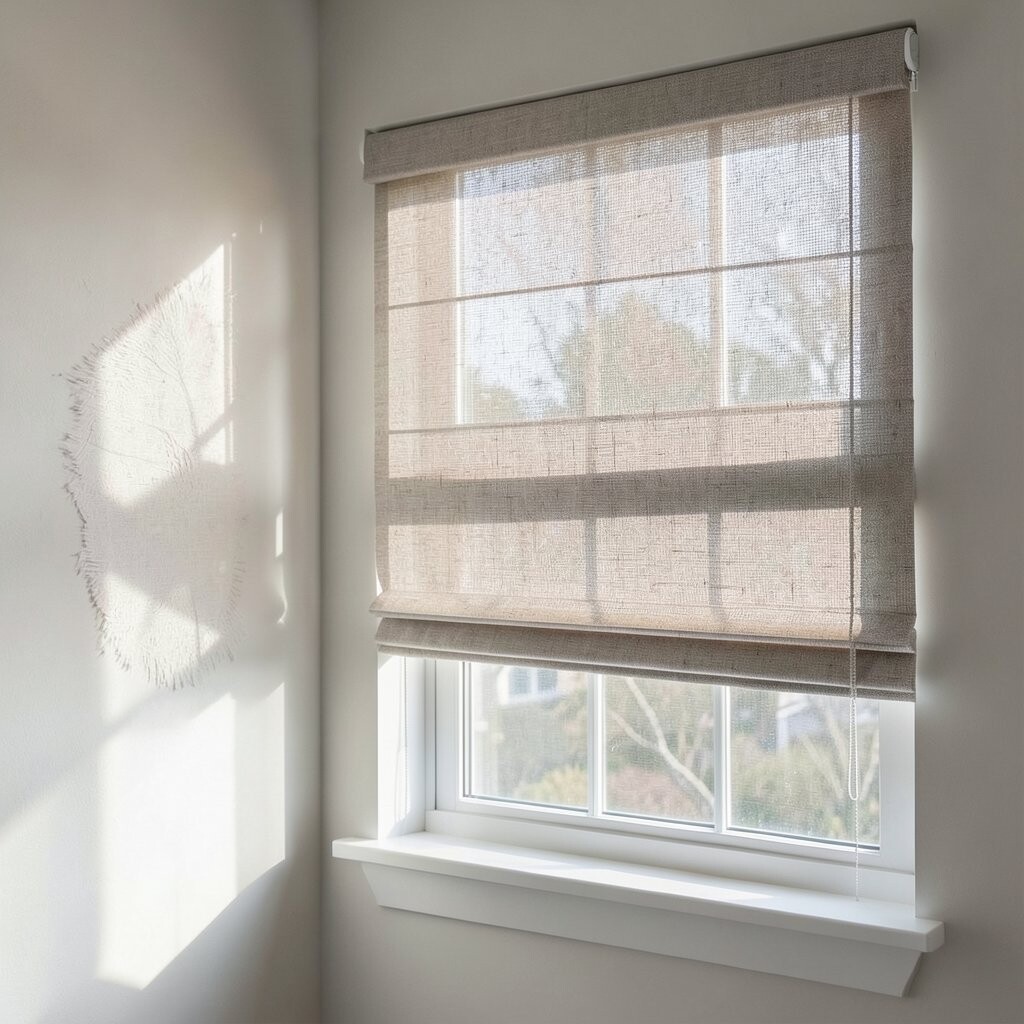
Some roller shades can link with smart home tools, which many buyers miss at first. This can let you set schedules, group shades by room, or control them by voice.
It is a handy fit for people who like routines or want better control while away from home. This kind of setup can also make a room feel more current and well planned.
9. Room Darkening Performance
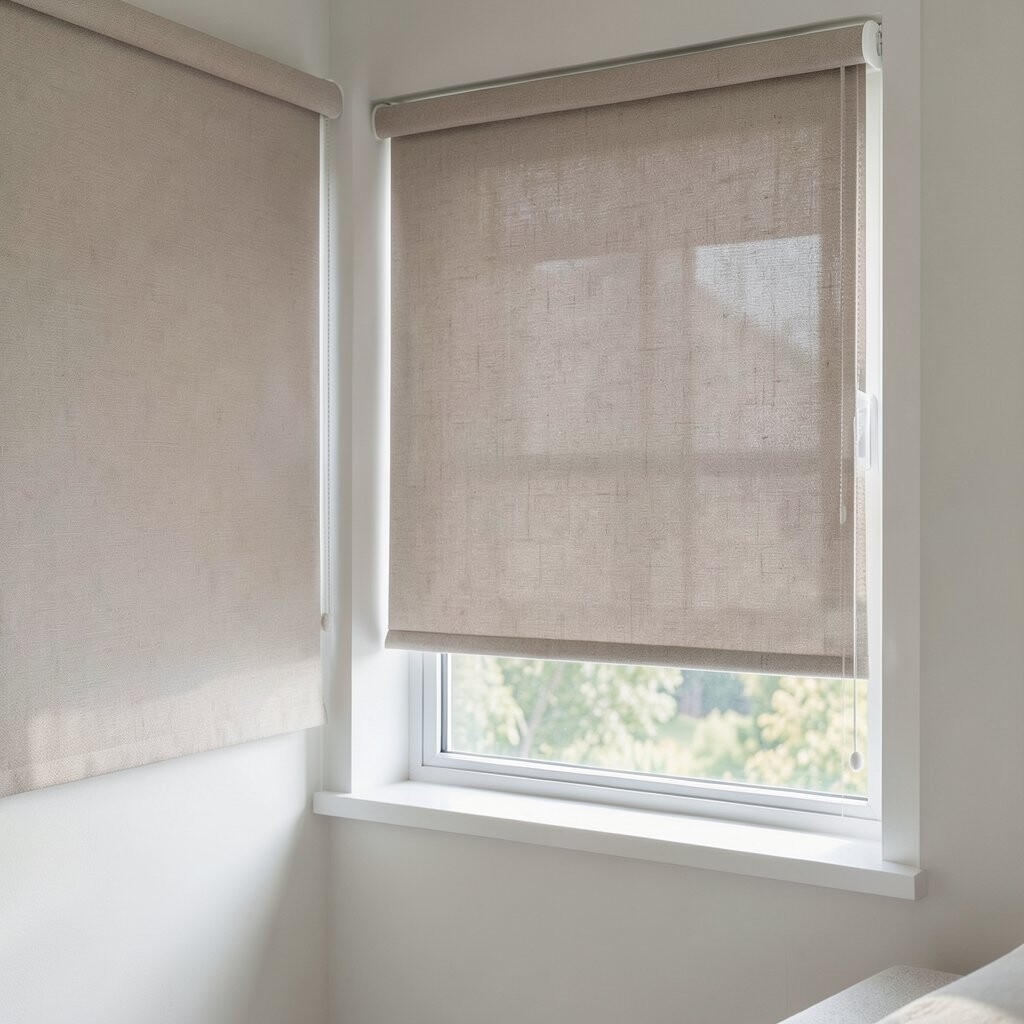
Room darkening is not the same as full blackout, and that difference is easy to overlook. Room darkening shades cut a lot of light, but they may still let a soft glow through around the edges or through the fabric.
This can be a good middle choice for living rooms, guest rooms, and nurseries. It gives more control than a light-filtering shade without the very closed feel of a blackout style.
10. UV Protection
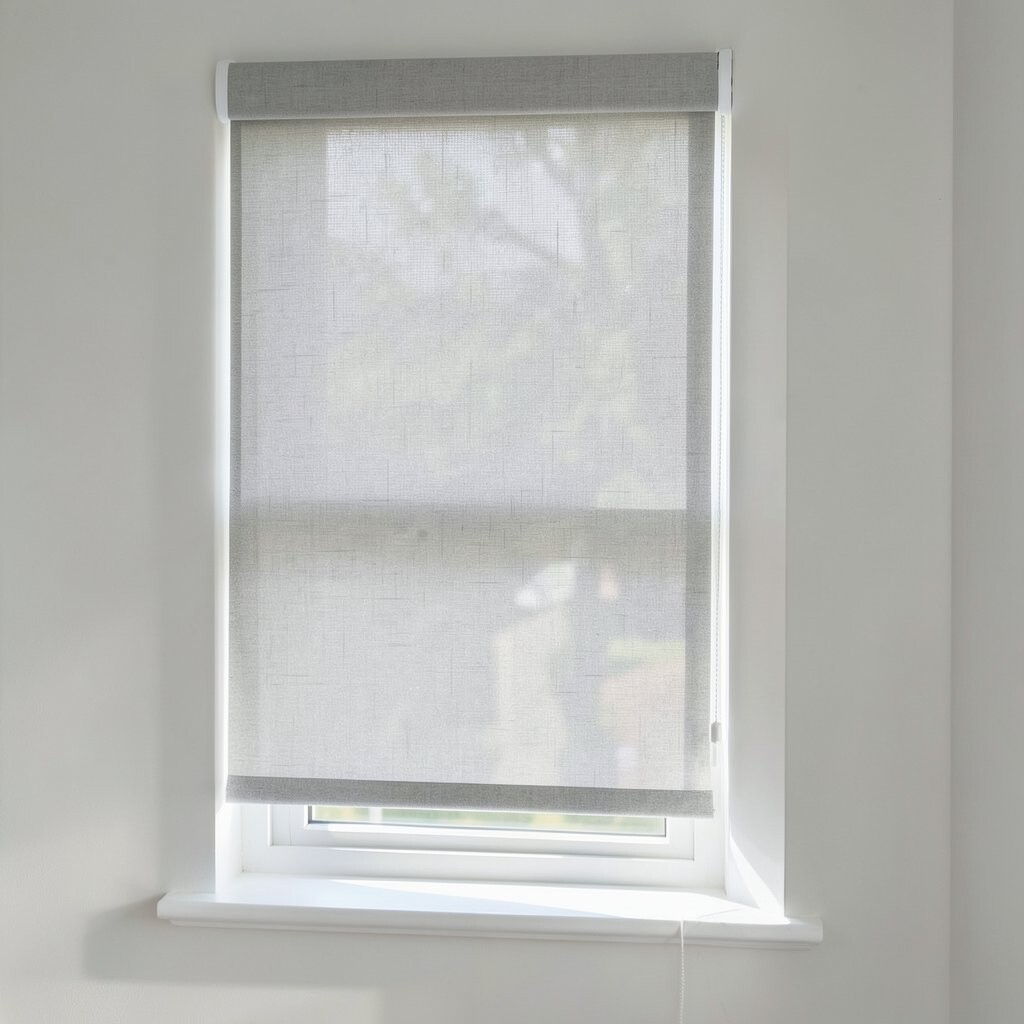
Sunlight can fade floors, rugs, art, and furniture over time. Some roller shade fabrics help block harmful UV rays and can slow that damage.
This feature is useful in rooms with strong sun or large windows. It can help you protect what you already own while still keeping the room looking bright and open.
11. Heat and Energy Help
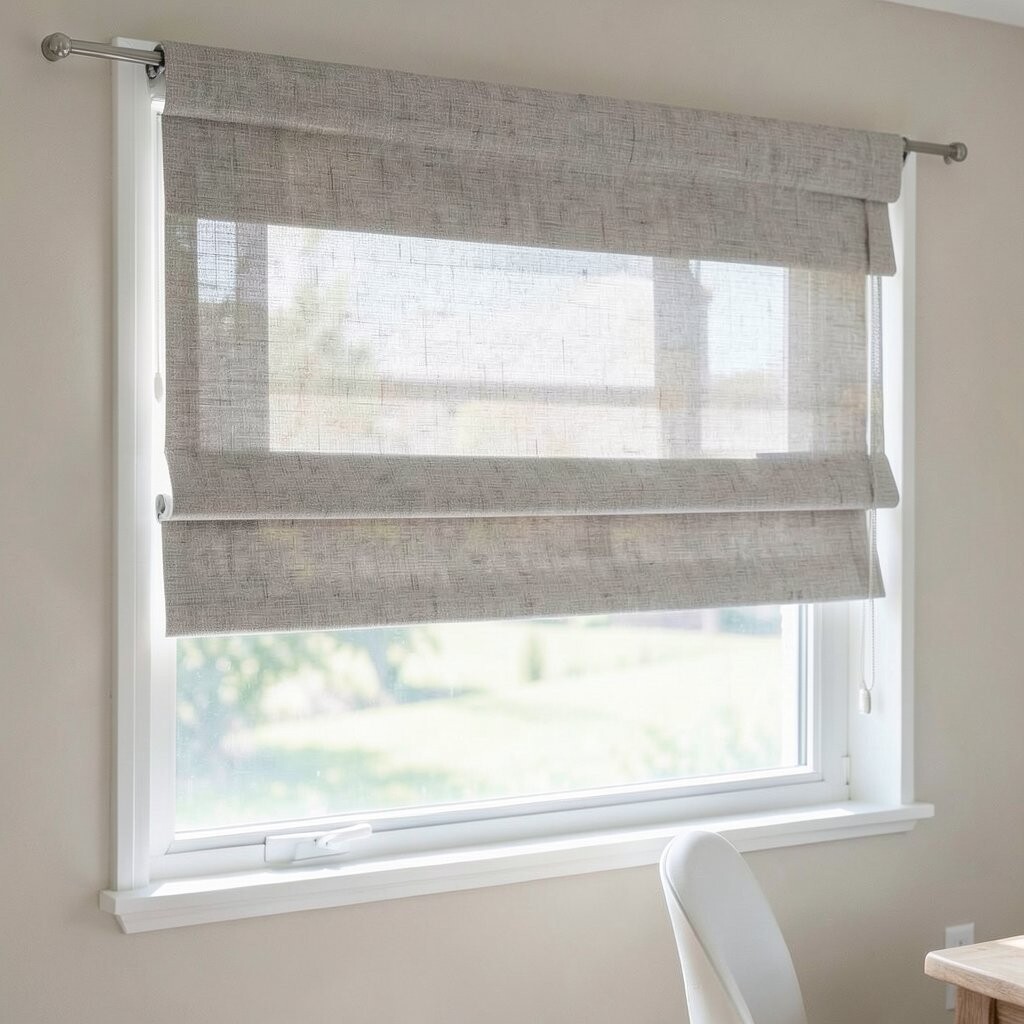
Roller shades can do more for comfort than many people expect. Some fabrics help keep heat out in summer and hold warmth in during cooler days.
This can make a room feel better and may also help with energy use. Many buyers now look for this feature because it gives a useful mix of comfort and value.
12. Fabric Texture and Finish
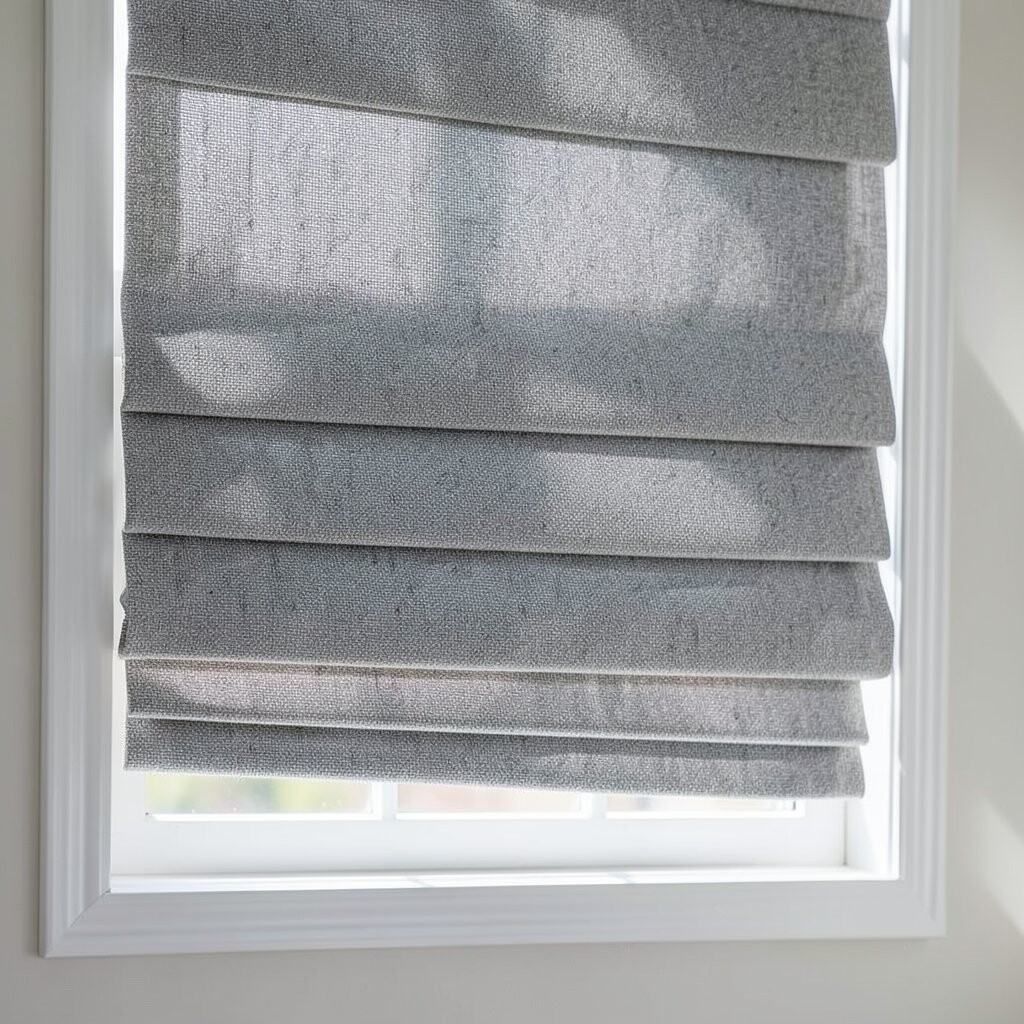
The feel and look of the fabric can change the whole style of a room. Some roller shades have a smooth, clean finish, while others have a soft weave or a matte look.
Texture can make a shade feel rich without adding a loud pattern. It is a simple way to add interest and match wood, metal, or fabric in the rest of the room.
13. Valance and Cassette Styles
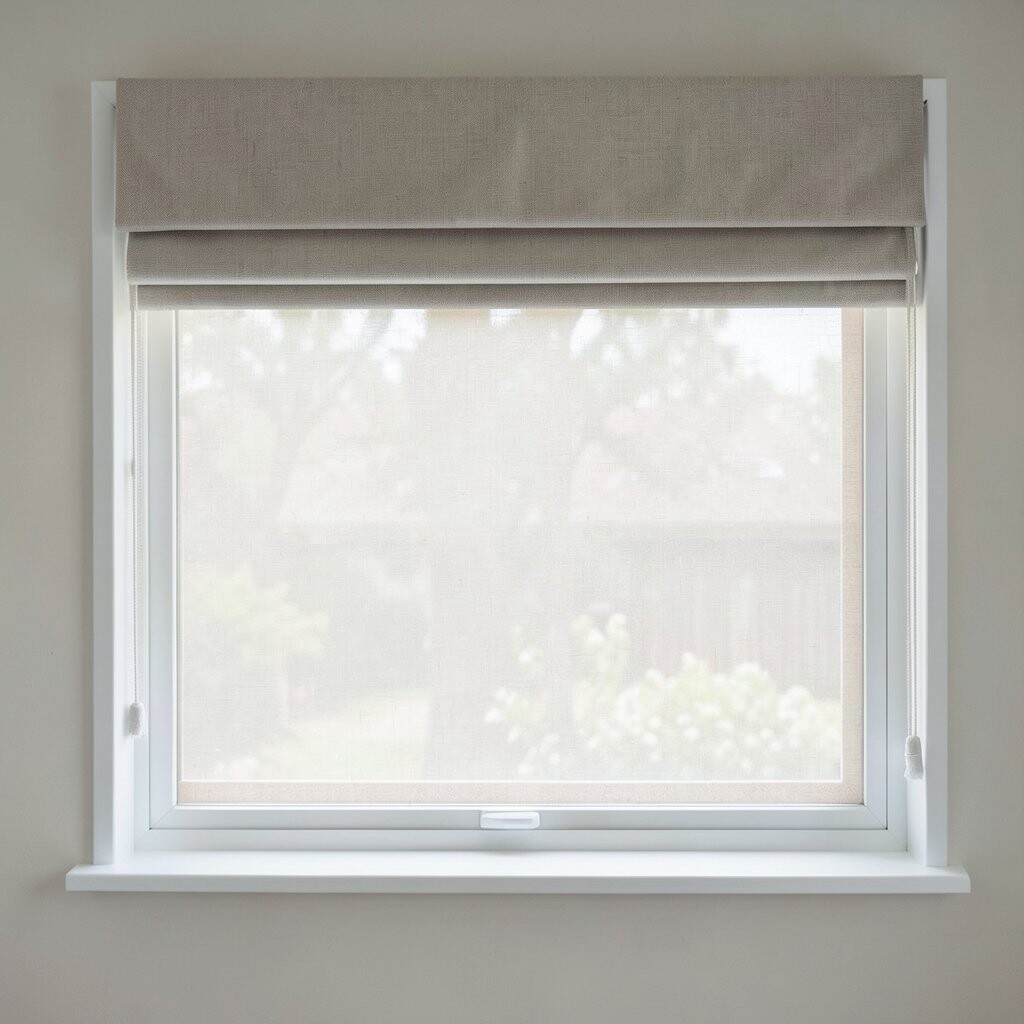
The top part of a roller shade can be left open or covered with a cassette or valance. This small detail hides the roll of fabric and can make the window look more finished.
Some people like a bare top for a simple feel, while others want a smooth cover for a cleaner line. It is a good spot to think about style, dust control, and how much of the shade you want to show.
14. Custom Size Choices
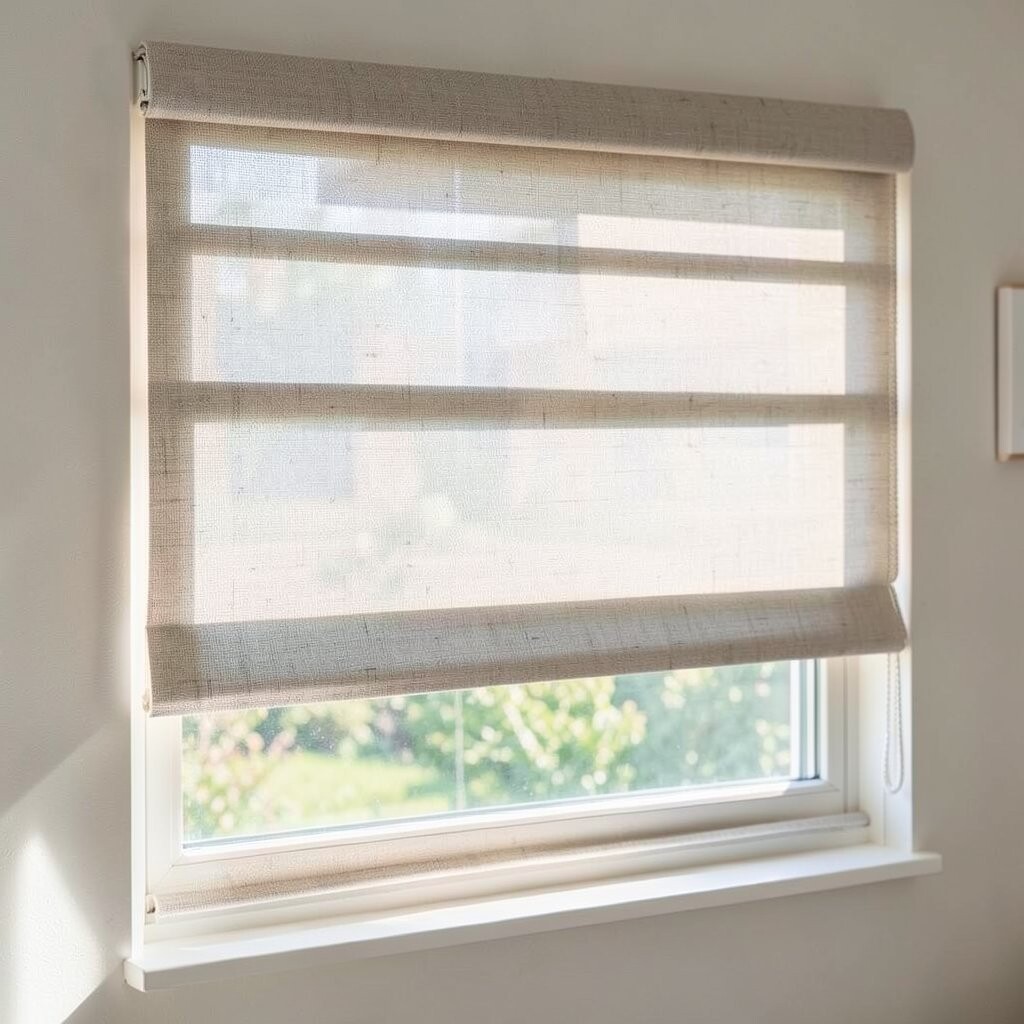
Many people buy standard sizes and hope they fit well, but custom sizing can solve a lot of common problems. It can help with wide windows, short windows, and unusual shapes that do not suit store sizes.
The cost is often higher than ready-made shades, but the better fit can make the room look much more polished. A proper fit can also help with light control and day-to-day use.
15. Design Trends and Personal Style
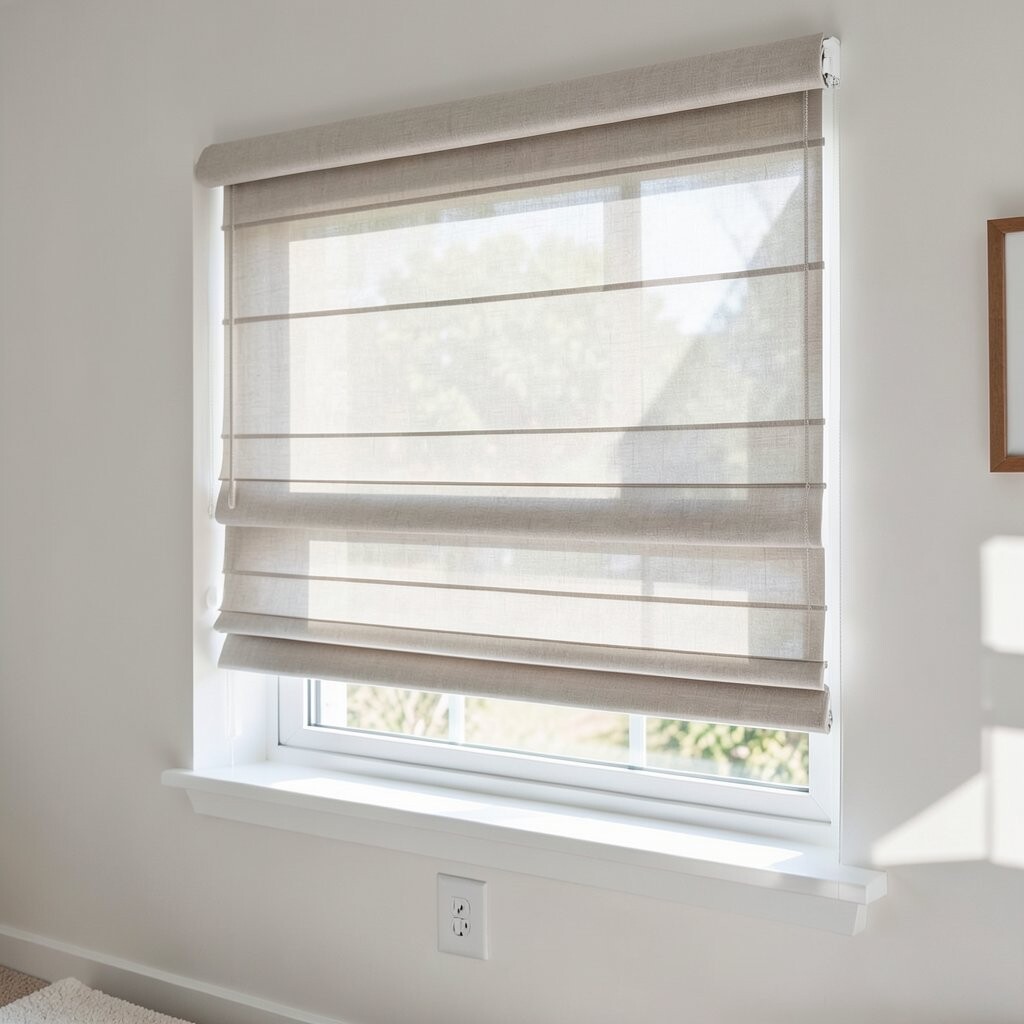
Roller shades are often seen as plain, but current trends give them more style choices than before. Many people now use soft neutral colors, woven looks, and clean hardware that fits a wide range of rooms.
You can make the shade feel more personal by matching it with wall color, trim, or other window pieces. Some people want the shade to stand out a little, while others want it to blend in and keep the room calm.
Trends also show a growing interest in simple lines and less visual clutter. That means roller shades can work in modern homes, older homes, and mixed-style rooms without feeling out of place.