
Storage problems often start with small habits that feel harmless. A few simple changes can help you use space better and keep things easier to find.
1. Stacking Boxes Too High

When boxes are stacked too high, the pile can look neat for a while, but it often turns into a mess fast. The lower boxes get hard to reach, and the top ones can tip or crush the items below.
A better way is to keep heavy things on the bottom and put lighter items near the top. Clear bins also help because you can see what is inside without pulling everything down.
2. Saving Broken Containers
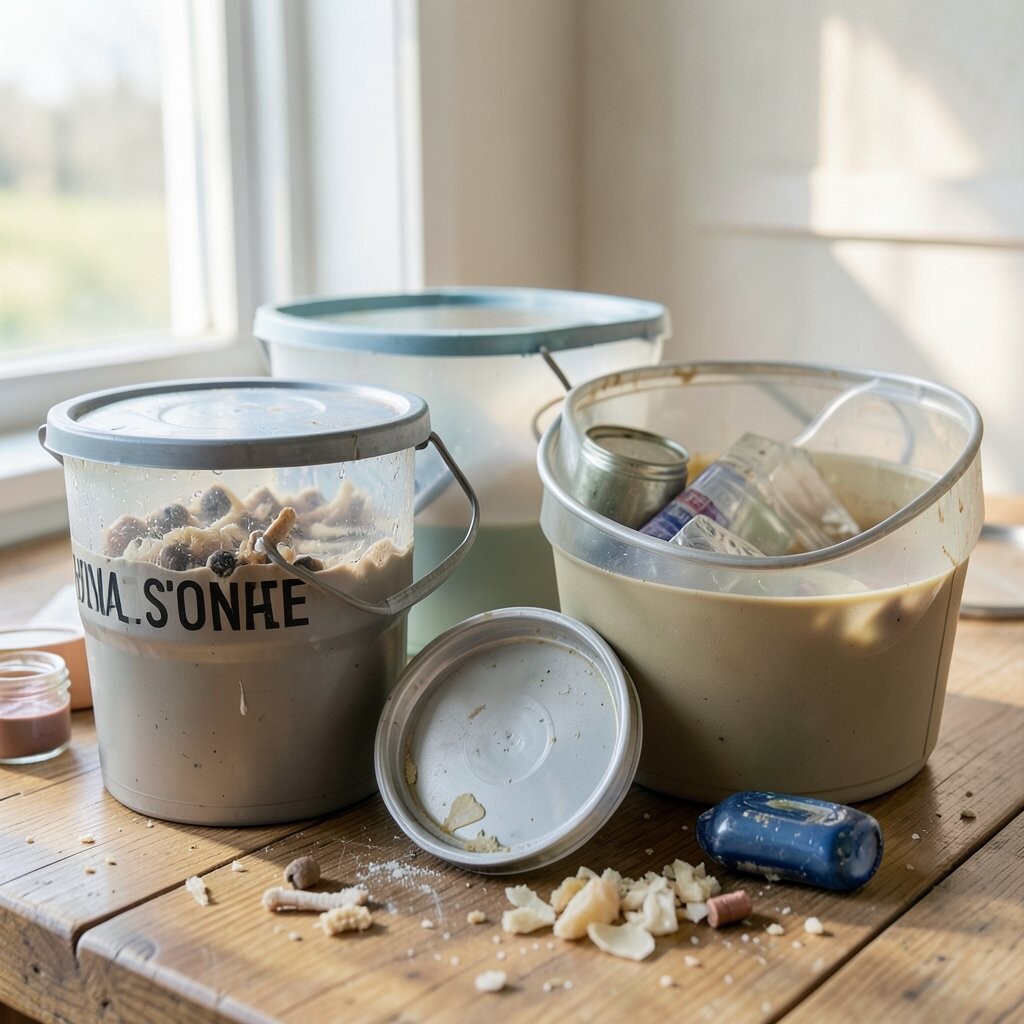
Many people keep old bins, cracked lids, and bent baskets because they think they may still be useful. These damaged pieces waste space and often make storage feel more crowded than it is.
Replaced items may cost a little, but they can save time and stress later. If a container no longer closes well or holds its shape, it is time to let it go and use something that works better.
3. Buying The Wrong Size
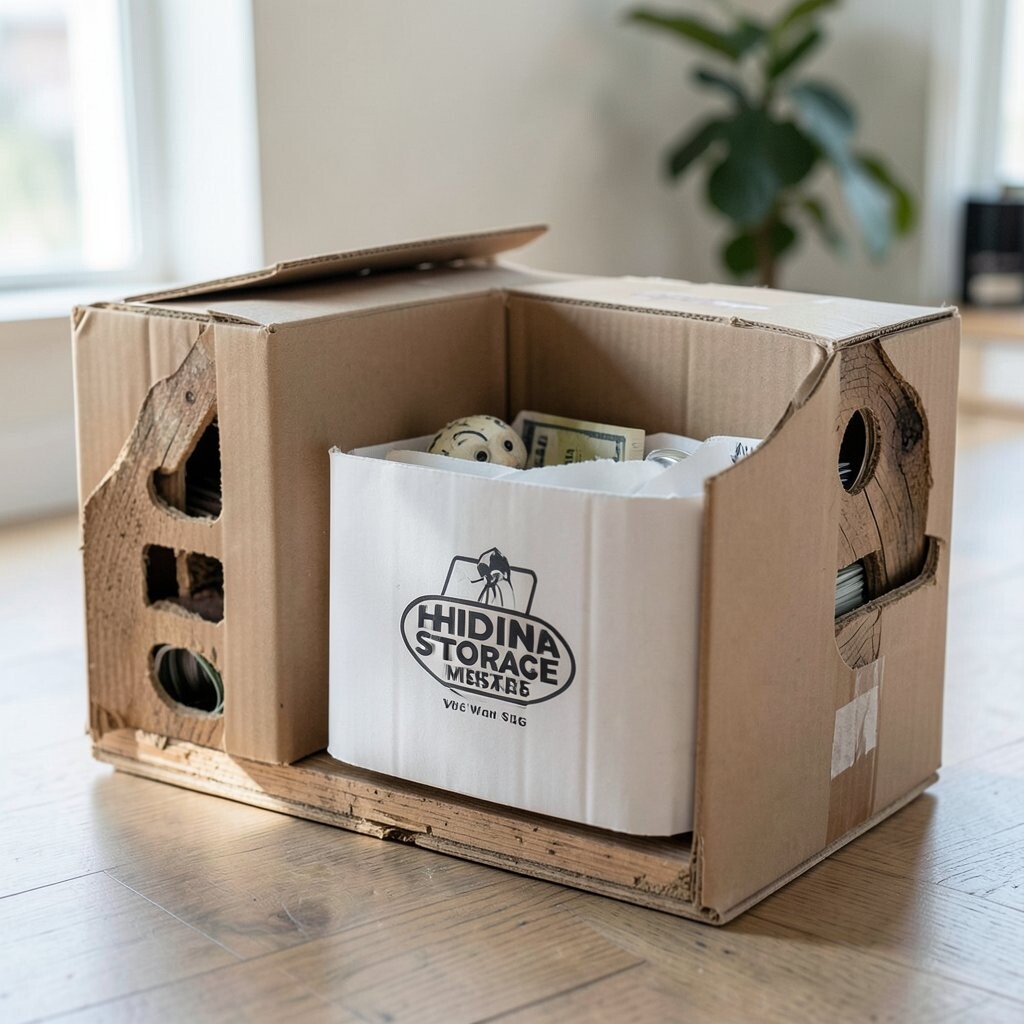
A storage box that is too big can leave empty gaps, while one that is too small may not fit what you need. This mistake makes it hard to keep shelves and closets in order.
Before you buy, measure the space and think about the items you plan to keep there. A custom fit can make a room look cleaner and can help you use every inch in a smart way.
4. Hiding Too Much In Opaque Bins

Solid bins can look tidy, but they also hide what you own. That means you may buy extra items because you forgot what was already stored away.
Clear bins, labels, or color coding can help you see what is inside at a glance. This is a simple trend because it saves time and makes it easier to keep track of what you use most.
5. Using One Big Pile For Everything

A single pile of mixed items is one of the most common storage mistakes. It may seem faster at first, but later it makes finding even small things take much longer.
Sort items by type, season, or how often you use them. Small groups are easier to manage, and they help each space feel calmer and more useful.
6. Ignoring Vertical Space

Many rooms have empty wall space that could hold shelves, hooks, or hanging bins. If you only use the floor or one shelf, you miss a lot of storage room.
Vertical storage can make a small room feel much more open. It also keeps things off the ground, which can help with cleaning and make daily use feel easier.
7. Storing Things You Never Use

Old cords, worn-out clothes, and spare parts can sit in a closet for years without being touched. These items take up room and make it harder to find what you really need.
A simple review can help you spot what is worth keeping and what is not. If something has no clear use, it may be better to pass it on, recycle it, or toss it out.
8. Forgetting To Label Boxes

Unlabeled boxes may seem fine when you first pack them, but they become a problem later. You end up opening box after box just to find one item.
Simple labels can make storage much easier and can save time during busy days. You can use printed tags, tape, or handwritten notes, and you can make the style match your room.
9. Keeping Items In The Wrong Room
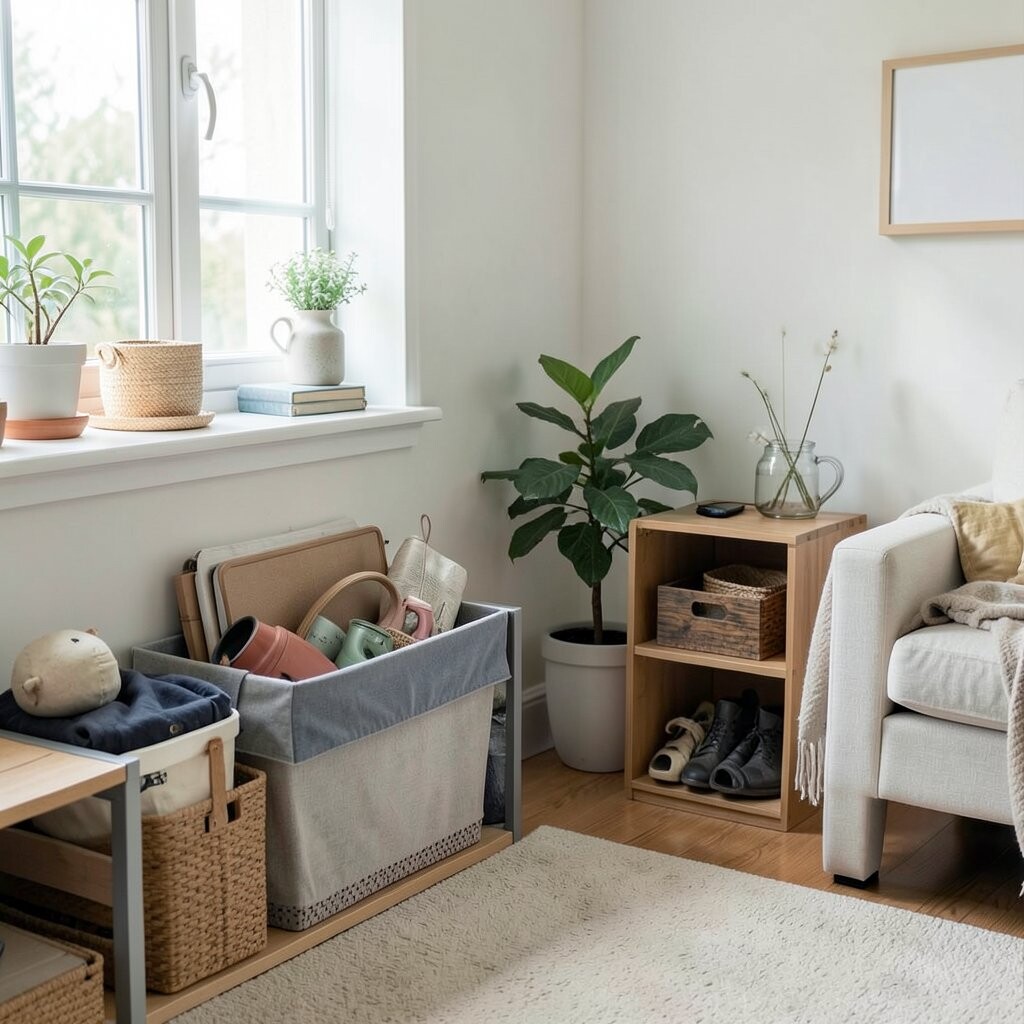
When things are stored far from where you use them, putting them back becomes a chore. This often leads to clutter because people stop returning items to their proper place.
Try to keep items near where they are used most often. This small change can make the home work better and can help each room stay more organized with less effort.
10. Not Using Drawer Dividers

Deep drawers can turn into junk spaces when small items slide around together. Socks, tools, office supplies, and makeup can all mix up fast.
Dividers help you make neat sections inside a drawer, so every item has a home. They do not have to cost much, and simple trays or small boxes can work just as well.
11. Buying Storage Before Sorting

It is easy to shop for baskets and bins before you know what you need to store. This can lead to mismatched pieces and more clutter, not less.
Sort first, then buy storage that fits the items you keep. That order helps you spend money wisely and makes it easier to pick containers that match your space and style.
12. Packing Too Tightly

If a shelf or bin is packed full, it becomes hard to reach anything near the back. Items can get bent, lost, or damaged when there is no room to move them.
Leave a little space so you can see and grab what you need. A cleaner layout also looks better, and it helps you keep the space neat over time.
13. Forgetting To Check Stored Items

Out-of-sight storage can be easy to ignore, so some people never look inside until they need something. By then, the items may be dusty, damaged, or no longer useful.
Set a simple habit to check stored spaces now and then. This helps you make better use of what you own, notice damage early, and keep your storage system working well for the long run.