Many homes have empty spots that can hold more than they seem to at first glance. A few small changes can help you use those spots in a neat and simple way.
1. Open Space Under the Bed
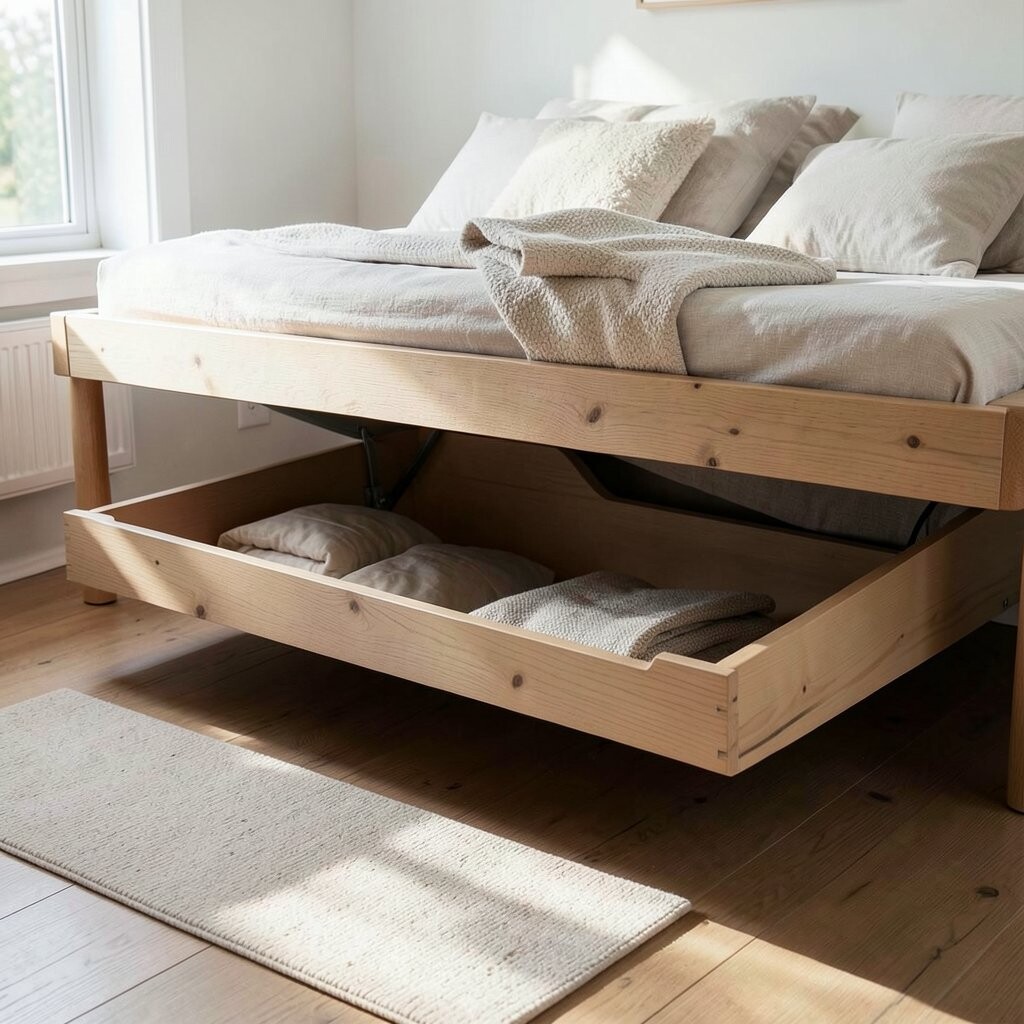
The space under a bed is one of the easiest places to use for extra storage. It often looks plain and empty, but it can hold bins, boxes, or flat bags with little effort.
This spot is good for off-season clothes, shoes, blankets, and extra sheets. Clear bins can help you see what is inside fast, and low-cost fabric bags can keep dust away if you want a cheaper option.
If you want a neat look, try bins that match the color of your room. A bed with higher legs gives you more room, and some new bed styles now come with built-in drawers for people who want a cleaner setup.
2. Space Above Cabinets
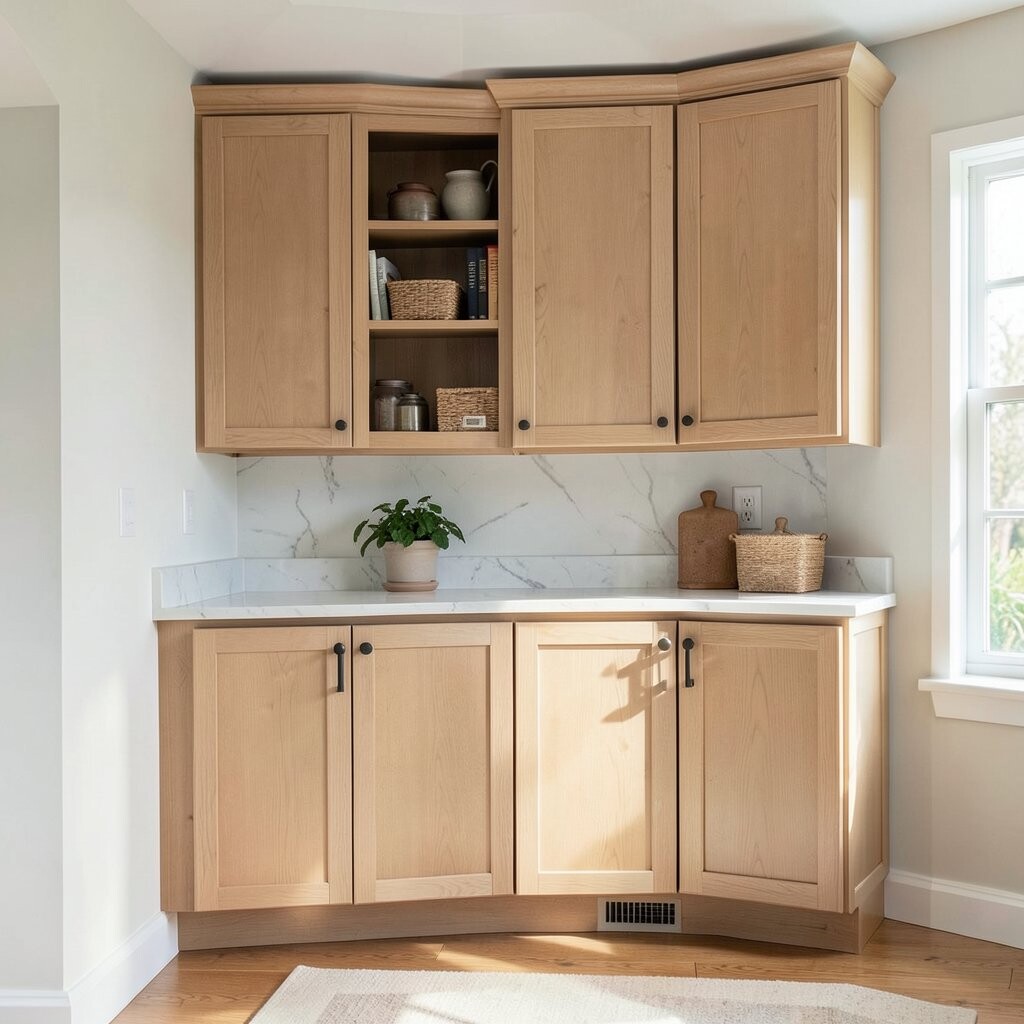
The area above kitchen cabinets often gets ignored, yet it can hold a lot of light items. It can also help a room look more full and finished if you place things there in a careful way.
You can store baskets, jars, cookbooks you do not use much, or simple decor boxes. Many people now use this space for woven baskets because they look warm and help hide small items at a low cost.
Keep in mind that this spot works best for things you do not need every day. If your ceiling is high, adding a few matching pieces can make the room feel tidy and well planned.
3. Inside Ottoman Seats
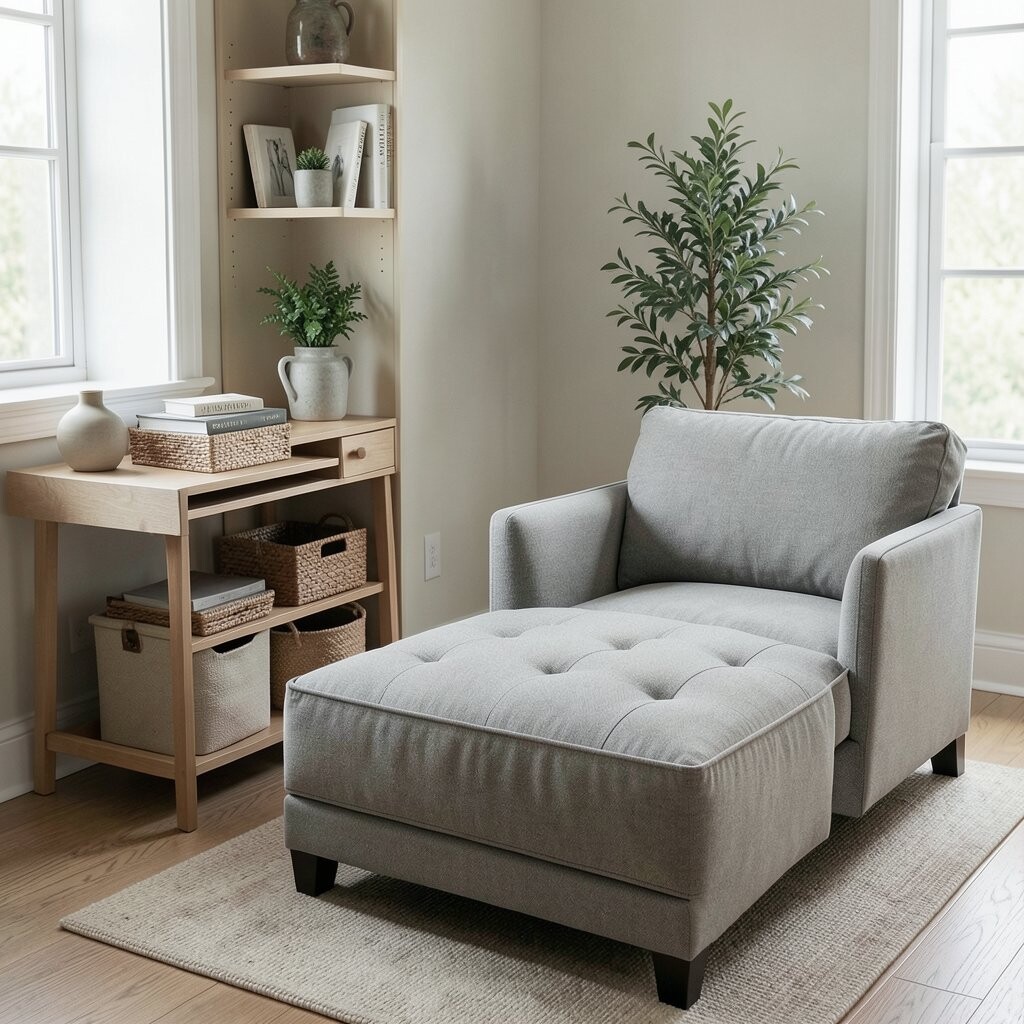
An ottoman with a lift top or a hidden lid can do two jobs at once. It gives you a place to sit or rest your feet, and it also gives you storage that stays out of sight.
This is a nice choice for living rooms, kids’ rooms, and small bedrooms. You can keep throws, game pieces, craft items, or remote controls inside, which helps cut down on clutter.
Many styles come in soft cloth, faux leather, or simple woven fabric, so it is easy to match your room. If you want a budget pick, some small cube ottomans cost less than a new shelf and still add good use.
4. Behind Closet Doors
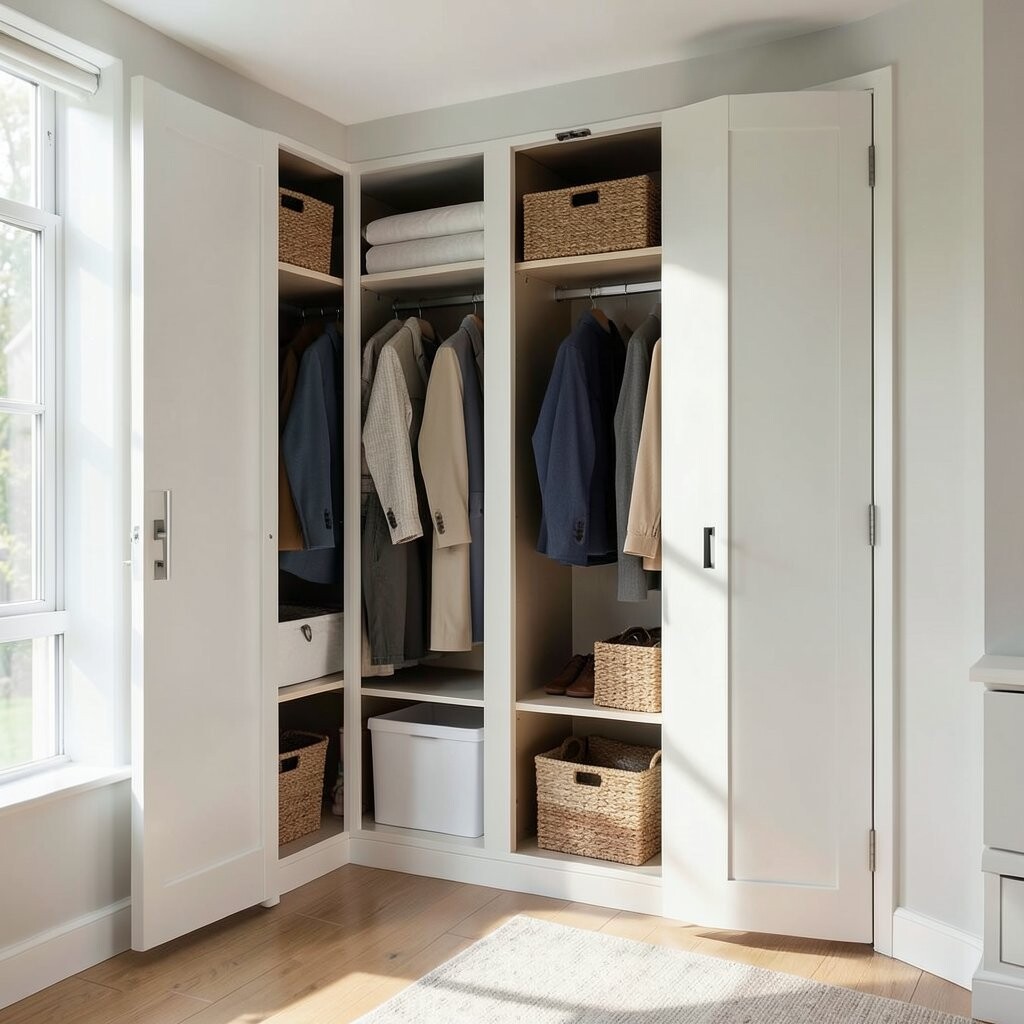
The back of a closet door can hold more than most people think. It is a flat, hidden area that works well for hooks, slim racks, and hanging organizers.
You can use it for belts, scarves, cleaning tools, hair items, or small bags. This keeps the main closet floor open and makes it easier to see your clothes.
Over-the-door organizers are still a common trend because they are simple and cheap. If you want a more personal setup, choose clear pockets for fast access or cloth pockets for a softer look.
5. Under Stair Corners
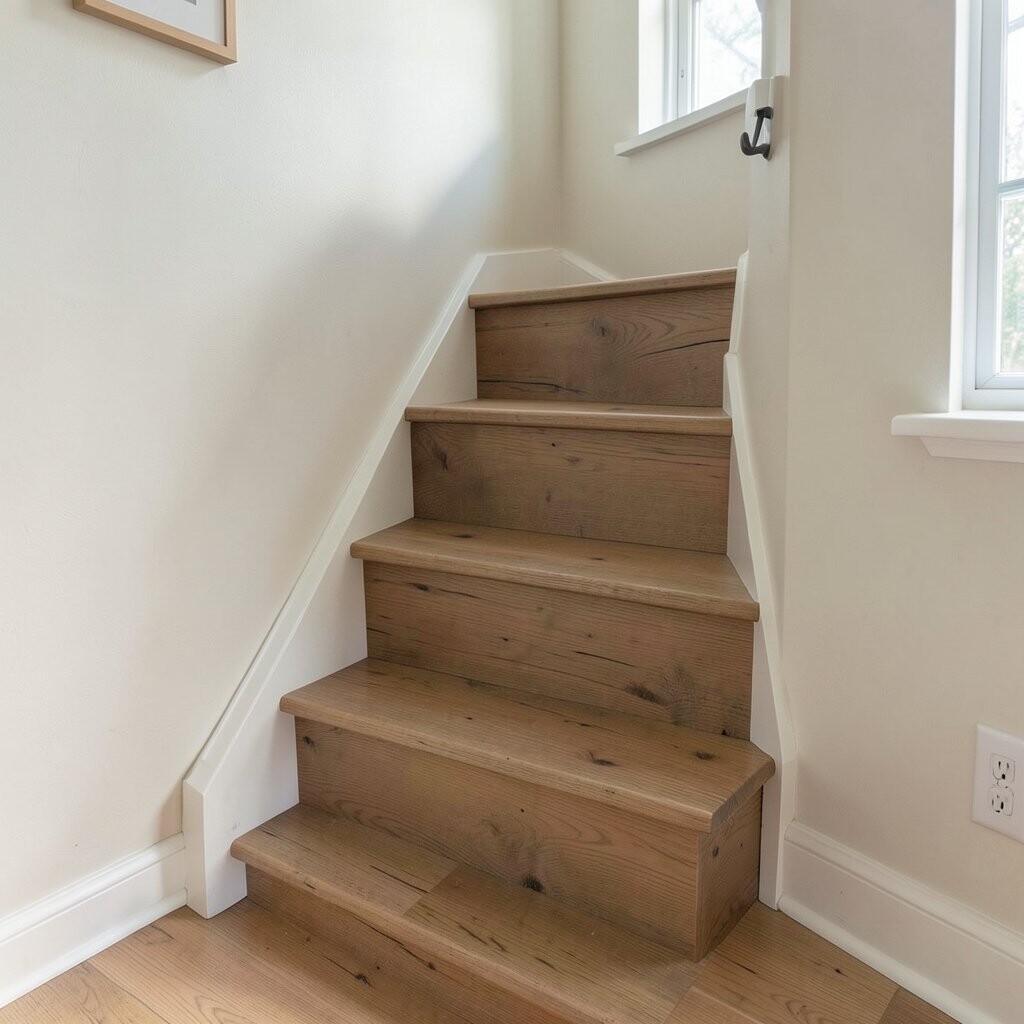
The space under stairs often has odd shapes, but that can make it useful in its own way. It can hold shelves, drawers, a reading nook, or even a small work area.
This spot is great for shoes, books, pet supplies, or holiday items. Since the shape is not always even, built-in shelves can help use each part of the space in a smart way.
Some homes now use this area for a small desk or a hidden cabinet wall. If you want a low-cost fix, try stackable bins first and see how the space works before you spend more.
6. Kitchen Toe Kicks
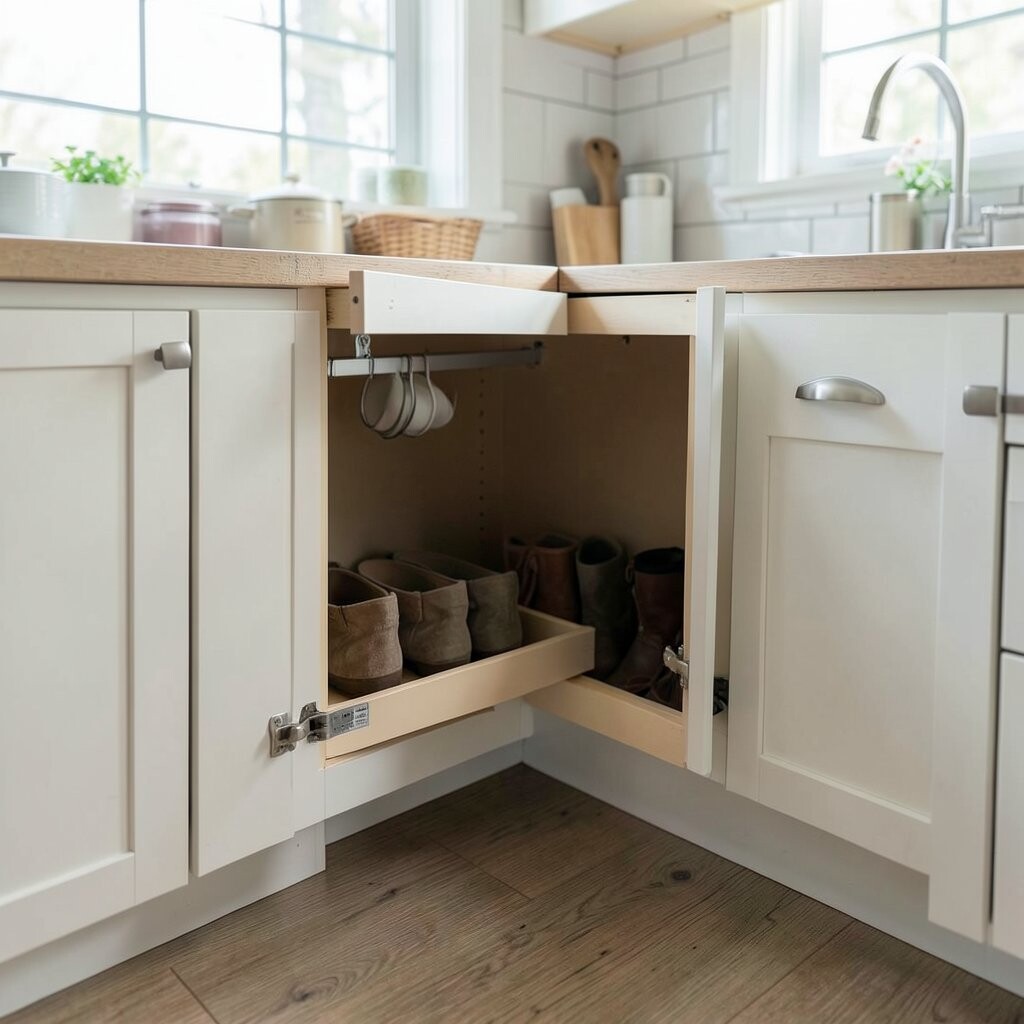
The toe kick is the small empty strip at the base of kitchen cabinets. It may look too small to matter, but it can hold shallow drawers made for flat items.
This space works well for baking pans, trays, cutting boards, placemats, and extra cloths. It is a smart way to use a part of the kitchen that often stays empty.
Hidden toe-kick drawers are a growing trend in custom kitchens. If you are not ready for a full change, you can still use nearby low drawers or small slide-out trays to get a similar result.
7. Space Inside Stairs
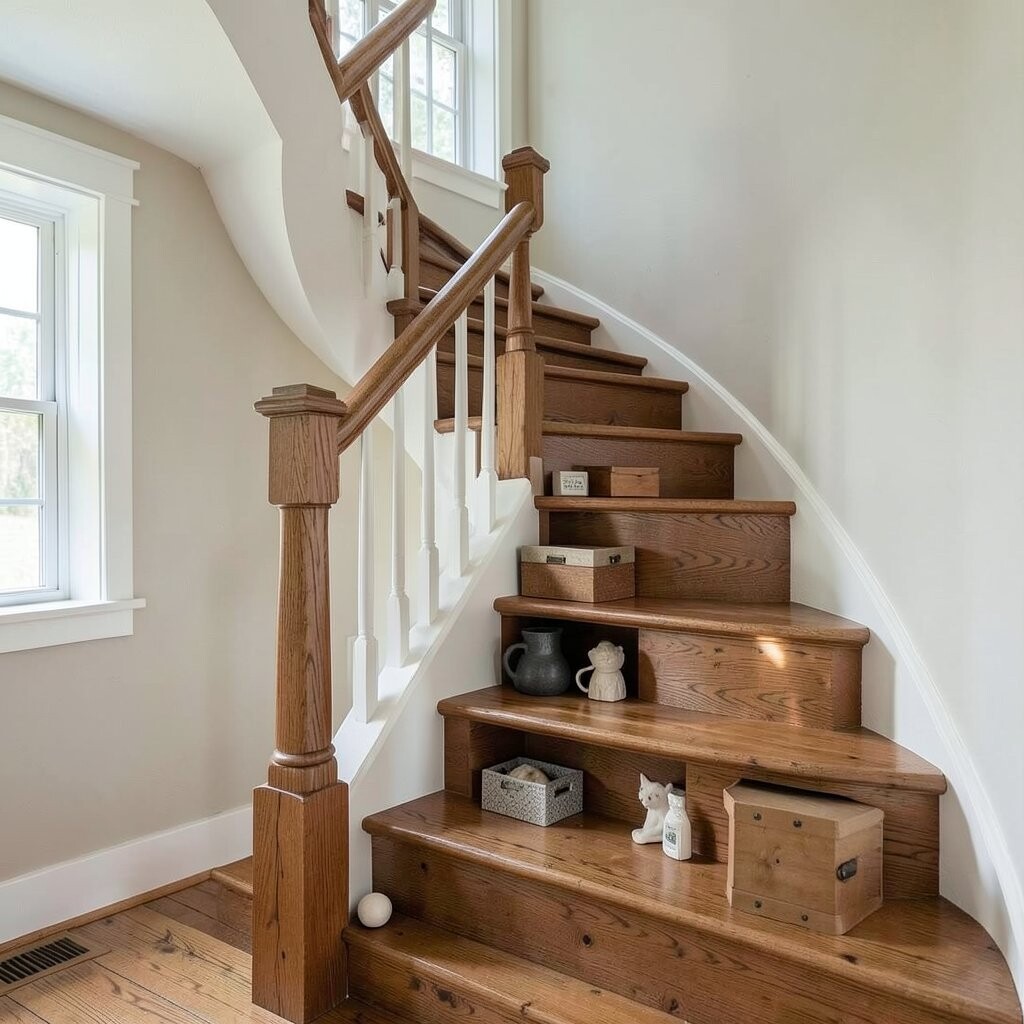
If your home has stairs, the space inside the steps can hold more than air. Some stairs can be made with pull-out drawers, cabinets, or small cubbies.
This is a strong choice for shoes, sports gear, seasonal decor, or pet items. It helps keep busy areas clear, and it can also make a hallway feel more open.
Built-in stair storage can cost more, but it often adds real use to a home. For a simpler idea, place a slim cabinet near the stairs and use it like a hidden stop for everyday things.
8. Bed Frame Drawers
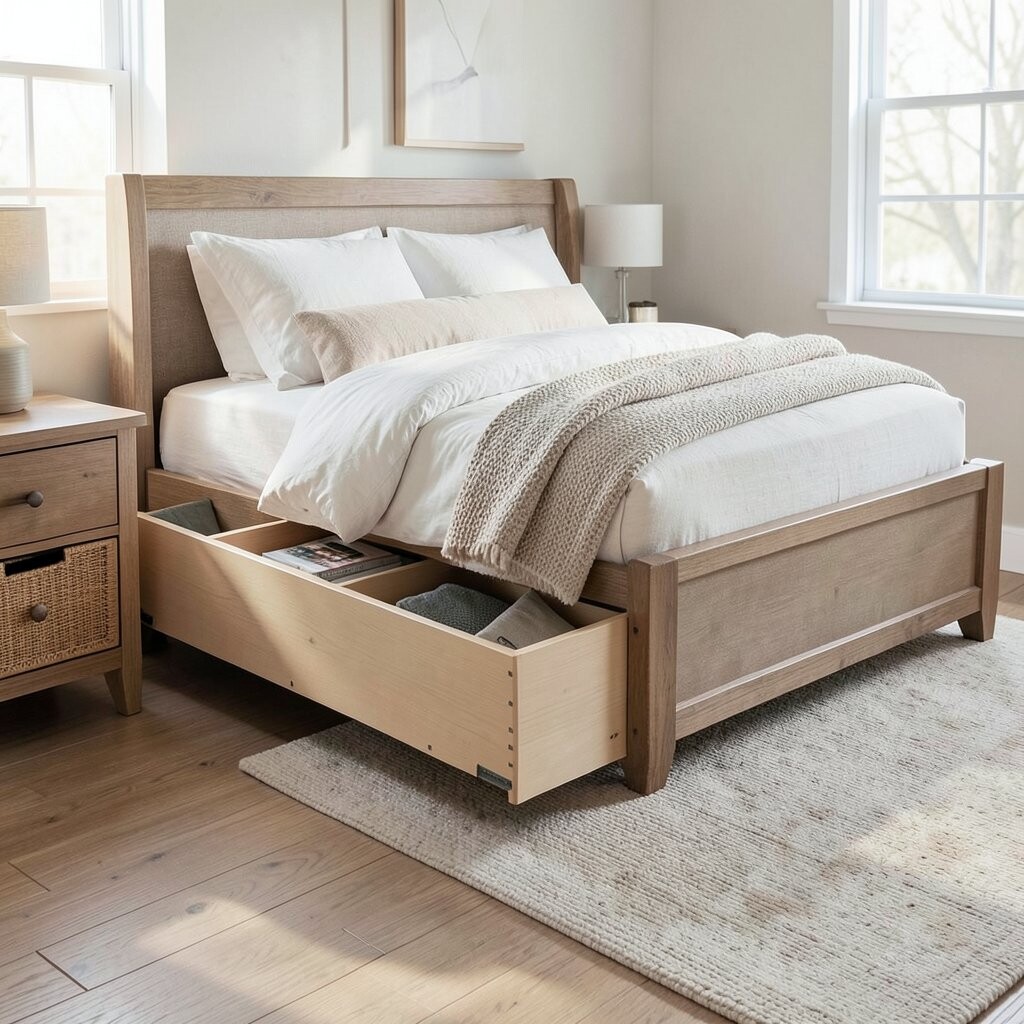
Some bed frames come with drawers built into the sides or foot of the bed. These drawers make use of space that would otherwise be lost under the frame.
You can store clothes, pajamas, extra bedding, or even board games in them. They are easy to use because they keep items close but out of sight.
Many new bed styles now use clean lines and simple drawer pulls, so they fit well in modern rooms. If you do not want to buy a new bed, you can add rolling drawers under a normal frame for a lower cost.
9. Empty Wall Corners
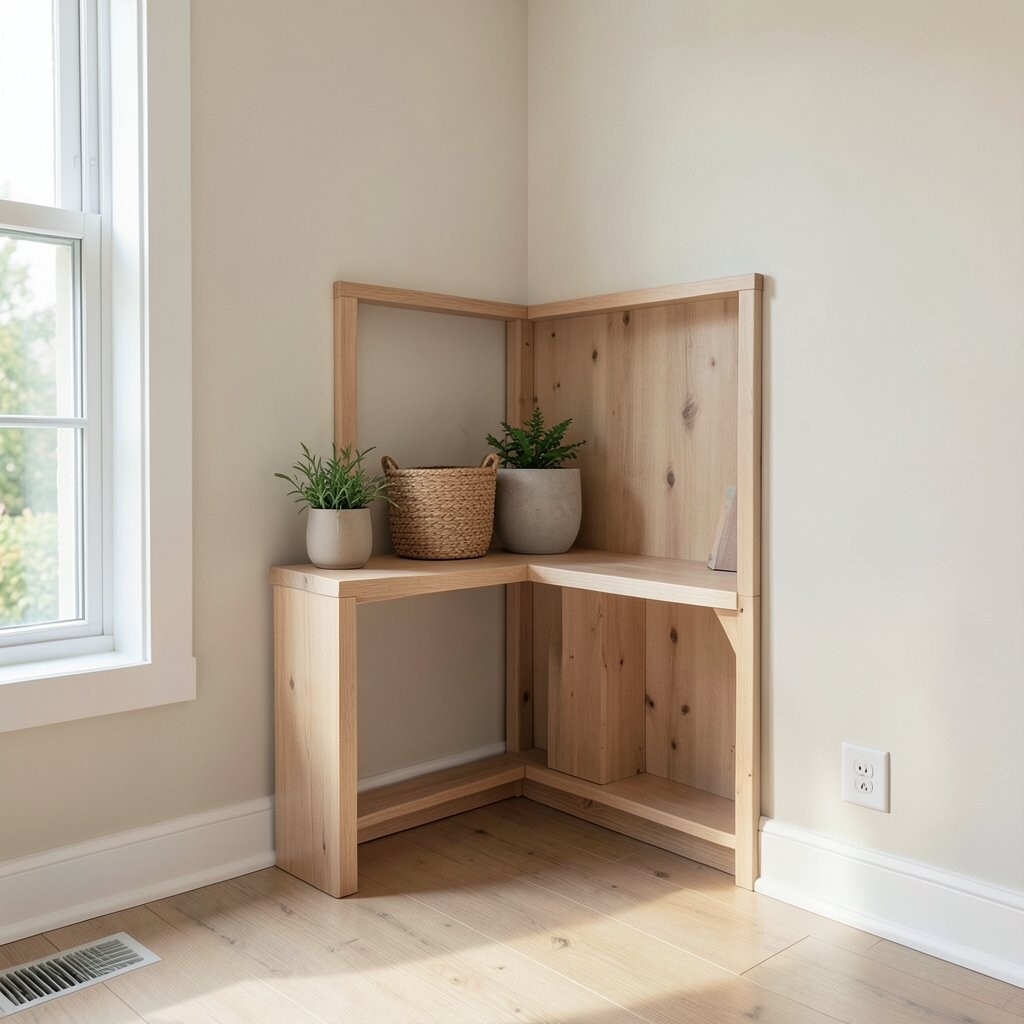
Wall corners can feel awkward, but they are often perfect for a small storage setup. A narrow shelf tower or corner cabinet can fit there without taking much floor space.
This works well for books, candles, small plants, baskets, or craft supplies. The room can look more put together when a plain corner gets a useful item that also looks nice.
Floating corner shelves are a simple trend because they look light and do not crowd the room. You can paint them to match your wall if you want a soft look, or use wood tones for a warmer feel.
10. Inside Sofa Seats
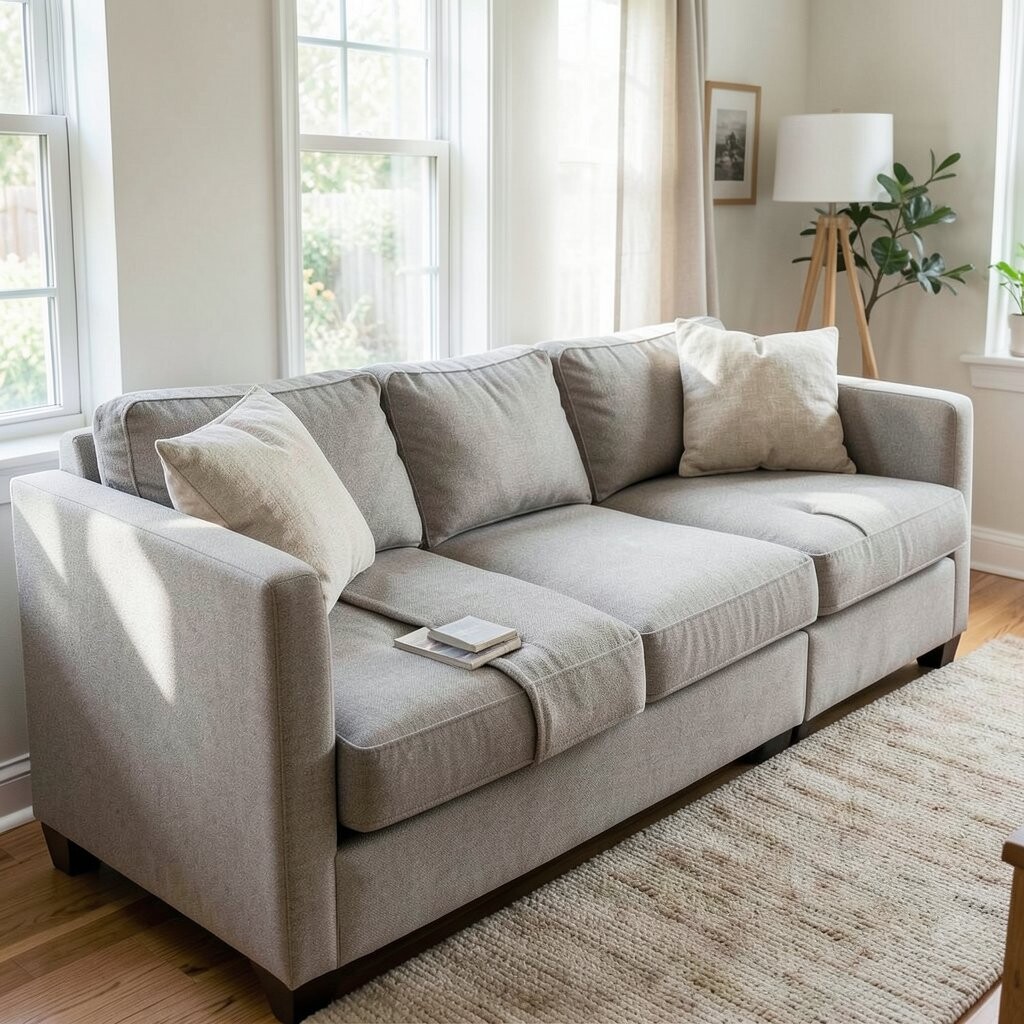
Some sofas and sectionals have hidden storage under the seat cushions or inside a lift top. This is a handy way to keep useful things close to where you sit each day.
Blankets, pillows, board games, and kids’ toys can fit here well. It helps cut down on the need for extra bins in the living room.
If you like a clean and calm room, this is a good choice because it keeps items out of view. Storage sofas can cost more than standard ones, but they can save you from buying another cabinet or chest.
11. Pull-Out Pantry Racks
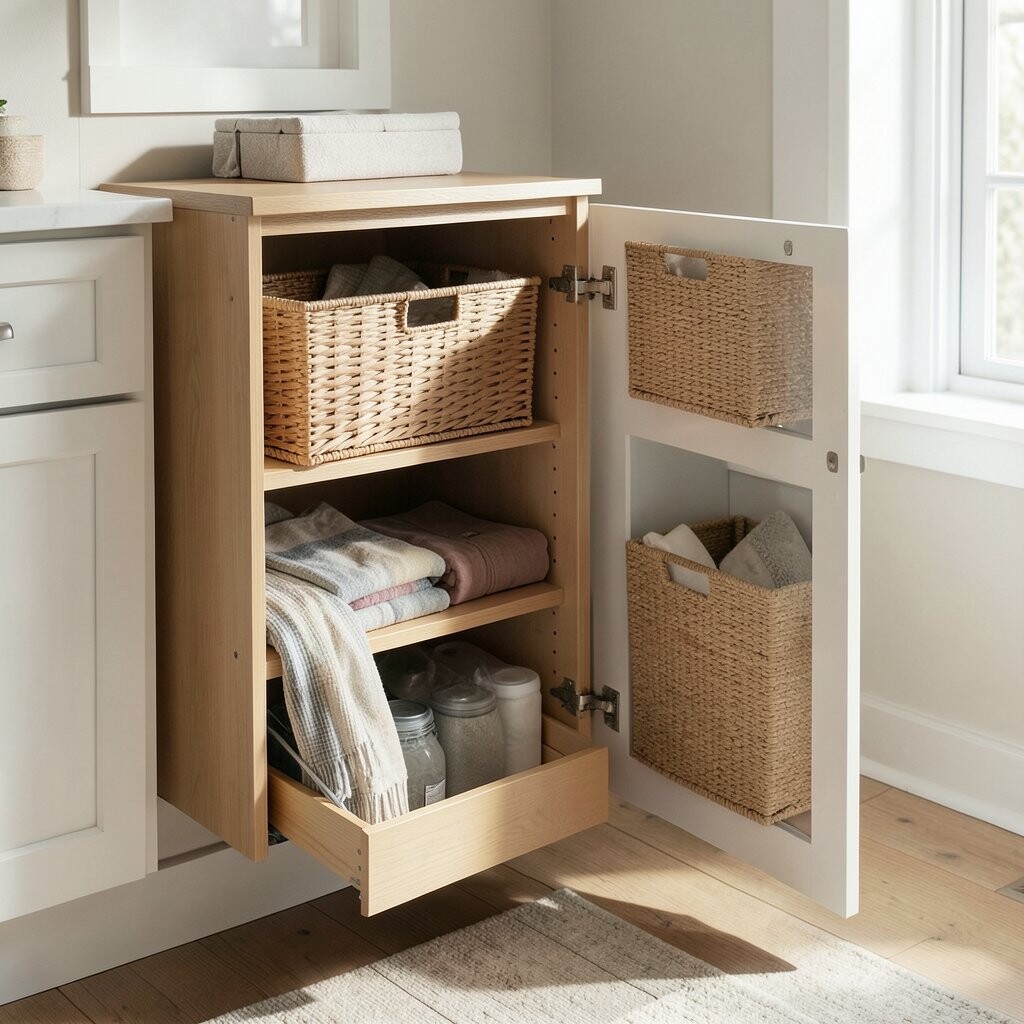
A pull-out rack in the pantry can use narrow space that would be hard to reach by hand. It brings items out to you, so nothing gets lost in the back.
This is useful for cans, jars, snacks, spices, and food boxes. It also helps you check what you have before you buy more, which can save money.
Many people like these racks because they make a kitchen feel more open and simple to use. If a full pull-out rack is too costly, try a slim shelf cart on wheels for a similar effect.
12. Window Bench Storage
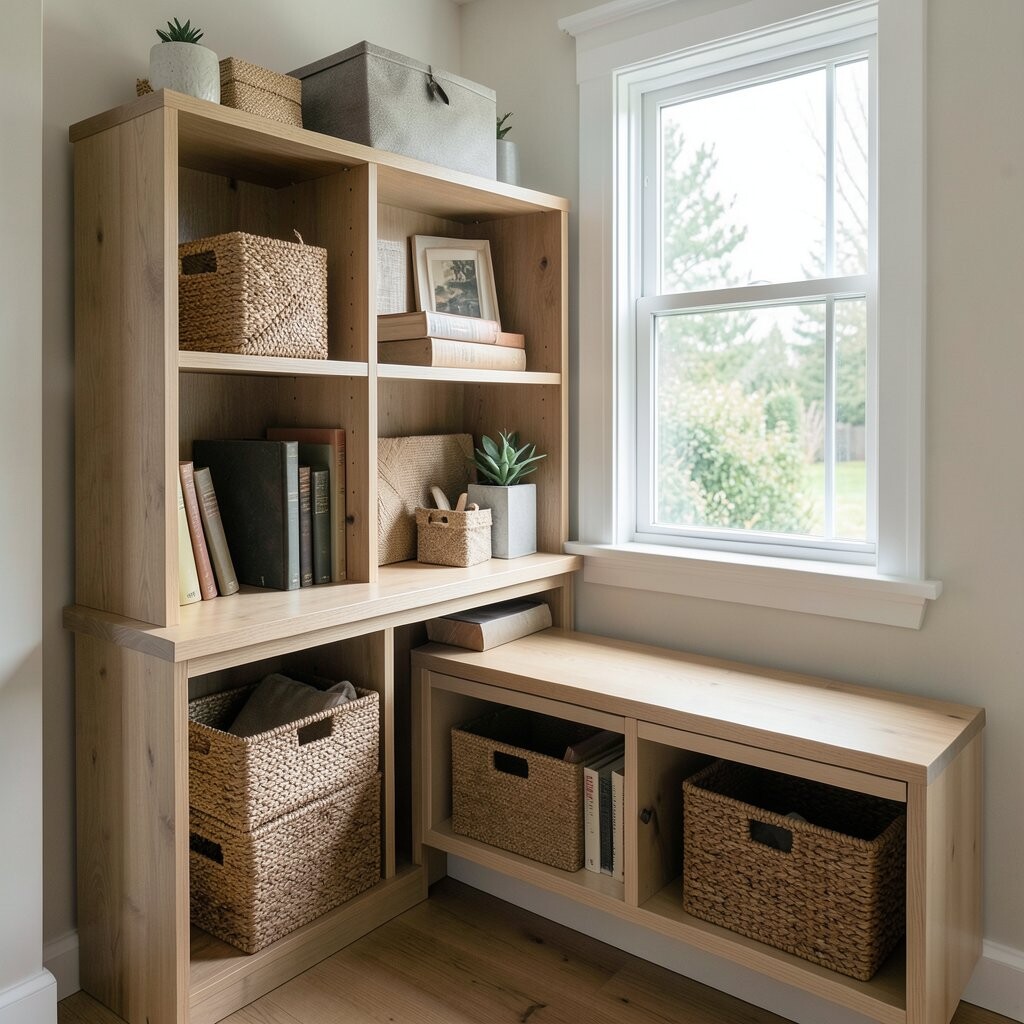
A bench under a window can add a soft and cozy look while also hiding storage inside. It can work in a bedroom, hall, playroom, or reading spot.
You can keep shoes, books, blankets, or games inside the bench base. The top can give you a place to sit, read, or rest while the room stays neat.
This idea is popular in homes that want both comfort and use in one piece. If you like a personal touch, add a cushion in a color or pattern that fits the room style.
13. Bathroom Sink Cabinets
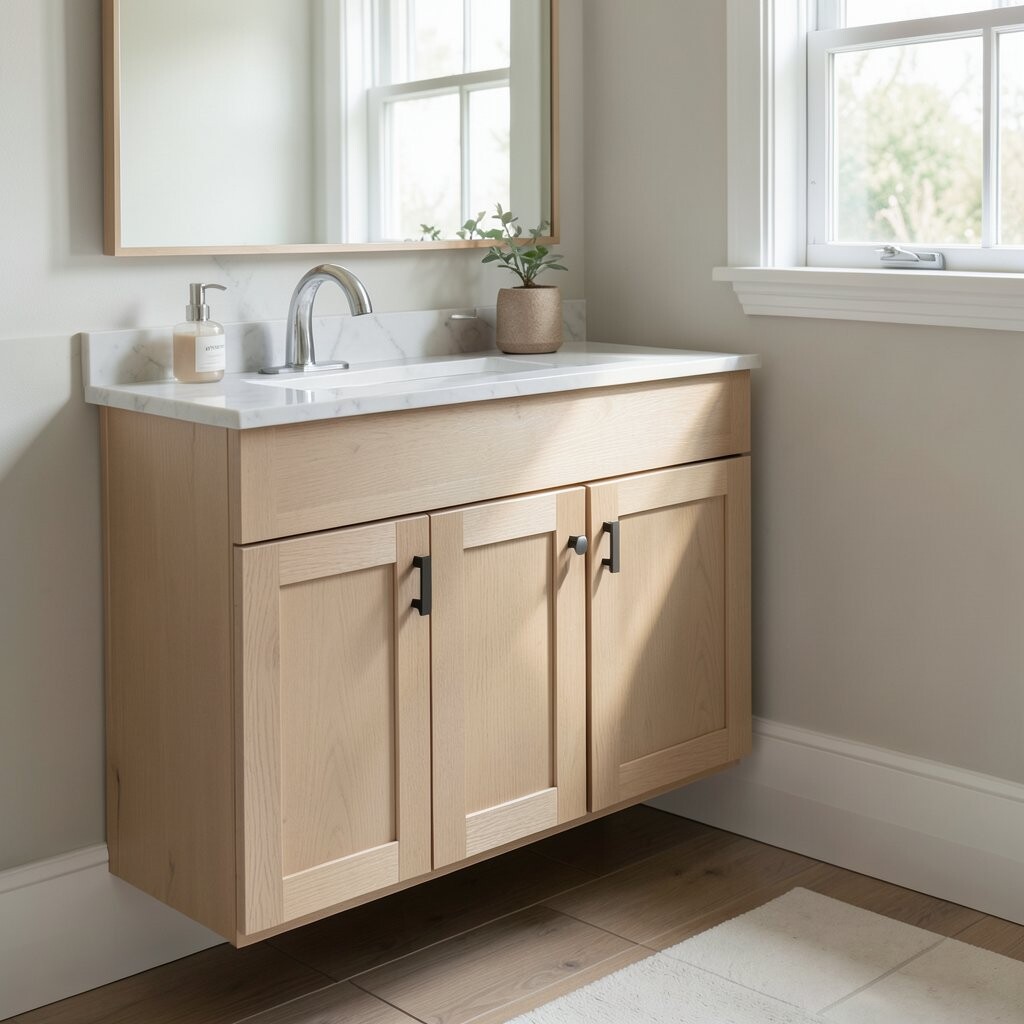
The space under a bathroom sink often goes unused or gets messy fast. A small cabinet, caddy, or drawer set can help turn it into a clear storage zone.
This area is useful for toilet paper, extra soap, wipes, hair tools, and cleaning items. It keeps daily items close and helps the bathroom look less crowded.
Plastic drawer units are a low-cost fix, while wood or metal pieces can give a more finished look. Clear bins are still a common trend because they make it easy to see what is left.
14. Top of Fridge Space
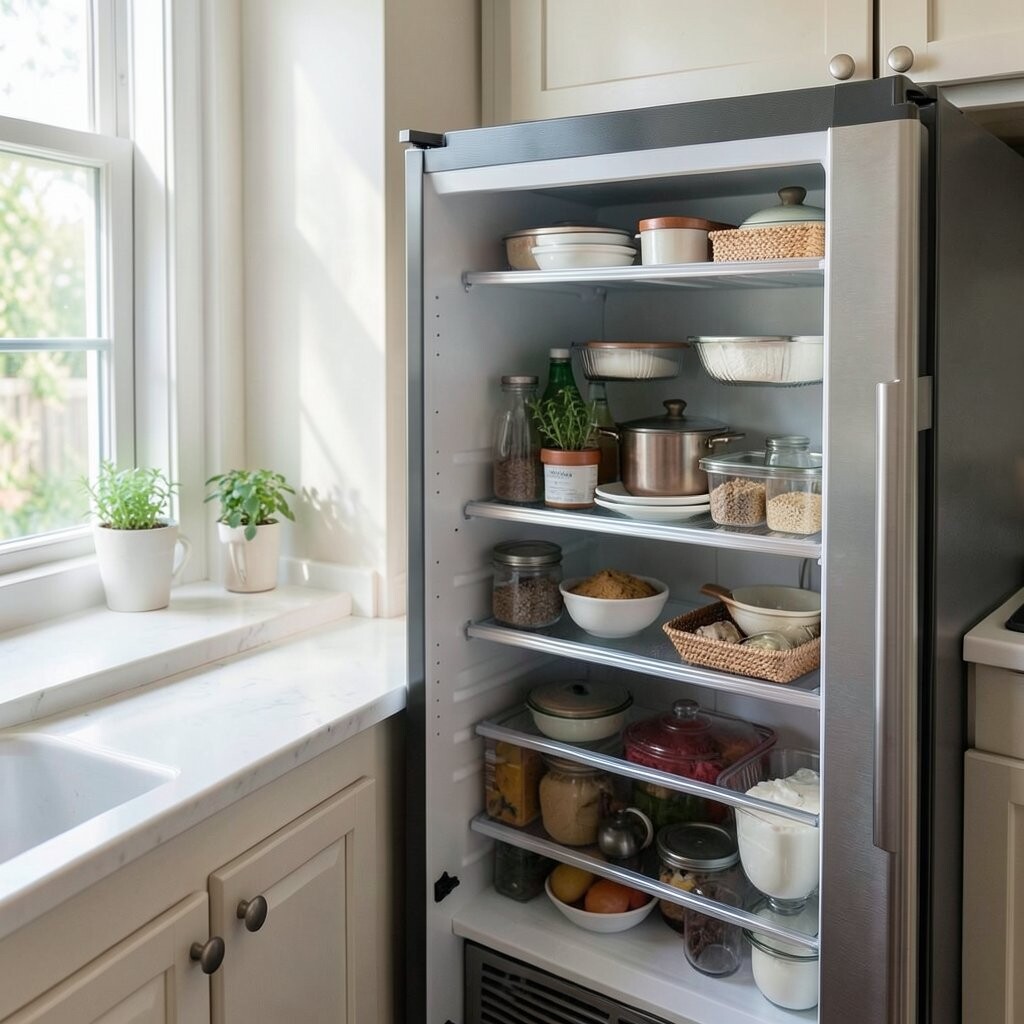
The space above a fridge can hold things that are light and not used every day. It is often a blank spot that can be made useful with a basket, bin, or closed box.
You can store serving trays, cookbooks, small appliances you rarely use, or extra paper items there. This keeps kitchen counters clear and helps the room look less busy.
If you want a cleaner look, use matching bins and label them in a simple way. This spot works best when the items are neat and not too heavy, so safety stays in mind.
15. Hidden Space in Furniture Feet
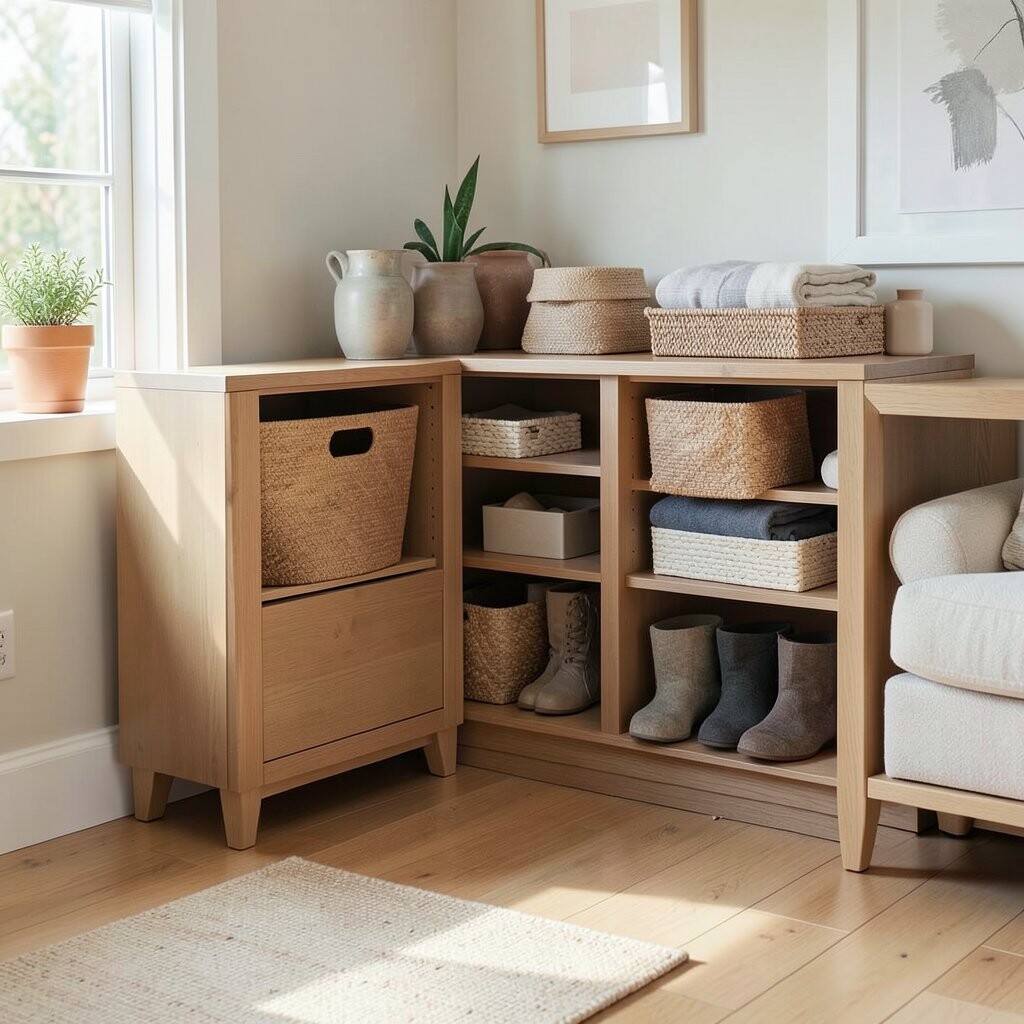
Some chairs, tables, and cabinets have feet or legs with a bit of open space around them. That space can fit small baskets, low trays, or slide-out boxes if the shape works well.
This is a good place for items like charging cords, small tools, pet toys, or craft bits. It keeps tiny things close without making the room look crowded.
Low-profile storage is a useful trend because it does not call much attention to itself. You can also try furniture risers if you need a little more room and want a cheap change.
16. Built-In Nooks and Alcoves
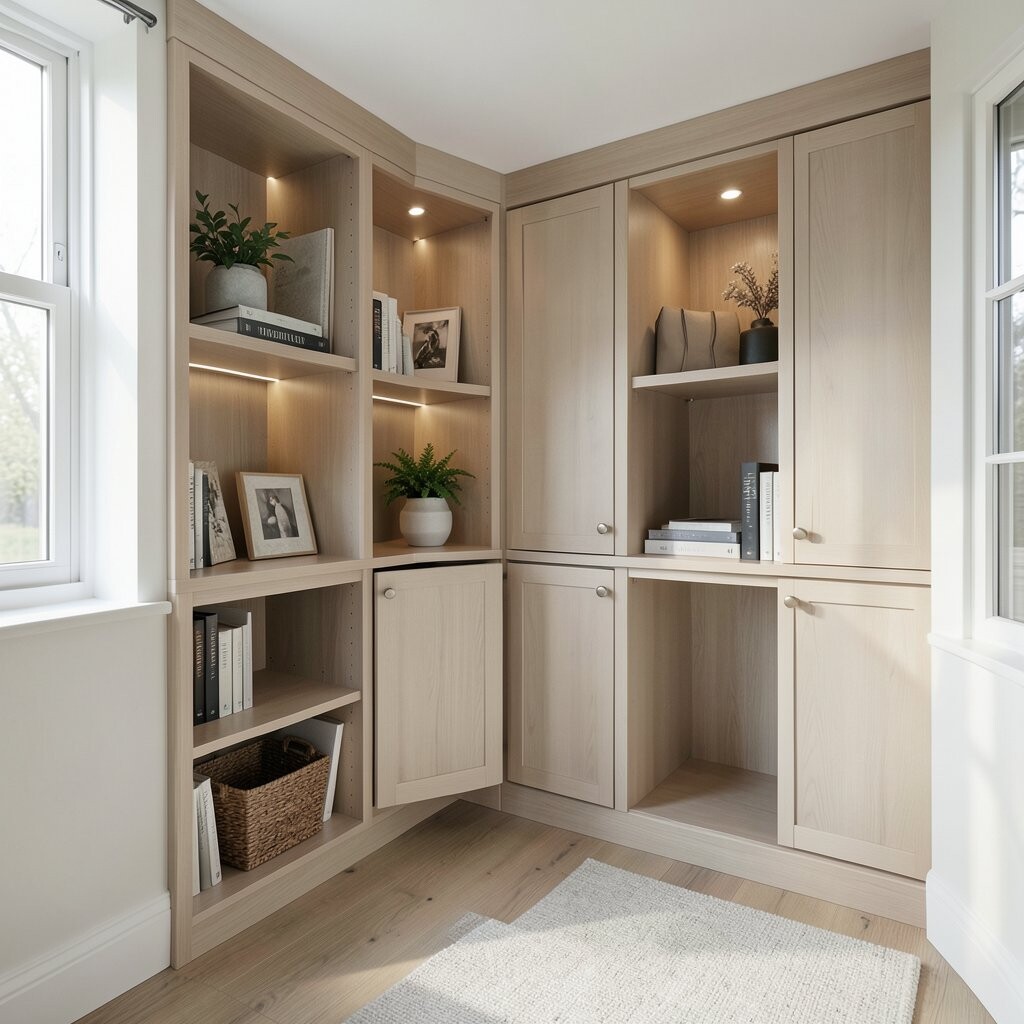
Some homes have small wall dips, side alcoves, or built-in nooks that seem hard to use at first. These spots can hold shelves, cabinets, or a simple set of bins with a neat finish.
They work well for books, dishes, towels, decor, or family items that need a set place. A nook can feel like part of the room, so it often looks more natural than adding a large extra piece.
If you want to make the spot feel more personal, add a paint color that stands out a little or use wood shelves for warmth. This idea can cost very little if you use simple shelves, but it can also look high-end if you choose built-ins and soft lighting.