Industrial loft and traditional apartment styles each bring a different feel to a home. This list shows simple ideas you can use to shape a space that fits your taste and daily life.
1. Open Brick Walls vs Smooth Painted Walls
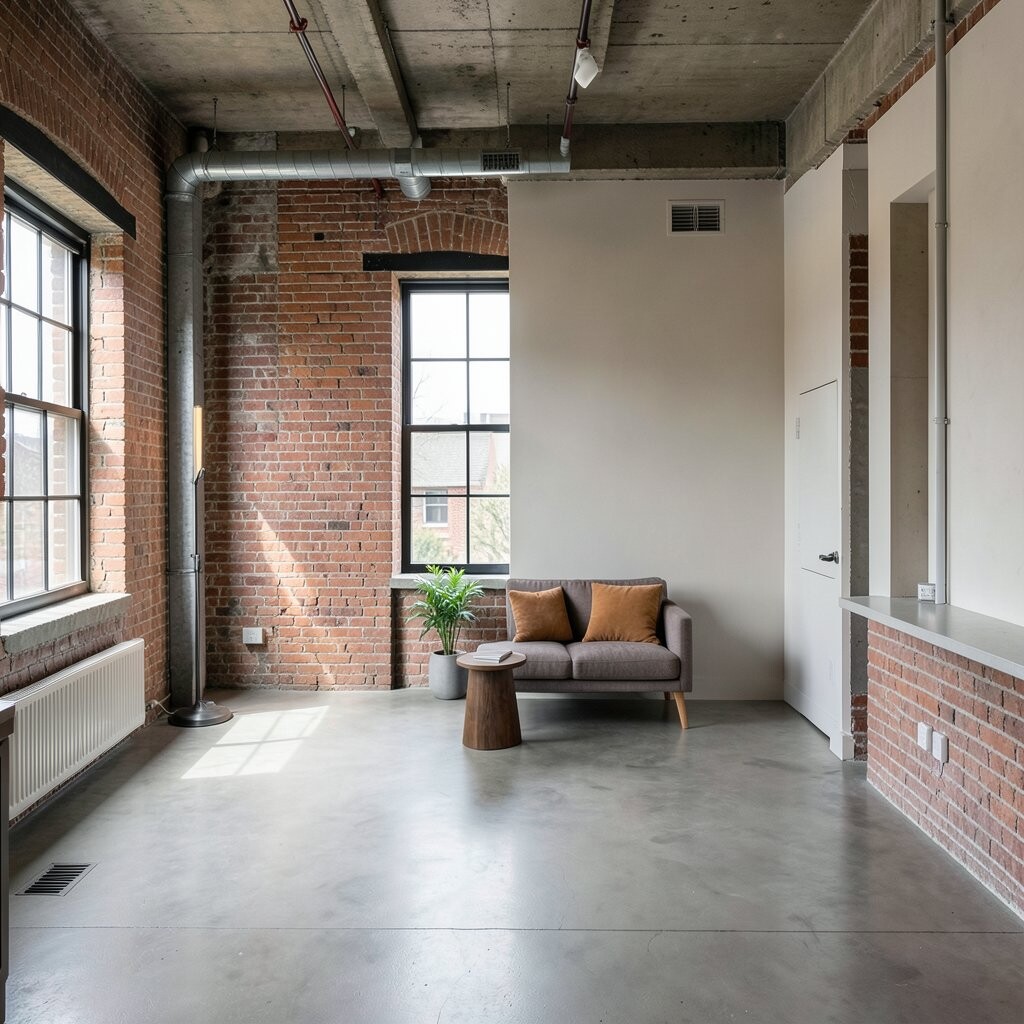
Industrial lofts often use brick walls that stay in view, and that gives the room a rough and honest look. Traditional apartments usually use smooth painted walls, which feel clean, calm, and easy to match with most furniture.
Brick can make a room feel warm and full of character, especially when paired with wood, metal, or leather. Painted walls can cost less to keep up, and they let you change colors more often if you like fresh looks.
If you want a loft feel, keep one brick wall and paint the rest in soft neutral shades. If you want a more classic apartment look, use warm white, light gray, or pale beige and add art for color.
This mix can help you get the best of both styles without making the space feel too busy. It also gives you room to change small things later, which can save money over time.
2. High Ceilings vs Cozy Ceiling Heights
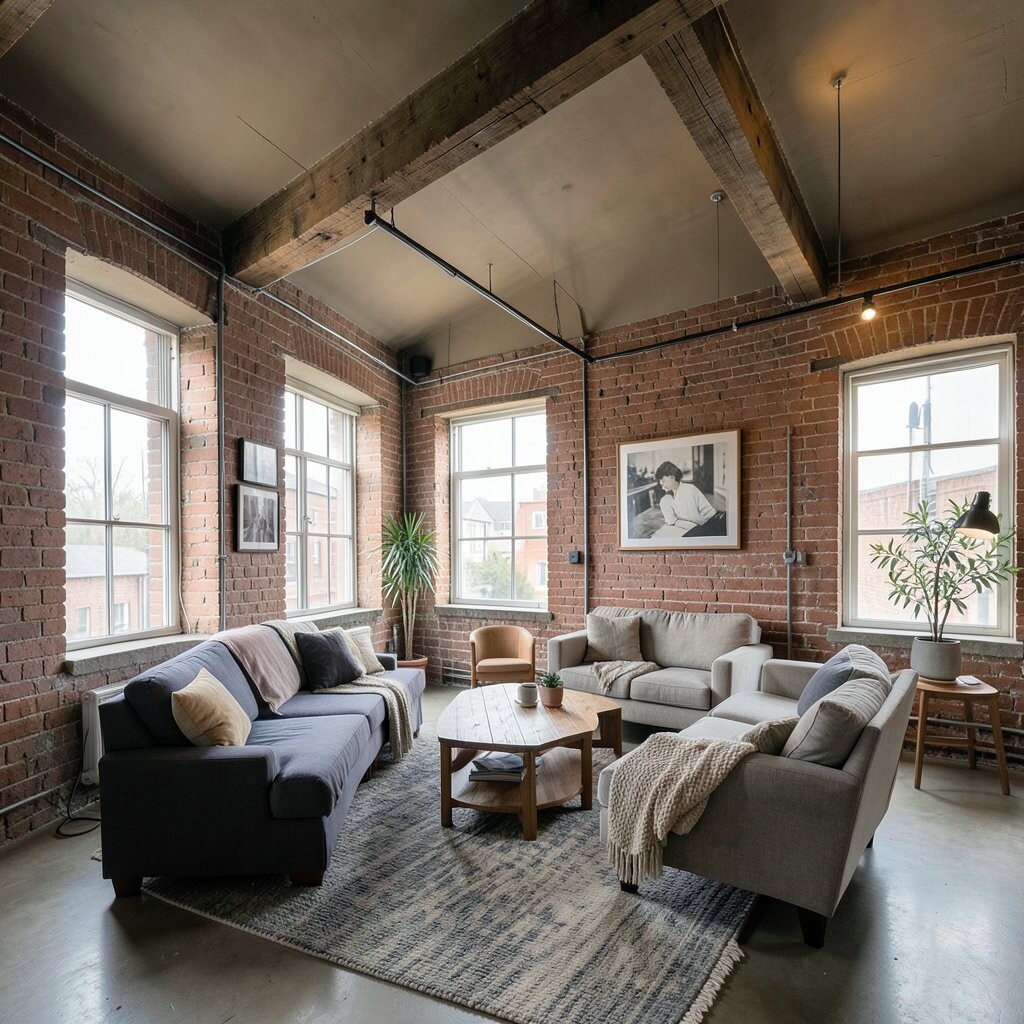
Industrial lofts often have tall ceilings that make the room feel wide and open. Traditional apartments usually have lower ceilings, which can feel more cozy and easier to heat and cool.
High ceilings give you room for tall shelves, big art, and long curtains that add drama without much effort. Lower ceilings can help a room feel snug, and they are often easier to light with simple lamps and ceiling fixtures.
If your home has high ceilings, use tall plants or hanging lights to fill the empty space. If your home has lower ceilings, keep furniture lower and use light wall colors to make the room feel more open.
Both styles can work well, but the choice changes how the whole home feels. The key is to use the ceiling height as part of the room design instead of fighting it.
3. Large Windows vs Small Window Frames
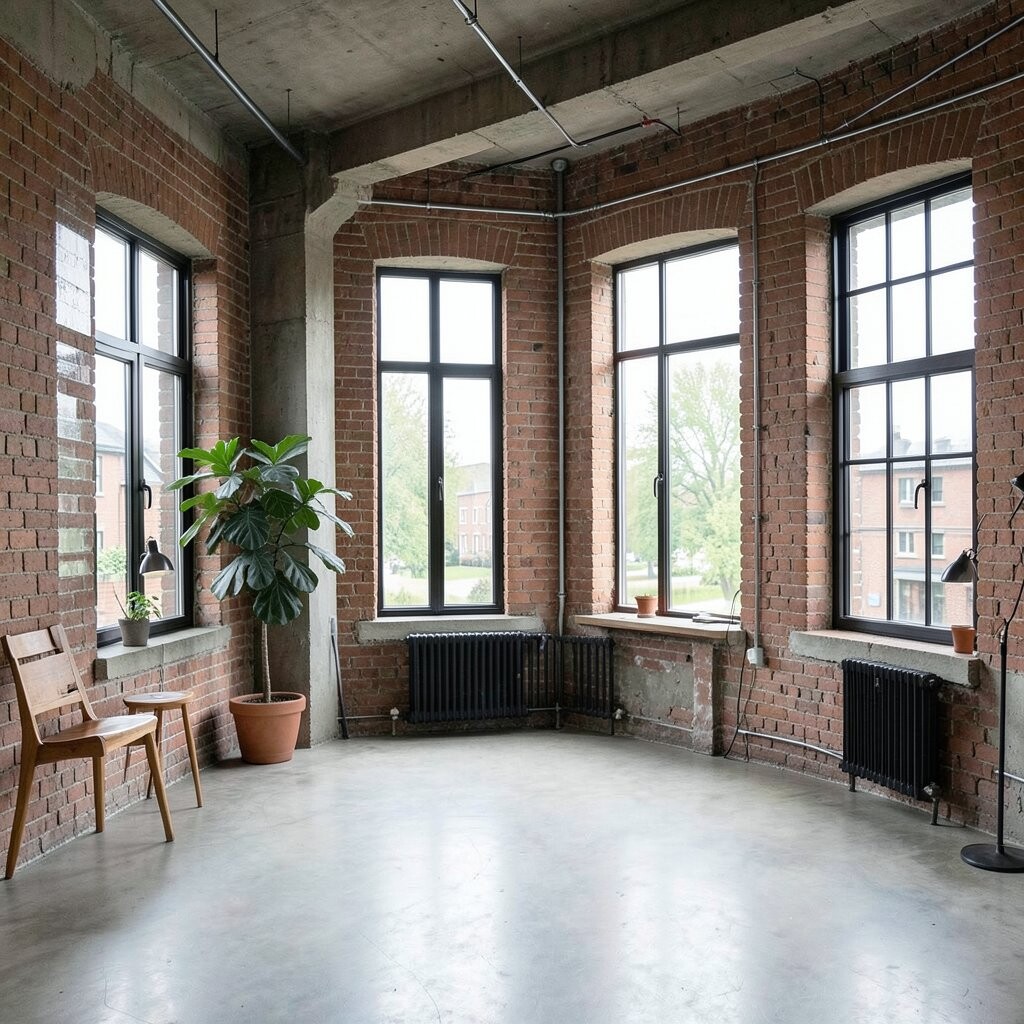
Industrial lofts often have large windows that let in a lot of light and show more of the outside view. Traditional apartments may have smaller windows, which can feel more private and can help block some heat or cold.
Big windows make rooms look brighter and can help a small space feel larger. Small windows can still be useful if you use light curtains, mirrors, and soft colors to spread the light around.
If you want a loft style, use simple window covers so the glass stays in view. If you prefer a traditional style, try fuller curtains or shades that add softness and make the room feel finished.
Windows also affect cost, since large glass areas can need more care and better heat control. A smart window choice can help you enjoy the look you want while keeping the room easy to live in.
4. Exposed Pipes vs Hidden Fixtures
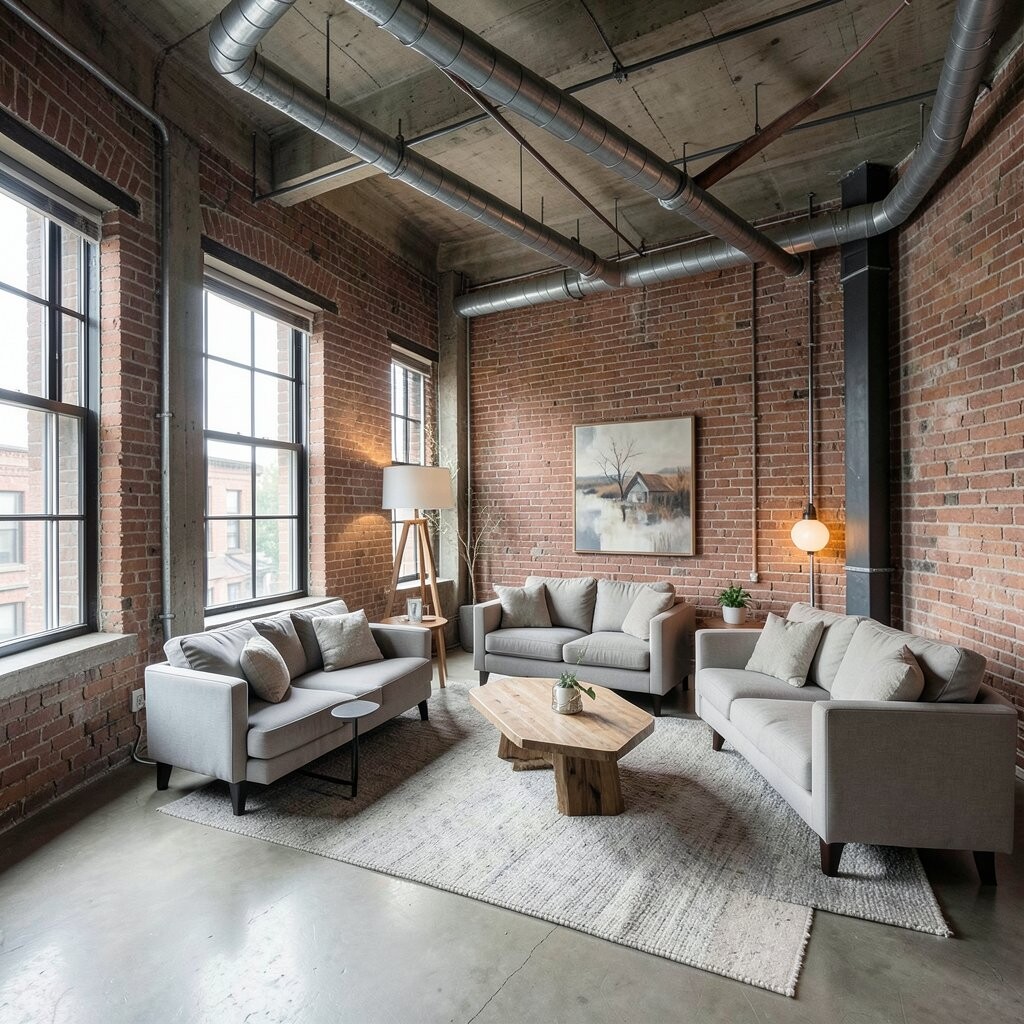
In an industrial loft, exposed pipes and ducts are often part of the design. In a traditional apartment, these parts are usually hidden behind walls or ceilings for a cleaner look.
Exposed pipes can add a raw style that feels real and simple. Hidden fixtures can make a room seem calm and neat, which many people like for daily life.
If you like the loft look, keep metal pipes in dark or matte tones so they feel more planned. If you like a traditional feel, use built-in covers or matching trim to keep lines smooth.
This choice can also affect repair costs and ease of care. Visible parts may be easier to reach, while hidden systems can look better if you want a polished finish.
5. Raw Metal Frames vs Wood Trim
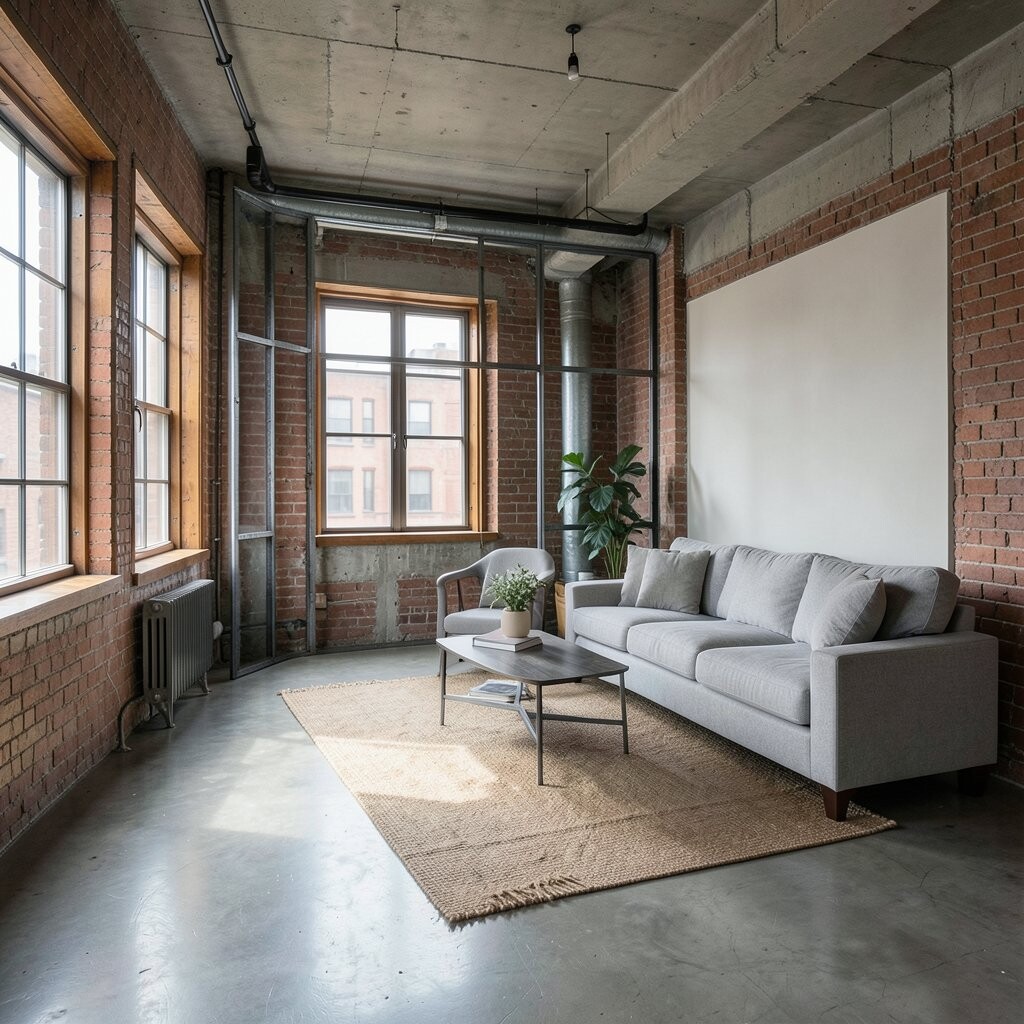
Industrial lofts often use metal in window frames, tables, chairs, and shelving. Traditional apartments often use wood trim and wood details that feel softer and more homey.
Metal brings a cool, firm look that works well with black, gray, and brick. Wood adds warmth and can help a room feel more calm and lived-in.
You can use metal lamps or table legs in a loft-style room and still keep the space friendly. You can also add wood bowls, frames, or side tables in a traditional room to make it feel less plain.
This is a simple way to mix the two looks without buying all new furniture. It also helps you shop with more freedom, since both new and used items can fit.
6. Wide Open Layouts vs Defined Room Zones
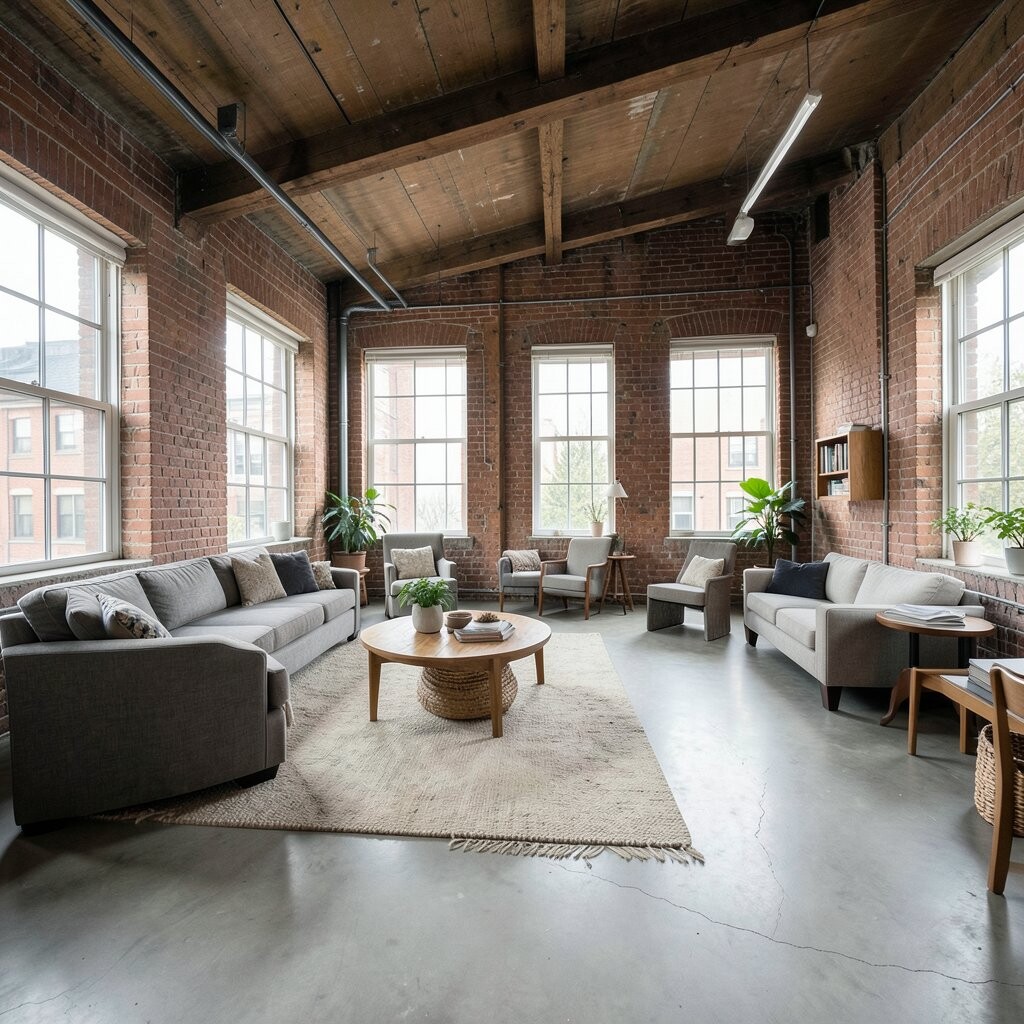
Industrial lofts often have wide open rooms with fewer walls. Traditional apartments often have clear room zones for sleeping, eating, working, and relaxing.
Open layouts can make a home feel large and easy to move through. Defined zones can help life feel more orderly, and they can make it simpler to keep things neat.
If you have a loft, use rugs, shelves, or a sofa to mark each area. If you have a more traditional apartment, keep each room tied together with the same colors and materials.
Open space can fit a modern way of living, while room zones can support quiet and privacy. Many people like a mix, since a small open area with one closed room can work well for many needs.
7. Concrete Floors vs Soft Area Rugs

Industrial lofts often use concrete floors that add a plain, strong look. Traditional apartments often use rugs, carpet, or wood floors that feel softer underfoot.
Concrete is easy to match with metal and simple furniture, and it can be easy to clean. Rugs add warmth, reduce noise, and make a room feel more relaxed.
If you have concrete floors, use large rugs to warm up the space and help define areas. If you have wood or carpet, choose rugs with simple patterns so the room does not feel too crowded.
Floor style changes both comfort and cost, since some floors need more care than others. The best choice depends on how much time you want to spend cleaning and how soft you want the room to feel.
8. Black and Gray Tones vs Soft Neutral Colors
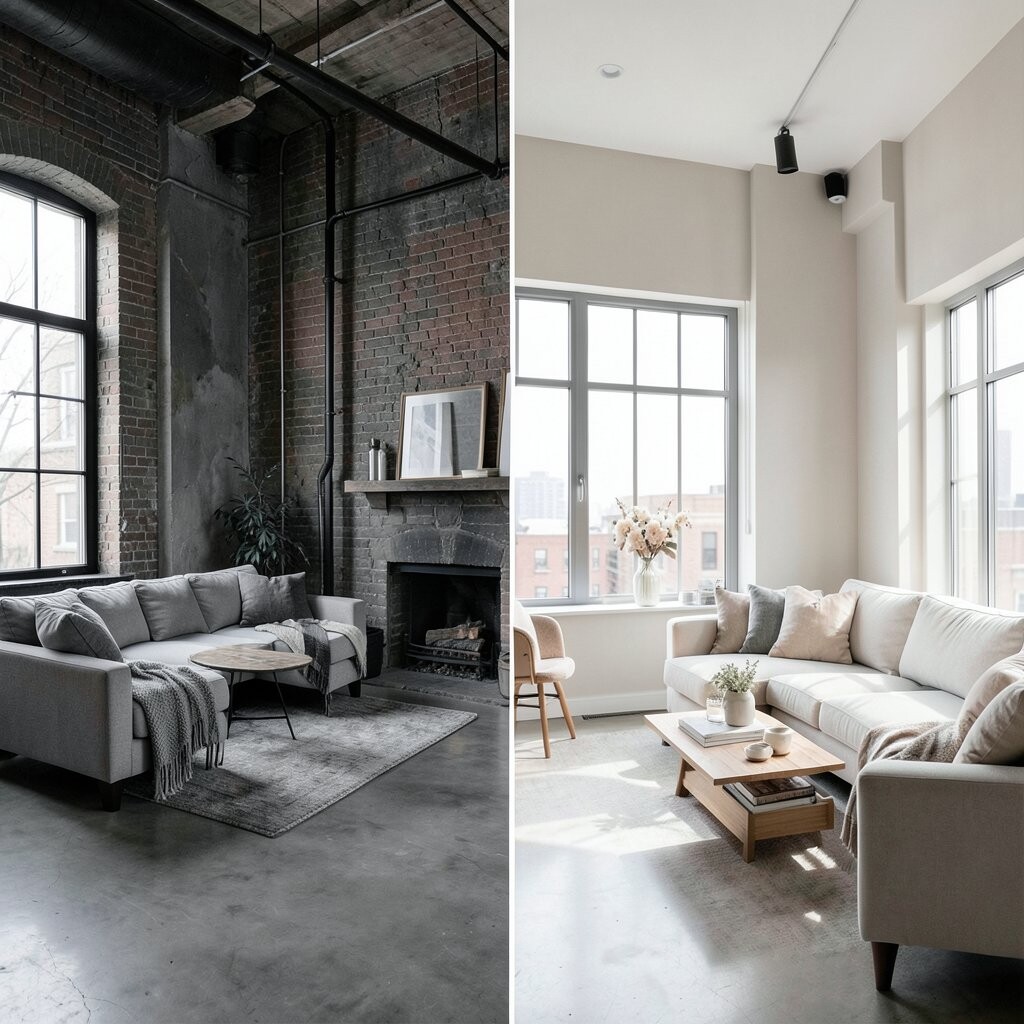
Industrial loft style often uses black, gray, and dark brown shades. Traditional apartment style often uses soft colors like cream, taupe, and light gray.
Dark shades can make a room feel strong and steady, especially when mixed with wood or brick. Soft tones can make a room feel open, light, and easy to live in.
If you want a loft look, use dark frames, black lamps, or gray chairs with one warm color to keep it from feeling cold. If you want a traditional look, add soft pillows, light curtains, and simple art.
Color choice also affects how costly a room feels to update, since paint and fabric are often low-cost ways to make a change. A smart color plan can help the whole place feel connected.
9. Vintage Furniture vs Matching Sets
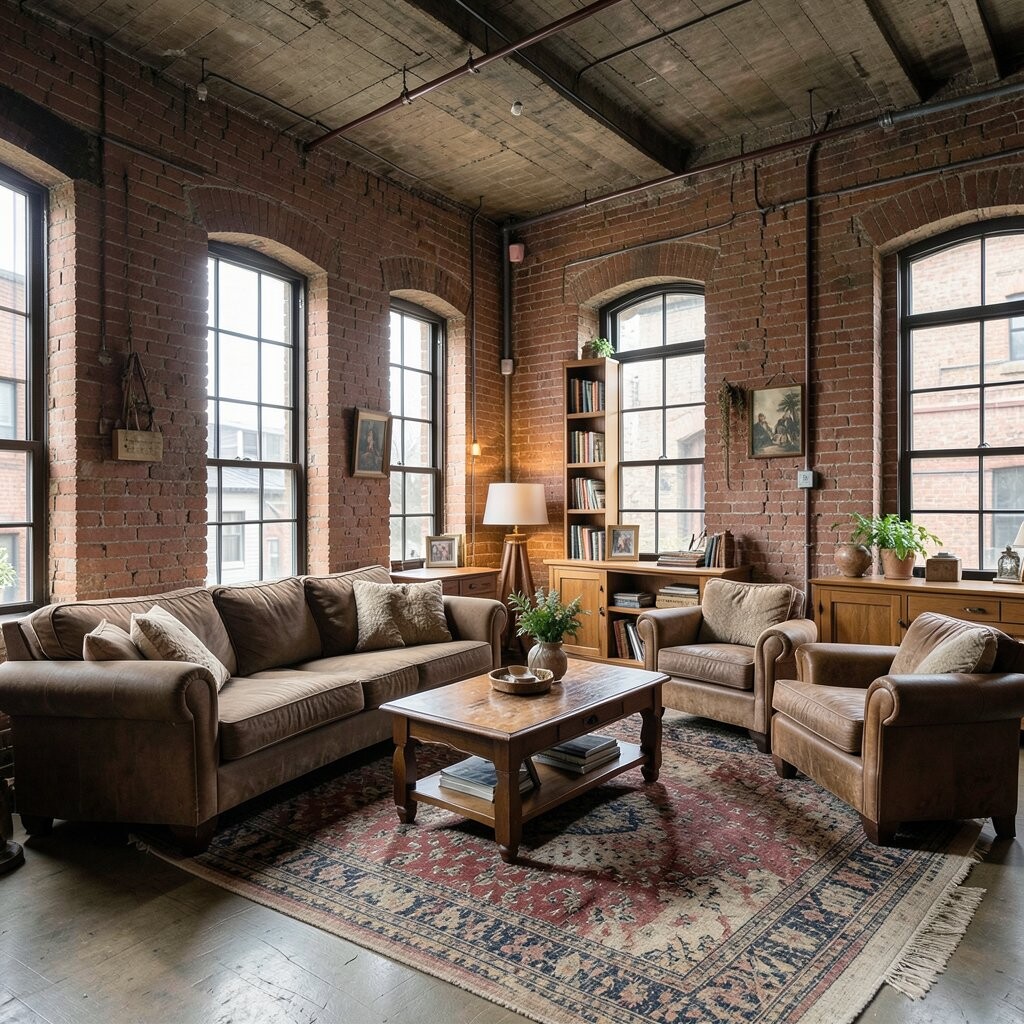
Industrial loft homes often mix old chairs, worn tables, and secondhand pieces with more new items. Traditional apartments often use matching furniture sets that give the room a neat and planned look.
Vintage pieces can bring charm and help a room feel less staged. Matching sets can make shopping easier and can help a small home feel tidy fast.
If you like the loft style, try one old cabinet or a used wood table with newer chairs. If you like the traditional style, keep the shapes similar and use a few small items to add interest.
This is also a good way to manage cost, since used furniture can be much cheaper than new items. It can also help you build a home that feels personal, not copied from a store display.
10. Edison Bulbs vs Classic Lampshades
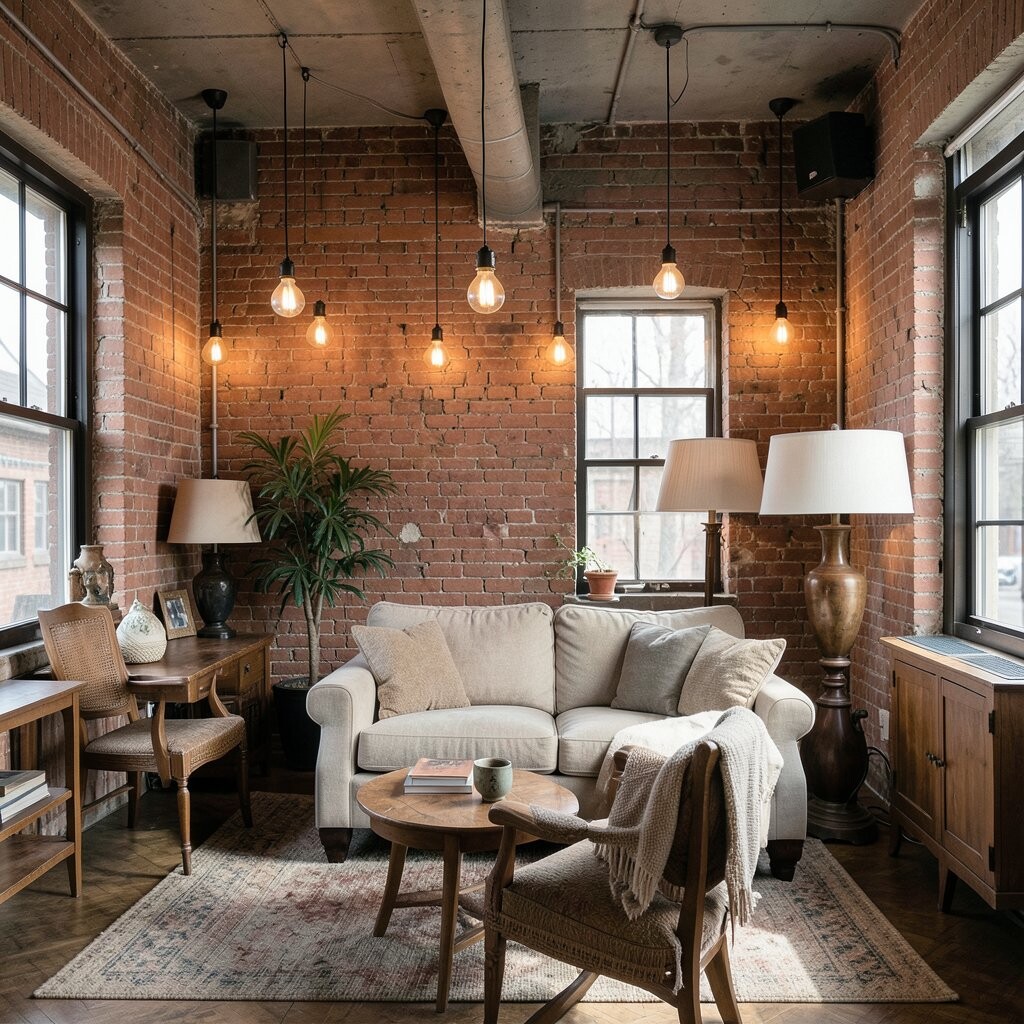
Industrial lofts often use simple bare bulbs or Edison bulbs with a warm glow. Traditional apartments often use lampshades, fabric lights, and other soft lighting parts.
Edison bulbs can make a room feel open and a little bold. Lampshades can spread light in a gentle way and help the room feel calm at night.
If you want a loft feel, hang one or two simple light fixtures with metal parts. If you want a traditional feel, use table lamps, floor lamps, and soft shades to make the room more relaxed.
Lighting is a low-cost way to shape the mood of a room. It can also help show off texture, color, and wall art in a way that fits your style.
11. Steel Shelving vs Built-In Cabinets
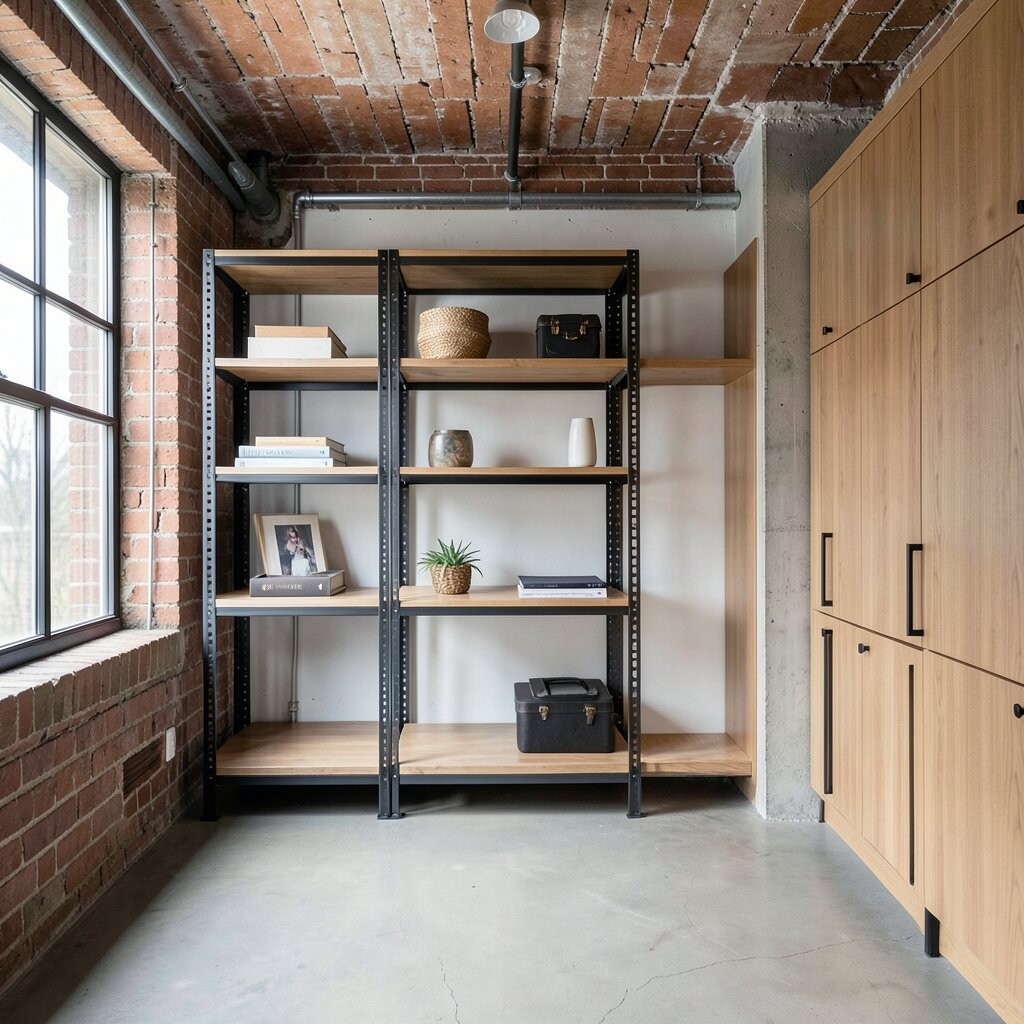
Industrial lofts often use open steel shelves that show books, dishes, and decor. Traditional apartments often use built-in cabinets that hide more items and keep the space looking neat.
Open shelving can make a room feel light and easy to use, and it can also show off pieces you like. Built-in cabinets can help cut visual clutter and make cleaning faster.
If you want the loft style, keep shelves simple and avoid filling them too much. If you want the traditional style, use cabinets with plain doors and add small display items on top.
The shelf choice can affect both cost and care, since open shelves are often simpler and cheaper while built-ins may give more storage. Personal style matters here, because some people enjoy showing items while others like to keep things hidden.
12. Leather and Canvas vs Upholstered Comfort
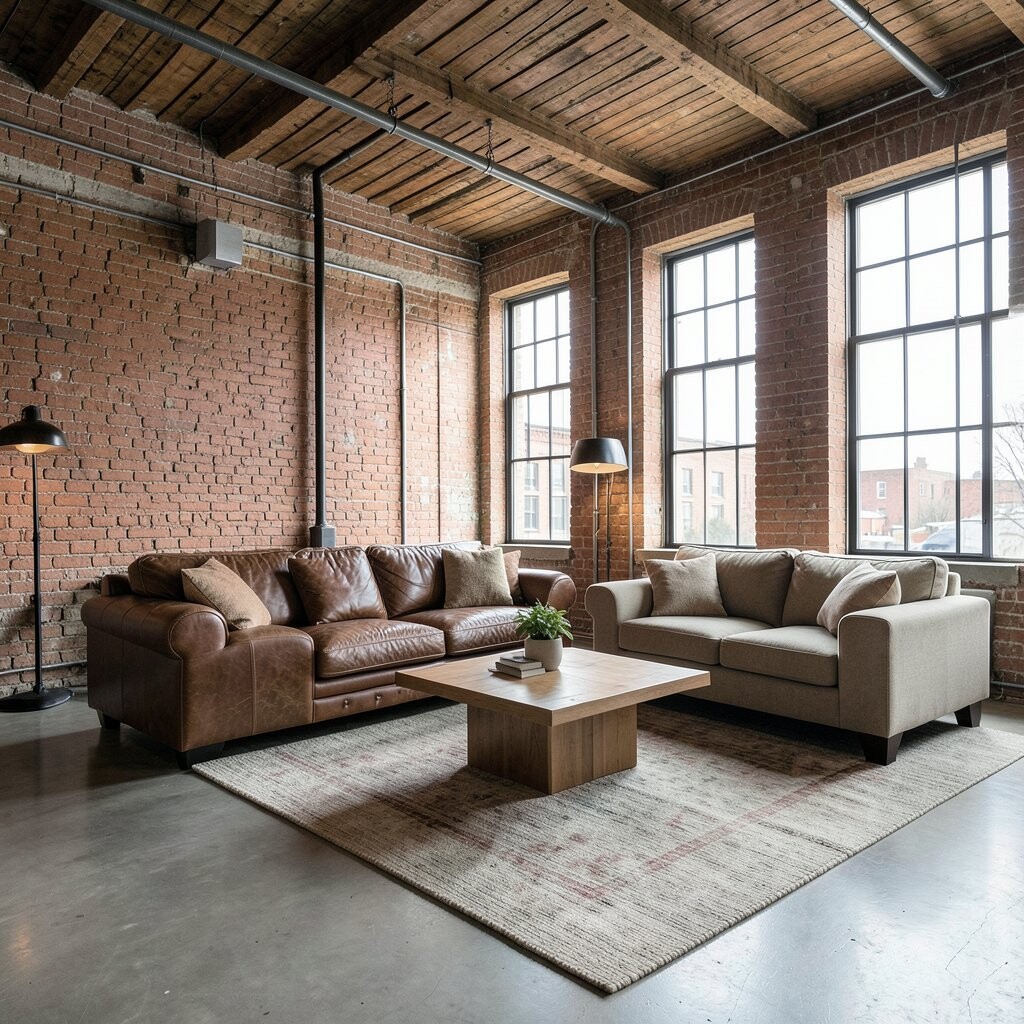
Industrial lofts often use leather chairs, canvas stools, and other strong fabric choices. Traditional apartments often use upholstered sofas and chairs that feel soft and cozy right away.
Leather and canvas can be easier to wipe clean and may hold up well in busy homes. Upholstery can add comfort and a softer look, which many people want in a living room or bedroom.
If you like the loft feel, use one leather chair or a canvas bench with simple pillows. If you like the traditional feel, pick soft fabric seating and add texture with blankets and cushions.
This choice also connects to cost, since some leather pieces last a long time while soft fabric can be cheaper at first. The right mix can help your home feel both useful and easy to enjoy.
13. Minimal Decor vs Layered Home Details
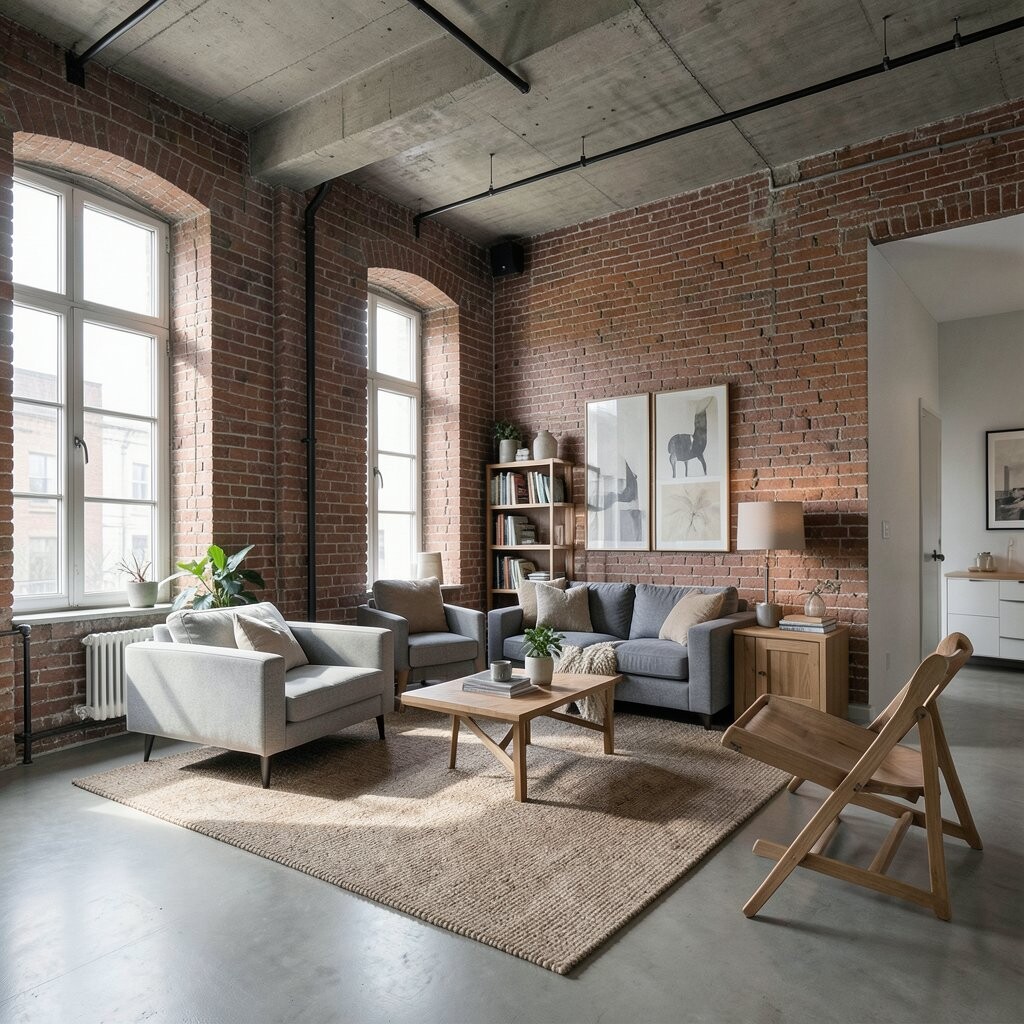
Industrial lofts often keep decor simple, with only a few art pieces, plants, or objects on display. Traditional apartments often use more layers, like framed pictures, curtains, table lamps, pillows, and small keepsakes.
Minimal decor can make a room feel open and easy to clean. Layered decor can make a home feel warm, personal, and full of life.
If you want a loft style, choose a few strong pieces and leave some empty space so the room can breathe. If you want a traditional style, add layers in the same color family so the room stays calm and does not feel crowded.
This is where you can show your own taste most clearly. Some people want a space that feels simple and easy, while others want a room that tells a story through small details.