Coastal living design can feel easy, but small choices can make a space seem off. Simple materials, soft colors, and smart planning help a home feel calm and fit for daily life.
1. Using Too Much Nautical Decor
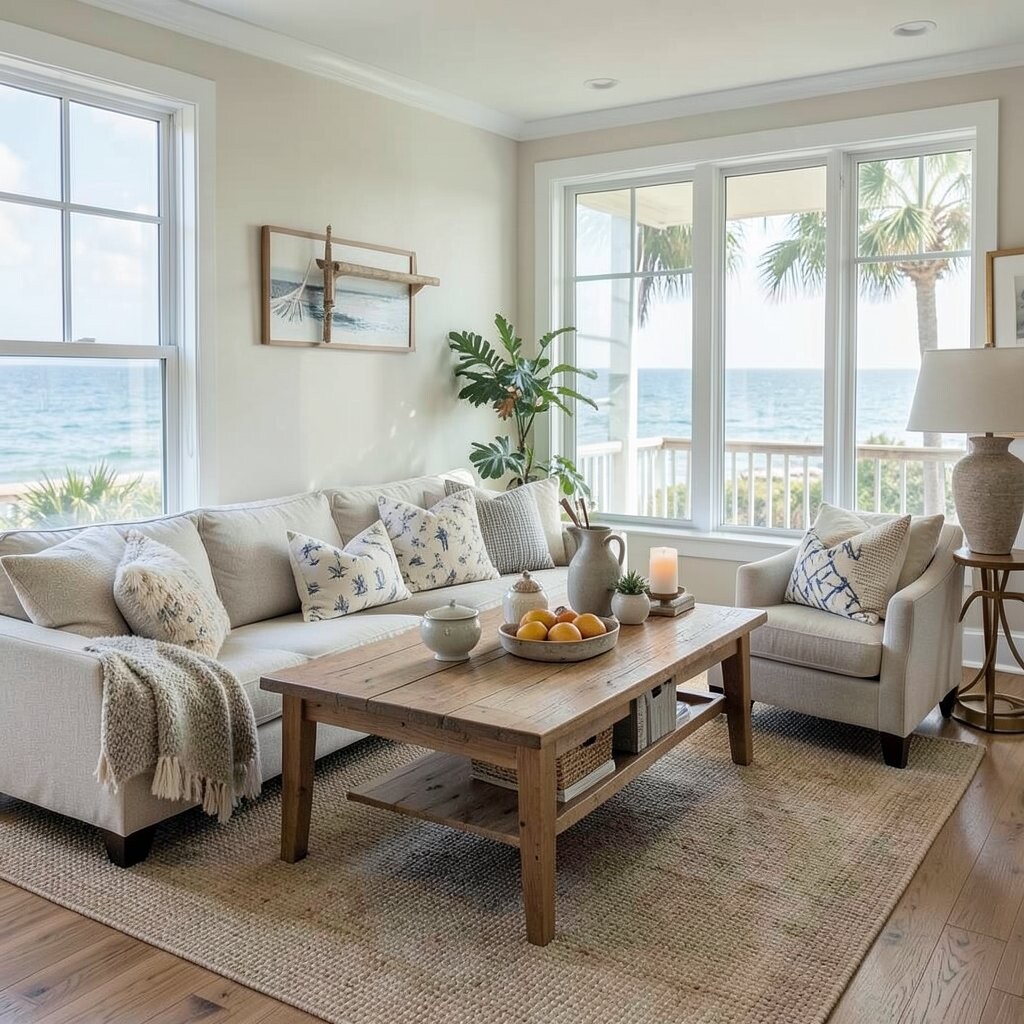
It is easy to fill a room with anchors, shells, rope, and stripes, but that can make the space feel like a theme park. A few sea touches can work well, but too many can make the room look busy and fake.
Try to use one or two clear nods to the coast, like a driftwood bowl or a framed ocean print. This keeps the room fresh and simple, which is a big part of good coastal living design.
One good tip is to pick items that feel natural instead of items that shout “beach.” Soft lines, worn wood, and plain clay pieces often cost less than fancy decor and can look better for longer.
2. Choosing the Wrong Colors
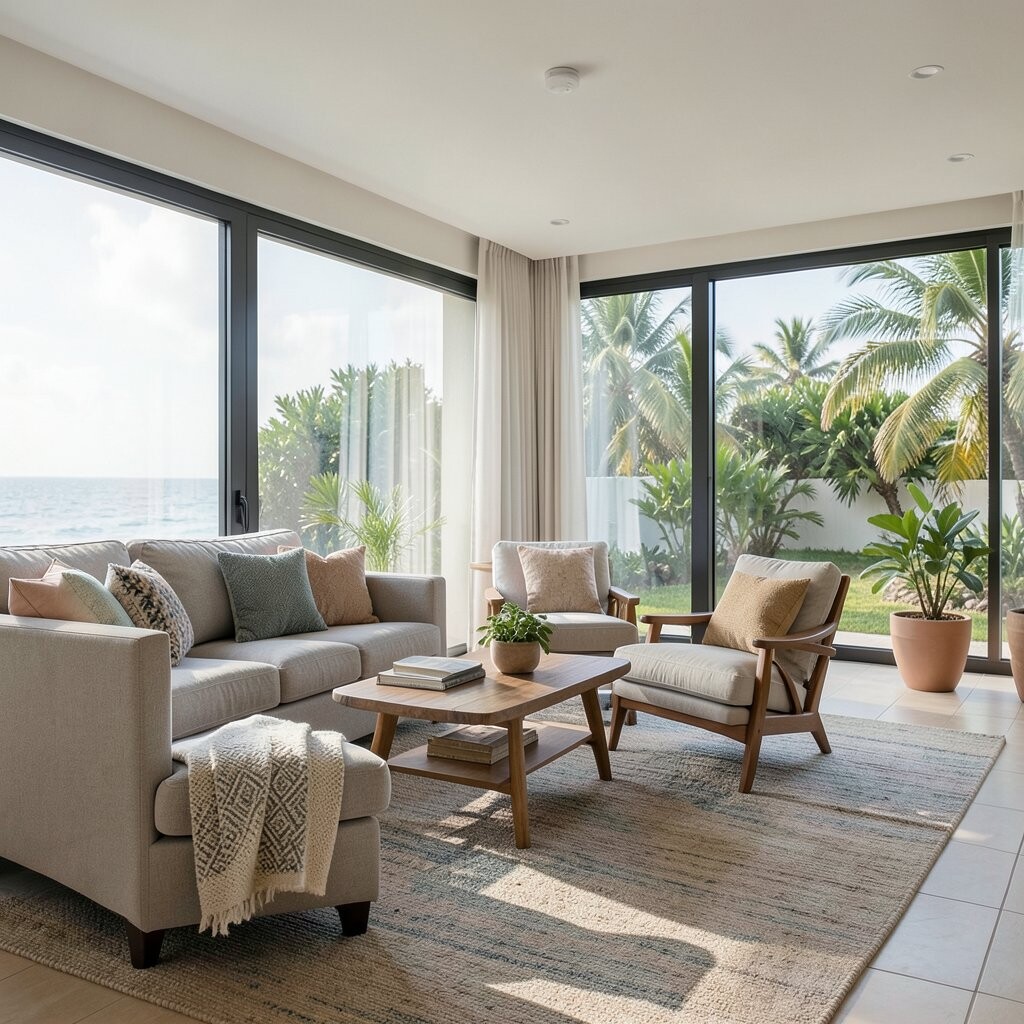
Bright blue walls and strong red accents may seem like a good fit, but they can feel harsh in a coastal home. Coastal style usually works best with soft whites, sand tones, pale blue, misty gray, and other calm shades.
These colors help rooms look open and bright, which is useful in homes with strong sun or small rooms. They also make it easy to add small pops of color through pillows, art, or rugs.
A common mistake is to use one cold color everywhere and forget warmth. Try mixing cool shades with beige, tan, or light wood so the room feels balanced and lived in.
3. Picking Materials That Do Not Handle Moisture
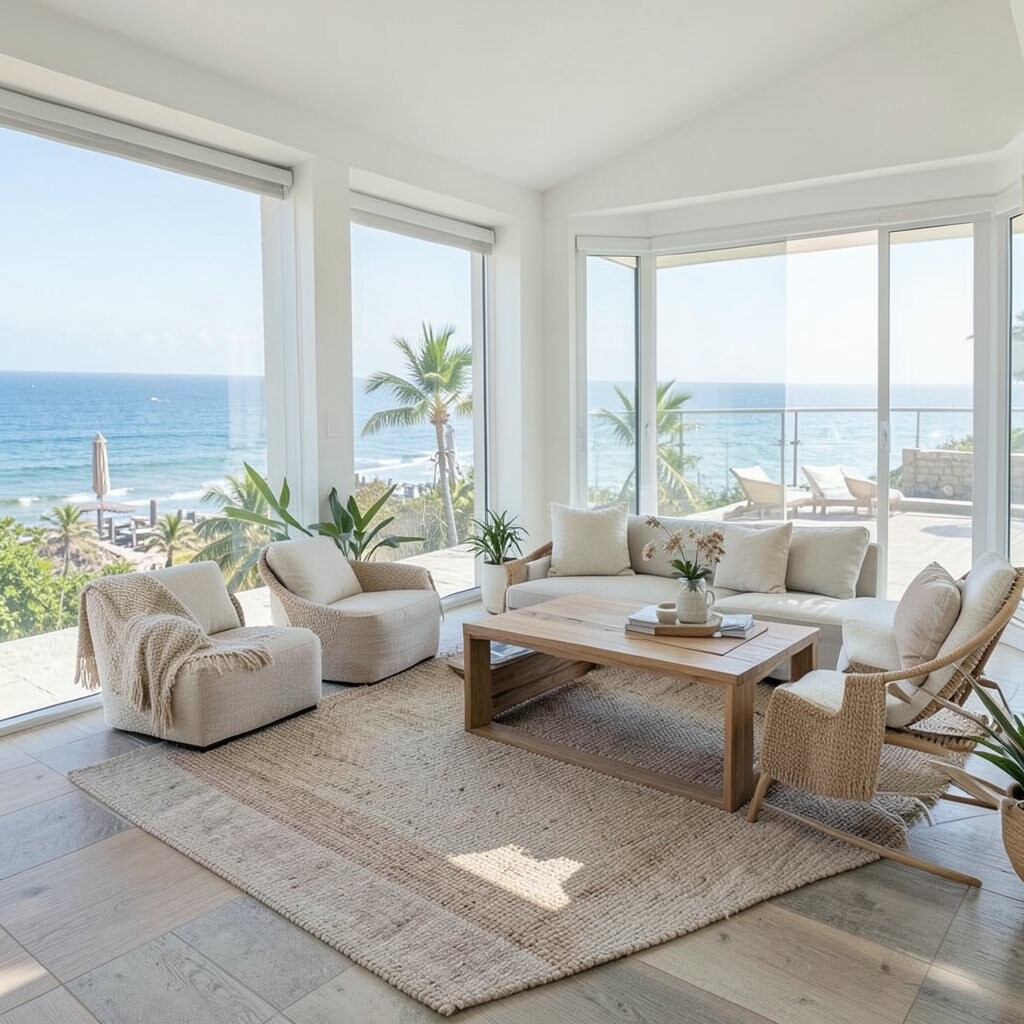
Coastal homes often deal with damp air, salt, and sand, so some materials wear out fast. Thin metal, cheap wood, and low-grade fabric may stain, warp, or rust sooner than you expect.
Better choices include teak, rattan, stone, indoor-outdoor fabric, and painted surfaces that are easy to clean. These materials can save money over time because they last longer and need less repair.
If you live near the water, think about what gets touched most, like table tops and chair legs. Simple, sturdy items can still look good and give the room a clean, relaxed feel.
4. Ignoring Natural Light
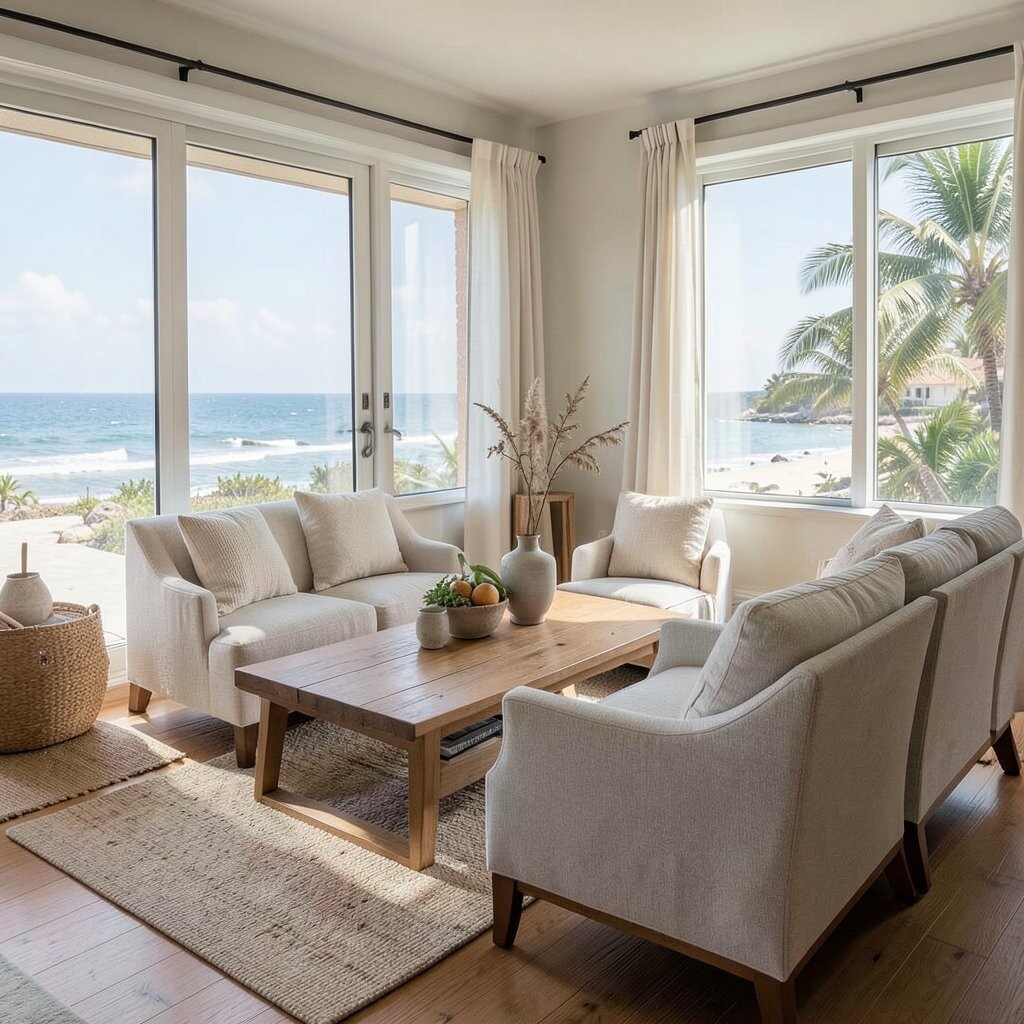
Many coastal homes have great sunlight, but thick curtains and dark shades can block it. When that happens, the room can lose the bright, open look that makes coastal style feel so nice.
Use light window covers, sheer panels, or simple shades that still let in daylight. This can make rooms look larger and can help cut down on the need for extra lamps during the day.
A good tip is to watch how light moves through the room at different times. Then you can place mirrors, chairs, and art in spots that make use of the sun instead of hiding it.
5. Filling the Space With Heavy Furniture
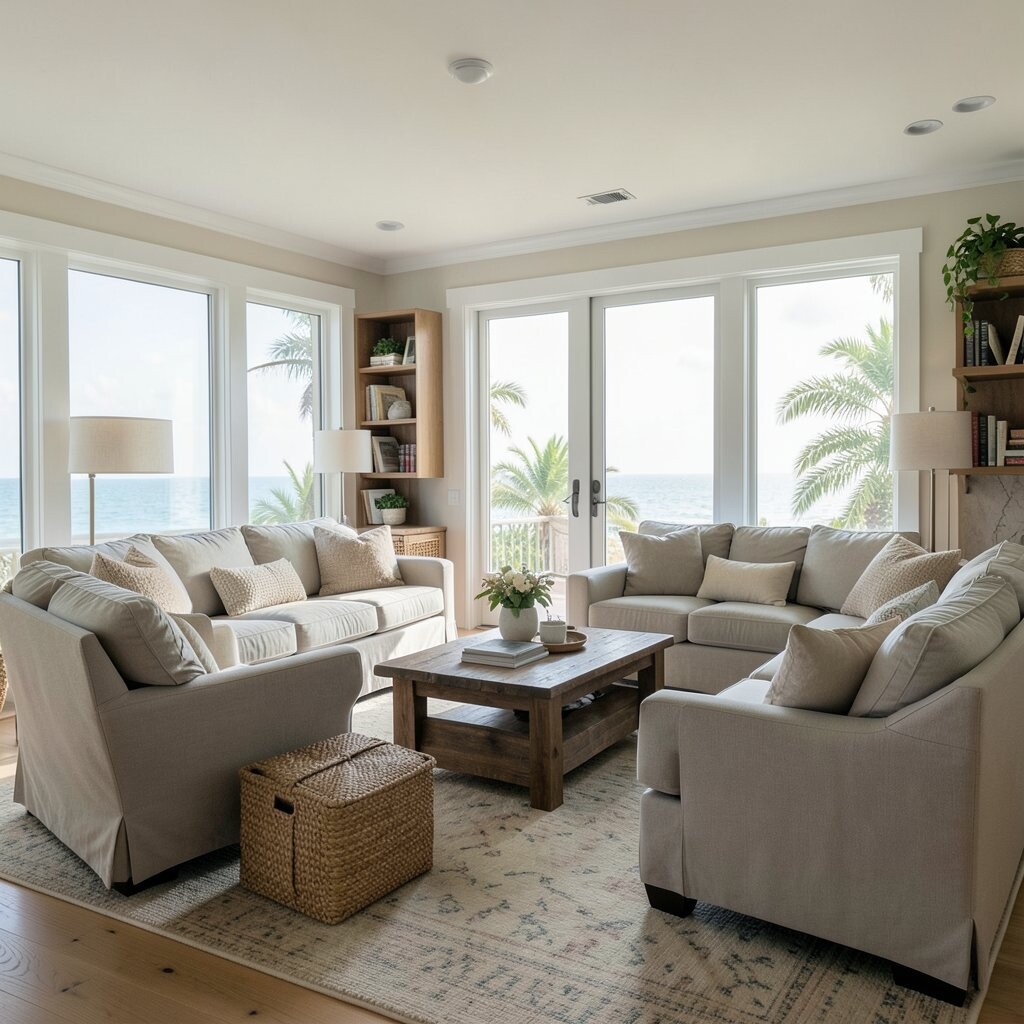
Large, dark, bulky furniture can make a coastal room feel tight and hard to move through. Even a big sofa can seem out of place if it blocks light or takes over the whole room.
Choose pieces with open legs, simple shapes, and lighter colors when you can. This helps the room feel airy and gives the eye more space to rest.
It also helps to think about use and cost at the same time. A smaller table that fits well can work better than a huge one that looks nice only in photos.
6. Forgetting About Sand and Dirt

Beach homes and homes near water often bring in sand, dust, and small bits of grit. If you do not plan for that, floors and rugs can look dirty fast and may wear out early.
Use rugs that are easy to shake out or wash, and choose floors that clean up without much trouble. Tile, sealed wood, and woven mats can all help with daily care.
Place a mat at doors and think about a small storage spot for shoes, towels, and bags. These simple steps make the home easier to keep neat and help your design stay fresh.
7. Making Every Room Look the Same
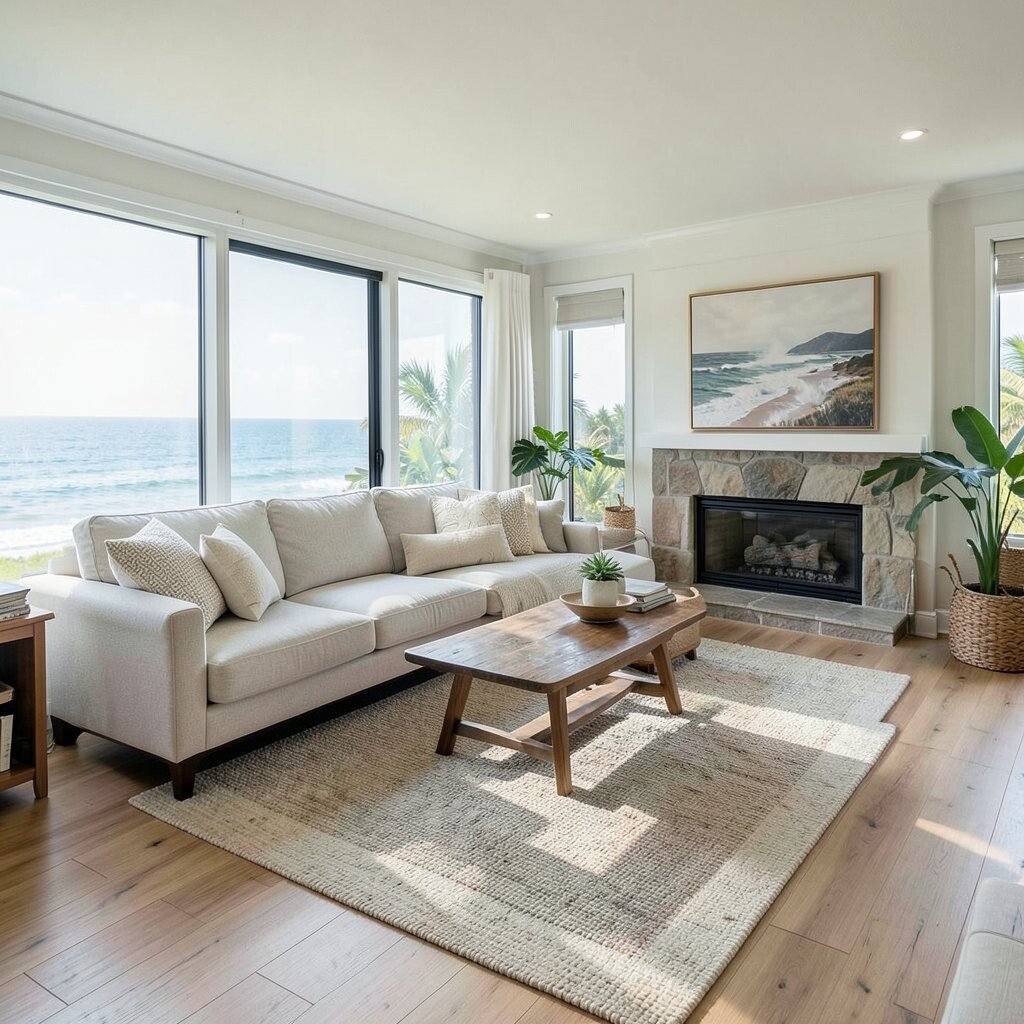
It can be safe to repeat the same blue-and-white look in every room, but that can make the home feel flat. Coastal living design works best when each room has its own small touch while still staying part of the whole house.
Try using the same soft base colors in many rooms, then change the mood with different textures or art. One room might feel more airy, while another may use warm wood and woven details.
This kind of variety adds interest without breaking the overall style. It also gives you more freedom to make each room fit how you use it.
8. Using Cold or Sterile Finishes
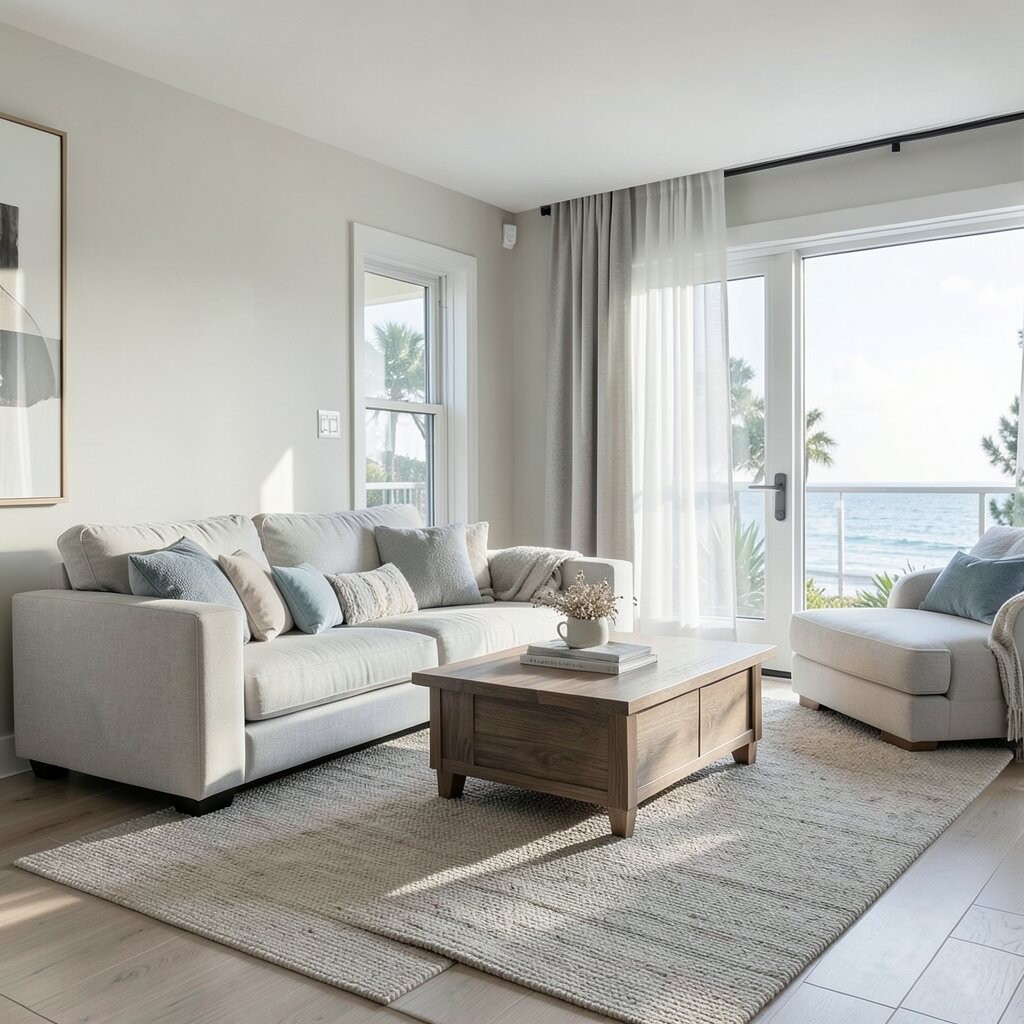
Some homes lean too hard on shiny white paint, glass, and smooth metal. While these can look clean, they may also feel cold and empty if there is not enough texture.
Add warm pieces like linen, cotton, jute, cane, or weathered wood to soften the space. These small details can make the room feel more natural and more welcoming.
Good coastal style often has a mix of smooth and rough surfaces. That mix gives a room more depth and helps even plain items feel special.
9. Ignoring the View Outside
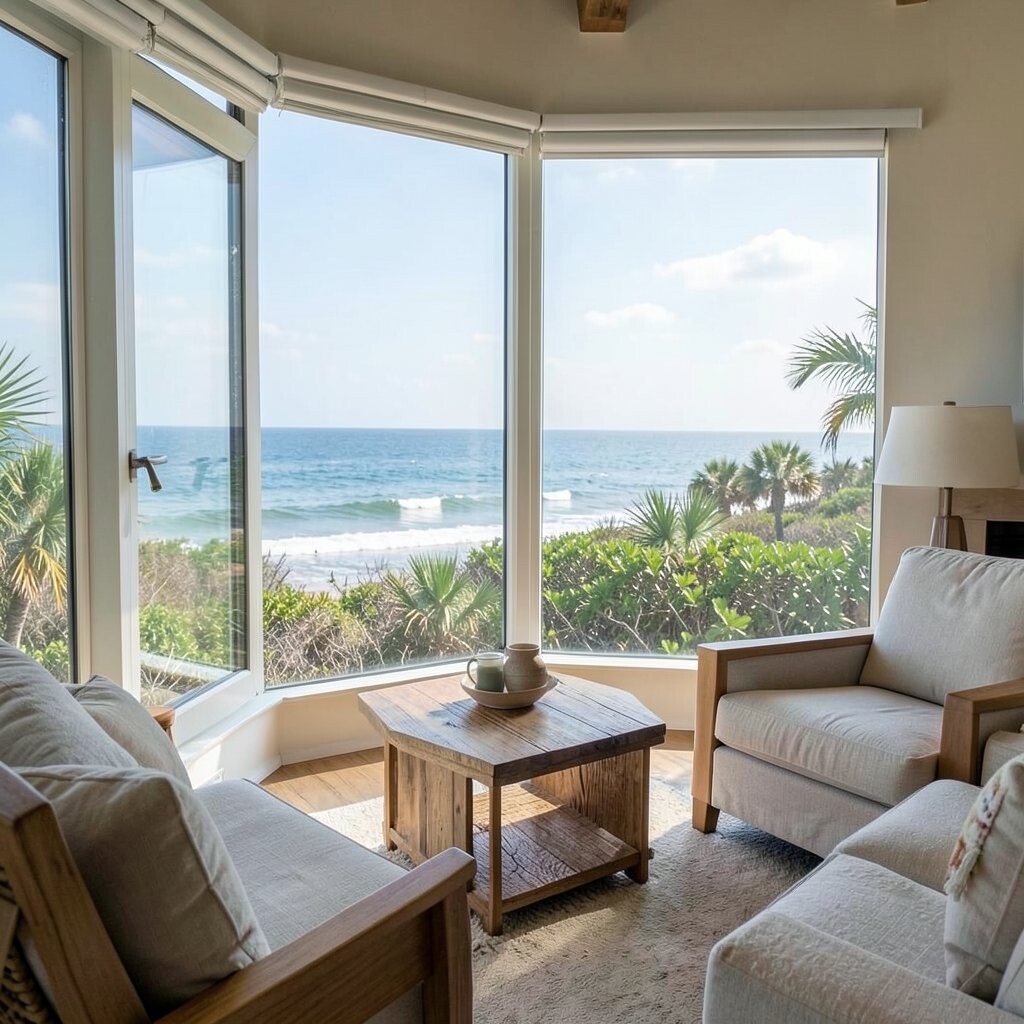
One common mistake is focusing only on the inside and forgetting the view through the windows. In coastal living, the outside scene is often part of the design, so blocking it can waste a big part of the home.
Keep window areas open when you can, and place furniture so people can enjoy the water, sky, or trees. A simple chair near the window may matter more than a large decor piece in the corner.
If the view is not great, you can still make the area feel calm with plants, light curtains, or a clean frame around the window. This helps the home feel connected to nature without adding much cost.
10. Buying Trendy Pieces That Will Not Last
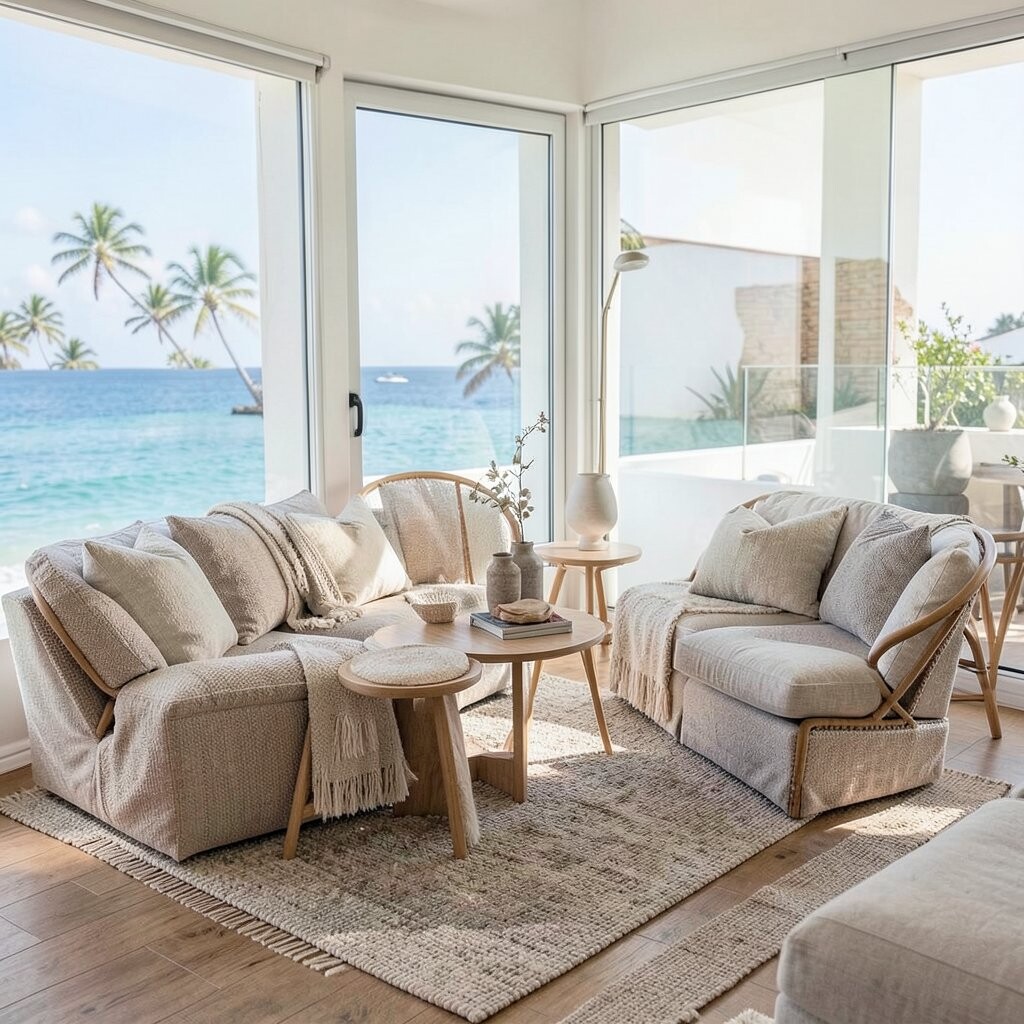
Some trends look nice for a short time, but they can age fast and feel wrong in a calm coastal home. Very loud patterns, odd shapes, or cheap lookalike items may not fit the easy feel most people want.
It is often better to buy simple base pieces and add a few trend items in small ways. That can keep your home current without making you replace everything soon.
Think about what you will still like in a few years, not just what looks good this season. This helps you spend money in a smarter way and keeps your space from feeling dated too fast.
11. Forgetting Storage for Daily Life
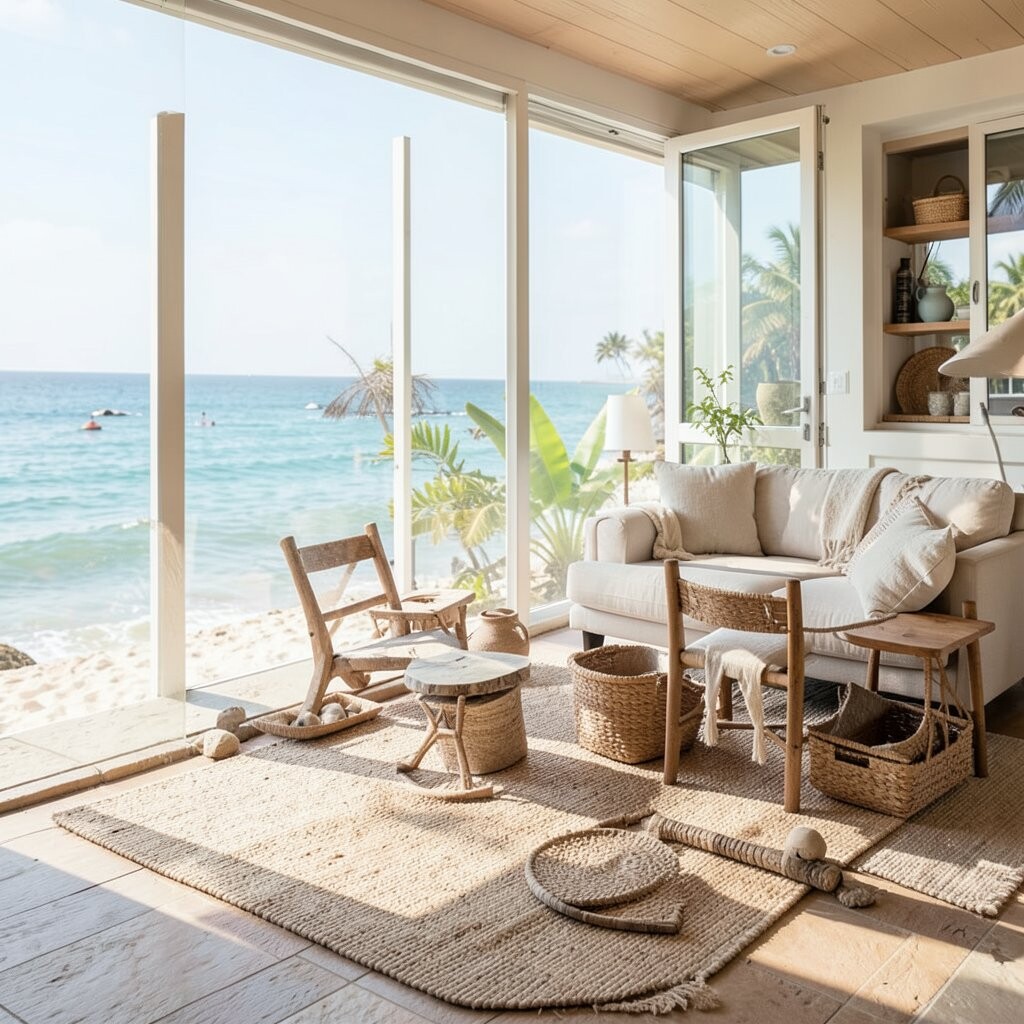
A pretty room can still fail if there is nowhere to put keys, towels, bags, and beach gear. Coastal homes often need more storage than people expect because of outdoor items and guests coming and going.
Built-in shelves, baskets, benches with hidden space, and simple hooks can make a big difference. They also help the room stay tidy, which keeps the design looking calm and neat.
Storage does not need to be boring. Woven bins, wood boxes, and painted cabinets can fit the look while still doing useful work every day.
12. Using Too Many Dark or Heavy Patterns
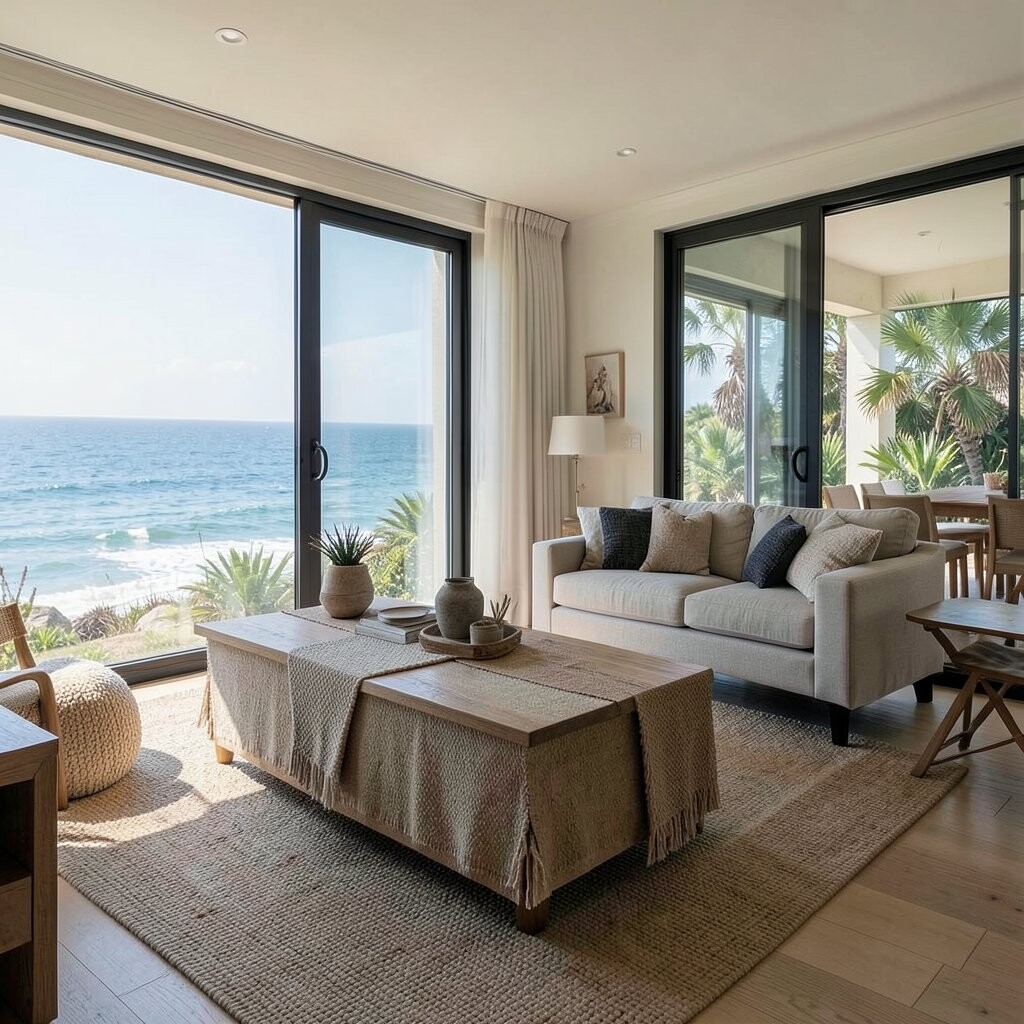
Large dark prints can take away the light, easy feel that coastal design needs. Thick patterns on walls, rugs, and curtains can make a space feel smaller and less relaxed.
If you like pattern, try soft stripes, small checks, or light prints in calm colors. These can add charm without making the room feel crowded.
A good tip is to keep only one strong pattern in a room and let the rest stay quiet. That makes the space feel more balanced and gives your favorite piece room to stand out.
13. Not Matching Style With Real Use
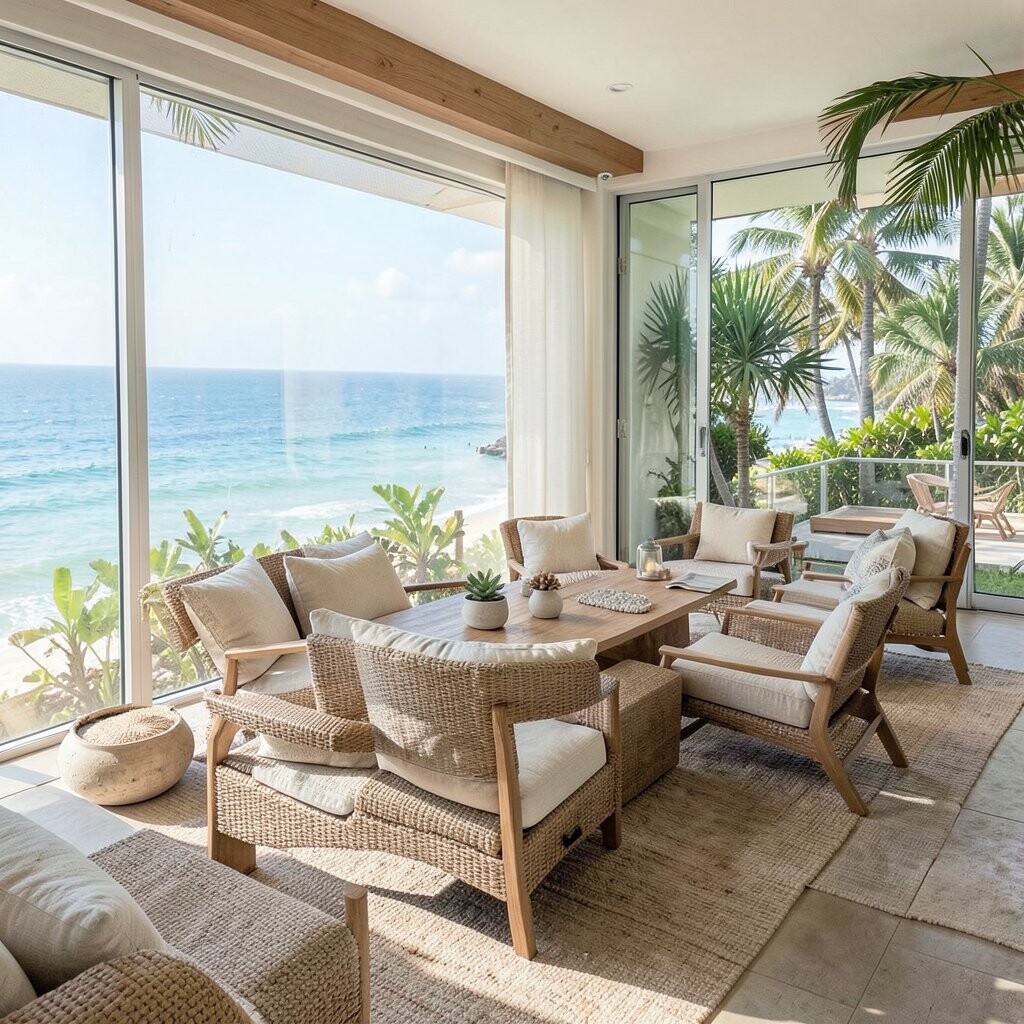
Some people choose items because they look right, but those items do not fit how the home is used. A fancy chair that stains fast or a glass table in a busy family room can cause problems soon after you buy it.
Coastal living design should work for real days, not just for photos. If kids, pets, sand, or wet towels are part of life, the room needs materials and shapes that can take that use.
It helps to ask simple questions before you buy: Is it easy to clean? Will it hold up? Does it fit the way we live? These questions can save money and stress later.
14. Forgetting Personal Touches
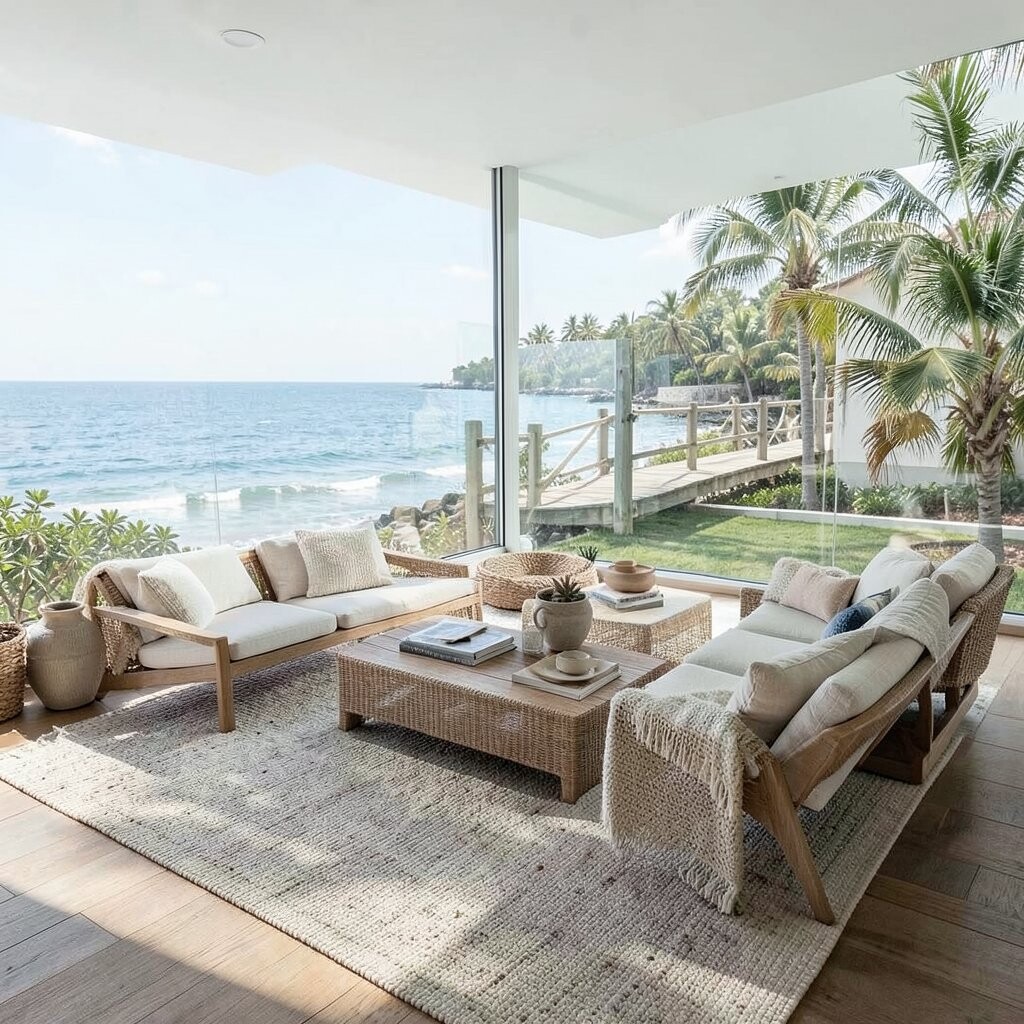
A coastal home can look neat and still feel empty if it has no signs of the people who live there. Family photos, travel finds, hand-made bowls, or a favorite chair can make the space feel real and warm.
Personal items work best when they fit the soft, calm base of the room. A few special pieces can give the design more heart than a shelf full of store-bought decor.
Try to mix new pieces with things you already own and enjoy. This makes the home feel less staged and more like a place made for everyday life.