Indoor trees can make a room feel calm, bright, and more alive. But the wrong choice can lead to extra work, poor growth, and a plant that does not fit your home.
1. Picking a Tree Without Checking Your Light

Light is one of the first things to check before you buy an indoor tree. Some trees need strong sun near a window, while others do better in soft light across the room.
If you skip this step, the tree may drop leaves, grow weak, or stop looking full. A tall fiddle leaf fig may look nice in a bright room, while a parlor palm can work better in a softer spot.
Take a look at where the sun falls during the day and for how long. This simple step can help you choose a tree that fits your home and saves you from waste.
2. Choosing a Tree That Is Too Large for the Room

A big tree can look great in a store, but it may crowd your home once you bring it in. A plant that seems small today can take up a lot of space in a few months.
Think about ceiling height, furniture, and walking space before you buy. A slim rubber tree may fit in a corner, while a broad indoor olive tree may need more open room.
Size also affects how the tree feels in the space. A good fit makes the room look balanced, while a tree that is too large can make it feel tight and messy.
3. Forgetting How Much Care You Can Give
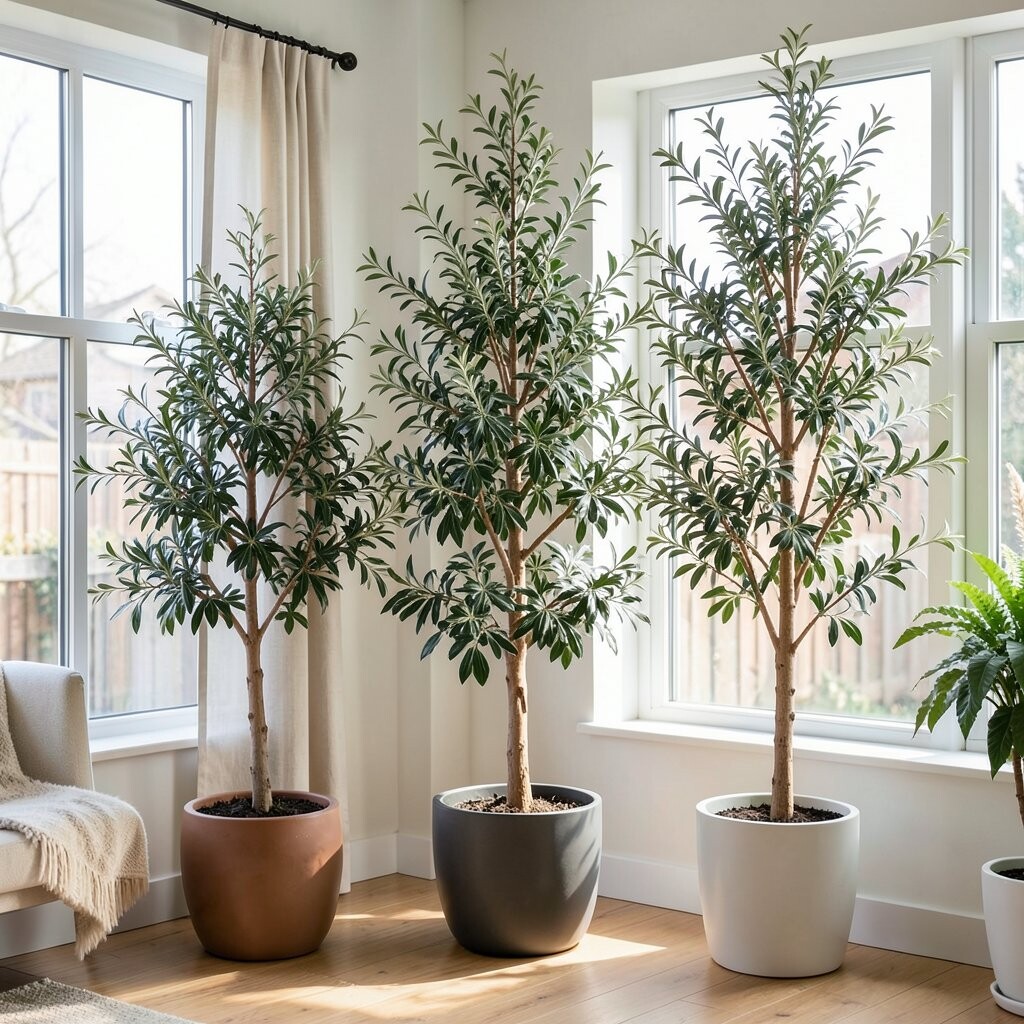
Some indoor trees need regular watering, pruning, and leaf cleaning. Others are easier and work well for busy homes or new plant owners.
If you choose a tree that needs more care than you can give, it may not stay healthy for long. A low-care choice like a snake plant tree form or a money tree can be a better match for a simple routine.
Be honest about your time and habits. It is better to choose a tree you can keep alive with ease than one that looks fancy but causes stress.
4. Ignoring Humidity Needs

Many indoor trees like some moisture in the air, while dry rooms can make their leaves look tired. Homes with heat or air units can have air that is too dry for certain trees.
A tree with soft, thin leaves may show signs of stress faster than one with thicker leaves. You may see brown tips, curled edges, or dropped leaves if the air is not right.
If your home is dry, think about using a small humidifier or placing the tree near other plants. This can help make a better home for it and keep the leaves looking fresh.
5. Picking Based on Looks Alone

It is easy to buy the tree that looks best on a shelf or in a photo. A shiny leaf, a neat shape, or a stylish pot can catch your eye fast.
Looks matter, but they should not be the only thing you check. A tree can look perfect in the store and still be a poor fit for your light, space, or care style.
Try to match beauty with real use. When a tree fits your home and your habits, it will likely stay healthy and keep its good look longer.
6. Not Thinking About Leaf Drop and Mess

Some indoor trees drop leaves, flowers, or sap more often than others. This can add cleanup work, especially on rugs, wood floors, or small tables.
If you want a neat space, you may want a tree that sheds less. A ficus may look sleek and modern, but it can drop leaves if it gets moved too much or if the light changes.
Think about where the mess would land before you choose. A tree near a white sofa or a busy walkway may not be the best match if it sheds often.
7. Buying Without Checking Your Home’s Temperature

Indoor trees can react to hot rooms, cold drafts, and sudden changes in air. A plant may be fine in one part of the house and unhappy in another.
Do not place a tree near vents, drafty doors, or fireplaces unless it can handle that spot. Some trees, like a dracaena, can deal with normal indoor air, but they still need steady conditions.
Temperature is easy to miss, yet it matters a lot for long-term health. A good match helps the tree settle in and keeps leaves from getting stressed.
8. Missing the Cost of Care After Purchase
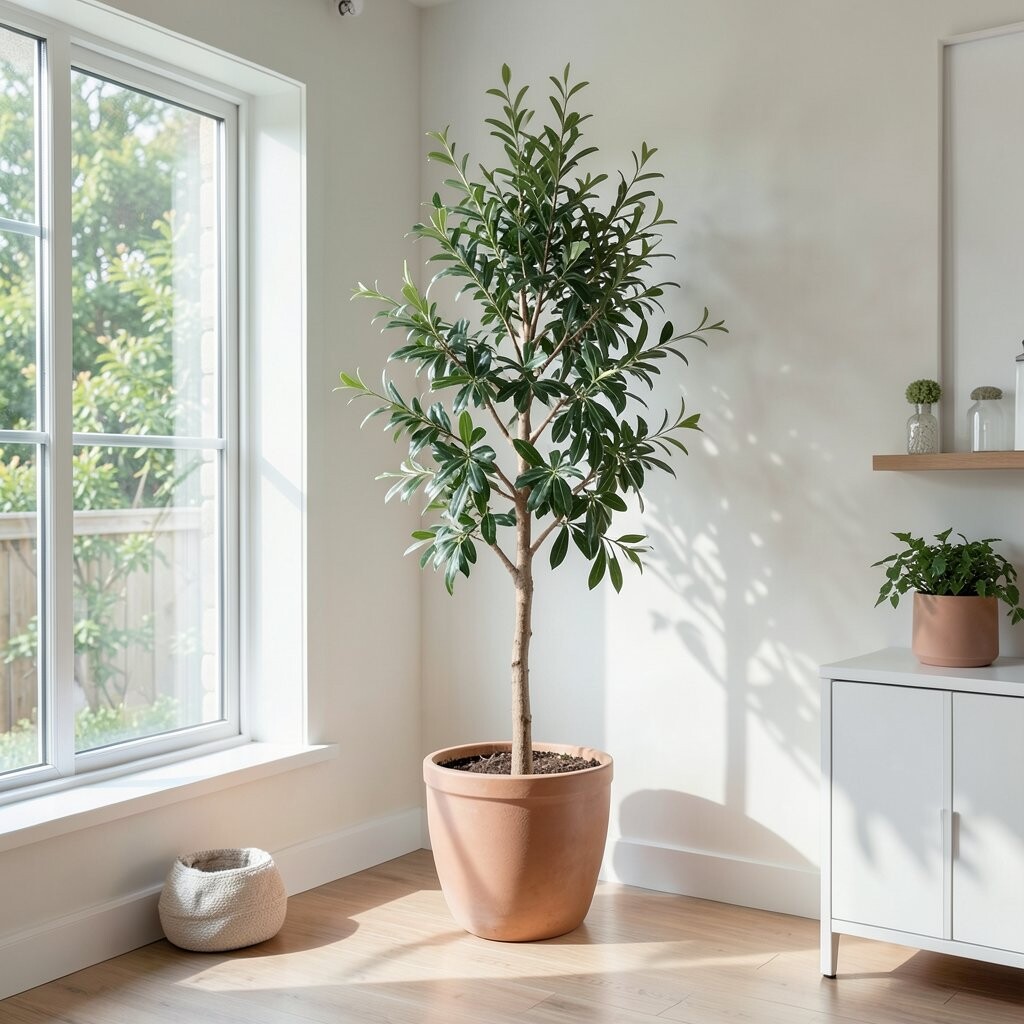
The price tag is not the only cost when you bring home an indoor tree. You may also need soil, a pot, a saucer, tools, plant food, or a humidifier.
A large tree often costs more than a small one, and it may also need a stronger pot. If you are on a budget, a smaller plant can be a smart way to start and grow it over time.
Plan for the full cost so you do not get stuck later. This helps you choose a tree that fits your home and your wallet at the same time.
9. Skipping the Root and Pot Check

A tree can look healthy above the soil but still have problems below it. If roots are too tight in the pot, the tree may grow poorly or dry out too fast.
Look for roots coming out of drain holes or soil that dries very fast after watering. These signs can mean the tree needs a larger pot soon after you buy it.
Choose a tree that has room to grow and a pot with good drainage. This can help make watering easier and give the plant a better start in your home.
10. Ignoring Your Home Style and Room Feel
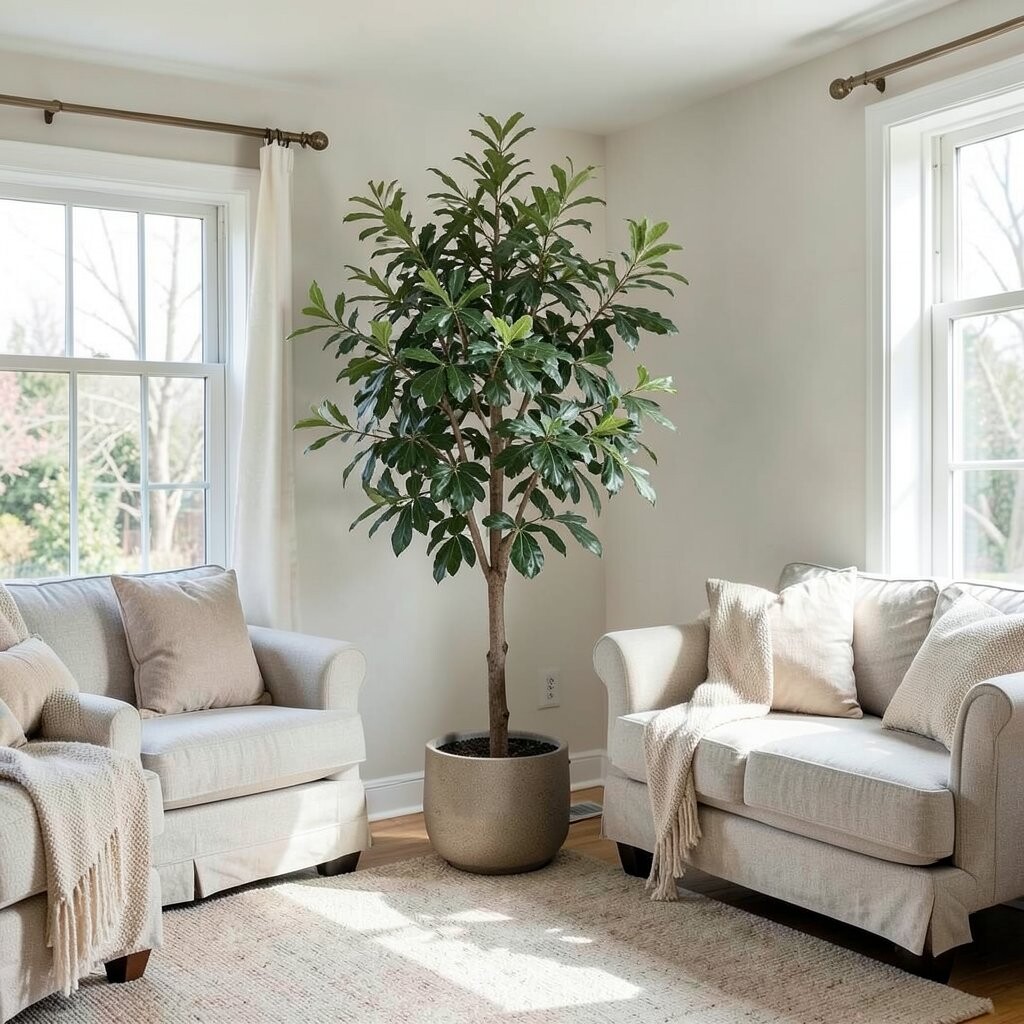
An indoor tree should fit the way your room looks and feels. A neat, narrow tree may work well in a small modern room, while a fuller one may suit a cozy corner.
Think about leaf shape, trunk shape, and plant height. A bold tree can stand out as a main piece, while a softer one can blend in with your furniture and decor.
Personal taste matters here. The best tree is not just healthy, but also one that feels right in your space and makes the room feel like yours.
11. Buying the Trend Instead of the Right Plant
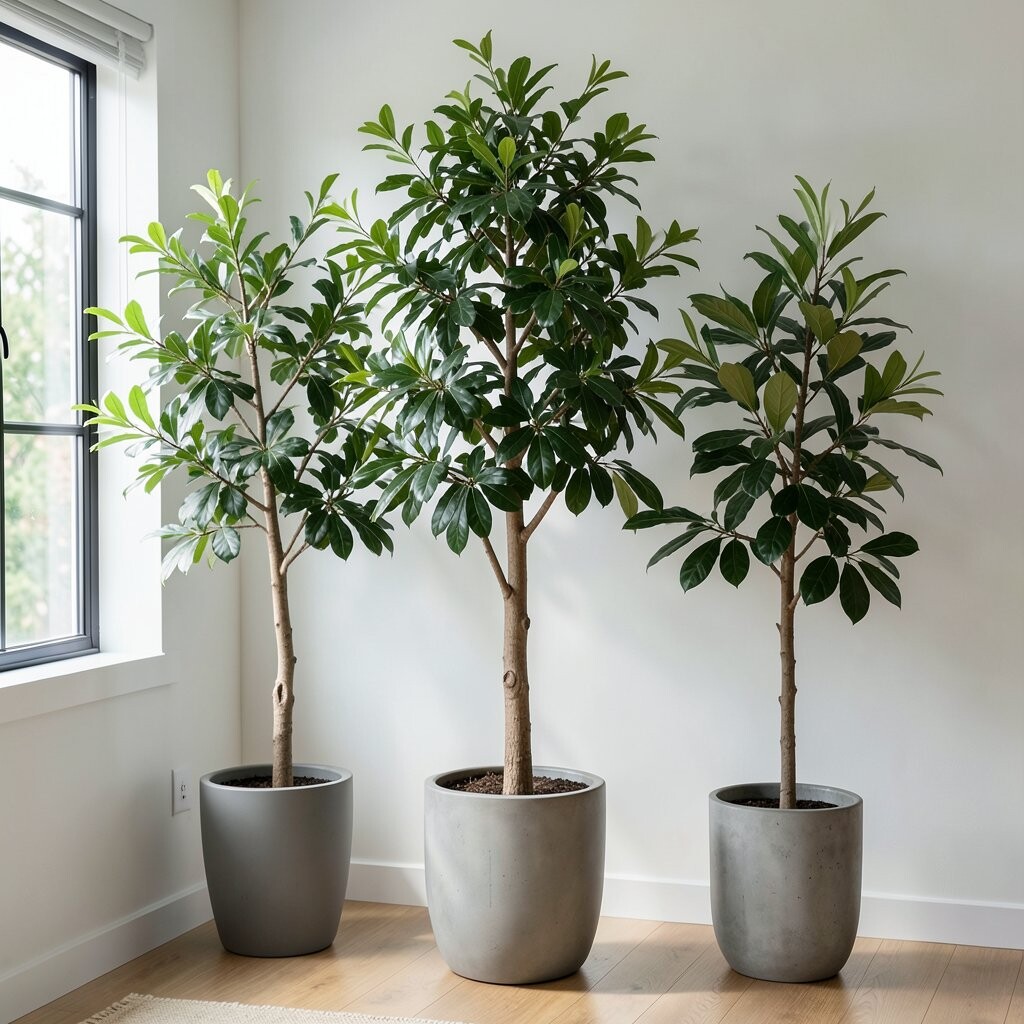
Some indoor trees are popular because they look good in photos and home posts. That can make people buy them fast without thinking about care or space.
Trendy plants can be fun, but they are not always the best choice for every home. A popular tree may cost more at certain times, and it may be harder to find if everyone wants one.
It is fine to like trends, but do not let them guide the whole choice. Pick a tree that works for your light, budget, and daily life, then add style from there.
12. Not Thinking About Long-Term Growth
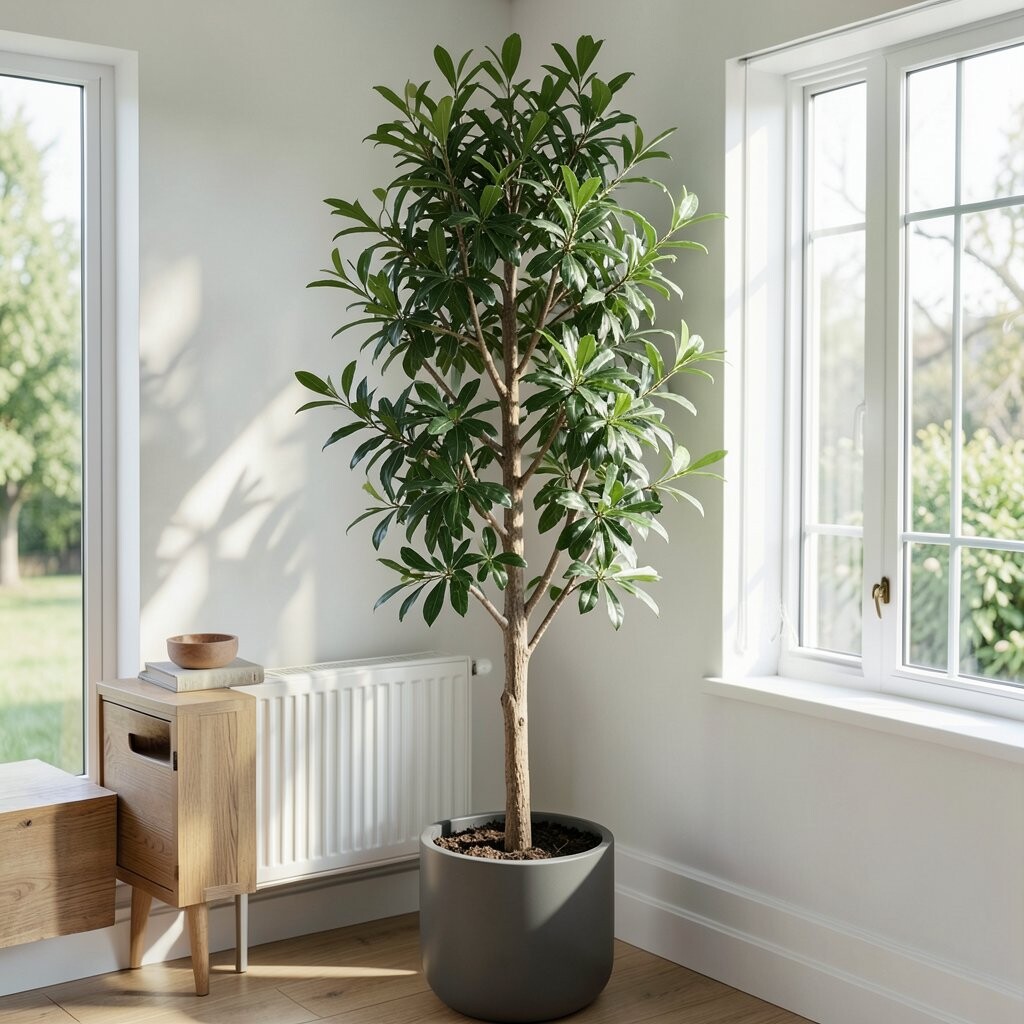
An indoor tree is not staying the same size forever. Even slow growers can get taller, wider, or fuller with time, and that can change how they fit your room.
Before you buy, think about where the tree will go in a year or two. A tree that starts in a corner may need a new spot later if it grows into the wall or blocks a path.
Long-term planning also helps with pruning and repotting. When you choose a tree with future growth in mind, you make it easier to enjoy for a much longer time.