Industrial loft spaces can feel open, bright, and full of style when they are planned with care. Small mistakes can make them feel cold, hard to use, or too busy.
1. Ignoring the bones of the building

One of the biggest mistakes is covering up what makes an industrial loft special. Brick walls, steel beams, ductwork, and wide windows often give the space its real charm.
If you hide all of these parts, the room can feel plain and lose its unique look. It is usually better to work with the raw shell and make it part of the design.
2. Using too much dark color

Dark paint and dark furniture can look nice in small spots, but too much of it can make a loft feel heavy. Industrial spaces already have a lot of hard lines and cool materials, so dark shades can add to that feeling.
Try mixing in light walls, pale rugs, or warm wood pieces to keep the room balanced. This also helps the light bounce around and makes the space feel more open.
3. Forgetting about comfort

A loft can look sharp and still feel hard to live in if comfort is ignored. Metal chairs, hard floors, and open areas can make the space feel more like a set than a home.
Add soft seats, cushions, curtains, and rugs to make the room easier to enjoy. These touches can help you relax while still keeping the simple industrial style.
4. Filling the space with too much furniture
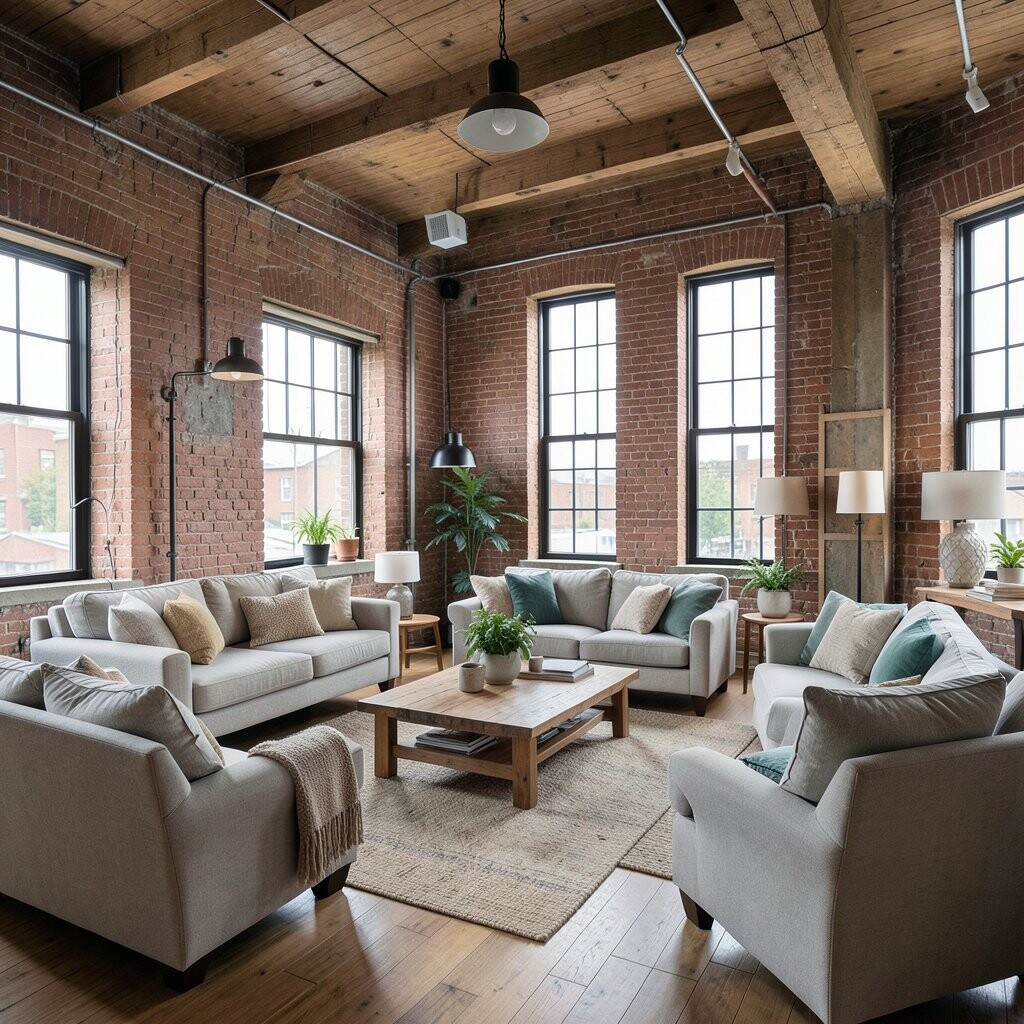
Industrial lofts often have large open rooms, and that can lead people to add too many items. When every wall and corner is packed, the space loses its clean and open feel.
Choose furniture that fits the room and leaves room to walk. A few strong pieces can look better than many small ones and can also save money.
5. Choosing the wrong scale
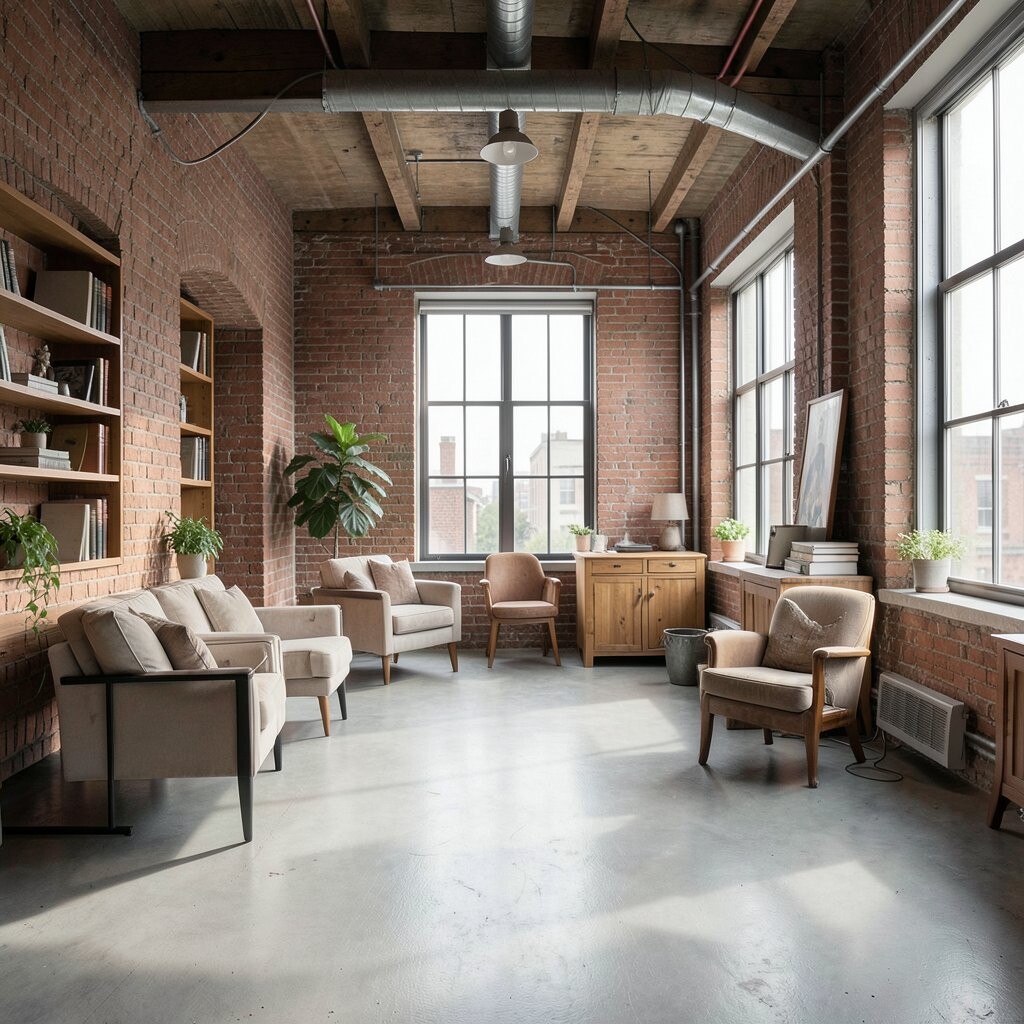
Furniture that is too small can look lost in a loft, while huge pieces can take over the room. Scale matters a lot because open spaces need items that feel right next to the tall walls and wide floors.
Before you buy, think about the size of the room and how each piece will sit in it. A large sofa, a long table, or a tall shelf may work better than tiny items that get lost.
6. Skipping good lighting

Many industrial lofts have strong day light, but that is not enough for night use or cloudy days. A single ceiling light can leave parts of the room too dark and make the space feel flat.
Use a mix of floor lamps, table lamps, and hanging lights to give the room more depth. Good lighting can show off the brick, metal, and wood in a way that feels warm and useful.
7. Making the room feel too cold

Industrial style often uses metal, concrete, and glass, which can give a cool look. If you use only those parts, the loft may feel stiff and not very welcoming.
Add warm wood, soft fabric, and a few plants to bring life into the room. These simple choices can make the space feel more personal and easier to enjoy every day.
8. Not planning the layout first

A lot of people buy furniture before they know how the room will work. In a loft, that can lead to odd gaps, blocked paths, and areas that do not get used well.
Start with a basic plan for sleep, work, eating, and relaxing. A clear layout helps the room feel calm and can save money by keeping you from buying the wrong items.
9. Overlooking storage needs
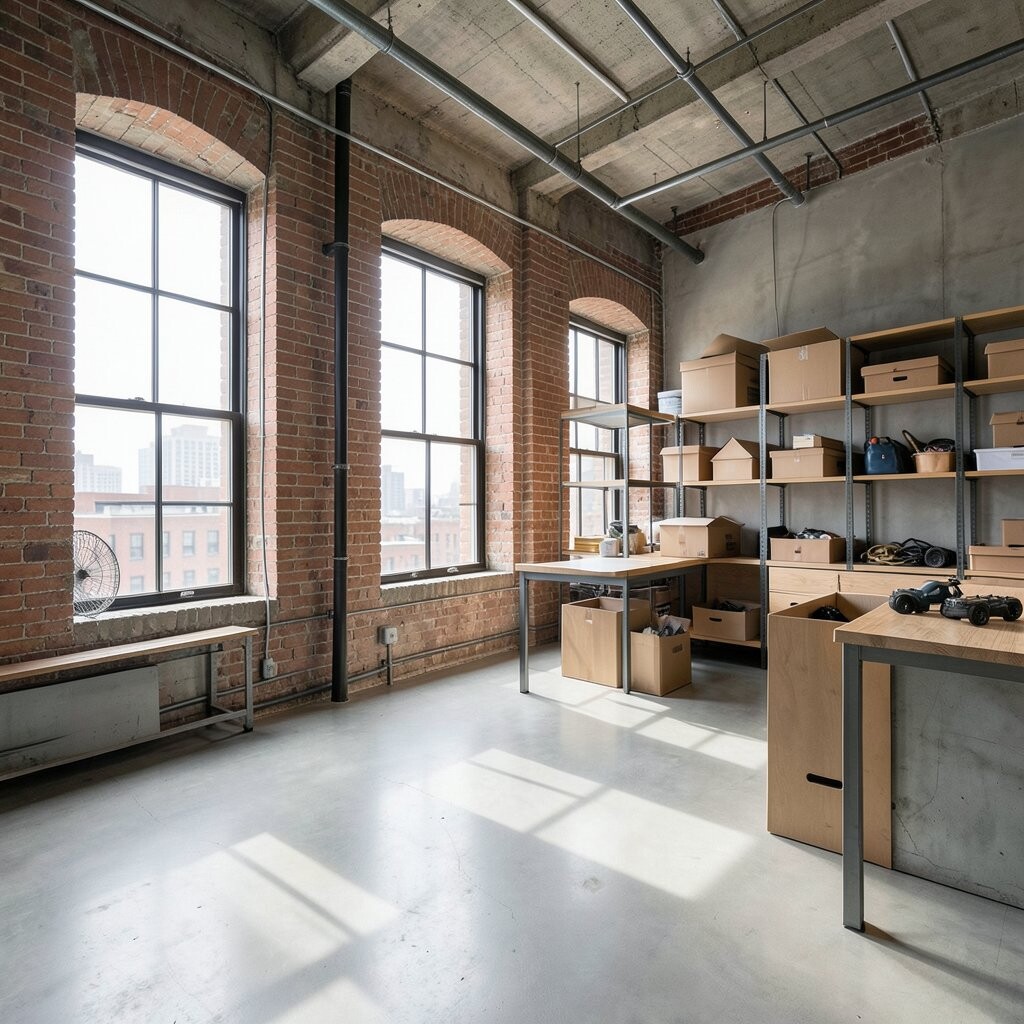
Open lofts look great, but they can become messy fast if there is no real storage. When boxes, clothes, and tools sit out in the open, the room can look cluttered and less polished.
Use shelves, cabinets, and storage benches that fit the style and still hide daily items. Smart storage keeps the clean industrial look while making life easier.
10. Using decor that fights the style
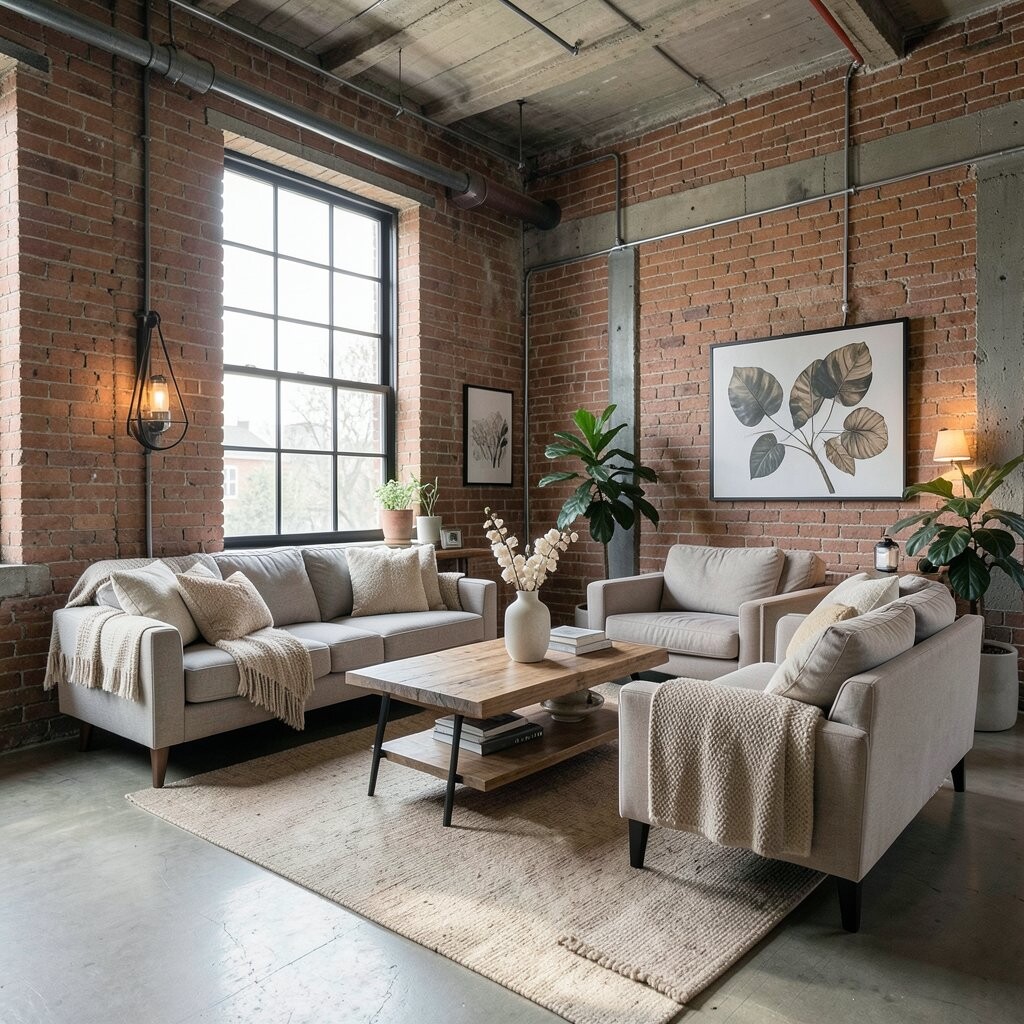
It is easy to add too many small decor pieces that do not match the space. Bright plastic items, weak prints, or very formal decor can clash with the rough and simple look of a loft.
Pick decor that feels honest and fit for the room, such as old wood trays, metal frames, or plain pottery. A few good pieces can give the room more character without making it feel messy.
11. Leaving walls bare in a bad way
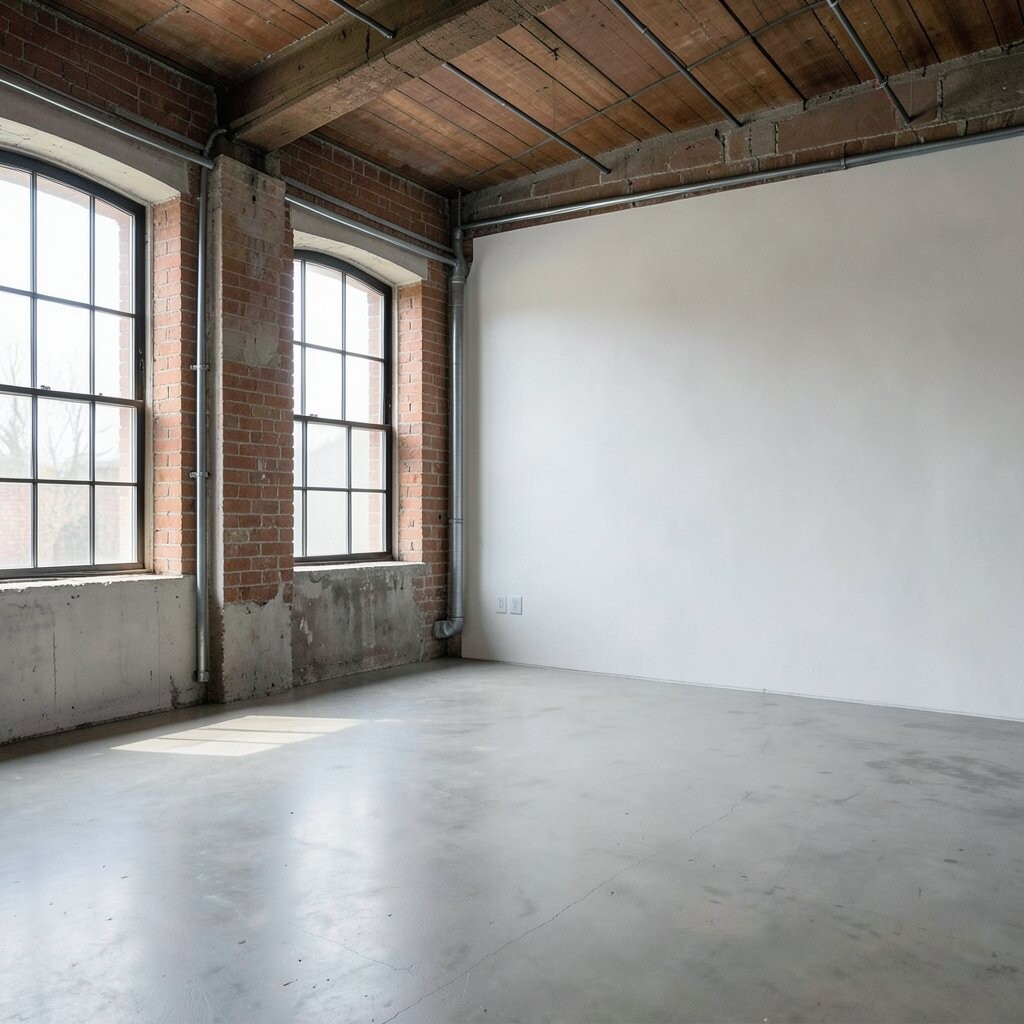
Empty walls can be fine in an industrial loft, but too much blank space can make the room feel unfinished. At the same time, covering every wall can make the space feel crowded and busy.
Try a balanced mix of art, mirrors, shelves, and a few large prints. This can add visual interest and help the room feel more lived in.
12. Forgetting about sound

Open lofts often have hard floors, brick, and tall ceilings, so sound can bounce around a lot. That means voices, music, and steps may feel louder than they should.
Rugs, fabric chairs, curtains, and wall hangings can help soften noise. This makes the space calmer and more pleasant for daily life and for guests.
13. Following trends too closely
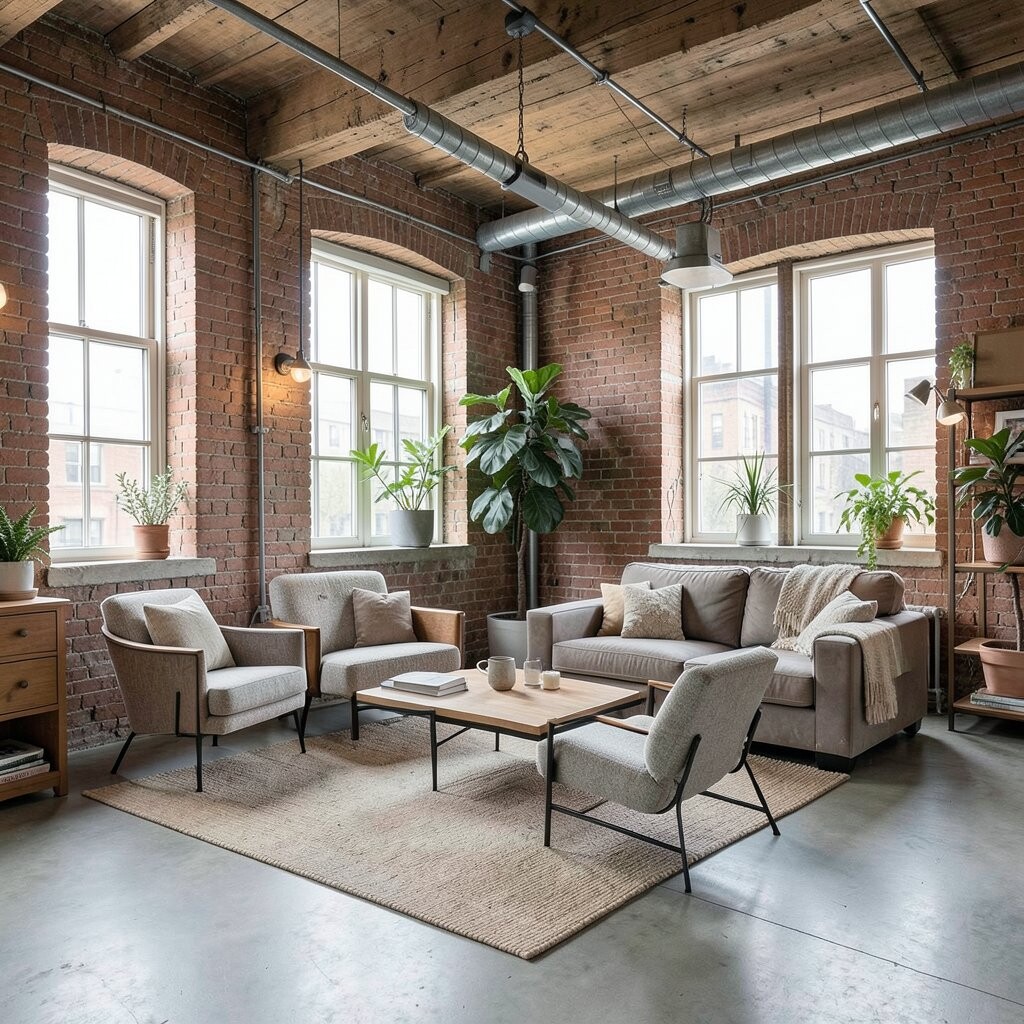
Popular looks change fast, and a loft based only on trends can feel old quickly. If you use every new style idea at once, the room may lose the simple look that makes industrial design stand out.
Choose a base that fits your space and add trend pieces in small ways. That way, you can update the room later without spending too much.
14. Forgetting your own habits
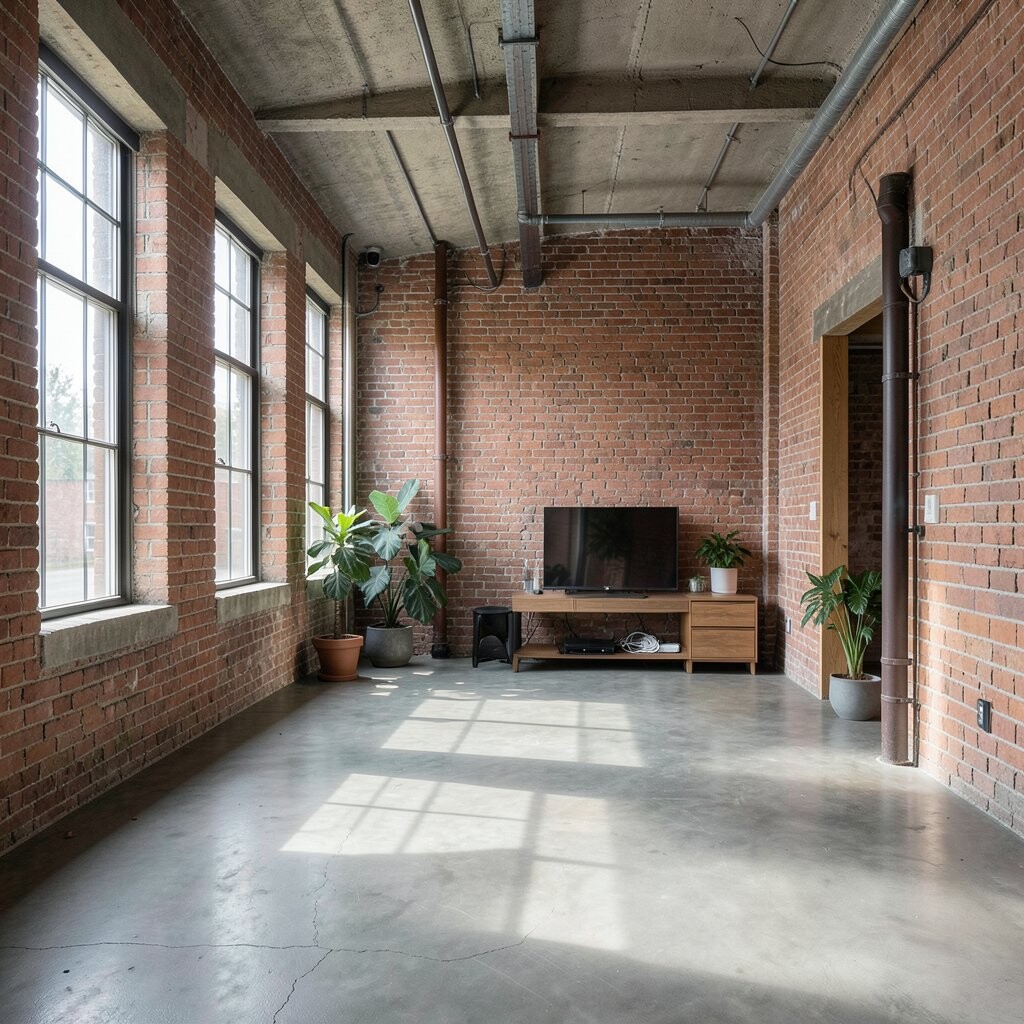
A loft should fit the way you live, not just the way it looks in photos. If you work from home, cook often, or host friends, the space needs to support those things.
Think about how you move through the room each day and what you use most. Personal touches, like a reading chair, a craft corner, or a work desk, can make the space feel made for you.
15. Spending without a clear budget

Industrial loft design can get pricey fast if you buy on the spot. Real wood, metal lights, large rugs, and custom storage can all add up before you know it.
Set a clear budget and spend more on the parts you use the most, such as seating, lighting, and storage. You can save money by mixing new items with secondhand finds, which also gives the room more character.