Mosaic tile art can add shape, color, and texture to a wall in a way that feels steady and easy to live with. These ideas show simple ways to make wall pieces with depth, clean style, and a look that fits many rooms.
1. Layered Glass Tile Panels

Layered glass tile panels use clear and colored pieces set at slight levels to make the wall look deeper. Light can move across the surface and make soft changes in shine as you walk by.
This style works well in living rooms, entry walls, and bathroom spots where natural light is strong. It can cost more than plain tile work because glass pieces and careful setting take more time.
You can make it feel more personal by mixing shiny tiles with frosted ones or by using a color set that matches your room. A simple frame around the panel can also help the art feel finished without adding too much detail.
2. Raised Ceramic Shape Mosaics
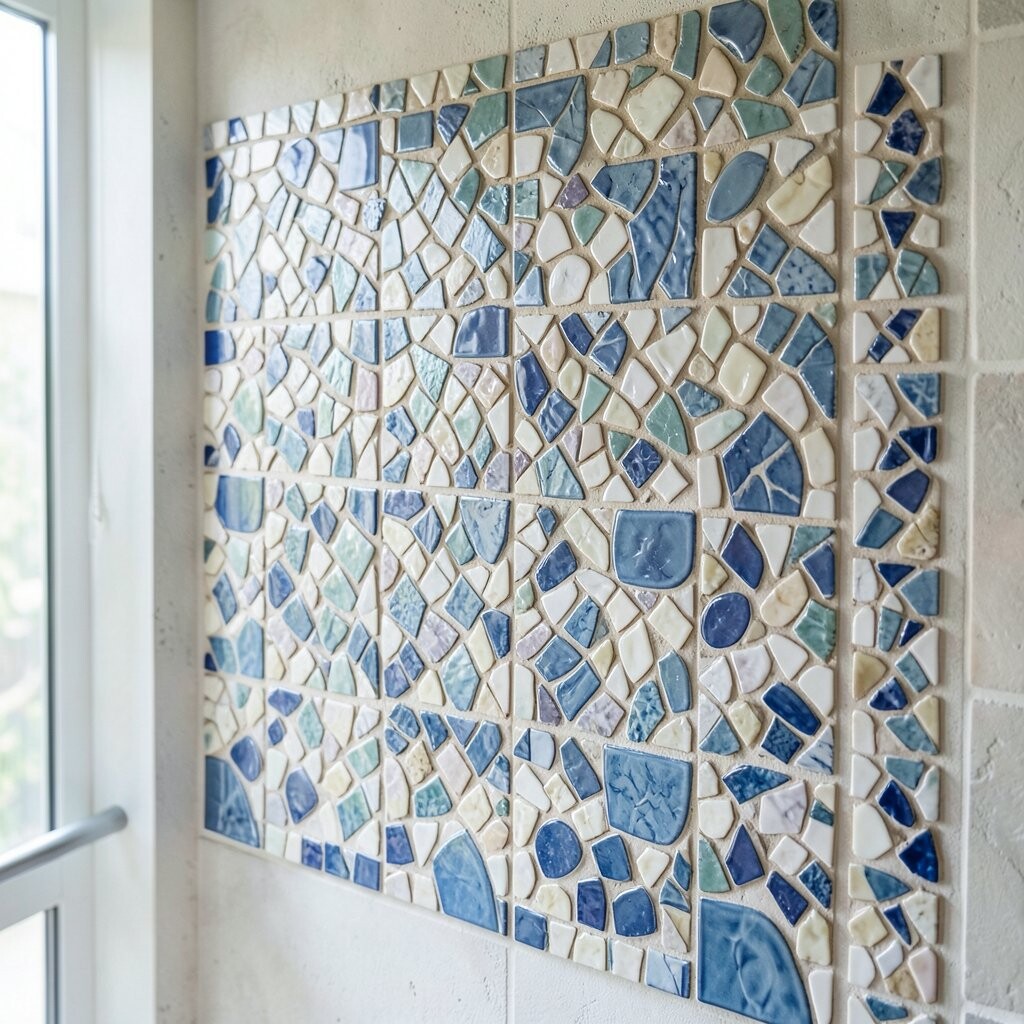
Raised ceramic shape mosaics use tiles cut in small forms that sit at different heights on the wall. The mix of flat and raised pieces gives the art a hand-made feel and a clear 3D look.
This choice is good for people who want a bold wall without using paint or large shelves. Ceramic is often easier to find than some other tile types, so it can be a smart pick for a lower budget.
Try using one main color and a few close shades so the shape stands out more than the color mix. If you want a custom look, you can make a pattern based on flowers, waves, or simple blocks.
3. Shadow Box Tile Frames
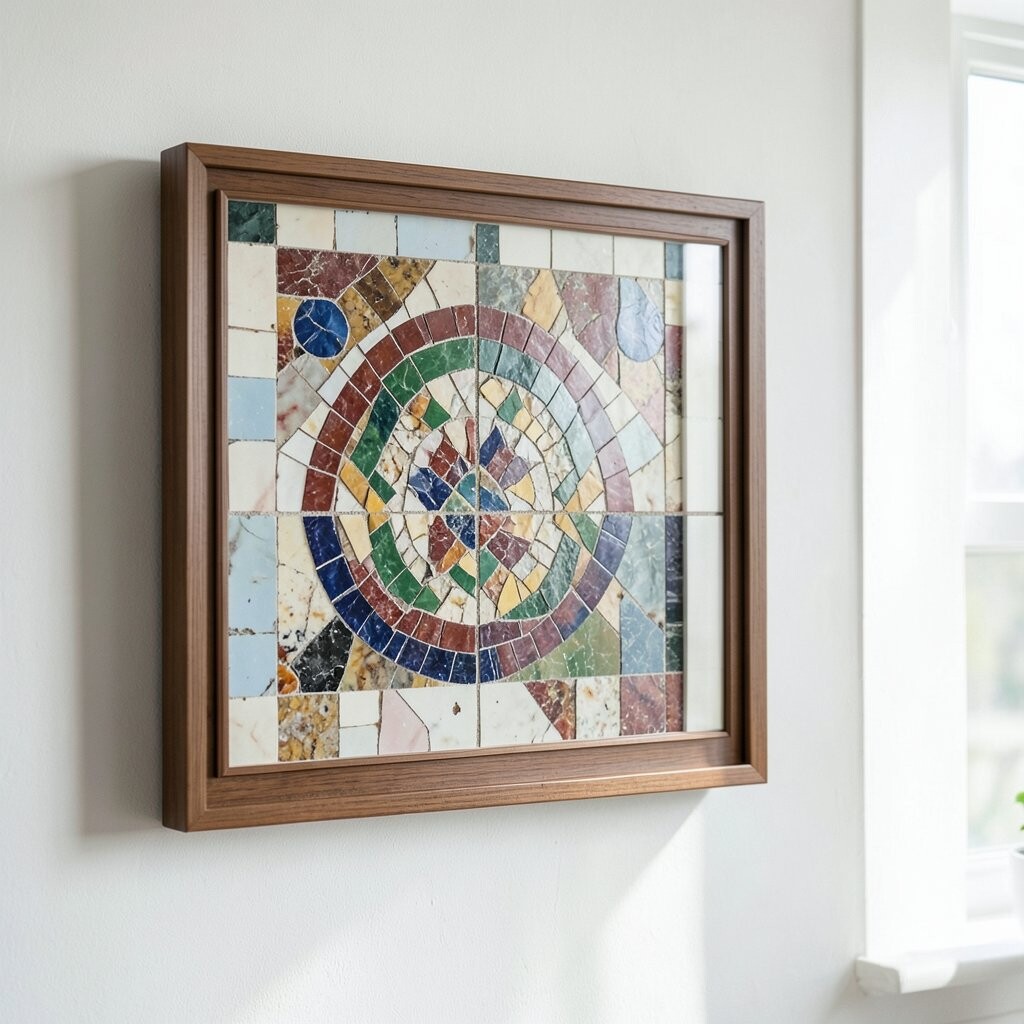
Shadow box tile frames use a deep base so the tiles sit inside a framed space with room for shadows. The depth helps each piece stand out and gives the wall a small sculpture look.
These frames can fit well in hallways, over a sofa, or in a dining space that needs a focal point. They may cost more if the frame is made from wood, metal, or stone, but they can also use small leftover tile bits.
For a personal touch, add a few tiles that have a family color, a favorite shape, or a special date hidden in the design. Many people like this style because it feels neat, simple, and easy to match with other decor.
4. Pebble and Tile Relief Art
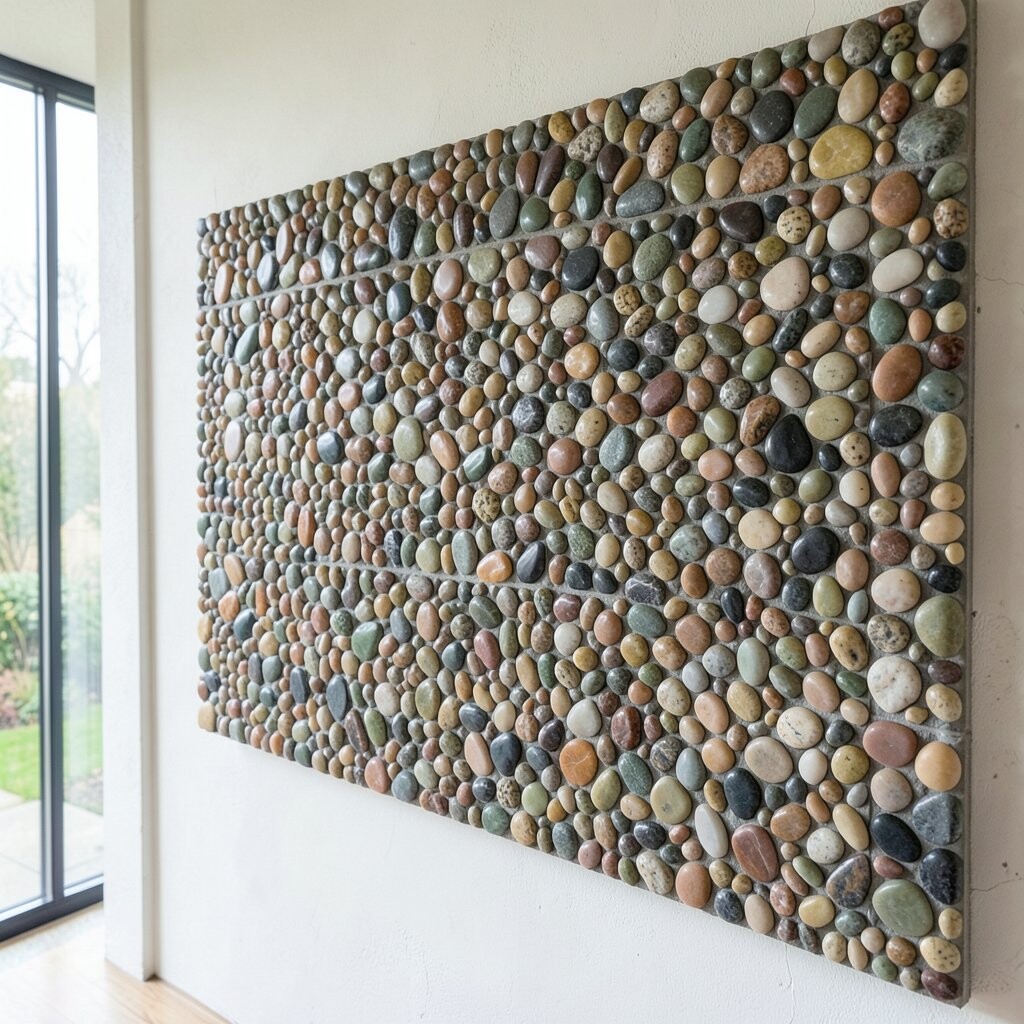
Pebble and tile relief art mixes flat tiles with small stones or pebble pieces that rise off the wall. The rough and smooth parts together make a clear texture that people can notice right away.
This style works well in spa-like bathrooms, patio walls, and indoor spaces that need a calm feel. Pebbles are often low in cost, and you can use them with basic ceramic tiles to keep the project simple.
You can make the layout look more natural by placing pebbles in soft curves instead of hard lines. If you want a more modern feel, pair dark tiles with light stones for a strong color contrast.
5. Broken Tile Mosaic Patterns

Broken tile mosaic patterns use sharp or uneven tile pieces to make a wall art design with lots of small angles. The edges catch light in different ways, which helps the wall feel active and layered.
This is a useful way to reuse old tile, which can keep costs down and cut waste at the same time. The style can look wild or neat, based on how close or far apart you place the pieces.
Try sorting the broken pieces by color before you start so the final wall has some order. You can also use grout color as part of the design, since it helps shape the look of each piece.
6. 3D Floral Mosaic Reliefs
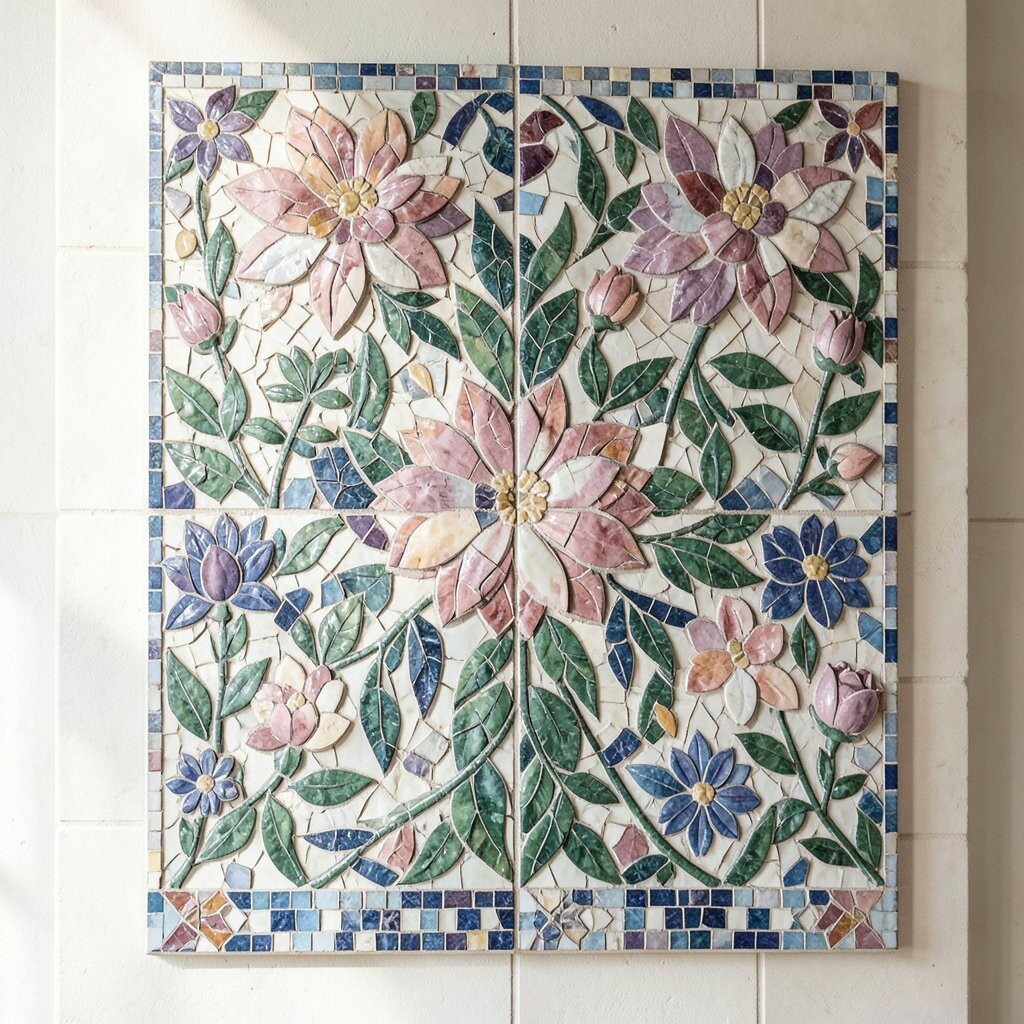
3D floral mosaic reliefs use petals, leaves, and buds made from small tile bits that rise from the wall. The flowers can look soft and layered, with parts that seem to sit in front of the rest.
This style is a good fit for bedrooms, nurseries, and quiet corners where you want a calm and gentle look. It can take more time than flat tile work, so the labor cost may be higher.
To make the art feel like your own, choose flowers that mean something to you or colors that match a real garden you enjoy. A mix of matte and shiny tiles can help the petal shapes stand out in a simple way.
7. Mixed Material Wall Pieces
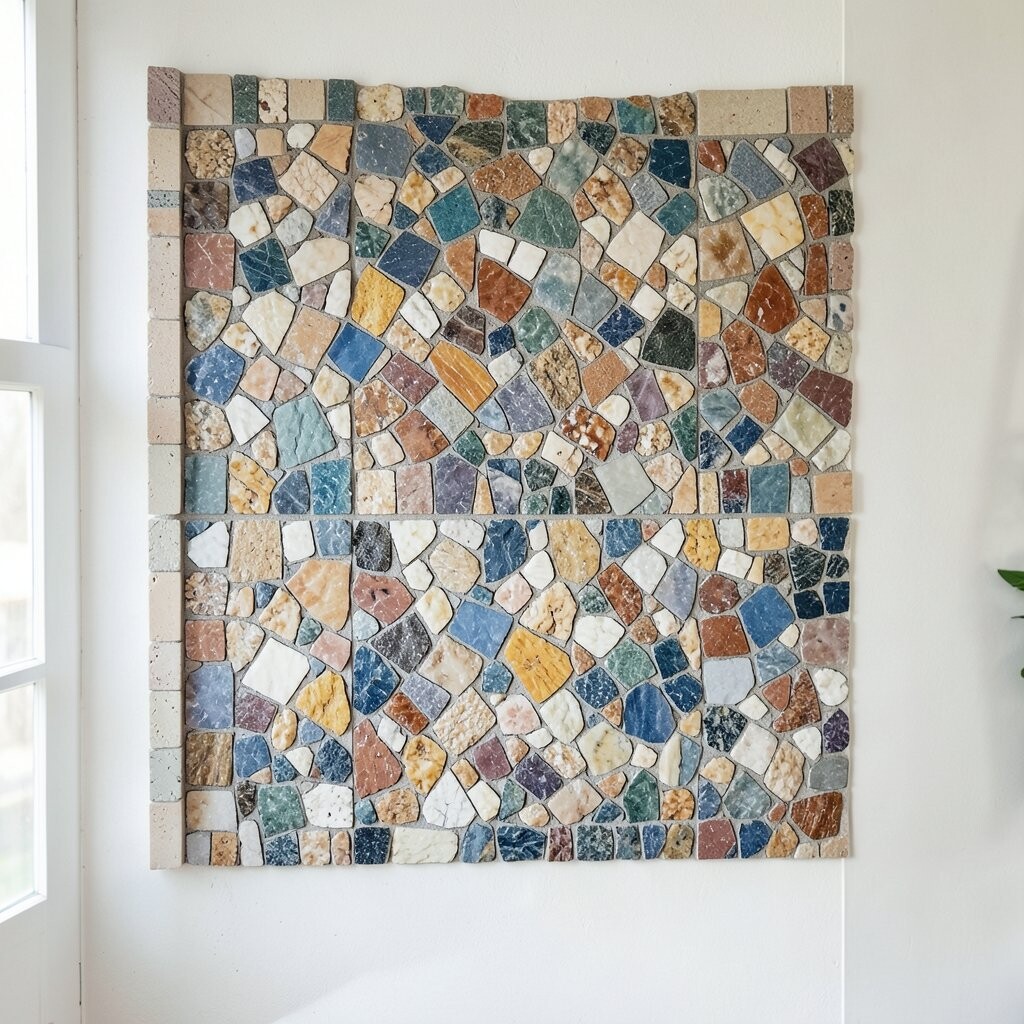
Mixed material wall pieces use tile with wood, metal, shell, or resin parts to build a richer surface. The mix gives the wall more depth and helps the art feel less plain.
This style is popular in modern homes because it looks fresh and does not need a lot of extra decor around it. Costs can change a lot based on the materials you choose, so it helps to plan the mix before you buy anything.
You can keep the piece balanced by using one main material and adding small accents from the others. If you want a more personal result, use materials that match items already in the room, like a wood table or brass lamp.
8. Curved Wave Tile Murals
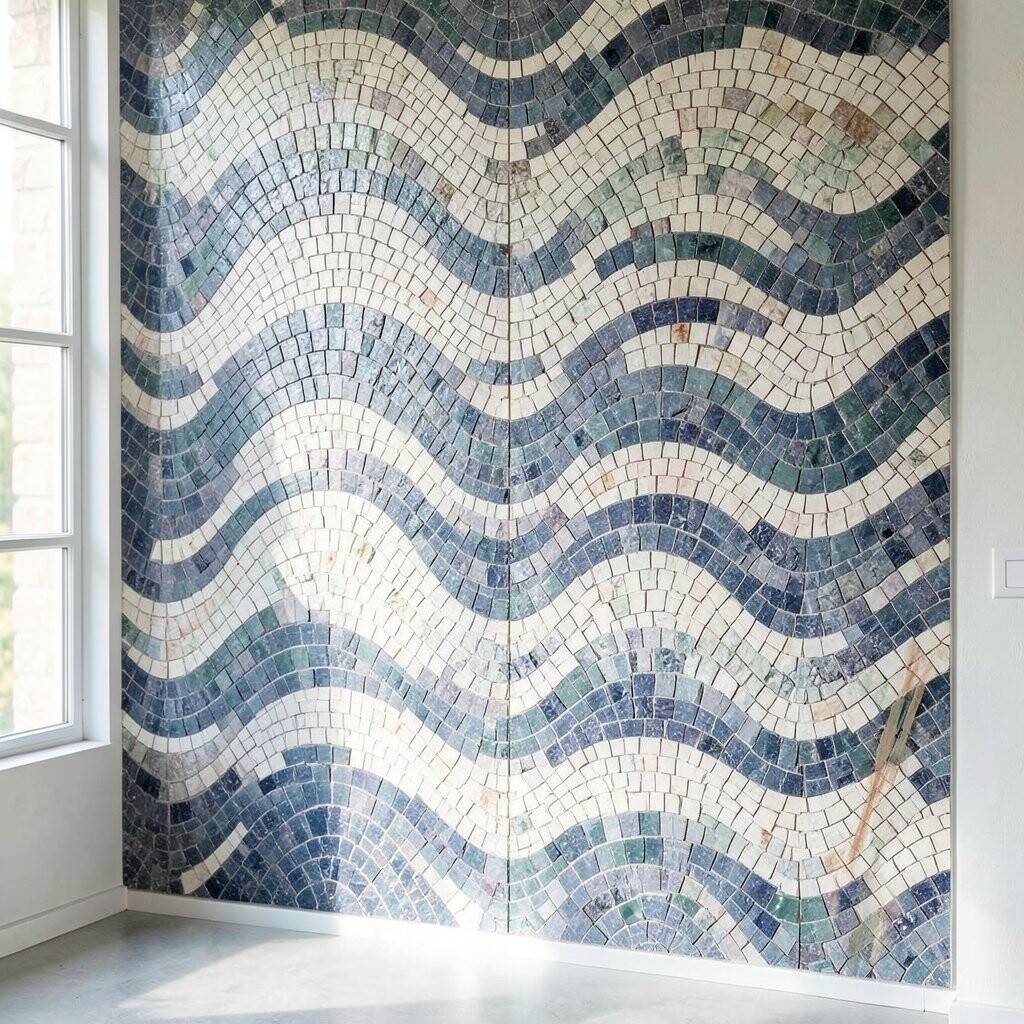
Curved wave tile murals use flowing lines and raised rows to make the wall look like moving water. The wave pattern adds motion and depth without needing bright colors or large shapes.
This idea works well in bathrooms, pool areas, or any room where you want a calm but lively wall. It can be made with tiles in one color range, which may help keep the cost steady and the design simple.
Try using cool blues, soft greens, or even gray tones if you want a quiet look. You can also add a few glossy tiles in the top lines so the waves catch light in a clear way.
9. Geometric Cube Illusion Tiles

Geometric cube illusion tiles use light and dark tile colors to make flat walls seem like they have cube shapes. The look is neat and modern, and it can give a room a strong sense of order.
This style is often a good choice for small walls because it can add depth without using bulky parts. It usually costs less than fully carved wall art since the 3D effect comes from color and layout more than heavy materials.
You can make the pattern fit your home by changing the cube size or the color mix. A simple set of three tones can look clean, while a wider color set can make the wall feel more lively.
10. Metal and Tile Accent Grids
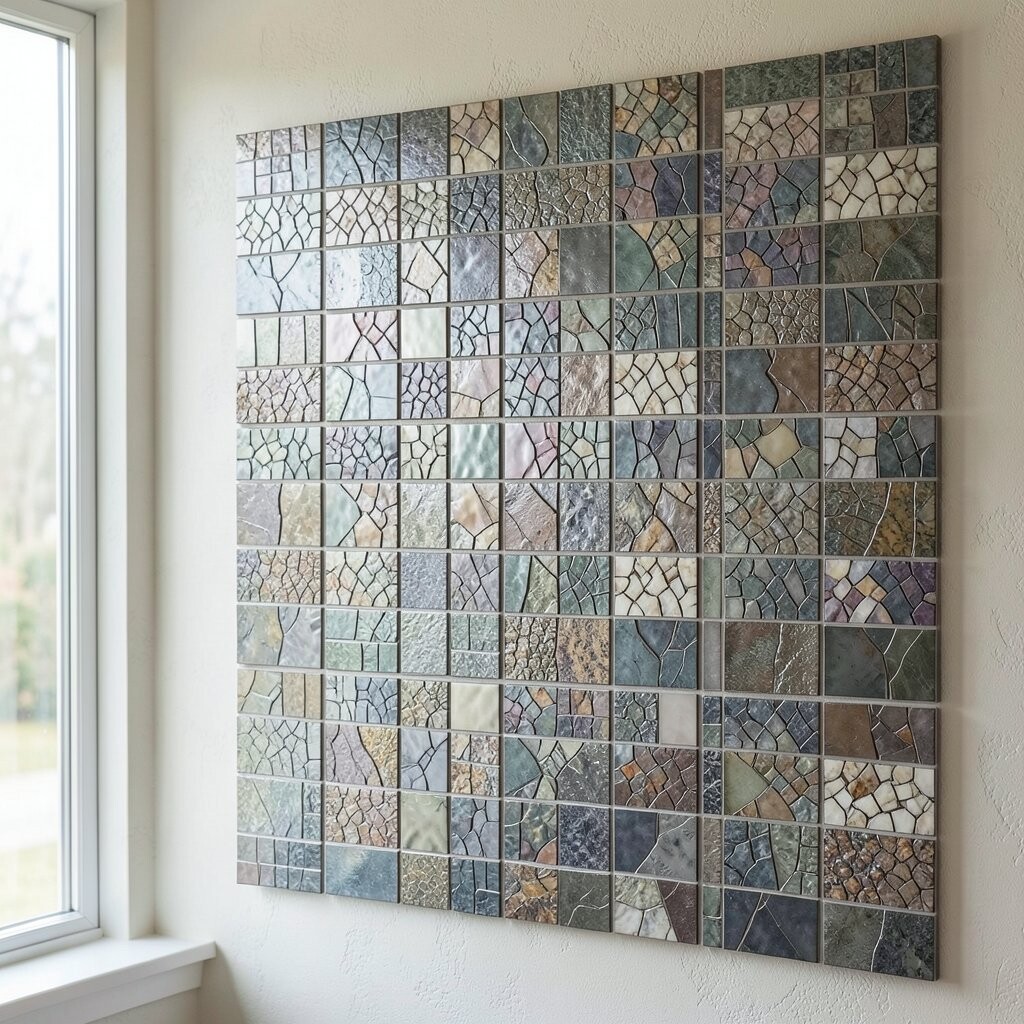
Metal and tile accent grids place slim metal lines between tile sections to give the wall a sharp, framed look. The metal adds shine and helps the tile surface stand out in a clean way.
This style can work in kitchens, offices, and entry walls where you want a more neat and modern look. It may cost more than plain tile because metal trims and close fitting work need care.
For a personal touch, choose warm metal with earth tones or cool metal with white and blue tiles. If you like a current home trend, keep the grid simple and let the texture do most of the work.
11. Nature-Inspired Stone Tile Scenes

Nature-inspired stone tile scenes use stone and tile to make trees, hills, birds, or other outdoor forms. The stones bring a rough surface that makes the wall feel grounded and full of detail.
This type of art is nice for rooms that need a calm and steady mood. Stone can be low cost if you use local material or small leftovers from another build, but special cuts may add to the price.
You can make the scene feel more like home by using shapes from a favorite park, beach, or garden. Many people enjoy this style because it brings a bit of the outside world into an indoor space in a simple way.
12. Color Block 3D Mosaic Walls
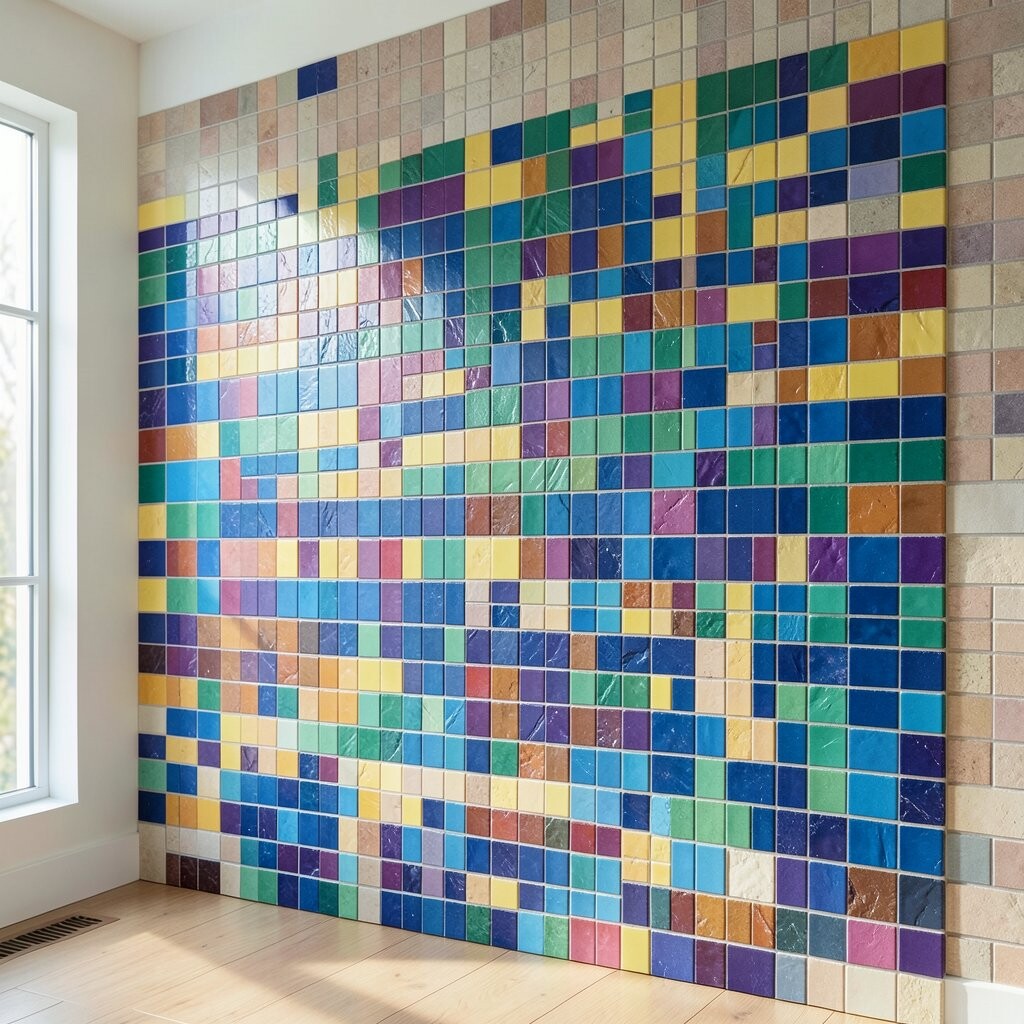
Color block 3D mosaic walls use large blocks of color with small raised tile parts inside each section. The blocks make the design easy to read, while the raised parts add depth and interest.
This is a good choice if you want a wall that feels modern but not too busy. It can be budget-friendly because you can use simple tiles in a few strong colors instead of rare pieces.
Try picking colors that fit your sofa, rug, or bedspread so the art blends well with the room. A few raised blocks in a key color can also make the whole wall feel more planned and personal.
13. Textured Border Mosaic Murals
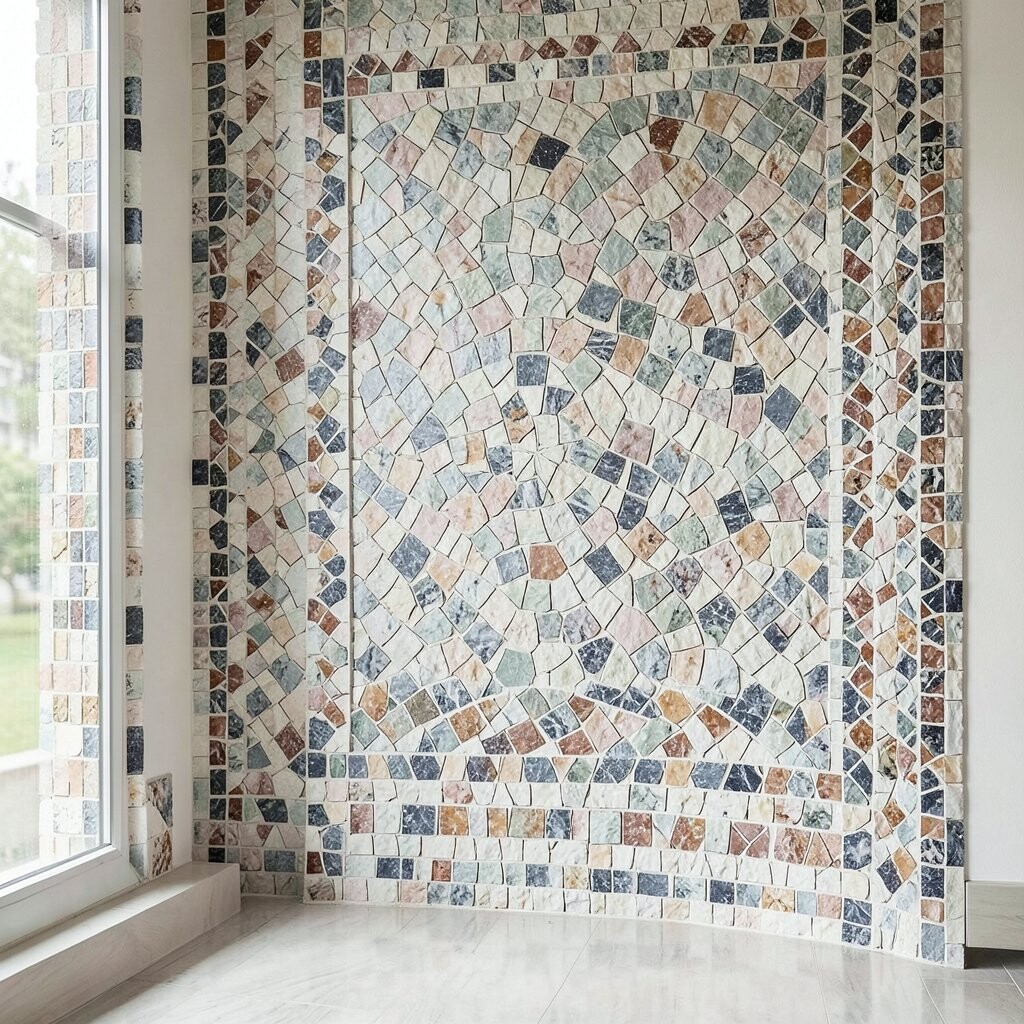
Textured border mosaic murals keep the center of the wall simple and put the 3D detail around the edge. This makes the art feel balanced and helps guide the eye across the whole piece.
This style is useful in rooms that already have other decor and need just a bit of wall detail. It can save money because the texture is focused in one area instead of spread over the full surface.
You can use a bold border for a strong frame or a soft border for a lighter look. It also gives you room to add a name, date, or small symbol that means something to you.
14. Shell and Tile Coastal Panels
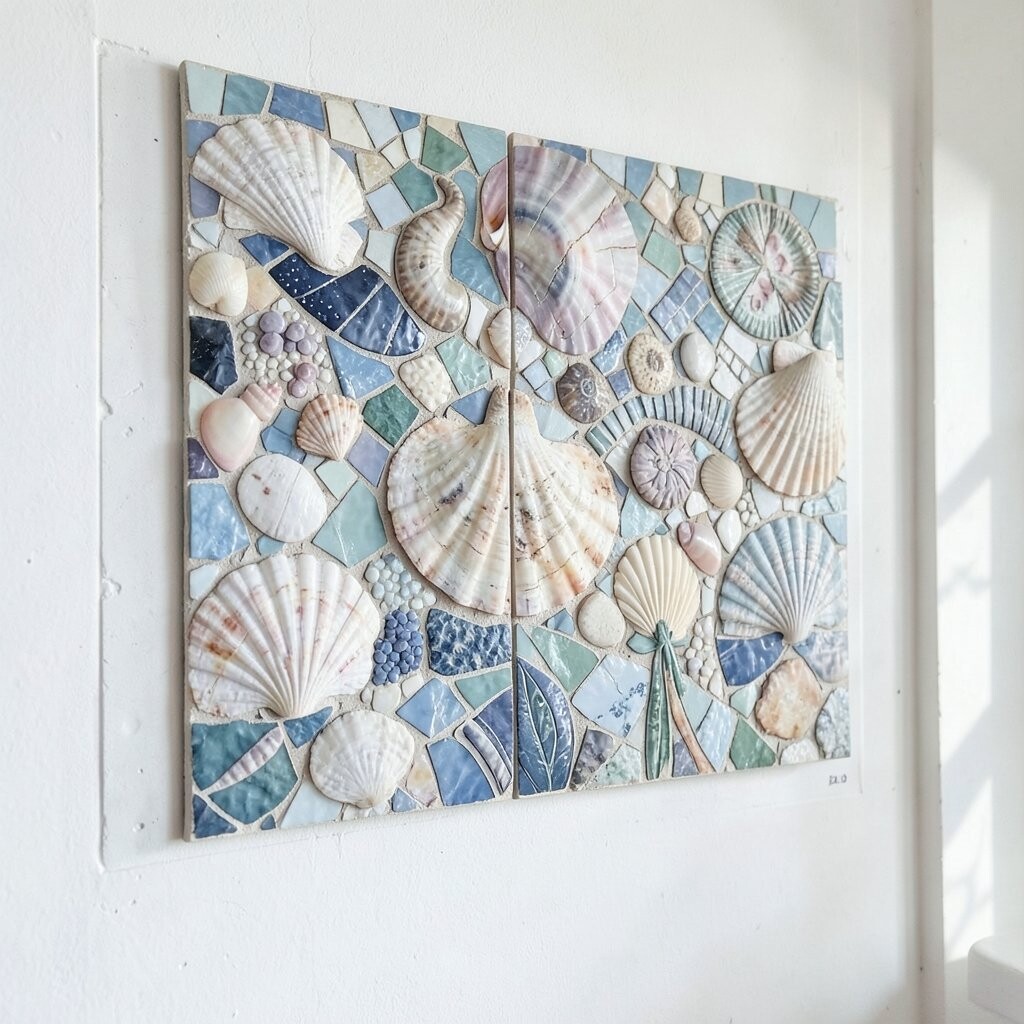
Shell and tile coastal panels mix flat tile with shell pieces to make a wall that feels airy and textured. The shells add soft shine and small curves that work well with blue, white, and sand colors.
This look is common in beach homes, baths, and sunrooms because it feels clean and calm. Shell pieces can range in cost based on size and type, but small accents are often enough to make the art stand out.
You can keep the design from feeling too busy by using a simple wave, fish, or fan pattern. If you want it to feel more personal, add one shell type from a place that matters to you.
15. Custom Photo-Inspired Mosaic Portraits
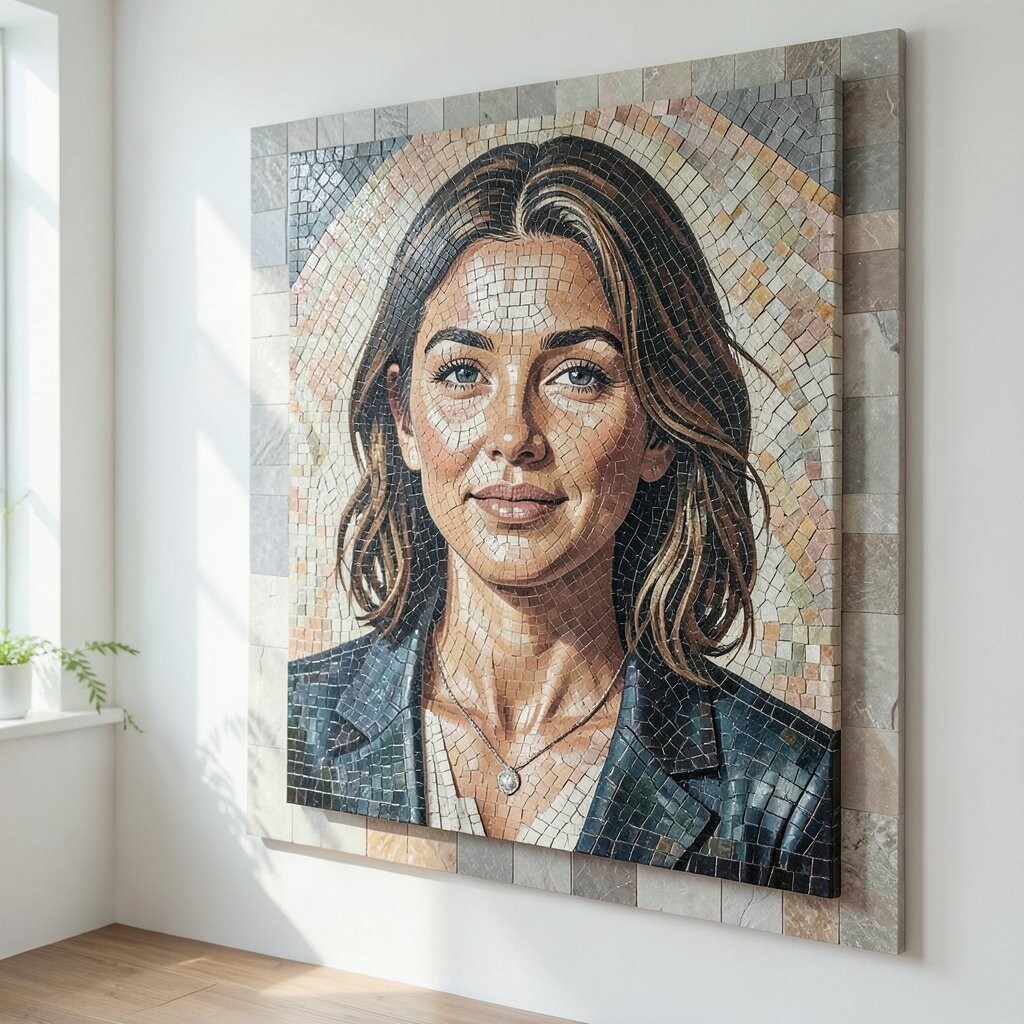
Custom photo-inspired mosaic portraits use tiles to make a face, pet, place, or favorite scene with a 3D feel. Small changes in tile size and height help the image feel more detailed and alive.
This is one of the most personal tile art styles because it can show a real memory or person from your life. The cost is often higher than other options since it needs careful planning, more time, and close detail work.
To make it fit your home, keep the color set close to the photo and use a frame that matches the room. Many people like this trend because it mixes art, memory, and wall texture in one piece that feels made for them.