Kids do best when they have a space made for play, rest, and learning. A good playroom can help them use their hands, move their bodies, and keep their things in order.
1. Colorful Reading Corner

A reading corner can feel calm and fun at the same time. Use a soft rug, low shelves, and bright pillows so the space looks warm and easy to use.
This kind of room helps kids slow down and build strong reading habits. It also works well in small homes because it does not need much space or a big budget.
Try adding book bins with picture labels so kids can pick up books on their own. You can match the colors to the rest of the room or use one bold shade for a simple look.
2. Indoor Climbing Wall Zone
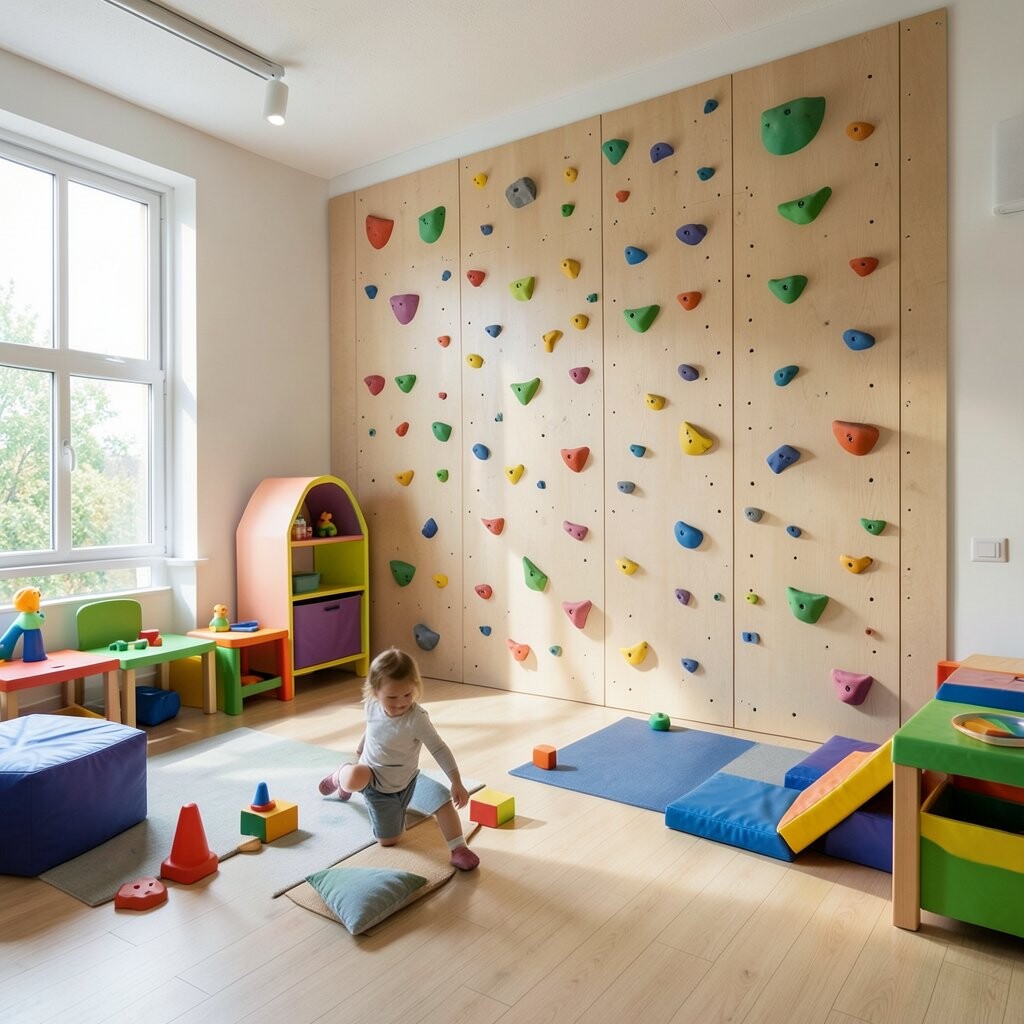
An indoor climbing wall can give active kids a safe place to move. Soft mats, wall grips, and a clear floor area make the room feel neat and useful.
This idea helps build balance, strength, and body control. It also gives kids a good way to burn energy on rainy days or during long winters.
Many families like this trend because it can be made small or large. You can keep costs low by using a few wall holds and a simple padded base.
3. Pretend Play Market

A pretend market room can look like a tiny shop with shelves, baskets, and play food. Kids can act as shoppers, cashiers, or cooks, which makes play feel fresh each day.
This setup helps with speaking, sharing, and simple math skills. It is also a nice way to keep toys in one place and cut down on room clutter.
You can make the room feel personal by using fake signs, name tags, or a small chalkboard menu. Some families add low-cost items from home, like boxes, jars, and cloth bags, to make the space feel real.
4. Soft Sensory Play Space

A sensory play room should feel calm, soft, and easy to touch. Use items like beanbags, textured mats, play scarves, and bins with sand or rice for hands-on fun.
This type of room can help kids who need quiet play or extra focus. It gives them a place to sort, squeeze, stack, and touch different things at their own pace.
Simple colors often work best here because they keep the room from feeling too busy. You can add calm music, a small tent, or a dim lamp to make the space feel even more peaceful.
5. Art Wall Studio

An art wall can make a playroom feel lively and useful. Hang paper rolls, clipboards, or a wipe-clean board so kids always have a place to draw.
This room helps kids show ideas in a hands-on way and build fine motor skills. It also makes cleanup easier when supplies have their own spots in bins or drawers.
Kids can make the room their own with framed art, sticker labels, or a shelf for finished work. If you want to save money, use recycled jars for brushes and old trays for paint cups.
6. Tiny Theater Stage

A small stage area can turn a playroom into a place for songs, stories, and dress-up. A simple curtain, a rug for the stage, and a few props can set the scene.
This kind of space helps kids build confidence and use their voice. It also gives them a fun way to play with friends or family members without much setup.
Many parents like to keep this look simple and low-cost. You can use old scarves, a toy microphone, and a few empty boxes to make the space feel special.
7. Build and Block Corner

A block corner is great for kids who like to stack, sort, and build. Low shelves, open bins, and a wide floor area make it easy to get started.
This setup supports problem-solving and hand-eye skills. It also keeps building toys in one place so they do not spread across the whole house.
You can make the space more personal with wooden blocks, foam bricks, or toy road mats. A simple color plan can help the room look neat even when the toys are out.
8. Nature-Inspired Playroom

A nature-inspired playroom can feel fresh and warm with green, tan, and wood tones. Add leaf art, woven baskets, and plants that are safe for kids or fake ones that are easy to care for.
This idea helps create a calm mood and makes the room feel less busy. It can also teach kids to enjoy natural shapes, textures, and colors.
Many families like this trend because it works with both modern and simple home styles. You do not need a large budget if you use natural-looking items, soft fabrics, and a few wall prints.
9. Dress-Up and Costume Closet

A dress-up closet can make playtime easy and fun. Hang costumes on low hooks and add a mirror, a stool, and a small basket for shoes or hats.
This kind of room helps kids try roles, make stories, and use their imagination. It also keeps all the dress-up clothes in one spot so they are easier to find and put away.
You can make the area feel unique by mixing store-bought clothes with old scarves, hats, and bags from home. A few labels can help kids know where each item belongs and keep the space tidy.
10. Music and Rhythm Room

A music room can hold drums, shakers, xylophones, and other safe sound makers. A soft floor and a simple wall shelf can help keep things in order.
This room gives kids a place to tap, sing, and move with sound. It can support listening skills, timing, and a better sense of rhythm.
Small homes can still make this idea work with just a few items. Some families use baskets for instruments and add soundproof rugs to keep noise down.
11. Puzzle and Game Area
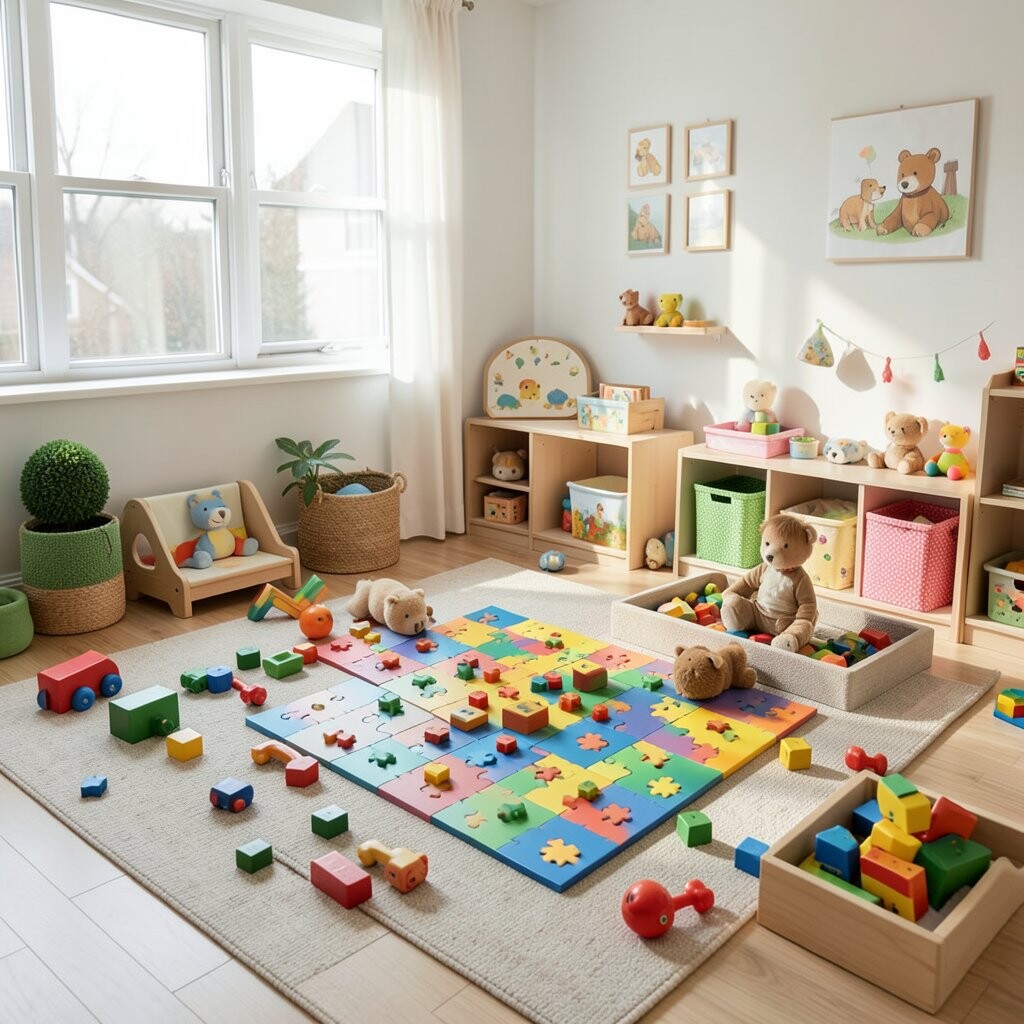
A puzzle and game area can feel neat, calm, and easy to use. A low table, comfy chairs, and shallow drawers make it simple for kids to sit and play.
This space helps with focus, matching, memory, and patience. It is a good choice for kids who like quiet play and clear tasks.
You can make the room personal by grouping games by type or color. Clear boxes and label cards can also make cleanup faster and less messy.
12. Mini Sports Room

A mini sports room gives active kids a safe place to move indoors. You can add a small hoop, soft balls, floor markers, and wall nets for easy play.
This setup helps kids stay active when outdoor play is not an option. It can also make physical play part of the daily routine without needing a large space.
Many families like to keep the look simple with clean lines and bright gear. If you want to save money, start with just a few toys and build the space over time.
13. Calm Homework and Play Mix

A homework and play mix room can help kids switch between work and fun. Use a desk, storage cubes, and a play rug so both parts of the room feel clear.
This style works well for families who need one room to do many jobs. It can help kids stay organized and make school tasks feel less separate from play.
You can keep the room friendly by using soft colors and a few fun wall prints. Simple bins, pencil cups, and rolling carts are low-cost ways to keep supplies close at hand.
14. Bright Lego and Toy Build Room

A build room for Lego and other small toys can be bright and easy to sort. Use trays, divided bins, and a flat table so pieces stay together.
This kind of room helps kids plan, create, and solve small problems. It is also a good way to keep tiny pieces from getting lost all over the house.
Many parents like clear storage because it helps kids see what they have. You can add wall shelves for displays so finished builds become part of the room decor.
15. Storytelling Tent Nook

A storytelling nook can feel cozy with a tent, a soft blanket, and a few pillows. Add books, puppets, or stuffed animals so kids have props for their stories.
This area helps kids build language skills and enjoy quiet make-believe play. It also gives them a small space that feels like their own.
You can make it unique with fabric patterns, string lights, or a custom name sign. Many families like this look because it is low-cost and easy to change as kids grow.
16. Shared Sibling Play Zone

A shared sibling play zone can keep peace in a busy home. Use clear zones for building, drawing, reading, and dress-up so each child has a place to go.
This kind of room helps kids learn to take turns, share space, and play side by side. It also makes the room feel more open and less crowded.
To make it feel personal, let each child pick a color, bin, or wall spot for their things. Simple furniture, mixed storage, and easy-to-clean surfaces can keep the room useful and friendly for daily play.