
Terracotta pots and plastic pots both have a place in a garden. Each one has its own look, feel, and use.
1. Visual Style

Terracotta pots have a warm, earthy look that many people like. Their red-brown color can make plants look calm and classic.
Plastic pots often come in many colors and shapes. They can fit a bright patio, a plain porch, or a neat modern yard.
If you care a lot about style, terracotta can feel more natural. If you want a more playful or mixed look, plastic gives you more room to try new things.
2. Plant Root Comfort

Terracotta lets air move through the pot wall. This can help roots stay healthier when the soil gets too wet.
Plastic holds water in the soil for a longer time. That can help plants in hot weather or for people who forget to water often.
The best choice depends on the plant. Herbs, succulents, and many dry-climate plants often do well in terracotta, while moisture-loving plants may like plastic more.
3. Water Use

Terracotta dries out faster because the clay can breathe. This means you may need to water more often, especially in sunny weather.
Plastic pots keep moisture in better. That can save time and help if you live in a dry area or travel often.
For a personal touch, some gardeners use terracotta for plants that need dry soil and plastic for plants that need steady water. This mix can make garden care easier.
4. Weight and Moving Around

Terracotta pots are usually heavy, even before you add soil and plants. That can help them stay in place when the wind blows.
Plastic pots are much lighter and easier to carry. This is useful if you move plants for sun, shade, or winter storage.
If you like to change your garden layout often, plastic may be the simpler choice. If you want a pot that feels firm and steady, terracotta can be a good fit.
5. Cost and Budget

Plastic pots are often cheaper at the store. This makes them a good pick if you need a lot of pots for seedlings or a big garden project.
Terracotta pots usually cost more, especially if they are large or made with thick clay. Still, many people like them because they can last a long time with good care.
If you are shopping on a budget, plastic helps you get more pots for less money. If you want a few nice pots for a front entry or patio, terracotta may feel worth the extra cost.
6. Heat and Sun

Terracotta can heat up fast in strong sun. This may dry the soil quickly, which is good for some plants but not all.
Plastic usually stays cooler than dark clay, but thin plastic can still warm up in full sun. The color of the pot also matters, since dark pots hold more heat.
For hot spots in the yard, it helps to place any pot where it gets morning sun and afternoon shade. A saucer or mulch on top of the soil can also help hold moisture.
7. Breakage and Durability

Terracotta can crack or break if it is dropped or if water inside it freezes and expands. This makes careful use important in cold places.
Plastic does not break as easily. It can bend a little and is often safer for busy spaces, kids, or crowded shelves.
If you want a pot for rough use, plastic is often the easier pick. If you are careful with your pots and like their classic look, terracotta can still work well.
8. Drainage Needs

Most terracotta pots have drainage holes, and many gardeners like that. The clay also helps excess water dry out faster.
Plastic pots may also have drainage holes, but not all of them do. Some store plants sit in pots with trays, so it is wise to check before you buy.
Good drainage helps stop root rot. If you choose plastic, make sure the holes are open and the pot does not sit in standing water too long.
9. Best Use for Seed Starting

Plastic pots are often used for seeds and young plants. They are light, low cost, and easy to line up on a shelf or tray.
Terracotta can be used too, but it is less common for this job. The faster drying can make it harder to keep tiny seedlings moist enough.
If you start many plants each spring, plastic can save space and money. You can move seedlings into terracotta later if you want a more finished look.
10. Good Match for Certain Plants

Terracotta works well for plants that like drier soil, such as rosemary, lavender, and many cactus types. The pot helps keep them from sitting in too much wet soil.
Plastic is often better for plants that like steady moisture, such as ferns and some flowering plants. It helps the soil stay damp for longer periods.
It is smart to match the pot to the plant instead of using one type for all. That small choice can make daily care easier and help your plants do better.
11. Garden Design Feel
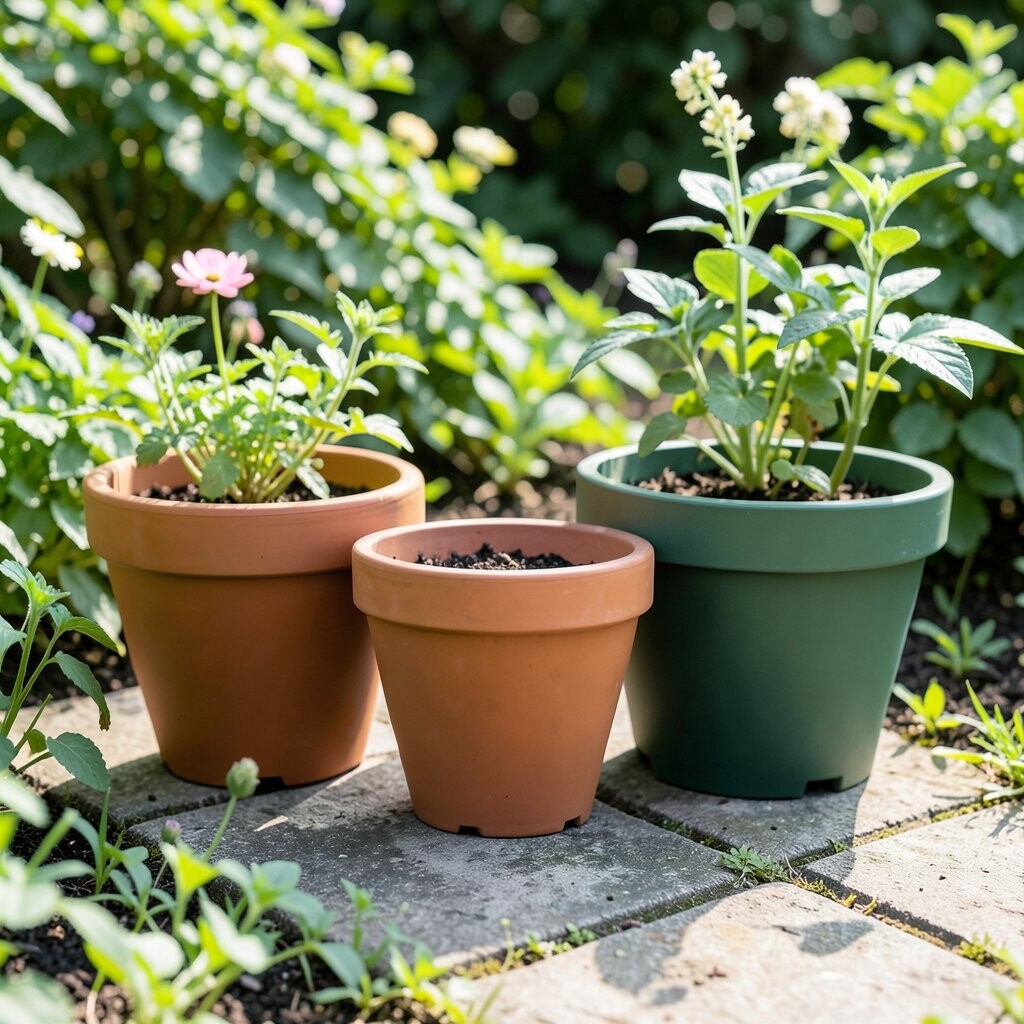
Terracotta gives a garden a calm, old-style feel. It works well with stone paths, wood tables, and simple green plants.
Plastic can fit many styles because it comes in so many looks. You can find plain black pots, bright colors, or smooth shapes that suit a clean yard.
Many people mix both types in one space. That can make the garden feel more personal and keep it from looking too same all the time.
12. Cleaning and Care

Terracotta can build up white marks from water and minerals. Some people like this worn look, while others want a cleaner surface.
Plastic is easy to wipe down and often looks neat for longer. It can still fade over time if it stays in strong sun.
If you want low care, plastic is simple. If you do not mind a bit of aging and want a natural look, terracotta can be easy enough with light scrubbing now and then.
13. Reuse and Green Living

Terracotta pots can last a long time and may be reused for many seasons. If one breaks, some people even use the pieces in garden art or drainage help.
Plastic pots are often reused too, but they may wear out faster in sun. Still, reusing any pot is better than throwing it away too soon.
Some gardeners now look for pots made from recycled plastic. That trend helps cut waste and can be a good fit for people who want a lower-cost option.
14. Seasonal Use

Terracotta can be great in warm months when you want dry, steady soil. In cold weather, it may need more care so it does not crack.
Plastic can stay in use through more seasons because it is less likely to break in winter. This makes it handy for people who leave pots outside most of the year.
If you move pots indoors for cold nights, plastic is easier to carry. If you set up one outdoor spot for the full season, terracotta may be a nice match for the space.
15. Picking the Right One for You

The best pot is the one that fits your plant, your time, and your budget. Terracotta is good if you want a classic look and drier soil.
Plastic is good if you want low cost, light weight, and less watering. It is also helpful if you like to change your garden setup often.
Many gardeners use both types together. That mix can give you the best of each, while also making your garden feel more like your own.