Textured fabric can make a home feel warm, calm, and more lived in. Small changes in cloth can help each room feel softer, fuller, and easier to enjoy.
1. Linen
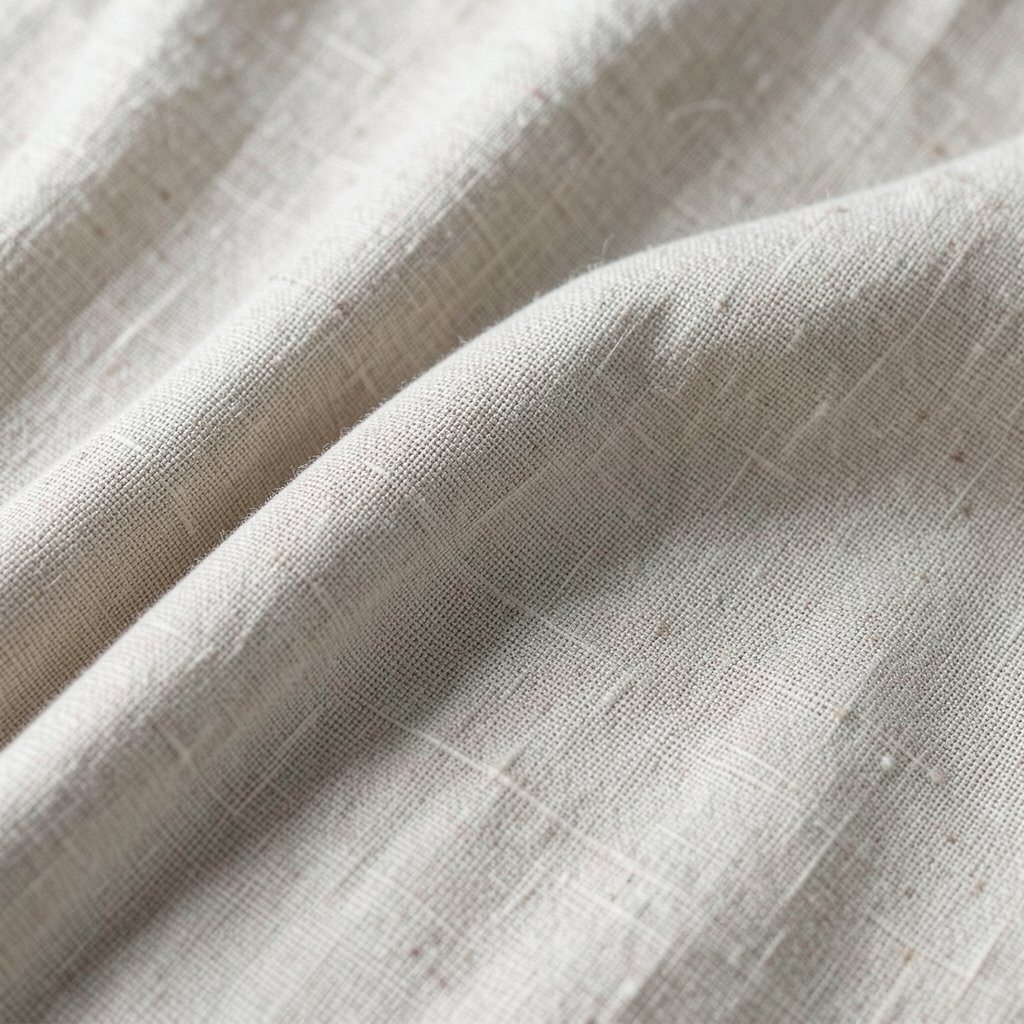
Linen has a light, airy look with a soft hand that gets better with use. It works well for curtains, pillow covers, and slipcovers in rooms that need a calm feel.
This fabric often has a loose weave that shows a bit of texture, which helps a space feel relaxed. It is a good pick for warm weather because it lets air move through and does not feel heavy.
Linen can cost more than some plain cotton, but many people like the long life and casual style it gives. If you want a soft room with a clean look, try linen in light shades like beige, cream, or pale gray.
2. Velvet
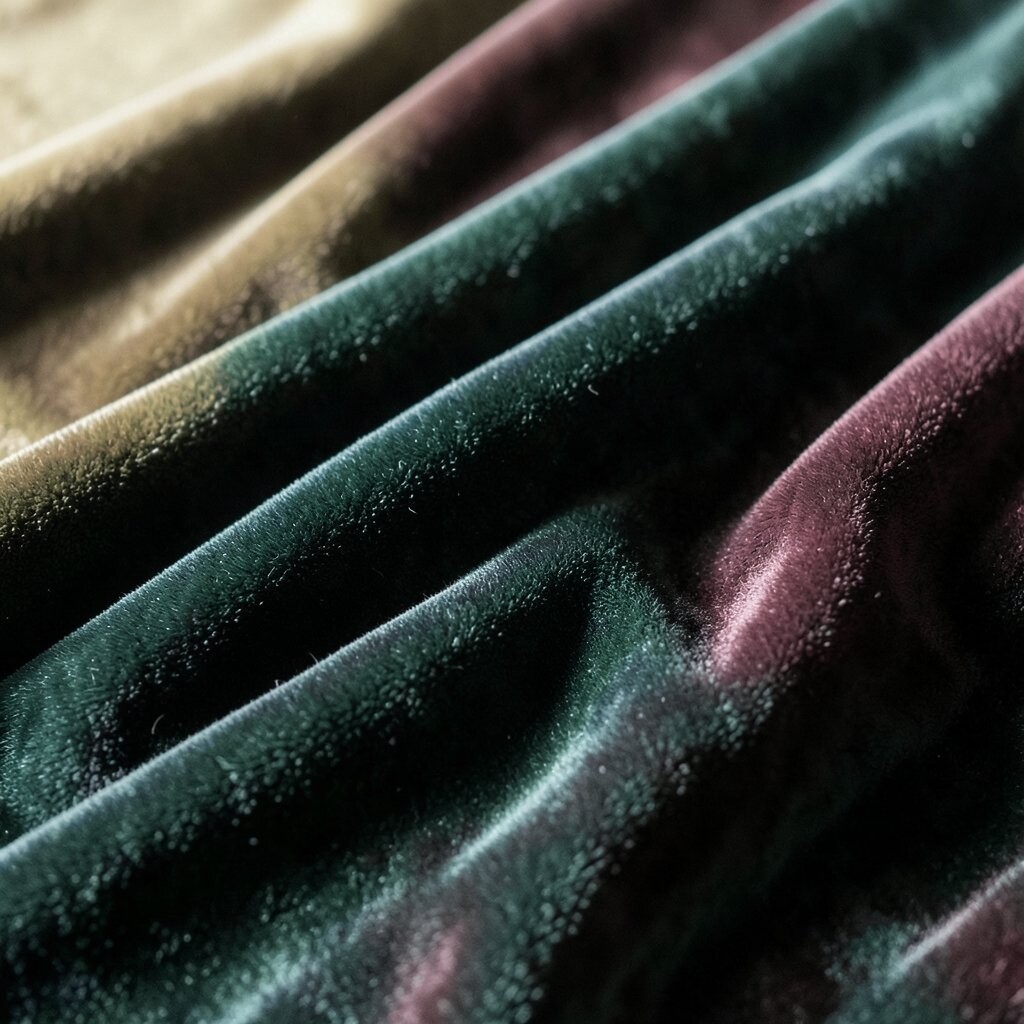
Velvet has a deep, smooth pile that catches light in a rich way. It can make a sofa, chair, or pillow feel special without much effort.
This fabric adds a cozy look right away because it feels soft and full. It also helps a room feel more dressed up, which is why many people use it in living rooms and bedrooms.
Velvet can cost more than basic cloth, and it may need more care to keep it looking neat. Dark jewel colors are still popular, but soft greens, dusty blue, and warm tan are also showing up in home rooms.
3. Bouclé

Bouclé has a looped, bumpy face that looks soft and thick. It often shows up on chairs, ottomans, and throw pillows where people want a calm, rich feel.
The texture makes a room look warm and current at the same time. It can also hide small marks well, which is helpful in homes with kids or pets.
This fabric is a little more costly than basic woven cloth, but it gives strong visual interest without loud color. Try bouclé in cream, oatmeal, or soft gray for a look that stays easy to live with.
4. Chenille
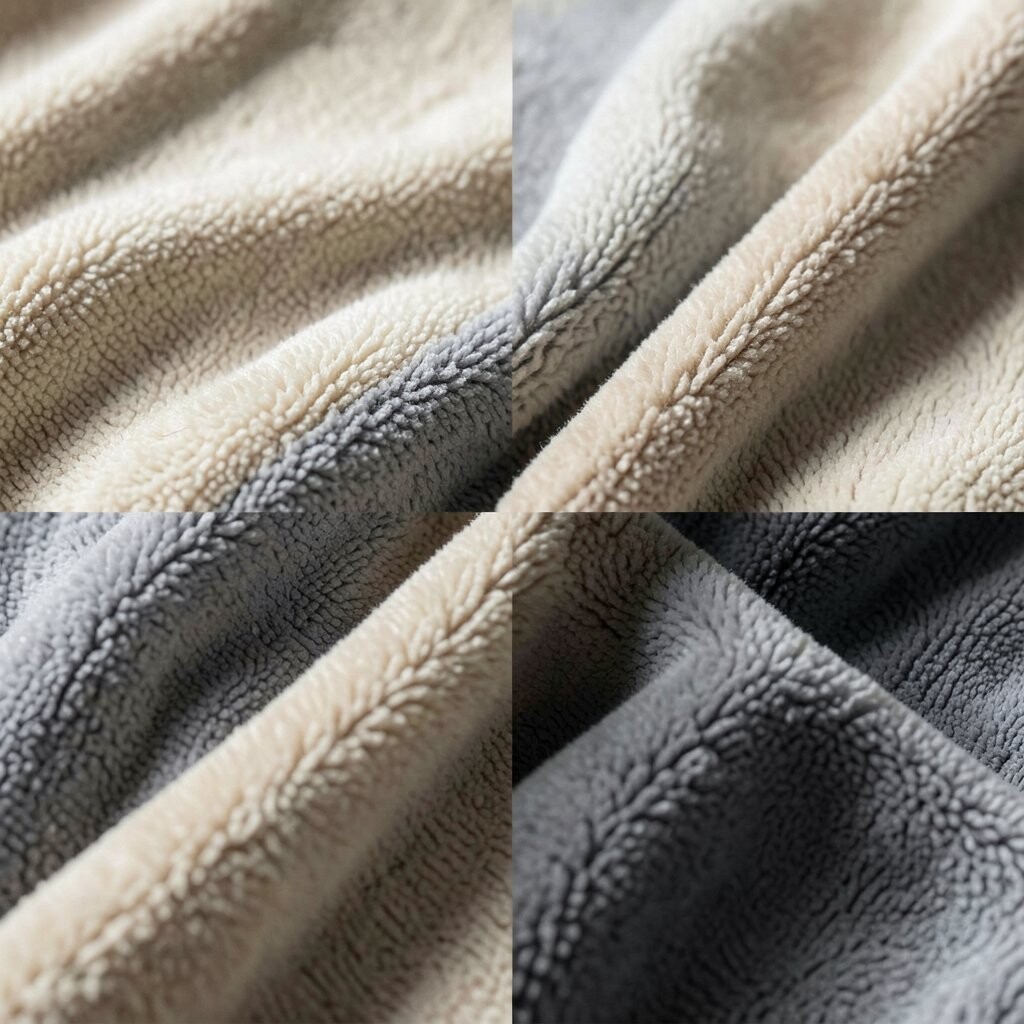
Chenille feels plush and has a fuzzy look that many people find cozy. It is often used for blankets, pillows, and some upholstery because it feels soft when you touch it.
The nap on chenille gives it a gentle shine and a warm, full look. That makes it a smart choice for reading corners, family rooms, and other places where comfort matters most.
Chenille can be found in many price ranges, so it can work for a tight budget or a larger room plan. Deep colors can hide wear, while lighter shades can make the room feel open and calm.
5. Wool
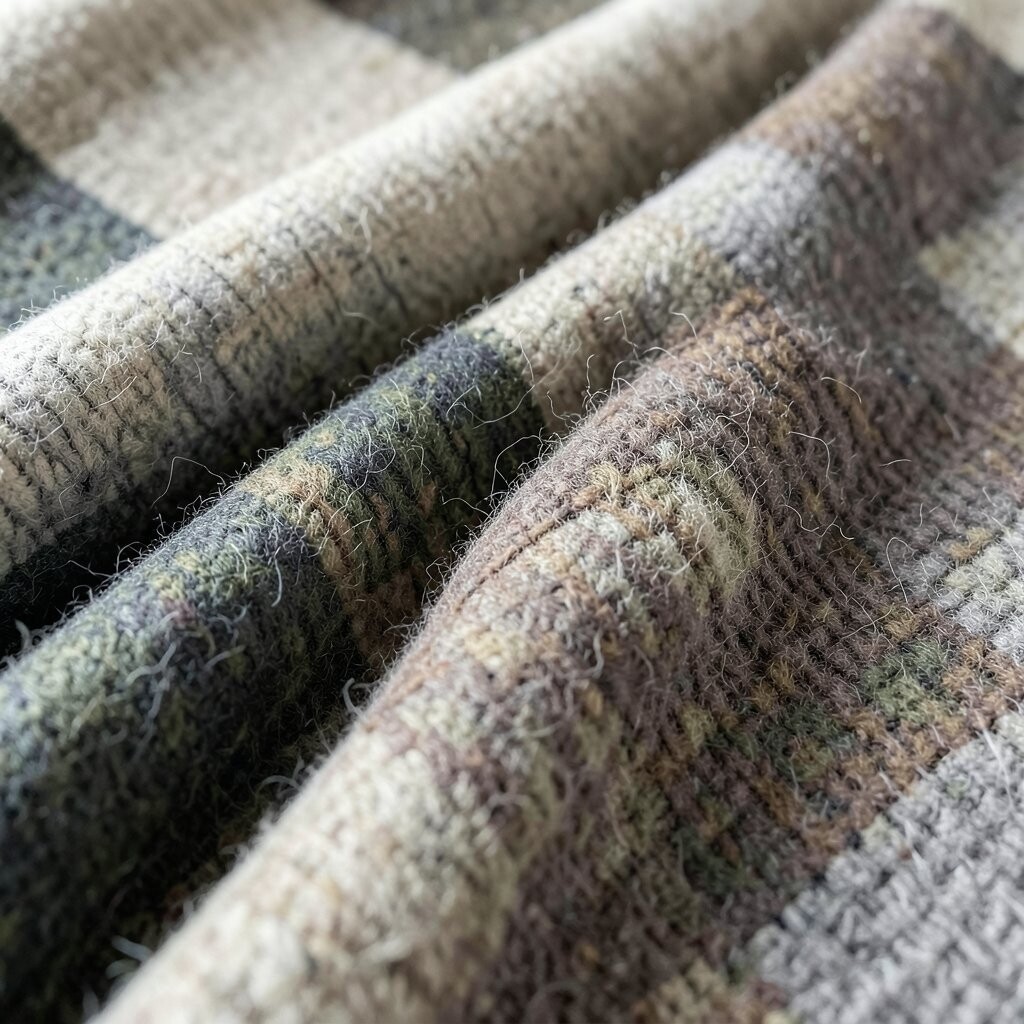
Wool has a firm yet soft feel and a natural look that suits many home styles. It is often used for blankets, rugs, and seat covers because it holds up well over time.
This fabric helps keep a room warm and can make a space feel snug in cool months. It also tends to resist dirt better than some other fabrics, which can make care a bit easier.
Wool may cost more at first, but many people see it as a smart long-term choice. If you want a simple style with texture, look for wool in plain weaves or small checks.
6. Cotton Canvas

Cotton canvas has a strong weave and a plain, sturdy look. It is a good fabric for slipcovers, storage bins, seat pads, and toss pillows that need daily use.
The texture is not fancy, but that is part of its appeal. It gives a room a neat, easy feel and works well in homes that lean toward simple style.
Canvas is usually one of the more affordable fabric choices, which makes it useful for bigger projects. Try soft white, sand, or olive if you want a relaxed look that still feels clean.
7. Sherpa
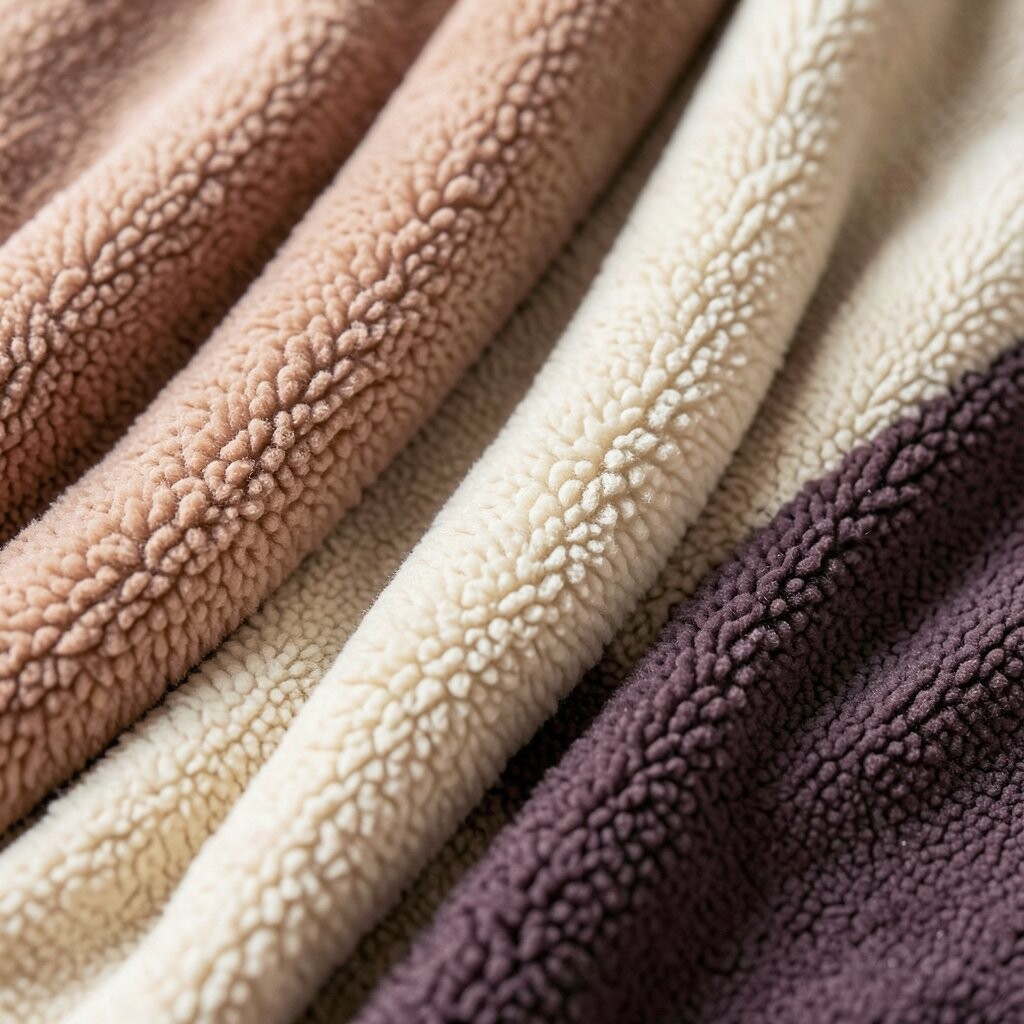
Sherpa has a fluffy surface that looks like soft fleece or wool. It is often used for blankets, pillow backs, and accent chairs when extra comfort is the goal.
This fabric gives a room a very cozy look because the pile is thick and touchable. It works well in small doses, since too much can make a room feel heavy.
Sherpa is often low to mid cost and can be a nice way to add texture without spending a lot. It is a common trend in winter home decor, and it pairs well with wood, knit throws, and plain cotton.
8. Corduroy

Corduroy has raised lines that give it a clear, ribbed texture. It can make pillows, sofas, and armchairs feel more casual and friendly.
The ridges add a nice visual rhythm that works in both modern and old-style rooms. It also feels warm to the touch, which helps make a space feel more inviting.
Corduroy is often cheaper than some luxe fabrics, so it can be a good choice for people who want texture on a budget. Try wide ribs for a bold look or fine ribs for a softer, neater feel.
9. Tweed

Tweed has a woven surface with small color flecks that give it a lively look. It is often used for chairs, benches, and pillows in rooms that need a bit more depth.
This fabric feels sturdy and classic, which can help a home feel grounded and calm. It also hides small marks well because the mixed yarns break up the surface.
Tweed can cost more when it is made from higher-end wool, but blended versions may be more budget-friendly. Earth tones are common, yet soft blue, rust, and green can give it a fresh, current feel.
10. Muslin
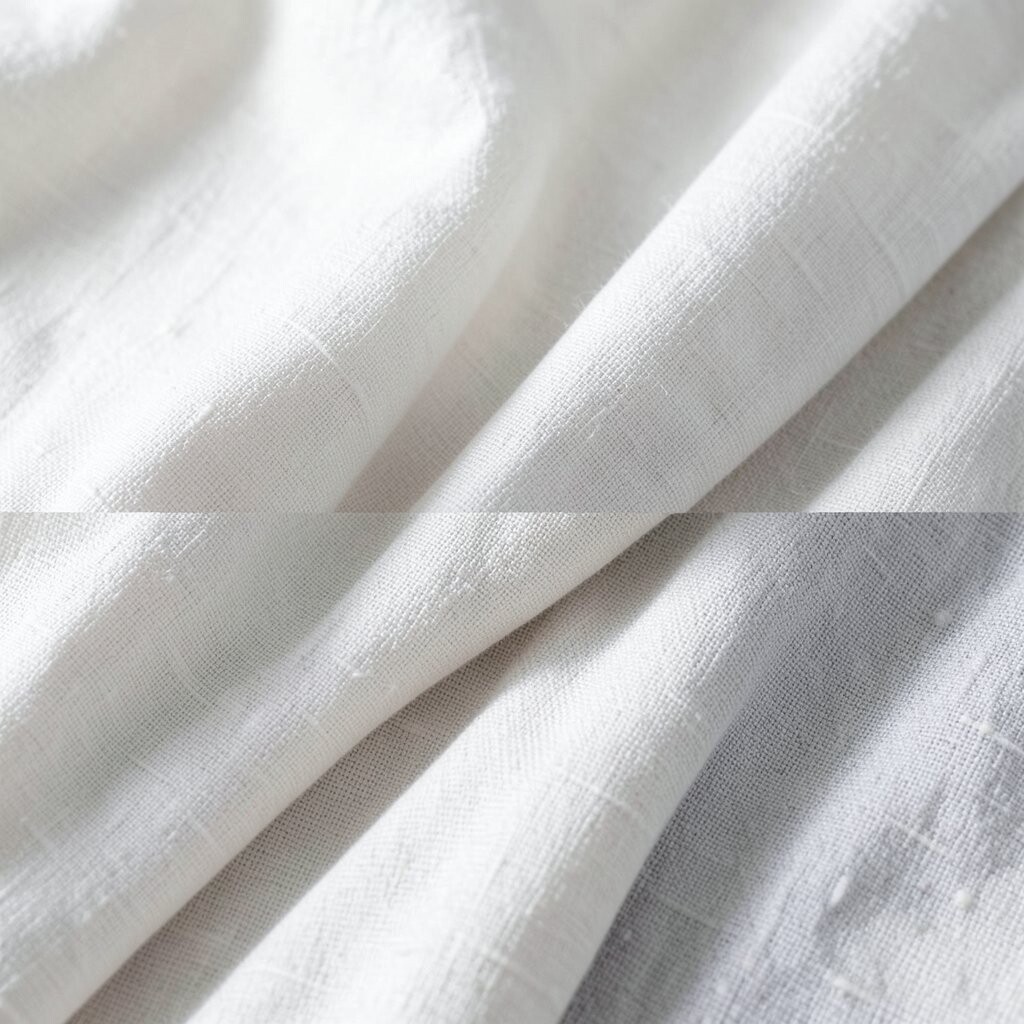
Muslin has a plain, light weave that feels soft and simple. It is often used for drapes, bedding layers, and craft projects where a clean base is needed.
The look is quiet and natural, which can help a room feel easy and open. It is also useful when you want texture without a strong pattern or shine.
Muslin is usually low cost, so it can work well for test pieces or fast room updates. Many people like it in off-white or cream because those shades make the fabric feel warm and calm.
11. Slub Cotton
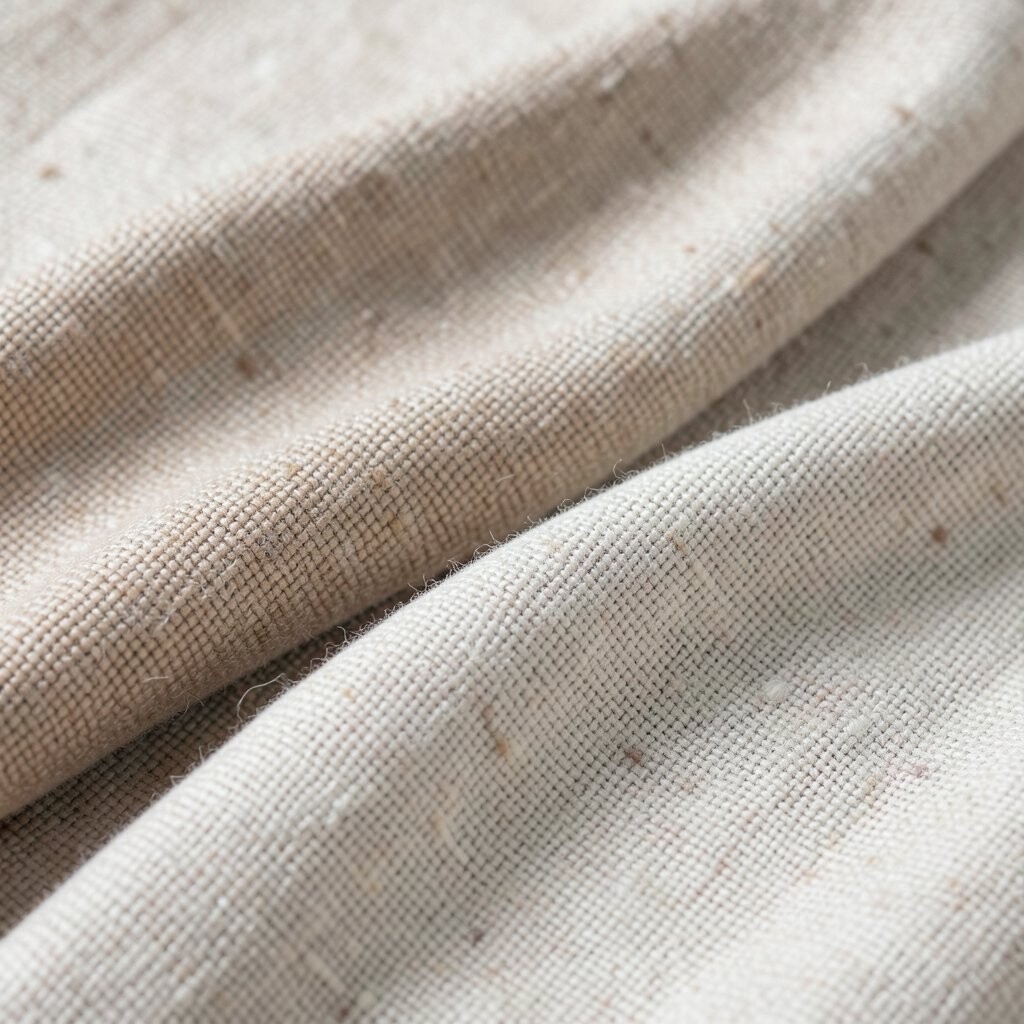
Slub cotton has small thick and thin spots in the yarn that give the cloth a hand-made look. It works well for bedding, curtains, and pillow covers in rooms that need soft texture.
This fabric looks a little uneven in a good way, which helps a room feel less stiff. It can bring life to simple spaces without asking for a lot of color or pattern.
Slub cotton is often in the mid-price range and can be found in many home stores. If you want a fresh look, try it with wood furniture and plain walls so the texture stands out.
12. Faux Fur
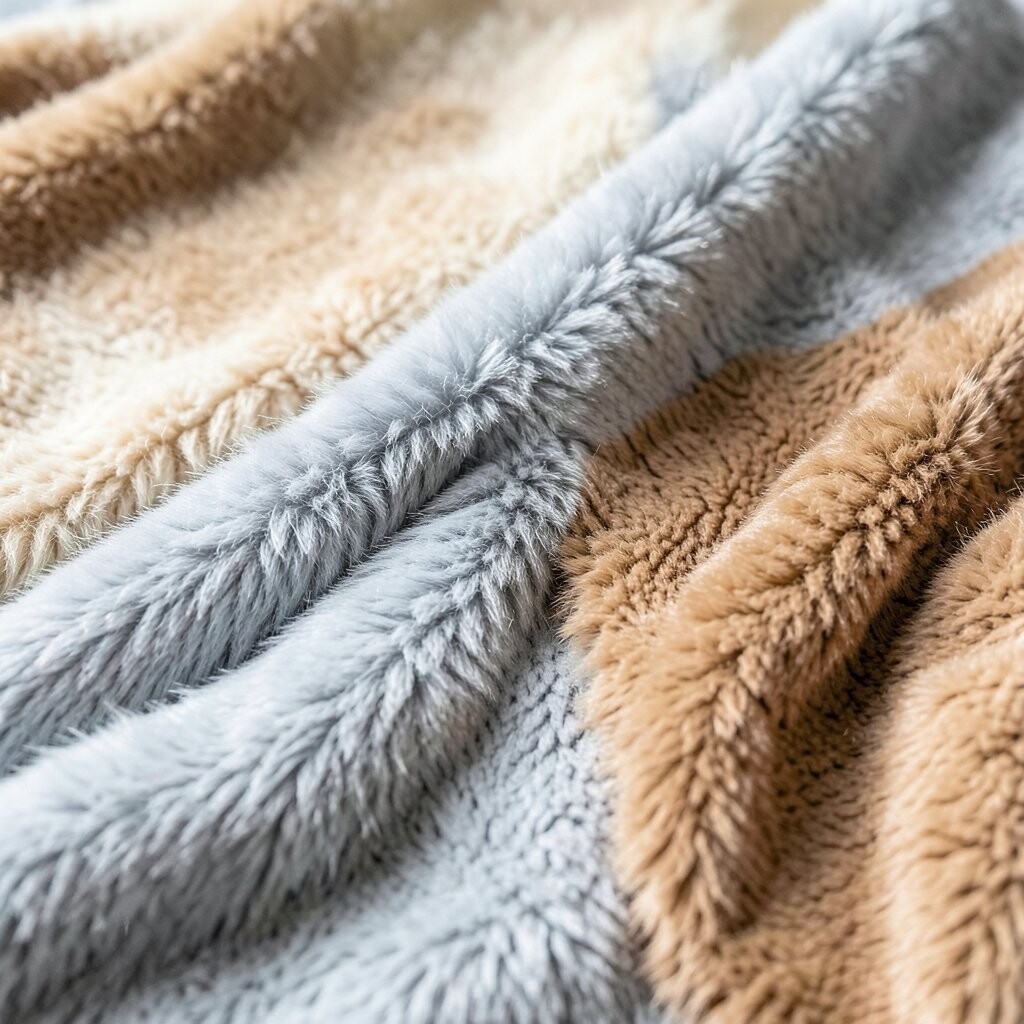
Faux fur has a thick, fluffy surface that feels very soft. It is often used for throw blankets, cushion covers, and small accent pieces that add warmth fast.
This fabric gives a room a cozy feel right away, especially in a bedroom or reading nook. It also works well as a top layer, since it can make plain furniture feel more comfortable.
Costs can vary a lot, with some versions made for budget decorating and others made to look more rich. Soft white, taupe, and muted brown are popular because they fit many room styles.
13. Hemp
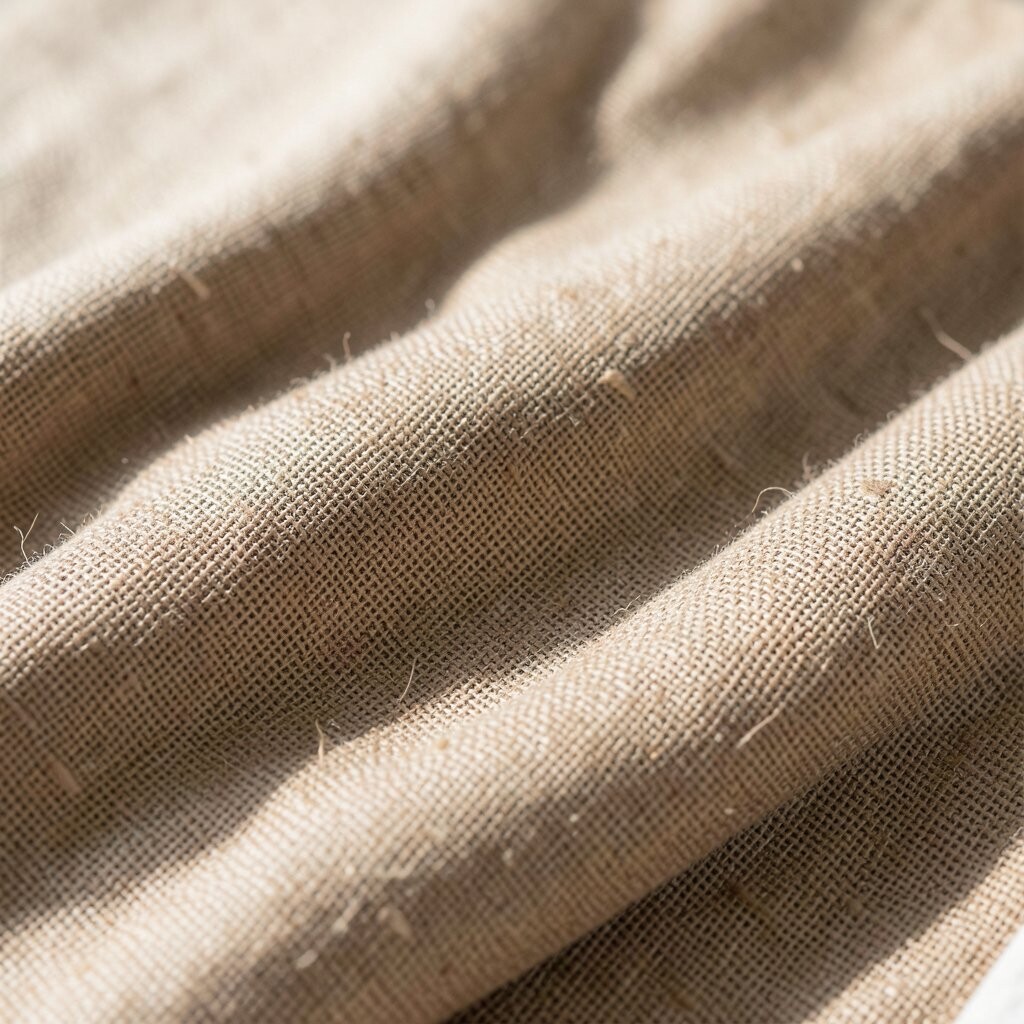
Hemp has a firm weave and a natural, earthy look. It is often used for curtains, pillows, and table covers when a room needs a plain but textural feel.
This fabric is known for being strong, which can help it last a long time in busy homes. It also has a slightly rough touch that gives it a more natural style than very smooth cloth.
Hemp can cost a bit more than basic cotton, but many people like it for its long life and simple look. It fits well with other natural items like wood, stone, and woven baskets.
14. Ticking Stripe Fabric
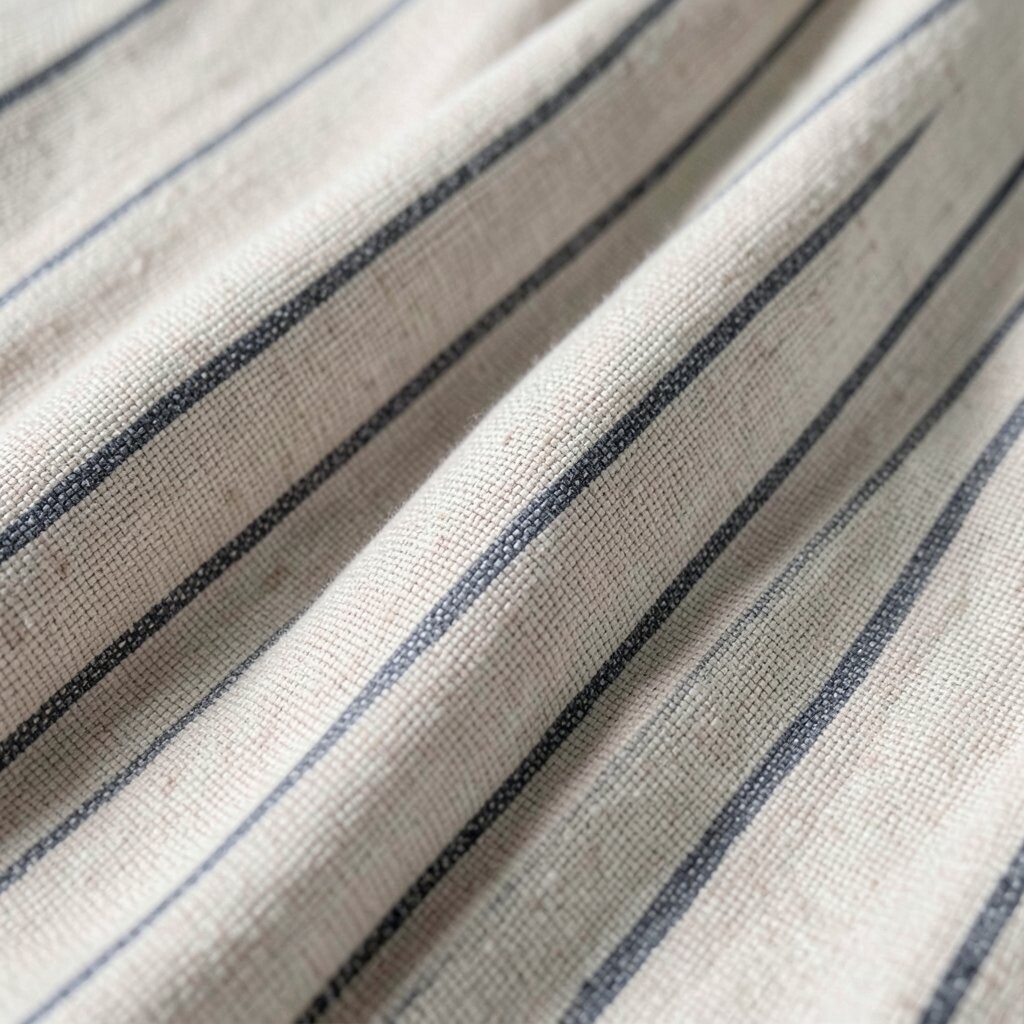
Ticking stripe fabric has thin, neat stripes that often look old-fashioned in a good way. It is a common pick for pillows, slipcovers, and bed layers in calm home spaces.
The small stripe pattern gives a room a sense of order without feeling too busy. It is a smart choice when you want texture through print as well as through weave.
This fabric is often easy to find and can be friendly to many budgets. Blue and white is the classic style, but black, tan, and sage can feel more current.
15. Waffle Weave
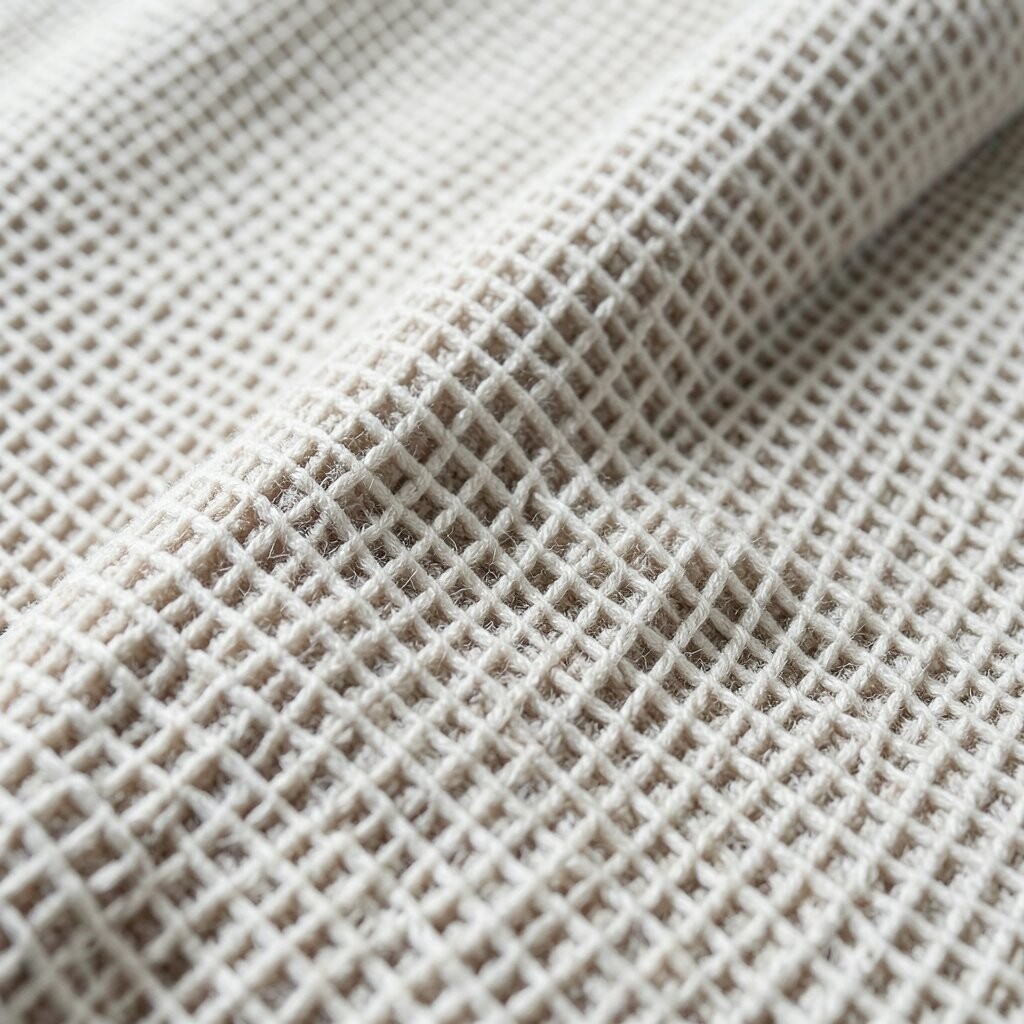
Waffle weave has a raised grid surface that looks neat and soft. It is often used for blankets, bath towels, and coverlets because it feels light but still cozy.
The square texture adds quiet depth and works well in rooms that need a simple, clean look. It also helps a bed or chair feel a bit more finished without needing bright color.
Waffle weave is usually not hard to find and can be a good mid-range choice for home use. Many people like it in white, cream, or soft gray because those colors keep the room calm and easy to match.