An industrial loft can feel open, clean, and full of light. Careful choices will help you make the space fit daily life and still keep its raw style.
1. Room Layout
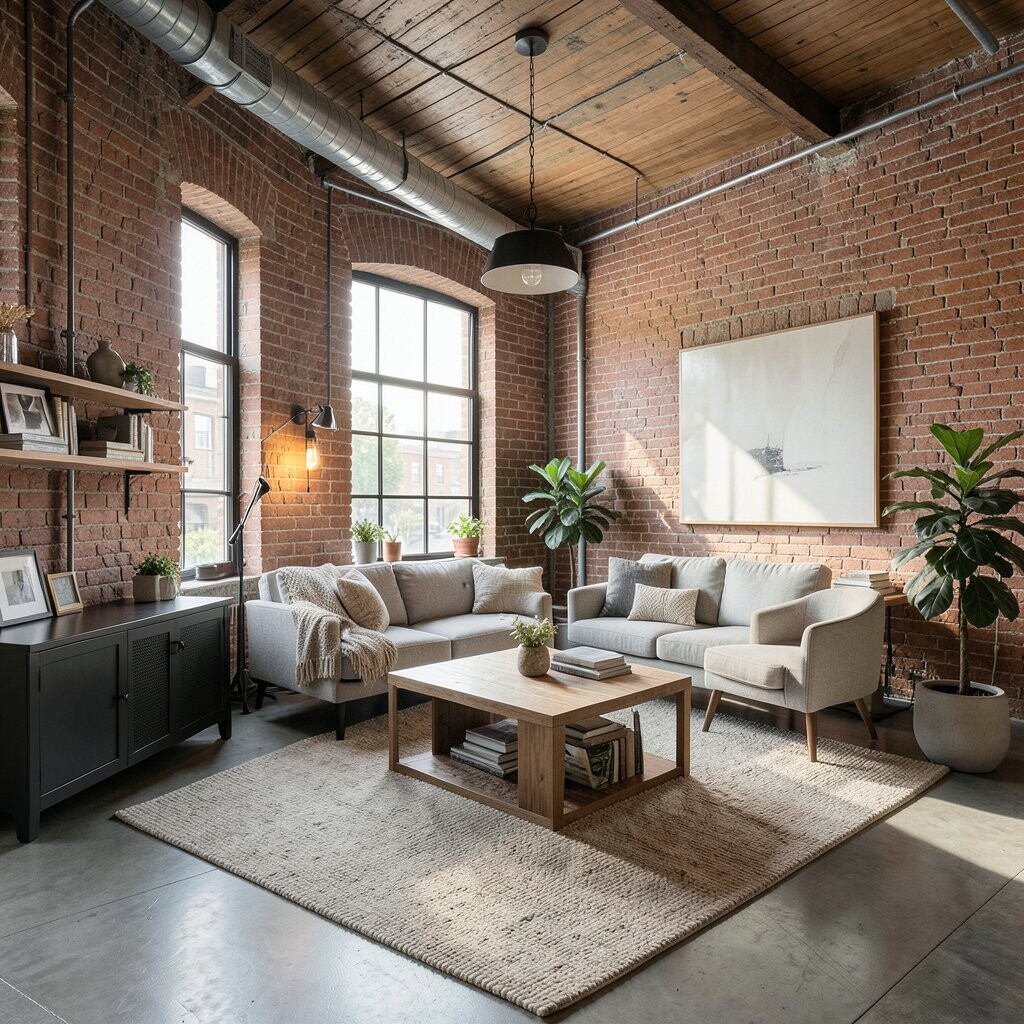
Start with the layout, since open lofts can feel tricky at first. Think about how you move through the space and where each part of life will happen.
Use rugs, shelves, and seating to mark off areas without closing things in. This helps the loft stay open while still giving each zone a clear job.
2. Ceiling Height
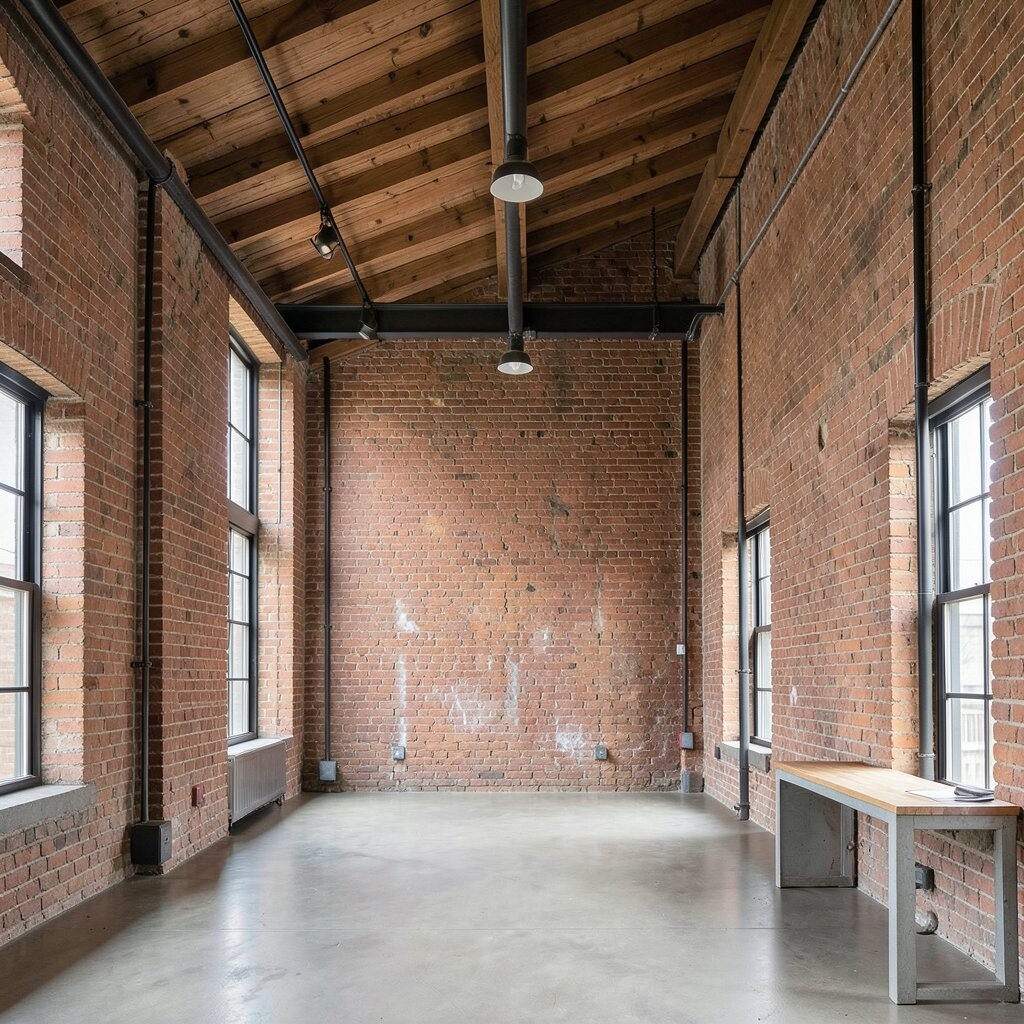
High ceilings are one of the biggest signs of an industrial loft. They can make the room feel large, bright, and calm.
At the same time, tall walls can leave the place feeling empty if you do not plan well. Try using large art, tall lamps, or hanging lights to balance the height.
3. Natural Light
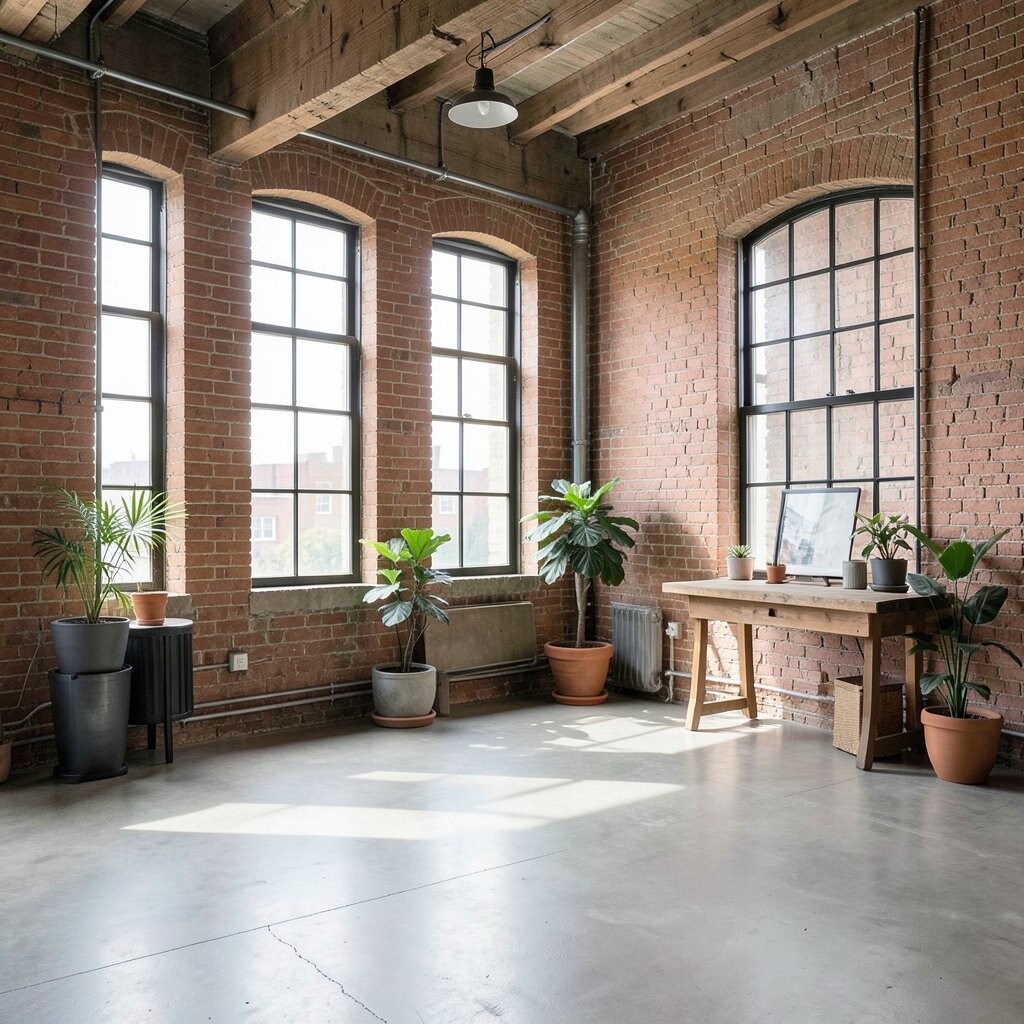
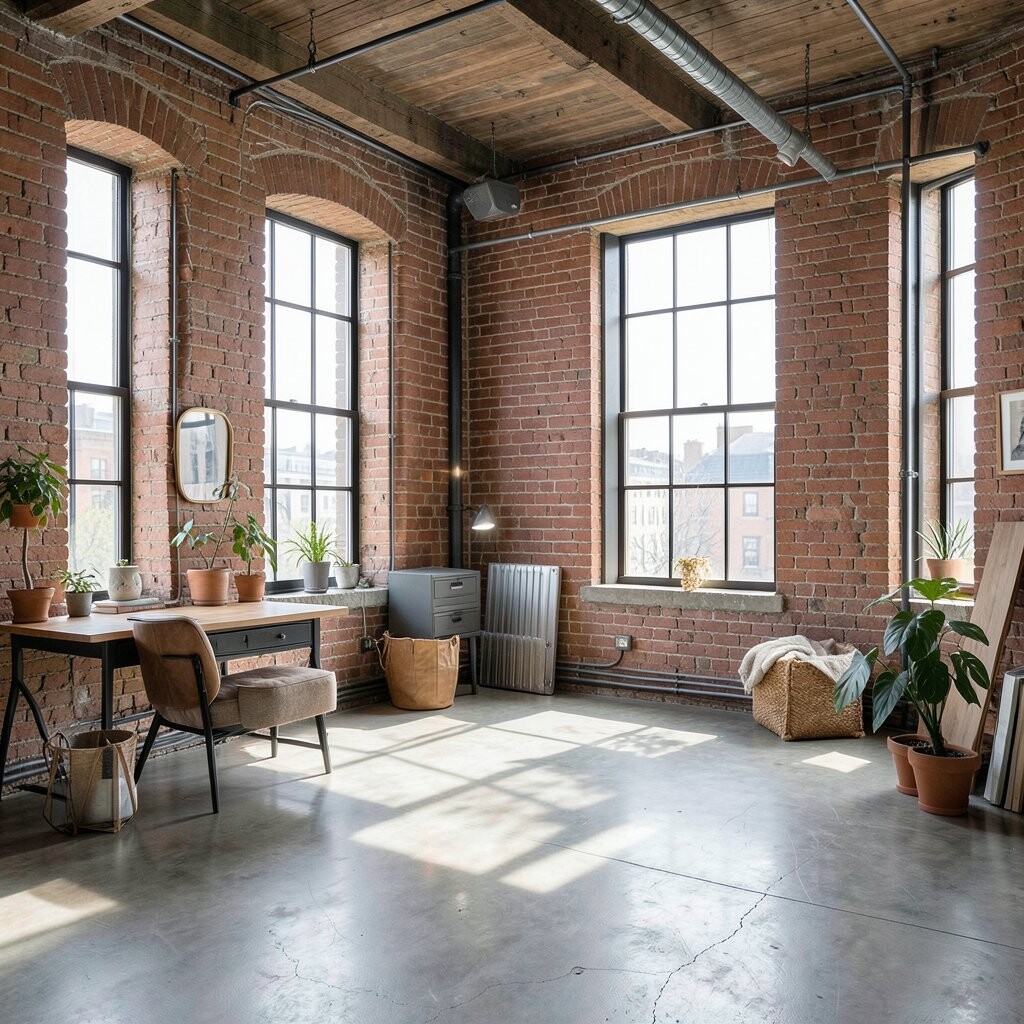
Big windows often bring in a lot of sunlight in loft homes. This can help the room feel fresh and make plain walls look warm and bright.
Watch how the light changes during the day, since it can affect where you place furniture. Light curtains or shades can help soften strong sun without blocking the view.
4. Raw Materials
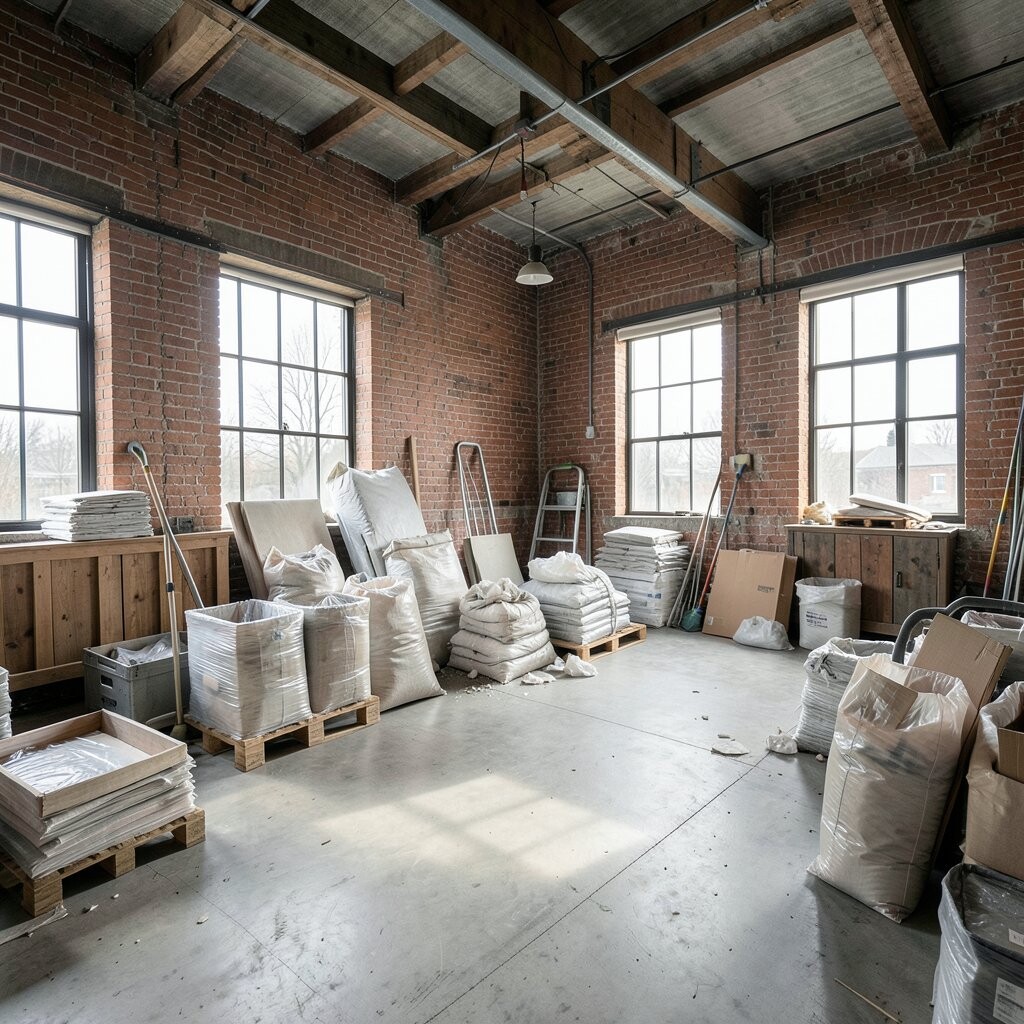
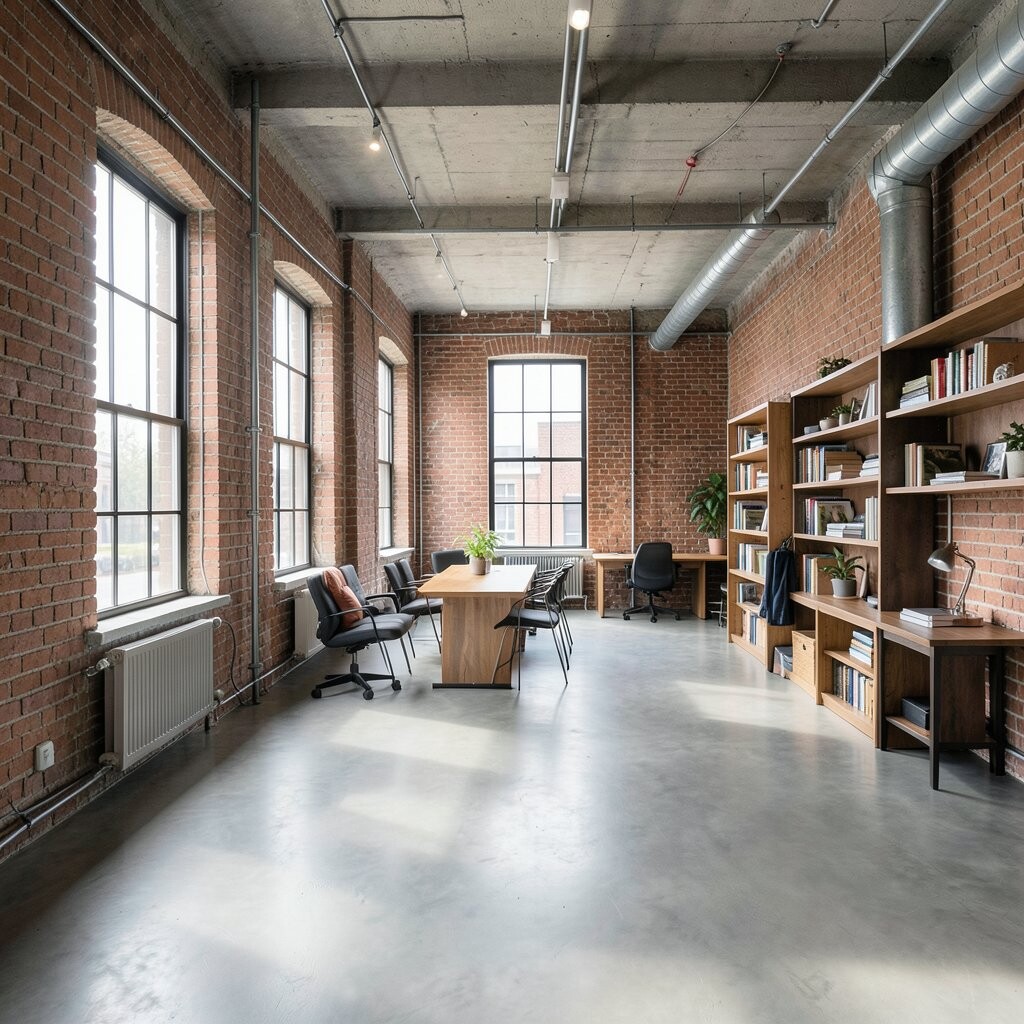
Industrial lofts often show brick, metal, wood, and concrete. These materials give the home its hard-working feel and make it stand out from more polished rooms.
You do not need to cover these surfaces to make the place nice. In fact, keeping them visible can save money and keep the loft true to its style.
5. Color Palette
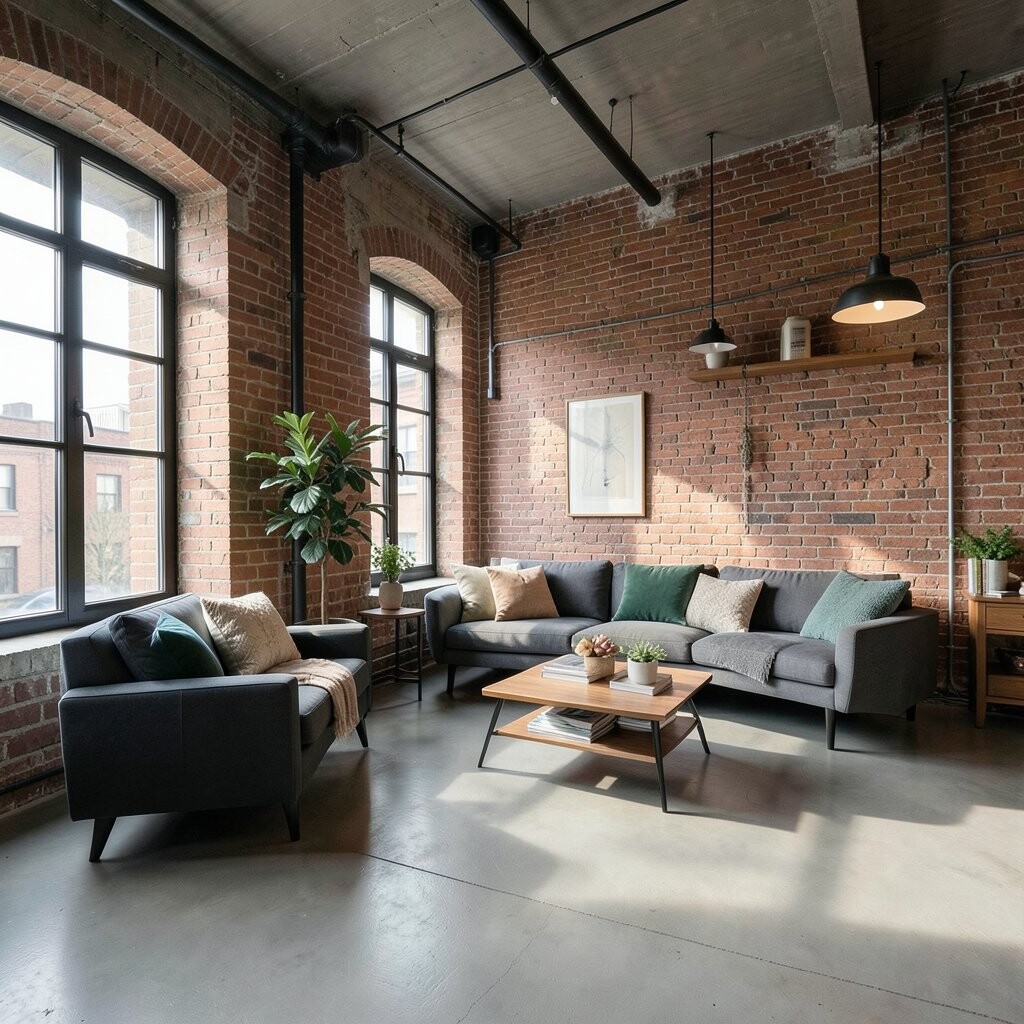
A simple color palette works well in this kind of home. Soft grays, warm browns, black, white, and muted greens often fit the look.
These colors help the space feel calm and make the raw parts stand out in a good way. If you want more life, add small bits of color through pillows, art, or throws.
6. Furniture Scale
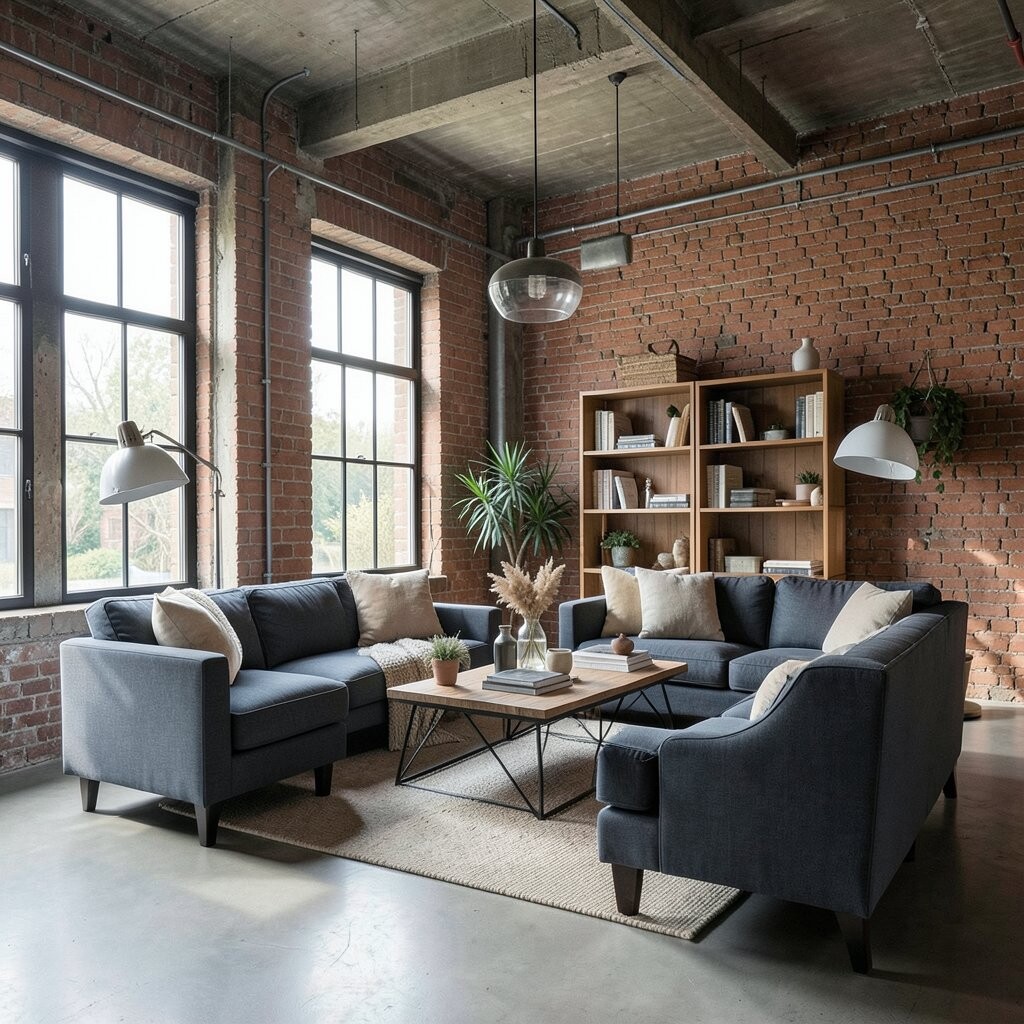
Furniture size matters a lot in a loft. Small pieces can get lost in a big open room, while very large ones can block flow.
Try a mix that fits the room’s size and keeps walking paths open. A few strong pieces often work better than many small ones spread around.
7. Storage Needs
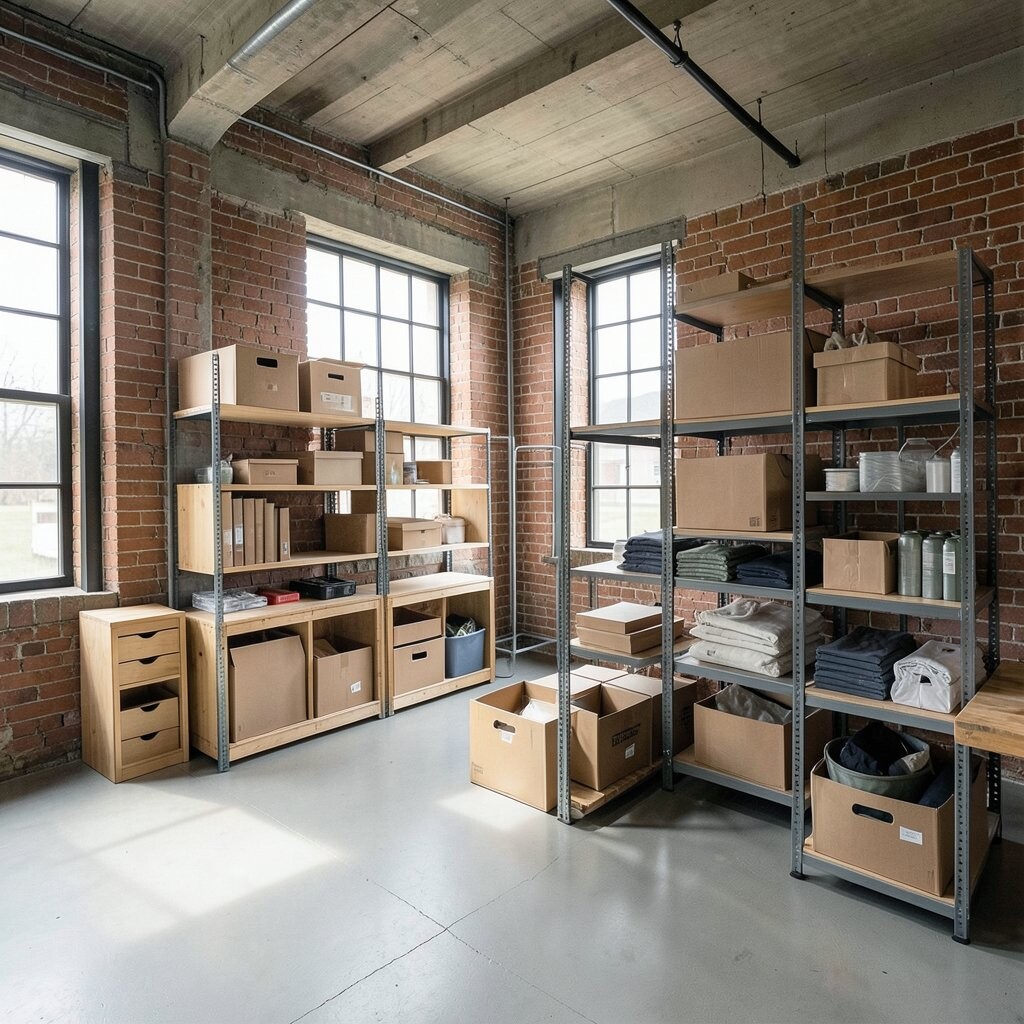
Open lofts can look neat from far away, but clutter shows fast. Good storage helps keep daily items out of sight and the room easy to use.
Look for beds with drawers, cabinets that reach up high, and closed shelves for things you do not want on display. This can make the home feel calm without losing its style.
8. Privacy Zones
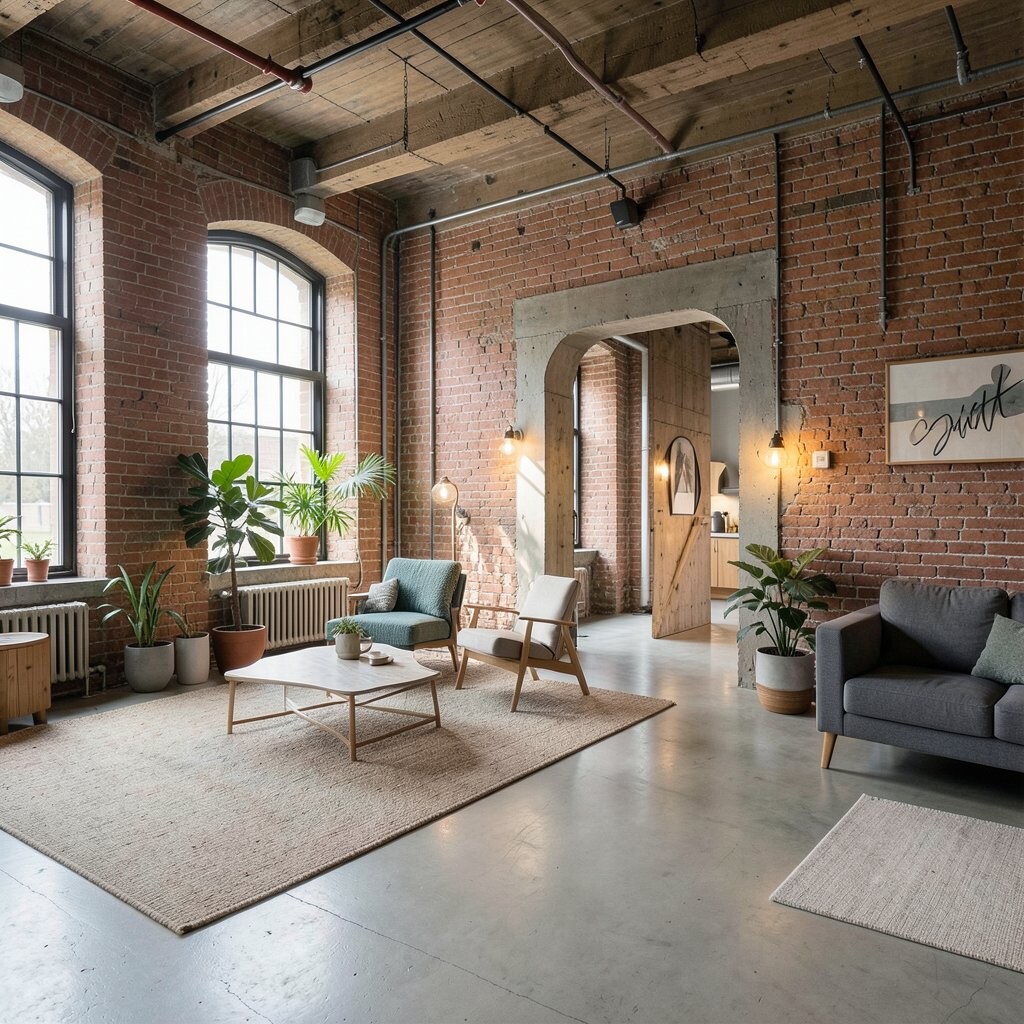
Privacy can be hard in a loft because walls are often limited. You may need to make quiet zones for sleep, work, or reading.
Use screens, bookshelves, or curtains to give some separation. This helps the loft work better for real life while still feeling open.
9. Sound Control
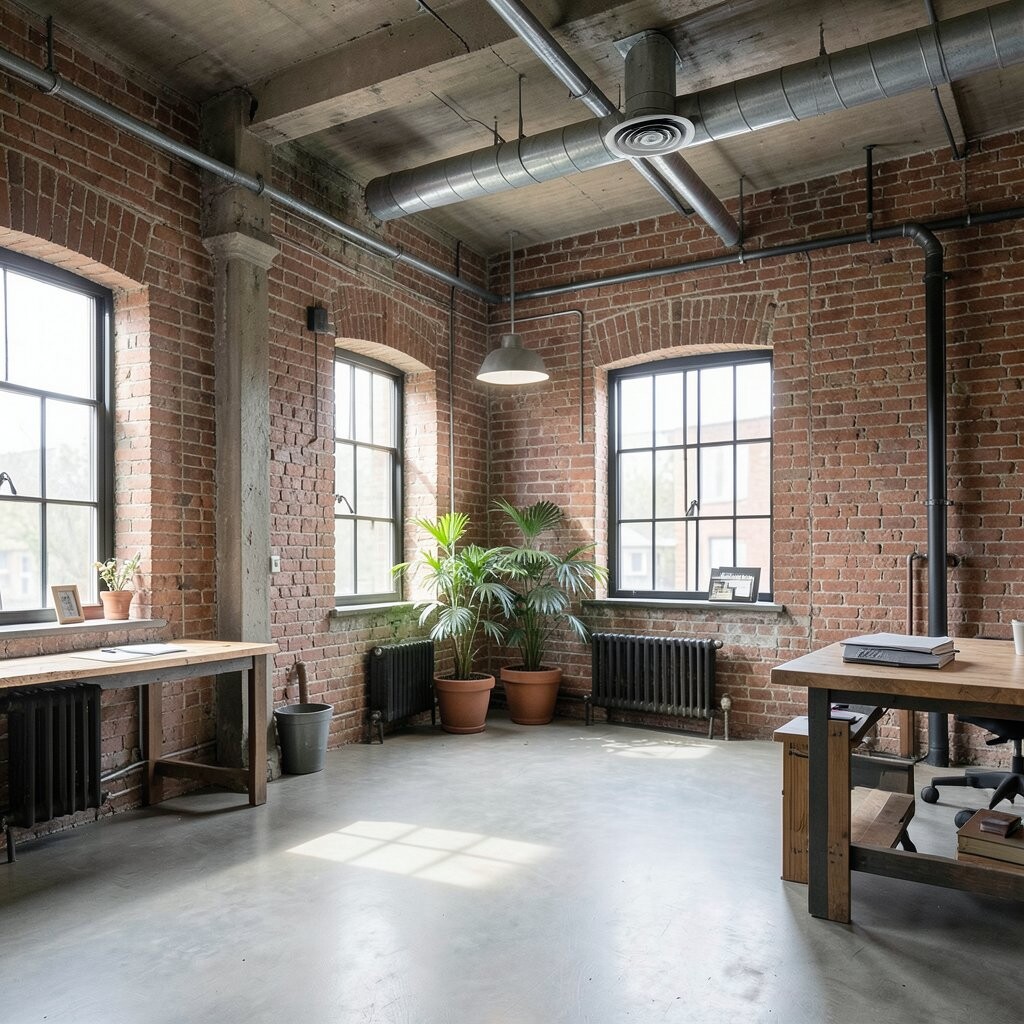
Hard floors, bare walls, and open space can make sound bounce around. This can be a problem if you plan to work, sleep, or host guests in the same area.
Soft items like rugs, fabric chairs, curtains, and wall art can help reduce echo. These small changes can make the loft feel more comfortable right away.
10. Kitchen Design
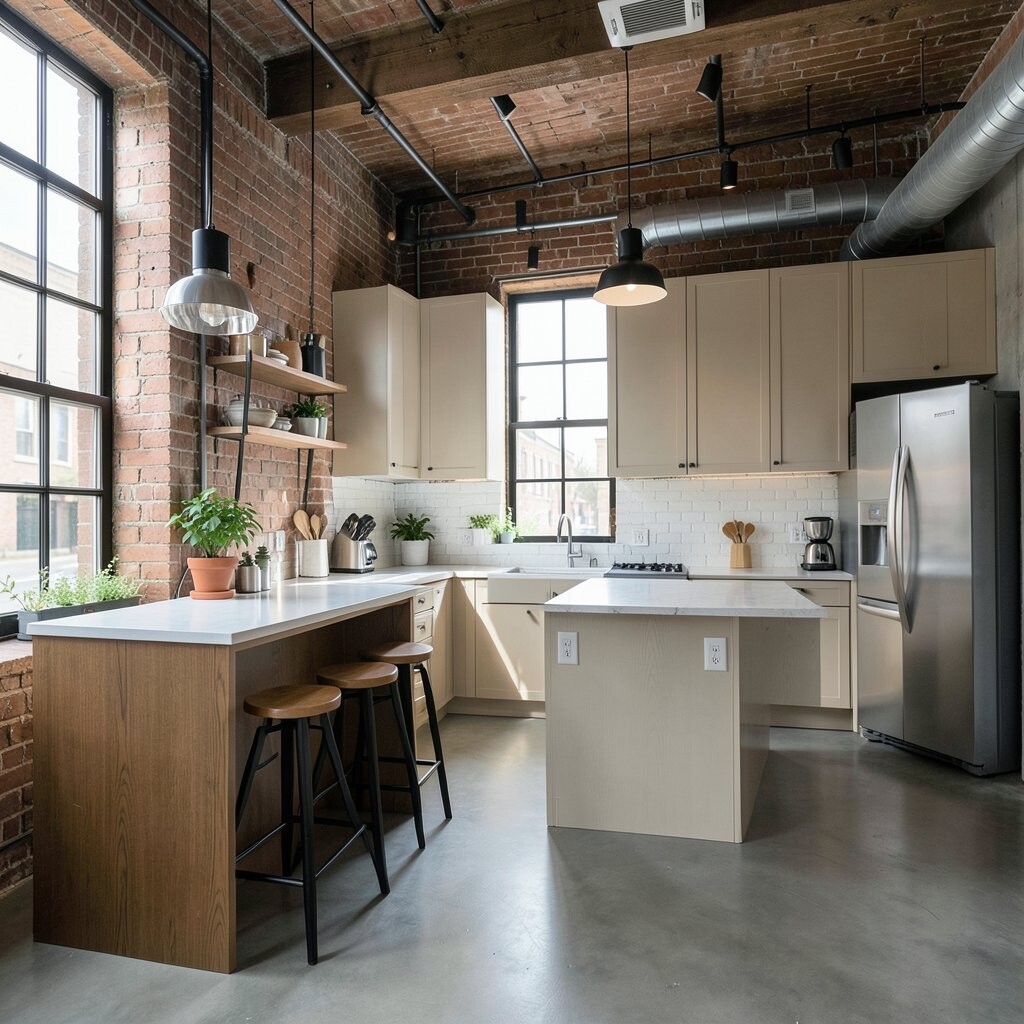
The kitchen often sits in full view in an industrial loft. That means it needs to look good and work well at the same time.
Simple cabinets, open shelves, and strong counters often fit the style. Good lighting over the work areas also helps make cooking easier and safer.
11. Bathroom Feel
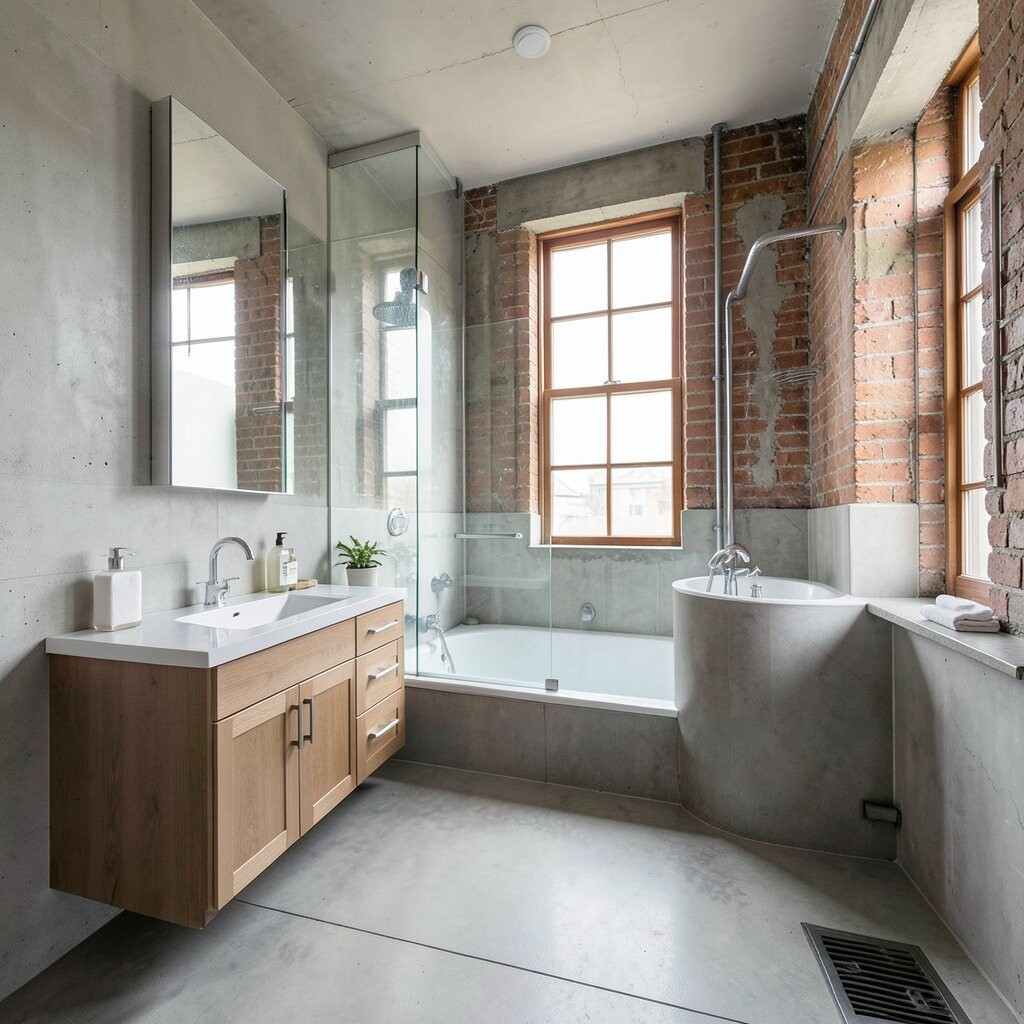
Bathrooms in lofts can be small, so every choice counts. Clean lines and simple fixtures often work best in a space like this.
You can use tile, glass, and metal to keep the look tied to the rest of the home. A smart bathroom plan can feel calm and useful without taking much room.
12. Personal Style
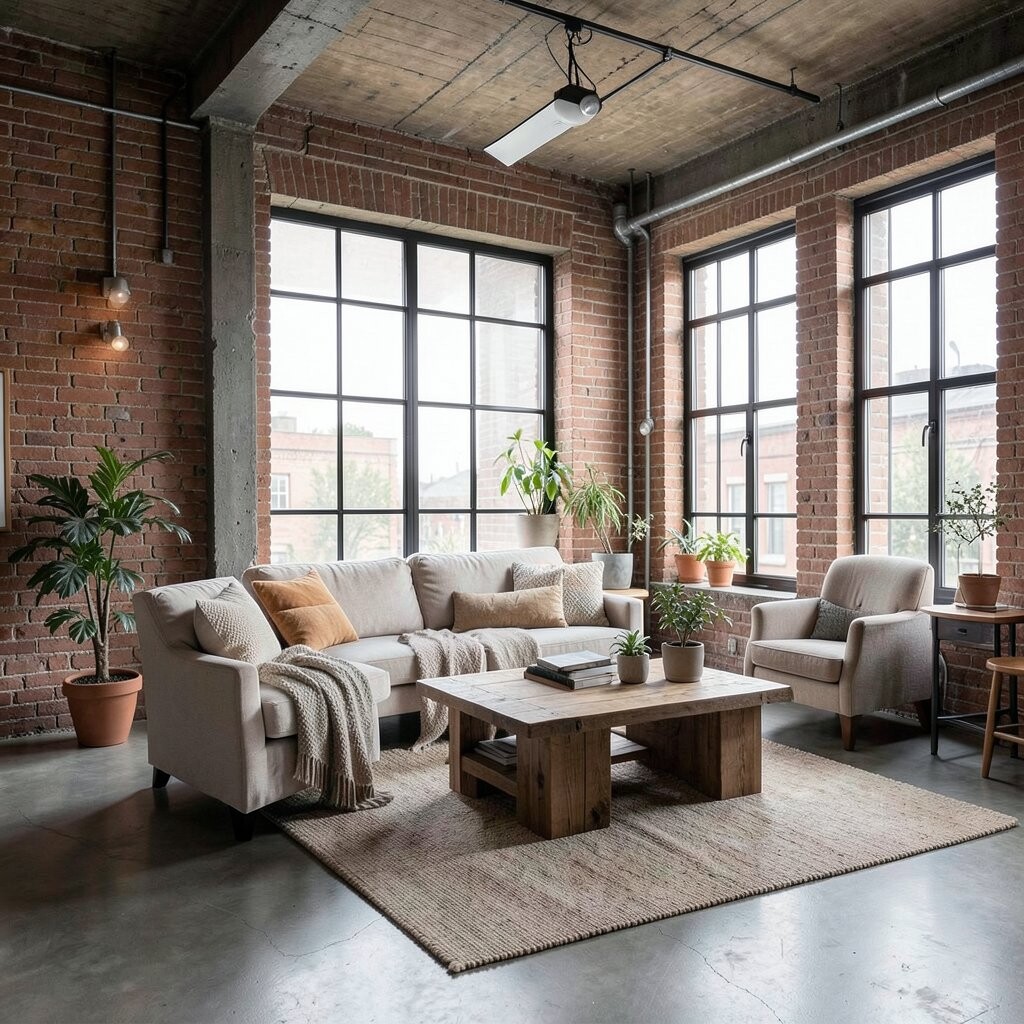
Even a loft with strong industrial parts should still feel like your home. Add things that show your taste, such as books, plants, framed photos, or handmade pieces.
These personal touches soften the harder parts of the space. They also help the room feel lived in instead of like a set piece.
13. Budget Planning
Industrial lofts can look simple, but costs can still add up fast. You may need to spend on lighting, storage, rugs, or custom pieces that fit the space well.
Make a clear budget before you start buying. It often helps to spend more on the items you use every day and less on extras that do not matter much.
14. Long-Term Use
Think about how the loft will work for you over time. Your needs may change, so the space should be easy to adjust.
Choose pieces and layouts that can grow with your life, work, and family plans. This makes the loft more useful and helps you enjoy it for years to come.