An angled roof can change how a house looks and works. It can also help with light, rain, snow, and room shape.
1. Sharp Gable Roof Lines
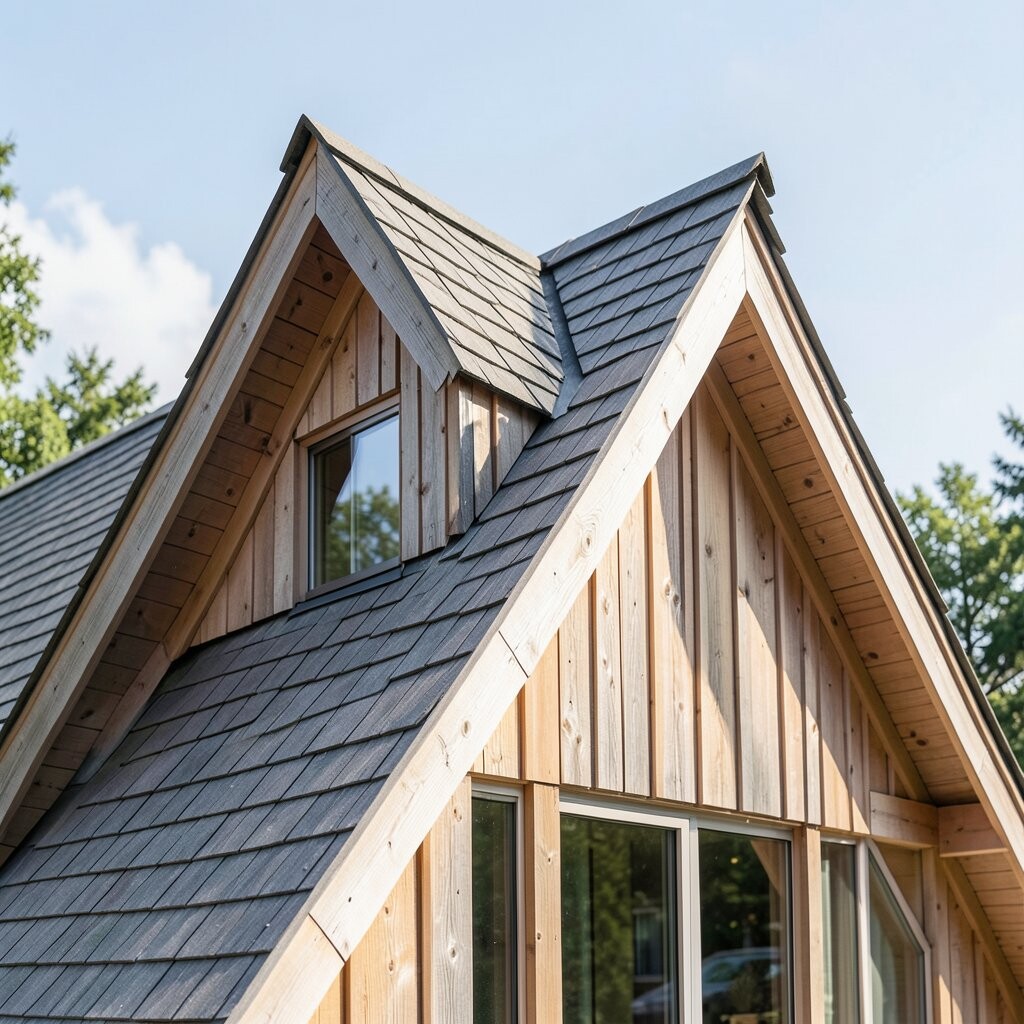
A sharp gable roof has two sloped sides that meet at a clear peak. It gives a house a clean shape that feels simple and easy to read from the street.
This style works well for many home types, from small cabins to larger family houses. It can be a lower-cost choice too, since the frame is often easy to build and repair.
You can make it feel more personal by changing the pitch, trim color, or roof material. Many people now pair it with dark shingles, metal panels, or mixed siding for a fresh look.
2. Modern Shed Roof Homes
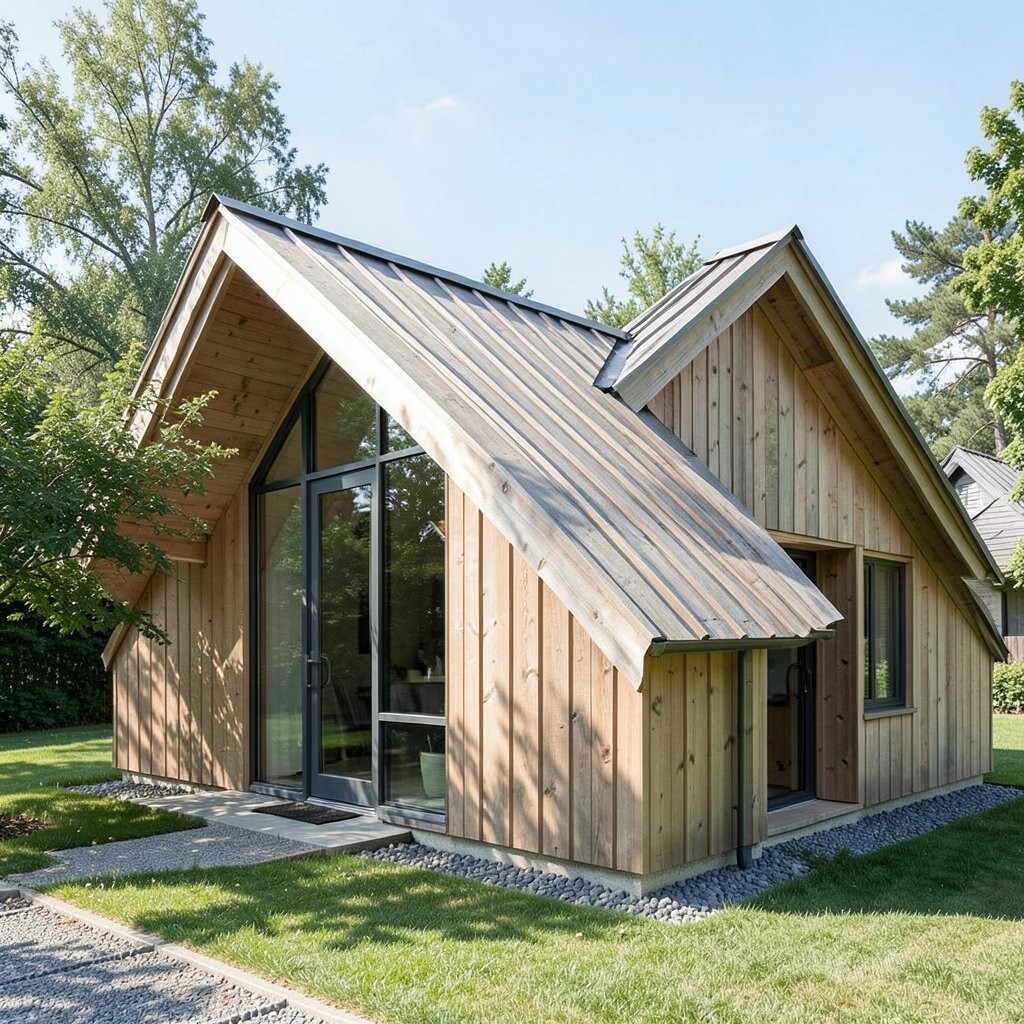
A shed roof uses one sloping plane, so the look feels plain in a good way. It often gives a home a modern style with strong lines and a simple shape.
This roof can help with drainage because water runs off in one direction. It may also make it easier to add tall windows on one side, which can bring in more daylight.
It is a smart choice when you want a low-key style that still feels new. Builders often like it because it can be simpler than more complex roof shapes, which may help keep costs in check.
3. Mixed Roof Angles
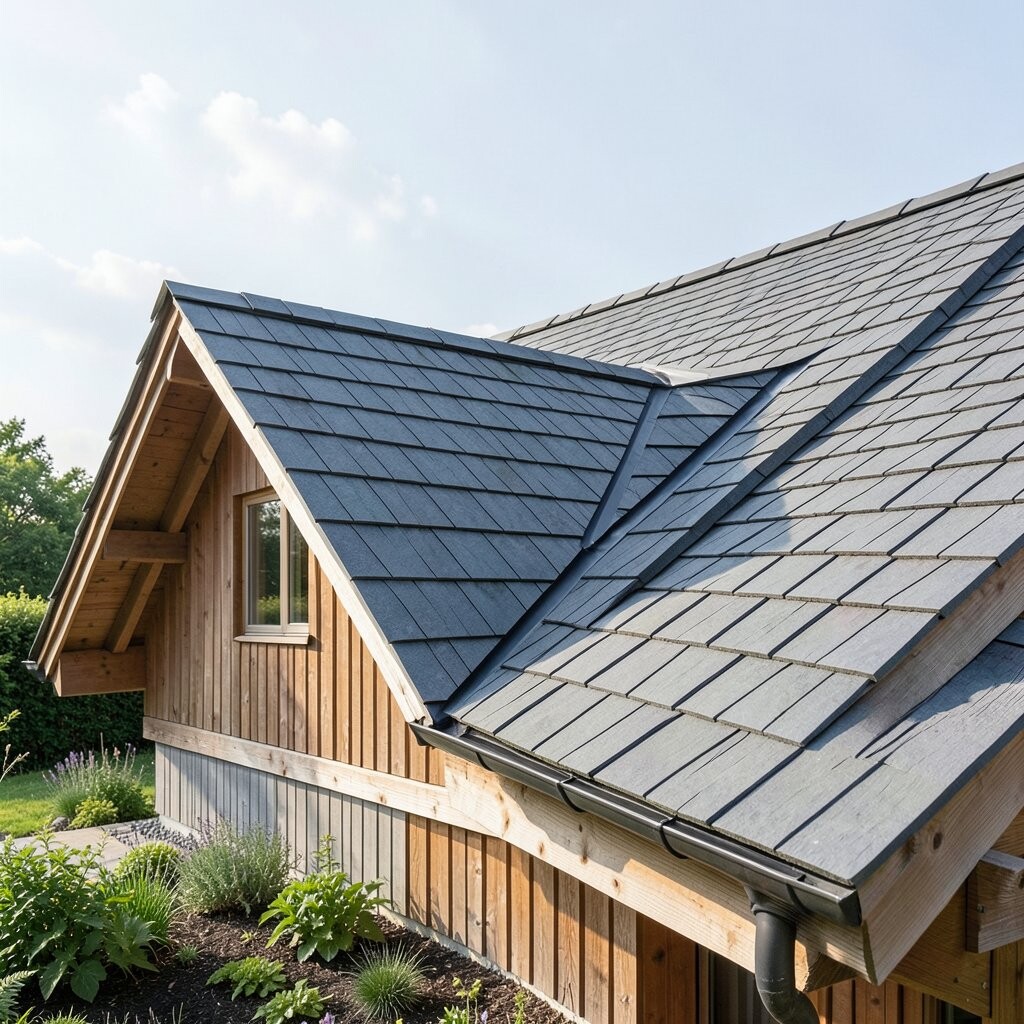
Mixed roof angles use more than one slope on the same home. This can make the house look more layered and give it a custom feel.
The main benefit is that you can shape each part of the house for its own use. For example, one section can cover a high ceiling while another can fit a porch or garage.
This style gives you room to make your own design choices. You can mix materials, change the pitch, or add roof lines that match the way you live.
4. Low-Pitch Angled Roofs
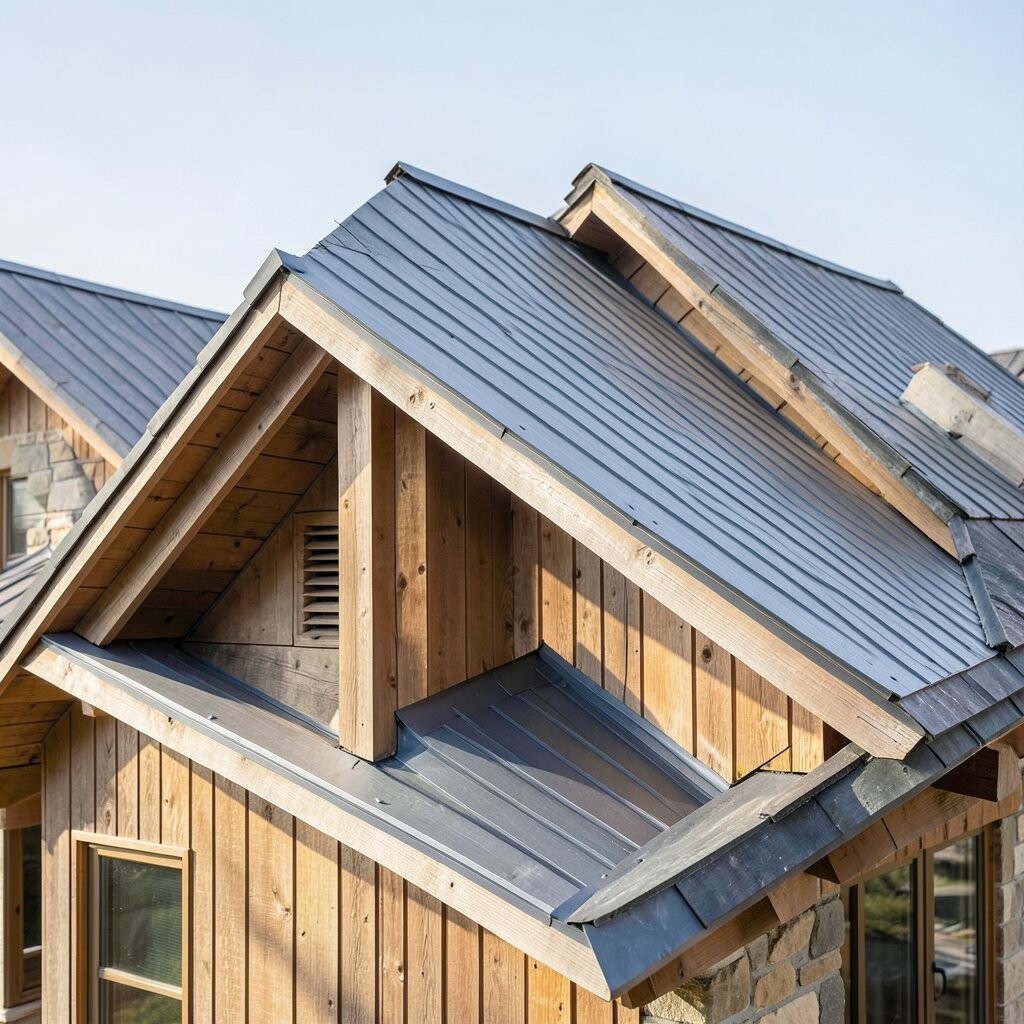
A low-pitch angled roof has a gentle slope that looks calm and neat. It often works well with simple homes, ranch styles, and modern builds.
One benefit is that it can use less wall height, which may help reduce some build costs. It can also make the home feel wide and grounded instead of tall.
People often pair this roof with large overhangs to add shade and protect the walls. If you want a clean look without a steep peak, this style is worth a close look.
5. Steep Roof Profiles
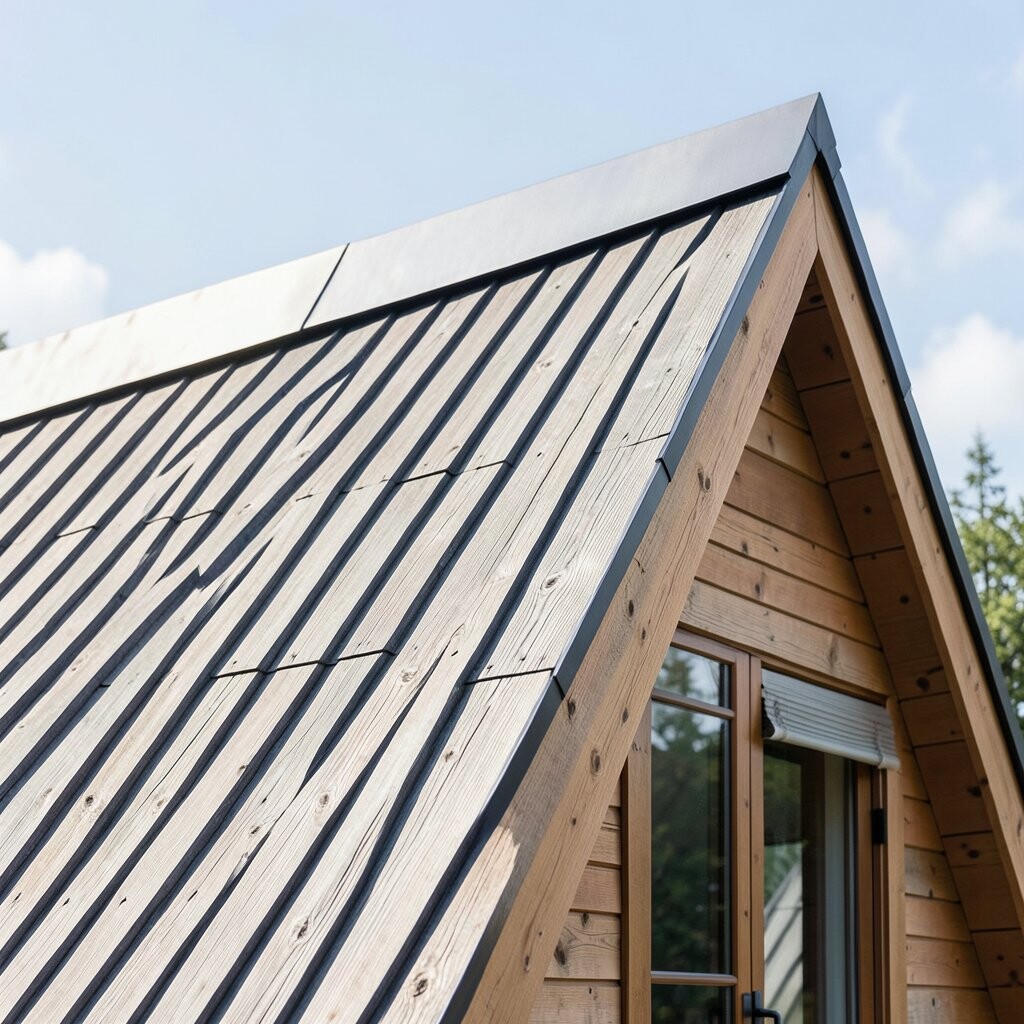
A steep roof gives a home a strong shape that stands out right away. The tall angle can make the house look larger and more dramatic without adding more floor space.
This type of roof can be helpful in places with heavy rain or snow because water and snow slide off more easily. It also opens up more space under the roof, which can work well for an attic or loft.
You can make it feel more personal by using dormers, bold trim, or a mix of roof colors. Many newer homes use steep roofs to add style while still keeping a practical shape.
6. Angled Roof with Large Eaves
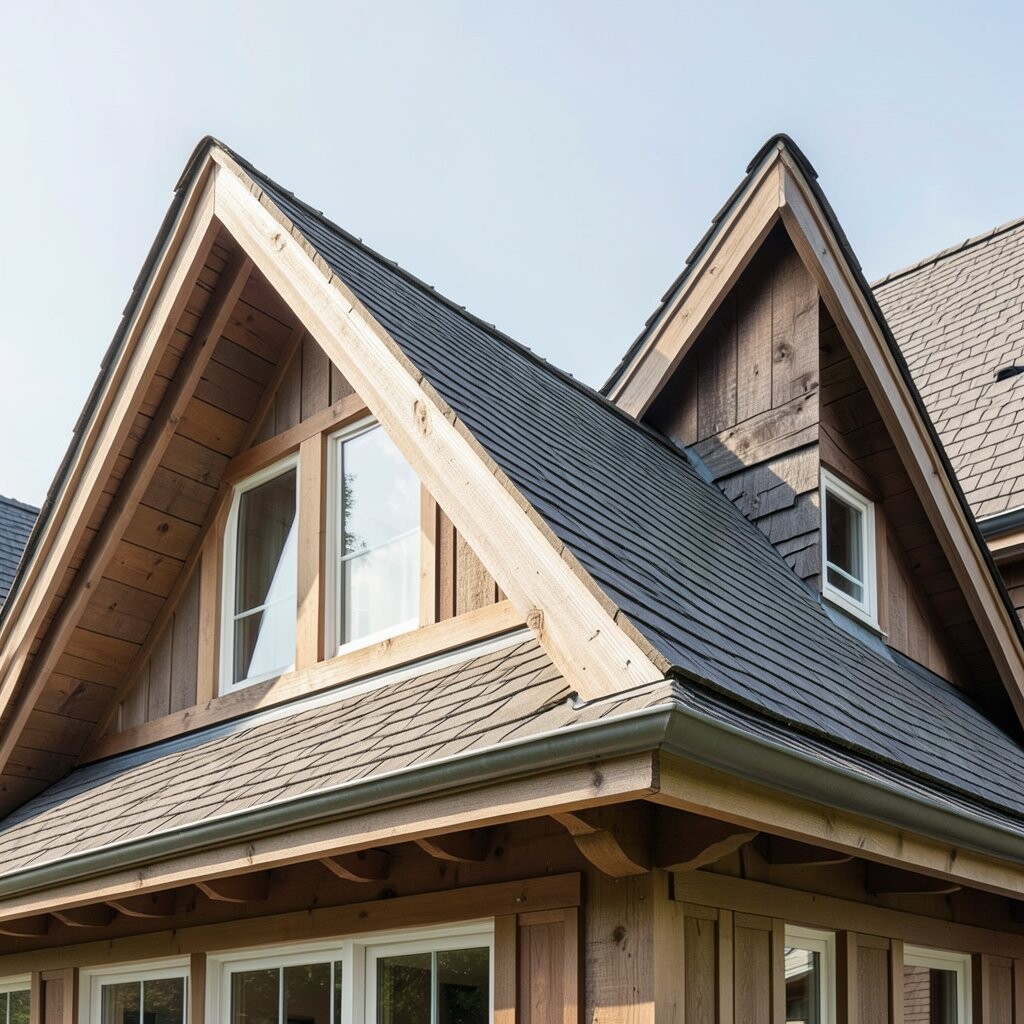
Large eaves are the parts of the roof that hang past the walls. When used with an angled roof, they create a strong shadow line that can make the home feel more finished.
They also help protect walls, doors, and windows from rain and sun. That can lower wear over time and help the outside of the house last longer.
This look is common in homes that want both style and comfort. You can keep the eaves plain or add wood trim for a warmer feel.
7. Asymmetrical Roof Shapes
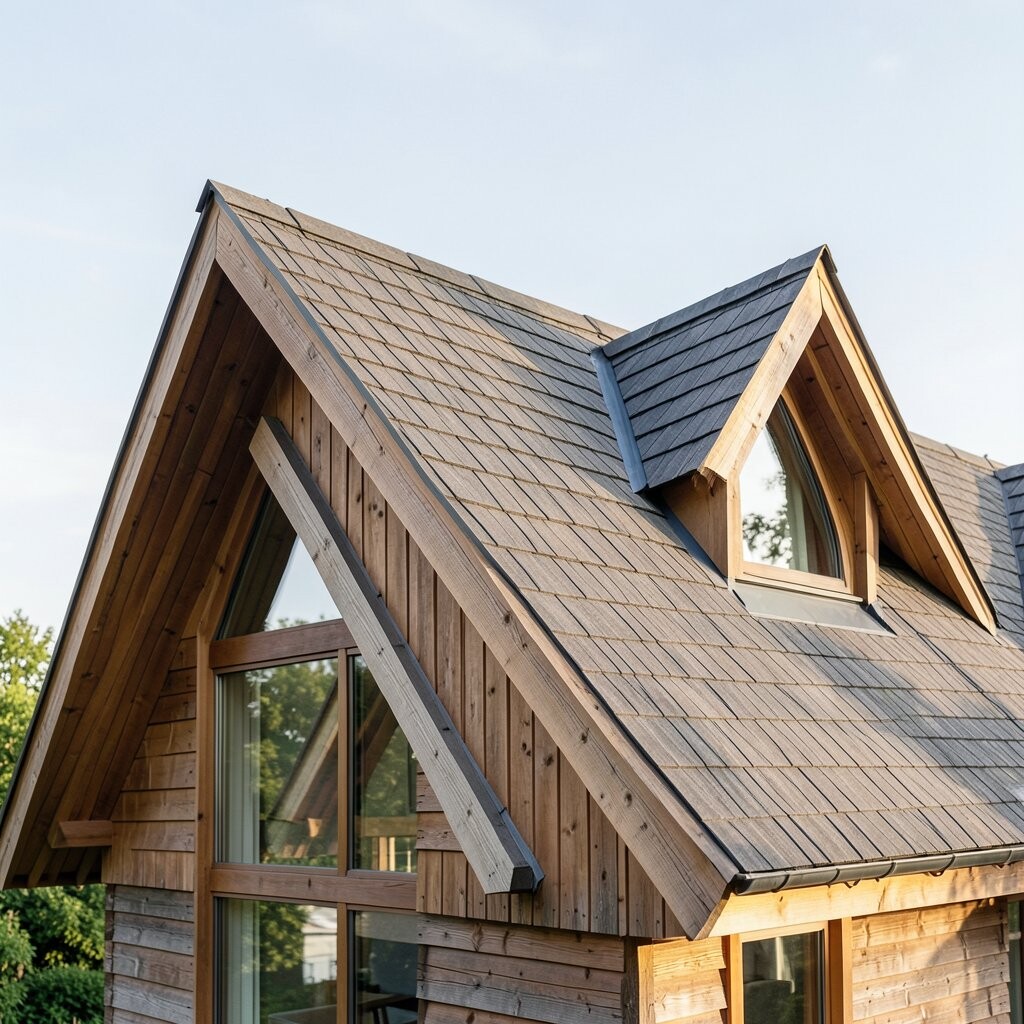
An asymmetrical roof does not match on both sides, and that gives it a bold look. It can make a home feel more modern and less expected.
This style can help you fit different room sizes under the roof. For example, one side may cover a tall living room while the other side stays low over bedrooms or storage.
It is a good choice if you want your home to stand apart from more common roof shapes. The cost can vary, since the build may need more planning and careful framing.
8. Angled Roof with Clerestory Windows
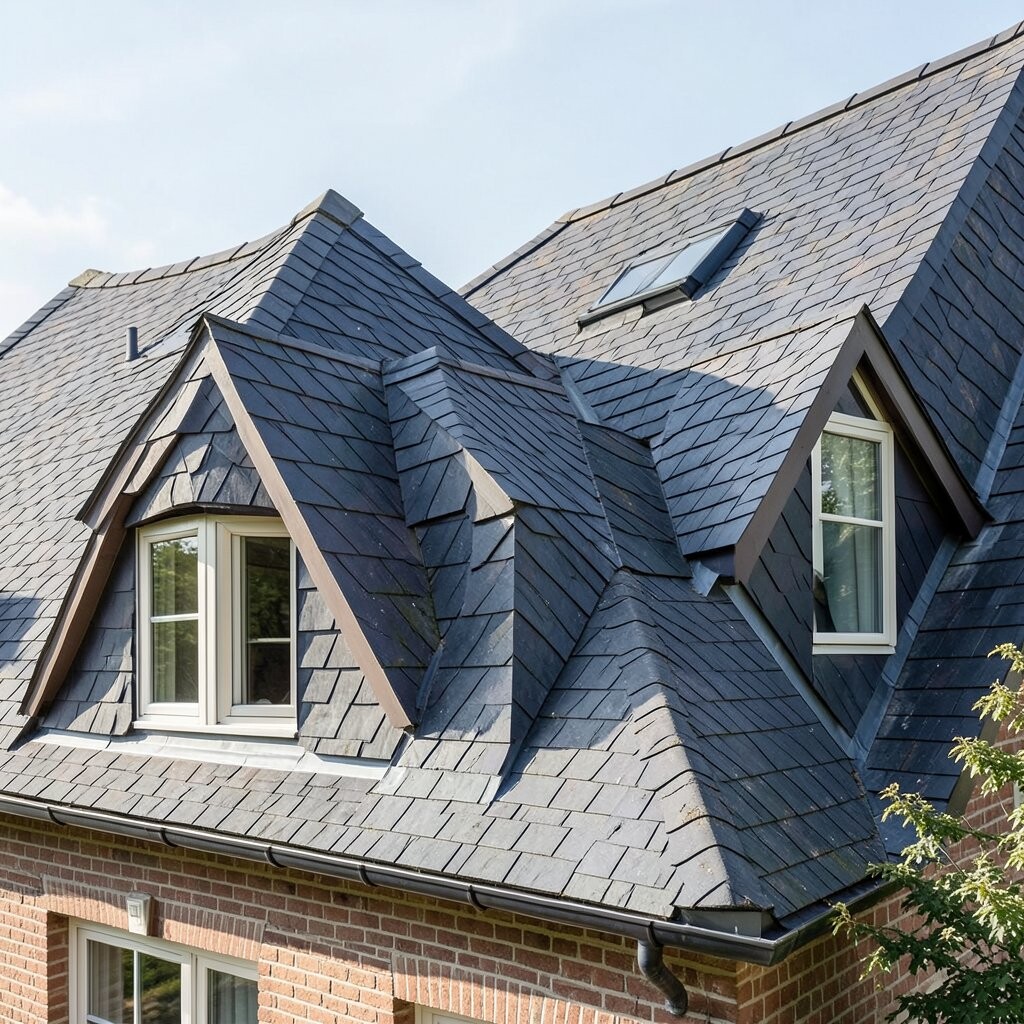
Clerestory windows sit high on the wall near the roof line. They work well with angled roofs because they bring in light without giving up much privacy.
This can help make a room feel open and bright during the day. It is a nice fit for living rooms, kitchens, and studios that need more natural light.
The look is simple but still special, and it fits many current home trends. You can use narrow window bands or grouped windows to match the style of the rest of the house.
9. Roofs with Deep Overhangs
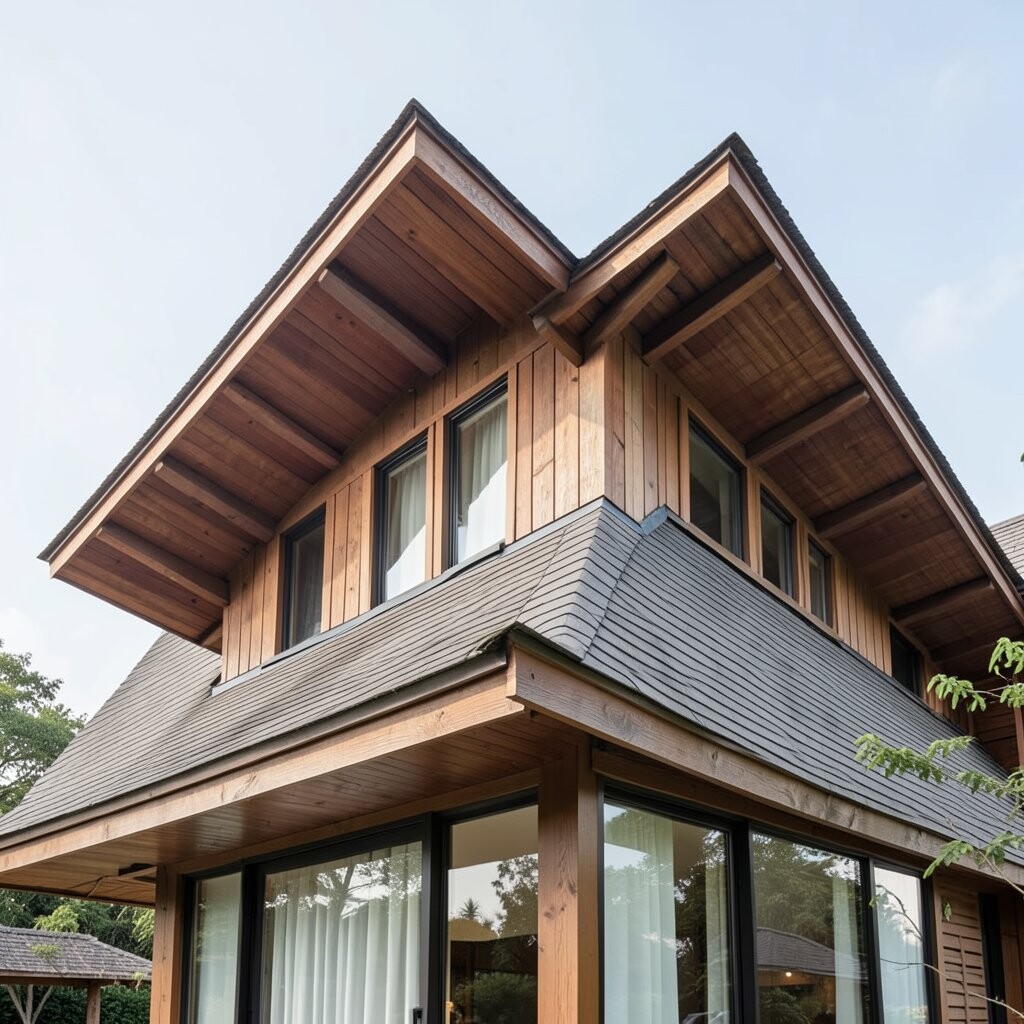
Deep overhangs make an angled roof feel more grounded and useful. They also give the home a strong edge that can look neat from every side.
These overhangs help keep rain off the walls and can cut down on sun glare near windows. That can be useful in hot areas where shade matters a lot.
They may add some cost because they use more material, but many people feel the benefit is worth it. You can make the look simple or add exposed rafters for more character.
10. Angled Roof and Dormer Mix
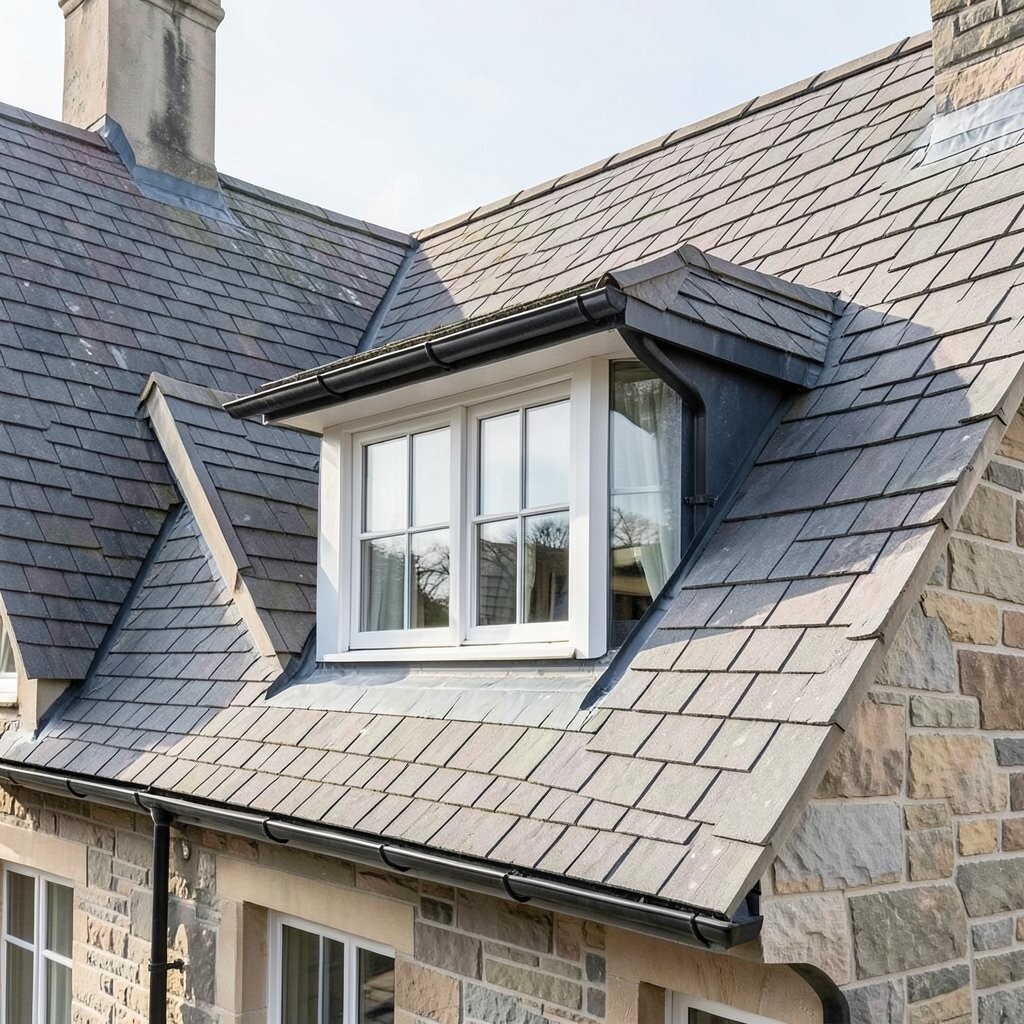
Dormers are small roofed parts that stick out from the main roof. When added to an angled roof, they can make the top floor feel bigger and brighter.
They also help break up a large roof so it does not feel flat or plain. This can be a good way to add charm to homes that need more space under the roof.
You can place dormers in a row for a classic look or use just one for a cleaner style. The cost can rise with each dormer, so it helps to plan the layout with care.
11. Angled Roof with Metal Panels
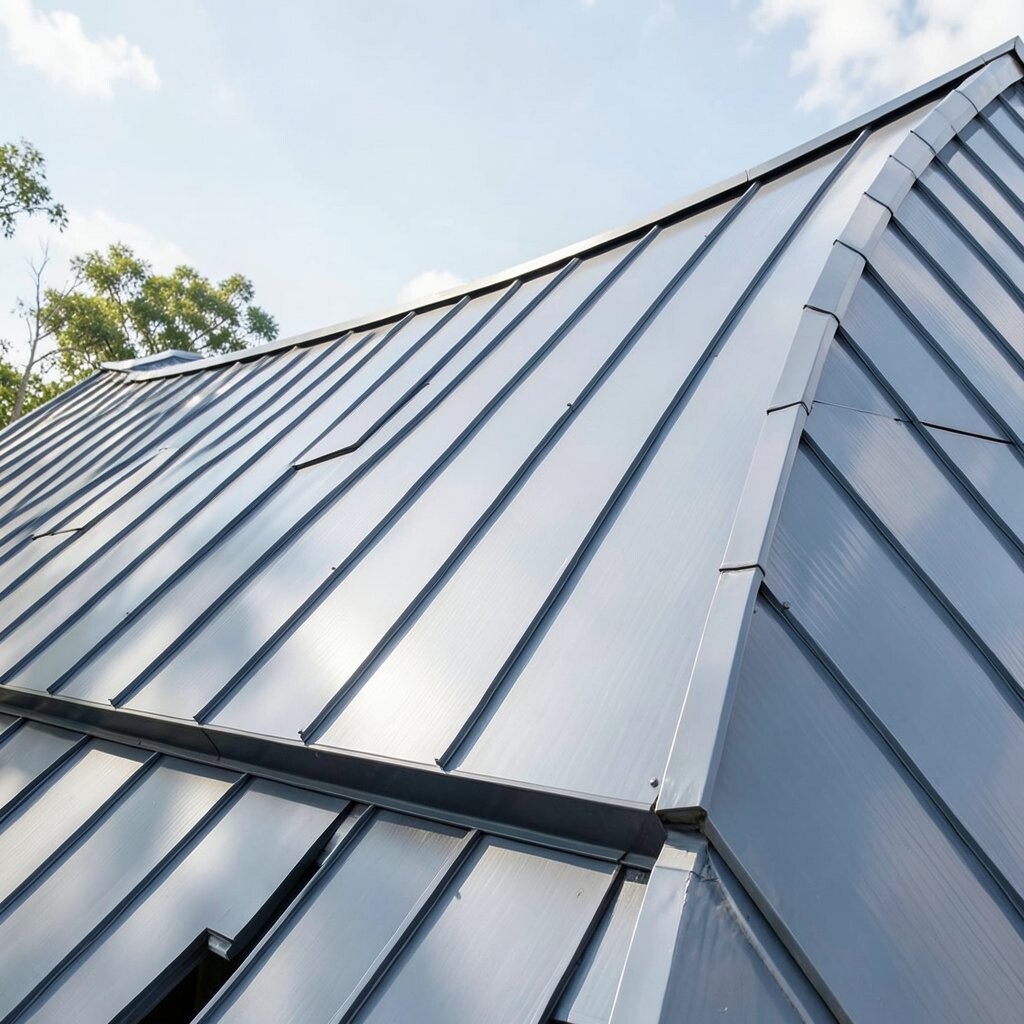
Metal panels give an angled roof a crisp and modern look. They can work well on homes that want clean lines and a low-fuss feel.
One big benefit is that metal roofing can last a long time and often handles rain and snow well. It can also help make maintenance easier, since the surface is tough and simple to clean.
This style is popular in newer homes and in remodels that want a fresh look. You can choose from matte, glossy, or textured finishes to match the rest of the house.
12. Angled Roof with Wood Touches
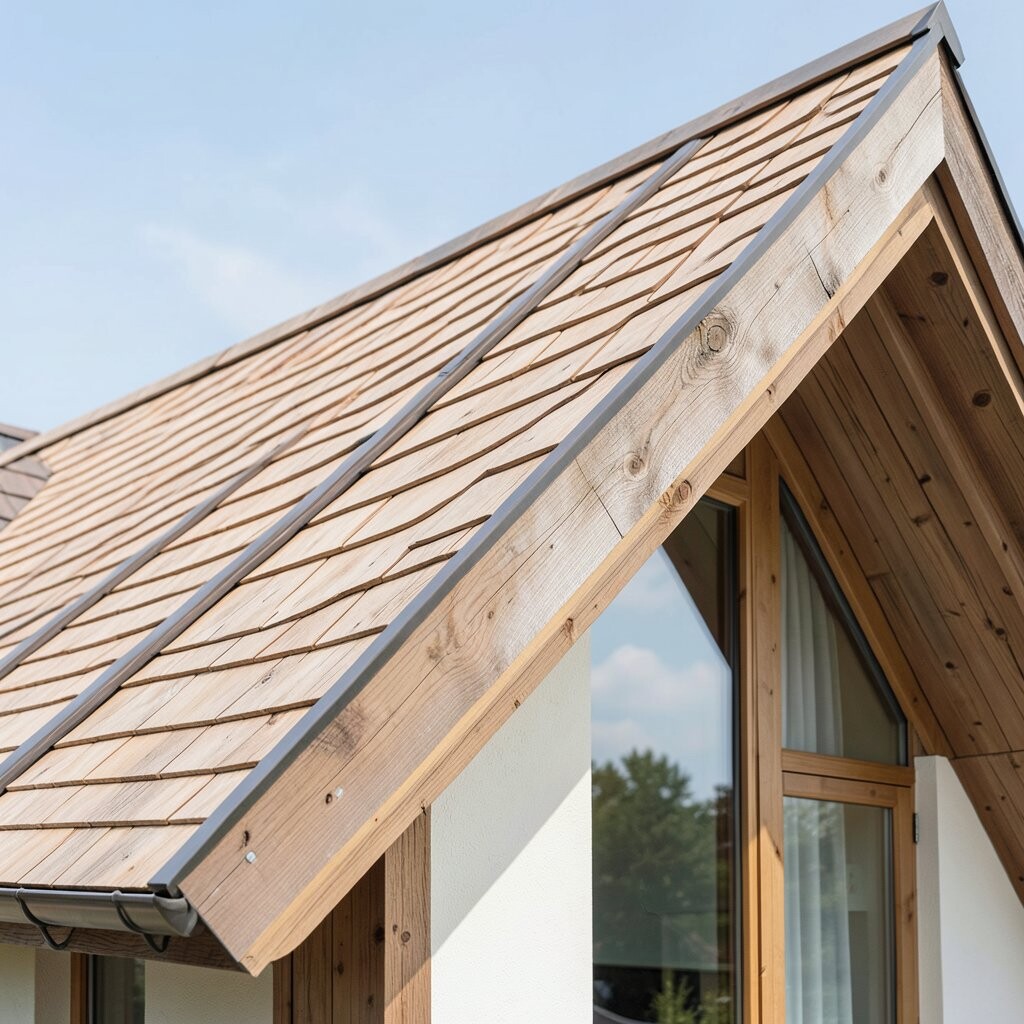
Wood touches can soften the look of an angled roof and make it feel warmer. This can be done with exposed beams, trim, or wood under the eaves.
The mix of slope and natural material often works well in cabins, mountain homes, and modern rustic houses. It helps a roof feel less hard and more tied to the land around it.
Wood may need more care than some other materials, so it is good to plan for upkeep. Still, many people like the natural look and the way it adds a personal touch.
13. Roofs with Strong Front Peaks
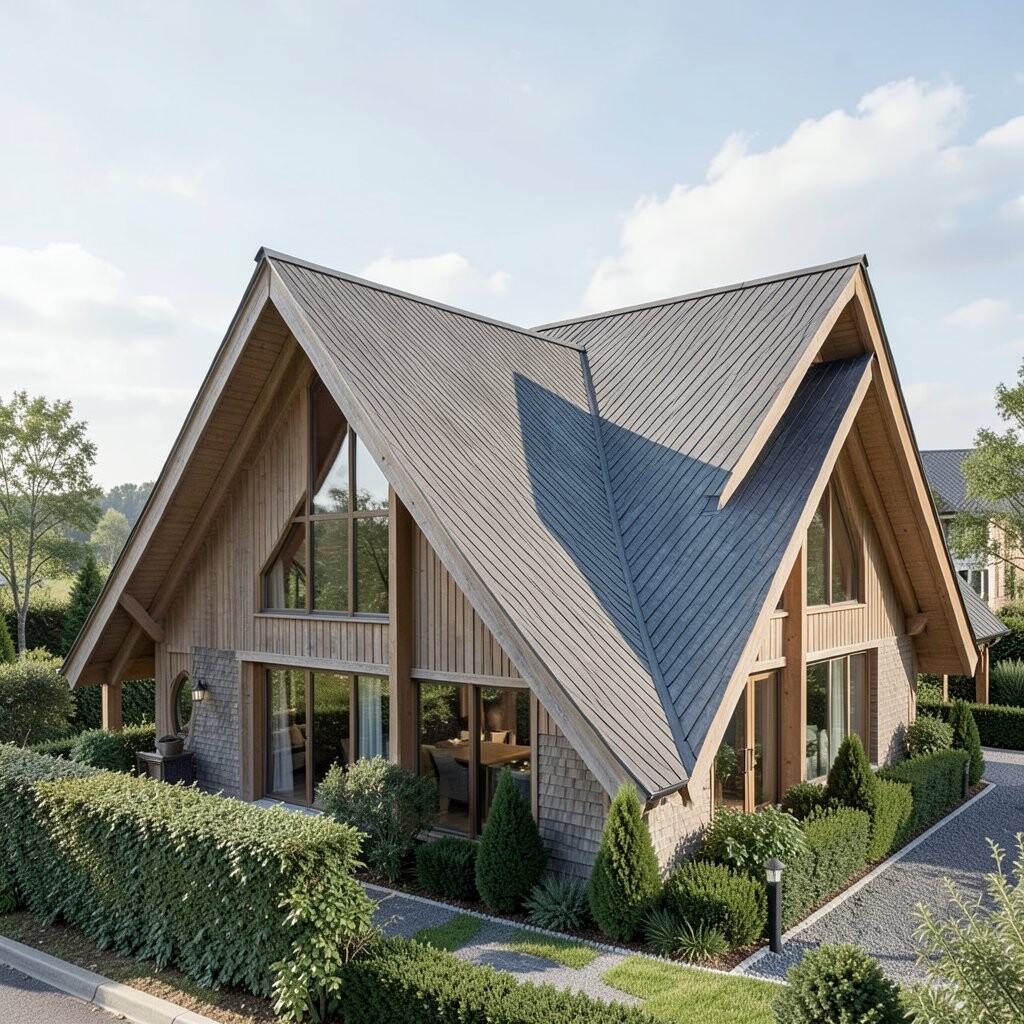
A strong front peak makes the front of the home feel bold and easy to notice. It can work like a frame for the main entry and set the tone for the whole house.
This shape often helps the front of the home feel taller and more open. It can also make room for a high ceiling inside, which many people enjoy in a living room or foyer.
You can keep the peak simple or add trim, stone, or siding changes to make it stand out more. The style works well for homes that want a classic face with a clean edge.
14. Angled Roof with Corner Windows
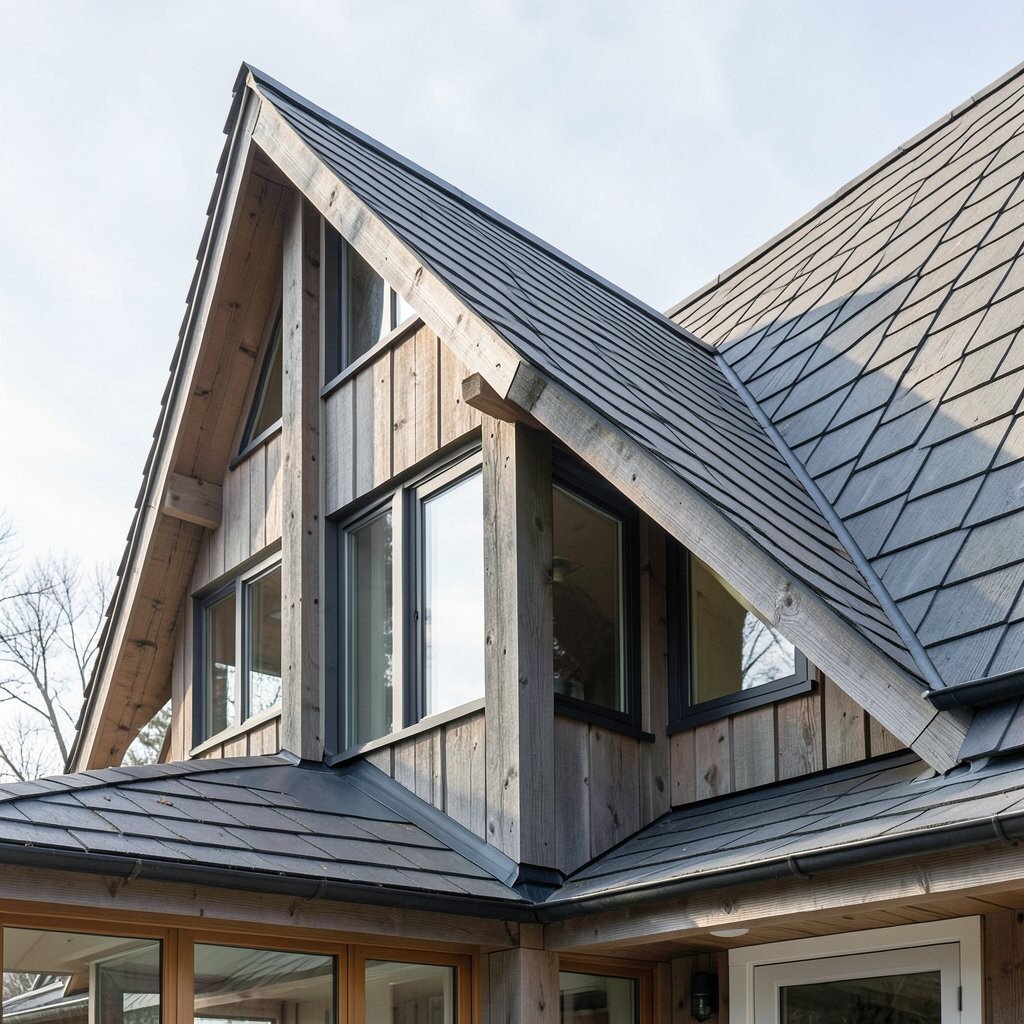
Corner windows pair well with angled roofs because they bring in light from more than one side. This can make a room feel bright and open during the day.
The roof shape helps frame the windows and can make the outside look light and modern. It is a useful choice when you want a clear view and a fresh feel inside.
This idea works best when the roof lines and window lines are planned together. You can use slim frames or larger glass areas to match the style you want.
15. Split Roof Angles
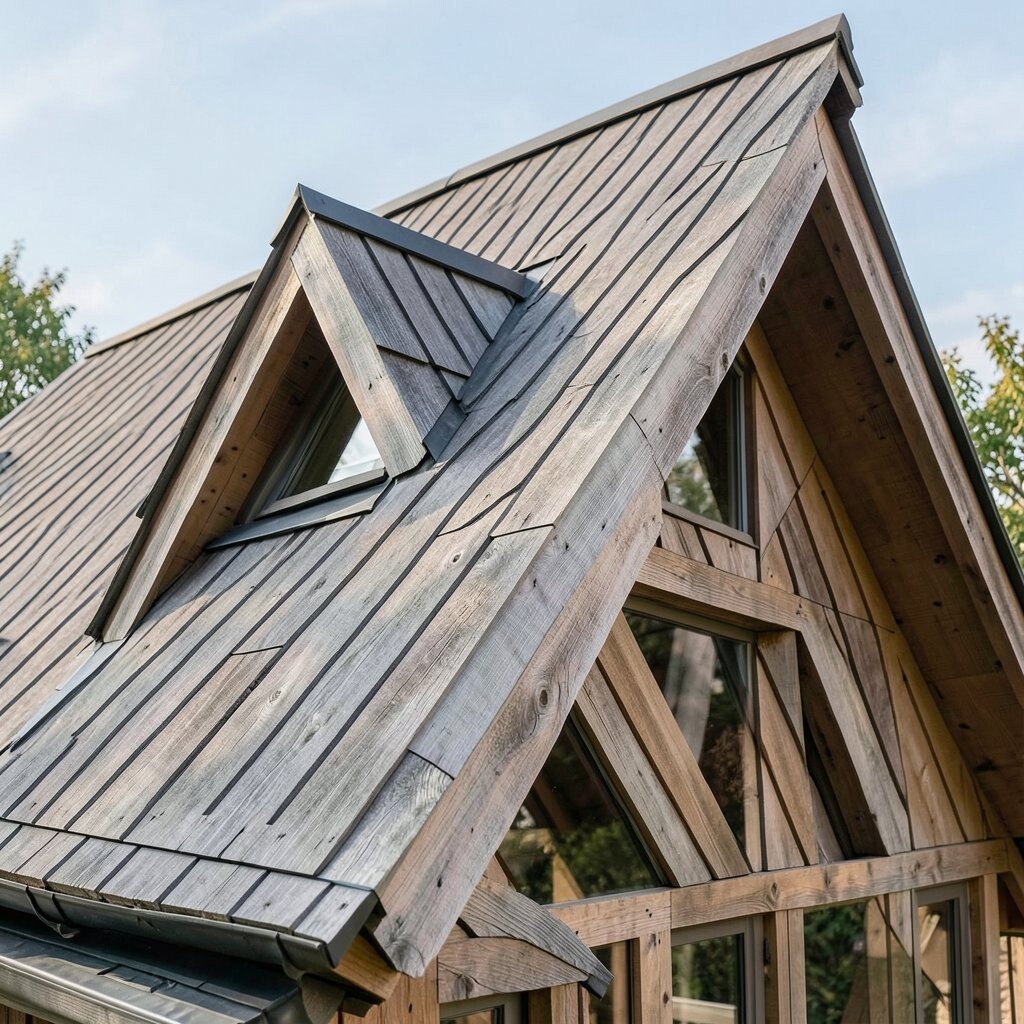
Split roof angles use two or more roof slopes that meet in a way that feels different from a basic gable. This can give the house a layered look with more depth.
It can also help divide the home into zones, which is useful for open floor plans or homes with added wings. The shape can make the inside easier to plan around different room heights.
This style often costs more than a simple roof because it needs more design work and careful building. Even so, it can be a good pick if you want a home that feels custom and balanced.
16. Angled Roof with Skylights
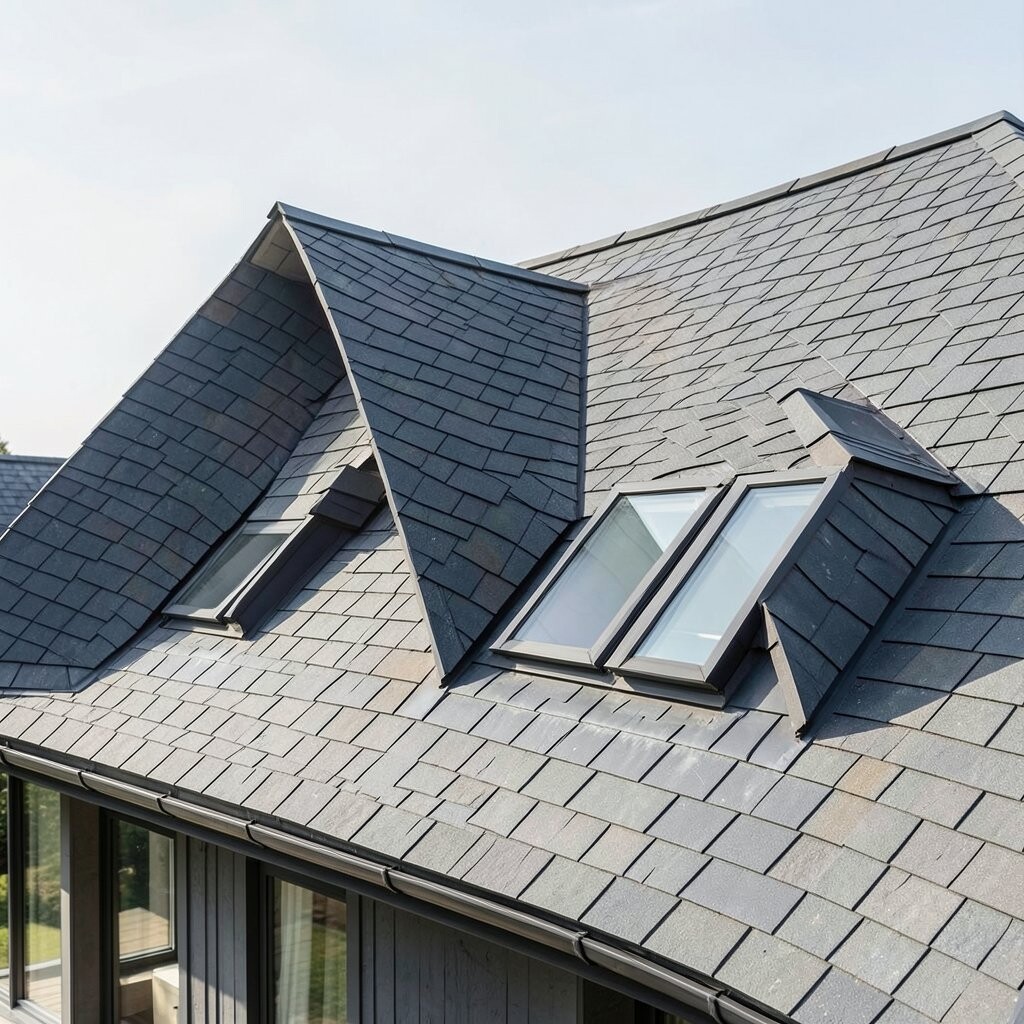
Skylights work well on angled roofs because they let light come in from above. This can make rooms feel brighter without adding more wall windows.
They are useful in bathrooms, hallways, kitchens, and attic spaces that may not have much outside wall space. They can also help cut the need for lights during the day.
It is smart to place them where they will not cause too much heat or glare. A well-planned skylight can add comfort and style at the same time.
17. Curved Meets Angled Roof Design
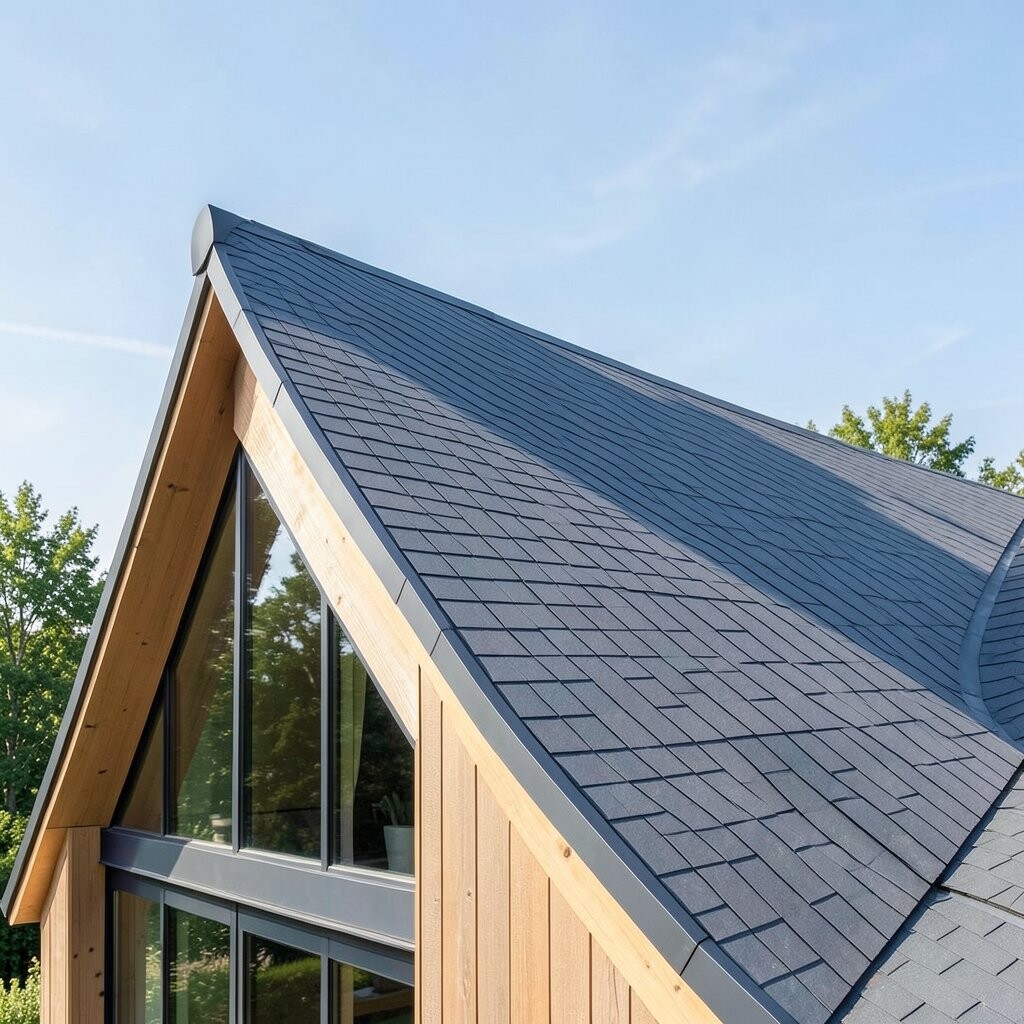
Some homes mix a curved part with an angled roof for a softer look. This can make the house feel more unique while still keeping a strong roof line.
The curved part can soften sharp edges and help the home stand out in a nice way. It may also help guide rainwater in a smooth path if the design is done well.
This kind of roof often needs careful planning, so the cost may be higher. Still, it can be a good choice for people who want something that feels custom and modern.
18. Angled Roof with Tall Ceilings
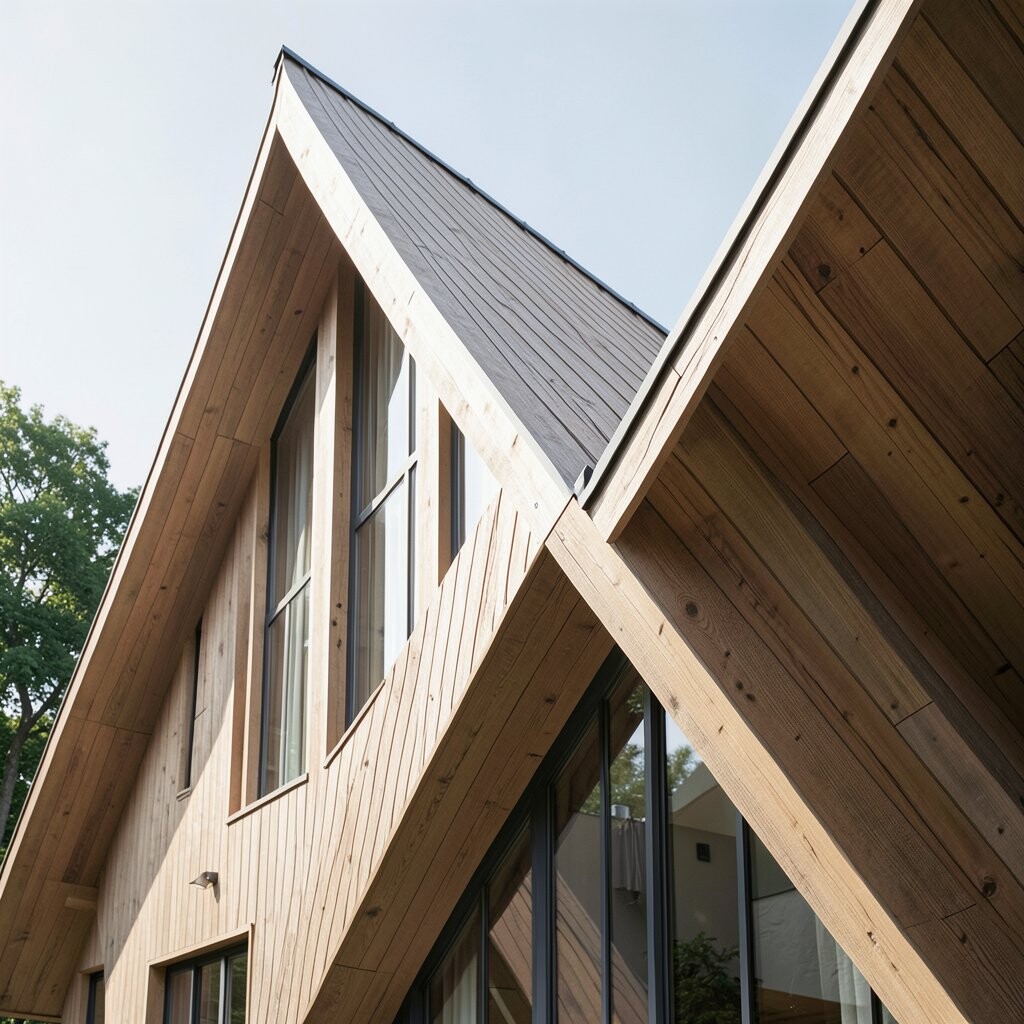
An angled roof can help create tall ceilings inside the home. This makes rooms feel more open and can give them a calm, airy feel.
Tall ceilings are helpful in living rooms, kitchens, and main bedrooms where people spend a lot of time. They can also make windows look better by giving them more height to work with.
You can keep the inside simple or add beams, fans, and lights that match the roof shape. This style is often used in homes that want a roomy feel without adding more square footage.
19. Angled Roof with Mixed Materials
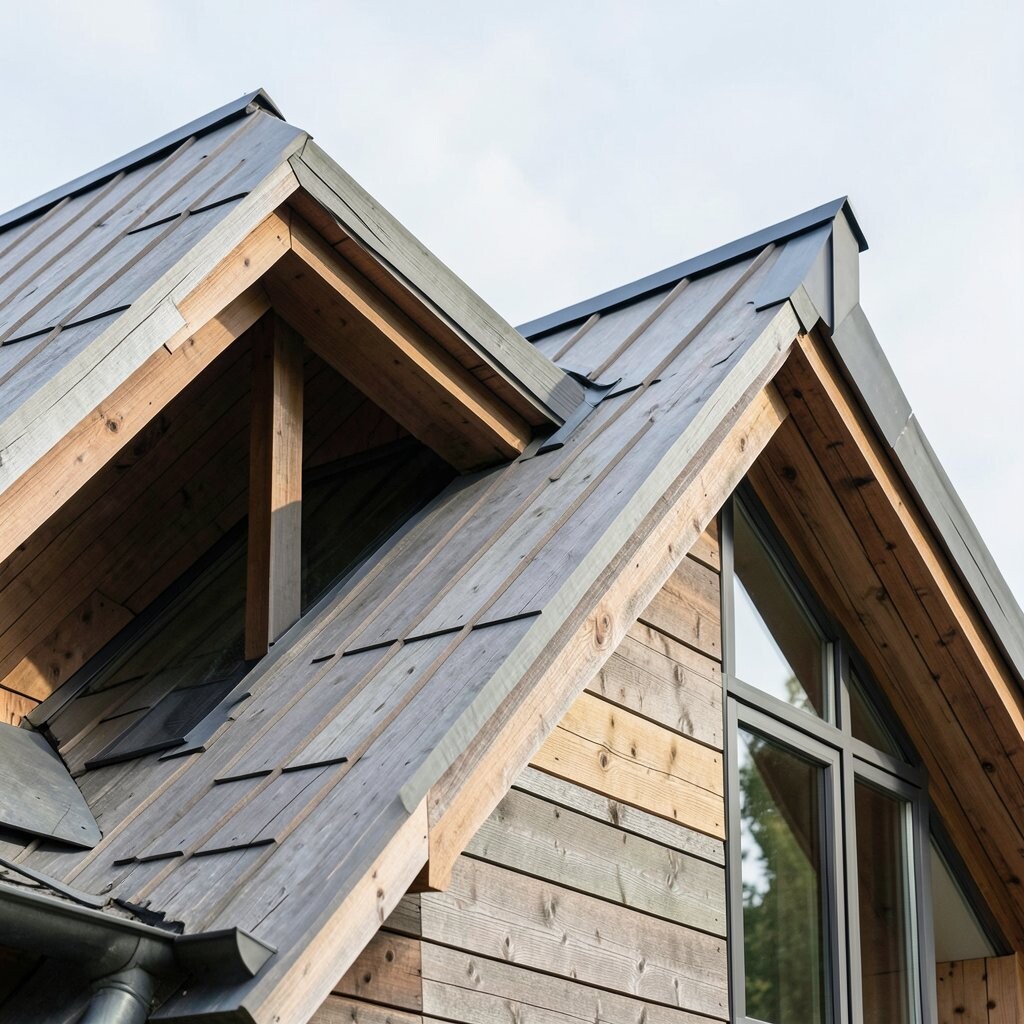
Using mixed materials on an angled roof can make the home look richer and more layered. You might see shingles on one section, metal on another, or wood accents near the edges.
This can help each part of the house feel like it has its own job. It also lets you match the roof to the siding, porch, or garage in a more personal way.
Mixed materials can raise the cost a bit, but they can add a lot of visual interest. Many current home styles use this idea to make a simple roof feel more special.
20. Angled Roof for Small Homes
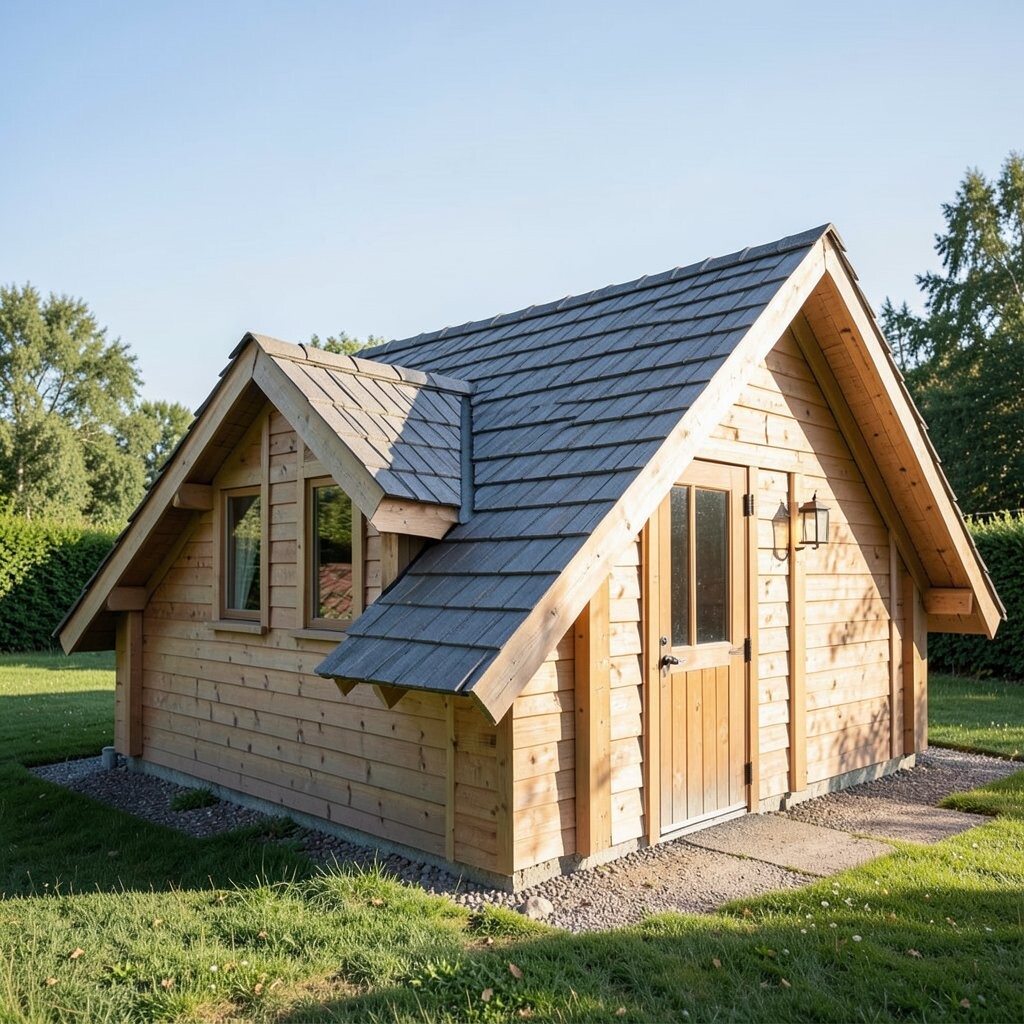
An angled roof can make a small home look larger and more balanced. It adds shape without taking up more land, which is useful on tight lots.
It can also help small rooms feel less cramped by opening up the ceiling line. That makes the inside easier to live in and can help with air flow and light.
Simple roof shapes are often best for small homes because they keep the design clear and the build cost lower. You can still add style with paint, trim, or a small porch.
21. Angled Roof with Front Porch Cover
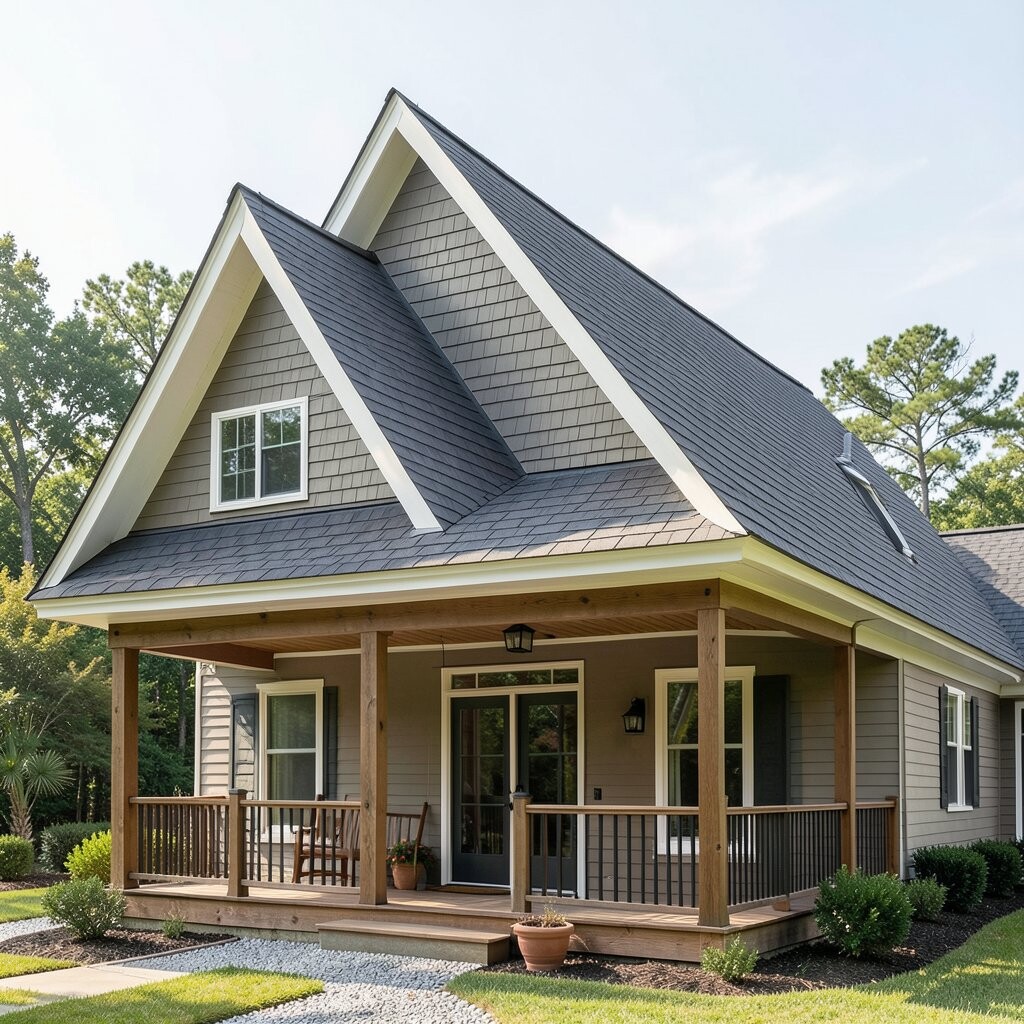
When an angled roof extends over a front porch, it creates a nice welcome area. The porch feels more tied to the house and less like a separate add-on.
This can help keep rain off the entry and give people a dry spot to stand. It also adds a cozy look that many homeowners like for daily use.
You can make the porch feel more personal with posts, railings, or lighting. The roof line can stay simple while still giving the front of the house a warm, useful touch.
22. Angled Roof with Garden Views
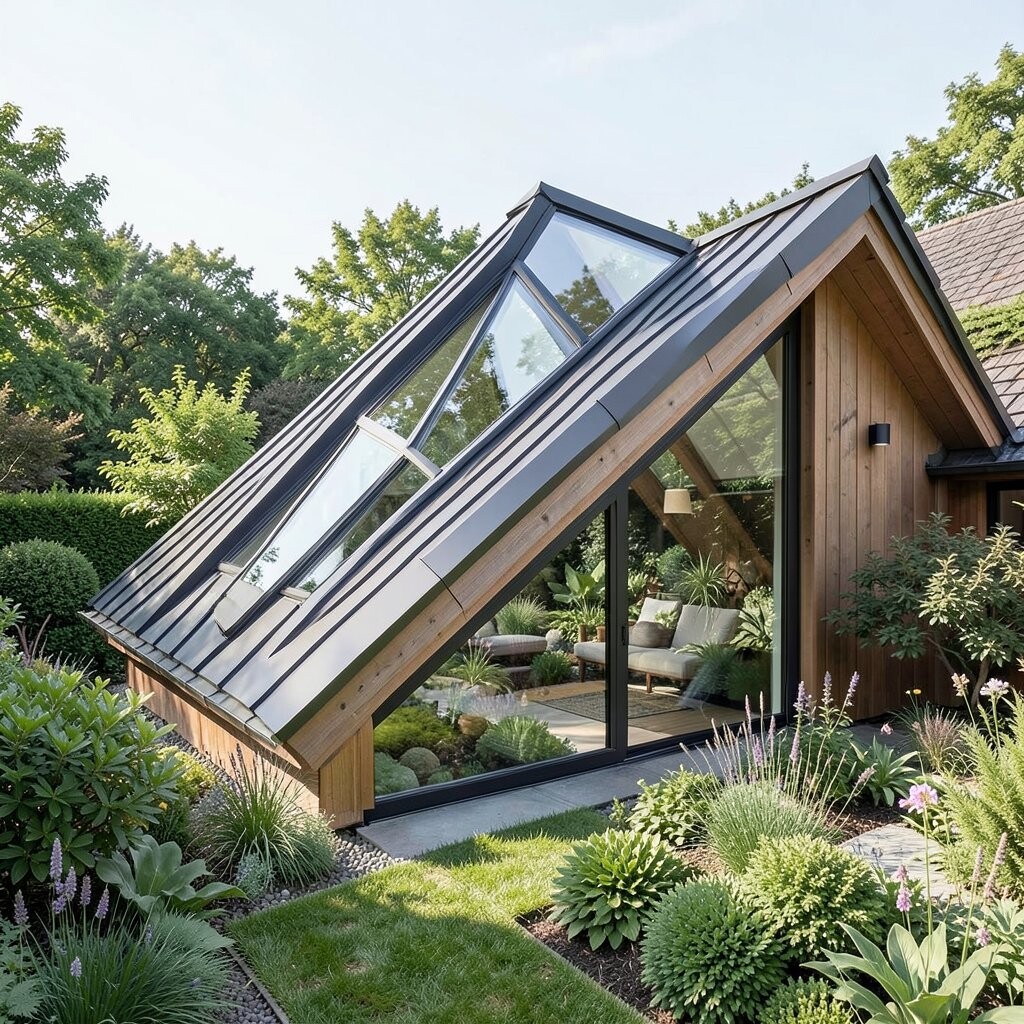
An angled roof can help frame views of a garden or yard if the windows and roof line are planned together. This can make the home feel more tied to the outdoor space.
Large windows under the slope can bring in green views and natural light. That helps make rooms feel more calm and connected to the outside.
This idea works well for homes that sit near trees, flower beds, or small yards. You can use the roof shape to guide the eye toward the best parts of the land.
23. Angled Roof with Bold Trim
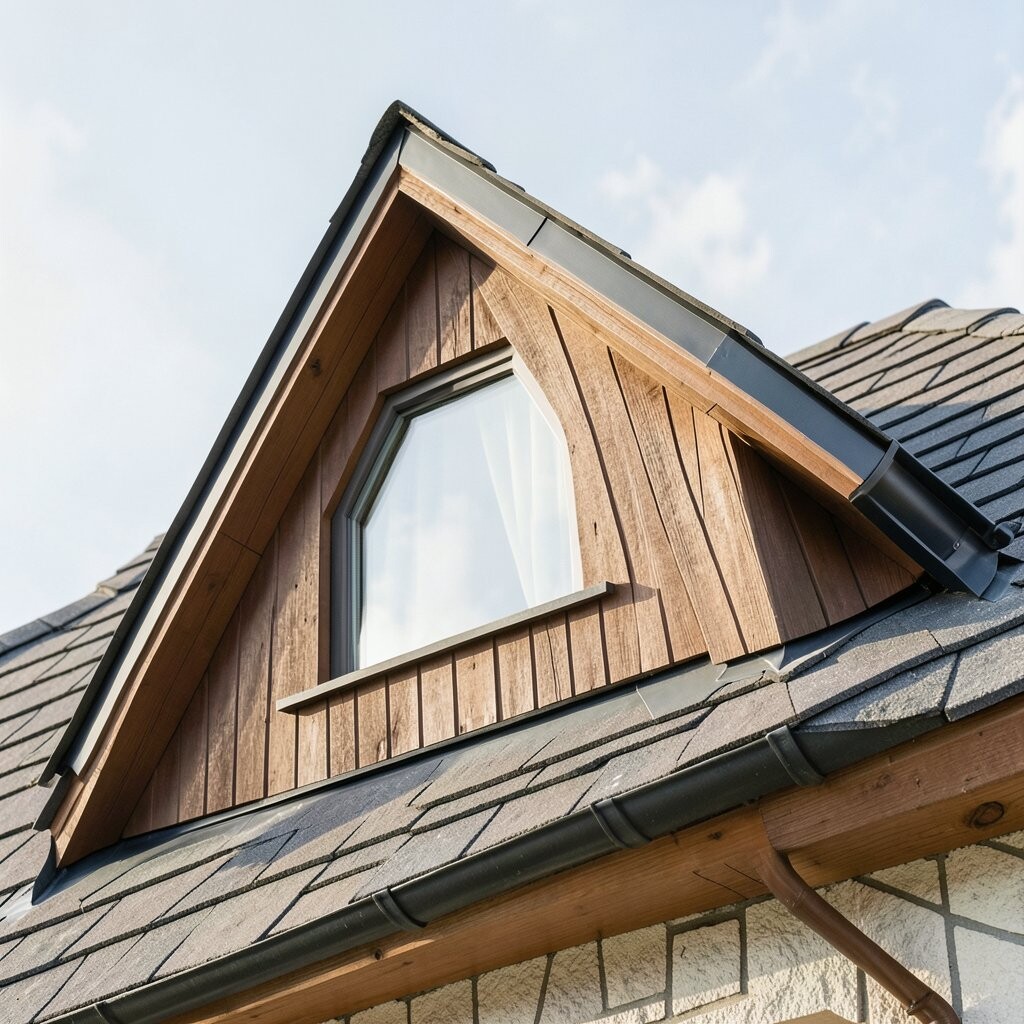
Bold trim can make an angled roof stand out without changing the full roof shape. A strong color on the edge lines can draw the eye and give the home a neat frame.
This is a simple way to add style on a smaller budget. It can also help tie the roof to the rest of the house if you use the same color on windows, doors, or porch posts.
Many people like this look because it is easy to update later. If trends change, trim paint is often easier to change than the roof itself.
24. Angled Roof with Solar Panels
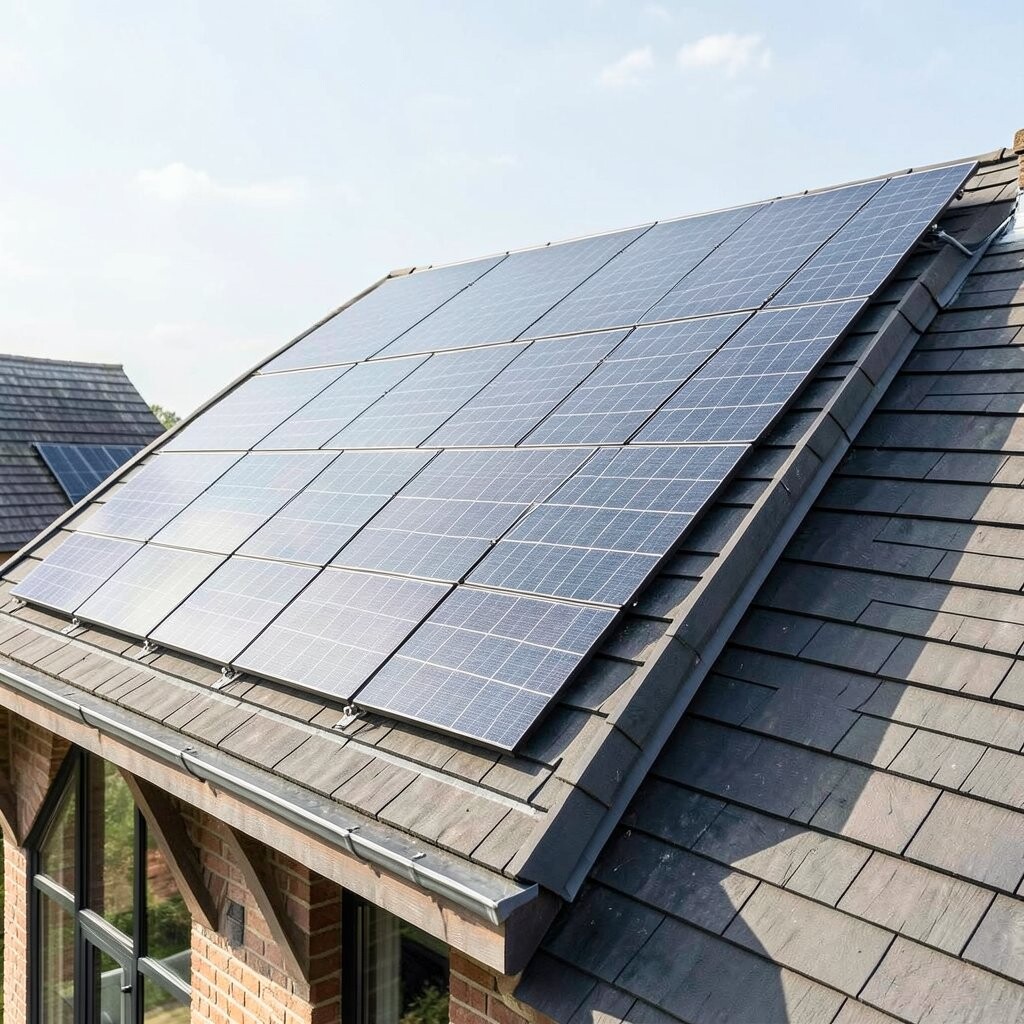
Solar panels fit well on angled roofs because the slope can help catch more sun. This makes the roof work harder for the home in a useful way.
It can help lower power use over time and may fit well with homes that want a more energy-friendly plan. The panels can also look neat when they are placed in a clean row.
It is smart to think about roof direction, shade, and panel size before building. A good layout can help you get more use from the roof while keeping the look simple.
25. Angled Roof with Hidden Gutters

Hidden gutters can help keep an angled roof line clean and simple. They hide some of the parts that usually stand out, so the roof looks smoother from the outside.
This can be a nice fit for modern homes that want fewer visual breaks. It also helps move water away from the house in a neat and planned way.
Because hidden systems can be harder to reach, they may need careful upkeep. Even so, many people like the clean look enough to make them part of the plan.
26. Angled Roof with Loft Space
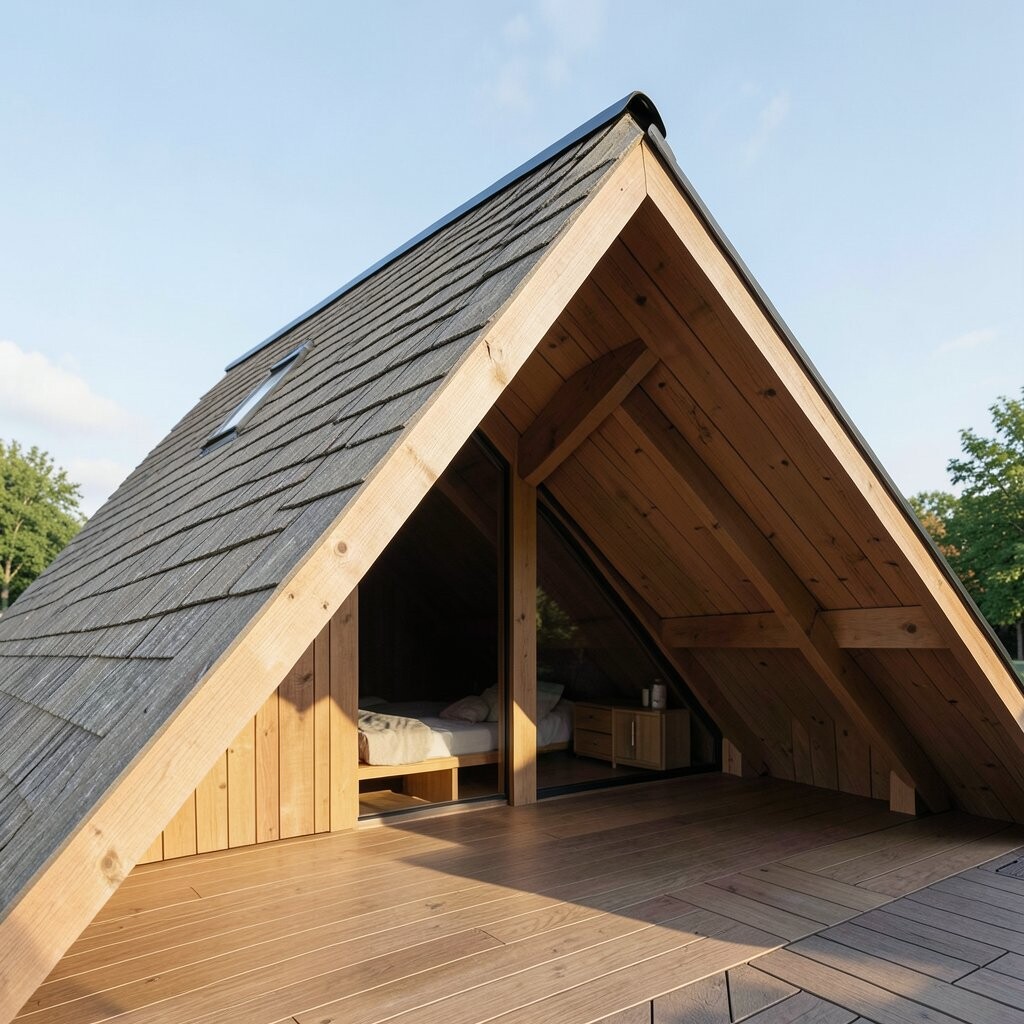
An angled roof can create useful loft space under the top of the house. This gives you a spot for storage, a reading nook, a guest room, or a small office.
The sloped ceiling can make the loft feel cozy while still giving it a clear shape. It is a good way to use space that might otherwise go to waste.
You can make the loft more useful with built-in shelves, windows, or a small stair. This kind of design is often a smart choice when you want more room without a bigger home.
27. Angled Roof with Custom Color Choices
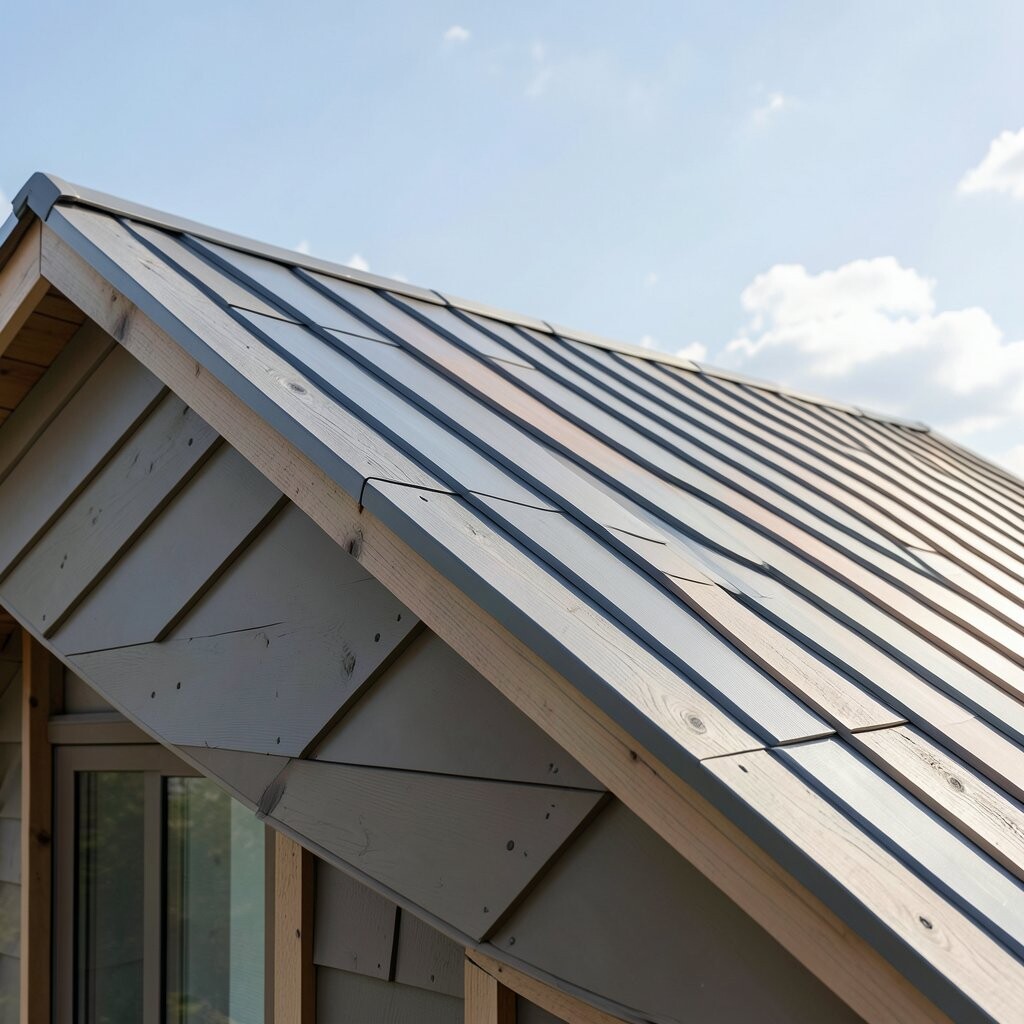
Color can change how an angled roof feels even when the shape stays the same. A dark roof can look strong and modern, while a lighter roof can feel softer and more calm.
Custom color choices help you match the roof to the siding, brick, or trim. They also let you follow current trends without changing the whole design.
This is one of the easiest ways to make a roof feel personal. A well-chosen color can help the home look neat, balanced, and more like your own style.