Children learn best when the room feels easy to use and full of things to try. Simple patterns can make a space feel calm, fun, and ready for hands-on play.
1. Bold Floor Shapes
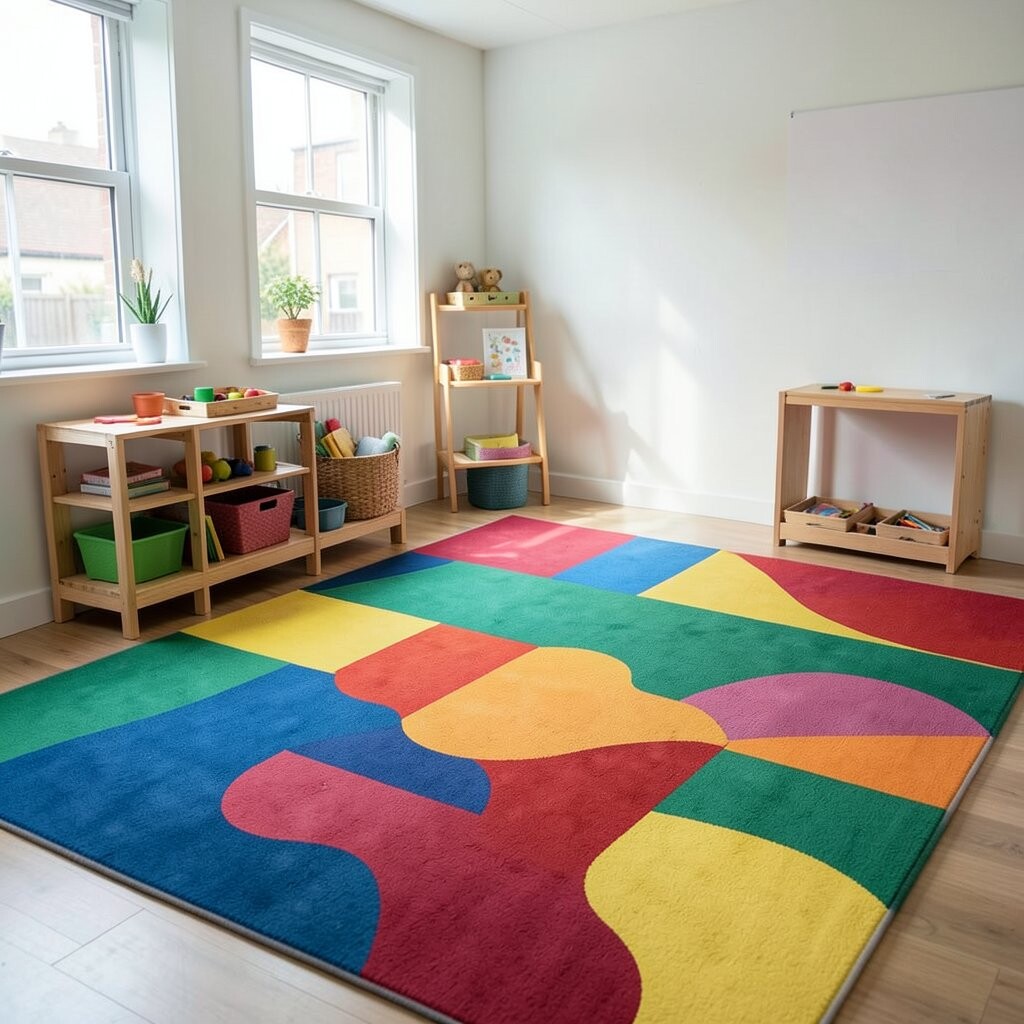
Large floor shapes can guide children through a room in a clear and fun way. Circles, strips, and blocks of color can mark play spots, reading spots, and group spots without using heavy signs.
This look is easy to make with vinyl tiles, rugs, or painted floor areas. It can fit a low budget or a bigger one, and it works well in new rooms and older rooms too.
2. Color Block Walls
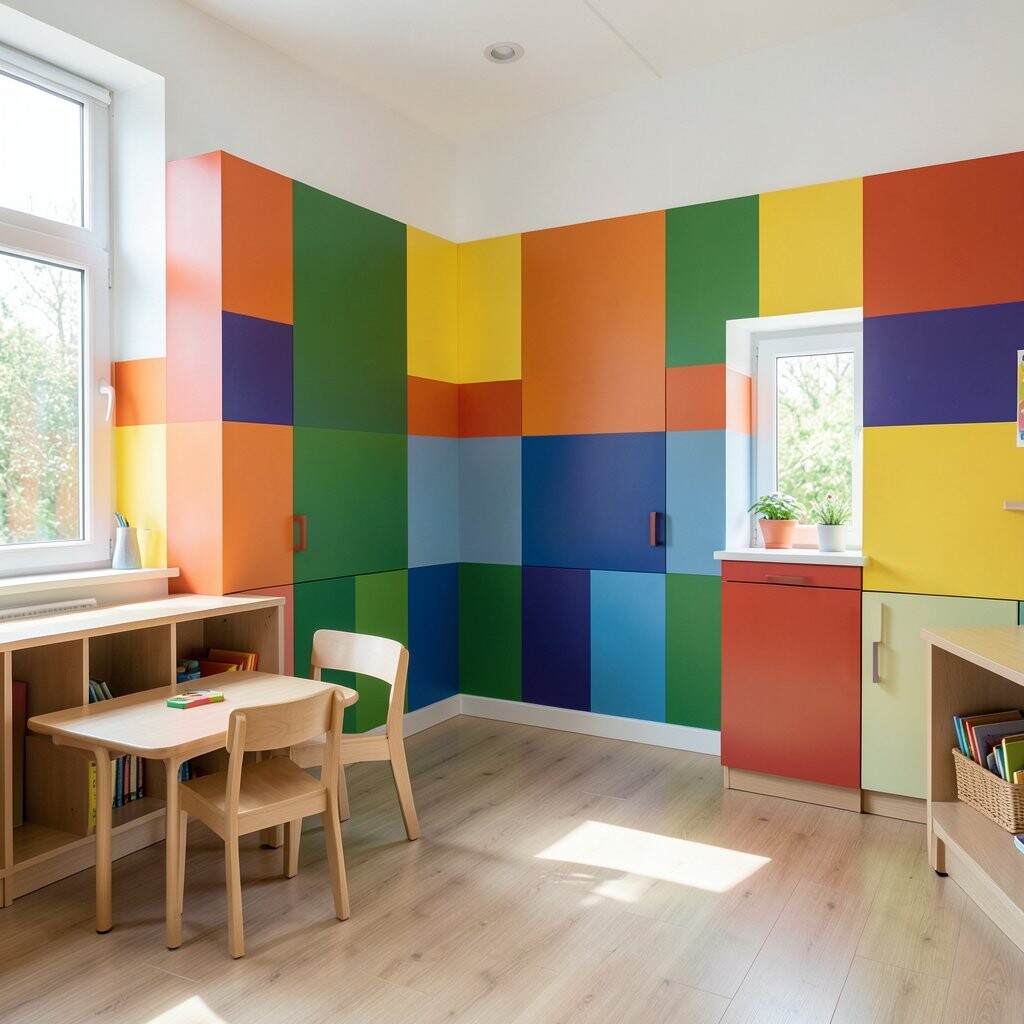
Color block walls use wide areas of paint to set the mood in a space. Soft blues, warm yellows, and fresh greens can help the room feel bright without looking too busy.
This pattern also helps children know where one area ends and another starts. If you want a personal touch, you can match the colors to your school, home, or child’s favorite shades.
3. Patterned Reading Nooks
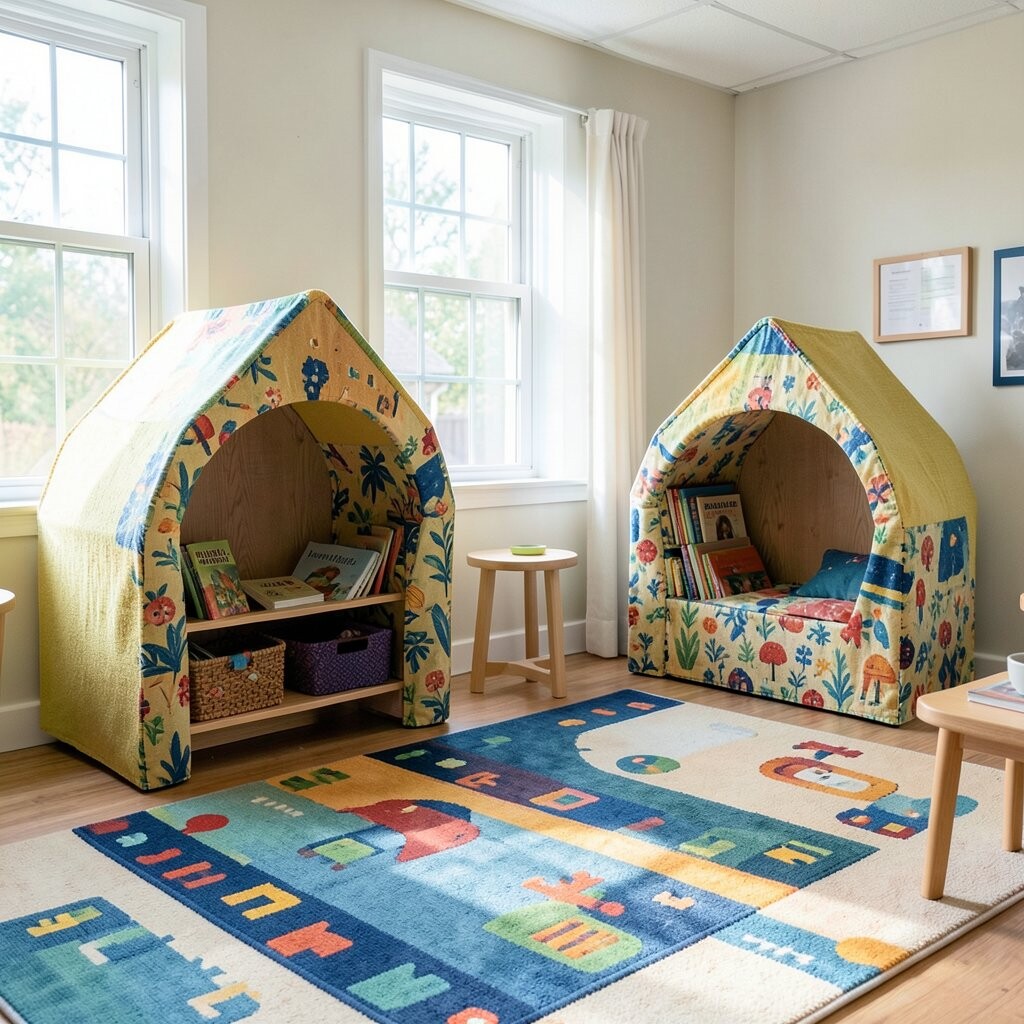
A reading nook can feel special when it has a bold pattern on the wall, seat, or curtain. Stripes, dots, and simple waves can make the area feel cozy and fun at the same time.
These small spaces help children slow down and focus on books. They do not need much money to set up, since a few pillows, a rug, and a painted board can do a lot.
4. Grid Shelving Displays
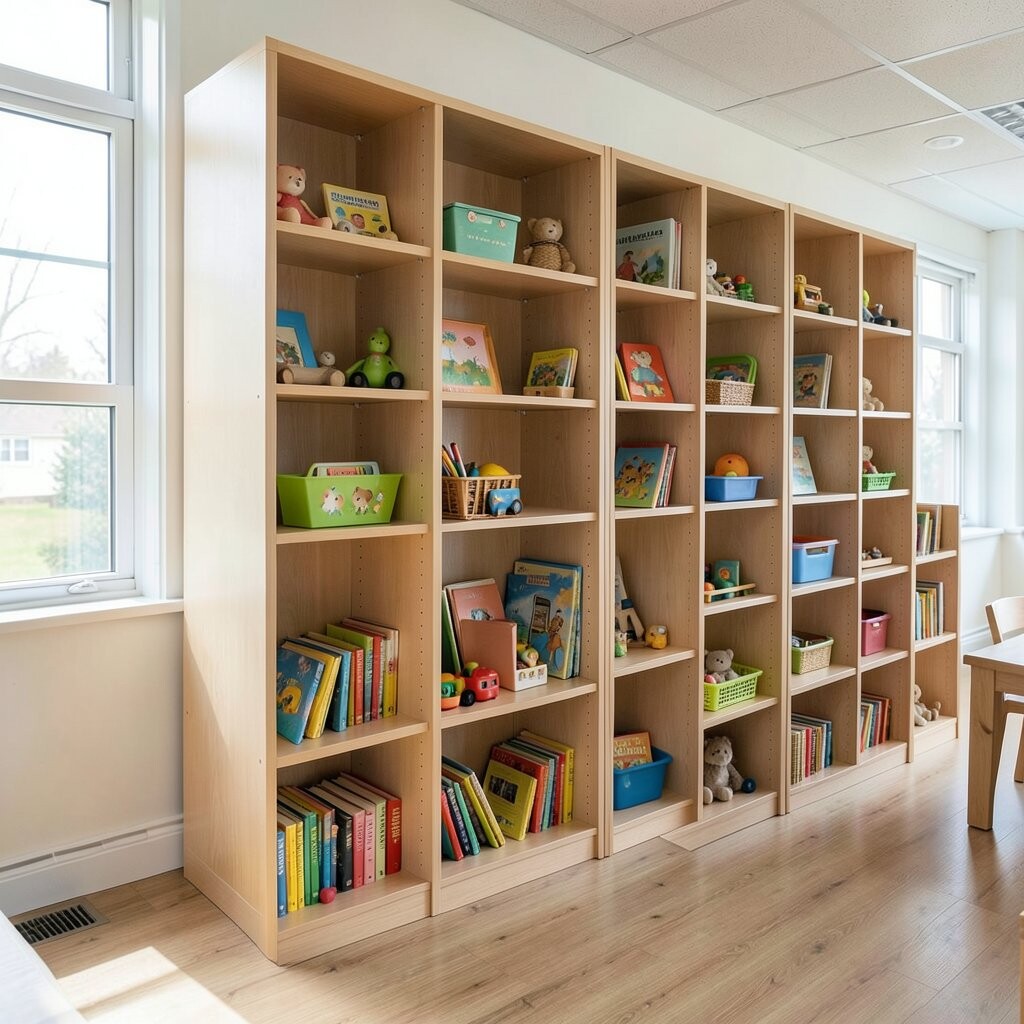
Grid shelving gives a room a neat look while still feeling playful. The square shape makes it easy to sort books, toys, art tools, and learning kits in a way children can understand.
This style is useful because it keeps things in view and within reach. You can add bins in bright colors or label each space with simple pictures to help kids clean up on their own.
5. Dot and Spot Seating
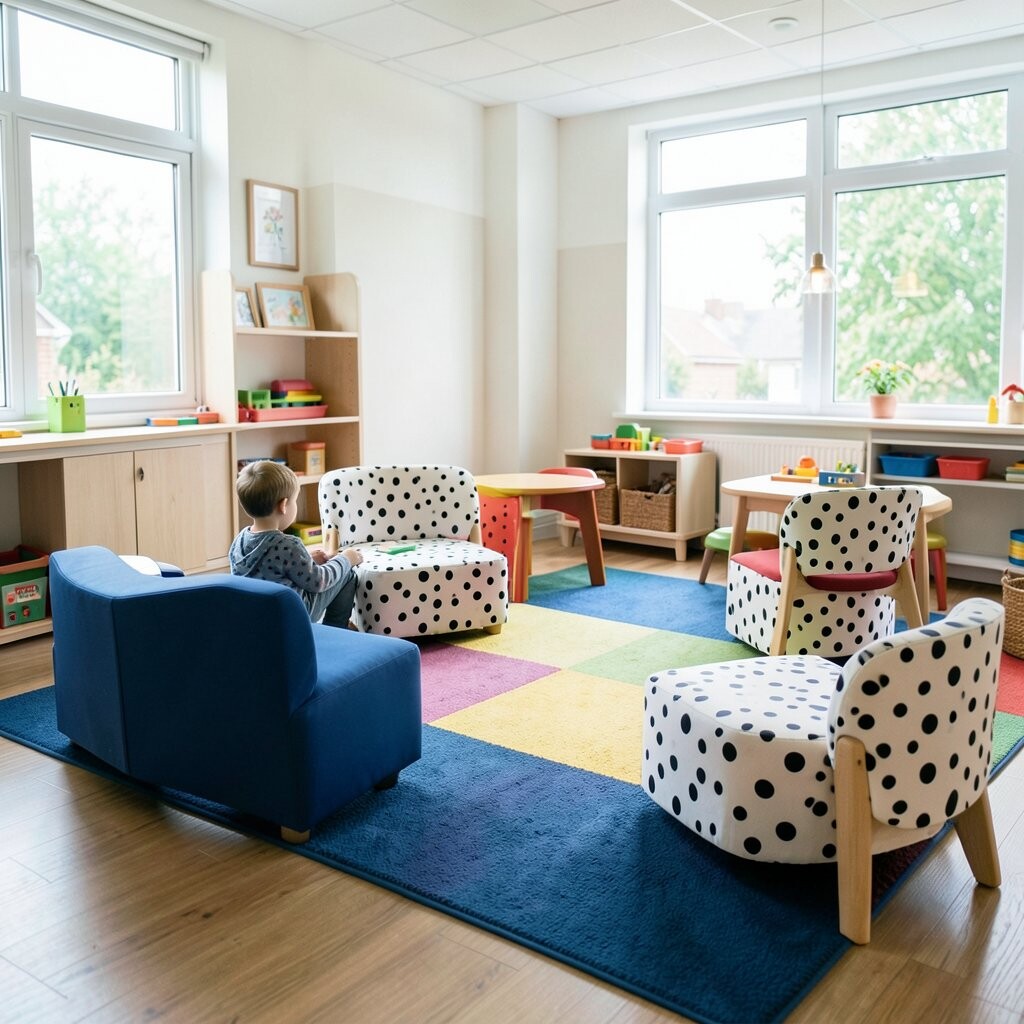
Seats with dot or spot patterns can add life to a room without making it look crowded. Small stools, bean bags, and floor cushions with round prints can make the space feel light and friendly.
Children often enjoy choosing their own spot when seats look different from each other. This can help with group time, quiet time, and shared play, since each child can find a place that feels right.
6. Nature Print Corners
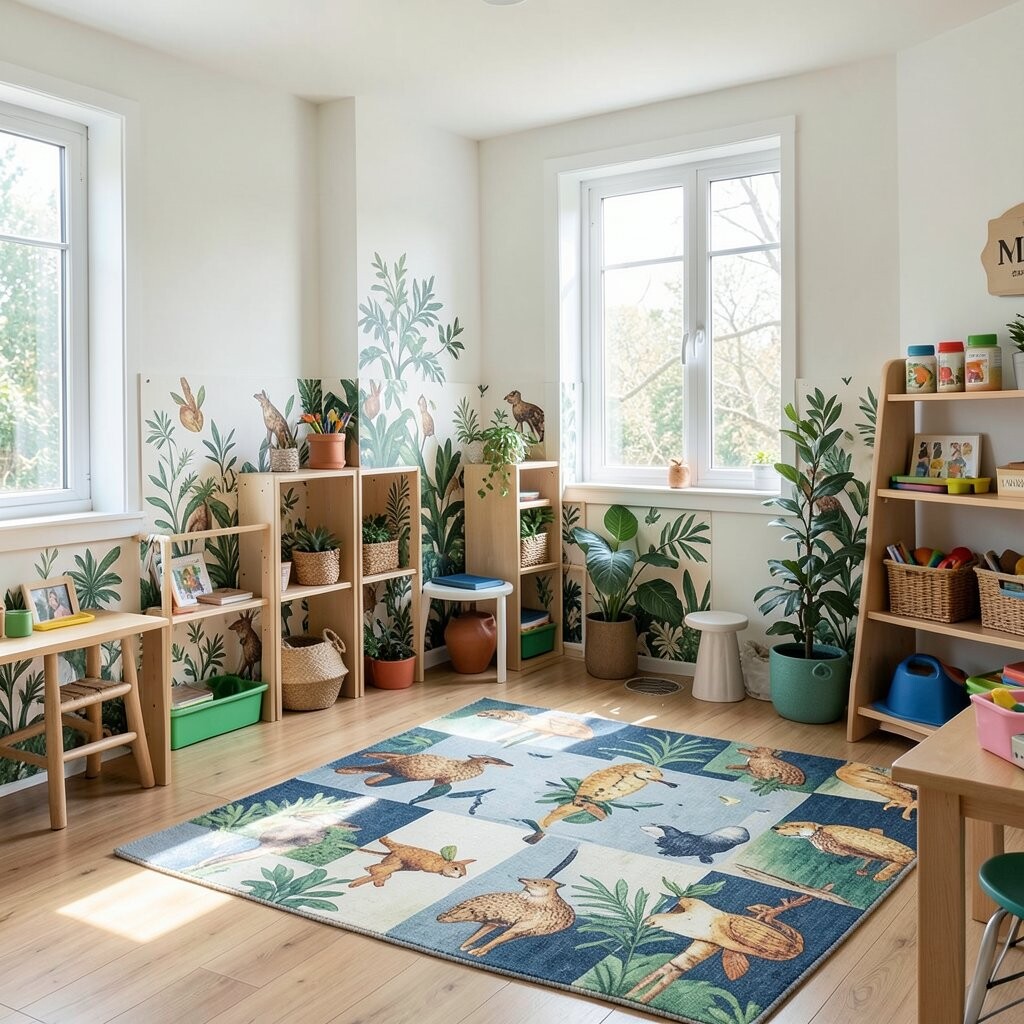
Leaf, tree, and flower prints can bring a calm feel to a learning space. These patterns work well on walls, curtains, mats, and soft items like pillows or seat covers.
Nature prints are a nice choice because they feel fresh and easy on the eyes. They also fit many styles, so you can use them in a small room, a classroom, or a play area at home.
7. Mixed Texture Panels
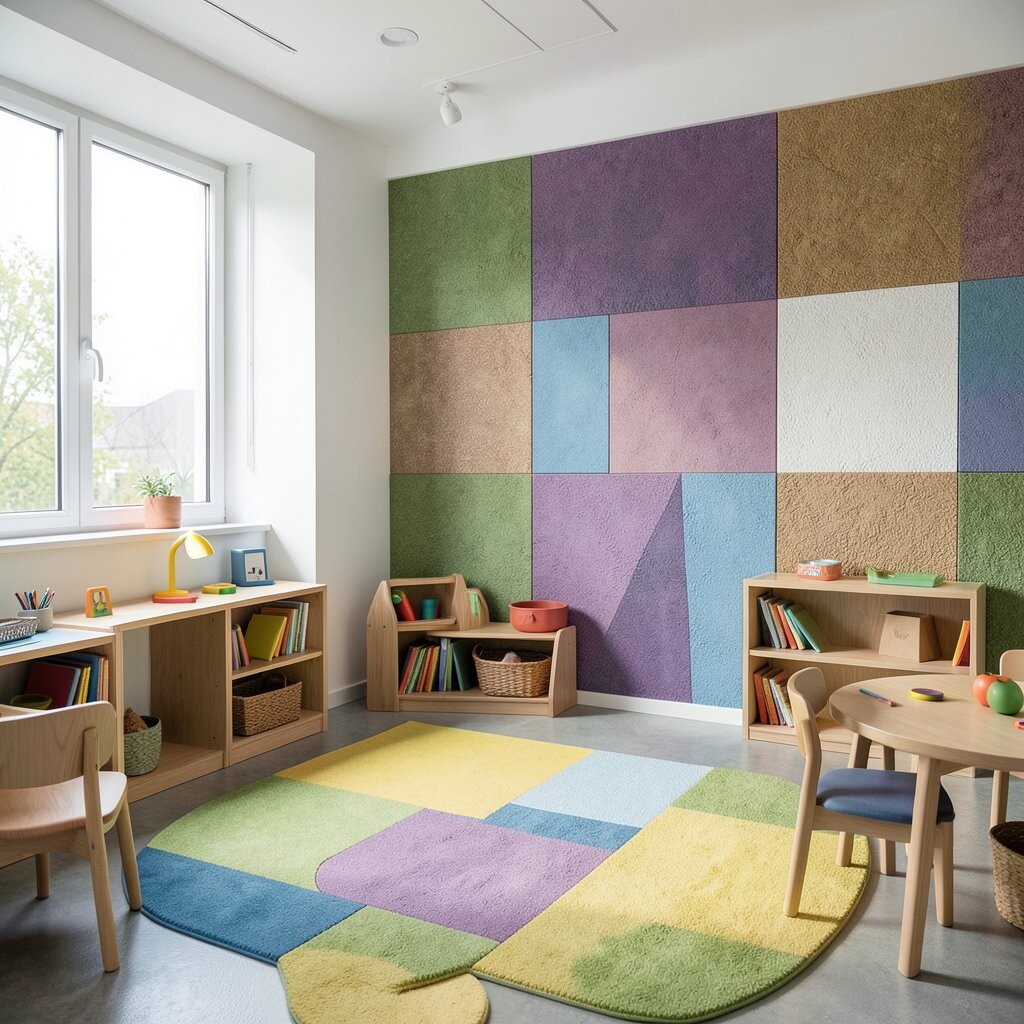
Mixed texture panels use different feels and looks in one area, like smooth wood, soft felt, and woven fabric. The pattern comes from how the parts sit next to each other, not only from color.
This is good for children who like to touch and compare things. It can help with learning through play, and it gives the room a rich look without needing a lot of decor.
8. Chalkboard Pattern Walls
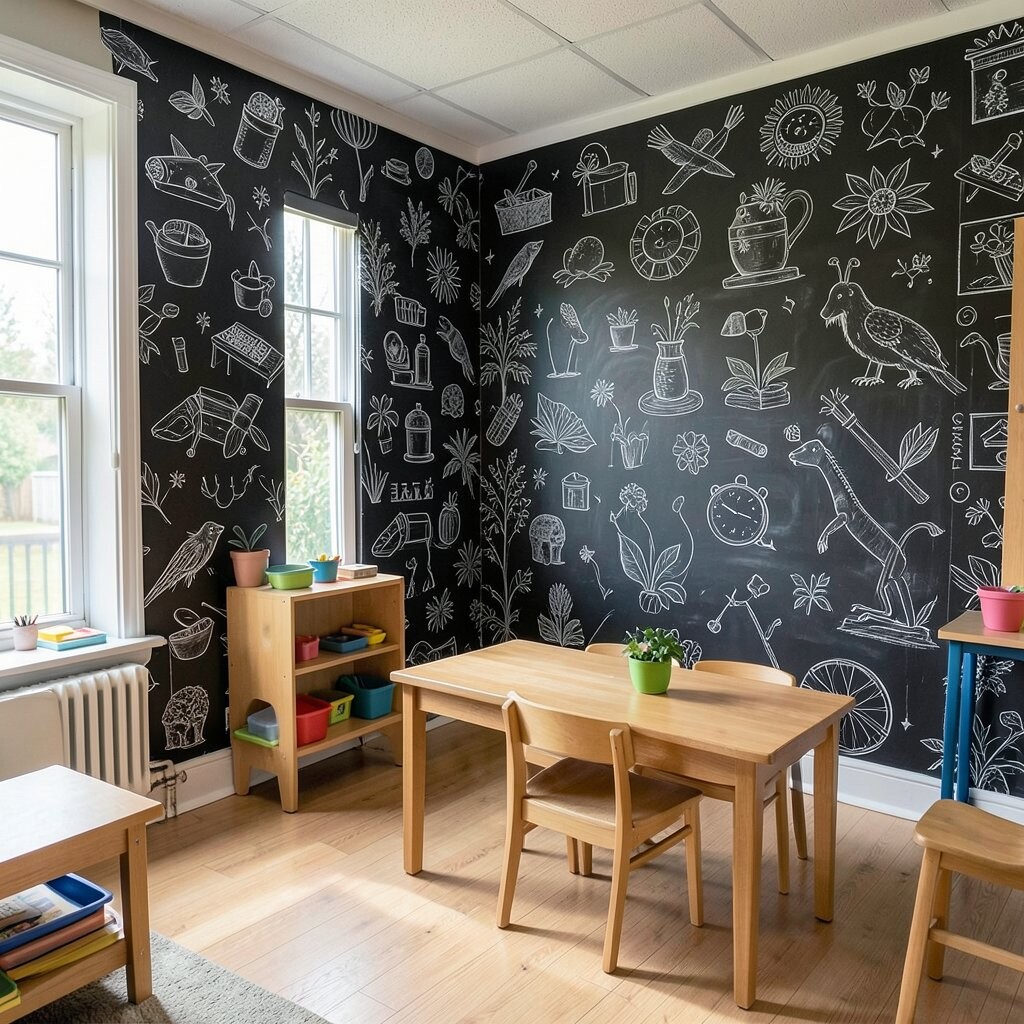
A chalkboard wall with framed pattern blocks can give children a place to draw, write, and change the space each day. You can add simple borders, lines, or shapes to make the wall feel more planned.
This idea is low cost and easy to update. It works well for names, art, letters, and quick notes, and it gives children a chance to make the room their own.
9. Bright Ceiling Details
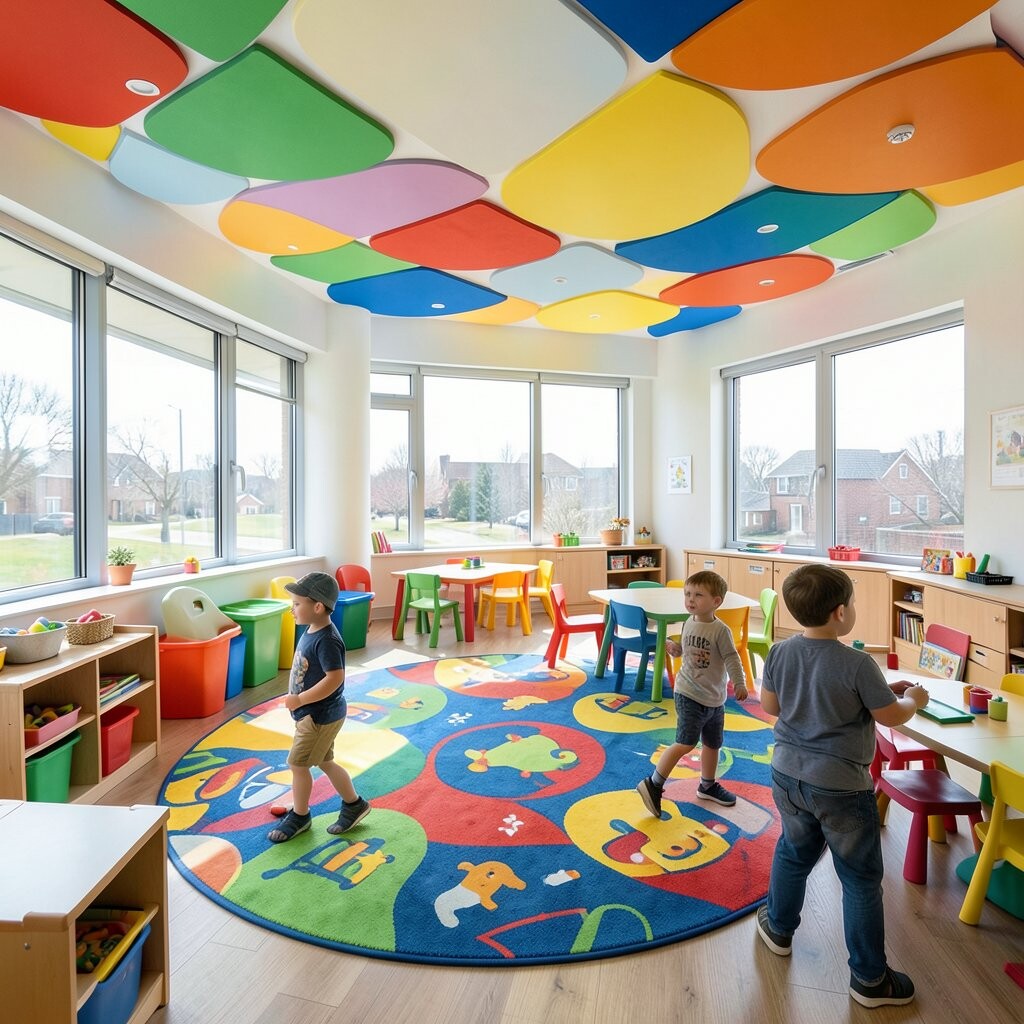
Many rooms stop at the walls, but the ceiling can also hold a bold pattern. Hanging paper stars, painted beams, or soft shapes above can make children look up and feel curious.
This kind of detail adds interest without taking up floor space. It is a smart choice for small rooms, and it can be made with simple items that do not cost much.
10. Stripe Paths for Movement
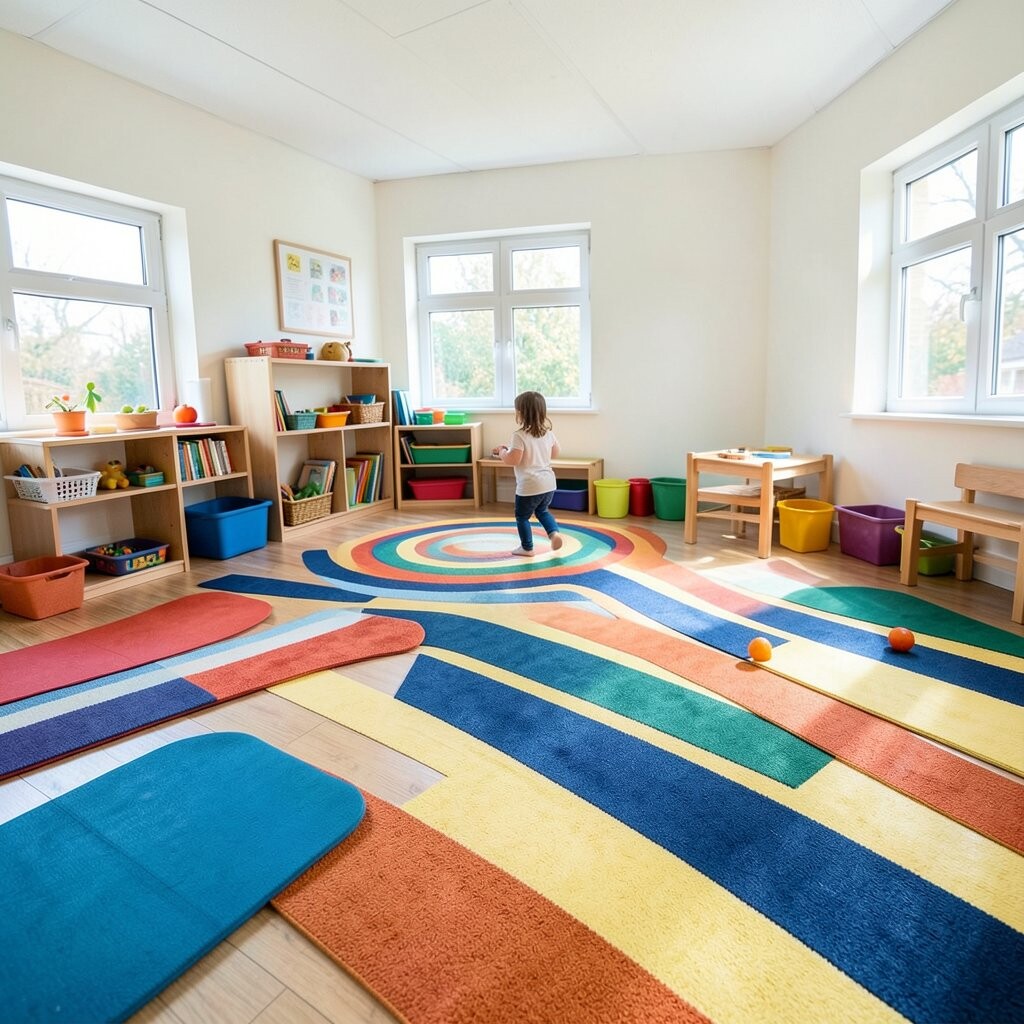
Striped paths on the floor can show children where to walk, hop, or line up. They can lead from one area to another and make the room feel more organized.
This pattern is useful in busy spaces because it helps with flow and reduces confusion. You can use tape, paint, or a runner rug, which makes it easy to change later if needed.
11. Puzzle Piece Zones
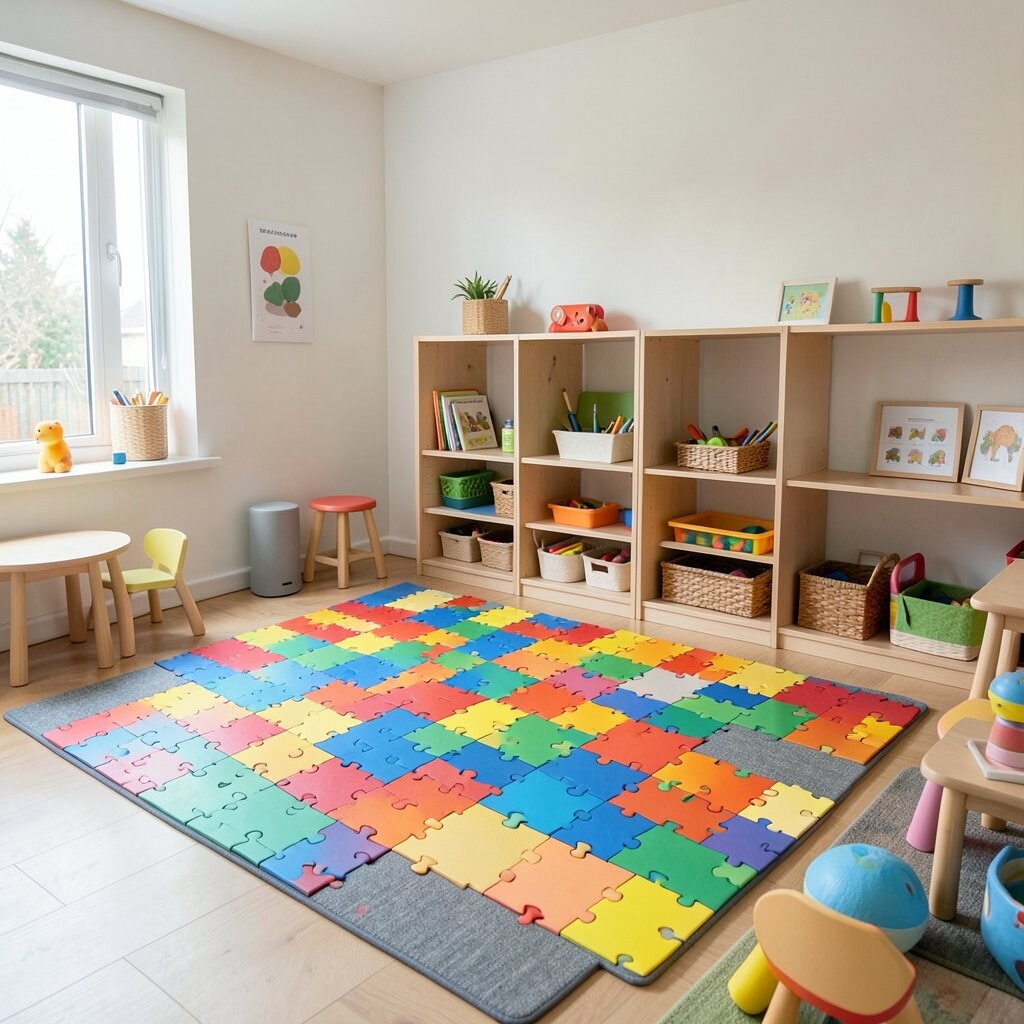
Puzzle piece shapes can mark different learning zones in a playful way. Each piece can hold a task area, like art, reading, blocks, or science play.
This pattern feels unique because it suggests that each part of the room fits with the others. It also helps children see that many kinds of play can work together in one space.
12. Animal Track Trails
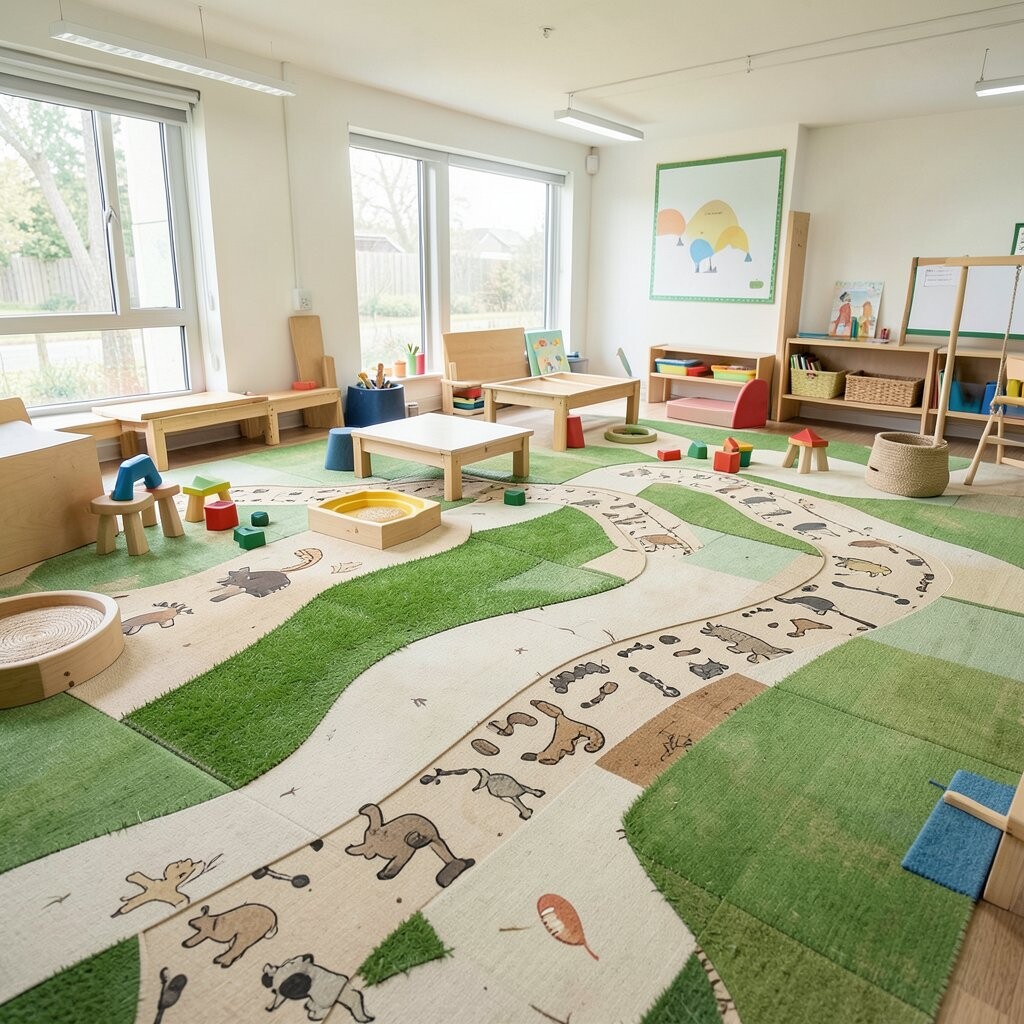
Animal track patterns can lead children through a room in a fun and simple way. Footprints from birds, bears, frogs, or cats can point toward books, games, or hands-on stations.
Kids often enjoy following the trail because it feels like a game. You can make it with decals, paint, or cut paper, and it can match a theme without taking much money.
13. Alphabet and Symbol Bands
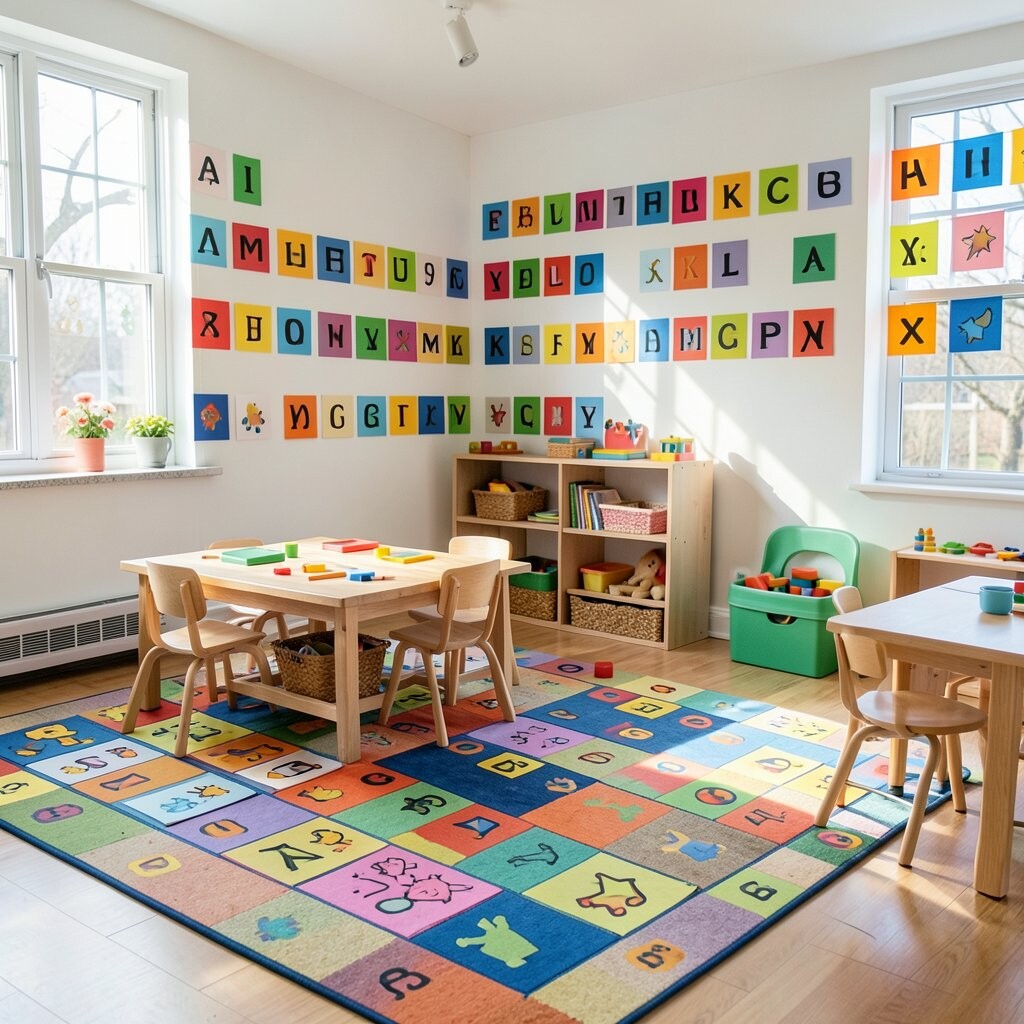
Wide bands with letters, shapes, or signs can wrap around a room and help learning feel part of the decor. These bands can sit near the top of the wall, around a shelf, or along a table edge.
This is a simple way to mix style with learning support. It also gives you room to personalize the space with names, local words, or symbols that matter to the children there.
14. Soft Pastel Layers
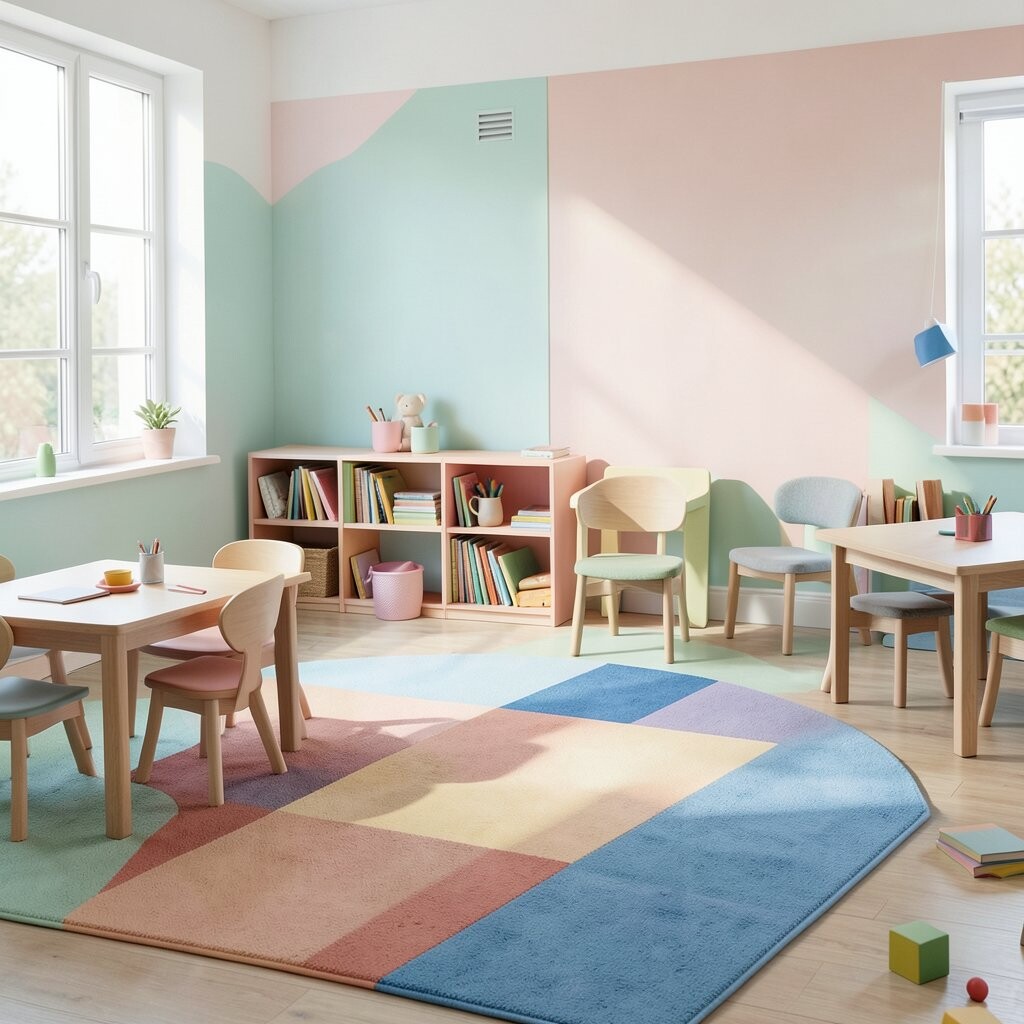
Soft pastel layers use gentle color blocks and calm patterns to make a room feel open and easy to use. This style works well for children who need a quiet place with less visual noise.
Pastels are still a trend in many learning spaces because they look clean and modern. They pair well with wood, white shelves, and simple toys, so the room can stay neat and warm.
15. Custom Art Walls
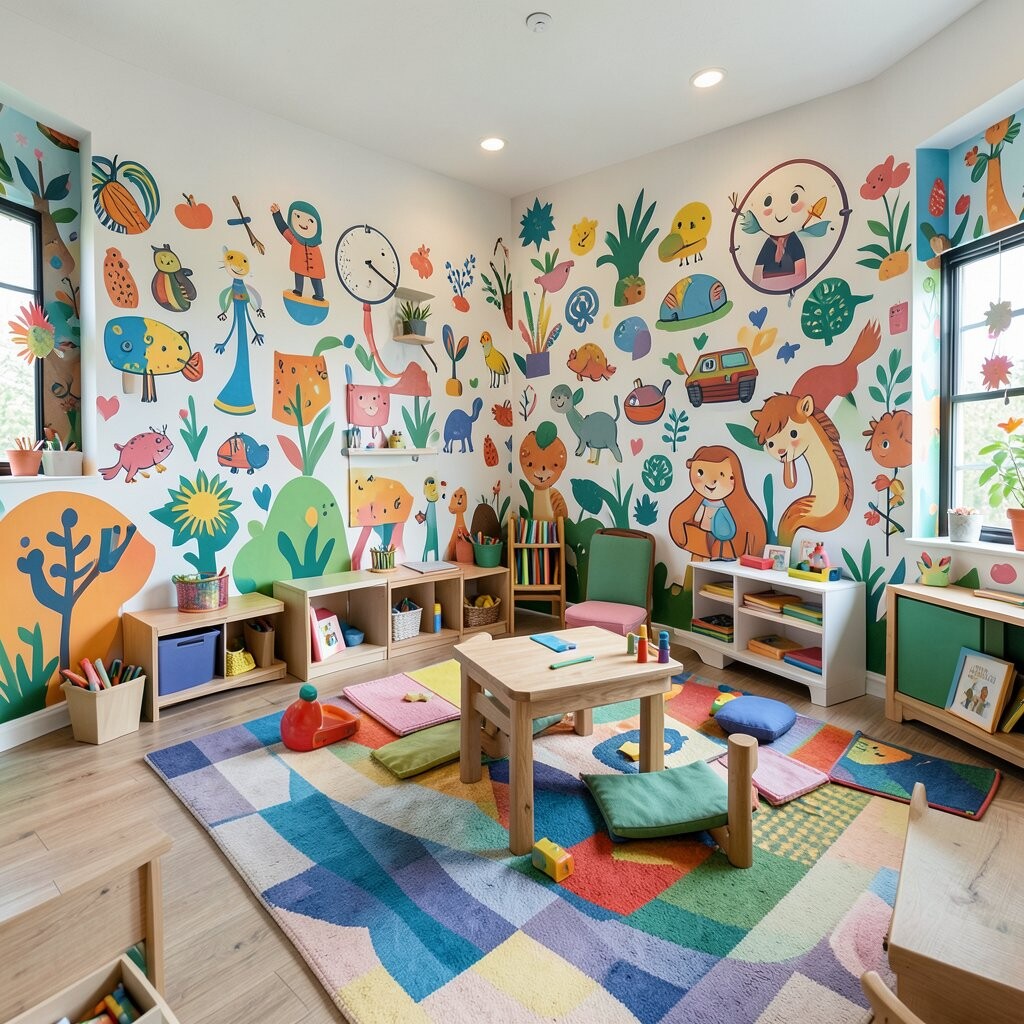
Custom art walls give children a place to add their own marks, drawings, and class work. You can use clip rails, cork strips, or framed boards to show work in a bold and changing pattern.
This idea helps children feel proud of what they make and keeps the room fresh. It can cost very little if you use simple frames or clips, and it makes the space feel personal in a way that store-bought decor cannot.