Coastal homes can be calm, bright, and easy to care for when you make smart green choices. Small changes can help save water, cut waste, and make daily life feel lighter.
1. Use Salt-Tough, Low-Waste Building Materials

Homes near the sea face wind, damp air, and salt, so the materials you pick matter a lot. Reclaimed wood, recycled metal, and stone can look warm and simple while also lasting well in rough weather.
These choices can also help keep waste out of landfills, which is good for the coast and for your home budget over time. Many people like the natural look because it fits beach homes and works with both new and old styles.
If you are building or fixing a home, ask for local materials first, since that can cut shipping costs and lower the carbon used to move supplies. A mix of sturdy and low-waste items can make the home feel more personal, too.
2. Add Solar Panels That Fit the Roof Line
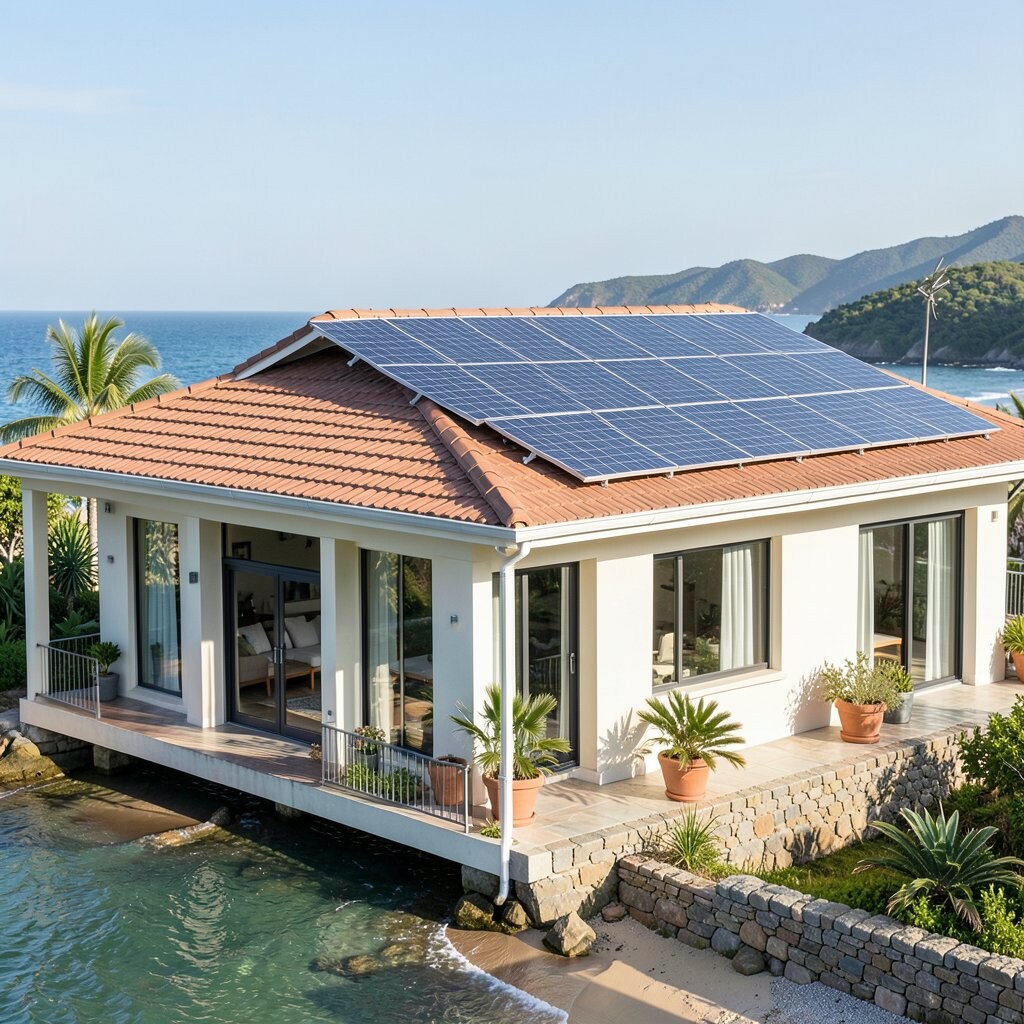
Solar panels can be a smart fit for a coastal home because many shore areas get strong sun for much of the year. On a roof with a clean, simple line, the panels can look neat and modern instead of bulky.
They can help lower power bills and make the home depend less on outside power, which many families like during storm season. Some homes use battery storage as well, so a few lights and key tools can still work if the grid goes out.
Costs can feel high at first, but tax help, local programs, and lower bills can make the price easier over time. If you want a softer look, you can place panels on a rear roof section so they stay out of sight from the street.
3. Collect Rainwater for Garden Use
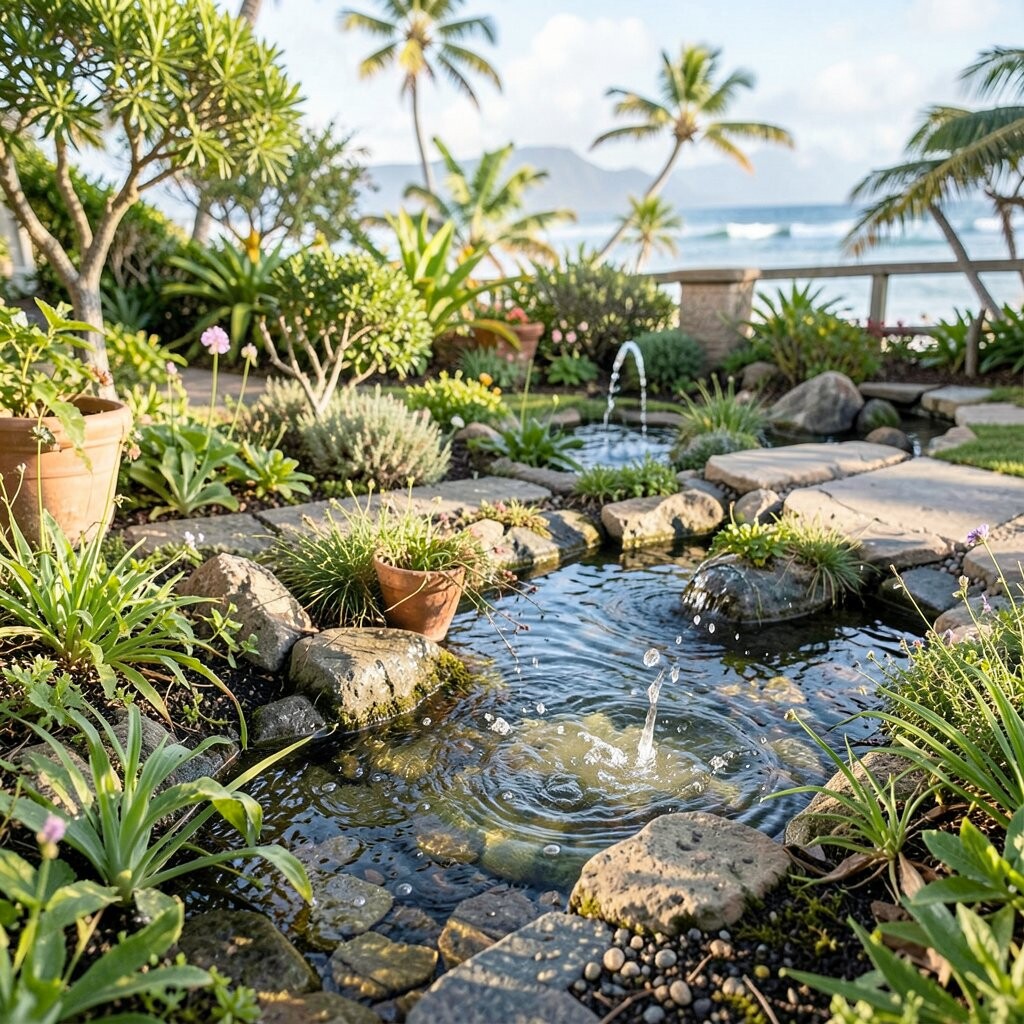
Rain barrels and larger tanks can catch water from the roof and save it for plants, washing tools, or outdoor cleaning. This can help in dry months and can also lower the amount of tap water you use at home.
The setup can be very simple, and many systems look neat when they are placed near a wall or tucked by a fence. Some people paint the barrel to match the house, while others hide it behind shrubs for a softer look.
This idea works well for herbs, native plants, and small veggie beds that do not need a lot of water. It is a low-cost change that can fit many home sizes, from a small beach cottage to a larger family house.
4. Choose Native Plants for a Low-Need Yard
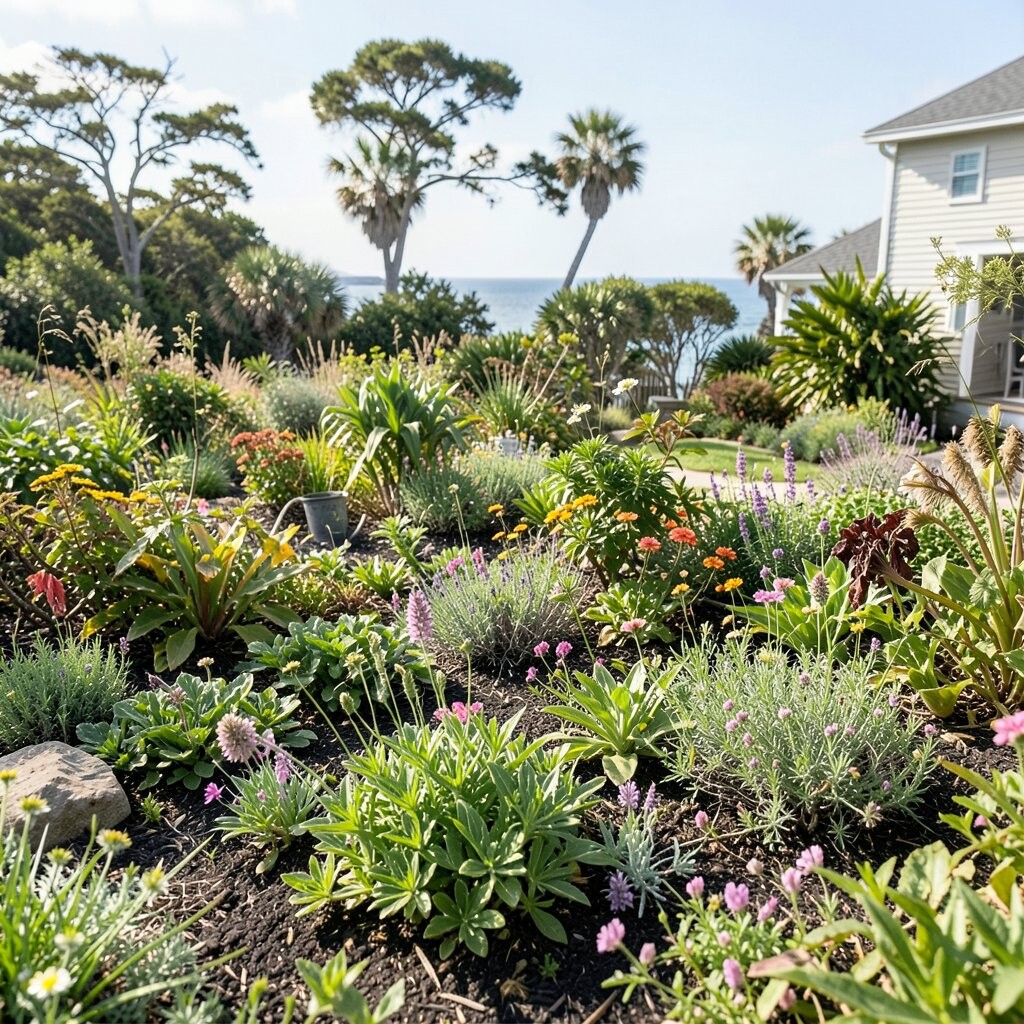
Native plants are a strong choice for coastal yards because they often handle salt air, local rain, and sandy soil better than other plants. They can give the yard a natural look that feels calm and fits the shore.
These plants often need less water and less care, which can save time and money. They can also help birds, bees, and other local life, which makes the yard feel more alive.
You can mix tall grasses, small flowers, and ground cover to make the space look full without needing a lot of upkeep. A simple plant plan can keep the yard neat while still feeling soft and green.
5. Use Storm-Ready Windows and Doors
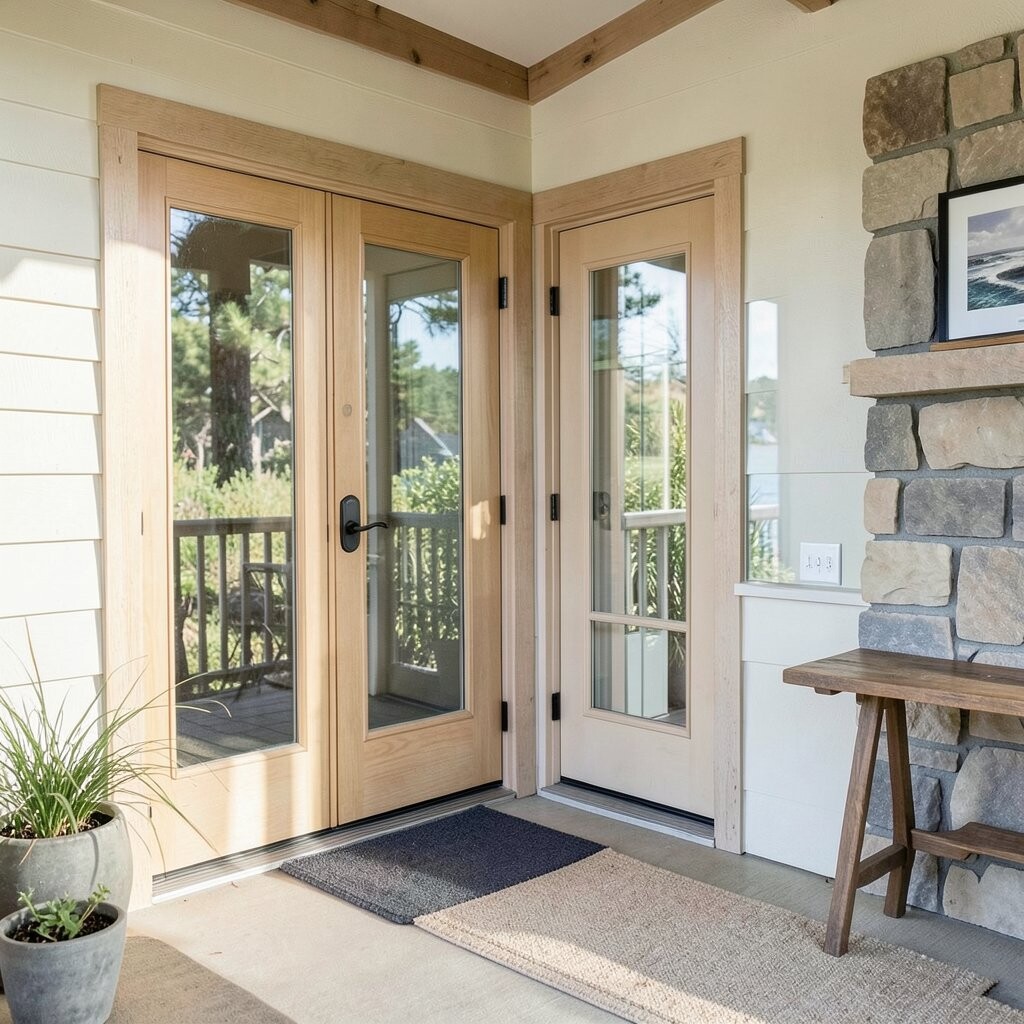
Strong windows and doors can help keep heat in, keep damp air out, and stand up better during storms. In a coastal home, this can make daily life safer and can also lower energy use.
Many newer styles come in clear frames and clean lines, so they do not have to look heavy or plain. Some homeowners pick frames in white, gray, or wood tones to match the rest of the house.
While the cost may be more than basic parts, the payoff can be lower repair needs and less worry during bad weather. If you are on a tight budget, you can start with the most open or wind-hit sides of the house first.
6. Pick Light Colors That Reflect Heat

Light paint, pale siding, and soft roof tones can help a coastal home stay cooler in warm months. They also give the home a fresh, clean look that fits the beach well.
When a house takes in less heat, the air system does not have to work as hard, which can save power. This can be a simple way to make the home more comfortable without much extra gear.
Many people now use off-white, sandy beige, and soft blue-gray shades because they feel calm and easy to live with. You can add color through doors, planters, or trim if you want the home to feel more personal.
7. Install Water-Saving Fixtures Inside

Low-flow showerheads, sink faucets, and dual-flush toilets can cut water use without making daily life hard. In a coastal home, this matters because water care is part of good home care.
These fixtures often have a simple, clean look and fit well in both new and older bathrooms. Many of them cost less than people expect, and the savings on water bills can build up over time.
If you want a custom feel, you can choose finishes like brushed steel or matte black to match the rest of the room. Small changes in the bath and kitchen can make the whole home feel more thoughtful.
8. Build Shaded Outdoor Living Areas
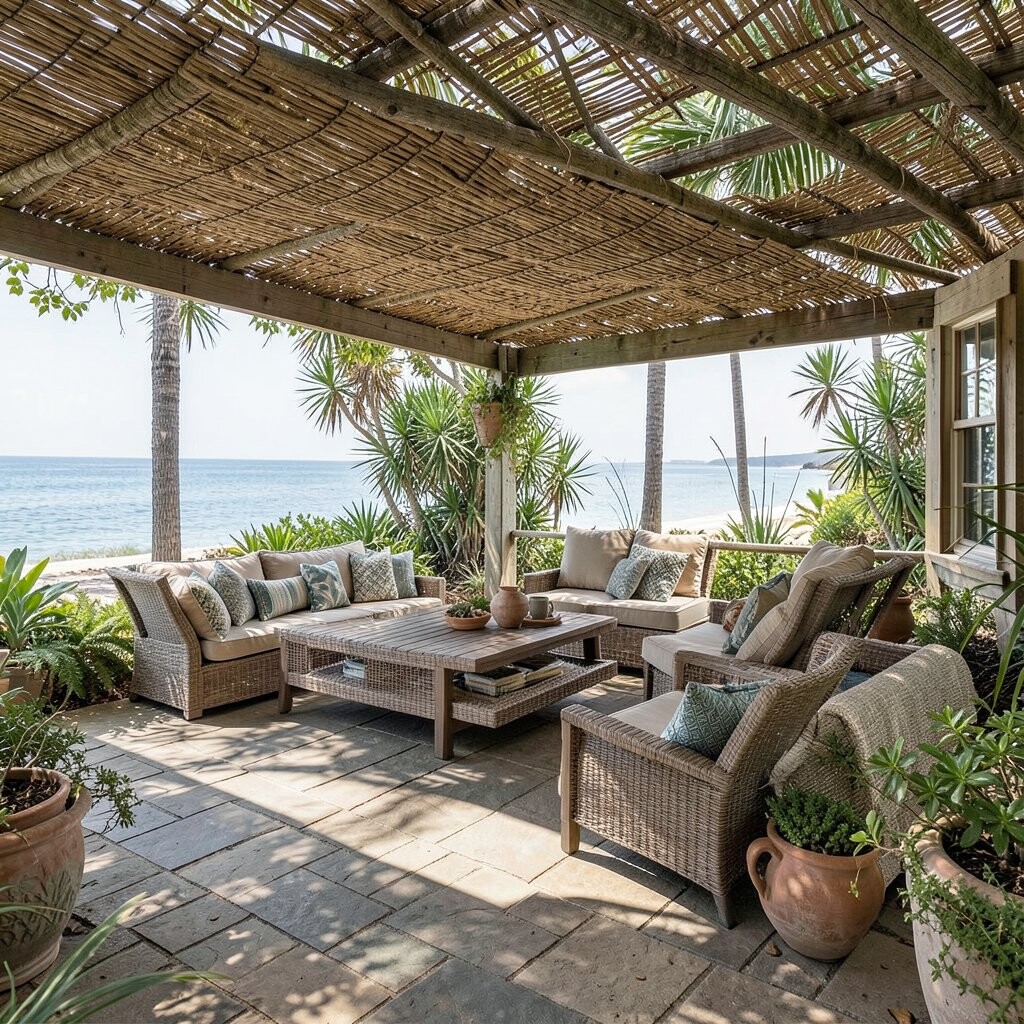
A shaded porch, deck cover, or pergola can make outdoor space more useful on hot, bright days. In a coastal home, this can also make it easier to enjoy the breeze without full sun on your skin.
Using wood from reclaimed sources, bamboo, or recycled parts can keep the space green and give it a natural look. A simple shade area can feel cozy with a few chairs, a table, and some potted plants.
Cost can vary a lot, so many people start small with a fabric cover or a basic frame. Later, they can add screens, vines, or solar lights to make it fit their style and needs.
9. Use Recycled and Local Decor
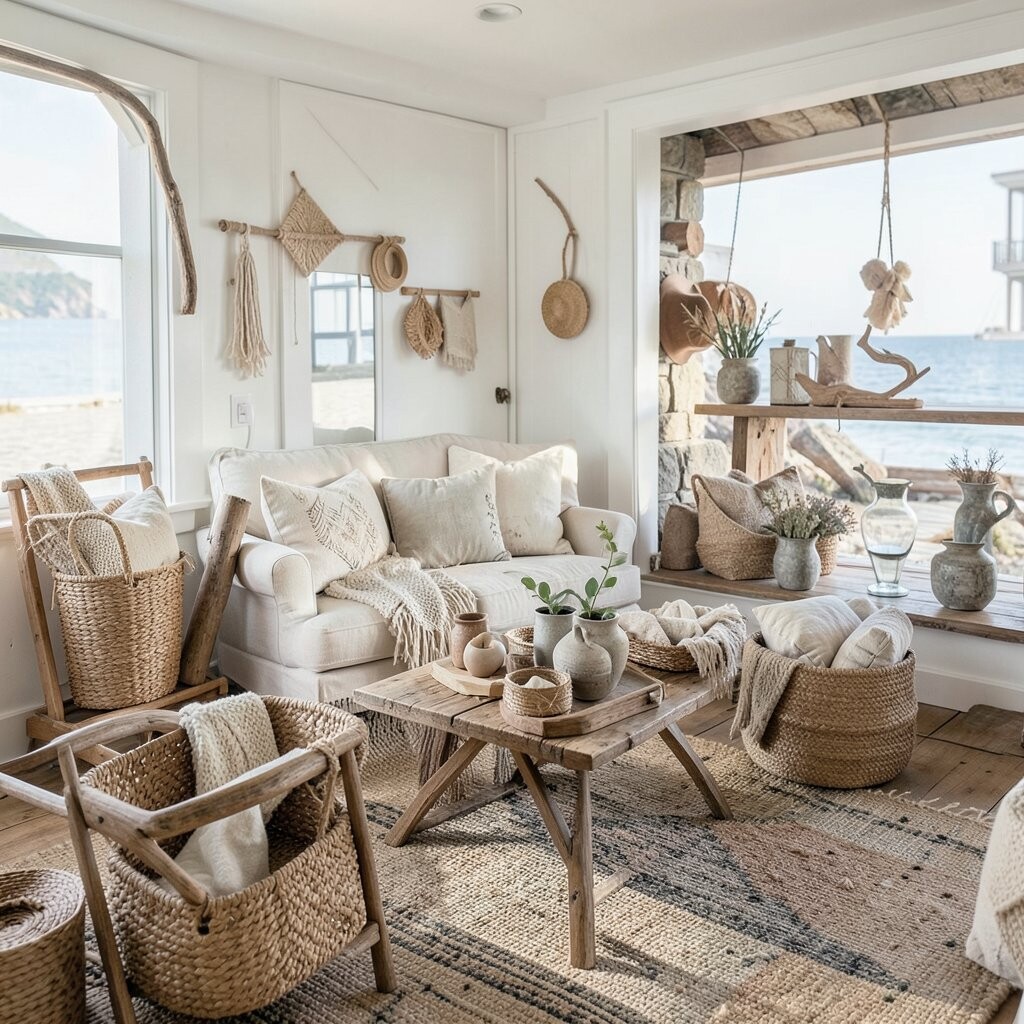
Decor made from recycled glass, old wood, or local craft work can give a coastal home a one-of-a-kind feel. These items often have more character than mass-made pieces and can fit the relaxed mood of shore living.
Buying local can also help nearby makers and cut the fuel used to ship goods far away. A small table, woven basket, or wall piece can change the feel of a room without a full remodel.
To keep costs in check, mix a few special items with simple basics you already own. This makes the home feel warm and personal while still staying within a smart budget.
10. Add Energy-Saving Lighting

LED lights use less power and last much longer than many old bulbs, so they are a good fit for a greener home. They also come in many warm and soft tones, so the house can still feel calm at night.
In a coastal home, good lighting can help show off bright walls, open rooms, and natural textures like wood and linen. You can use small table lamps, under-cabinet lights, or porch lights to make each area feel useful.
Many LED bulbs cost more at first but save money over time because they use less power and need less replacing. If you want a cozy look, pick warm white bulbs instead of harsh bright ones.
11. Make a Small Compost Spot
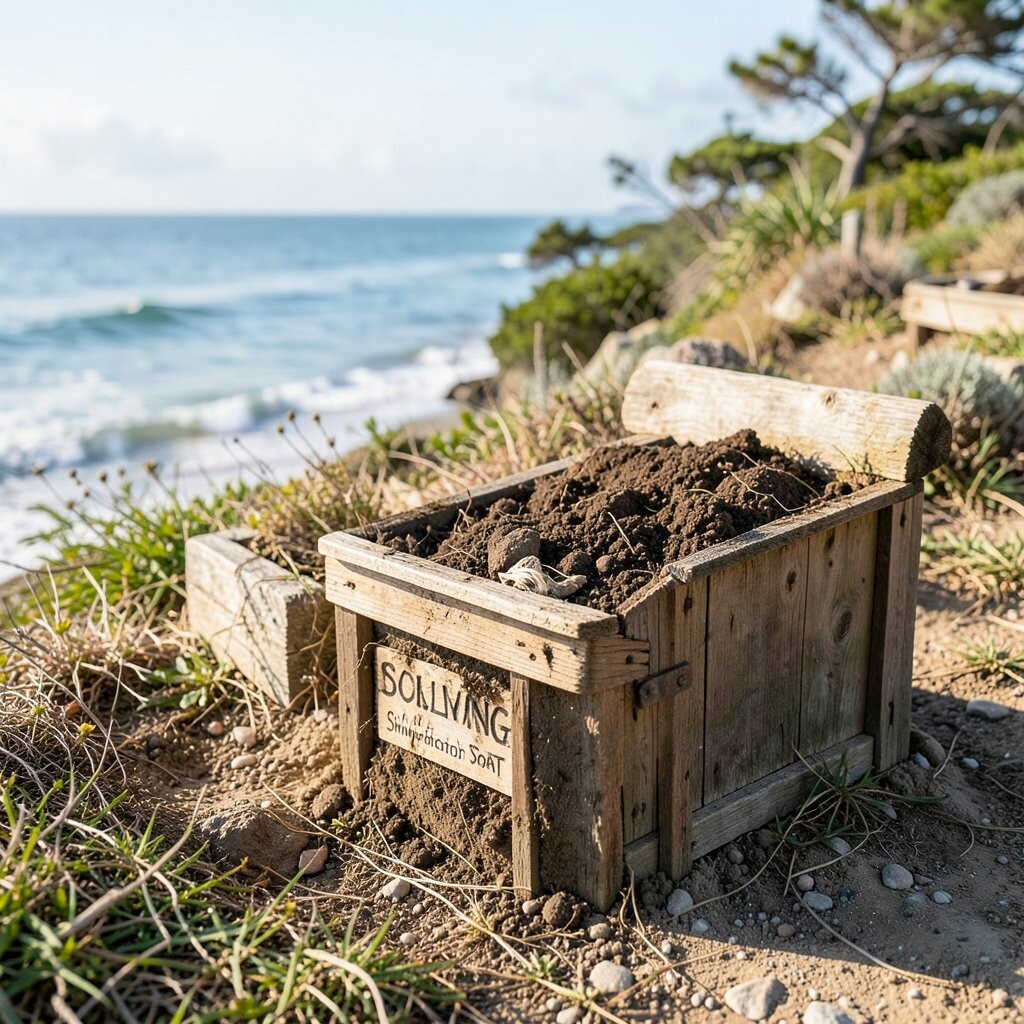
Compost can turn food scraps and yard waste into rich soil for plants. For a coastal home, this can cut trash and help keep garden beds healthy without chemical feed.
A small bin or covered pile can work well in a side yard, garage, or shaded corner. Some bins are made to look neat and simple, so they do not stand out too much.
This idea is low-cost and can be started with kitchen scraps, dry leaves, and grass cuttings. If you keep it balanced and clean, it can be easy to use and helpful for herbs, flowers, and small trees.
12. Choose Furniture That Lasts Longer
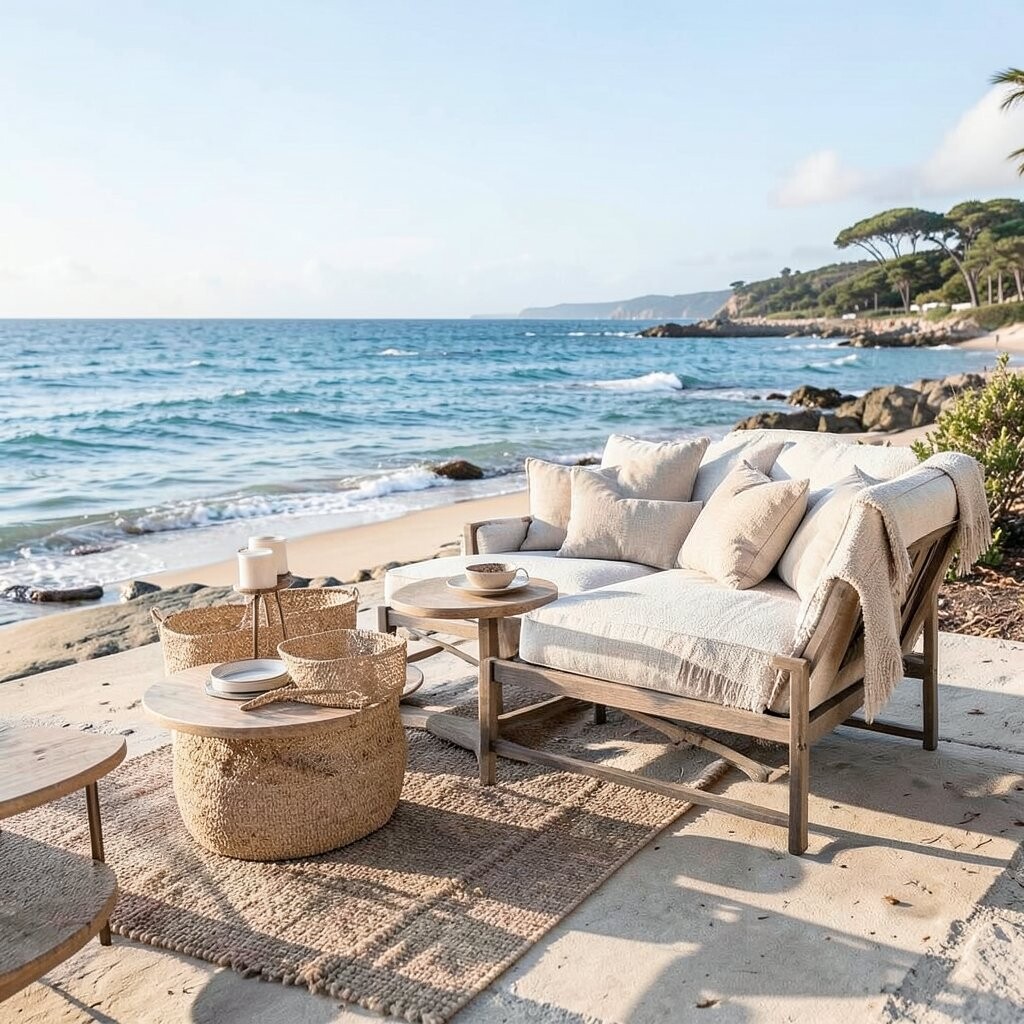
Long-lasting furniture can save money and reduce waste, which makes it a smart pick for coastal living. Pieces made from solid wood, metal, or recycled parts often hold up better in daily use.
In beach homes, simple shapes and soft colors can make furniture feel light and easy to place. A sturdy chair or table can work in more than one room, which helps if your space is small.
To keep costs down, look for secondhand items that only need a little care or a fresh coat of paint. That can give you a personal style while also keeping good items in use.
13. Use Smart Air Flow and Fans

Ceiling fans, cross-breezes, and open window plans can help cool a home without using as much air conditioning. In a coastal home, this can feel great when the sea air is mild and fresh.
Fans come in many styles now, from plain white blades to wood-look finishes that fit a beach room well. A well-placed fan can also help dry damp air, which is useful near water.
This can be a lower-cost step than buying a new cooling system, and it can work well with other green changes. If you pair fans with shade and light colors, the whole house can feel cooler and more easy to live in.
14. Set Up a Simple Waste Sorting Area
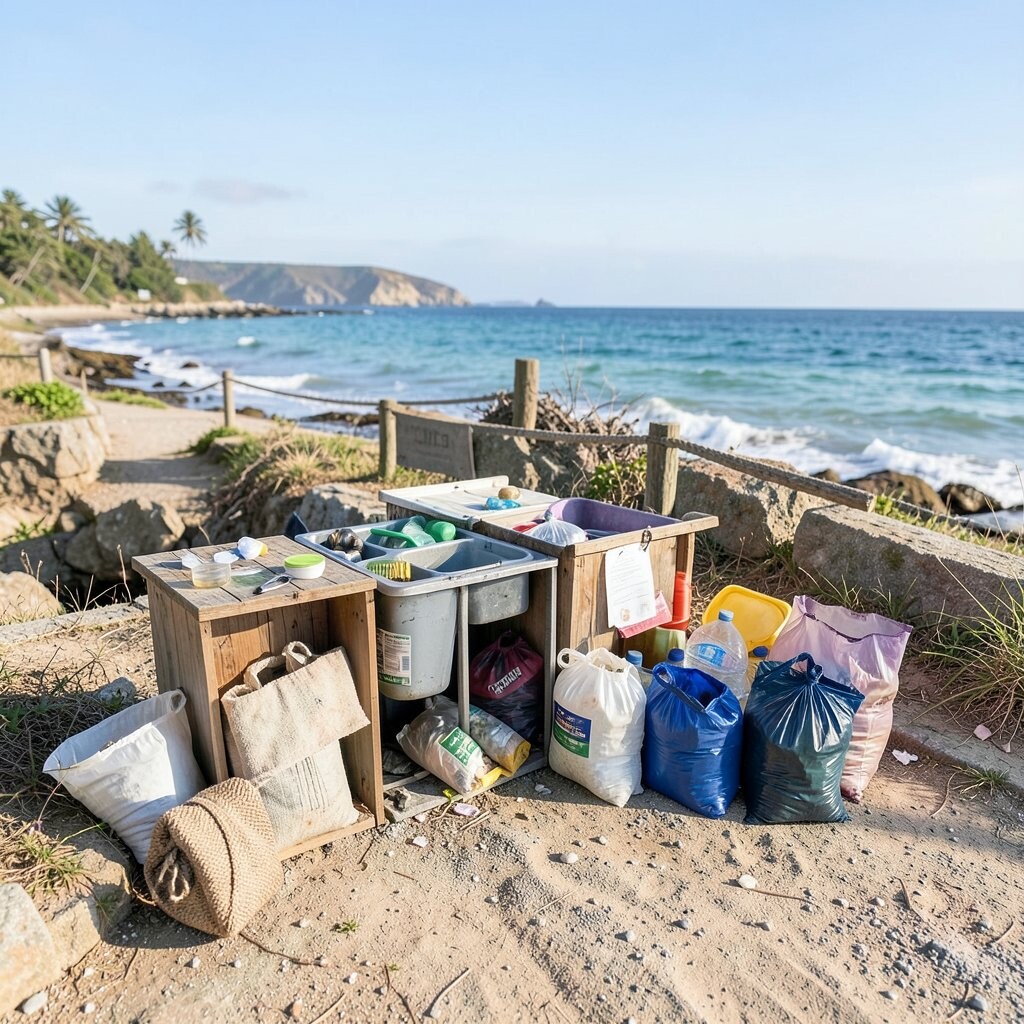
A clear sorting spot for recycling, compost, and trash can make green habits easier to keep every day. In a coastal home, this can help keep waste out of the water and out of local land.
Use bins that fit the space and label them in a plain, easy way so everyone in the house can use them. Some people keep the bins in a kitchen nook, mudroom, or garage to make the setup look tidy.
This does not have to cost much, and it can be made to match the home with color or simple wood covers. A neat sorting area can help the whole family build better habits without much extra work.