Coastal living in seaside towns can feel calm, simple, and easy to enjoy. Small daily habits, local spots, and smart home choices can help you make the most of life near the water.
1. Start Your Day With a Beach Walk

A beach walk is one of the easiest ways to enjoy a seaside town. The sand, waves, and open sky can help set a calm tone for the day.
You do not need much to make this habit work. A pair of simple shoes, a light jacket, and a water bottle are often enough.
This idea is low cost and fits many lifestyles. Some people walk fast for exercise, while others move slow and stop to watch the water.
You can also make it personal by choosing a route that fits your mood. A quiet path near the dunes may feel better on some days, while a busy boardwalk may suit others.
2. Use Light Colors in Your Home
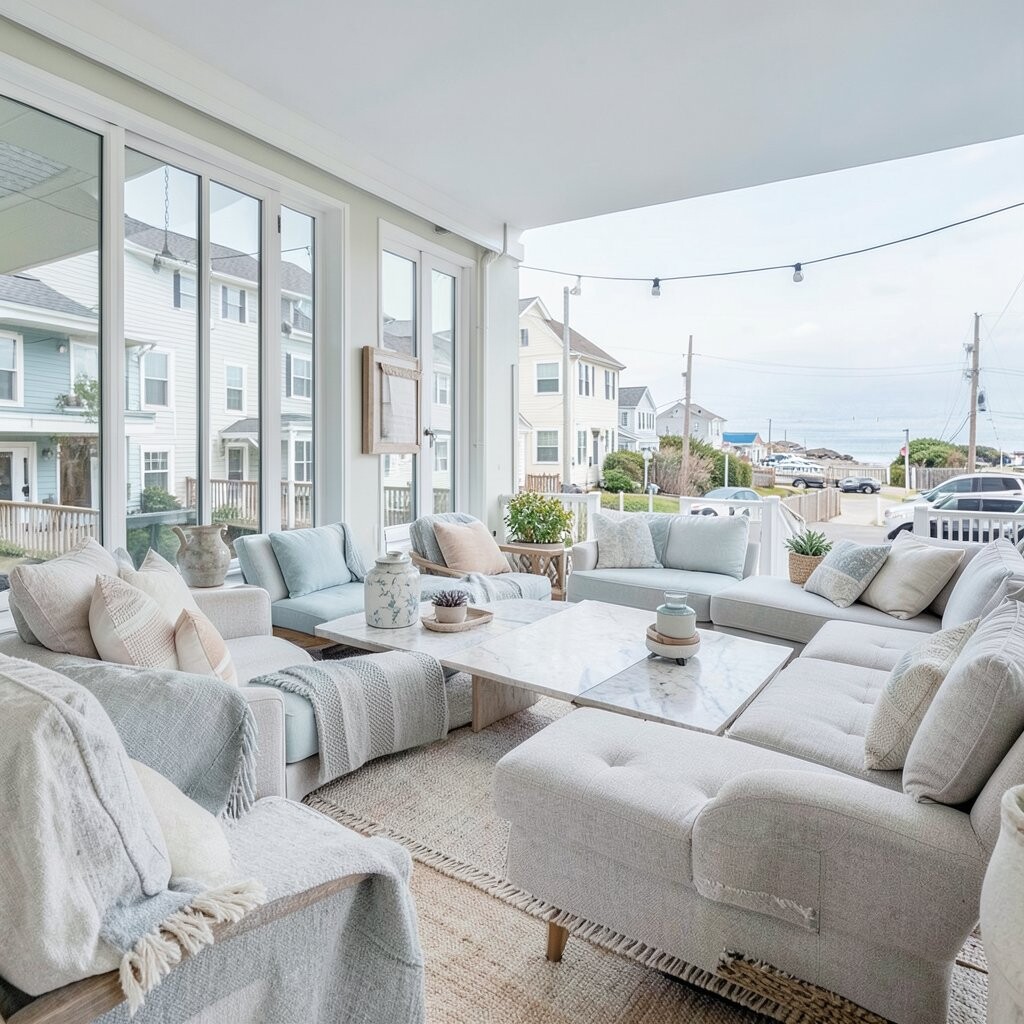
Light colors can make a seaside home feel open and fresh. Soft white, pale blue, sand, and light gray often work well with ocean views.
This style is popular because it feels clean and easy to live with. It also helps small rooms look larger and brighter.
Paint is usually a low-cost way to change a room. You can also use light curtains, rugs, and pillow covers if you want a smaller update.
Try adding your own touch with a few deeper shades or local art. That can keep the room from feeling too plain while still matching the coast.
3. Keep a Simple Outdoor Seating Area
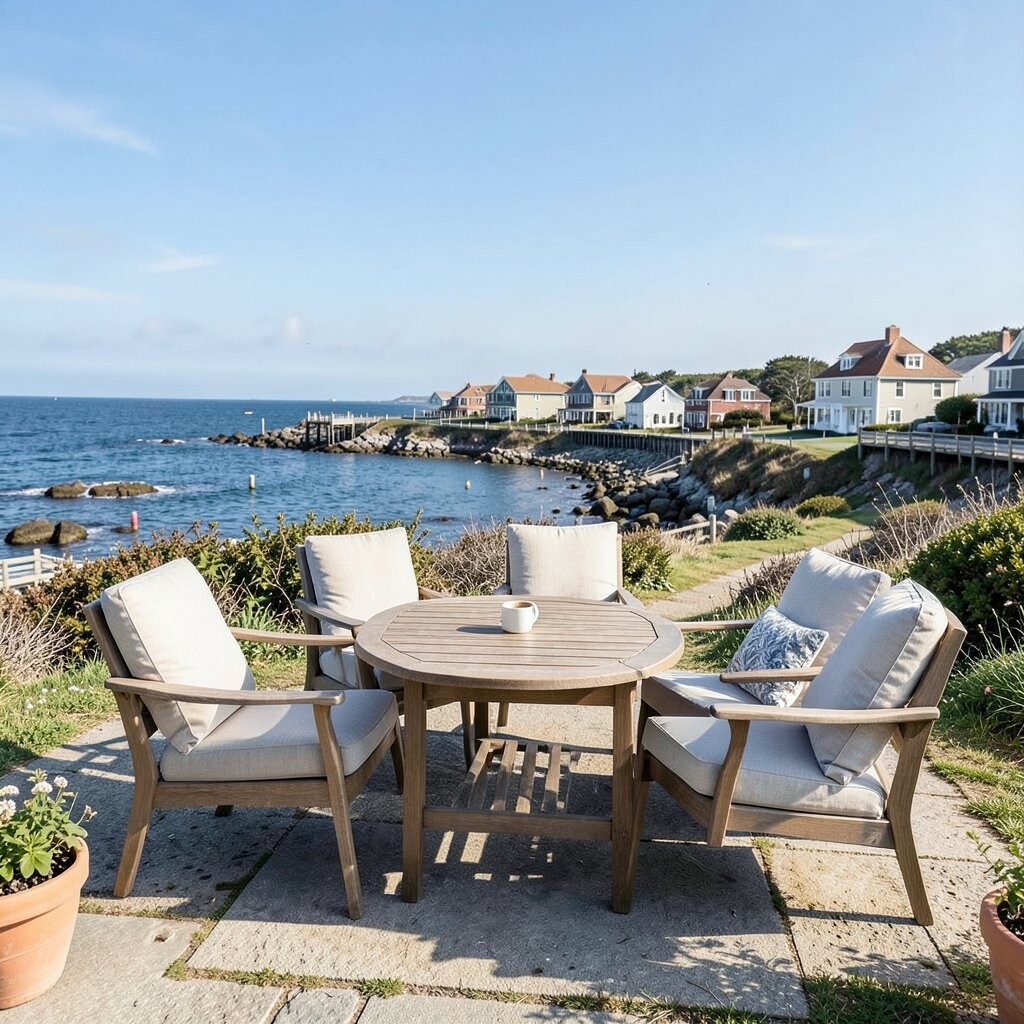
A small patio or porch can be a great place to enjoy seaside air. Even a tiny space can hold a chair, a table, and a few plants.
This setup gives you a spot for coffee, reading, or talking with family. It also makes it easy to spend more time outside without leaving home.
Many people like weather-safe furniture made from wood, metal, or woven plastic. These options can last longer near salt air and may save money over time.
You can make the space feel like your own with cushions, lanterns, or a small rug. Pick items that match your daily needs instead of filling the area with too much stuff.
4. Shop at Local Fish and Farm Markets

Local markets are a big part of life in many seaside towns. They often have fresh fish, fruit, bread, and other foods from nearby places.
Shopping this way can help you eat well and support local sellers. It may also cost less than eating out often, especially if you plan meals ahead.
The look and feel of a market is part of the fun. You may see baskets of produce, coolers of seafood, and people chatting with vendors.
Try asking what is fresh that day and build meals around that. This can help you save money and make use of local food trends in a simple way.
5. Add Storage for Sand and Wet Gear
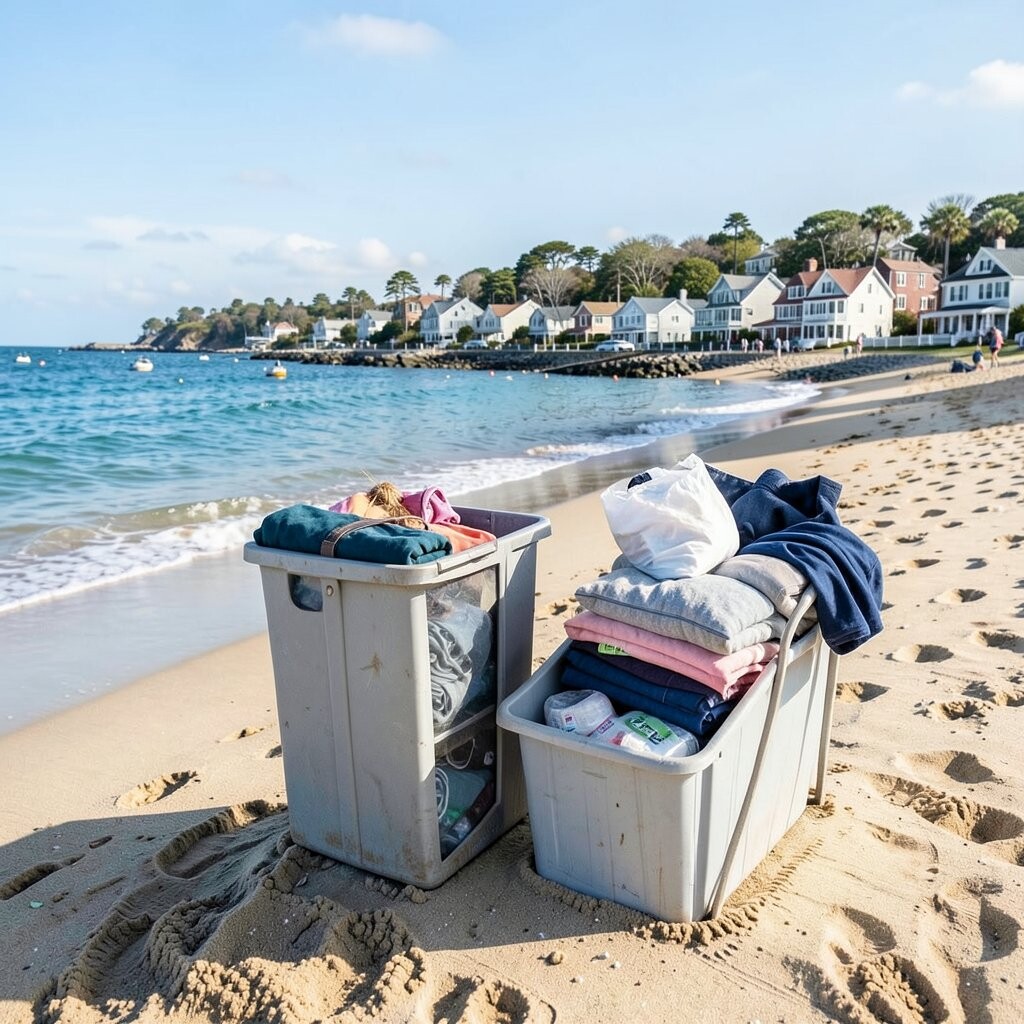
Beach days are easier when you have a place for towels, shoes, and swimsuits. A bench with storage, wall hooks, or a bin near the door can help a lot.
This kind of setup keeps sand from spreading through the house. It also makes cleanup faster after a day near the water.
Storage does not need to be fancy or costly. Simple baskets and labeled boxes can work well in a small home or rental.
You can make the space fit your life by sorting items by person or by use. That makes it easier for kids and guests to put things away.
6. Choose Furniture That Fits Salt Air
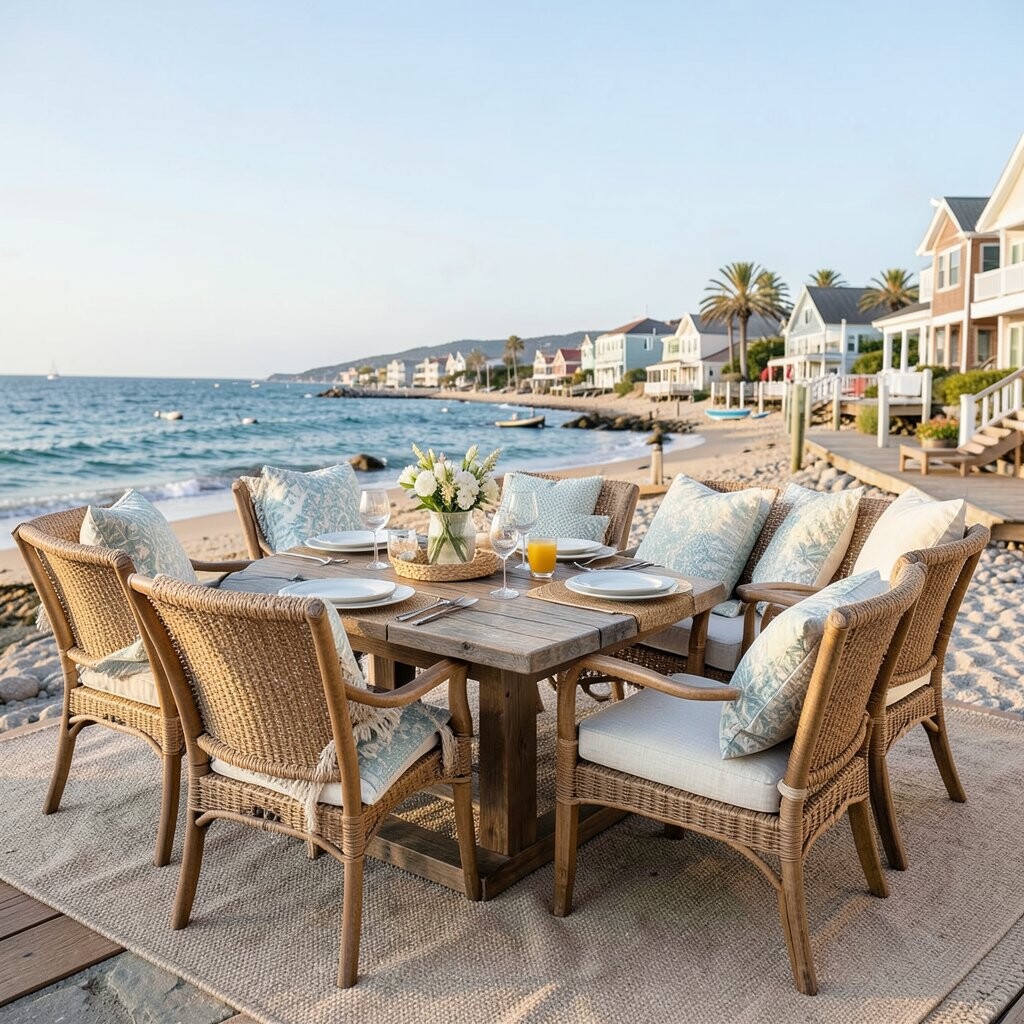
Homes near the sea need furniture that can stand up to damp air. Wood, metal, and fabric can wear out faster if they are not made for coastal use.
Many people now look for pieces that are easy to clean and strong enough for daily life. This trend helps keep homes neat without needing constant repairs.
It may cost more at first to buy better-made items. Still, it can save money over time if the furniture lasts longer.
Try mixing useful pieces with a few softer items like pillows or throws. That can make the room feel warm while still being practical for seaside weather.
7. Keep Windows Open When the Weather Is Good
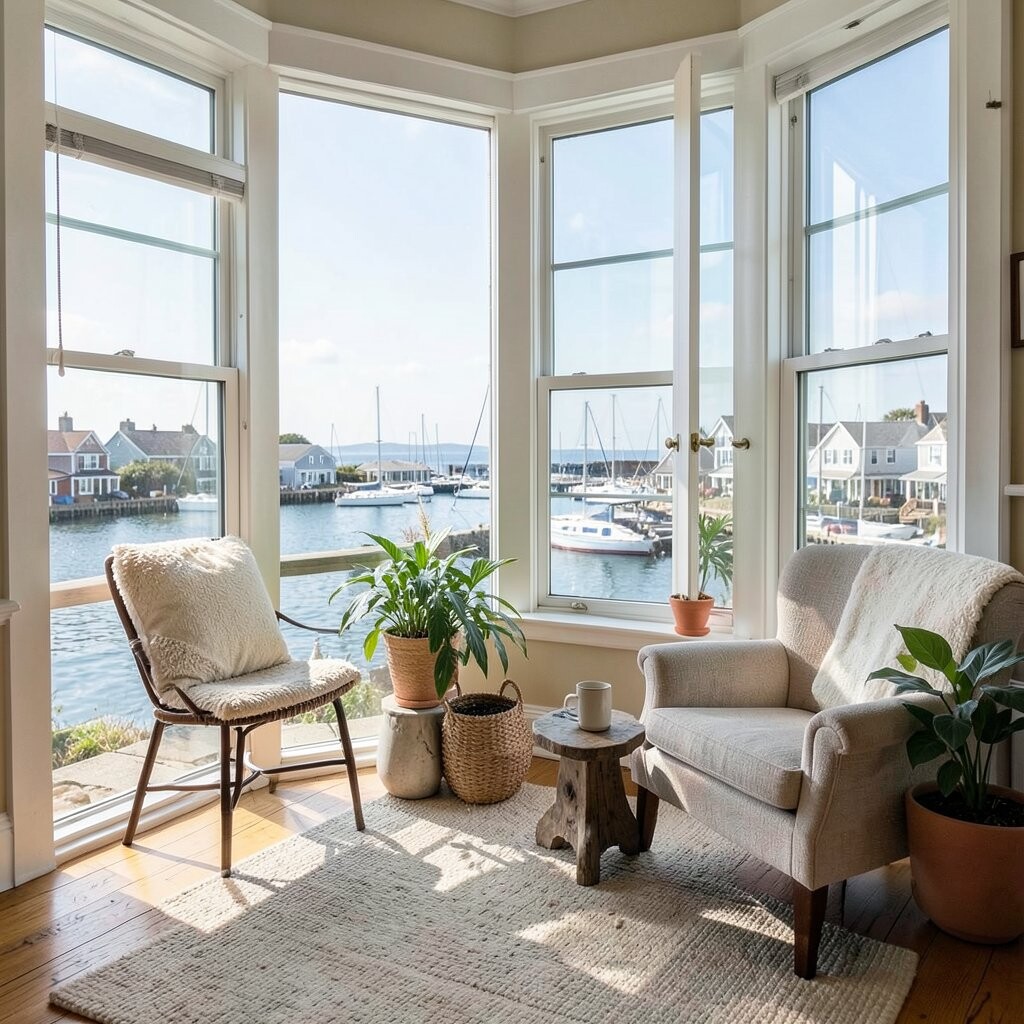
Fresh sea air can make a home feel pleasant and bright. On mild days, open windows can help move air through the rooms.
This habit may also cut down on the need for fans or air systems. That can help lower energy use and keep monthly costs a bit easier to manage.
In many seaside towns, people like the sound of wind, gulls, and distant waves. These small sounds can make a home feel tied to the place where it sits.
Use screens and light curtains to keep bugs out while still letting air move in. You can also close windows when the wind gets too strong or salty.
8. Make Time for Water Sports

Many seaside towns give you easy access to swimming, kayaking, paddleboarding, and sailing. These activities can add fun and movement to normal life.
They are also a good way to enjoy the coast in a more active way. Some people like short trips on calm water, while others enjoy longer outings with friends.
The cost can vary a lot based on gear and rentals. If you are new, renting first can help you try something before buying your own items.
Pick the sport that matches your comfort level and local water conditions. That makes the experience safer and more personal.
9. Use Natural Textures in Decor
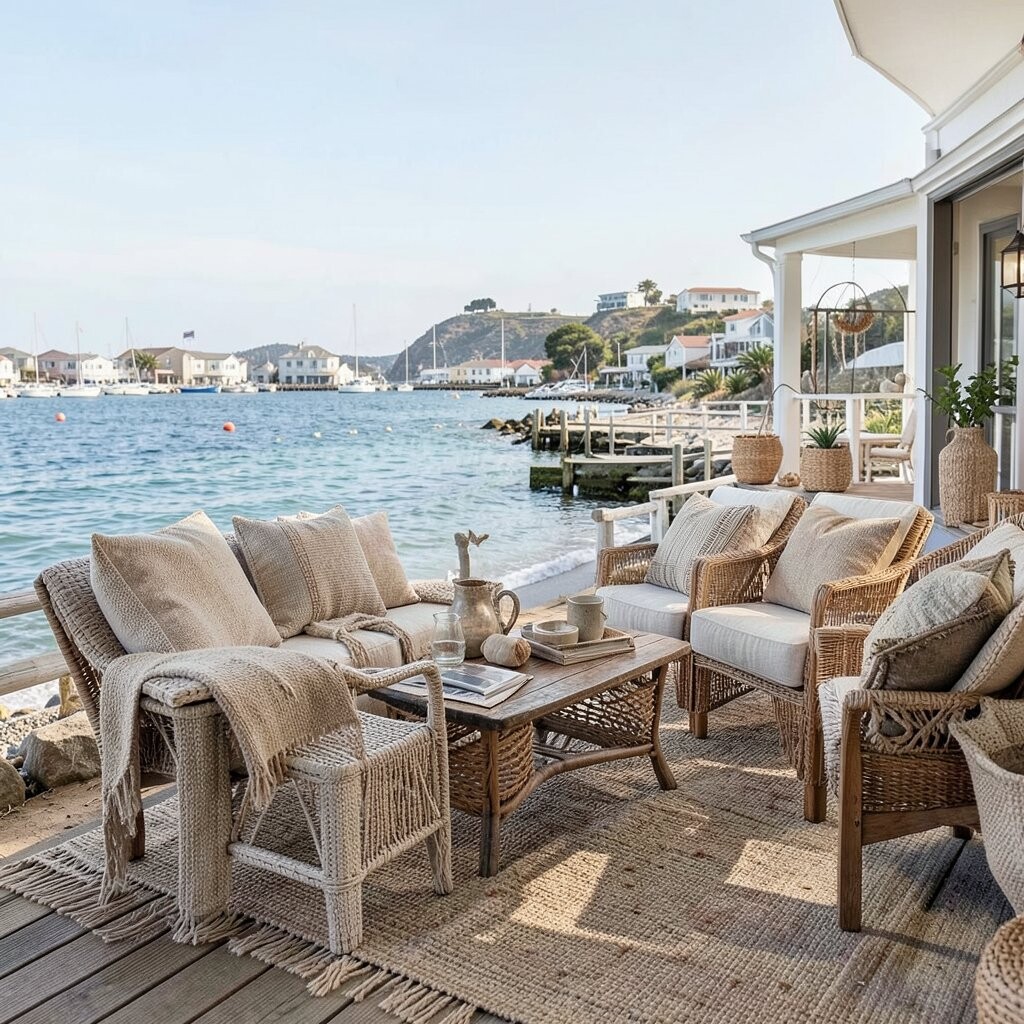
Natural textures can make a seaside home feel relaxed and lived in. Think of woven baskets, cotton blankets, jute rugs, and wood tables.
These items often fit well with the beach setting because they feel simple and real. They can also add warmth without making a room feel heavy.
Many current home trends use clean shapes and natural materials. This style works well in both large homes and small apartments near the coast.
You can mix textures in small ways if you do not want a full room change. A basket by the sofa or a woven lamp shade can be enough.
10. Plan Easy Meals With Local Ingredients

Seaside towns often have good access to fish, shellfish, and fresh produce. Simple meals can taste great when the food is fresh and local.
Easy cooking also fits a relaxed coastal life. Grilled fish, salads, soups, and rice bowls are common choices that do not take much time.
This habit can help with both cost and waste. Buying only what you need for a few meals can keep your kitchen full of useful food.
You can make meals your own by using family spices, sauces, or side dishes. That helps keep local food from feeling samey or plain.
11. Keep a Small Garden With Coastal Plants
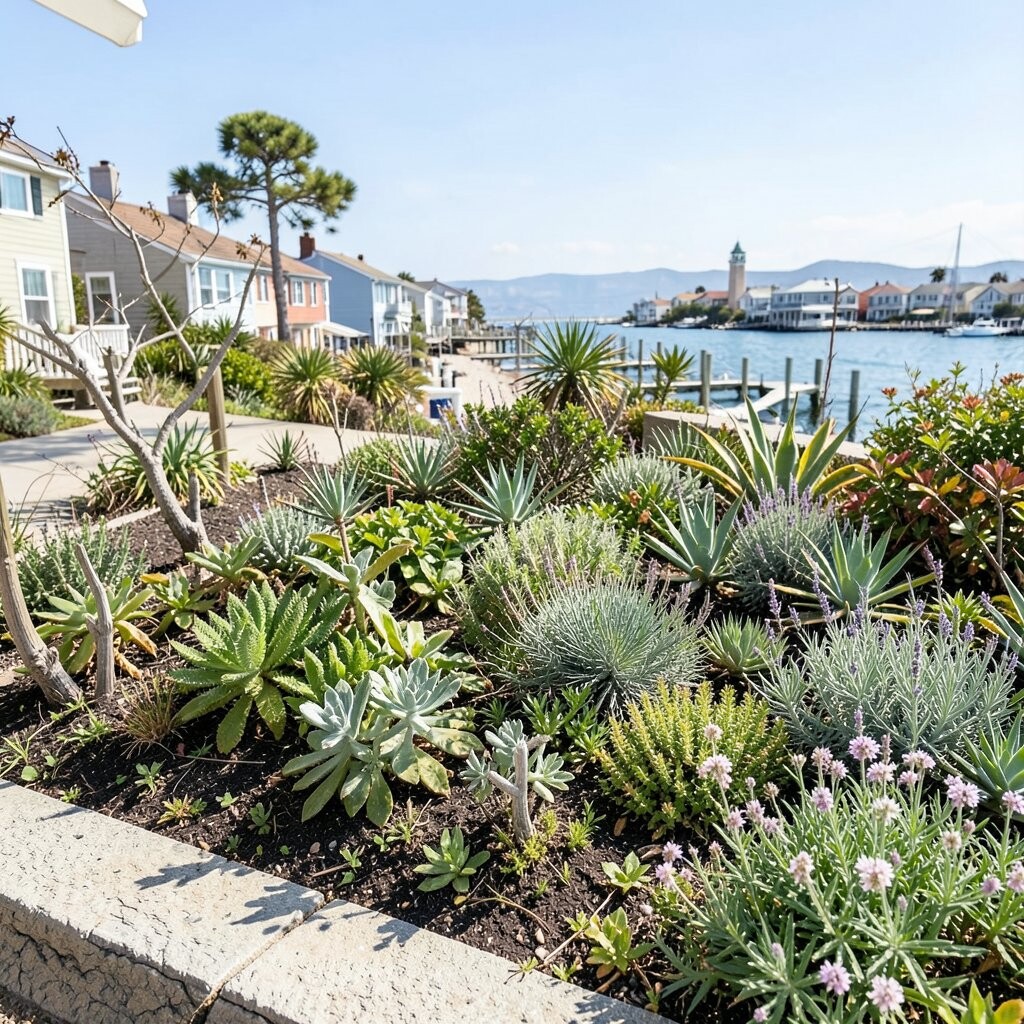
Many seaside homes do well with plants that can handle wind and salty air. Grasses, herbs, succulents, and hardy flowers are often good picks.
A small garden can add color and life to a porch, yard, or balcony. It can also make the home feel more tied to the local setting.
Gardening does not have to cost much if you start small. A few pots, soil, and seeds can be enough for a useful and pretty space.
Try choosing plants that fit the amount of sun your space gets. That makes care easier and helps you avoid losing plants that do not suit the spot.
12. Walk or Bike for Short Trips
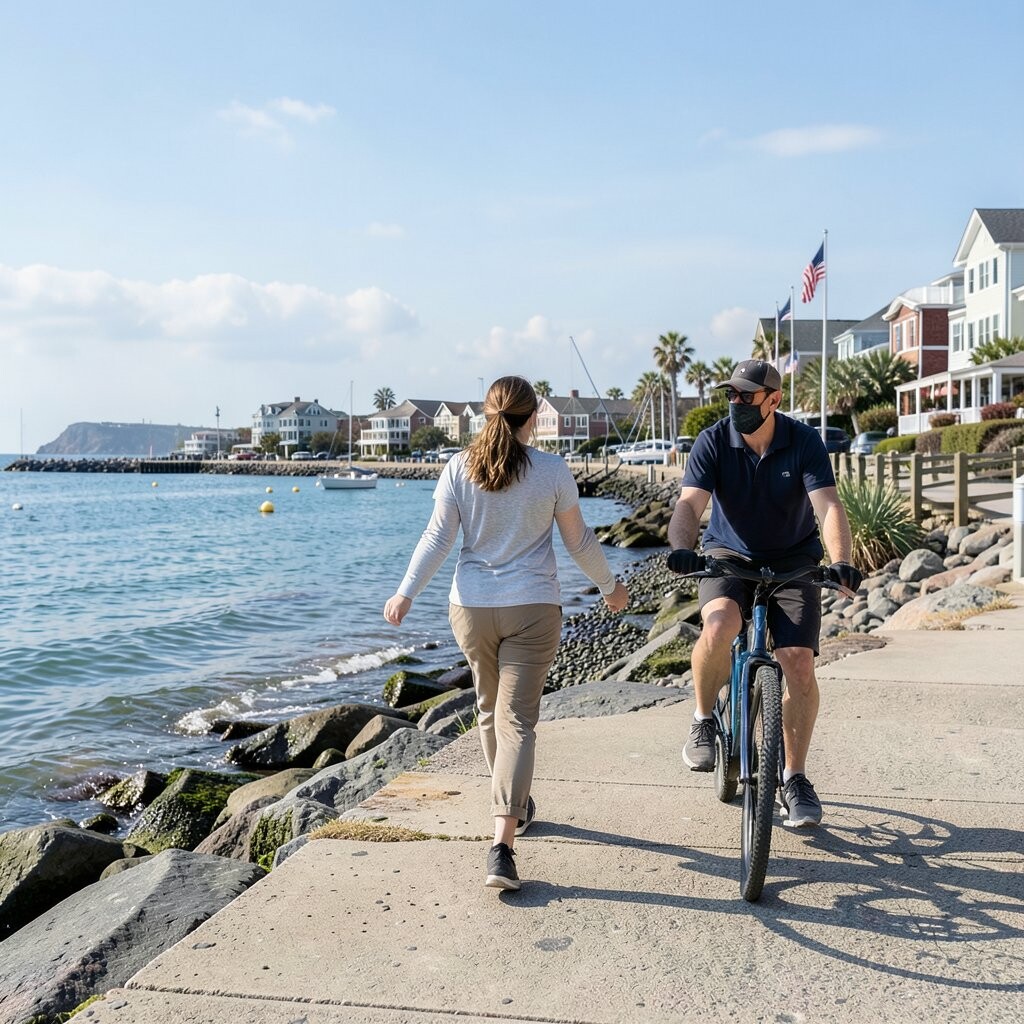
In many seaside towns, short trips are easy to make on foot or by bike. Shops, cafes, parks, and the beach may all be close by.
This can save money on gas and parking. It also gives you more time to enjoy the town instead of sitting in traffic.
The visual side is part of the appeal too. You get to see small streets, painted houses, boats, and people going about daily life.
Pick a bike basket, backpack, or rain cover that fits your routine. Small gear choices can make these trips more useful and more comfortable.
13. Use Soft Lighting at Night

Soft lighting can make a seaside home feel calm after sunset. Lamps, string lights, and warm bulbs often work better than harsh overhead light.
This kind of light is nice for reading, talking, or resting after a busy day. It can also make rooms feel cozy without much effort.
Many people choose simple light fixtures that match a beach look. White, brass, glass, and wood are common choices that fit current trends.
Lighting can be a low or medium cost update, depending on what you buy. Even one new lamp can change how a room feels at night.
14. Keep a Guest Space Ready
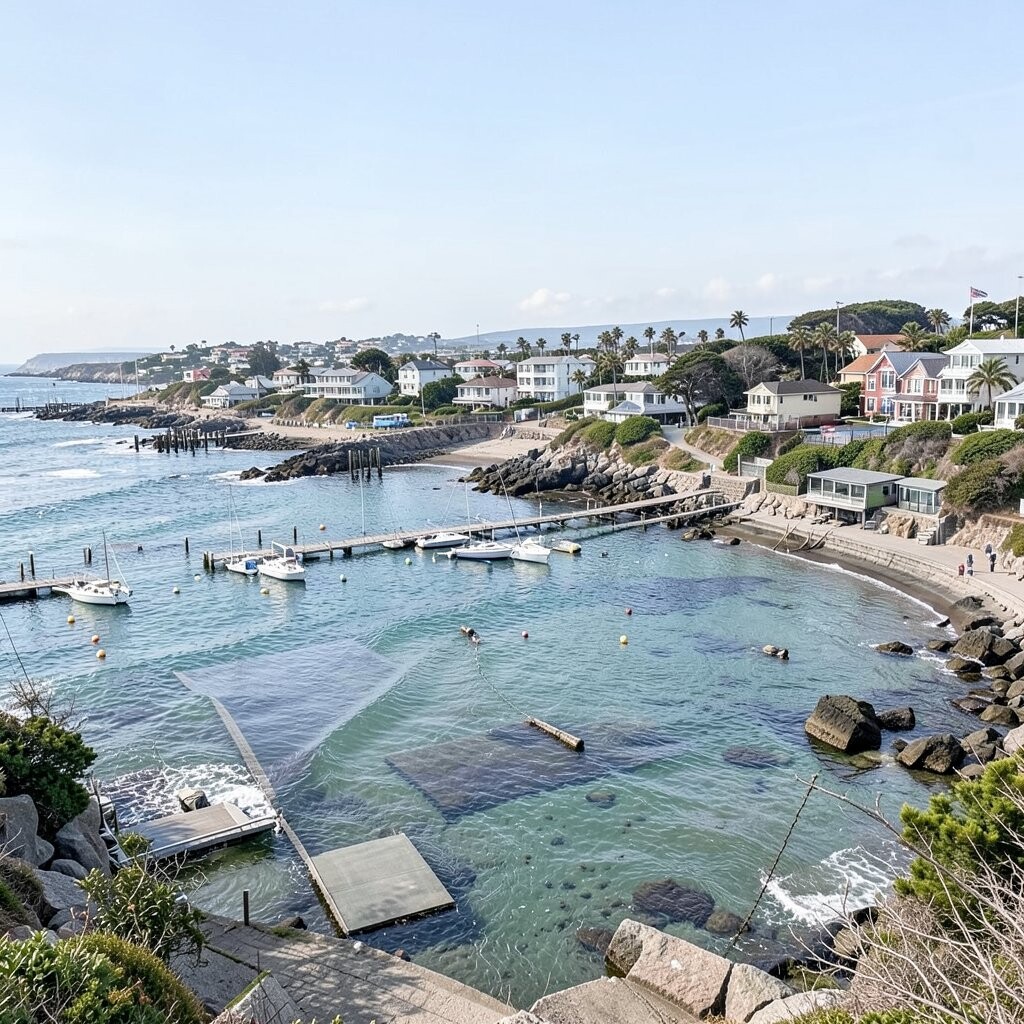
Seaside towns often draw friends and family who want to visit. A guest room, sofa bed, or even a tidy corner can help make them feel welcome.
This space does not need to be large or costly. Clean sheets, extra towels, and a small lamp can go a long way.
The room can also show your own style in simple ways. A framed photo, local map, or beach-themed blanket can make it feel personal.
Try to keep it flexible so it can work for more than one use. A guest space that also serves as a reading room or office can be a smart choice.
15. Make Room for Hobbies That Fit the Coast
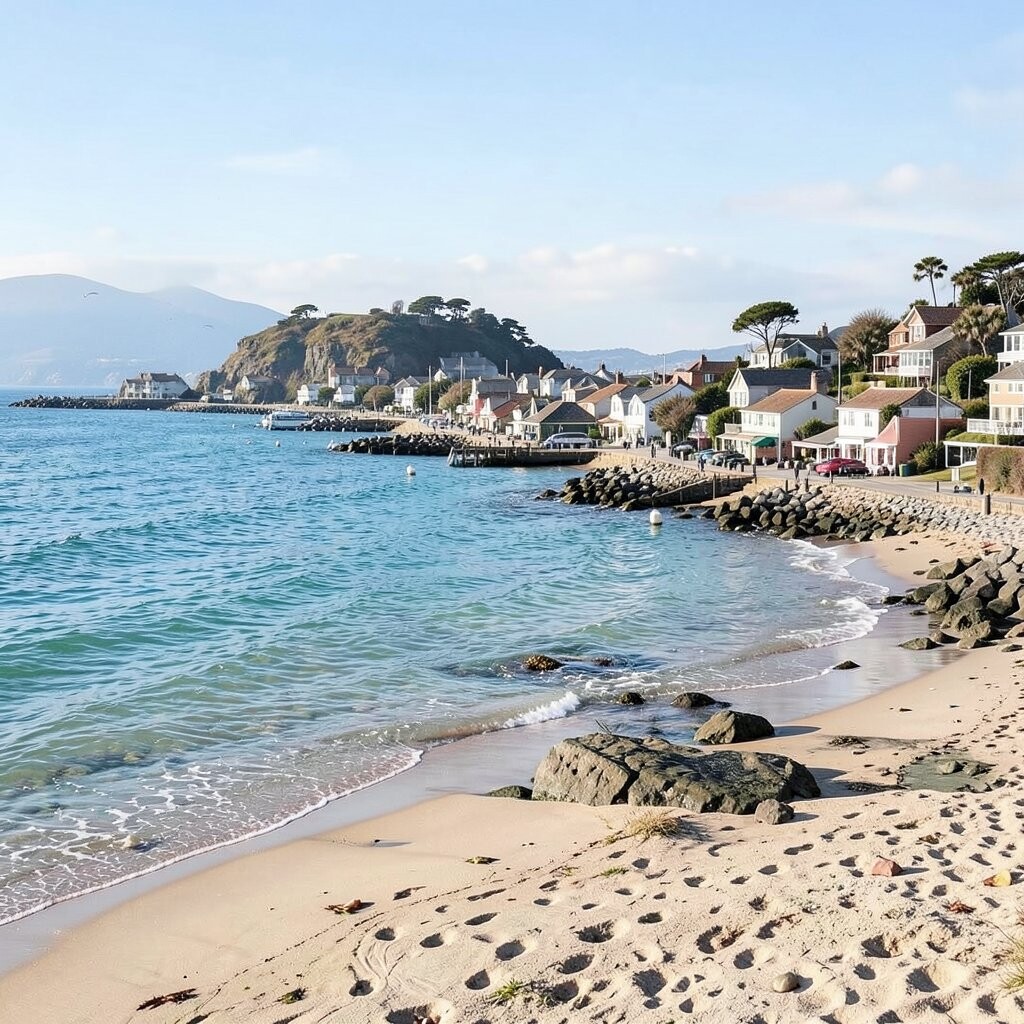
Coastal living gives people room for hobbies like fishing, sketching, shell collecting, and bird watching. These pastimes can help you slow down and enjoy the area.
They also give structure to free time without needing a lot of money. Some hobbies need only a notebook, a chair, or a small bag.
The setting itself is part of what makes these hobbies special. Changing tides, boats, and shore birds can give you new things to notice each day.
Choose hobbies that match your pace and your budget. That makes it easier to keep them going over time.
16. Build a Routine Around Tide and Weather
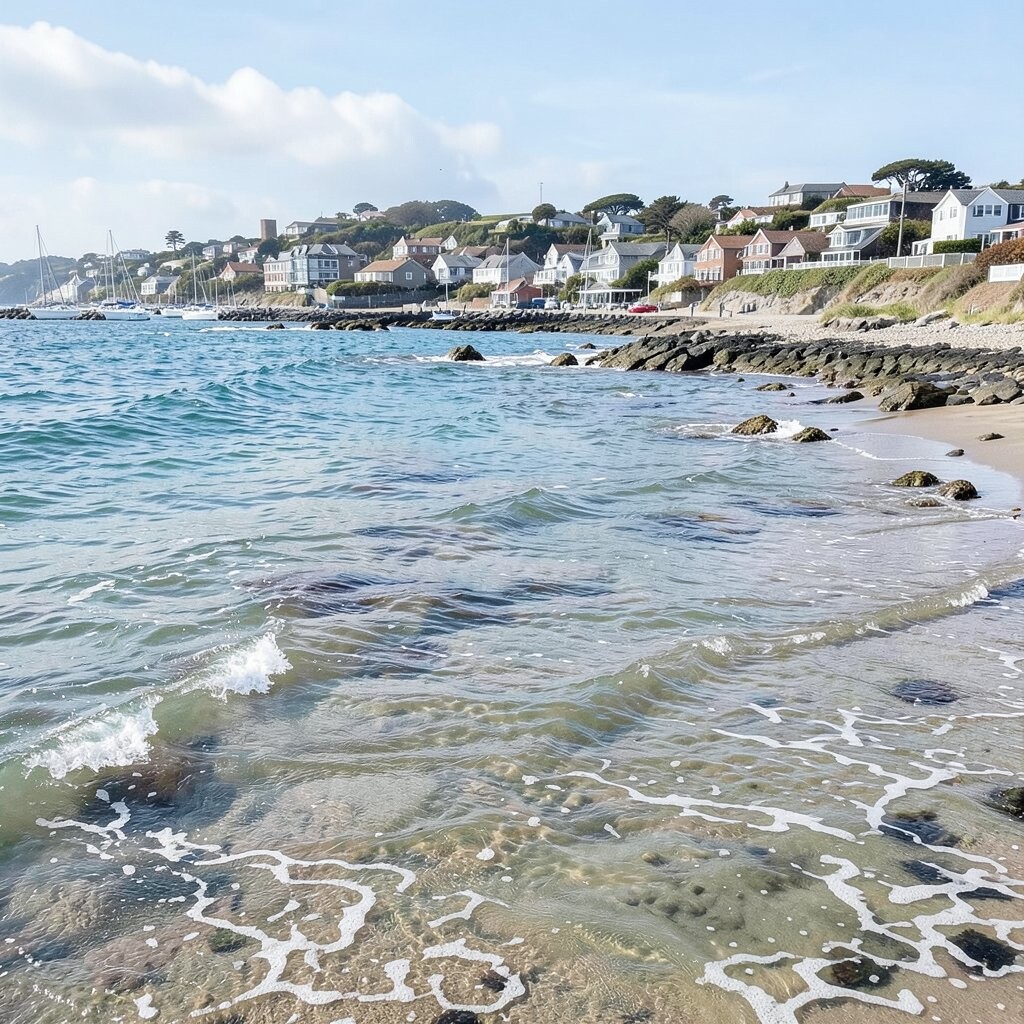
Life in a seaside town often works best when you pay attention to tide and weather changes. A simple routine can help you plan beach time, errands, and outdoor tasks.
This habit can make daily life smoother and safer. It may also help you get more use out of good weather and calm water.
Many people now use weather apps, tide charts, and local news to stay ready. These tools are easy to use and often free.
You can make the routine fit your own life by checking the times that matter most to you. That might mean morning surf, evening walks, or just choosing the best time to open the windows.