Color blocked walls can make a room feel fresh and easy to live in. They also give you a simple way to add style without changing everything else.
1. Soft Pastel Blocks for a Calm Living Room
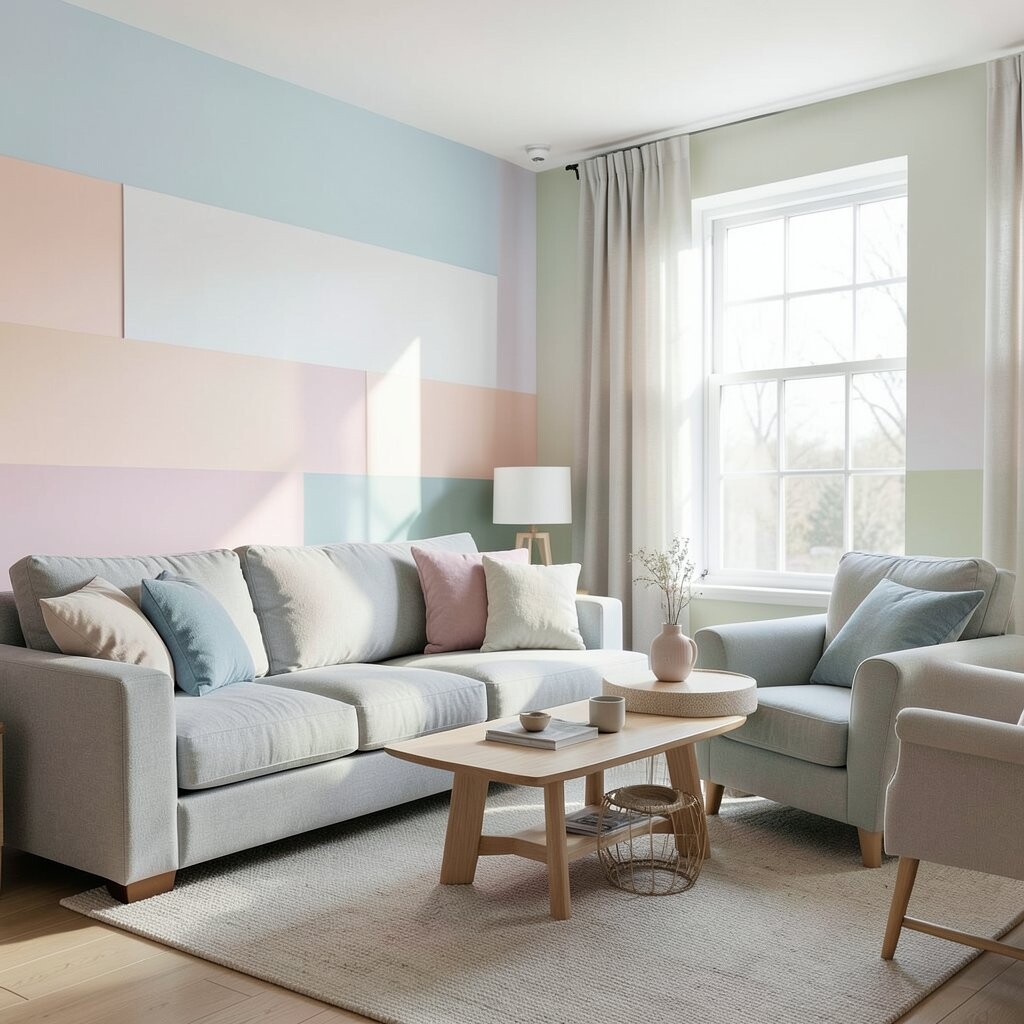
Soft pastel blocks can make a living room feel light and easy on the eyes. Try pale pink, mint, cream, or sky blue for a look that feels calm and clean.
This style works well in small rooms because the colors do not feel too heavy. It is also a low-cost idea since paint in soft shades is often easy to find and use.
You can keep the blocks large and simple so the wall does not look too busy. Add plain furniture and a few soft items, and the wall will still stand out in a quiet way.
2. Bold Two-Tone Walls for a Strong Look
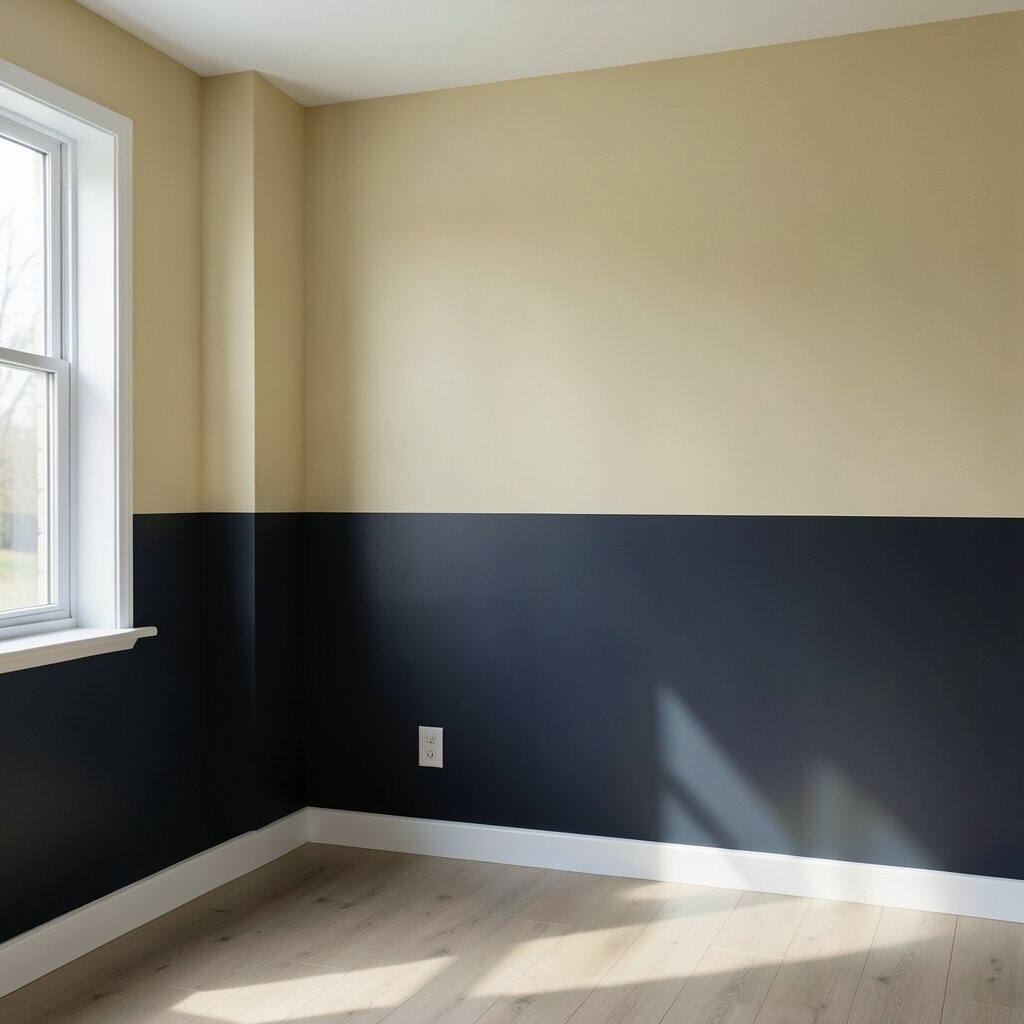
Two-tone walls use two clear colors split across one wall, and they can make a room feel neat and well planned. A dark color on the bottom and a lighter one on top can make the room feel steady and open at the same time.
This idea is good if you want a strong look without using many decor items. It can also help hide marks near the lower part of the wall, which is useful in busy homes.
Pick colors that work with your floor, sofa, or bed so the room feels tied together. If you want a safe choice, try gray and white, blue and cream, or green and beige.
3. Color Blocked Headboard Wall
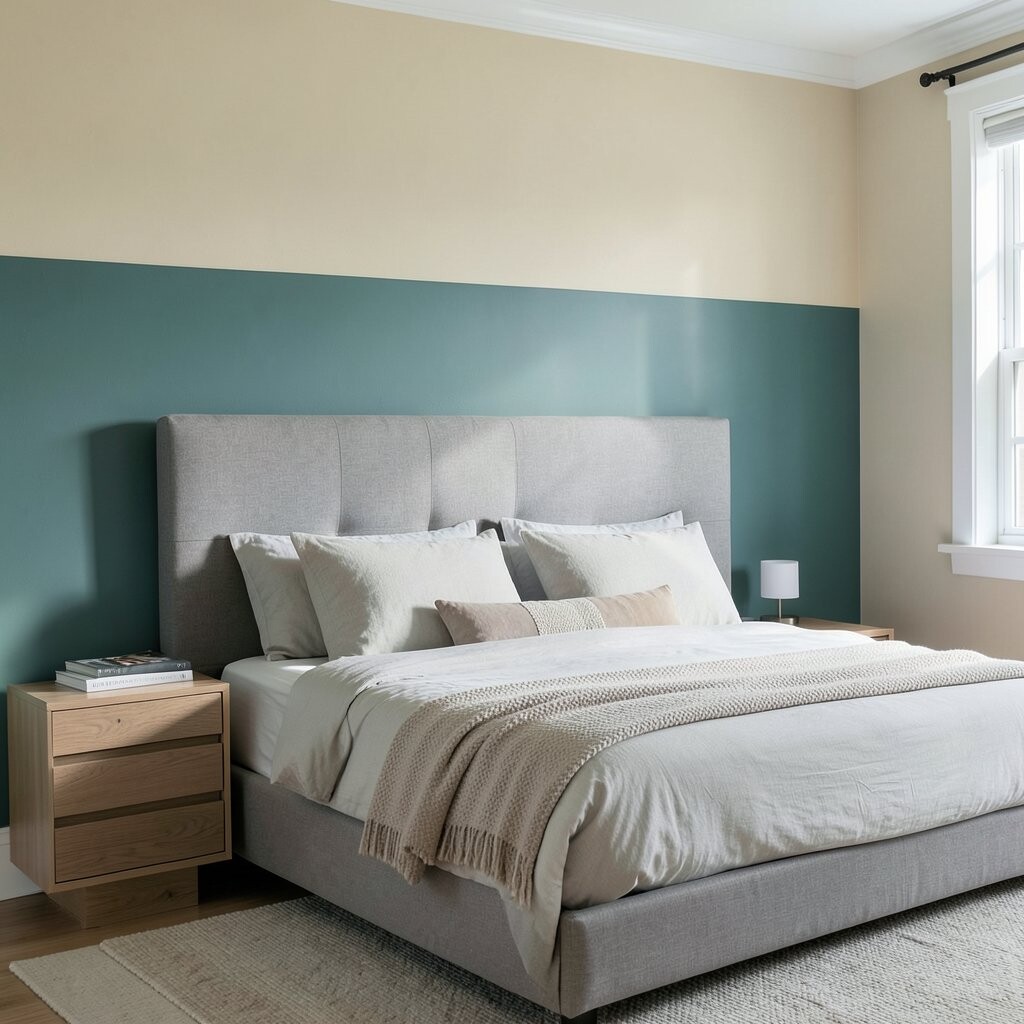
A color blocked headboard wall can make a bedroom feel more put together without buying a new bed frame. Paint a large block behind the bed in a color that stands out from the rest of the wall.
This idea gives the room a clear center point and makes the bed look more finished. It is also a smart way to use paint instead of spending more on wall art or large decor pieces.
You can keep the shape simple, like a wide arch, a tall rectangle, or a soft square. Match the color with your sheets or pillows to make the whole space feel calm and neat.
4. Bright Blocks in a Kids’ Room
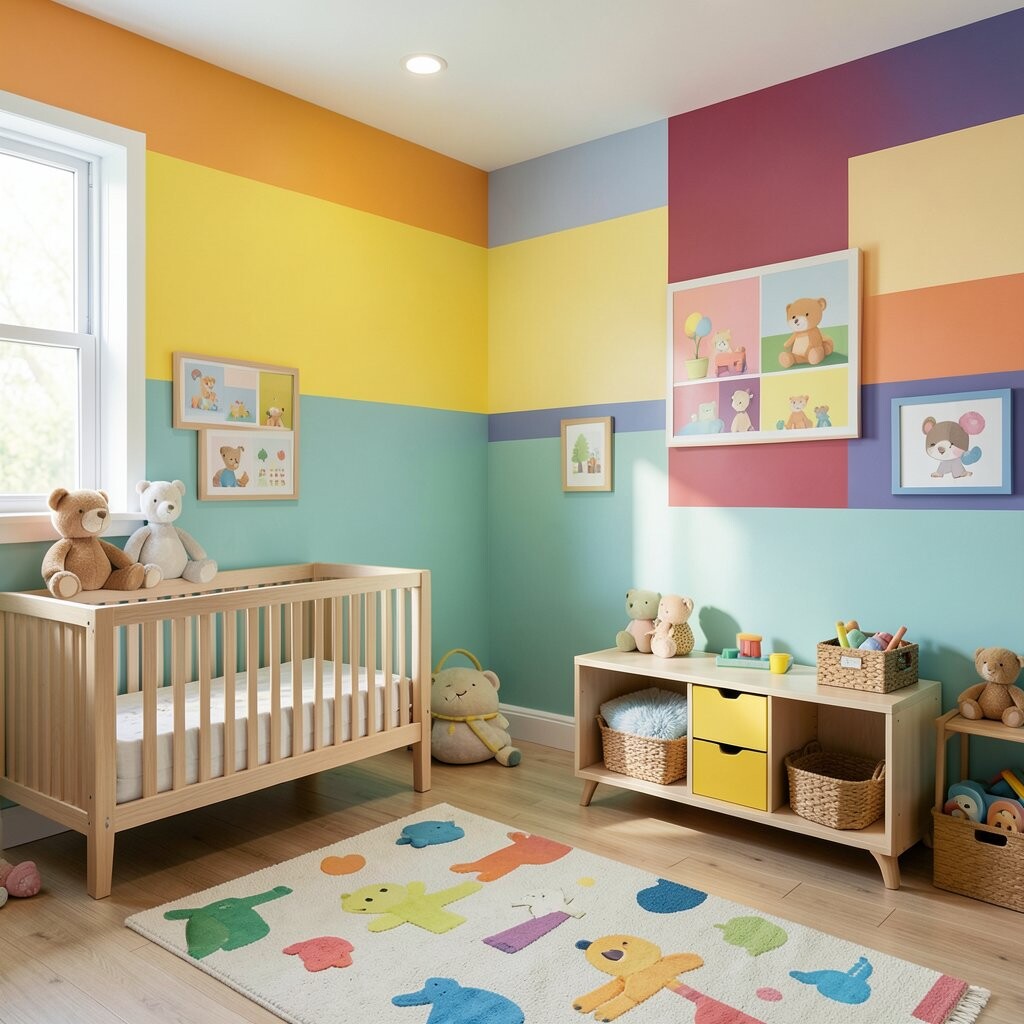
Bright color blocks can make a kids’ room feel fun and full of life. Use colors like yellow, blue, red, and green in wide shapes that feel playful but still clean.
This style helps the room feel cheerful and can also make it easier to set up zones for sleep, play, and study. It is a good way to bring in color without using lots of small items that may look messy.
Keep the paint finish easy to clean if the room gets a lot of use. You can also let your child help choose the colors, which makes the room feel more personal.
5. Earthy Color Blocks for a Warm Feel
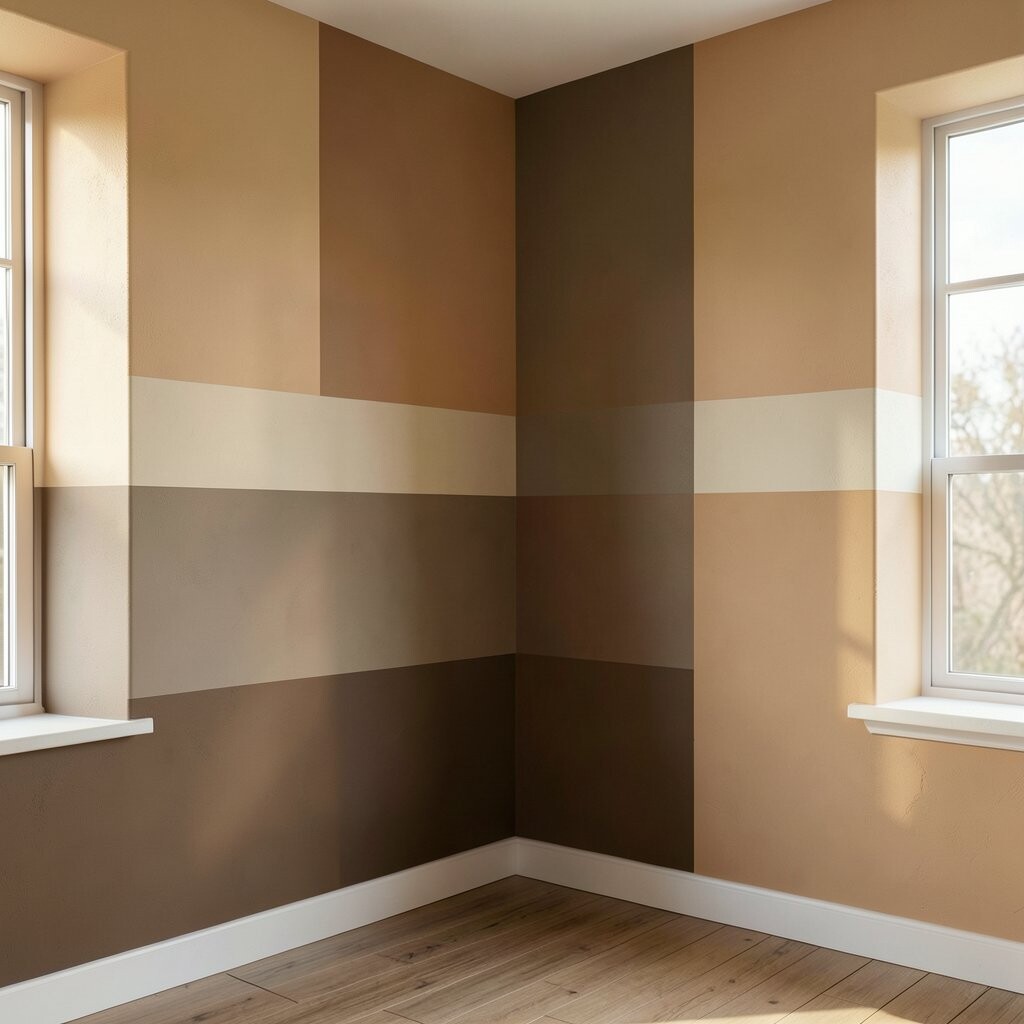
Earthy color blocks use shades like clay, sand, olive, rust, and warm brown. These colors can make a room feel grounded and cozy without being too dark.
This look is a nice fit for people who want color but still like a calm home. It also works well with wood furniture, woven rugs, and simple fabric pieces.
Earthy tones are often easy to mix with things you already own, which can help keep costs down. Try one main block color and one soft neutral so the wall still feels balanced.
6. Color Blocked Entryway Wall

An entryway is a great place for color blocked walls because it is the first thing people see. A clear shape in a bold or soft color can make the space feel more finished right away.
This idea can help a small entryway feel more planned, even if you do not have much room for decor. It also gives you a simple way to add style with only paint and tape.
Try a half-wall block, a wide arch, or a tall stripe behind a bench or coat hooks. Keep the rest of the area simple so the wall can do most of the work.
7. Monochrome Blocks in One Color Family
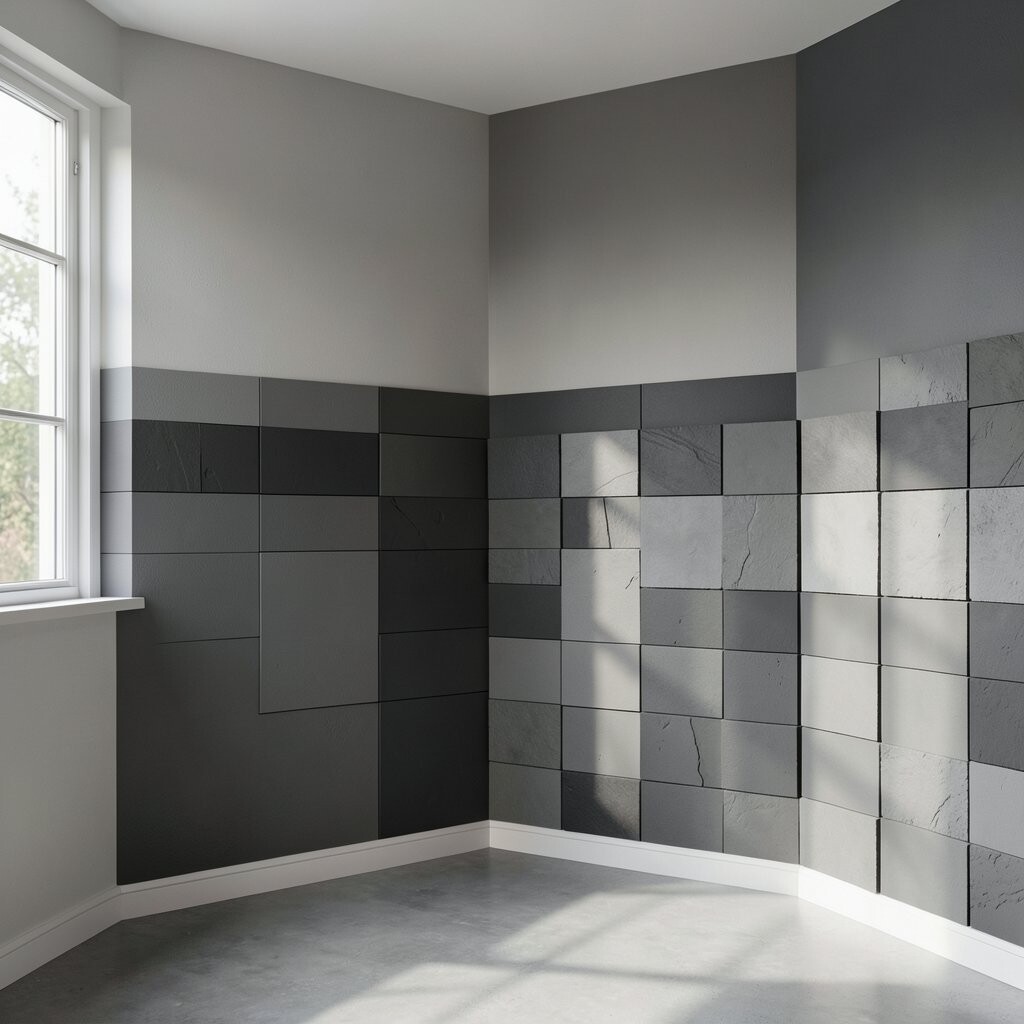
Monochrome color blocking uses shades from the same color family, like light blue, medium blue, and dark blue. This gives the wall a rich look while still feeling calm and easy to follow.
This style is good if you want some depth without using many different colors. It can also make a room feel more polished and can fit both new and old homes.
Use this idea in a bedroom, office, or hall if you want a neat look that is not too loud. A mix of matte and soft sheen paint can add a little more visual interest.
8. Color Blocked Dining Area Wall
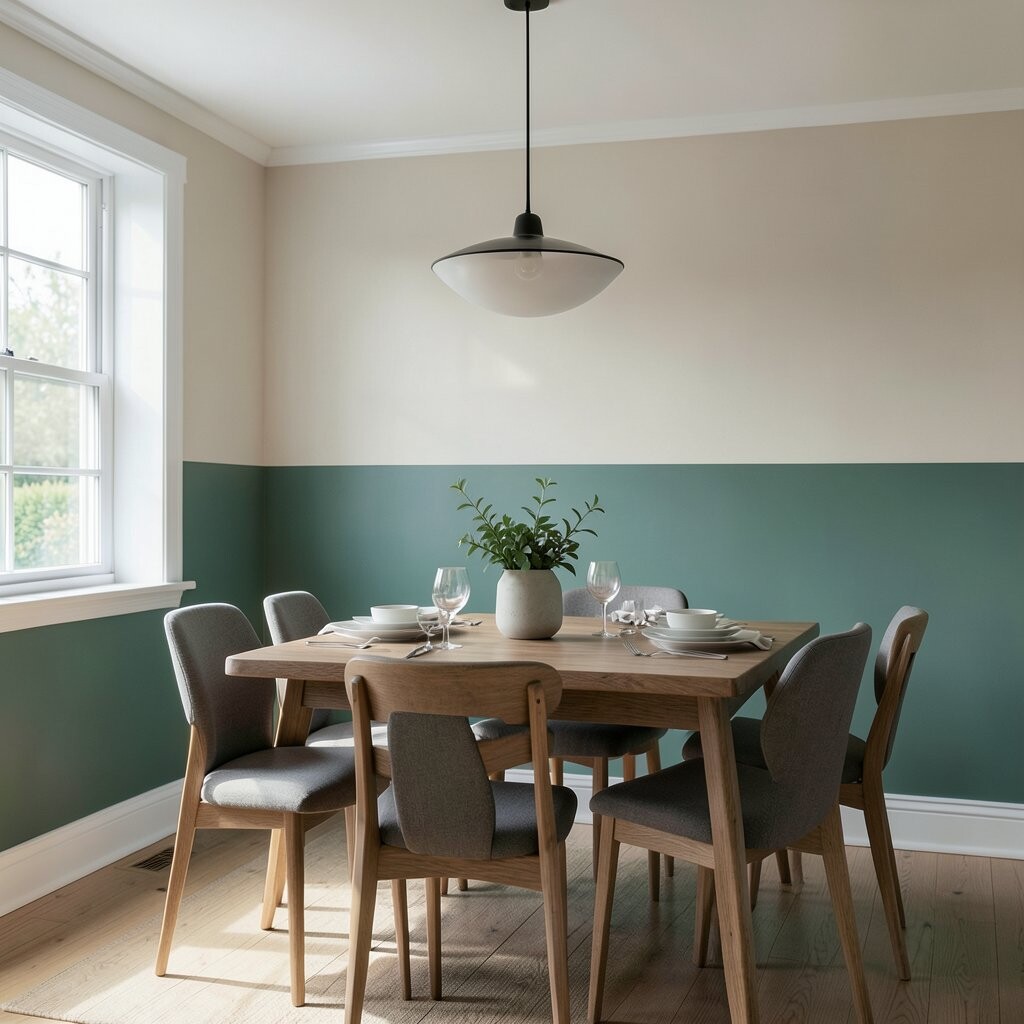
A dining area wall with color blocks can make meals feel more special, even on regular days. Use warm colors like terracotta, mustard, or deep green to give the space a welcoming feel.
This style can help frame the table area and make it feel like its own zone in an open room. It is also a smart way to add style without needing a lot of extra decor.
If your dining space is small, keep the blocks simple and use one main color with one light shade. That can help the room feel open while still giving it a clear style.
9. Small Geometric Blocks for a Modern Touch
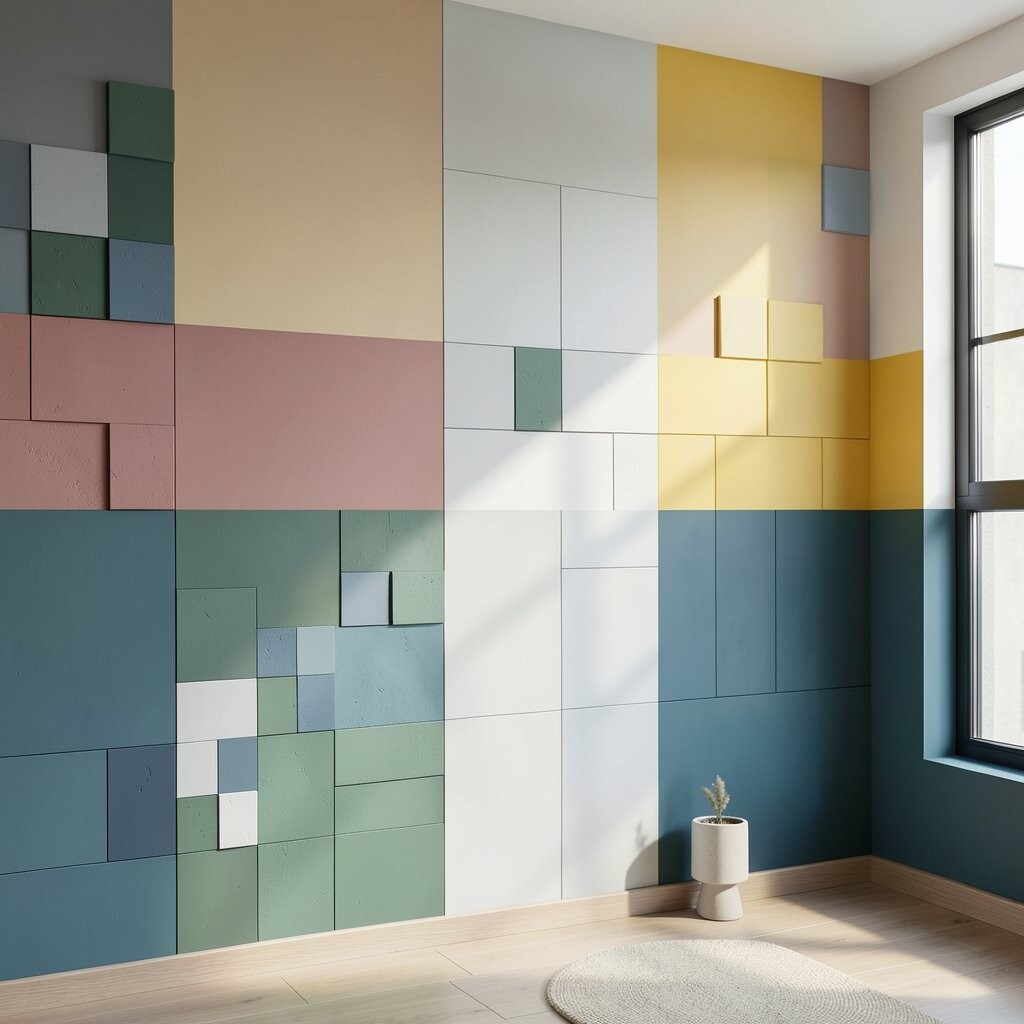
Small geometric blocks can give a wall a clean and modern look. Use squares, bars, or angled shapes in a few colors that work well together.
This idea is great for people who want something fresh but not too bold. It can also fit many rooms, from a home office to a guest room or hallway.
Keep the design neat by planning the shapes before you paint. A simple color mix can make the wall feel current without a big cost or a lot of work.
10. Color Blocked Office Wall for Focus
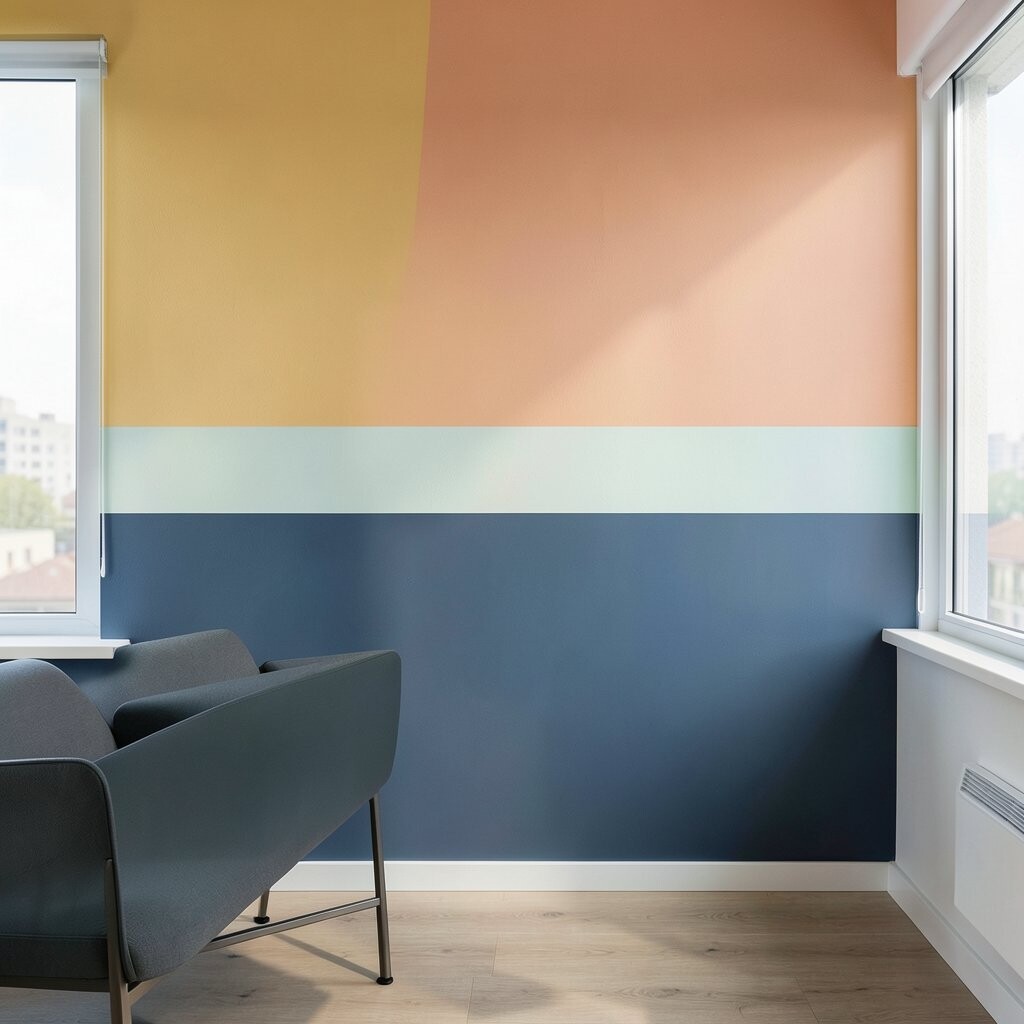
A color blocked office wall can help a work area feel more clear and ready for the day. Soft blue, green, or gray can make the space feel calm, while a brighter block can add some energy.
This is a good choice if your desk sits in a shared room and you want it to feel like its own spot. The wall can also help set a clean background for video calls.
Try a block behind the desk chair or across the top half of the wall for a simple look. Use colors that do not distract too much, so the space still feels easy to use.
11. High Contrast Black and White Blocks
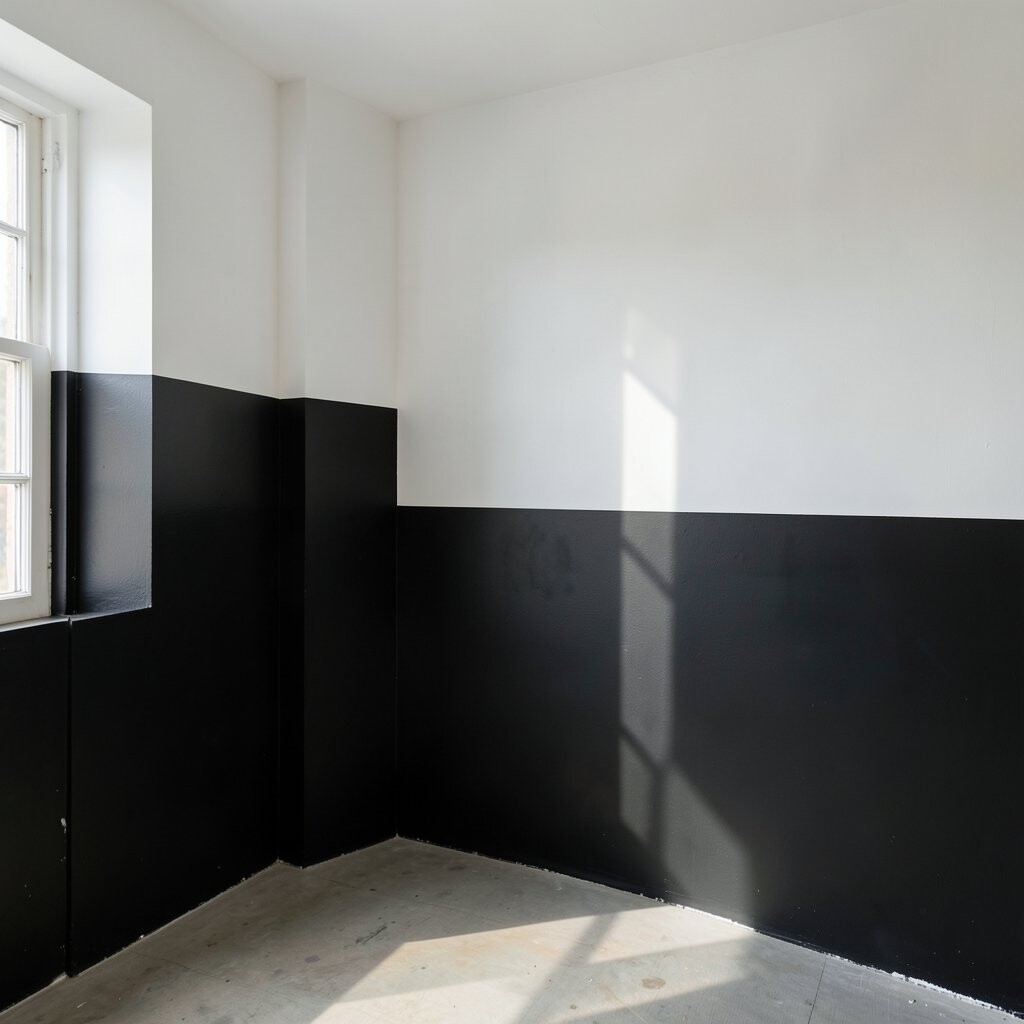
Black and white blocks can make a wall look sharp and simple at the same time. The strong contrast gives the room a clear shape and a bold visual edge.
This style works well in modern homes and can look nice with metal, glass, or wood pieces. It is also easy to match with other decor since black and white fit with many colors.
If you want the room to feel softer, add warm wood or fabric with texture. Keep the blocks large and clean so the design feels planned, not crowded.
12. Sunset Color Blocks for a Warm Mood
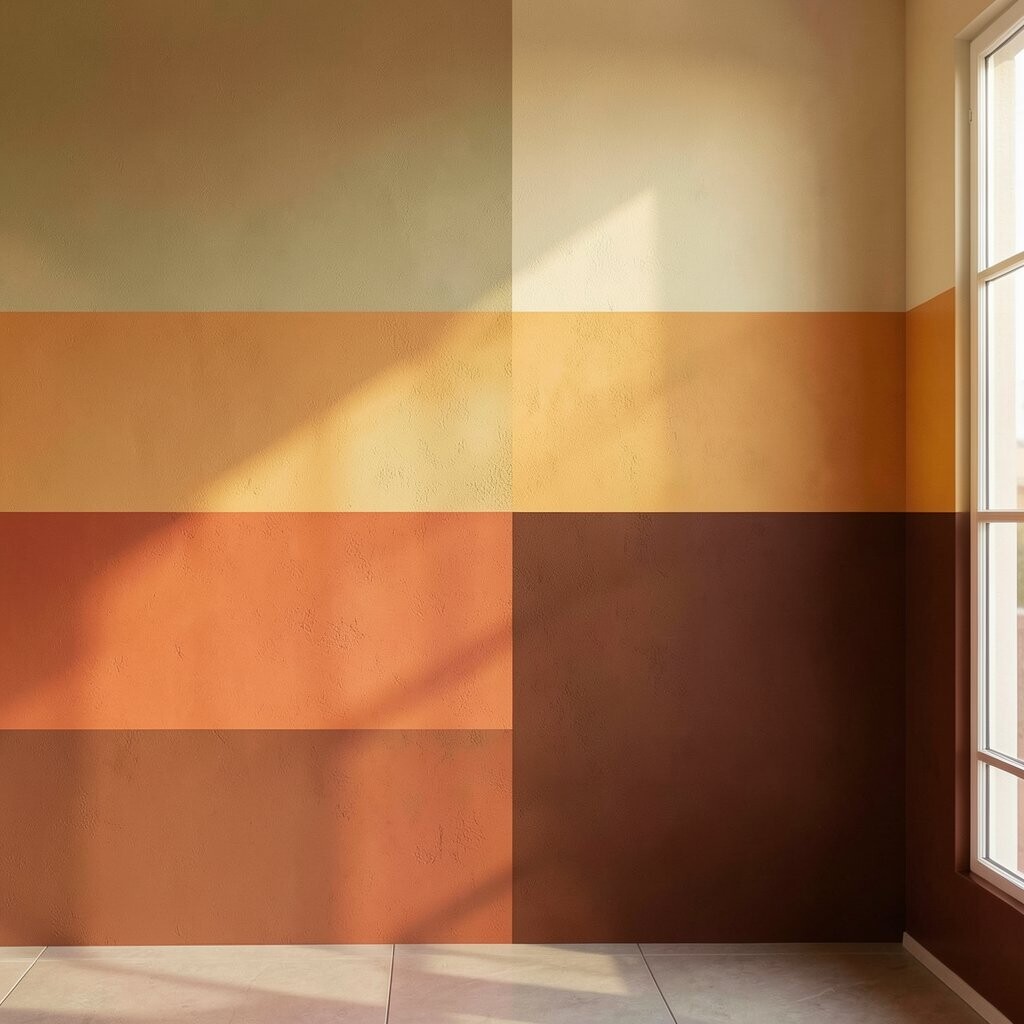
Sunset color blocks use shades like peach, coral, gold, and soft red. These colors can make a room feel warm and bright, much like the sky near the end of the day.
This look is a nice pick for a bedroom, lounge, or reading corner. It adds color in a way that feels friendly and easy to enjoy.
You can make the blocks fade from light to dark or keep them in clear sections. Use a few matching items in the room so the wall feels part of the whole space.
13. Color Blocked Ceiling and Wall Combo
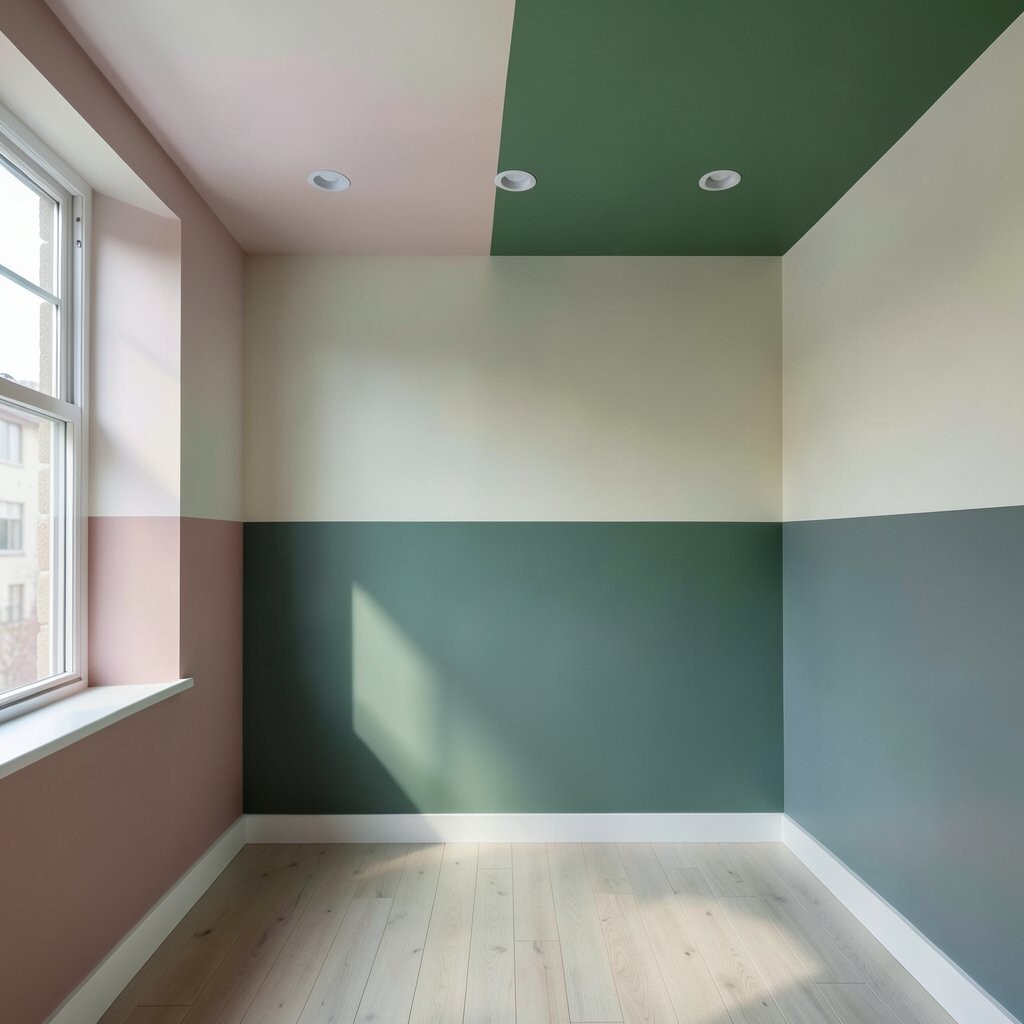
A ceiling and wall combo can make a room feel more interesting without needing extra decor. When the color flows from the wall to the ceiling, the space can feel more complete and thoughtful.
This idea works best with one strong color and one soft color so the room does not feel too busy. It can also help a low ceiling feel more connected to the rest of the room.
Use this style in a small room, reading nook, or bedroom if you want a cozy feel. It may cost the same as a regular paint job, but the result can feel much more special.
14. Blocked Wall Behind Open Shelves
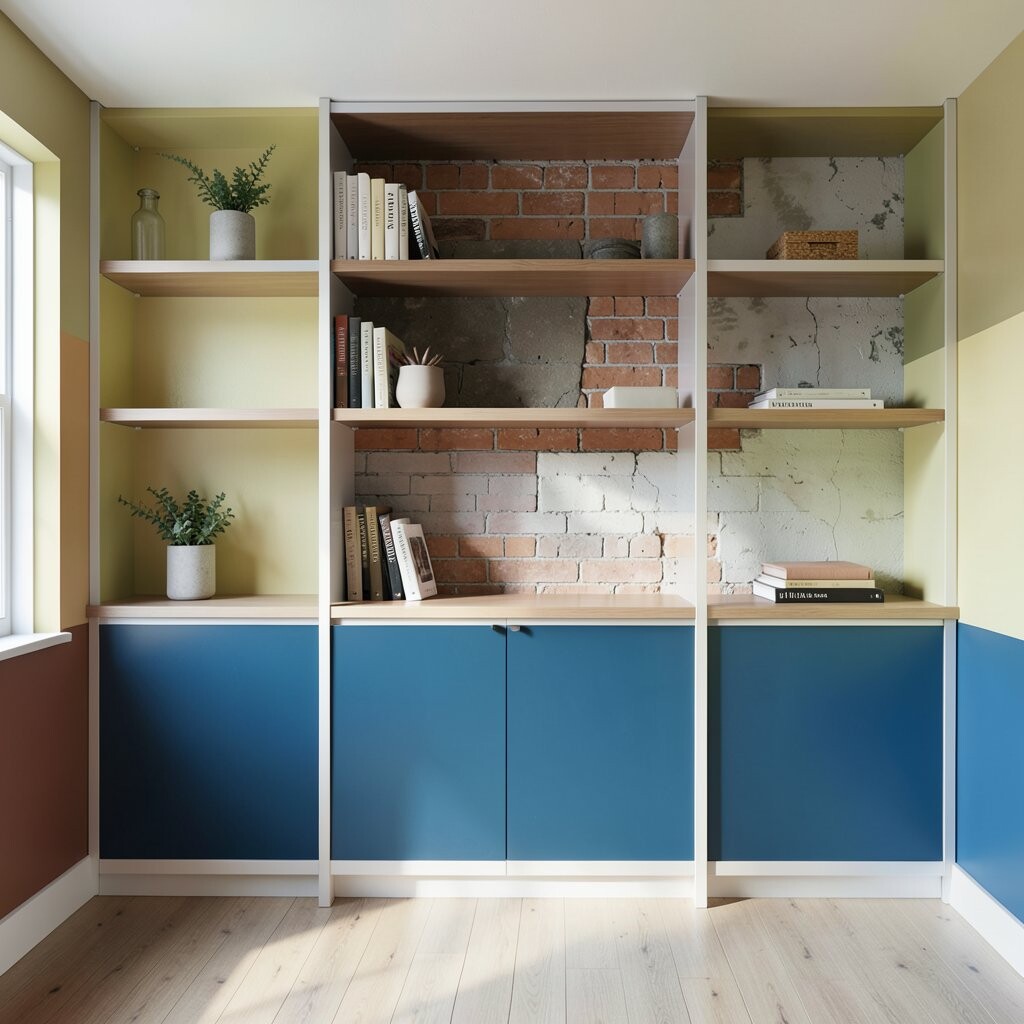
A color blocked wall behind open shelves can make your books and decor stand out more. The color blocks act like a frame and help each shelf item feel more visible.
This is a good way to make a plain wall feel more lively without adding more furniture. It also helps the shelves look neat, since the color can guide the eye.
Try a soft block behind the whole shelf unit or use a shape that sits around it. Pick colors that do not fight with your items, so the shelf display still feels easy to read.
15. Soft Neutral Blocks for a Clean Look

Soft neutral blocks use shades like beige, ivory, taupe, and light gray. These colors make a room feel clean, calm, and easy to live with every day.
This style is great if you want a little change but do not want a loud wall. It can also help a room feel bigger because the colors stay light and simple.
You can add texture through rugs, pillows, or baskets so the room does not feel flat. Neutral blocks are often a smart choice for people who want a safe look that still feels new.
16. Color Blocked Bathroom Wall
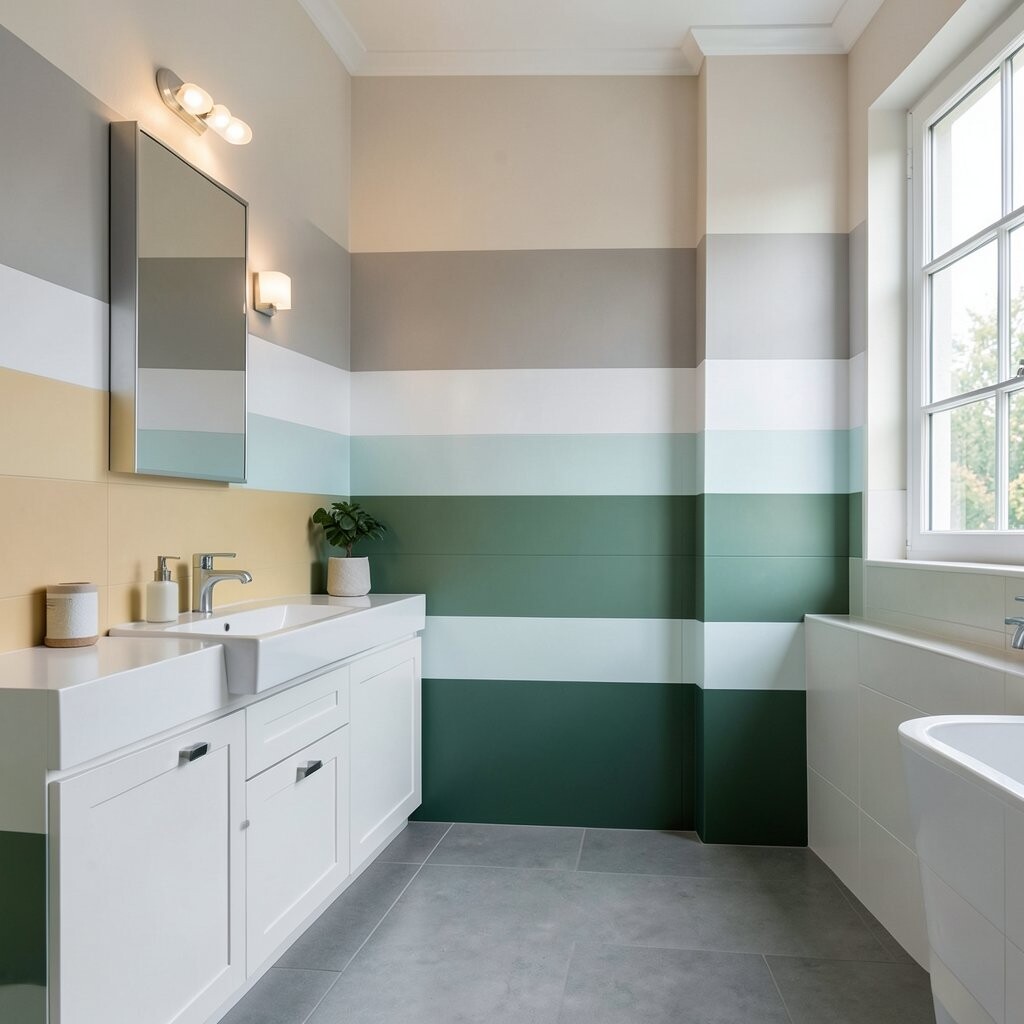
A color blocked bathroom wall can make a small room feel more fun and less plain. Use paint that works well in damp spaces and choose colors that stay fresh and clean.
This idea is useful because bathrooms are often small, so even one wall can make a big change. It can also help the room feel more styled without needing a full remodel.
Try a block behind the sink or across the lower wall for a simple update. If you keep the rest of the room light, the color block can stand out in a nice and tidy way.
17. Split Vertical Blocks for Height
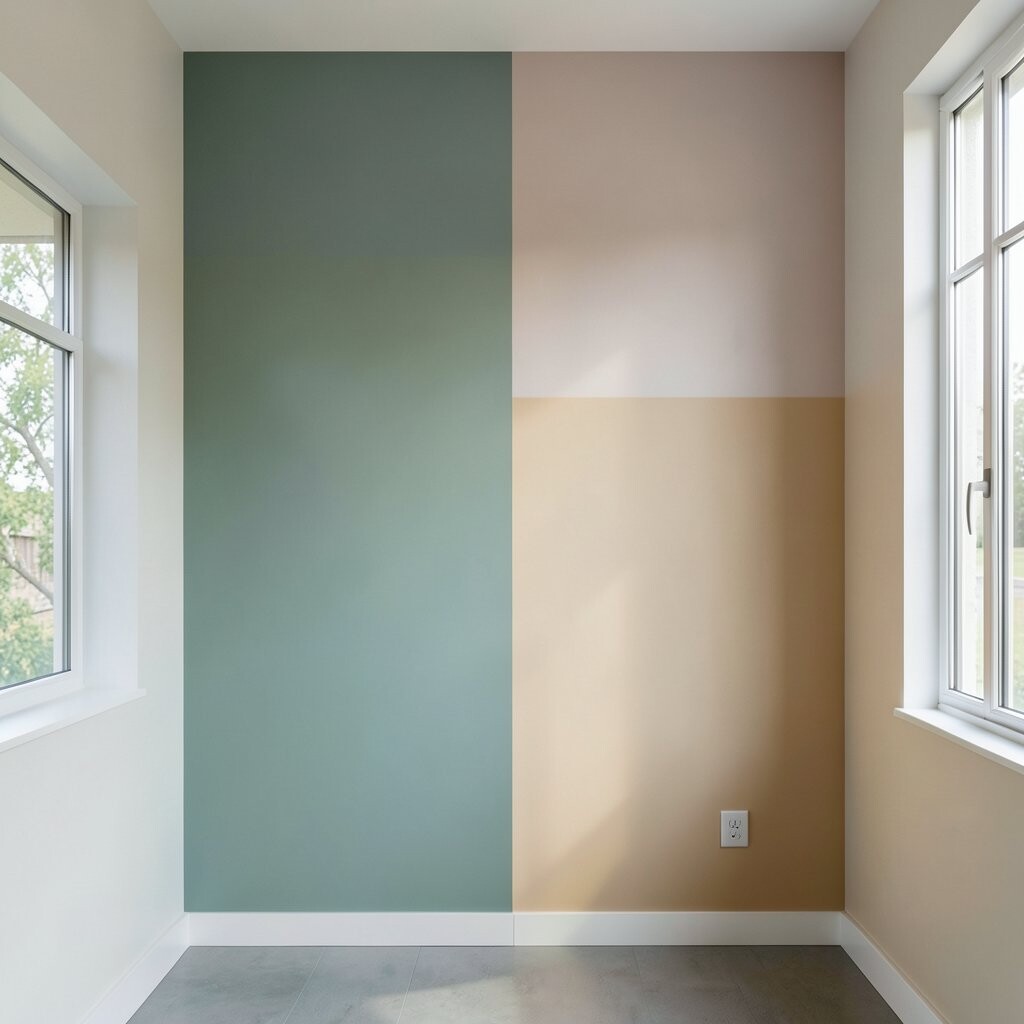
Vertical color blocks can make a wall feel taller and more open. Long stripes or split sections that go up and down can draw the eye upward.
This is a smart choice for rooms with low ceilings or narrow walls. It can also help a plain room feel more lively without using a lot of color.
Use two or three colors that work well together and keep the lines straight for a clean look. This style can be done on a budget with tape, paint, and a little planning.
18. Color Blocked Nursery Wall
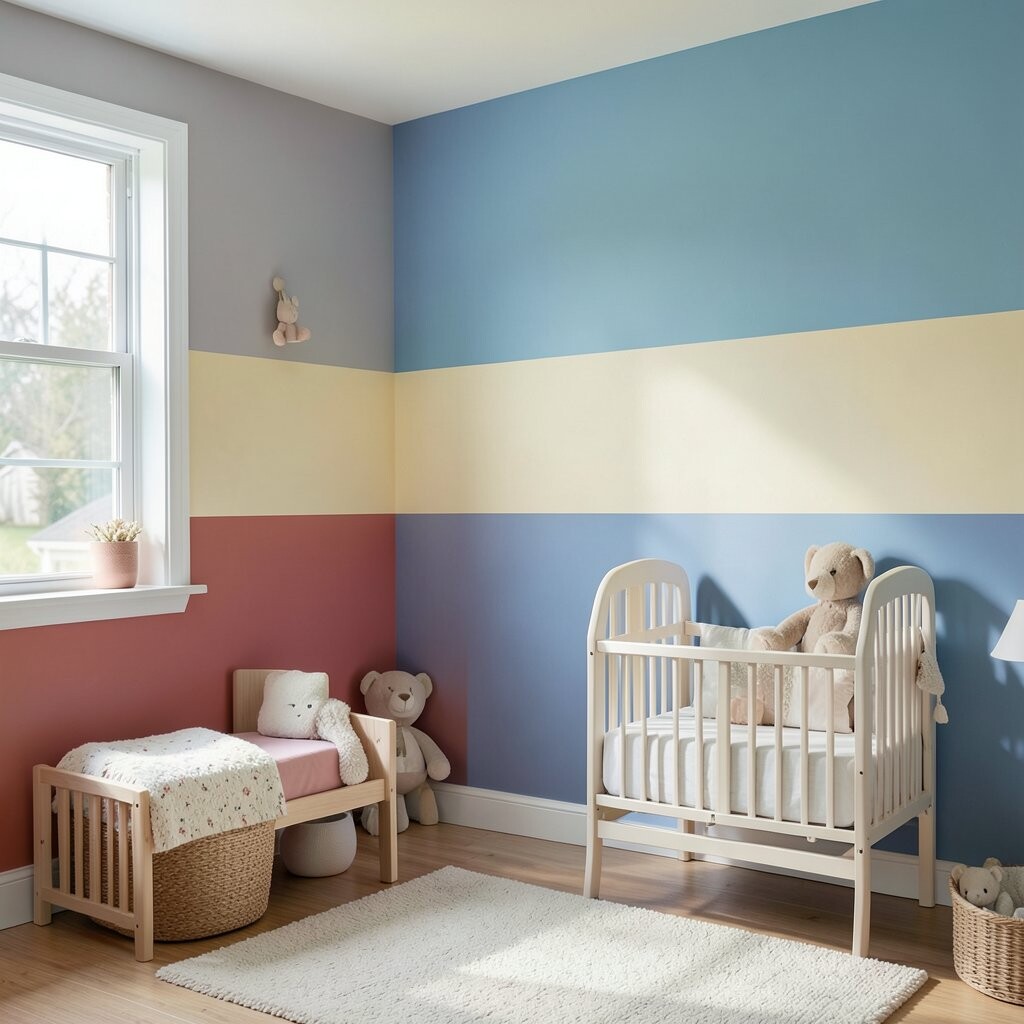
A nursery wall with soft color blocks can feel gentle, sweet, and easy to live with. Try pale yellow, light green, soft peach, or dusty blue for a calm look.
This style gives the room a soft style that can grow with the child over time. It is also a nice way to add color without filling the room with too many themed items.
Keep the shapes simple so the wall does not feel too busy for a rest space. You can also match the blocks with a rug or curtain to make the room feel balanced.
19. Color Blocked Hallway Wall
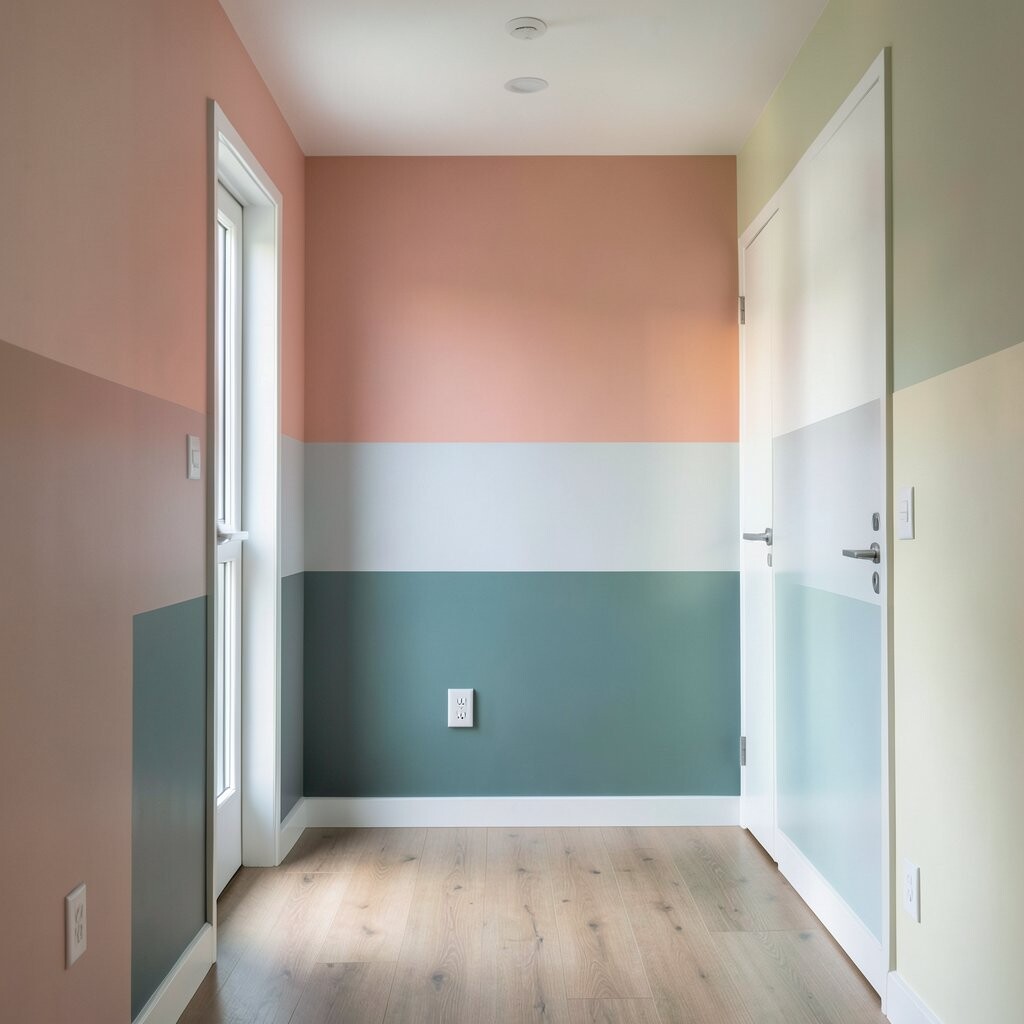
A hallway can feel much less plain with a few color blocks on the wall. Since hallways are often narrow, even a simple design can make the space feel more alive.
This idea is helpful because it turns a pass-through area into something that feels more finished. It can also help guide the eye and make the hallway feel less long or empty.
Choose colors that fit the rooms near the hallway so the whole home feels connected. A small cost and a free weekend can be enough to make a big change here.
20. Mixed Texture and Color Block Walls
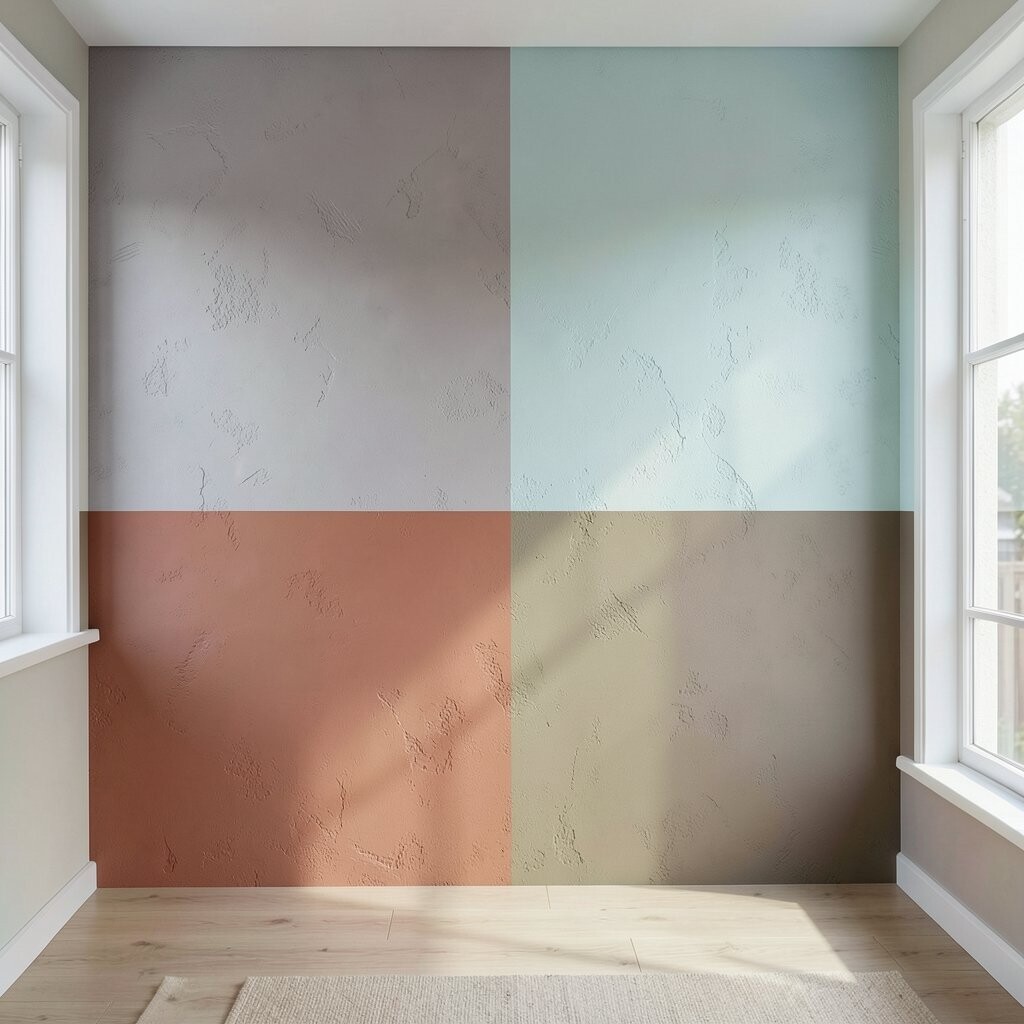
Mixed texture and color block walls use paint with other simple wall finishes, like wood strips or fabric panels. This gives the wall more depth and makes it feel more special without being too hard to use.
This style is good for people who want something a little different from plain painted blocks. It can also help a room feel warm and current, since mixed looks are popular in many homes now.
Keep the colors close if you want a soft result, or use a bold mix if you want more contrast. Try to match the texture with the rest of the room so the wall feels like it belongs there.