Hidden storage can make a home feel neat, but small mistakes can waste space and make daily life harder. A few simple fixes can help your rooms look cleaner and make things easier to find.
1. Using Boxes Without Labels

Plain boxes can look tidy on a shelf, but they can also turn into a guessing game. When you cannot see what is inside, you may open the same box many times and make a mess.
Labels help you save time and keep things in the right place. You can use paper tags, tape, or a simple marker, and this costs very little.
Clear labels also make a storage area feel more personal and easy to use. If you want a neat look, use the same style of label on every box so the space feels calm and clean.
2. Storing Too Much in One Spot

It is easy to pile too many things into one cabinet, drawer, or bin. When that happens, items get lost, and you may stop using the space well.
Try to spread items by type and by how often you use them. Keep daily items close by and move rare items to a higher shelf or a deeper bin.
This small change can make a room feel bigger and easier to move through. It also helps you avoid buying extra storage that you may not need.
3. Ignoring Vertical Space

Many people use only the floor or the bottom shelf and forget the space above it. That leaves a lot of good room empty, especially in closets, garages, and kitchens.
Wall shelves, over-the-door racks, and stackable bins can help you use that open space. These items often cost less than large furniture and can fit many room styles.
A tall storage setup can look neat and modern when it is planned well. It also helps keep small things off tables and counters, which makes the room feel less crowded.
4. Keeping Items You Never Use

Old clothes, broken tools, and extra cords can sit in storage for years. They take up space and make it harder to reach the things you really need.
Check your storage areas now and then and ask if each item still serves a use. If not, give it away, recycle it, or throw it out in a safe way.
This habit can save money too, because you may stop buying the same thing again by mistake. A smaller storage space is often easier to clean and manage.
5. Using the Wrong Container Size
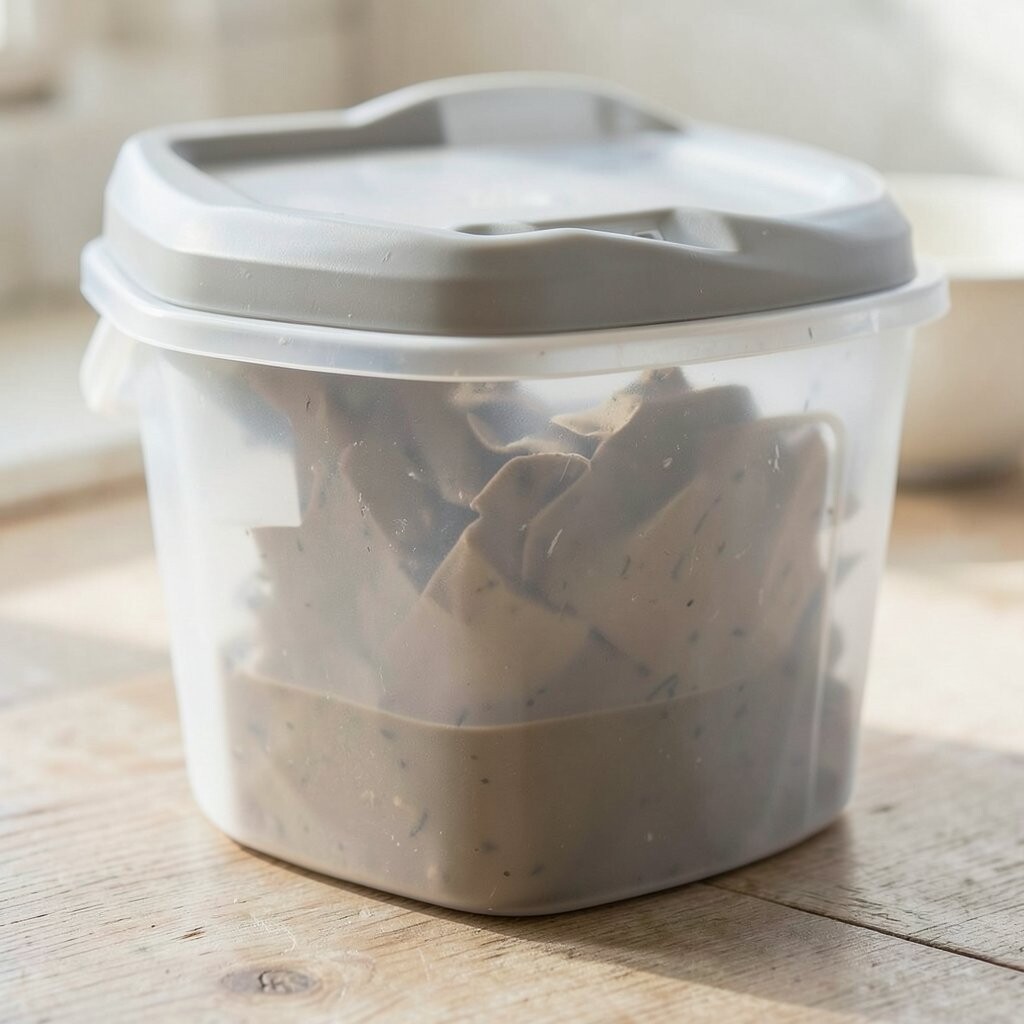
Very large bins can waste space, while tiny ones can lead to clutter. If the container does not fit the item well, the whole area can look messy.
Choose bins and boxes that match the shape and size of what you store. For clothes, soft bins may work well, while hard boxes can be better for papers or keepsakes.
Mixing container sizes can also make a storage area look more personal and useful. The best choice is often the one that fits your space, your budget, and your daily habits.
6. Forgetting to Group Similar Things
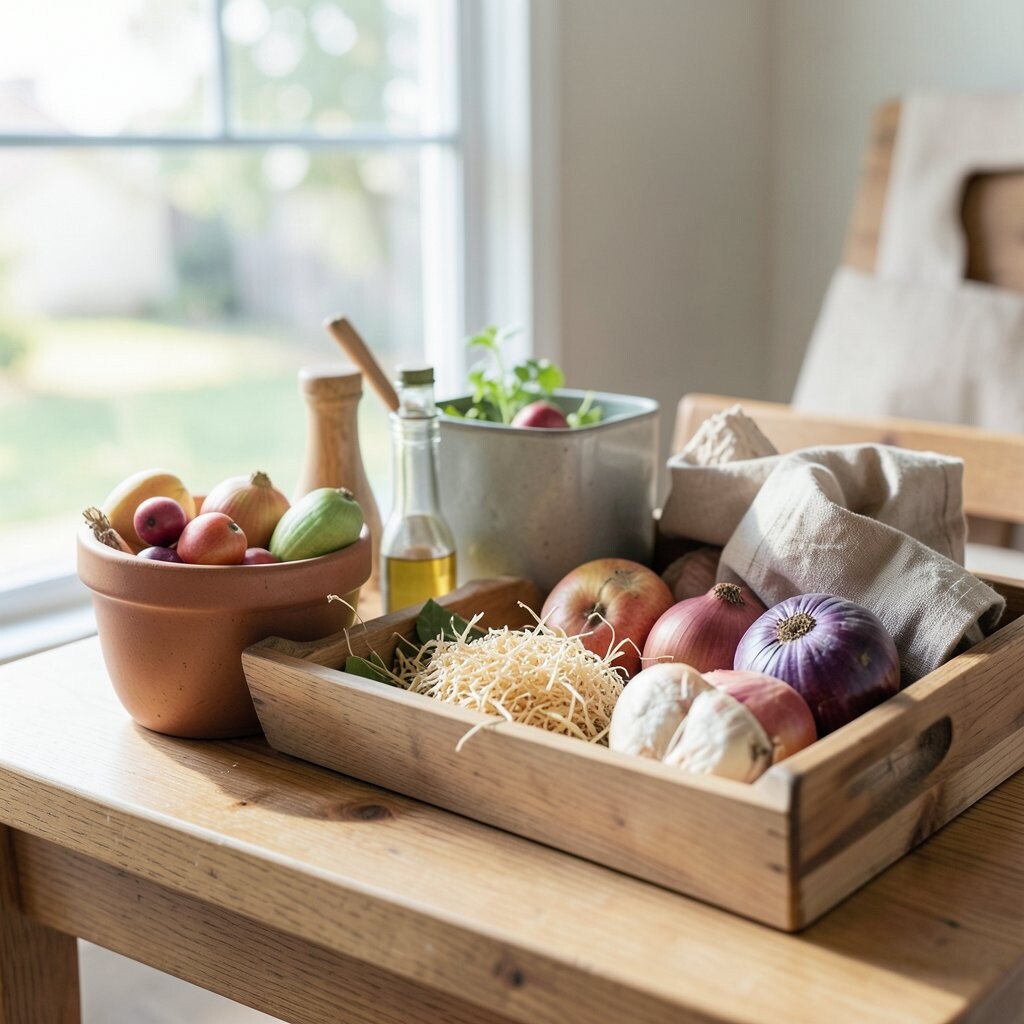
When similar items are spread out, it takes longer to find what you need. You may end up buying extras because you do not see what you already have.
Keep like items together, such as craft supplies, cleaning items, or holiday decorations. This simple setup makes it easier to check stock and put things back.
Grouped storage also creates a cleaner look on open shelves or in clear bins. It is a small change, but it can make your home feel more in order right away.
7. Hiding Things in Hard-to-Reach Places

Some storage spots look useful, but they are hard to reach each day. If a bin is too high, too low, or blocked by other items, you may stop using it.
Place often-used things where you can get them with little effort. Save the awkward spots for items you use less often, such as seasonal gear or spare supplies.
This makes storage feel more natural and less like a chore. It can also help older family members or kids use the space more safely.
8. Not Using Clear Storage When It Helps
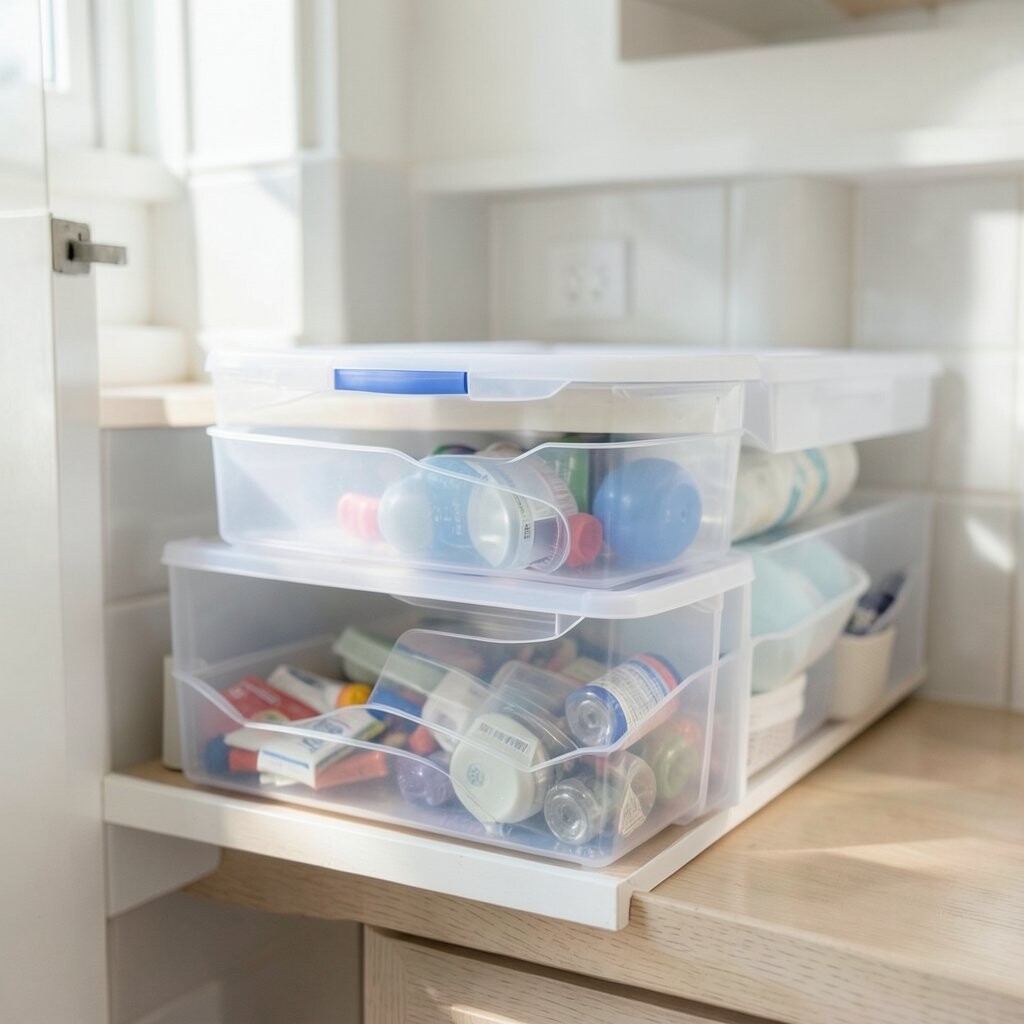
Opaque bins can look neat, but they do not always make life easier. If you cannot see what is inside, you may spend more time opening and closing containers.
Clear bins work well for toys, pantry items, office supplies, and craft tools. They let you spot what you need fast, which can help on busy days.
Clear storage has a clean, modern look that many people enjoy right now. It can cost a bit more than basic bins, but it often saves time and reduces waste.
9. Packing Drawers Too Tightly
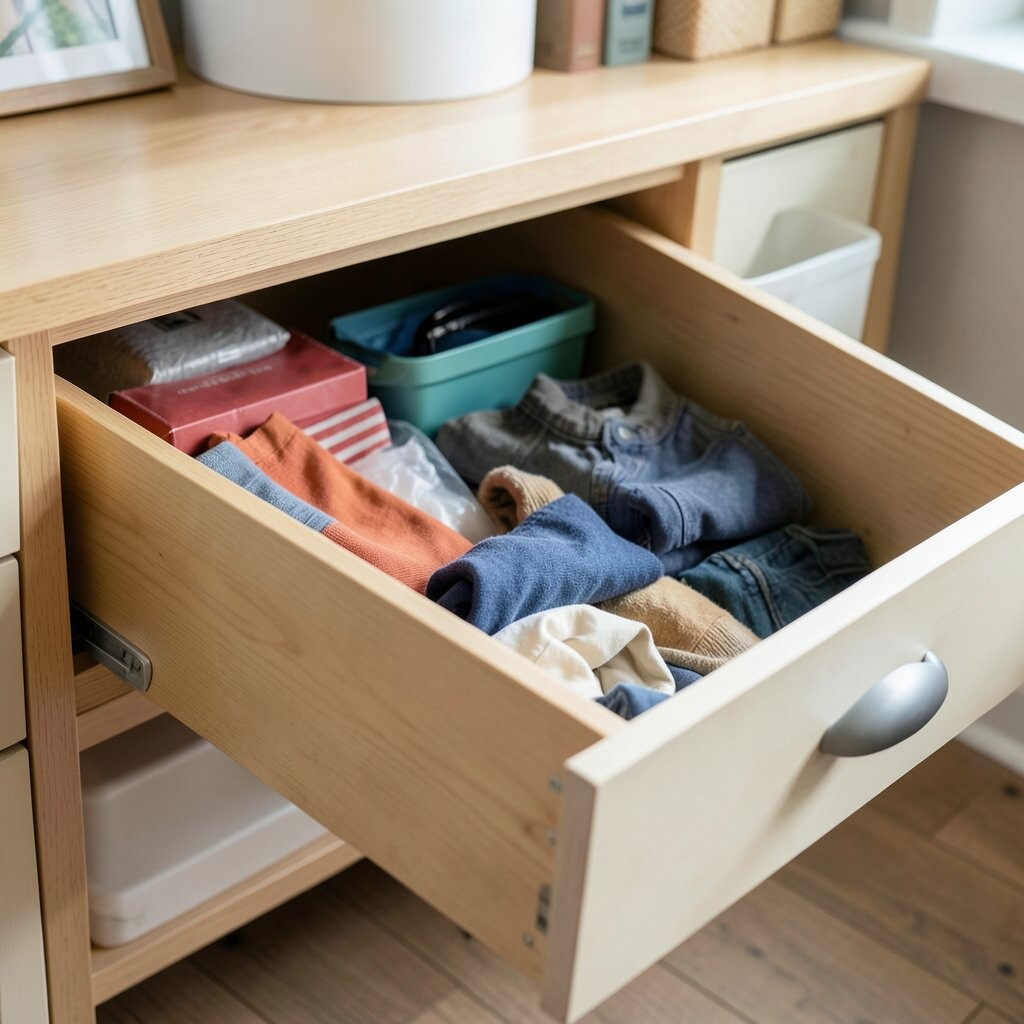
A drawer full to the top may seem useful, but it can be hard to keep neat. Items get mixed up, and you may not want to put things back in the right place.
Use drawer dividers, small trays, or simple boxes to make sections. This helps each item have a spot, which makes the drawer easier to use.
Well-set drawers also look better when you open them, even if they are hidden most of the time. A little order inside the drawer can make daily tasks feel smoother.
10. Not Thinking About What You Use Each Day
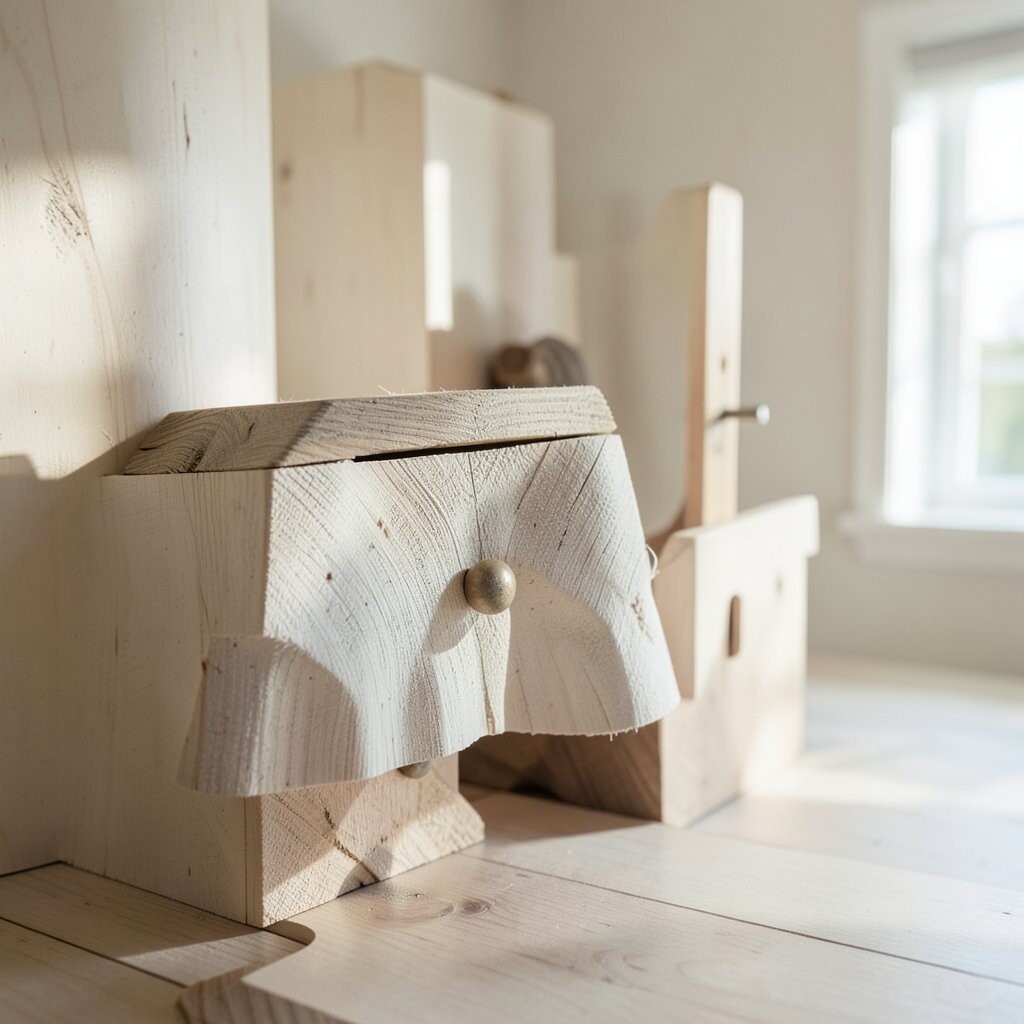
Some storage plans look nice but do not match real life. If your daily items are buried behind rarely used things, the setup will not work for long.
Keep the things you use most often in the easiest place to reach. Put backup items, special tools, and holiday goods farther back or higher up.
This kind of setup can save time every day and make your home feel easier to live in. It also helps you build a storage plan that fits your own habits, not just a photo idea.
11. Buying Storage Before Sorting First
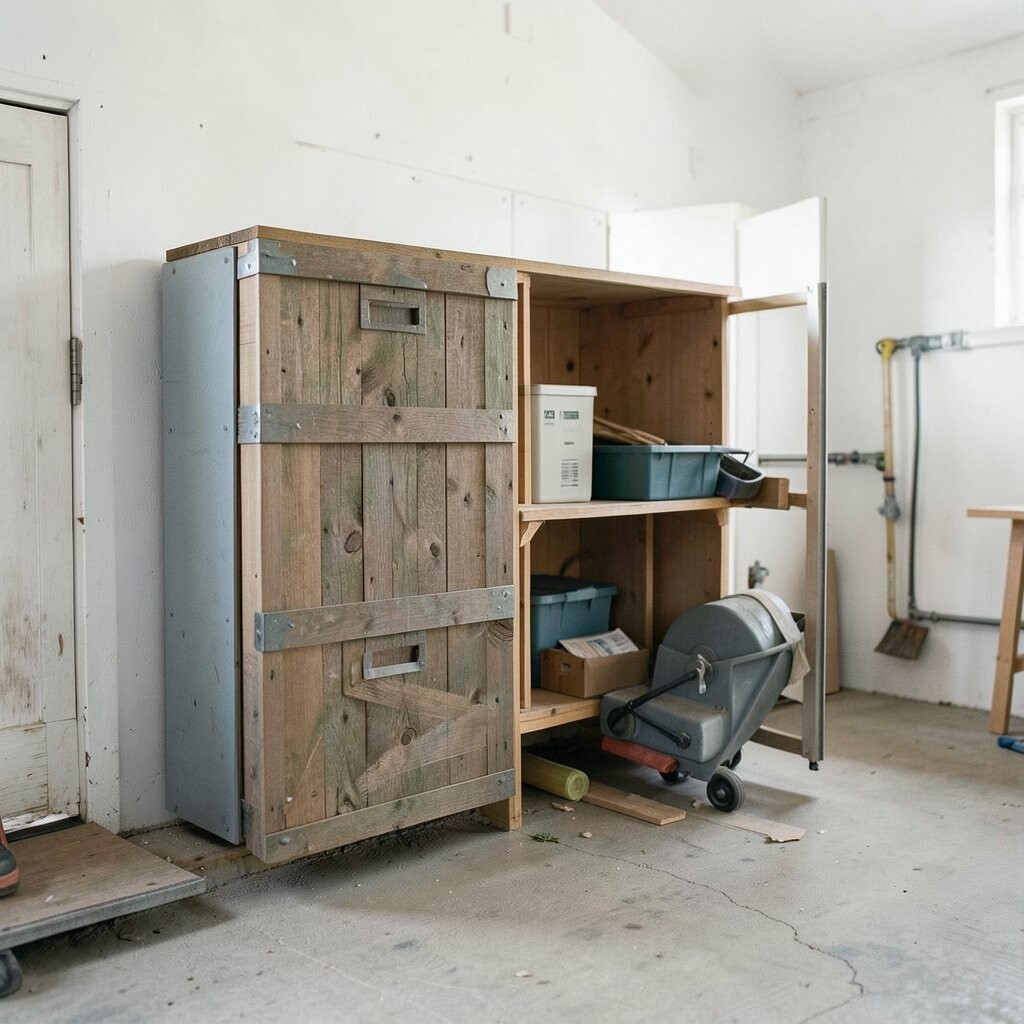
It is tempting to buy bins, baskets, and shelves right away. But if you have not sorted your items first, you may end up with the wrong size or too much storage.
Sort your things into keep, give away, and throw out piles before you shop. Then you can buy only what you need, which helps with cost and space.
This step also keeps your storage style more unique, because it fits your home instead of a store display. A simple plan often works better than a lot of extra pieces.
12. Missing Small Hidden Spaces
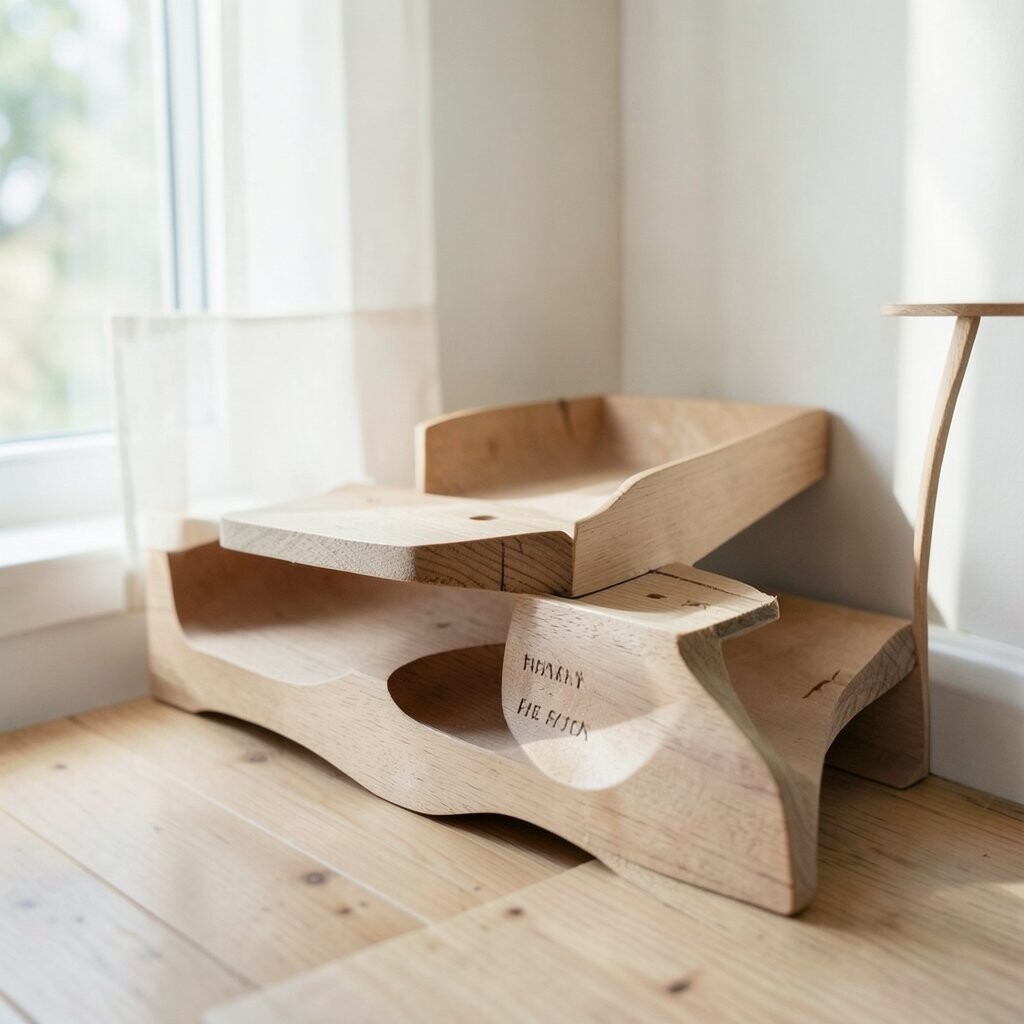
Small spaces under beds, inside ottomans, and above doors are often wasted. These spots can hold shoes, blankets, bags, or items you do not use every day.
Use flat bins, slim boxes, or soft bags to make the most of these hidden areas. The right choice depends on the shape of the space and what you want to store.
These small spots can make a big difference in a tight home or apartment. They are also a low-cost way to add more storage without adding large furniture.
13. Letting Cables and Chargers Get Mixed Up
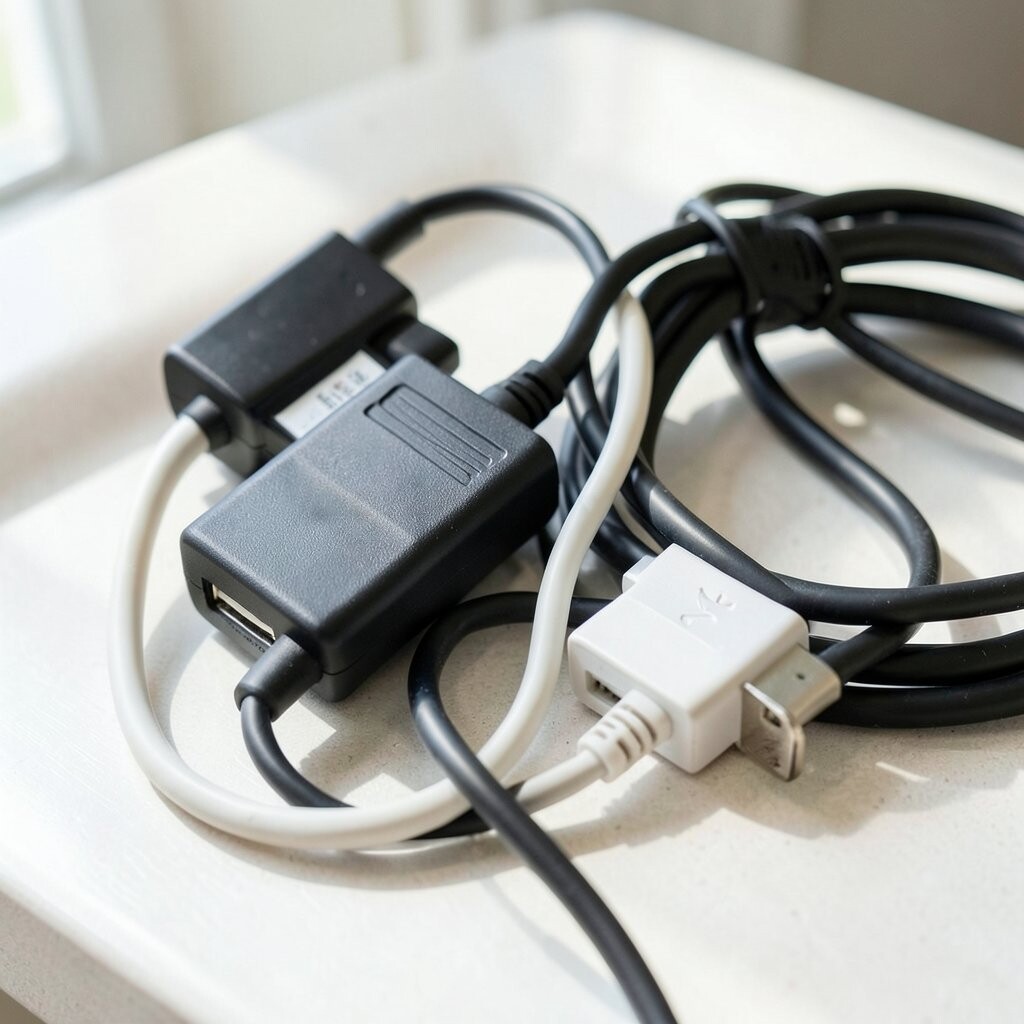
Cords and chargers can turn into a tangled mess very fast. When they are mixed together, it is hard to know which one goes with which device.
Use small boxes, clips, or labeled pouches to keep them in order. You can also wrap cords with simple ties so they stay neat and easy to grab.
This makes your storage space look cleaner and helps you avoid buying the wrong charger again. It is a small fix that can save time and stress.
14. Forgetting to Match Storage to the Room

Storage that looks good in one room may not work in another. A basket that fits a bedroom may not hold up well in a damp basement or busy mudroom.
Think about heat, moisture, dust, and how often the space gets used. Pick materials that fit the room, such as plastic for damp areas or fabric for softer spaces.
Matching storage to the room can help it last longer and work better. It also gives each space a more finished look without much extra effort.
15. Not Reviewing Your Storage Often
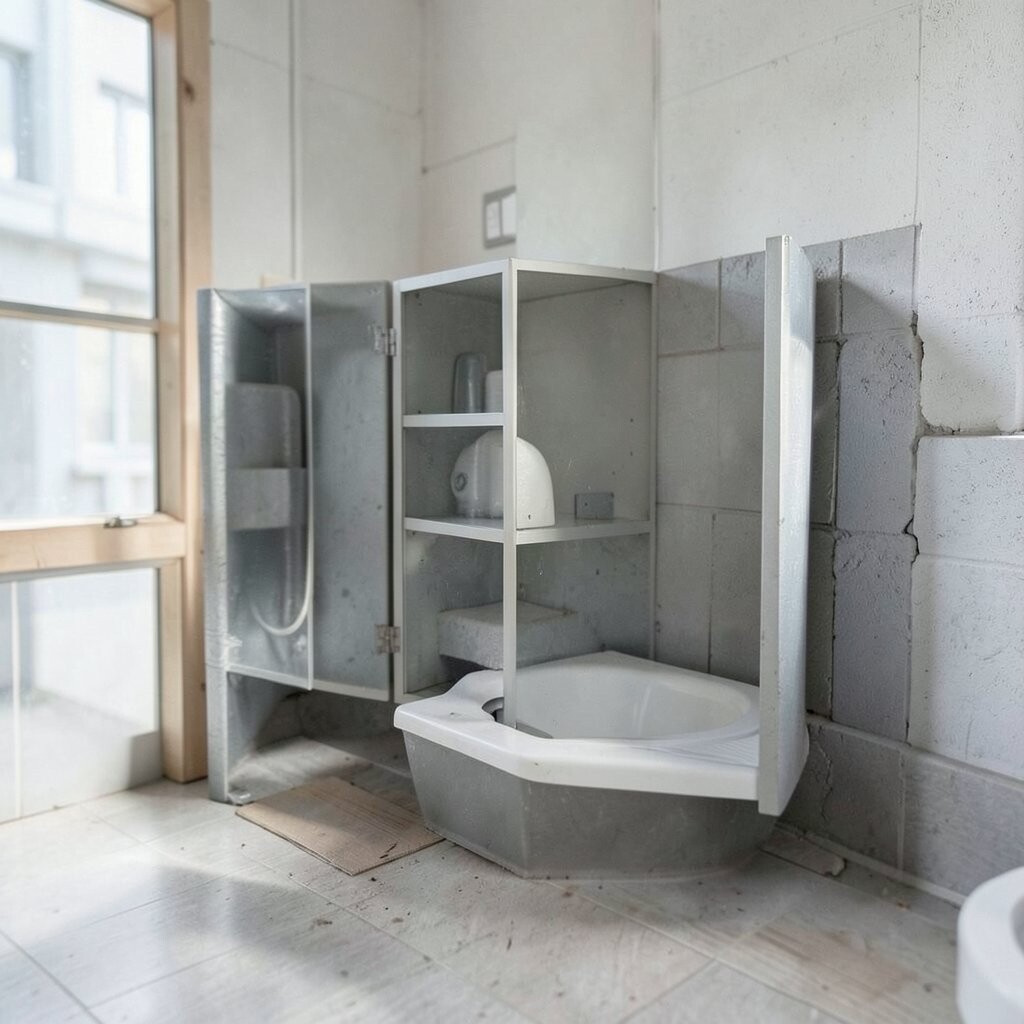
Storage needs change over time, but many people set it up once and never check it again. That can lead to full shelves, mixed-up bins, and items that no longer fit your life.
Take a short look through your storage now and then and make small changes as needed. Move things, clear out old items, and adjust labels or bins when your needs change.
This habit keeps your home easier to use and helps your storage stay neat through the year. It also lets you try new ideas, like simple trays, stackable bins, or cleaner shelf setups, without spending a lot.