Terracotta tiles can give a home a warm and natural look. But many people make simple mistakes that lead to high costs, poor fit, or extra care later.
1. Ignoring the Room’s Daily Use

One common mistake is picking terracotta tiles without thinking about how the room is used each day. A busy kitchen, entryway, or family room needs a tile that can stand up to more wear than a quiet guest room.
Terracotta has a soft, earthy look that many people enjoy, but it can show marks and wear if the space gets heavy foot traffic. Think about spills, shoes, pets, and how often the room gets cleaned before you make a choice.
It helps to match the tile to the room, not just to the style you like. For a busy space, ask about sealed tiles or finishes that are easier to care for and may help the floor last longer.
2. Forgetting About Sealing Needs

Many buyers like the look of terracotta but forget that it often needs sealing. Without the right seal, the tile can soak up water, stains, and dirt more easily.
This can lead to dull spots, dark marks, or a floor that looks older much sooner than expected. A sealed surface also makes day-to-day cleaning easier, which can save time and stress.
Before you buy, ask how often the tile needs sealing and what kind of product works best. This is a small step that can have a big effect on cost and care over time.
3. Choosing the Wrong Shade for the Space

Terracotta comes in many shades, from light clay tones to deep red-brown colors. A shade that looks great in the store may look very different once it is on your floor at home.
Room light, wall color, and furniture all change how the tile looks. A dark tile can make a small room feel tighter, while a lighter one may help a room feel open and calm.
Bring home samples and place them in the room at different times of day. This helps you see the true color and pick a tone that fits your home style.
4. Skipping Slip Resistance Checks

Another mistake is not checking how slippery the tile may be when wet. This matters a lot in bathrooms, kitchens, laundry rooms, and outdoor areas.
Some terracotta tiles have a smoother face that looks polished and neat, but that can be a poor match for wet floors. A tile with more grip can help people feel safer, especially in homes with kids or older adults.
Ask the seller about slip resistance and where the tile is best used. Safety should come before looks, even if the tile has a nice natural finish.
5. Not Thinking About Climate and Moisture
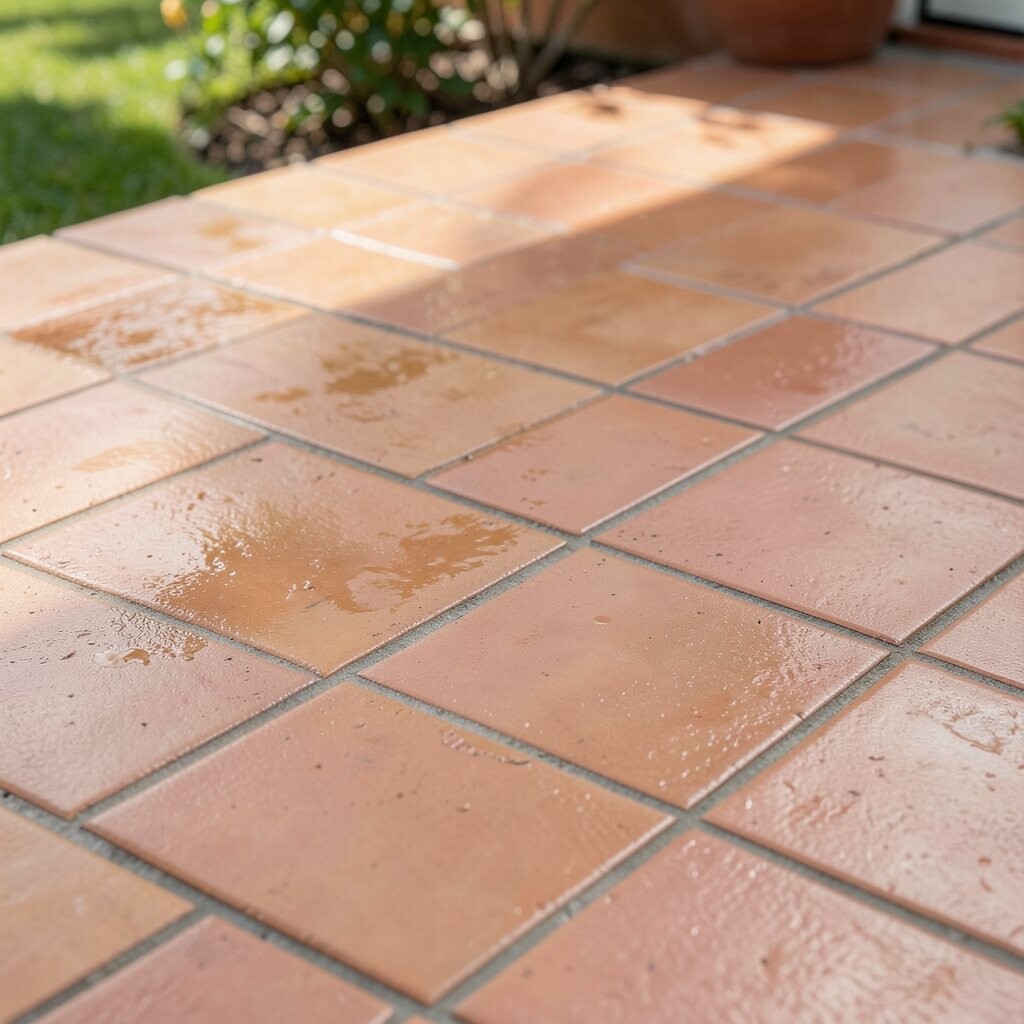
Terracotta can react to moisture and changes in weather, so climate matters more than many people think. In damp rooms or very wet areas, the wrong tile choice can lead to more care and more repair work.
If your home has high humidity, poor airflow, or a damp base, you may need extra prep before installing the tile. In some cases, a different finish or a better seal can help the tile hold up better.
It is smart to ask how the tile behaves in your local weather and in the exact room you want to use it in. That simple step can help you avoid regret and extra cost later.
6. Overlooking Tile Size and Room Balance

Tile size changes the whole feel of a room, yet many people choose it without much thought. Large tiles can make a space feel open and calm, while smaller tiles can add more detail and a handmade look.
If the size does not fit the room, the floor may look busy or out of balance. This is easy to miss when you focus only on color and forget the full visual effect.
Think about the room shape, the furniture, and how much of the floor will be seen. A good tile size can make the space feel more steady and well planned.
7. Forgetting the Grout Color

Grout may seem like a small detail, but it can change the whole look of terracotta tiles. A light grout can make the pattern stand out, while a darker grout can make the floor feel more even and calm.
Some people choose grout at the end and then feel unhappy with the final look. The wrong grout color can also show dirt fast or make the tile edges look harsh.
Try grout samples with your tile before you decide. This helps you get a look that fits your home and makes cleaning feel easier too.
8. Buying Without Checking Surface Texture

Terracotta tiles can have many surface feels, from smooth to rough and rustic. The texture changes not only the look, but also how the floor feels under bare feet and how easy it is to clean.
A rough tile may hide small marks and add a warm, handmade style. A smoother one may look cleaner and more modern, but it can also show dust and scratches more easily.
Choose a texture that fits your daily life and the mood you want in the room. If you like a calm and neat look, a smoother finish may work well, while a more worn look can suit a cozy home style.
9. Not Matching the Tile to the Home Style

Terracotta has a strong look, so it should fit the rest of the home. A tile that works in a farmhouse room may not suit a very clean, modern space unless you plan the rest of the design with care.
Some homes look best with classic clay tones, while others need a lighter or more even finish. If the tile style clashes with cabinets, walls, or trim, the room can feel off even if the tile itself is nice.
Look at the full room design before you buy. This helps you make a choice that feels personal and steady instead of random.
10. Ignoring Cost Beyond the Tile Price

Many people focus only on the price of the tile and forget the full cost. Terracotta may need sealers, better underlayment, skilled labor, and extra care during install.
Some tiles also need more waste allowance because of cuts, pattern fit, or breakage. That means the real cost can be higher than the shelf price you first saw.
Ask for a full estimate before you decide. A clear budget helps you avoid surprise costs and makes it easier to compare choices in a fair way.
11. Not Asking About Handmade Differences

One reason people like terracotta is that it often has a handmade feel. That can be a plus, but it can also mean that each tile is a little different in color, shape, or edge line.
Some buyers expect every tile to look the same and feel upset when they see natural changes. Yet those small differences are part of the charm and can make the floor feel warm and unique.
Before buying, ask how much color change and size change to expect. If you enjoy a more natural look, these differences can add character and help your home feel less plain.
12. Skipping Sample Tests at Home

It is easy to trust a showroom sample, but that can lead to mistakes. Store lights are often very different from the light in your own rooms, so the tile may look warmer, darker, or flatter at home.
Bring samples into the room and place them near walls, cabinets, and furniture. Then check them in morning light, afternoon light, and at night so you can see how the color changes.
This small test can save money and stress. It also helps you feel sure that the tile fits your space, your taste, and the mood you want in the room.
13. Forgetting Long-Term Care and Style Changes

Some people choose terracotta only for the first look and do not think about the years ahead. A floor that seems perfect now may need more care later, or it may not fit new furniture and wall colors as well as hoped.
Terracotta has a lasting charm, but it works best when you plan for the future too. Think about how easy it will be to clean, how the color may age, and how the floor will look if you change the room style later.
It helps to pick a tile that gives you both beauty and practical use. When you think ahead, you can enjoy the warm, natural look of terracotta without running into avoidable problems later.