DIY escape rooms can make a normal night at home feel fresh and fun. They also give kids and adults a way to work together, solve clues, and enjoy a shared goal.
1. Living Room Lockbox Quest
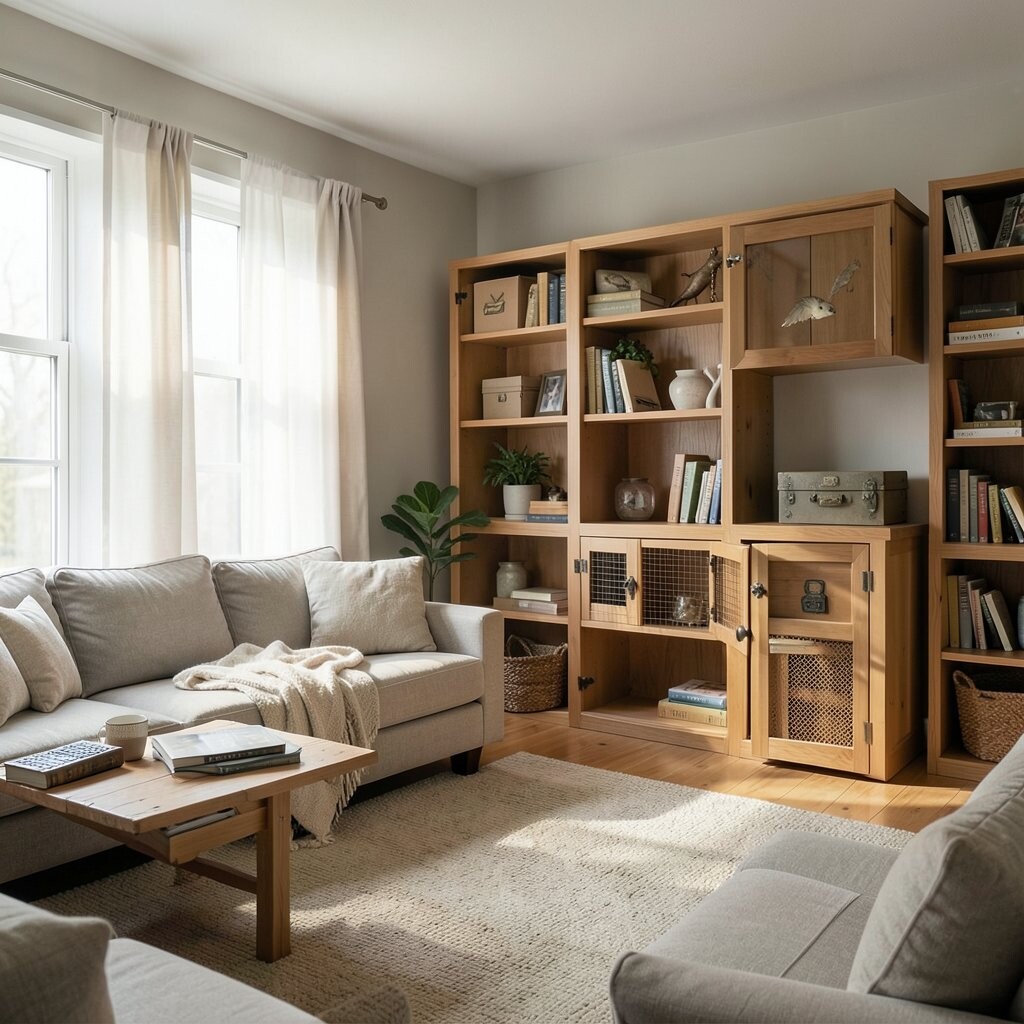
Turn your living room into a simple clue game with a small lockbox at the end. Hide notes in books, under couch cushions, and near picture frames so players can move around the room and look closely at the space.
This idea works well because it uses things you already have, so the cost stays low. You can make it fit a birthday, a rainy day, or a family game night by changing the clue theme and the final prize.
For a personal touch, use names, family jokes, or photos in the clues. If you want it to feel more current, add a phone-based hint code or a short online puzzle that leads to the lockbox code.
2. Kitchen Time Trial
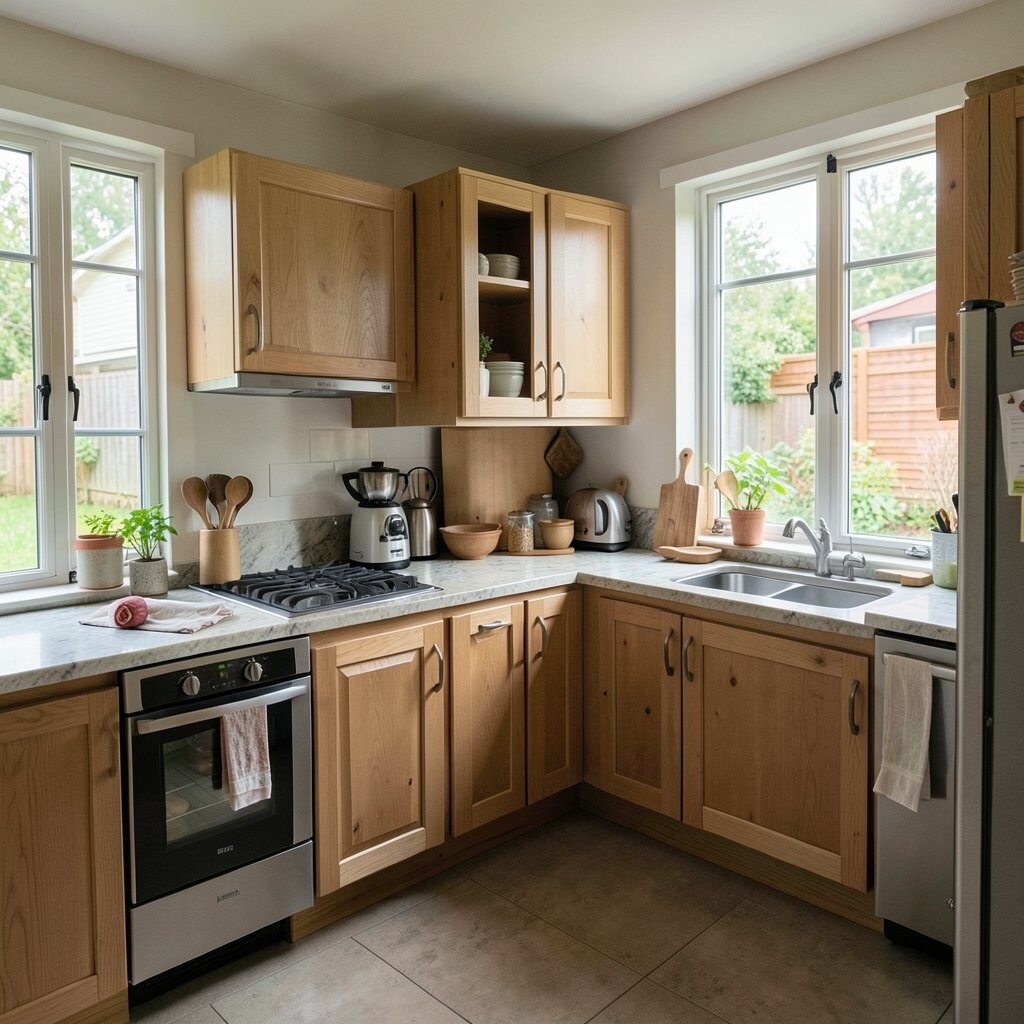
Make the kitchen the center of a fast puzzle game with a timer and a set of safe tasks. Players can find clues in recipe cards, spice jars, and drawers, then use them to make a code for a box or envelope.
The bright, busy look of a kitchen makes this room feel active and easy to use. It also gives a nice mix of reading, searching, and quick thinking, which helps keep everyone involved.
This setup is cheap because most of the props are already in the room. You can make it your own by using food names, family recipes, or a theme like breakfast, bakery, or picnic day.
3. Bedroom Secret Mission
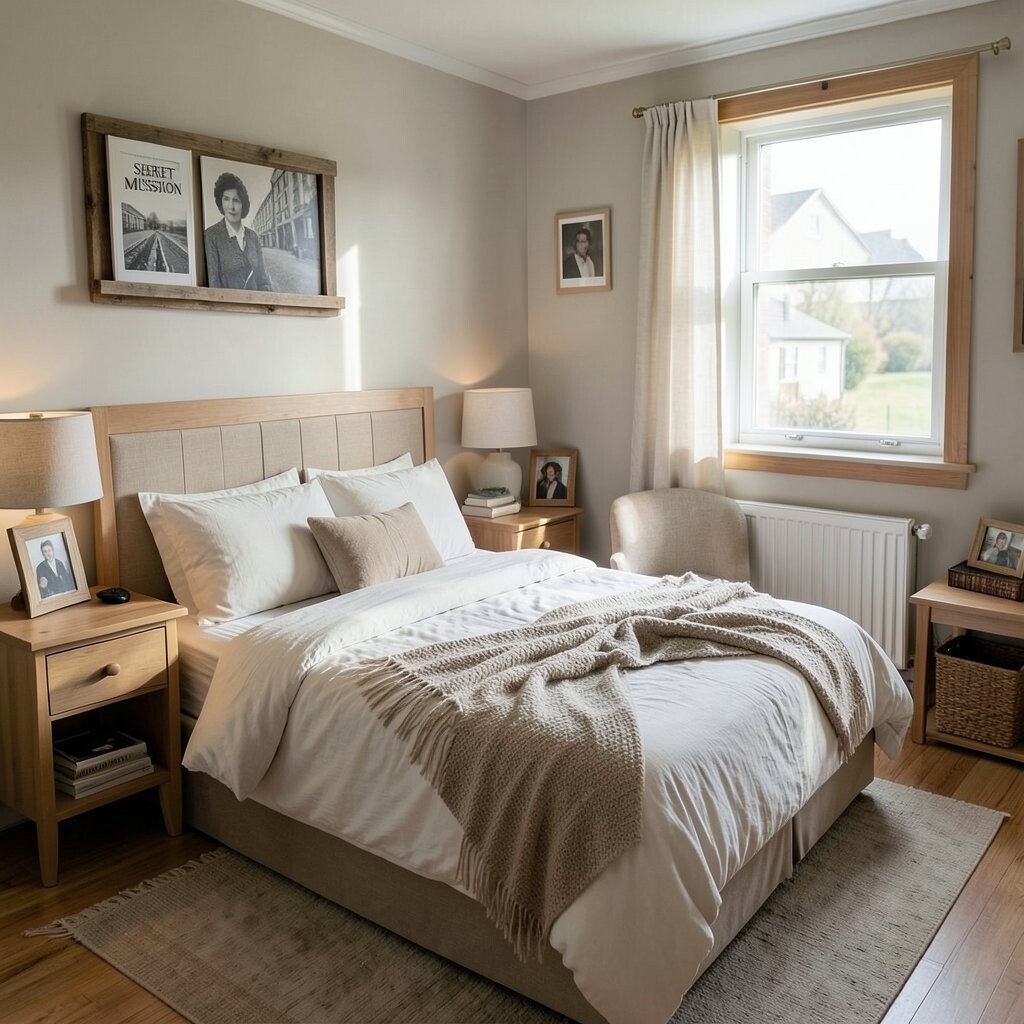
A bedroom can work well for a calm escape room with soft clues and hidden notes. Try placing puzzle pieces in drawers, inside shoes, and under pillows so the room feels full of small surprises.
This kind of game is good for smaller groups because the space is simple and easy to manage. It also helps players use close attention, since many clues can be small and tucked away in plain sight.
You can keep costs low by using paper, tape, and items from the room itself. A trend many families like is adding a story line, such as finding a lost item, a secret note, or a pretend mission before bedtime.
4. Bathroom Code Hunt
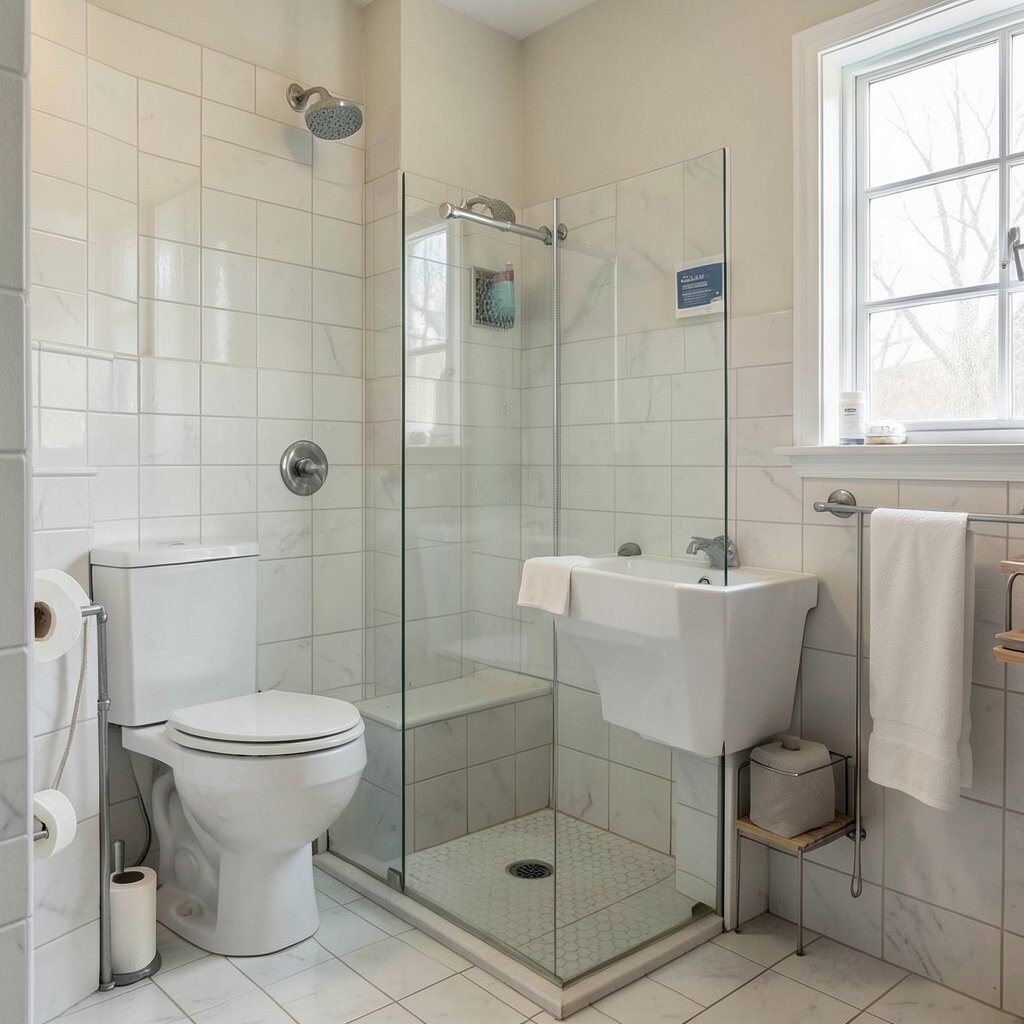
A bathroom escape room can be short, clean, and easy to set up. Use safe, dry clues on mirrors, inside empty cups, on the back of shampoo bottles, and near towels.
The neat, small space makes it easy to keep track of clues and avoid too much mess. This idea is unique because it turns a room people use every day into a place for quick thinking and careful searching.
Keep the budget low by using sticky notes, washable markers, and paper strips. You can make it more personal with clues based on daily routines, favorite colors, or a family joke about getting ready in a rush.
5. Backyard Treasure Trail
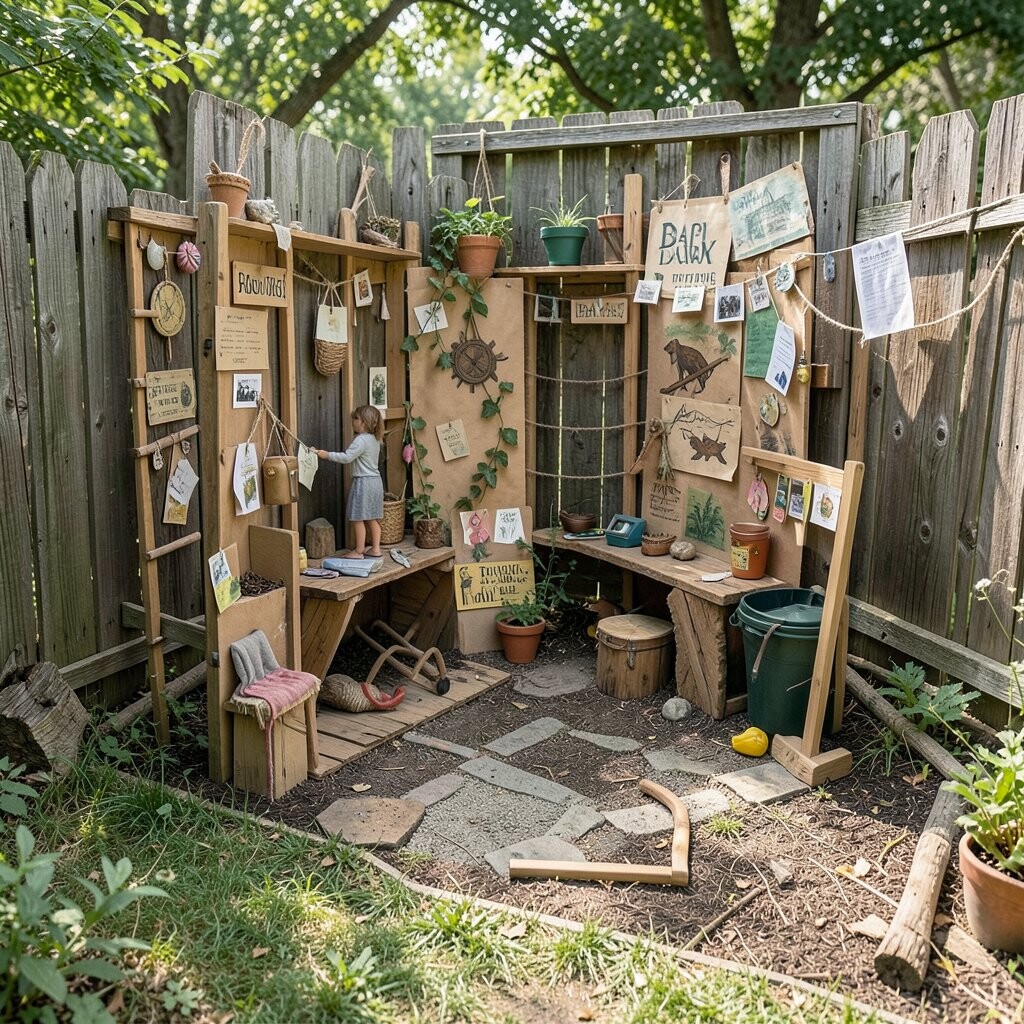
If you have a yard, use it for a trail of clues that leads to a hidden prize. Players can check flower pots, garden tools, patio chairs, and safe outdoor spots to find the next step.
The outdoor setting gives the game a fresh feel and adds more room for movement. It is a good choice for groups that want to walk, search, and work together without feeling stuck in one place.
This can be very low cost if you use paper clues and things already in the yard. A current trend is to mix the escape room with a treasure hunt, so the final goal feels like both a puzzle and a reward.
6. Hallway Detective Run
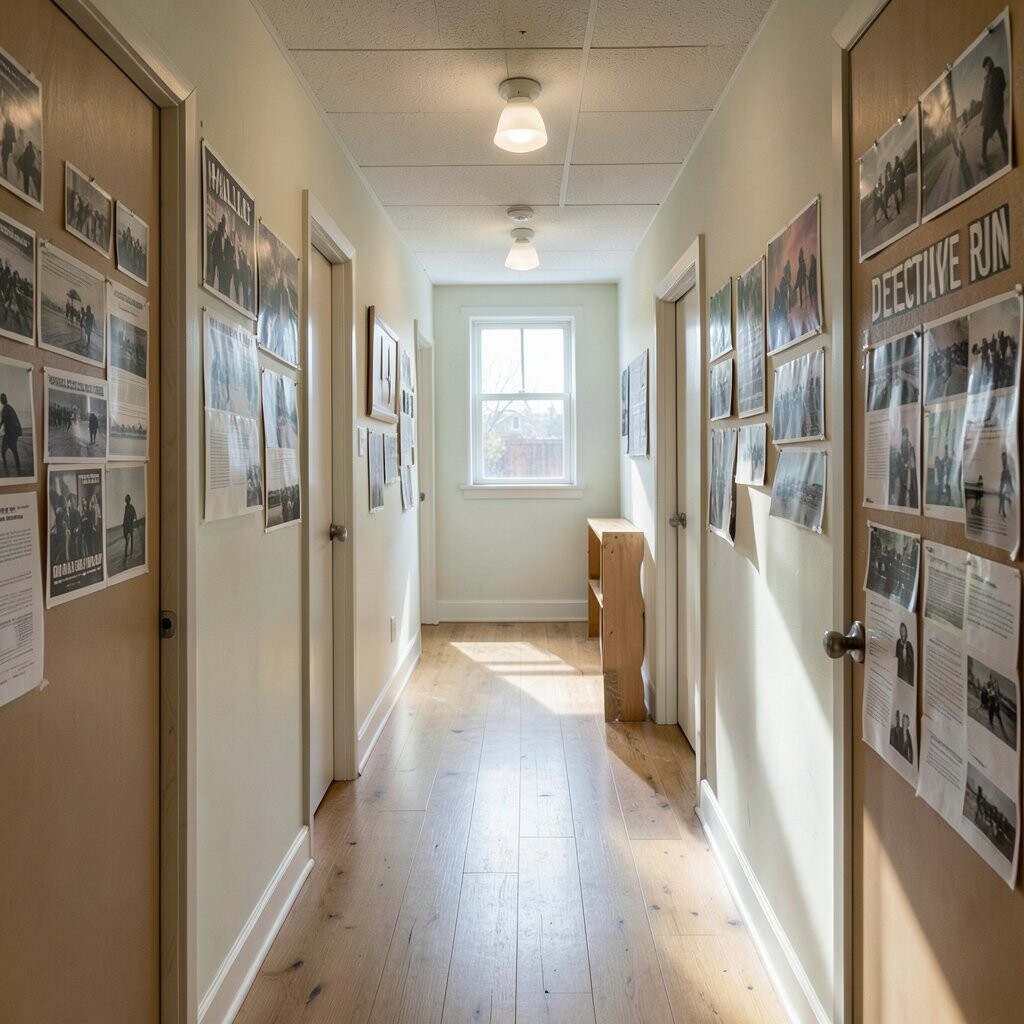
Use a hallway as a narrow clue path with signs, hidden notes, and small puzzles on the walls. The long shape of the space makes it easy to guide players from one clue to the next in a clear line.
This idea is great for homes that do not have a lot of extra space. It also keeps the game simple, since players can focus on one area at a time and feel a clear sense of progress.
You can make the theme fit a mystery, a spy story, or a lost key search. The cost stays low because paper clues, tape, and a few envelopes are often enough to build the whole game.
7. Garage Gear Puzzle
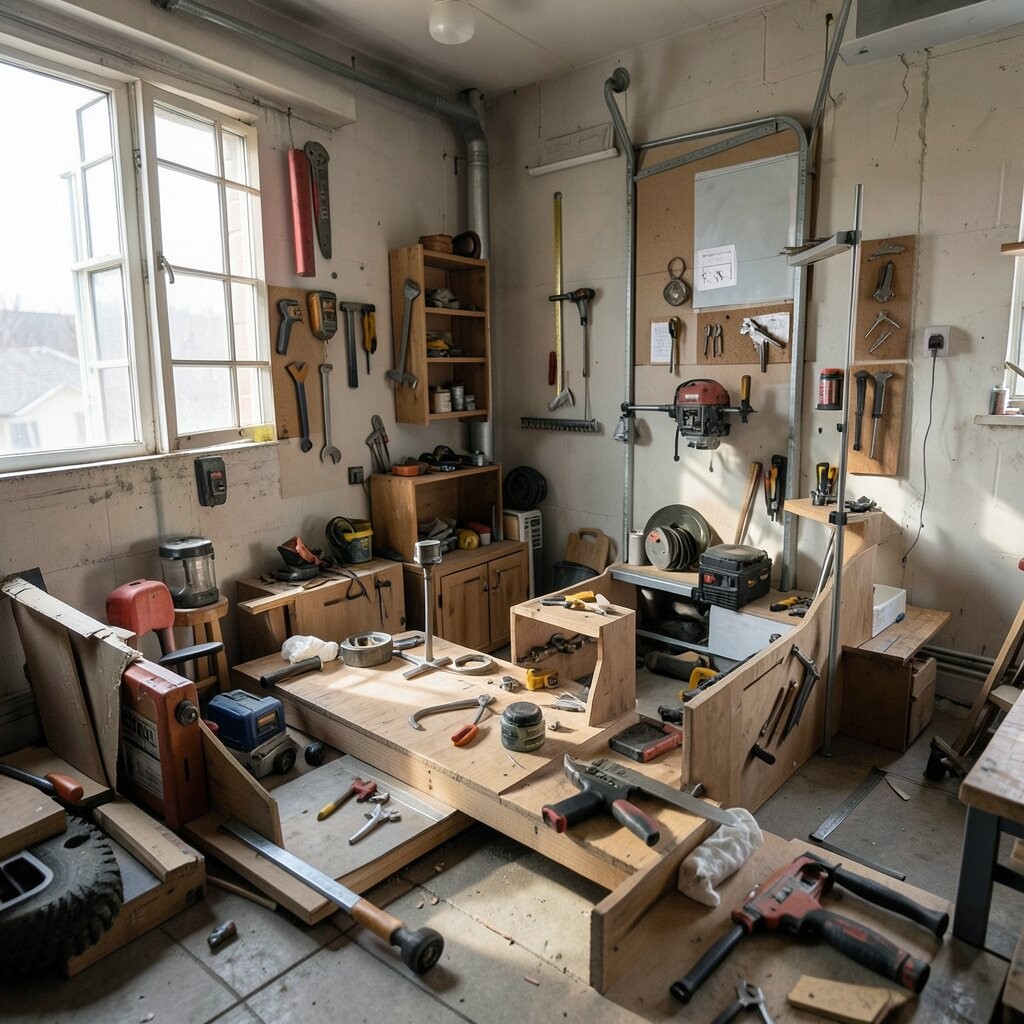
A garage gives you a larger space with shelves, boxes, and tools that can hold clues. You can hide notes in safe places like empty bins, on work tables, or near sports gear to make the space feel full of ideas.
The rough look of a garage can make the game feel different from the rest of the home. It is useful for bigger groups because there is more room to spread out and search without bumping into each other.
To keep it safe, avoid sharp tools and heavy items that could fall. A simple trend is to use a theme like repair shop, lost parts, or a secret workshop, which can make the game feel more fun without costing much.
8. Bookcase Word Maze
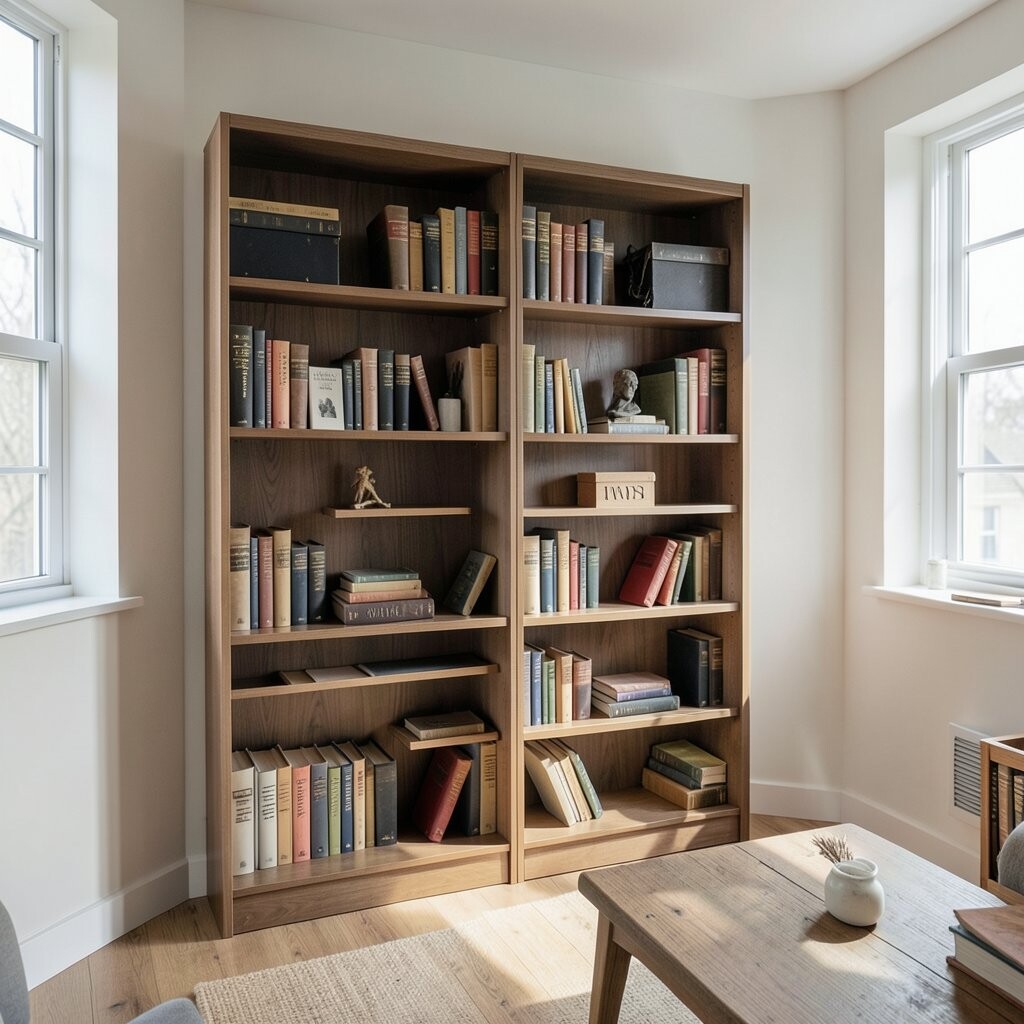
Turn a bookcase into a puzzle wall by placing clues between books and on shelf edges. Players can look for certain words, page numbers, or color marks that point to the next hint.
This idea has a calm, neat look and works well for people who enjoy reading. It is also a smart way to use a space that already holds many objects, which makes the setup feel natural.
You can personalize it with favorite books, family names, or notes tied to school subjects. The cost is low because you only need paper, labels, and a few made-up clues to build the game.
9. Laundry Room Number Chain
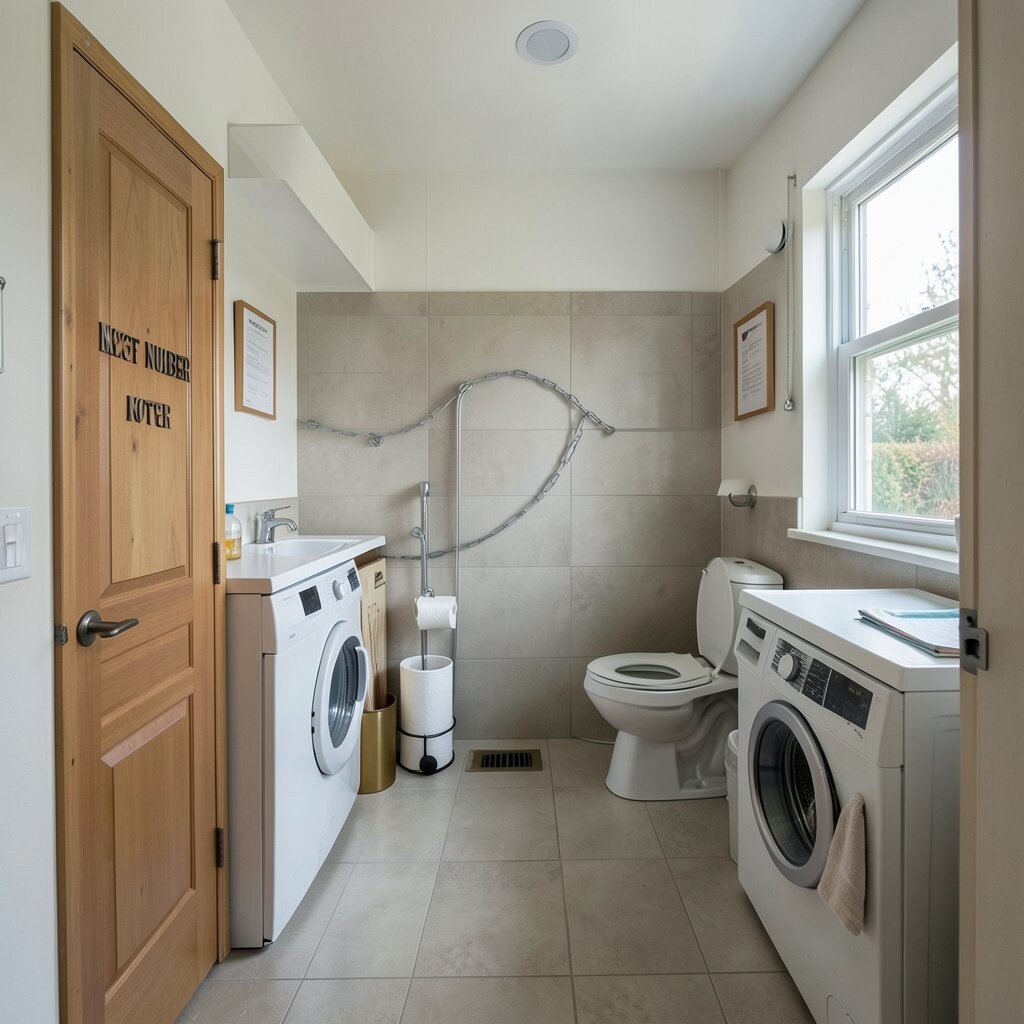
A laundry room can become a small puzzle zone with tags, baskets, and folded towels. Hide clues in sock pairs, detergent boxes, and pockets of clean clothes to make players search with care.
The room may seem plain at first, but that makes the surprise even better. It also gives a nice mix of sight-based clues and simple number tasks, which can help younger players join in.
This setup is cheap and easy to change for each group. You can use a clothes theme, a color sort game, or a family laundry joke to make the room feel more like your own.
10. Dining Table Code Break
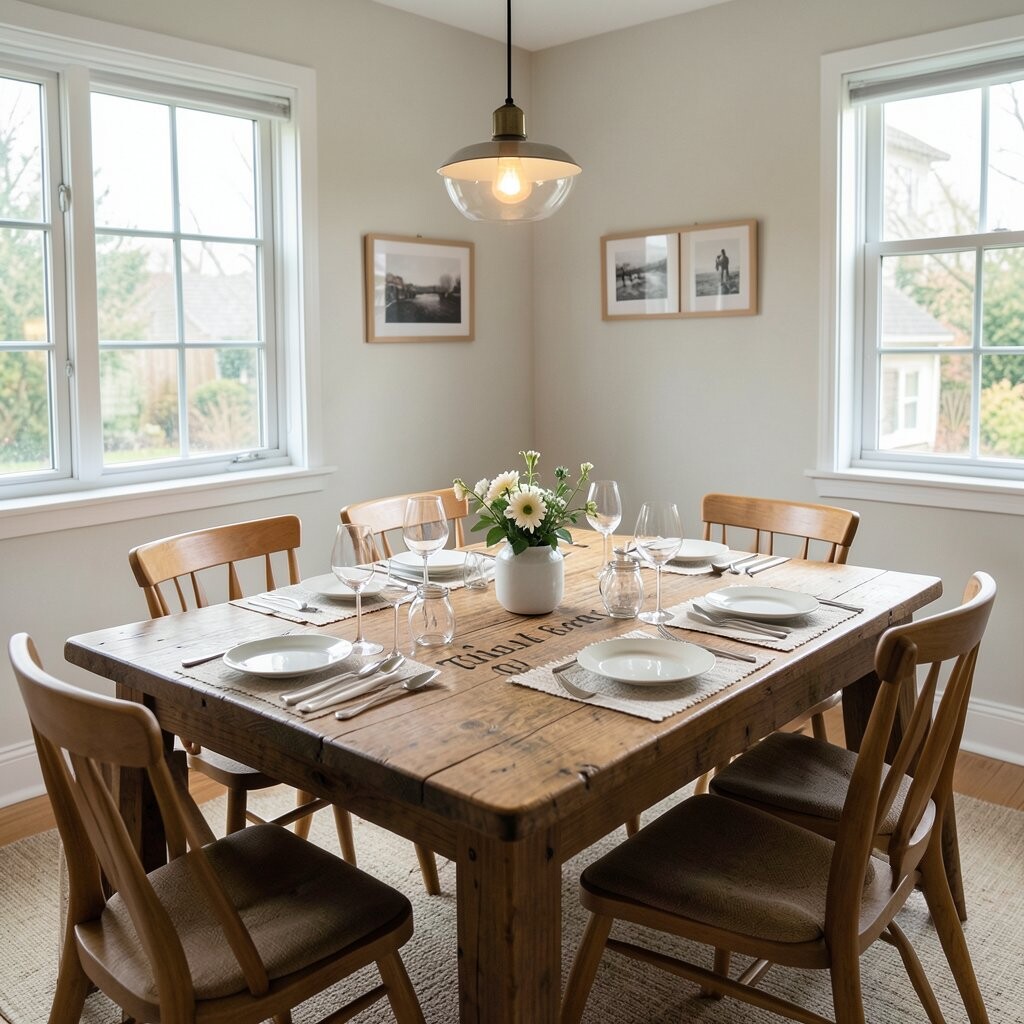
Use the dining table as the main spot for a clue chain that starts with place mats, napkins, and chairs. Players can search under plates, inside folded paper menus, and around the table legs for key hints.
This idea is nice for family groups because the space is easy to reach and easy to reset. It also has a clean look, so you can make the room feel like a cafe, a dinner party, or a secret meeting place.
The cost can stay very low if you use printed clues and common kitchen items. A current trend is to add a short story card at the start, which helps set the mood without adding much work.
11. Closet Clue Stack
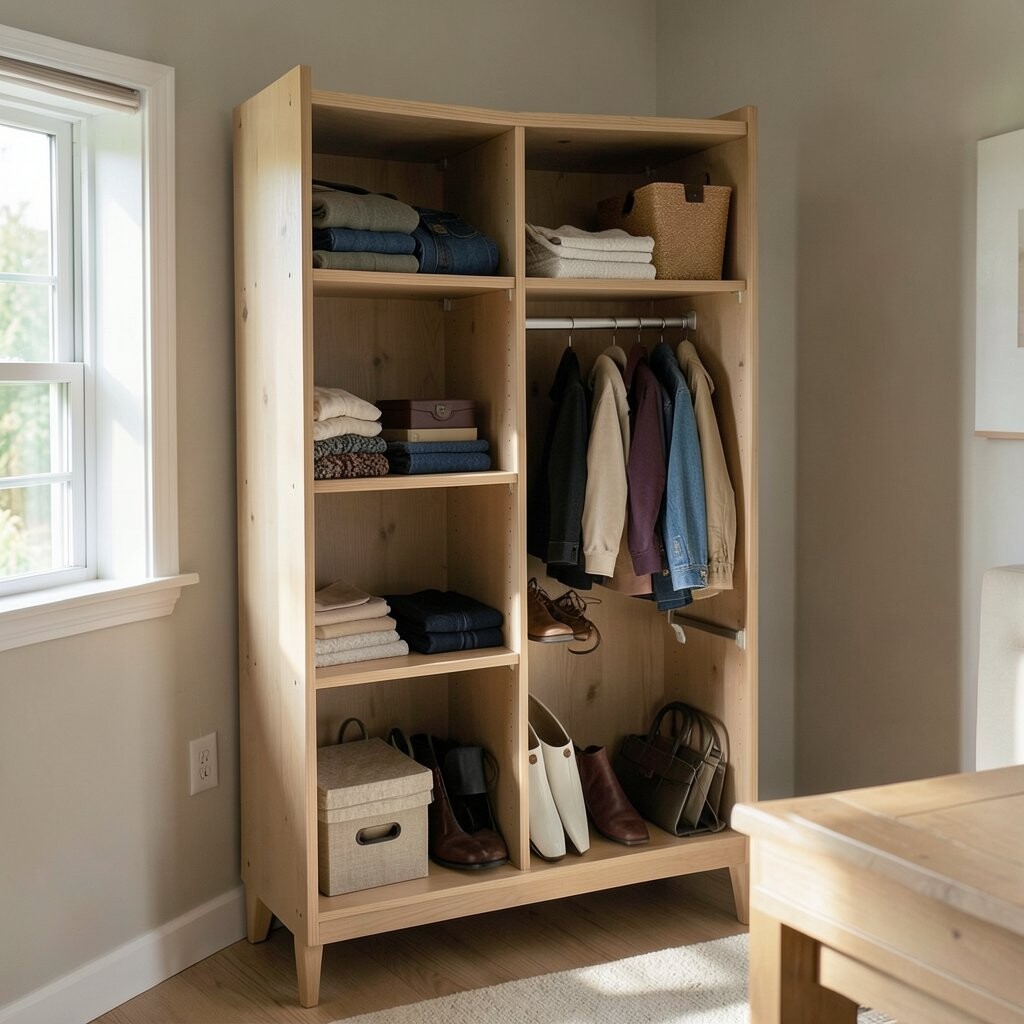
A closet can hold many small clues in a tight space, which makes it great for careful searching. Put notes on hangers, inside shoe boxes, and on the floor near folded clothes to build a simple path.
This room feels unique because it is small, dark, and full of hidden spots. That can make the game more exciting for players who like close-up puzzles and small search areas.
Keep the budget low with paper tags, string, and a few envelopes. You can make it personal by using old clothes, team shirts, or a story about finding a missing item from the closet.
12. Stairway Step Challenge
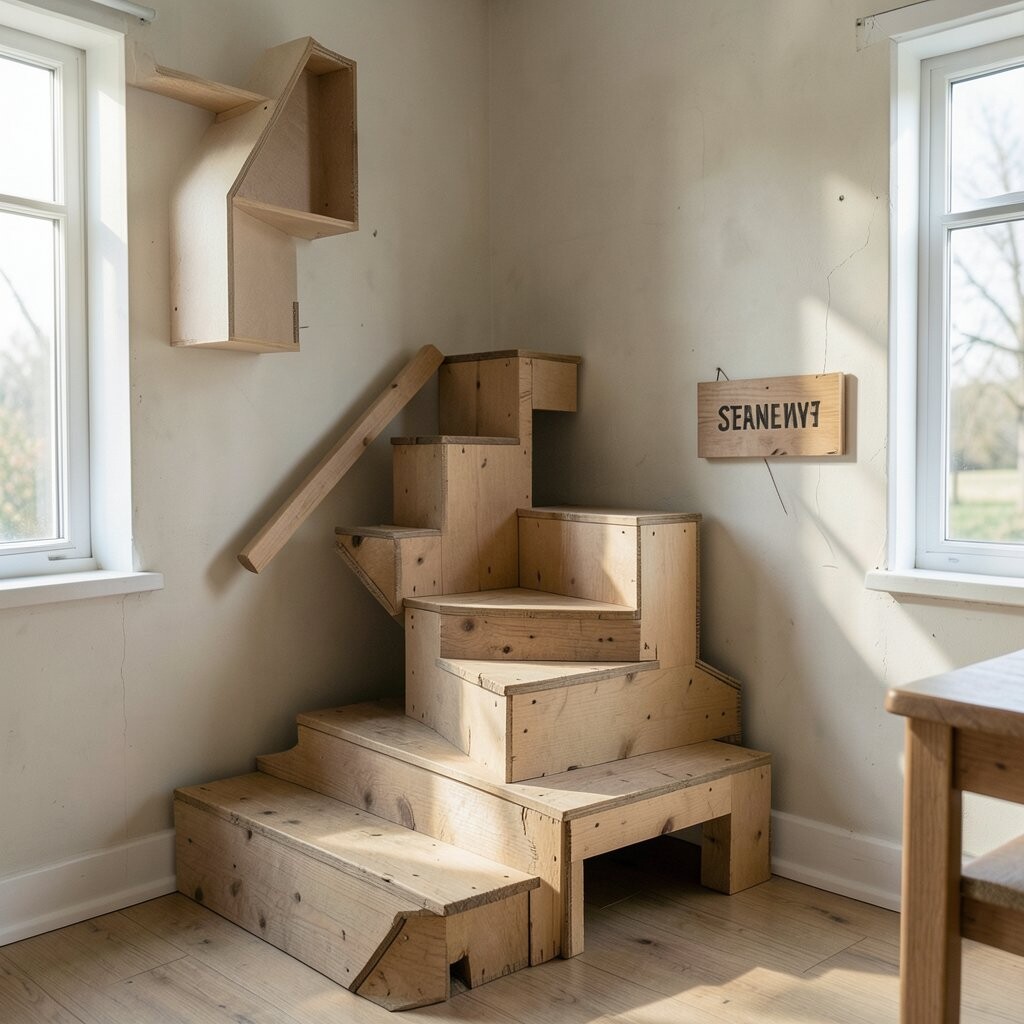
Use each stair step as part of a clue chain that leads players up or down the house. You can place a word on each step, hide a note under a mat, or use taped arrows to guide the path.
The shape of the stairs gives the game a clear flow and helps players know where to go next. It also adds movement, which can help kids stay interested and make the room feel less like a desk puzzle.
This idea costs very little because tape and paper are often enough. A popular trend is to use a timed run with a final clue at the top or bottom, which gives the game a simple finish without needing many props.
13. Toy Box Rescue
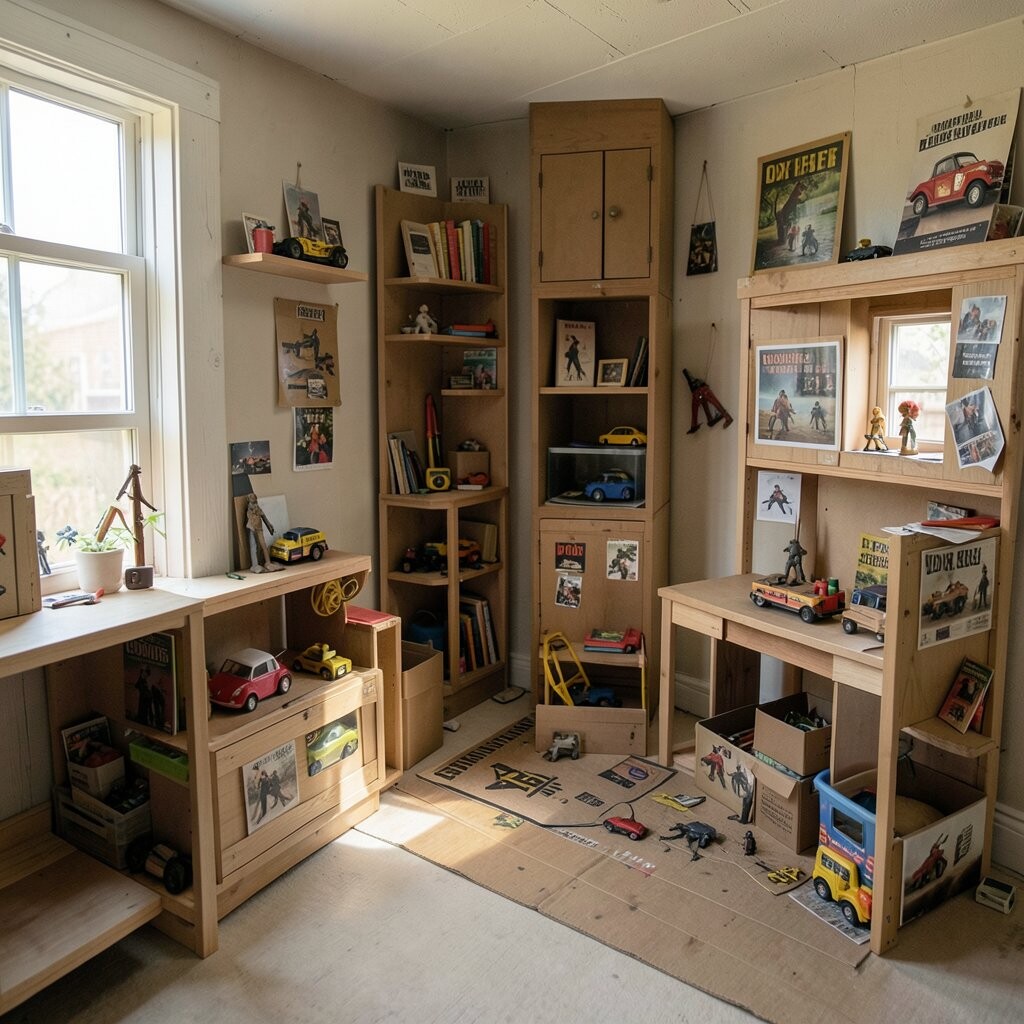
If you have kids, a toy box can be a fun place for a rescue-style escape room. Hide clue cards in blocks, toy cars, dolls, or game pieces so players must sort through play items to move ahead.
The bright look of toys makes this idea feel friendly and easy to use. It works well for younger children because the clues can be simple, visual, and tied to things they already know.
You can keep the cost down by using toys already in the house and adding only a few printed hints. To make it personal, use the child’s favorite toy, a made-up hero name, or a story about saving a lost prize.
14. Pantry Pattern Puzzle
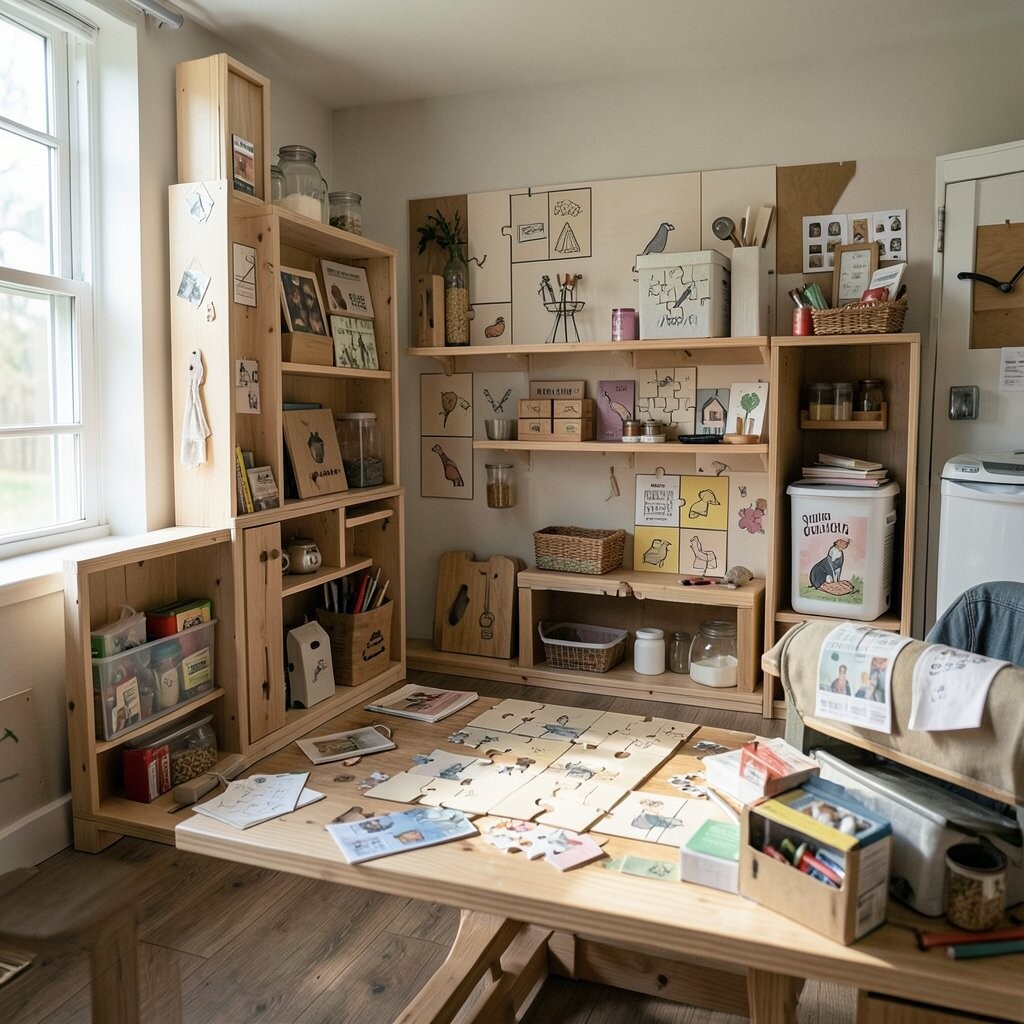
Set up a puzzle in the pantry using cans, boxes, and labels as clue spots. Players can sort items by color, shape, or word pattern to find the next code.
This room has a neat, full look that makes it easy to hide clues in plain sight. It is also useful for teaching careful reading and matching, which can be great for mixed-age groups.
The cost stays low because the pantry already has many items that can be used as props. You can make the theme fit a shopping list, a meal plan, or a secret snack mission, which is a fun trend in home games.
15. Desk Drawer Mystery
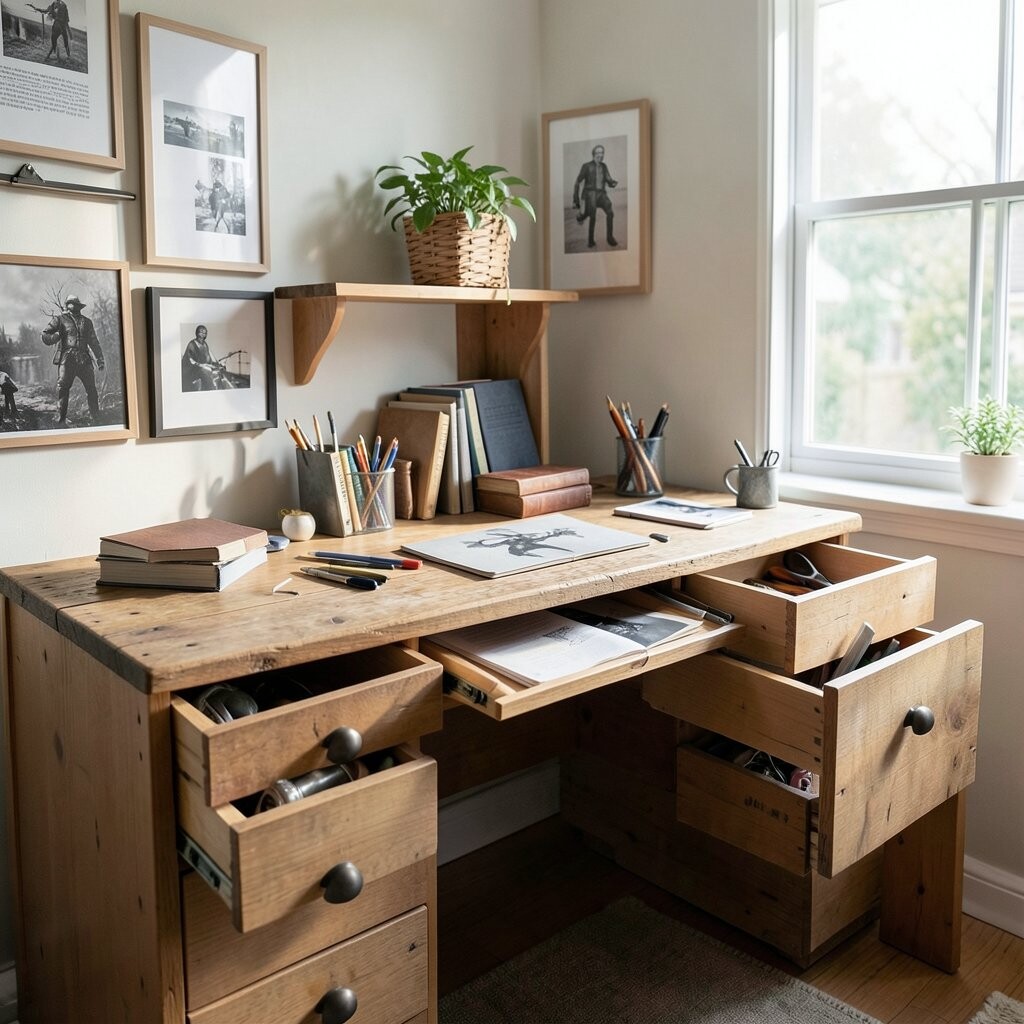
A desk is a good choice for a small puzzle game with papers, pens, and drawers. Hide clues in notebooks, under keyboard trays, and inside folders to create a neat search area.
This setup has a clean and focused feel, which works well for older kids and adults. It also gives a good mix of reading, sorting, and code breaking without needing a lot of space.
You can make it personal with school notes, work items, or family papers that fit the story. The cost is low because most of the items are already on the desk, and you only need a few extra printed clues.
16. Window Sign Hunt
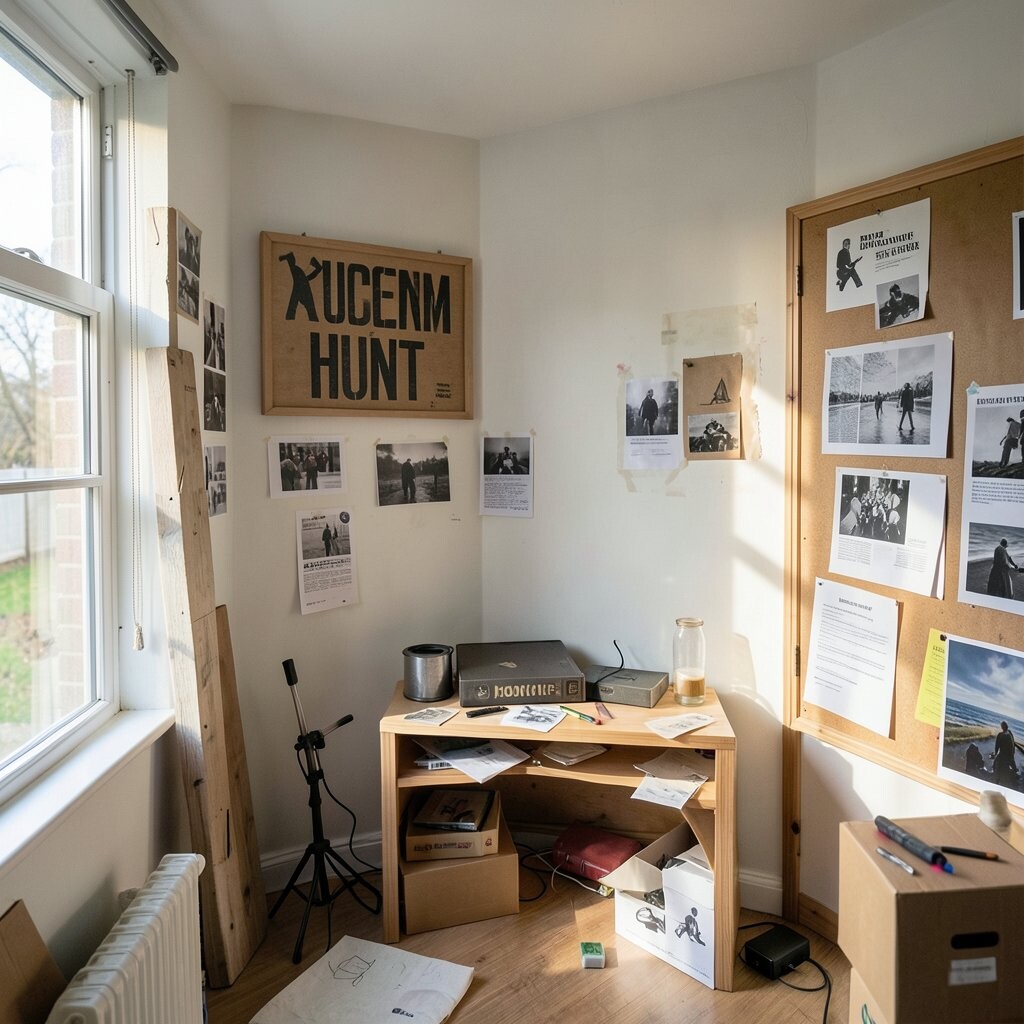
Use windows as clue spots by taping notes, shapes, or word cards in safe places. Players can look through the glass, match symbols, and use light from the room to help solve the puzzle.
This idea has a bright, open look and works well in the day. It is different from many other escape rooms because it uses light and sight more than drawers or hidden boxes.
You can keep the budget low with paper, tape, and marker drawings. A trend many people like is using glow stickers or colored paper, which can make the room feel fresh without much cost.
17. Pillow Fort Puzzle Base
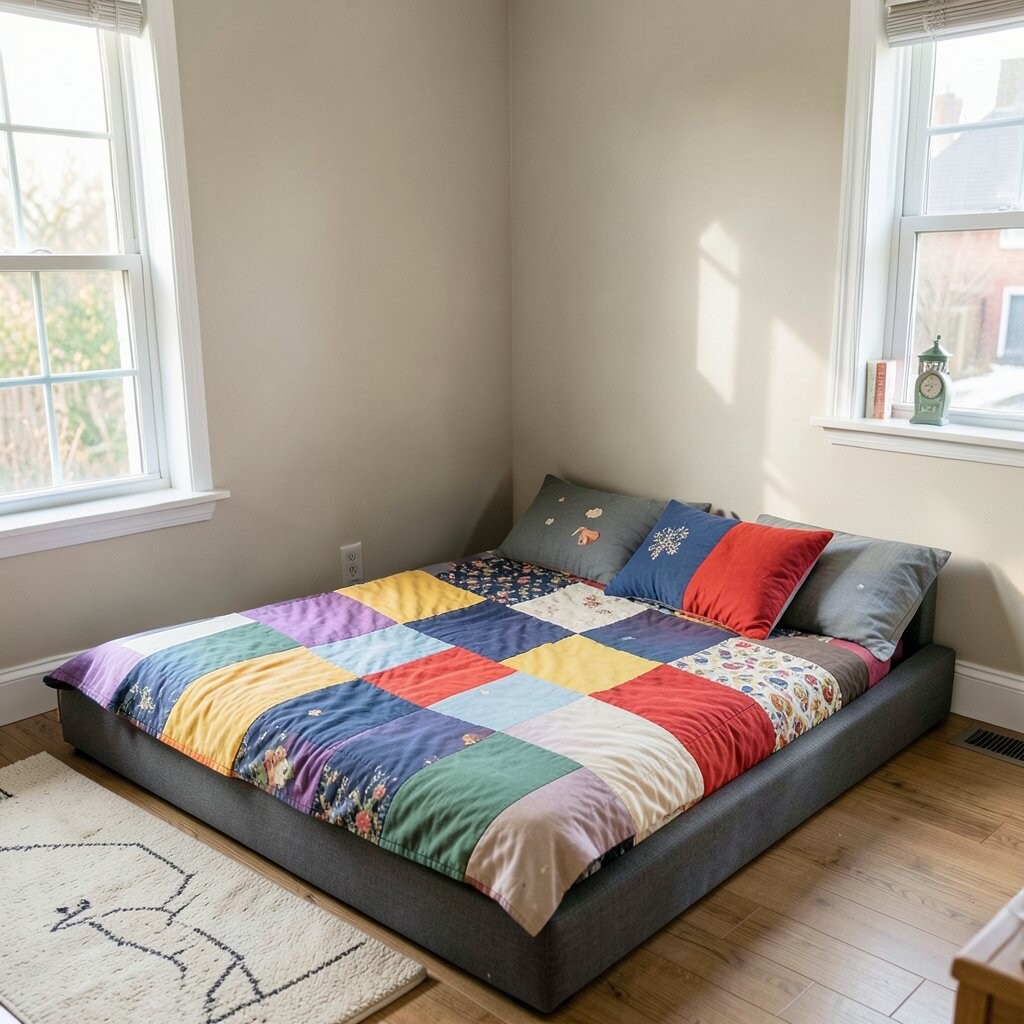
Build a pillow fort in the living room and turn it into a puzzle base. Hide clues in blankets, under cushions, and inside small bags so players must search the fort from end to end.
The soft, cozy look makes the game feel warm and easy to enjoy. It also gives kids a chance to help build the space, which makes the whole activity feel more personal and shared.
This idea can be very cheap if you use pillows, sheets, and paper clues. You can make it fit a camp theme, a secret hideout, or a rescue mission, which are all common styles in home games now.
18. Photo Album Memory Game
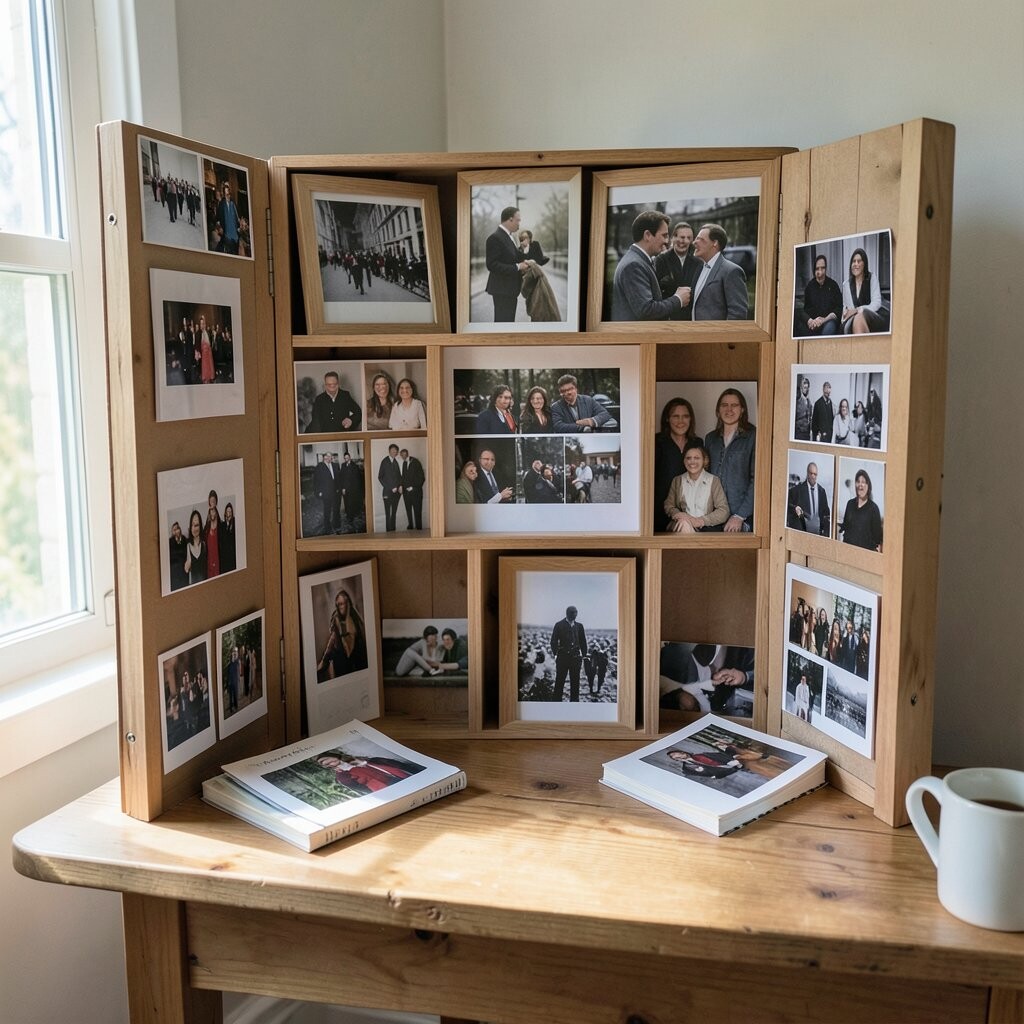
Use a photo album or stack of family pictures as the base for the escape room. Players can match faces, dates, places, or small items in the photos to find the next clue.
This idea feels warm and personal, and it can bring back good memories while people solve puzzles. It also gives a clear visual style, since the photos can guide players through the story.
The cost can stay low if you use printed photos you already have at home. You can add a trend-friendly touch by turning the game into a memory trail, where each clue leads to a story from a past trip or event.
19. Calendar Date Chase
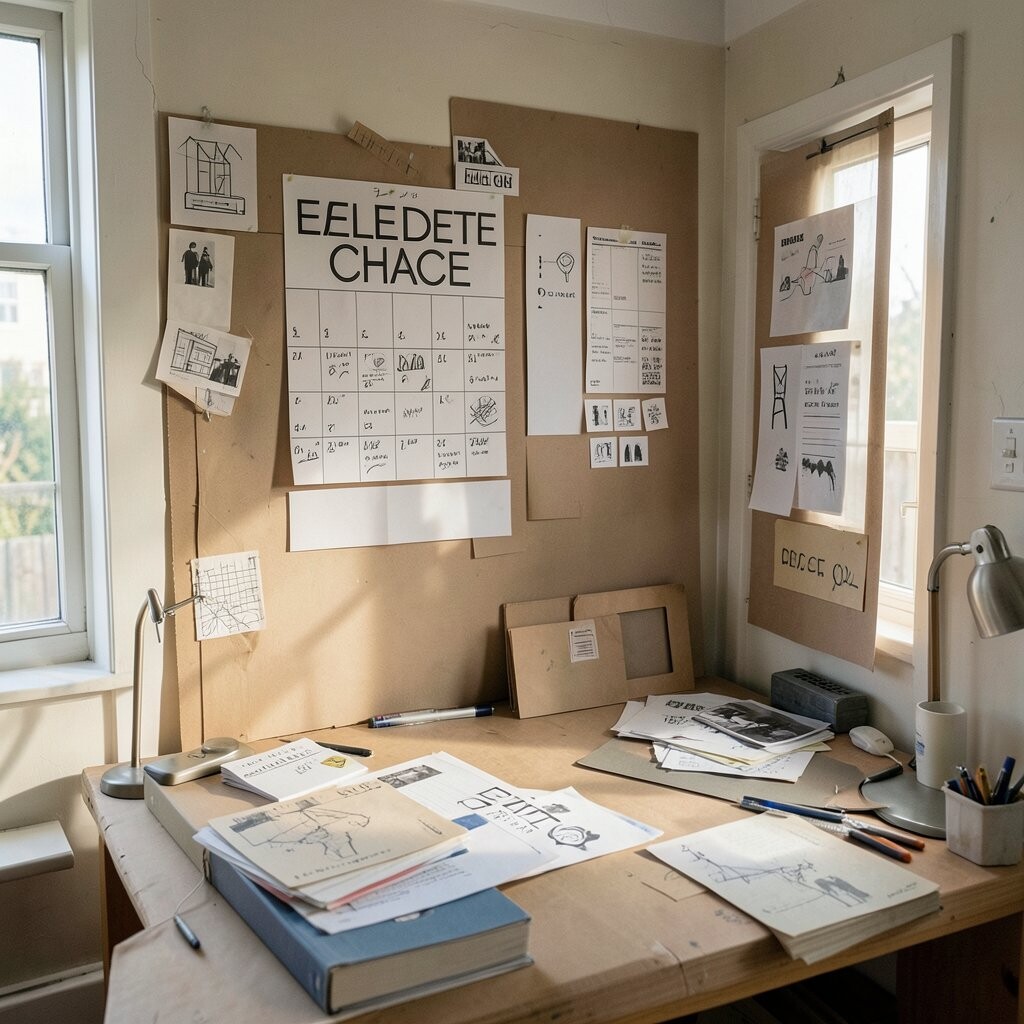
Turn a wall calendar into a clue board with marked days, circles, and note cards. Players can look for dates, day names, and event clues that point to a code or hidden object.
This is a simple way to make a game that feels neat and easy to follow. It works well for people who like order, patterns, and small steps that build toward one final answer.
You can personalize it with birthdays, school dates, or family plans that matter to your group. The cost is low because a paper calendar and a few markers can do most of the work.
20. Music Corner Riddle Set
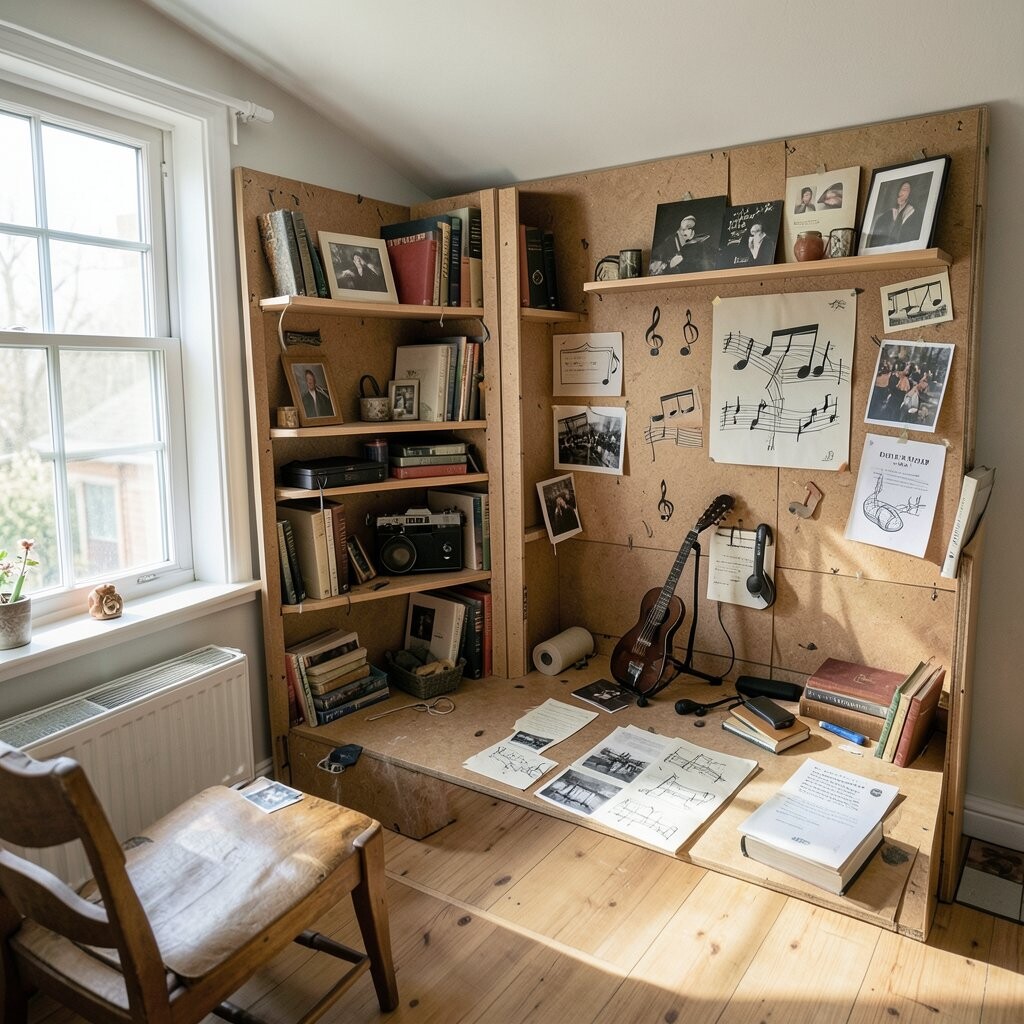
Create a music-themed escape room in a corner with speakers, song cards, and note symbols. Players can match tunes, find lyrics, or sort sound clues to reach the next step.
The room can feel lively and modern, especially if your group enjoys music. It also gives a nice change from common clue types, since the game can use sound, rhythm, and simple word play.
This idea can be made on a small budget with printed song names and paper notes. You can make it your own by using favorite songs, a family playlist, or a theme like school band, dance night, or karaoke fun.
21. Mixed-Room Final Run
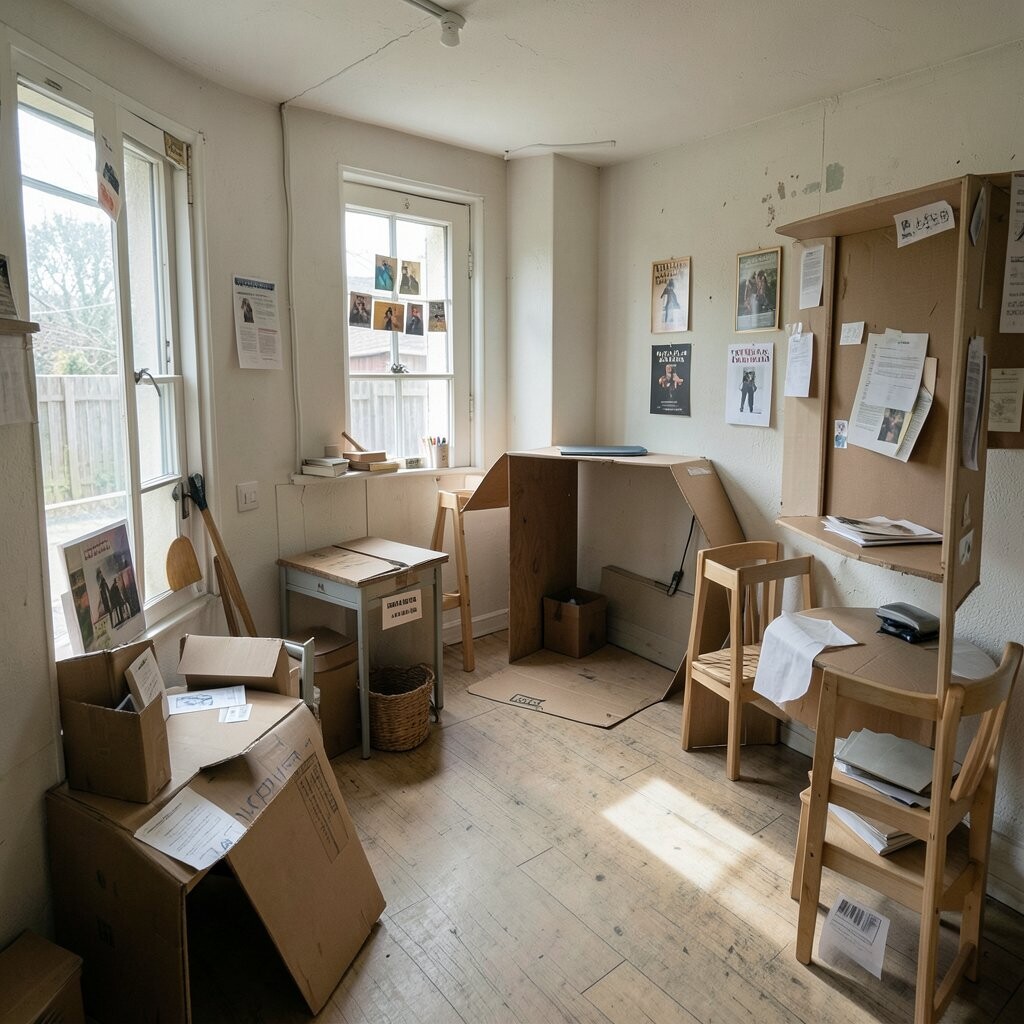
Use more than one room for one final game so players move from place to place and piece together clues. You can start in the bedroom, shift to the kitchen, and finish at a lockbox or prize spot in the living room.
This style feels bigger and more current because many home games now use a full-house path. It gives players a strong sense of progress, and it can make the game feel special even if each clue is simple.
The cost can still stay low if you use paper clues, tape, and items from each room. You can personalize it with a family story, a holiday theme, or a custom goal that fits your group and makes the whole game feel like it was made just for them.