Window displays can help a shop get noticed and make the front look fresh. Small changes can also fit many budgets and match different styles.
1. Layered Paper Cutouts
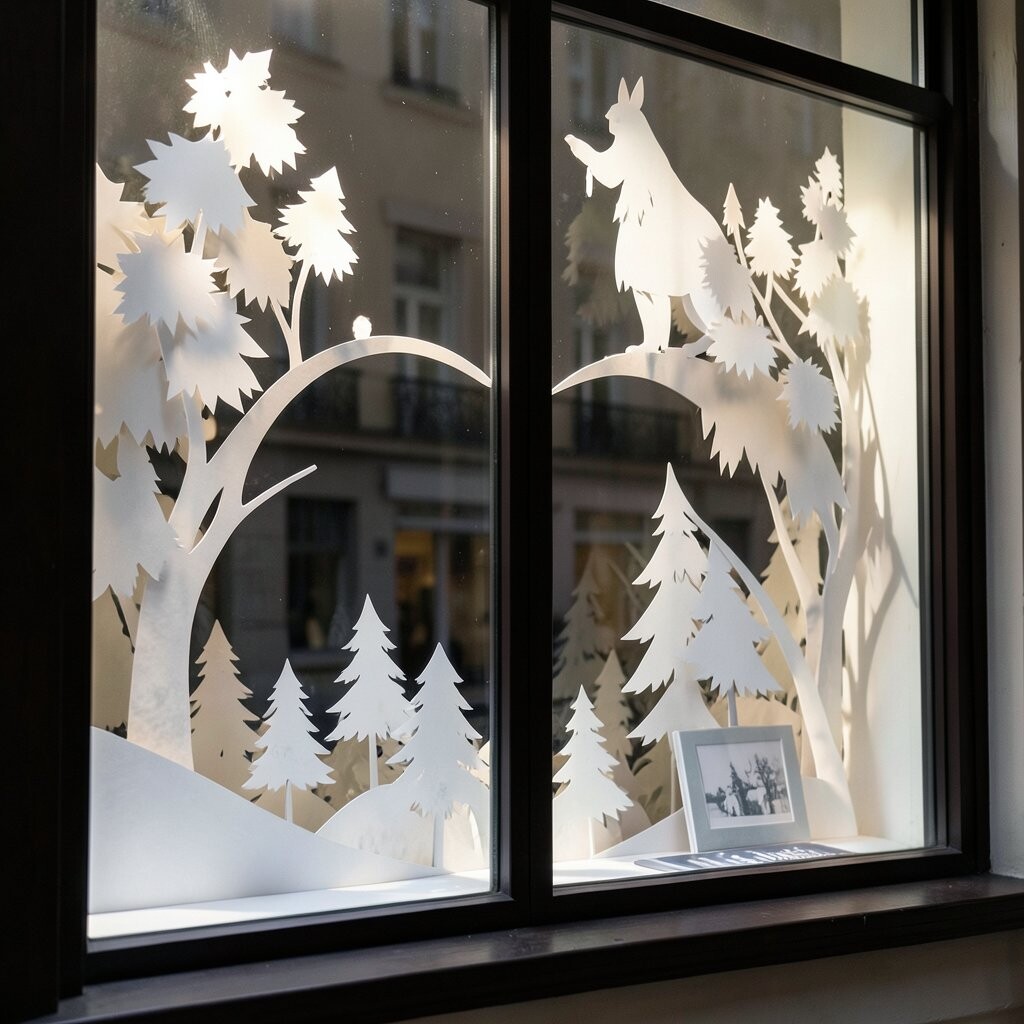
Layered paper cutouts give a window a clean and hand-made look. The mix of shapes, shadows, and open space can make the display feel light and easy to read.
This style works well for stores that want a low-cost setup. You can use colored paper, card stock, or old print sheets, which keeps the price down and makes it simple to change with the season.
Try using a theme that fits your shop, like leaves, stars, or simple city shapes. A few layers can do a lot, so you do not need a full wall of paper to make it stand out.
2. Bold Color Blocks
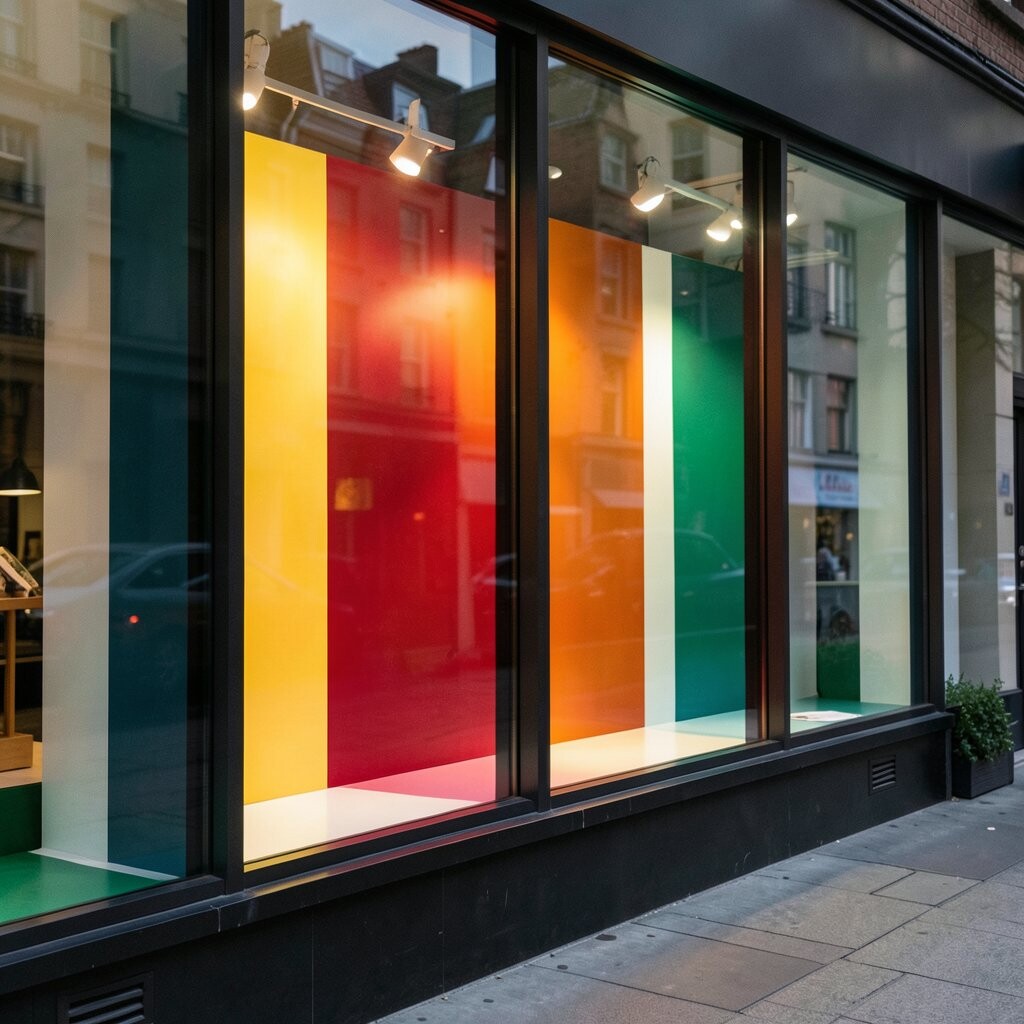
Bold color blocks can give a window a strong and neat look. Large pieces of color are easy to see from the street, even when people are moving past fast.
This idea is good for shops that want a modern feel without a lot of small parts. Paint, vinyl sheets, or fabric panels can all work, and many of these choices are not too costly.
You can use brand colors or pick shades that match the time of year. Keep the layout simple so the colors stay clear and do not feel crowded.
3. Floating Shelf Scenes
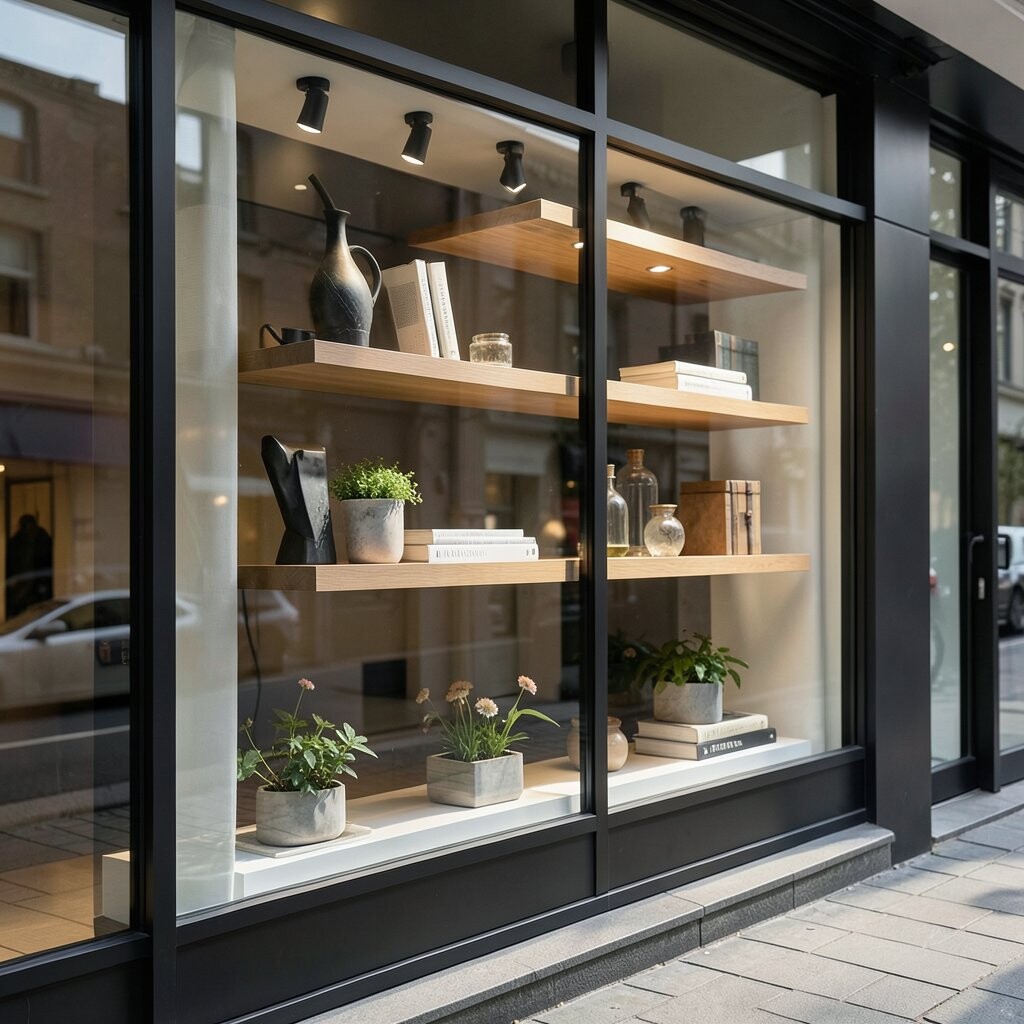
Floating shelf scenes add depth and make a window feel more like a small room. A few shelves can hold shoes, books, candles, jars, or other items that fit the store.
This setup is useful because it shows products at eye level and gives people a clear view of what you sell. It can also be changed often, so the window does not stay the same for too long.
For a personal touch, group items by color or use objects that tell a small story. Wood shelves, clear brackets, and simple props can keep costs in check while still looking neat.
4. Mirror Backdrops
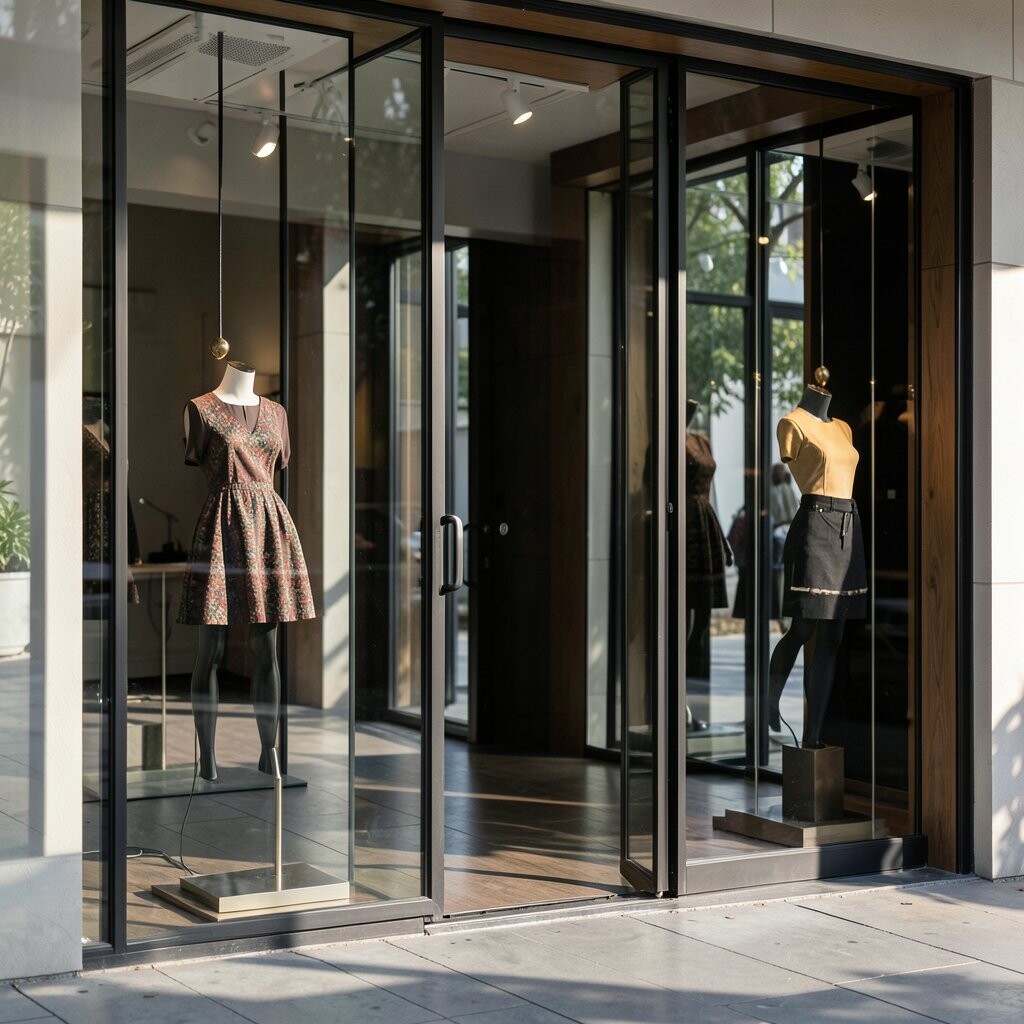
Mirror backdrops can make a window look larger and brighter. They reflect light, people, and nearby street scenes, which helps the display feel active.
This look works well for fashion, beauty, and gift shops. It also helps smaller windows seem less tight, which is useful when the space is not very wide.
You can use full mirror sheets or smaller mirror panels, depending on your budget. Try pairing them with a few simple items so the reflection does not get too busy.
5. Hanging Mobile Shapes
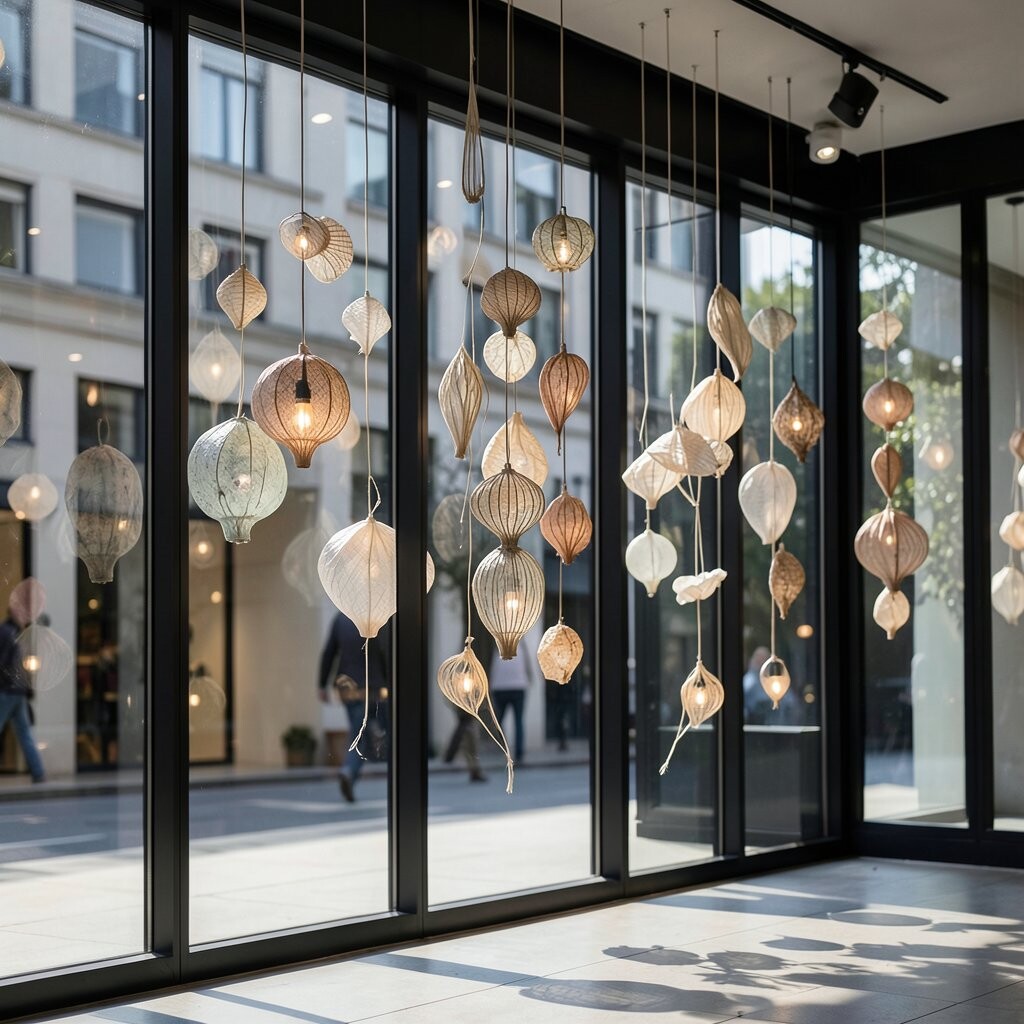
Hanging mobile shapes add motion and a soft sense of play. When air moves through the space, the pieces can turn a little and catch the eye.
This style is good for stores that want something fresh but not too loud. Paper, thin wood, felt, and light plastic all work well, and many of these materials are cheap.
You can make the shapes match a theme like rain, clouds, birds, or store products. Keep the strings at different lengths to give the display a more natural feel.
6. Seasonal Scene Boxes
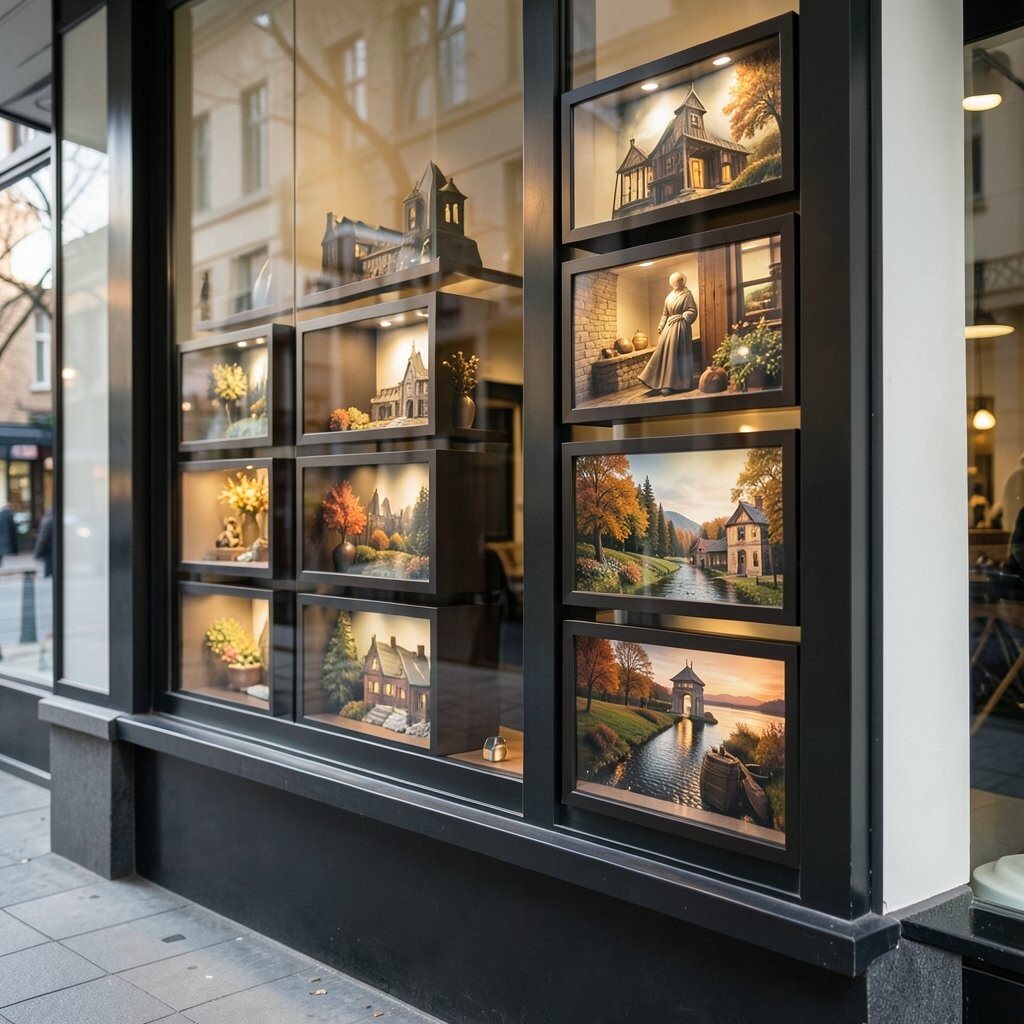
Seasonal scene boxes work like small stage sets inside the window. Each box can show one part of a bigger scene, which helps people look longer and notice more detail.
This idea is useful because it gives you a clear way to change the window during the year. You can reuse the same boxes and just switch the props, which saves money over time.
Try adding simple items like fake snow, dried leaves, shells, or flowers. A few well-placed boxes can make the window feel planned without needing a full build.
7. Neon Sign Focus
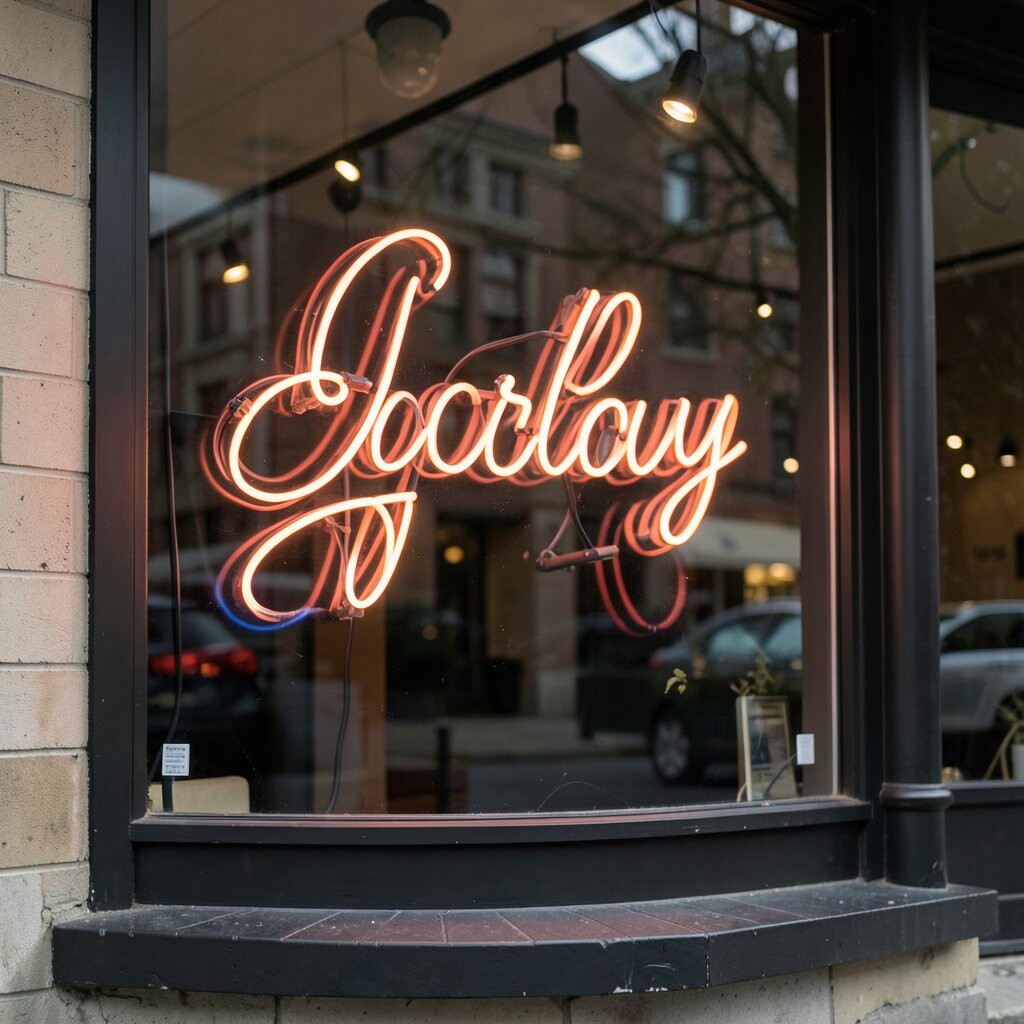
A neon sign focus gives a window a bright center point. The glow can make the store easy to spot at night and can help guide the eye during the day too.
This look fits many current trends because people like clean signs with short words or simple shapes. LED neon is often a cheaper and safer choice than old glass neon, and it uses less power.
You can keep the rest of the display plain so the sign stands out more. Pick words or icons that match your brand and keep them easy to read from the sidewalk.
8. Mannequin Storyline
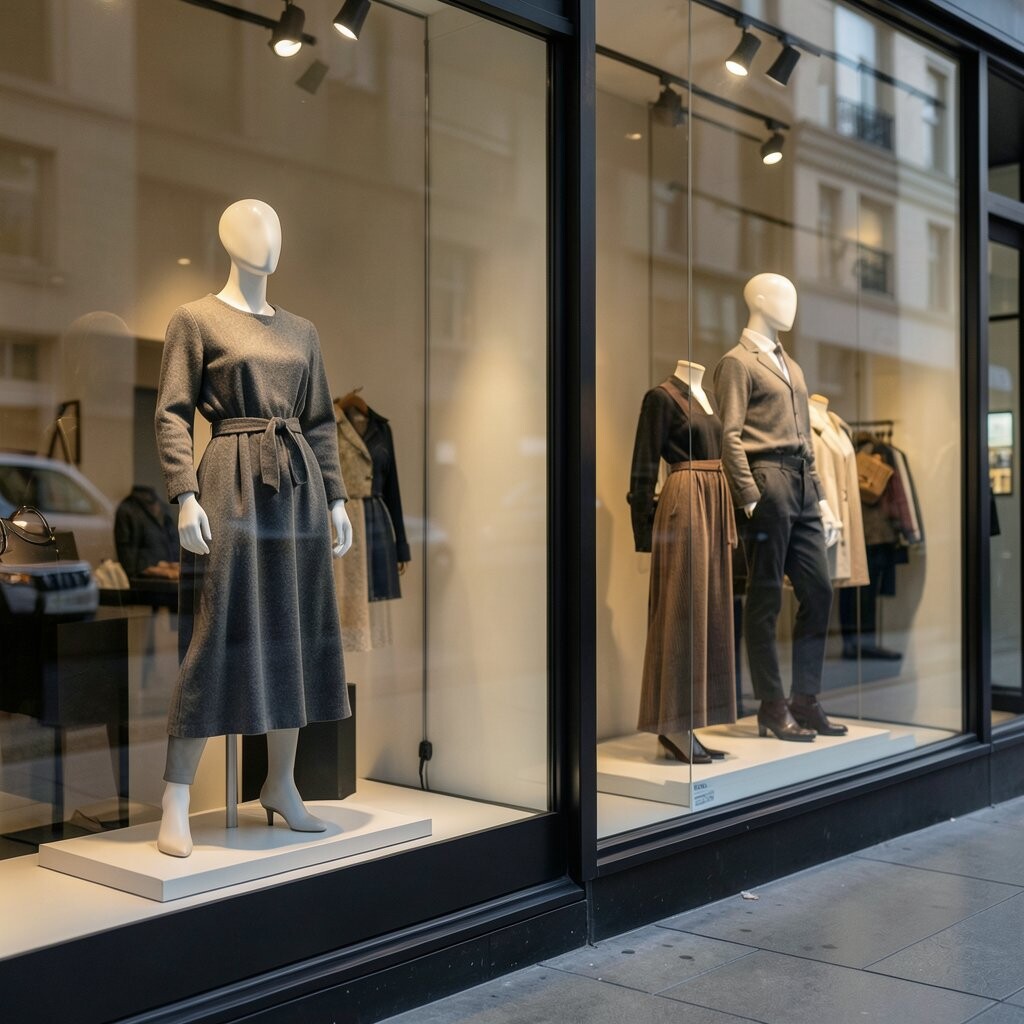
A mannequin storyline can make a window feel like a small scene from daily life. Instead of just showing clothes, you can show how the outfit might be worn at work, on a trip, or at a party.
This helps shoppers picture the item in real use, which can make buying feel easier. It also lets you use fewer pieces while still making the display feel full.
Use poses, props, and simple background items to support the story. If you change the scene often, people may stop more because they want to see what is new.
9. Product Pyramid Stacks
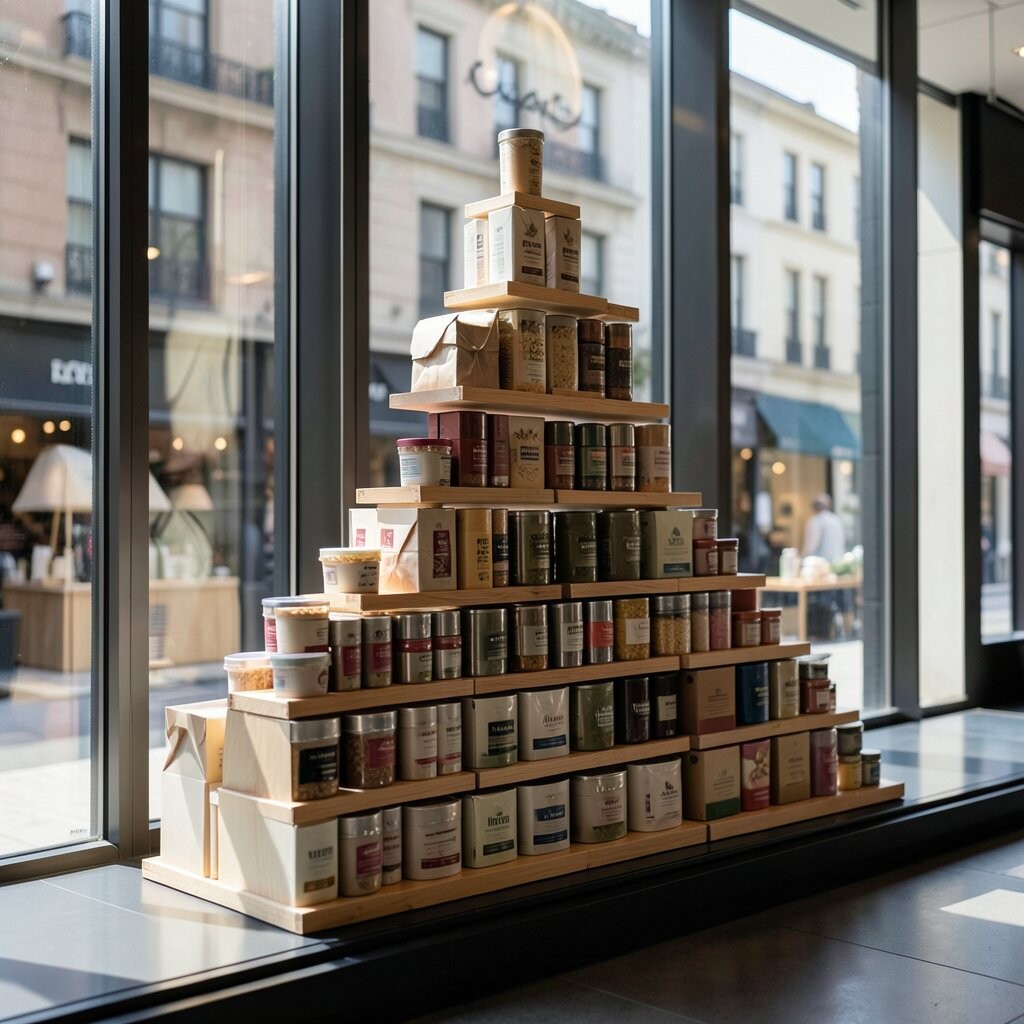
Product pyramid stacks use stepped layers to make items easy to see. The shape draws the eye up and gives the window a neat and balanced look.
This style is great for small goods like jars, boxes, shoes, or folded clothes. It is also easy to build with basic risers, crates, or strong display blocks, so the cost can stay low.
Try mixing heights and keeping the top item simple so the stack does not feel heavy. A clean color plan can help the display look more polished and less crowded.
10. Nature-Inspired Frames
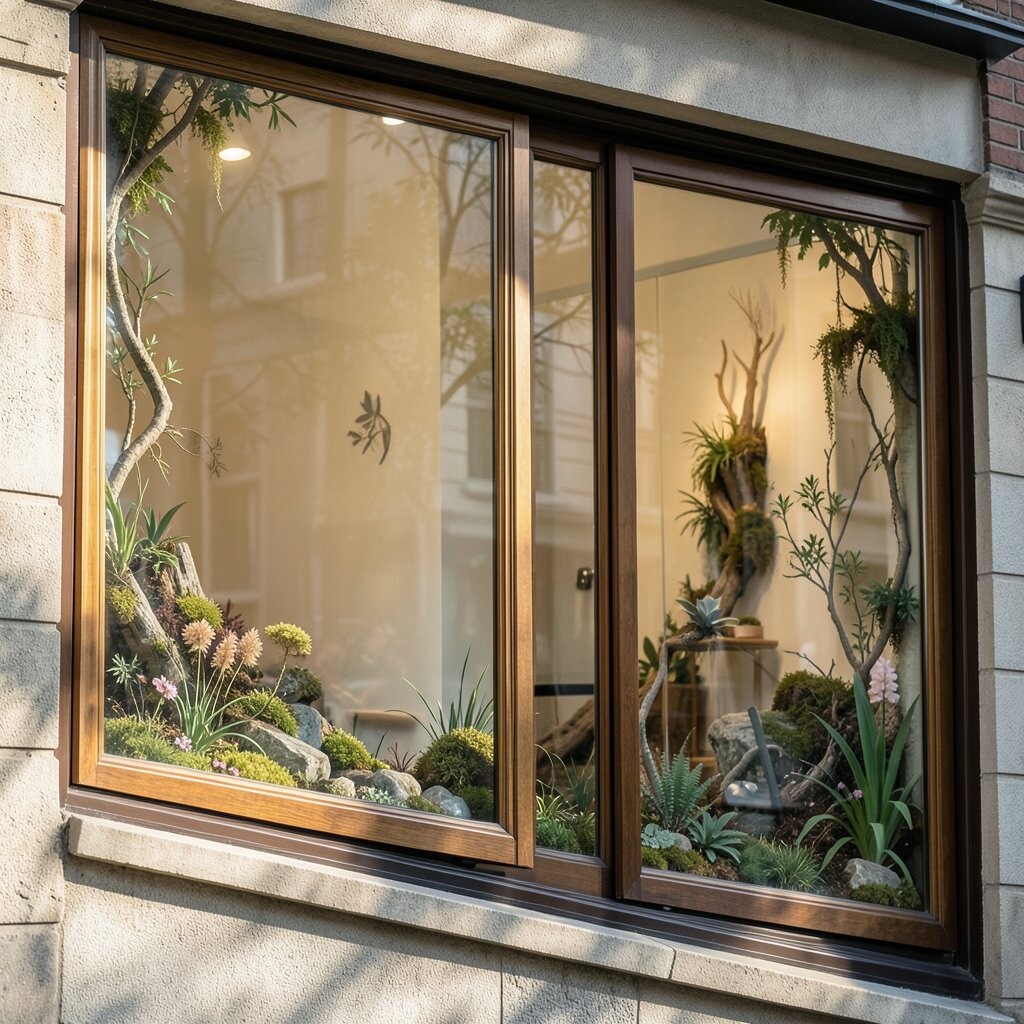
Nature-inspired frames use branches, vines, grass, stones, or wood shapes to frame the products. The natural look can make a window feel calm and warm without using too many parts.
This idea works well for shops that sell home goods, skin care, gifts, or simple clothing. Many natural items can be reused, which can help keep costs down if you gather them with care.
Try to keep the frame light so it does not block the view inside. A few real or fake plants can add color and help the display feel fresh through the year.
11. Transparent Layer Play
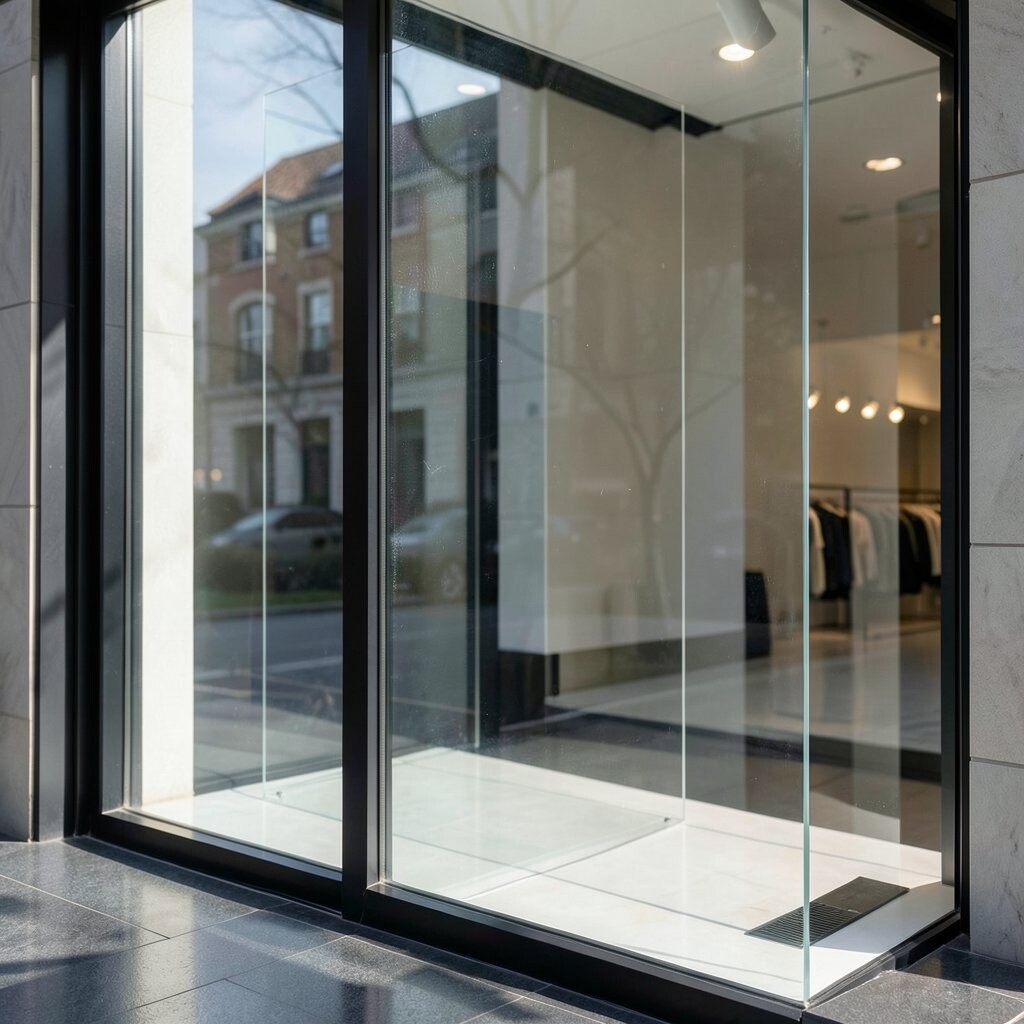
Transparent layer play uses clear sheets, glass-like panels, or thin film to build depth. The see-through parts let light pass through and make the whole window feel lighter.
This style is useful when you want a clean look that still has detail. It can work with printed words, soft shapes, or small objects placed between the layers.
Clear materials can often be used again, which makes them a smart choice for shops that change displays often. You can also add light color to only a few layers so the design stays easy to read.
12. Oversized Single Object
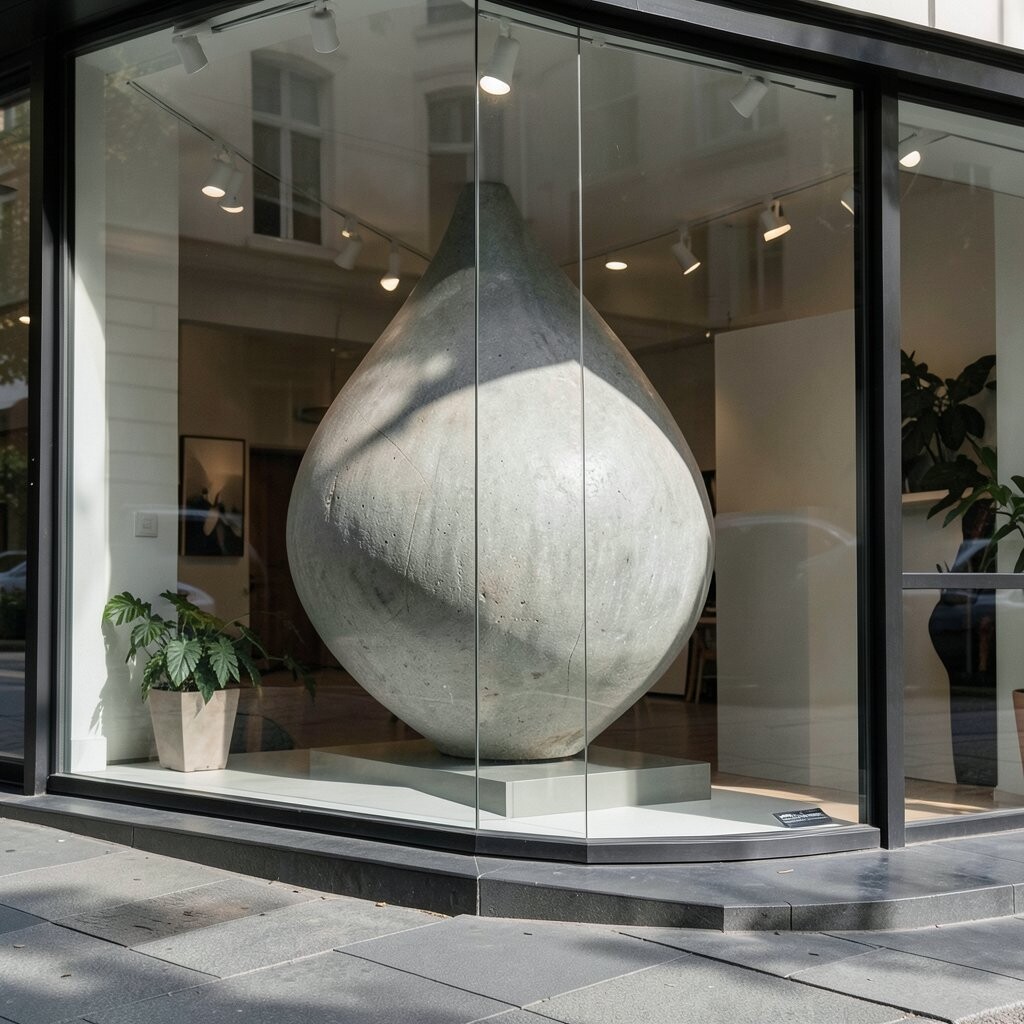
An oversized single object can make a strong point with very little clutter. A giant shoe, cup, flower, book, or bag can tell people what the store is about right away.
This kind of display is often easy to understand from far away, which is a big help for busy streets. It can also be more budget-friendly than filling the window with many small items.
Try using one object with a clean backdrop so it gets all the attention. If you want a personal touch, paint or print the object in colors that match your brand.
13. Light and Shadow Patterns
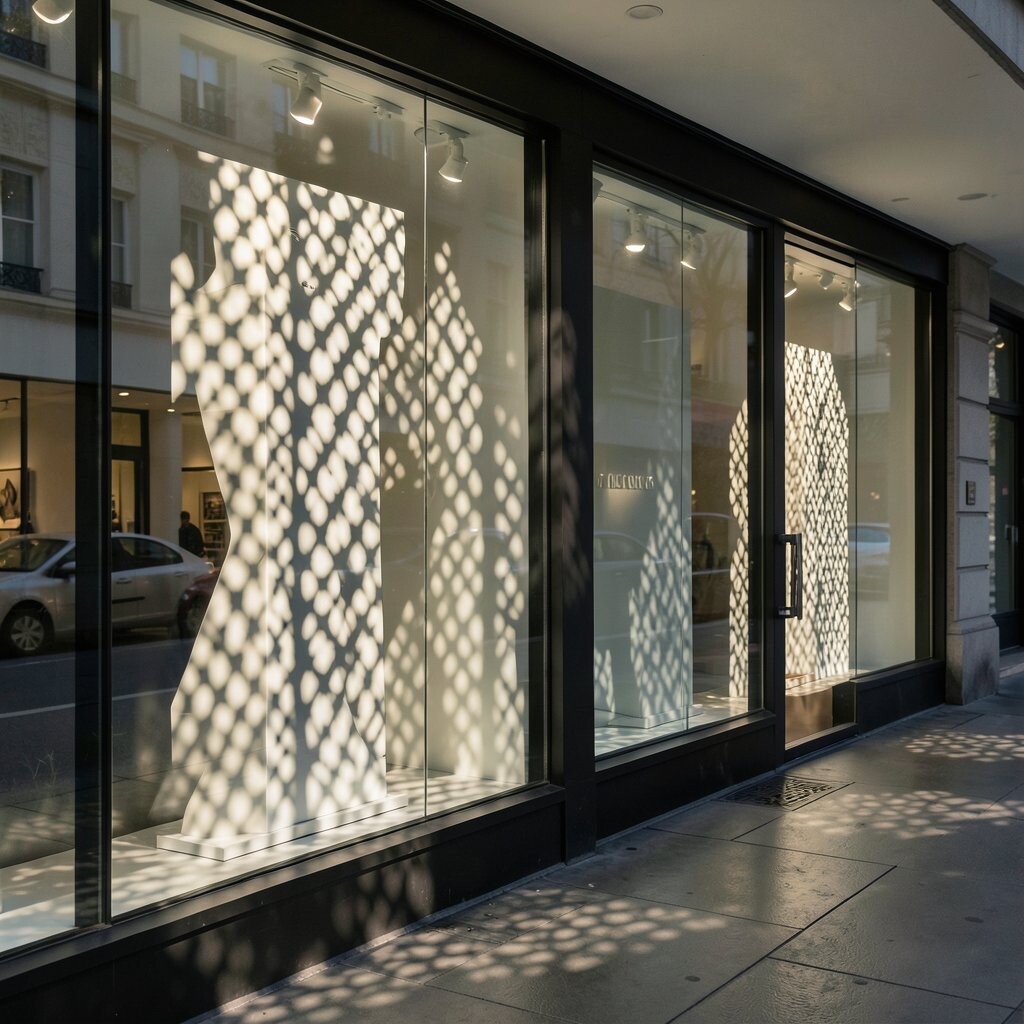
Light and shadow patterns can make a window look active even when the items stay still. Cut shapes, lamps, and patterned screens can cast lines and forms across the display.
This style is popular because it feels simple but still has a lot of visual interest. It can also work in small spaces, since the patterns add depth without needing many props.
Use warm lights for a softer feel or cool lights for a more modern look. Test the setup at different times of day so you can see how the shadows change with the sun.
14. Mixed Material Collage
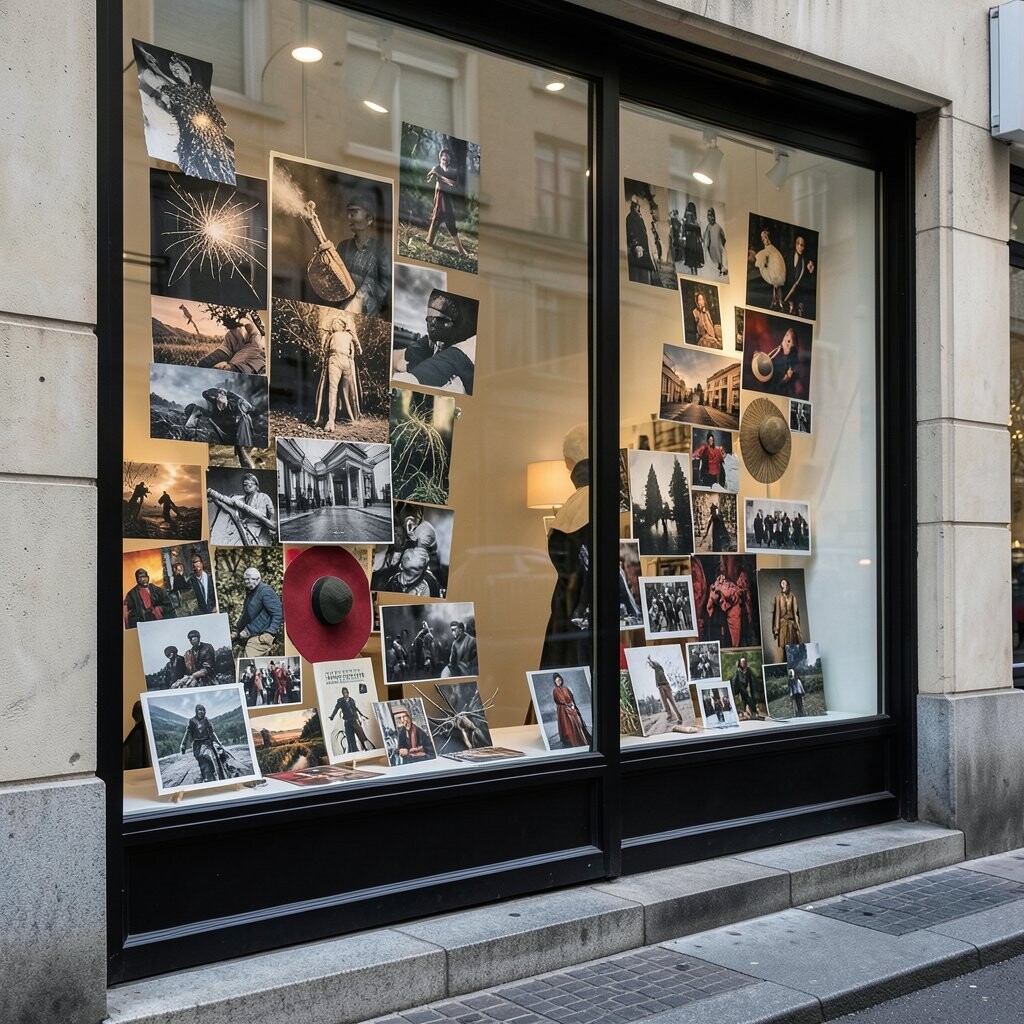
A mixed material collage brings together paper, wood, fabric, metal, and plastic in one view. The mix can make the window feel rich and layered while still staying easy to read.
This idea is good for stores that want a custom look without a huge build. You can use leftover materials, sample pieces, or low-cost finds, which helps keep spending under control.
Try to repeat a few colors or shapes so the collage feels tied together. The best displays often use contrast, but they still keep one clear theme.
15. Interactive Touch Points
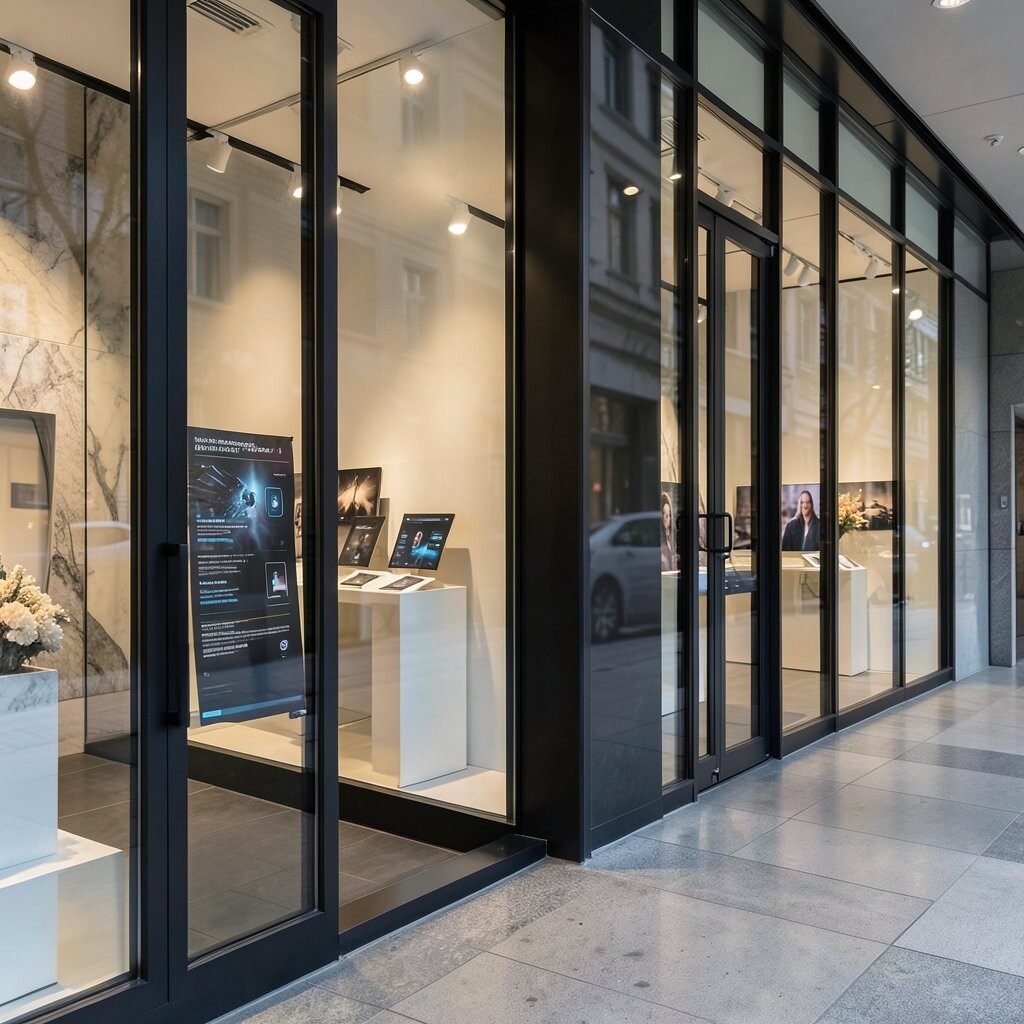
Interactive touch points give people a reason to stop and look more closely. A pull tab, spin wheel, sample card, or simple quiz can make the window feel more fun and useful.
This kind of display can help shoppers remember your shop because they take part in it. It also gives you a way to share product facts, prices, or style tips without filling the window with too much text.
Keep the parts strong and simple so they can handle daily use. If you want to save money, start with one small feature and add more only if it gets good results.
16. Clean Minimal Frames
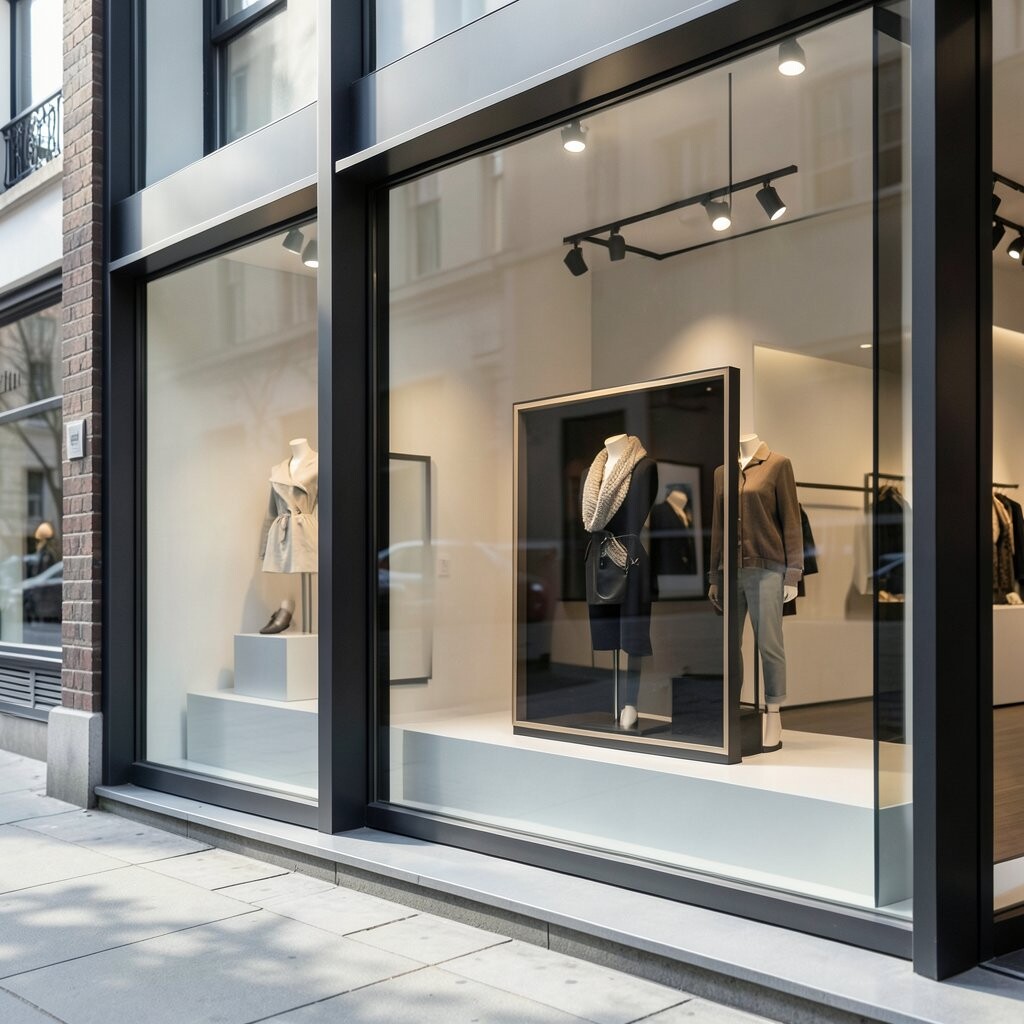
Clean minimal frames use open space, straight lines, and only a few items. The result is calm and easy to scan, which can be a good fit for modern stores and busy streets.
This style is often low cost because it does not need many props or a large build. It also makes products look more important, since each item gets more room to stand out.
Try using one frame shape, one main color, and a few simple accents. This trend works well when you want a fresh look that feels neat, personal, and easy to update.