Escape rooms can be fun for groups, families, and friends. They can also fit many budgets and styles, so it is easy to make one at home or at a party.
1. Classic Locked Box Room
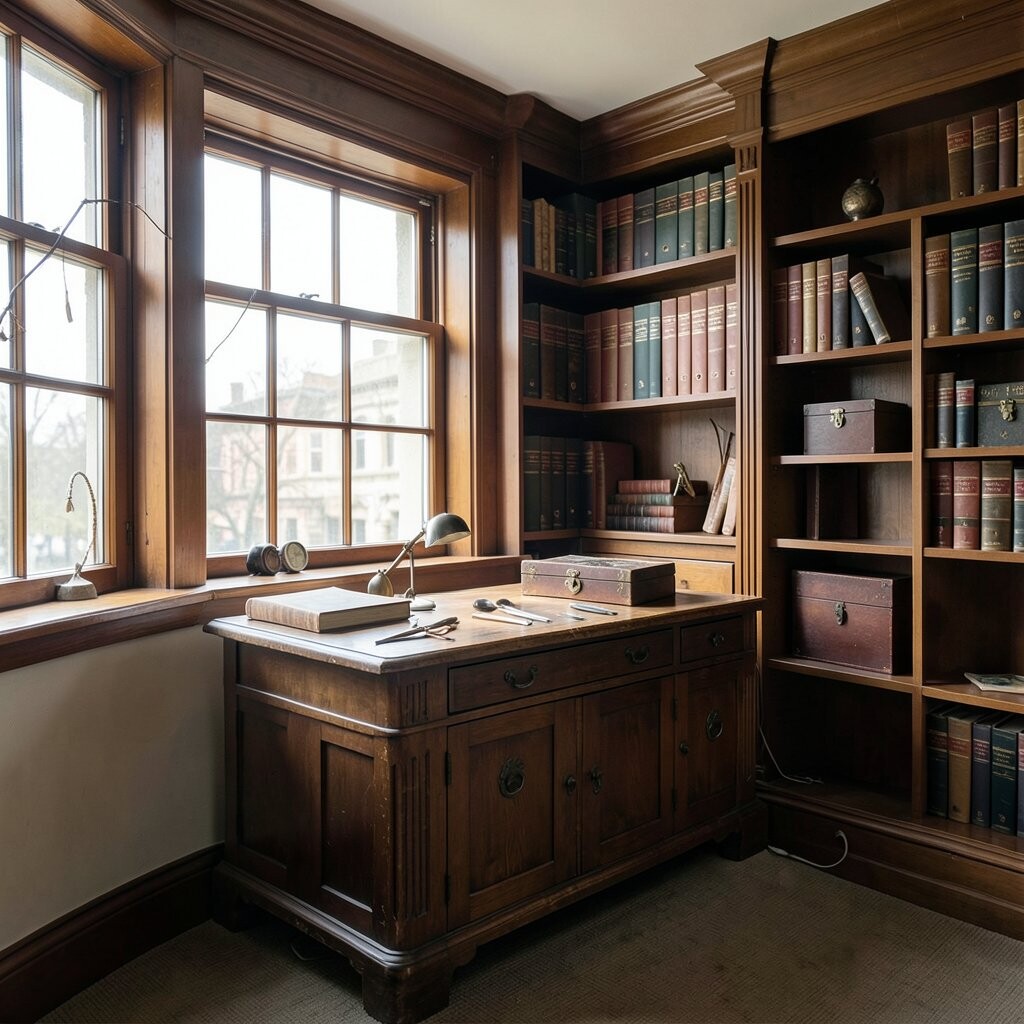
A classic locked box room uses a few boxes, keys, and simple clues. The room can look like a small office, a study, or a storage space with papers, books, and old maps.
This idea is easy to set up and does not cost much. You can use items you already have, which makes it a good choice for a first try.
The best part is how clear it feels for players. They can search, sort, and test ideas without getting lost in too many rules.
2. Mystery in a Library
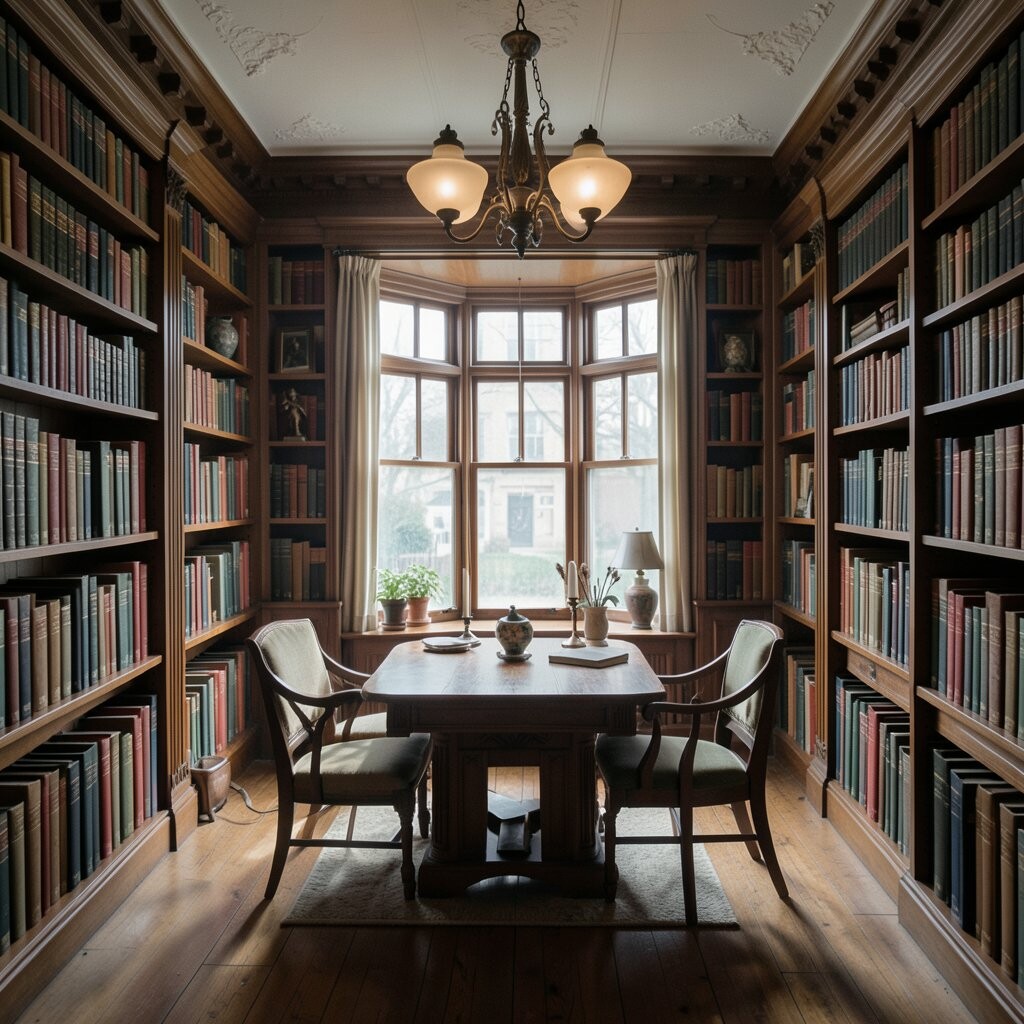
A library theme gives a calm look with shelves, books, and hidden notes. You can place clues inside book covers, between pages, or on bookmarks.
This setup works well for people who like reading and quiet spaces. It also lets you add your own story, such as a lost book, a secret author, or a missing key.
To make it more personal, use books or paper items that mean something to your group. That small touch can make the room feel more real and more fun.
3. Spy Mission Setup
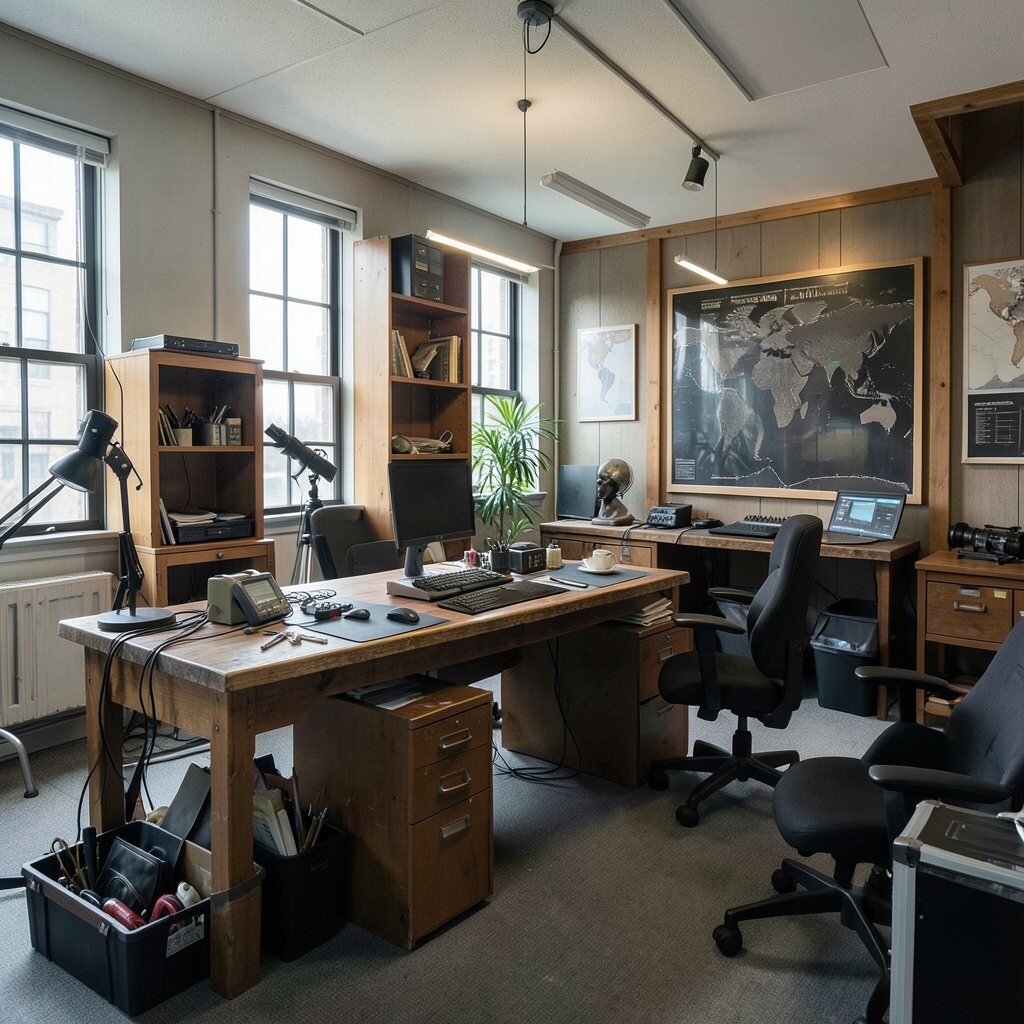
A spy room can use fake files, sunglasses, walkie-talkies, and coded notes. The look is neat and clean, with a desk, a wall map, and a few red string lines.
This idea feels active and fast, which many groups enjoy. It can also help players work as a team, since one clue may lead to the next.
Many people like this style because it fits current trends in games and party events. You can keep the cost low by making fake badges and using plain office items.
4. Haunted House Puzzle Room
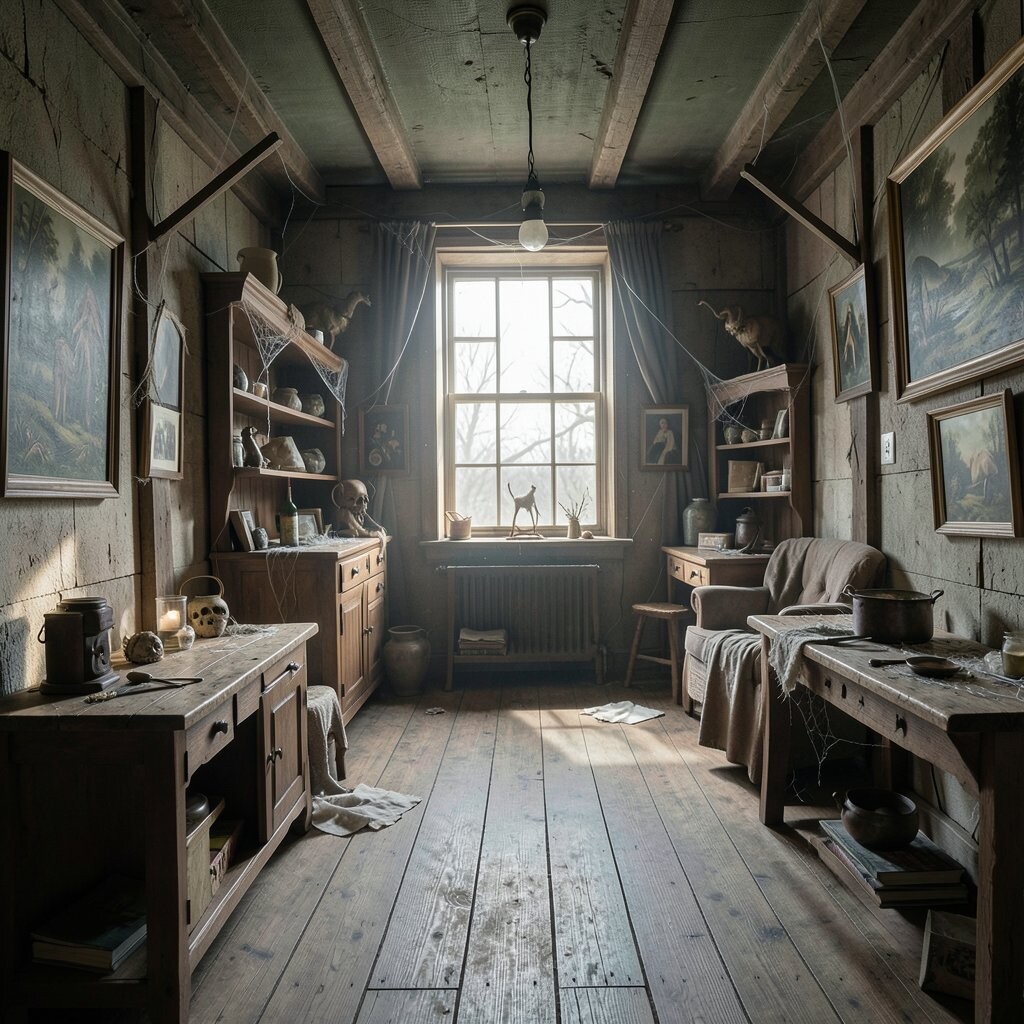
A haunted room uses dark cloth, fake candles, old frames, and soft sound effects. The space can look spooky without being too scary if you keep the lights low and the clues clear.
This theme is good for fall parties or evening events. It gives a strong mood and works well for groups that like a little thrill.
You can make it your own by using family stories, local ghost tales, or made-up names. That helps the room feel fresh instead of copied from a store kit.
5. Detective Case File Game
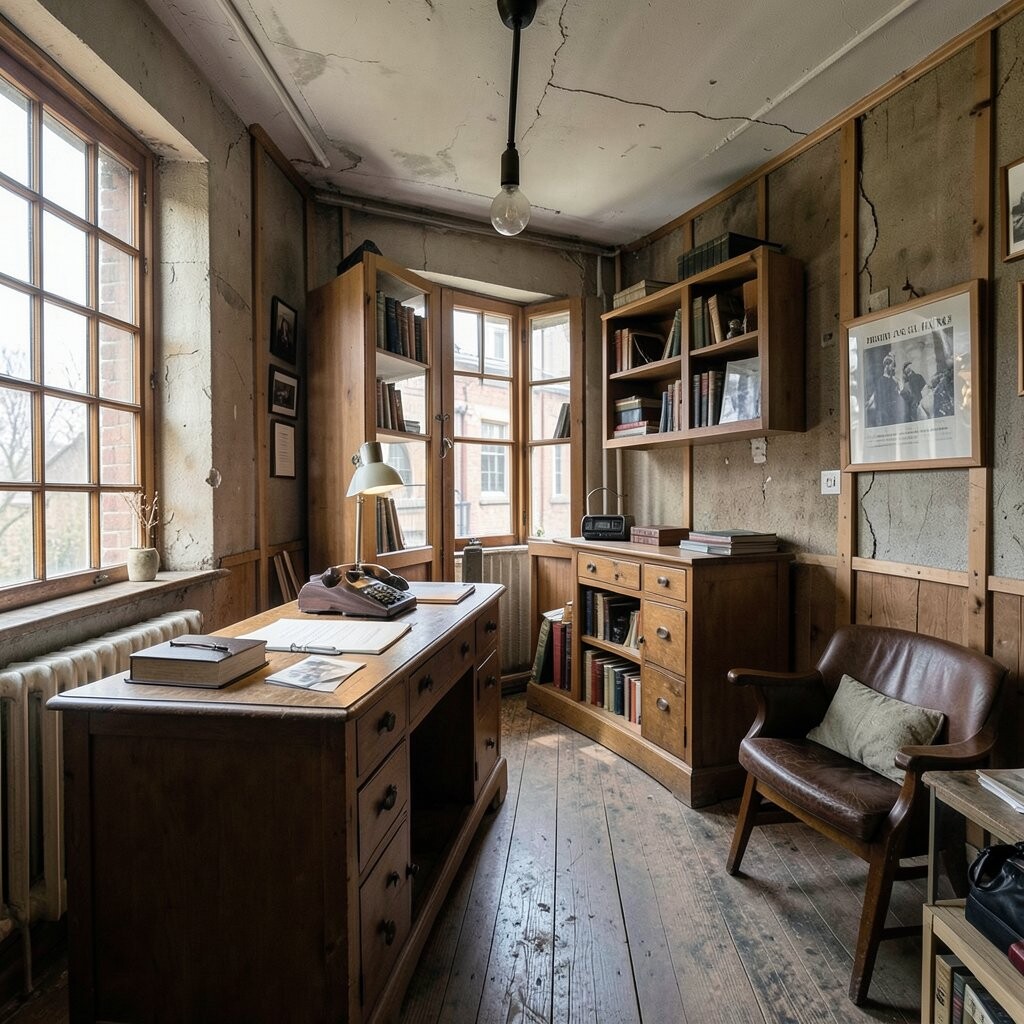
A detective game can use case files, photos, notes, and suspect lists. The setup looks like a real crime board, with strings, pins, and marked clues.
This idea is popular because it gives players a clear job. They can compare facts, ask questions, and look for small details that matter.
It does not need much money to build. A few printed sheets, folders, and index cards can do a lot of the work.
6. Pirate Treasure Hunt Room
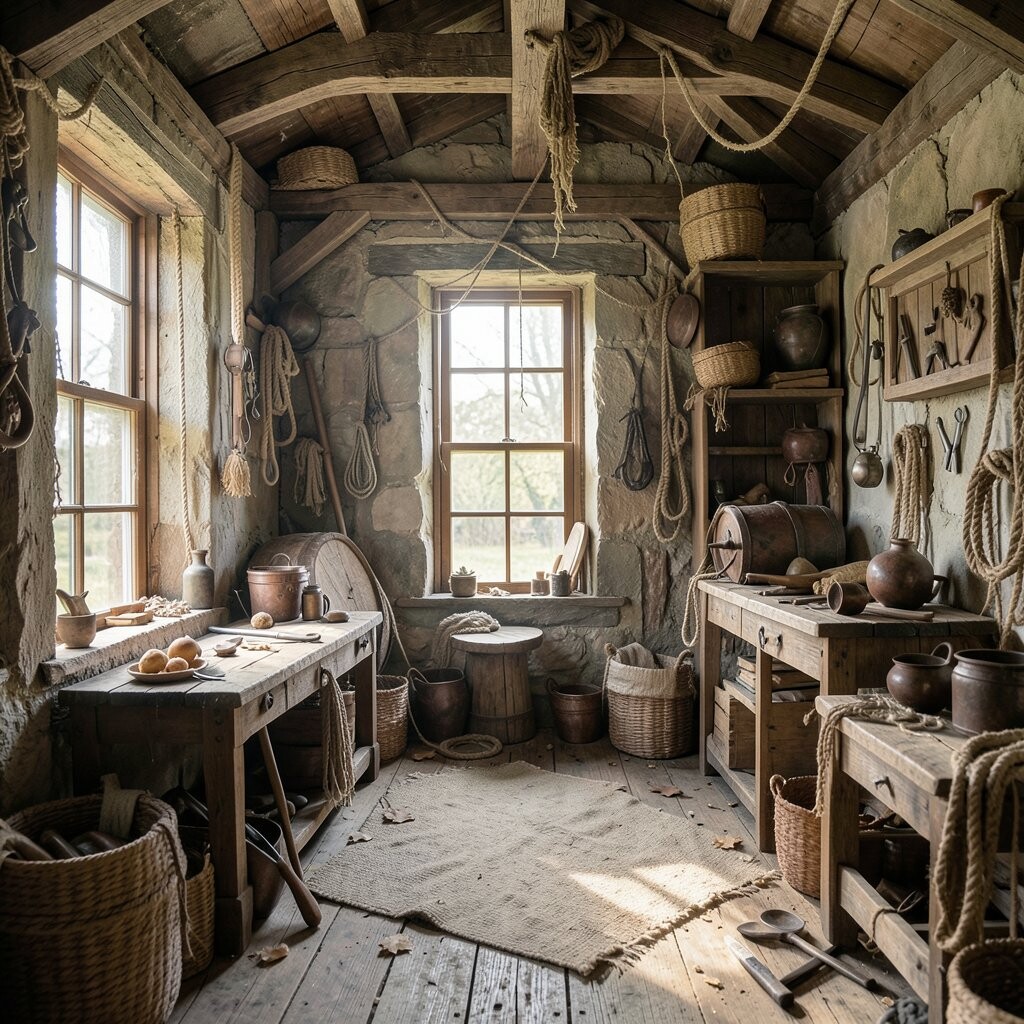
A pirate room can have maps, coins, ropes, and old chest boxes. The space can look sandy and rough, with brown paper, shells, and a few sea items.
This theme is great for kids and mixed-age groups. It feels playful and easy to understand, so players can jump in fast.
You can add a personal touch by using a fake treasure map that points to places in your own home. That makes the game feel tied to the room instead of a store shelf.
7. Science Lab Challenge

A science lab room can use beakers, test tubes, labels, and color clues. The look is bright and clean, with tables, charts, and simple lab signs.
This idea is nice for students or anyone who likes hands-on tasks. It can mix reading, matching, and simple logic in a way that feels smooth.
It also fits a low-budget plan because many props can be made from cups, jars, and paper. You can even add a safe mini task, like matching colors or sorting parts by shape.
8. Time Travel Puzzle Space
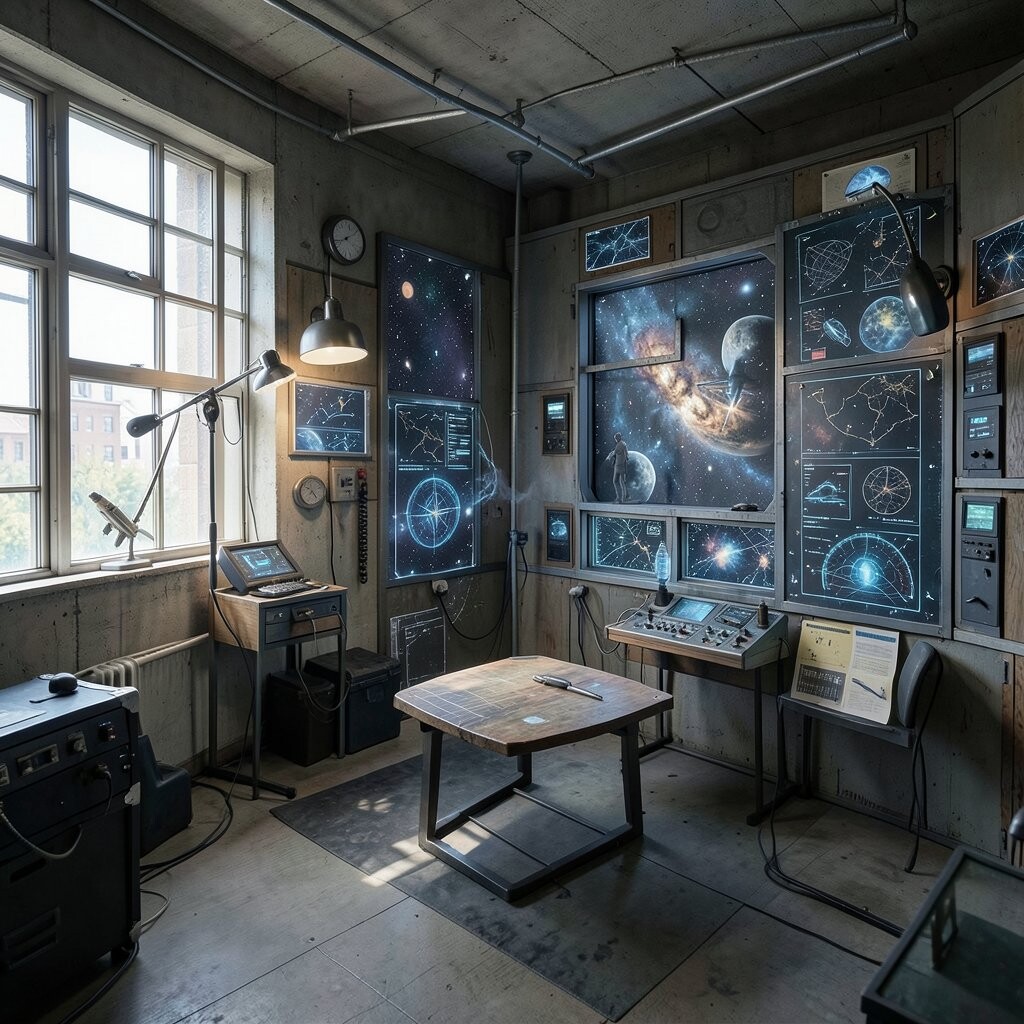
A time travel room can show items from more than one age, like old clocks, future cards, and mixed styles. The look can shift from one corner to the next, which makes the space feel fun and strange.
This setup works well if you want a room with a lot of variety. Players may need to connect clues from a past scene to a future one, which keeps the game fresh.
You can make it more personal by using photos from family trips or old objects from home. That gives the room a real sense of place and helps players care about the story.
9. Secret Agent Office
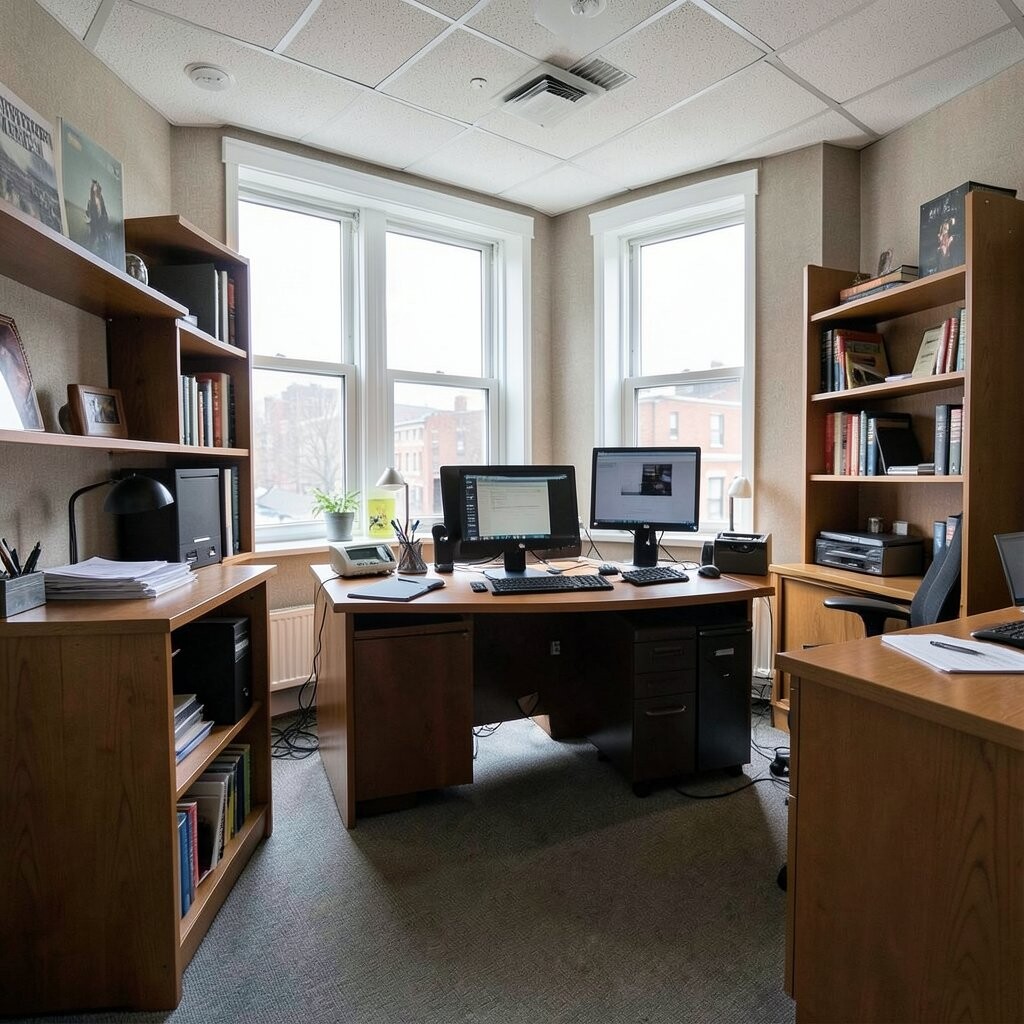
A secret agent office can use file folders, fake screens, stamps, and hidden drawers. The room can look neat and modern, with a few bold signs and simple tech items.
This idea feels clean and smart, and it works well for older kids and adults. It also gives room for coded messages, password locks, and clue chains.
Many people enjoy this style because it feels current and easy to build on. You can keep costs down by using printed screens and paper props instead of real devices.
10. Jungle Rescue Room
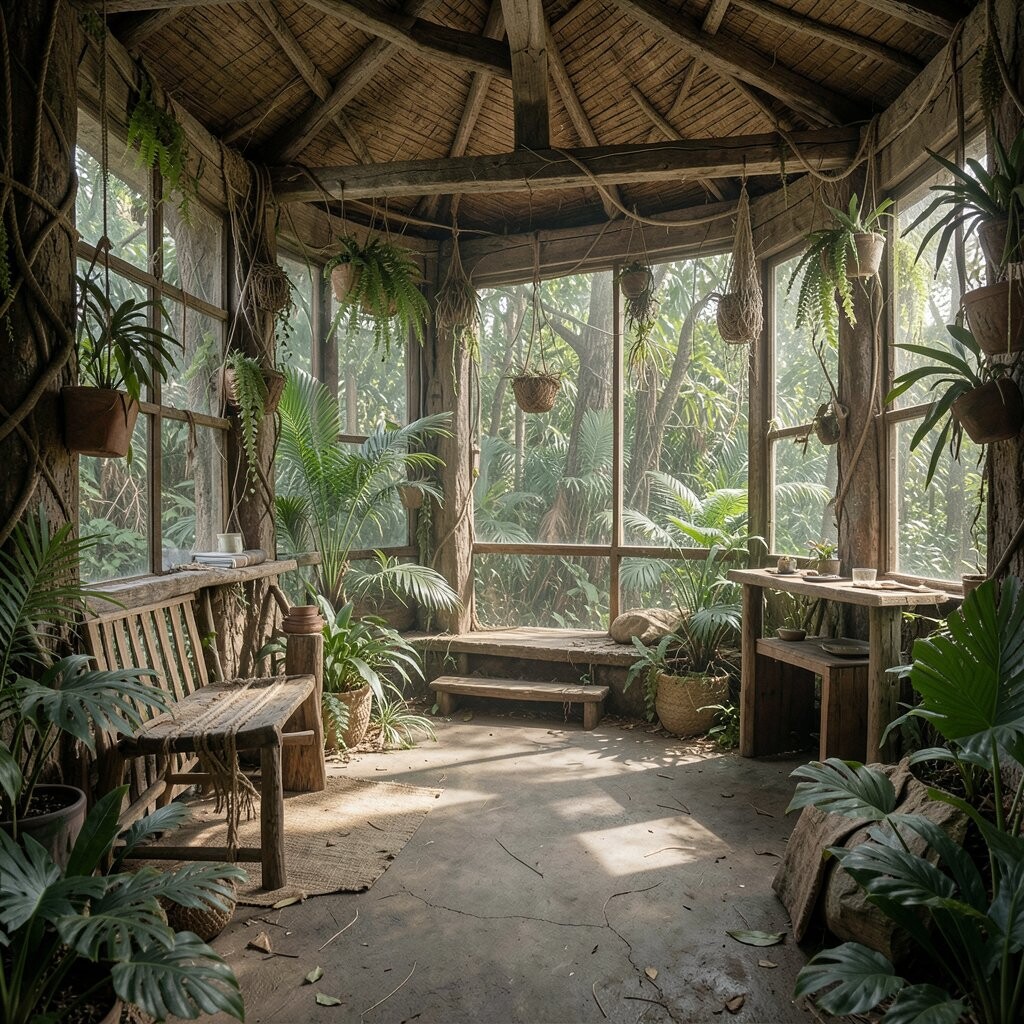
A jungle room can use green paper, vines, animal prints, and map clues. The space can look full and lively, with leaves hanging from walls and paths marked on the floor.
This idea is good for groups that like movement and search games. It can feel active without needing hard rules, which helps more people join in.
You can make it fit your group by adding a rescue story that matters to them. For example, the team may need to find a lost guide, a missing animal, or a supply pack.
11. School Hallway Challenge
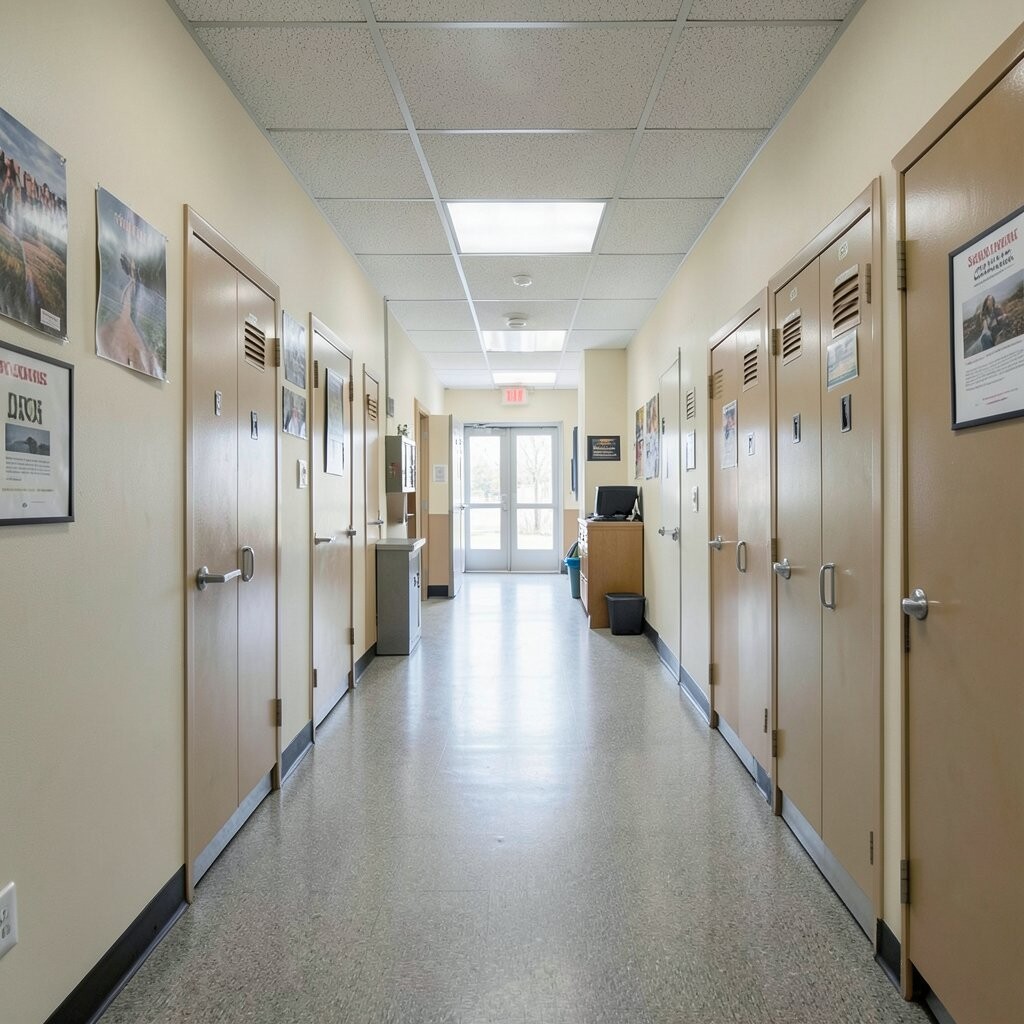
A school hallway room can use lockers, report cards, pencils, and desk notes. The look is simple and familiar, which makes the game easy to enter right away.
This theme is useful for parties, youth groups, or classroom events. It can also work on a small budget because many props are basic school items.
You can make it more fun by using clues tied to class subjects. A math hint, a word puzzle, or a map task can all fit well in this kind of room.
12. Candy Shop Puzzle Room
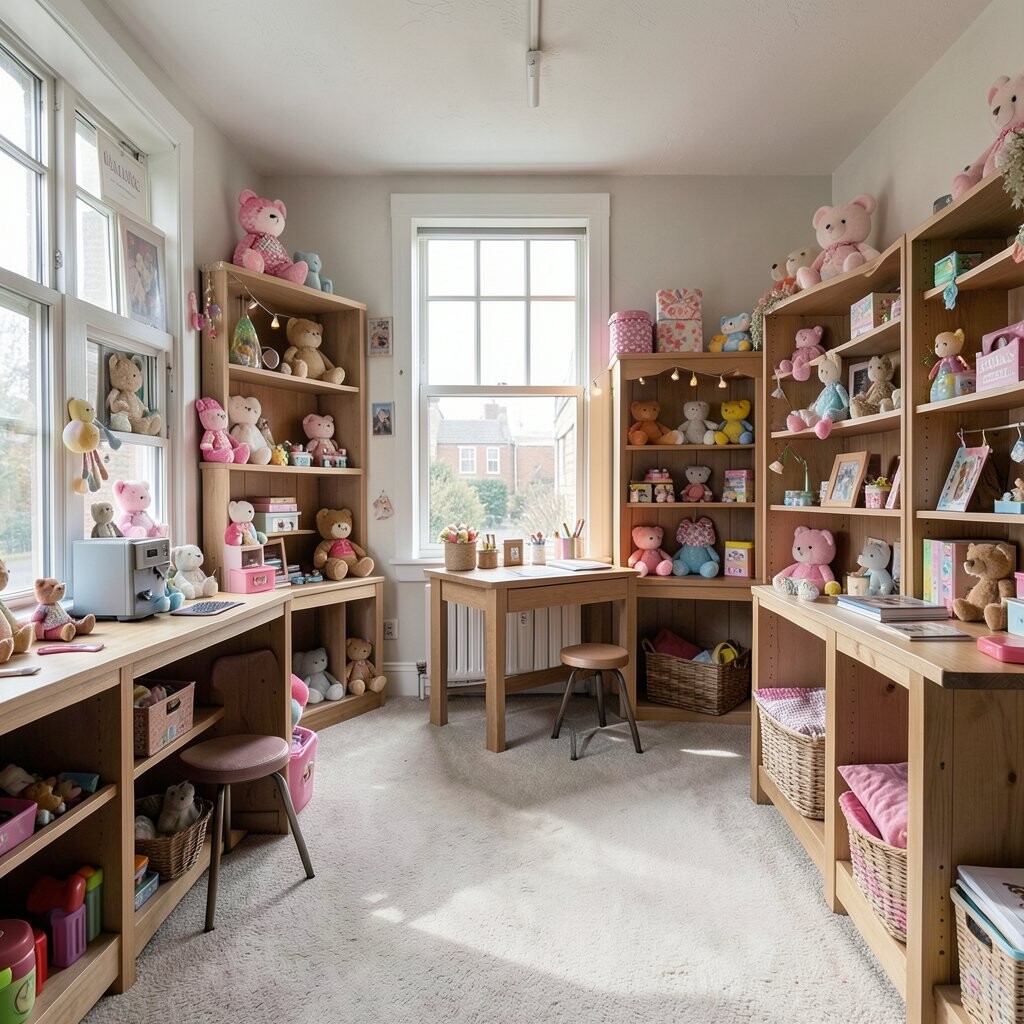
A candy shop room can use bright colors, jars, signs, and fake treats. The space looks cheerful and sweet, with shelves full of labels and fun shapes.
This idea is popular for birthdays and family events. It feels light and easy, and it can make younger players feel welcome right away.
It also gives you room to use color-based clues and simple matching games. You can keep the cost low by making candy signs from paper and using safe fake treats.
13. Space Station Escape
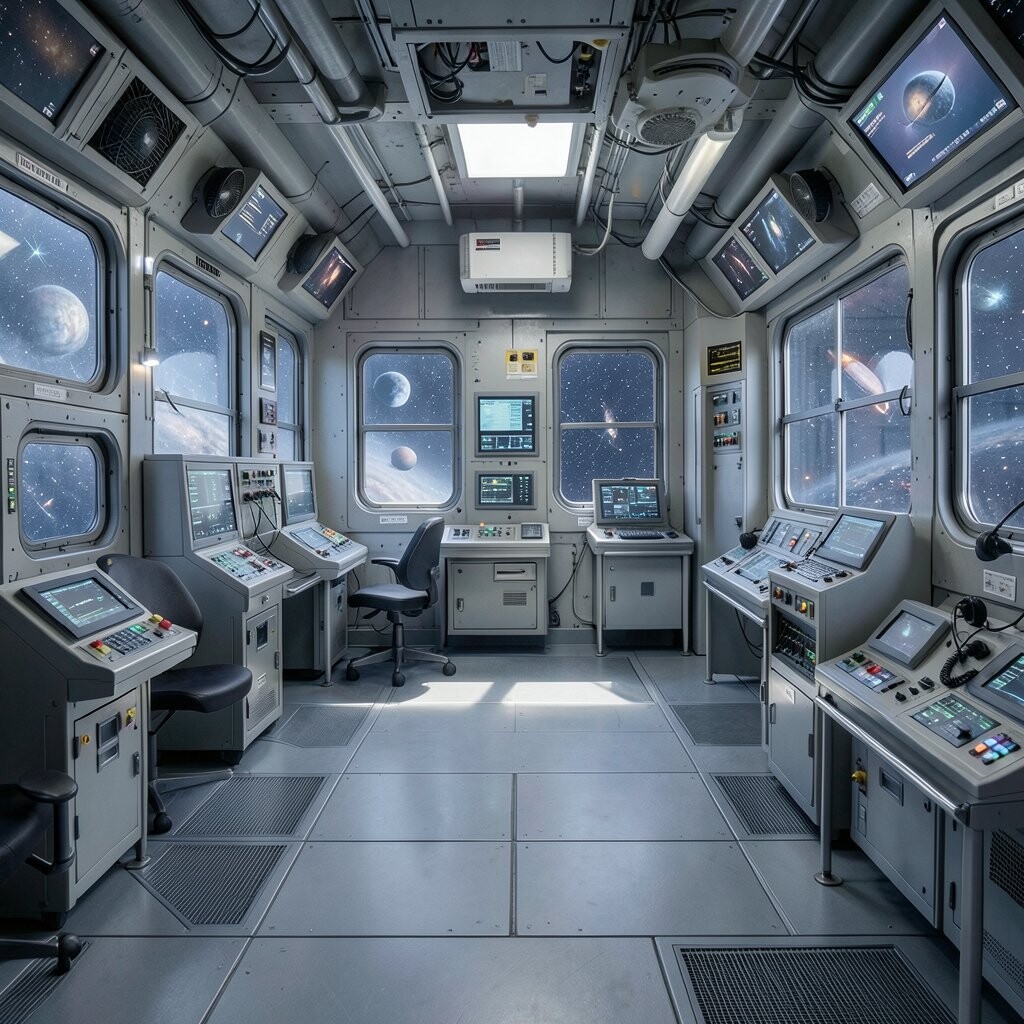
A space station room can use silver paper, stars, control panels, and mission cards. The look is clean and cool, with dark walls and bright lights that stand out.
This theme works well because it feels both modern and simple. Players can fix systems, enter codes, and find parts that help the station run again.
You can add your own touch by naming the ship or station after your group. That small step can make the game feel more like yours and less like a copied idea.
14. Farm Barn Puzzle Room
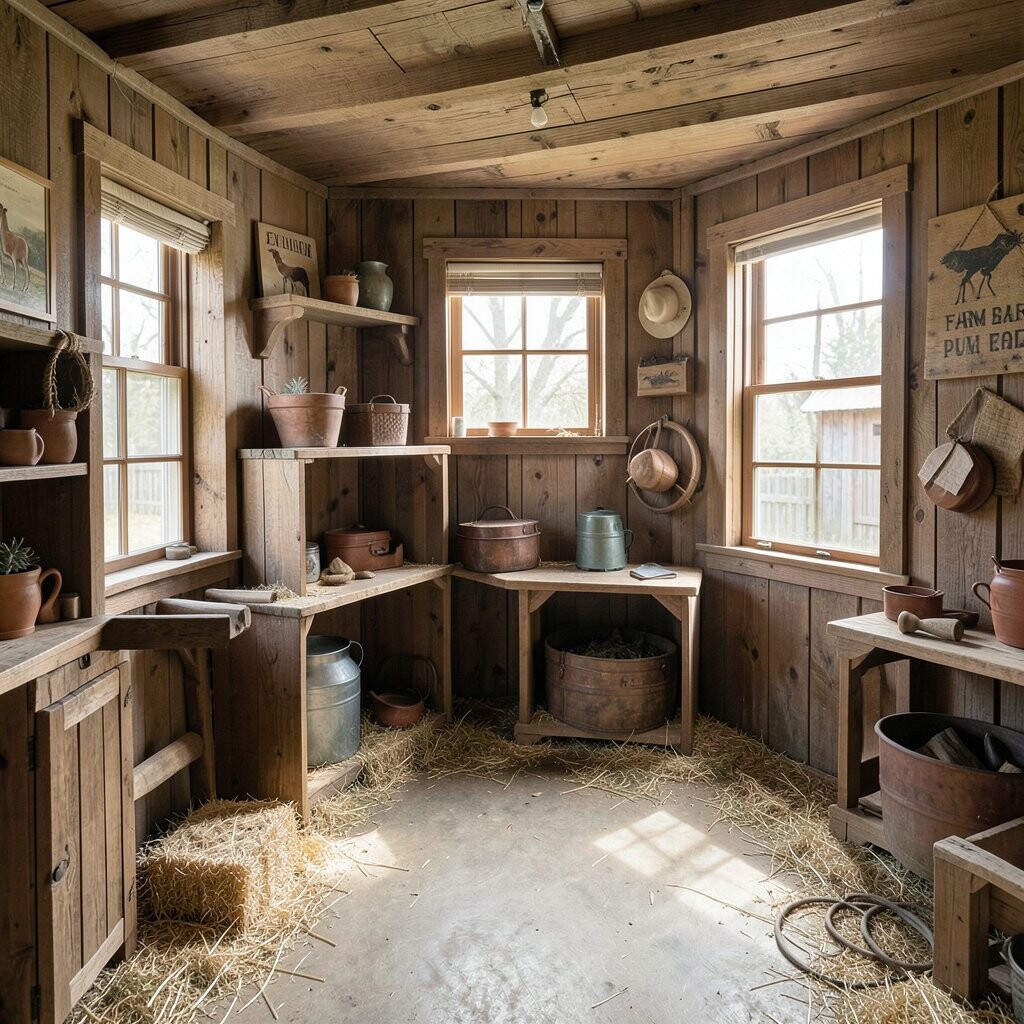
A farm room can use hay, baskets, jars, and old tools. The space can look warm and plain, with wood tones and simple signs that fit the setting.
This idea is a nice choice for family groups and younger kids. It feels safe and easy to understand, yet it still gives players real tasks to solve.
You can use common items from home to keep the price down. A few labels, a fake feed sack, and some paper clues can go a long way.
15. Underwater Adventure Room
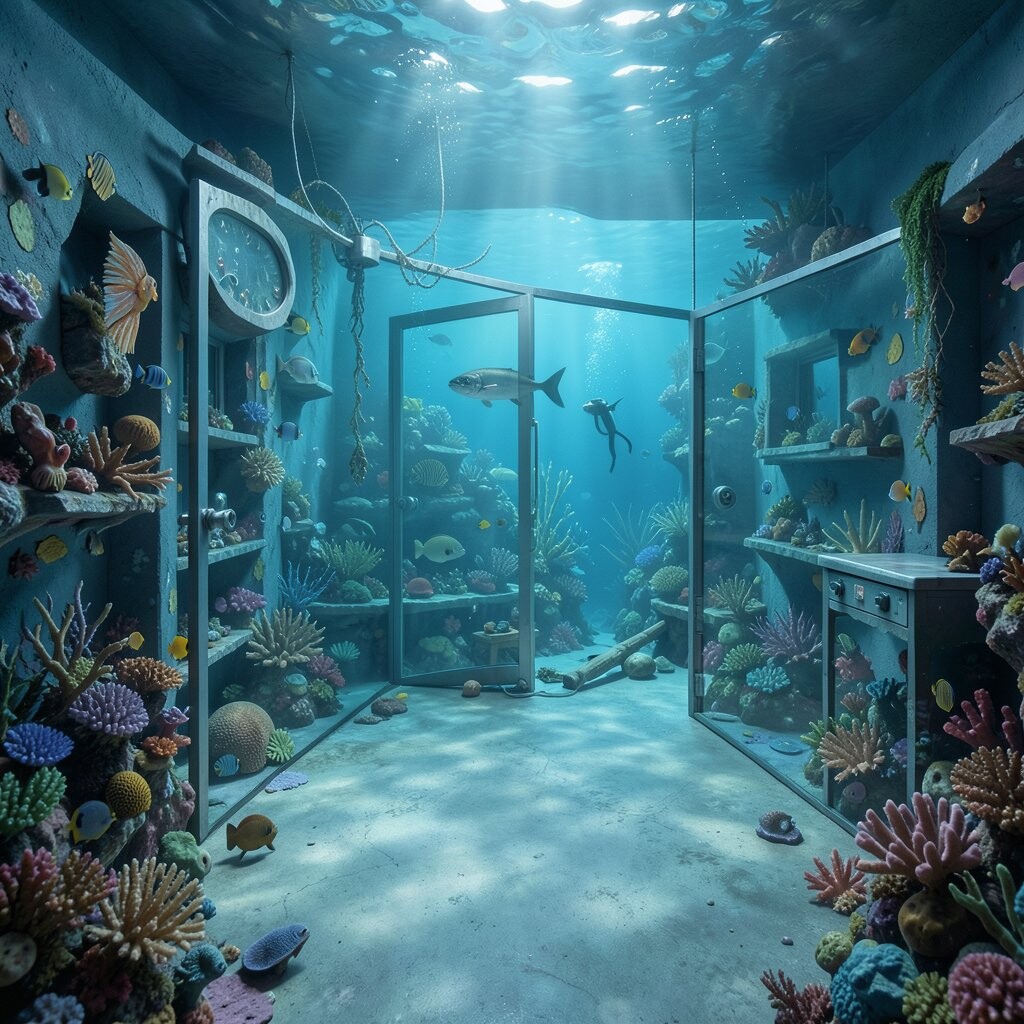
An underwater room can use blue cloth, fish shapes, shells, and bubble art. The look is soft and calm, and it can make the room feel like a deep sea scene.
This theme is unique because it lets you use many colors and shapes in one place. It also works well for clue paths that move from one sea area to another.
To make it personal, you can base the story on a lost ship, a coral reef, or a sea lab. That gives you more room to add objects that match your own taste.
16. Art Studio Mystery
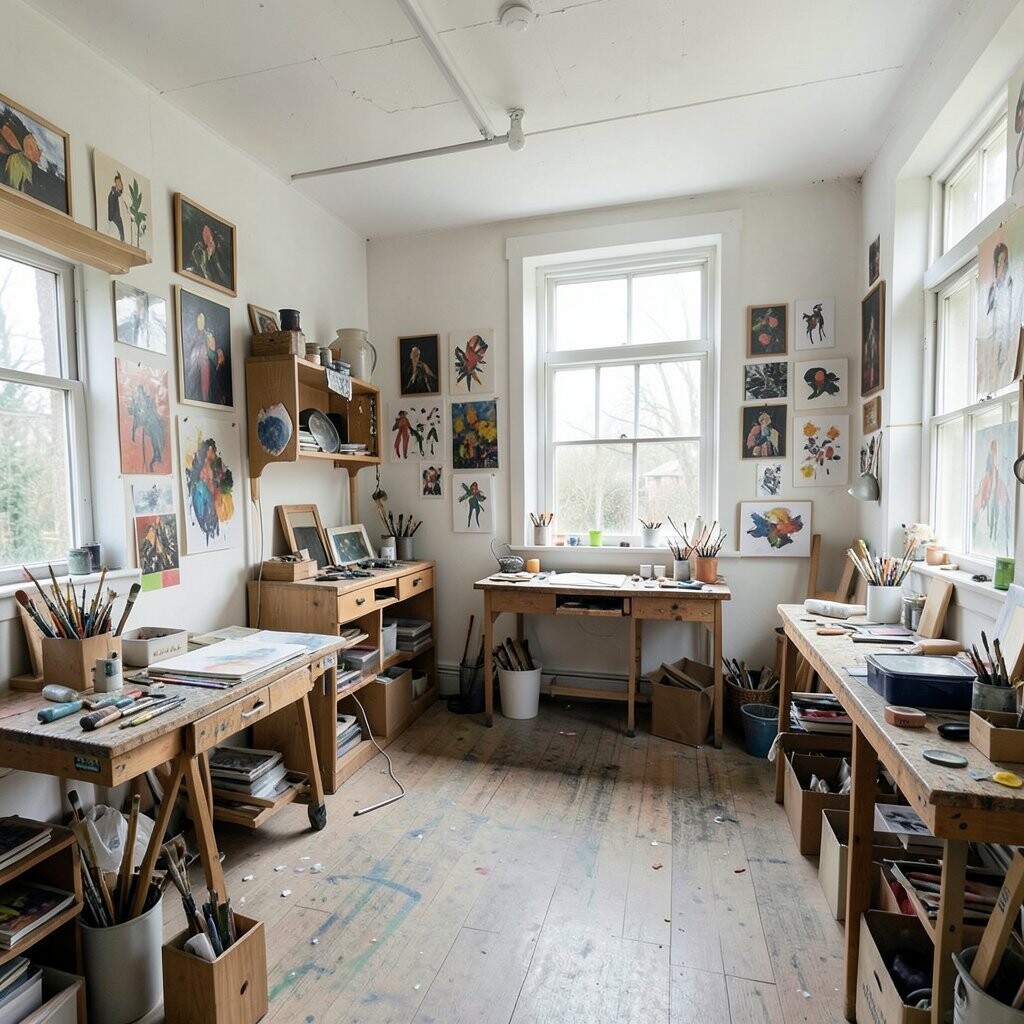
An art studio room can use paint tubes, sketch pads, brushes, and color cards. The space can look messy in a good way, with bright marks and half-finished work on tables.
This idea is great for creative groups. It lets players solve clues by using color, shape, and pattern, which adds a nice change from plain text puzzles.
You can keep the cost low by using scrap paper and old art supplies. It also fits a current trend of hands-on games that feel more like a craft than a test.
17. Holiday Gift Hunt Room
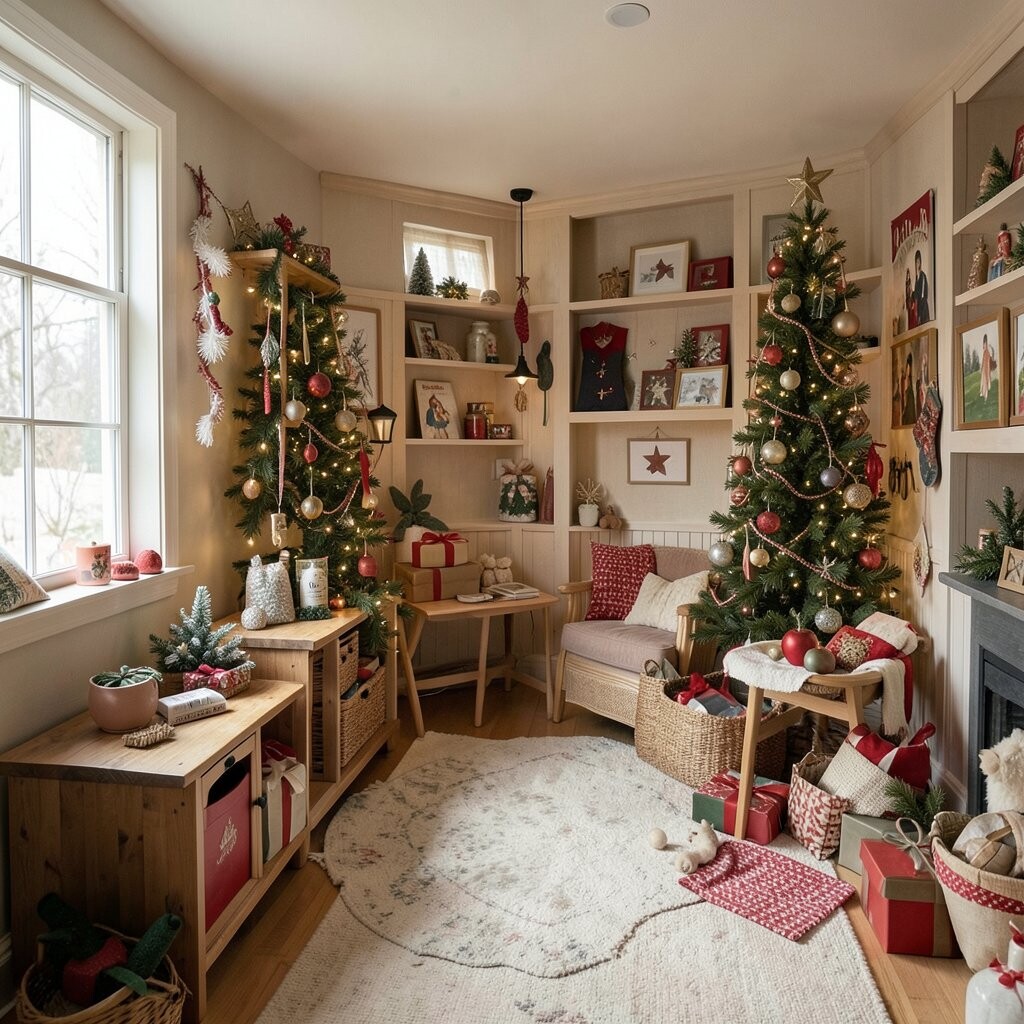
A holiday gift room can use wrapping paper, tags, ribbons, and small boxes. The look changes with the season, so it can fit winter, spring, or any family event.
This idea is easy to personalize because you can use names, shared jokes, or family gifts as clues. It also works for mixed ages since the tasks can be simple or a bit harder.
It is a smart choice when you want a low-cost room that still feels special. A few paper props, one or two locks, and a clear story can make the whole game feel complete.