Fabric dyeing can be a fun way to make old cloth look fresh again. You can use simple tools at home and make each piece feel more like your own.
1. Tie-Dye T-Shirts
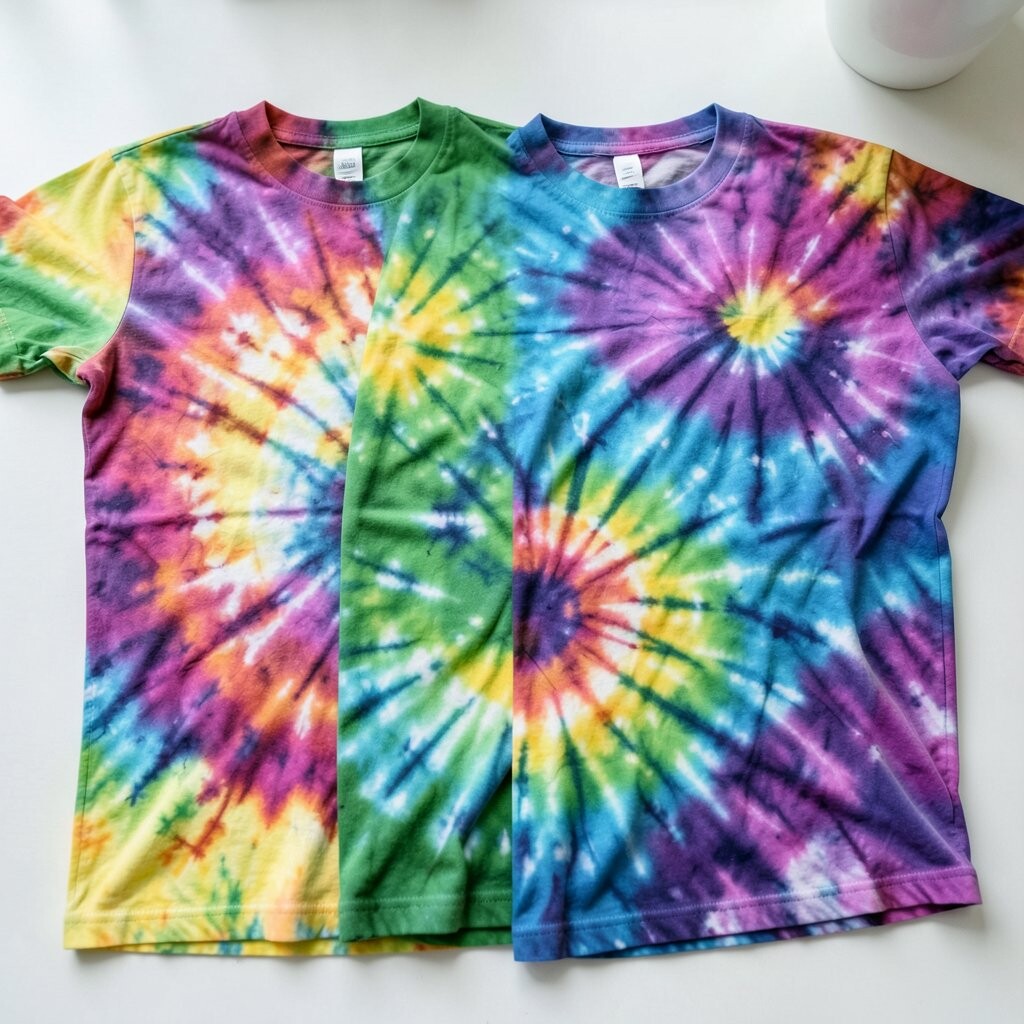
Tie-dye is one of the easiest fabric dyeing ideas to try at home. You can twist, fold, or scrunch a shirt, then add dye in bright or soft colors.
The final look often has bold rings, soft clouds, or messy lines that feel lively and casual. It works well for cotton shirts, and it can be a low-cost project if you already have dye and rubber bands.
This style is still popular because it feels fun and easy to make your own. You can use just one color for a calm look or mix many colors for a loud, playful one.
2. Dip-Dyed Curtains
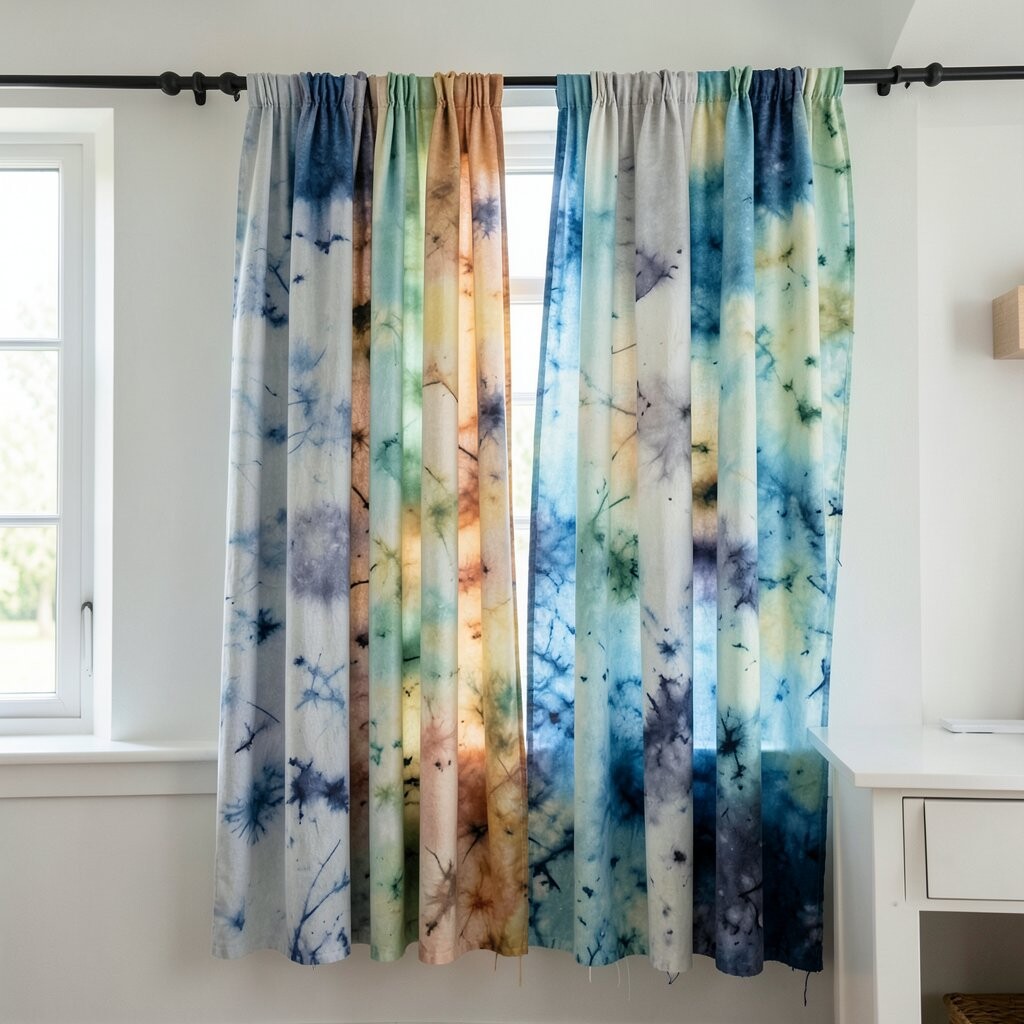
Dip-dyed curtains can add color without covering the whole cloth. You simply dip the bottom part into dye and let the color rise in a smooth fade.
The result can look clean, modern, and soft at the same time. This is a good choice if you want a room update that feels fresh but not too busy.
You can match the dye color to pillows, rugs, or wall art for a neat home look. It is also a smart way to use plain white curtains that may already be in your house.
3. Ombre Pillow Covers
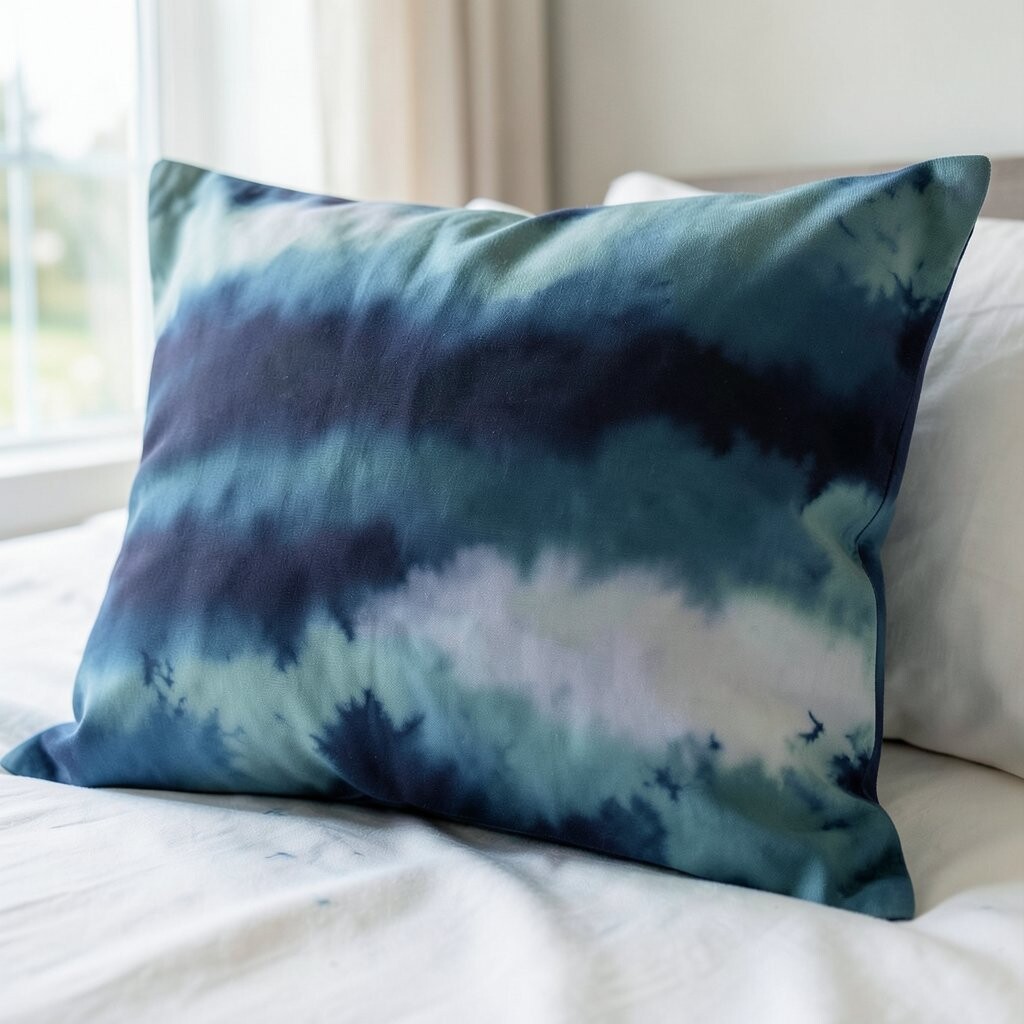
Ombre pillow covers show a smooth change from light to dark. The look is calm and stylish, and it can fit many room styles.
You can make the fade gentle with one color or bold with two close shades. This idea works well for home use because it gives a nice change without much cost.
Try soft blue, warm pink, or dusty green for a simple trend that feels current. If you want a more personal touch, make each pillow cover fade in a different way.
4. Hand-Painted Fabric Flowers
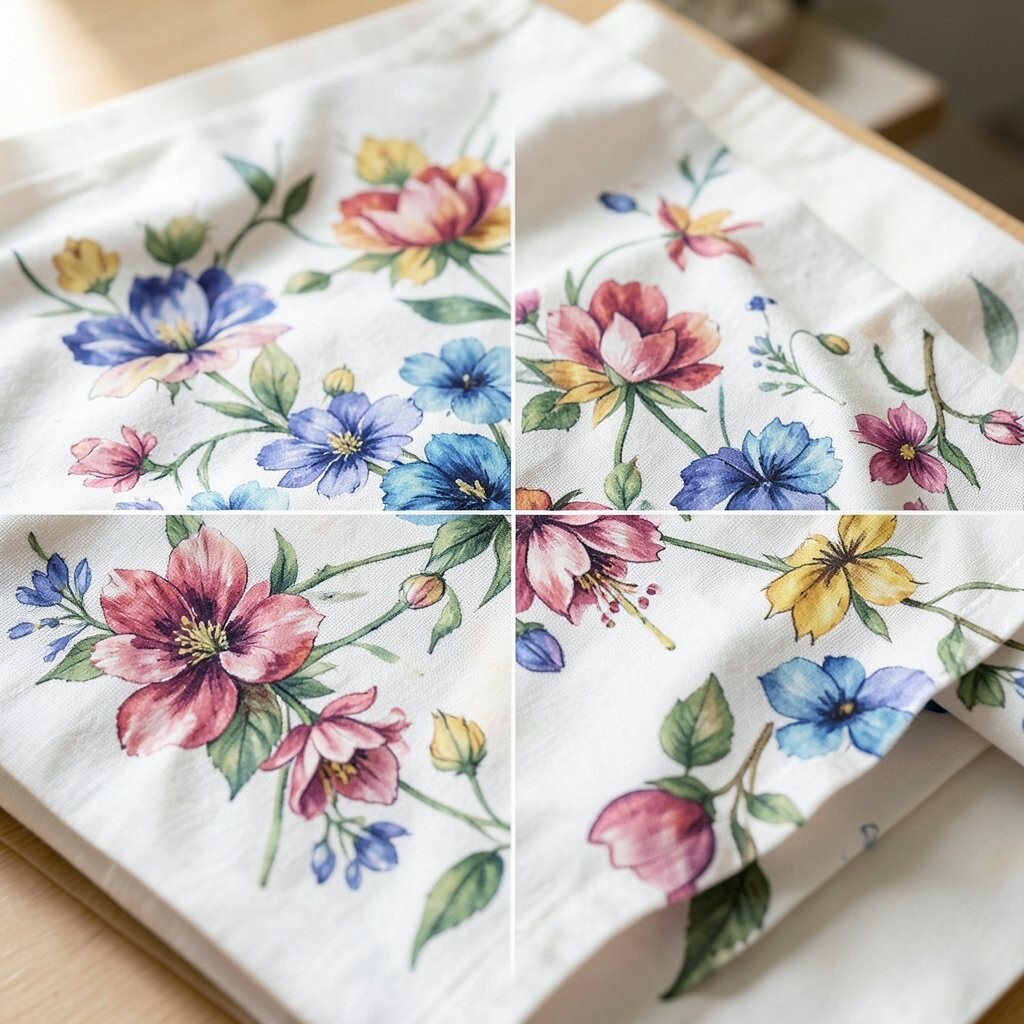
Hand-painted fabric flowers can give cloth a soft, detailed look. You can use dye with a brush to make petals, leaves, and small dots.
This idea is good for bags, shirts, scarves, or table cloths. It gives you more control than full dye baths, so you can make each flower look different.
The finished piece can feel light, pretty, and a little more special than plain dyed cloth. It is a nice choice if you want a low-cost project that still feels personal.
5. Shibori Scarves
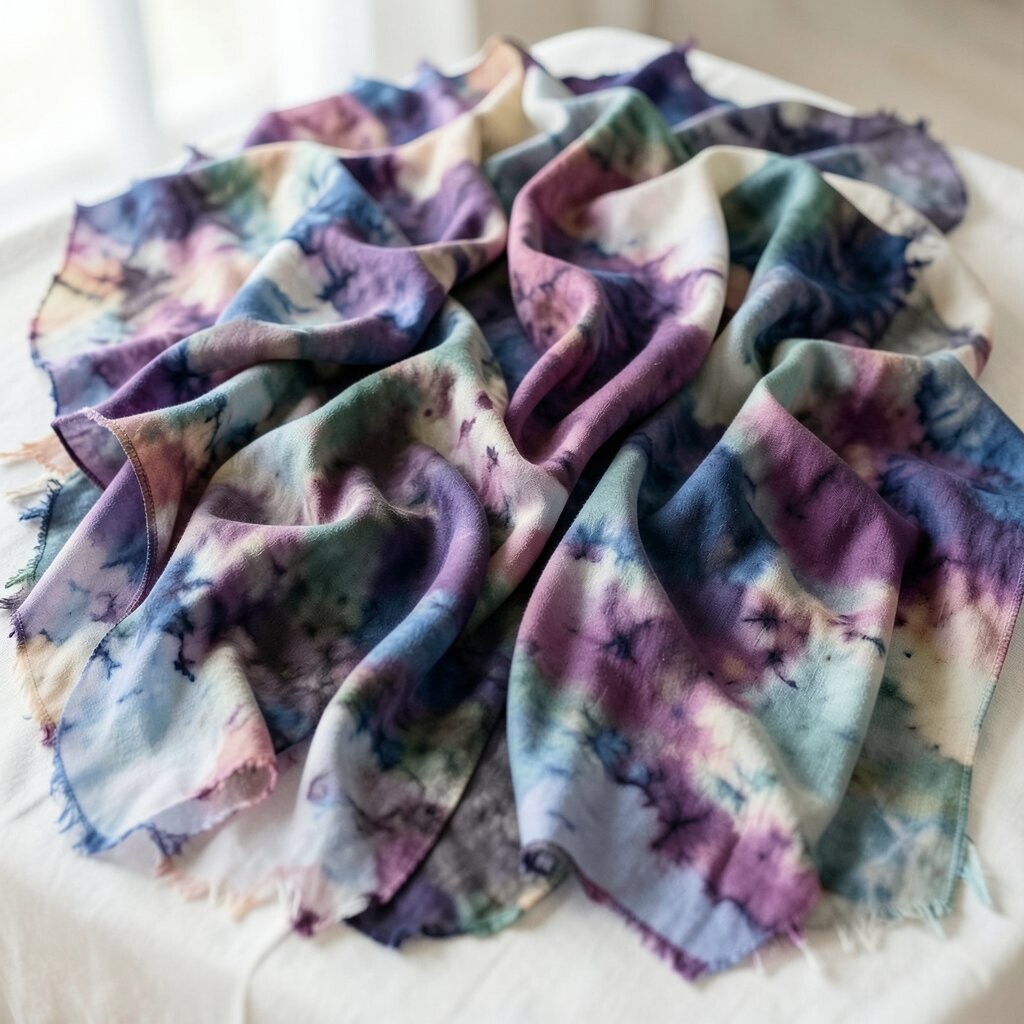
Shibori uses folds, wraps, and ties to make rich patterns on fabric. The look often has deep blue shades, white lines, and shapes that seem neat and planned.
This style has a long history, but it still fits well with today’s simple fashion trends. A scarf made this way can look good with jeans, plain shirts, or a light jacket.
You can try wood blocks, string, or clips to make new marks on the cloth. Small changes in how you fold the fabric can give you a different result every time.
6. Color Block Tote Bags
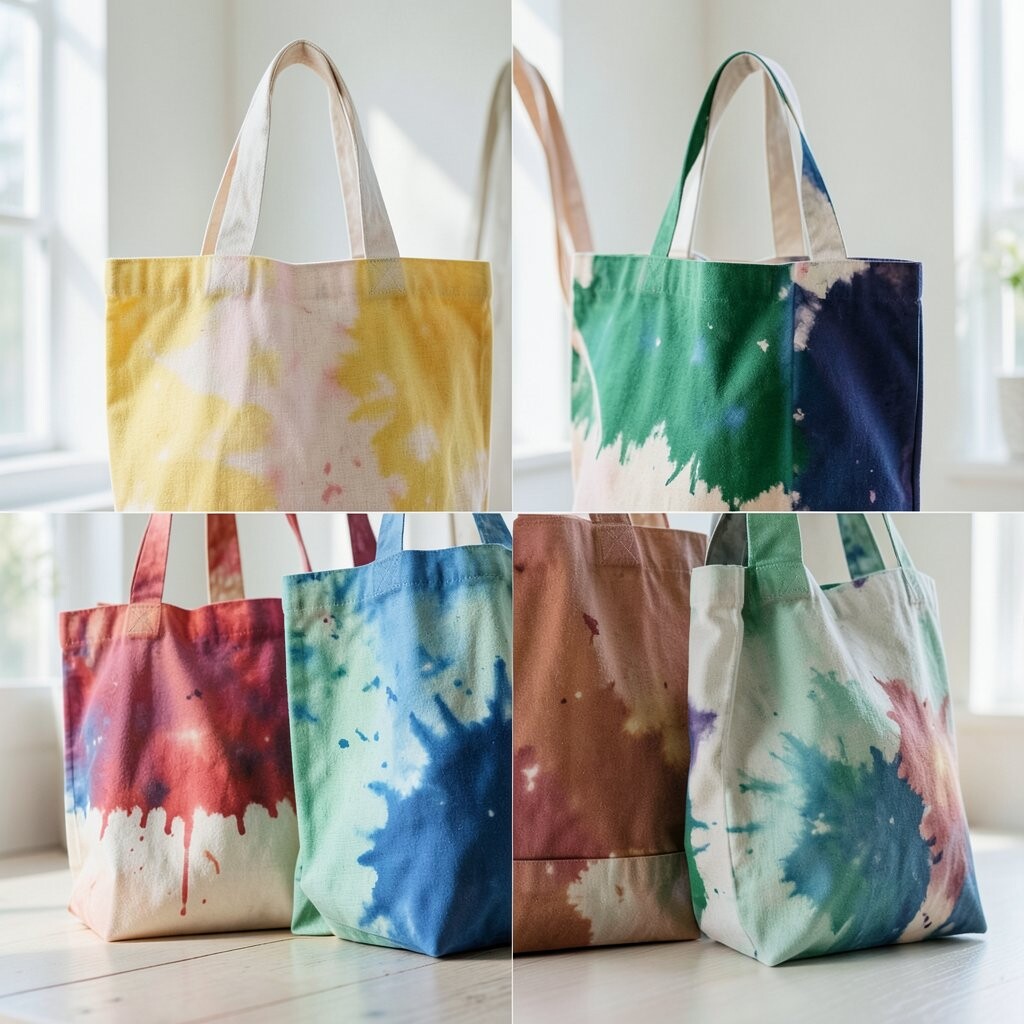
Color block dyeing gives a tote bag strong shapes and clear color areas. You can dye one side, the bottom, or just the handles for a clean look.
This idea works well for people who want something neat and modern. It is also useful because tote bags get used a lot and can show off your style in a simple way.
Plain canvas bags are often cheap, so this can be a good project on a small budget. You can make the bag match your clothes, your school gear, or your shopping style.
7. Ice Dyeing
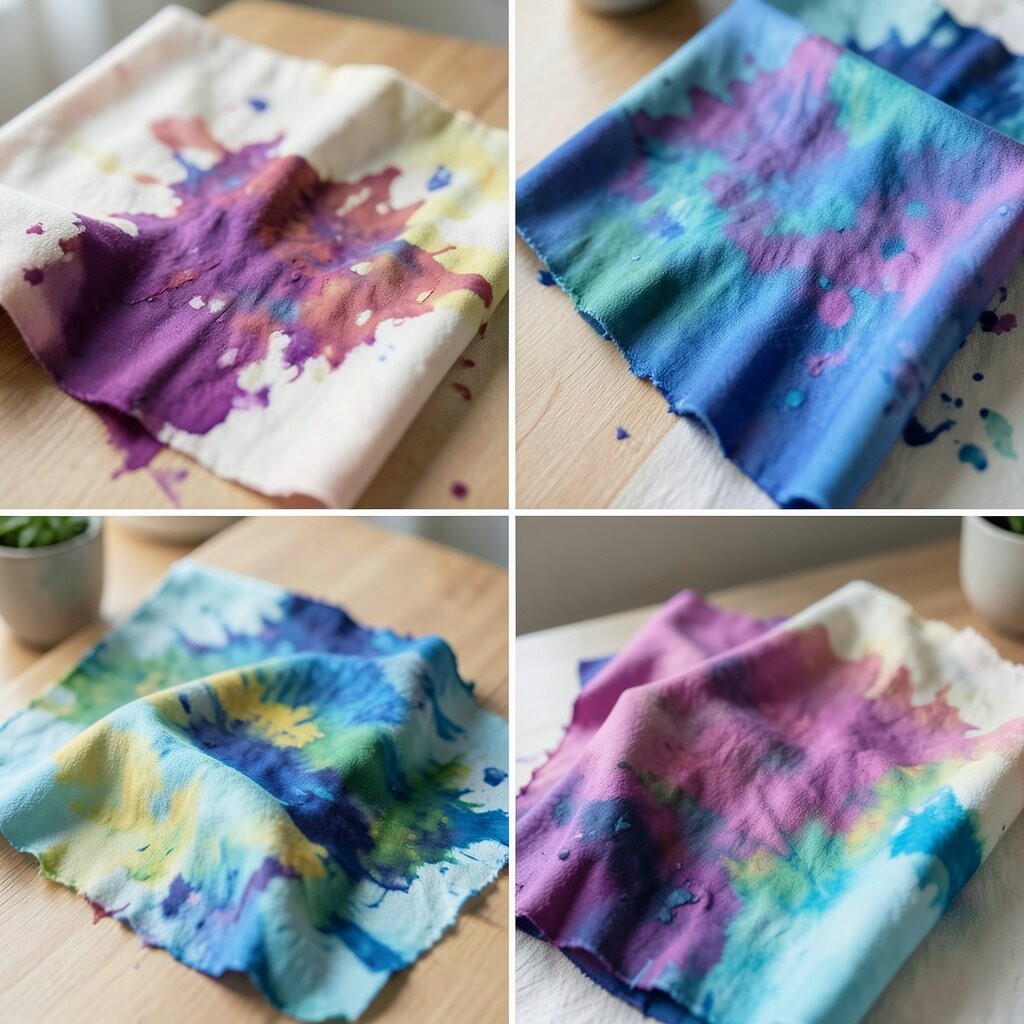
Ice dyeing uses melting ice to spread dye across fabric in slow, uneven ways. The colors break apart and mix as the ice melts, so each piece looks a little different.
The final cloth often has soft speckles and cloudy color spots. That makes it a good pick if you like a more loose and natural look.
You do not need a lot of tools, and the process can be fun to watch. It is also a good way to make a plain shirt or scarf look more fresh without a high cost.
8. Low-Water Dye Baths
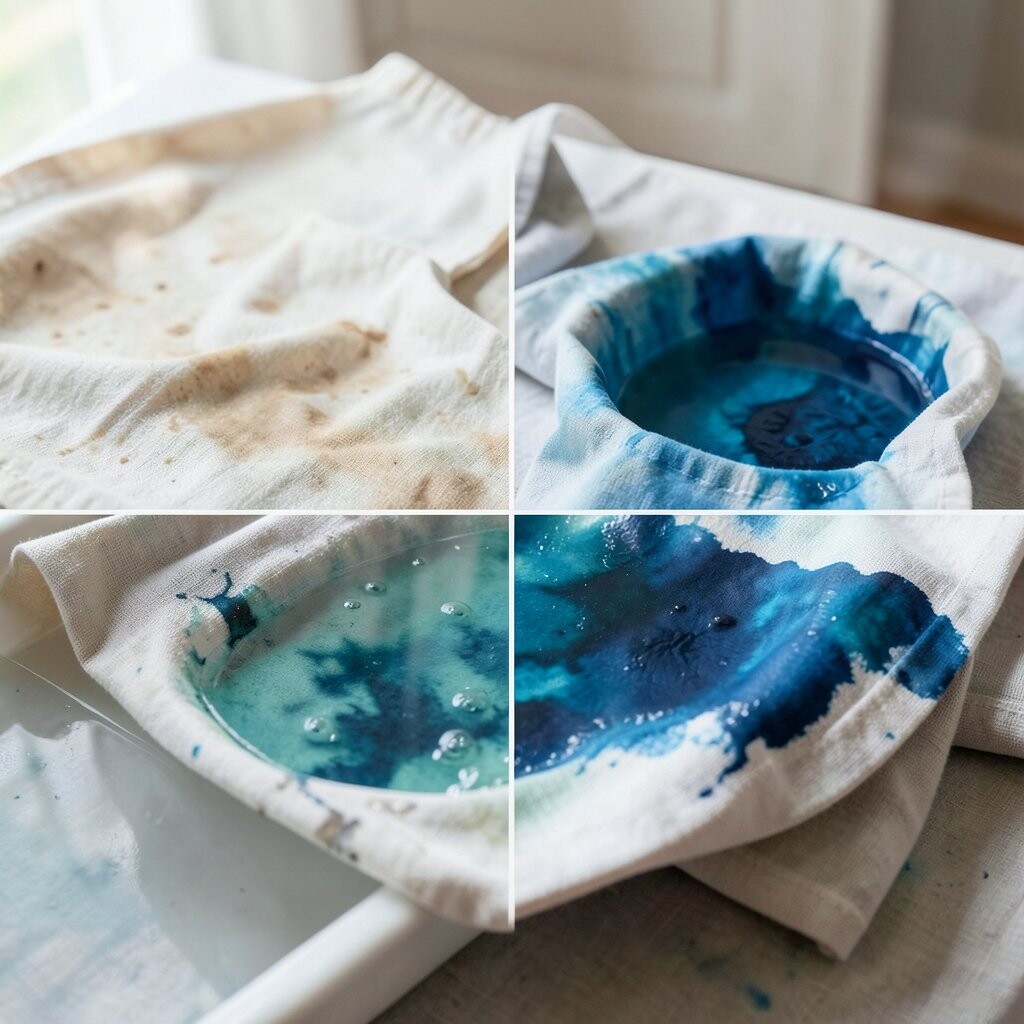
Low-water dye baths use less water than a full dye tub. This can help save dye, cut waste, and still give strong color on fabric.
The look is often rich and deep, with streaks or blended bands where the dye sits on the cloth. It is a smart choice if you want a more earth-friendly project.
You can use this method for cotton shirts, napkins, or tea towels. It also lets you make custom shades that fit your home or wardrobe better than store-bought colors.
9. Fabric Napkins in Soft Pastels
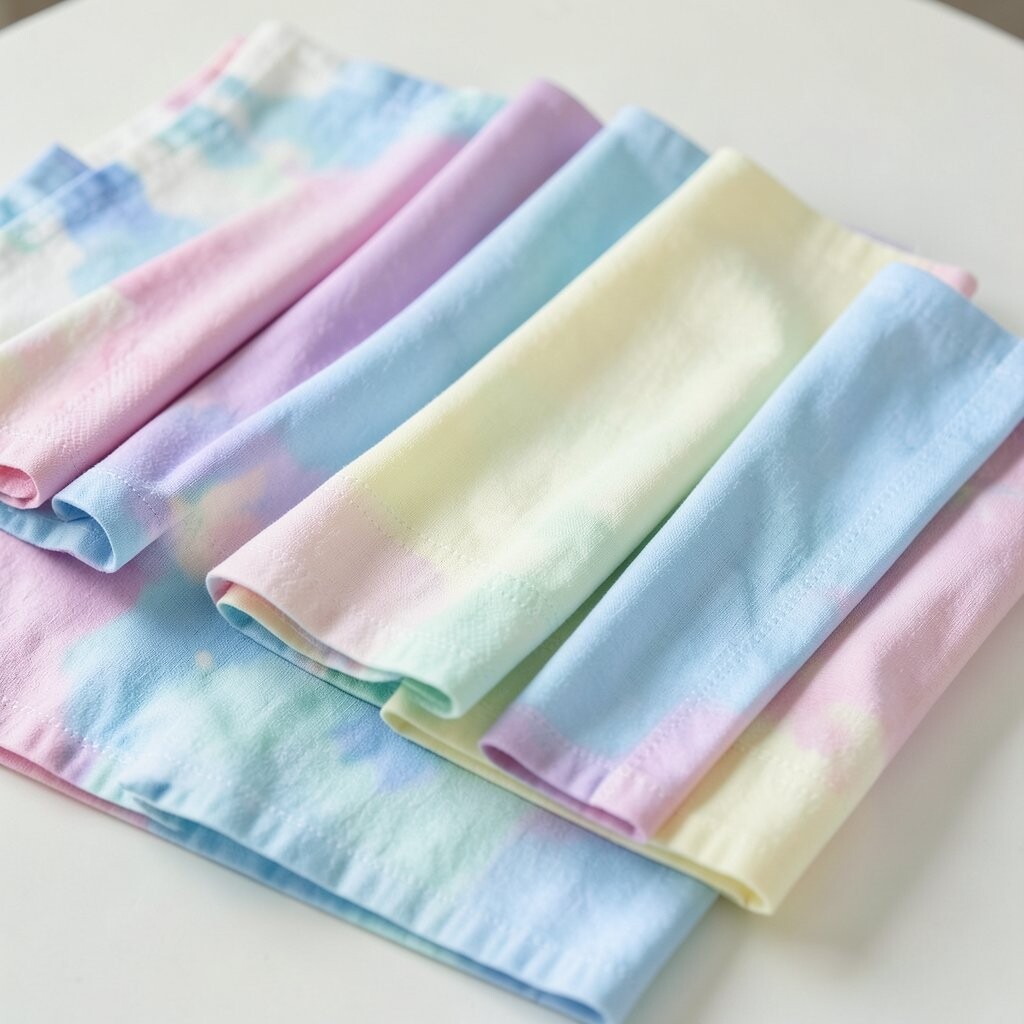
Fabric napkins dyed in soft pastels can make a table look calm and clean. Light peach, pale blue, and mint green are easy colors to enjoy.
This idea is practical because napkins get used often and can be washed many times. It is a simple way to bring color into meals without buying new decor.
Pastel dyeing is also a good trend for people who like gentle colors instead of bright ones. You can make a full set in one shade or mix a few colors for a soft, mixed look.
10. Bleach Reverse Dyeing
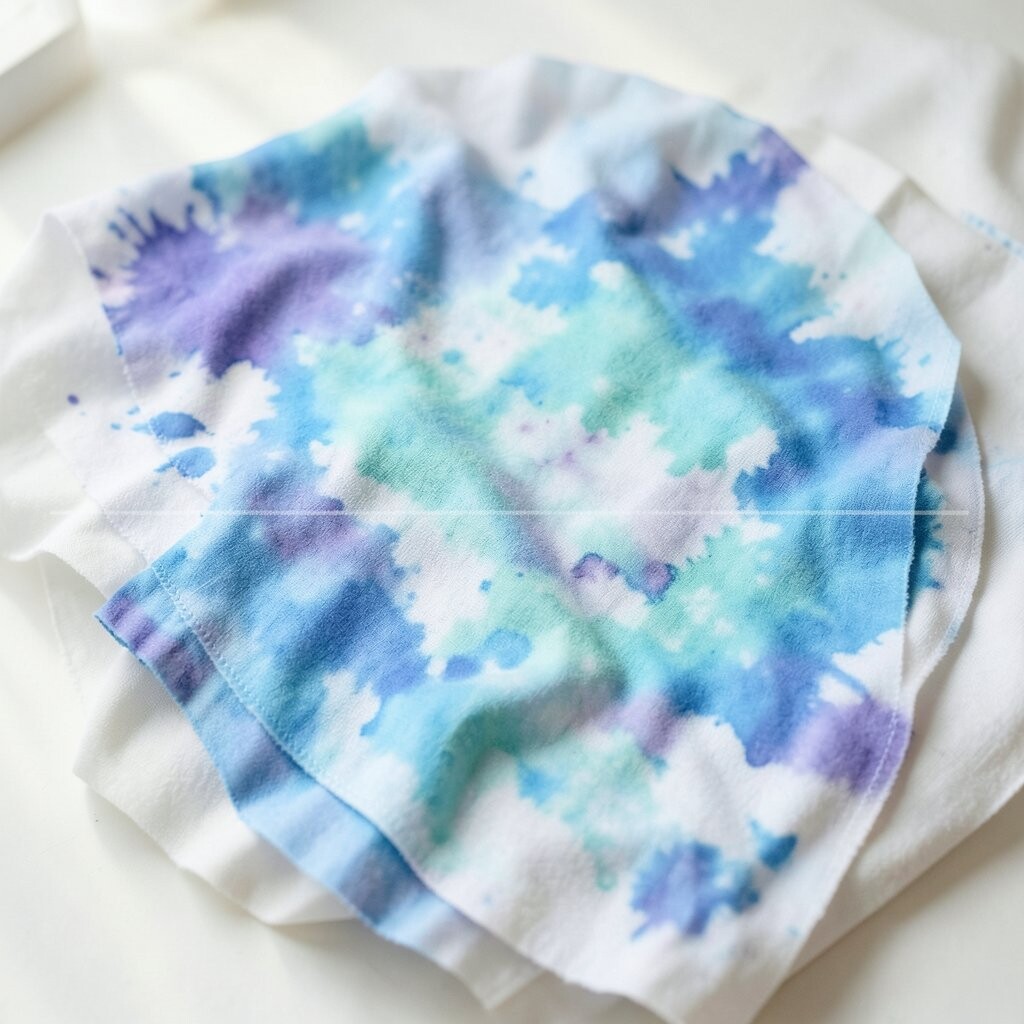
Bleach reverse dyeing uses bleach first to remove some color, then dye is added back over the light spots. The result can look bold, sharp, and a little rough around the edges.
This idea works well on dark shirts, jackets, and bags. It gives old fabric a new look and can help cover stains or faded areas in a creative way.
You should work with care and test a small spot first. If you want a one-of-a-kind piece, this method can give you a strong look without much cost.
11. Stencil Dye Prints
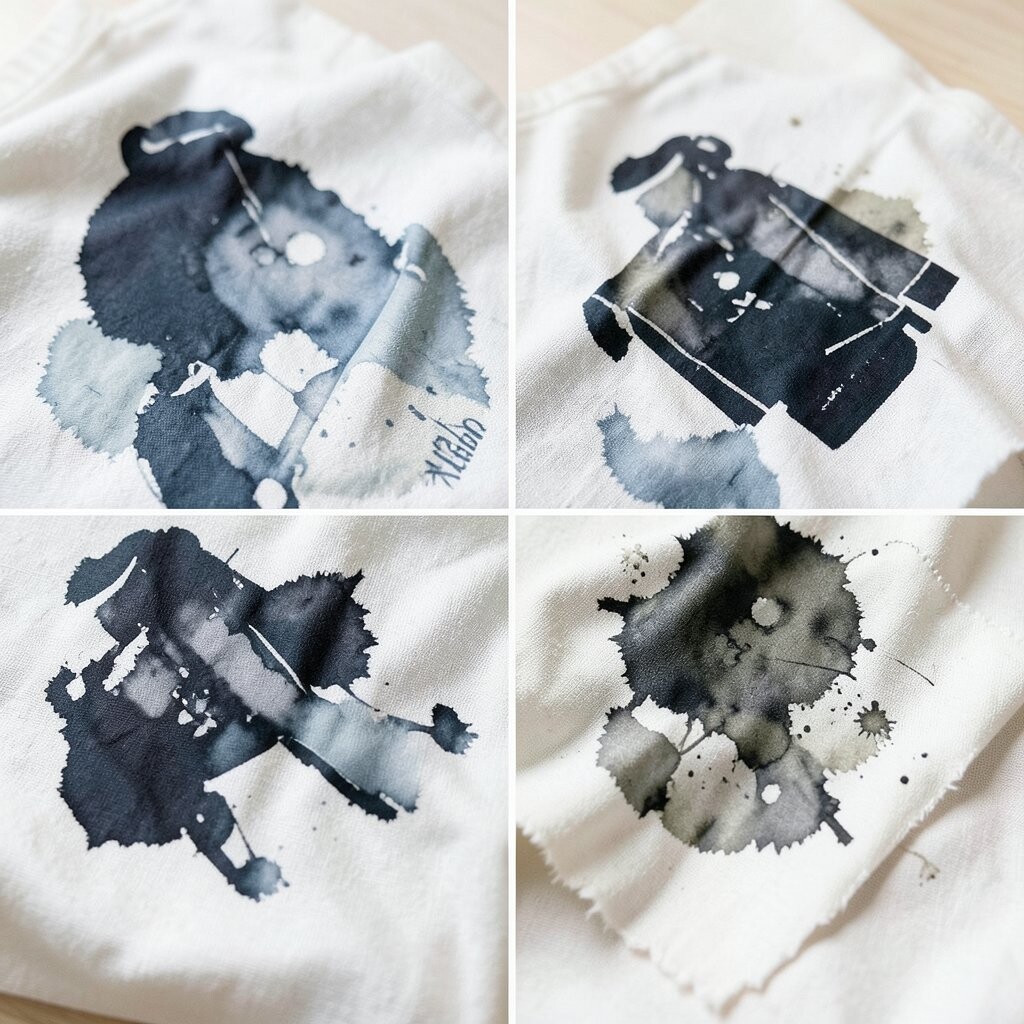
Stencil dye prints use cut shapes to guide where the color goes. You can make stars, leaves, letters, or simple lines on cloth.
The finished fabric can look neat and clean, with clear shapes that stand out. This is a good choice for bags, shirts, aprons, or room items that need a more planned style.
You can make your own stencil from cardboard or plastic, which keeps the cost low. It also gives you a chance to add names, symbols, or small designs that feel personal.
12. Dyed Tea Towels
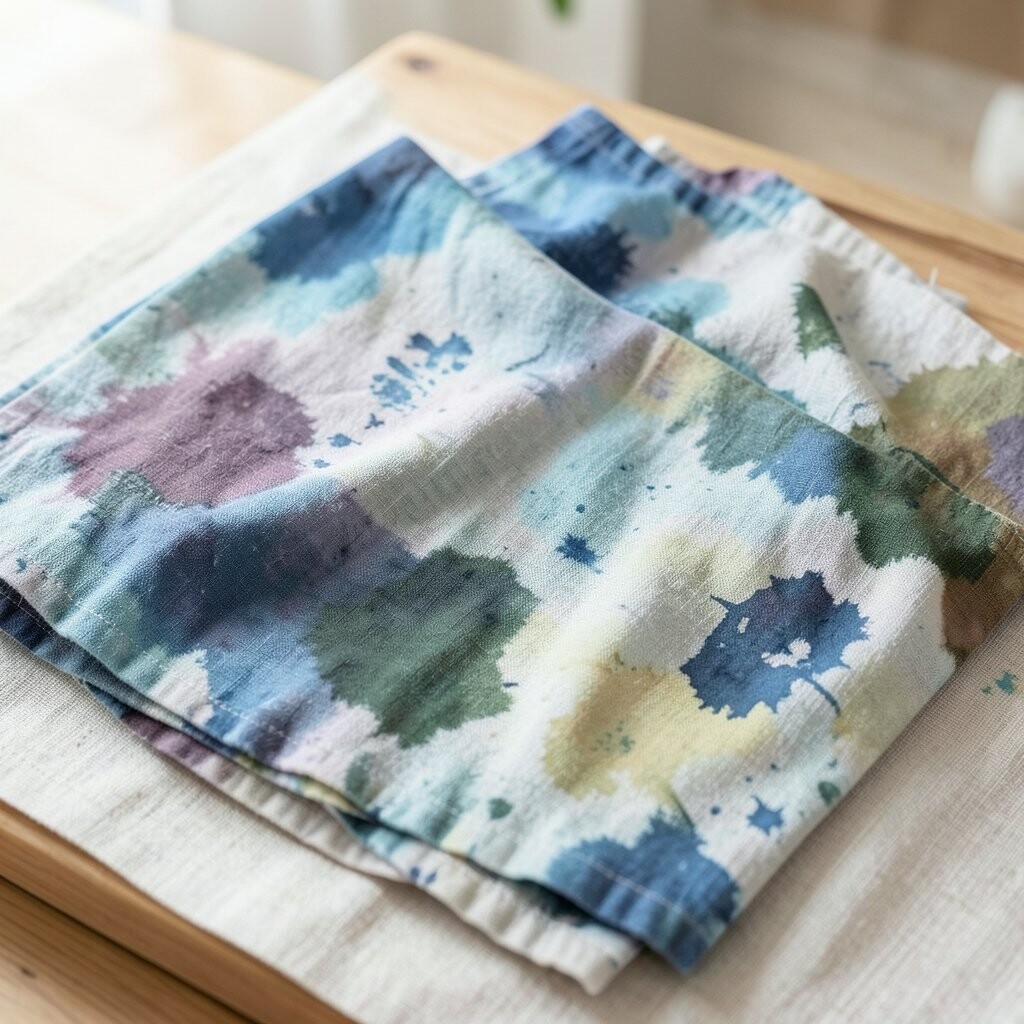
Tea towels are a nice place to try small dye projects. Since they are flat and simple, you can test stripes, fades, or soft splashes of color.
The look can be plain and useful or bright and fun, depending on the dye shades you choose. This makes them a good fit for kitchens that need a small color boost.
Dyed tea towels also make good gifts because they are useful and easy to wash. You can make a set with matching colors or give each towel its own style.
13. Spiral Cotton Shirts
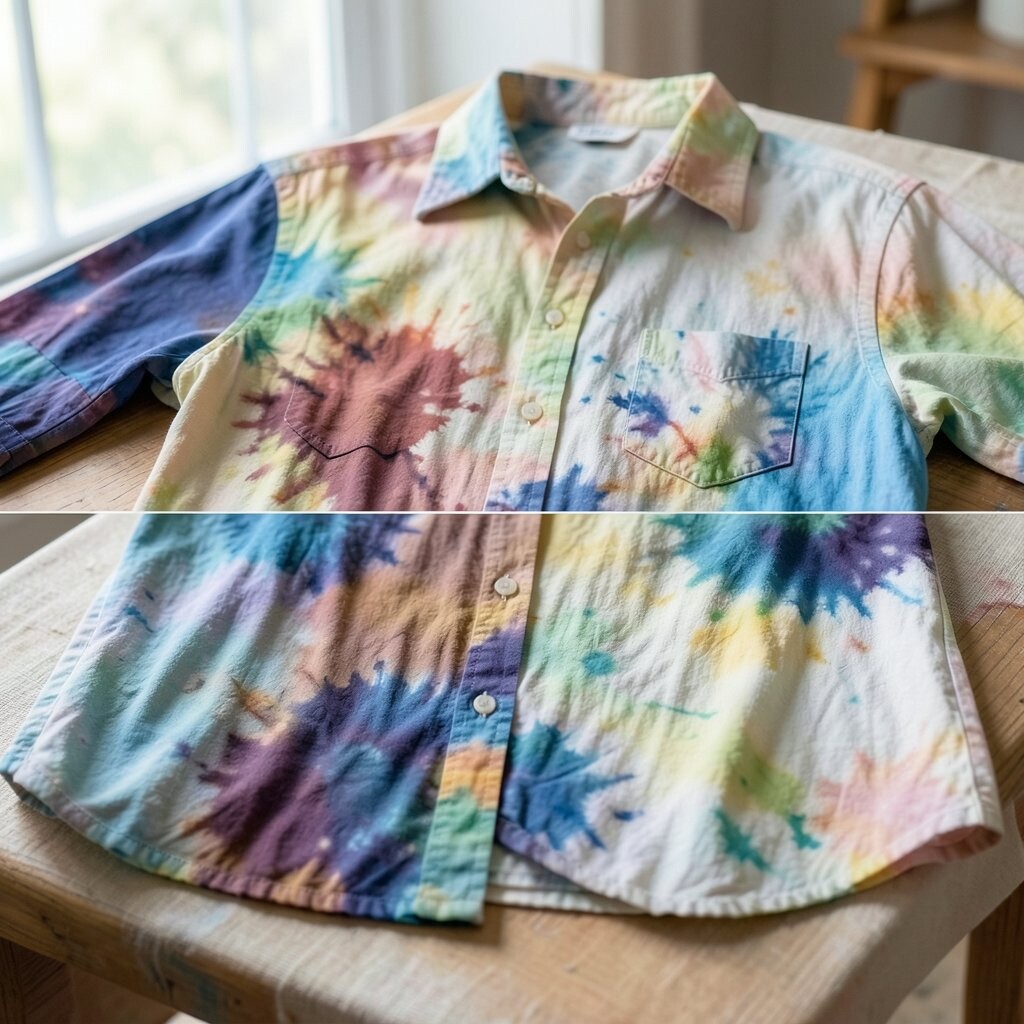
Spiral dyeing makes a shirt look bold and full of motion. You pull the cloth into a flat twist, then add dye in wedge shapes around the center.
The result often has a strong swirl that feels lively and easy to spot. It is a classic style, but it still fits well with casual fashion today.
You can use bright colors for a fun look or choose two soft shades for something calmer. It is also a low-cost way to make a plain shirt feel more like your own.
14. Dye-Blocked Jeans
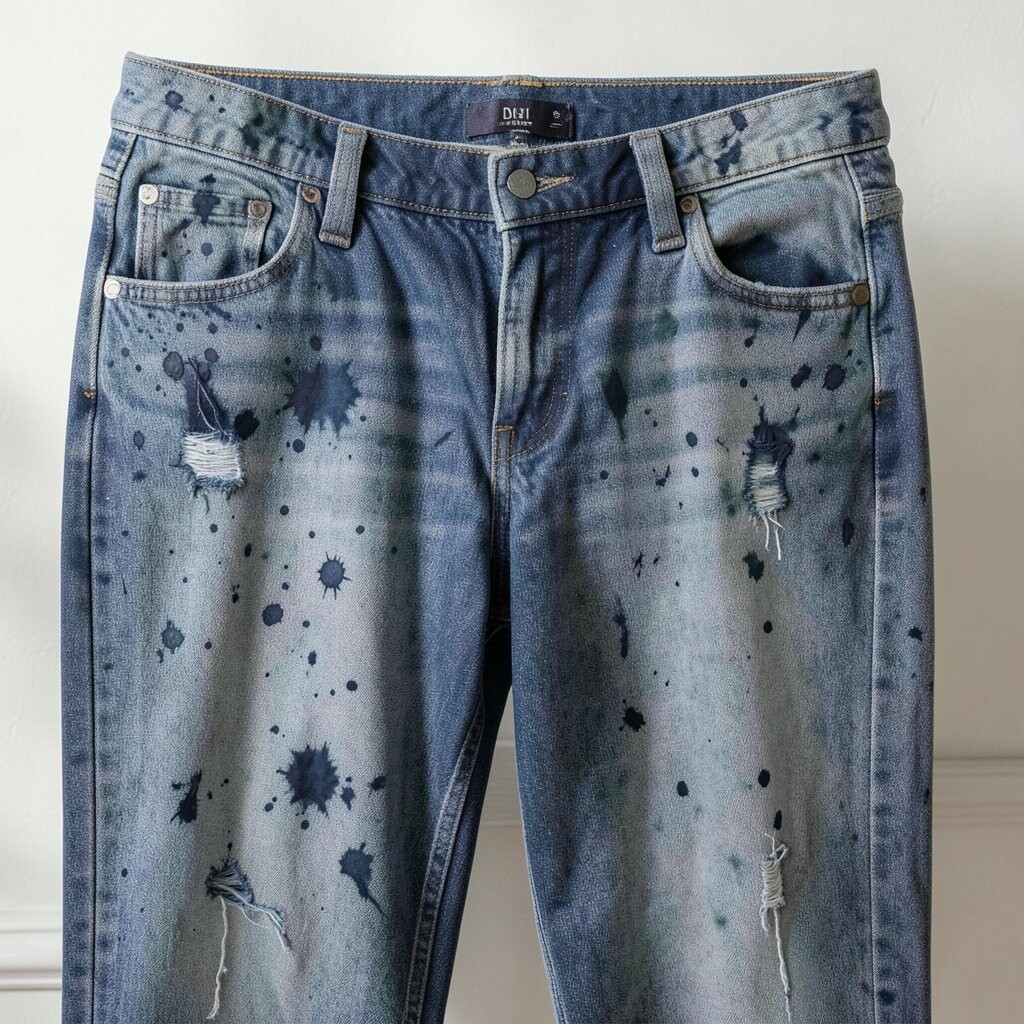
Dye-blocked jeans use color only on certain parts of the denim. You might dye the cuffs, pockets, or one leg to make a simple but sharp style.
The look can be cool and clean, with clear color edges that stand out against blue denim. This idea works well for people who want a small change instead of a full dye job.
You can match the dye to a shirt, shoes, or jacket for a neat outfit plan. It is a good way to update old jeans without buying a new pair.
15. Watercolor-Style Tablecloths
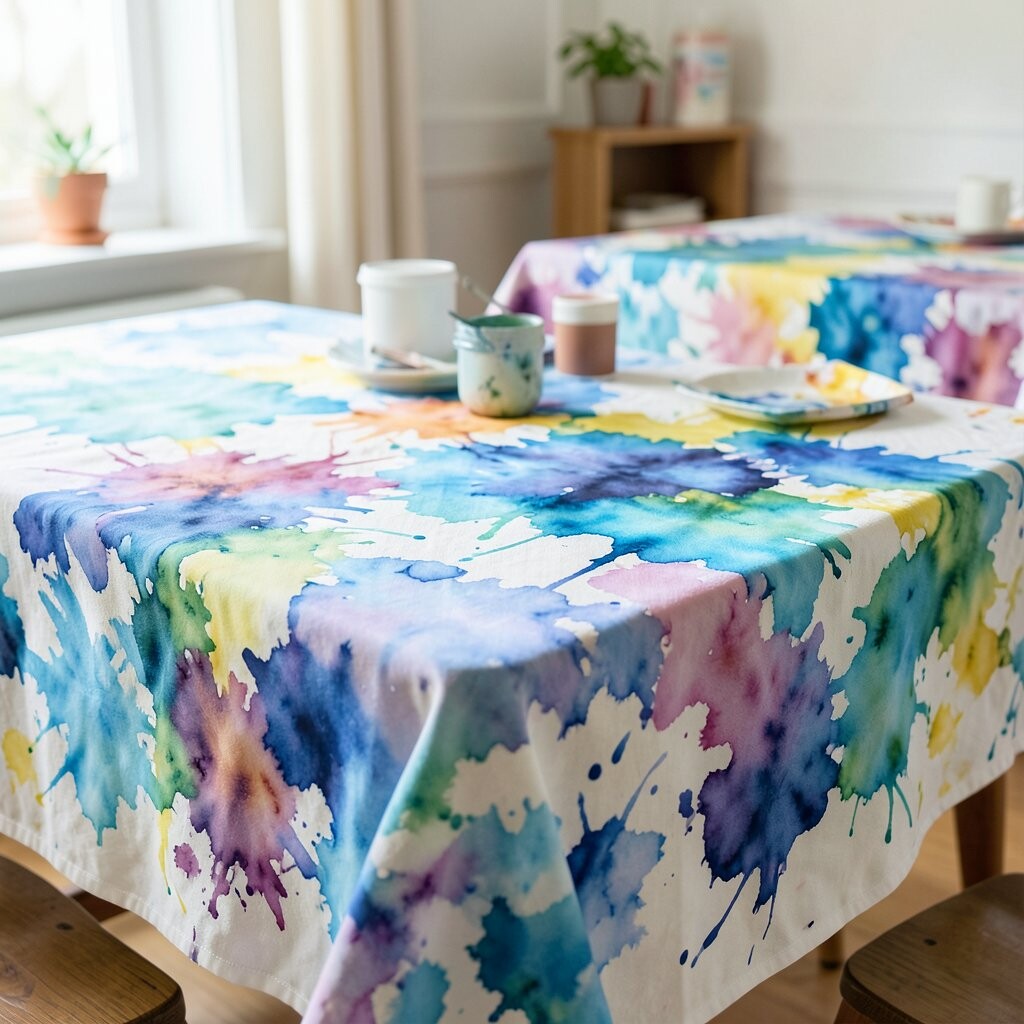
Watercolor-style dyeing makes fabric look soft and brushed, like paint spread on paper. Colors blend into each other in a gentle way that feels calm and smooth.
This is a nice choice for tablecloths because it adds color without making the table feel too busy. The look can work for daily meals or for a small get-together.
You can use light blues, greens, or warm earth tones to keep the style easy and modern. It is also a good way to use one cloth in more than one room if you want a flexible home item.
16. Dip-Dyed Socks
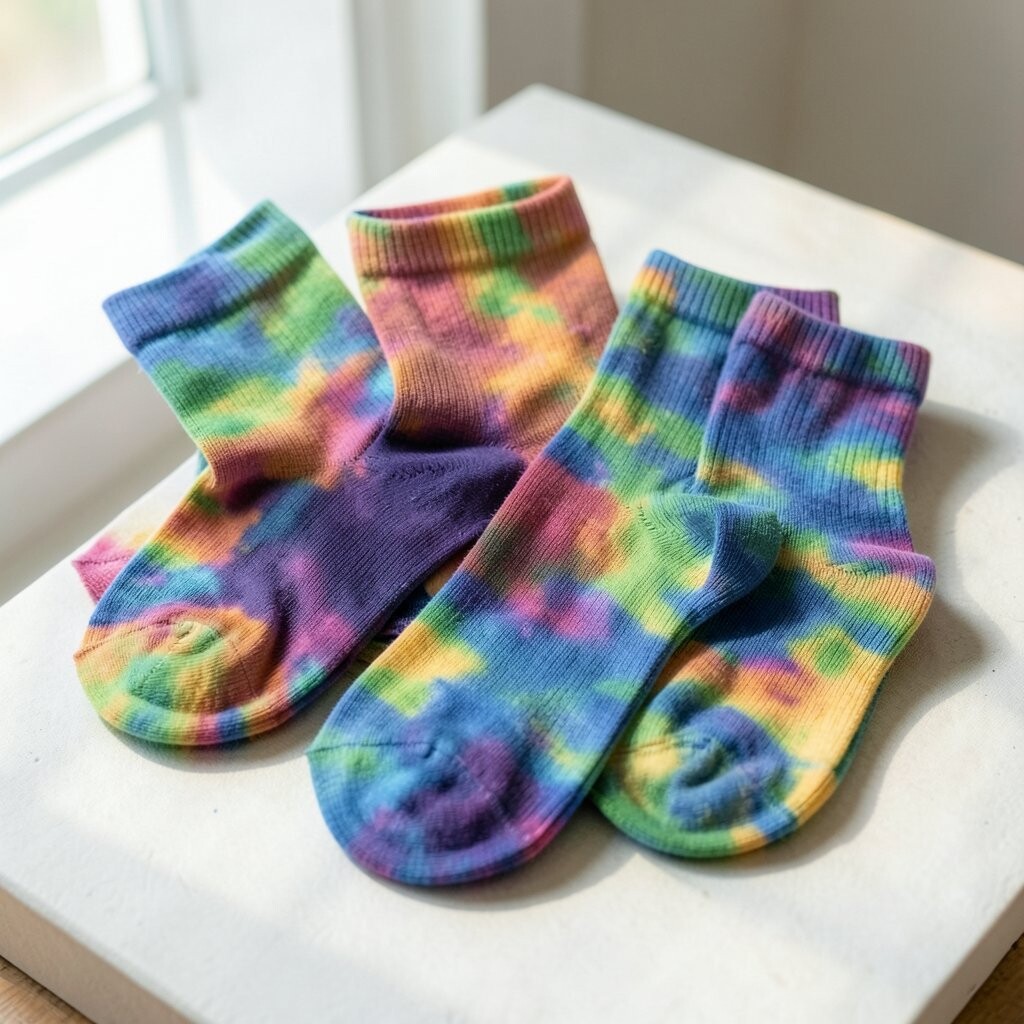
Dip-dyed socks are a small project that can still be fun. You can color just the toes, the cuffs, or a middle band for a simple change.
The finished socks can look playful when they peek out of shoes. They are also easy to make in sets, so you can keep a matching style or make each pair different.
This idea is cheap because socks use only a little dye. It is a good way to try fabric dyeing before moving on to larger items.
17. Natural Dye Pajamas
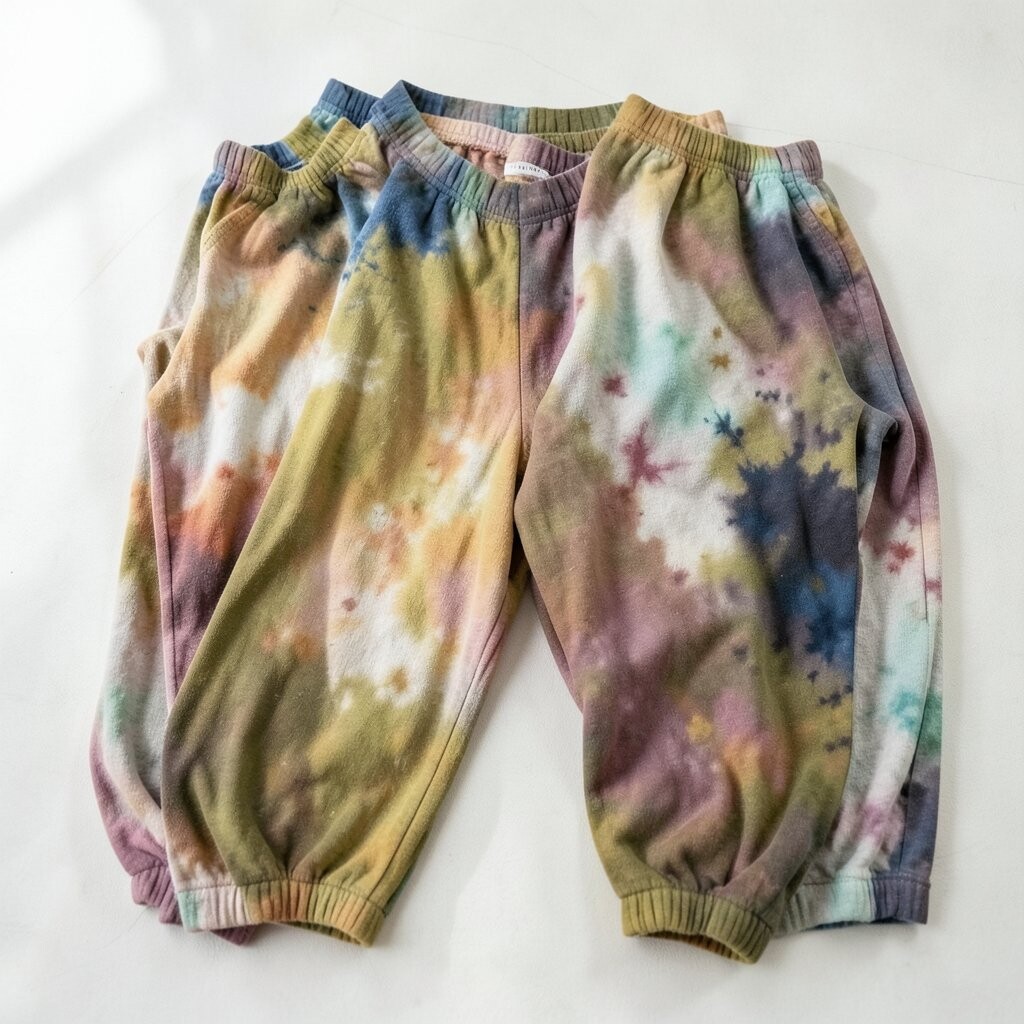
Natural dye can give pajamas soft, warm shades from plants, tea, or food scraps. The colors are often gentle and a little uneven, which gives the cloth a calm look.
This style feels cozy and simple, which makes it a good match for sleepwear. Many people like natural dye because it can be easier on the eyes than bright synthetic color.
You can try onion skins, avocado pits, or black tea to make different shades. It is a nice project if you want to use simple home items and keep costs down.
18. Rainbow Kid Shirts
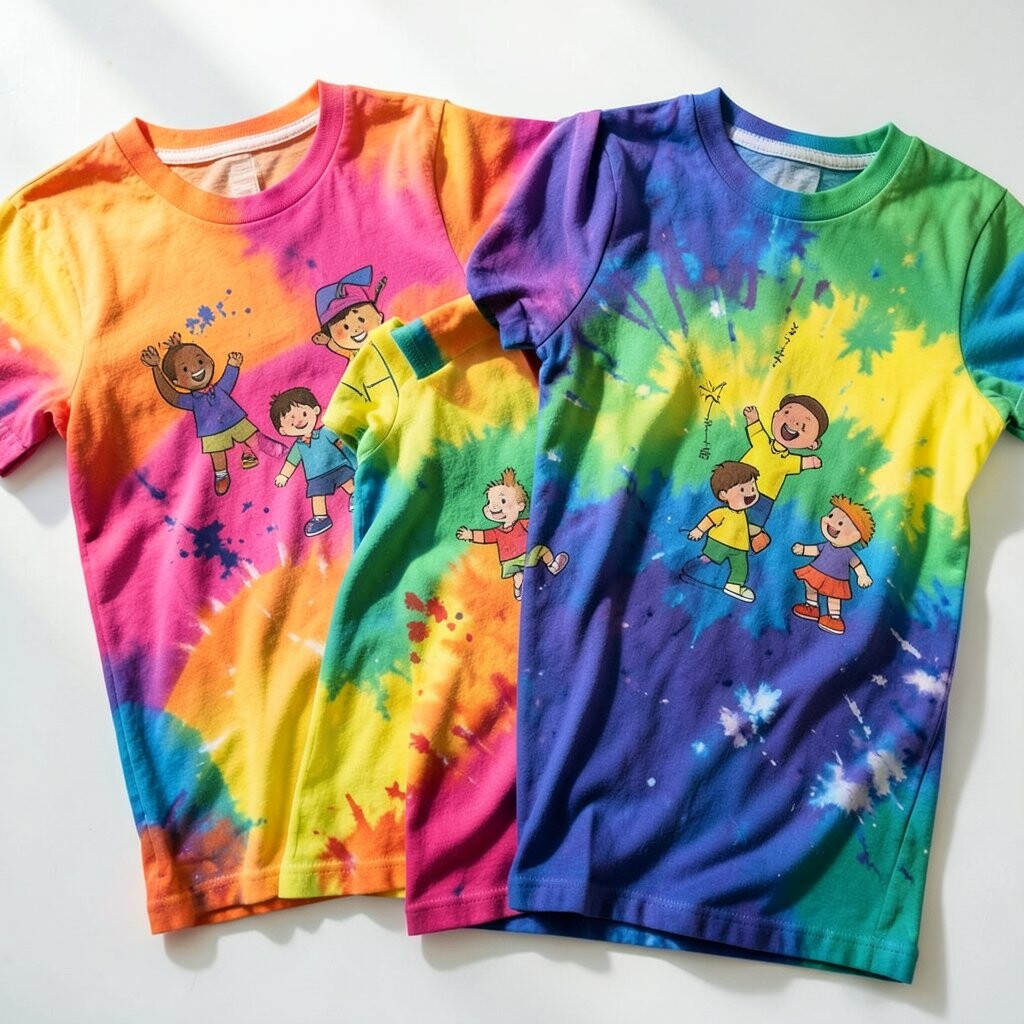
Rainbow dyeing can make kid shirts bright and cheerful. You can place each color in a clear spot or let them blend for a softer mix.
The look is lively and easy to love, which is why it stays popular for play clothes and gifts. Kids often enjoy the bright colors and the fun of seeing the final cloth.
You can keep the pattern neat or let it get messy for a more free look. This is a good chance to let kids help choose colors and make something that feels like theirs.
19. Dyed Canvas Art Panels
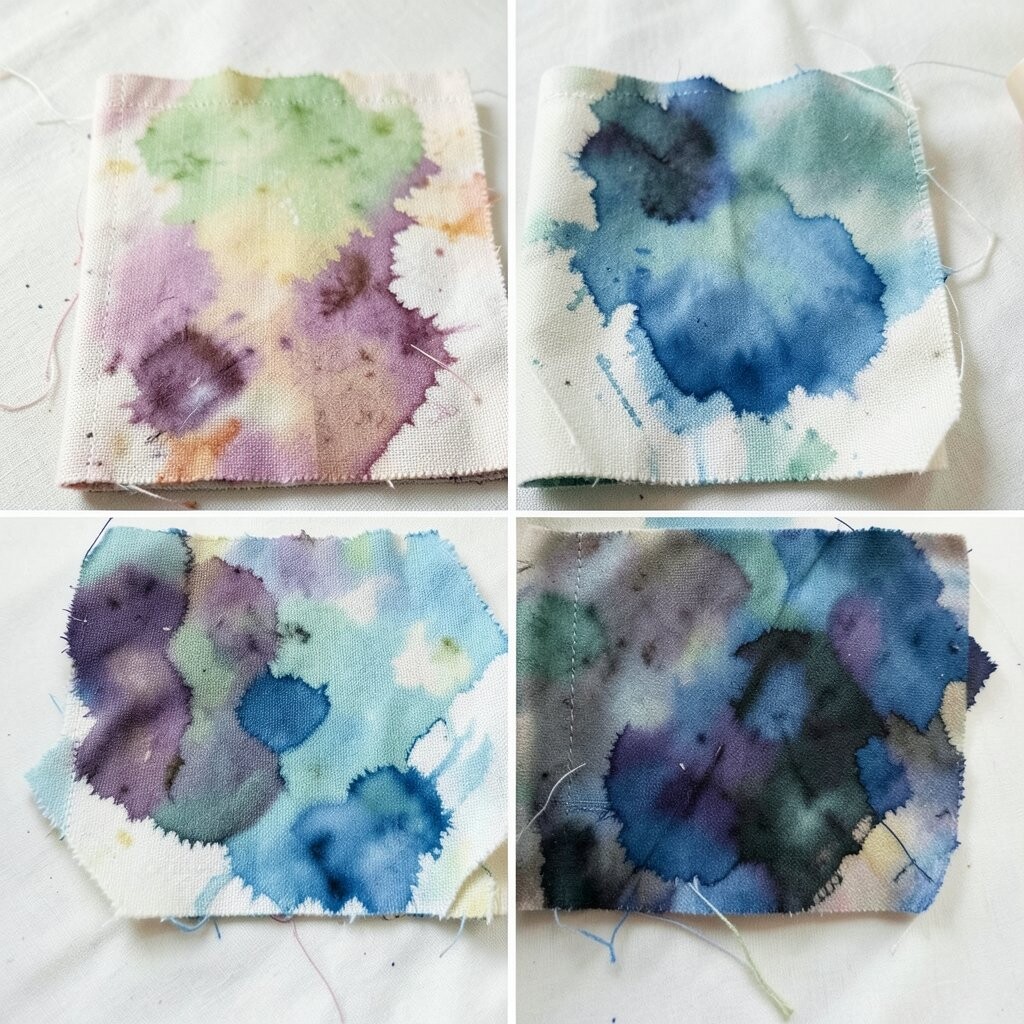
Canvas art panels can be dyed to make wall pieces that are simple and modern. You can soak, brush, or spray color onto the canvas for different effects.
The finished piece may look bold, soft, or textured, depending on how much dye you use. It is a low-cost way to make wall art without buying a framed print.
You can make a set of small panels with matching shades for a clean room look. Or you can use one bright panel as a clear point in the room.
20. Striped Aprons
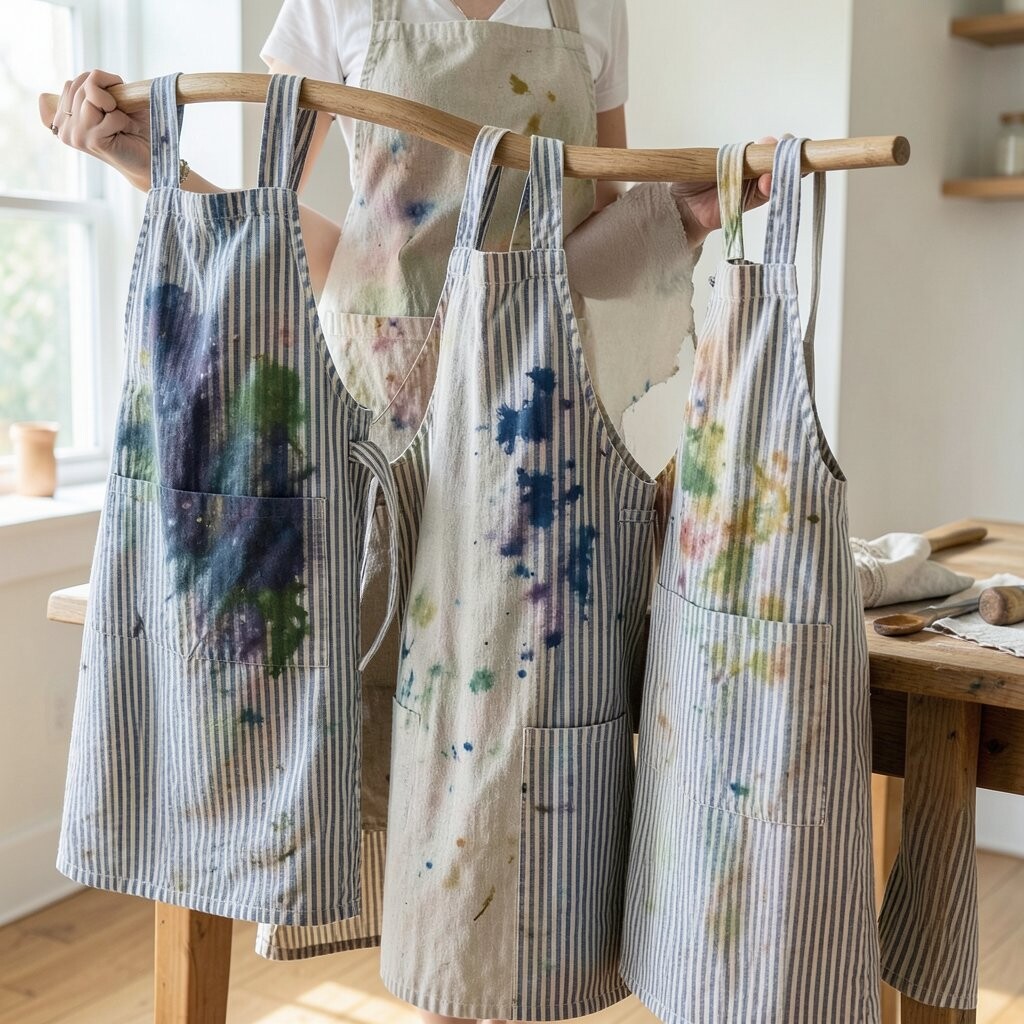
Striped aprons are useful and easy to personalize. You can use tape, folds, or bands to keep the dye in straight lines across the cloth.
The result can look neat, tidy, and a little classic. It works well in the kitchen, a craft room, or a work area where you want both style and use.
Choose colors that hide stains well, like dark blue, rust, or olive. That can help the apron stay useful while still looking good.
21. Rust and Dye Mix
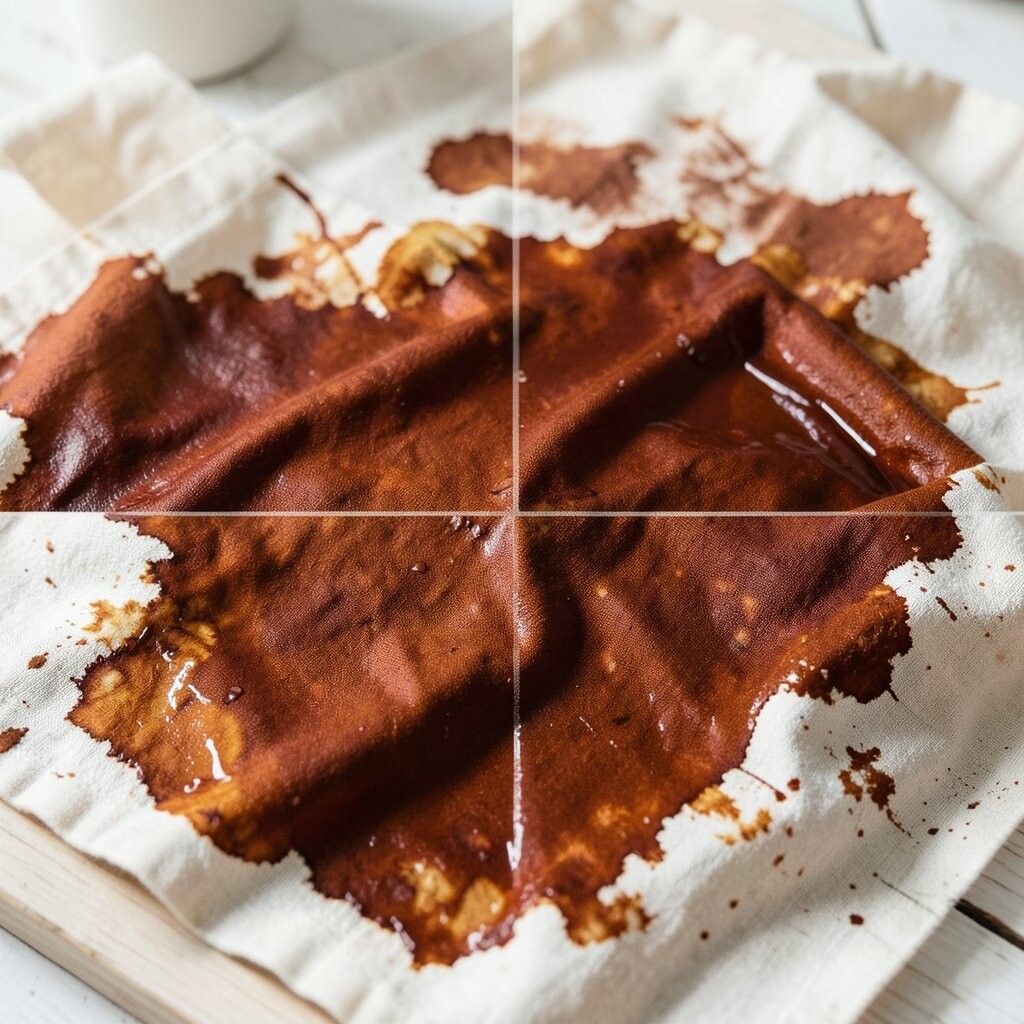
Rust and dye mix gives fabric a worn, earthy look. The cloth can end up with brown, orange, and red marks that feel natural and rich.
This style is not for everyone, but it can be very unique. It works well for people who like a rough, old look on bags, wall cloths, or art pieces.
You can test it on scrap fabric first, since the result can change fast. If you like a handmade look that feels different from store items, this is worth a try.
22. Dyed Baby Blankets
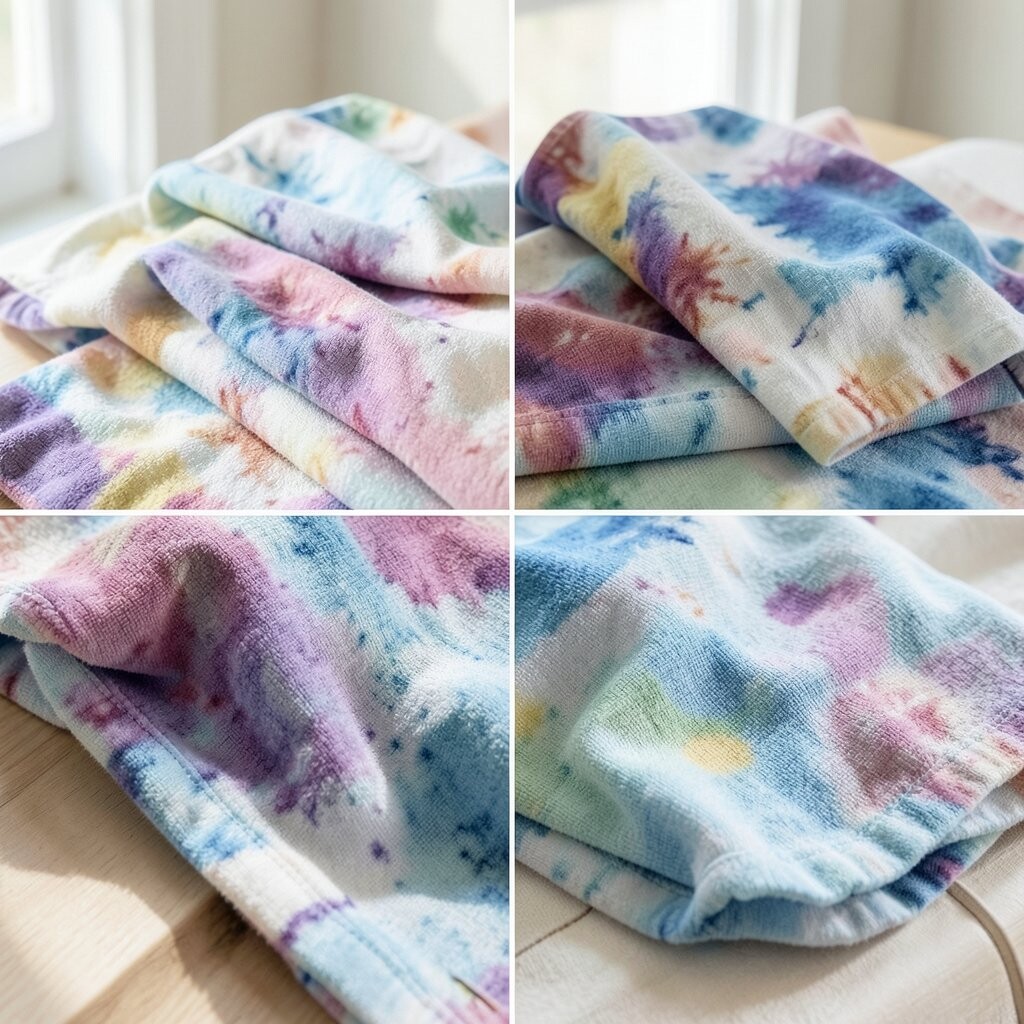
Dyed baby blankets can be soft, calm, and personal. Light colors and gentle fades work well because they keep the cloth looking clean and easy to use.
This idea is nice for gifts, since a blanket can feel more special when it has a custom color. It can also help you use plain cotton blankets that may already be in the house.
You should pick safe fabric and gentle dye methods for items that will be used often. Soft pastels, warm cream, and pale gray are common choices that fit current home trends.
23. Patchwork Dye Sets
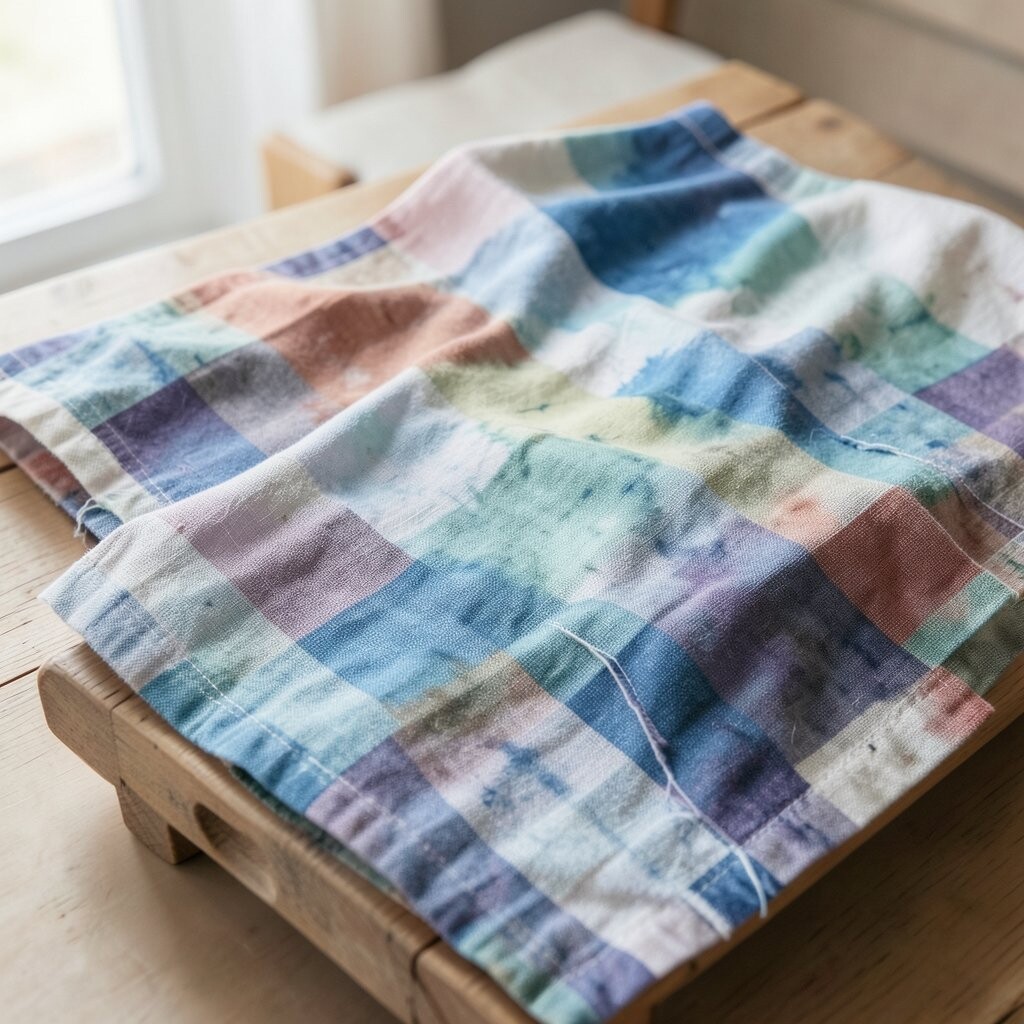
Patchwork dye sets use different colors on separate parts of the same cloth. You can fold the fabric into sections and dye each one in a new shade.
The final look can feel lively and mixed, almost like a quilt made from one piece of cloth. This is a good way to use up leftover dye from other projects.
You can keep the colors close for a calm style or make them very different for a bold look. It is a fun way to make each item one of a kind.
24. Dyed Headbands
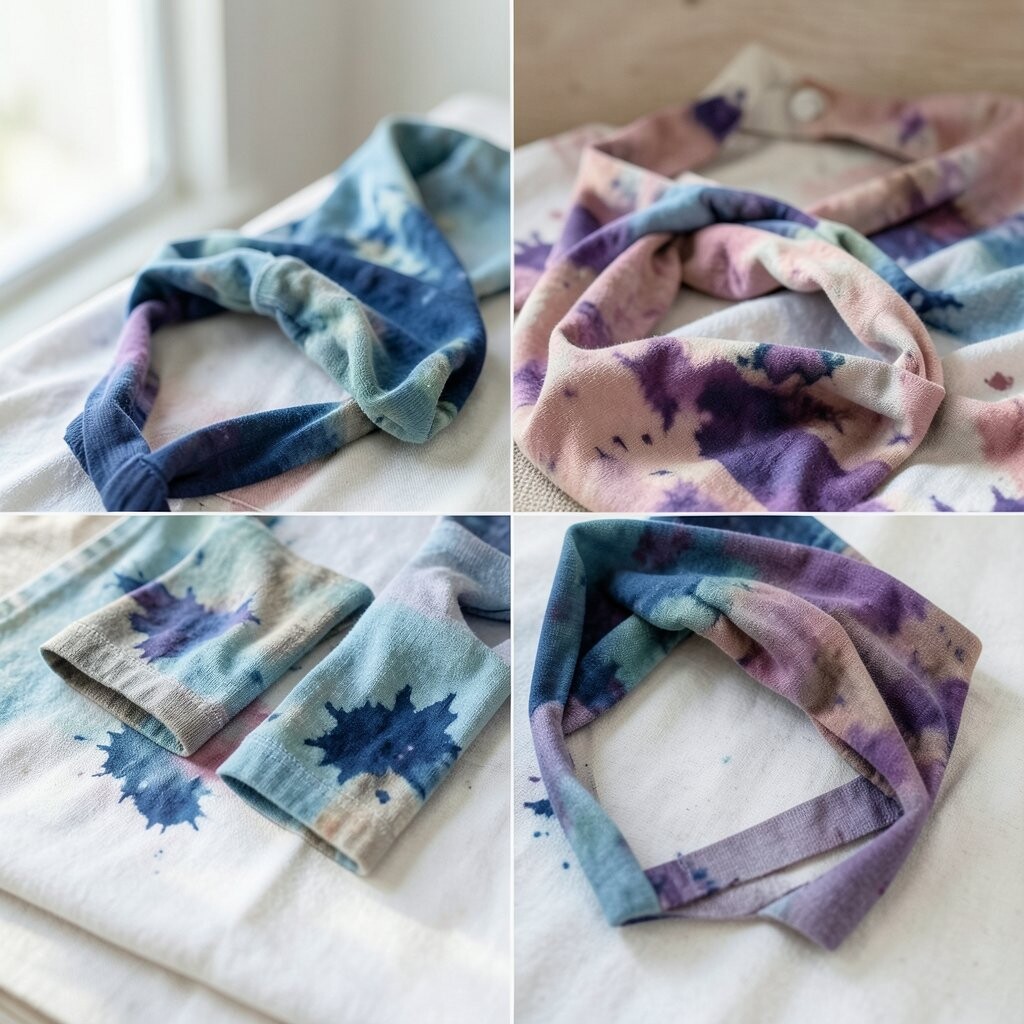
Dyed headbands are small, quick, and easy to make. You can use a single color or add a light fade for a simple style.
They are good for personal use because they can match shirts, bags, or shoes. Since they use very little fabric, they are also a low-cost way to test new dye ideas.
You can make them bright for summer or soft for daily wear. They also work well as small gifts when you want to make something by hand.
25. Monochrome Bedding Accents
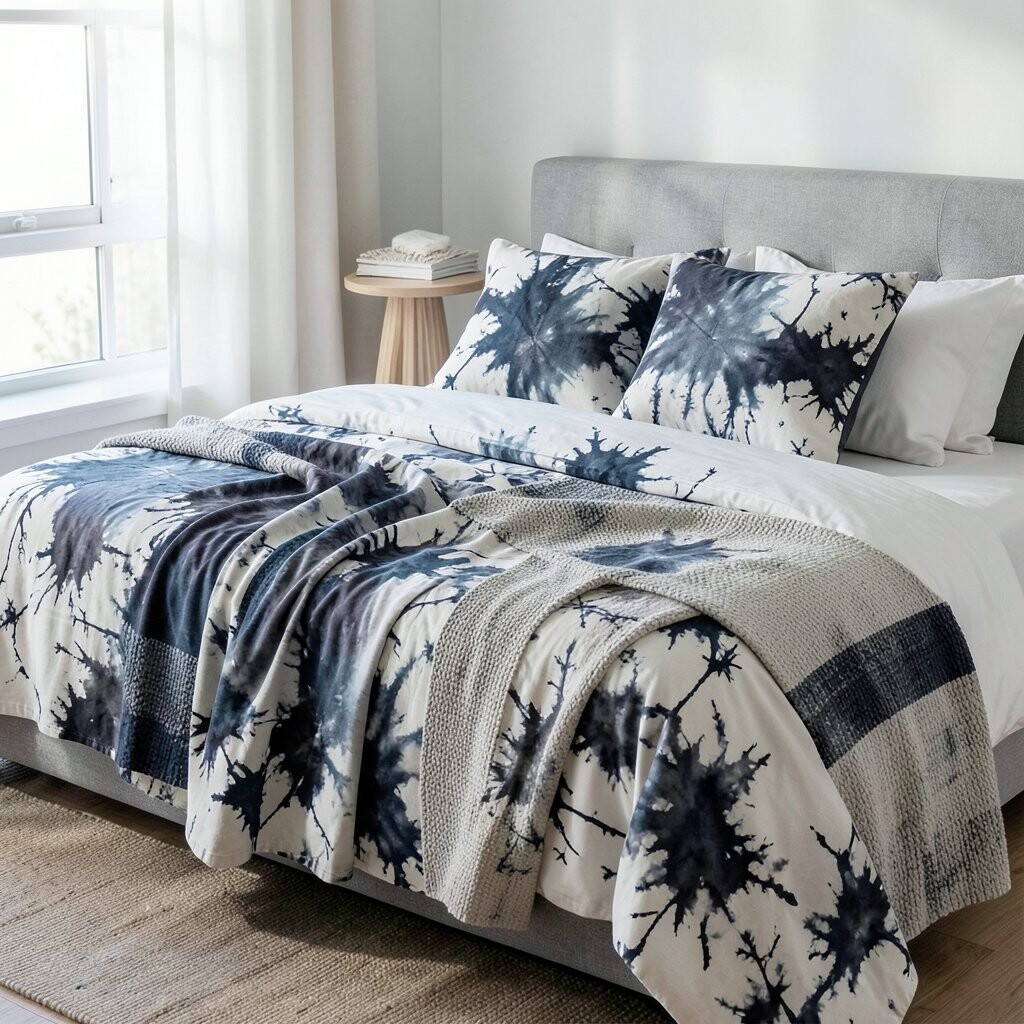
Monochrome dyeing uses one color in different shades across bedding accents. A pillowcase, throw, or sheet can look calm and neat with this style.
The room can feel more pulled together when the color stays in one family. This kind of look is common in home trends because it feels simple and easy to live with.
You can use dark gray, soft blue, or warm tan for a clean look. It is a good way to add color while keeping the room restful.
26. Dyed Lunch Bags
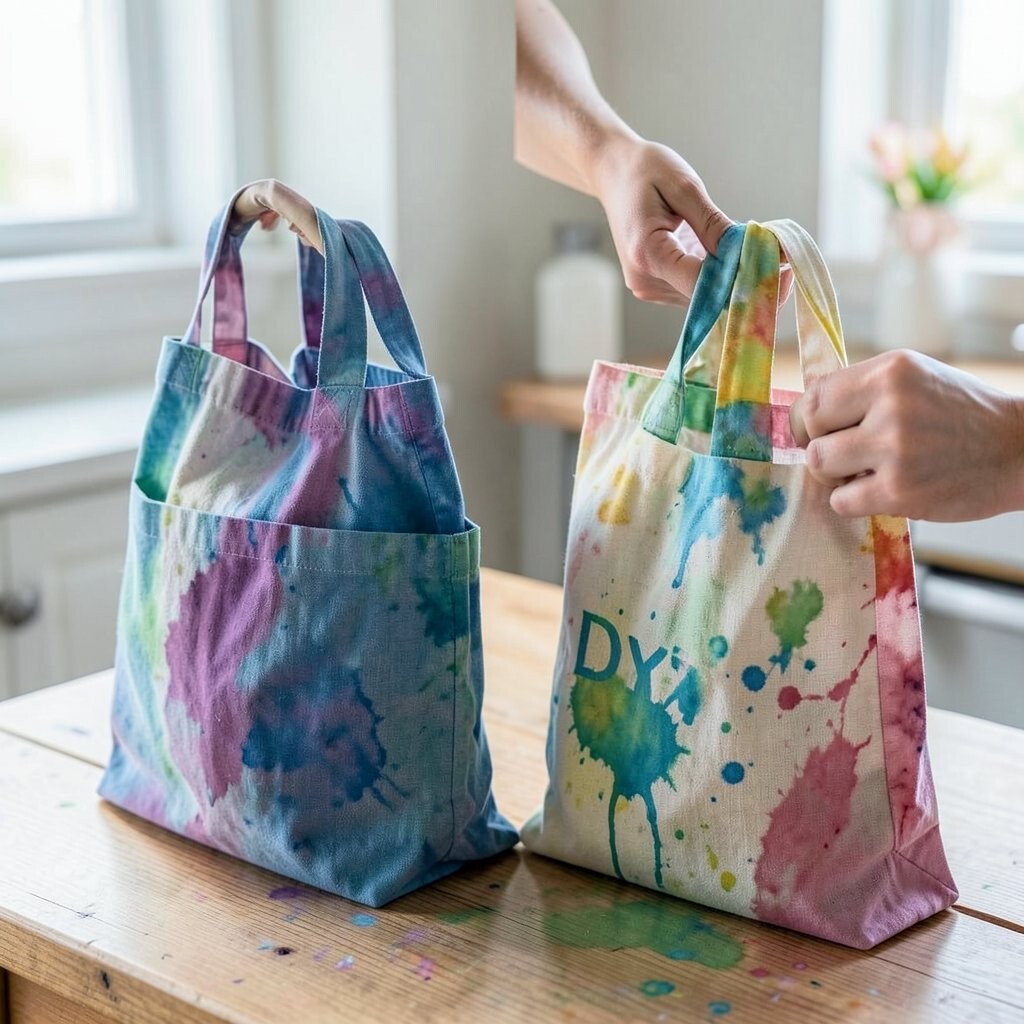
Dyed lunch bags can make daily use a little more fun. You can add stripes, dots, or a soft fade to a plain cloth bag.
The bag can be easy to spot in a busy room or on a shelf. That makes it useful as well as nice to look at.
This project is often cheap, since small bags use little dye and little fabric. You can also match the bag to school colors or work gear for a more personal touch.
27. Soft Earth-Tone Wraps
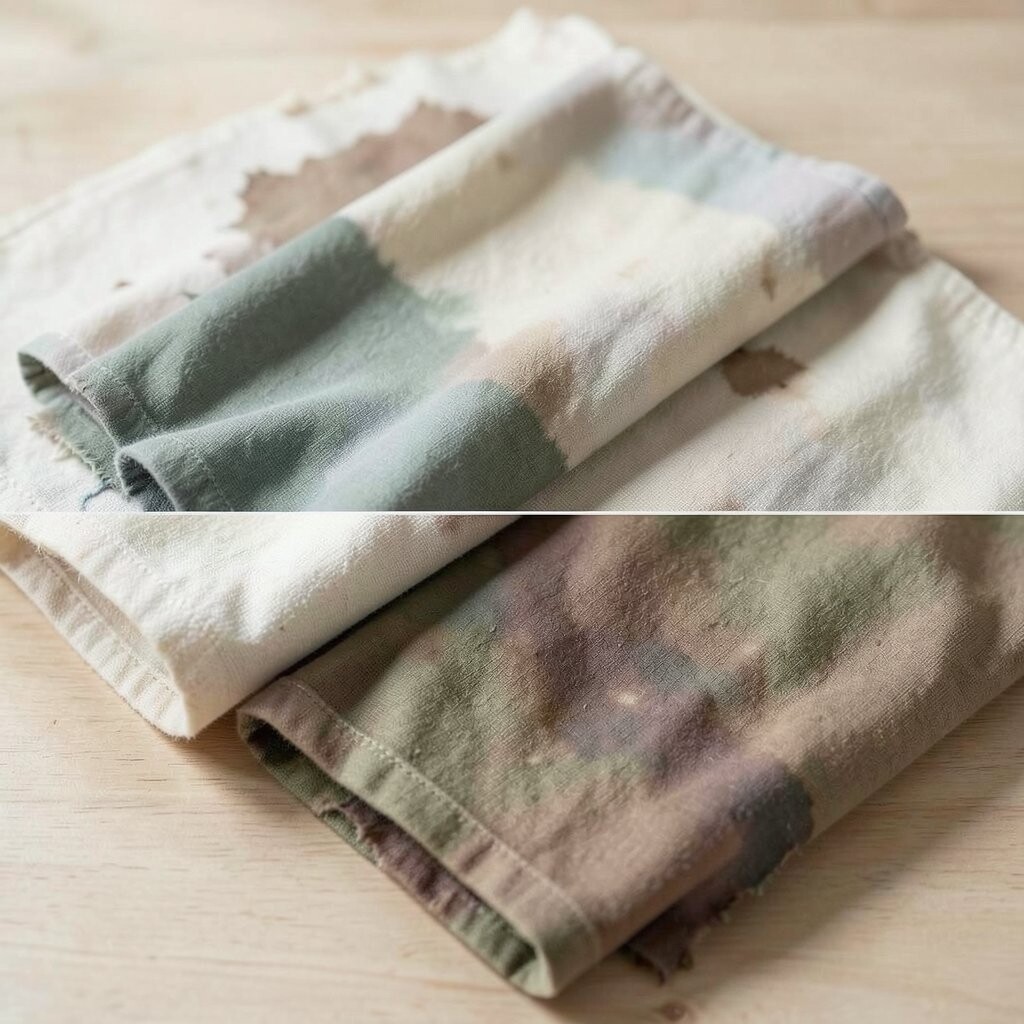
Earth-tone wraps use colors like clay, moss, sand, and bark. These shades give fabric a calm and grounded look that works well in many places.
The style feels current because many people like natural colors in clothes and home items. It is a simple choice if you want something that will not go out of style fast.
You can use these wraps for scarves, table covers, or wall cloths. They are easy to mix with other colors and can help your fabric look warm and steady.
28. Dyed Denim Jackets
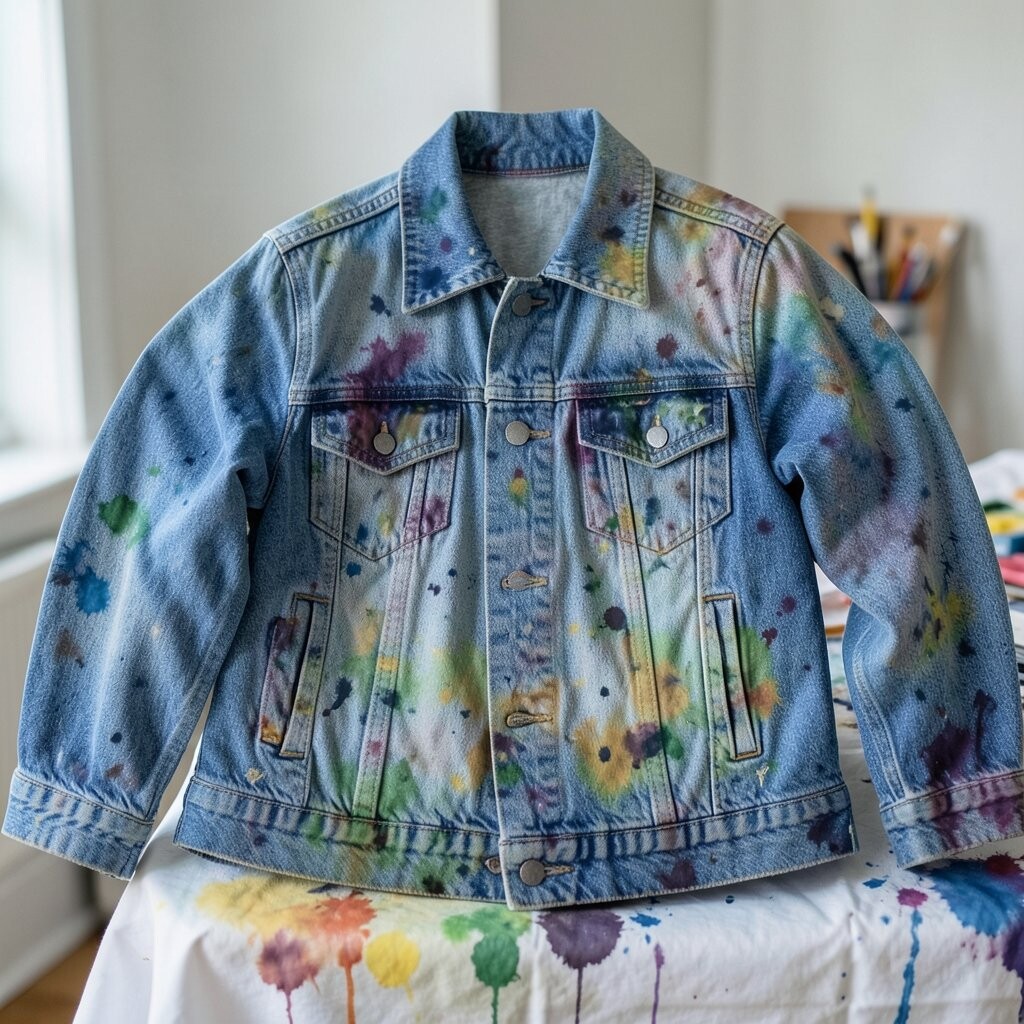
Dyed denim jackets can bring life back to an old piece of clothing. You can dye the whole jacket or just parts of it for a more focused look.
The fabric can take on a deep, rich color that stands out in a simple way. This is a good choice if you want to keep the shape of the jacket but change how it feels.
You can add patches, pins, or hand marks after dyeing to make it more personal. It is a strong fashion trend because it mixes old clothes with new style.
29. Splatter-Dyed Napkins
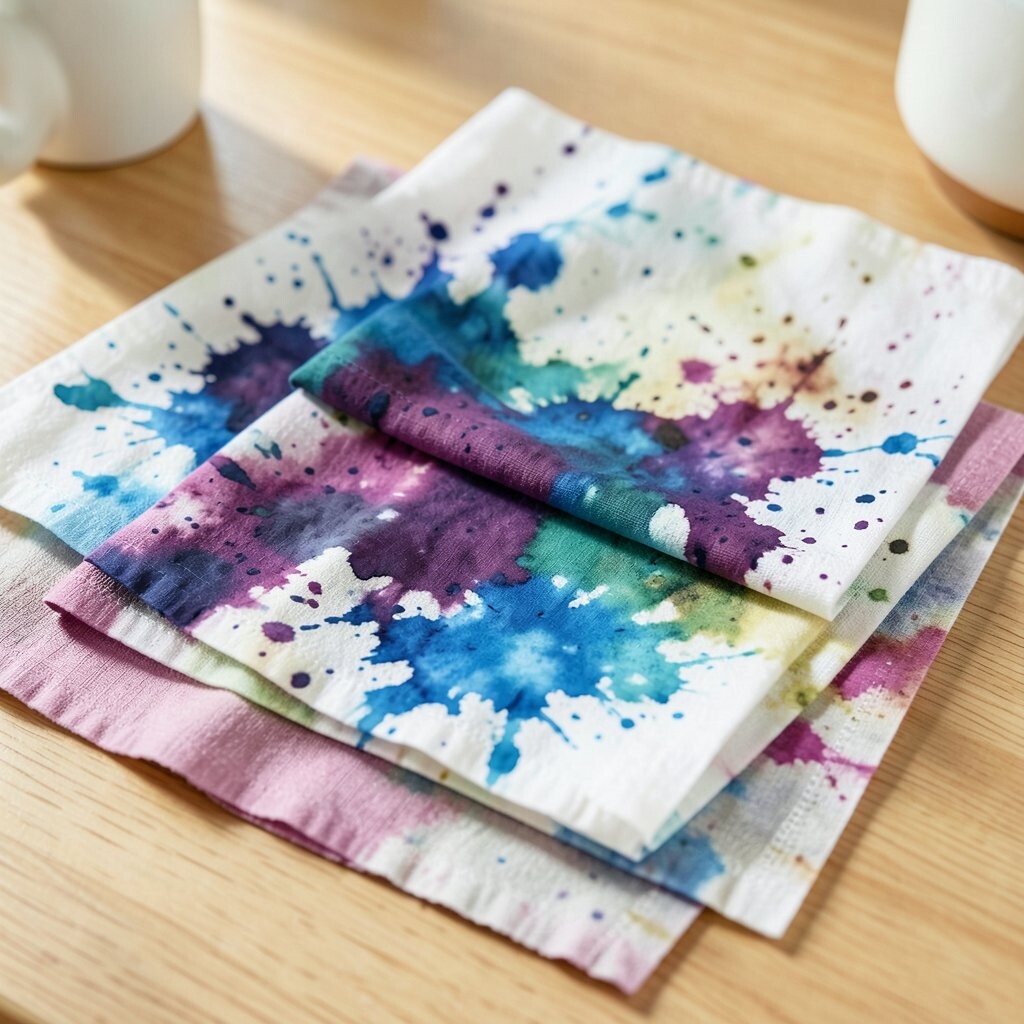
Splatter dyeing makes small marks across fabric for a loose and playful look. You can flick or brush dye onto napkins to make dots, sprays, and short lines.
The result feels casual and a little artsy without needing a lot of skill. This is a nice way to make table items feel more lively for meals or parties.
You can keep the splatter light for a soft look or use more dye for a bolder one. It is also a good way to use leftover dye in a simple and cheap project.
30. Custom Name Tags on Fabric
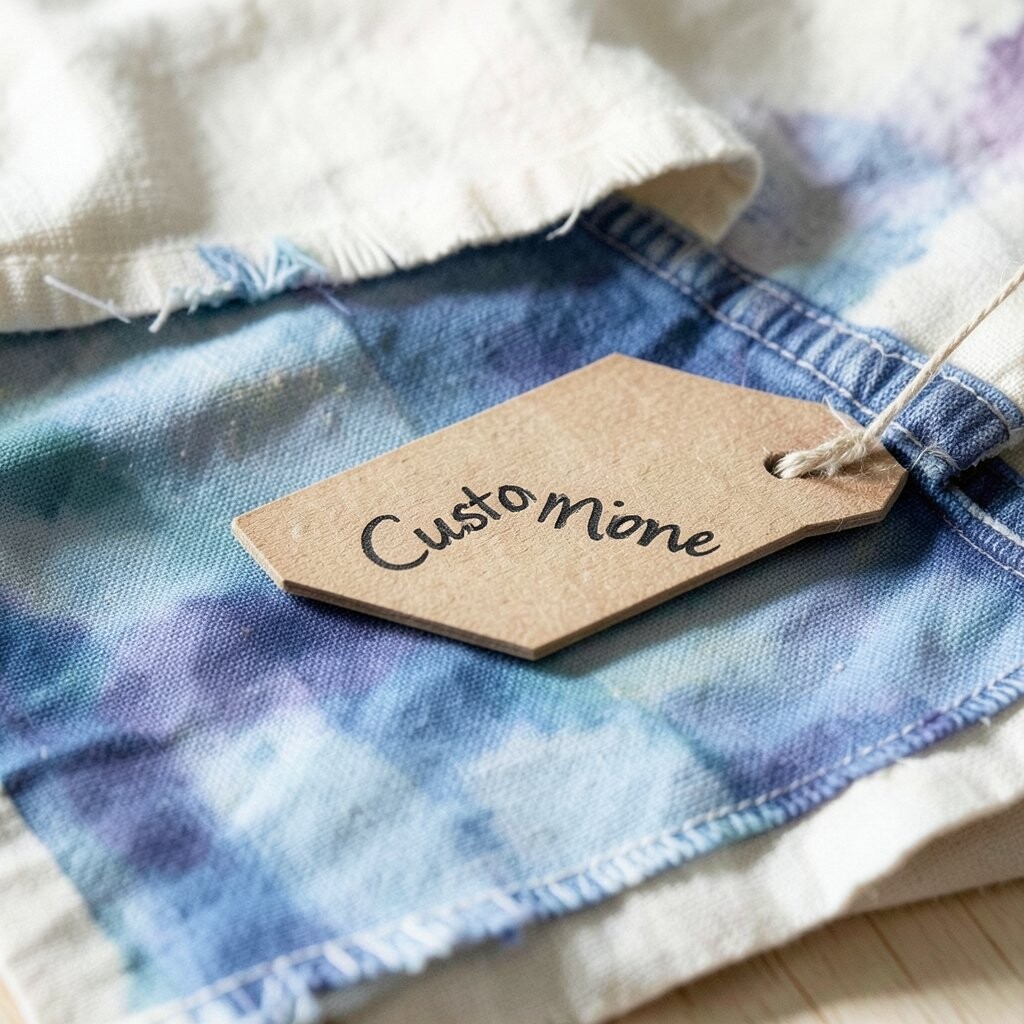
Custom name tags on fabric can make clothes, bags, or school items easy to tell apart. You can dye the tag area in one color and add a name with a stencil or brush.
This idea is useful, neat, and very personal. It works well for kids, camp gear, gift cloth, or shared family items that need a clear mark.
You can keep the design plain or add small shapes around the name for a nicer look. It is a simple trend that mixes use and style in a way many people enjoy.