Fabric dyeing can give old clothes a fresh look and help you make pieces that feel more like your own. These ideas use simple methods, low-cost supplies, and colors that can fit daily wear.
1. Tie-Dye T-Shirts
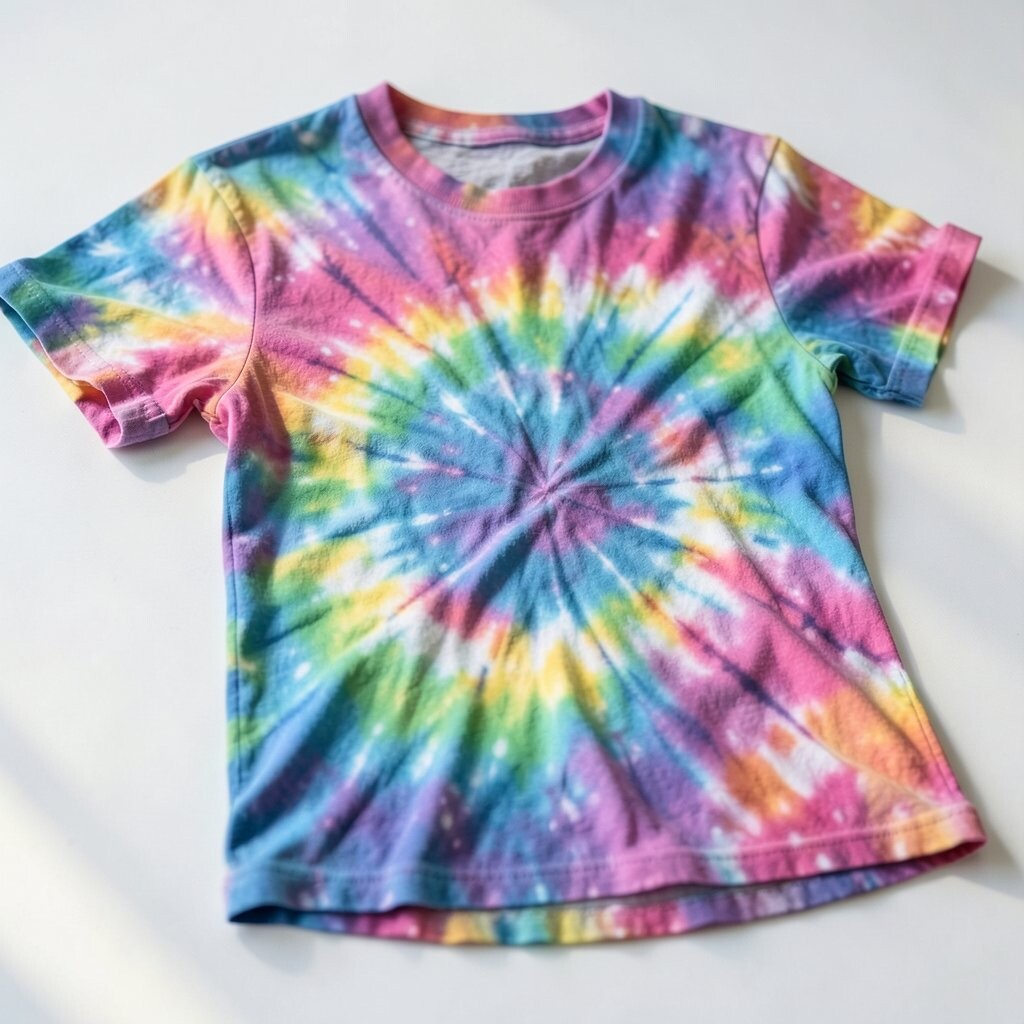
Tie-dye is one of the easiest ways to add bright color to a plain shirt. You twist, fold, or scrunch the fabric, then add dye in a few spots to make bold swirls and rings.
This style is fun because each shirt looks a little different. It works well for cotton shirts, and it is a good way to use up old tees that you do not wear much.
You can keep it soft with two colors or make it loud with many shades. The cost is usually low, since you only need dye, rubber bands, and a bucket or tray.
2. Dip-Dye Pants
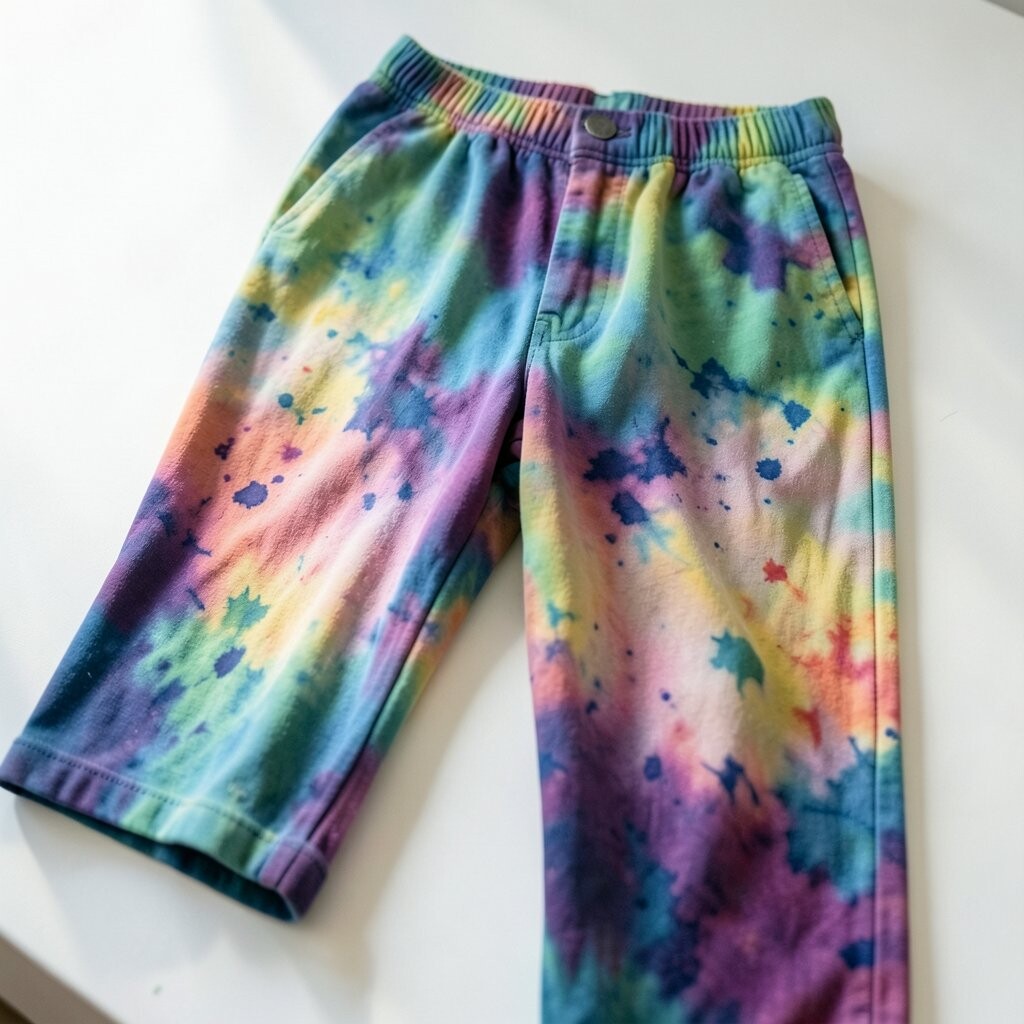
Dip-dye gives pants a clean color fade from the hem up. The lower part is darker, while the upper part stays light, which makes the look neat and modern.
This idea works well on jeans, canvas pants, and even some skirts. It is a nice choice if you want color without covering the whole item.
Try a soft fade for daily wear or a sharp edge for a bolder style. Many people like this look because it feels fresh and is not too hard to do at home.
3. Ombre Hoodies
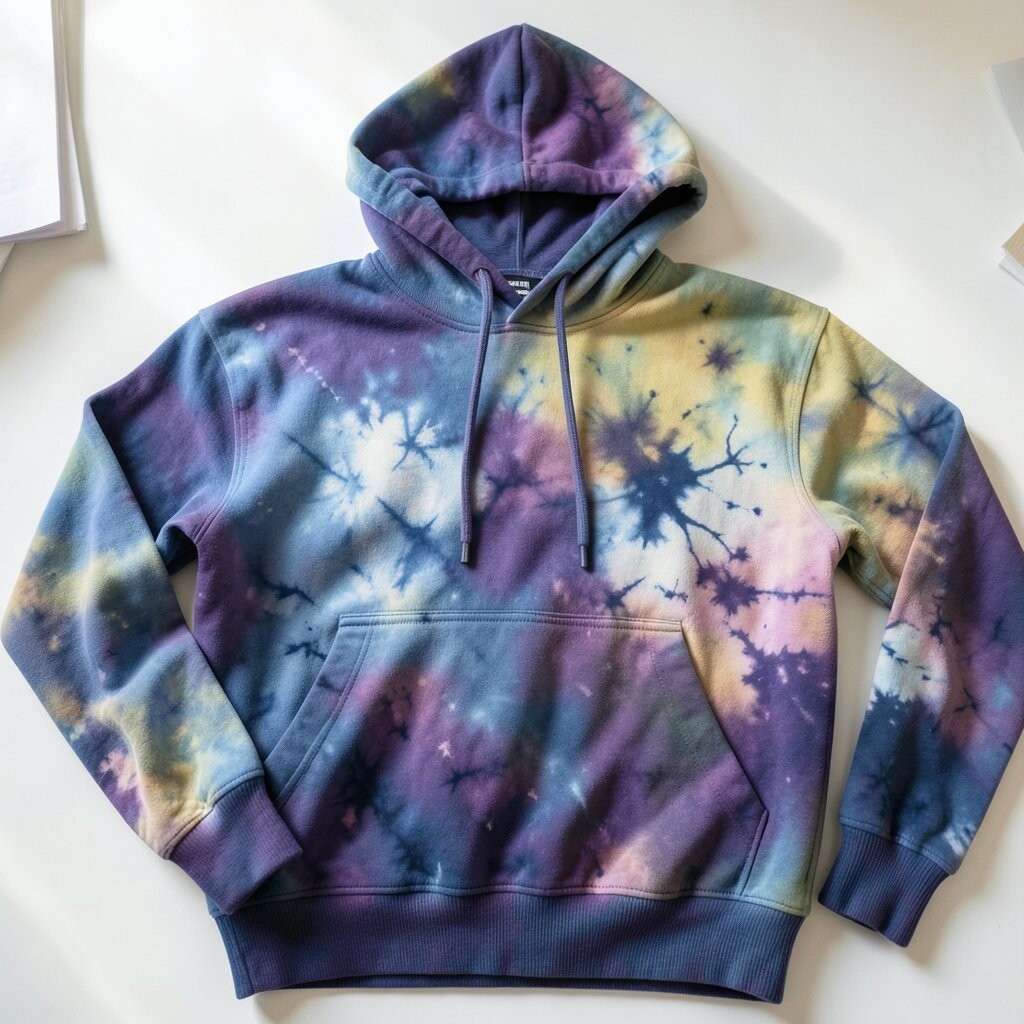
An ombre hoodie moves from one shade to another in a smooth way. The color can go from dark to light, or from one color into a second one.
This style looks calm and smooth, but it still stands out. It can help an old hoodie look new again without needing a full dye job.
Use one color family for a gentle look or mix two different colors for more contrast. It is a good pick if you want something that feels current and easy to wear.
4. Batik Patterns
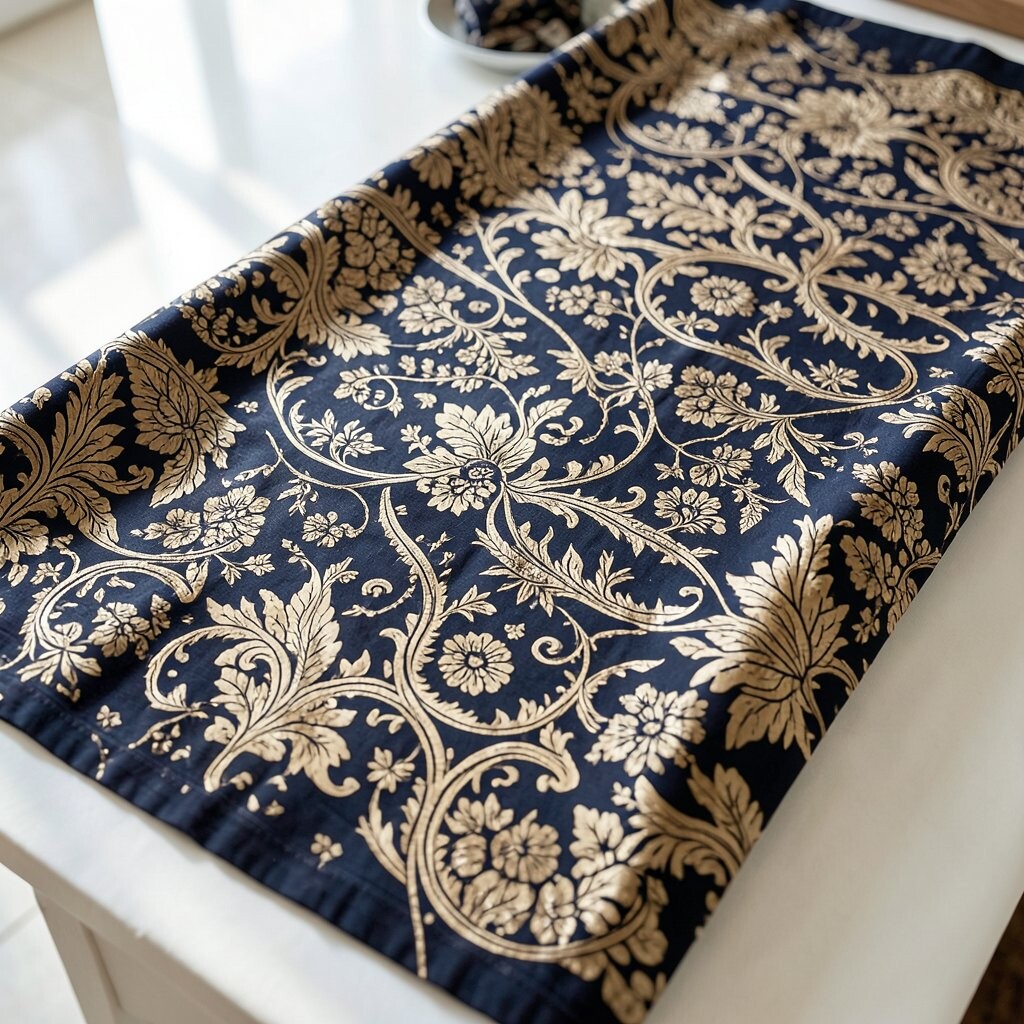
Batik uses wax or a resist method to block dye in some places. This makes cracked lines, soft shapes, and small details that look hand made.
The look is special because it has texture and depth. It works well on shirts, scarves, and skirts, and it can make simple cloth look rich without much cost.
You can keep the pattern small and neat or make it full of large shapes. If you like craft work, this is a good way to make each piece feel personal.
5. Stripe Dyeing
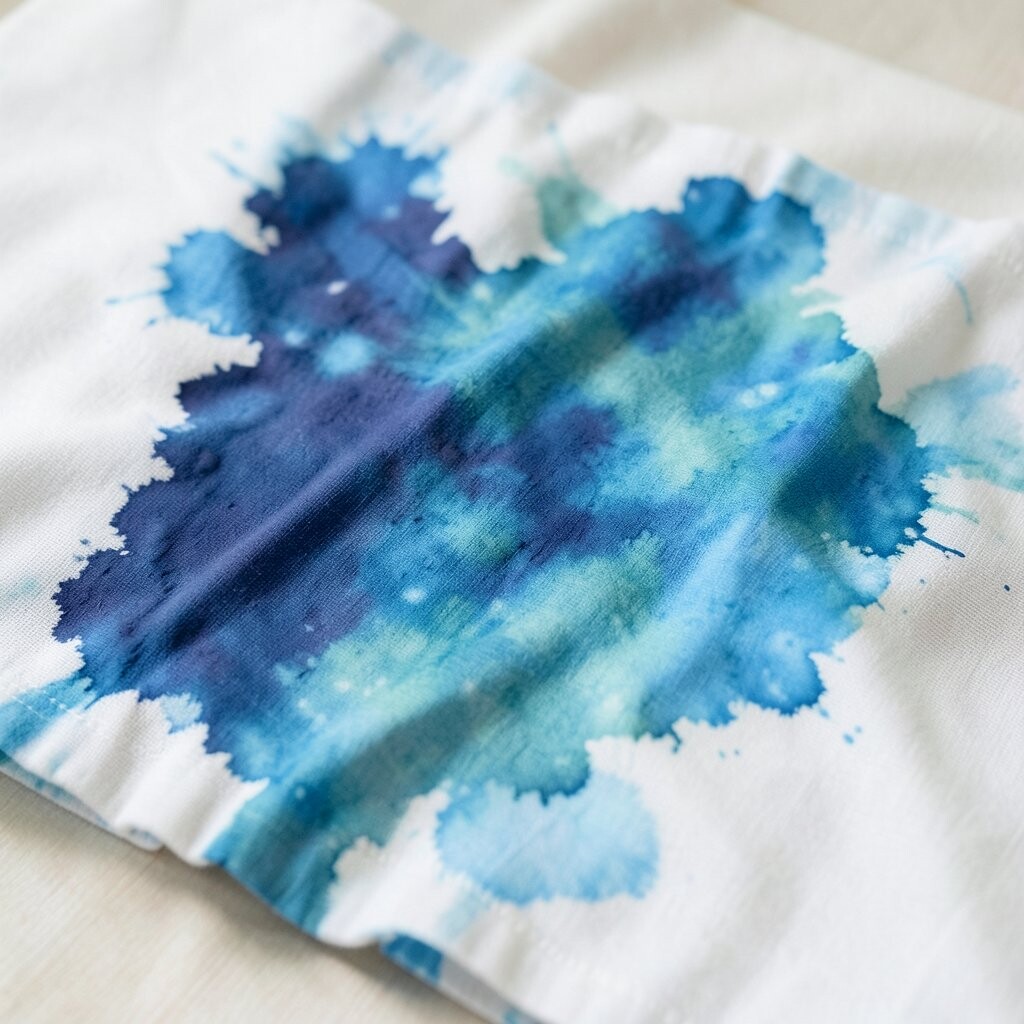
Stripe dyeing gives fabric clear bands of color across the cloth. You can make wide stripes, thin stripes, or a mix of both for a clean style.
This idea works well when you want order instead of random color. It can make a plain shirt look sharper and more planned.
Use tape, folds, or clamps to block parts of the fabric before you add dye. It is a nice option for people who want a neat look with low-cost supplies.
6. Pastel Washes
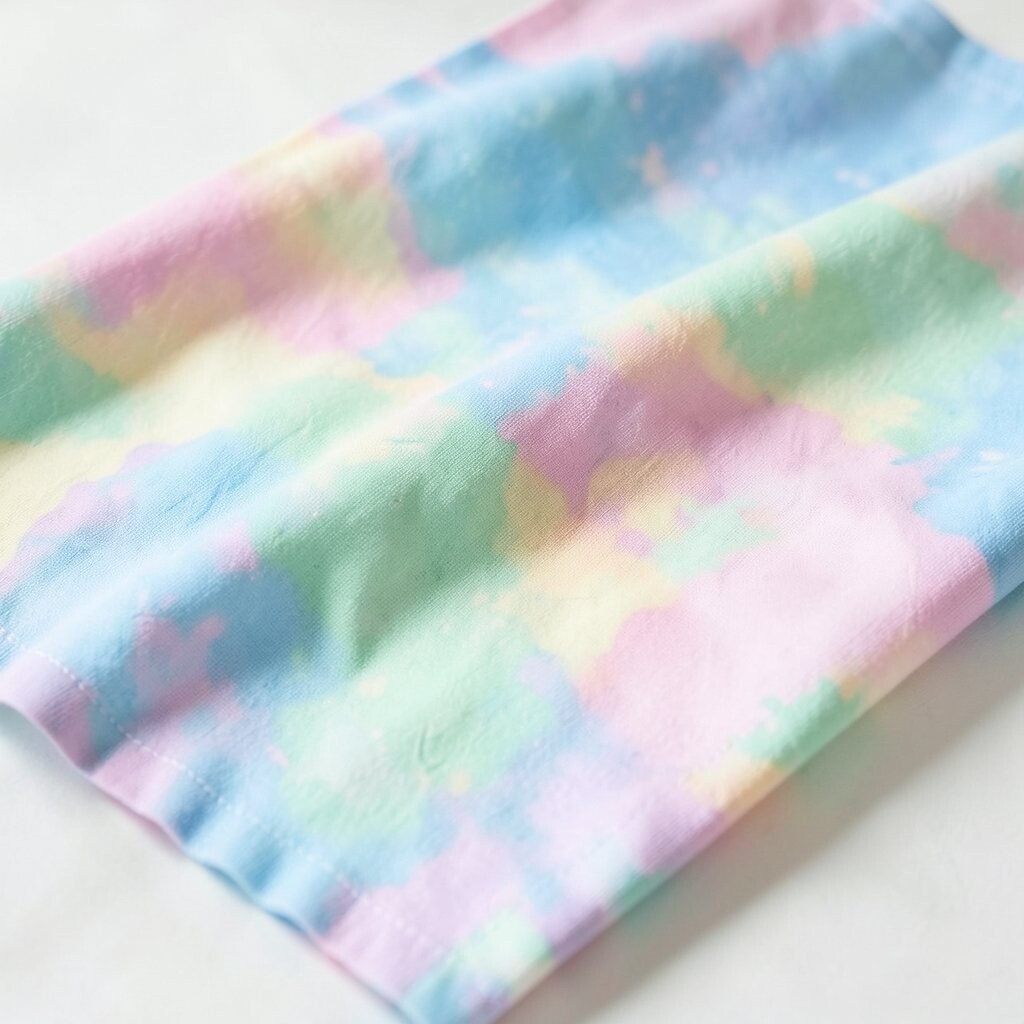
Pastel washes use light dye to give clothes a soft color change. The result is gentle and easy on the eyes, with shades like pale pink, light blue, or mint.
This look is good for spring and for anyone who likes calm colors. It can make white or light fabric feel fresh without looking too bright.
Pastel dyeing works well on cotton and other absorbent cloth. If you want a simple style that goes with many outfits, this is a smart choice.
7. Neon Accents
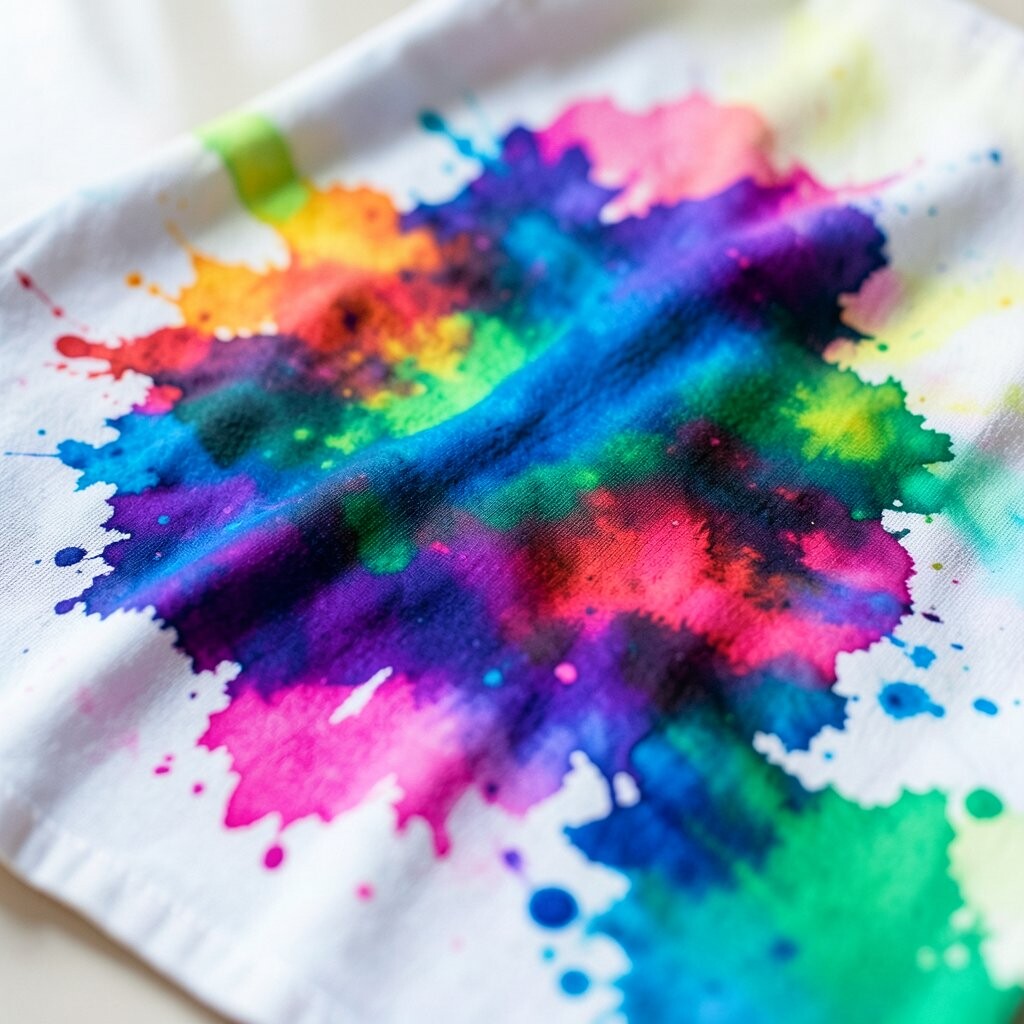
Neon accents add bright pops of color in small spots. You can dye cuffs, collars, pockets, or seams to make the clothes stand out.
This idea is popular with streetwear and casual outfits. It gives plain items a more lively look without changing the whole piece.
Use one neon shade for a clean effect or pair two shades for more energy. It is a good way to try a trend without spending much money.
8. Color Block Shirts
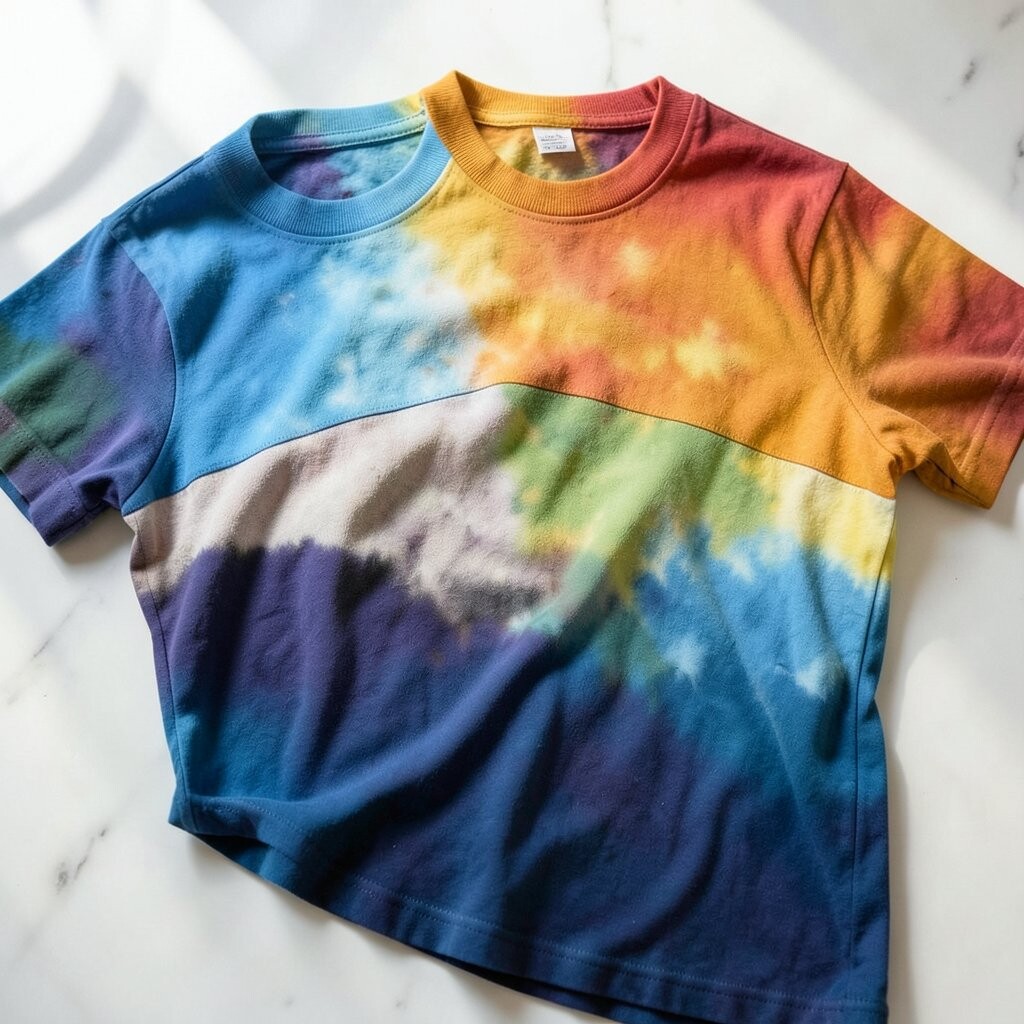
Color blocking uses two or more solid color areas on one shirt. The blocks can be large and bold, or small and neat, depending on the look you want.
This style feels modern and easy to wear. It can help a basic shirt look more planned and less plain.
You can match soft colors for a calm feel or use bright ones for a stronger look. It is also useful if you want to use small amounts of dye from more than one bottle.
9. Speckled Dye Effects
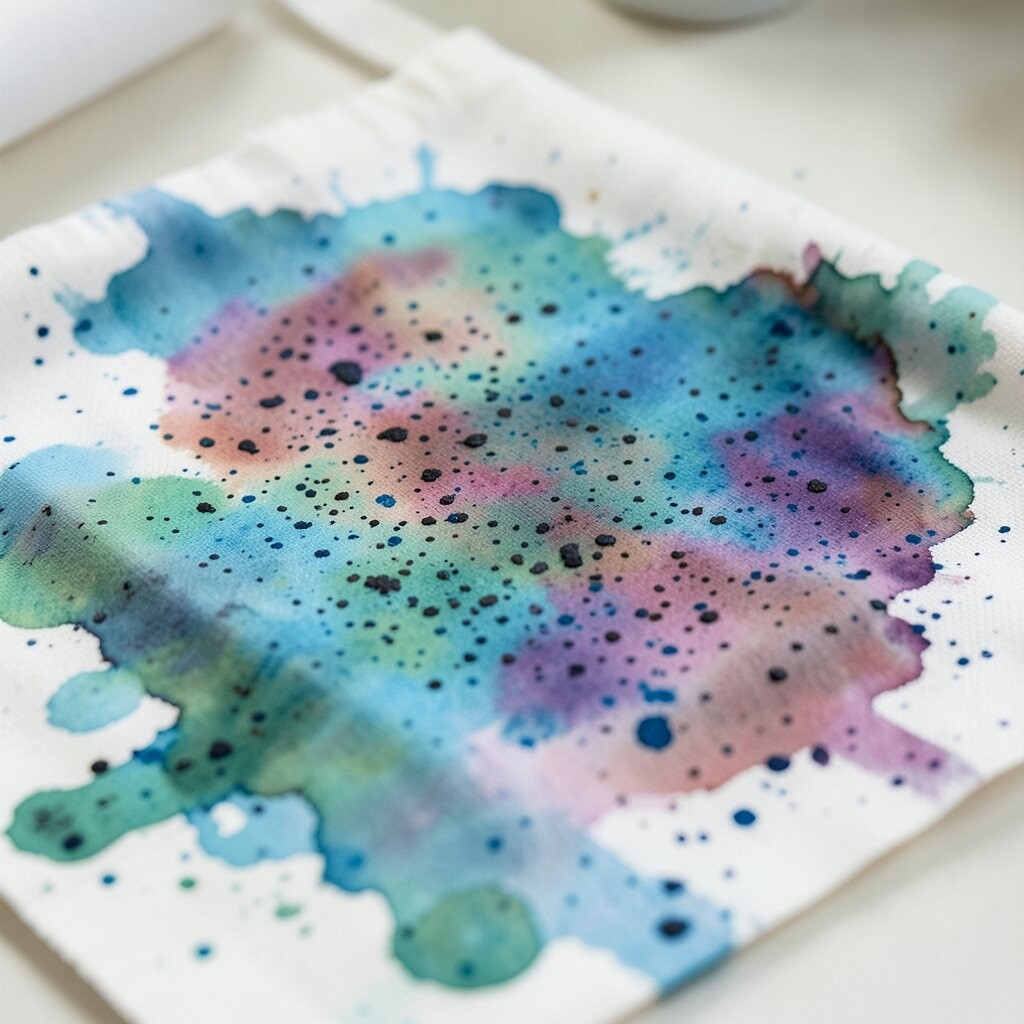
Speckled dye gives fabric tiny spots of color that look scattered and light. The marks can look like paint splashes or small dots across the cloth.
This method is nice when you want a less even, more playful finish. It can hide small stains or worn spots on older clothes.
Try one color for a simple look or mix shades for more depth. It is a low-cost idea that works well for shirts, tote bags, and light jackets.
10. Marble Swirls
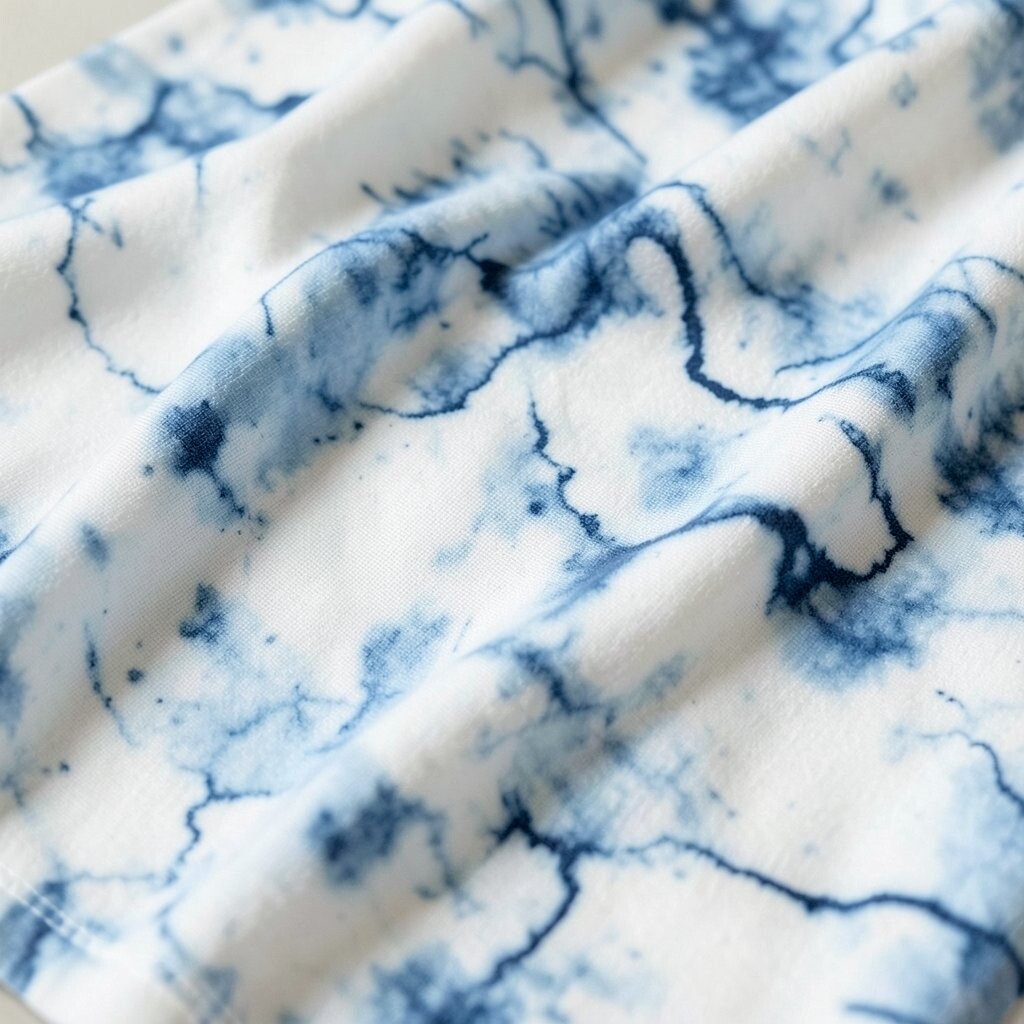
Marble swirls make fabric look like stone with soft lines and cloudy color. The dye moves in loose curves, so each piece gets a one-of-a-kind look.
This style is good for people who want something a little artsy but still easy to wear. It can make a plain top look more special without being too loud.
Use cool colors for a calm feel or warm colors for a richer look. The best part is that small changes in folding and dye drops can make a big difference.
11. Reverse Dyeing
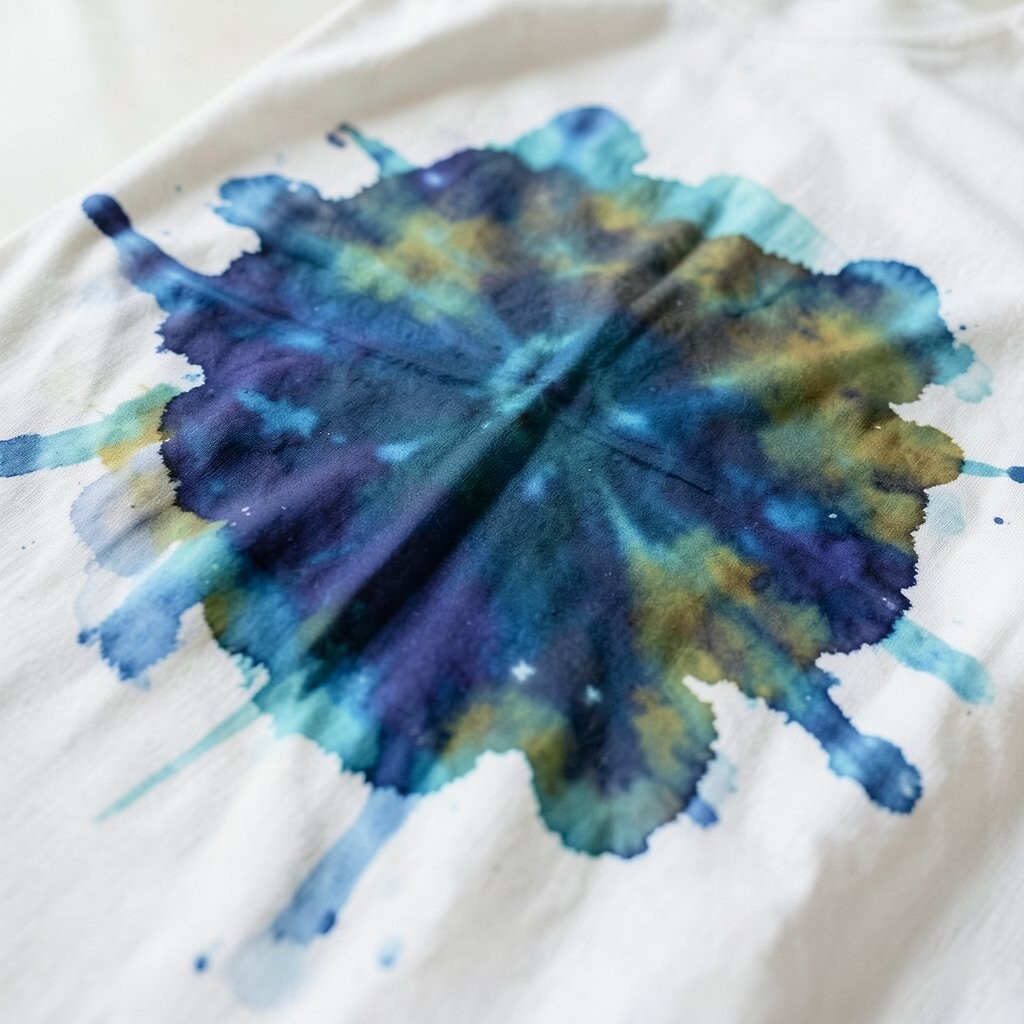
Reverse dyeing starts by removing color from dark fabric before adding new dye. This creates light marks, soft shapes, or strong contrast on a dark base.
It is a good way to save a black shirt or dark jeans that feel boring. The final look can be bold and modern, with a worn-in feel that many people like.
Be careful with the bleach or color remover and work in a safe place. If you want a strong custom look, this method can give you a lot of room to play.
12. Natural Plant Dyes
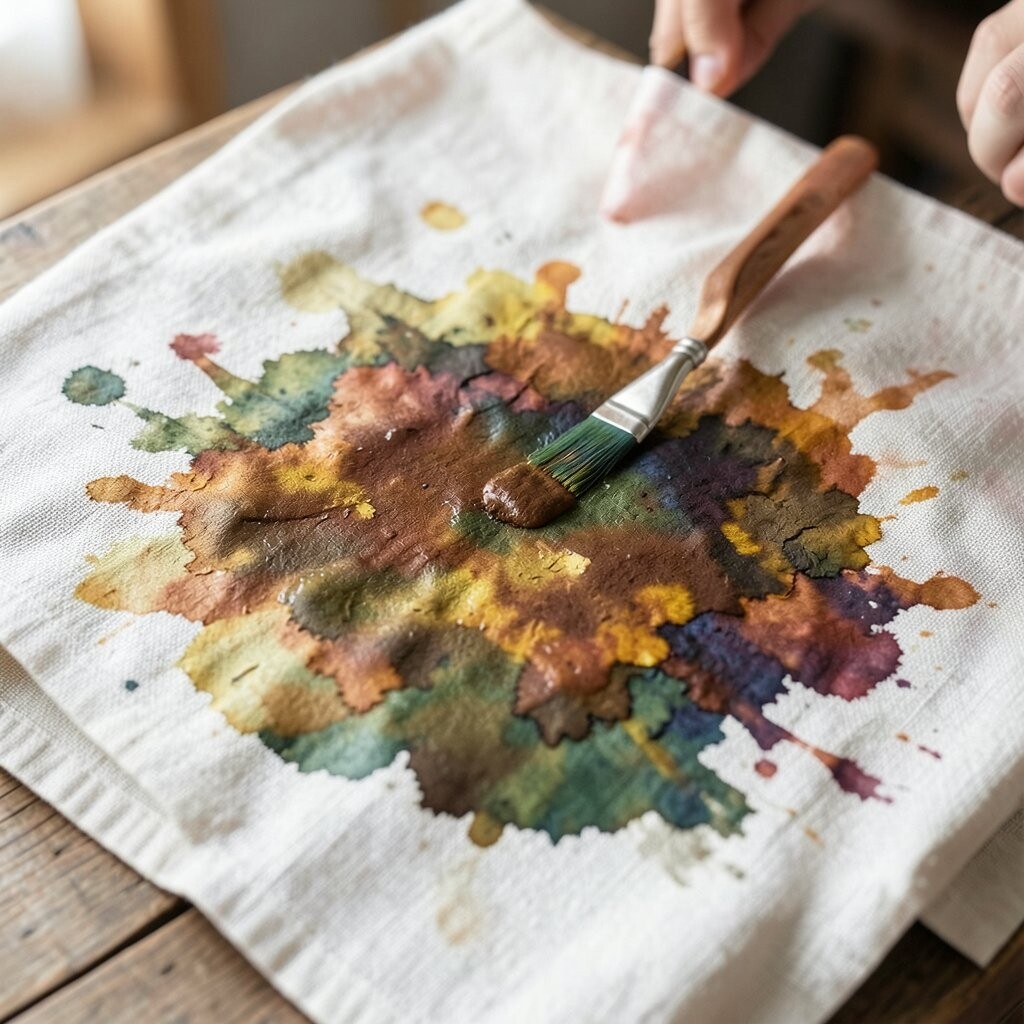
Plant dyes use things like onion skins, tea, avocado pits, or flowers. These dyes often make soft, earthy colors that feel warm and gentle.
This idea is great if you want a more simple and home-made look. It can also be a lower-cost choice if you already have the plant scraps in your kitchen.
The colors are often not as bright as store dyes, but that is part of the charm. Many people like this style because it feels calm and works well with natural fabric.
13. Ice Dyeing
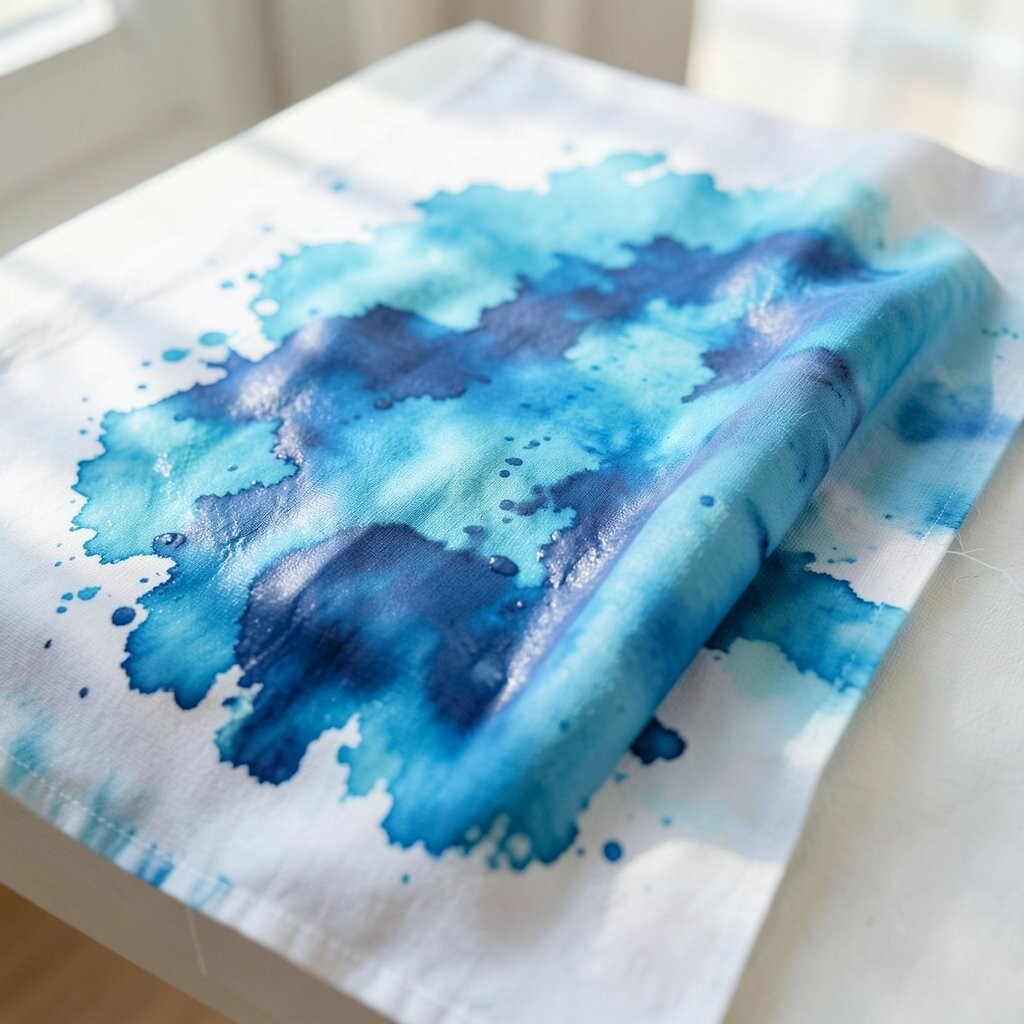
Ice dyeing uses ice to melt dye slowly over fabric. As the ice melts, the color spreads in soft, broken lines and small patches.
The result is often bright but not too neat, which gives the cloth a fun and loose look. It is a good fit for shirts, socks, and light cotton items.
You can use one color or several colors for a more mixed effect. Since the ice does part of the work, it can be an easy project for people who want to try something different.
14. Shibori Folds
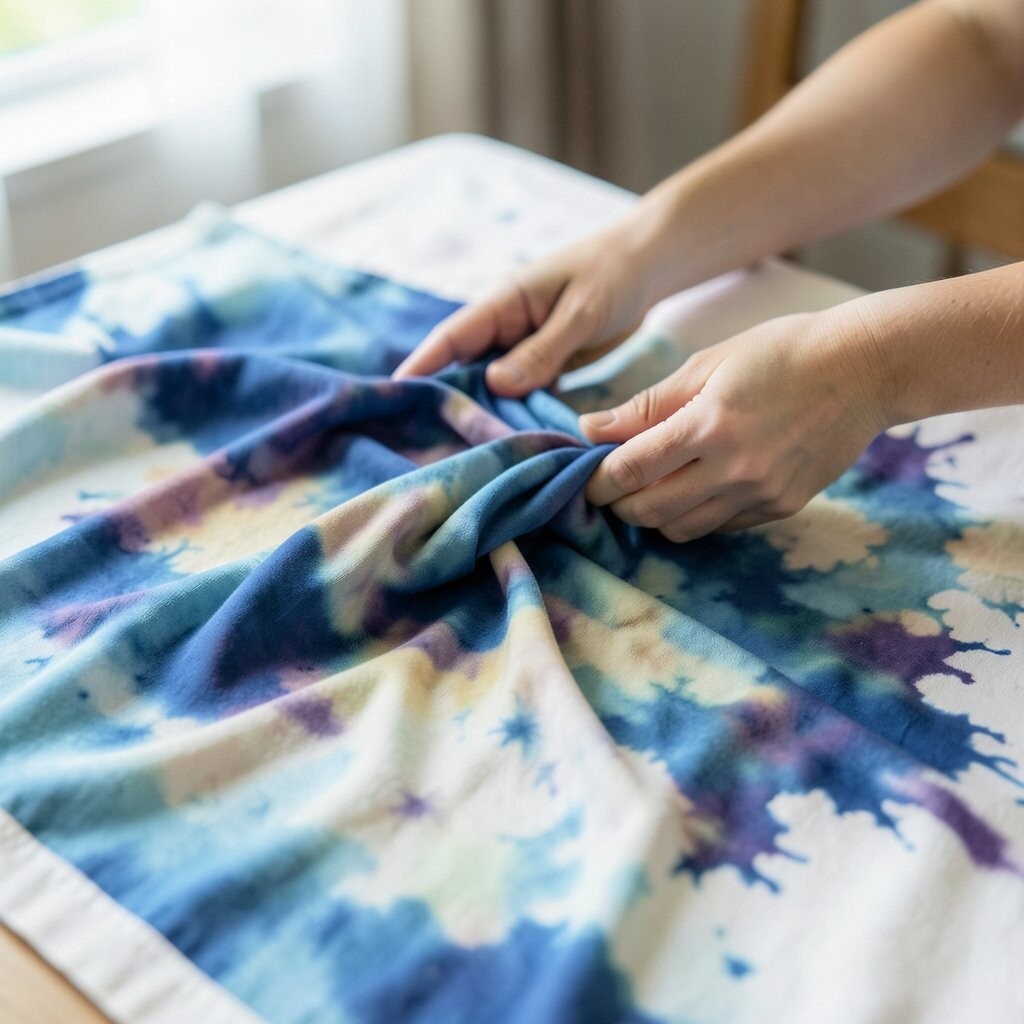
Shibori uses folds, ties, and wraps to block dye in set patterns. The cloth may show lines, circles, or grid shapes after the dye is rinsed out.
This style has a clean and handmade feel. It works well on shirts, scarves, pillow covers, and dresses made from cotton.
You can make it simple with a few folds or more detailed with tight ties and many sections. It is a good way to make each item look planned and personal.
15. Spray Dye Details
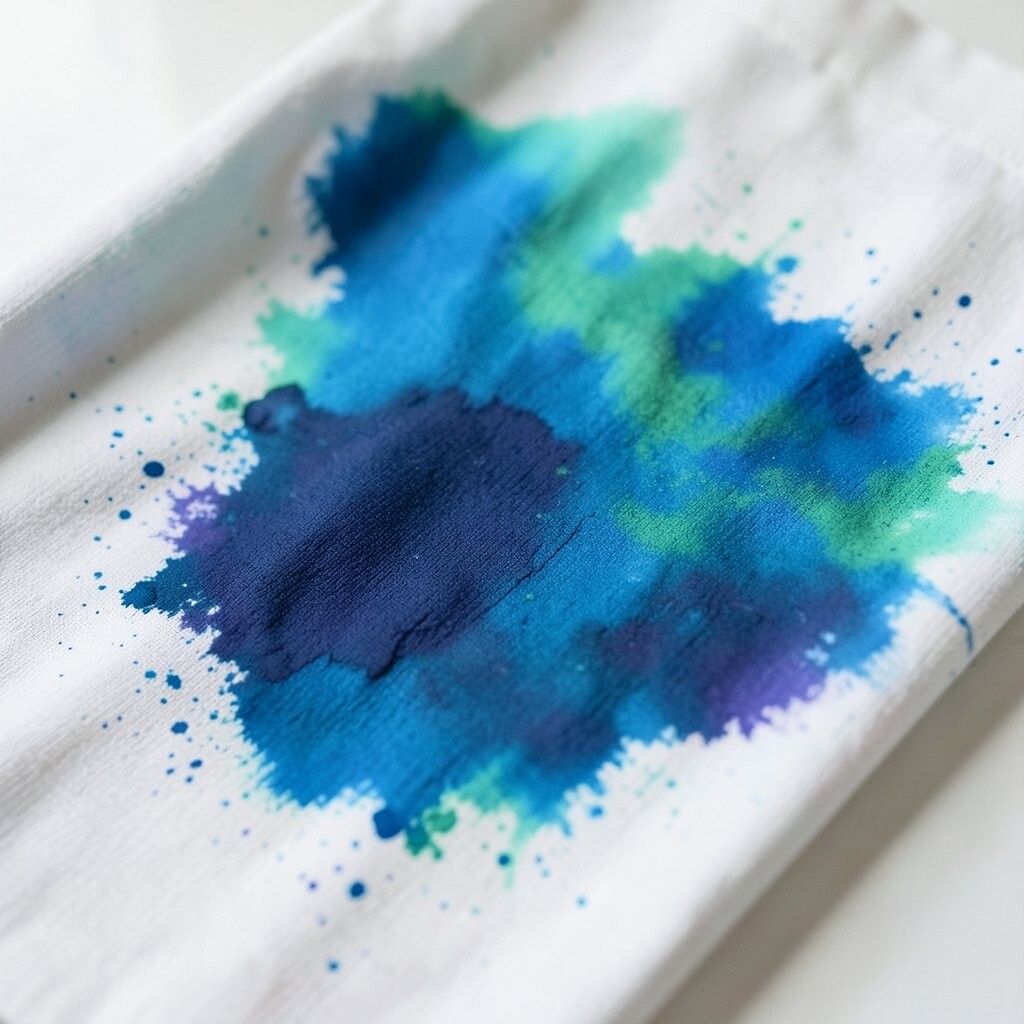
Spray dye lets you add color in soft misty areas. It is useful for edges, fades, and light shading that looks less sharp than poured dye.
This method gives you more control over where the color goes. It is a nice choice if you want to add just a little color to a shirt or skirt.
You can layer sprays to make deeper shades or keep them light for a soft look. It works well when you want a modern style with small, careful changes.
16. Stencil Dye Art
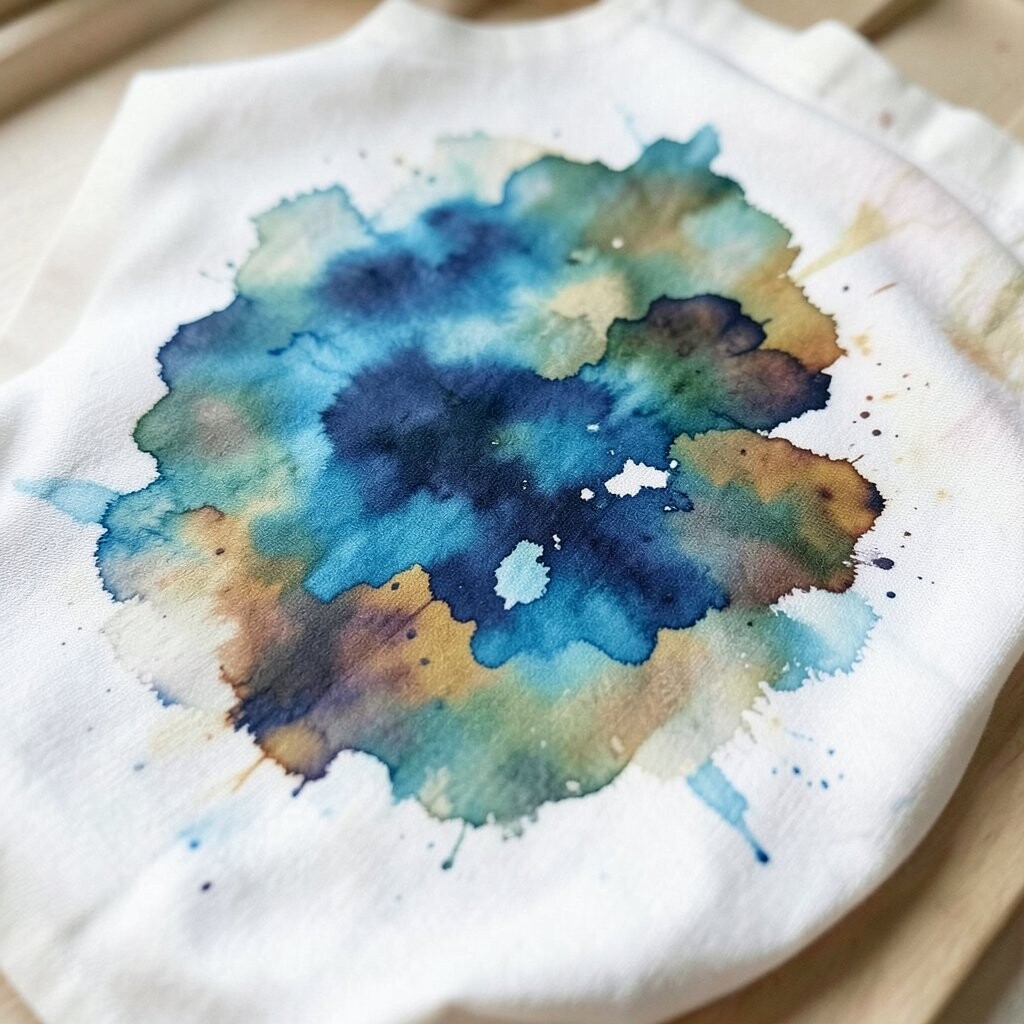
Stencil dye uses cut shapes to block or add color in clear designs. You can make stars, leaves, letters, or simple shapes on fabric.
This is a good choice if you want your clothes to show a message or a clear picture. It can make a plain item feel more like a custom piece.
Use tape or a stencil sheet to keep the edges clean. This method is also helpful when you want to repeat the same design on more than one item.
17. Two-Tone Sleeves
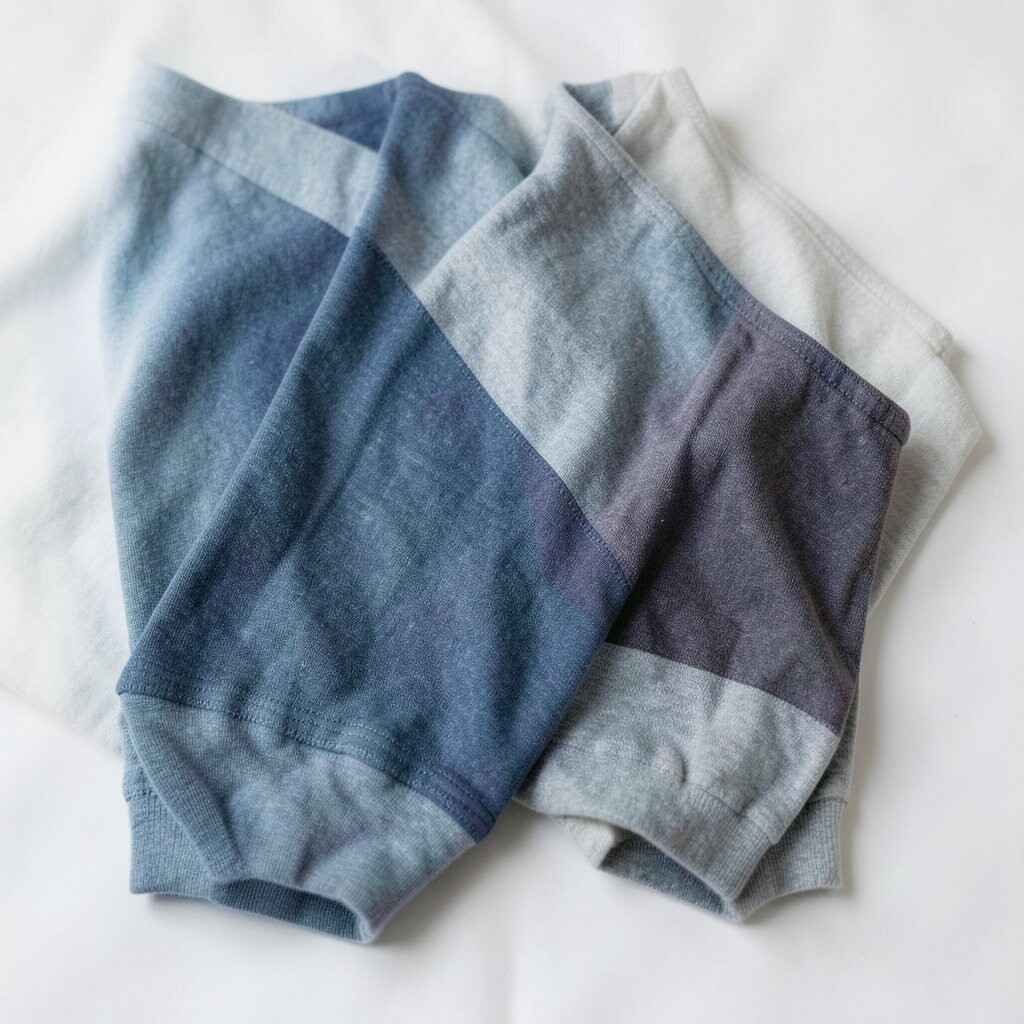
Two-tone sleeves add one color to the body of a shirt and another to the sleeves. The split can be neat and even, or a little rough for a more casual feel.
This idea is simple but still stands out. It can make a basic long-sleeve top look more stylish without much work.
Try soft colors for a calm look or bright colors for a stronger one. It is also a smart way to use leftover dye from another project.
18. Faded Vintage Look
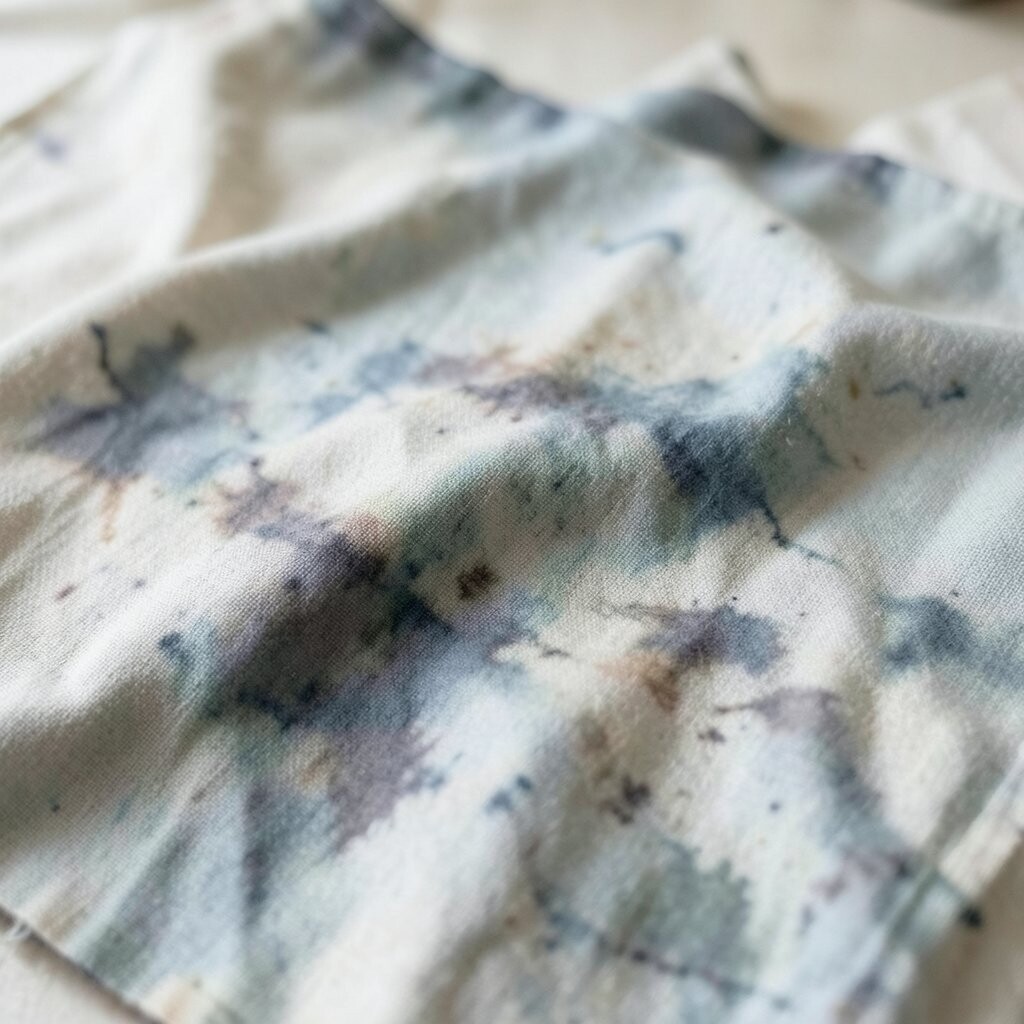
The faded vintage look gives clothes a worn, soft color that feels old in a good way. The dye is light and uneven, which makes the fabric look relaxed.
This style is popular because it feels easy and casual. It can help a new shirt look less stiff and more lived in.
Use muted shades like dusty blue, washed red, or pale brown for the best effect. If you like clothes that feel simple and classic, this is a strong choice.
19. Heart and Star Prints
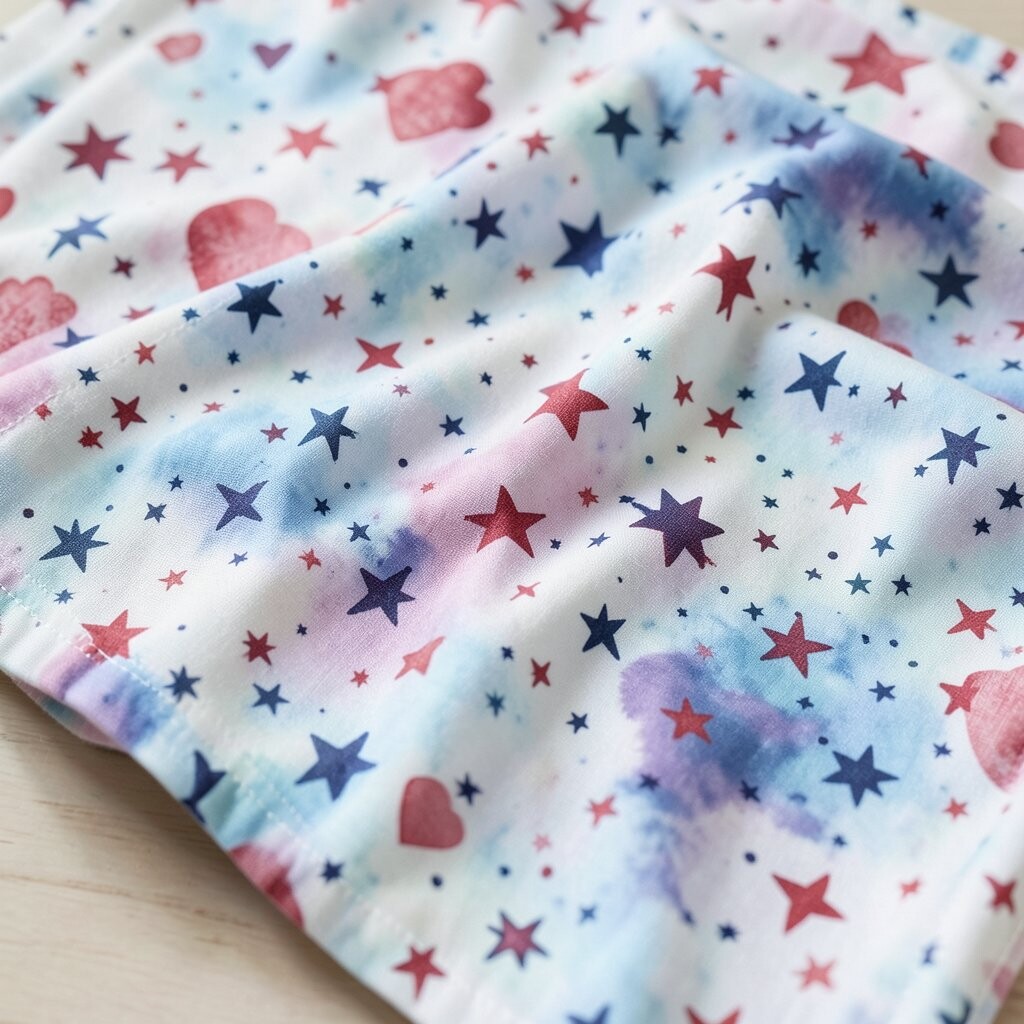
Heart and star prints add cute shapes to shirts, bags, and dresses. You can use resist methods or stencils to keep the shapes clear after dyeing.
This idea works well for kids, teens, or anyone who wants a fun look. It is also a nice way to make a gift feel more personal.
Keep the colors soft for a sweet style or use bright shades for more pop. The shapes can be small and neat or large and bold, depending on your taste.
20. Pocket Pop Dyeing
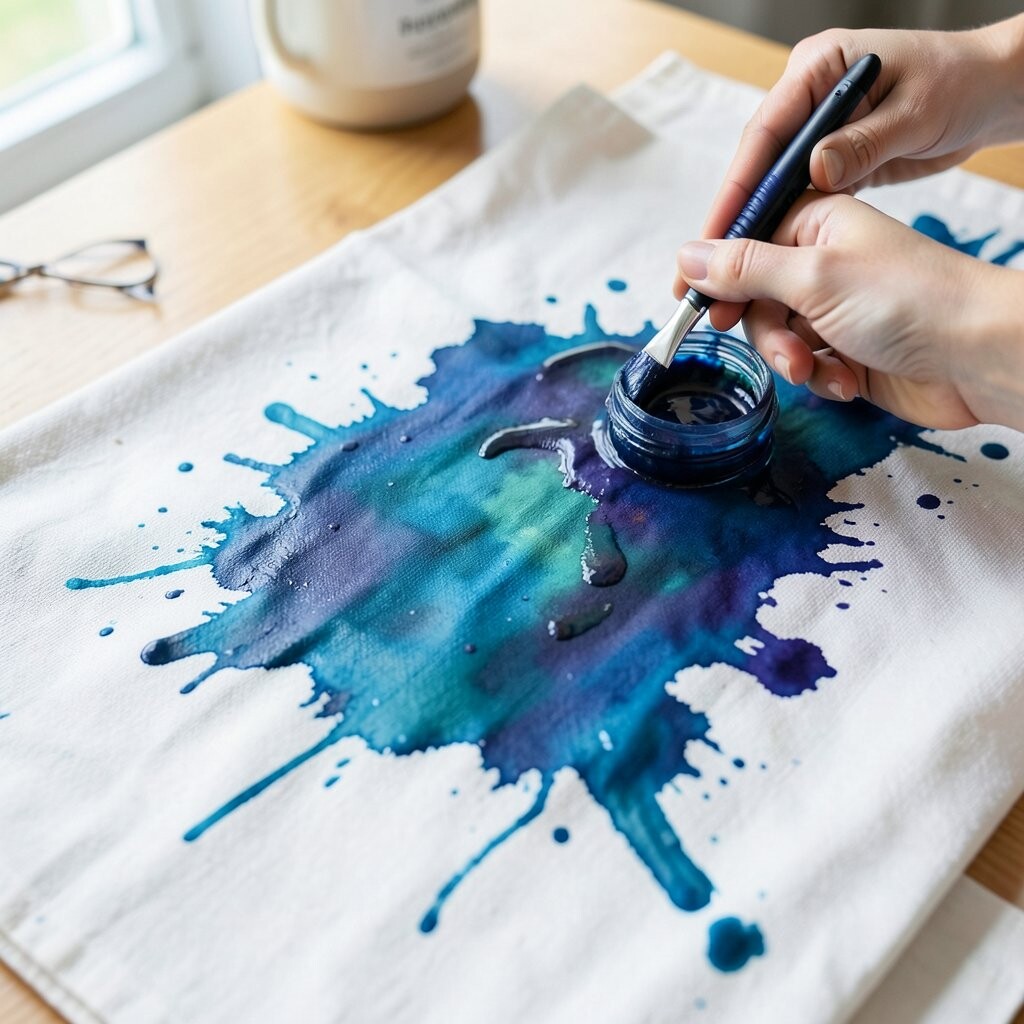
Pocket pop dyeing adds a bright color to just the pocket area. This small detail can make jeans, shirts, or jackets look more interesting right away.
It is a low-cost idea because you only need a little dye. The rest of the item can stay plain, which keeps the look easy to wear.
You can match the pocket color to shoes, hats, or a bag for a pulled-together feel. This is a simple trend that works well if you like small changes.
21. Sleeve Fade Dye
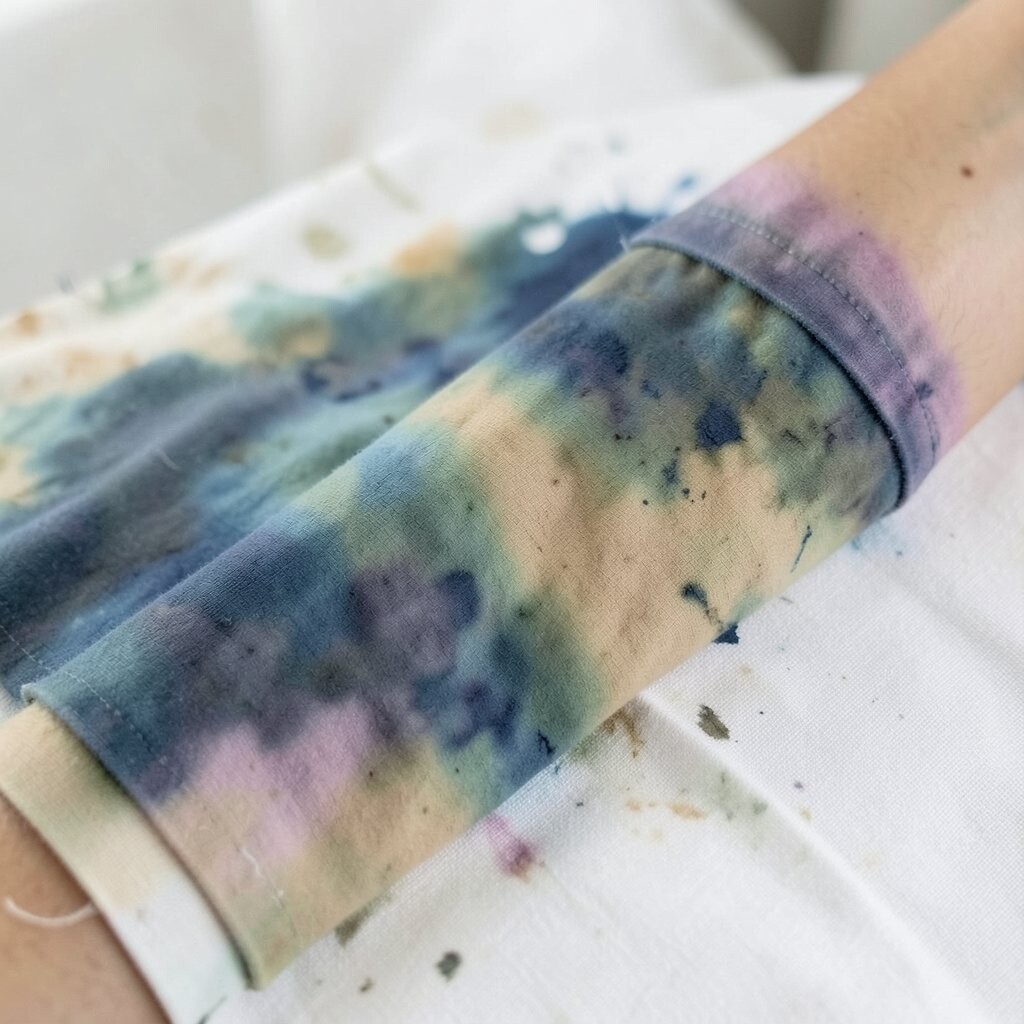
Sleeve fade dye makes the color start strong at the wrist and get lighter as it moves up the arm. The effect is smooth and gives the shirt a soft flow.
This style is good for long-sleeve shirts, sweatshirts, and light sweaters. It adds color in a way that feels calm and not too busy.
Try one shade for a clean fade or two shades for more depth. It is a nice option if you want a fresh look without dyeing the whole piece.
22. Mixed Fabric Layer Dye
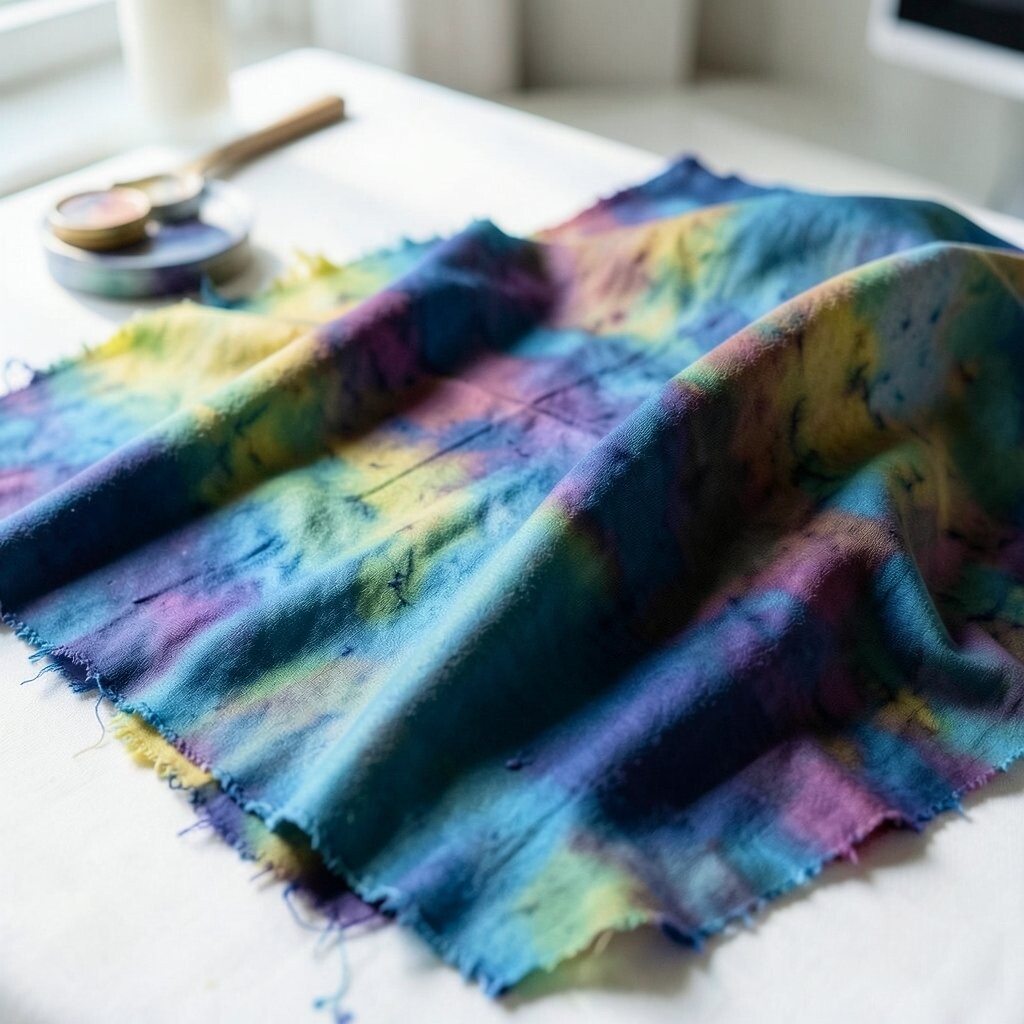
Mixed fabric layer dye uses more than one fabric type in one item, like cotton with lace or denim with knit. The dye may take in different ways, which gives the piece more texture.
This can make clothes look rich and detailed even when the color choice is simple. It is a good way to bring out the shape and parts of a garment.
Use this method on jackets, skirts, or layered tops for a more custom feel. The cost depends on the item, but it can be a smart way to refresh clothes you already own.
23. Custom Name Dye Pieces
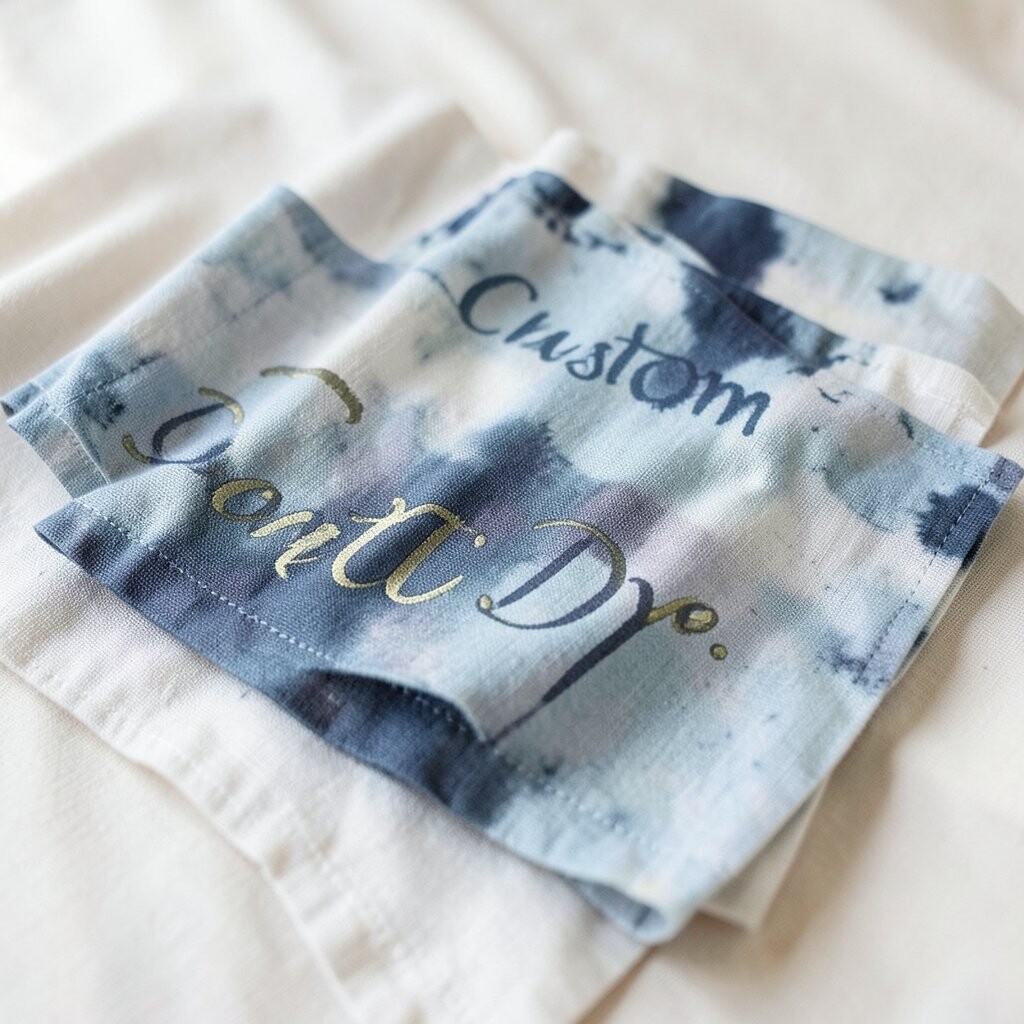
Custom name dye pieces use letters, initials, or short words as part of the design. You can add them with stencils, resist methods, or careful dye placement.
This style is very personal and works well for gifts, team wear, or special events. It can make a shirt or tote bag feel like it belongs to one person only.
Use bold colors for a clear name or soft shades for a more quiet look. It is a simple idea that follows a current trend for custom clothes and one-of-a-kind style.