Garden paths can make a yard feel calm and easy to use. The right path can also help guide the eye, add style, and fit the way you live.
1. Curved Stone Path
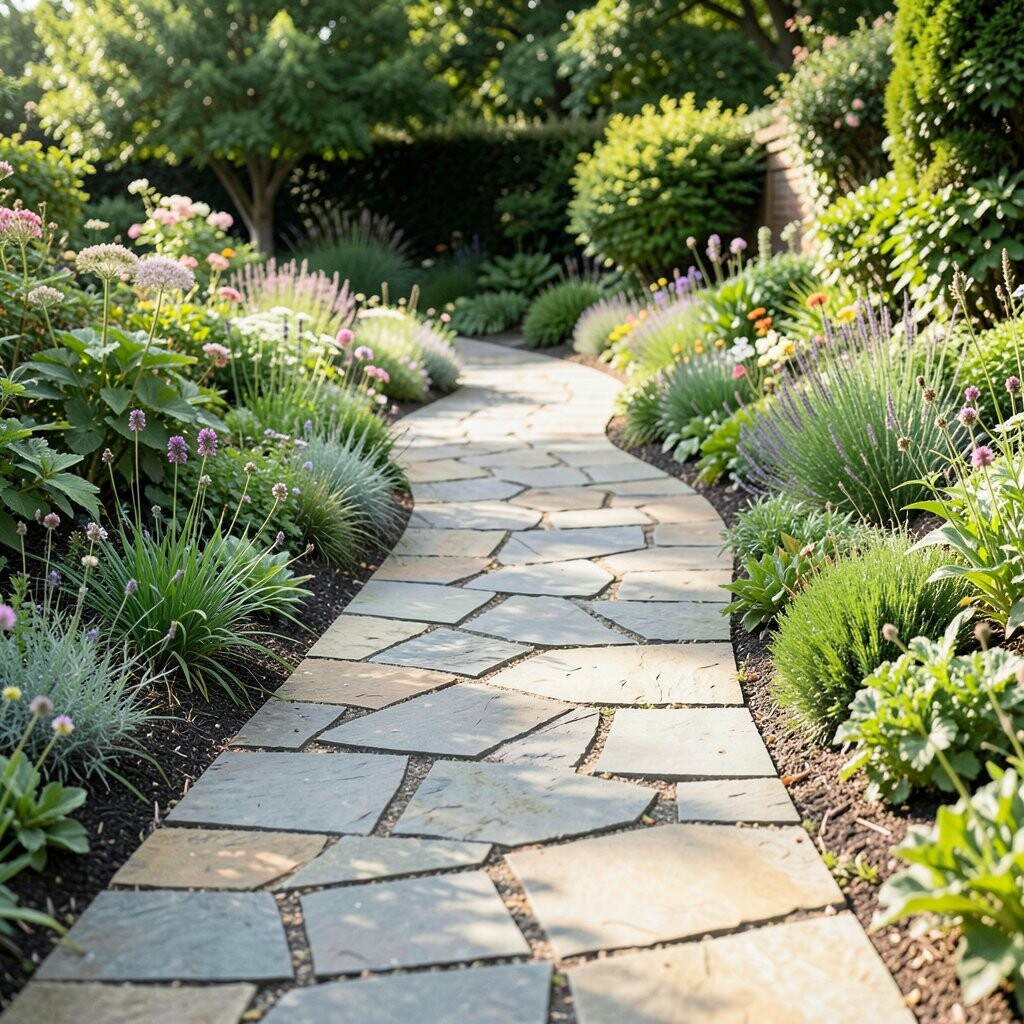
A curved stone path gives a soft look that feels easy on the eye. The bend in the line can make a small yard seem larger and more open.
Stone is a strong choice because it lasts a long time and needs little care. You can use cut stone for a neat look or rough stone for a more natural feel.
This path works well near flower beds, shrubs, and low grasses. If you want a personal touch, mix stone sizes or place them with small gaps for moss or ground cover.
2. Gravel Garden Walk
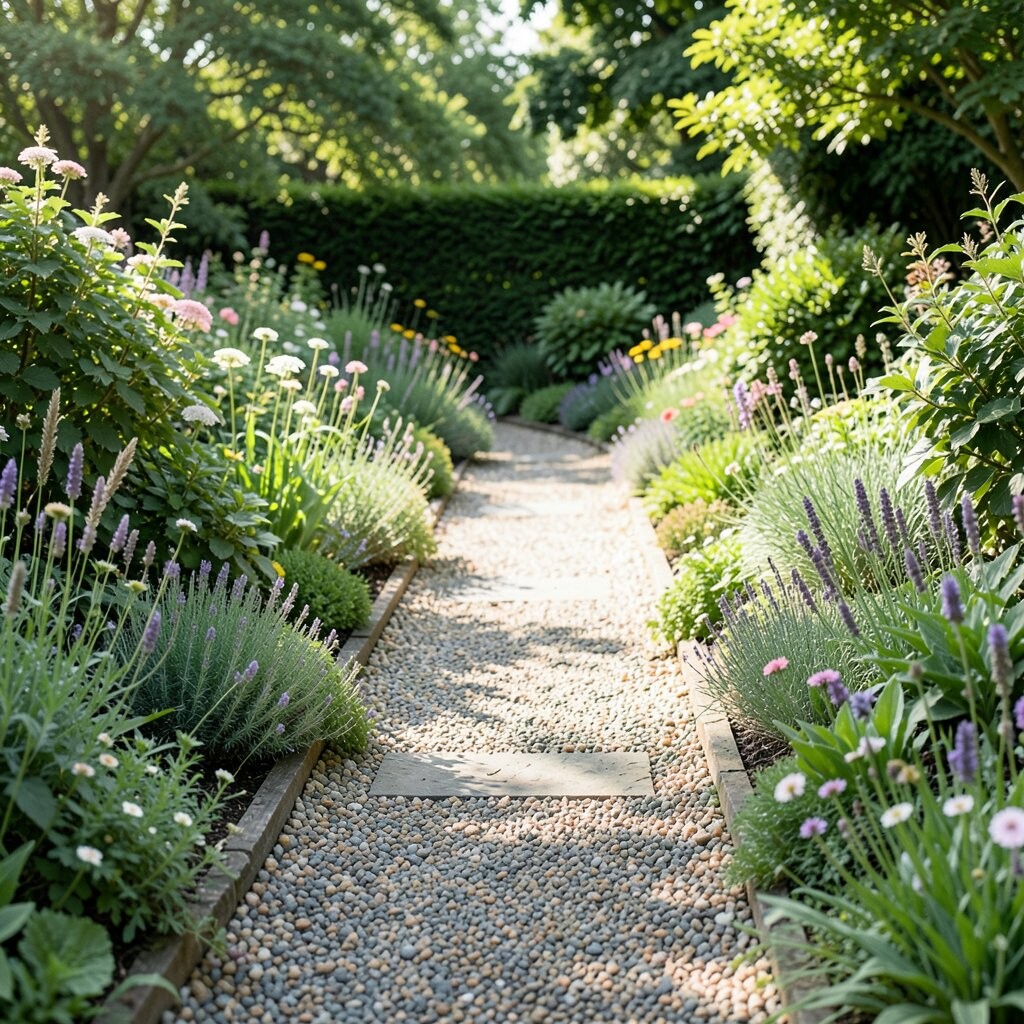
Gravel paths are simple and often cost less than many other path types. They give a loose, dry look that fits both modern yards and older cottage-style spaces.
They are easy to put in and can be changed later if your plans shift. A gravel walk also drains well after rain, which helps keep muddy spots away.
You can make the path feel tidy with edge stones, wood borders, or metal strips. Many people now like fine gravel in soft gray, tan, or mixed earth colors for a calm and clean look.
3. Brick Herringbone Walk
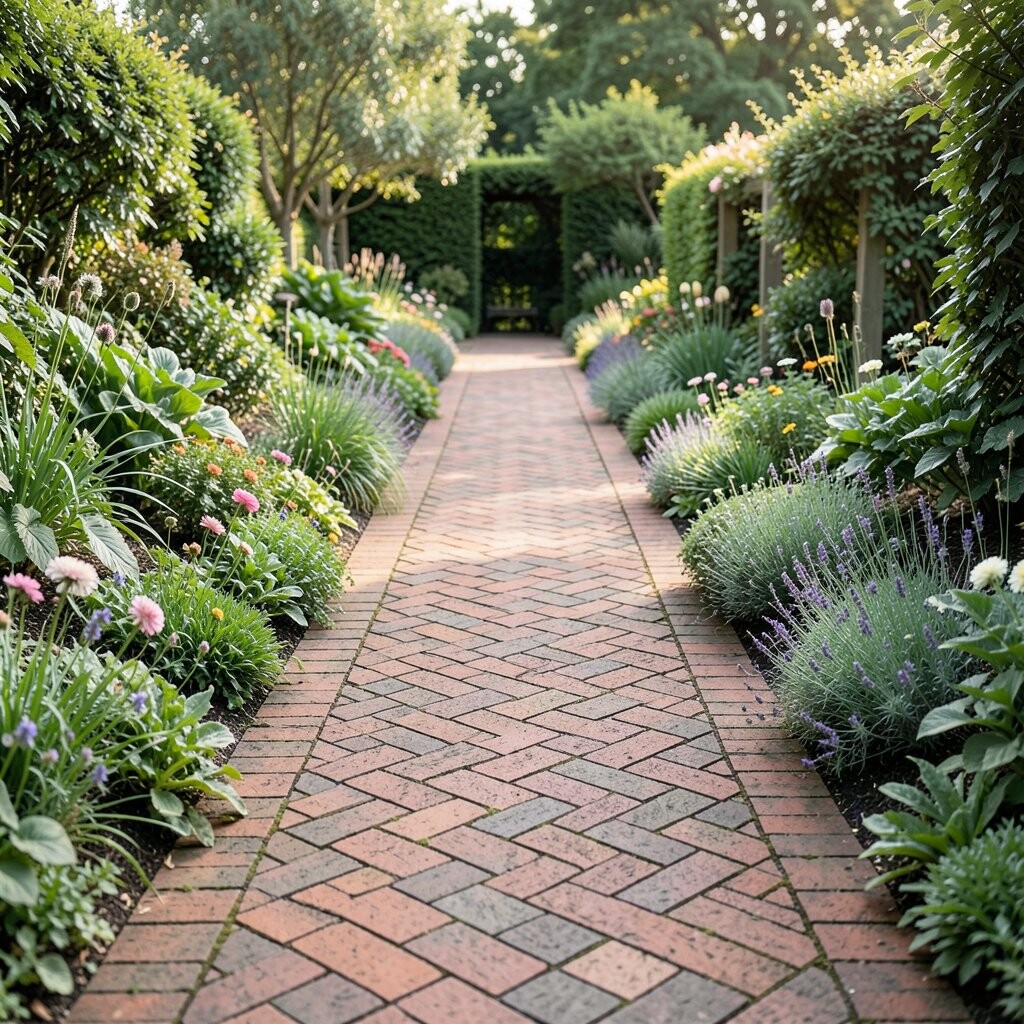
A brick herringbone path has a classic look that feels warm and steady. The pattern adds detail without making the yard feel busy.
Brick is a good pick for walkways that get a lot of foot traffic. It holds up well and can work in both formal gardens and relaxed home yards.
You can use old brick for a worn look or new brick for a sharper finish. Try pairing it with clipped hedges or simple border plants to make the pattern stand out.
4. Stepping Stone Trail
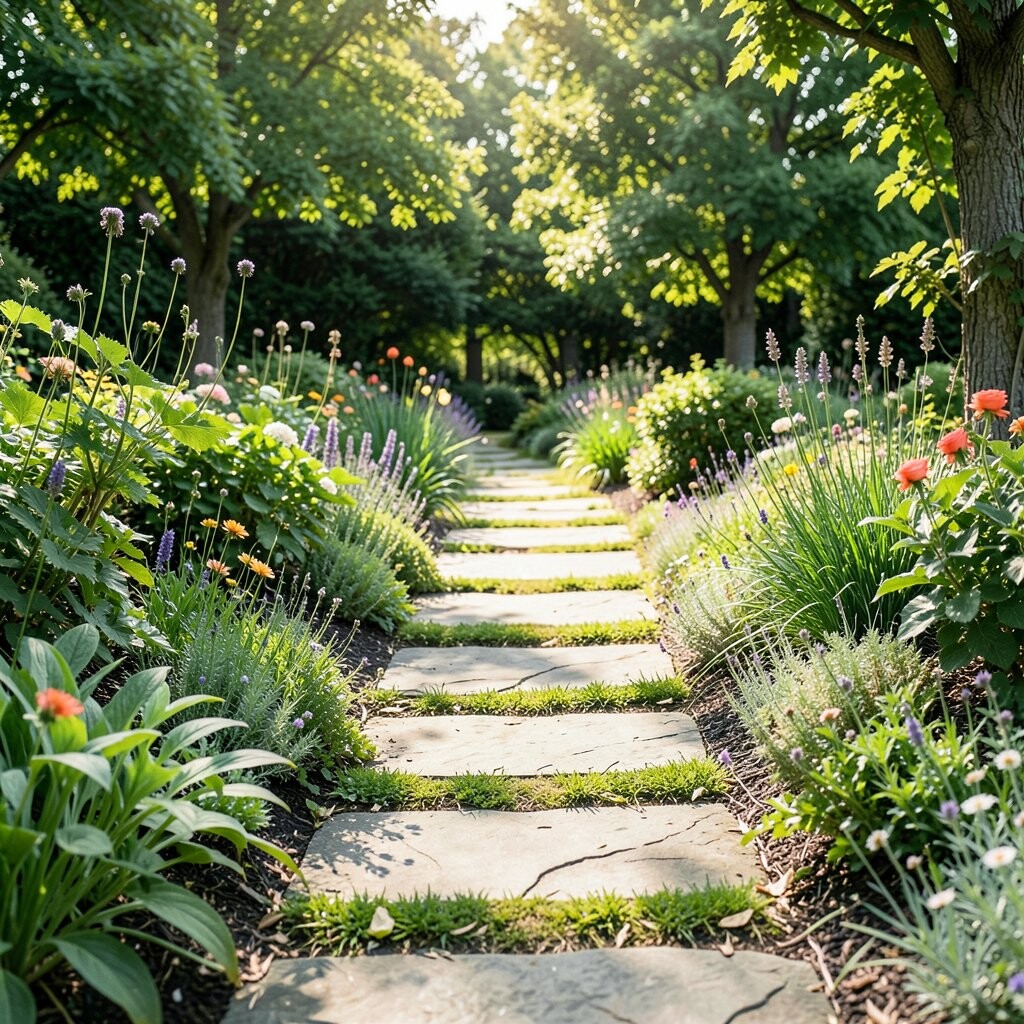
Stepping stones make a path feel light and open. They are a smart choice when you want to keep grass, moss, or small plants between each step.
This style can cost less than a full paved walk because you use fewer materials. It also gives you room to make the path fit around trees, beds, and yard shapes.
For a personal touch, choose round stones, square pavers, or flat rock with different textures. Many people place them in a loose line for a soft garden feel, while others set them in a straight path for a more neat look.
5. Mulch Woodland Path
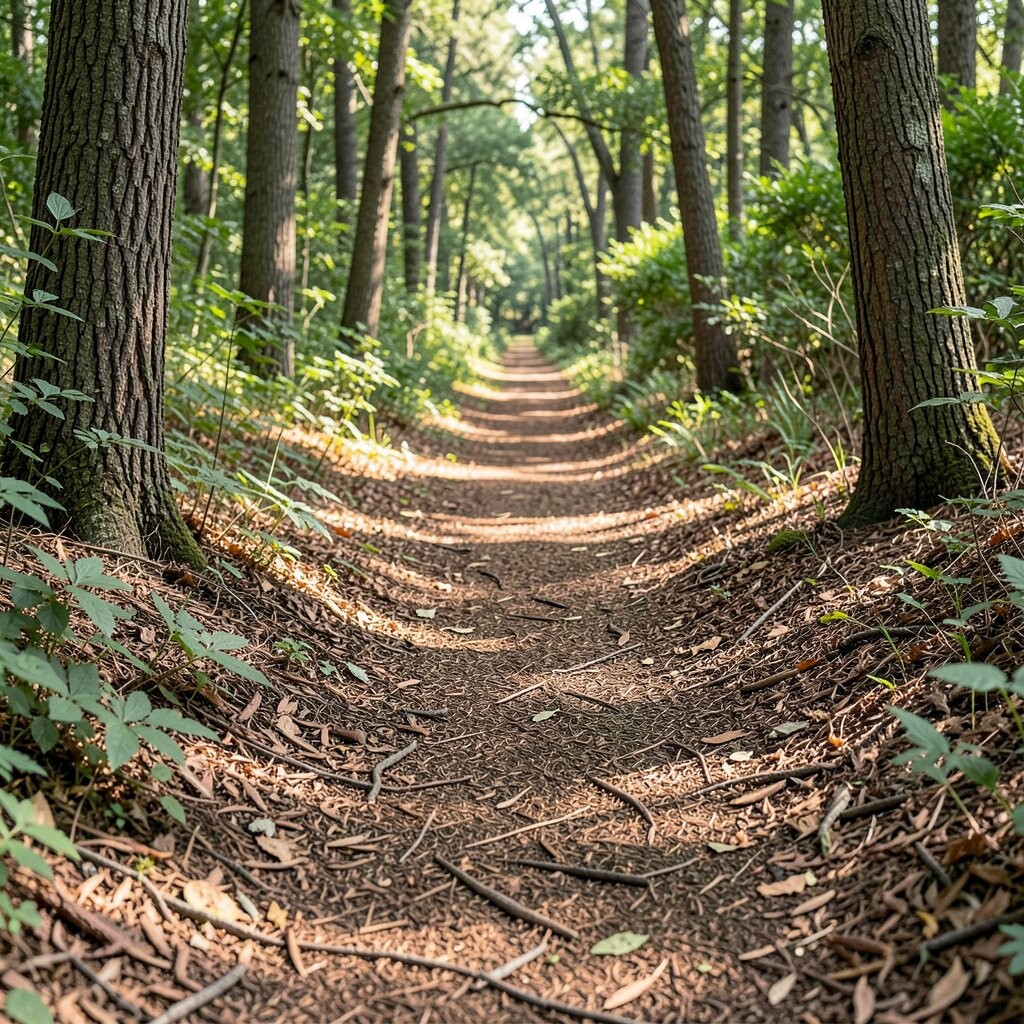
A mulch path feels soft and natural underfoot. It works well in shady spaces, near tall trees, or in yards that have a more wild look.
Mulch is one of the lowest-cost path choices, and it is easy to refresh when it starts to wear down. It also helps hold in soil moisture and can slow weed growth along the way.
You can use bark mulch for a deep brown color or wood chips for a rougher look. This path pairs well with ferns, hostas, and other shade plants, and it can fit a trend toward more natural, low-fuss yards.
6. Flagstone Patio Path
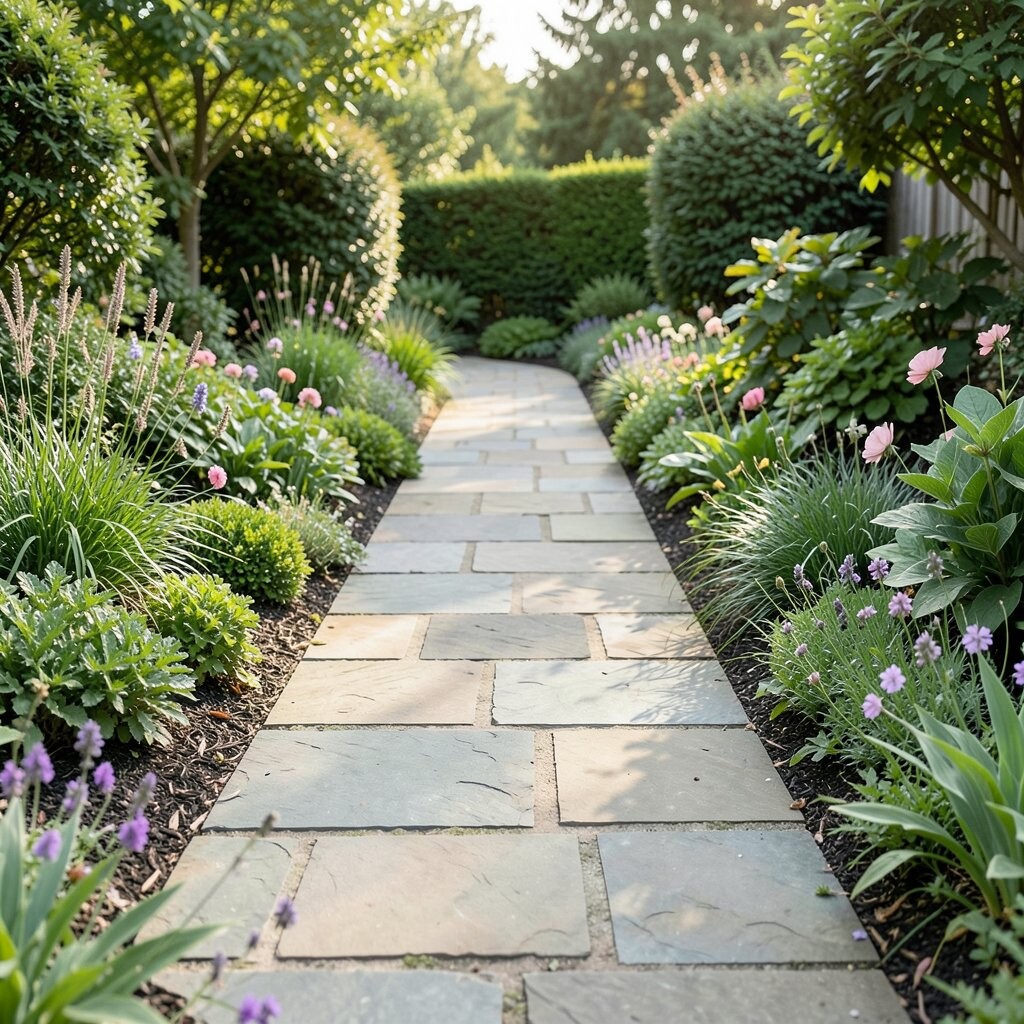
Flagstone gives a rich, natural look with flat stones in soft, uneven shapes. The wide pieces create a path that feels solid and easy to walk on.
This style works well for front walks, side paths, or garden routes that lead to a seating area. It can cost more than gravel or mulch, but it often lasts a long time and looks neat right away.
You can set the stones close together for a formal feel or leave gaps for moss and low plants. Many homeowners like this path because it can match both new homes and older stone walls.
7. Wooden Boardwalk Path
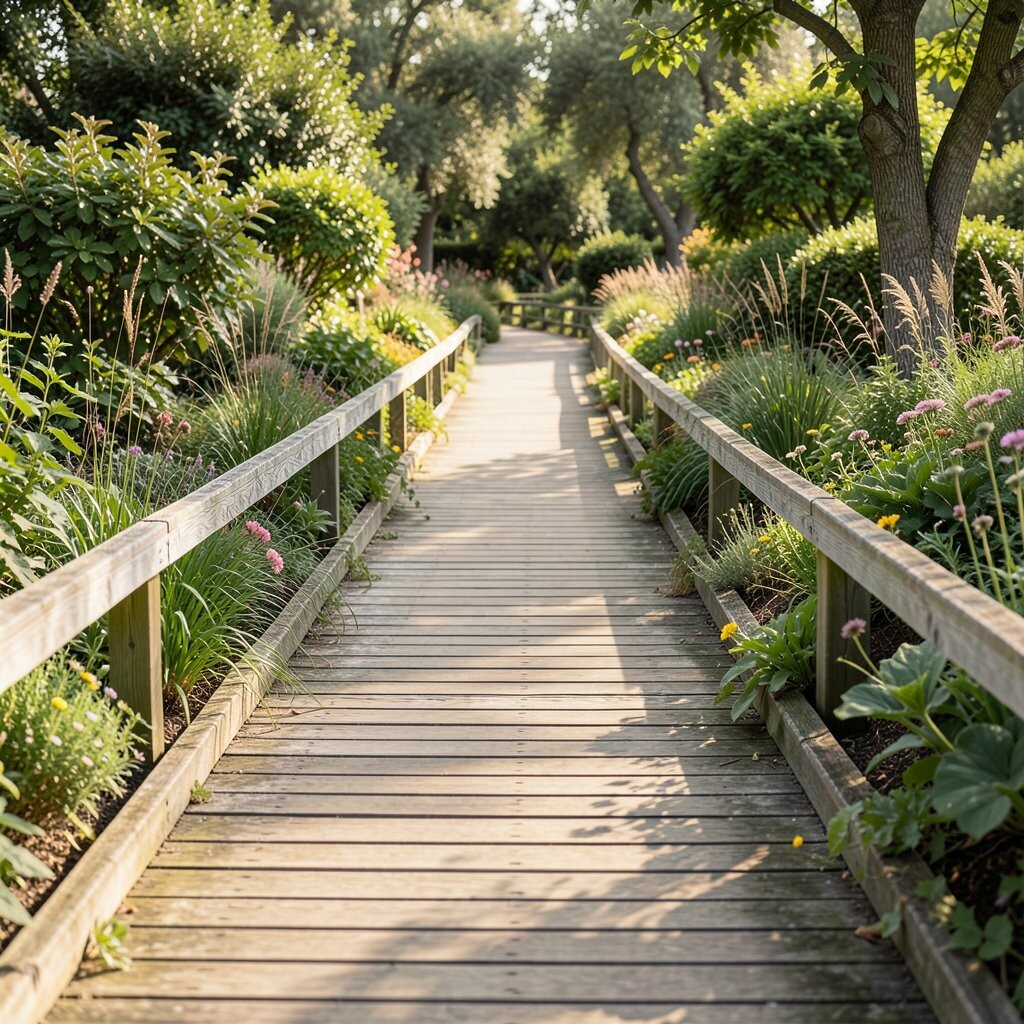
A wooden boardwalk path brings a warm, calm look to a garden. It can be a good choice for damp ground, sloped land, or spots where you want to keep feet dry.
Wood gives the path a softer look than stone or brick. It also feels nice in a space with ferns, tall grasses, or water features nearby.
For a lower-cost option, use treated lumber or composite boards that need less care. You can make it feel more personal with simple rail edges, dark stains, or planters set along the side.
8. Mosaic Tile Walk
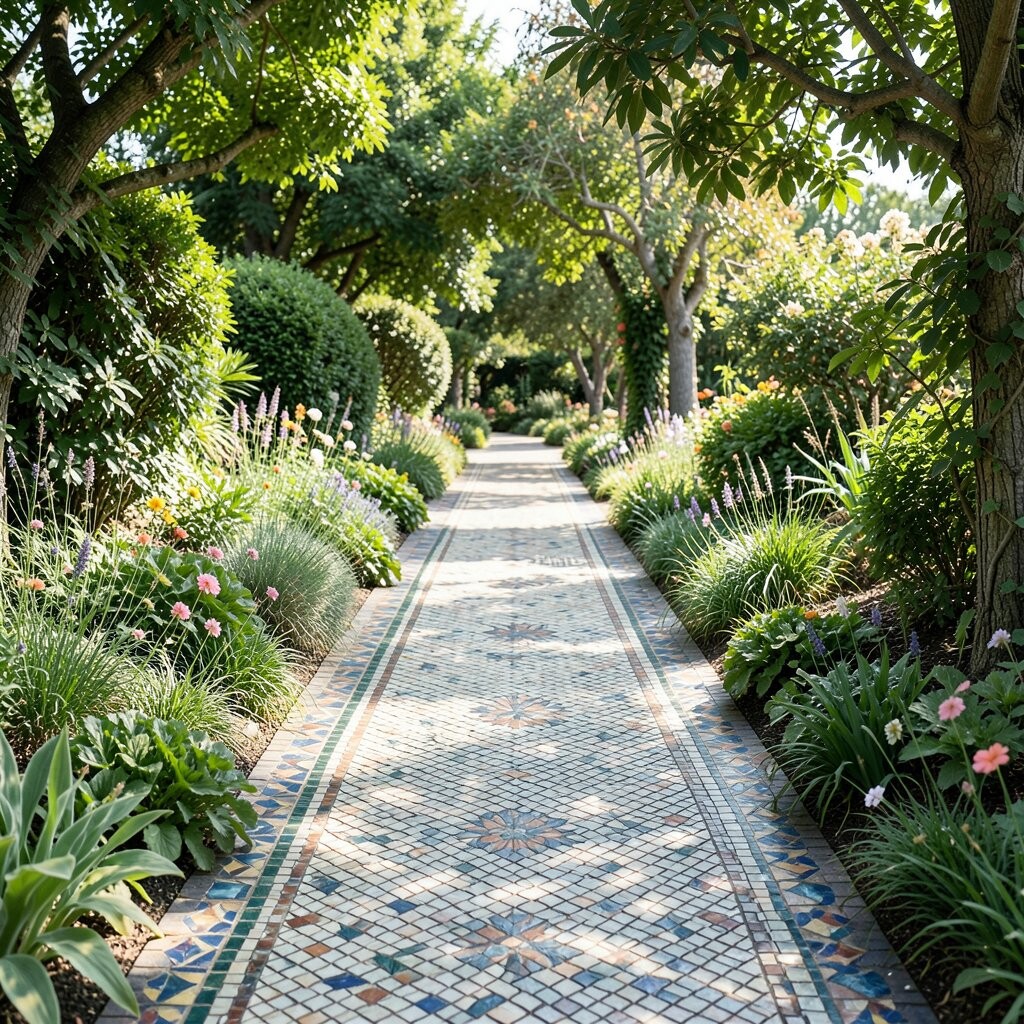
A mosaic tile path adds color and pattern to a garden. It can turn a plain walkway into a fun part of the yard without taking up extra space.
This path style is best for small areas, short walks, or spots where you want a strong visual point. It may cost more because of the time and skill needed, but the result can feel very one of a kind.
You can use broken tile, small stone pieces, or smooth glass bits for the design. A mosaic path fits well with current trends that use handmade details and bright accents in outdoor spaces.
9. Decomposed Granite Walk
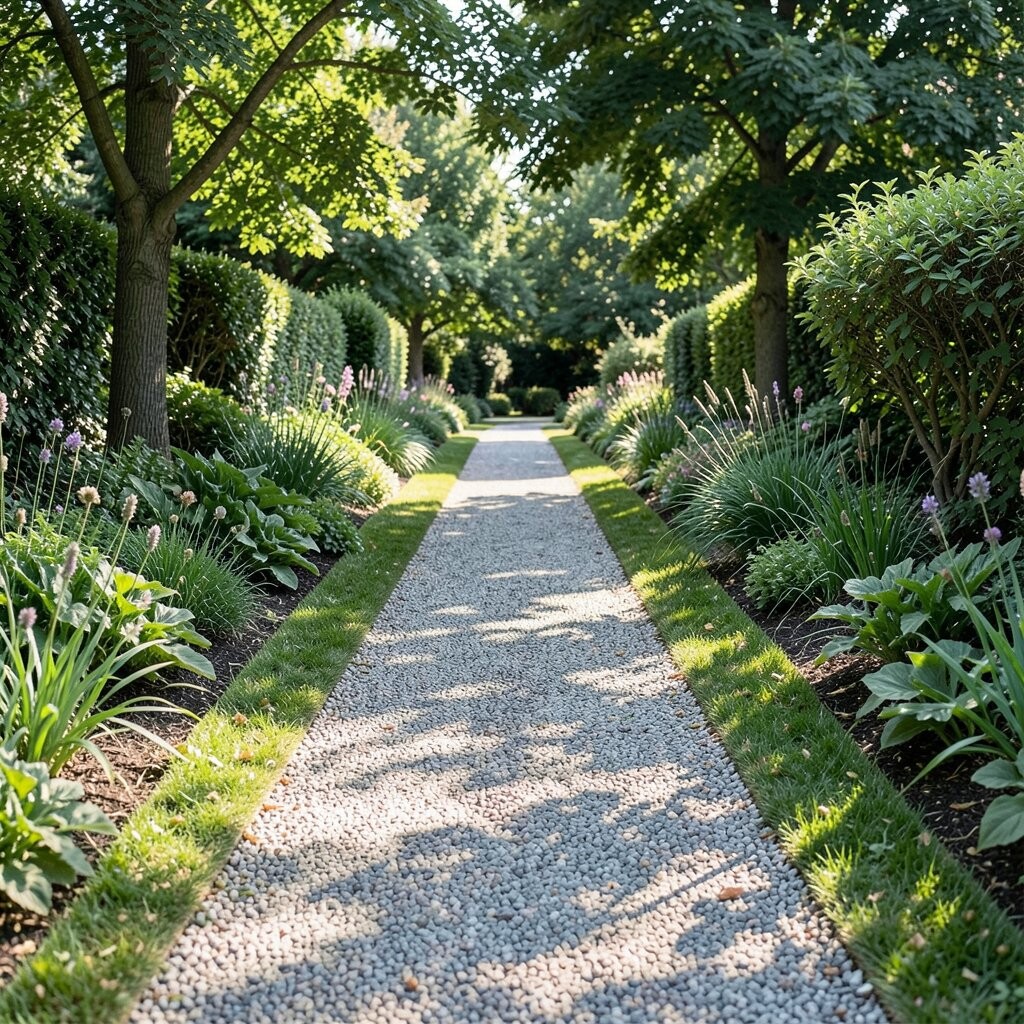
Decomposed granite makes a smooth, firm path with a soft earth look. It has a fine, natural feel that blends well with many garden styles.
This material is often more affordable than stone or brick, and it is easy to shape into long walks or simple curves. It also packs down well, so it can feel stable when done right.
You can add stone edging to keep the path neat and stop the loose material from spreading. Many people like its clean, dry look because it works well with desert plants, modern yards, and simple home gardens.
10. Raised Garden Path
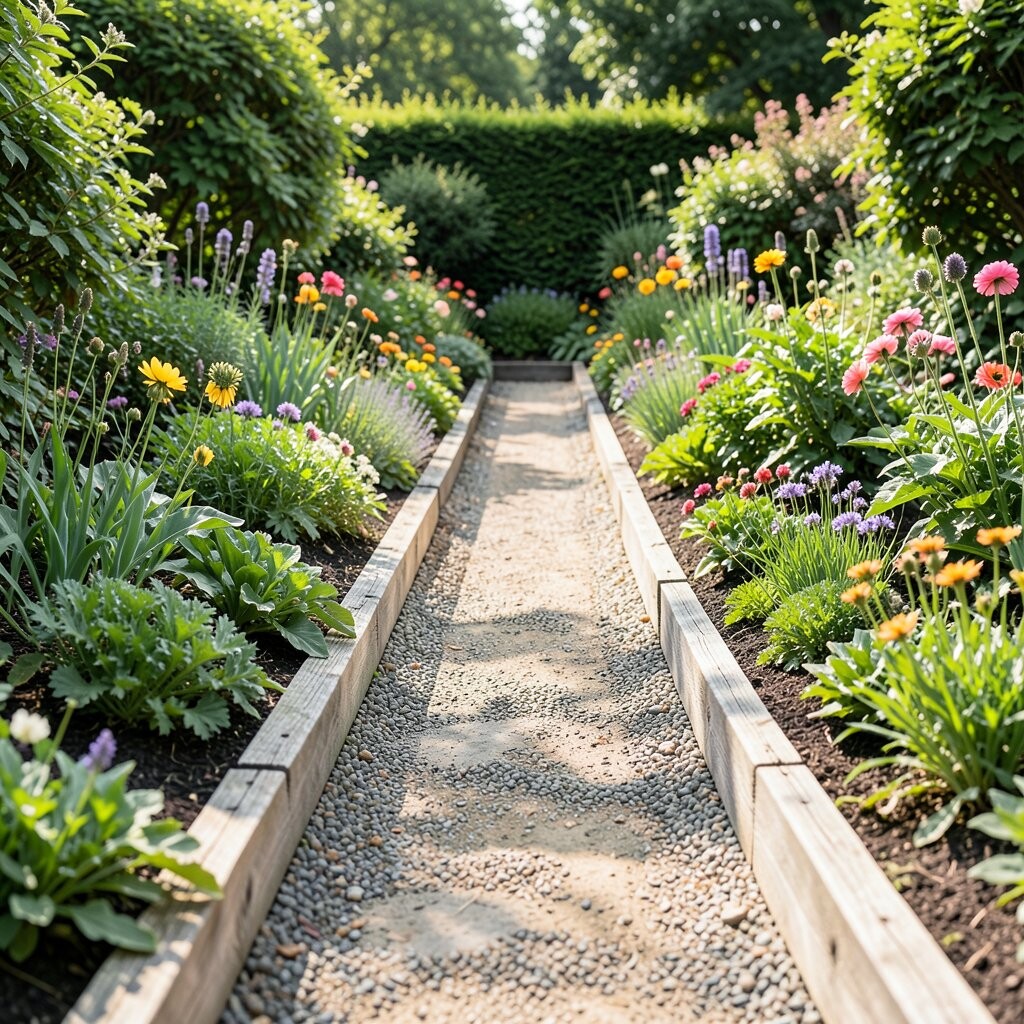
A raised path sits a little above the ground and can help keep feet out of wet soil. It also gives the garden a more planned look and can make the space feel tidy.
This type of path is useful in yards with poor drainage or soft ground. It can be made with wood, stone, or concrete blocks, based on your budget and style.
You can personalize it with built-in borders, low lights, or plants that spill gently over the edge. Raised paths are popular in many new garden plans because they help make outdoor areas easier to use.
11. Pebble Border Walk
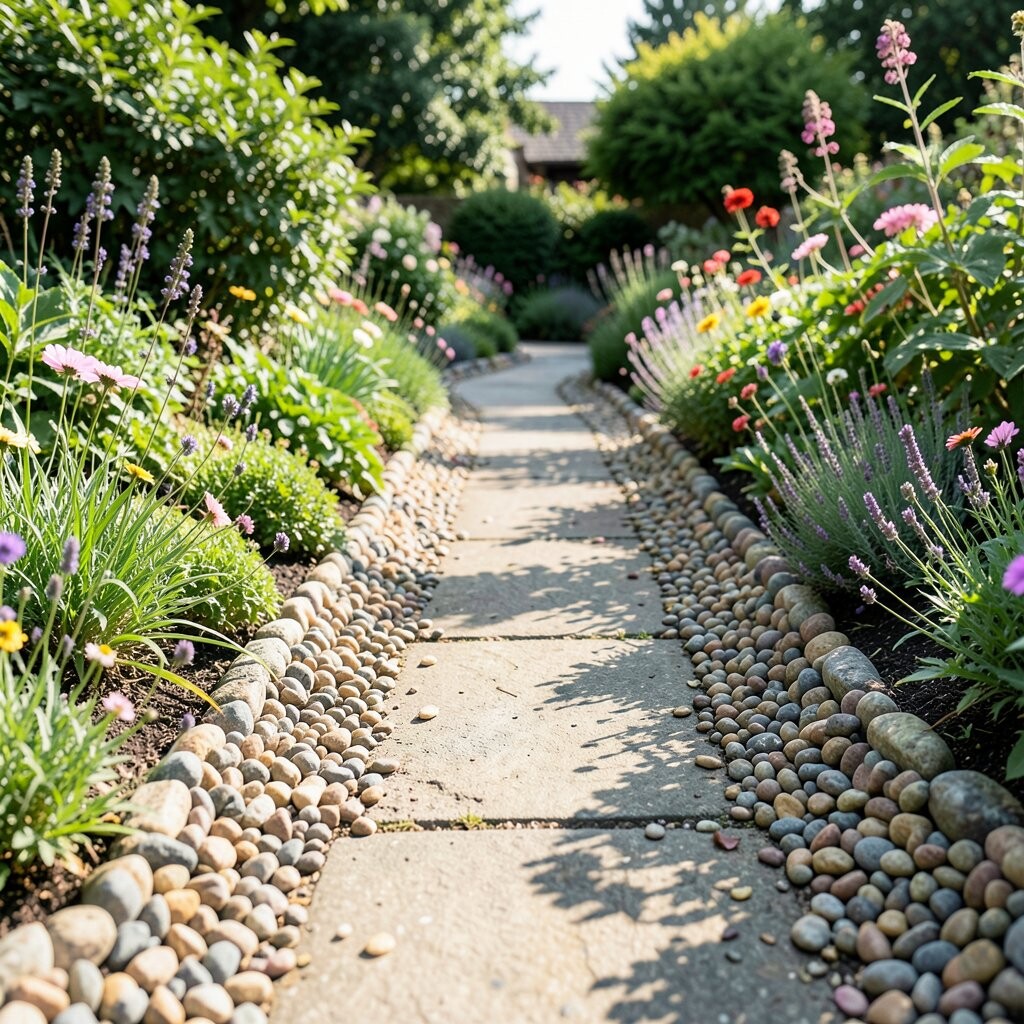
A pebble border walk uses small stones to frame a path or fill the edges around it. The pebbles add texture and make the whole route feel neat and finished.
This style can be low cost if you use local stone or leftover rock from other yard work. It also gives you a simple way to guide water away from plants and walk spots.
You can mix white pebbles with darker stones for contrast, or keep the color soft and even. This look works well in modern yards, courtyard spaces, and small front gardens where clean lines matter.
12. Living Green Path
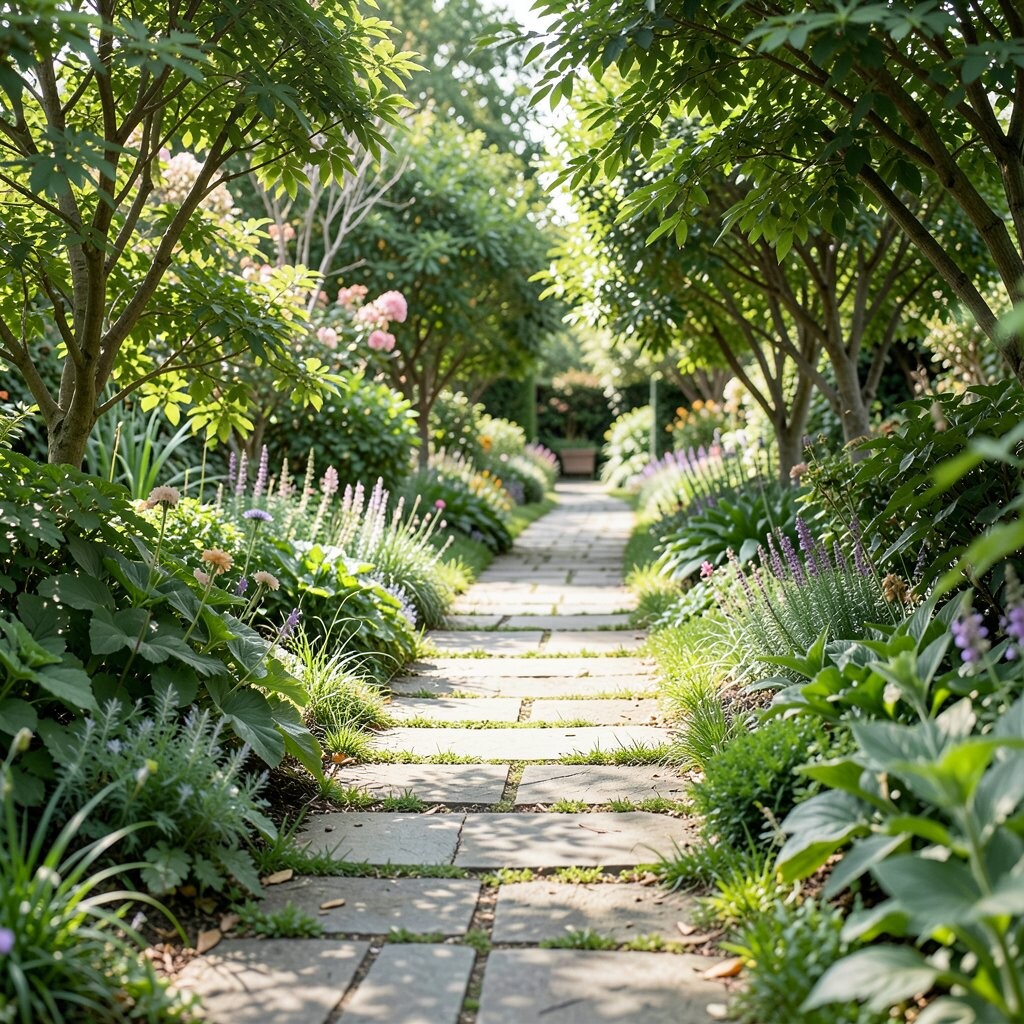
A living green path uses ground cover, moss, or low plants between stones or stepping pads. It gives the yard a soft, fresh look that feels linked to the rest of the garden.
This kind of path can help cool the space and make it feel more relaxed. It also works well if you want a path that looks less hard and more natural.
You can use creeping thyme, moss, or other low plants that fit your climate. The cost can stay low if you start small and let the plants spread over time, which is why this style is a good match for patient gardeners.
13. Lighted Evening Path
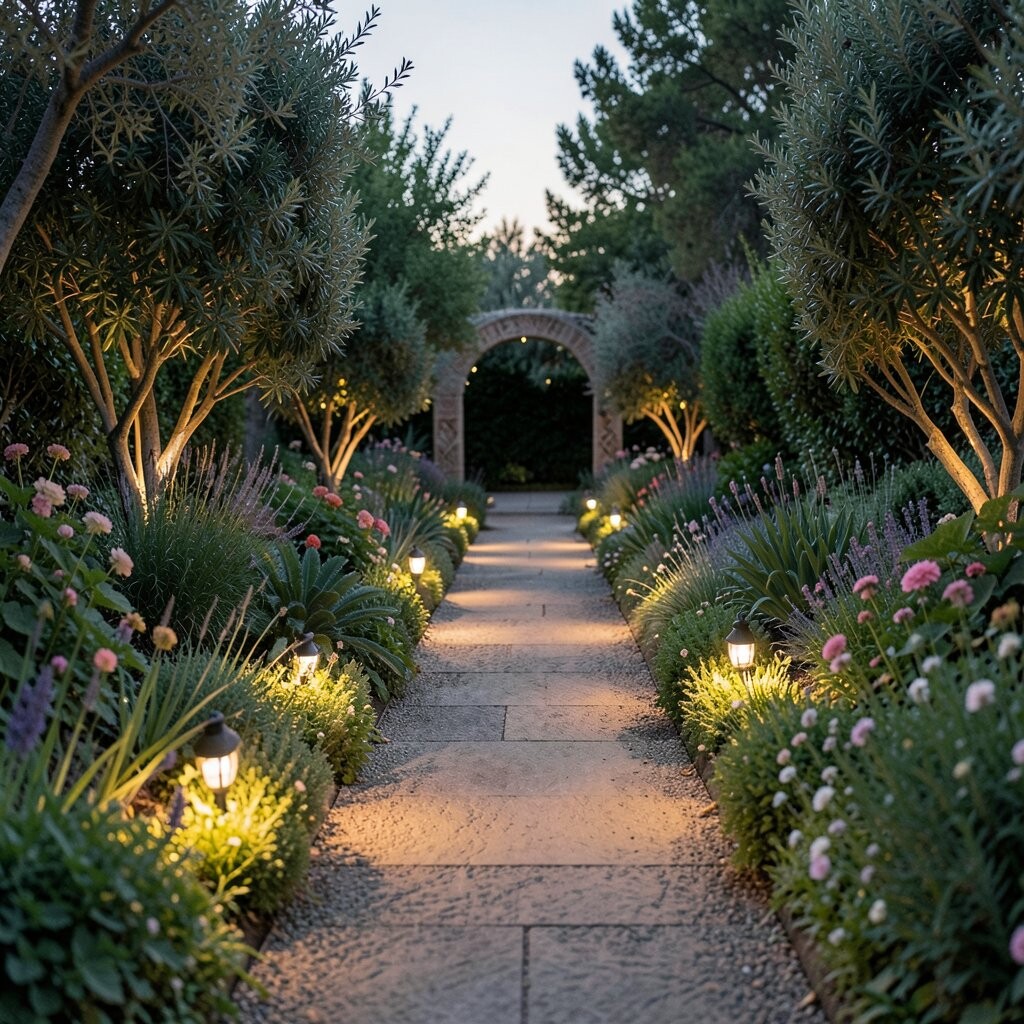
A lighted path makes the garden useful after sunset and gives it a soft glow at night. Small lights along the edge can help people walk safely and see each turn.
This path style can use solar lights, low-voltage lights, or lantern-style fixtures, based on your budget. Solar options are often the easiest and lowest cost because they do not need much setup.
You can place lights close to stone, gravel, or wood paths to match the rest of your yard. Many people like warm white light because it feels calm and works well with current outdoor trends that focus on simple, easy care design.