Grow lights can help indoor plants stay steady when sun light is weak or missing. Good use of light can help leaves stay green, stems stay firm, and new growth keep coming.
1. Pick the Right Light Type
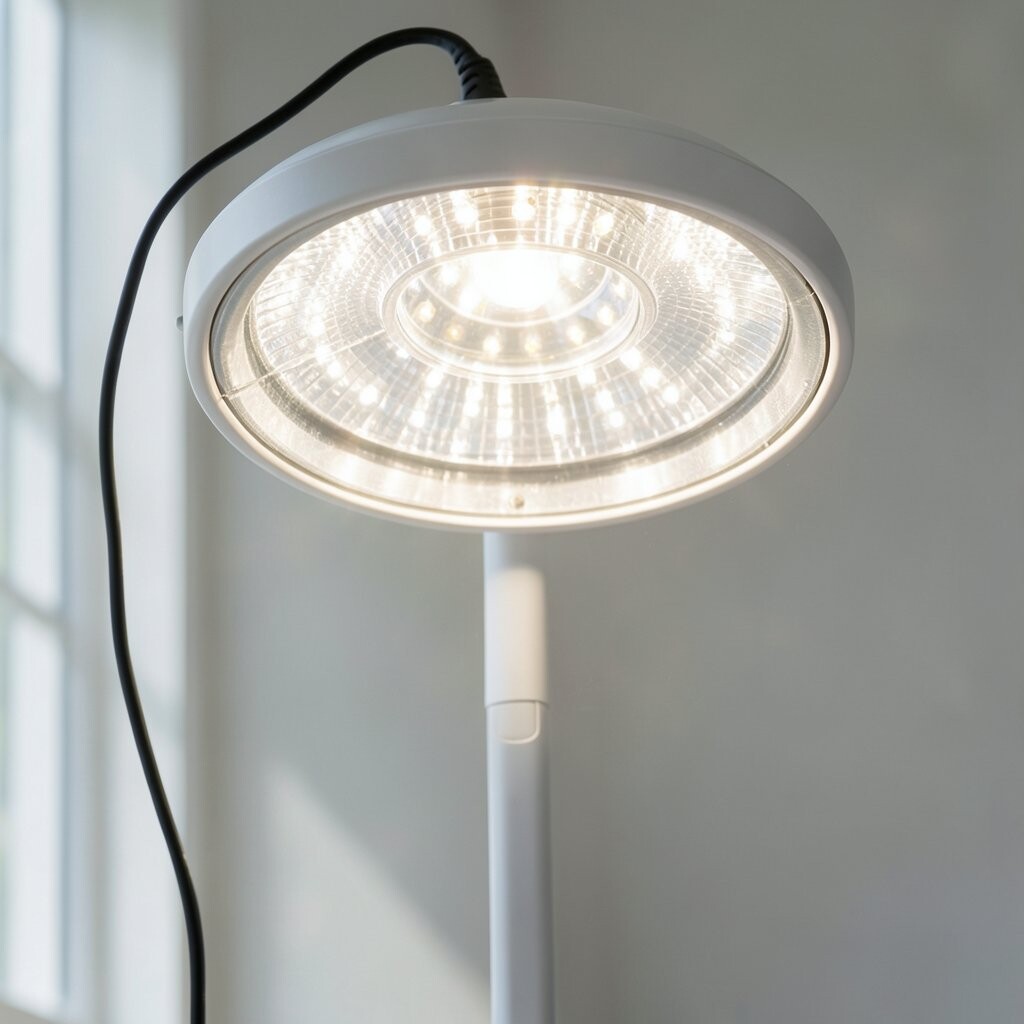
Grow lights come in many forms, and each one has its own look and feel. Some are slim panels, some are bulb style, and some are long tubes that spread light over a wide area.
For many home growers, LED lights are a common choice because they use less power and stay cooler than older types. They can help cut electric costs over time, which matters if you keep lights on for many hours each day.
Try to match the light type to your plant space and your budget. A small shelf may need a simple bulb, while a larger plant stand may work better with a wide panel or bar light.
2. Match the Light to the Plant
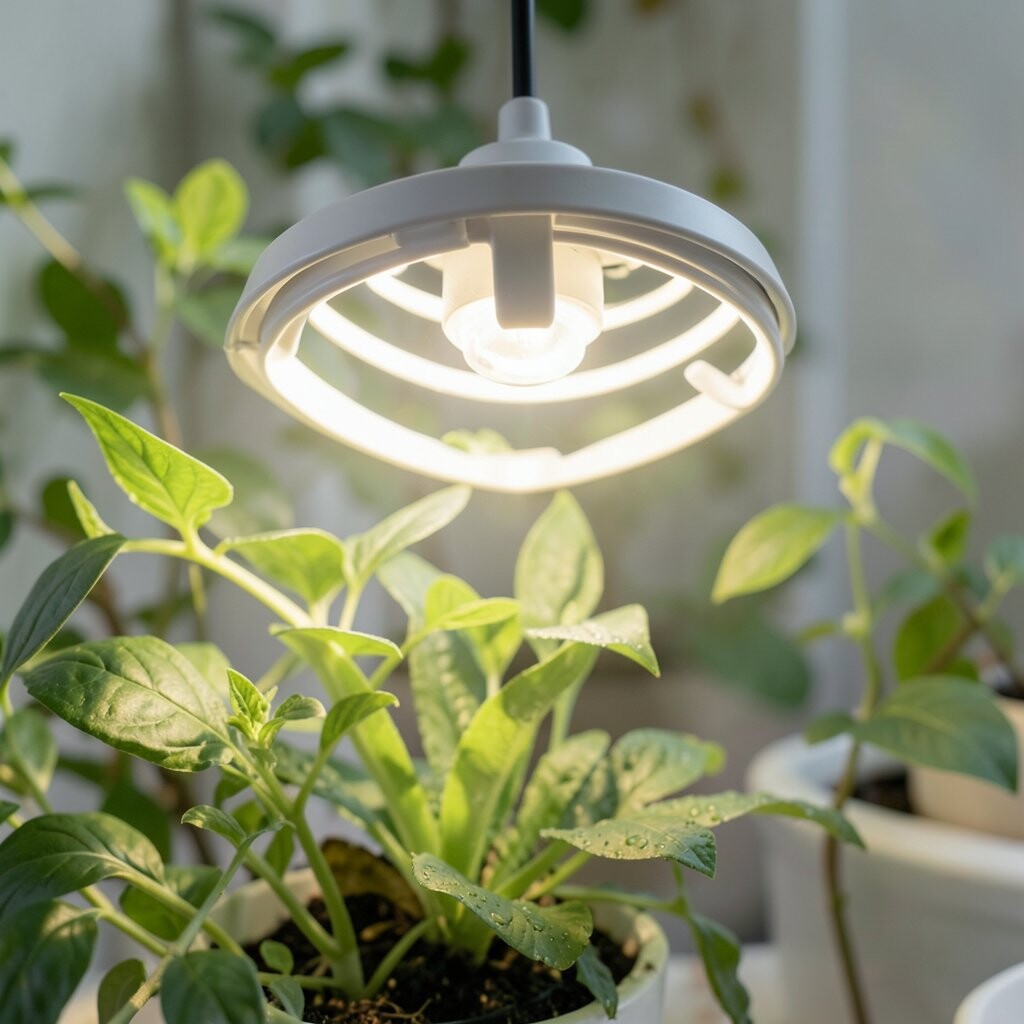
Not all plants want the same kind of light, so it helps to know what each plant likes. A fern may need softer light, while herbs and many flowering plants often want brighter light.
When the light fits the plant, the plant often looks better and grows in a more even way. Leaves may stay fuller, and the plant may not lean as much toward a window or lamp.
You can personalize your setup by grouping plants with similar needs. This makes it easier to place each one at the right spot under the light and keep care simple.
3. Keep the Light at the Right Height
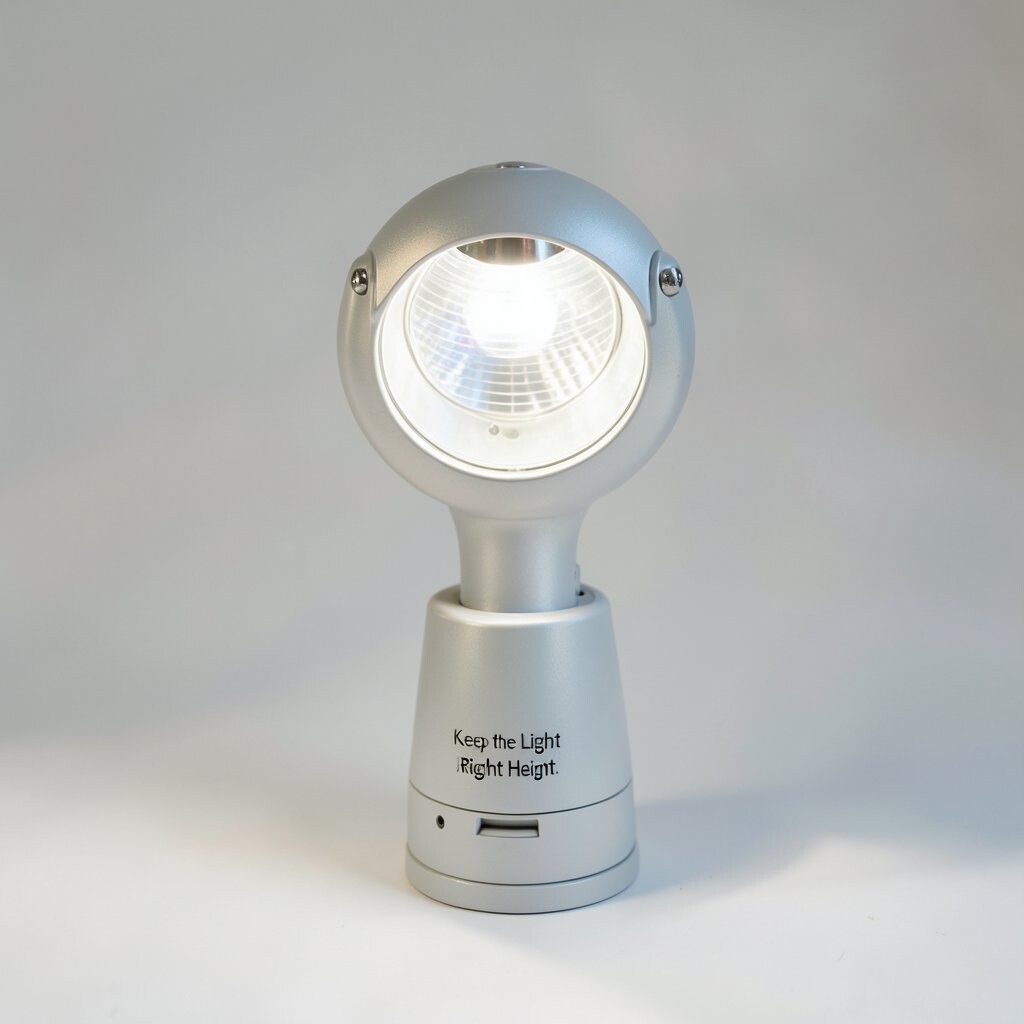
Light that sits too close can stress leaves, while light that sits too far away may not do much at all. The best height often depends on the light strength and the plant type.
A simple way to check is to watch the plant for a few days. If leaves curl, bleach, or dry out, the light may be too near. If stems stretch and the plant looks thin, the light may be too far.
Many growers use adjustable stands or chains so they can change height as plants grow. This is a handy trend because it makes the setup easier to use for both new and larger plants.
4. Set a Daily Light Schedule
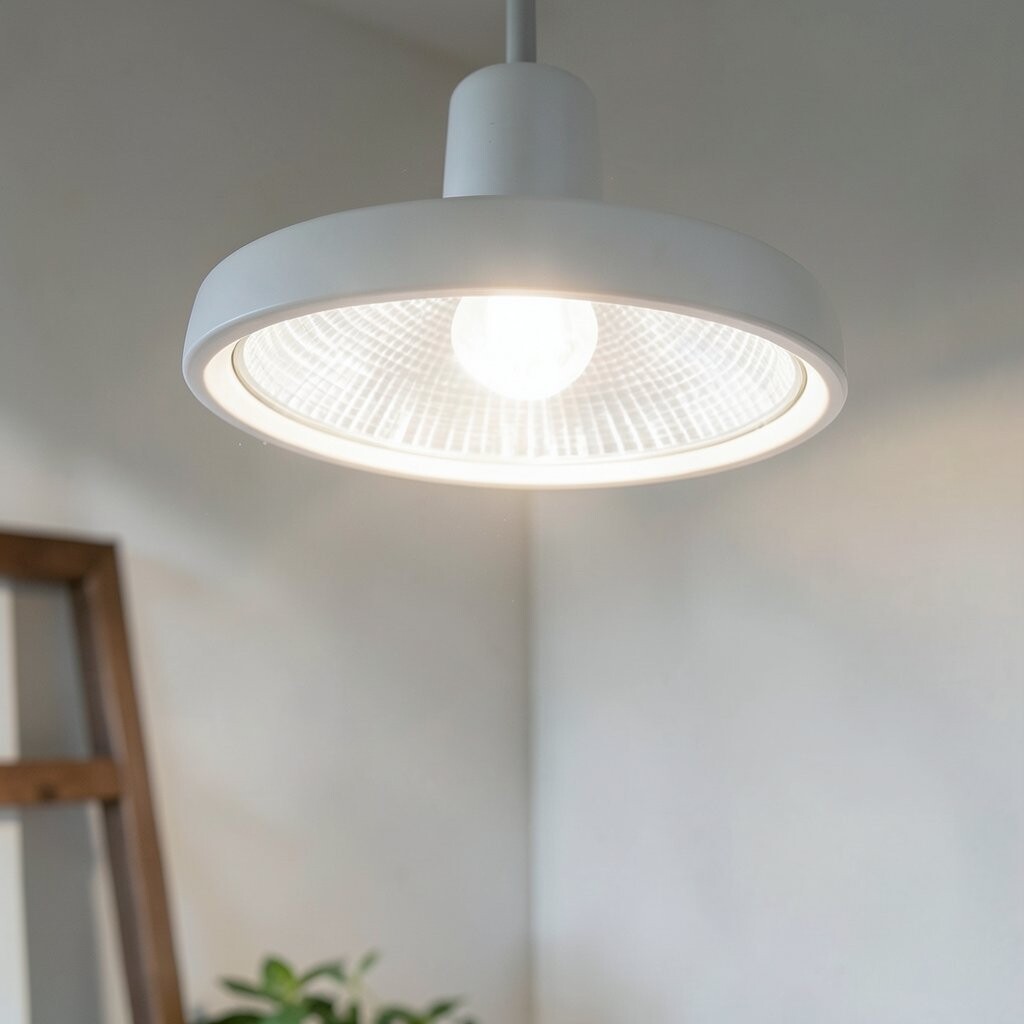
Plants need rest as well as light, so keeping a steady schedule helps a lot. Many indoor plants do well with a set on and off time each day.
A timer can save time and help you avoid forgetting to turn the light off. It also helps keep energy use under control, which can lower cost and make care feel less messy.
Try to keep the schedule close to what the plant needs instead of changing it all the time. A steady routine can help plants stay calm and grow in a more even way.
5. Watch for Signs of Too Much Light
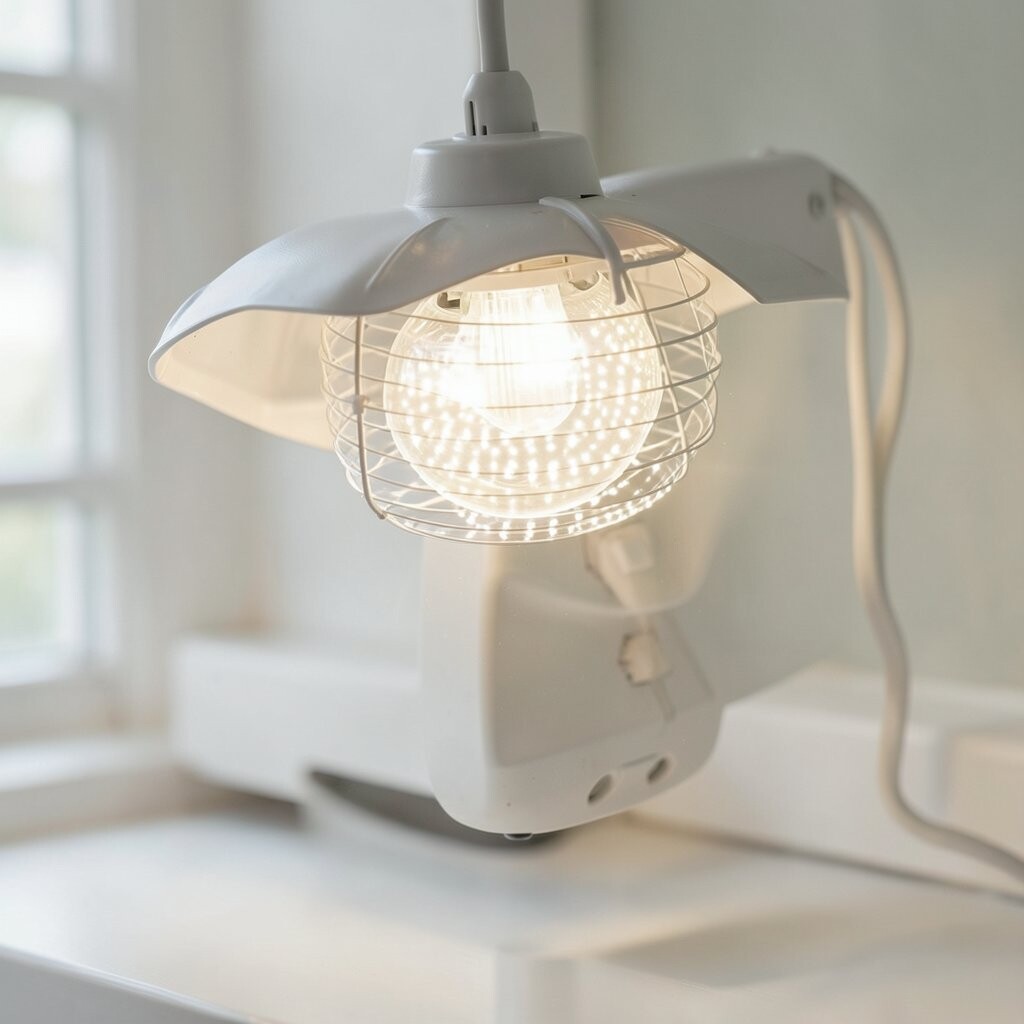
Too much light can be just as hard on a plant as too little light. Leaves may look pale, dry, curled, or rough if the plant is getting more light than it can use.
Some plants may also get brown spots or faded areas near the top. These signs are easy to miss at first, so check the leaves often and look at the plant from the side and from above.
If you see stress, move the light back a bit or shorten the daily run time. Small changes are often enough to help the plant feel better without starting over.
6. Use Reflective Surfaces
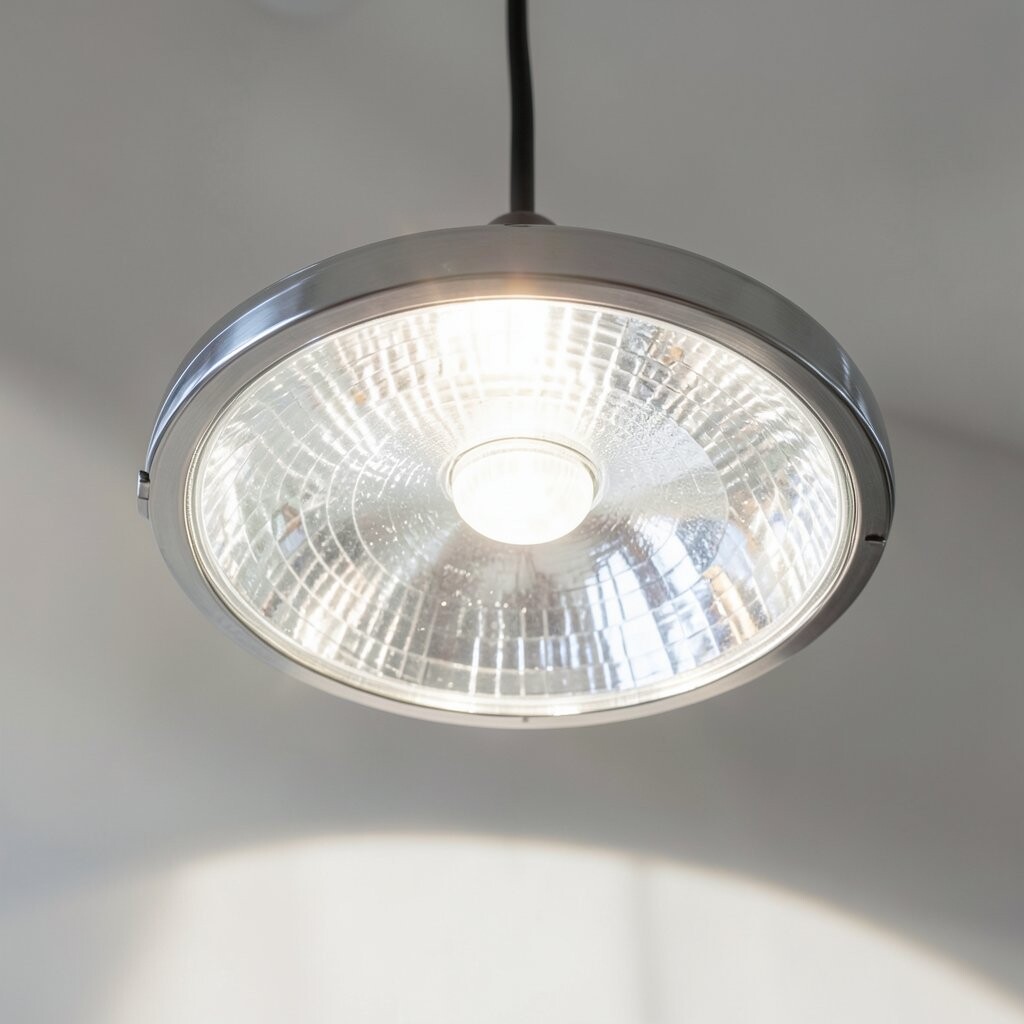
Reflective walls or panels can help spread light around your plant area. White walls, light shelves, or simple reflectors can bounce light back toward the leaves.
This can be useful if you have a small room or a tight shelf setup. It may help you get more from one light, which can lower cost and cut the need for extra gear.
Many indoor growers like this trick because it is simple and low cost. It also gives plant displays a bright, clean look that feels neat and easy to manage.
7. Keep the Light Clean

Dust and dirt can build up on light covers, panels, and bulbs over time. When that happens, the light may not shine as well as it should.
Wipe the light off now and then with a dry or slightly damp cloth, but always unplug it first. Clean lights can help plants get a more even glow and can make the whole setup look better too.
This is a small task, but it can make a real difference over time. It is also a good habit if you want to keep your gear in use for a long time.
8. Give Plants Enough Space

Plants need room for their leaves to spread and for light to reach all sides. If plants are packed too close together, the top leaves may block the ones below.
Try to space pots so each plant gets a fair share of light. This can help reduce weak spots, keep air moving, and make it easier to water and check each plant.
A tidy layout also looks nice in a home or office. Many people now use shelf racks and plant bars because they help make the space look neat while still being practical.
9. Use the Right Color of Light
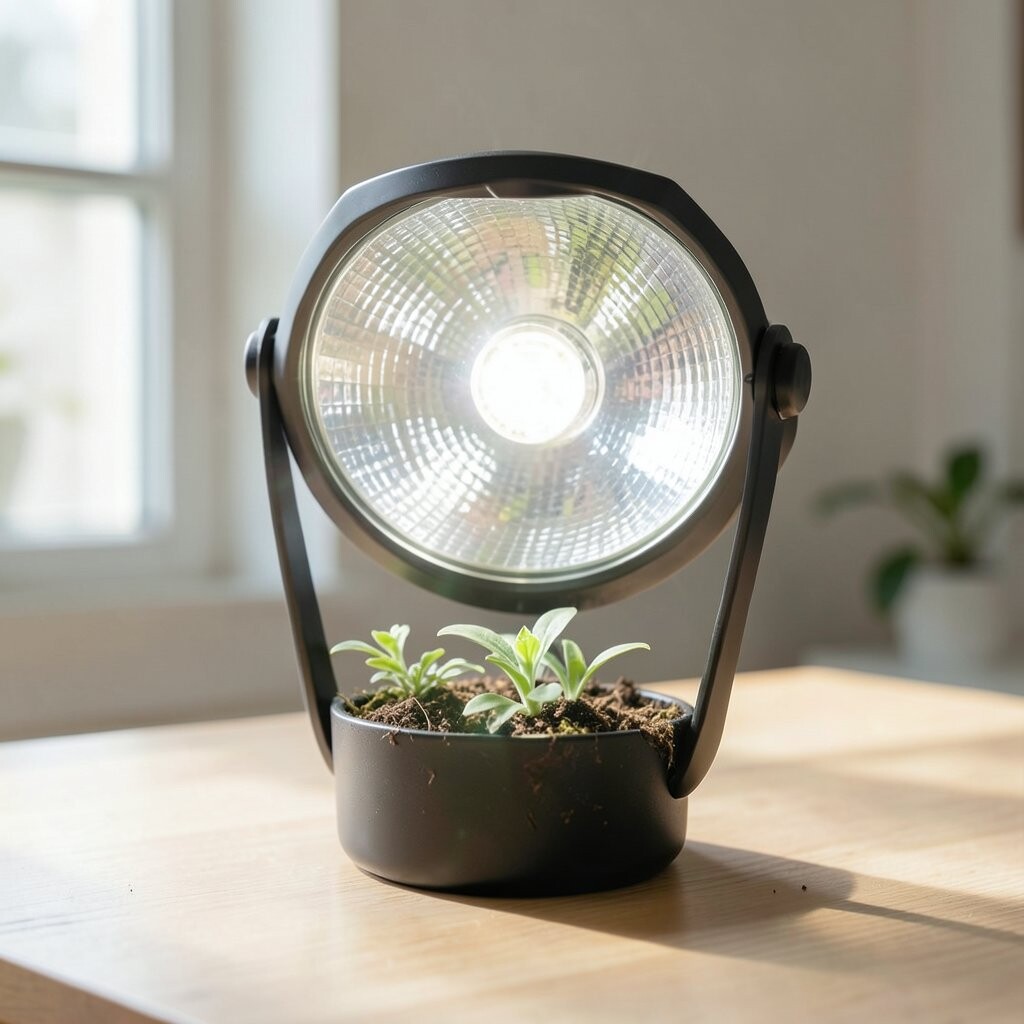
Grow lights often give off a mix of colors, and that mix can matter. Some lights look warm, some look cool, and some have a full mix that aims to help plants at different stages.
Many home growers like full-spectrum lights because they look more like day light and work well for many common plants. They can also make a room feel more natural than harsh purple lights used in older setups.
If you want a more personal feel, choose a light color that fits the room and your plants. A softer white light can blend in well with home decor and still help plants grow.
10. Check Plant Response Often

Plants often show clear signs when a light setup is working well or not. New leaves, even color, and sturdy stems are good signs that the plant is getting what it needs.
If the plant leans, stretches, or loses lower leaves, the light plan may need a change. A quick look every few days can help you catch problems early and make small fixes before they grow.
This kind of close watch is one reason grow light care feels more hands-on than window care. It gives you a chance to learn each plant’s habits and make the setup fit better over time.
11. Balance Light With Water and Food
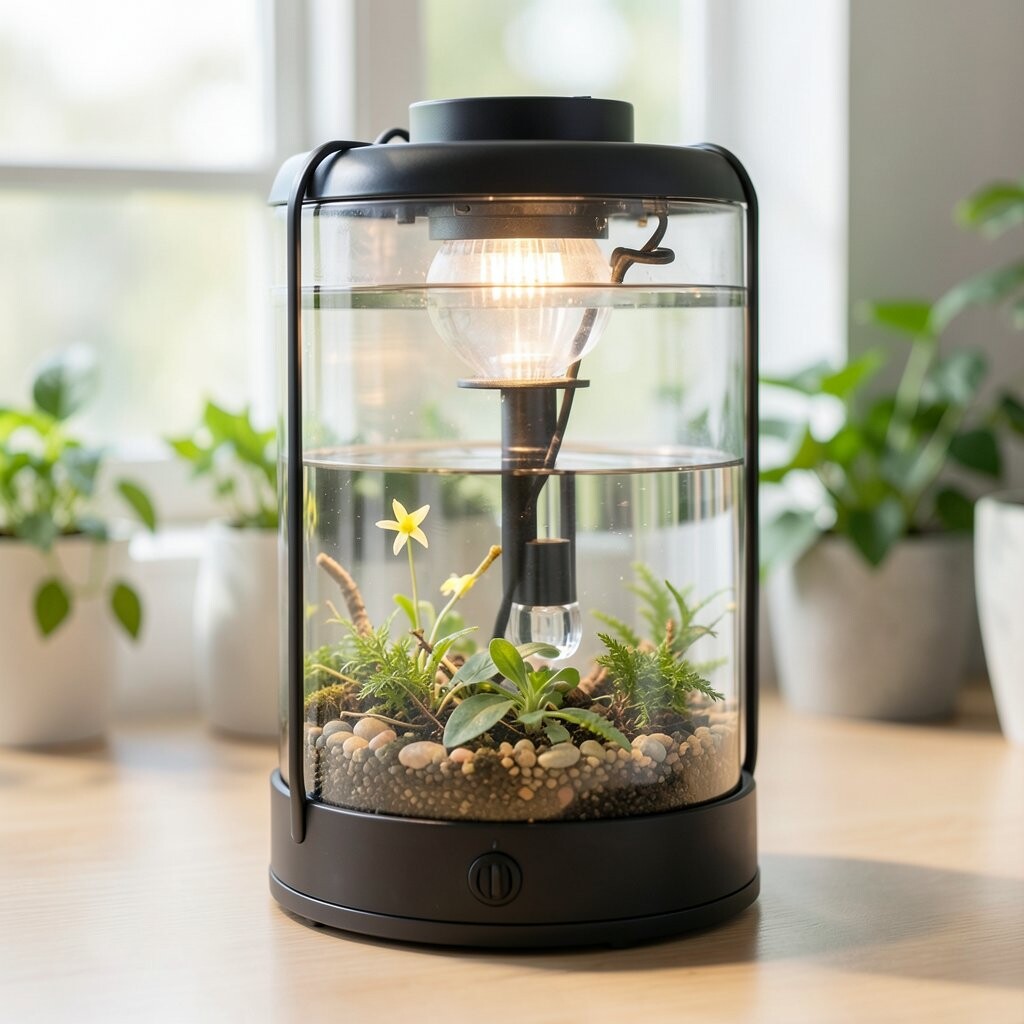
Good light helps plants use water and plant food in a healthy way. But if you give strong light and still forget water or food, the plant may not do well.
Plants under grow lights may dry out a bit faster than plants near a cool window. Check the soil often and adjust your watering based on the plant, the pot, and the room.
This balance is important for both cost and care, since overwatering or overfeeding can waste supplies. A simple care plan can help you avoid problems and keep the plant steady.
12. Try Smart Controls and New Tools
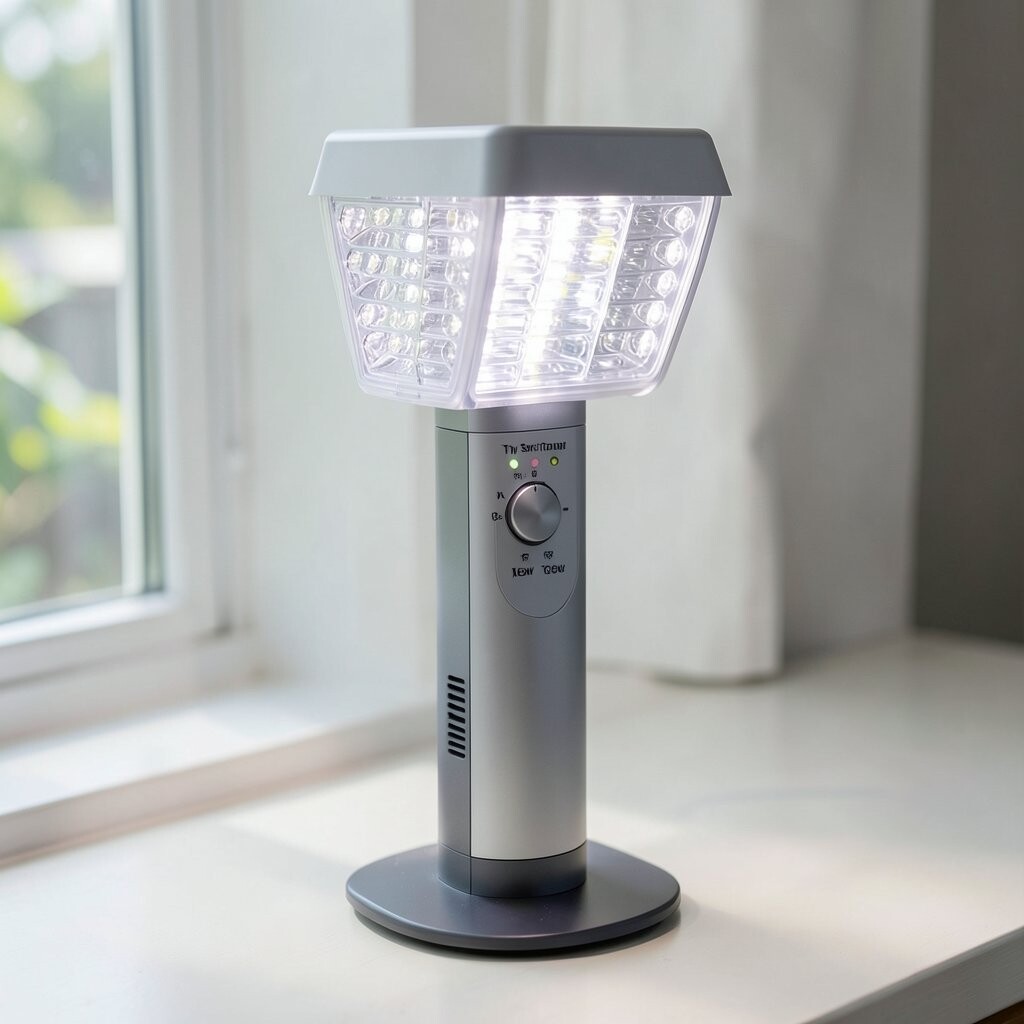
Grow light gear has changed a lot, and many new tools can make care easier. Smart plugs, app timers, and dimmers are now common in many home setups.
These tools can help you change light levels, set schedules, and save power without much work. Some cost more at first, but they can help you manage your setup in a cleaner and more flexible way.
Many plant fans like these trends because they make the room feel more modern and easier to use. If you enjoy gadgets, these tools can be a good fit for your space and your style.
13. Build a Setup That Fits Your Home
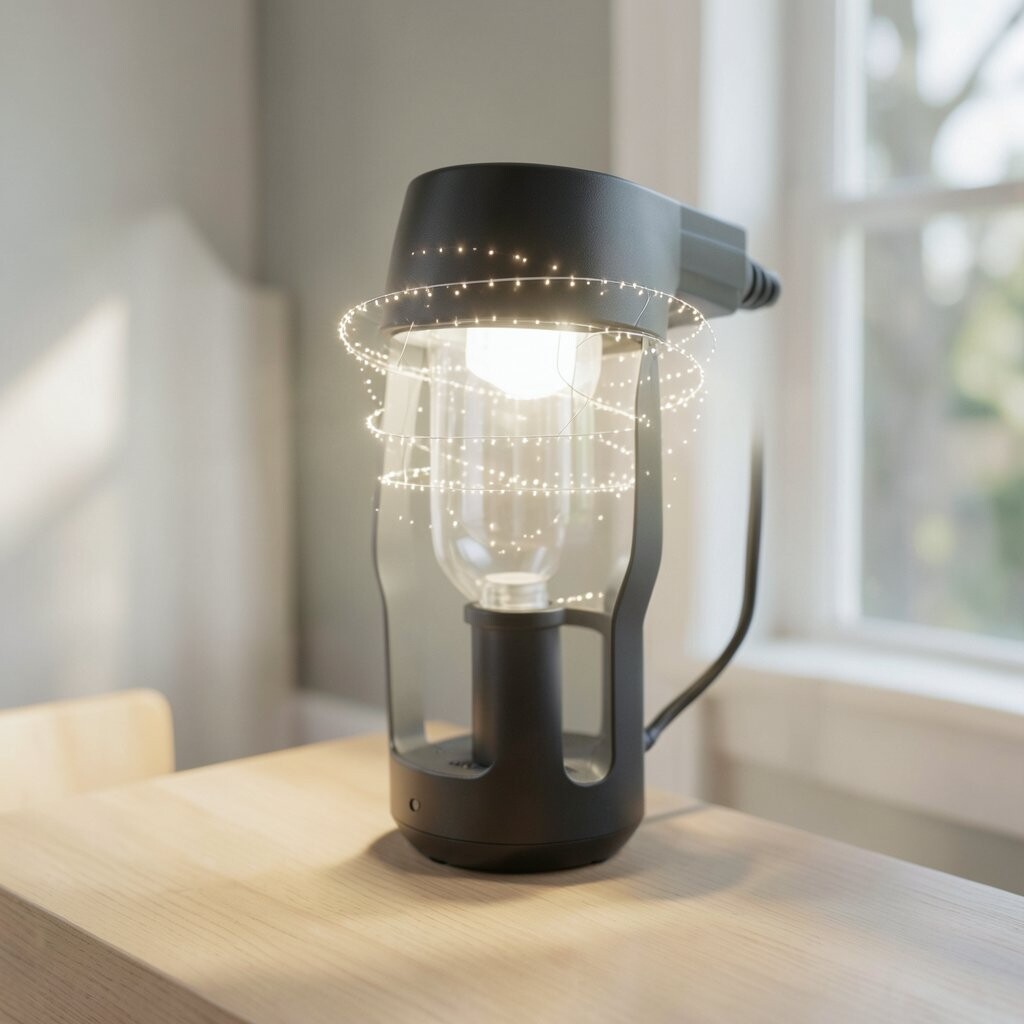
The best grow light setup is one that fits your room, your plants, and your daily life. A setup that is too big or too hard to reach can be annoying, even if it works well on paper.
Think about where the light will sit, how much power it uses, and how it will look in the room. Some people want a hidden shelf setup, while others like a bright plant corner that becomes part of the decor.
Cost matters here too, since a simple setup may be enough for many homes. When you choose a setup that feels right for your space, it is easier to keep using it and keep your plants in good shape.