Oversized art can shape a room fast and give a wall a clear focus. A good hang can make the piece feel calm, balanced, and easy to enjoy.
1. Pick the right wall first

Start by looking for a wall that can hold the size and weight of the art. A large blank wall in a living room, hall, or dining area often works well because it gives the piece room to breathe.
Think about how people move through the space. If the art hangs where eyes can see it right away, it can set the mood for the whole room.
A wall with simple furniture nearby often helps the art stand out more. This also keeps the room from feeling crowded.
2. Measure the wall and the art

Measuring may feel plain, but it helps a lot with oversized art. You want the piece to fit the wall in a way that feels steady and not too small or too tight.
Use a tape measure and write down the wall width, wall height, and the art size. This makes it easier to plan the space above a sofa, bed, or sideboard.
Good measuring can save time and cost because it helps you avoid extra holes or the need to move heavy art again. It also gives you a cleaner result.
3. Check the weight before you hang
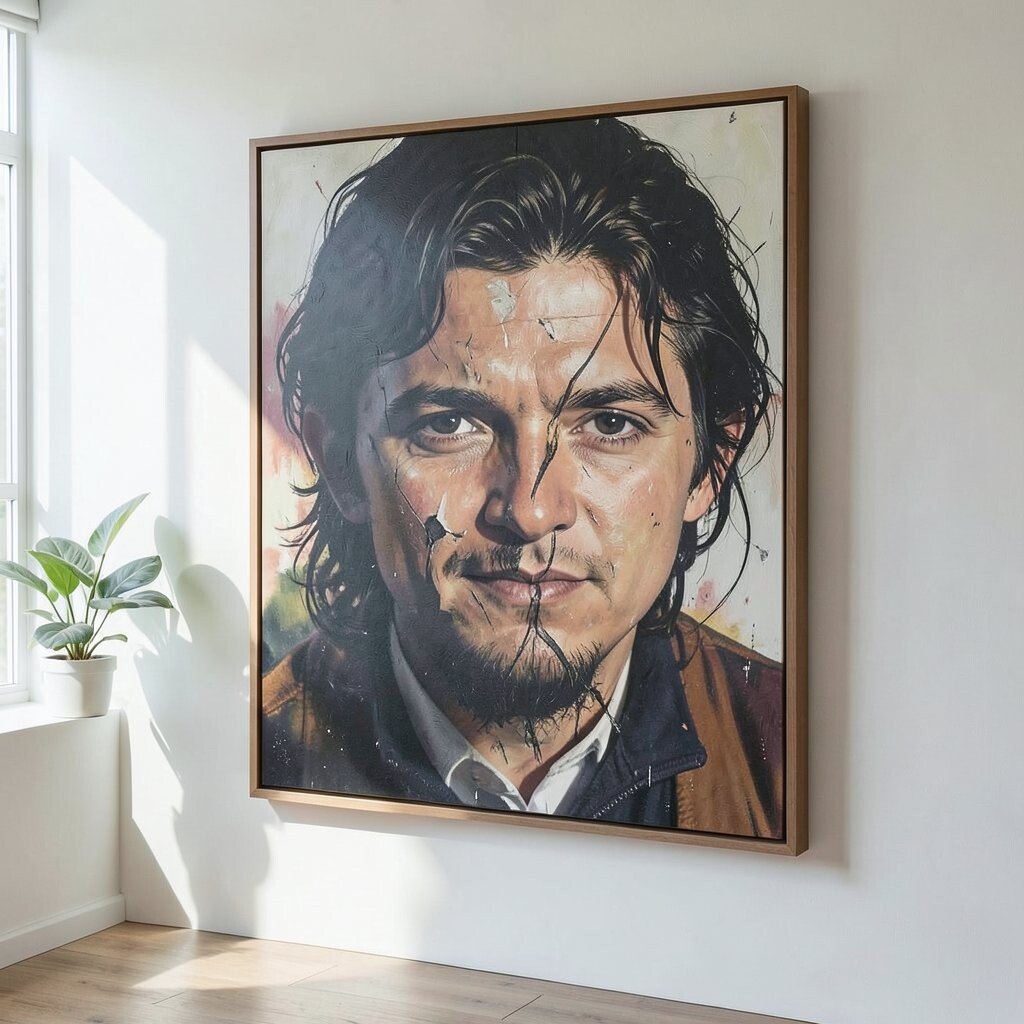
Oversized art can be heavy, so weight matters as much as size. A large frame, thick canvas, or glass cover can all add more load than you may expect.
Look at the back of the piece or ask the seller for the weight. Then match it with hardware that can hold more than that amount.
This step helps keep the art safe and gives you peace of mind. It also helps the wall hold up well over time.
4. Use strong hardware that fits the job
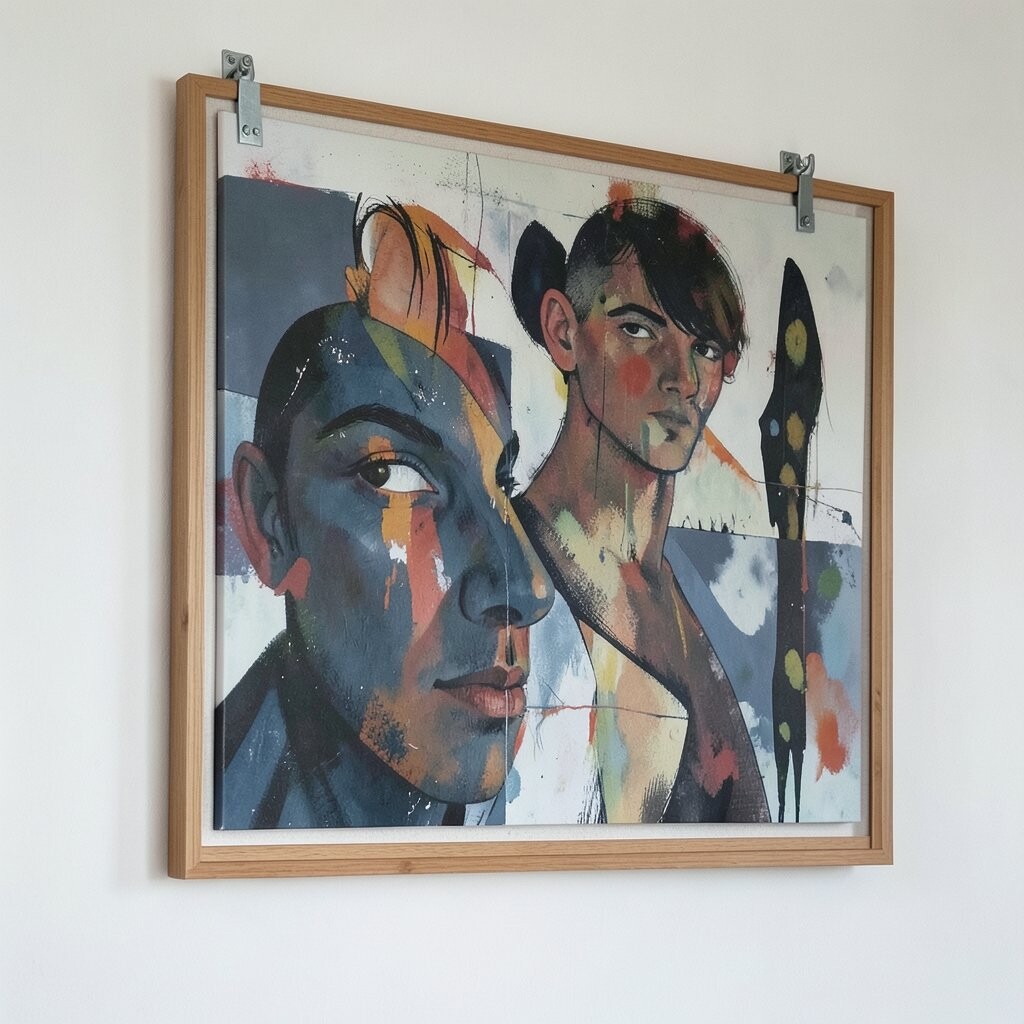
Heavy art needs the right tools, not just a plain nail. Wall anchors, picture hooks, French cleats, and heavy-duty screws are common choices for a secure hang.
The best pick depends on your wall type and the art weight. Drywall, plaster, brick, and wood all need different support.
Using the right hardware can cost a bit more, but it is worth it. It helps the art stay level and reduces the chance of damage.
5. Hang it at the right height

A common rule is to keep art near eye level, but oversized art may need a little more thought. The goal is to make it feel tied to the room instead of floating too high or sitting too low.
When hanging above furniture, leave some open space between the top of the furniture and the bottom of the art. This helps the wall feel calm and planned.
Try stepping back often as you mark the spot. What looks right up close may feel off once you see the whole wall.
6. Center it with the room, not just the wall

Sometimes the wall itself is not the best guide. A large piece may look better when it lines up with the sofa, bed, or table below it.
This can make the room feel more balanced, especially in open spaces. It gives the art a clear place in the layout.
Centering by furniture also helps the piece feel more personal and settled. It makes the room look like it was planned as one whole space.
7. Try a paper mockup first

Before making holes, cut paper to the same size as the art and tape it to the wall. This simple step helps you see the full shape and size in the room.
You can move the paper around until the placement feels right. It is an easy way to test the look without any risk.
This method is useful for costly art because it lowers the chance of mistakes. It also helps you compare a few spots before you choose one.
8. Use painter’s tape to map the space
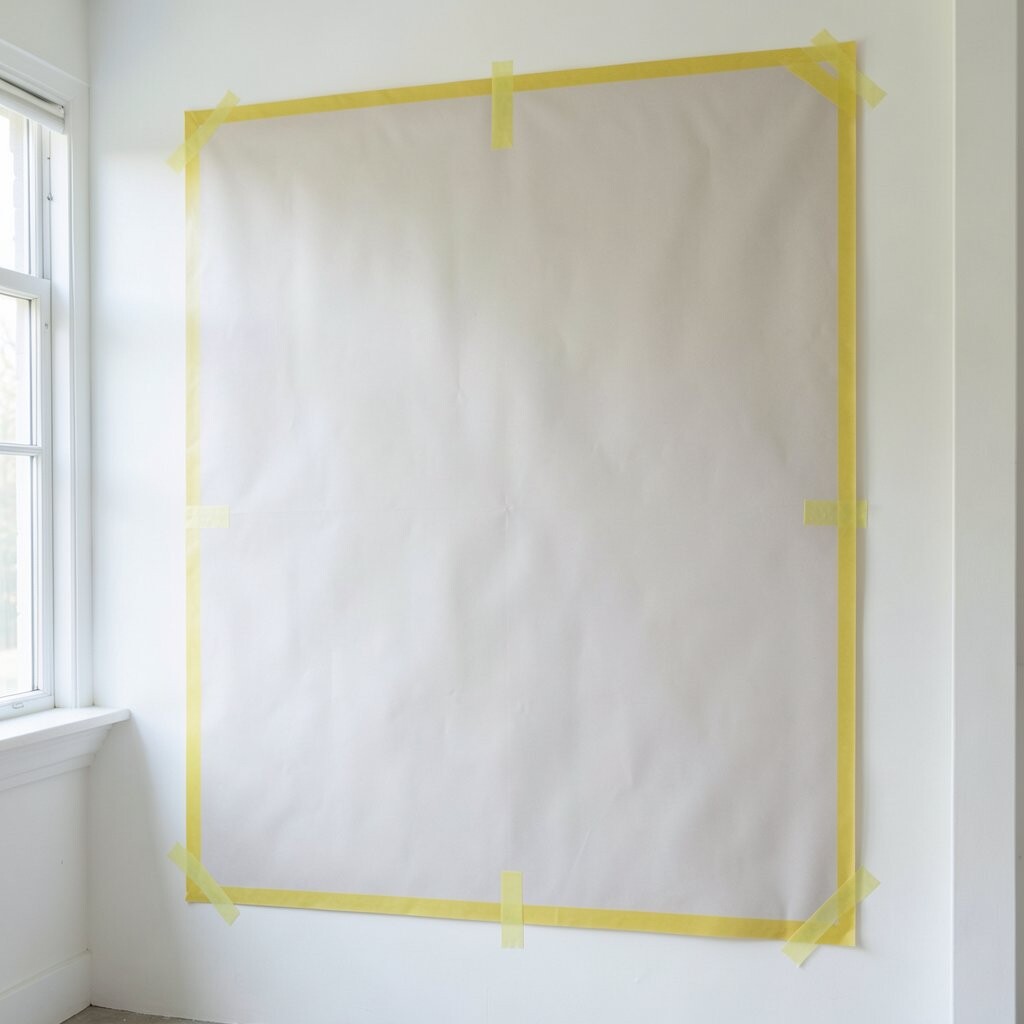
Painter’s tape can mark out the edges of the art on the wall. This gives you a clear view of how much space the piece will take.
It can help you check if the art feels too wide, too tall, or just right. You can also use it to see how the piece works with shelves, lamps, or windows nearby.
This trick is cheap and easy, which makes it great for most homes. It helps you make a smart choice before you commit.
9. Make sure the wall can hold it

Not every wall is ready for heavy art. Some walls need anchors into studs, while others may need special fasteners for brick or plaster.
If the wall feels weak, it may be best to ask for help from a pro. That can be a good choice for very large or costly art.
A safe wall keeps the art in place and protects your home from damage. It also helps you enjoy the piece without worry.
10. Leave room around the art

Oversized art looks best when it has some open space around it. If the wall is too busy, the piece can feel crowded and lose its impact.
Try to keep nearby decor simple. A plain lamp, one chair, or a small table can work well without taking over the wall.
This is one reason large art is so popular in modern homes. The clean look makes the piece feel bold in a quiet way.
11. Match the art to the room style

The art should fit the room in a way that feels natural. A soft abstract print may suit a calm room, while a bright photo can add life to a plain space.
Look at the colors, shapes, and mood of the room before you hang the piece. You do not need everything to match, but there should be some clear link.
This can be a good place to show your taste. A personal choice often feels more real than something picked just to follow a trend.
12. Use a bold frame or no frame at all

The frame can change the whole look of oversized art. A thick wood frame can make it feel warm and grounded, while a slim metal frame can make it look clean and modern.
Some art works best with no frame at all, especially canvas pieces. That can give the work a simple, open feel.
Frame choice can also affect cost, so it helps to plan early. A smart frame choice can make the art look more finished without spending too much.
13. Keep the hang level and steady

A level hang may seem small, but it matters a lot with large art. Even a small tilt can stand out once the piece is on the wall.
Use a level tool and check the placement more than once. If the art is very wide, it helps to have another person hold it while you look.
A steady hang gives the room a neat, cared-for look. It also helps the art feel like part of the home instead of something added at the last minute.