Painted brick can give a home a fresh look, but small mistakes can lead to peeling, stains, and extra work. Careful planning and the right steps help the finish last longer and look clean.
1. Skipping a Full Brick Check
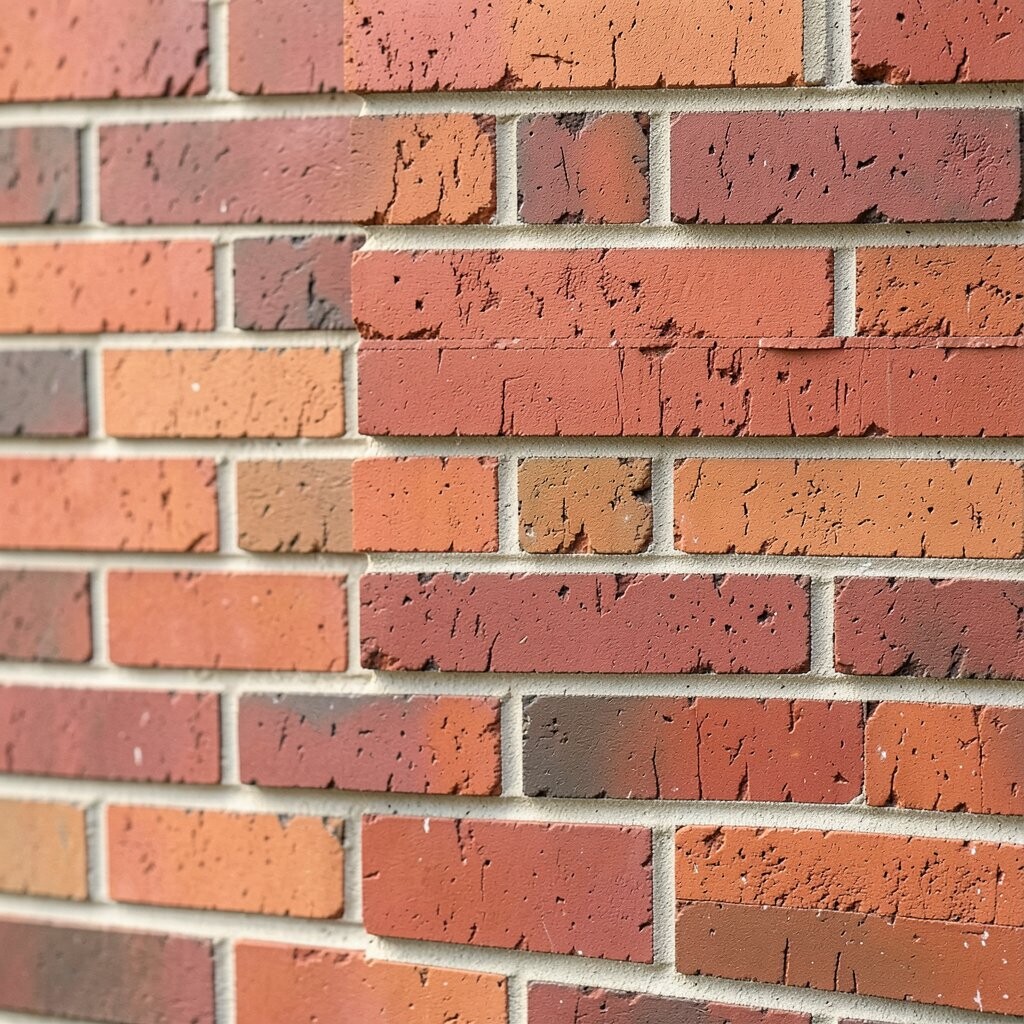
One big mistake is painting brick without checking its full condition first. Brick can look fine from far away and still have cracks, loose mortar, salt marks, or old repairs that need care.
When you skip this step, paint may hide the problem for a short time, but it will not fix it. A close look helps you spot spots that may need patching, cleaning, or dry time before any paint goes on.
2. Painting Dirty Brick

Brick often holds dust, mud, mold, and old stains, and paint does not stick well to a dirty surface. If you paint over grime, the finish may peel, bubble, or show dull patches.
Cleaning may feel slow, but it is one of the best ways to help painted brick last. A clean wall also gives a smoother, more even look, which is a big part of the appeal of painted brick.
3. Ignoring Moisture Problems

Brick can trap water, and that water can cause real trouble under paint. If the wall has leaks, damp spots, or wet mortar, the paint may fail fast and may even trap more moisture inside.
This can lead to flaking, stains, and a worn look that is hard to fix. Before painting, make sure the wall is dry and the source of any water problem is handled first.
4. Using the Wrong Paint Type

Not every paint works well on brick, and using the wrong kind can cause a poor finish. Brick needs paint that can deal with rough texture and allow some breath to pass through the wall.
Many people use masonry paint or a paint made for brick, since these are made for this job. The right product can help the wall look neat and can lower the chance of peeling later.
5. Forgetting to Prime First

Primer is often missed, but it can make a big difference on painted brick. It helps the paint stick better and can also help cover dark spots, stains, or uneven color.
Without primer, the final coat may soak in unevenly and look patchy. A good primer can also help give a more steady base, which makes the paint job look more clean and put together.
6. Painting Over Damaged Mortar

Mortar joints matter just as much as the brick itself, and broken mortar can ruin the whole look. If the joints are cracked or crumbling, paint may not stay in place for long.
Fixing mortar first can save time and money later. It also helps the wall look better, since painted brick often shows every line and edge in a clear way.
7. Choosing a Color Without Testing It

A color chip can look very different once it is on a full brick wall. Brick texture, sun light, shade, and nearby trim all change how the color looks in real life.
Testing a small area first helps you avoid a costly mistake. It also gives you a chance to see if you want a soft white, a warm gray, a deep red, or some other look that fits your home.
8. Not Thinking About the Home Style

Painted brick should fit the home, not fight against it. A color or finish that looks nice on one house may look odd on another, based on shape, roof color, windows, and yard style.
Some homes look best with a bright, clean coat, while others need a softer tone. A little planning can help the brick feel like part of the home instead of something added at the last minute.
9. Applying Paint Too Thick

Thick paint may seem like a fast way to get full coverage, but it can cause trouble on brick. Heavy coats can hide the natural texture in a harsh way and may also crack or peel more easily.
Thin, even coats usually work better and look more natural. They let the brick keep some of its shape while still giving the fresh, clean look many people want.
10. Rushing the Dry Time

Paint needs enough time to dry between coats and after the job is done. If you rush, the finish may stay soft, stick to dirt, or mark up too soon.
Weather can also change dry time, since damp air or cool days can slow things down. Patience helps the paint set well and gives you a better result that lasts longer.
11. Ignoring the Weather

Weather can change how painted brick turns out, and many people forget to plan around it. Hot sun, rain, wind, and cold air can all affect how paint sticks and dries.
The best time to paint is usually when the weather is mild and dry. That makes the job easier and can help the finish look more even and less streaky.
12. Painting Without Proper Tools
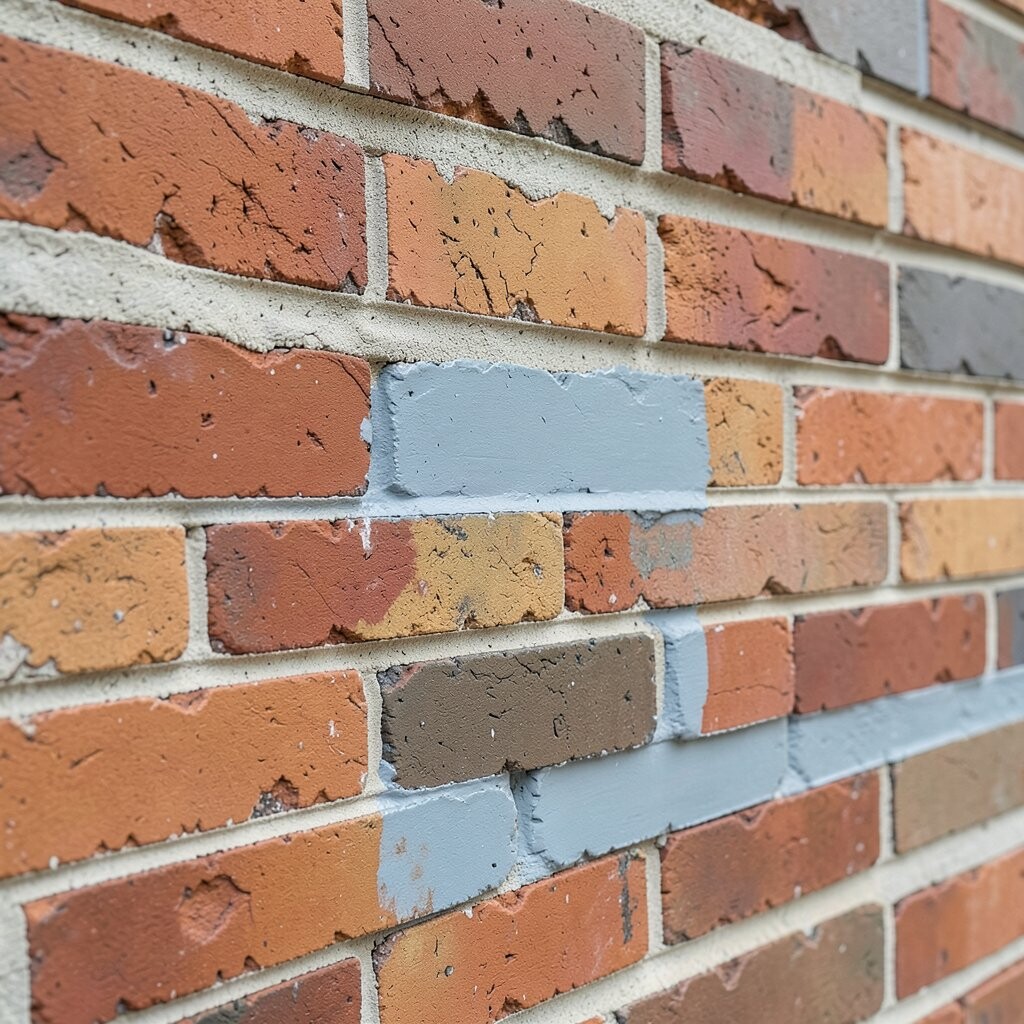
Brick has a rough face, so the wrong brush, roller, or sprayer can leave missed spots and uneven lines. A cheap tool may also waste paint and make the work harder than it needs to be.
Good tools help reach deep spots and cover the full surface with less mess. They can also make the job feel more smooth, which matters when you want a neat painted brick finish.
13. Forgetting to Cover Nearby Areas

Painted brick jobs can get messy fast, and nearby windows, doors, plants, and walkways can get splashed. If you do not cover them well, cleanup can take a long time.
Simple drop cloths and tape can save a lot of trouble. They also help the final look by keeping clean edges around the brick, trim, and other parts of the home.
14. Not Planning for Future Care

Painted brick is not a one-time job that you can forget about forever. Over time, the surface may need touch-ups, light washing, or a fresh coat in some spots.
Planning for care helps you keep the home looking good without a big surprise later. It can also help with cost, since small fixes are often much cheaper than a full redo.
15. Following Every Trend Without Thinking
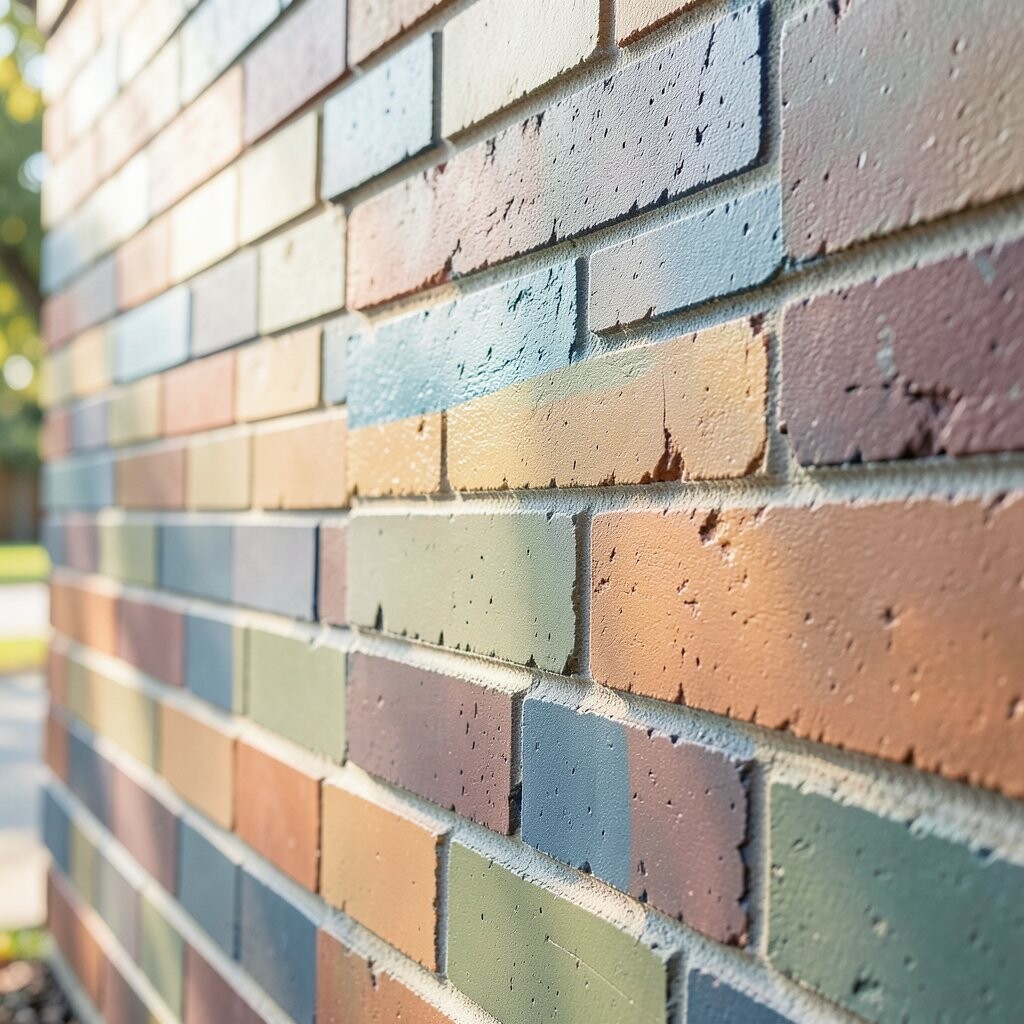
Painted brick trends can look nice in photos, but they do not work for every home or every owner. A very bold color or a very bright white may look fresh now and feel wrong later.
The best choice is one that fits your taste, your home, and your street. Personal style matters, and a look you enjoy for years is usually better than one that only follows a passing trend.