Leather stitching can be simple to start and still give you neat results. These ideas can help you make useful pieces with a clean look and steady hand work.
1. Basic Running Stitch
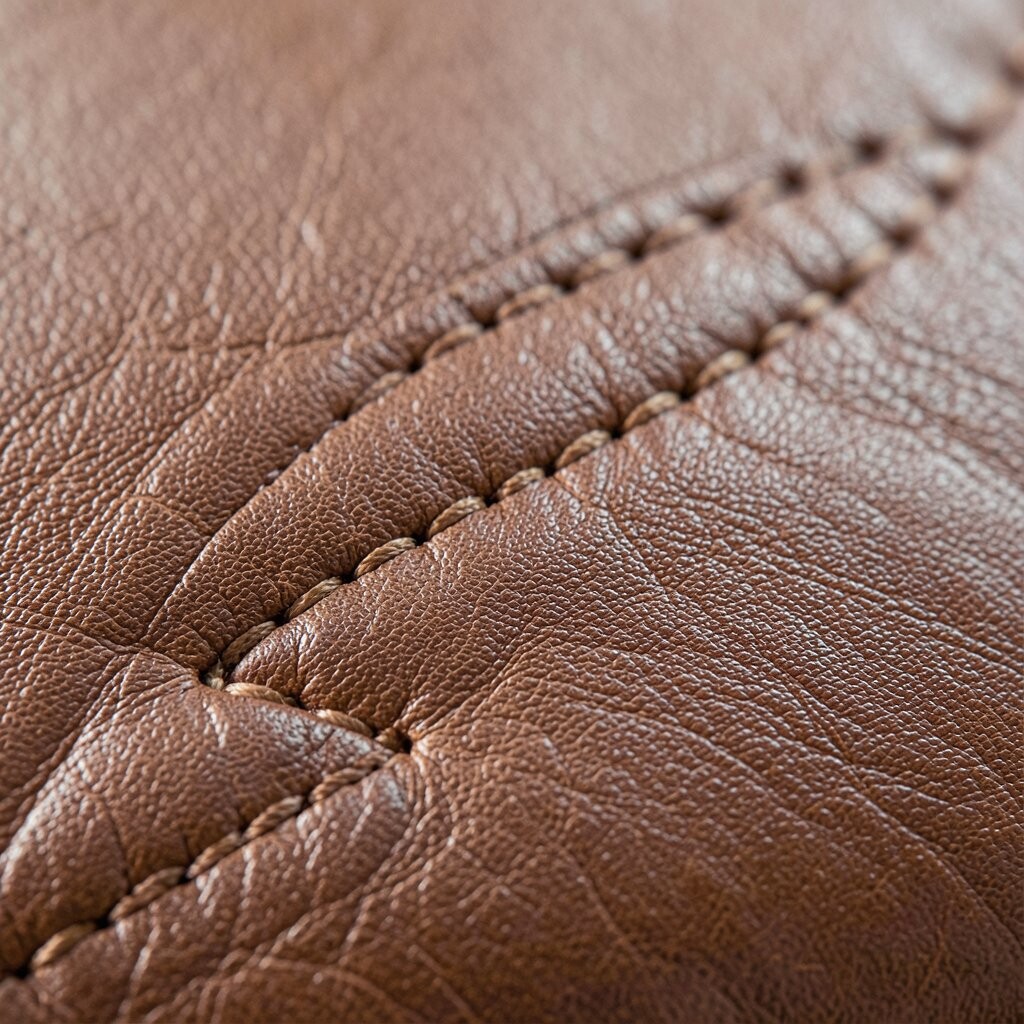
The running stitch is one of the easiest ways to join leather pieces. It looks neat, feels light, and works well for small repair jobs and simple projects.
You can make it with a needle, thread, and a few marked holes. It is low cost and easy to learn, so it is a good first step for beginners.
2. Saddle Stitch
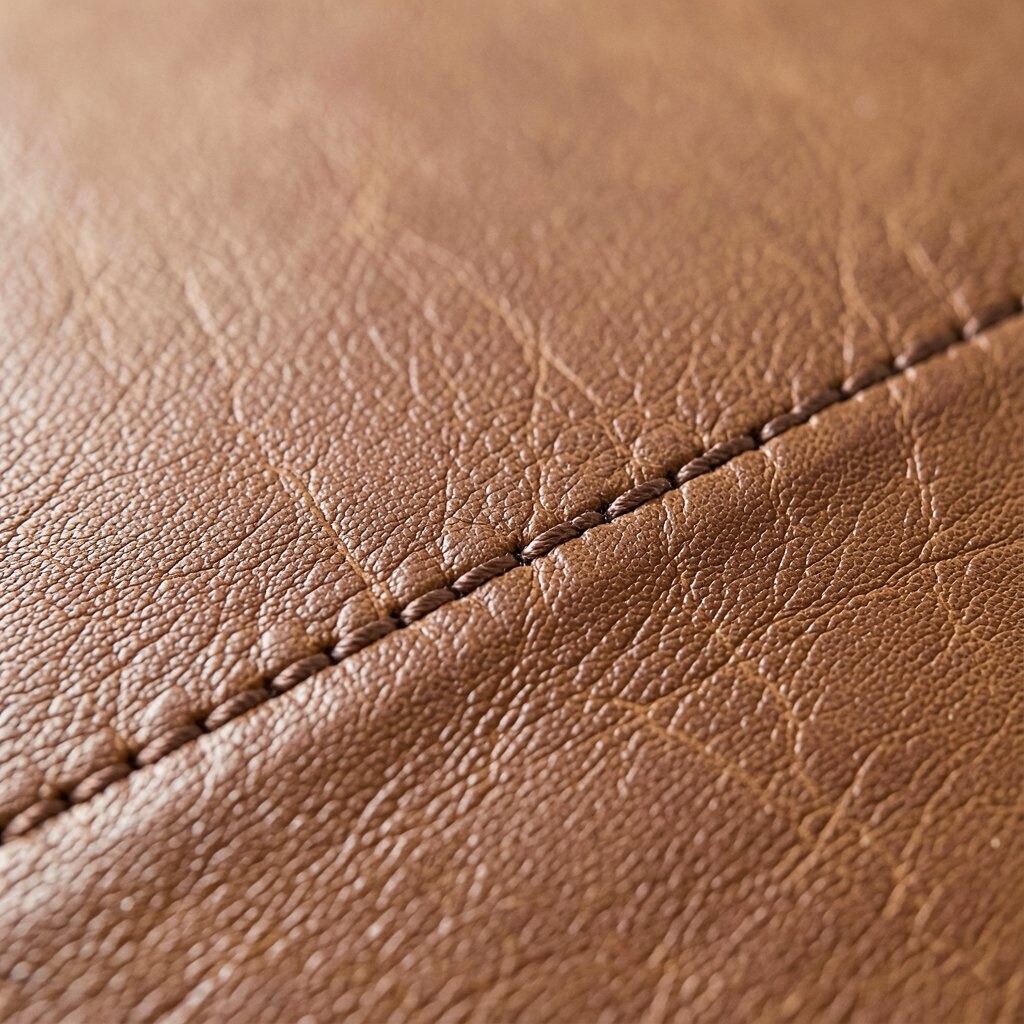
The saddle stitch is a strong hand stitch that many leather crafters use. It has a clean look on both sides and can hold up well over time.
This stitch is great for wallets, belts, and bags. It takes more time than a basic stitch, but it gives a firm finish that many people like.
3. Cross Stitch Detail
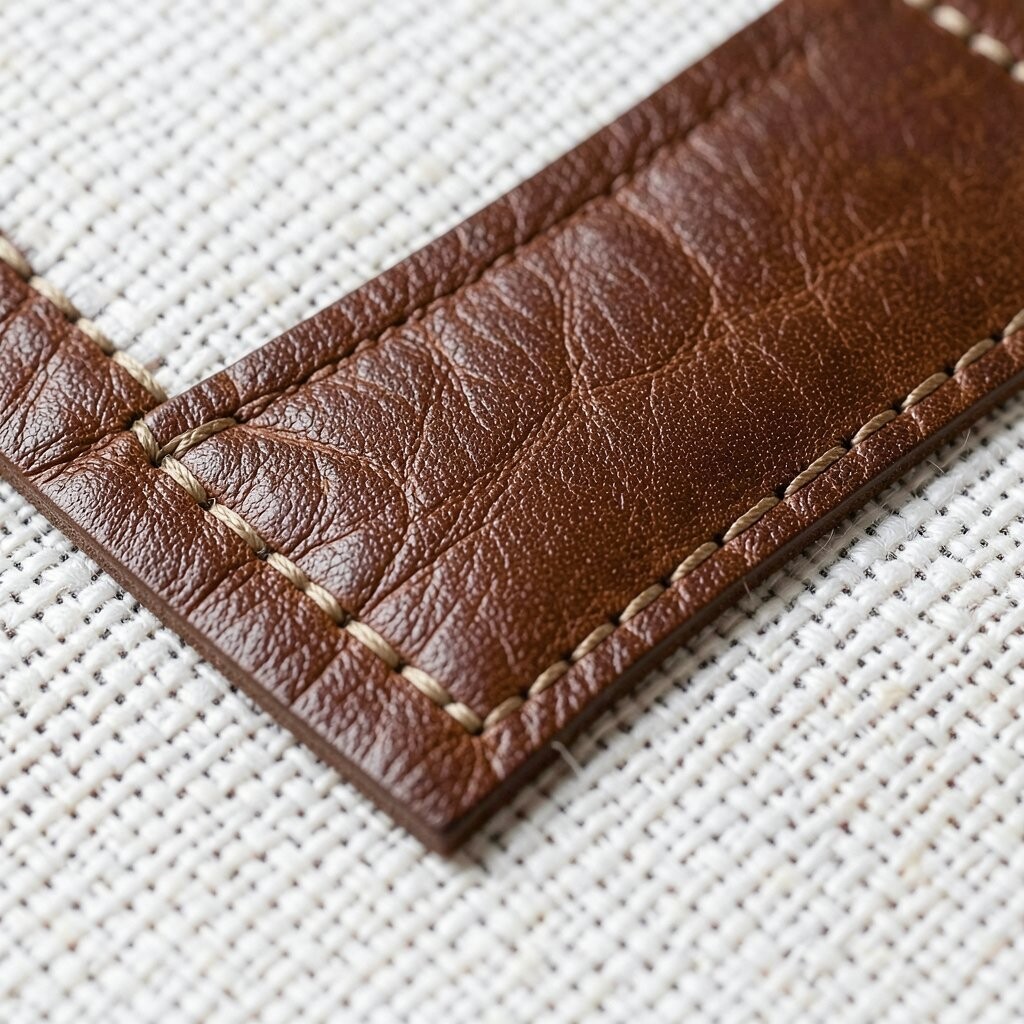
Cross stitch on leather can add a bold, handmade look. The thread makes a small X shape, which stands out well on plain leather.
You can use it on straps, cases, and edge details. It is a nice way to add style without buying costly tools or hard-to-find parts.
4. Whip Stitch Edge
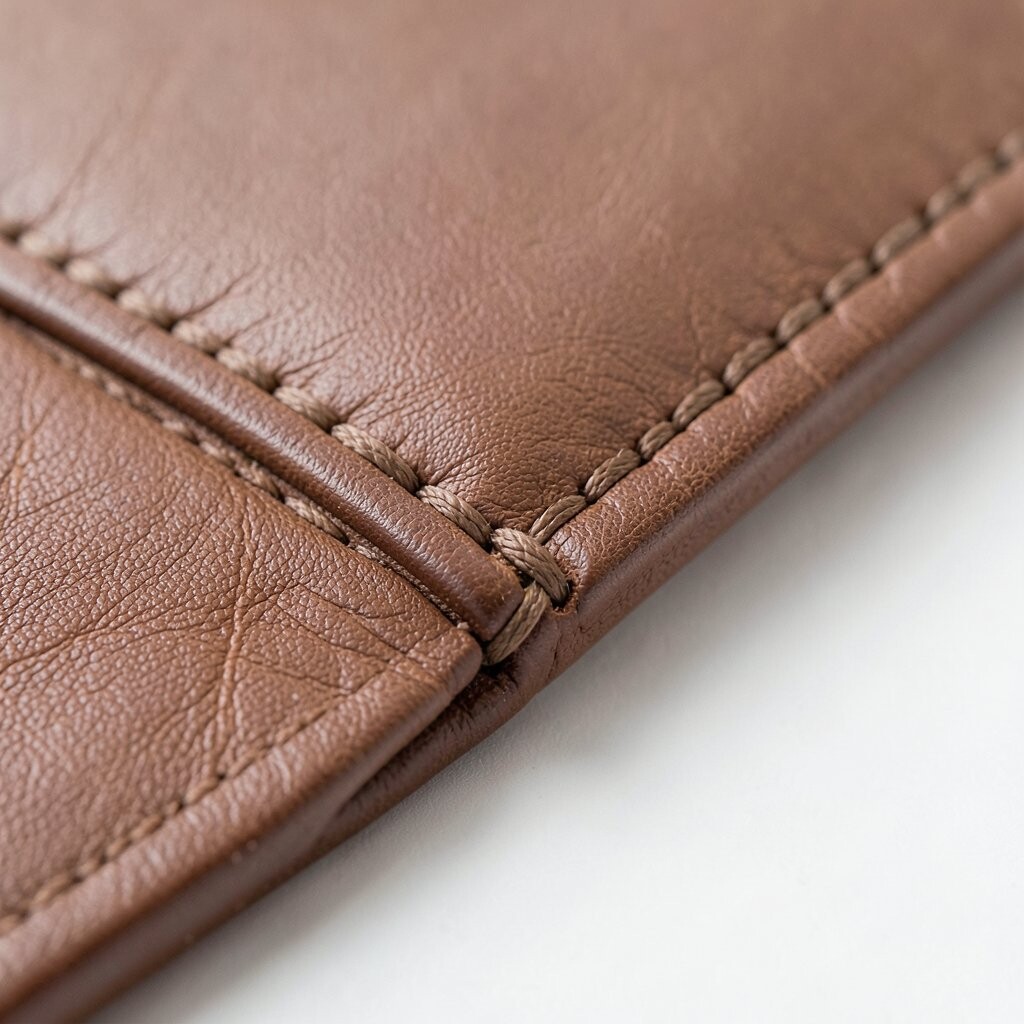
The whip stitch wraps thread around the edge of leather pieces. It gives a simple border look and can help hold soft leather in place.
This stitch is useful for pouches and small covers. It is easy to spot by eye, so it can help new makers keep a steady line as they work.
5. Blanket Stitch Finish
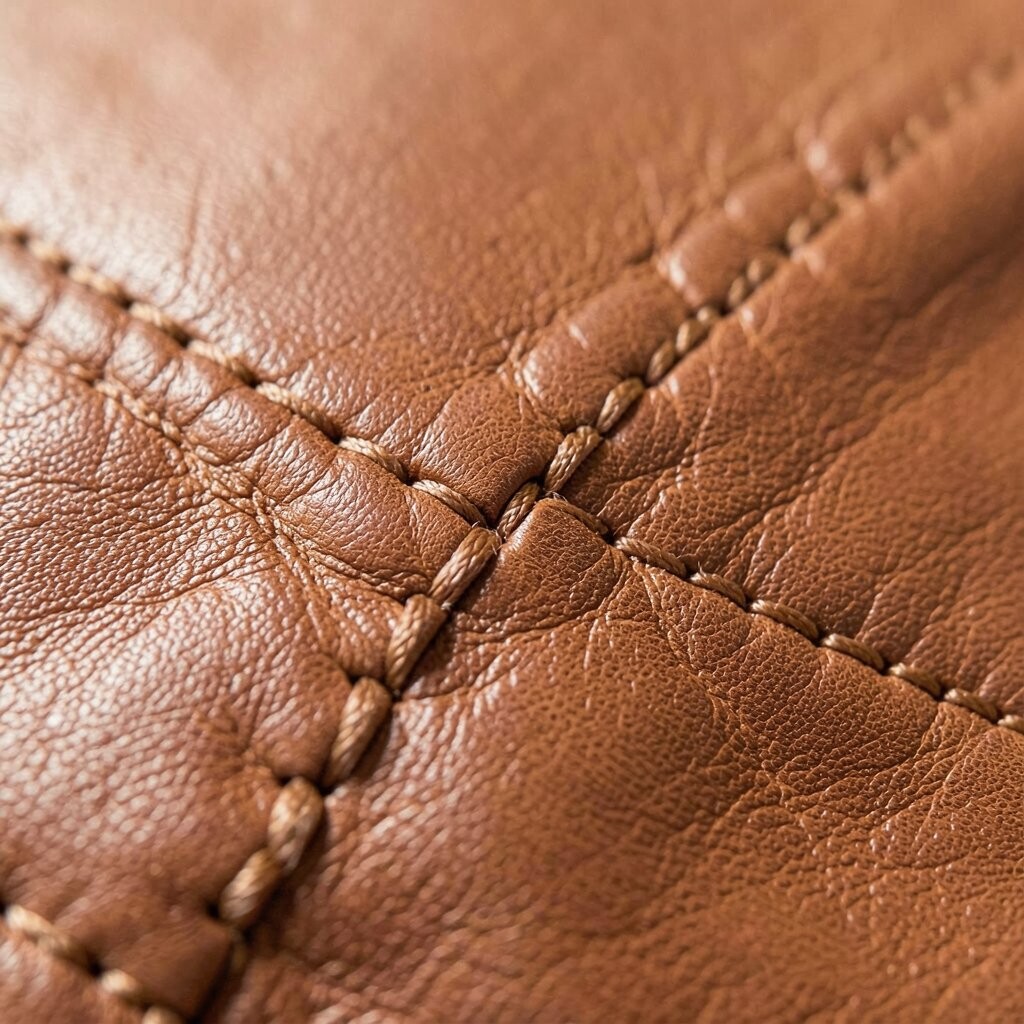
The blanket stitch makes a neat edge that looks tidy and smooth. It is often used on thicker leather or on parts that need a little extra care.
You can use it for bags, flaps, and decorative trim. Many beginners like it because it looks clean and can be made with plain thread or bright thread.
6. Baseball Stitch Style
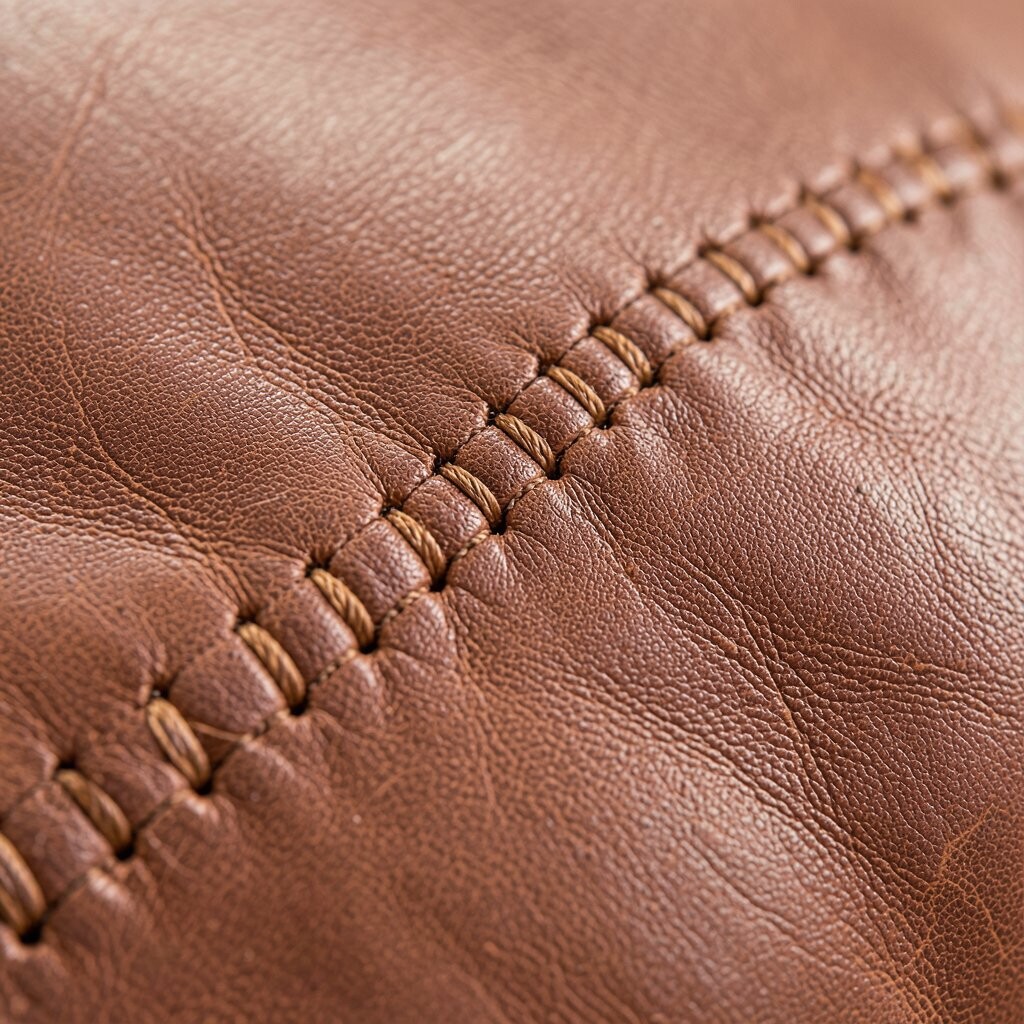
Baseball stitch has a fun crossed look that many people know from sports gear. On leather, it can make a case, cover, or panel look more finished.
This style works well when you want a bold seam that stands out. It can take some practice, but it gives a very clear pattern that looks nice in photos and in real use.
7. Box Stitch Corner
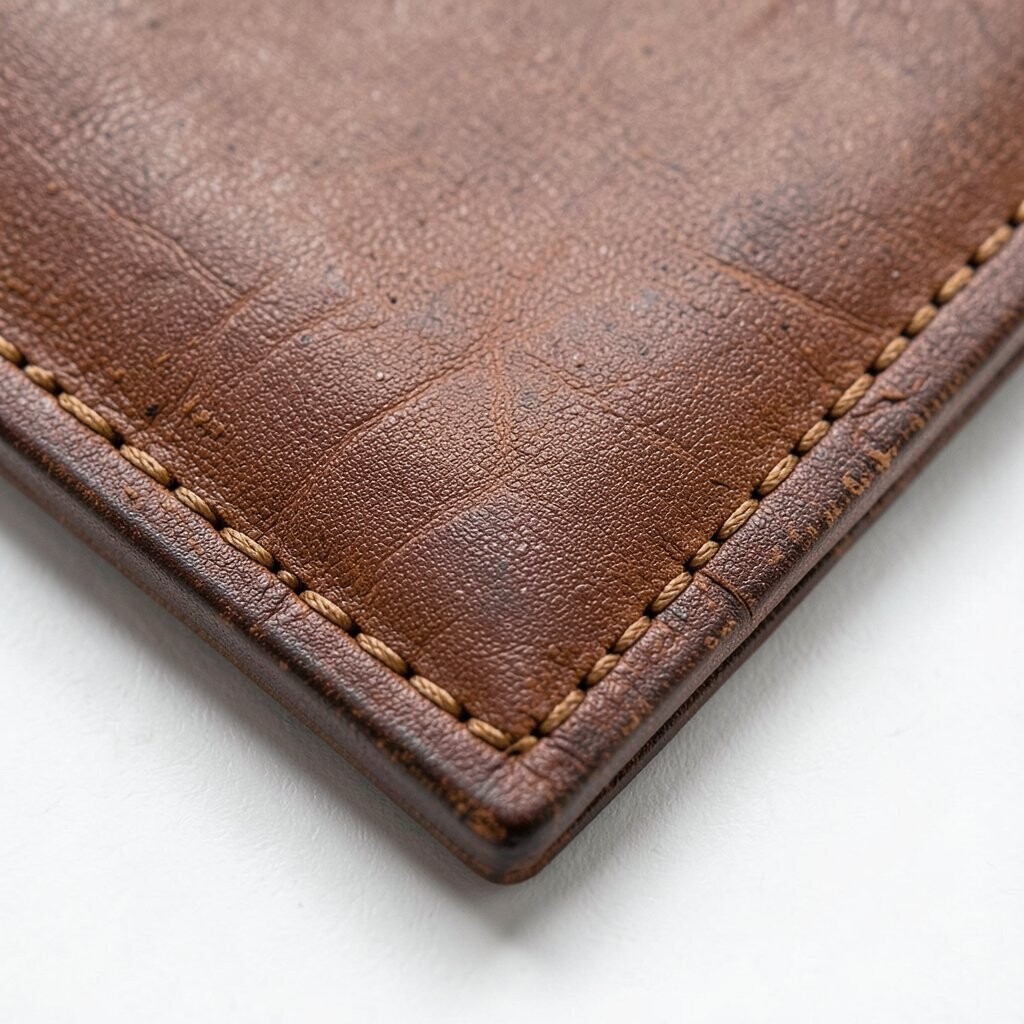
Box stitch is helpful when you need to join leather at a corner. It makes a firm shape and can help a small item keep its form.
You might use it for boxes, trays, or corner patches. It is a smart choice when you want a strong join without needing a lot of tools or extra parts.
8. Decorative Contrast Stitch
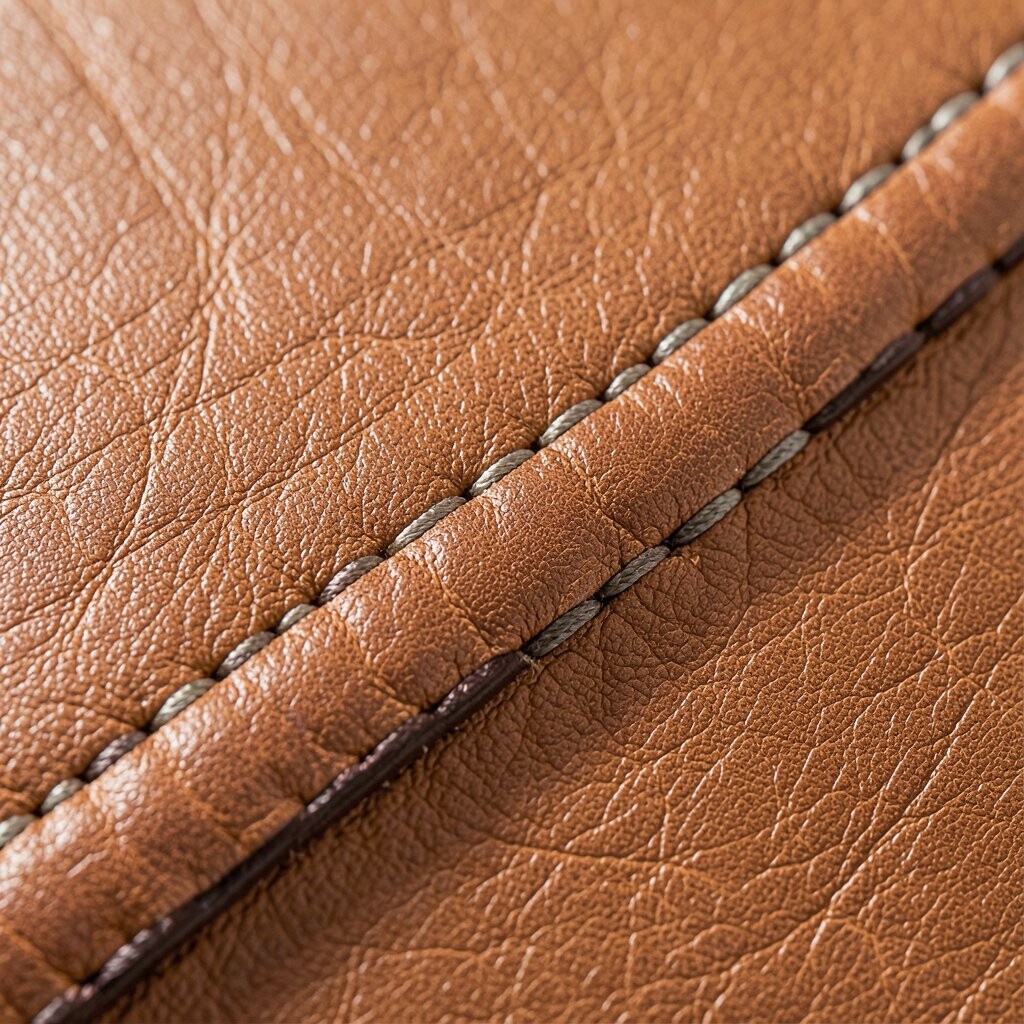
Contrast stitching uses thread that is a different color from the leather. This makes the stitch line easy to see and adds a fresh look to simple work.
White thread on dark leather, or dark thread on light leather, can look very sharp. This is a low-cost way to make a plain item feel more personal and current.
9. Hidden Stitch Look
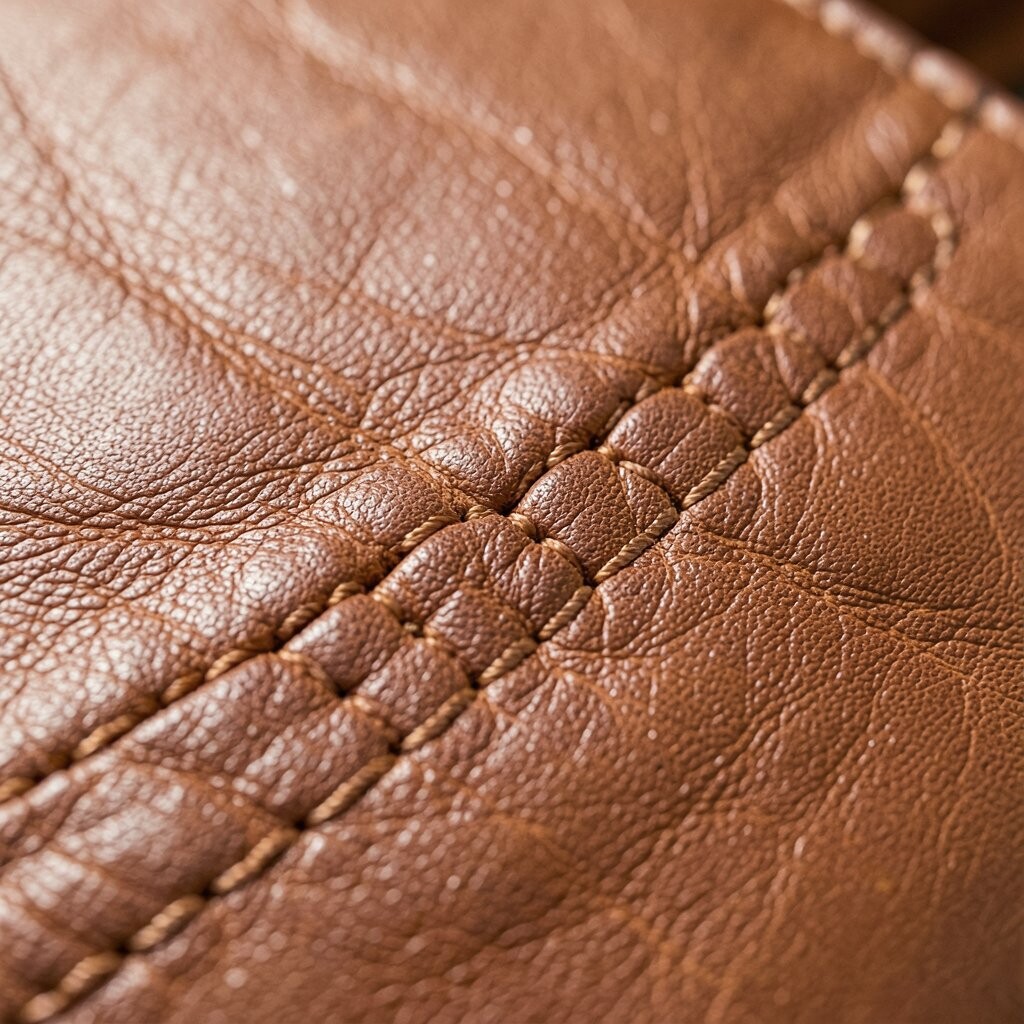
A hidden stitch can keep the thread less visible from the outside. This gives a calm and clean look that many people like for small leather goods.
It works well on items where the shape should stay simple. If you want a neat style with less visual clutter, this is a good stitch to try.
10. Edge Stitch Line
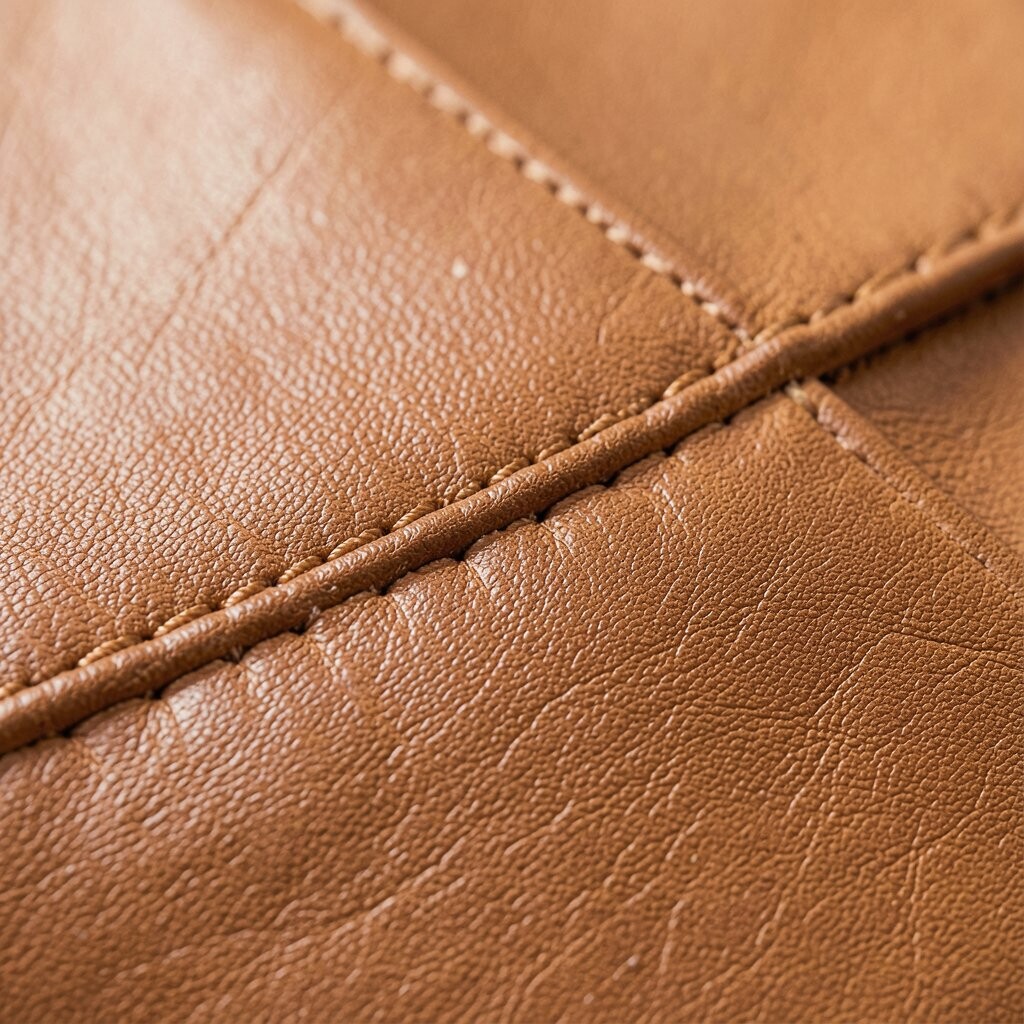
An edge stitch runs close to the edge of the leather piece. It can help guide the eye and make the item look more polished.
This stitch is often used on belts, covers, and straps. It is also a good way to add a bit of style without making the design too busy.
11. Simple Repair Stitch
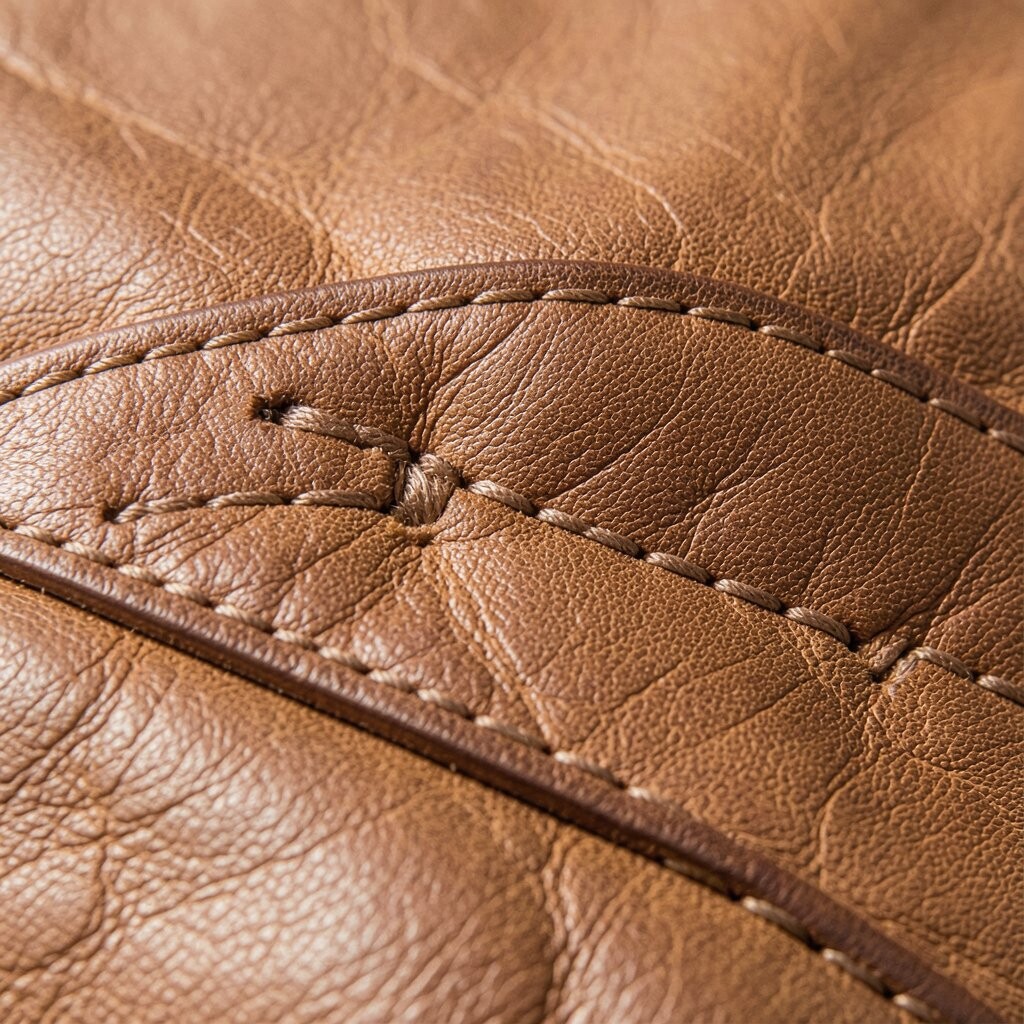
Simple repair stitching is useful when a seam opens or a part starts to loosen. You can fix the item without replacing the whole piece.
This saves money and helps leather goods last longer. It is one of the most useful beginner skills because it can be used on many common items at home.
12. Loop Stitch Accent
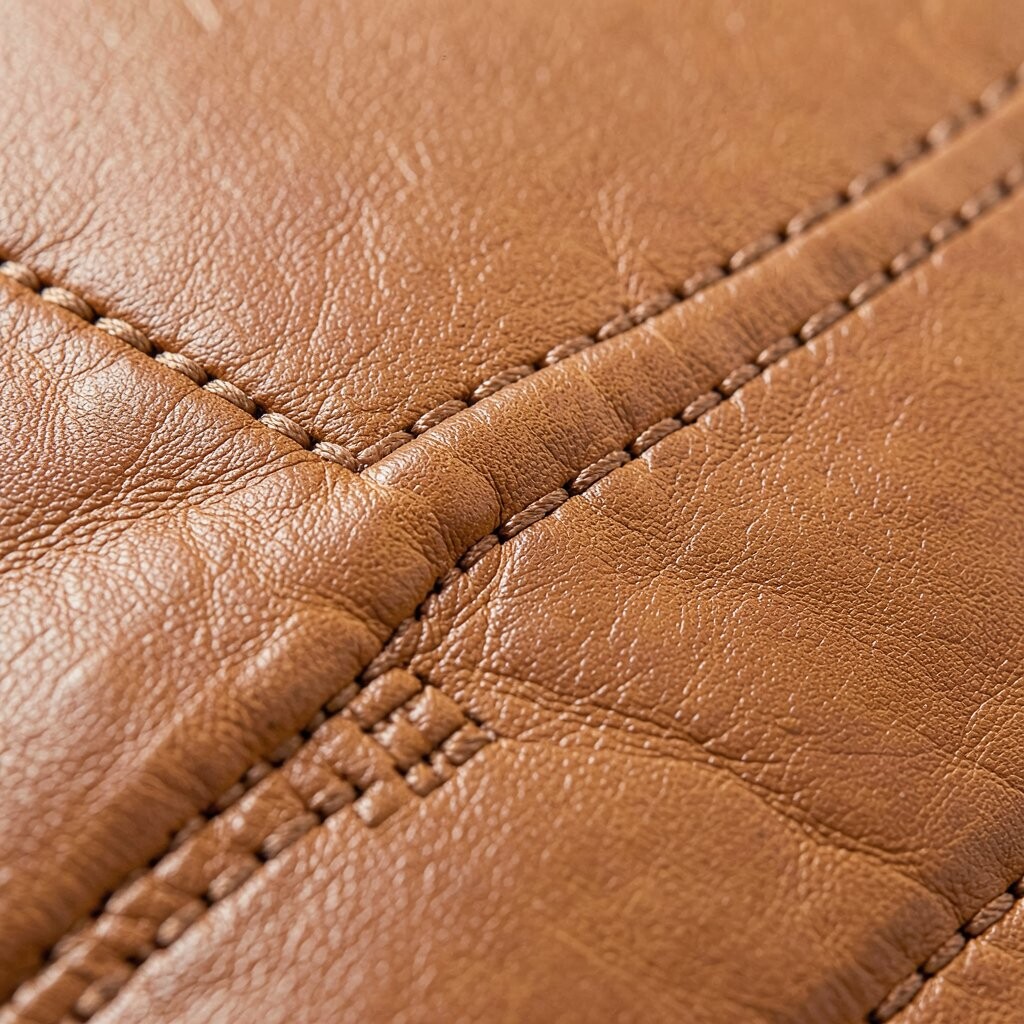
Loop stitch makes small loops that can give leather a soft, handmade feel. It can look nice on edges, covers, and small art pieces.
This style is a bit more decorative than a plain seam. It is a good way to add detail when you want your work to stand out in a simple way.
13. Double Row Stitching
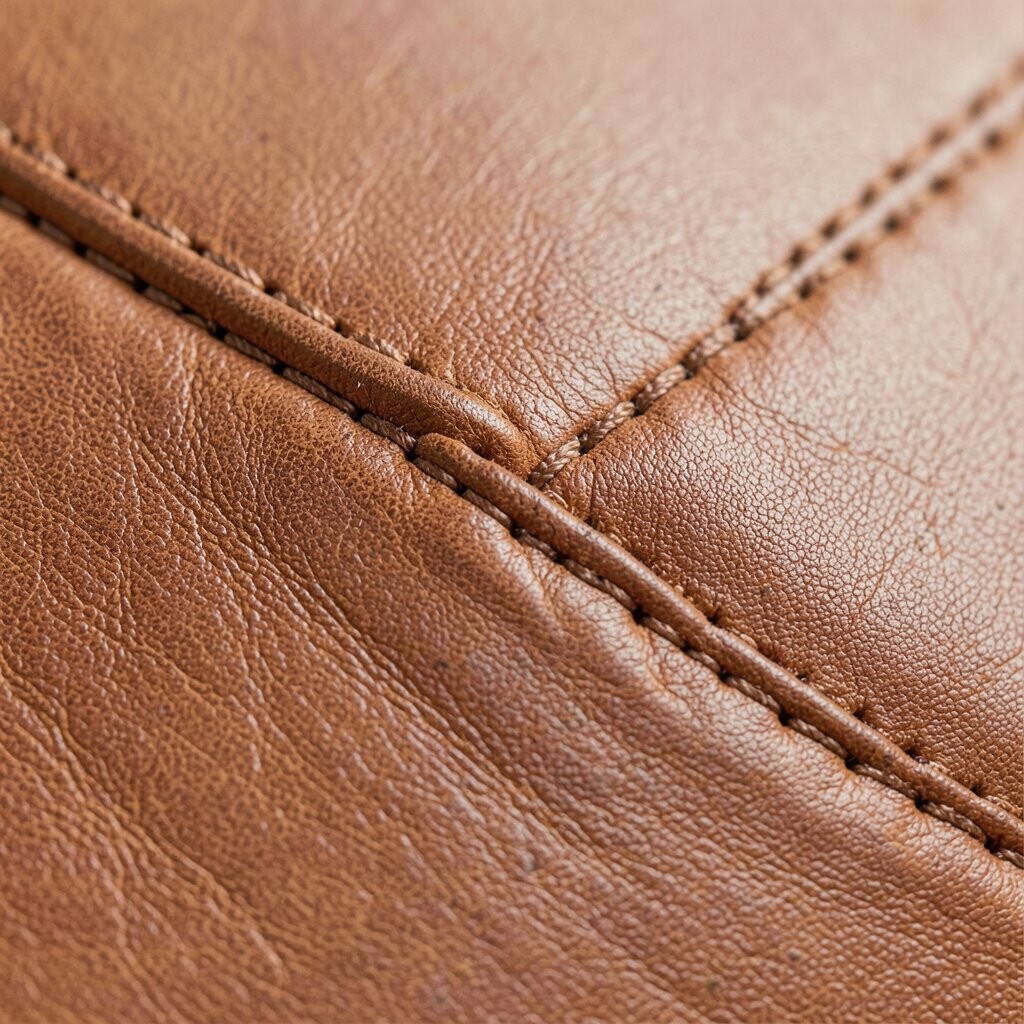
Double row stitching uses two lines of stitches side by side. It gives a balanced look and can make a project seem more finished.
This idea works well for straps, cases, and bag panels. It can also help beginners practice spacing, since the two lines need to stay even.
14. Thick Thread Stitch
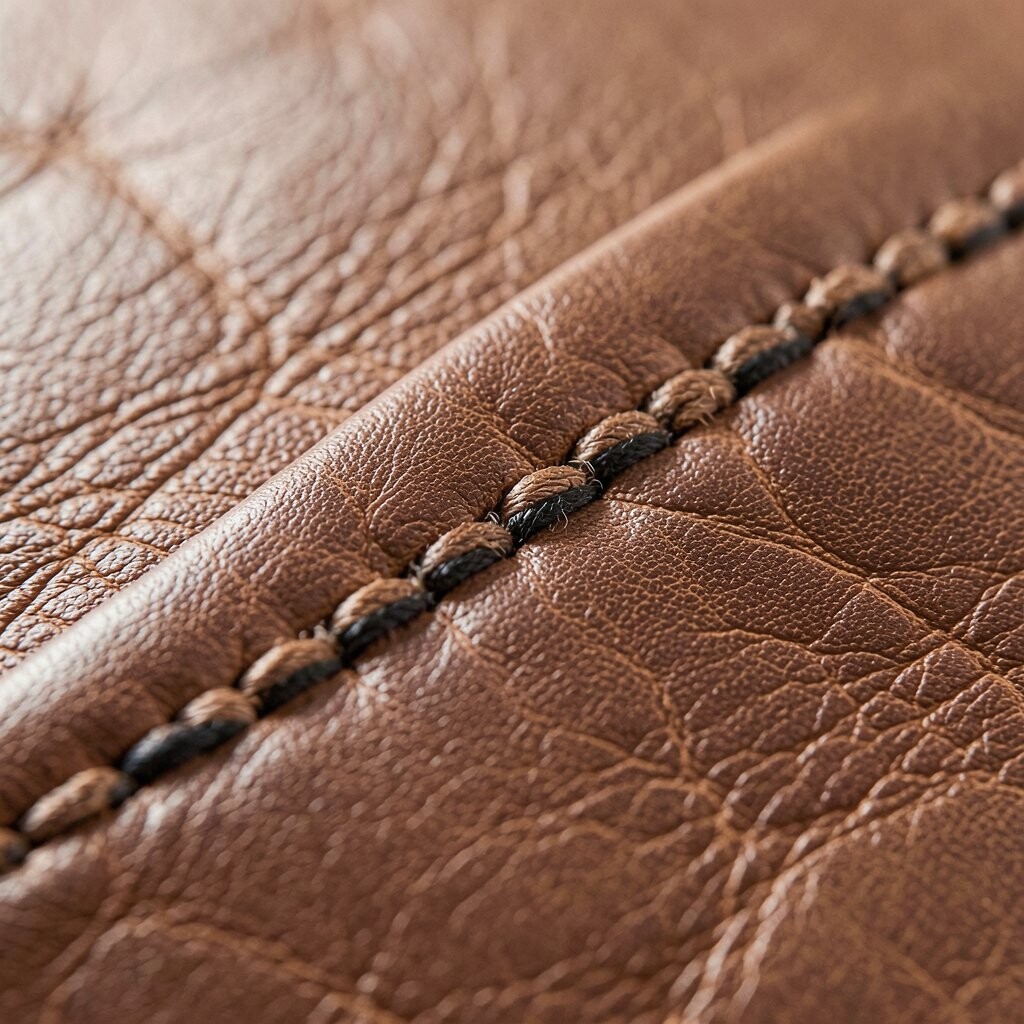
Thick thread can make leather work look bold and strong. The stitch line shows up well, so it can add a lot of visual weight to a small item.
This is a good choice for rustic styles and current handmade trends. It can cost a little more than thin thread, but it often gives a richer look.
15. Fine Thread Stitch
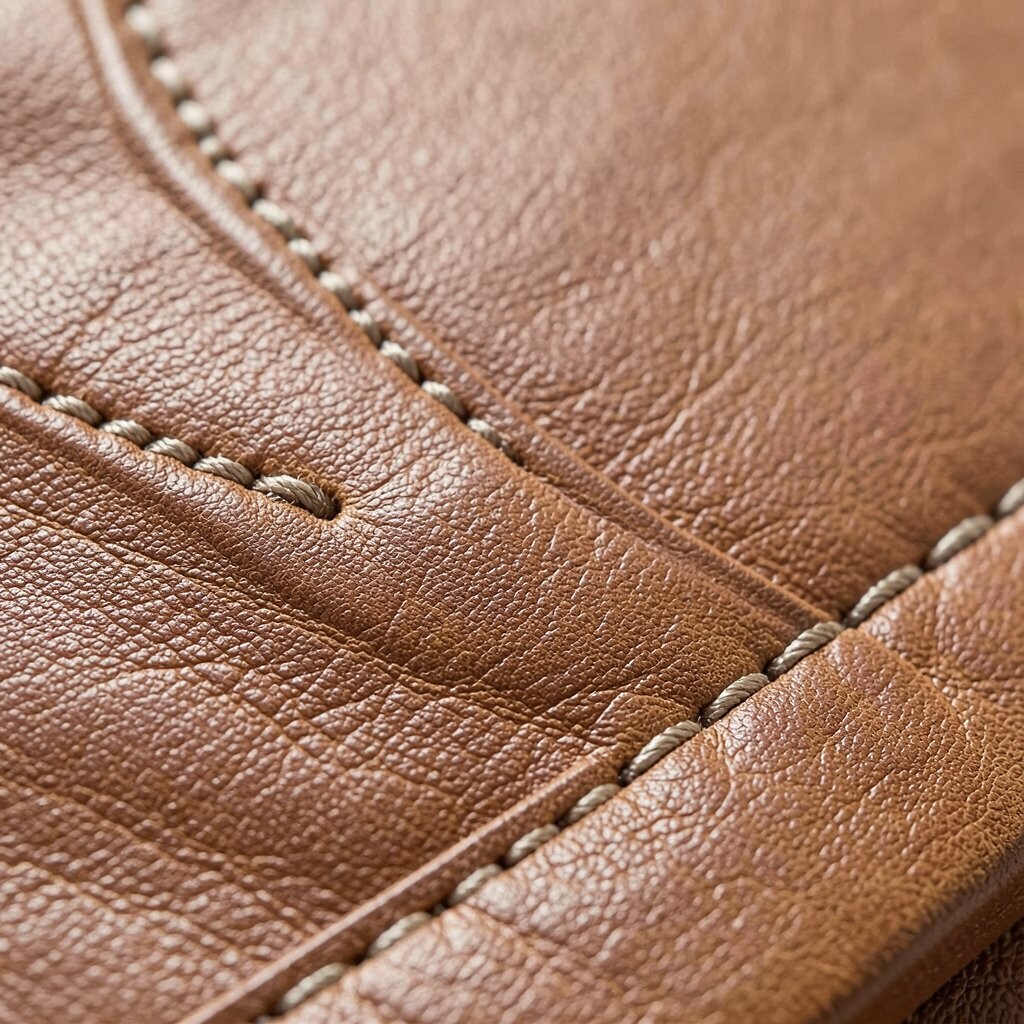
Fine thread gives a softer and more delicate look. It works well when you want the leather itself to stay the main focus.
This style can be nice for wallets, card holders, and slim cases. It is also helpful if you want a clean finish without a heavy seam line.
16. Hand-Punched Hole Stitching
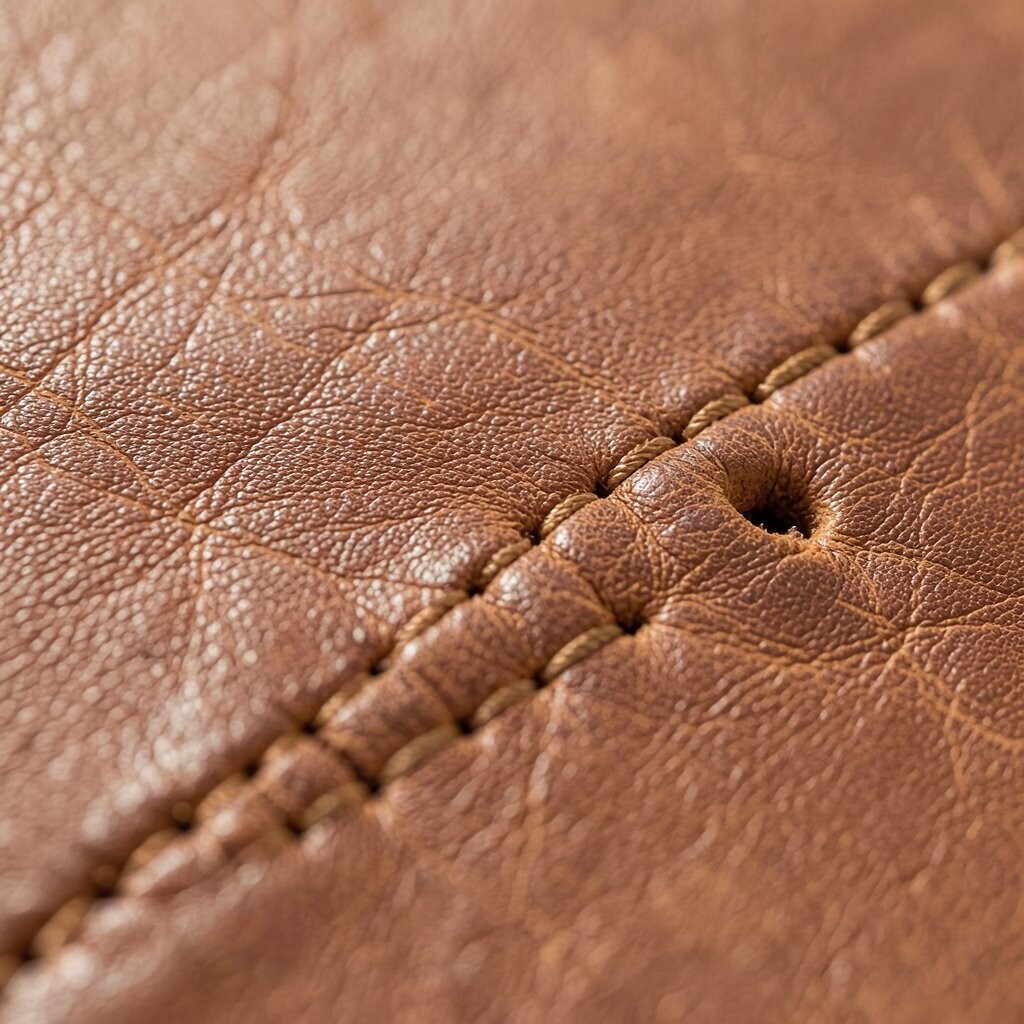
Hand-punched holes help keep stitches straight and even. They also make it easier to pass the needle through leather that is thick or stiff.
This method is common because it gives more control than guessing by eye. A simple punch tool can be a low-cost buy that helps a lot with neat results.
17. Marked Line Stitching
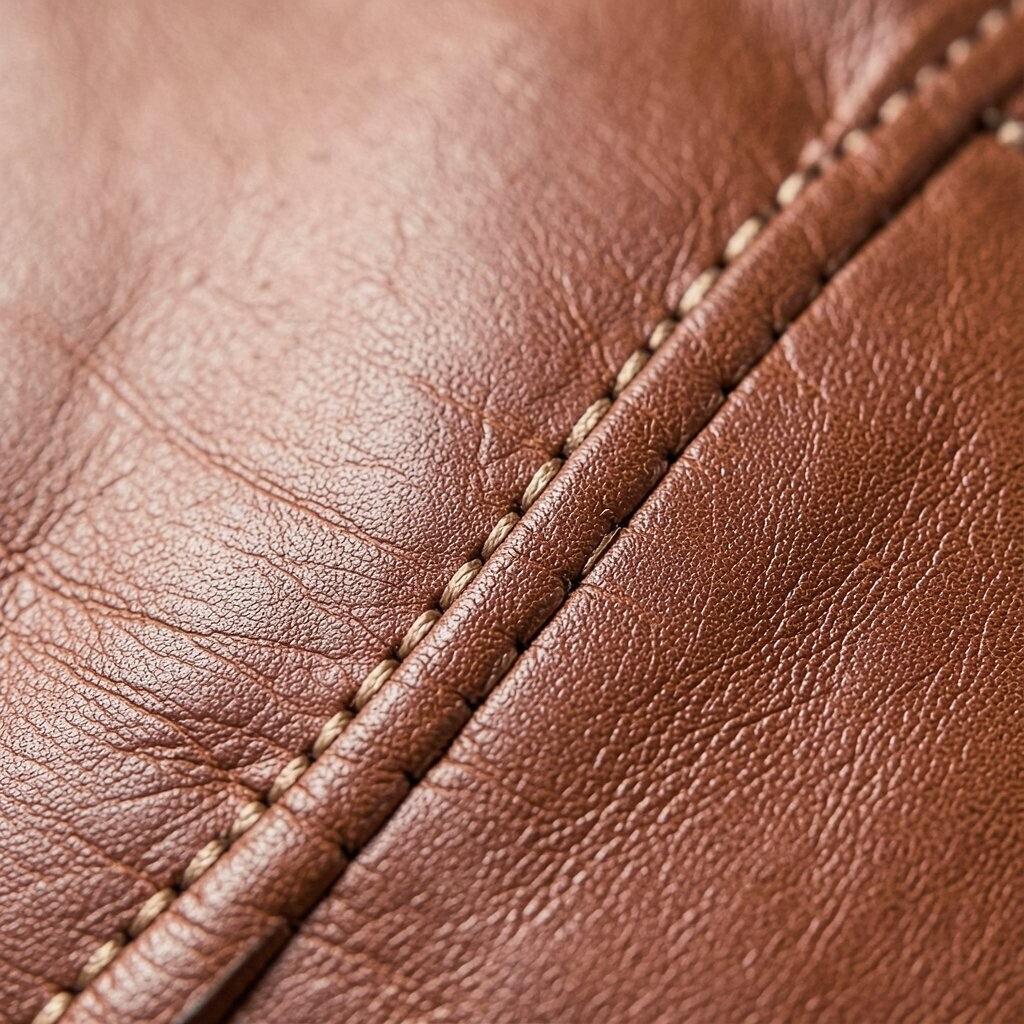
Marked line stitching uses a light guide line before sewing. This helps you keep the stitches in a straight path and avoid wavy seams.
It is a very useful habit for beginners who want cleaner work. A simple ruler or scratch tool can help you make better-looking pieces without much extra cost.
18. Curved Seam Stitch
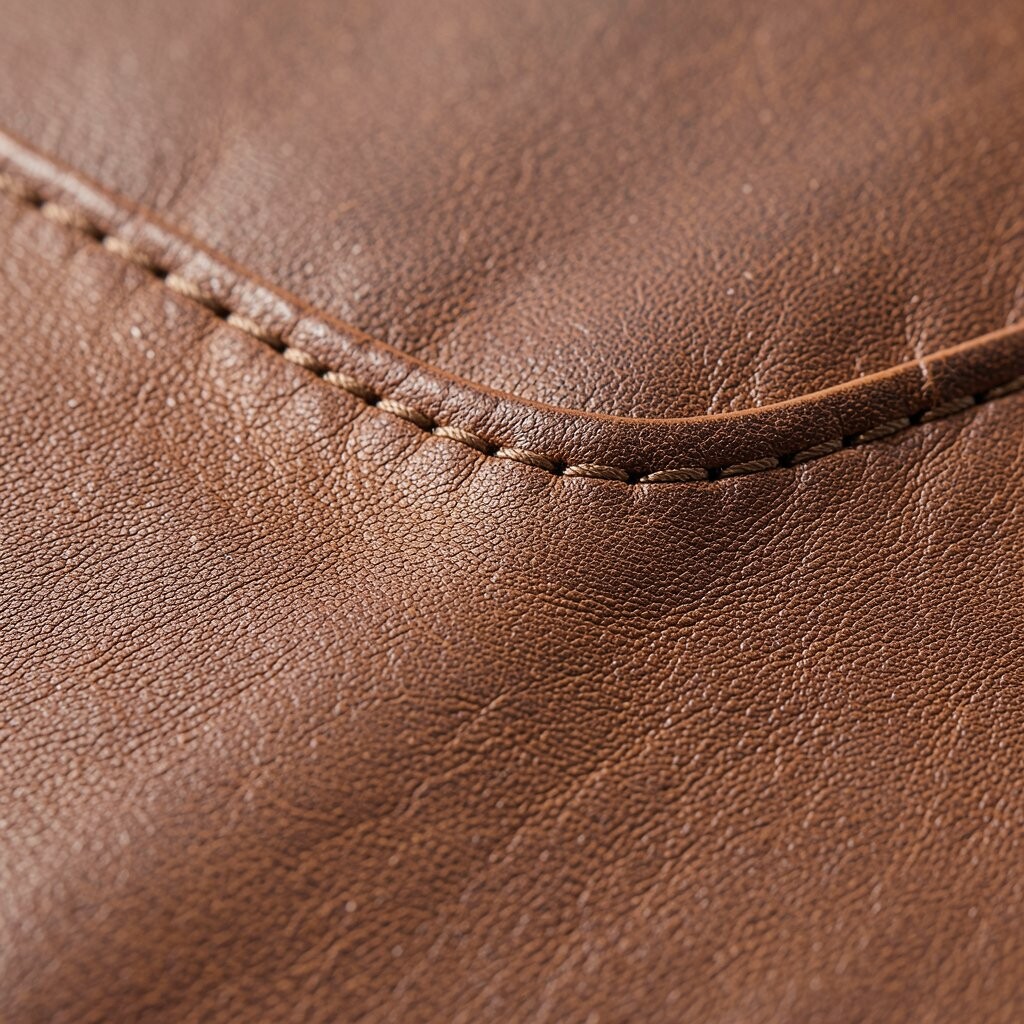
Curved seams can make leather items look softer and more shaped. They are common on cases, pouches, and parts that need a smooth outline.
This stitch style helps you practice control on turns and bends. It may take a little more care, but it can make your work look much more natural.
19. Straight Seam Stitch
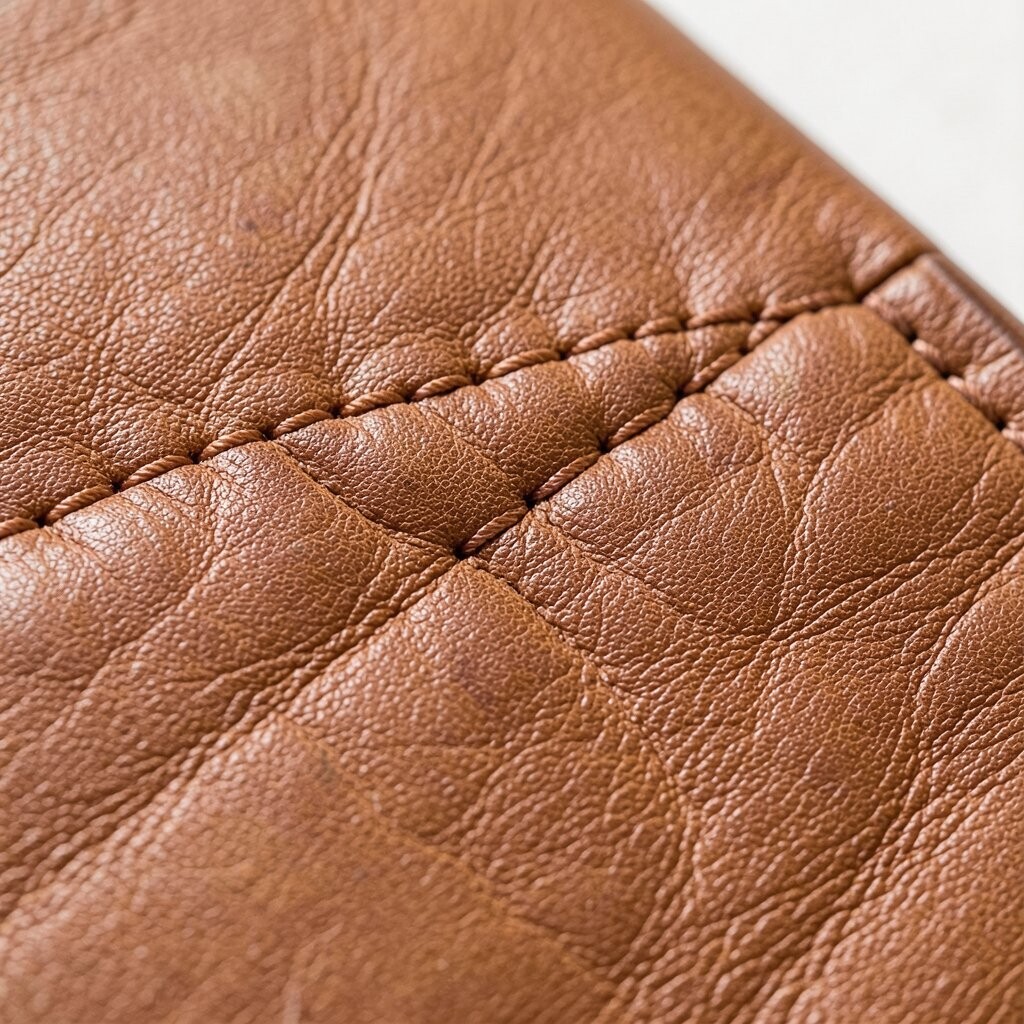
Straight seam stitching is the best place to start for many new makers. It is simple to plan and makes it easier to learn even spacing.
You can use it on almost any basic project. It is also a good way to build skill before moving on to harder shapes and more detailed work.
20. Stitching for Small Pouches
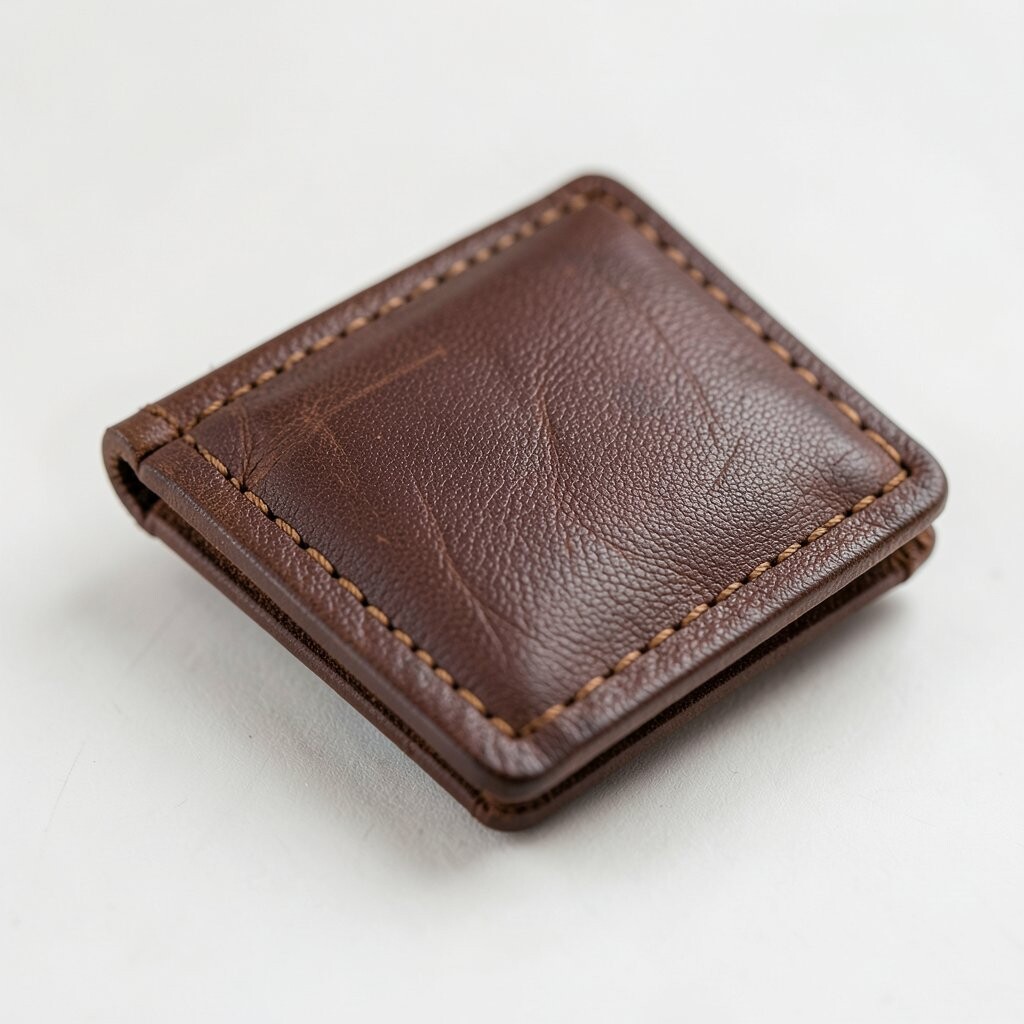
Small pouches are a nice beginner project because they use less leather and less thread. They also give you a useful item at the end of the work.
The stitch line can be plain or decorative, depending on your taste. This kind of project is a good match for simple tools, a low budget, and a short work time.
21. Stitching for Wallet Edges
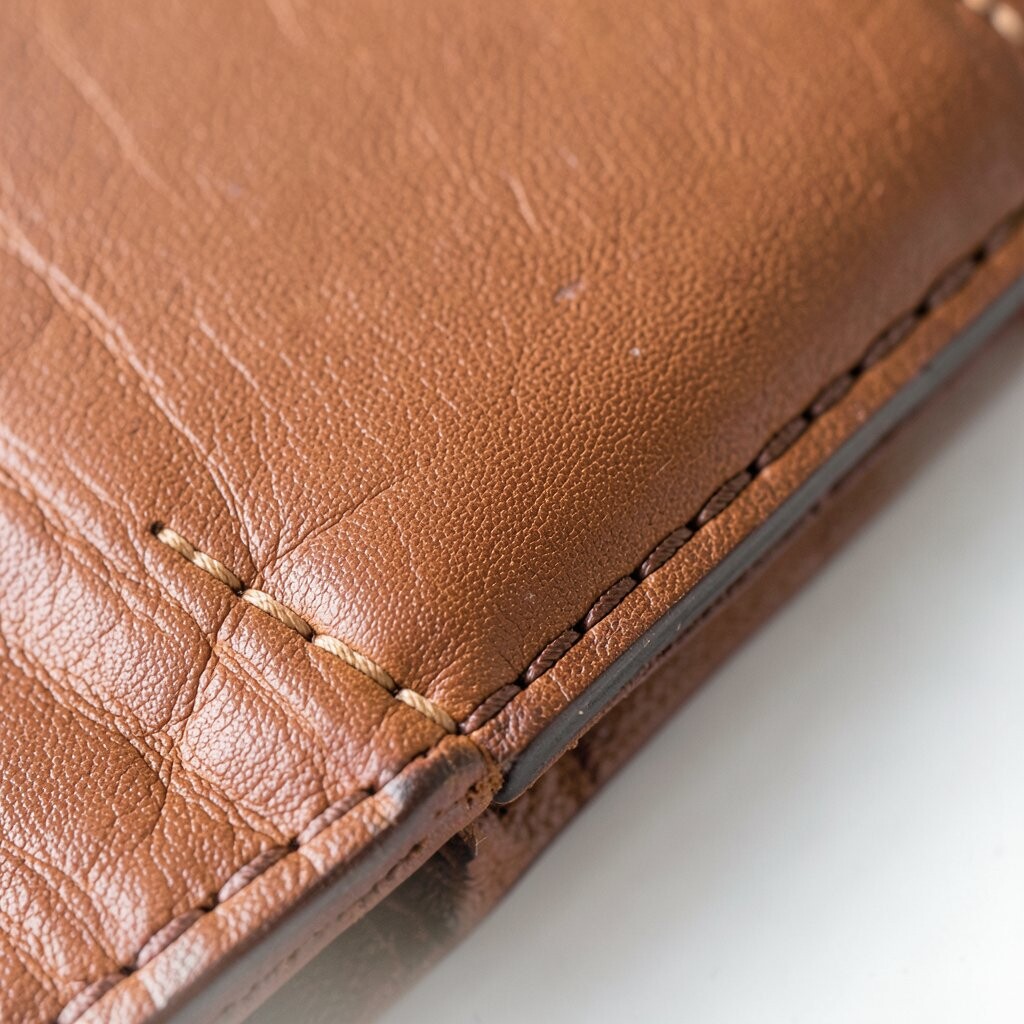
Wallet edges need careful stitching because they are seen often and handled a lot. A neat line can make the whole piece look more finished.
This is a good place to use fine thread or contrast thread. Many people like slim wallet styles now, so clean edge work fits well with current trends.
22. Stitching for Belt Ends
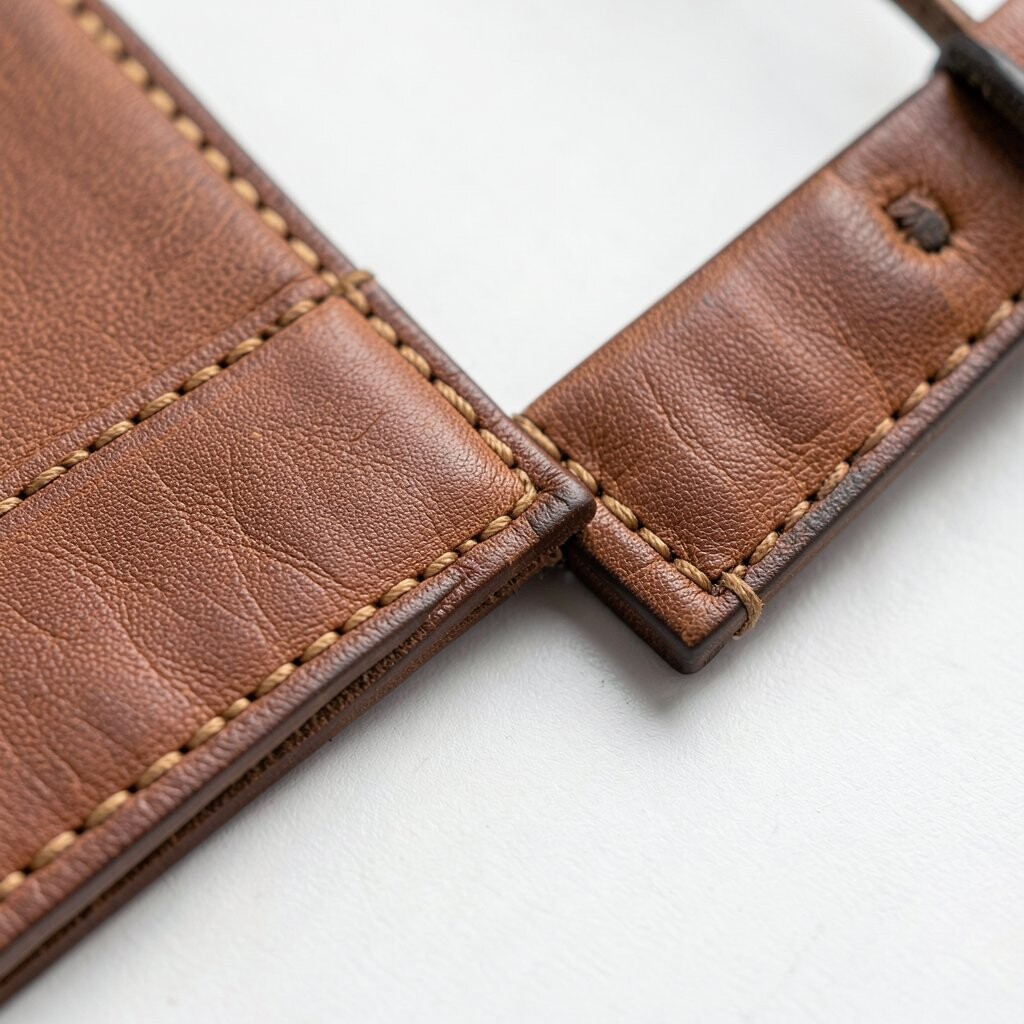
Belt ends can use short, strong stitch lines to hold layers together. This helps the belt stay firm where it gets pulled and bent the most.
It is a practical stitch idea that also adds a little style. You can use plain thread for a classic look or bright thread for something more personal.
23. Stitching for Key Fobs
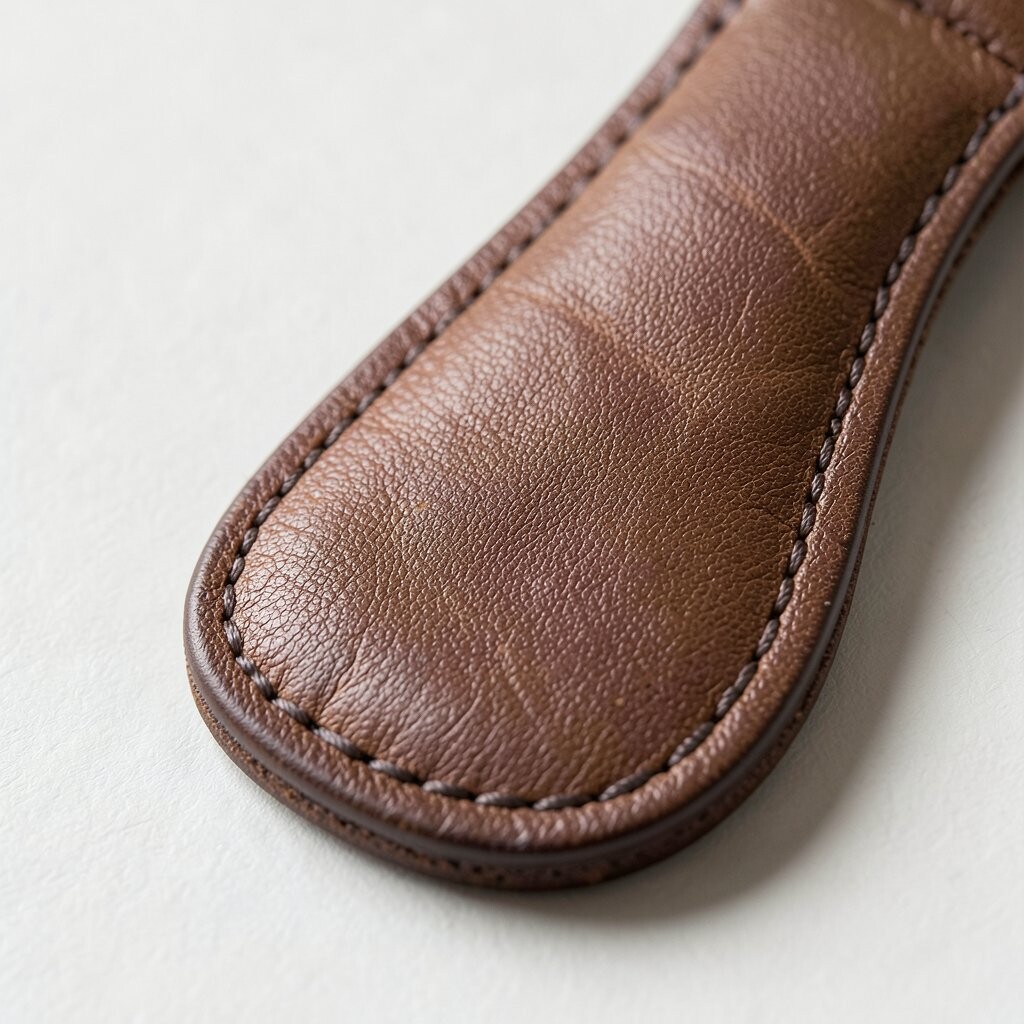
Key fobs are small, fast projects that are good for learning. They use little leather, so they are a low-cost way to practice new stitch ideas.
You can make them simple or add extra color with thread. They are also good gifts, which makes them a nice project when you want to make something useful.
24. Stitching for Book Covers
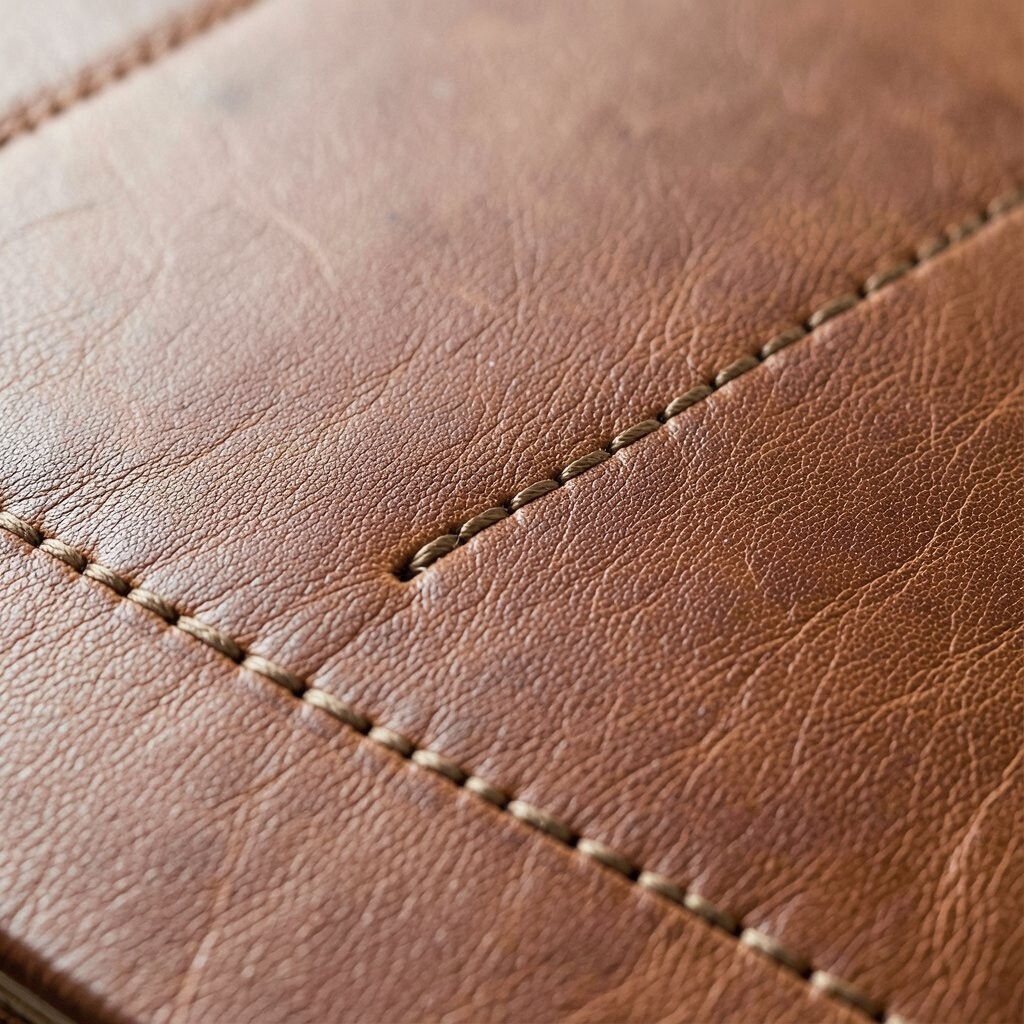
Book covers can look very neat with a clean stitch line along the edge. The stitching can help keep the cover in shape and give it a handmade feel.
This project is good for people who like simple shapes and flat pieces. It also gives room for personalization with thread color, stitch spacing, and small design marks.
25. Stitching with Waxed Thread
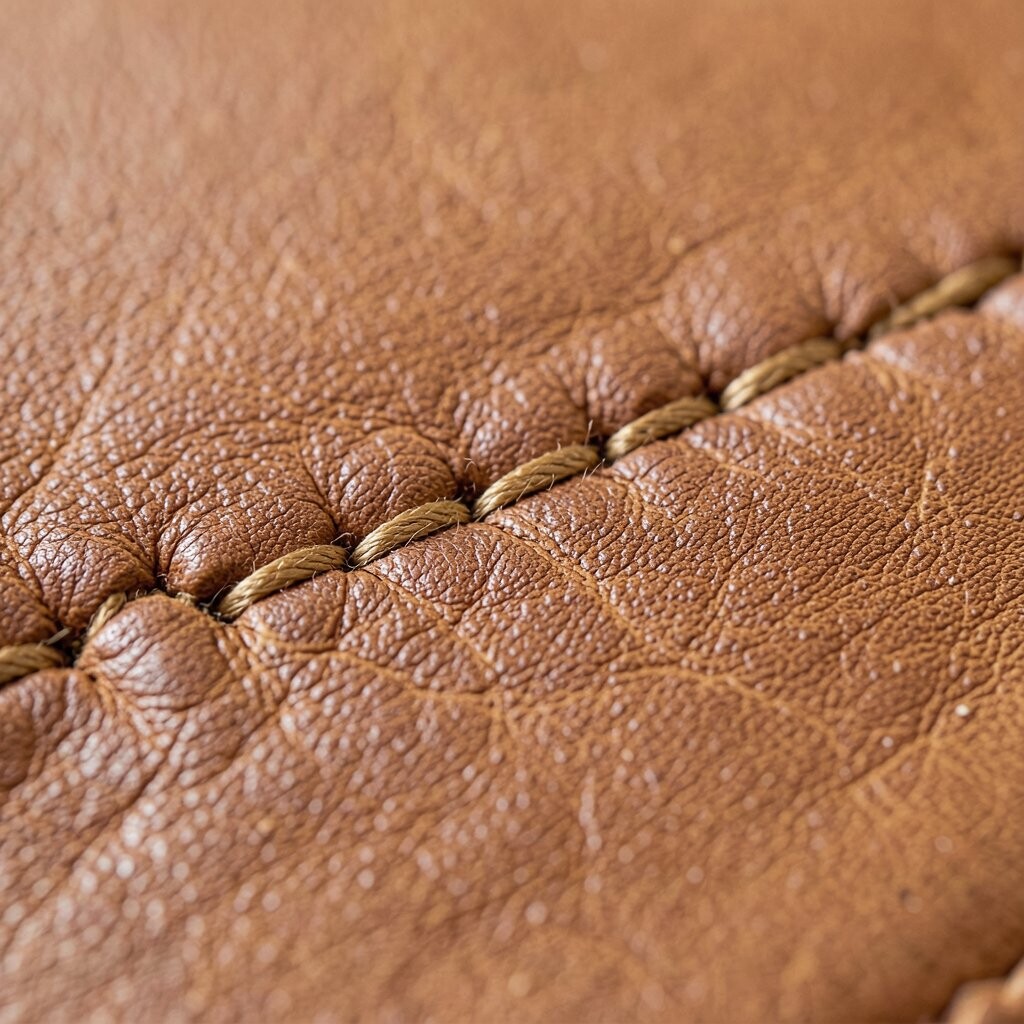
Waxed thread is smooth and strong, so it is popular for leather work. It can slide better through holes and help the stitch hold its shape.
This thread often gives a tidy, classic look that many makers enjoy. It may cost a bit more than plain thread, but it can be worth it for better control and a cleaner finish.
26. Stitching with Color Thread
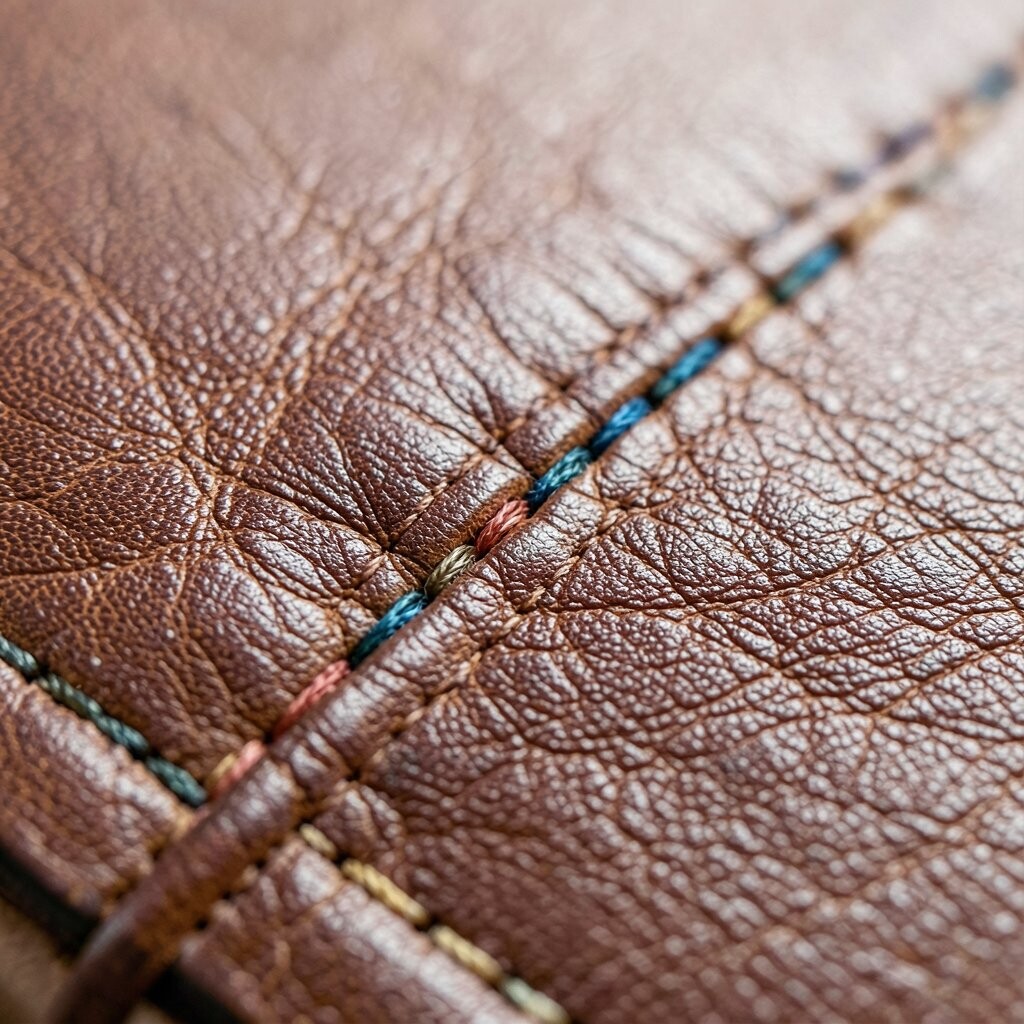
Color thread can make a simple leather item feel fresh and personal. Bright thread on a plain piece can turn a basic project into something eye-catching.
This idea is easy to use and does not need fancy tools. It is a good way to follow current handmade trends while still keeping the work simple.
27. Stitching with Matching Thread
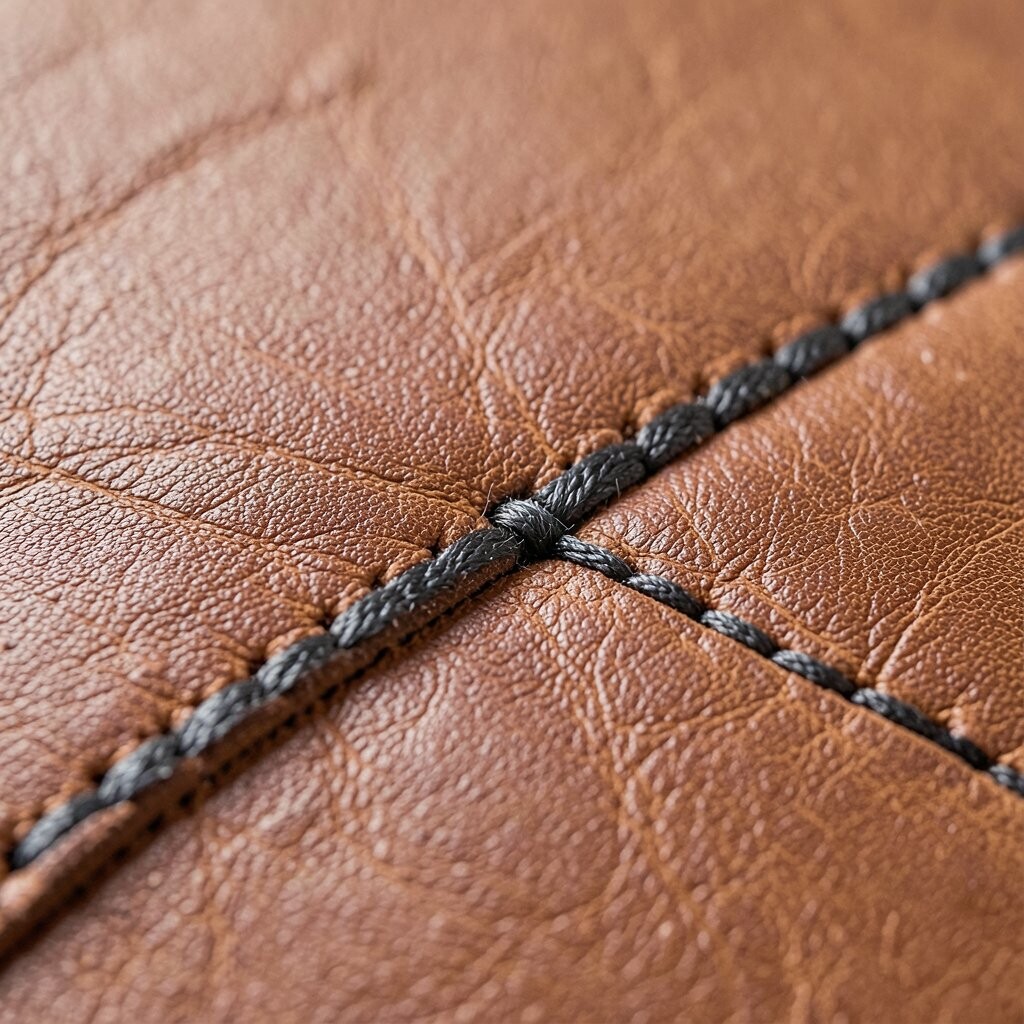
Matching thread gives a soft and calm look because the seam blends in with the leather. This can make the item seem smooth and well made.
It is a safe choice for beginners who want a classic style. Matching thread also works well when the leather has a strong color or a busy grain.
28. Stitching Around Shapes
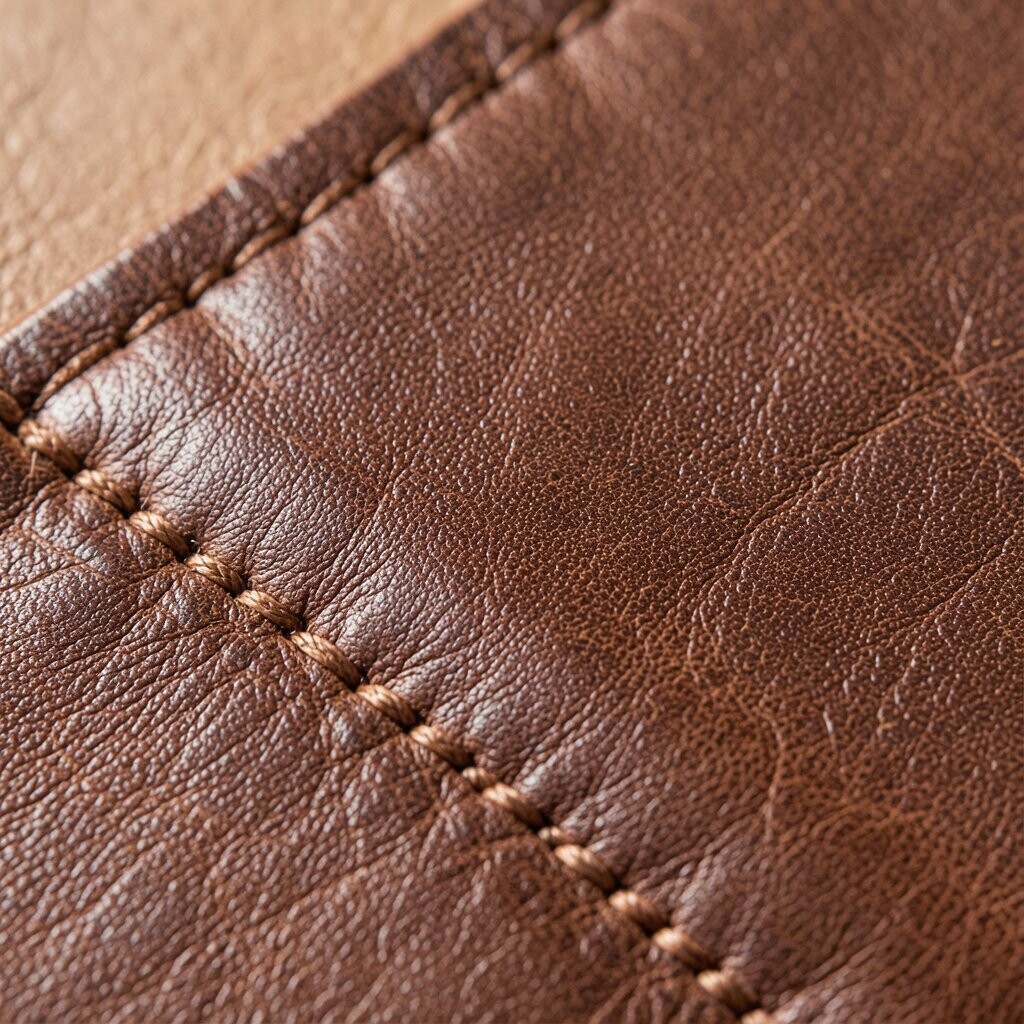
Stitching around shapes like circles, ovals, and small cutouts can help you build skill. It teaches you how to keep your hands steady on curved lines.
This can be a fun way to make custom pieces with a more personal look. It may take practice, but it helps you make items that feel less plain and more made for one person.
29. Stitching for Patchwork Panels
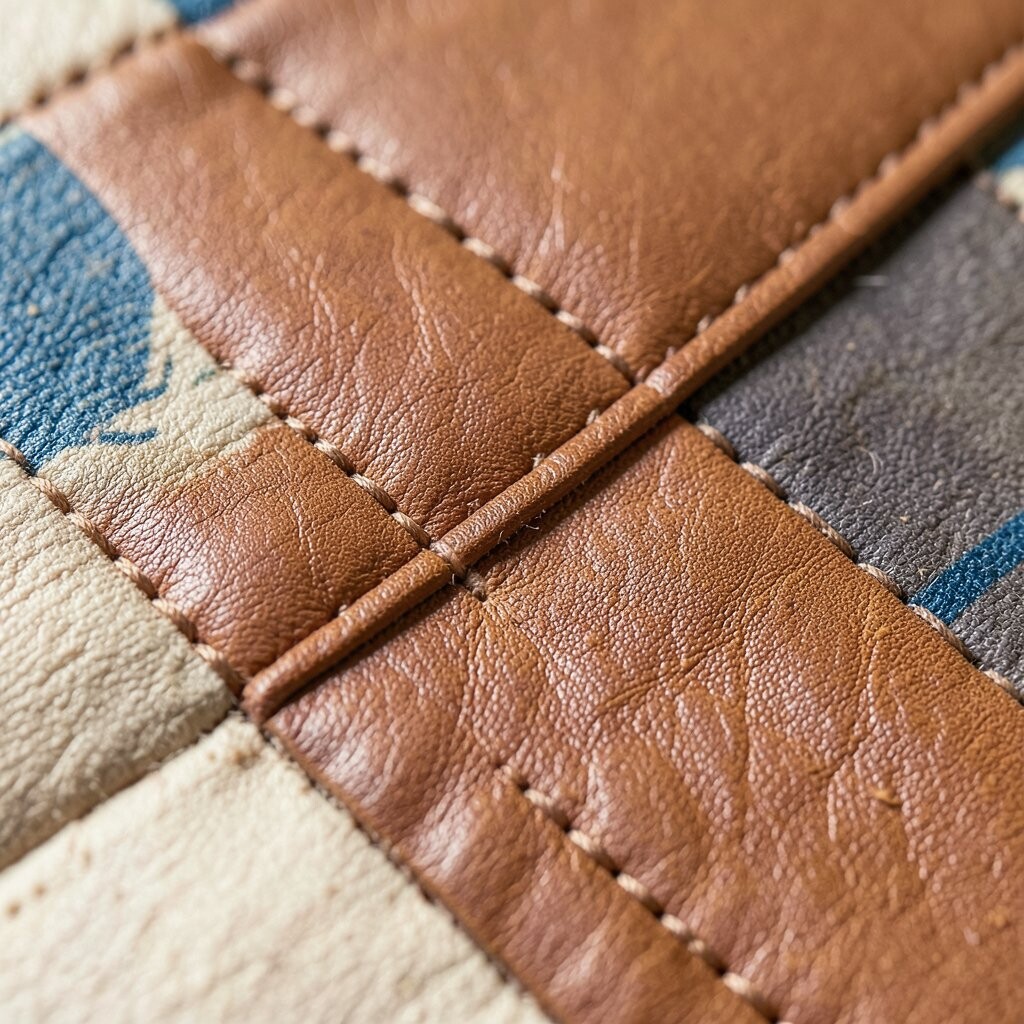
Patchwork panels use small pieces of leather joined together in a simple layout. The stitches become part of the design, so the seams are not hidden.
This is a good way to use scrap leather and save money. It also lets you mix colors and textures, which can make each piece feel unique.
30. Stitching with Simple Personal Touches
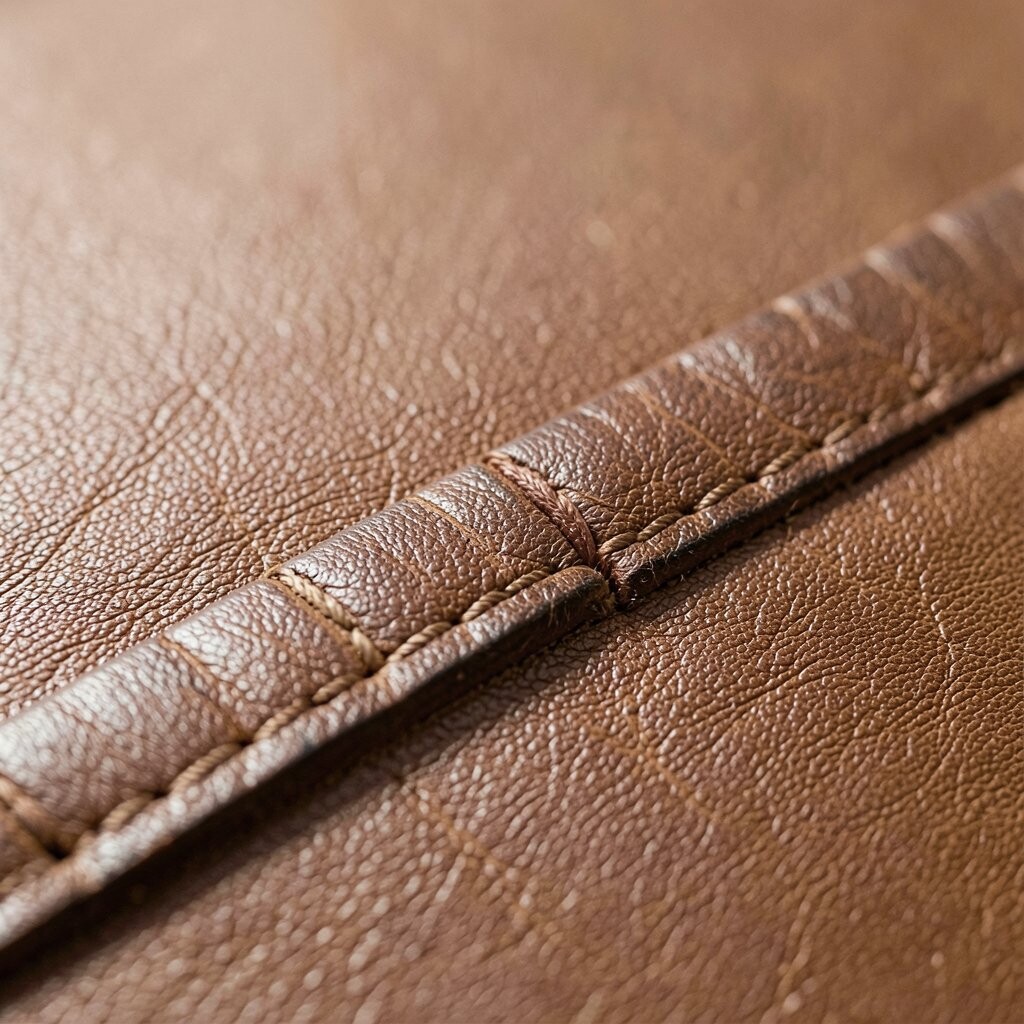
Simple personal touches can make a leather stitch project feel special. You can change thread color, stitch spacing, or edge style to match your own taste.
This idea works well for gifts, daily items, and small home projects. It keeps the work easy for beginners while still giving you room to make something that feels like your own.