Street art can make a plain wall feel more open and friendly. It can also give people a simple way to share color, ideas, and local pride.
1. Mural Walls With Local Scenes

One easy street art idea is a mural that shows places people know well, like a park, market, train stop, or old bridge. These scenes help people feel close to the art because they can point to parts of their own city in the picture.
A local mural can also make a block feel less empty and more cared for. It works well on a long wall, the side of a shop, or a fence that needs new life.
For cost, a mural can be low or high based on paint size, wall prep, and the artist’s time. City groups can save money by asking local artists, using simple color plans, and picking a wall that does not need much repair.
What makes this idea stand out is how personal it feels. You can add small details like street signs, local trees, or people in everyday clothes so the art feels tied to the place and not copied from somewhere else.
2. Bright Crosswalk Patterns

Painted crosswalks can add color to busy streets and make people slow down and look. Simple stripes, dots, waves, or block shapes can turn a plain road crossing into something fun and easy to notice.
This idea helps people in more than one way. It can make walking areas feel more alive, and in some places it can also help drivers see the crossing better.
For a low-cost plan, use strong paint and simple shapes instead of a large scene. A city can also work with a small team and finish one crosswalk at a time.
You can make the design fit the area by using school colors near a school, or green and brown near a park. This kind of street art follows a trend that many cities use now because it is simple, useful, and easy to enjoy.
3. Community Quote Walls

A quote wall uses short words or lines from local people, teachers, workers, or poets. The wall can share kind thoughts, city history, or simple lines about hope and daily life.
This kind of art gives people a reason to stop and read. It can make a street feel more human because the words come from the people who live there.
Quote walls are often cheaper than full murals because they need less paint and less detail. You can use one bold font, a few colors, and a clean wall to keep the cost down.
To make it personal, ask the community to send in words that matter to them. This helps the art feel shared, and it can make people feel proud when they see their own city voice on the wall.
4. 3D Sidewalk Art
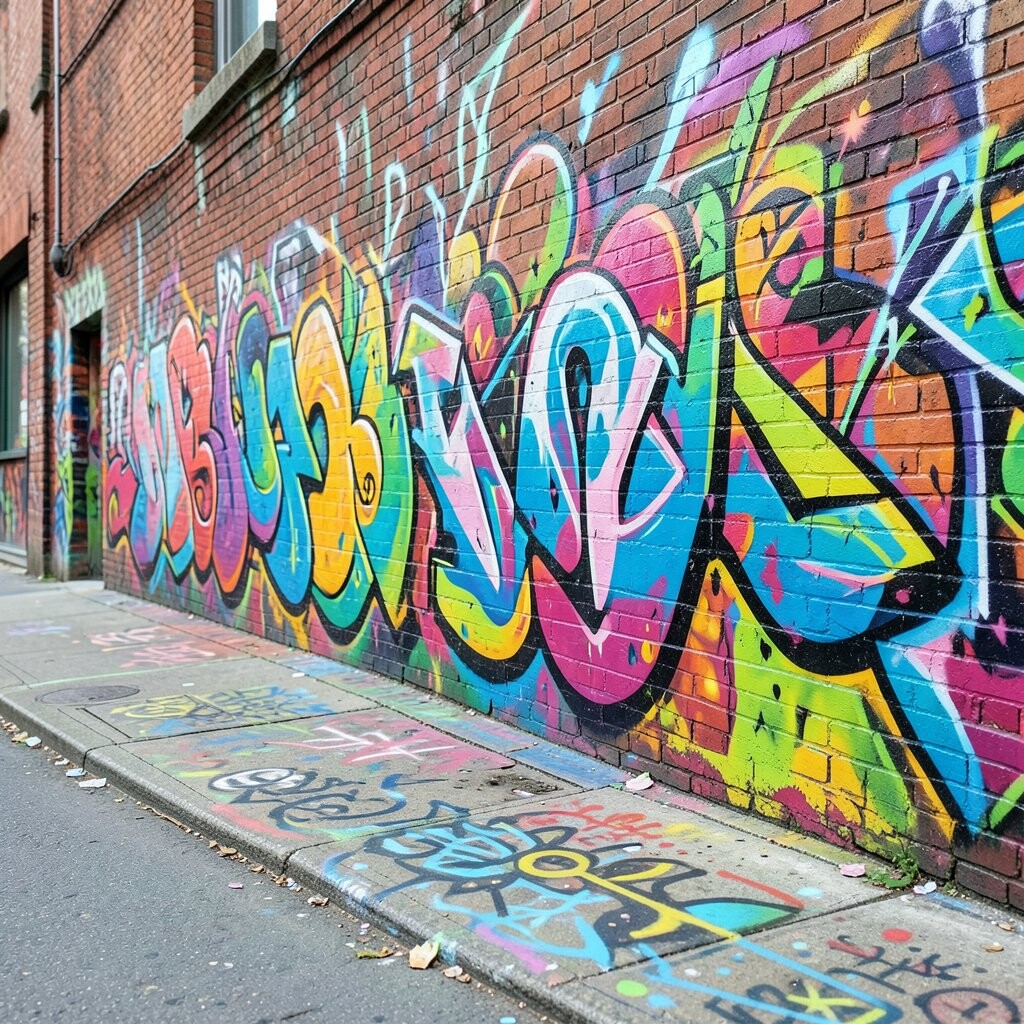
Sidewalk art can use paint and shading to make flat ground look like it has depth. It may show stairs, holes, water, books, or city shapes that seem to pop out when people walk by.
This idea is fun because it feels like a trick for the eye. It can also bring more foot traffic to a street since people often stop to take photos and look closer.
The cost can stay fair if the design is small and uses only a few colors. The main need is a good artist who knows how to plan the shape from the right view.
You can make it match local life by using objects people know, like a subway token, a bike, or a food cart. This style is a big trend in public art because it is eye-catching and easy to share online.
5. Painted Utility Boxes

Plain metal utility boxes can look dull, but paint can turn them into small art pieces. Artists can add flowers, maps, birds, patterns, or simple city symbols that fit the box shape.
This idea is useful because it makes small street items feel less messy. It can also help people notice the box in a good way instead of seeing it as just another gray object.
Painted boxes are usually cheaper than large wall murals because they are small. A city can even use many local artists and let each one paint a different box in the same area.
To make the design feel fresh, try a theme like local seasons, neighborhood foods, or famous buildings. These boxes can also support current trends that favor small, bright art in everyday places.
6. Chalk Art Zones

Chalk art zones give people a place to draw, write, and make short-lived pictures on sidewalks or plazas. Kids, teens, and adults can all join in, which makes the street feel open and shared.
The best part is that chalk art can keep changing. New drawings can appear each week, so the area never feels stale or stuck in one style.
This idea is one of the lowest-cost options because chalk is cheap and easy to clean. A city can set aside a safe space and give out chalk for events or weekend art days.
You can make it more personal by asking people to draw local pets, games, foods, or street scenes. Since it is short-term, it also fits a trend that many people enjoy: art that changes often and invites public use.
7. Nature-Inspired Street Murals

Nature art can bring leaves, birds, water, clouds, and flowers into city spaces. These images can soften hard concrete walls and make busy streets feel calmer.
This kind of art can help people feel better during a long day in a loud area. It may also make a block seem cleaner and more cared for, even if the wall itself is old.
Nature murals can cost less if they use repeating shapes and a small color set. Green, blue, and earth tones often work well and do not need a lot of extra paint.
You can make the art fit the place by using plants that grow in that city or birds seen in local parks. This style stays popular because it feels simple, friendly, and easy to enjoy.
8. Bold Typographic Walls

A typographic wall uses large letters, short words, or strong phrases as the main design. The letters themselves become the art, so the wall can look clean, modern, and easy to read.
This idea works well in places with lots of foot traffic because people can read it fast. It can also share a message about the city, a local group, or a shared goal.
For cost, bold text can be easier than a full scene since it needs less detail. A simple layout with one or two colors can still look strong if the spacing and size are done well.
To make it personal, use words from the neighborhood or lines that mean something to local people. This fits a trend in street design where short messages and clean shapes are used to make public space feel fresh.
9. Interactive Photo Walls
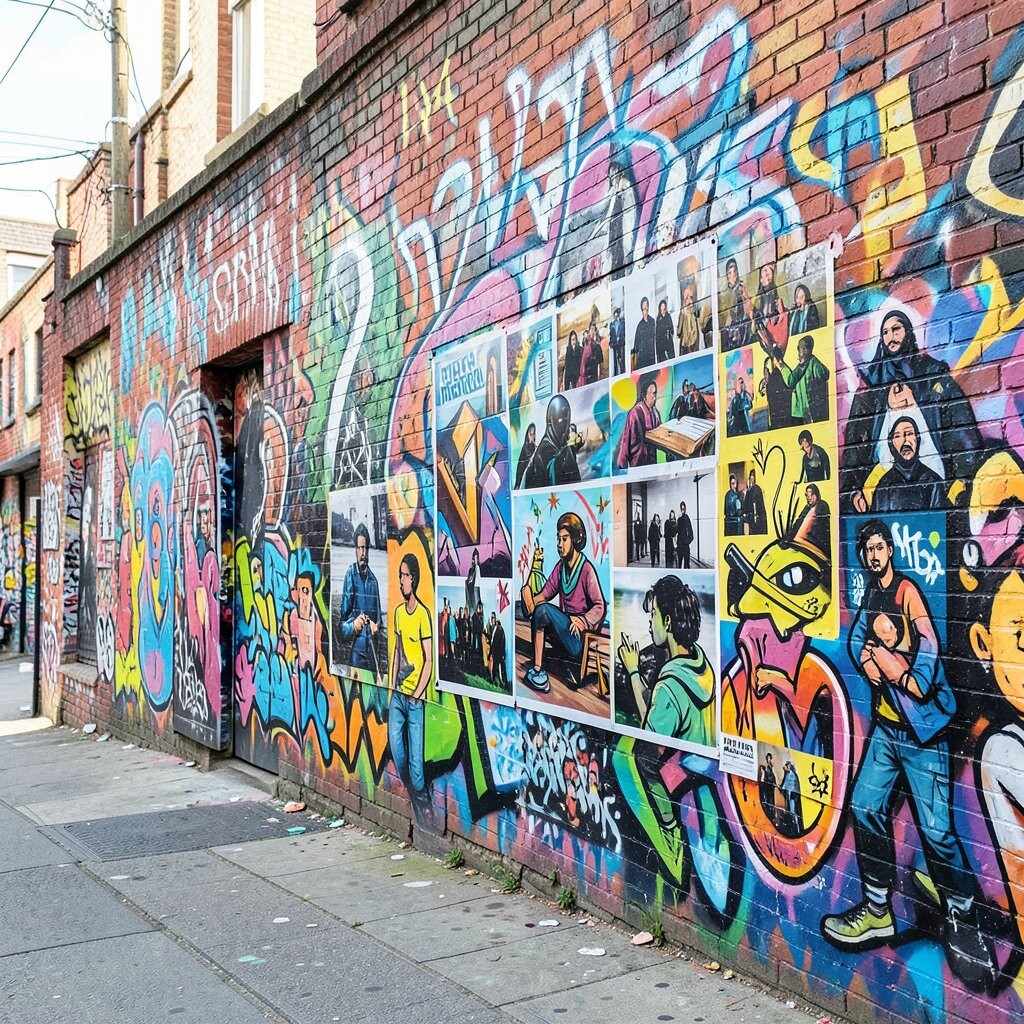
Interactive photo walls invite people to stand in front of them, pose, and take pictures. The art may include painted wings, frames, windows, doors, or fun shapes that work well with a person in the scene.
This kind of street art can bring more visitors to a block and help nearby shops and cafes. People like to share photos, so the wall can help spread attention without much extra effort.
It can be made on a budget if the design is simple and the wall is already in good shape. A strong outline and a few bright colors can do a lot without needing a huge supply list.
You can make the wall feel local by adding city names, landmarks, or symbols from nearby sports or music scenes. This is a common trend now because it mixes art, fun, and social sharing in one place.
10. Recycled Art Installations

Recycled art uses old wood, metal, bottle caps, bike parts, or other saved items to make public pieces. These works can stand on walls, hang from fences, or sit in small street corners.
This idea helps the city in a practical way because it gives old items a new use. It can also start talks about waste, reuse, and smarter ways to make public art.
The cost can stay low if the artist uses donated items and simple tools. Many cities and schools already have extra materials that can be cleaned and used again.
To make it personal, use objects that come from the area, like old signs, tools, or parts from local jobs. This style is part of a growing trend where public art uses less waste and more found materials.
11. Painted Benches And Seats

Benches and seats can become art when they get bright color, patterns, or small painted scenes. A plain place to sit can turn into a spot people notice and remember.
This idea is useful because it gives people a place to rest while also adding beauty to the street. It can make a park edge, bus stop, or shopping block feel more cared for.
Painted benches are often low cost because the base already exists. The main work is cleaning, sanding, and adding paint that can handle weather and heavy use.
You can make each bench different with local colors, school themes, or patterns from nearby art styles. That kind of small detail can help a city feel more warm and more lived in.
12. Window Art For Empty Shops

Empty shop windows can look dark, but art can give them a new face. Artists can paint scenes, shapes, or simple messages on the glass so the street feels less bare.
This idea helps a shopping area stay active even when a store is closed. People walking by see something pleasant instead of a blank space, which can make the whole block feel better.
Window art can be cheap if it uses paint that comes off later or vinyl pieces that are easy to remove. Property owners often like this because it does not need a full build-out.
To make it personal, use images that fit the street, like local food, old ads, or seasonal themes. This also follows a trend in empty storefront use where art helps keep a place lively while it waits for a new tenant.
13. Street Art With Maps

Map art can show the roads, rivers, train lines, and main spots that shape a city. It may be simple and clean, or it may use bold colors and hand-drawn details.
This kind of art helps people understand where they are and what is near them. It can also make a walking route or bike path feel easier to use.
A map mural can be made at a fair cost if the design stays clear and does not try to show too much. Using one strong base color and a few bright lines can keep the work simple.
You can add a personal touch by marking local hangouts, schools, markets, or parks. This idea is useful and current because many cities now like art that also helps people move through the space.
14. Night Glow Murals

Night glow murals use paint or materials that look different after dark. In the day they may seem simple, but at night they can shine softly or show hidden parts of the design.
This gives the street a second look after sunset, which can make evening walks feel more interesting. It can also help a wall stand out in a way that feels calm instead of loud.
The cost can be higher if special paint is used, but the effect can be worth it on a key wall or public spot. A smaller mural with glow details can still make a strong mark without a huge budget.
To make it personal, use shapes from local stars, signs, or night scenes from the city. This style fits a trend that people like because it adds a surprise without needing a big show.
15. Neighborhood Story Panels

Story panels use a set of painted scenes to tell a local story across a wall or along a path. Each panel can show a different part of the area’s past, people, jobs, or daily life.
This idea helps people learn about the place they live in while they walk by. It can also give older residents a chance to share memories and younger people a way to see where the neighborhood came from.
The cost depends on how many panels are used and how detailed each one is. A simple set with clear images and short text can be a good way to keep the budget in check.
You can make the story feel close to home by using local voices, old photos, or scenes from block events. This kind of street art is popular because it mixes art, memory, and community in a way that feels real and easy to enjoy.