Coastal living can feel calm and easy, but it also brings a few common problems. A little planning can help you avoid stress, extra costs, and damage to your home.
1. Ignoring Salt Air Damage

Salt in the air can wear down metal, paint, and even some outdoor furniture. It may look fine at first, but small spots of rust and peeling can show up fast near the shore.
Use materials that hold up well near water, such as coated metal, treated wood, and outdoor fabrics made for damp weather. Rinse outdoor items now and then, and check for chips in paint before they turn into bigger problems.
This mistake is easy to miss because the damage often starts small. A simple care plan can help your home look neat and save money over time.
2. Picking the Wrong Building Materials

Not every material works well in a beach area. Some woods swell, some metals rust, and some paints fade faster when they face sun, wind, and salty air.
Choose items made for wet and windy places, such as composite decking, marine-grade hardware, and strong exterior paint. These choices may cost more at first, but they can last longer and need less repair.
Think about how each room and outdoor space will be used. A smart mix of strong materials can give your home a clean look without making upkeep too hard.
3. Forgetting About Humidity
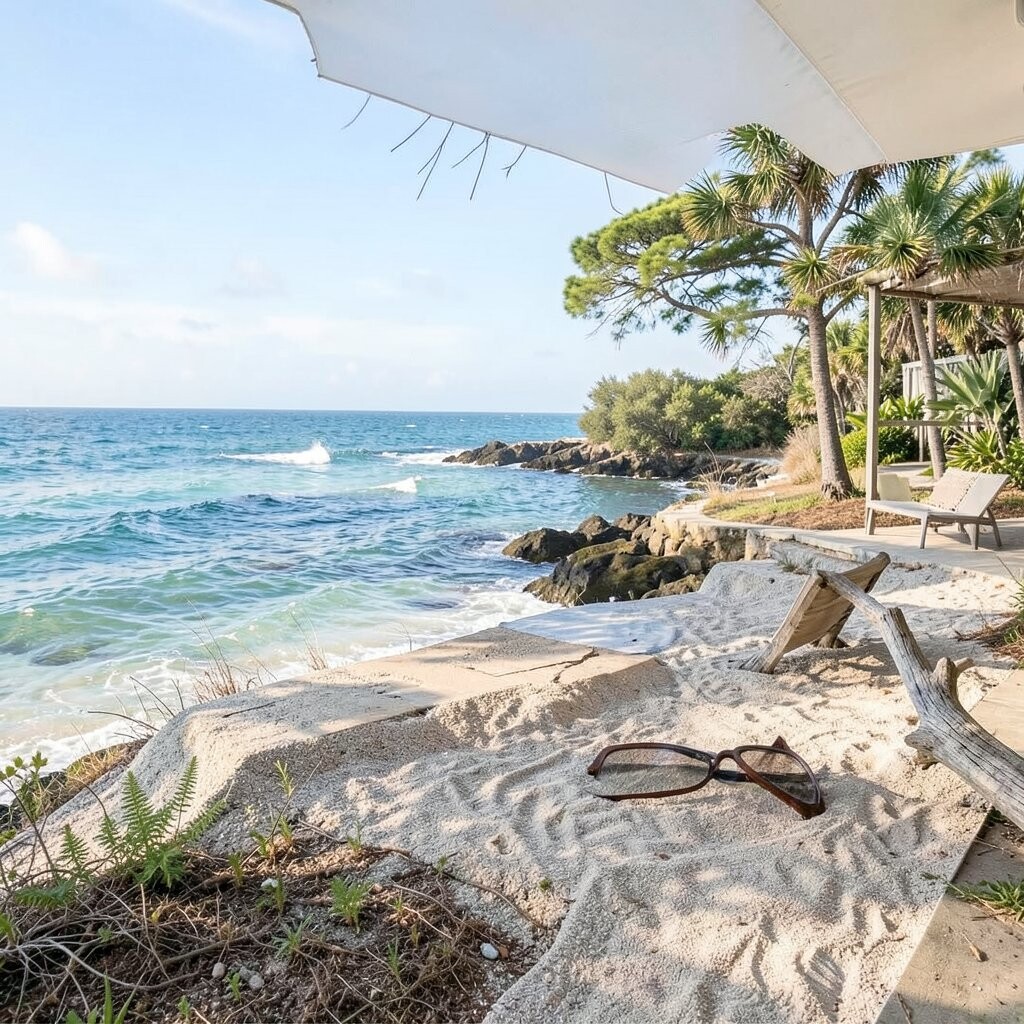
Coastal air often holds a lot of moisture. That can make rooms feel sticky and can also lead to mold, musty smells, and warped wood.
Use fans, vents, and a good dehumidifier to help keep indoor air dry. Open windows only when the weather is right, and check closets, bathrooms, and storage spots often.
Humidity control is a big part of comfort near the coast. It can also help protect clothes, books, and furniture from slow damage.
4. Skipping Storm Prep

Beach weather can change fast, and storms can bring strong wind and heavy rain. If you wait until the last minute, you may not have time to protect your home well.
Keep shutters, sandbags, flashlights, and backup supplies ready before storm season starts. Make sure loose chairs, planters, and outdoor decor can be moved or tied down with ease.
Many people like the open view of coastal homes, but that same view can mean more risk during rough weather. A simple storm plan can help you feel more ready and less rushed.
5. Using Too Much Heavy Decor
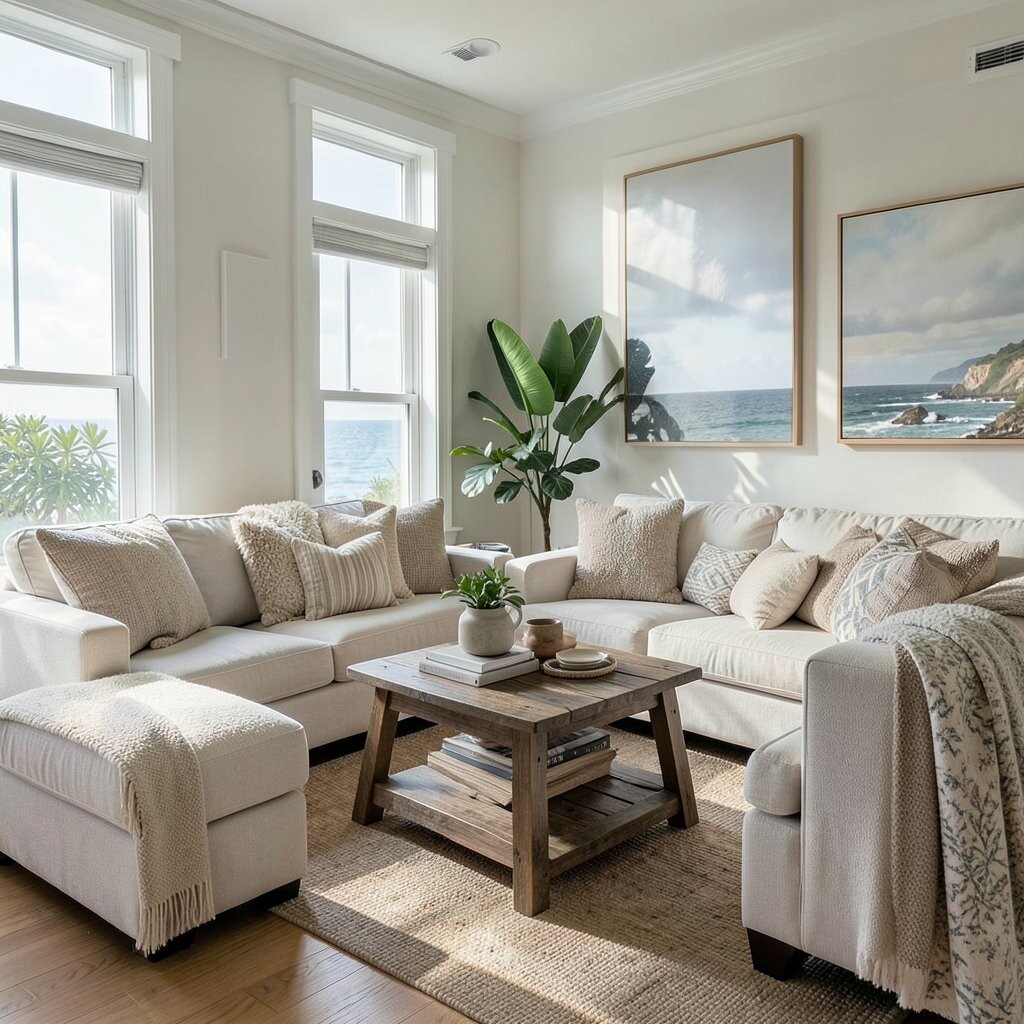
Heavy decor can make a beach home feel dark and crowded. Thick rugs, dark curtains, and bulky furniture can block light and make rooms feel smaller than they are.
Try lighter colors, simple shapes, and pieces that do more than one job. A bright room with open space often feels more in tune with coastal life.
This style can also be easier to clean, which is helpful when sand gets tracked inside. A few well-chosen items can make a room feel calm without adding clutter.
6. Not Planning for Sand Indoors
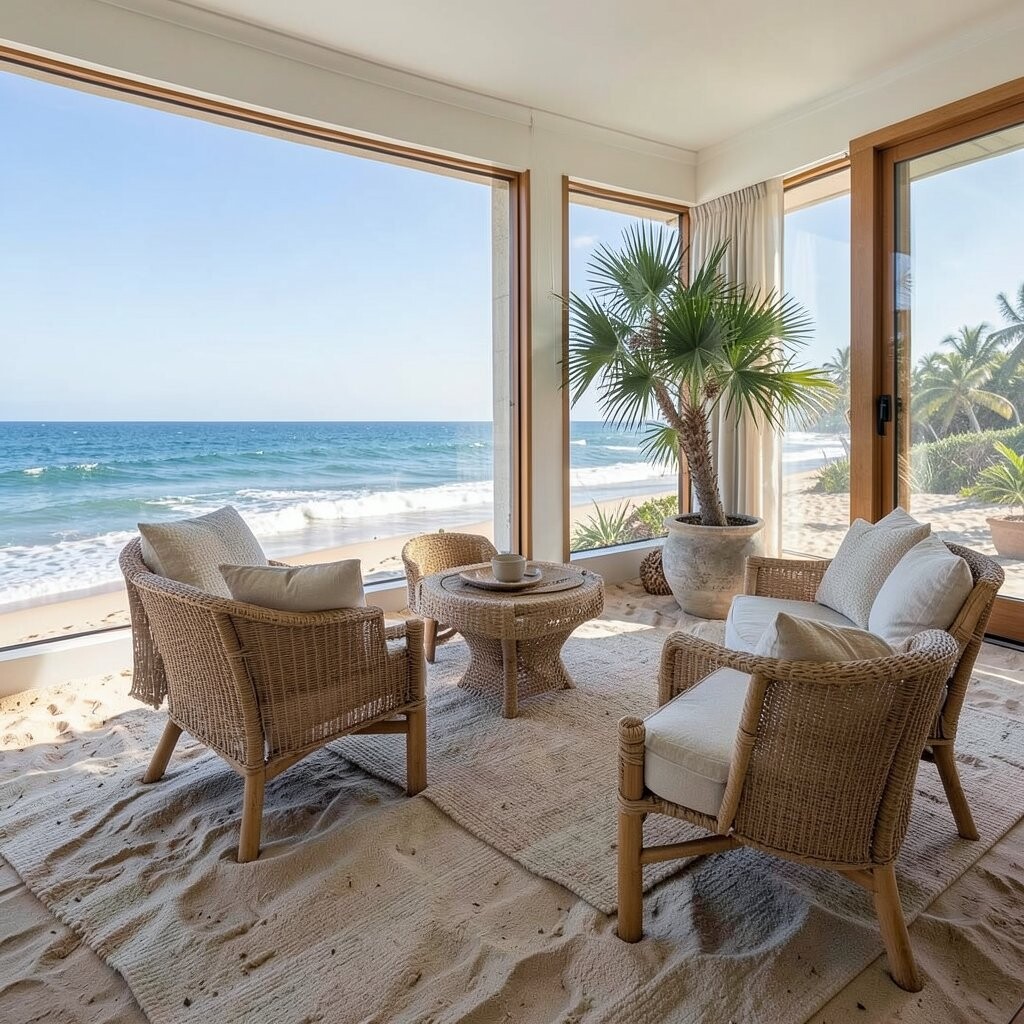
Sand gets into shoes, bags, floors, and even couch cushions. If you do not plan for it, you may end up cleaning all the time.
Set up a spot near the door for shoes, towels, and beach gear. Use mats inside and outside, and pick floors that are easy to sweep or wipe clean.
Small habits can make a big difference in daily life. A good entry setup can help keep the rest of the house neat and pleasant.
7. Overlooking Sun Fading
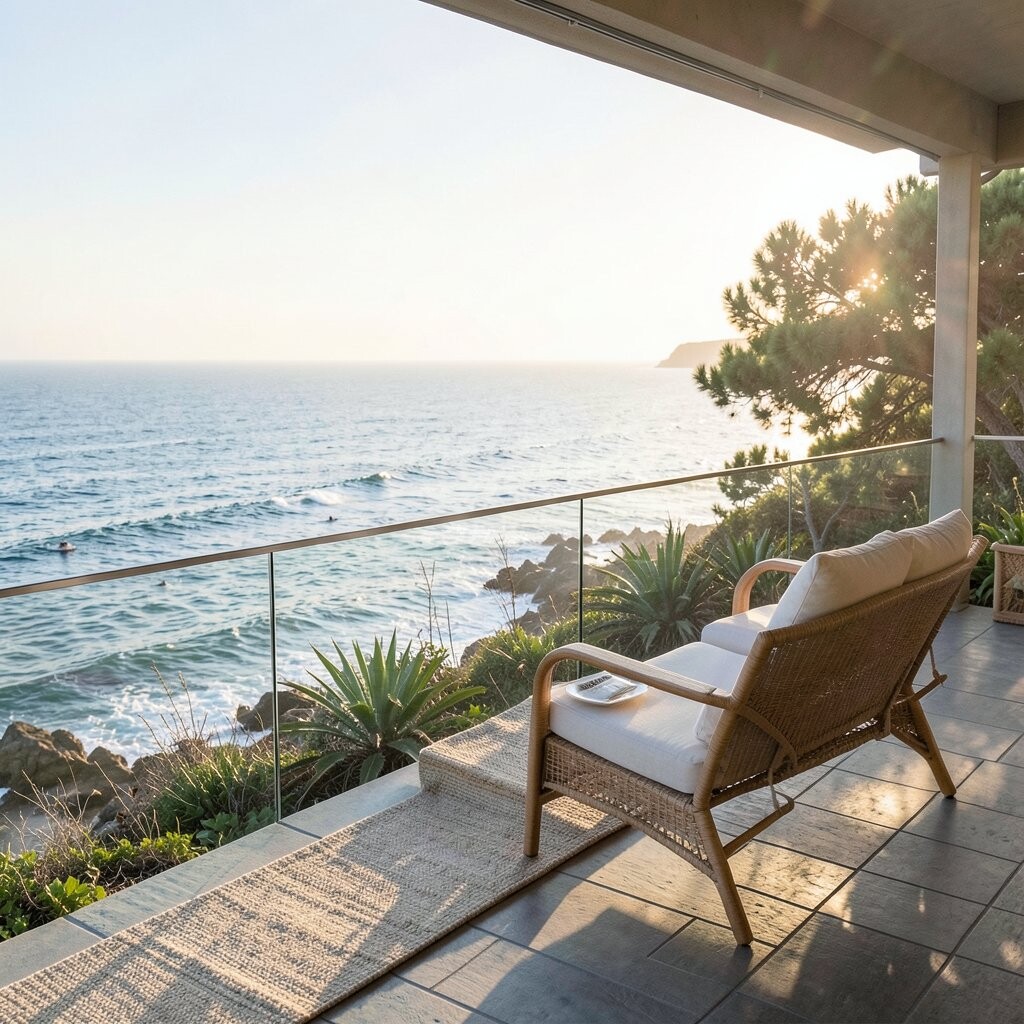
Strong sun can fade fabric, paint, and wood over time. Rooms with large windows can look bright and open, but they may also need more care.
Use shades, curtains, or window film to help block harsh light during the hottest parts of the day. Pick rugs and furniture covers in colors that can handle sun better.
Many coastal homes look best with a light, airy style, but that look still needs care. A little shade can help your items last longer and keep colors looking fresh.
8. Buying Trendy Pieces Without Thinking Ahead
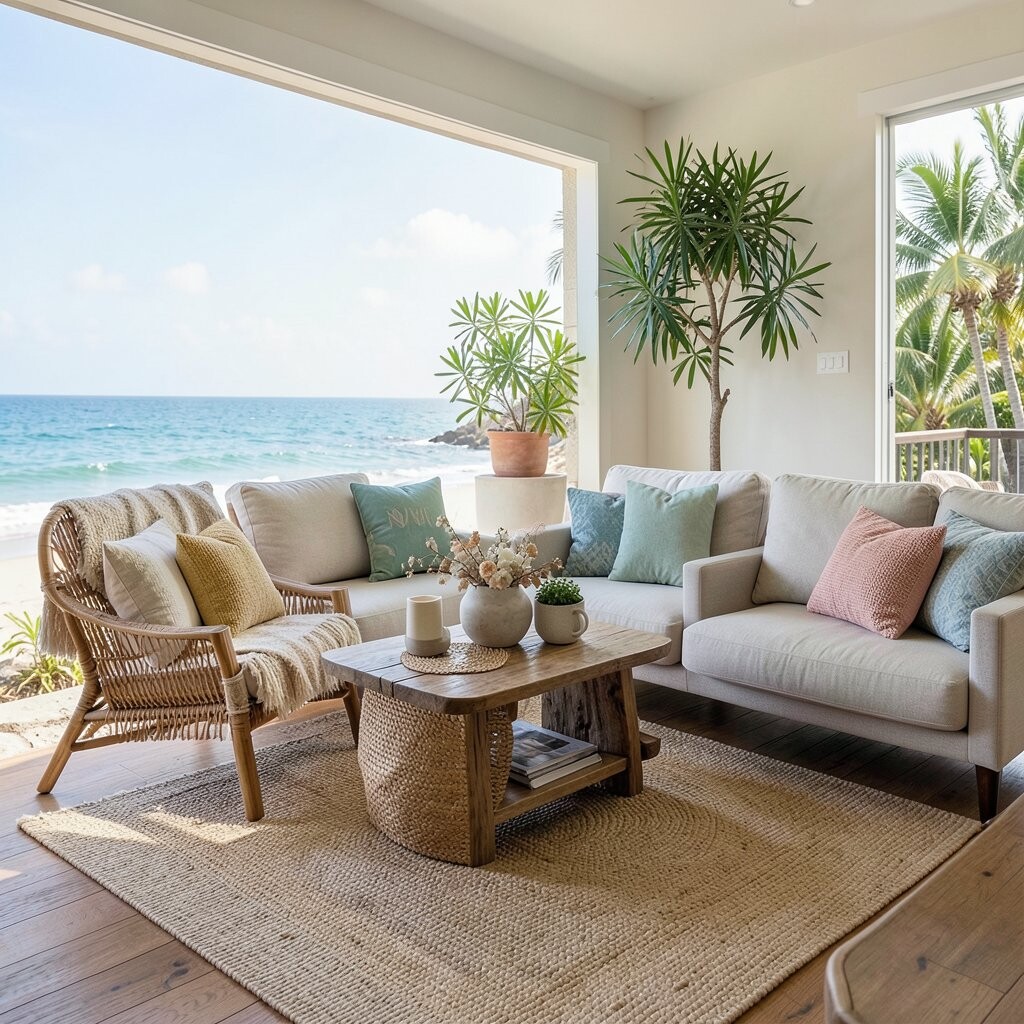
It can be fun to follow home trends, but some styles do not fit coastal life very well. A piece may look nice in a photo and still fail in a damp, sandy, or windy place.
Focus on items that suit your daily needs and the local weather. A simple chair, table, or lamp that holds up well is often a better choice than a trendy item that wears out fast.
Personal style still matters, so you do not need to make your home plain. Just mix in trends in small ways so you can change them later without much cost.
9. Forgetting Storage for Beach Gear

Beach towels, boards, toys, coolers, and shoes can pile up fast. Without enough storage, your home can start to feel messy and tight.
Use bins, hooks, shelves, and benches with hidden space to keep gear in order. Labeling storage spots can help everyone in the home put things back where they belong.
This kind of setup is useful because coastal life often means more outdoor fun and more stuff to store. Good storage can make daily cleanup faster and less annoying.
10. Ignoring Local Rules and Limits

Many coastal towns have rules about building, fencing, painting, and outdoor work. If you skip those rules, you may face fines or be forced to redo work later.
Check local permits, flood rules, and neighborhood limits before you start a project. It can save time and money to ask questions early instead of fixing a mistake later.
Some areas also have special rules about what can be built near dunes or water. Knowing these details can help you plan a home that fits the area and avoids problems.
11. Not Thinking About Flood Risk

Water can rise faster than many people expect near the coast. Even a home that looks safe may still face flood risk during heavy rain or high tides.
Look at maps, insurance needs, and the height of your home before you settle in. You may also want to keep important papers, tools, and keepsakes in high, dry spots.
Flood safety is not just for big storms. It can also help with small water issues that show up after strong rain or blocked drains.
12. Trying to Make It Too Perfect

Some people want a beach home to look neat all the time, but that can be hard to keep up with. Coastal living works best when the home feels easy to use and simple to care for.
Choose items that fit your life, not just a photo. A home with a few marks, some sand, and real daily use can still feel warm, clean, and personal.
It helps to focus on comfort, low upkeep, and pieces that match your habits. When you make room for real life, coastal living feels more natural and less like a chore.