
Sliding doors can make a room feel open and easy to use, but small mistakes can cause daily trouble. A few smart choices can help the doors work well, look neat, and fit your home better.
1. Picking the Wrong Door Material
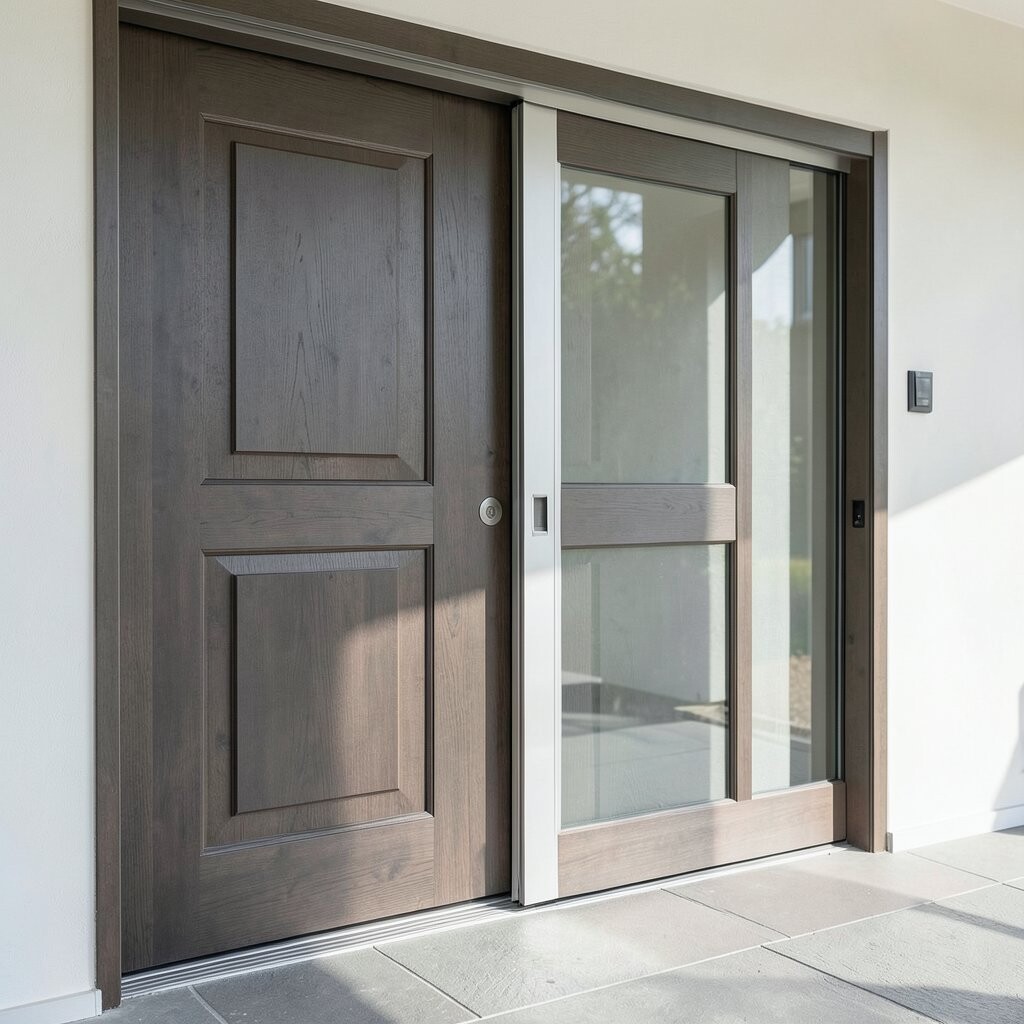
One common mistake is choosing a door material that does not fit the room or the way you live. Glass, wood, aluminum, and vinyl all have a different look and feel, so the wrong pick can lead to more care, more wear, or less comfort.
For example, a wood door can look warm and classic, but it may need more care in damp spaces. A glass door can bring in light and make a room feel bigger, but it may also need more cleaning and can show marks fast.
Think about how much use the door will get and how much work you want to do later. A good match can help the door last longer and make the space feel more natural.
2. Ignoring the Space Around the Track
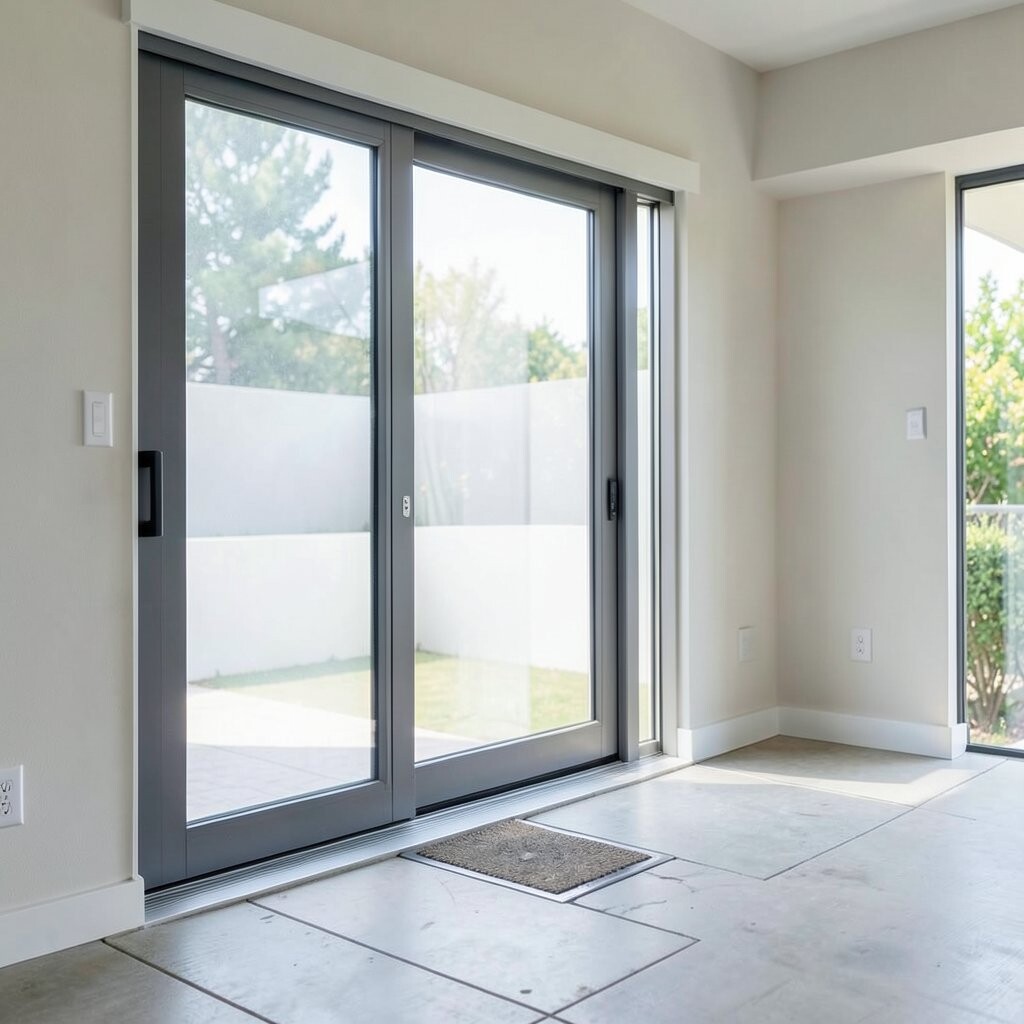
Sliding doors need clear space so they can move with ease. If furniture, rugs, or wall items get in the way, the door may stick, scrape, or feel hard to use.
This mistake can also make the room look crowded, which takes away one of the best parts of a sliding door. A clean path around the track can make the door feel smooth and keep the room open.
Before you choose a door, look at the full wall and floor area near it. Small changes, like moving a shelf or using a thinner rug, can help a lot.
3. Forgetting About Light and Privacy
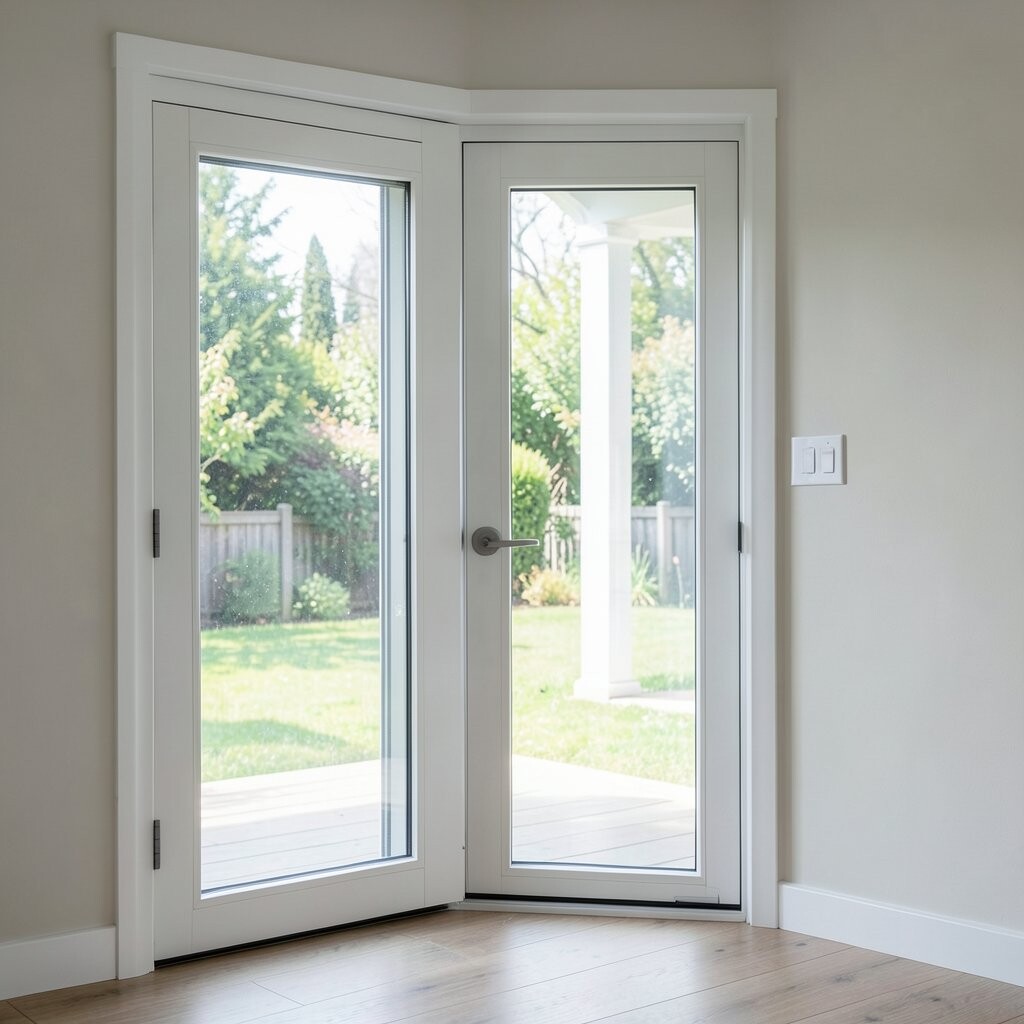
Some people pick a sliding door for the nice look, but they do not think enough about light and privacy. A clear glass door can give a bright, airy feel, but it may not be the best choice for a bedroom or bath.
If you want more privacy, frosted glass, tinted glass, or panels with covers can help. These choices can still look neat while giving you more peace and less worry.
Think about how the room is used each day and how much light you want inside. The right mix can make the room feel calm without making it too open.
4. Choosing the Wrong Track Style
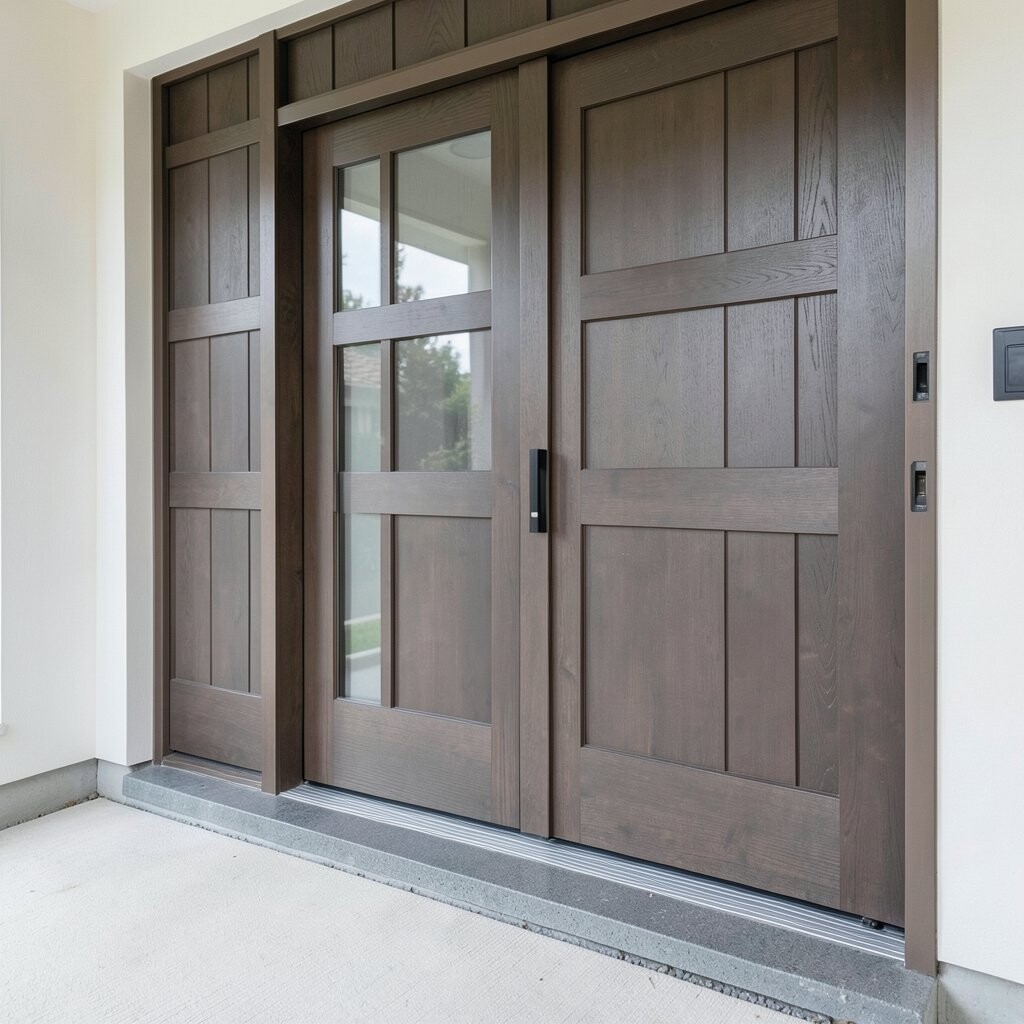
The track is a big part of how a sliding door works, yet many people treat it like a small detail. A poor track choice can make the door noisy, shaky, or hard to slide.
Some tracks sit on the floor, while others hang from above. Each style has its own look and use, and the best one depends on the room, the door size, and how much traffic the area gets.
Ask how easy the track is to clean and fix over time. A good track can save time, lower stress, and help the door stay smooth for years.
5. Not Measuring the Opening Carefully
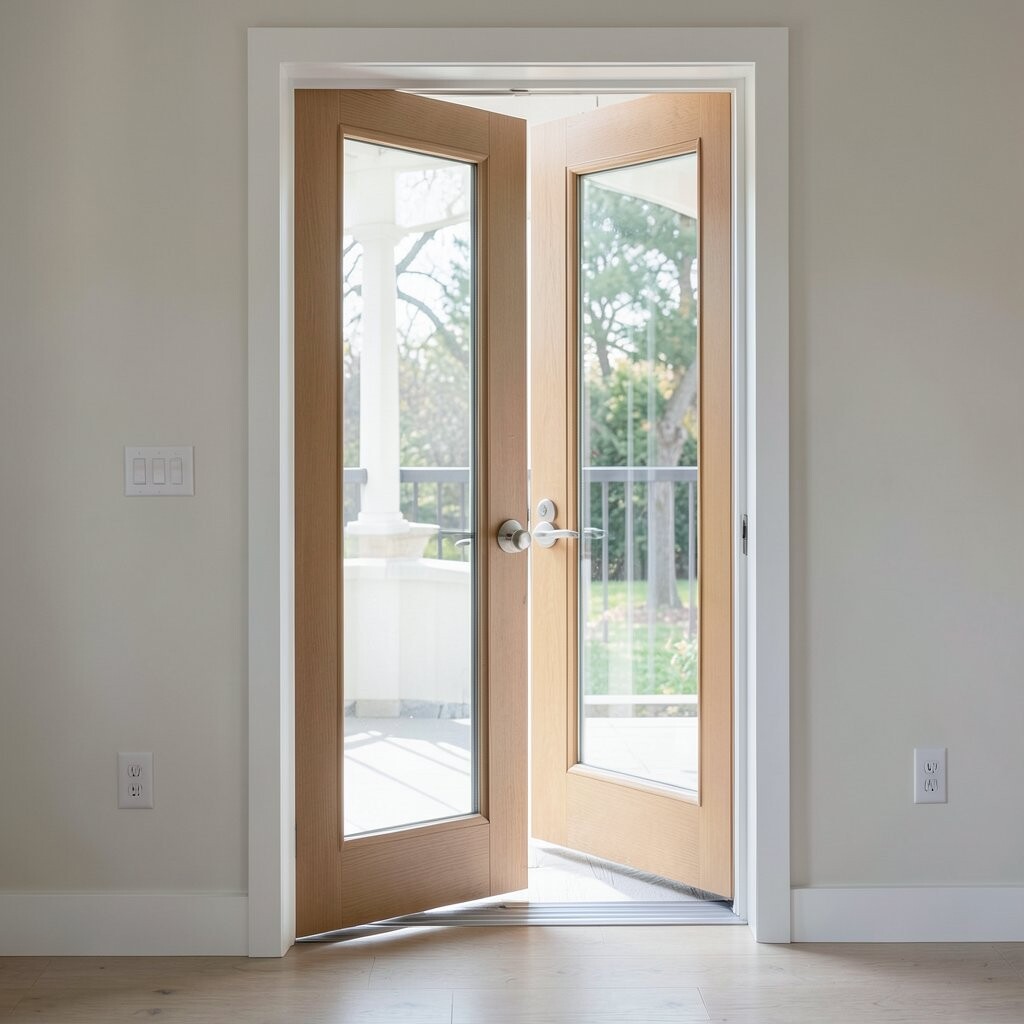
Bad measuring is one of the easiest mistakes to make with sliding doors. If the door is too small, gaps may show. If it is too large, it may not fit at all or may rub in the wrong place.
Careful measuring also helps the door line up with the wall and the track. That can make the door look neat and work the way it should.
Measure more than once and check the height, width, and any space needed for trim or hardware. This small step can help you avoid extra cost and delay.
6. Skipping Soft-Close Features
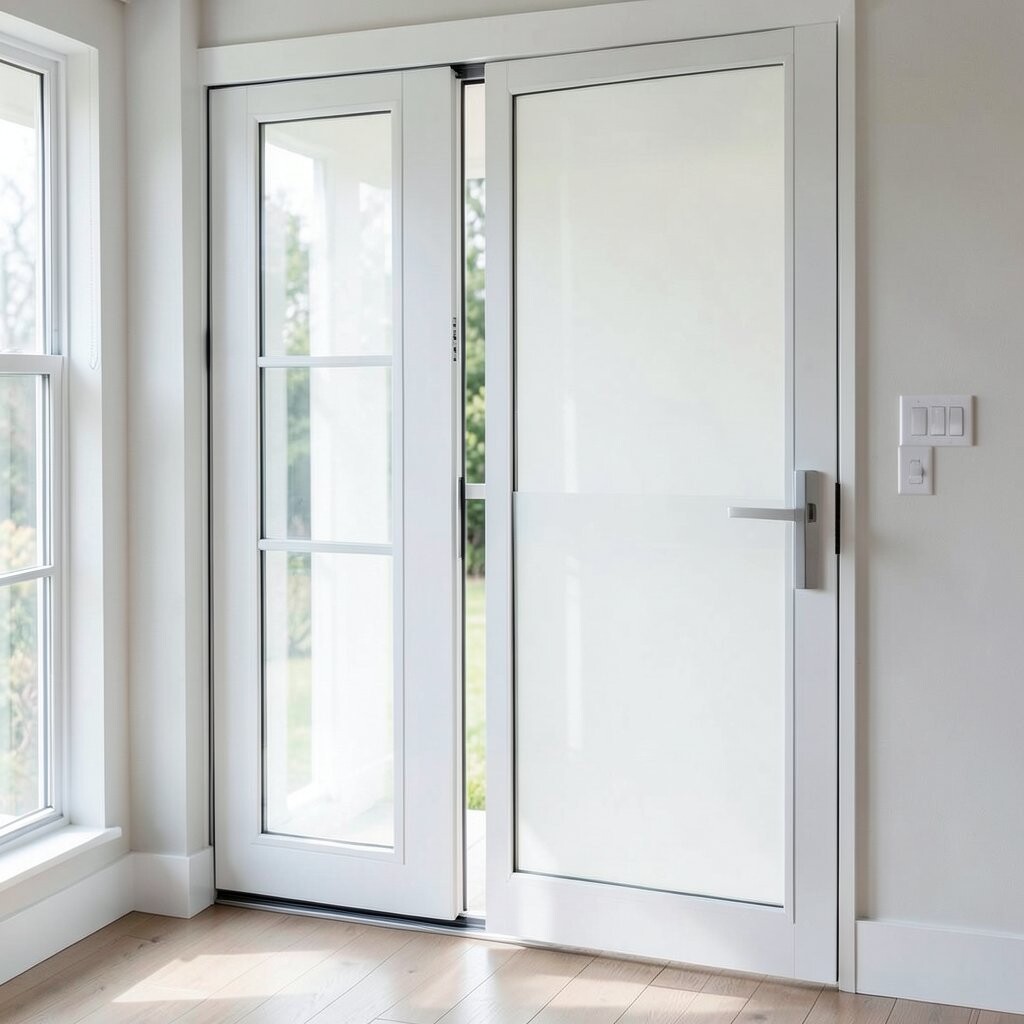
Many people like the clean look of sliding doors but skip soft-close parts to save money. That can be a mistake if the door is used often or if kids live in the home.
Soft-close parts help the door shut with less noise and less force. They can also help protect the door and track from hard hits over time.
This feature may cost more at first, but it can feel worth it in daily use. It adds comfort and can make the door feel more smooth and modern.
7. Using Hardware That Does Not Match the Room
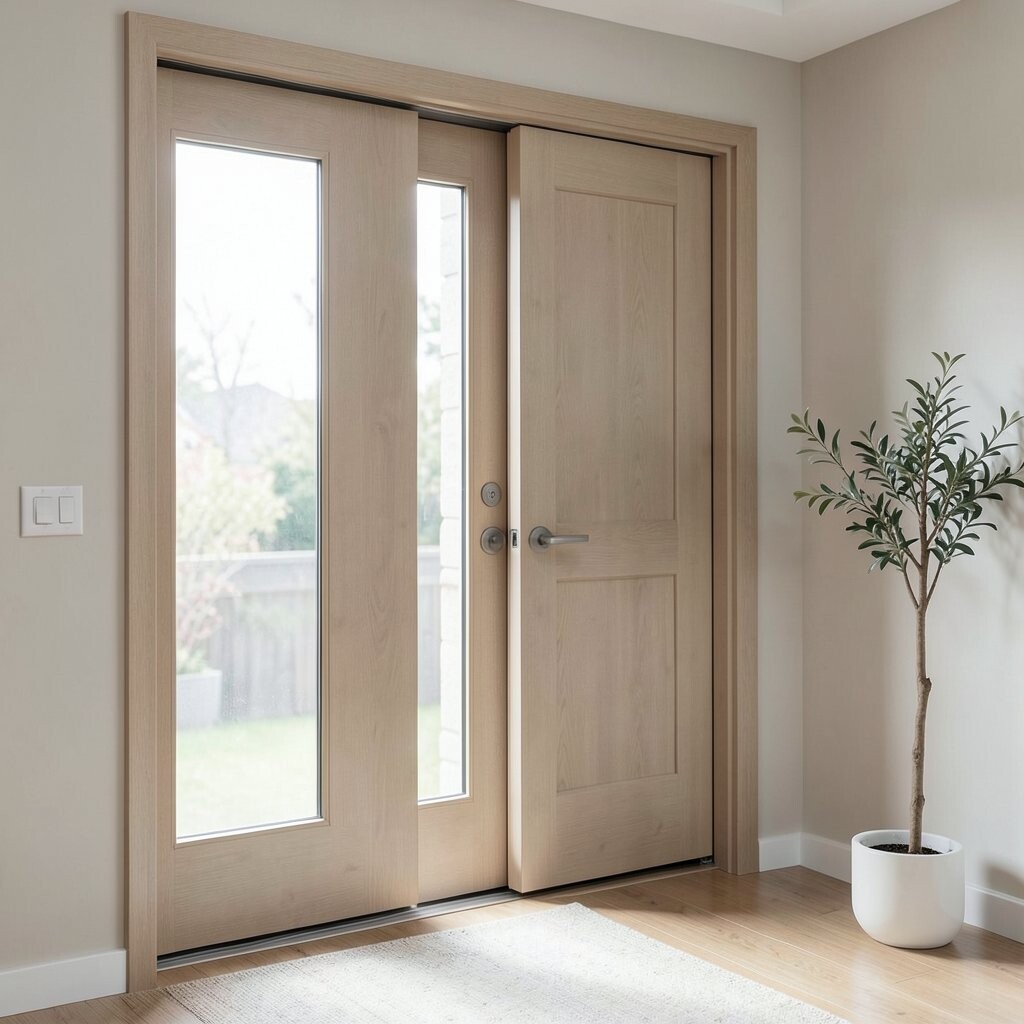
Handles, pulls, and track covers may seem small, but they affect the whole look of the door. If the hardware does not match the room, the door can look out of place even if the panel itself is nice.
Some homes look best with simple black metal parts, while others fit better with brushed steel, brass, or plain white pieces. The right hardware can make the door feel like part of the room instead of a separate add-on.
Try to match the hardware to other parts in the space, like lights, cabinet handles, or faucets. This can make the room feel more pulled together without much extra work.
8. Forgetting About Daily Cleaning
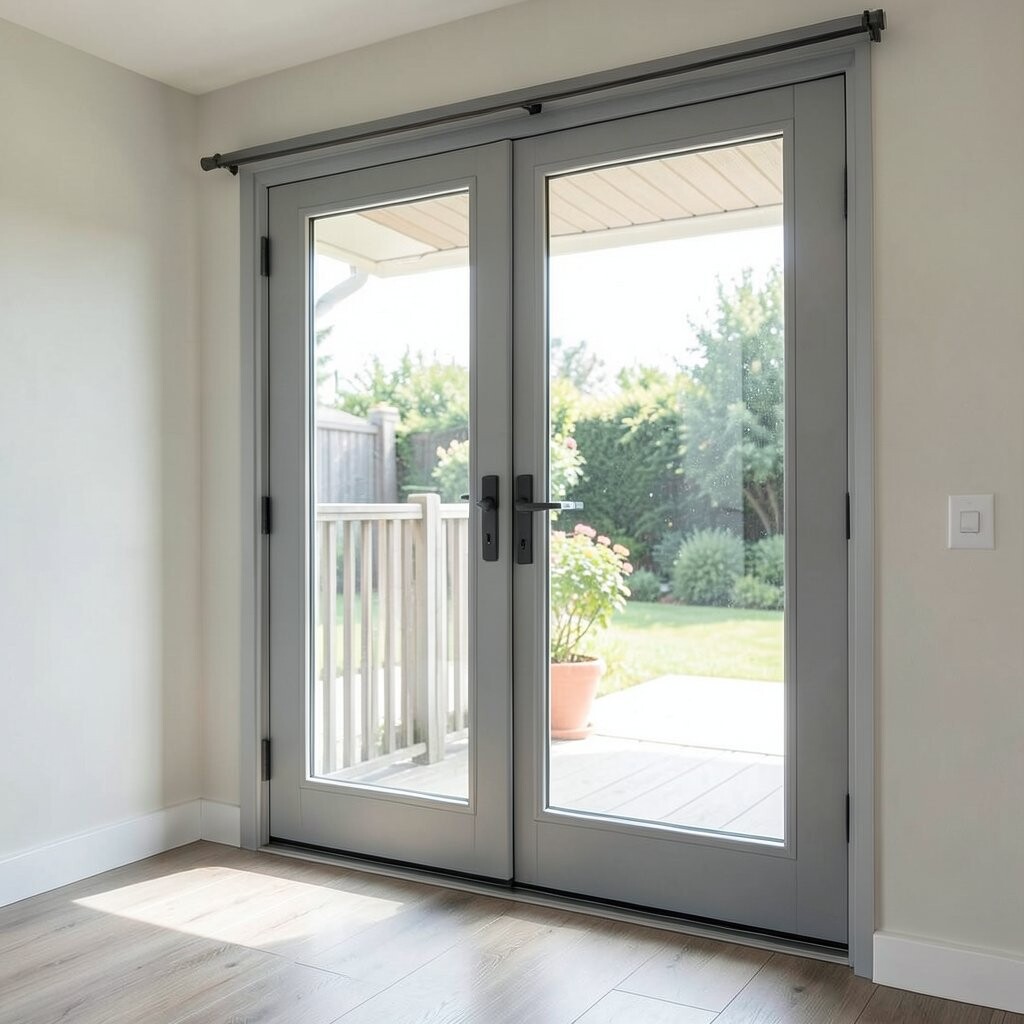
Sliding doors can gather dust, dirt, and finger marks fast, especially on glass and lower tracks. If you do not think about cleaning needs, the door may start to look messy and feel harder to use.
A track with open grooves can catch crumbs and hair, while a glass panel may show smudges in bright light. These small things can build up and make the door look older than it is.
Pick a style that fits your cleaning habits. If you want less work, choose parts that are easy to wipe and a track that does not trap dirt as much.
9. Overlooking Sound Control
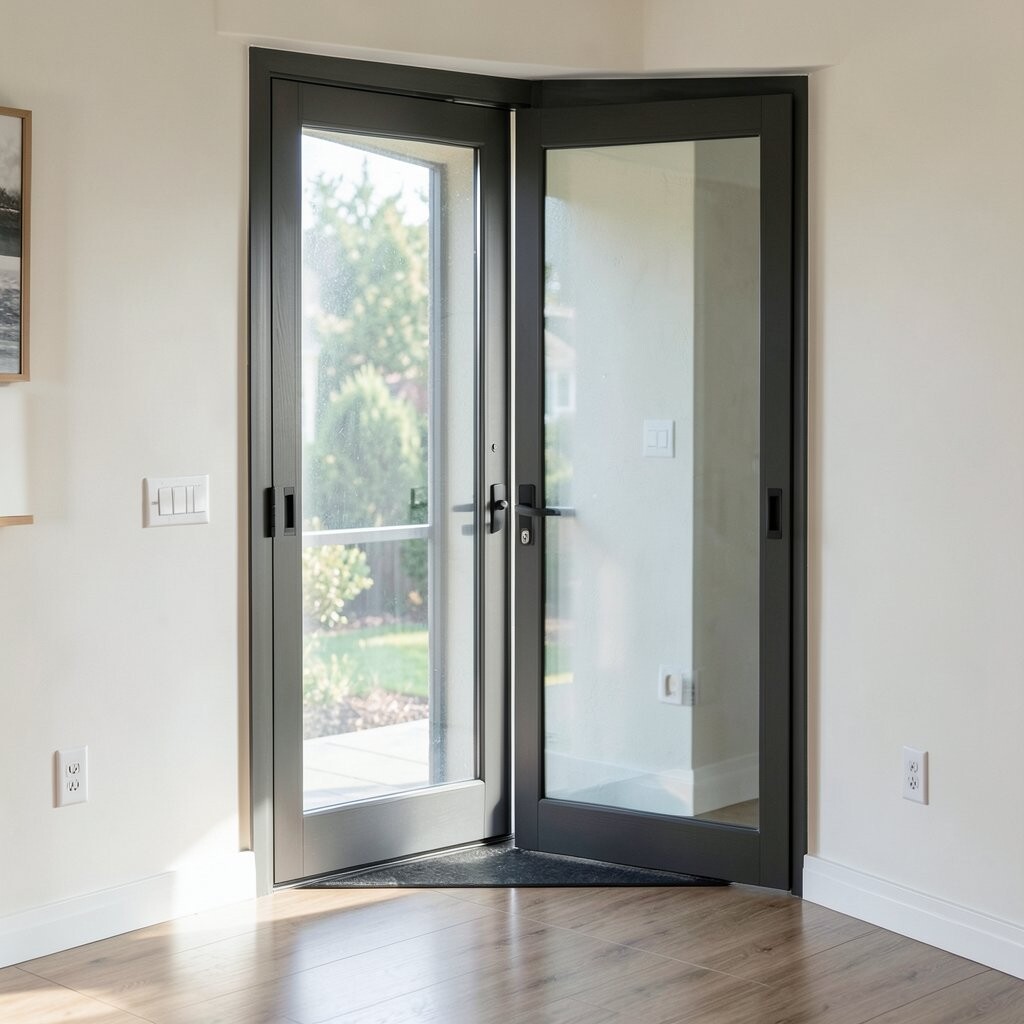
Some sliding doors look nice but do not block sound very well. That can be a problem in bedrooms, home offices, or shared spaces where people want more quiet.
Thin panels and loose fits may let sound pass through more easily. A door with a better seal or thicker panel can help make the room feel calmer and more private.
Think about how much noise moves through the room now and how you want it to feel later. This can help you choose a door that looks good and also works well for daily life.
10. Picking a Style That Fights the Room Layout
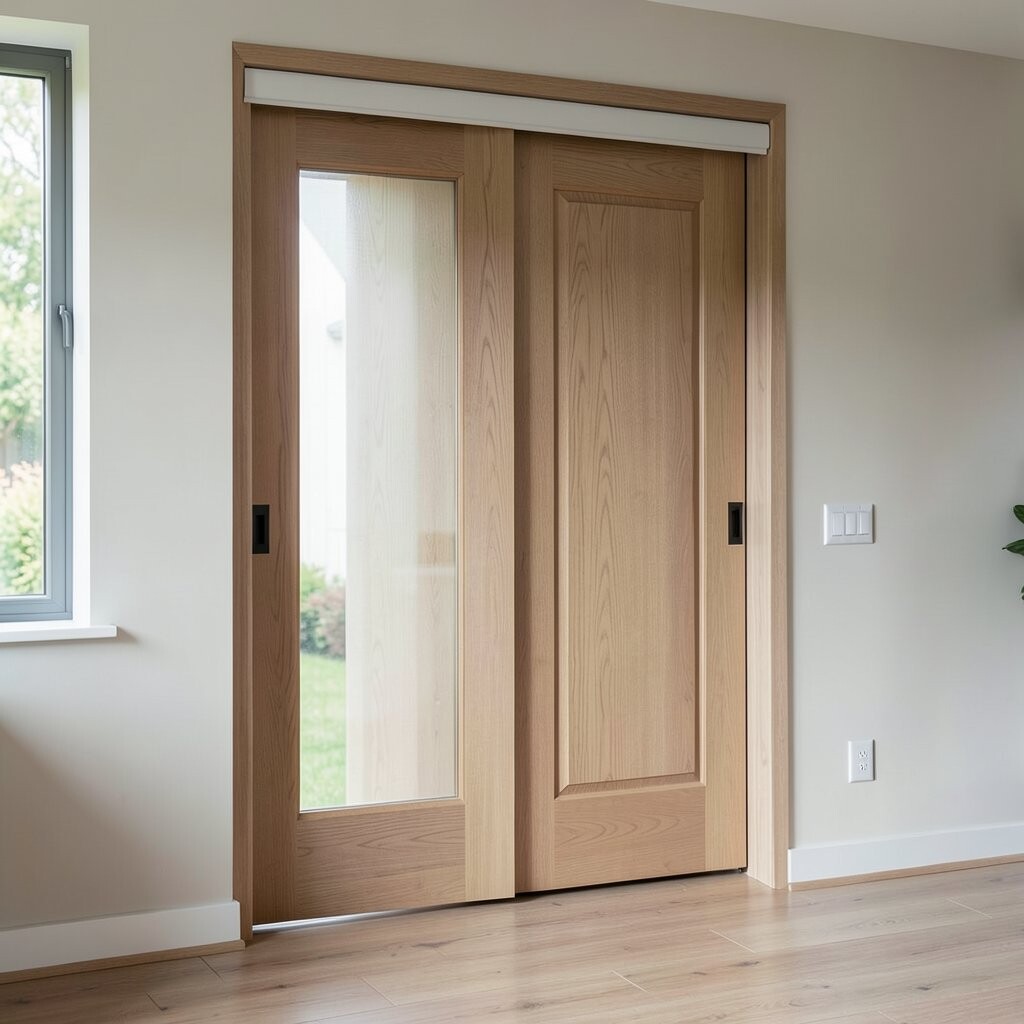
Not every sliding door works in every room shape. If the door opens the wrong way or blocks a key wall, it can make the room harder to use.
A door that looks great in a store may feel awkward at home if it gets in the way of chairs, beds, or storage. The best choice should fit the path people use most often.
Walk through the room before you buy. Picture where the door will move and how people will pass by it each day.
11. Buying on Looks Alone
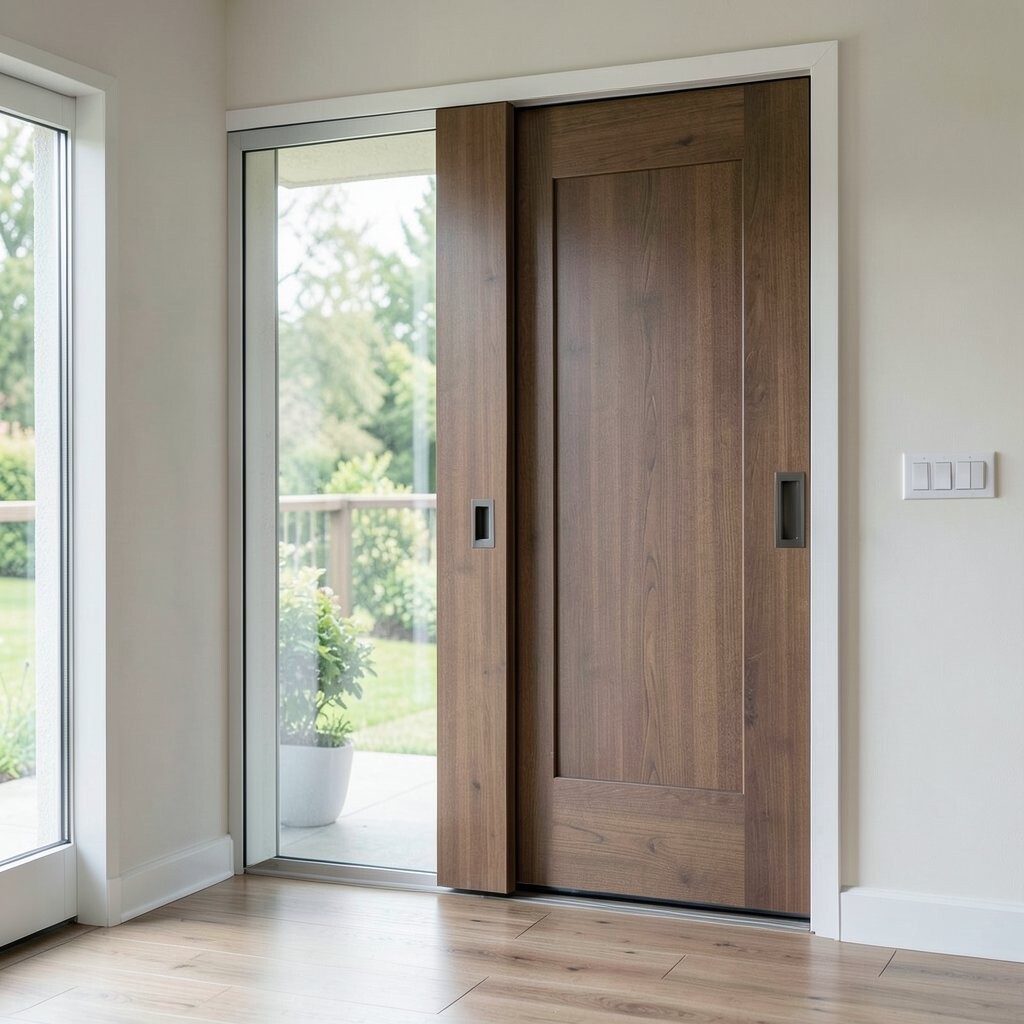
It is easy to focus on the look of a sliding door and forget how it will work. But a pretty door that sticks, rattles, or feels heavy can be a letdown fast.
Good use matters just as much as style. A door should slide with little effort, fit the room, and hold up to the way your family lives.
Try to balance looks, use, and care needs. This helps you get a door that feels right every day, not just on the first day.
12. Not Thinking About Safety
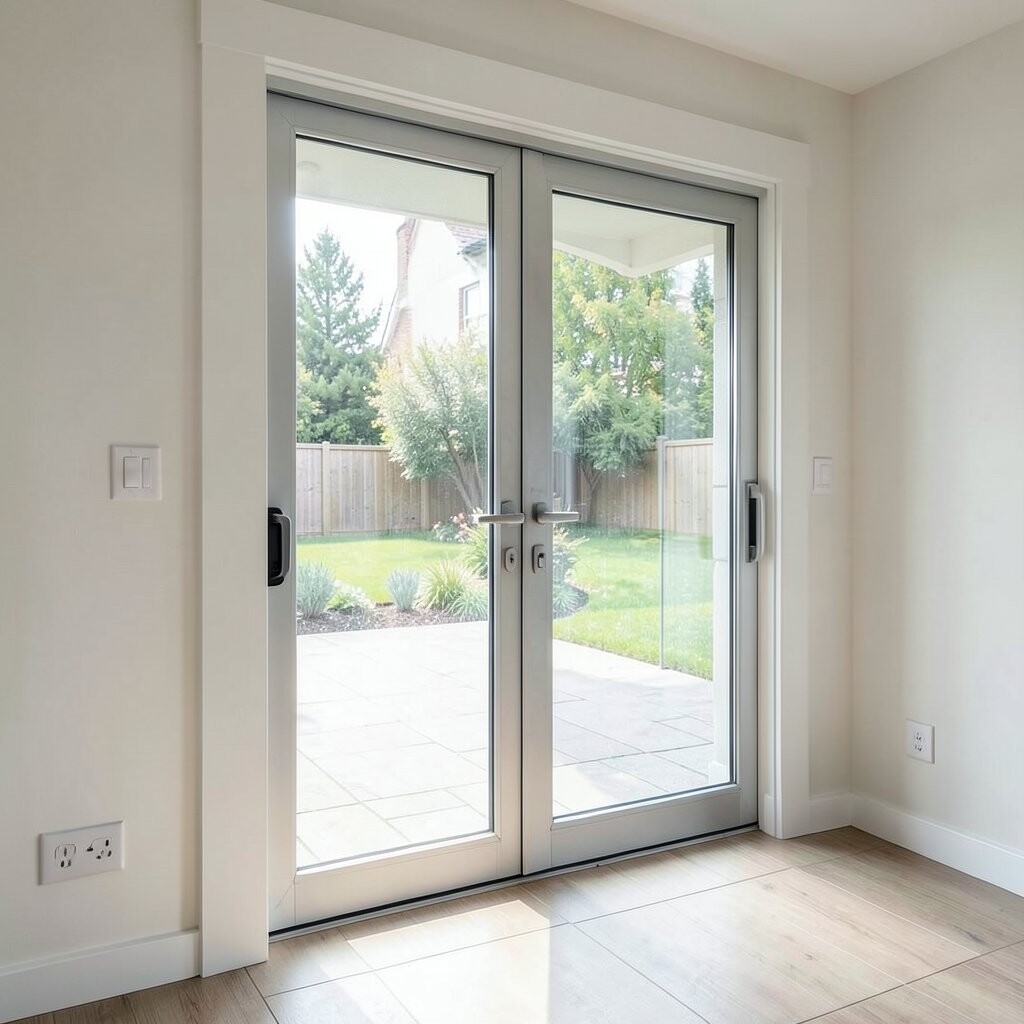
Safety is a big part of any door choice, especially in homes with kids or older adults. Glass that is not made for safety or hardware with sharp edges can create risk.
It also helps to think about finger space, door weight, and how easy the door is to stop or guide. A safe door can still look clean and modern.
Look for smooth edges, strong parts, and glass made for home use. These details may not stand out at first, but they matter a lot over time.
13. Choosing the Wrong Color or Finish
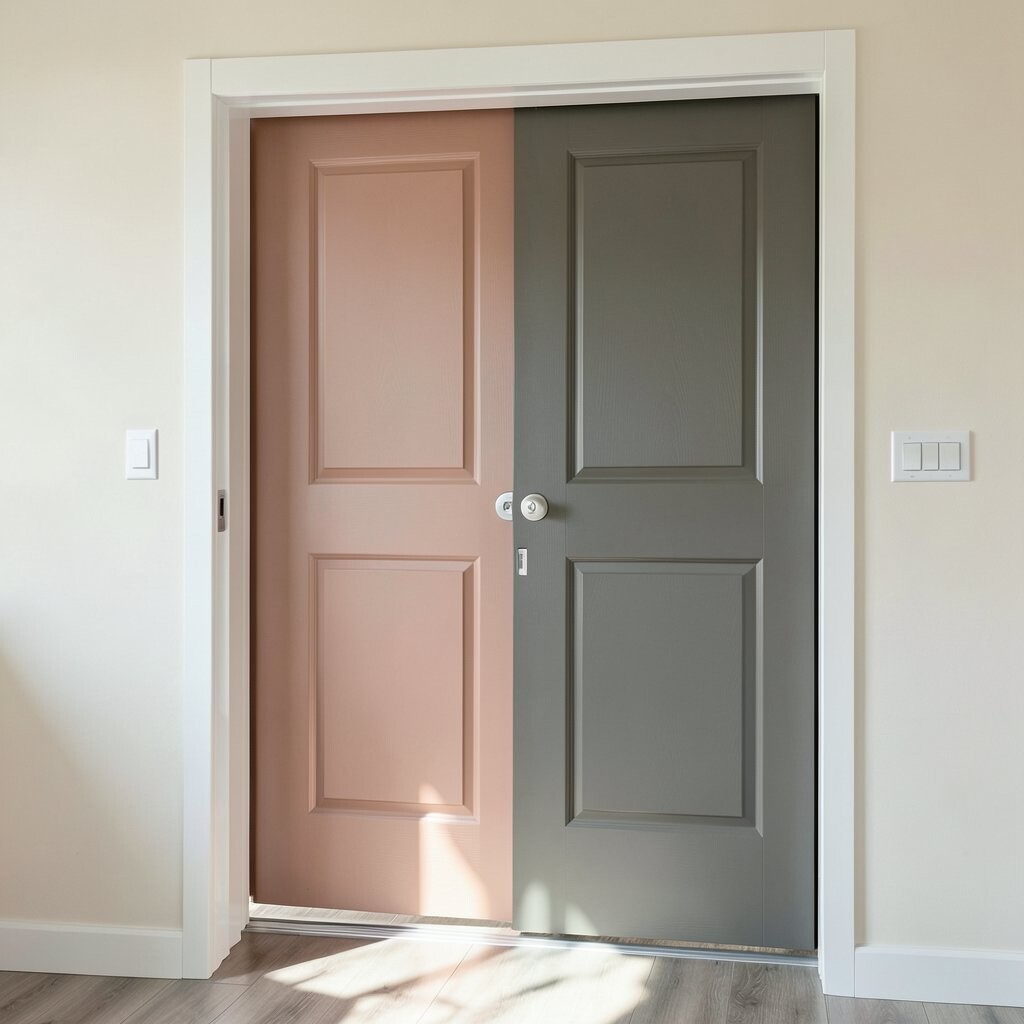
The color and finish of a sliding door can change the whole feel of a room. A finish that is too dark, too shiny, or too plain may not fit the space as well as you hoped.
Light colors can make a room feel open, while darker ones can add a strong frame and a more firm look. Matte finishes often hide marks better than glossy ones, which can be nice in busy homes.
Think about the wall color, floor tone, and nearby furniture before you decide. A good finish can help the door feel like part of the room instead of a separate piece.
14. Not Planning for Future Changes
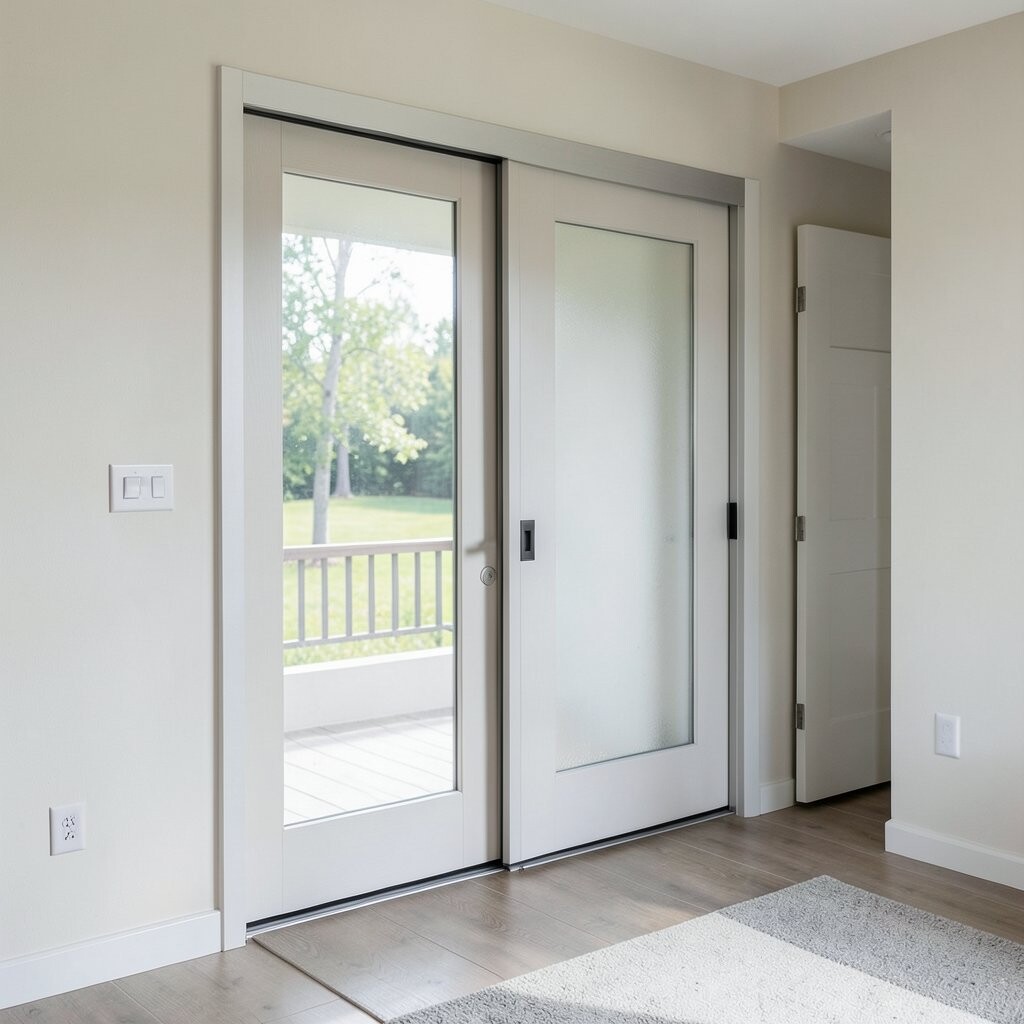
Some people choose a sliding door for the room they have right now, but they forget that needs can change. A home office may later become a guest room, or a child’s room may need more privacy.
A flexible door style can help with those changes. Neutral looks, strong parts, and easy-to-use hardware can make the door useful for longer.
It can also help to think about trends that may last, not just what feels new today. Simple shapes and clean lines often stay useful even when room styles change.
15. Trying to Save Too Much Up Front
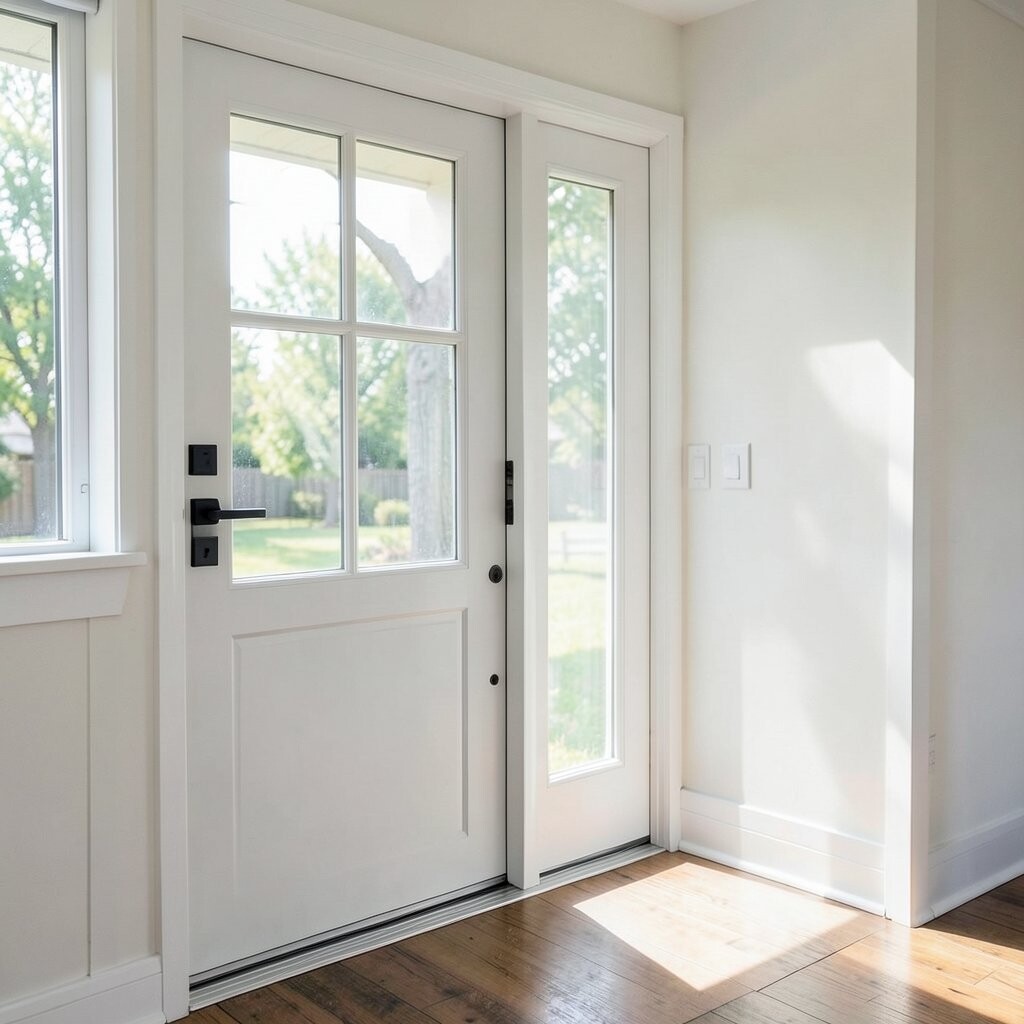
It can be tempting to buy the lowest-cost sliding door and call it done. But a cheap door may wear out faster, need more fixes, or feel rough each day.
That does not mean you need the most costly option. It means you should look at value, not just the price tag, and think about how long the door will last.
In many homes, spending a bit more on strong parts, smooth tracks, and a good fit can save money later. A door that works well and looks nice can be a better deal over time.