Mixed media art uses more than one kind of material in one piece. It can help you make work that feels fresh, simple, and full of life.
1. Paper and Paint Collage
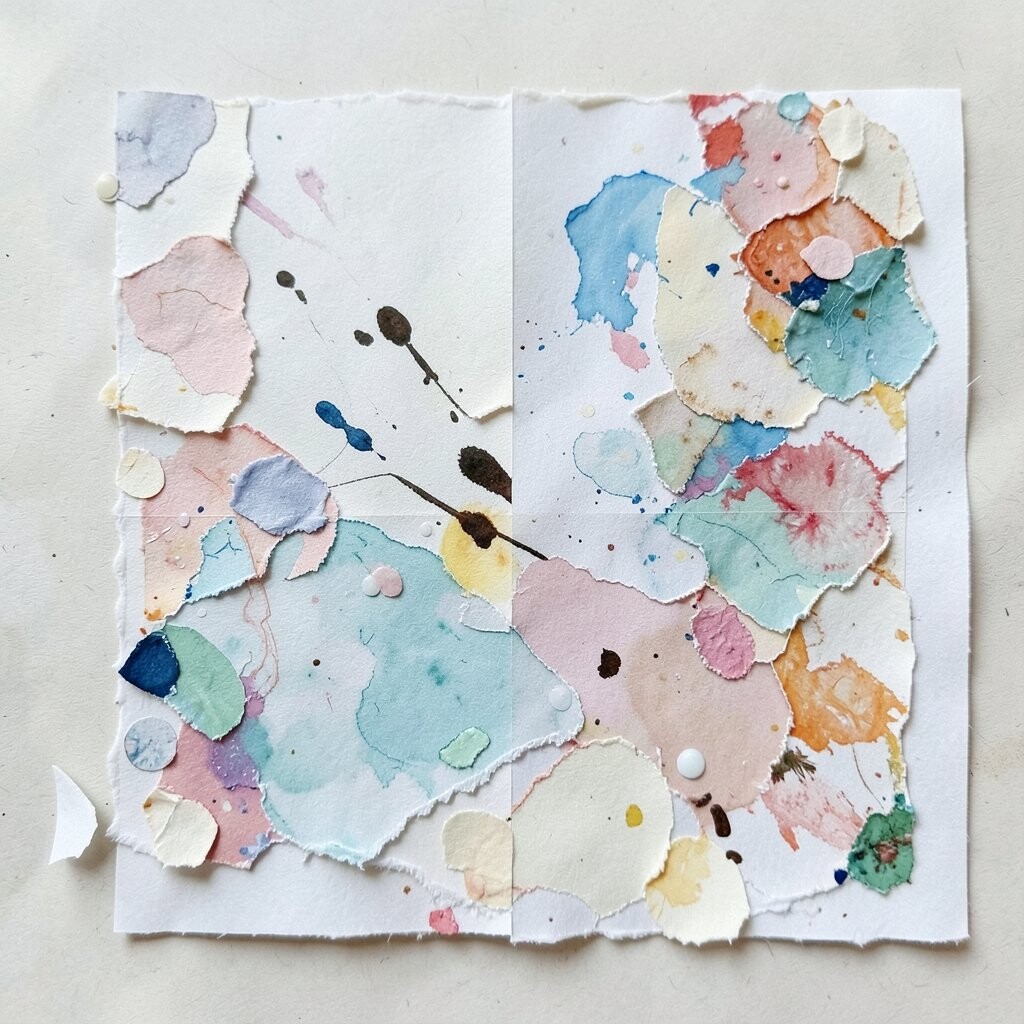
Paper and paint collage is a good way to start with mixed media. You can use old book pages, scrap paper, magazine cuts, and paint to build a bright and layered look.
This style is easy to make at home and does not cost much. It also gives you room to try new color mixes, rough edges, and soft brush marks without much pressure.
Try adding torn paper first, then brush paint over parts of it. You can keep it neat or make it messy, based on the look you want.
2. Ink and Watercolor Washes
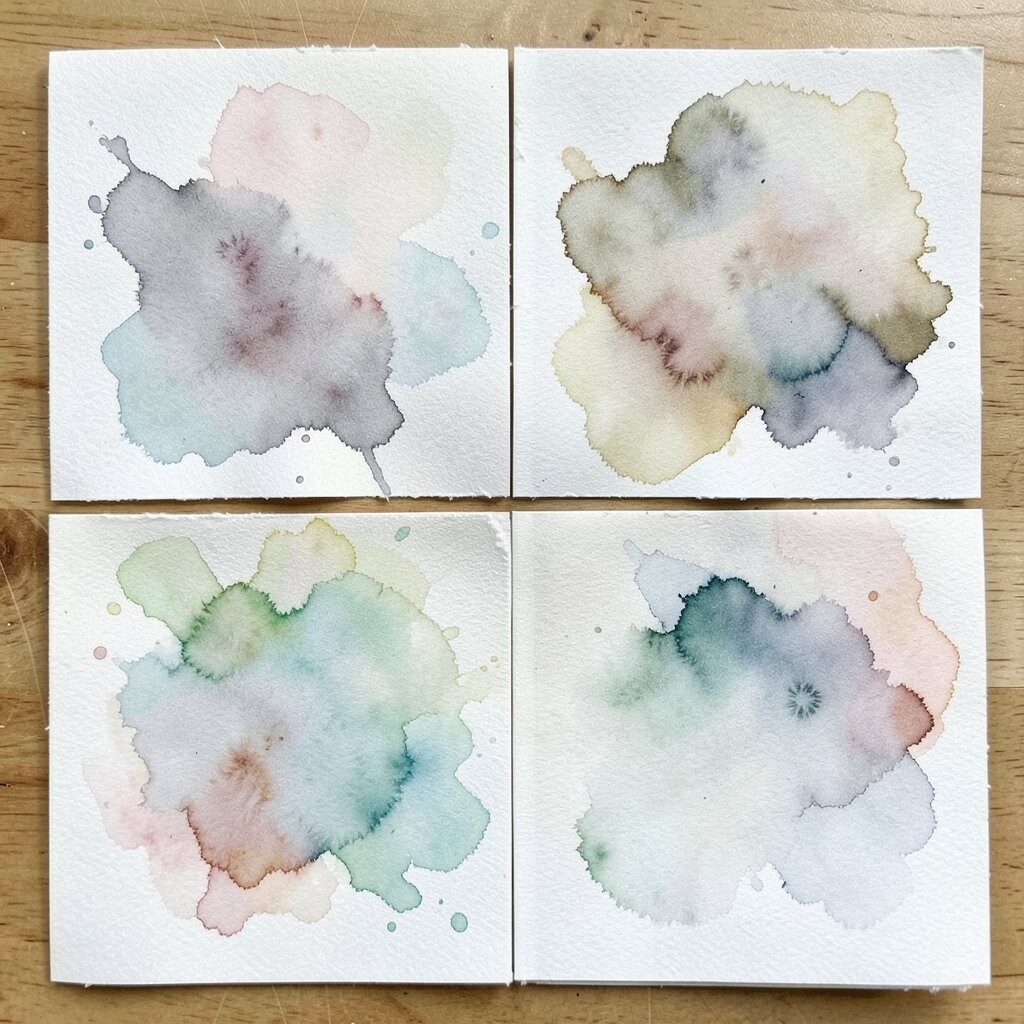
Ink and watercolor washes can make a piece look light and soft. The ink gives sharp lines, while the watercolor adds flow and color that spread across the page.
This mix is nice for people who like both control and chance. A small change in water use can make a big change in the final look.
You can use this idea for flowers, faces, city scenes, or simple shapes. It works well with cheap paper, so you do not need a big budget to try it.
3. Fabric and Thread Art
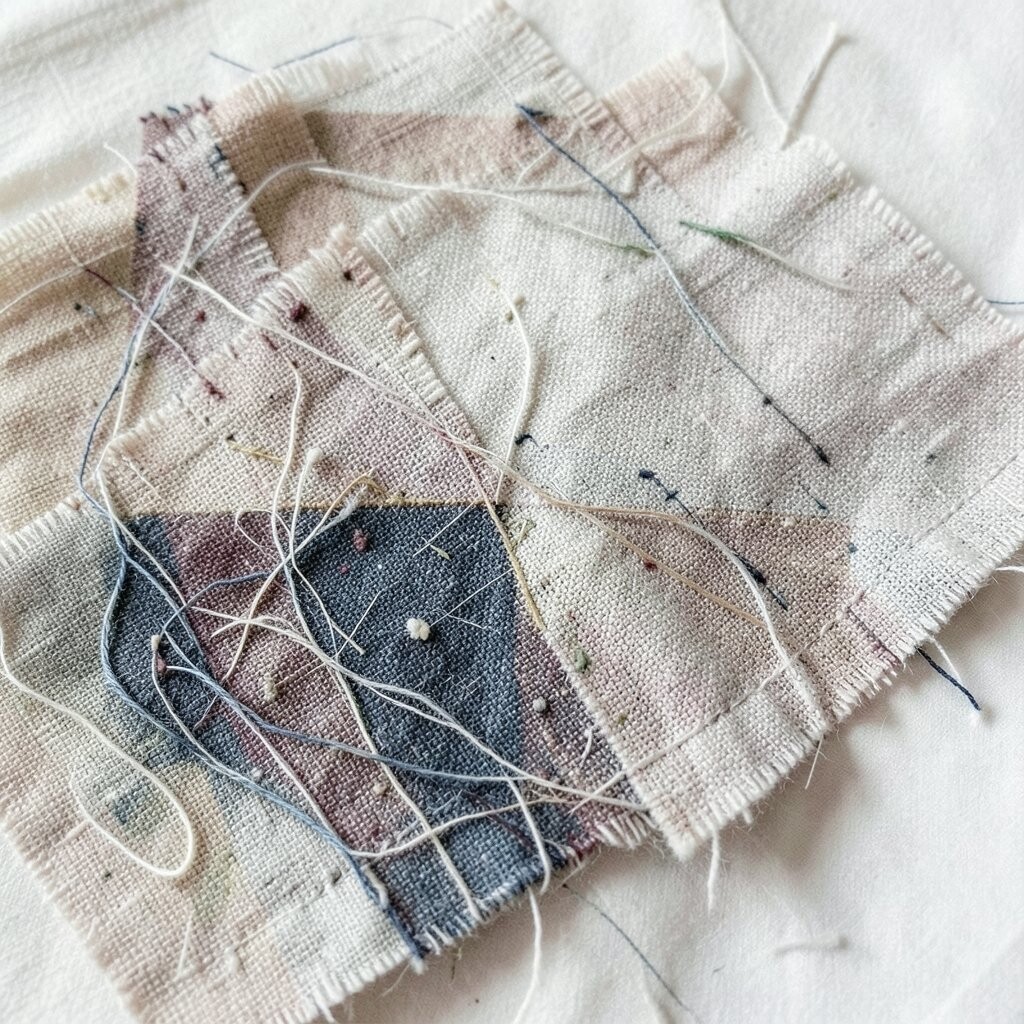
Fabric and thread art adds texture you can see and feel. You can cut cloth, stitch it down, and layer thread on top for a handmade look.
This kind of work is unique because the soft cloth and the tight thread work together in a nice way. It can also help you use old shirts, scraps, and other bits from home.
Try simple hand stitches if you are new to it. You can make small wall pieces, cards, or page art with very little cost.
4. Charcoal and Pastel Layers
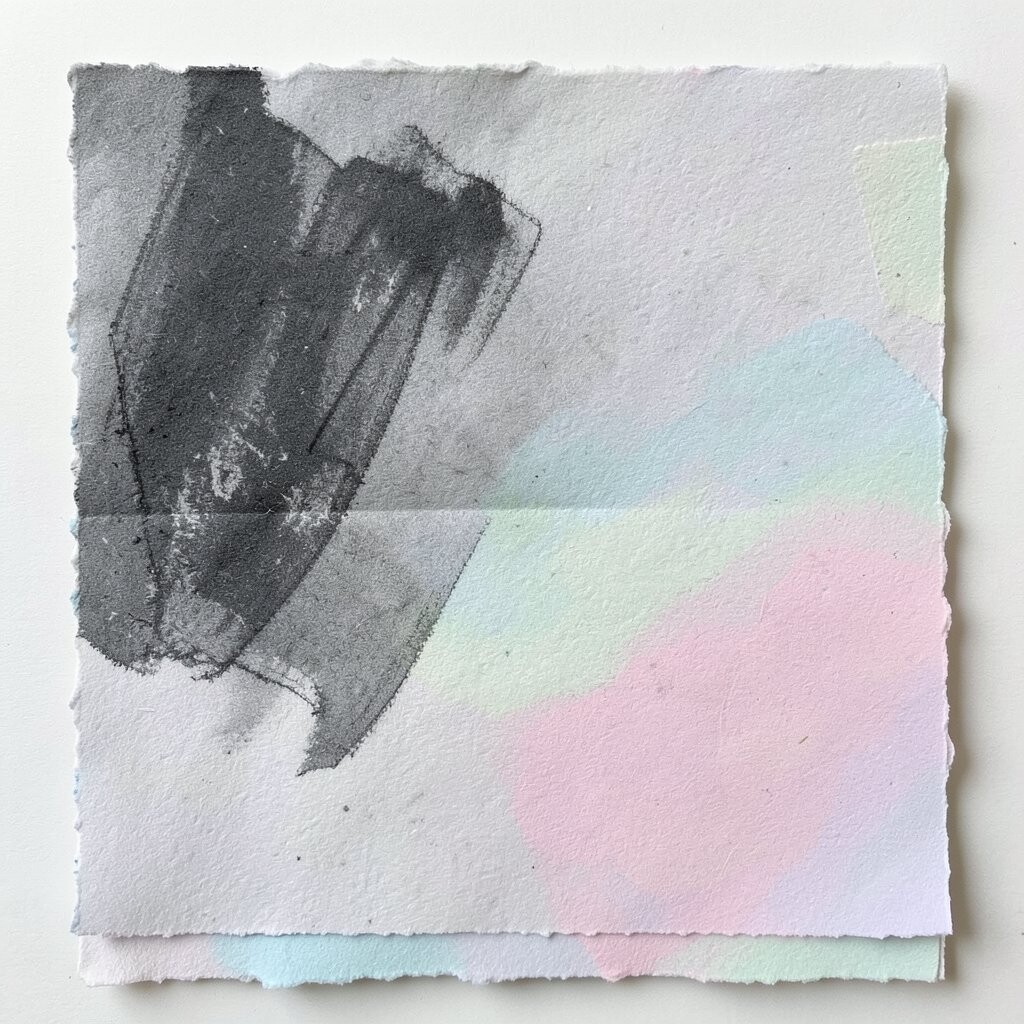
Charcoal and pastel layers give a bold and dusty look. Charcoal makes dark marks, and pastel adds soft color that sits on top of the page.
This mix is good for portraits, still life, and loose sketches. It can help you make quick art that feels full and rich without needing many tools.
Keep a tissue nearby to blend parts of the drawing. If you want more color, add a light fixative or use thicker paper.
5. Photo and Paint Mix
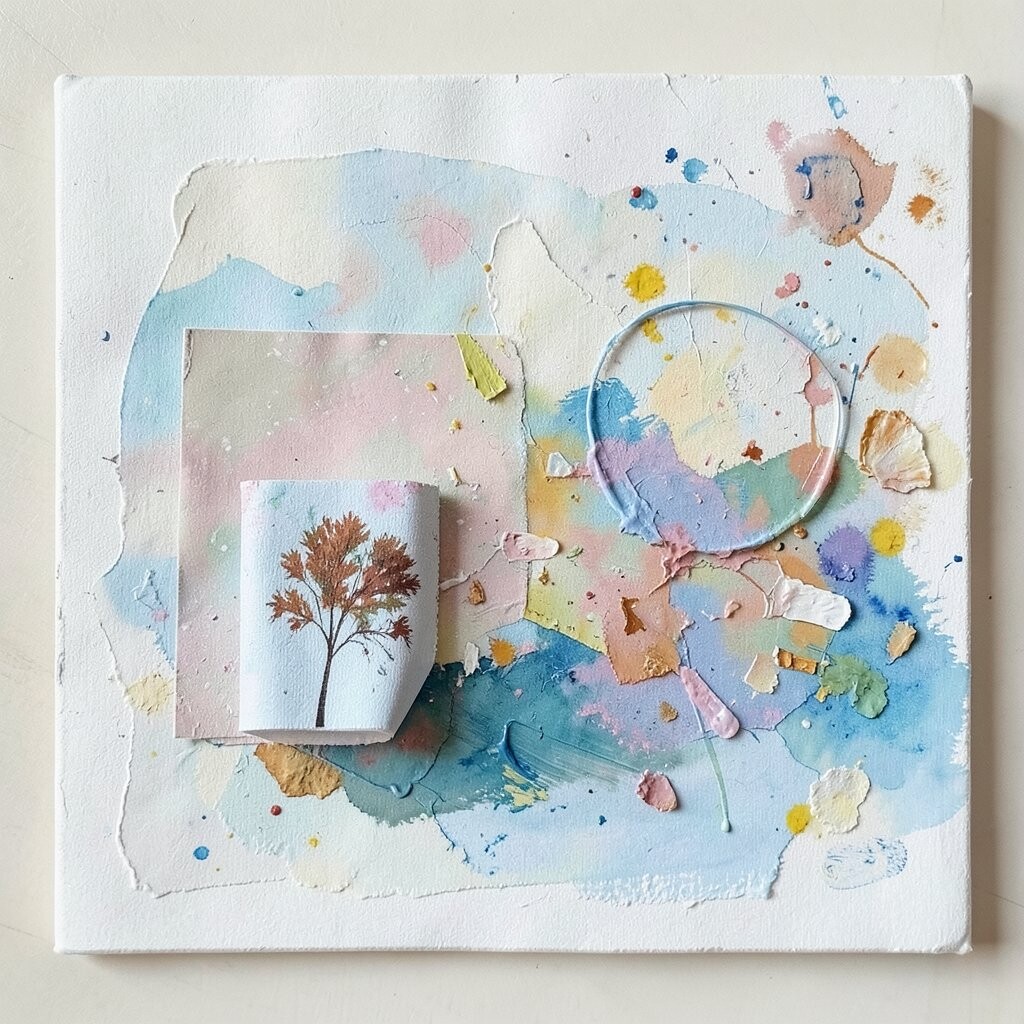
Photo and paint mix art uses printed photos with paint on top or around them. The photo gives a real scene, and the paint can change the mood or add new parts.
This style is popular in home decor and art journals. It can make old family photos, travel shots, or simple snapshots feel more personal.
You can paint borders, shapes, or full areas over the photo. This is a low-cost way to make something that feels new without starting from zero.
6. Found Objects and Glue Art
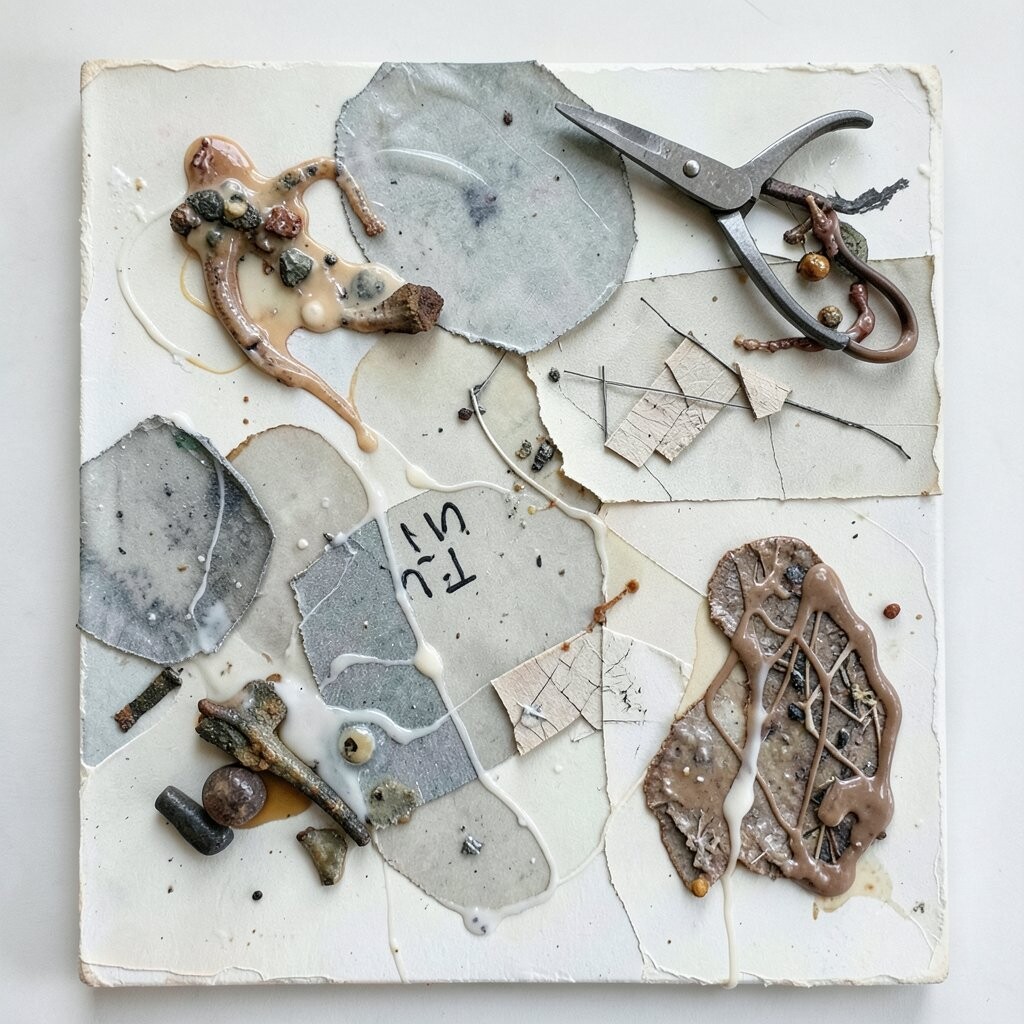
Found objects and glue art uses small things you already have. Bottle caps, string, buttons, leaves, and keys can all become part of the work.
This idea stands out because it turns plain items into art. It also helps you see value in things that might have been thrown away.
Try keeping the objects flat if you want an easy wall piece. If you like a more full look, build layers and let some parts stand out.
7. Marker and Stencil Designs
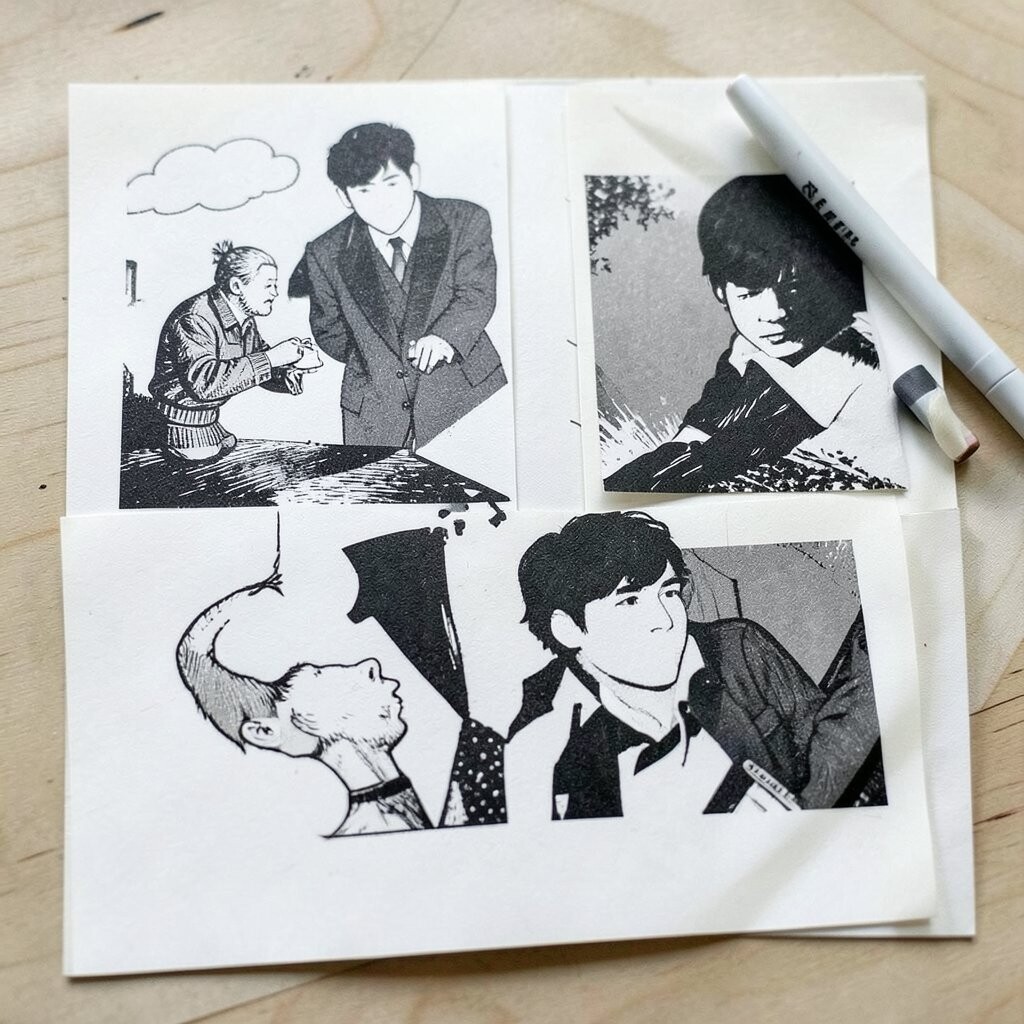
Marker and stencil designs are simple and neat. The stencil gives shape, and the marker adds clean lines, color blocks, or small details.
This mix works well for posters, cards, and sketchbook pages. It is also a good choice if you want clear shapes without needing strong drawing skills.
You can buy stencils or make your own from cardboard. Markers are easy to carry and usually cost less than many other art tools.
8. Clay and Painted Surface
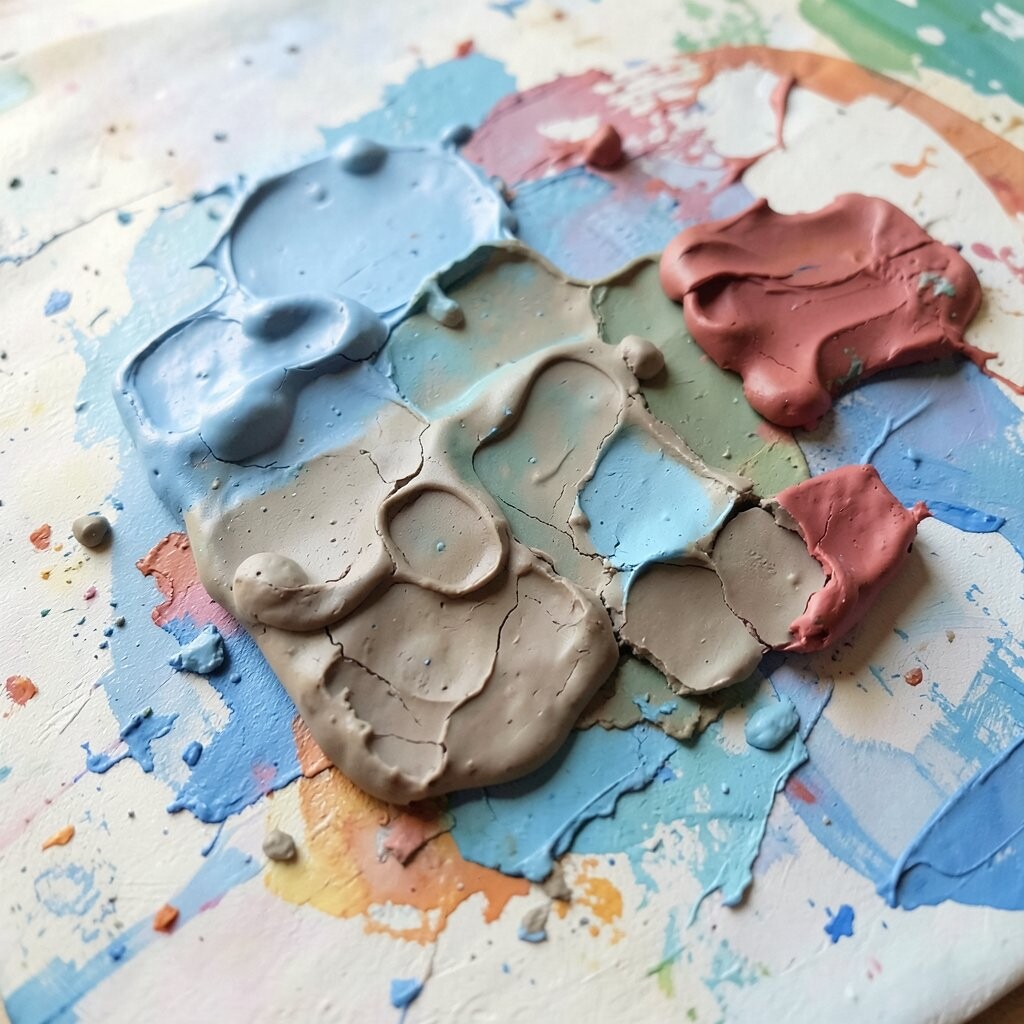
Clay and painted surface art brings form and color together. You can shape air-dry clay, attach it to a board, and paint it after it dries.
This gives your work a raised look that feels different from flat art. It can be used for signs, small scenes, or simple wall pieces.
Try using basic shapes first, like leaves, faces, or stars. Paint can help small details stand out and can make the clay look more finished.
9. Ink Drawing with Colored Pencil
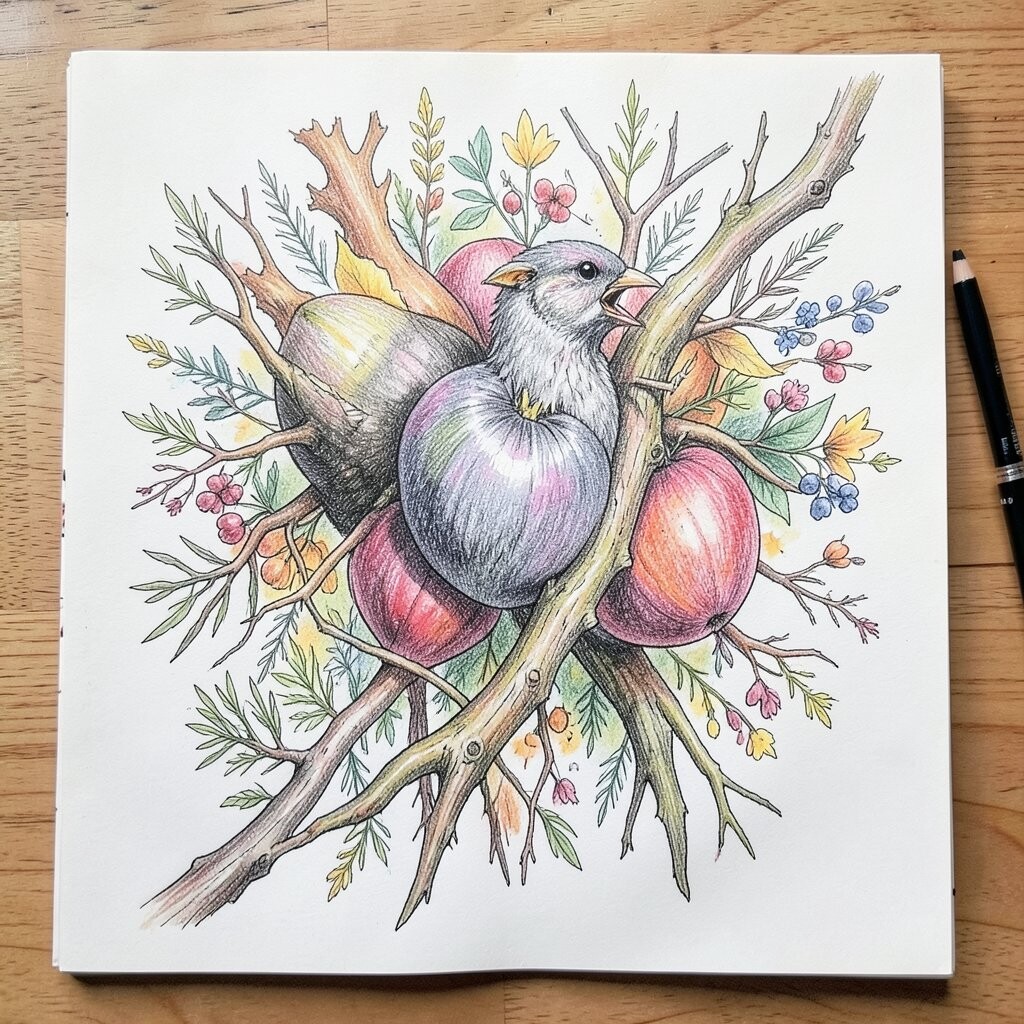
Ink drawing with colored pencil is a good mix for clean lines and soft color. The ink sets the shape, while the pencil adds shade, tone, and small changes.
This style is useful for people who like to plan their work but still want a gentle look. It also works well for nature art, animals, and scenes from daily life.
You can keep the colors light for a calm feel or press harder for a stronger look. Colored pencils are easy to store and often cost less than paint sets.
10. Tape Art with Paint
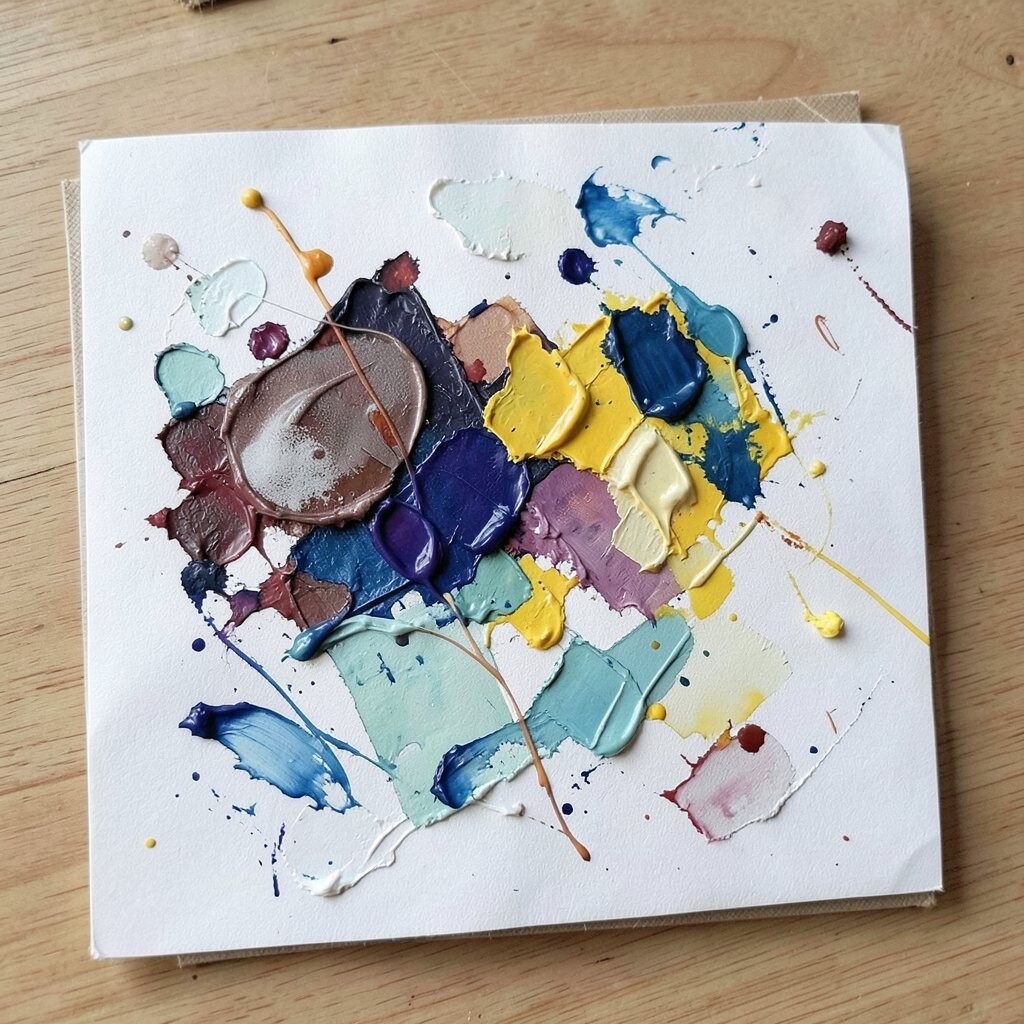
Tape art with paint makes crisp lines and bold blocks of color. You place tape on the page or board, paint over it, and then peel it away for sharp edges.
This is a fun way to make clean shapes without much skill. It fits well with modern home style and simple wall art trends.
Use painter’s tape if you want easy removal. You can make stripes, grids, or abstract forms, and the supplies are usually cheap.
11. Coffee Stain and Pen Work
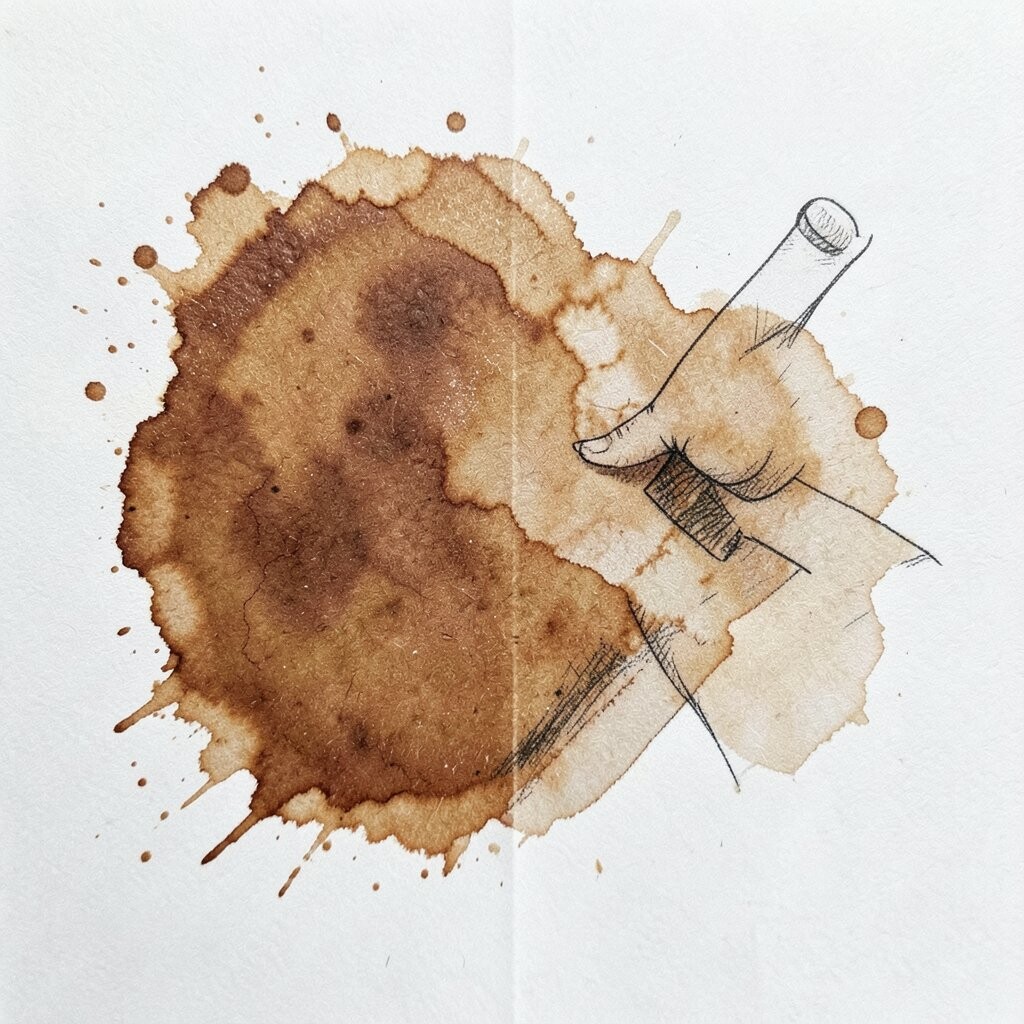
Coffee stain and pen work gives art a warm, old feel. The coffee makes soft brown marks, and the pen can turn those marks into faces, trees, maps, or patterns.
This idea is low cost because it uses a common kitchen item. It is also a good way to make pages look aged without buying special paper.
Try painting the coffee on with a brush or sponge. Once it dries, add pen lines where the stains suggest a shape or scene.
12. Magazine Cutouts and Ink
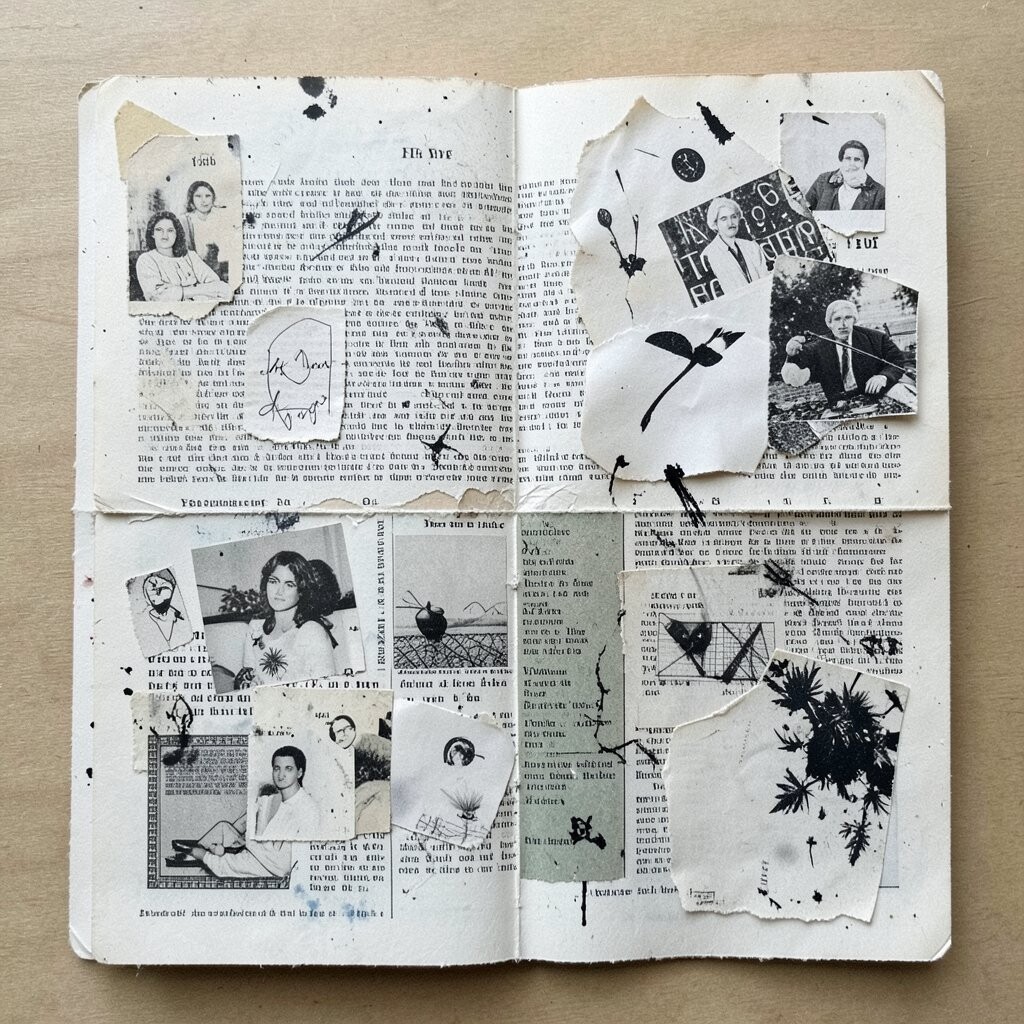
Magazine cutouts and ink can make bold and playful art. You can cut faces, words, textures, or objects from magazines and add ink lines around them.
This mix works well for mood boards and collage pages. It can also help you build new scenes from old printed images.
Try using a few large cutouts instead of too many small ones. Ink can tie the piece together and give it a more complete look.
13. Acrylic Paint and Sand Texture
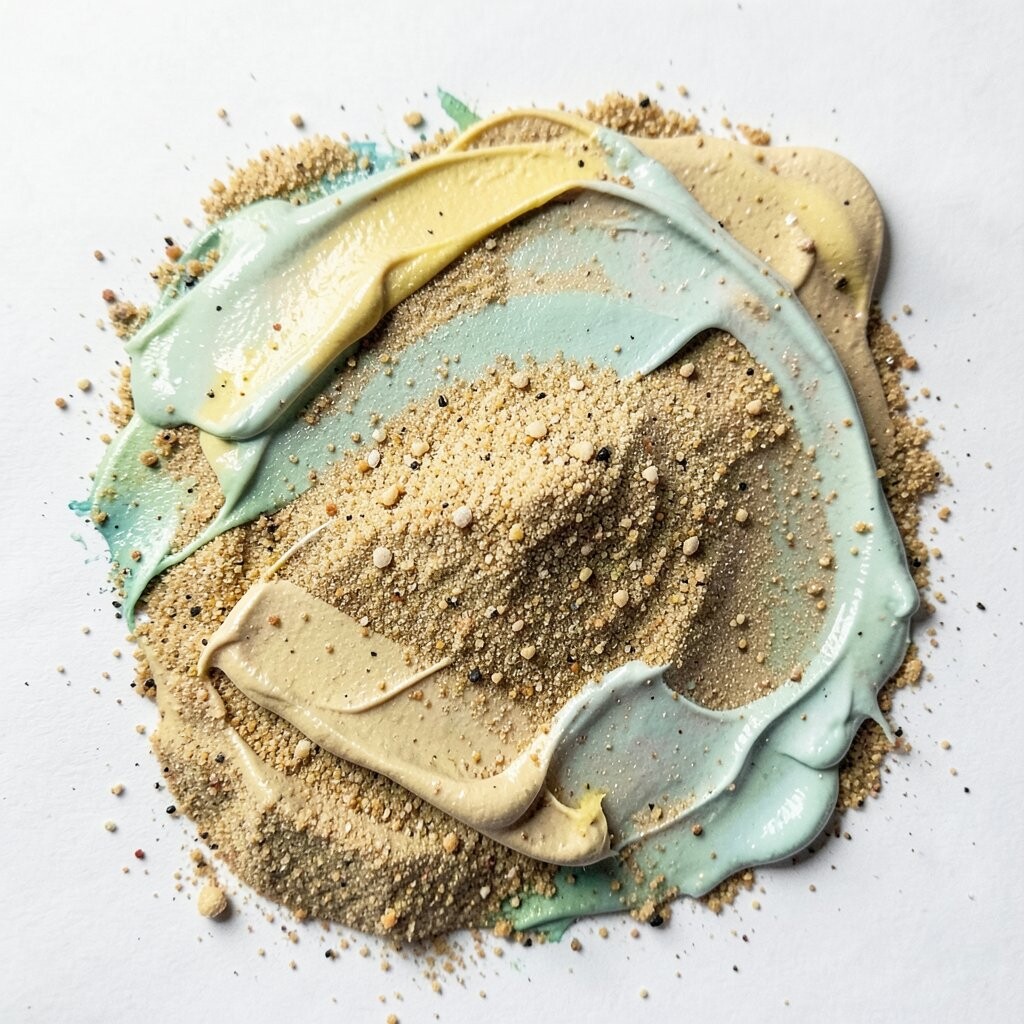
Acrylic paint and sand texture create a rough, earthy surface. You can mix fine sand into paint or press sand into wet paint for a gritty look.
This style is unique because it adds touchable depth. It can make landscapes, beach scenes, and abstract work feel more real.
Use a small amount of sand first so the surface does not get too heavy. Acrylic paint dries fast, which makes it easy to keep working in short steps.
14. Stitch and Paper Layers
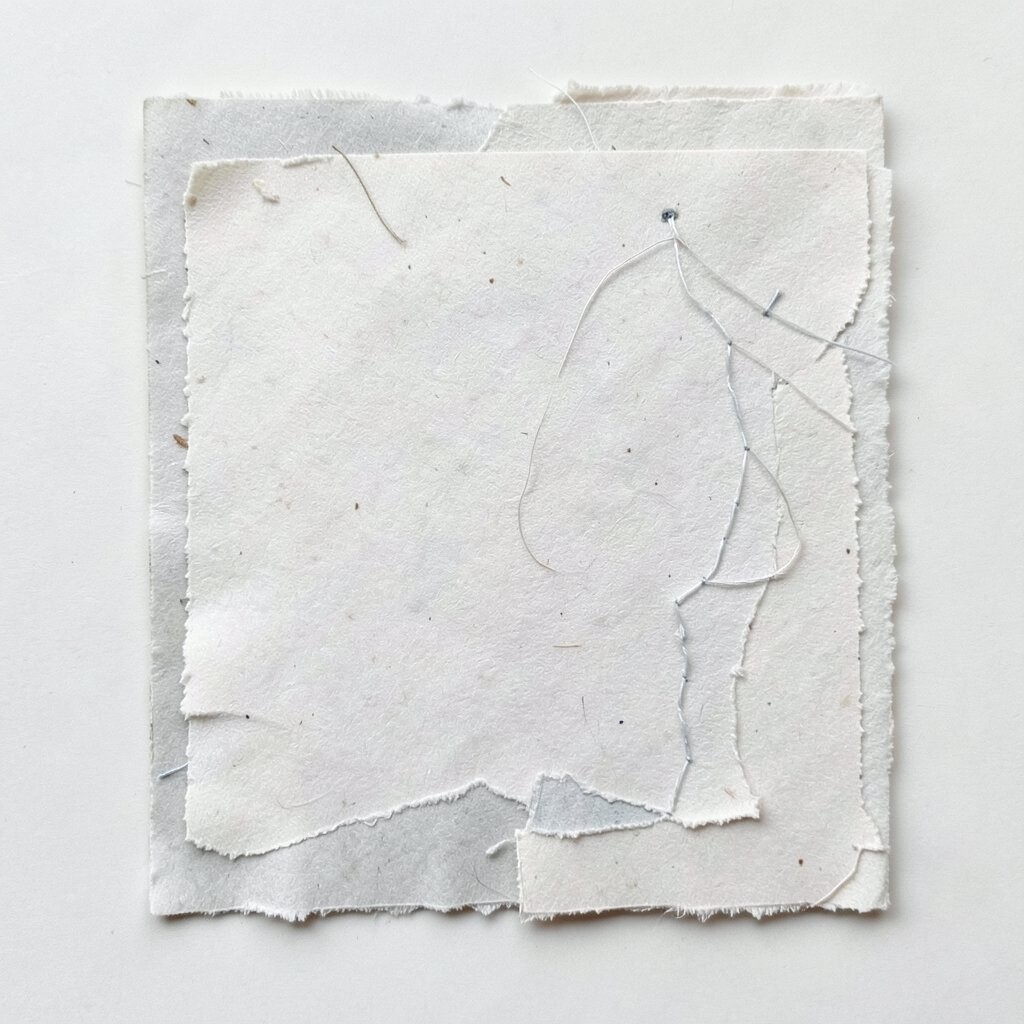
Stitch and paper layers mix soft paper with small bits of thread. You can sew through paper, stack layers, and make tiny holes that add pattern and shape.
This is a nice choice for people who like careful work. It can make simple pages look special without needing many tools or a high cost.
Thicker paper works best so it does not tear too fast. You can use a needle, thread, and scraps from notebooks, cards, or wrapping paper.
15. Watercolor and Salt Effects
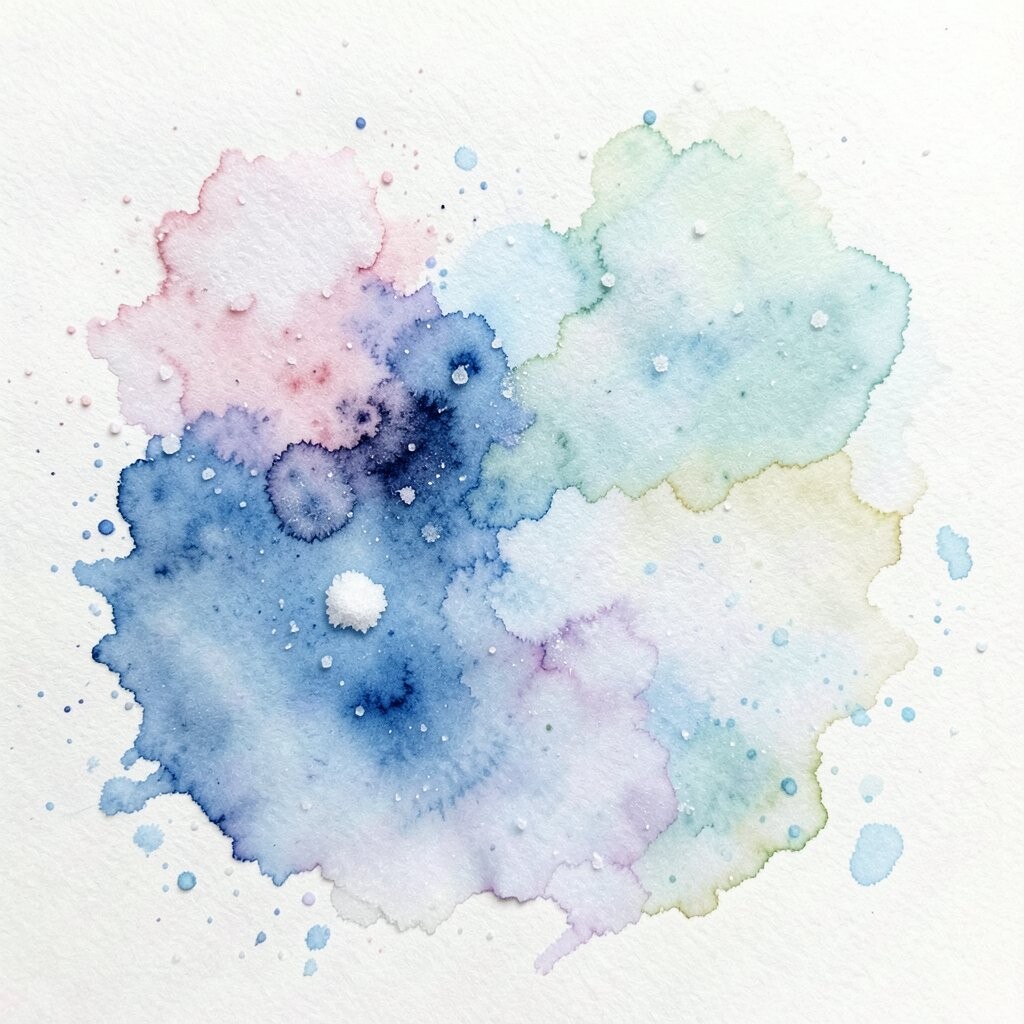
Watercolor and salt effects make soft, speckled marks. You paint wet watercolor, sprinkle salt on top, and wait for it to dry before brushing the salt away.
This is a fun way to add texture with very little effort. It can look like snow, stars, stone, or soft clouds, depending on the colors you use.
Try it on a test page first to see how your paper reacts. It costs very little, and it can add a fresh twist to simple watercolor work.
16. Chalk and Acrylic Board Art
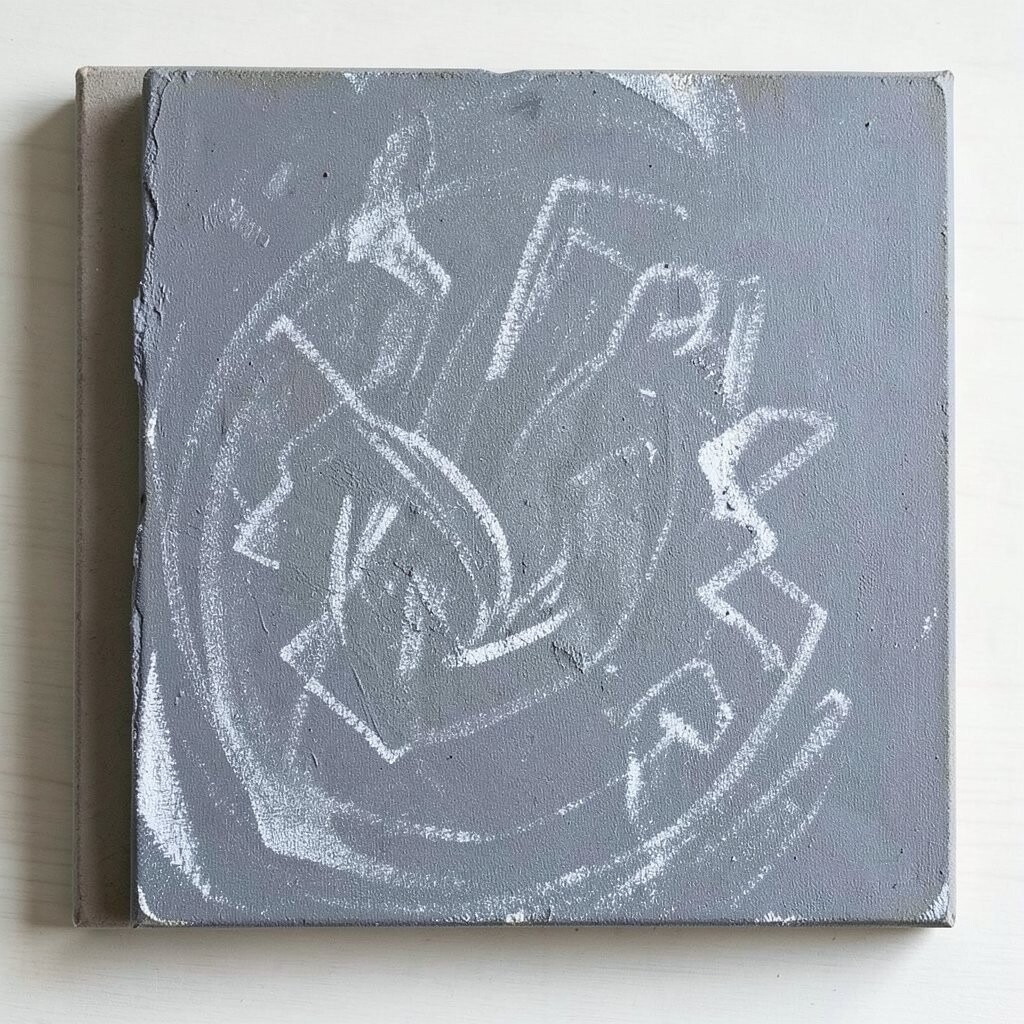
Chalk and acrylic board art uses a dark or colored board as the base. Acrylic paint gives strong color, and chalk can add soft lines or easy changes on top.
This mix is good for signs, menu boards, and home art. It has a casual look that fits many current decor styles.
You can wipe chalk away and try again, which makes it easy to fix mistakes. This helps when you want a clean look but still want room to play.
17. Yarn and Cardboard Shapes
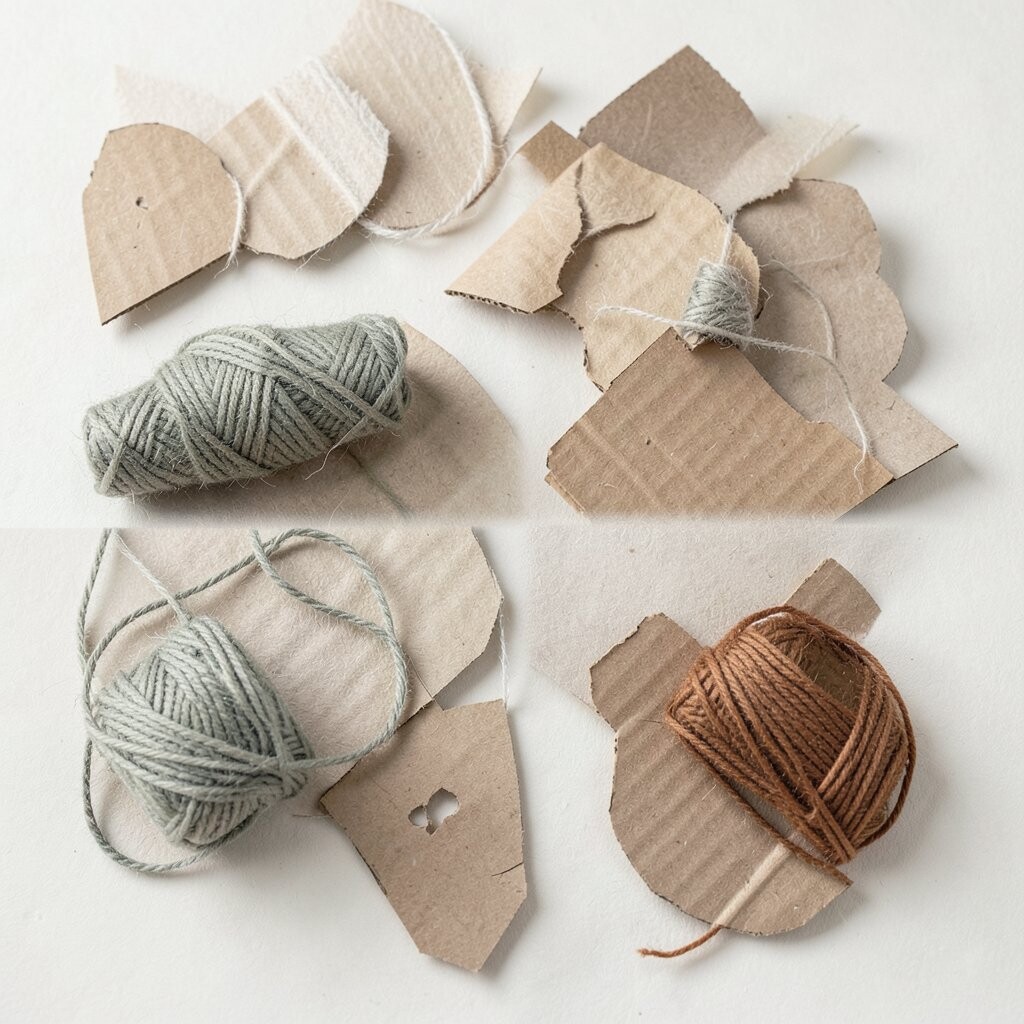
Yarn and cardboard shapes make bright and simple wall pieces. You cut a shape from cardboard and wrap yarn around it to build color and pattern.
This is a low-cost idea that works well for kids and adults. It can also help you use leftover yarn from other craft projects.
Try circles, hearts, stars, or letters for a personal touch. You can hang one piece alone or make a group of them for a bigger display.
18. Oil Pastel and Scratch Art
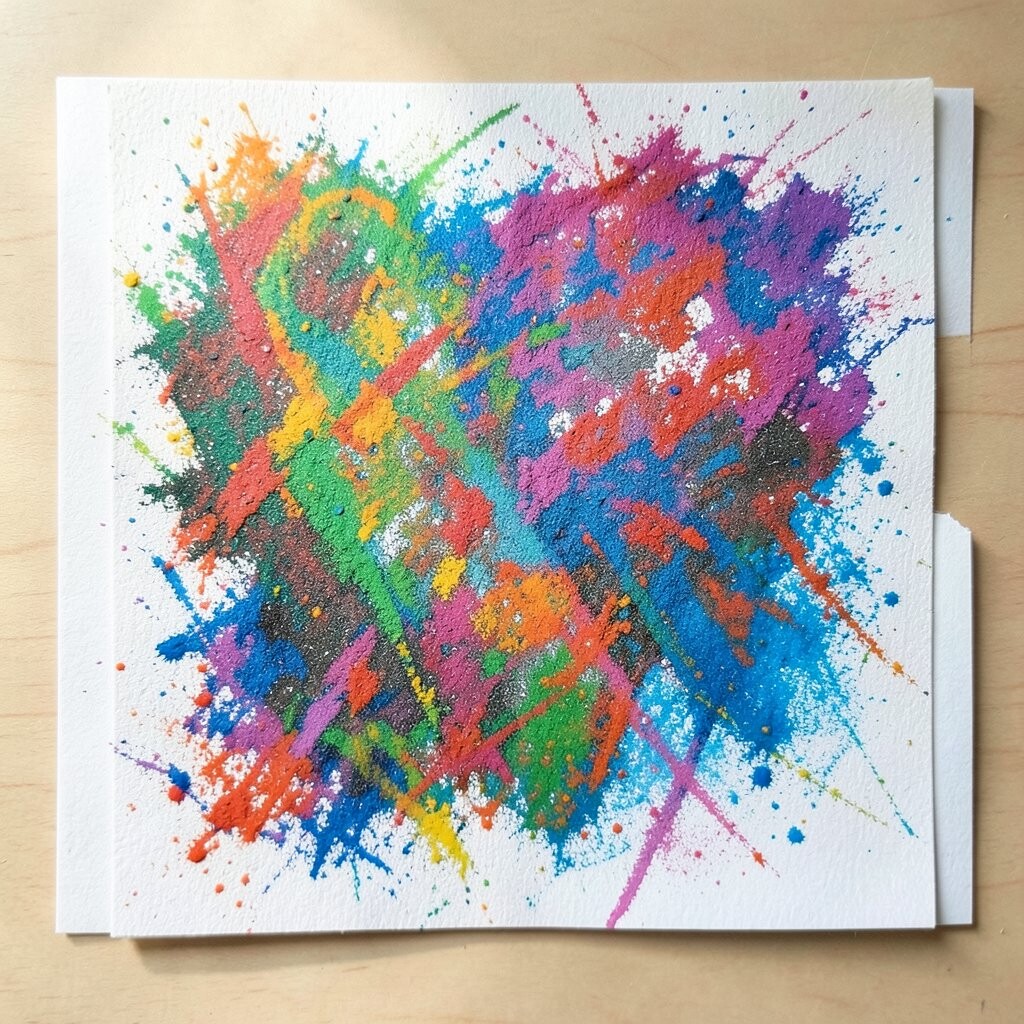
Oil pastel and scratch art makes strong color with hidden marks. You cover the page with oil pastel, add a dark layer, and scratch through it with a tool.
The result is bold and a little rough, which makes it stand out. It can be a good fit for night scenes, animal shapes, or simple abstract work.
Use a toothpick, stick, or old pen cap for scratching. This is a low-cost way to make art that feels active and full of motion.
19. Leaf Prints and Paint
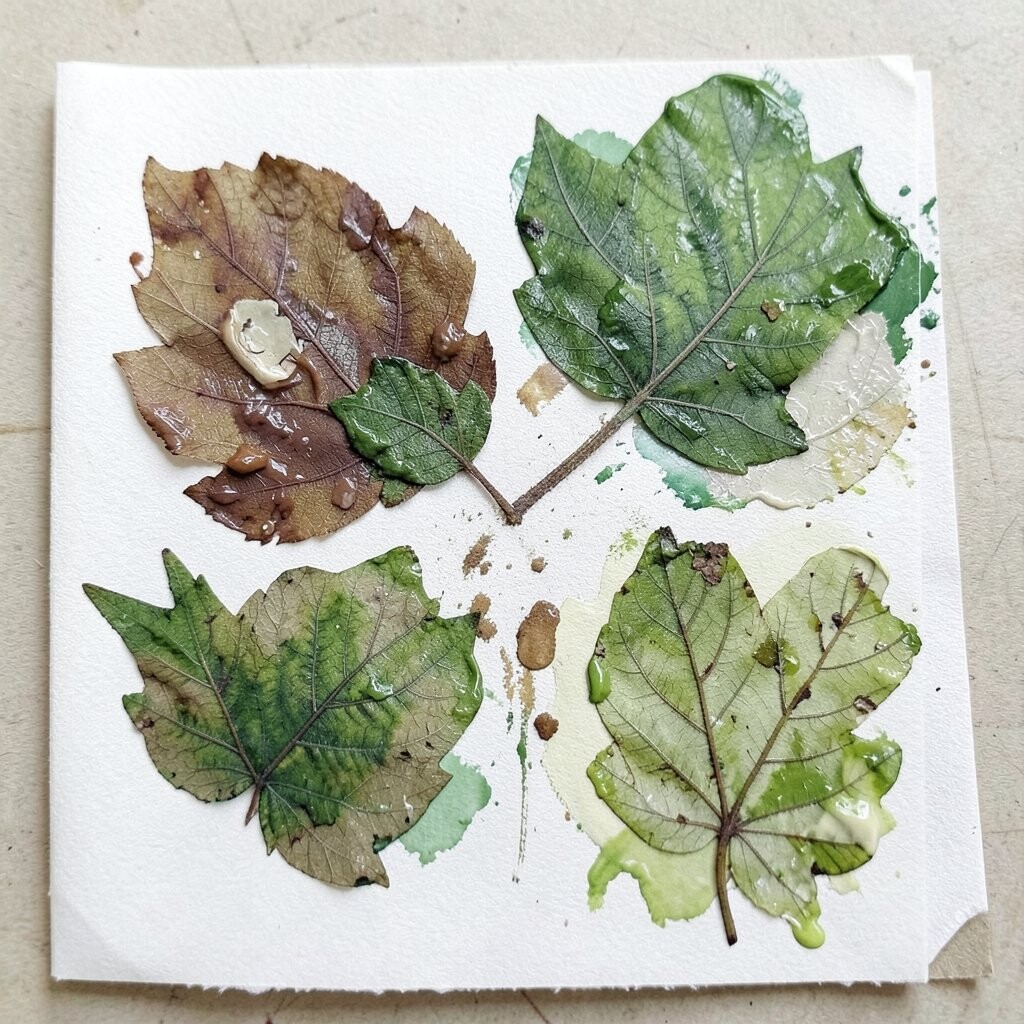
Leaf prints and paint bring nature into your work. You coat a leaf with paint, press it on paper, and let the shape leave a clear print.
This idea is easy to try in a yard, park, or garden. It can help you make art that feels calm and tied to the season.
Try leaves with strong veins for the best print marks. You can layer the prints with other paint marks to make the page feel fuller.
20. Gesso and Pencil Sketches
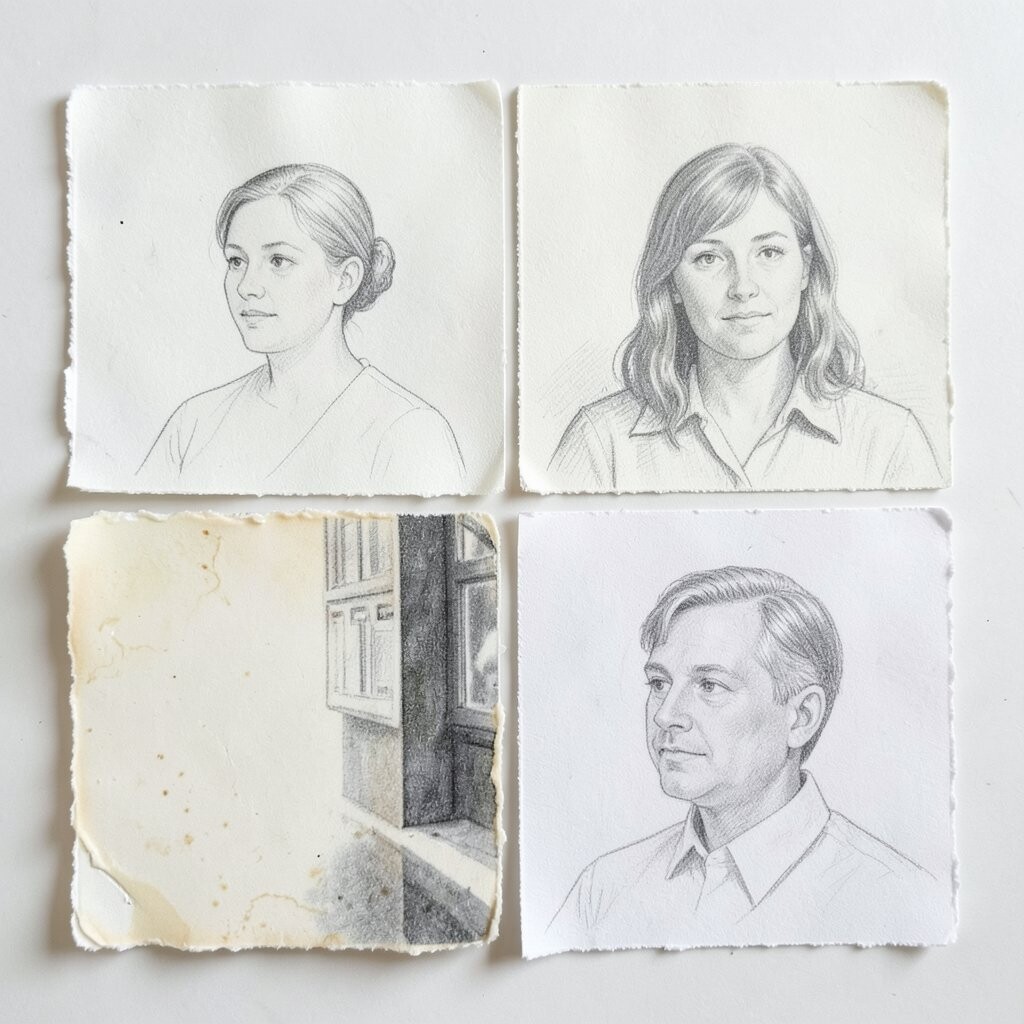
Gesso and pencil sketches use a coated surface before drawing. Gesso gives the page or board a smooth base, and pencil lines sit well on top of it.
This mix is useful if you want to build many layers. It can also help you erase and redraw more easily than on plain paper.
Many artists use this in sketchbooks and on panels because it feels flexible. It can be a smart choice if you want a clean base without spending much.
21. Ribbon and Paint Strips
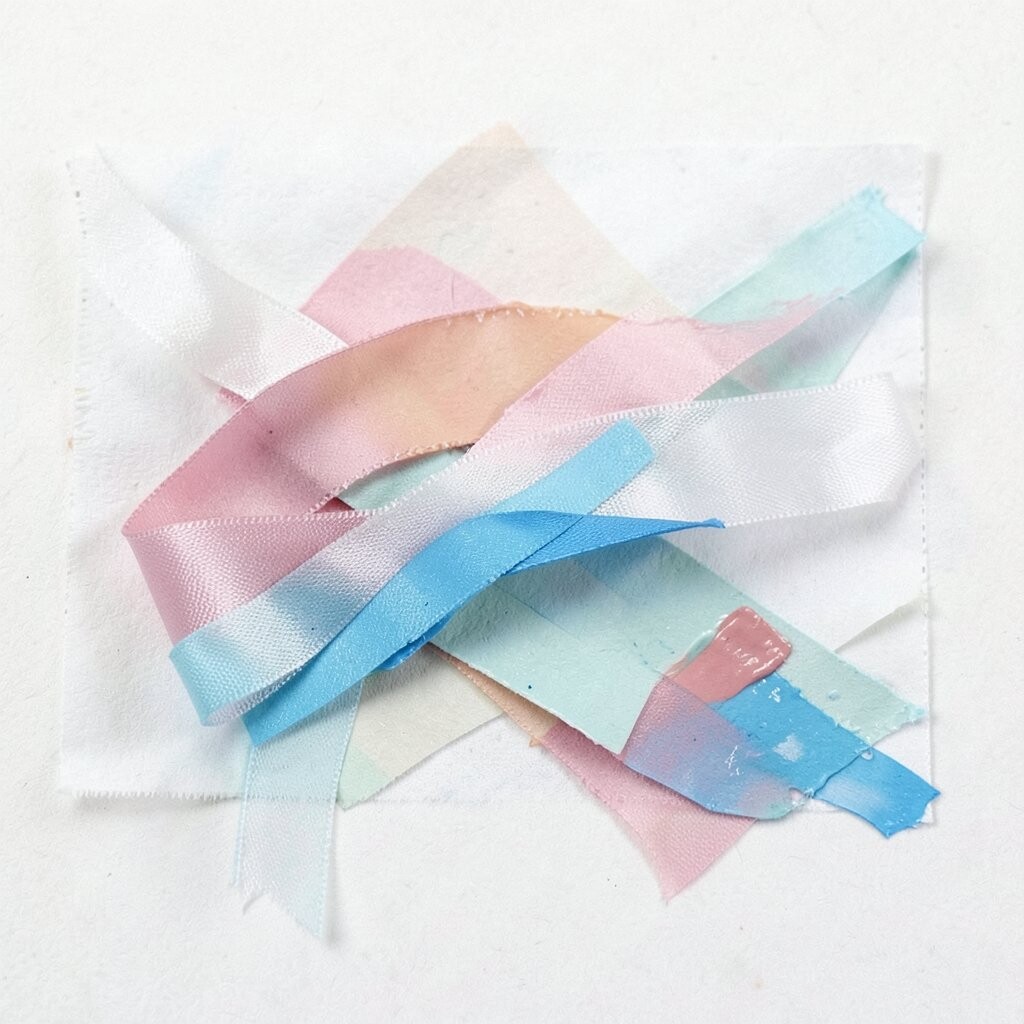
Ribbon and paint strips make art with soft lines and bright bands. You can glue ribbon onto a page or board and paint around it or over parts of it.
This mix gives a neat look with a little shine and texture. It works well for gift art, cards, and small home pieces.
Try using thin and thick ribbons together for more variety. Leftover ribbon from gifts or sewing can keep the cost low.
22. Crayon Resist with Ink
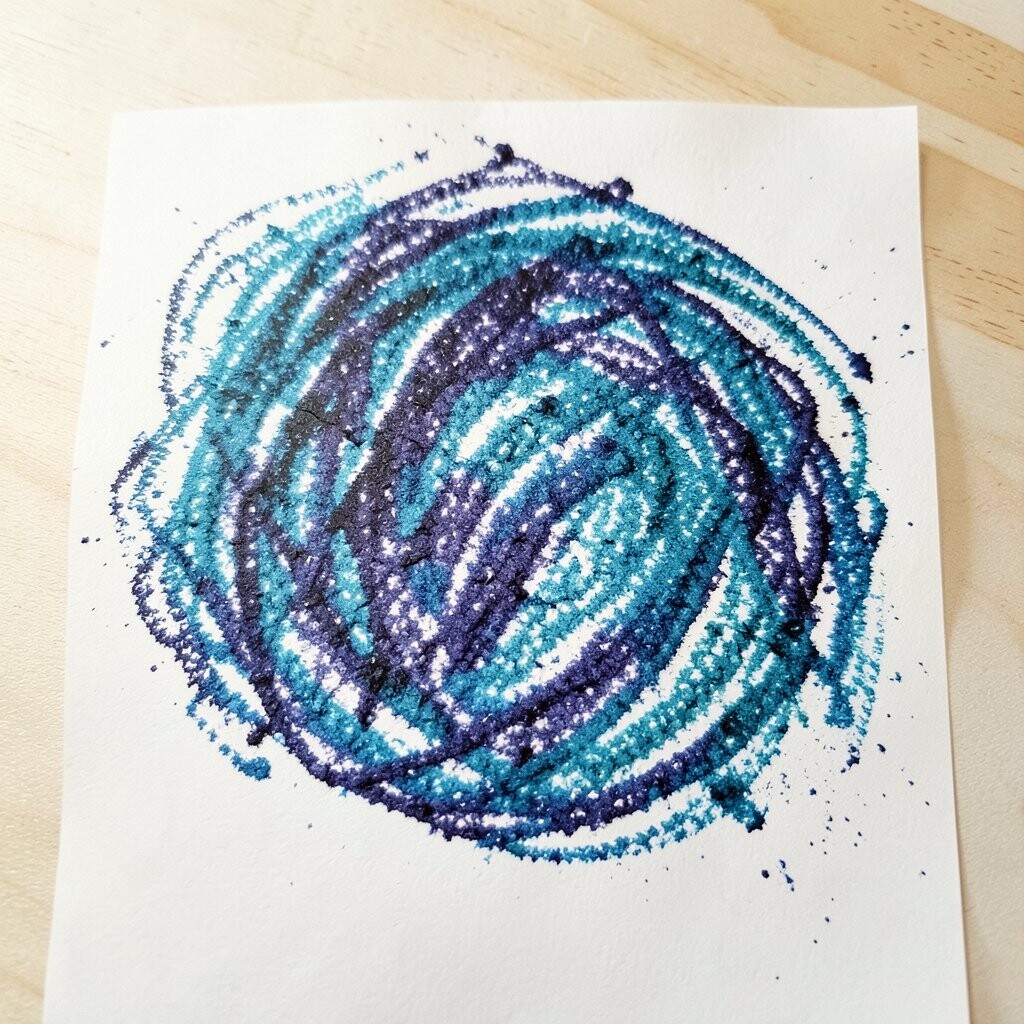
Crayon resist with ink is a simple trick that gives a nice surprise. You draw with crayon first, then brush ink or watercolor over it so the wax blocks the color.
This makes the crayon marks stand out in a clear way. It is easy enough for beginners and still fun for people who make art often.
Use white crayon on white paper for a hidden effect or bright colors for a bolder look. This is a cheap method that works well for school art and home practice.
23. Digital Print and Hand Detail
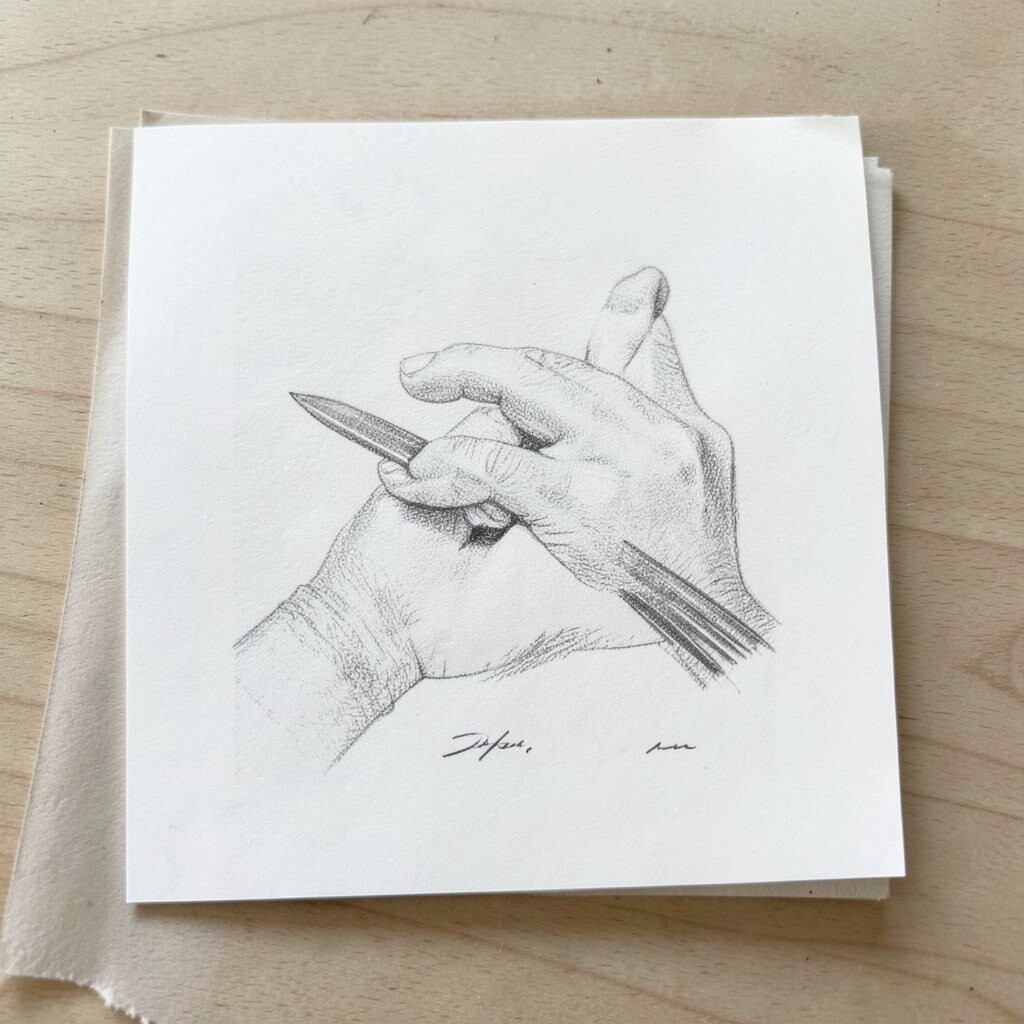
Digital print and hand detail mix computer work with hand marks. You can print a photo or drawing, then add pen, paint, or pencil by hand on top.
This is useful if you like clean shapes but still want a personal touch. It can also help you make copies of a base image and change each one in a new way.
Many makers use this mix for cards, posters, and social posts. It can save time and still leave room for small changes that make each piece feel special.
24. Mixed Material Journal Pages
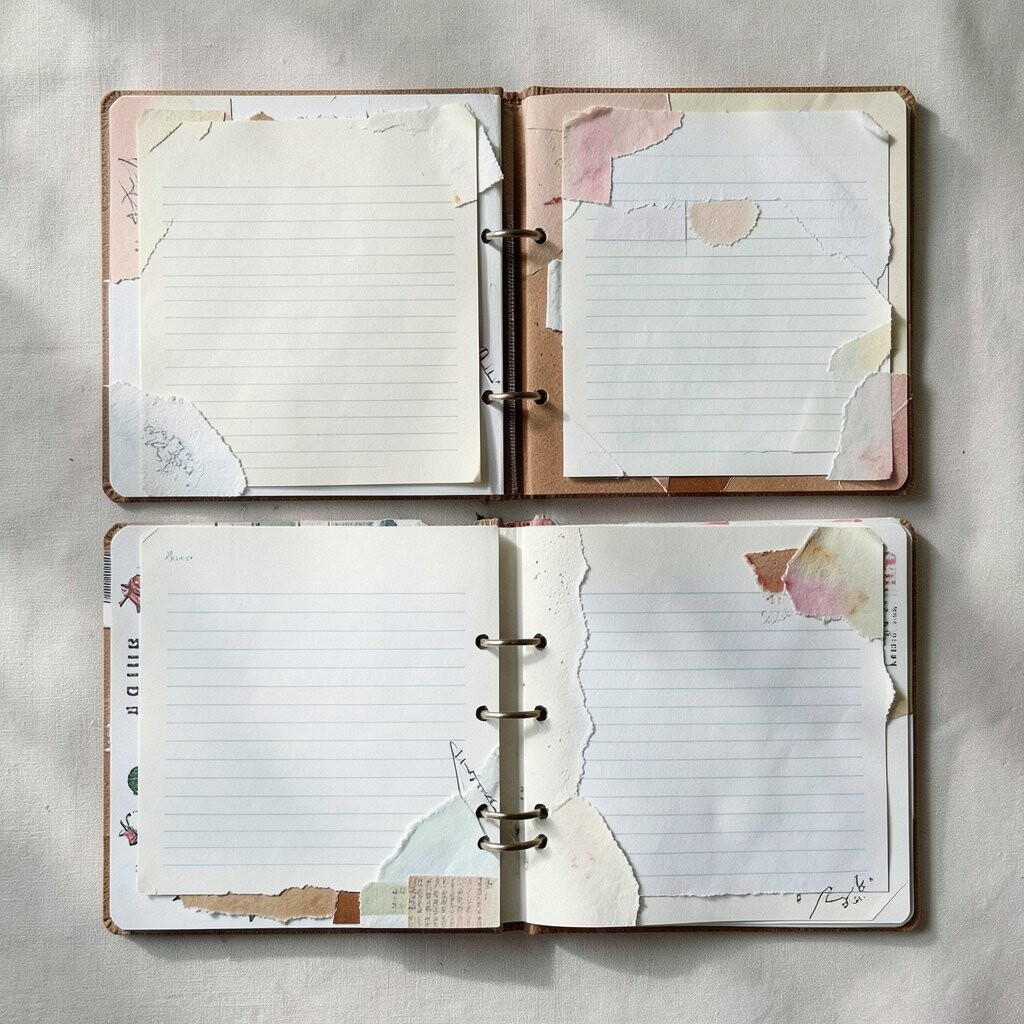
Mixed material journal pages bring many ideas into one place. You can use paint, paper, tape, ink, fabric, and notes on the same page to make a rich record of your day.
This style is great for keeping ideas, test marks, and small art in one book. It lets you try things without worrying about making a perfect piece.
Use what you already have to keep the cost low. Over time, your journal can show your own style, your habits, and the materials you like most.