Healthy plants need steady care, simple habits, and close attention to small changes. A good garden can look neat and feel calm when each plant gets the right water, light, and space.
1. Pick the Right Plants for Your Space
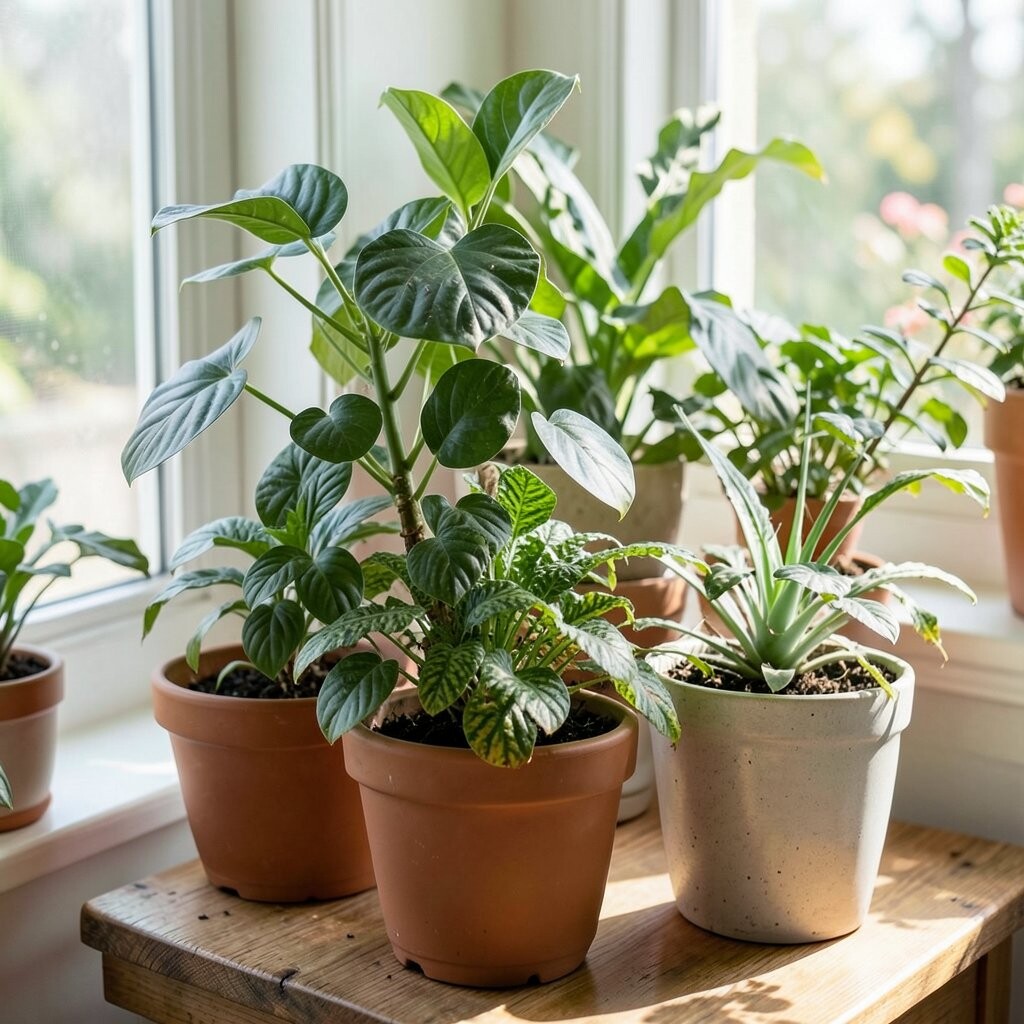
Start by choosing plants that fit your yard, patio, or indoor area. A sunny spot works well for many flowers and vegetables, while shady places suit plants that like less light.
This step saves time and money because the plants are more likely to grow well. It also makes your garden look more even, since each plant can stay in a place that suits it.
Try to match the plant to your local weather too. A plant that fits your area often needs less extra care and may cost less to keep alive over time.
2. Check the Soil Before You Plant
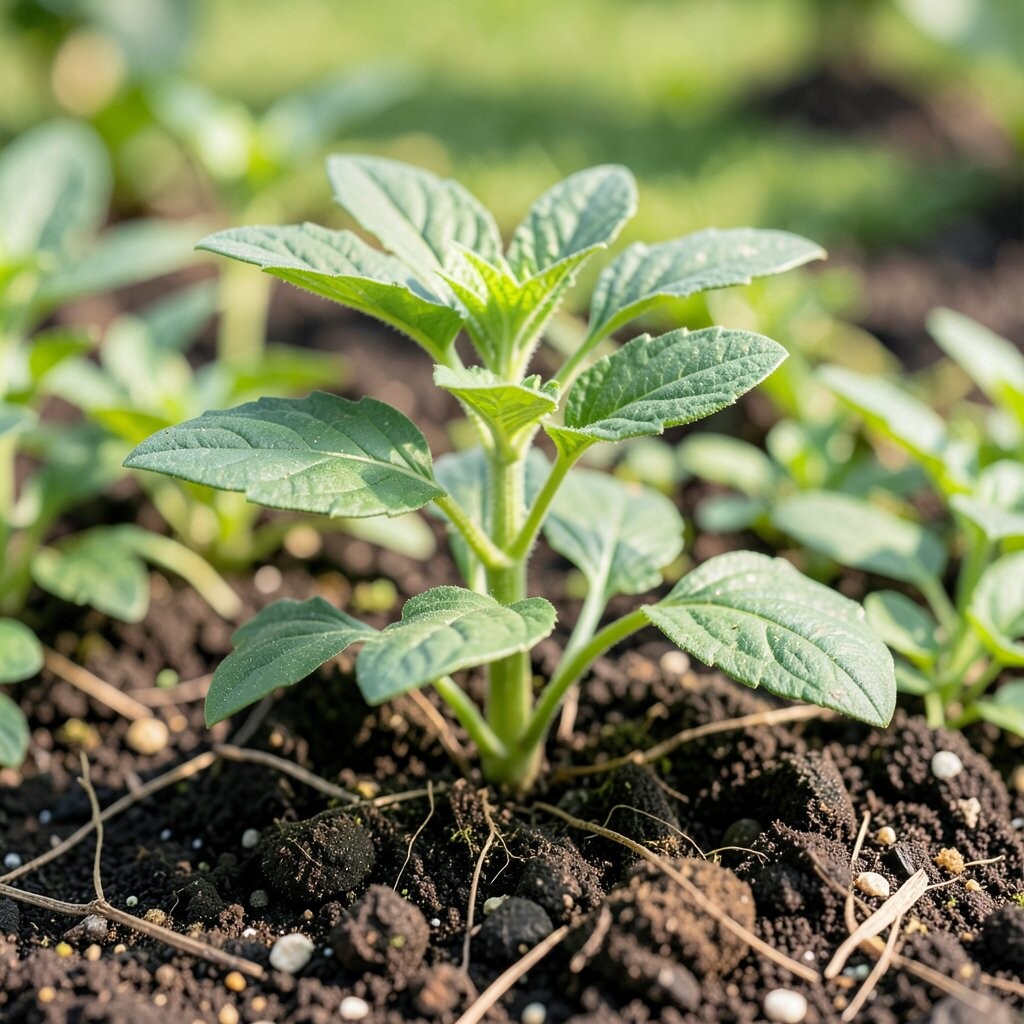
Good soil helps roots spread, hold water, and take in food. If the soil is too hard, too sandy, or too wet, plants may grow slowly or look weak.
You can test soil at home or ask a garden shop for help. This can be a low-cost step that gives you useful facts before you spend more on seeds or plants.
Healthy soil often looks dark, loose, and full of small bits of plant matter. That kind of soil can make leaves look fuller and flowers look brighter.
3. Water with Care, Not on a Fixed Habit
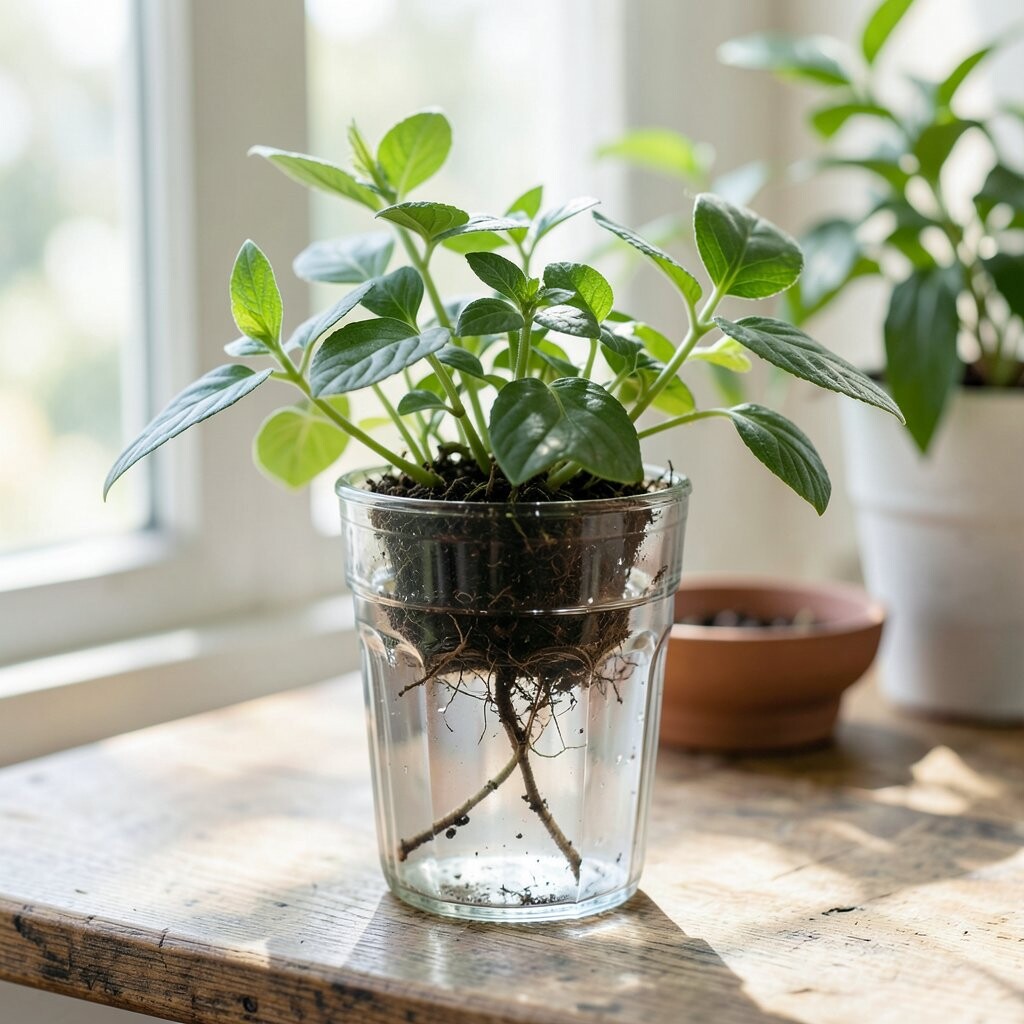
Plants do not all need the same amount of water. Some like soil that stays damp, while others need the top layer to dry out first.
It helps to check the soil with your finger before you water. This simple habit can stop root rot and help you avoid wasting water, which also saves money.
Morning watering is often a good choice because the sun can dry extra water on the leaves. That can help the garden look cleaner and lower the chance of leaf spots.
4. Give Each Plant Enough Sun
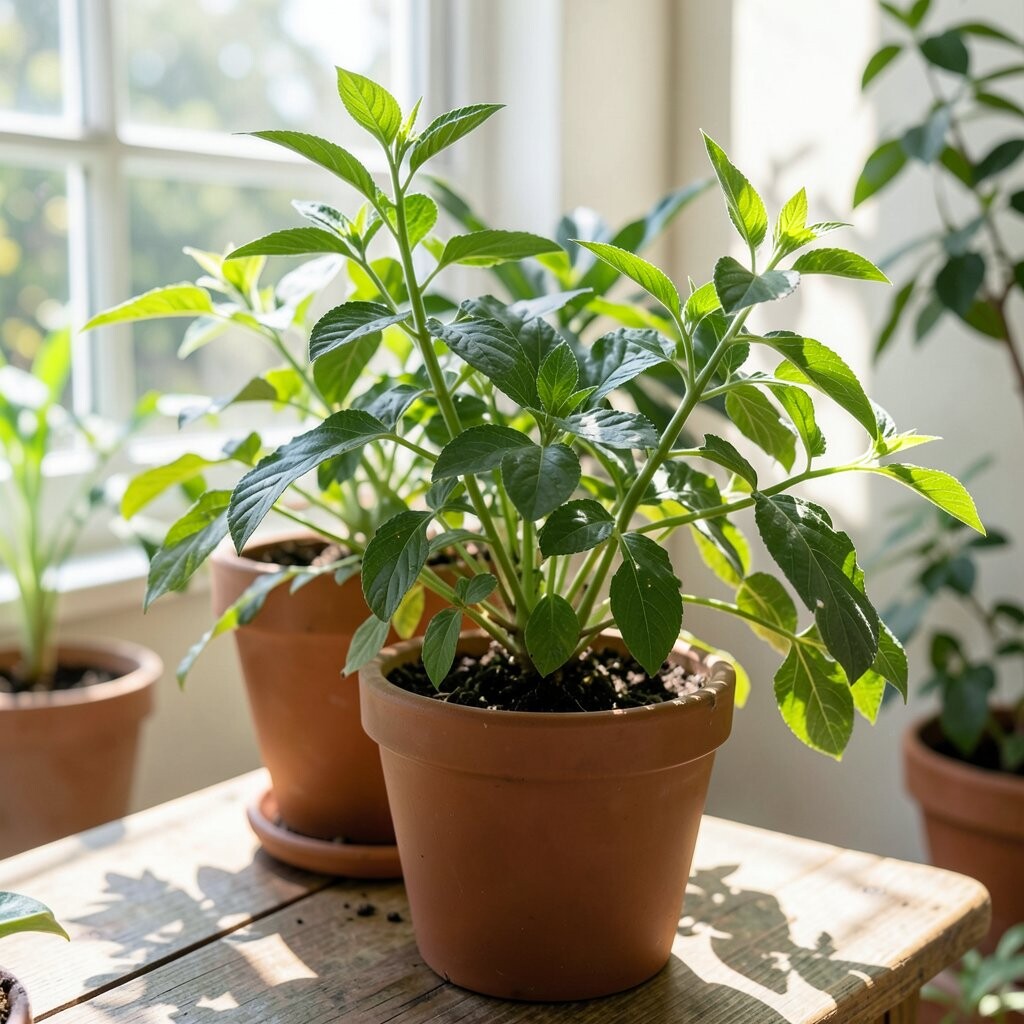
Sunlight is a big part of plant health. Some plants need full sun, while others do better with soft light or partial shade.
If a plant stretches toward the light, it may need a brighter spot. Leaves that look pale or thin can also be a sign that the plant is not getting enough sun.
You can move pots around to find the best place. This is a nice way to make your garden feel more personal, since you can set each plant where it looks and grows best.
5. Use Mulch to Keep Soil Steady
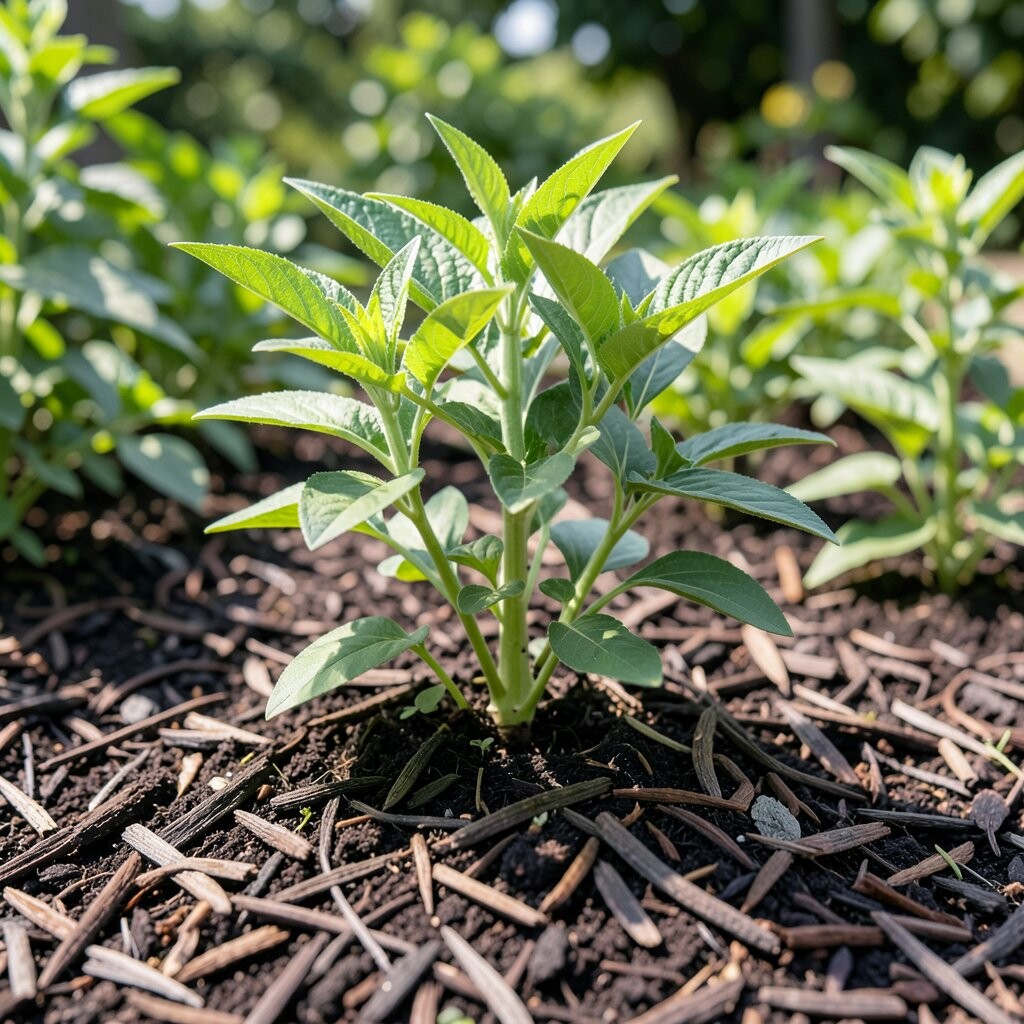
Mulch is a layer of bark, straw, leaves, or other plant bits on top of the soil. It helps keep water in the ground and can slow down weed growth.
This can make the garden look tidy and neat, with a soft, even surface around the plants. It also helps roots stay cooler in hot weather and warmer when nights are cold.
Many kinds of mulch are not expensive, and some can come from yard waste or yard sales of garden supplies. That makes it a smart choice for people who want good results without high cost.
6. Feed Plants with the Right Food
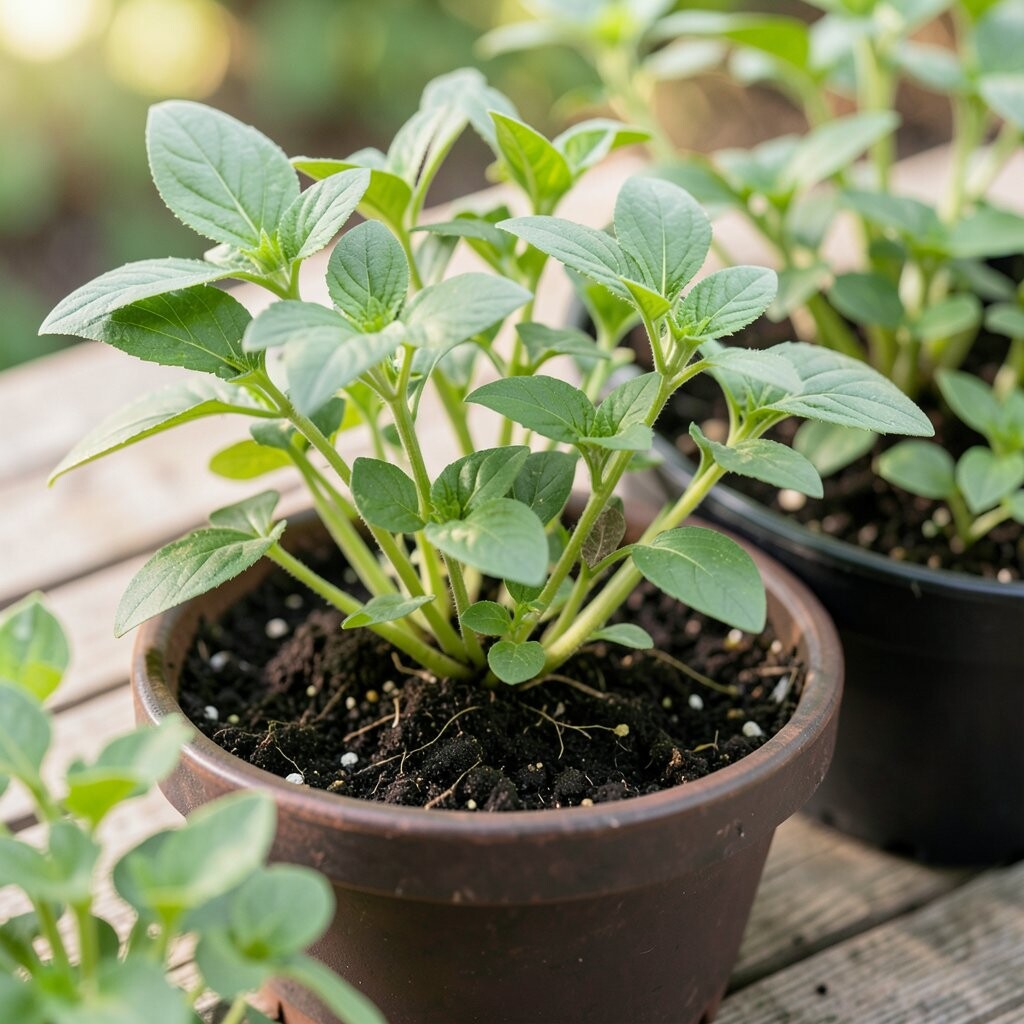
Plants need food from the soil, and that food can run low over time. Compost, plant food, or slow-release feed can help fill in the gaps.
Too much feed can hurt plants, so it is best to follow the label or ask for help at a garden center. A careful feeding plan can help leaves stay green and flowers stay strong.
Some gardeners like natural compost because it is simple and often low cost. It also fits a growing trend of using less waste and making use of kitchen scraps and yard bits.
7. Prune to Keep Growth Clean
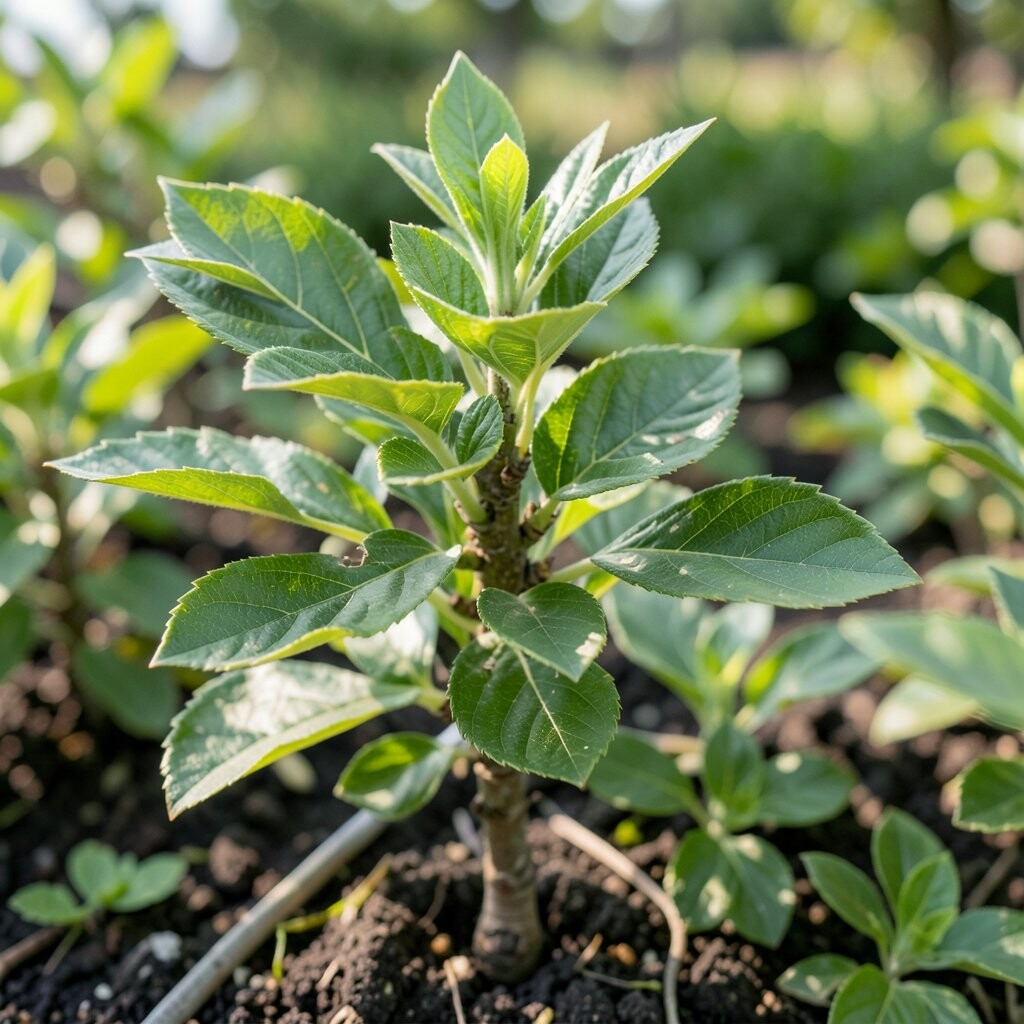
Pruning means cutting off dead, weak, or crowded parts of a plant. This helps air move through the plant and can lower the chance of disease.
It also helps the plant keep a nice shape. A well-cut shrub or flower can look full and neat instead of messy or tangled.
Use clean tools so you do not spread germs from one plant to another. Good pruning can make a garden feel more cared for, and it often costs very little beyond basic tools.
8. Watch for Pests Early
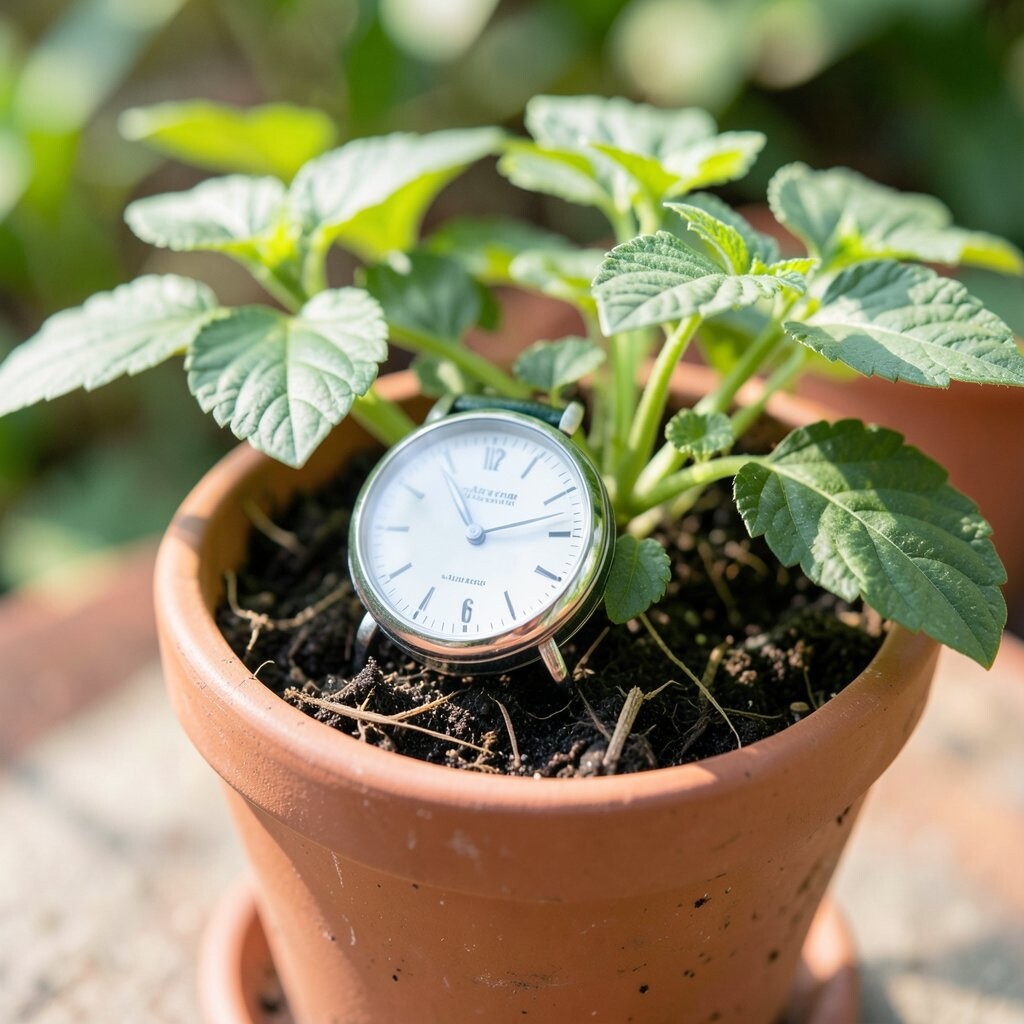
Small bugs and other pests can cause big trouble if they are missed for too long. Look under leaves, near stems, and around new buds for holes, spots, or sticky marks.
Early action can save a plant before the damage gets worse. In many cases, a gentle spray of water, hand removal, or a mild soap mix can help.
This is a good way to keep the garden safe without using harsh chemicals right away. It can also fit a more natural style that many home gardeners now like.
9. Keep Weeds Under Control
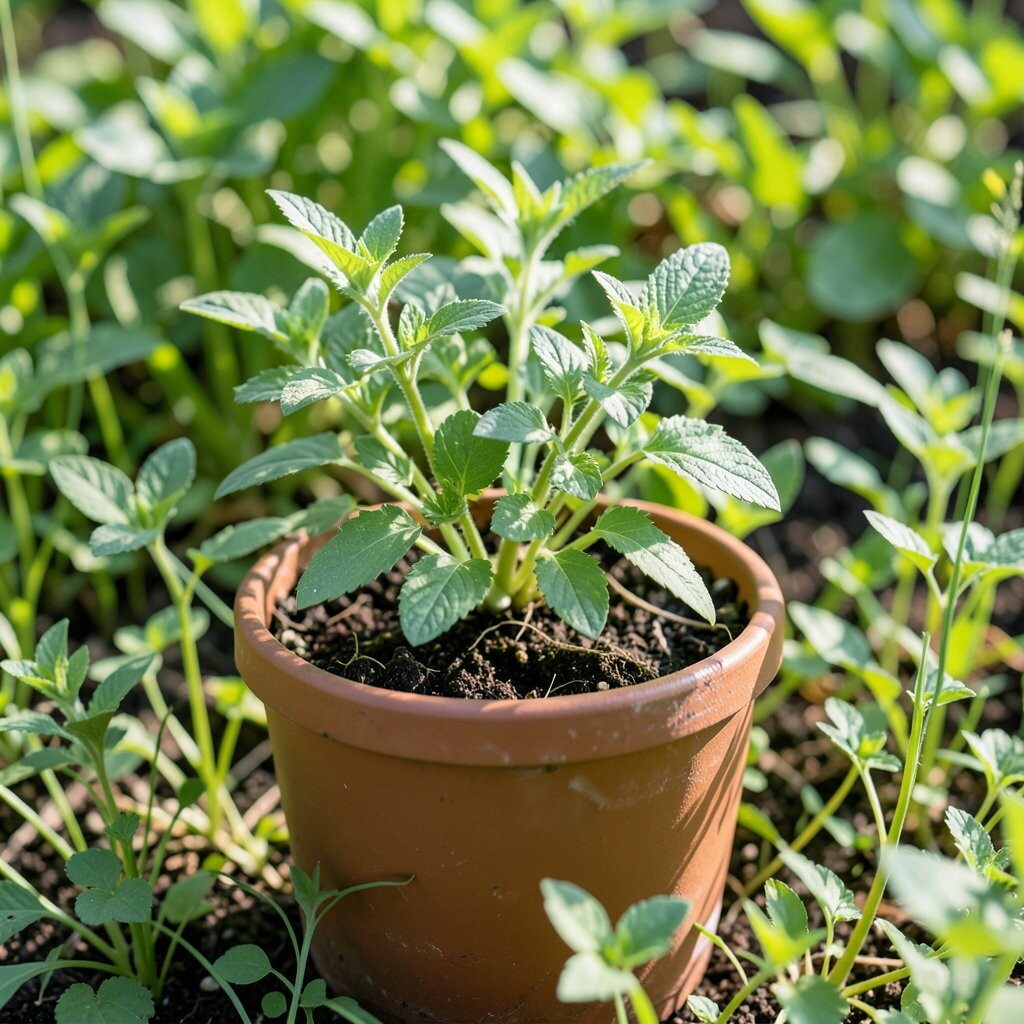
Weeds steal water, food, and space from your plants. They can also make a garden look untidy and crowded.
Pulling weeds when they are small is much easier than waiting until they spread. A few minutes of weeding can help your main plants grow better and look more open.
Mulch, ground cover plants, and close plant spacing can help cut down on weeds too. These choices may cost a little at first, but they can save time later.
10. Give Plants Room to Grow
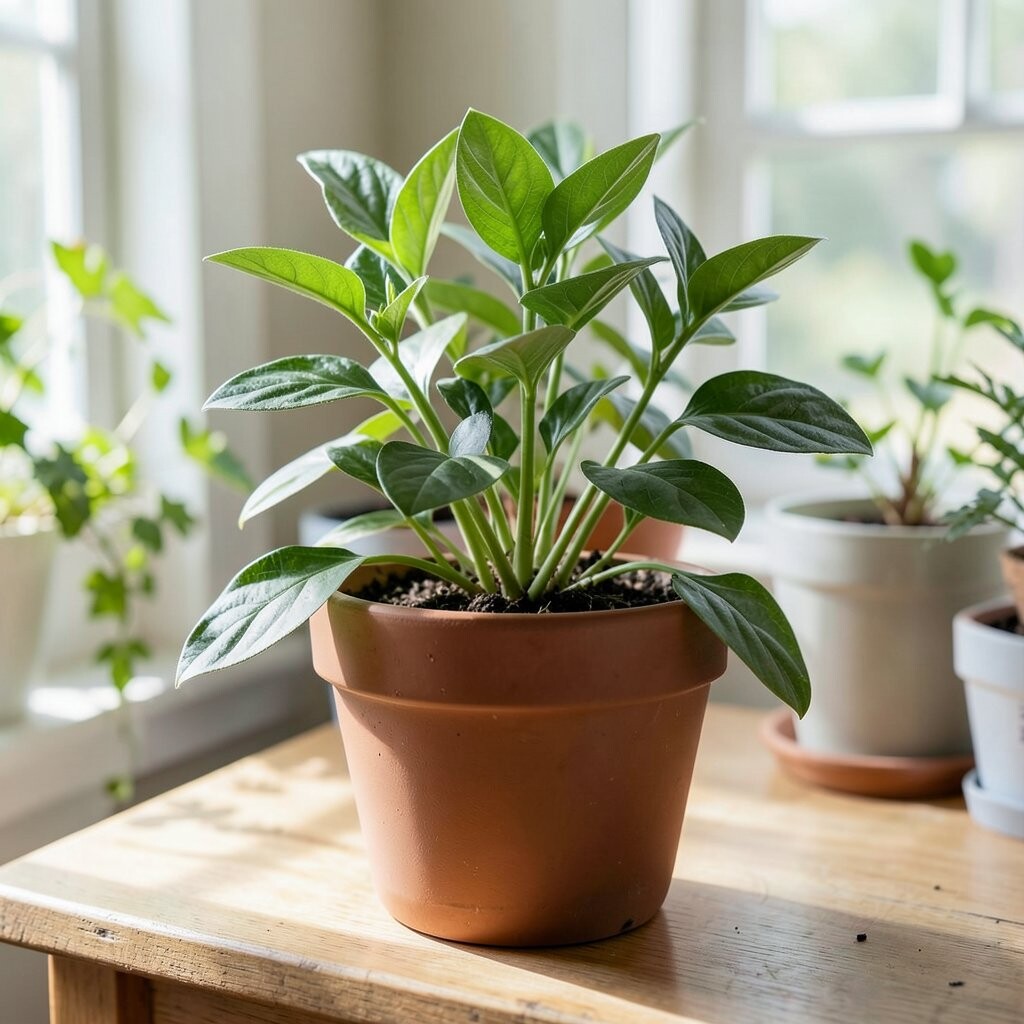
Plants need space for roots, stems, and leaves to spread out. If they are packed too close, they may fight for light, water, and food.
Good spacing can also help air move around the plants. That can lower the chance of mold and leaf disease, which is a big help in damp weather.
When plants have room, they often look better and grow in a more even way. This can make your garden feel calm, open, and easier to care for.
11. Use Pots and Beds That Fit the Plant
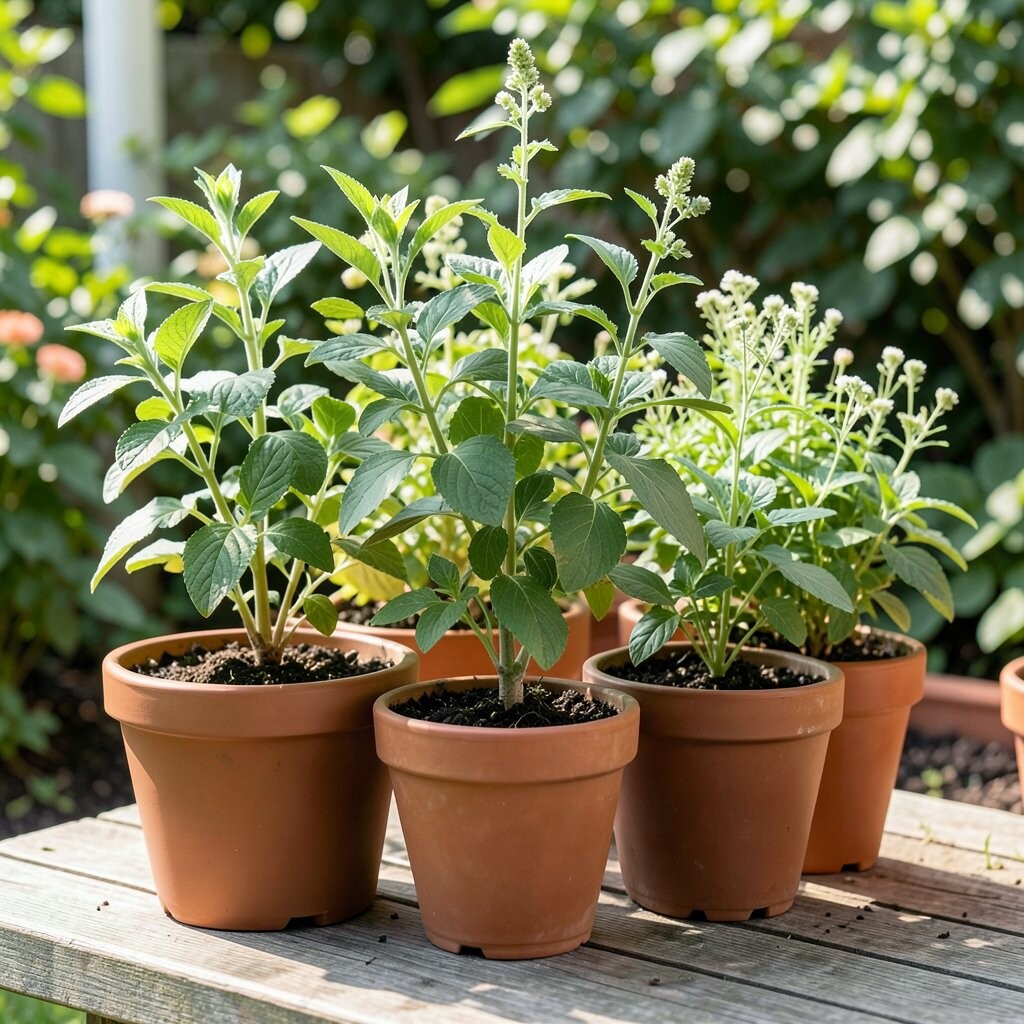
The right container or garden bed can make plant care much easier. A pot that is too small can dry out fast, while a bed that is too deep may hold too much water.
Clay pots, plastic pots, raised beds, and fabric grow bags each have their own feel and use. Some cost less, while others may last longer or fit a modern garden style.
Pick what works for your space and your budget. A simple setup can still look nice if the plants are healthy and well placed.
12. Watch Leaves and Stems for Changes
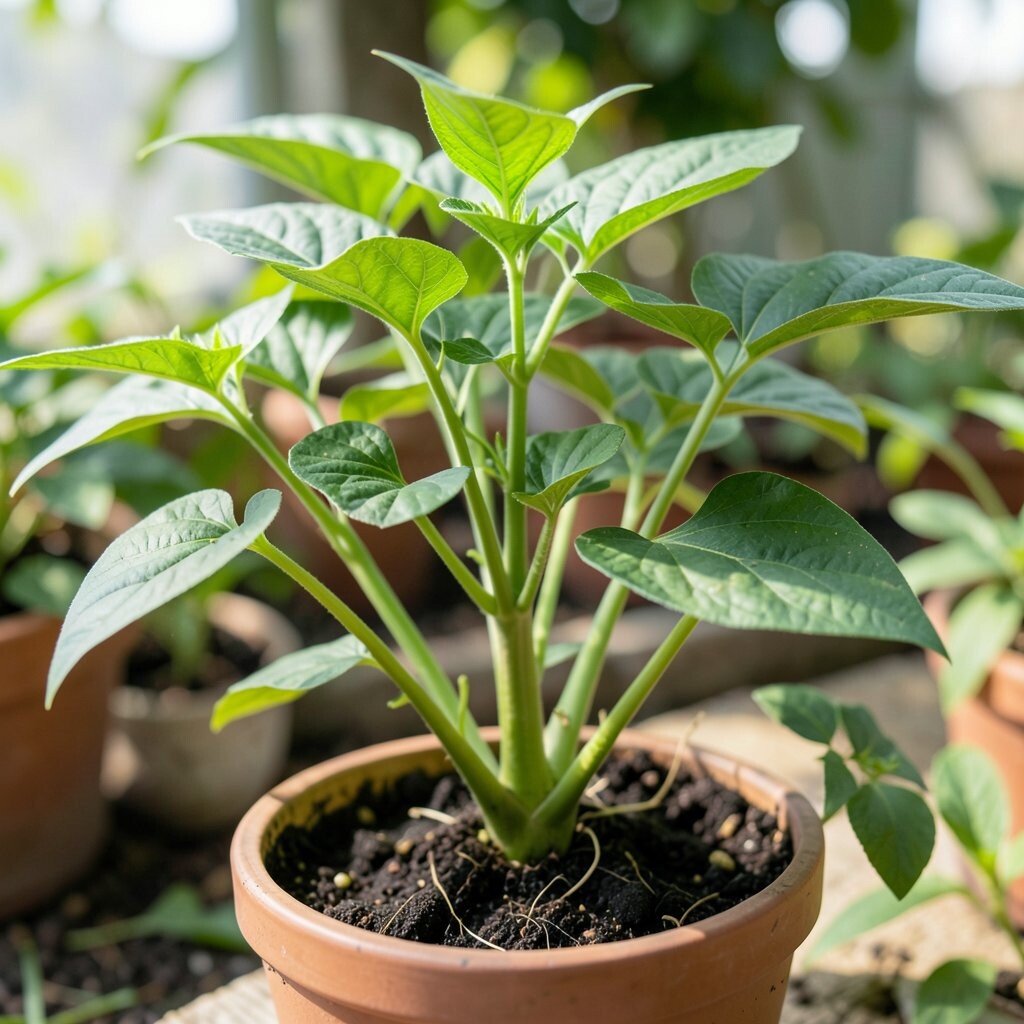
Leaves can tell you a lot about plant health. Yellow leaves, brown edges, spots, or curled tips may point to water trouble, pests, or poor soil.
Stems can also show signs of stress if they look soft, thin, or broken. Catching these signs early can help you fix the problem before it spreads.
Make a habit of looking over your plants each time you water them. This small act helps you learn each plant’s normal look, which makes care more personal and more exact.
13. Match Care to the Season
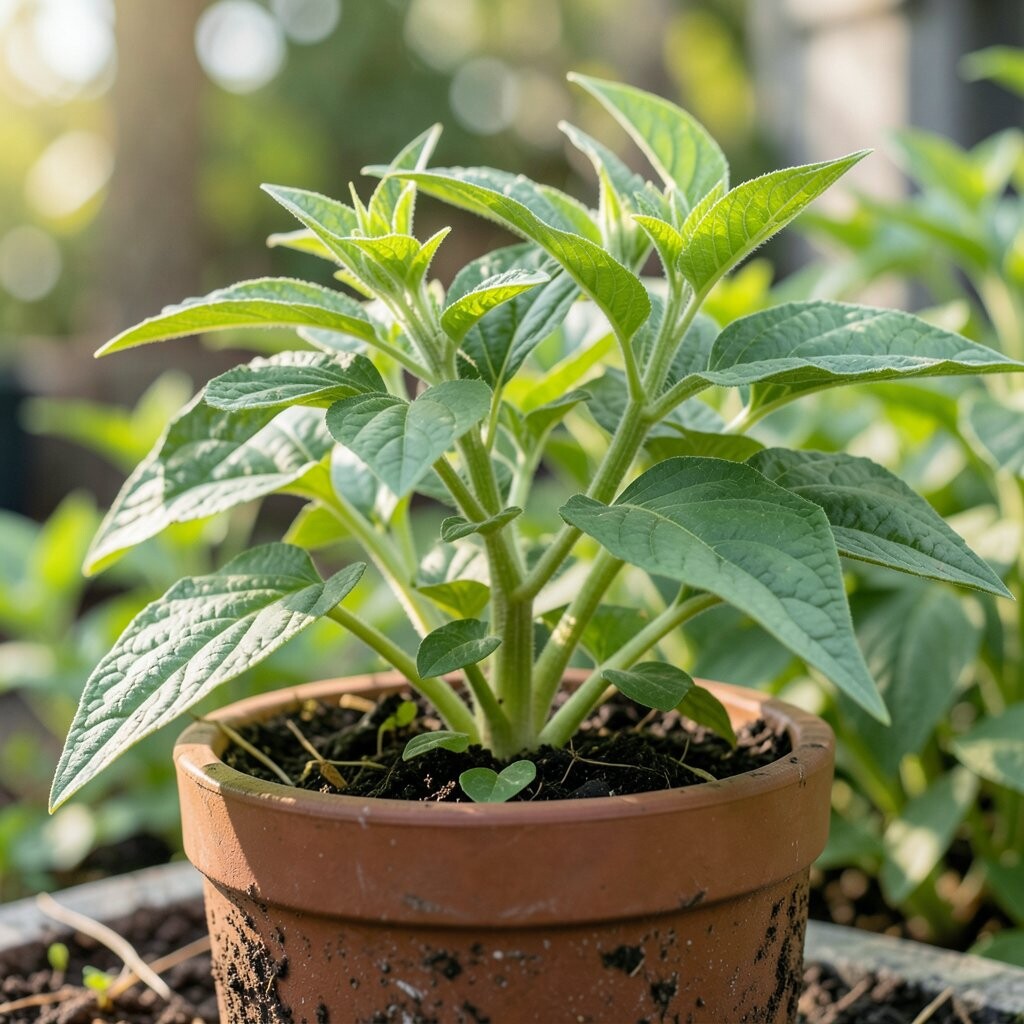
Plants change with the weather, so care should change too. In hot months, they may need more water and shade, while cooler months may call for less water and more shelter.
Some plants slow down in cold weather, and some keep growing for longer than you may expect. Knowing these patterns helps you avoid overdoing care and saves both time and money.
Seasonal care also helps your garden look fresh all year. You can swap flowers, move pots, or add cover when the weather shifts.
14. Make a Simple Care Routine You Can Keep
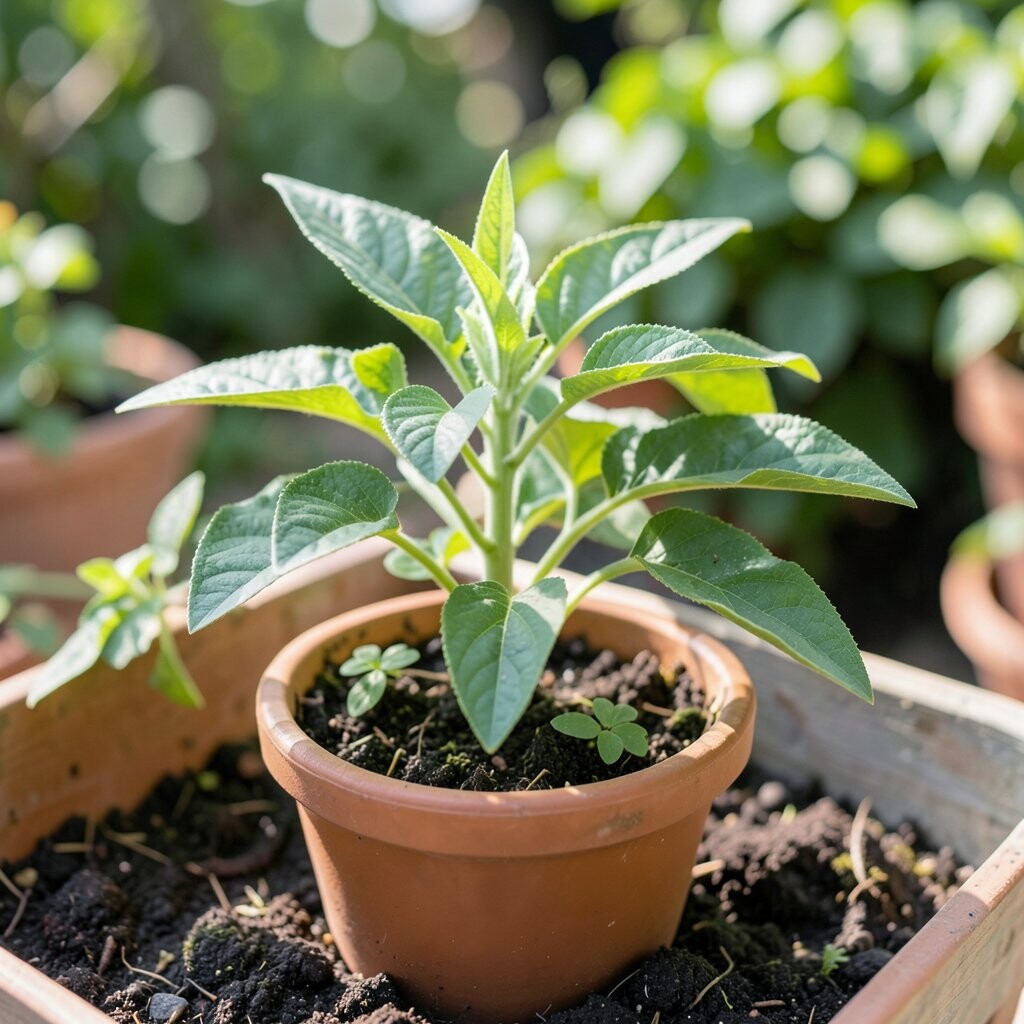
A steady routine is one of the best ways to keep plants healthy. It can be as easy as checking water, looking for pests, and pulling weeds on the same days each week.
When care is simple, it is easier to keep going. That matters because plants do best when they get the same kind of attention over time.
You can write notes in a small notebook or use a phone reminder if that helps. A routine also lets you shape the garden in a way that fits your own life, which makes the whole space feel more useful and more yours.