Sliding doors can make a room feel open and easy to use. A careful setup helps the door move well and fit the space with less stress.
1. Measure the Opening With Care
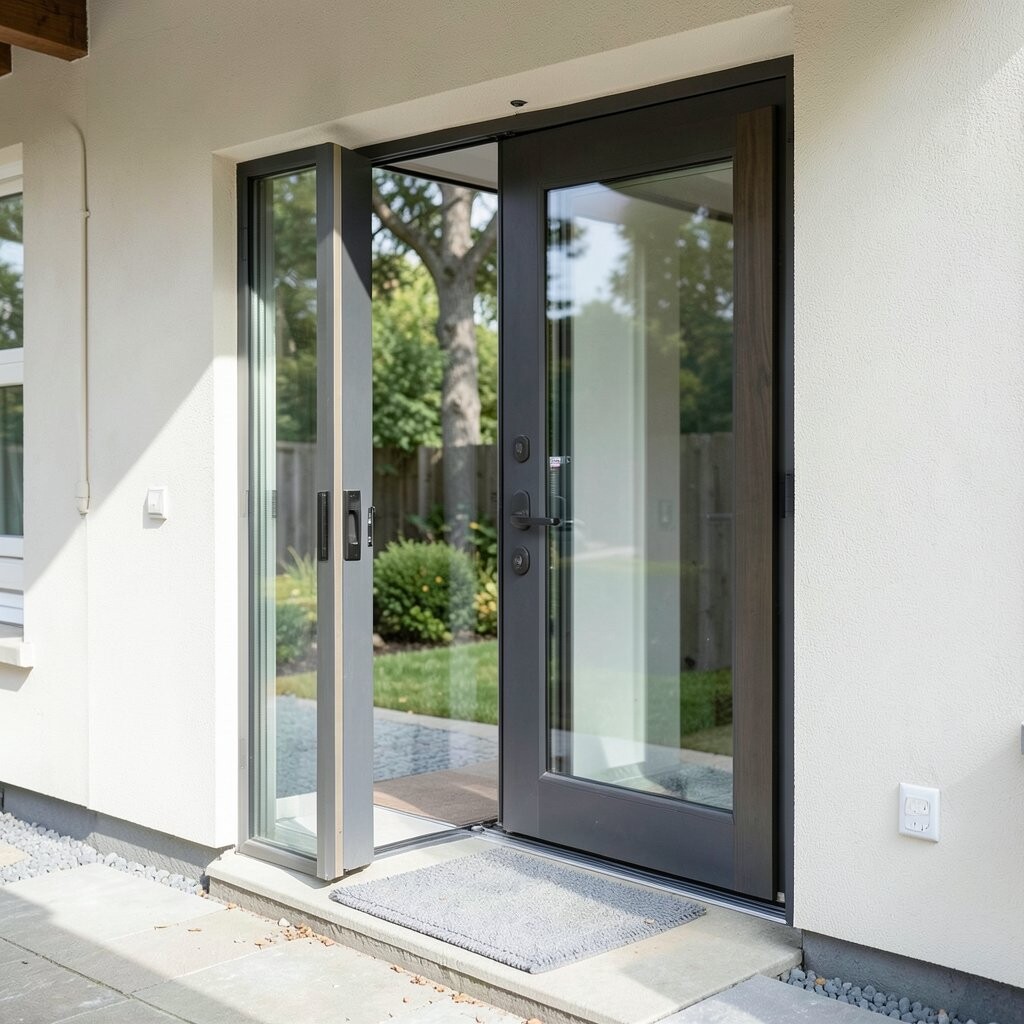
Start by checking the width and height of the door opening with a tape measure. Measure in more than one spot, since walls and floors are not always even.
Write down each size and compare them before you buy or cut any parts. This simple step can save time, lower waste, and help you avoid a door that does not fit.
2. Check the Floor for Level
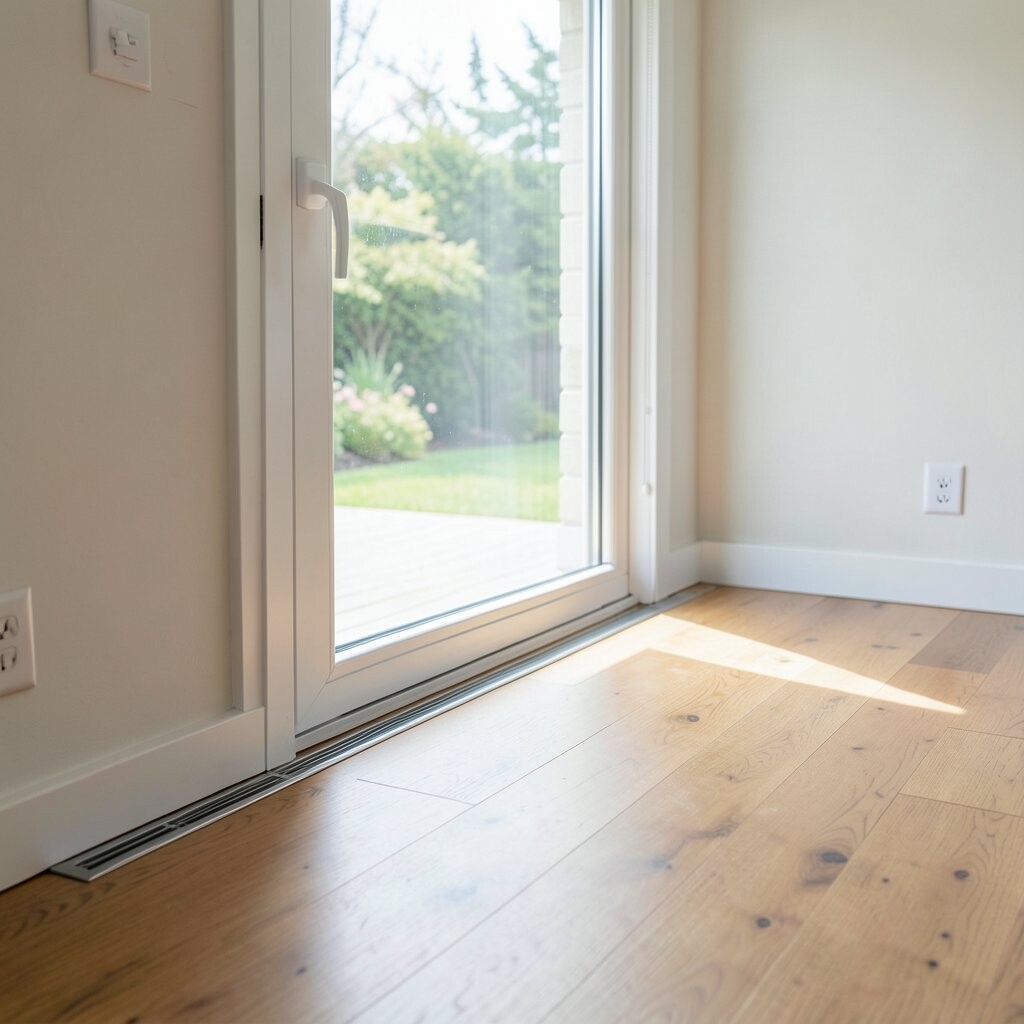
A sliding door works best when the floor is close to level. If the floor slopes or has a bump, the door may rub, drag, or sit at a strange angle.
Use a level tool and look at the whole path where the door will move. If you spot a problem, fix it before you hang the door so the setup feels smooth and clean.
3. Pick the Right Door Style
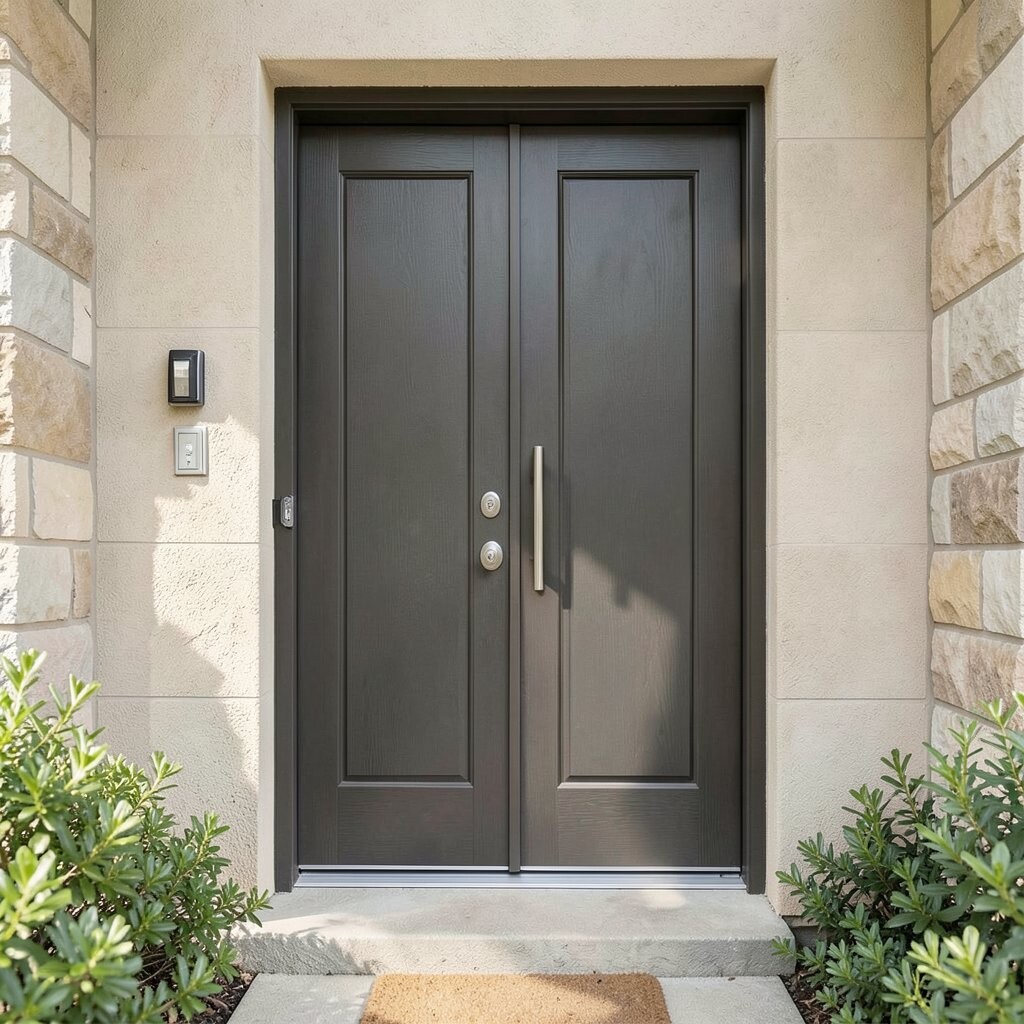
Sliding doors come in many looks, from plain wood to glass panels with slim frames. The style you choose should match the room, the wall color, and how much light you want.
Some doors feel warm and classic, while others look light and modern. Picking a style that fits your home makes the space feel more personal and helps the door look like it belongs there.
4. Gather All Tools Before You Start
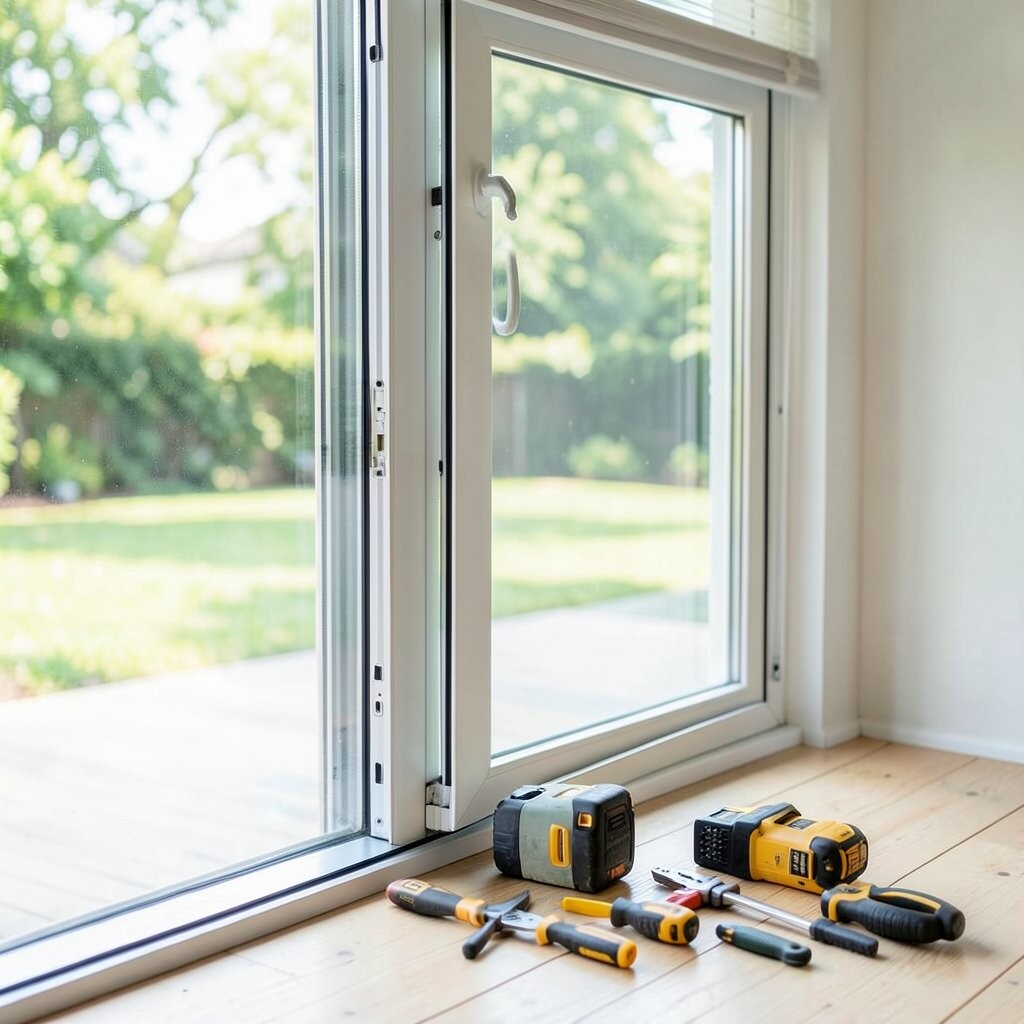
It helps to place every tool and part in one spot before the work begins. You may need a drill, screws, a level, a pencil, a tape measure, and a wrench.
When everything is ready, the job feels less rushed and more calm. This also helps you avoid extra trips to the store, which can add cost and slow the work down.
5. Read the Full Guide First
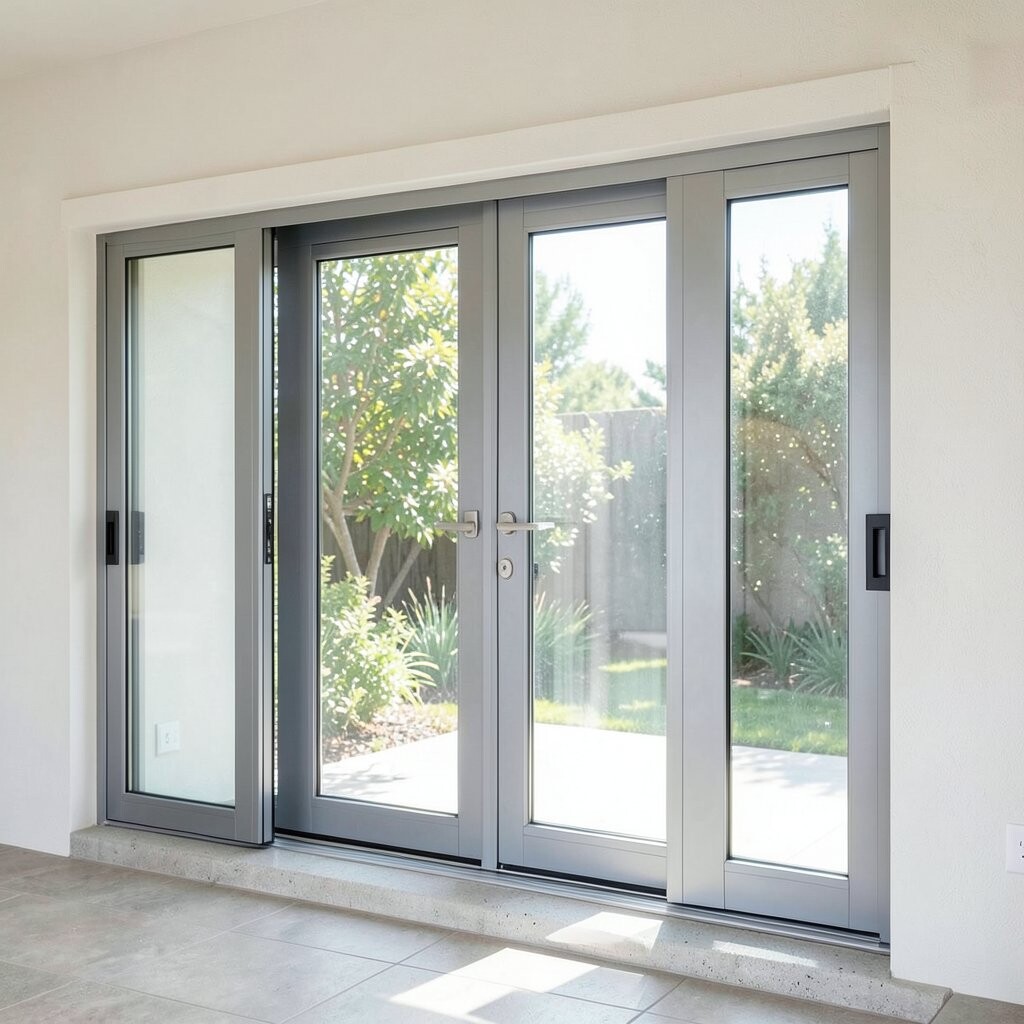
Many people want to start right away, but reading the guide first can save a lot of trouble. The guide often shows part names, order of steps, and small notes that matter later.
Some sliding door kits are simple, while others have special tracks or soft-close parts. A quick read helps you see what makes your kit different and what you should expect during setup.
6. Mark the Track Line Clearly
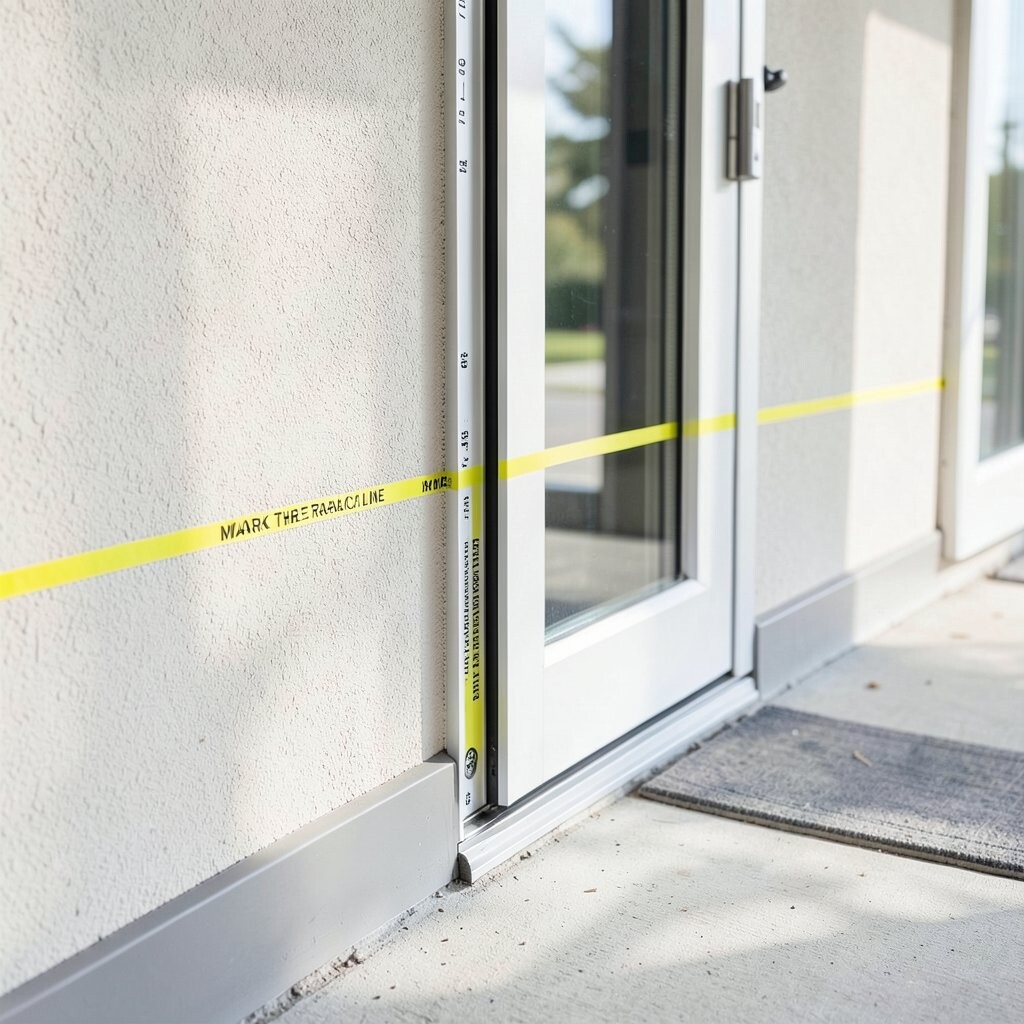
A straight track line is one of the most important parts of a good install. Use a pencil and level to mark where the top track or floor guide should go.
Clear marks help you place each piece in the right spot the first time. This makes the door move better and gives the finished look a neat, tidy feel.
7. Use Strong Wall Support
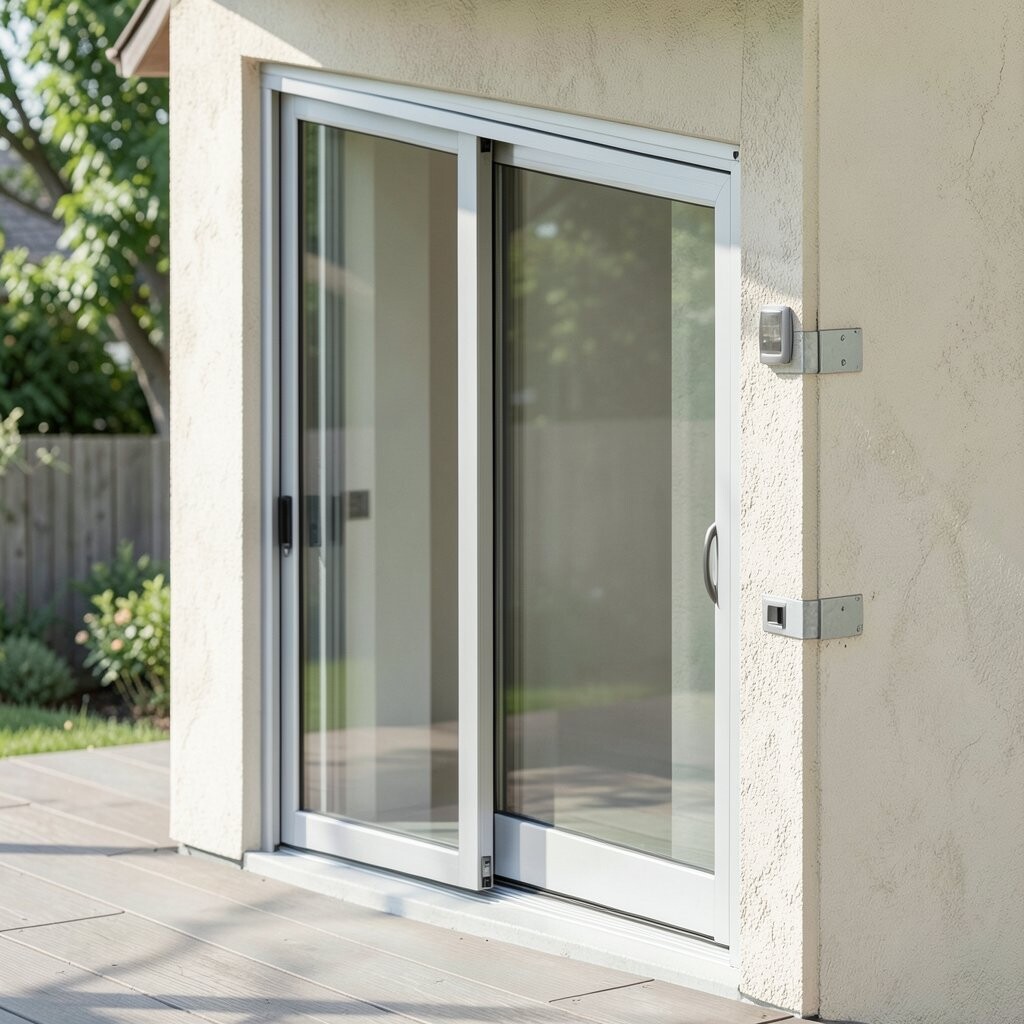
Sliding doors can be heavy, so the wall support must be solid. Find studs or use the right anchors so the track does not pull loose later.
This step matters even more for larger doors or glass doors. Good support helps the door stay safe, last longer, and work without shaking or noise.
8. Keep the Track Clean and Straight
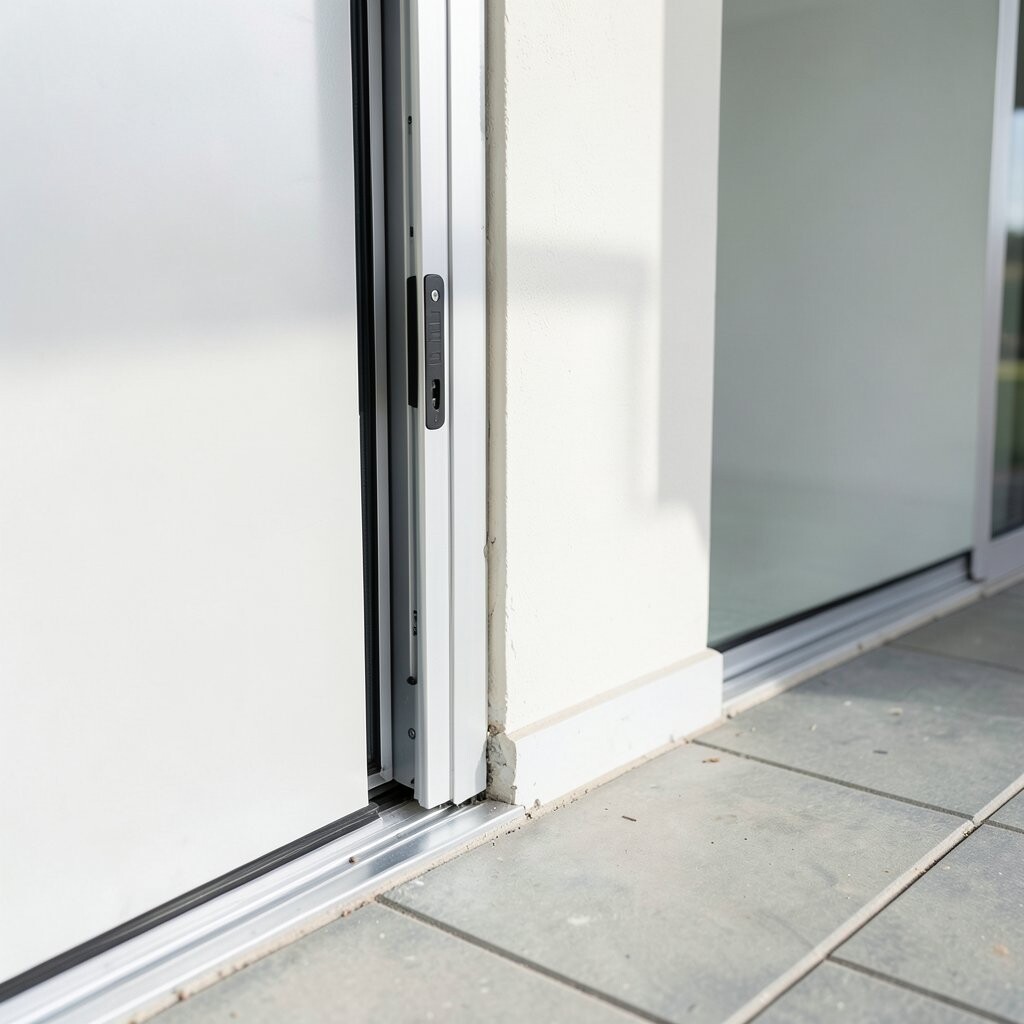
The track should be clean before you hang the door. Dust, small bits of wood, or scrap pieces can make the rollers stick or make a rough sound.
Check that the track line stays straight from end to end. A clean and even track gives the door a better glide and helps the whole setup look more polished.
9. Test the Rollers Before Final Tightening
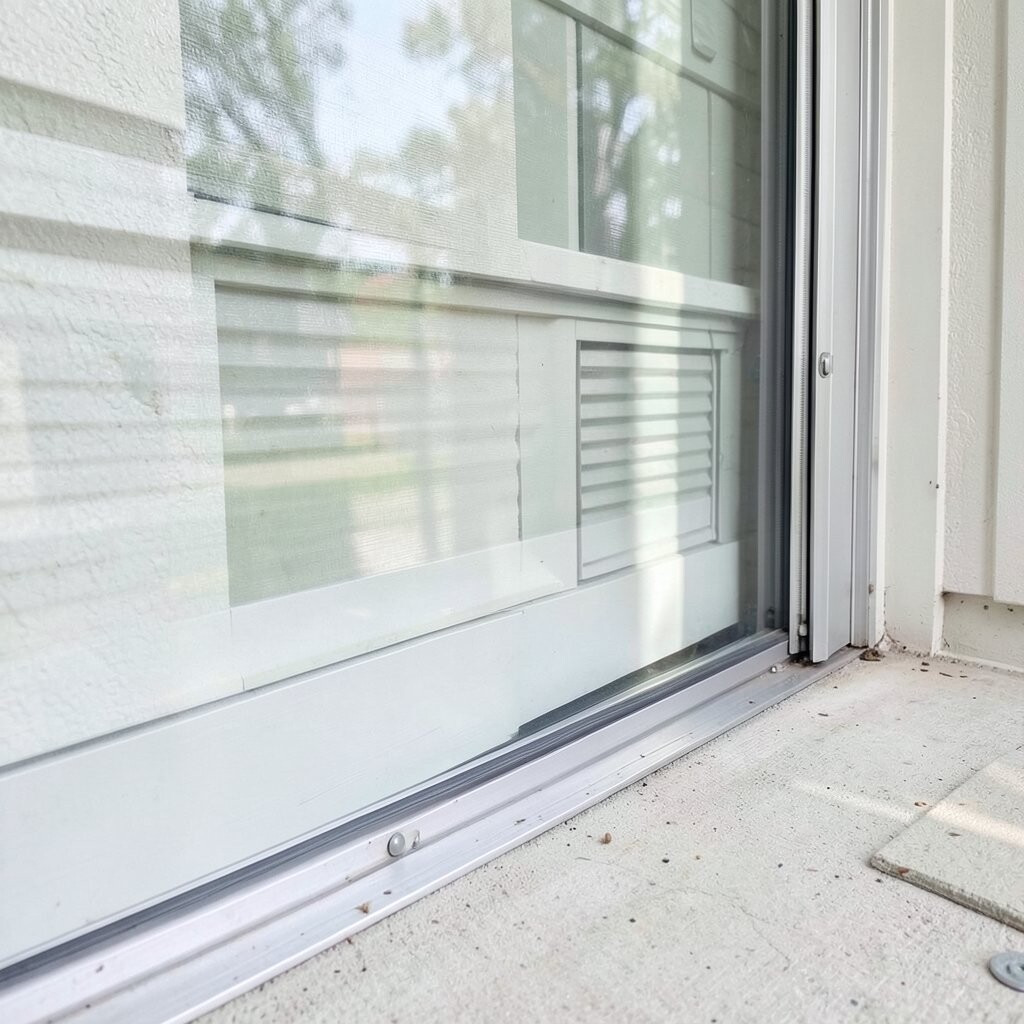
Before you tighten every screw all the way, test how the rollers move. Slide the door back and forth and watch for wobble, rubbing, or hard spots.
If the movement feels off, make small changes right away. This is easier than fixing a fully finished setup, and it helps you get a smoother result with less stress.
10. Leave a Little Space for Movement
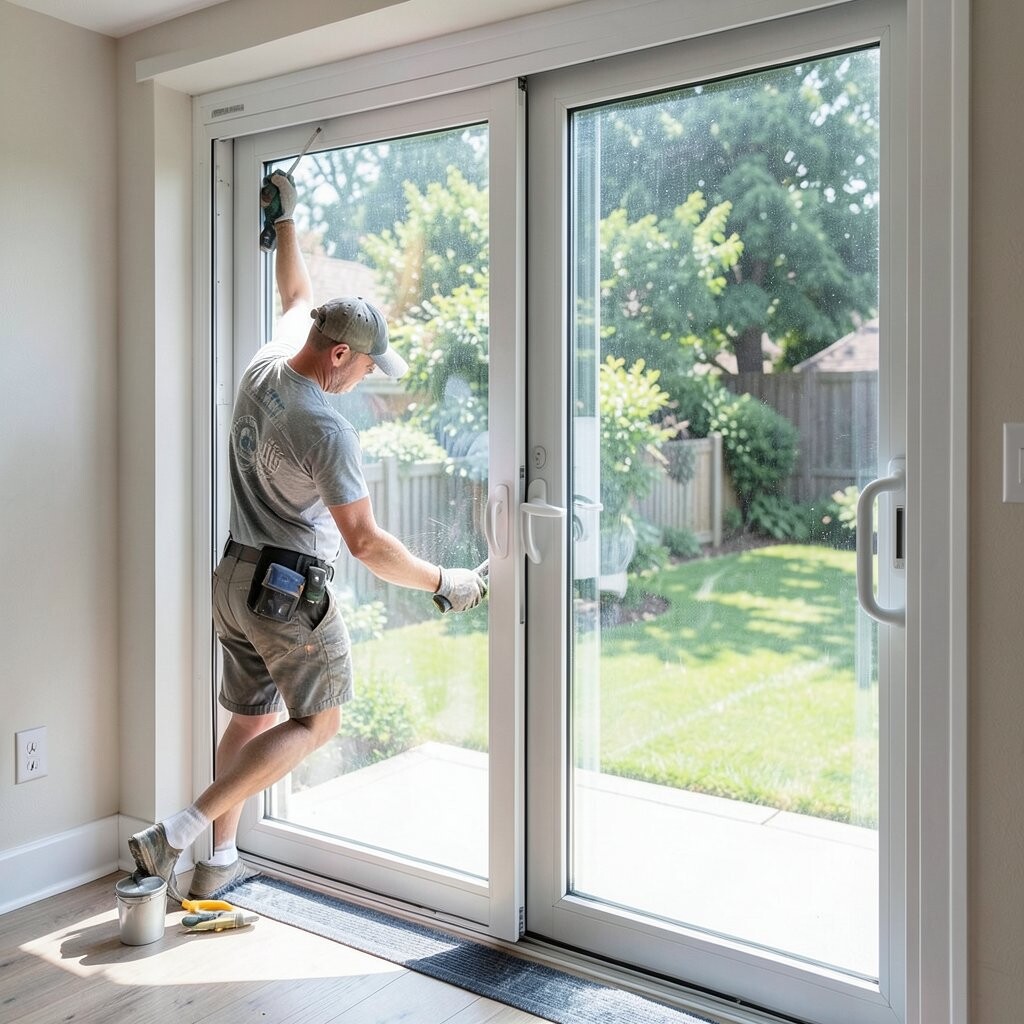
Doors need a small gap so they can move without scraping the wall or floor. A tight fit may look neat at first, but it can cause trouble once the door is used often.
That small space also helps with changes in wood or metal over time. It is a simple detail, but it can make the door work better and feel easier to use each day.
11. Add Soft-Close Parts if You Want Less Noise
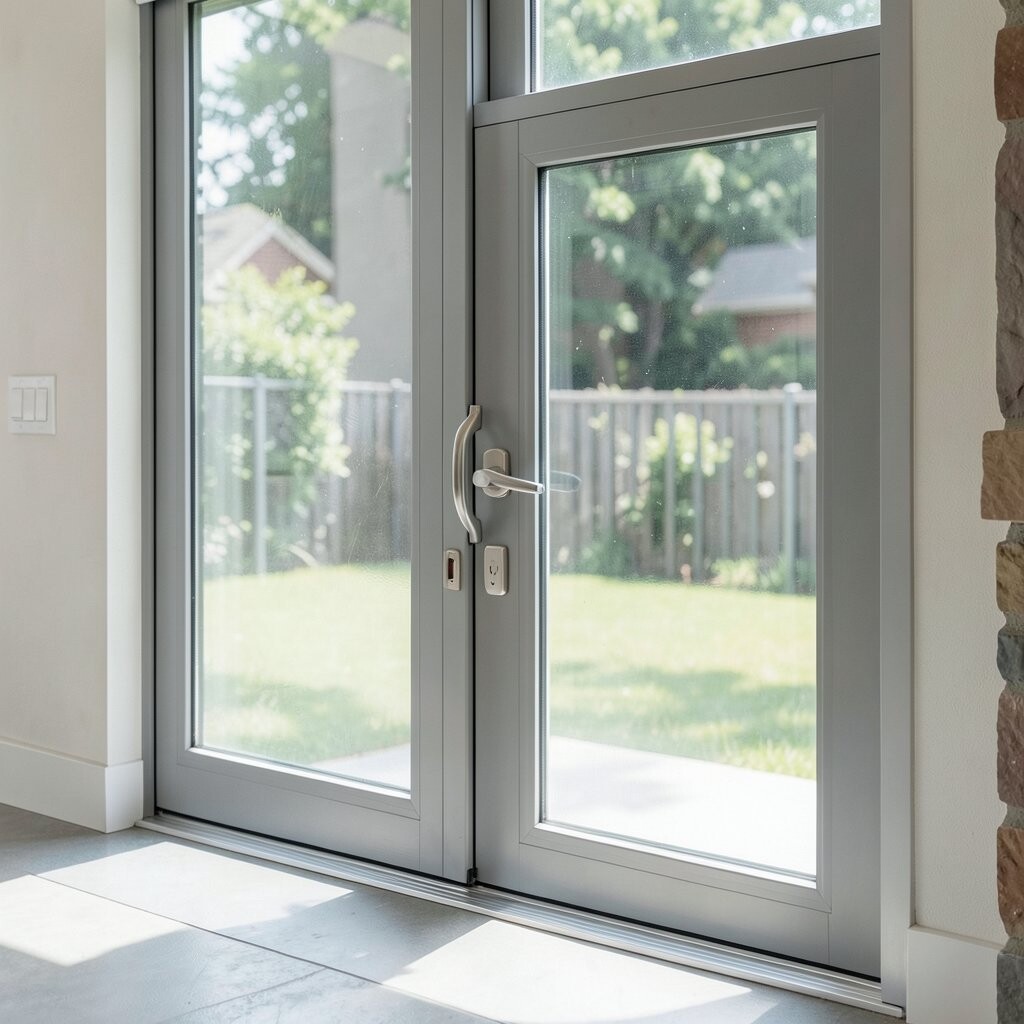
Soft-close parts help the door slow down before it hits the end. This can cut down on loud bangs and make the door feel calm and smooth.
Many people like this feature because it feels modern and easy to use. It can cost a bit more, but it may be worth it if you want a quieter room and a nicer feel.
12. Match the Hardware to the Room
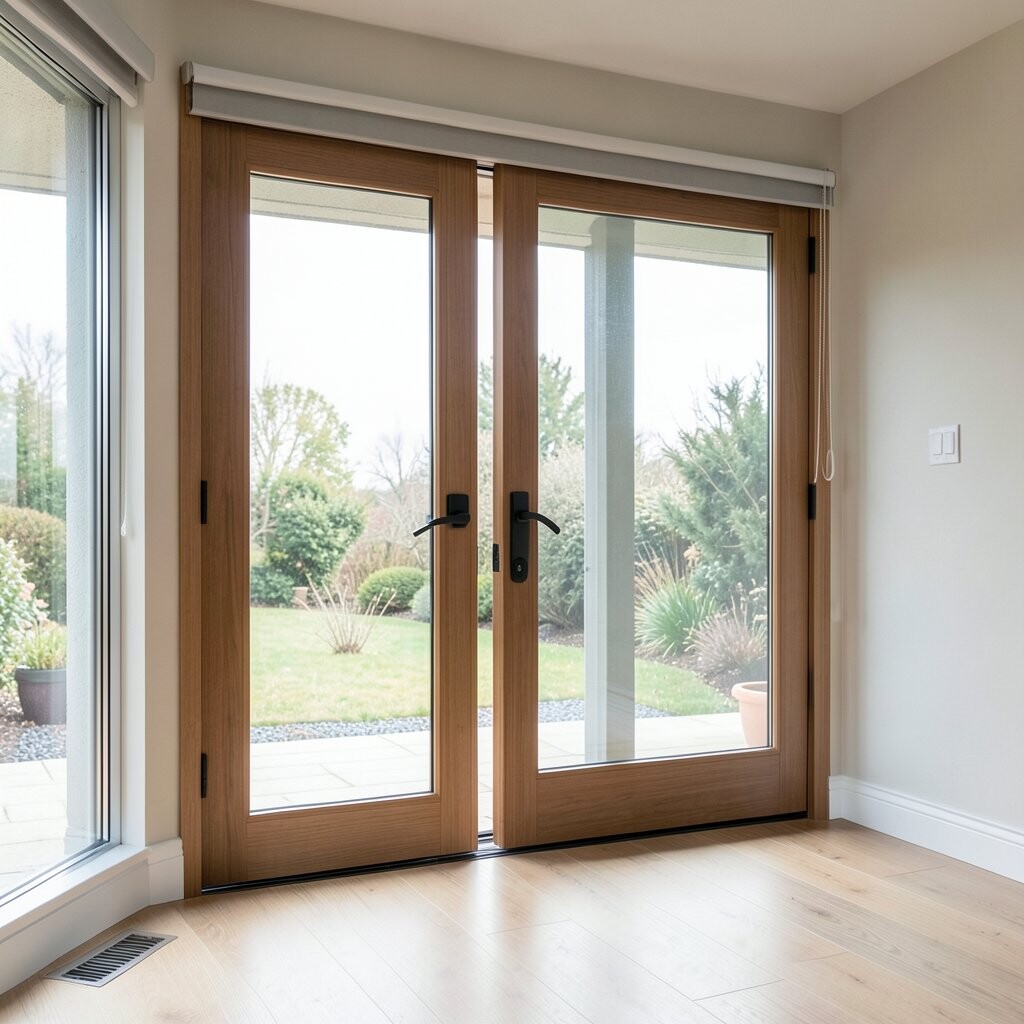
Hardware can change the whole look of a sliding door. Dark metal, brushed silver, and black parts each give a different feel, even if the door itself stays the same.
You can match the hardware to lights, handles, or other parts in the room. This small choice helps the door fit your style and makes the setup feel more planned.
13. Think About Privacy and Light
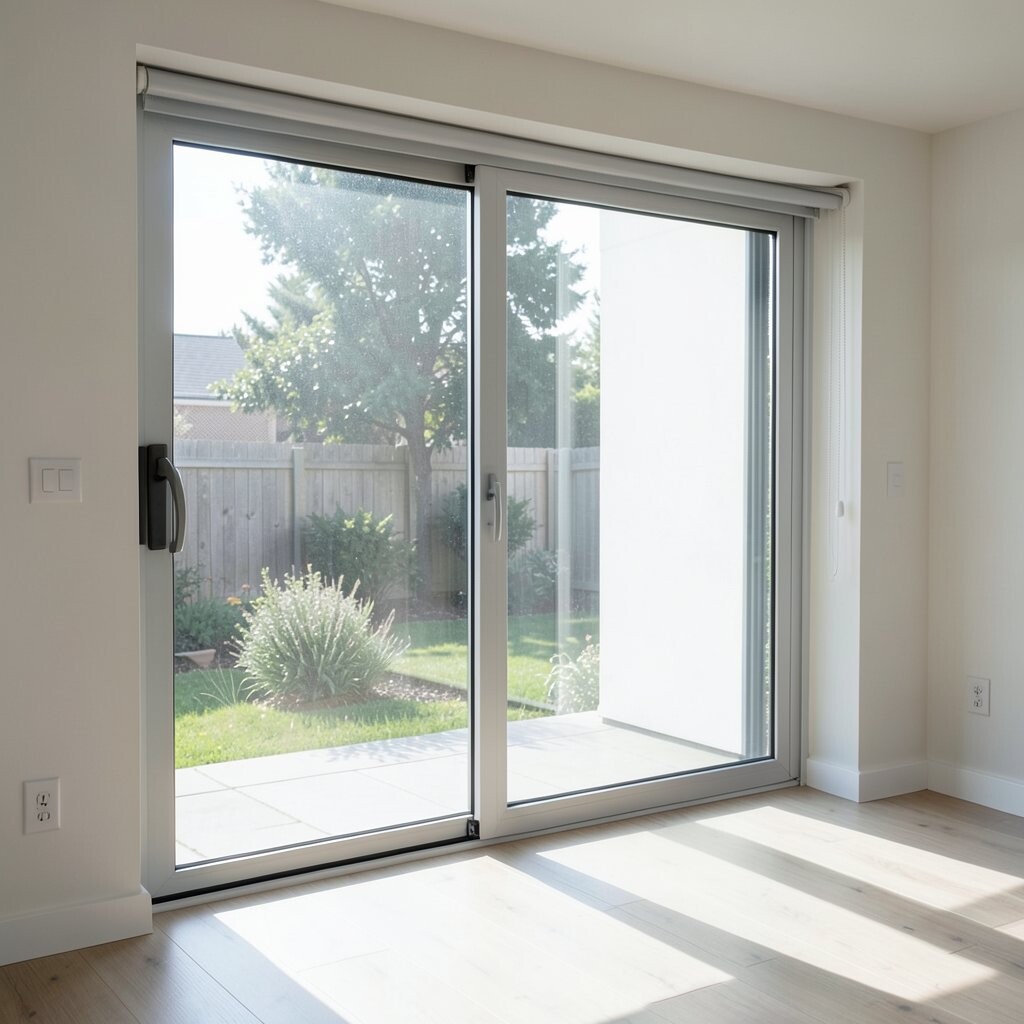
Some sliding doors let in a lot of light, while others block more of it. Glass doors can make a room feel open, but solid doors may work better for bedrooms or quiet spaces.
If you want both light and privacy, try frosted glass or a panel with a soft finish. These choices are common in newer homes because they feel light, neat, and useful at the same time.
14. Check the Door Daily at First
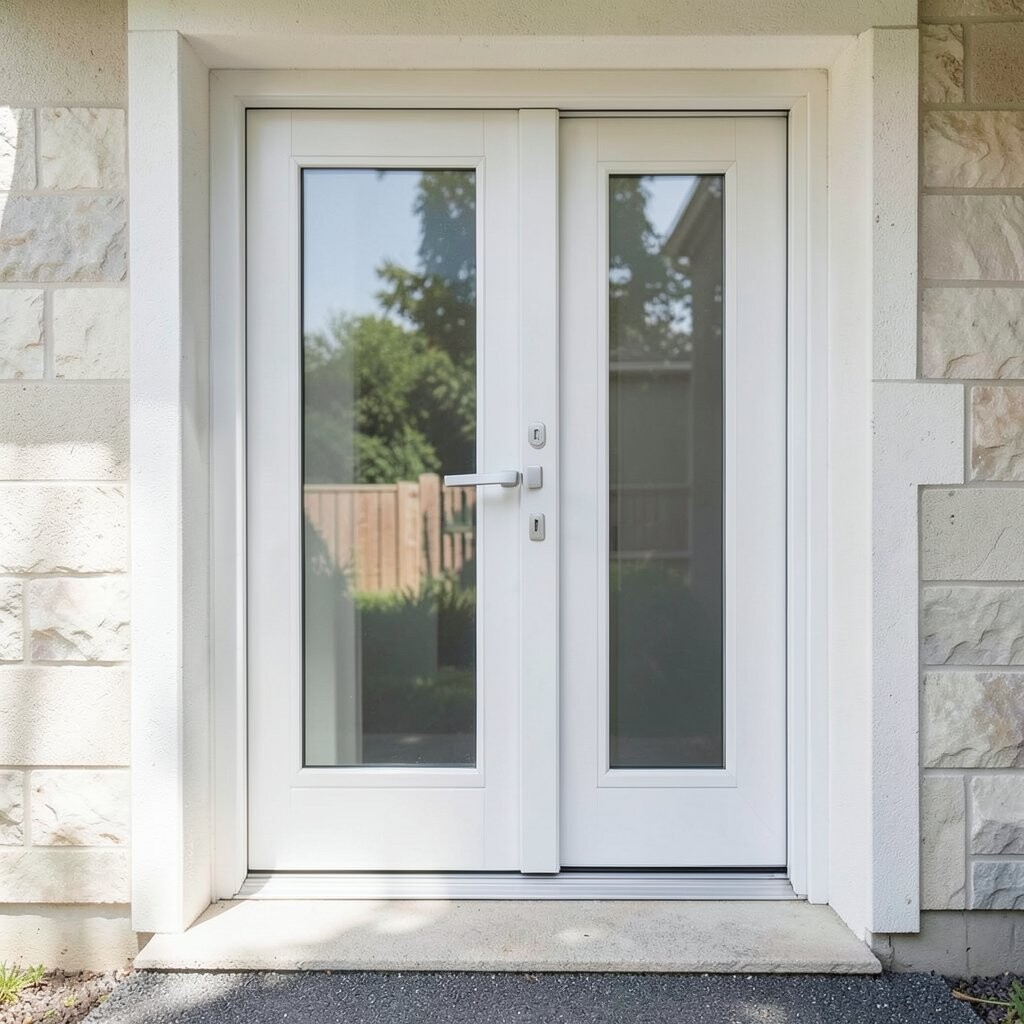
After the install, use the door a few times each day for a short while. Listen for new sounds and watch for spots where it may rub or slow down.
Small changes are easier to fix early, before they grow into bigger problems. This habit can help you keep the door in good shape and make the setup last longer.
15. Plan for Style Changes Later
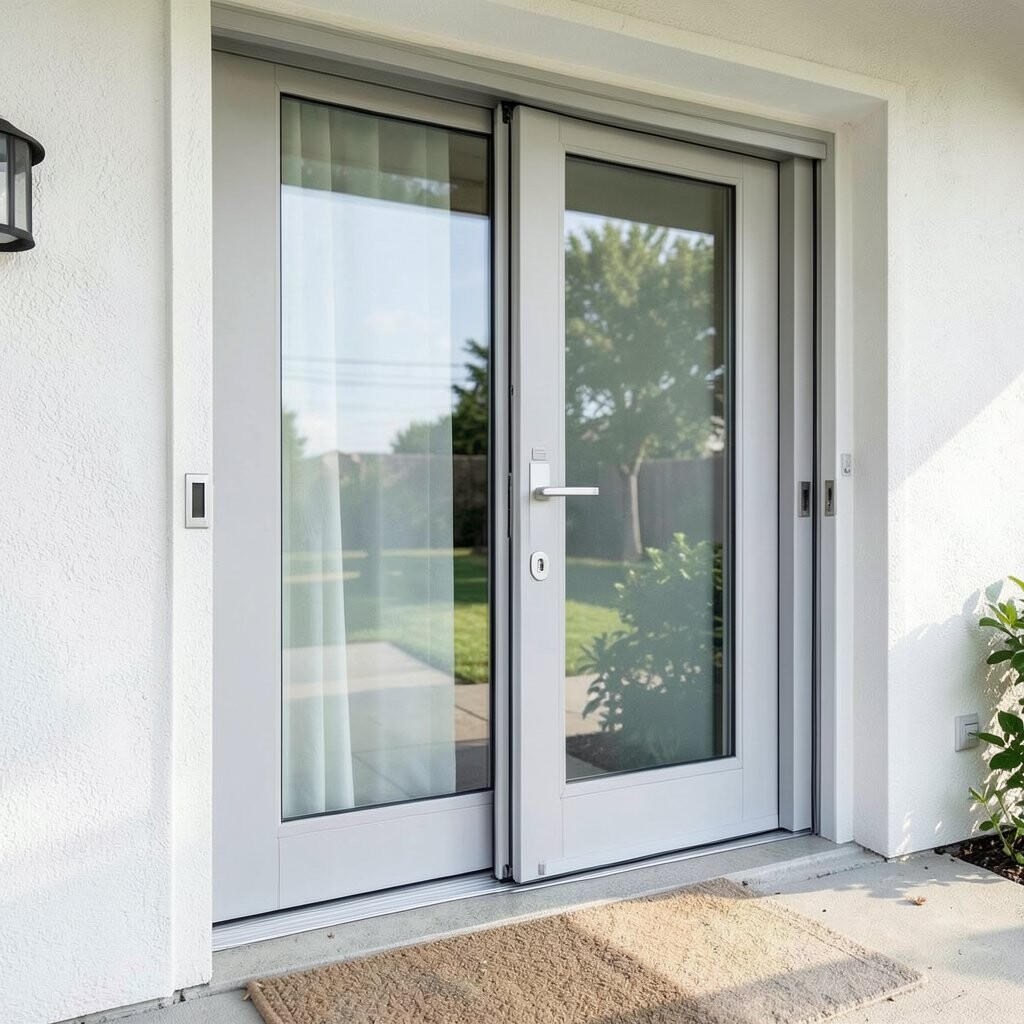
It is smart to choose a setup that can work with future changes in the room. You may repaint, change the floor, or switch the wall color later on.
A simple door style with clean lines often works well with many looks over time. That kind of choice can help you save money later, since you may not need to replace the door just to match a new room style.