A smooth home flow can make daily life feel easier and calmer. Small changes between rooms can help each space work better and feel more connected.
1. Open Entry To Living Room Flow
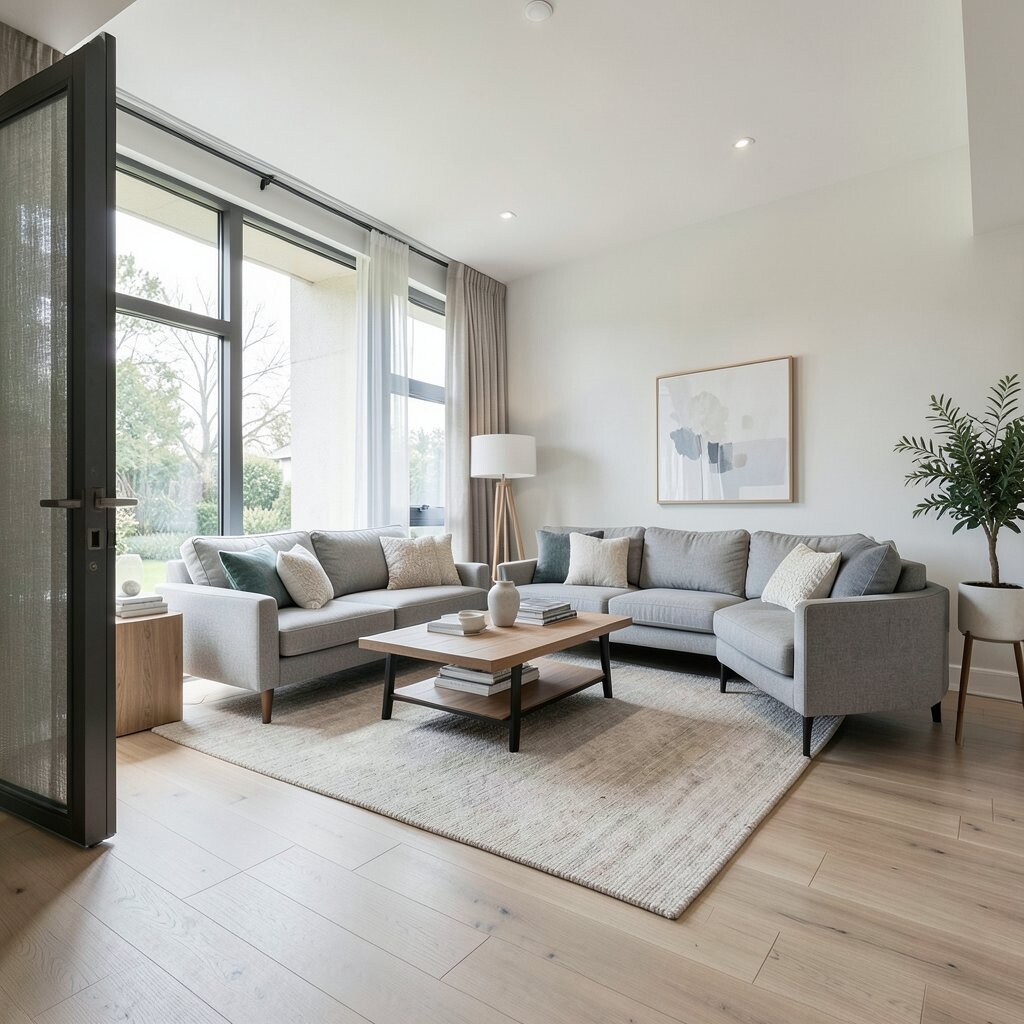
The path from the front door to the living room sets the tone for the whole home. A clear view, a simple rug, and a few well-placed items can make this area feel open and easy to use.
This space works best when shoes, bags, and coats have a set place near the door. That keeps clutter down and helps guests feel welcome right away.
Light colors and a shared style between the entry and living room can make the move from one space to the next feel smooth. You can use the same wood tone, metal finish, or soft fabric to tie the two areas together.
2. Kitchen To Dining Room Connection
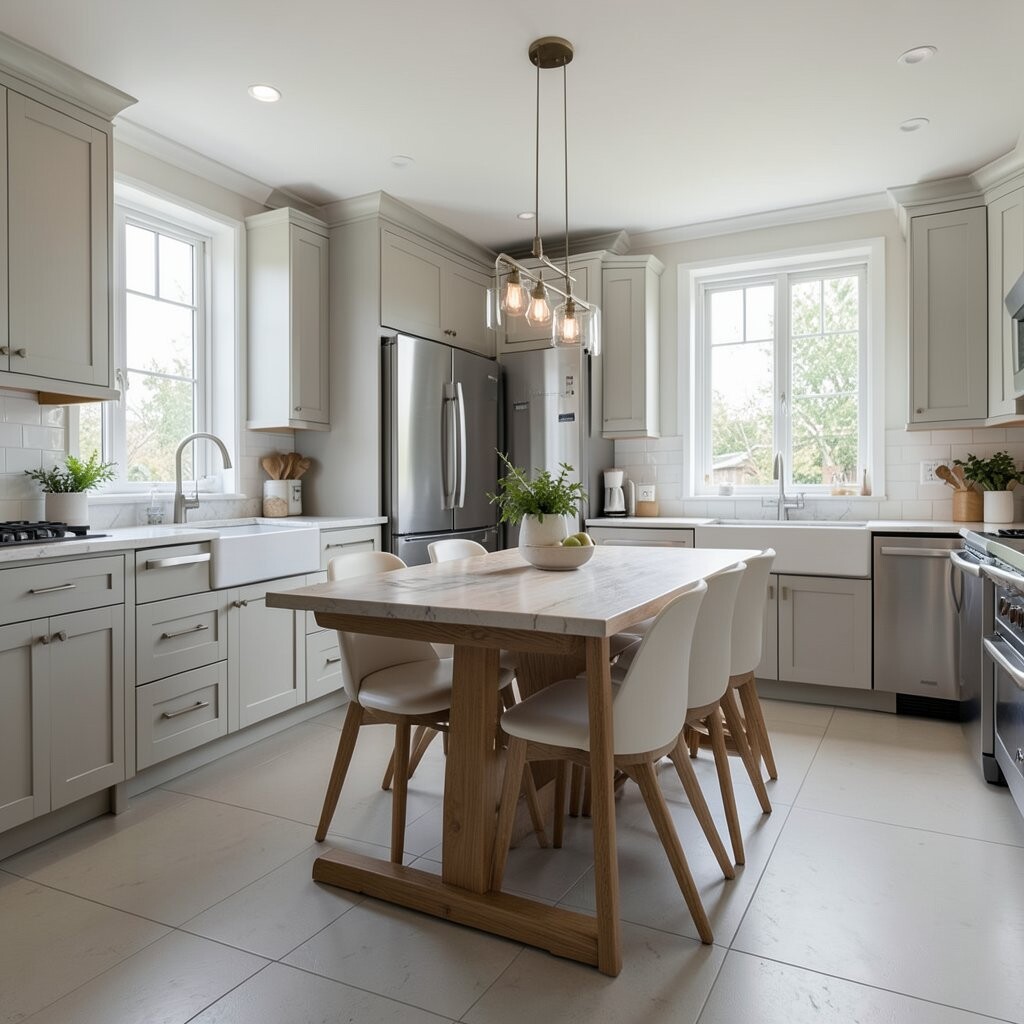
The kitchen and dining room should feel like they belong together, even if they are separate spaces. A similar chair style, matching light fixtures, or a shared table color can help the two rooms feel linked.
This transition is useful because it makes serving meals and cleaning up much easier. It also helps the dining room feel like part of daily life, not just a room used on special days.
Many homes now use open shelves, slim sideboards, or simple pass-through counters to make this area work better. These updates can be low cost if you use paint, new hardware, or items you already own.
3. Hallway To Bedroom Soft Landing
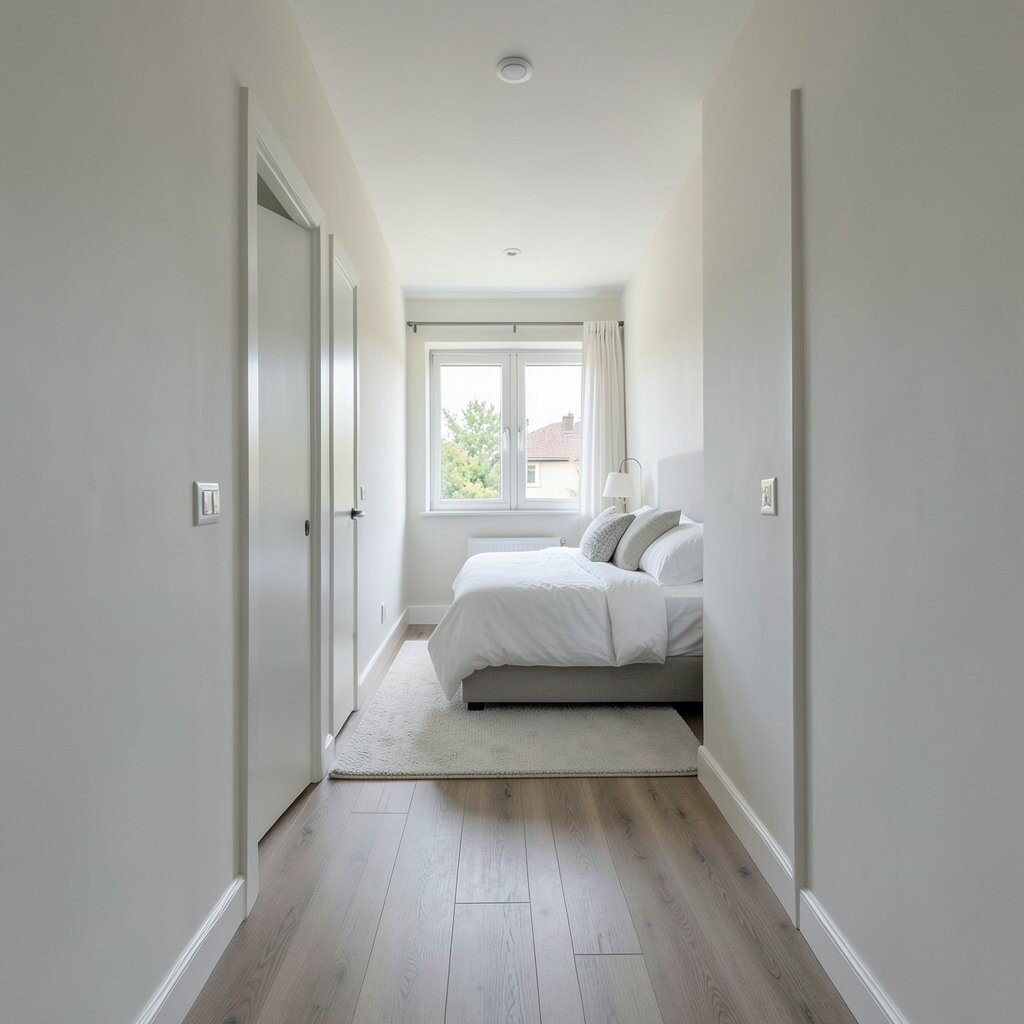
A hallway that leads into a bedroom should feel calm and quiet. Soft carpet, warm light, and simple wall art can help the space shift from busy to restful.
One good tip is to keep the hallway clear and the bedroom entry neat. That small change can make the room feel larger and more peaceful.
You can also add a bench, a small basket, or a narrow table near the doorway if space allows. These pieces give the area a useful look without making it feel crowded.
4. Mudroom To Laundry Zone
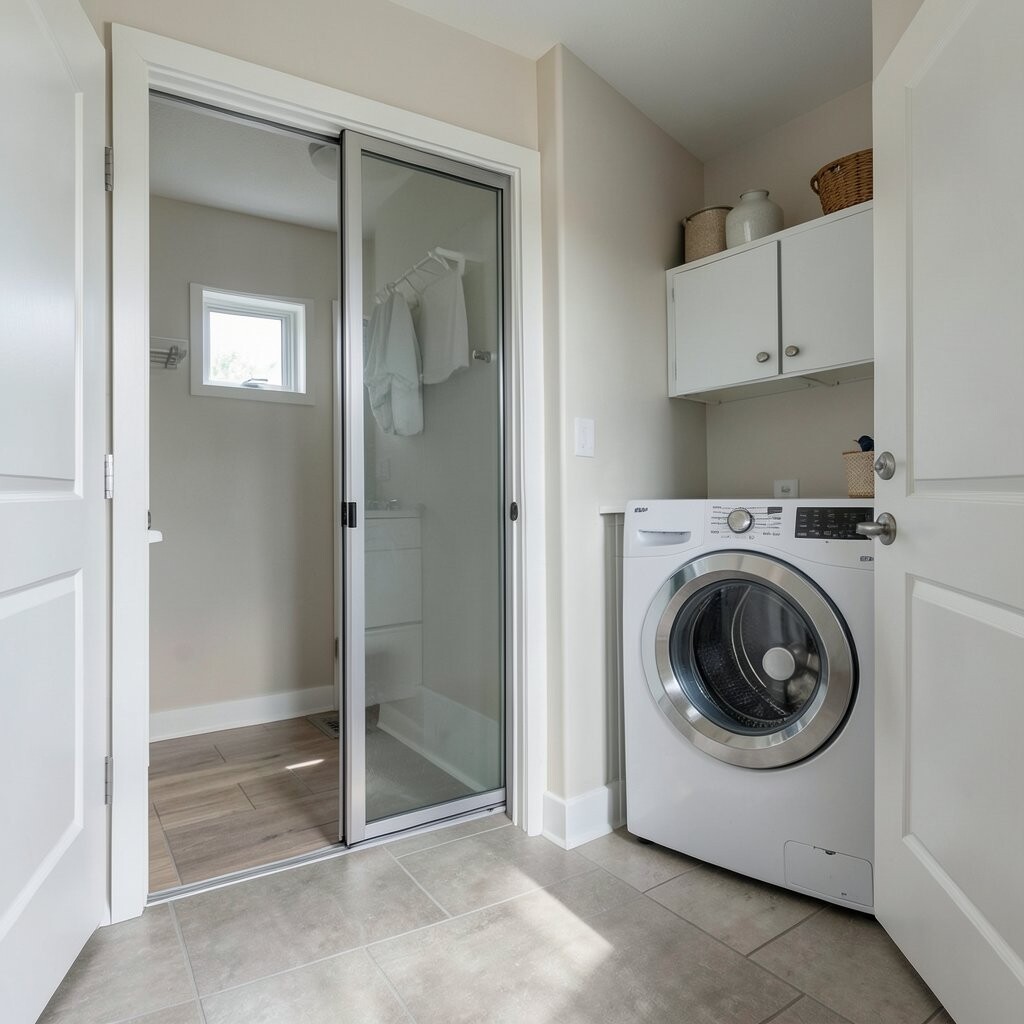
A mudroom that connects to the laundry area can save time and cut down on mess. This kind of setup works well for shoes, wet clothes, sports gear, and daily cleaning tasks.
Built-in hooks, open bins, and a simple bench can make the area feel neat and easy to use. If you want a lower-cost update, try paint, labels, and matching storage baskets.
This transition is also a strong home trend because it helps busy families stay organized. The look can be plain and clean or more styled with wood accents and soft colors.
5. Living Room To Patio Flow
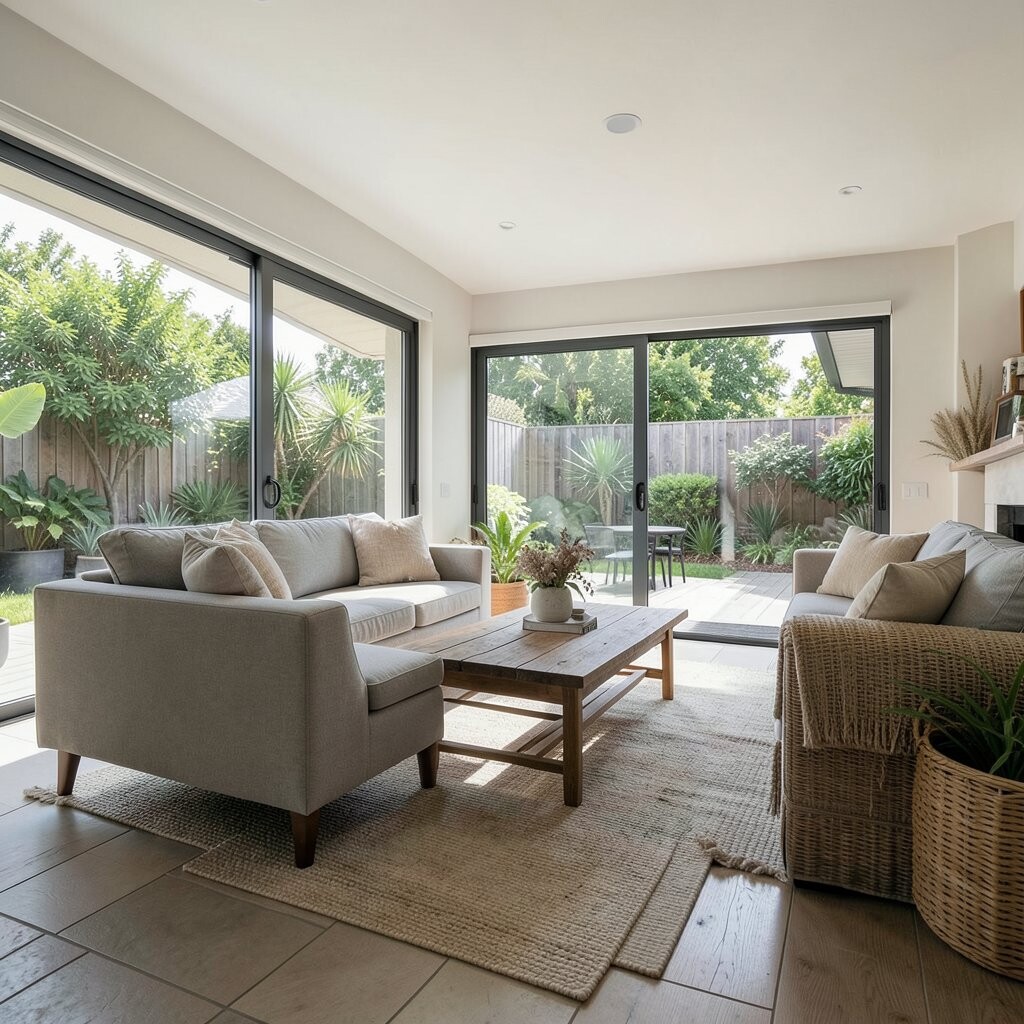
When the living room opens to a patio, the home can feel bigger and more relaxed. Large doors, matching floor tones, or similar cushions can help the inside and outside spaces feel connected.
This area works best when there is a clear path for walking and carrying items. A small table near the door, light curtains, or a rug that fits the room can make the move outside feel easy.
Many people like to use the same color family indoors and outdoors to keep the look steady. This does not need a big budget, since pillows, planters, and paint can do a lot on their own.
6. Kitchen To Pantry Passage
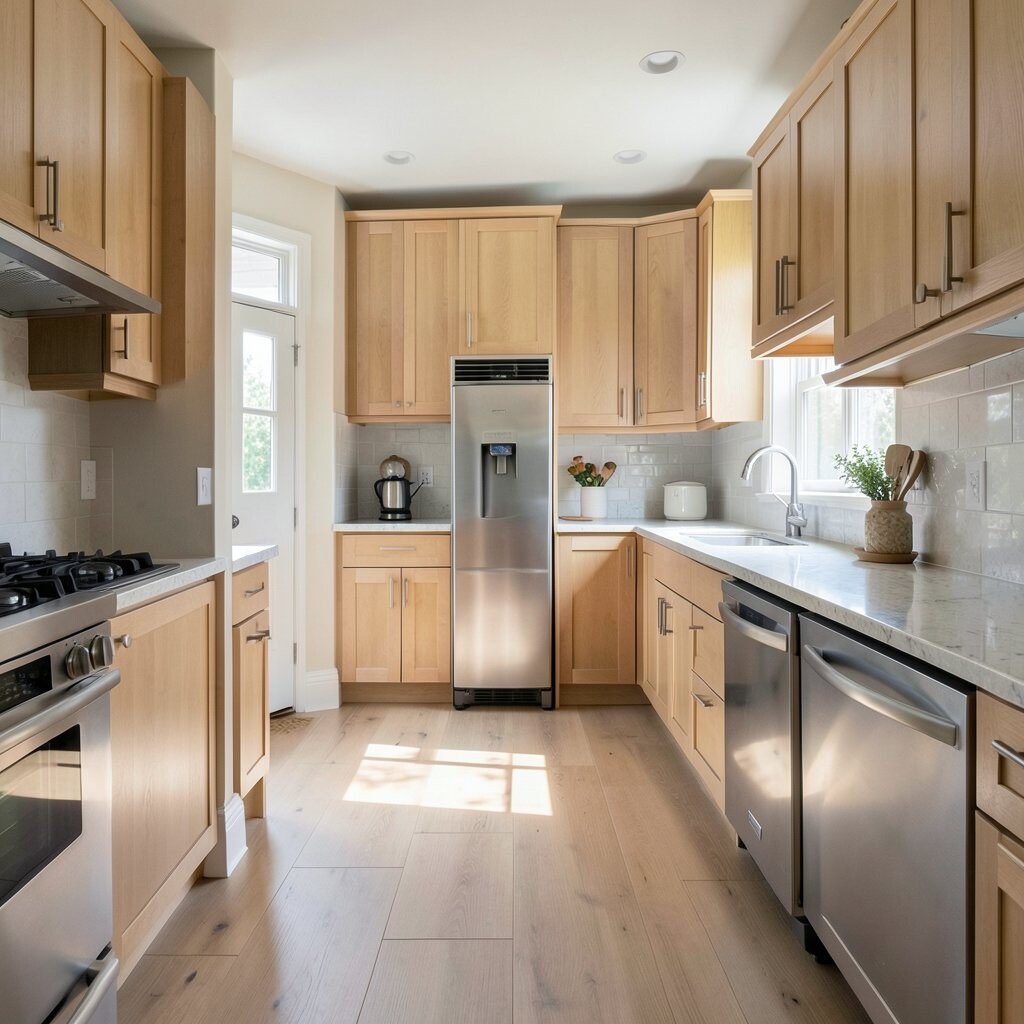
A pantry area should feel like a natural part of the kitchen, not a hidden storage spot. Clear jars, open shelves, and labeled bins can make the space look tidy and help you find things fast.
This transition is helpful because it keeps food and supplies close to where you cook. It also cuts down on extra steps and can make meal prep feel less rushed.
You can personalize this area with shelf paper, woven baskets, or a bold wall color inside the pantry. These small touches add style without a high cost.
7. Bathroom To Vanity Nook
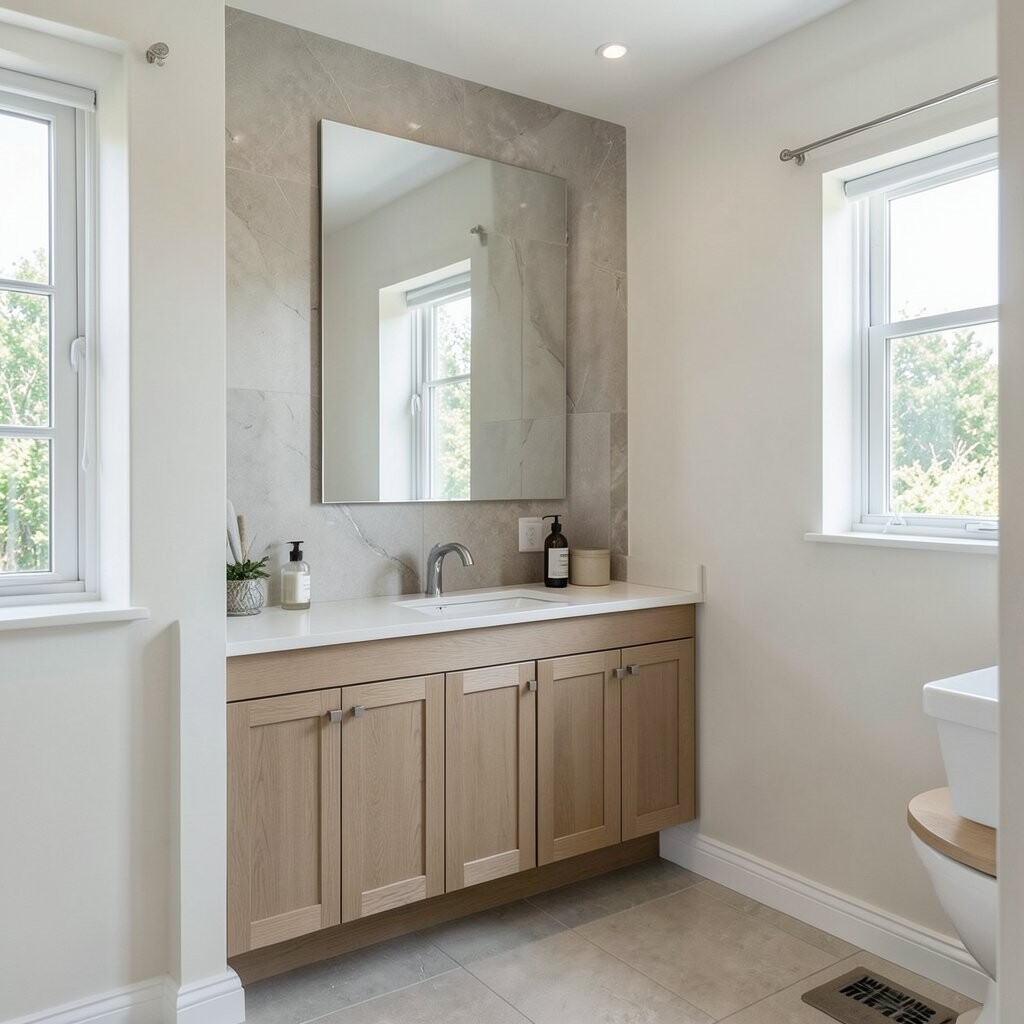
A vanity nook can make a bathroom feel more useful and calm at the same time. Good lighting, a clean mirror, and a small counter setup help the space feel open and easy to use.
To keep the transition smooth, use the same tile, paint shade, or metal finish in both parts of the room. That helps the vanity area feel like part of the bathroom instead of a separate zone.
This is a good place for personal touches like a tray, a plant, or simple jars for daily items. If you want to keep costs down, swap old knobs, add a new mirror, or use a fresh coat of paint.
8. Stair Landing To Upper Hallway
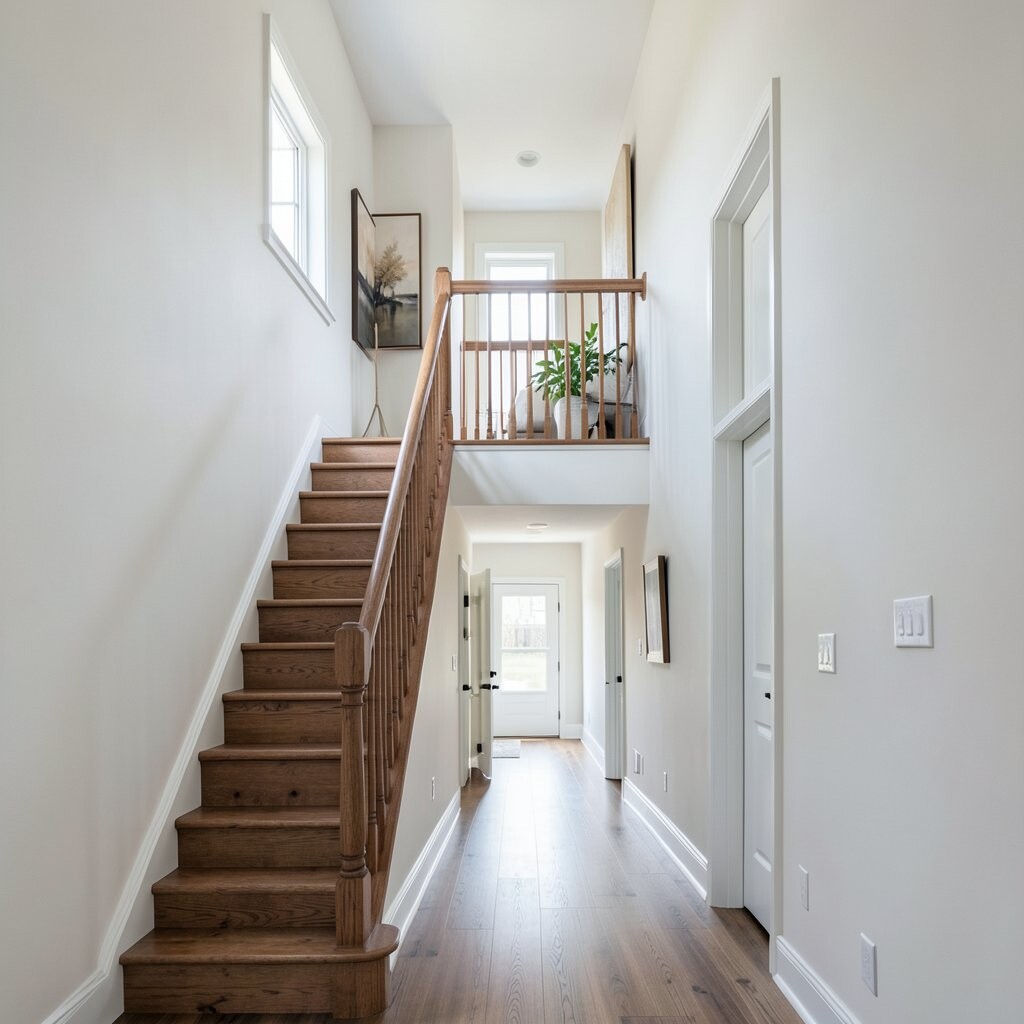
A stair landing can do more than just connect floors. With a small bench, art, or a runner, it can become a calm pause point between busy parts of the home.
The upper hallway should feel bright and open so the move from stairs to rooms feels easy. A shared wall color and simple lighting can help the area feel larger and less choppy.
Some homes now use gallery walls or built-in shelves on landings, which adds style without taking much space. This is a nice way to show family photos or art while keeping the path clear.
9. Home Office To Shared Space Edge
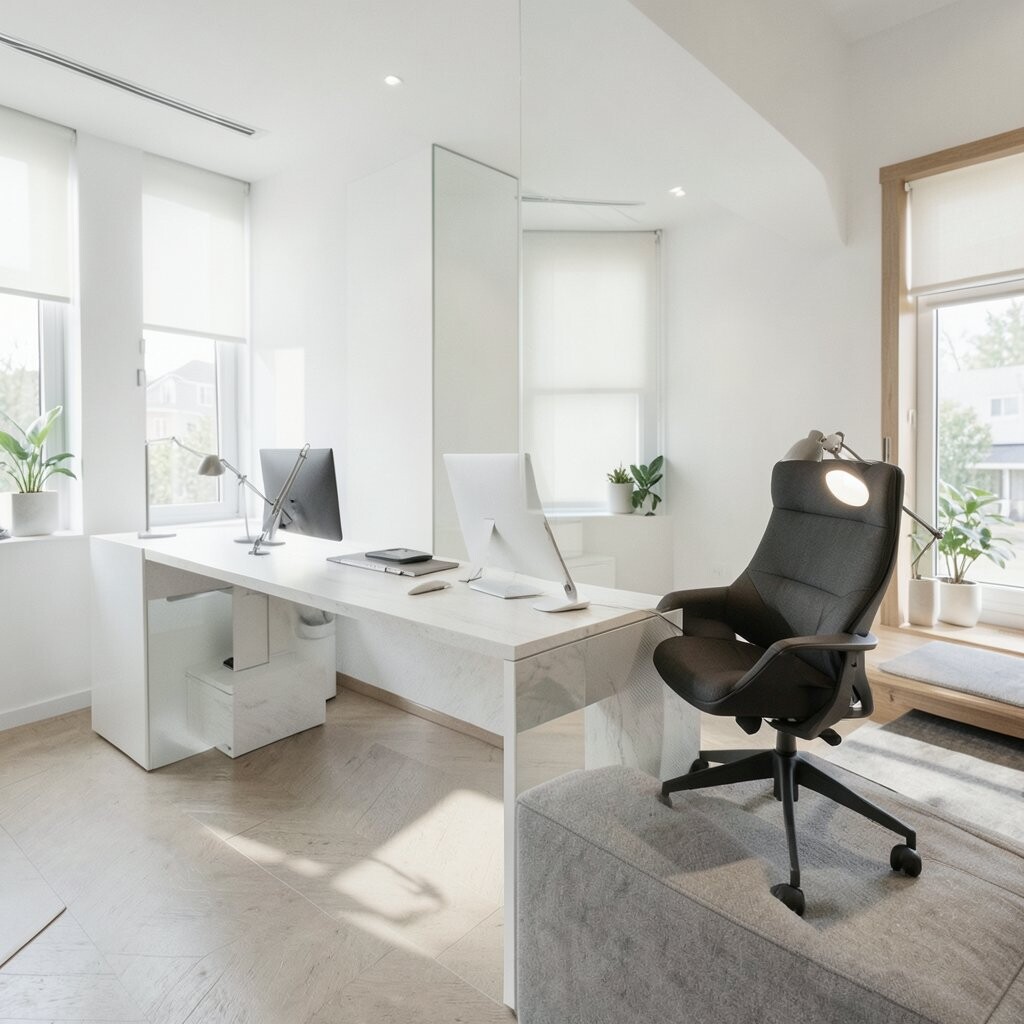
A home office that sits near a shared room needs a clear but gentle boundary. A rug, bookcase, or screen can help mark the office while still keeping the home open and friendly.
This setup works well because it lets you focus without making the room feel closed off. It also helps the office blend in when work time is done.
You can make this area feel more personal with desk art, a lamp, or a chair in a soft fabric. Many people now use simple, clean lines and warm wood tones to keep home offices from looking too stiff.
10. Bedroom To Closet Path
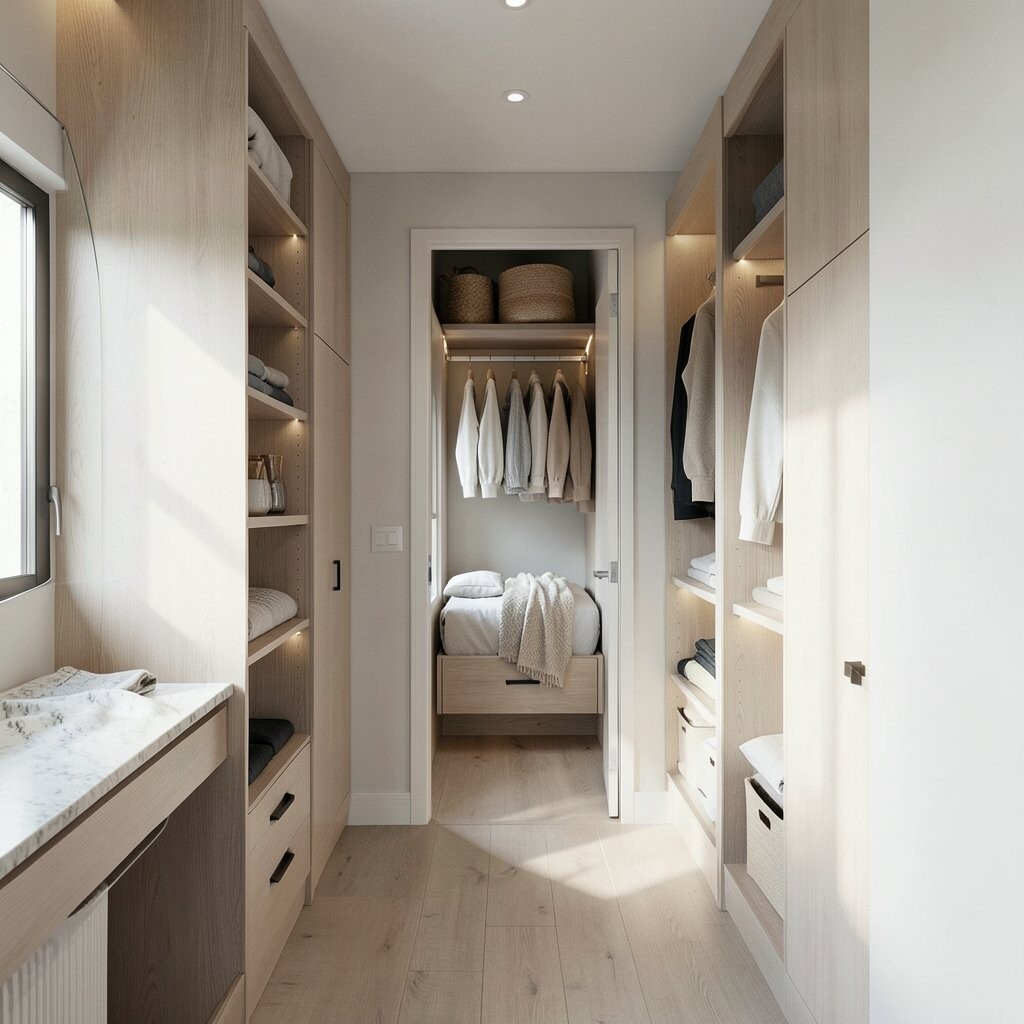
The path from the bedroom to the closet should feel easy and calm. A clear floor, full-length mirror, and good light can make getting dressed feel less rushed.
Closet doors, open shelving, or curtains can all work well, depending on the look you want. The best choice is the one that fits your room size and daily habits.
To make this area feel more finished, try matching hangers, storage boxes, or a small bench. These details help the space look neat and can be done at a low cost.
11. Family Room To Game Area Shift
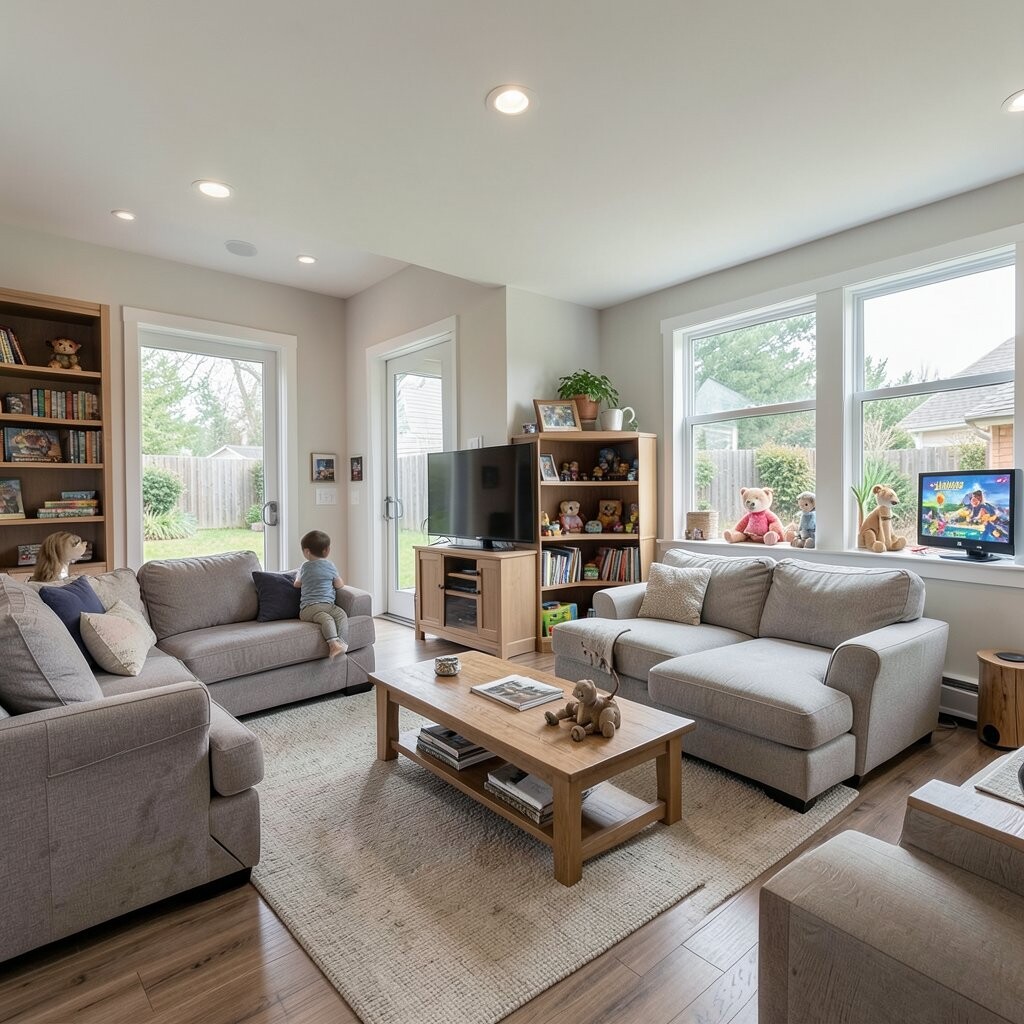
A family room that leads into a game area should feel fun but still tidy. Using the same floor, related colors, or shared storage can help the two spaces work as one.
This kind of transition is useful because it gives kids and adults room to play without making the whole house feel messy. It also helps keep toys, games, and cords in one place.
You can add personality with a bold chair, a wall for board games, or a shelf for favorite items. Current trends often use flexible furniture, so the space can change as needs change.
12. Front Porch To Foyer Welcome
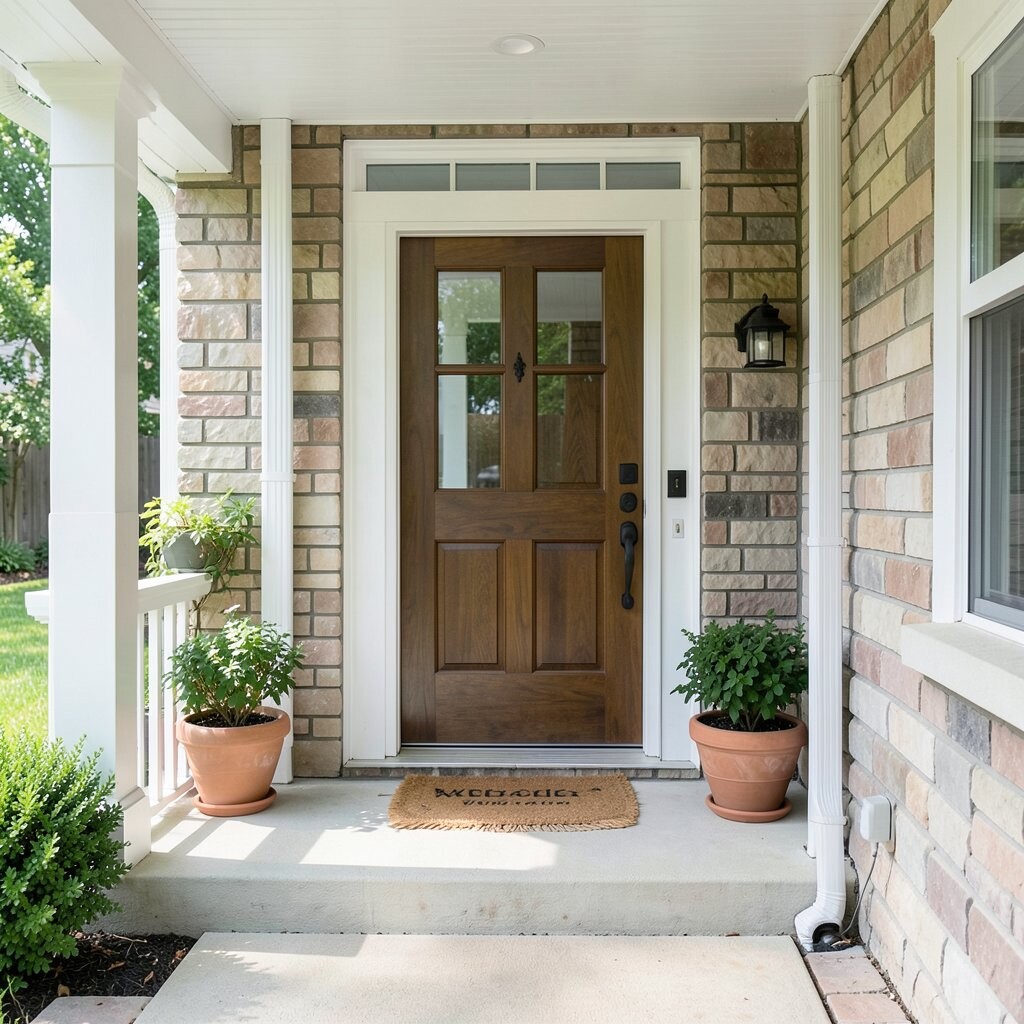
The move from the front porch to the foyer shapes the first feel of the home. A clean mat, a bright light, and a simple door color can make this shift feel warm and easy.
This area should give a clear sign of the style inside the house. If the porch and foyer share a few colors or materials, the whole front of the home feels more put together.
Small updates can go a long way here, like a new house number, a bench, or a plant by the door. These touches help the entry feel personal and neat without a big spend.