Sliding doors and French doors can both fit well in a home, but they work in different ways. This guide looks at each style so you can compare how they look, feel, and fit your space.
1. Space-Saving Design
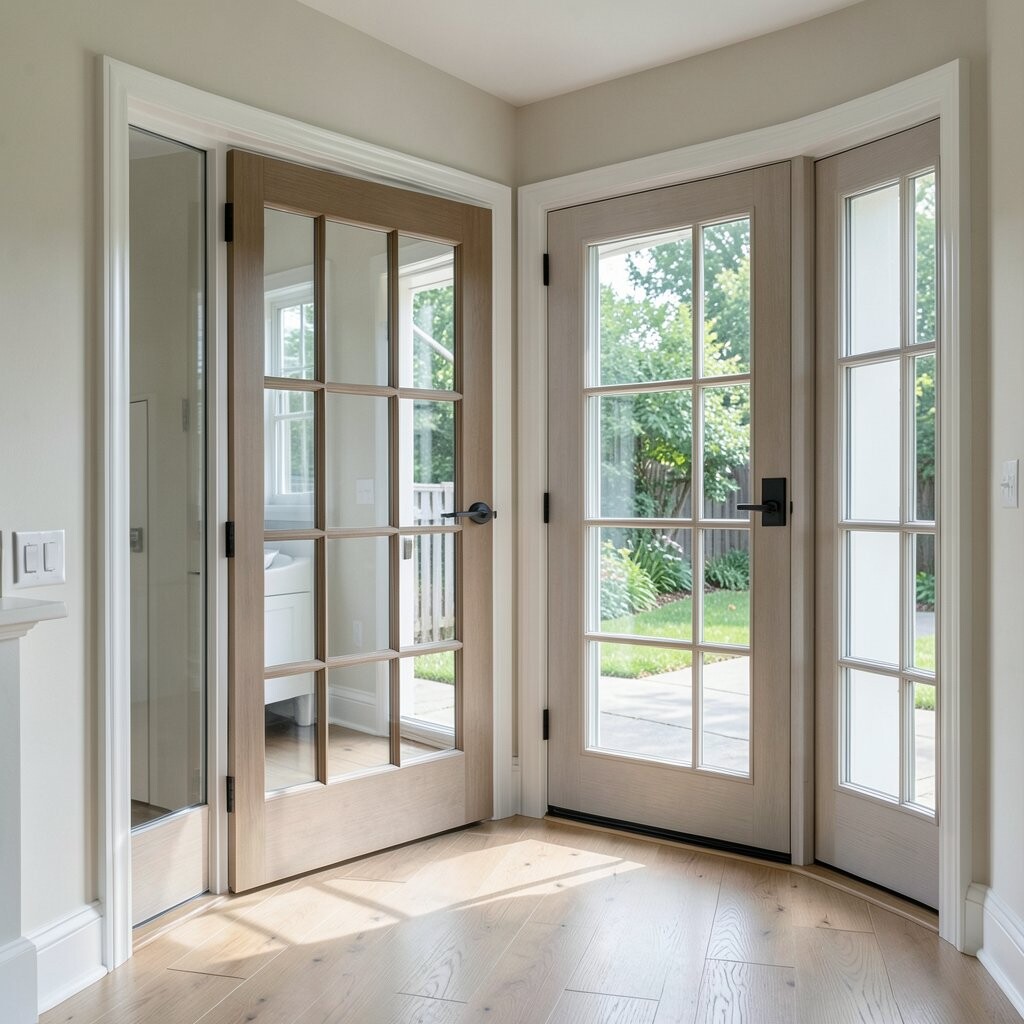
Sliding doors are a smart pick when floor space is tight. Since one panel moves along a track, you do not need room for a door to swing open.
French doors need more open space because the panels swing in or out. That can make them harder to use in small rooms, but they can also make the opening feel wide and easy to pass through.
2. Classic Look
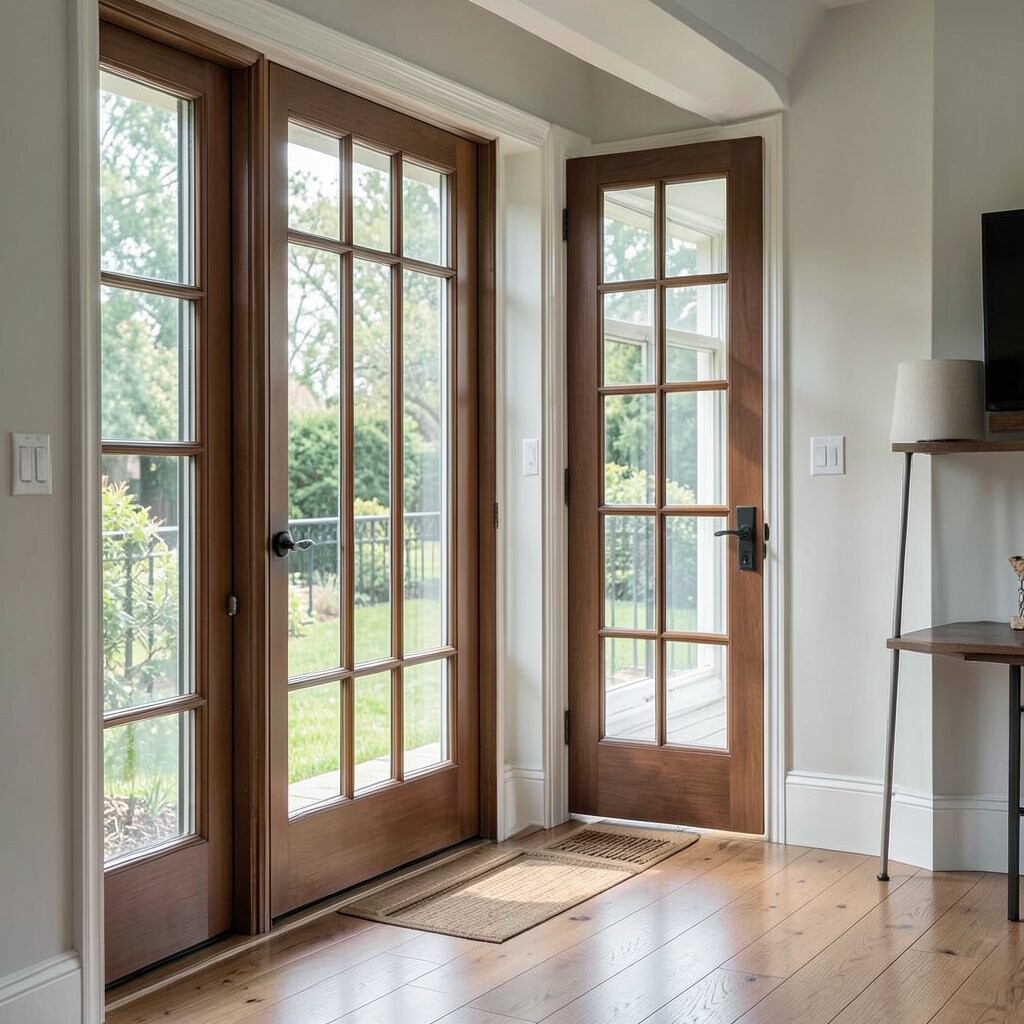
French doors have a look that many people see as timeless. Their glass panes and framed panels can give a room a neat and warm feel.
Sliding doors often look more modern and simple. They can fit well in homes with clean lines and open layouts, and many people like how quiet and smooth they look on a wall.
3. Natural Light
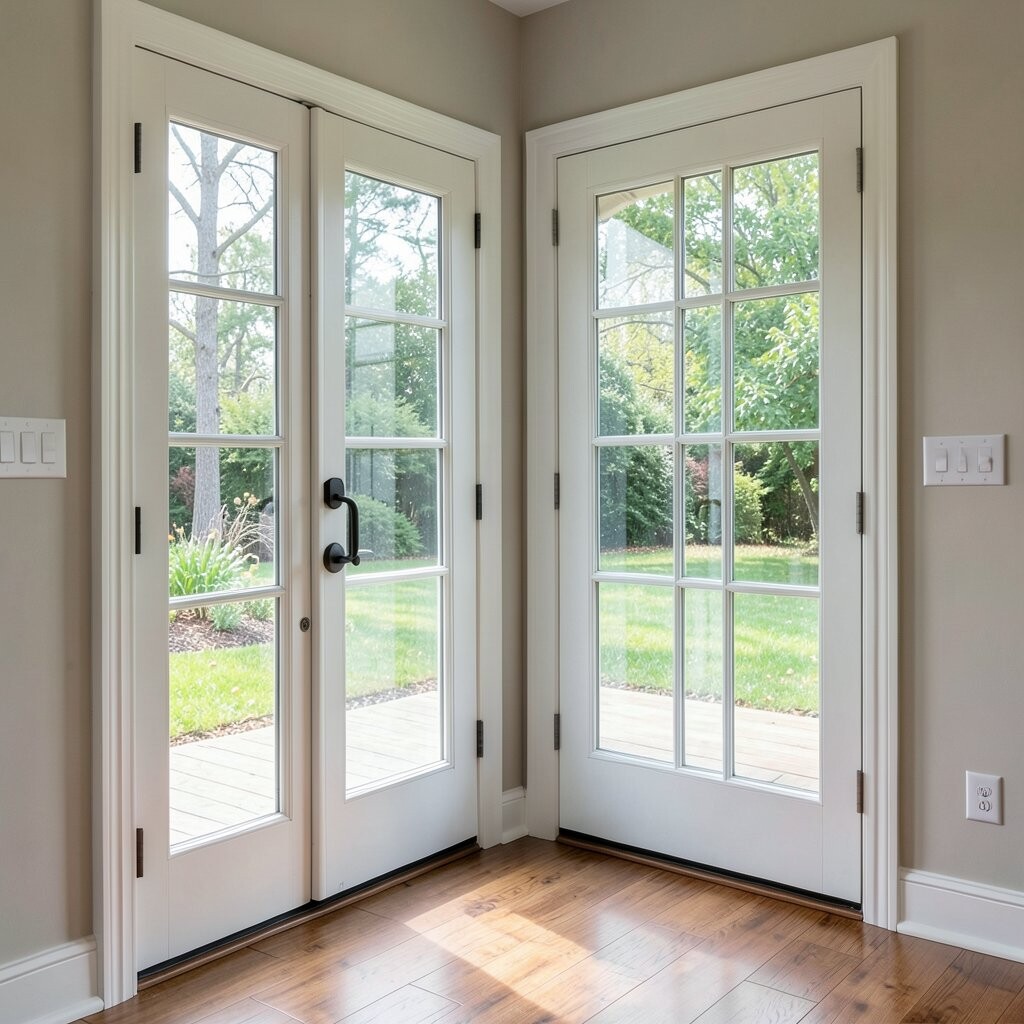
Both door styles can let in a good amount of daylight. Large glass panels help brighten a room and can make small spaces feel less closed in.
French doors often have divided glass sections, while sliding doors may use larger sheets of glass. If you want more light, think about glass size, frame color, and how much of the door is covered by trim.
4. Easy Access to Outdoor Space
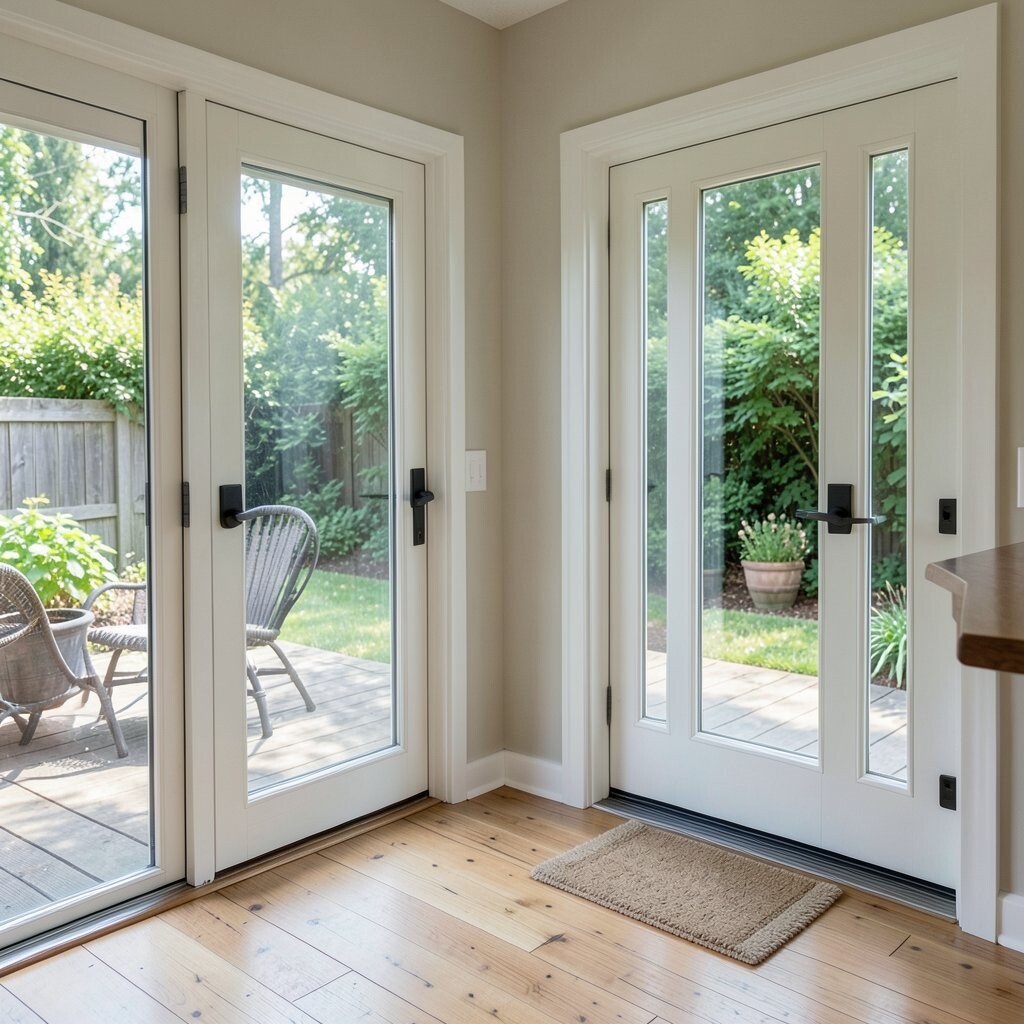
Sliding doors are often used for patios and decks because they make a smooth path outside. The wide glass view can also help connect the home to the yard.
French doors can make a backyard exit feel more formal and open. They can work well for garden areas, porches, or rooms where you want a more classic look when you step outside.
5. Air Flow and Fresh Air
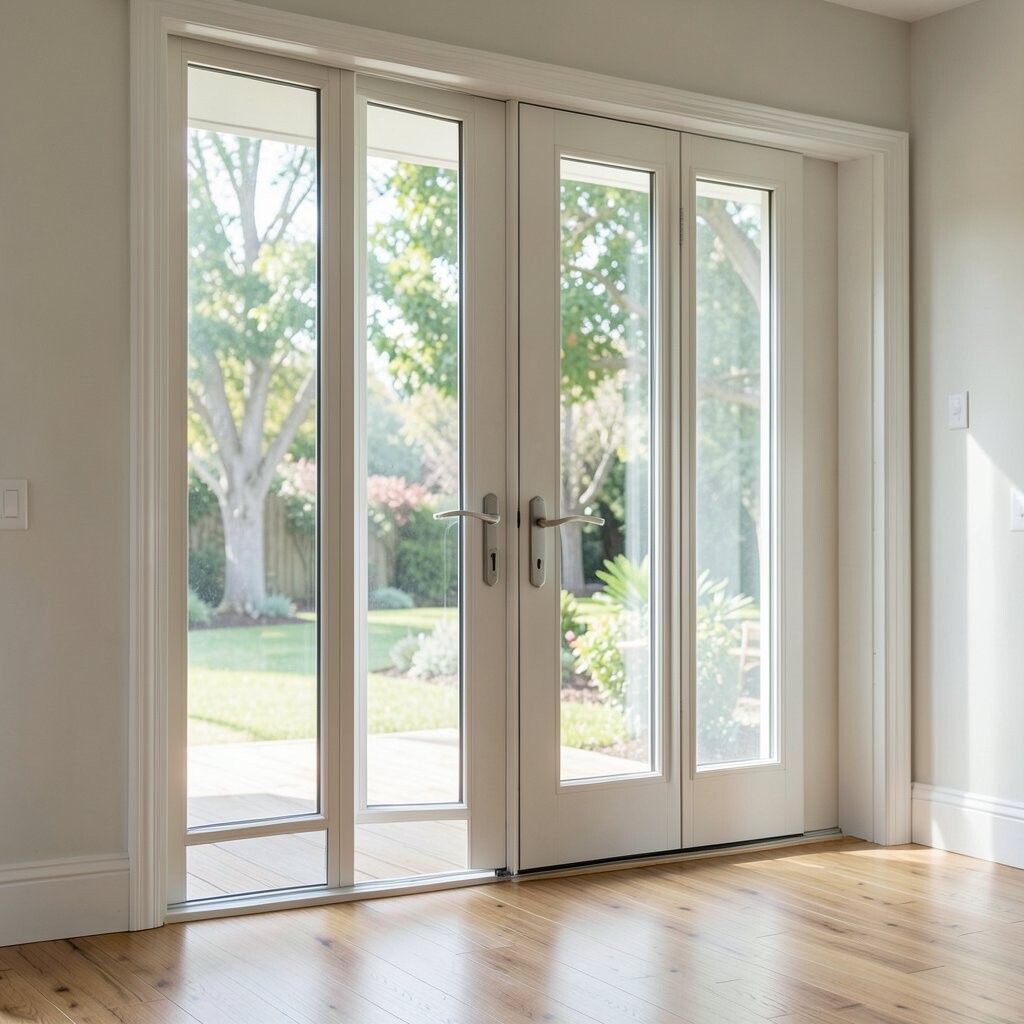
French doors can be nice when you want to open both sides and let air move through the room. This can help on mild days when fresh air is welcome.
Sliding doors usually open one side at a time, so the opening is not as wide. Still, they can give you good air flow and are easy to use if you want a quick way to let in a breeze.
6. Cost and Budget
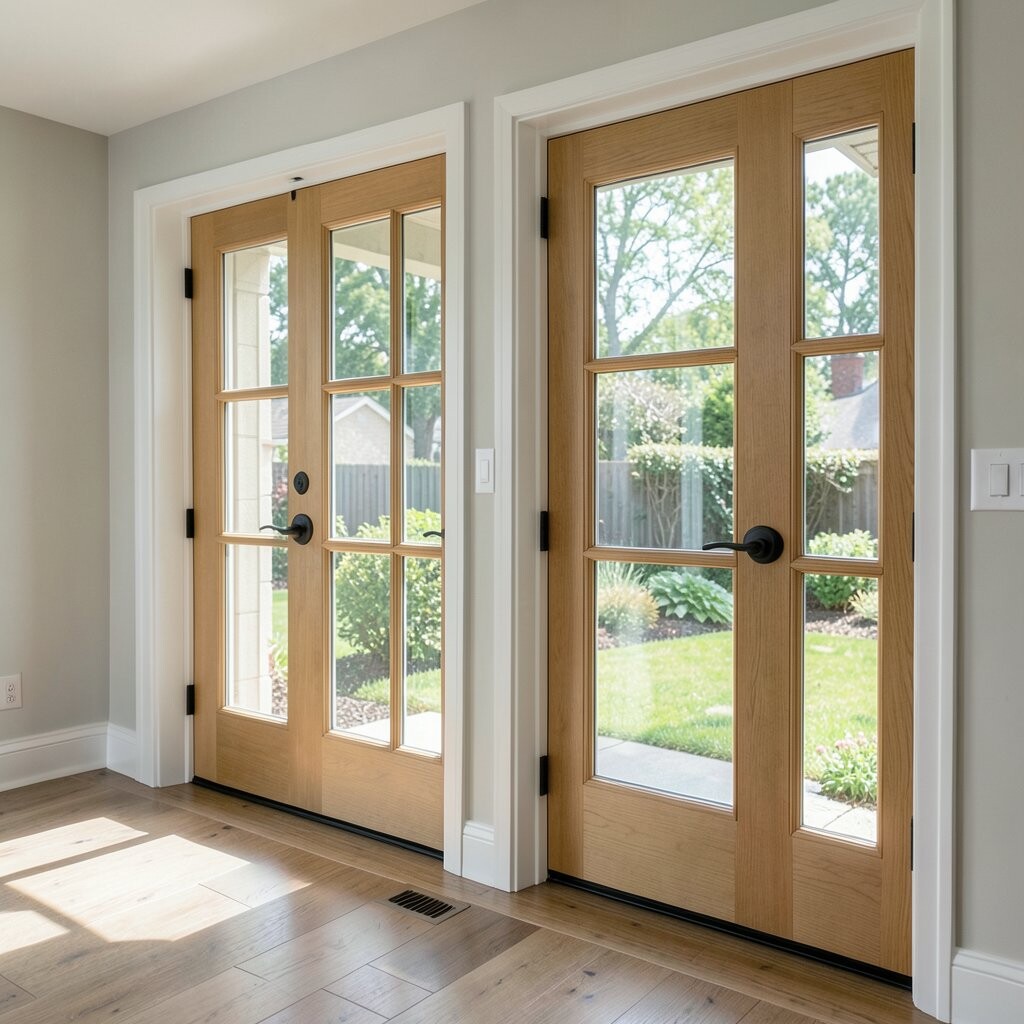
Sliding doors often cost less to buy and install than French doors. Their simple build can keep labor and parts costs lower in many cases.
French doors can cost more because they use more hardware and often need more careful setup. If you are working with a set budget, it helps to ask about the door frame, glass type, lock style, and install fees.
7. Security and Locks
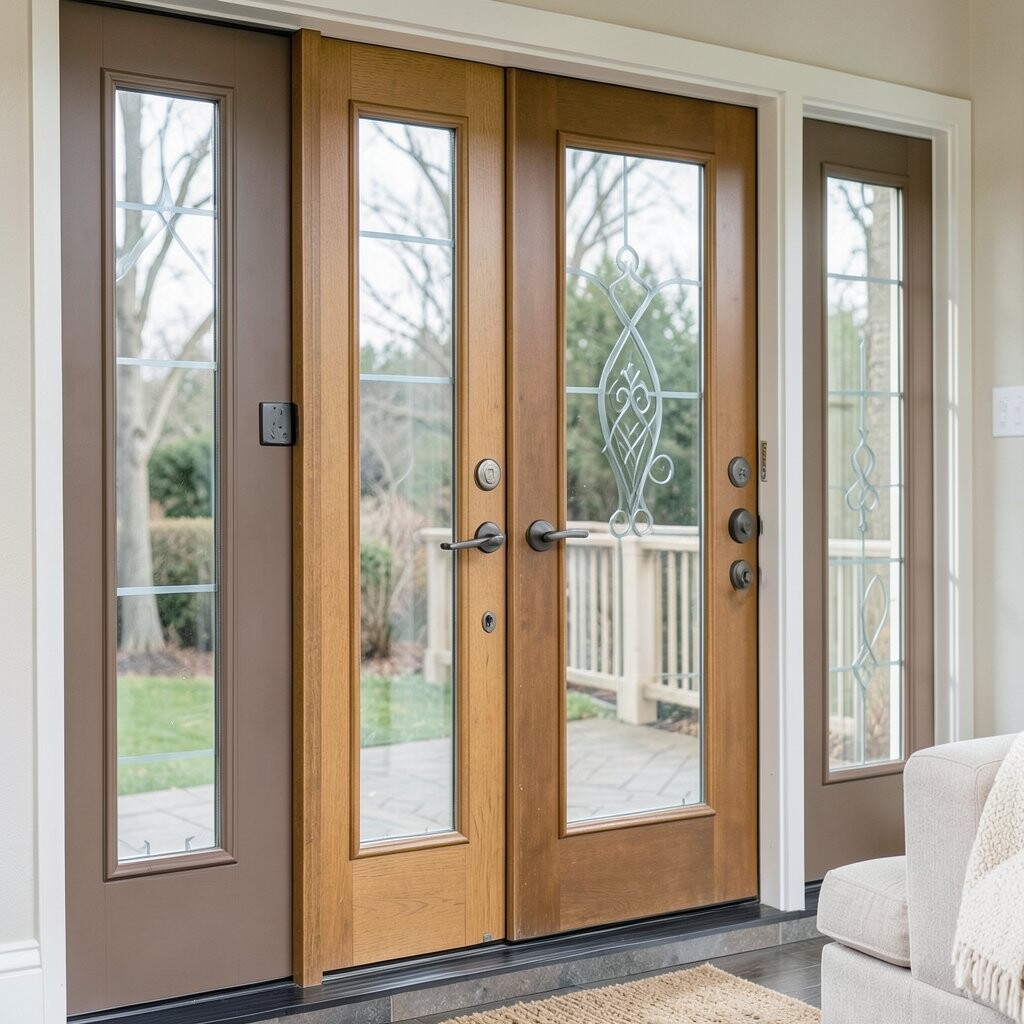
Both door types can be made safe, but they use different lock systems. Sliding doors often need strong track locks and extra bars or pins to help stop forced opening.
French doors may use multi-point locks or top and bottom bolts on one side. If safety matters a lot, look for sturdy frames, strong glass, and hardware that fits your daily use.
8. Cleaning and Care
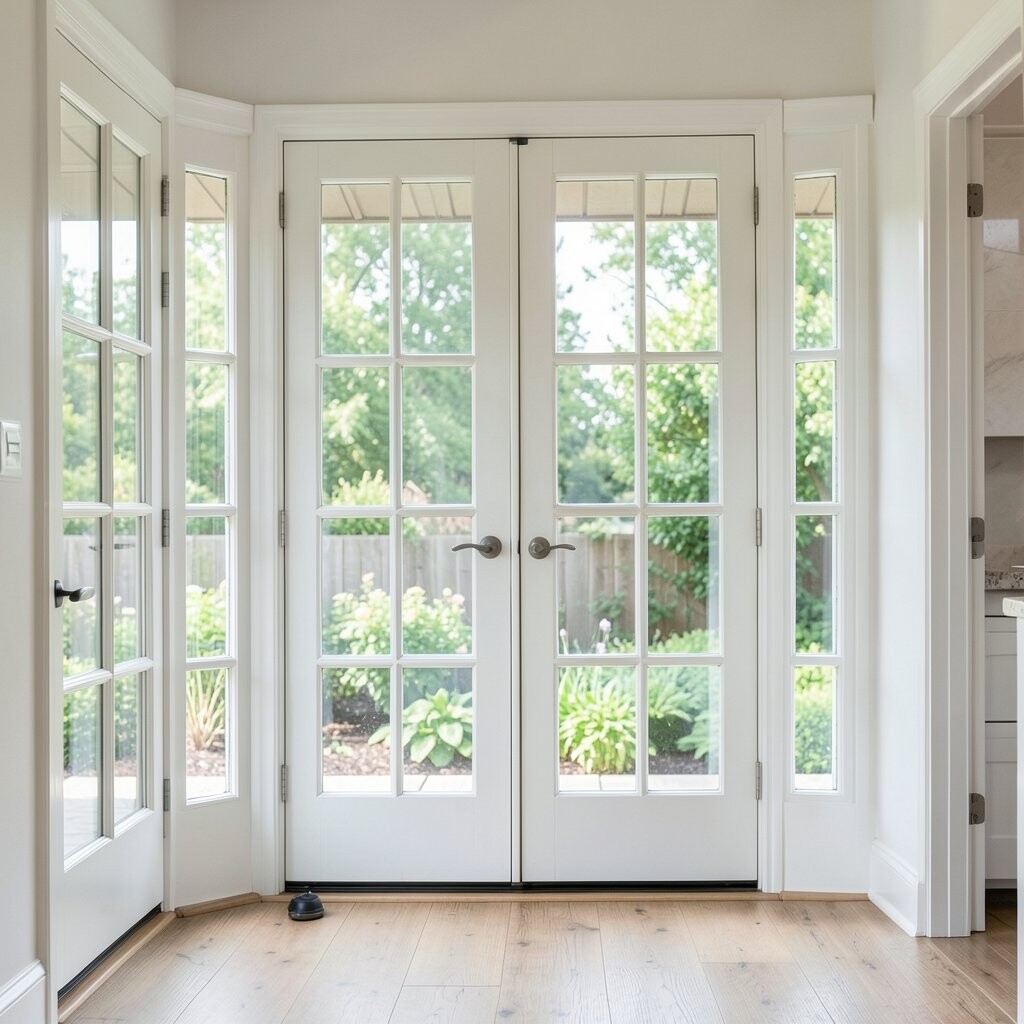
Sliding doors are easy to wipe down, but the track can collect dirt, dust, and small bits over time. A quick clean of the track helps the door move better and last longer.
French doors have more small frame parts and hinge areas, so they may take a little more time to clean. Many people like that the glass panels are easy to reach, but the extra trim can mean more dusting.
9. Style for Old and New Homes
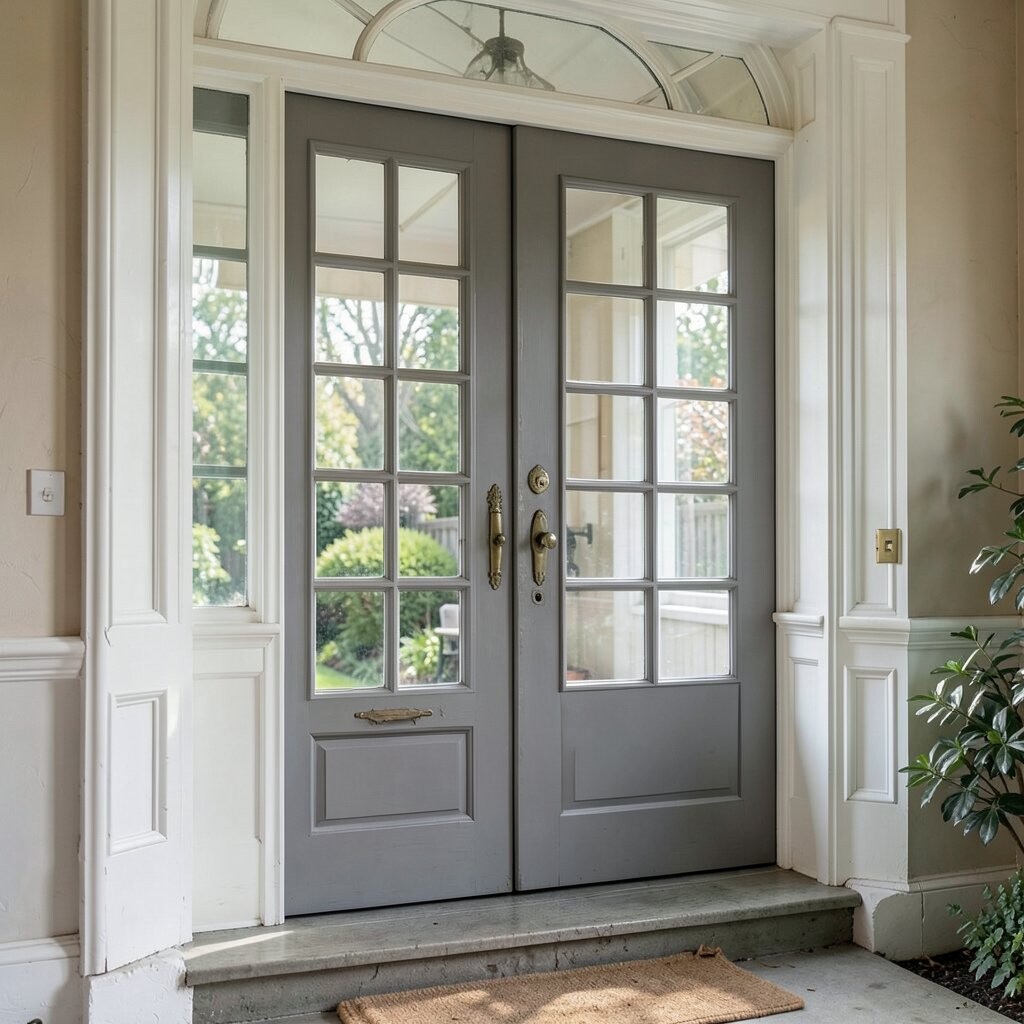
French doors often fit well in older homes, cottages, and spaces with a soft, classic feel. Their design can match wood trim, warm colors, and traditional rooms.
Sliding doors are common in new homes and updated spaces. They can also work in older homes if you want a simpler look that feels calm and neat.
10. Room Connection
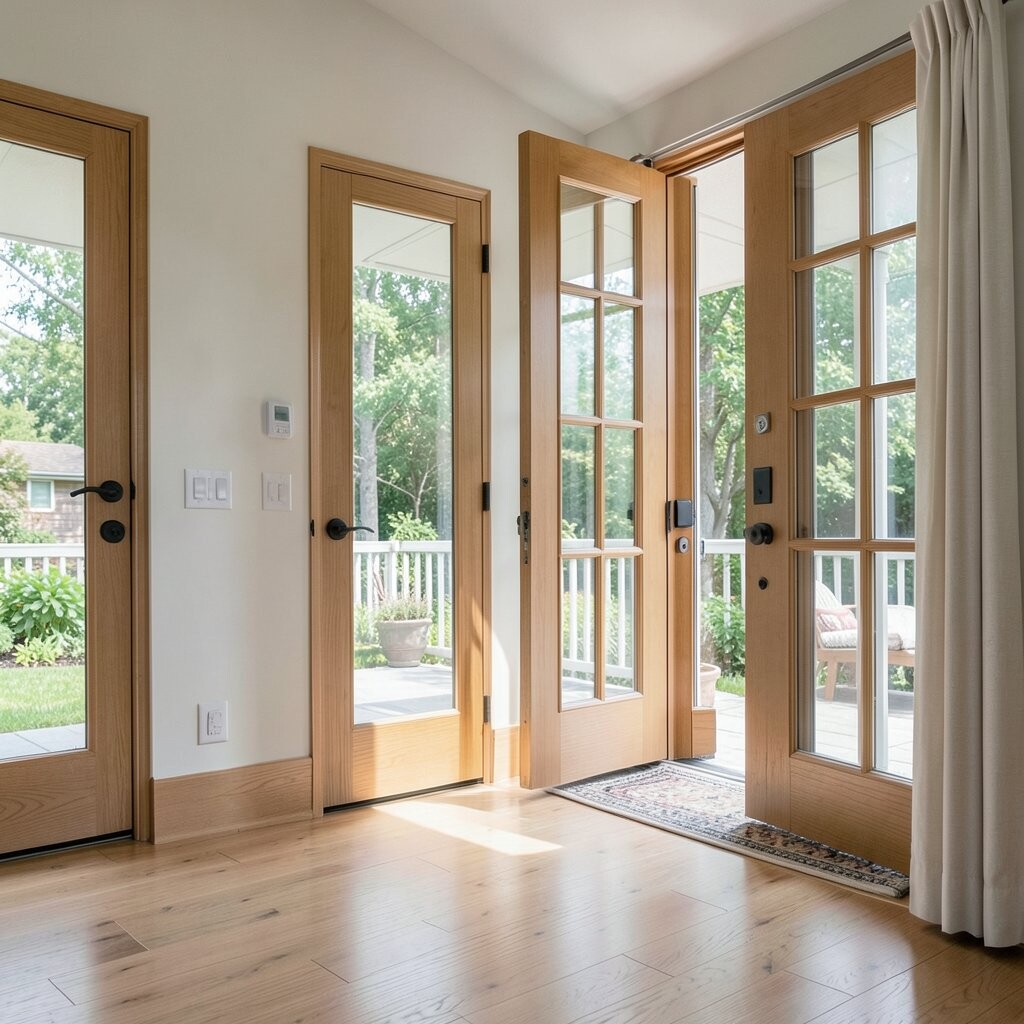
Sliding doors can make a room feel open without taking up extra space. They are a good choice when you want the inside and outside to feel linked but still want a clean wall area.
French doors can make a room feel more formal and open at the same time. They may work well between a dining room and a patio, or between a home office and a porch.
11. Views and Window Feel
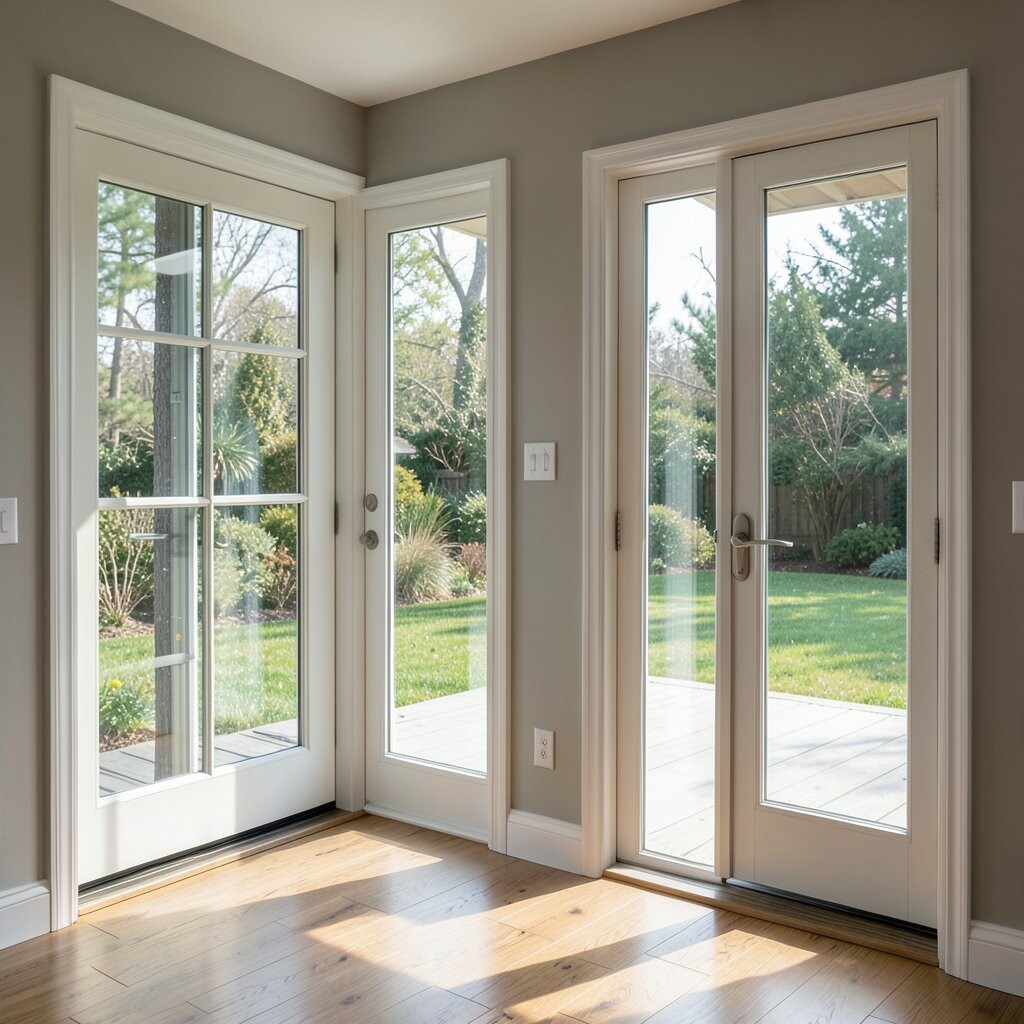
Sliding doors often give a wide, open view because of the large glass panel. This can make a yard, deck, or garden feel like part of the room.
French doors break up the view a bit more because of the frame and center meeting point. Still, many people like the way the panes add detail and make the door look more like a window wall.
12. Everyday Use
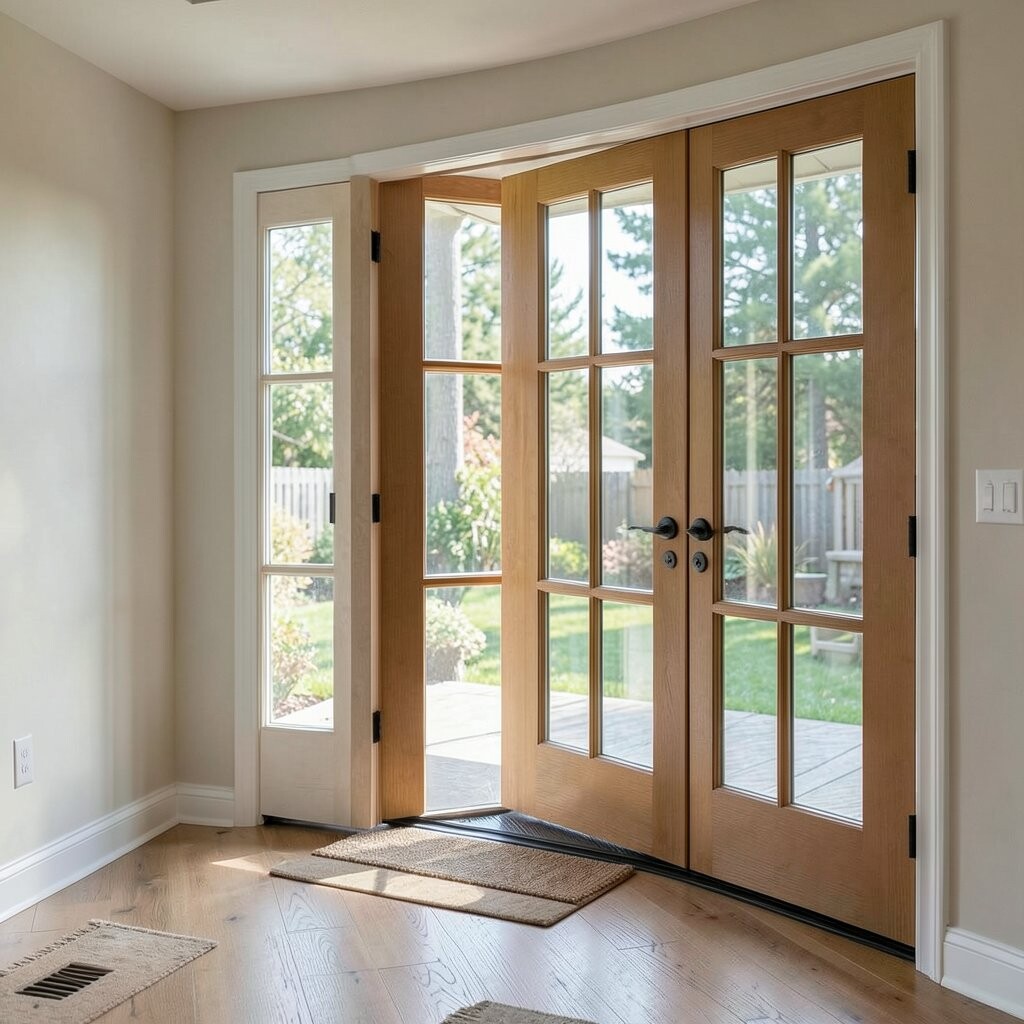
Sliding doors are simple to use because they move on a track with little effort. This can be helpful in busy homes where kids, pets, or guests move in and out often.
French doors can feel more special, but they may need a bit more room and care when opening. If you want a door that feels easy and fast for daily use, sliding doors may be the better fit.
13. Personal Style Choices
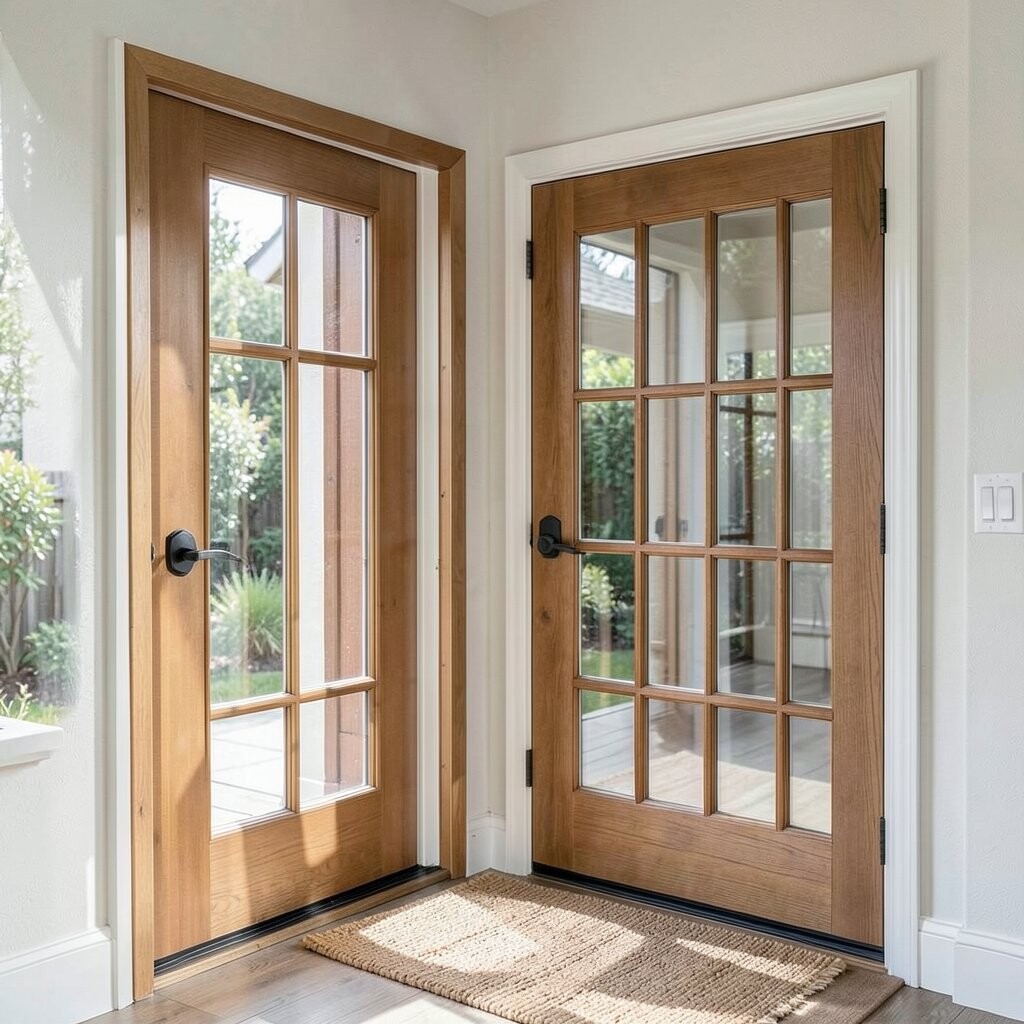
Both door styles can be made to match your home in many ways. You can choose frame color, glass type, handle shape, and trim to fit your taste.
French doors often look good with painted frames in white, black, or wood tones. Sliding doors can also be made to stand out with slim frames or soft colors that blend into the wall.
14. Energy Use and Comfort
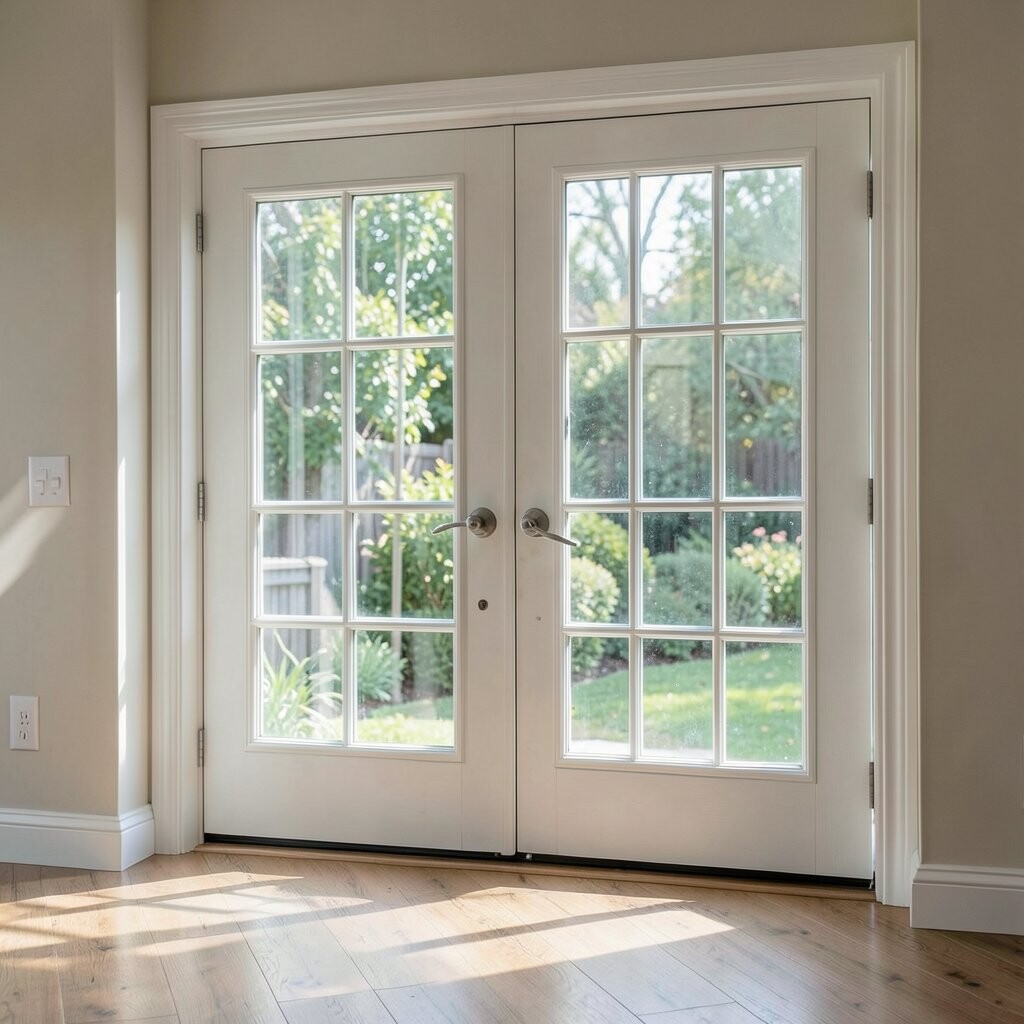
Good door seals can help keep indoor air more steady, no matter which style you pick. This matters in hot and cold weather, since weak seals can let in drafts.
Sliding doors and French doors both come in energy-saving models with better glass and tighter frames. If you want comfort and lower energy use, ask about double glass, low-E glass, and weather seals.
15. Trend and Long-Term Value
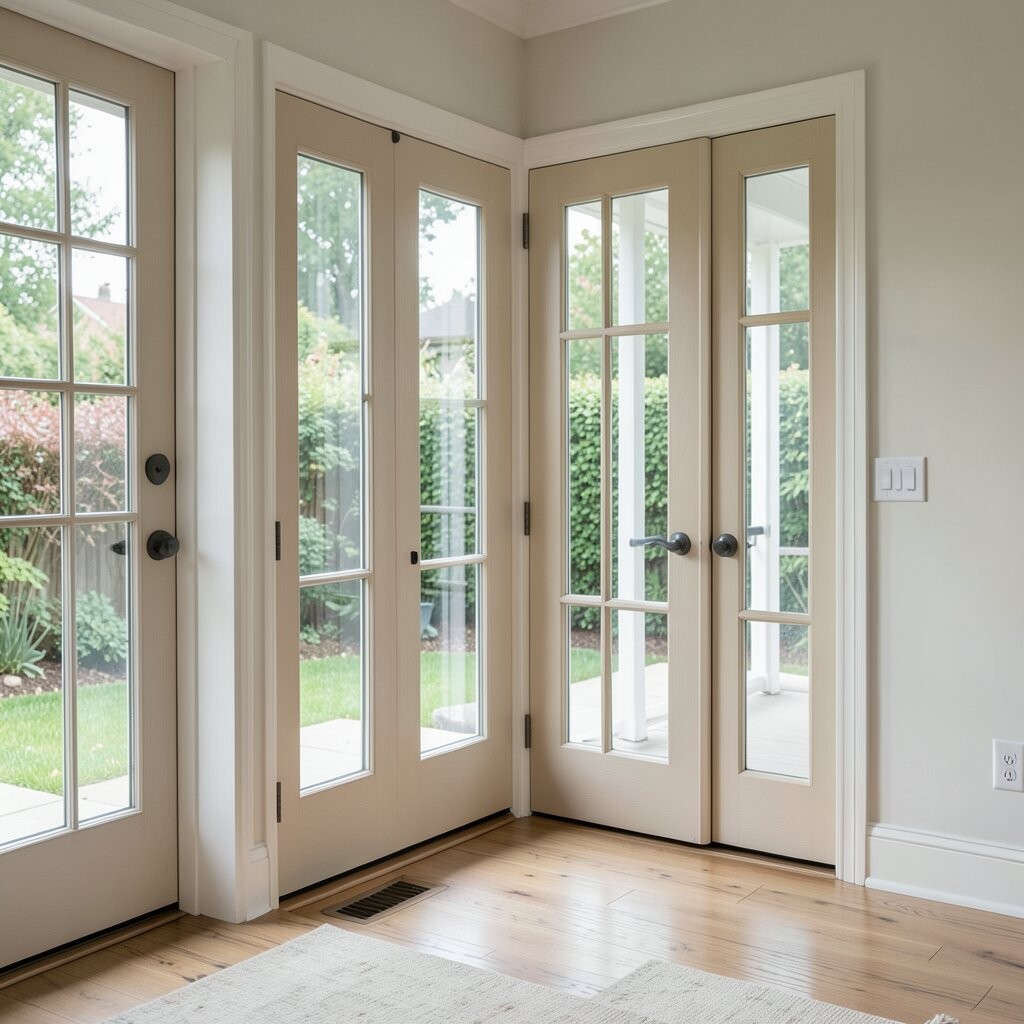
Sliding doors are still very popular in many homes because they look clean and work well in tight spaces. French doors stay popular too, especially with people who want a more classic and homey feel.
When it comes to home value, both can be a good choice if they fit the house and are put in well. The best pick often depends on your room size, your budget, and the look you want to enjoy every day.