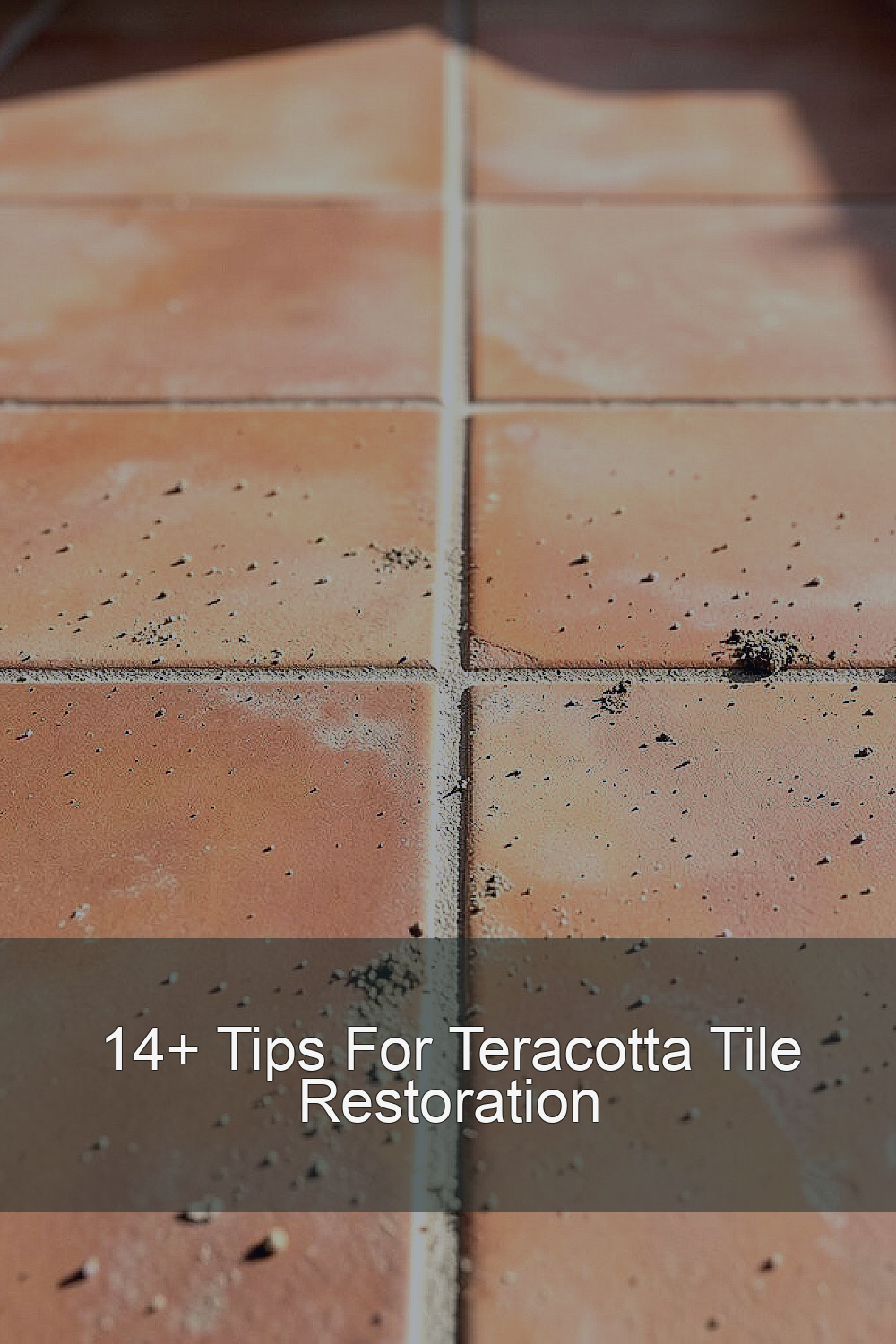
Old terracotta tiles can hold a lot of charm, but they often need care to look their best. With the right steps, you can clean them, fix them, and make them fit your space again.
1. Start With a Gentle Surface Check
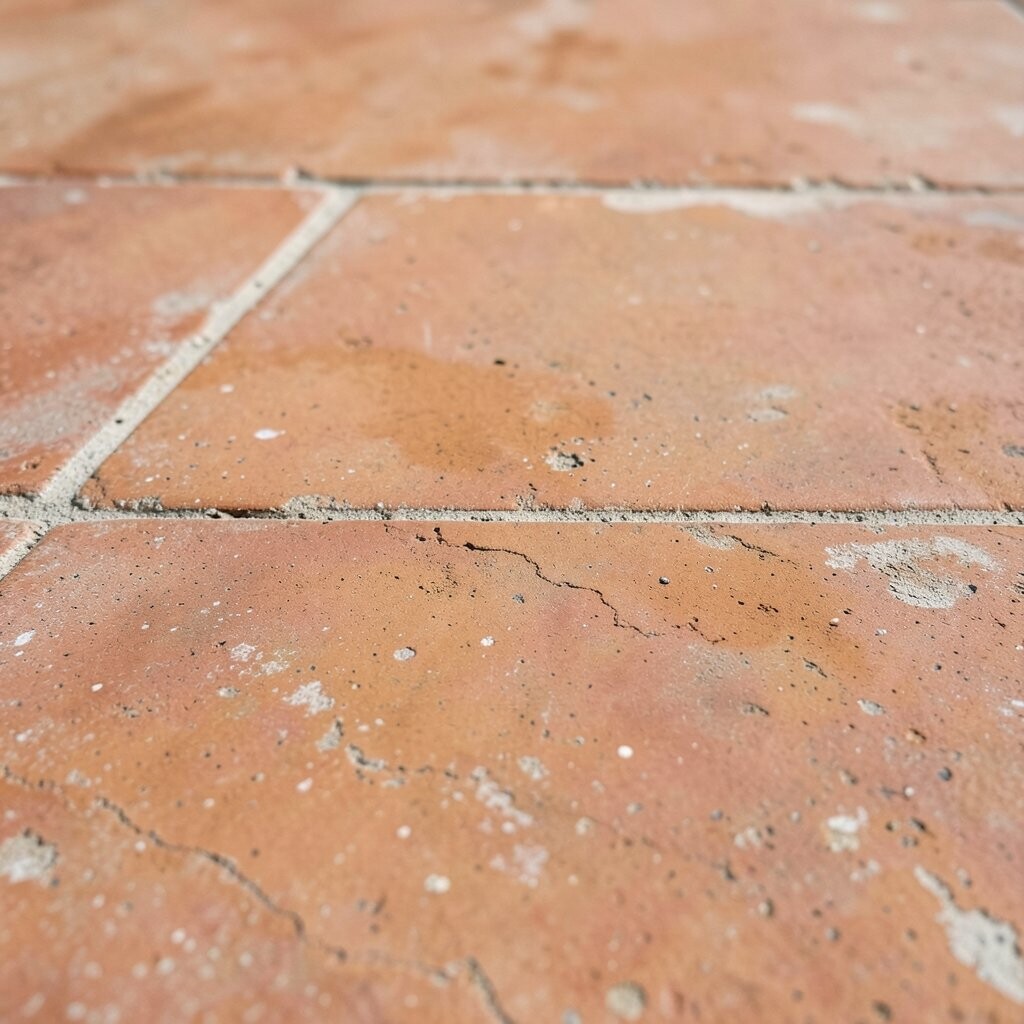
Look at each tile before you do any work. Check for chips, loose grout, stains, and spots that feel soft or rough.
This first look helps you know what needs help and what can stay as it is. It also keeps you from using a strong cleaner on a weak tile.
Vintage terracotta often has a warm red, orange, or brown tone that can look dull under dirt. A careful check lets you keep the parts that still look good and focus on the damaged spots.
2. Remove Loose Dirt Before You Wash
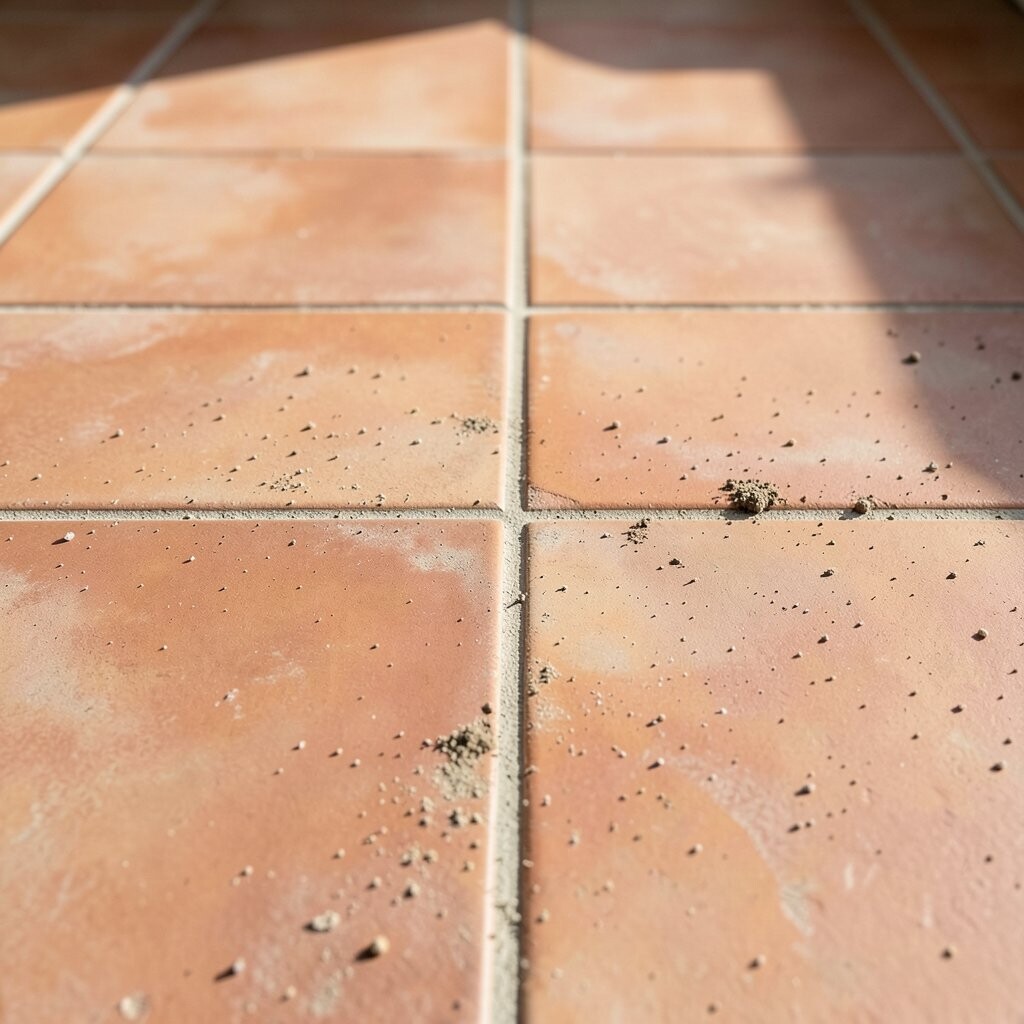
Use a soft broom, dry cloth, or vacuum with a brush tool to take off dust and grit. This step keeps small bits from scratching the tile when you add water.
Old tiles often hold dirt in the small pores on the surface. A dry clean first makes the wash easier and helps the tile keep its natural look.
This is a low-cost step that only needs simple tools you may already have at home. It is also a good habit if you want to keep the floor or wall easy to care for later.
3. Use Mild Soap and Warm Water

Mix a small amount of mild soap with warm water and test it on one tile. Use a soft sponge or cloth and keep the surface damp, not wet.
Terracotta can soak up too much water if you are not careful. Mild soap helps remove grime without hurting the old clay finish.
This simple method fits the trend of keeping vintage pieces in a more natural state. Many people like the soft, lived-in look that comes from gentle cleaning instead of harsh scrubbing.
4. Avoid Strong Cleaners That Can Harm the Clay

Skip bleach, acid cleaners, and other harsh products. These can stain the tile, weaken the surface, or leave a dull patch behind.
Vintage terracotta has a unique feel because each tile may have small color changes and marks from age. Strong cleaners can take away that look and make the tile seem flat.
Gentle care also helps with cost over time because you may avoid repairs that come from damage. It is usually cheaper to keep the tile safe than to replace broken pieces later.
5. Treat Stains One Small Area at a Time
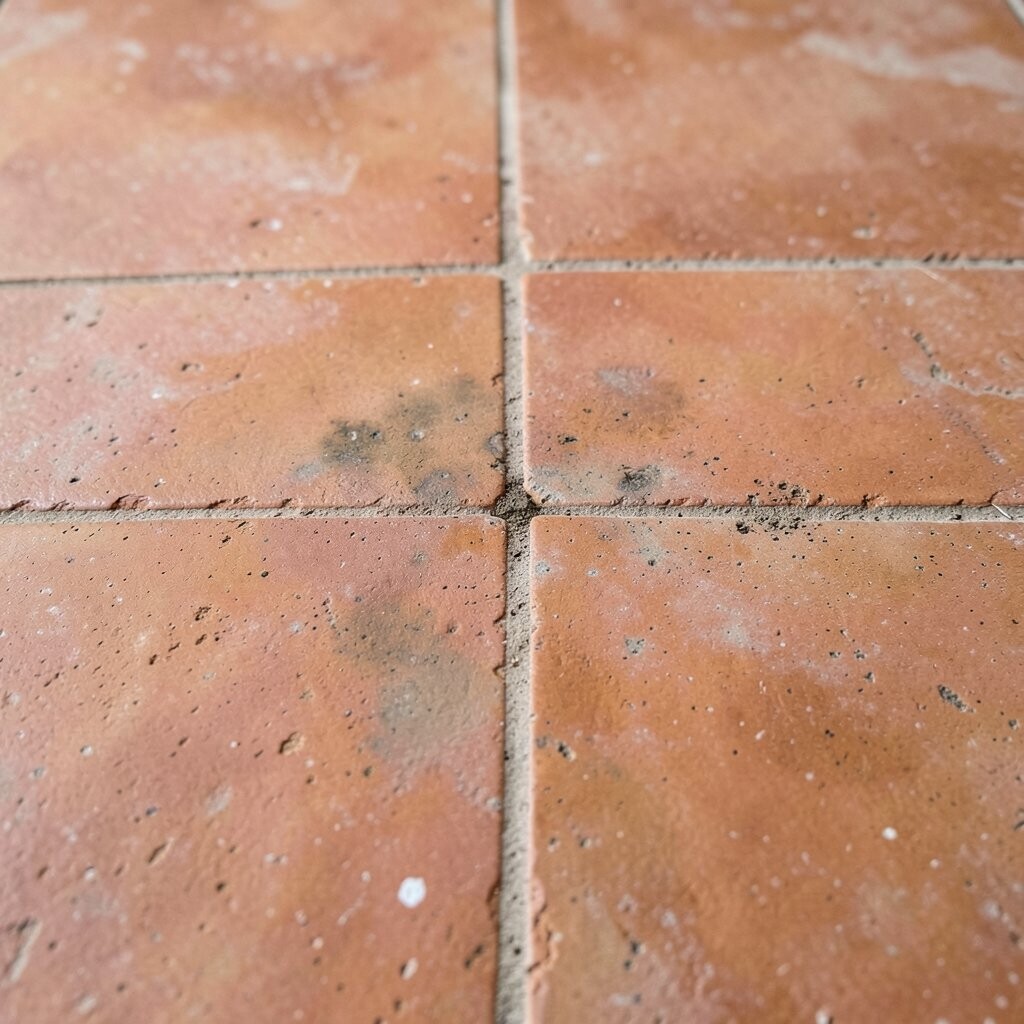
If you see a stain, work on one small spot first. Use a soft brush and a mild cleaner, then wipe it clean and let it dry.
Some stains sit deep in the clay, so you may need to repeat the step more than once. Taking your time helps you avoid wear marks and keeps the tile looking even.
This careful method is useful for vintage finds because no two tiles age in the same way. It lets you keep the charm while still making the space look neat.
6. Repair Cracks With a Clay-Friendly Filler

Small cracks can often be filled with a product made for masonry or clay surfaces. Pick a filler that matches the tile color as close as you can.
Once the filler dries, smooth it so it blends in with the tile edge. This can help stop the crack from growing and make the area safer to walk on.
Matching the color can make a big difference in how the finished area looks. A good repair can keep the tile’s old style while making it fit a more polished room.
7. Replace Missing Grout to Tighten the Look

Old grout can crack, fall out, or turn dark over time. Remove the loose parts and add fresh grout where it is needed.
Clean grout lines help the whole floor or wall look more tidy. They also help keep water and dirt from getting under the tiles.
Many people like a soft, natural grout color with terracotta because it keeps the focus on the tile. This is a simple way to make vintage tiles feel fresh without changing their style.
8. Seal the Tiles After Cleaning and Repair

Once the tiles are clean and dry, add a sealer made for terracotta. Test a small spot first to see how the color changes.
Sealing helps block stains, water, and daily wear. It can also make the tile easier to wipe clean later.
Some sealers add a soft sheen, while others keep a more matte look. That choice lets you match the tile to your room style, from rustic to more modern.
9. Keep the Natural Color or Add a Soft Finish
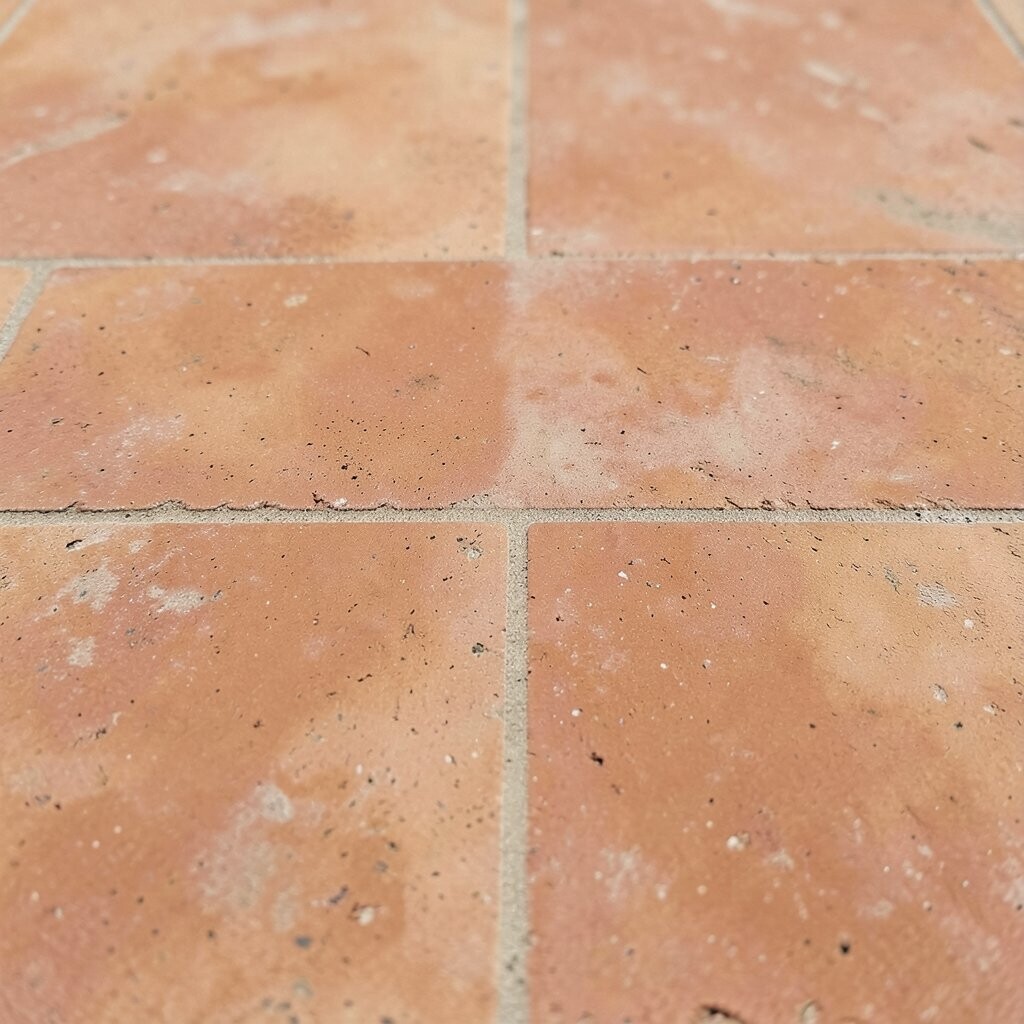
Terracotta can look nice with its raw, earthy color, but some people want a richer tone. A color-safe finish can bring out the reds and browns without making the tile look fake.
Try a finish on one hidden tile before you do the whole area. This helps you see if you like the color and shine level.
Personal style matters here, since some rooms look best with a dry, old feel and others need a cleaner look. The right finish can help the tiles fit your home in a way that feels right to you.
10. Match Old Tiles With New Pieces Carefully
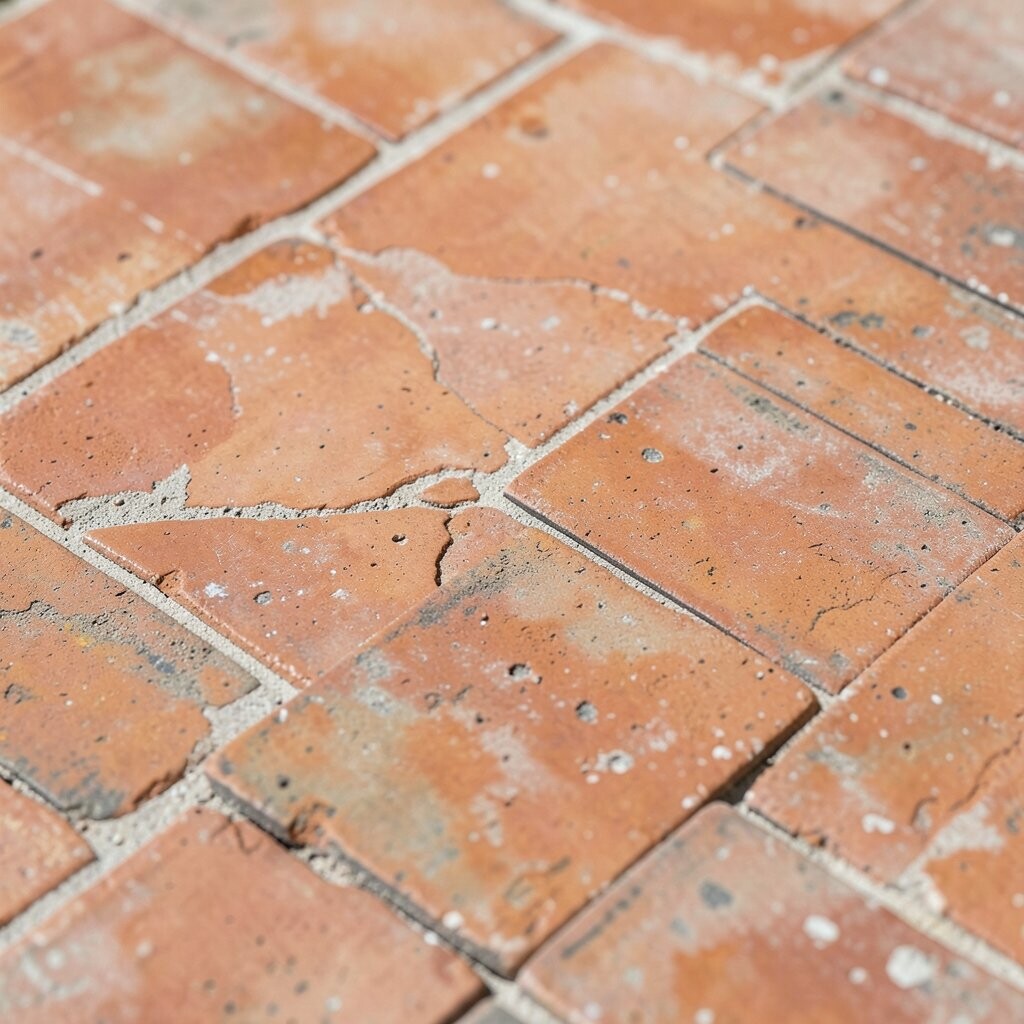
If some tiles are missing, look for new ones that have a similar shape, size, and color. Hand-made or reclaimed tiles often work well with older floors and walls.
Mixing old and new can be hard, so place the newer pieces in spots where the eye will not catch them right away. Small changes in color can still look nice if the whole area feels balanced.
This mix is a common trend in home design because it gives a space a collected look. It can also save money if you only need a few replacement tiles instead of a full set.
11. Use Area Rugs or Mats to Cut Down Wear

Put rugs or mats in spots that get a lot of foot traffic. This helps protect the tile from scratches and daily dirt.
Choose rugs that do not trap too much moisture under them. A rug with a simple back can help the tile stay safe while still showing off its warm color around the edges.
This is a good way to add your own style without changing the tile itself. It also helps vintage terracotta last longer, which can save time and cost on future repairs.
12. Clean Spills Right Away

Wipe up spills as soon as you see them. Terracotta can soak in liquids fast, so quick action matters.
Use a soft cloth and blot the spill instead of rubbing hard. Rubbing can spread the stain and push it deeper into the clay.
Fast cleanups help the tile keep its natural beauty and make upkeep feel easier. This is one of the simplest habits that can help old tiles stay in good shape for years.
13. Bring Out Texture With Careful Light

Good light can show off the small marks, edges, and color shifts in terracotta. Try warm bulbs or natural light to make the surface feel calm and inviting.
When light hits the tile at an angle, you can see more of its texture and age. That detail is part of what makes vintage tiles stand out from plain new flooring.
This idea works well in homes that use soft, natural styles. It is a low-cost way to help the tile look special without adding more material or decor.
14. Keep the Style Simple Around the Tiles

Terracotta often looks best when the rest of the room stays simple. Wood, cotton, plain walls, and light colors can help the tile stay the main focus.
Too many busy patterns nearby can take away from the tile’s old charm. A calm room lets the warm color and handmade feel show more clearly.
This simple style is popular because it feels easy and lived-in. It also gives you more room to change other parts of the space later without clashing with the tile.
15. Make a Care Plan You Can Keep Up

Set a simple routine for dusting, wiping, and checking the tiles. A little care often is better than a big fix once in a while.
Keep a small kit with a soft brush, mild soap, cloths, and a safe sealer so you are ready when needed. This makes it easier to care for the tiles without much stress.
A steady plan helps your vintage terracotta stay useful and nice to look at. It also makes it easier to enjoy the old details that give the space its own feel.