Terracotta pots are common in city homes because they look simple and fit many spaces. They can also bring more care work than many people expect.
1. Drying Out Too Fast
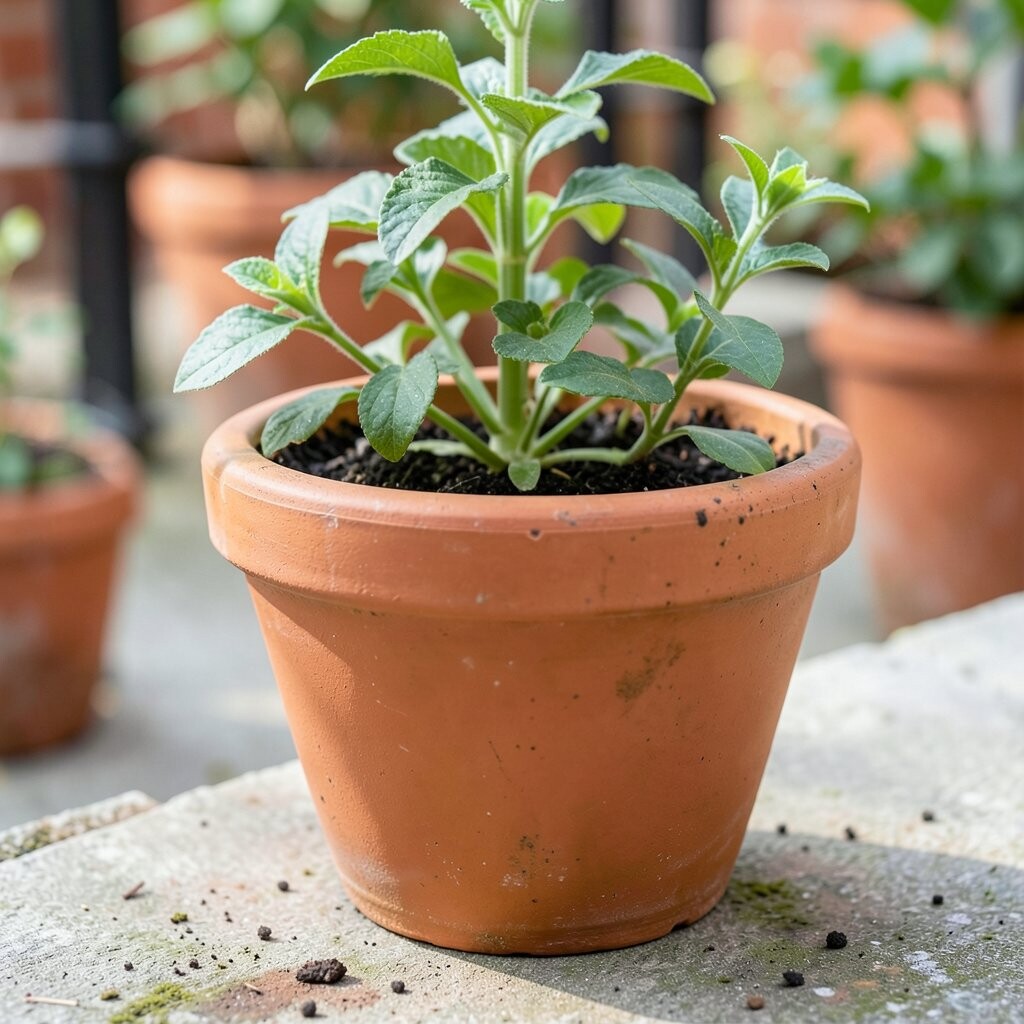
Terracotta pots let air move through the sides, which can help roots breathe. In a hot city spot, that same trait can also make soil dry out very fast.
This can be a problem for people who work long hours or travel often. A plant that looks fine in the morning may need water again by evening.
You can help by checking the soil with your finger and watering early in the day. A layer of mulch on top can also slow water loss and make care a bit easier.
2. Heavy Pots On Small Balconies
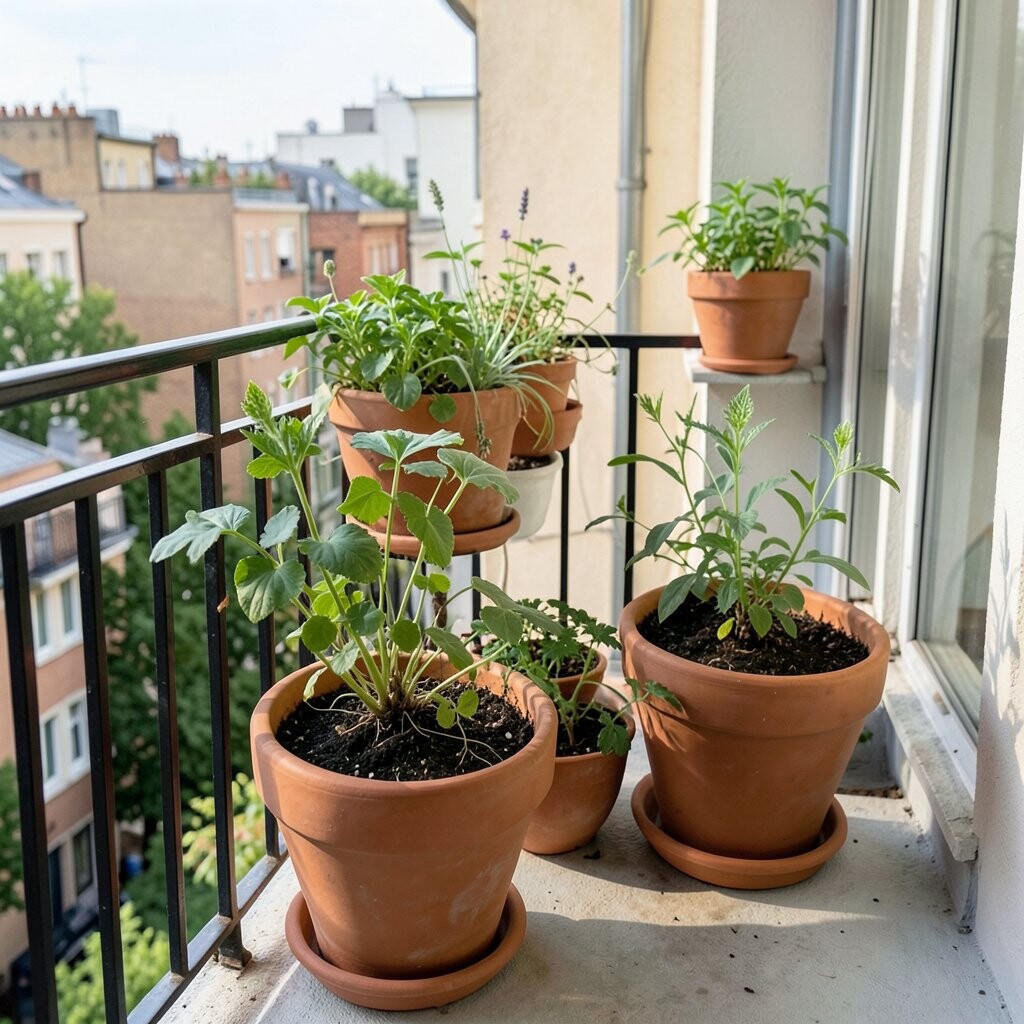
Clay pots can get quite heavy once they are full of wet soil. On a small balcony, that weight can be hard to move and may limit where you place plants.
This matters when you want to clean the floor, shift pots for more sun, or bring them inside during bad weather. It can also make a tiny space feel crowded if you use many large pots.
Try medium pots or a mix of small sizes if your space is tight. Lightweight saucers and plant stands can also make the setup easier to handle.
3. Cracking In Cold Weather

Terracotta can crack if water inside the pot freezes and expands. In city homes, this can be a real issue for people who leave pots on open ledges or rooftops.
Even a small crack can change how the pot holds water and how long it lasts. A broken pot may still look nice for a while, but it can leak and become weak.
Bring pots inside when the weather turns cold or use frost-safe clay if you can find it. Many people now check local garden shops for pots made for rough weather, even if the price is a bit higher.
4. Stains On Floors And Walls
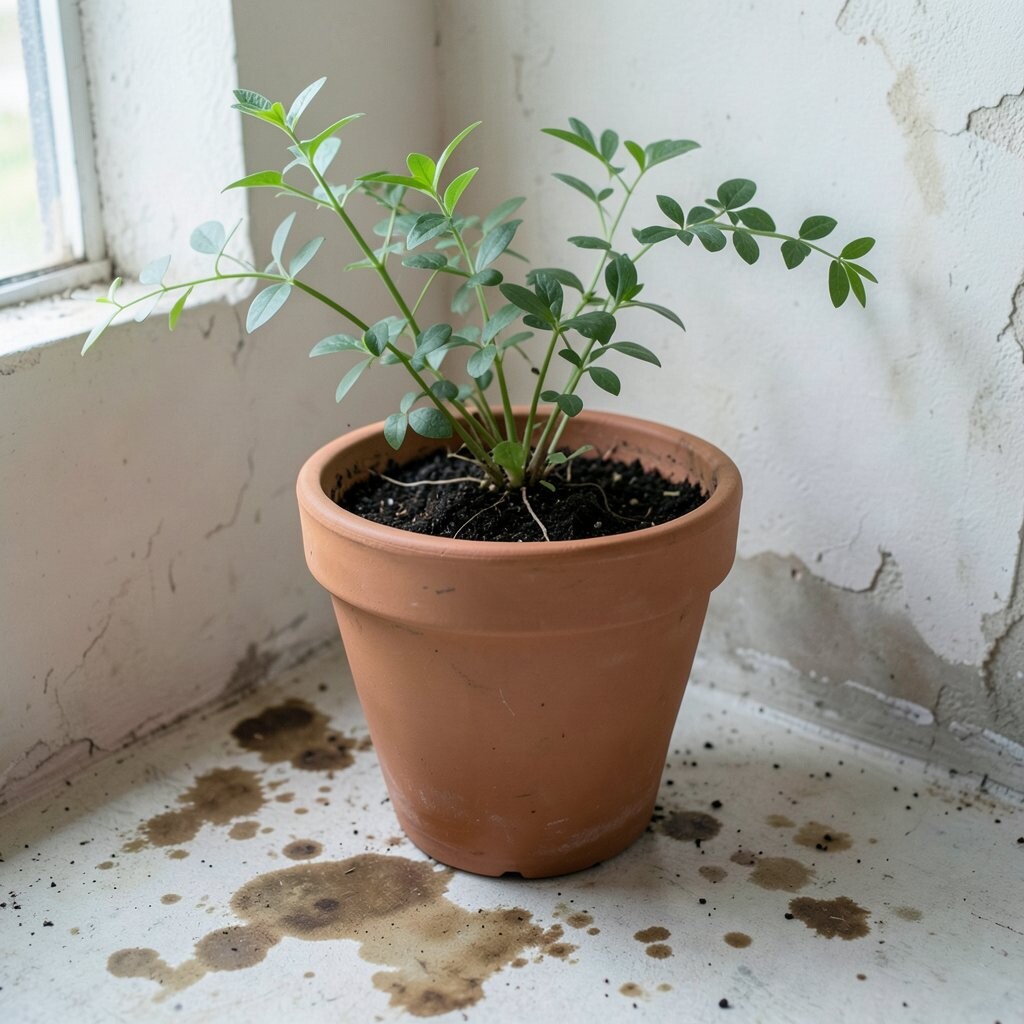
Terracotta often leaves red-brown marks when water runs down the sides. In an apartment, those stains can show up on balcony tiles, window sills, and even painted walls.
These marks can be hard to remove if they sit for too long. They may also make a neat space look messy, even when the plants are doing well.
Use saucers under each pot and wipe the outside after watering. Some people also place felt pads or simple trays under pots to keep the area cleaner.
5. Soil Dries Unevenly
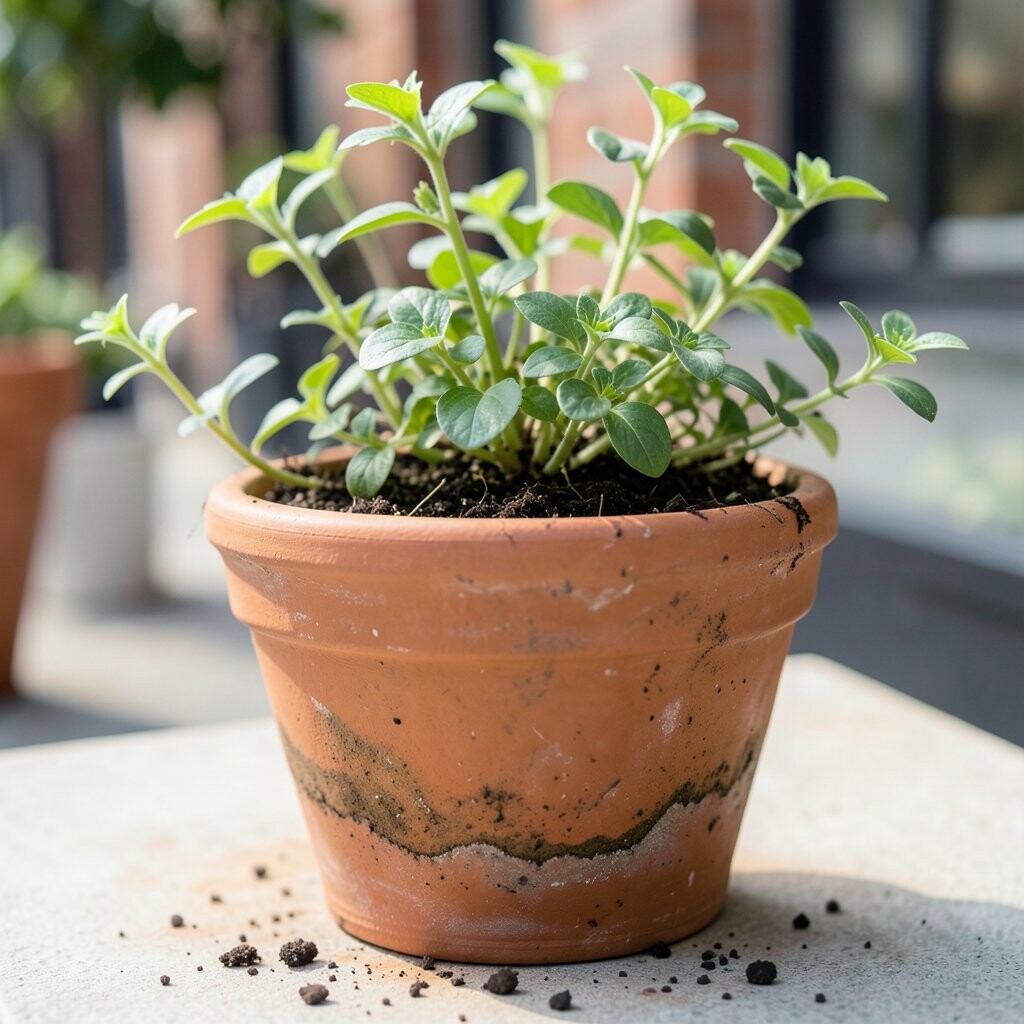
Because clay breathes, the edges of the soil can dry faster than the middle. That means one part of the pot may feel dry while deeper roots still have water.
This can make care feel confusing for new plant owners. A plant may look thirsty on top but still have wet soil below, which can lead to too much watering.
Stick a finger or a small wooden stick deeper into the soil before you water. If you want a more even mix, use potting soil that holds water a little better.
6. Root Stress In Hot Sun
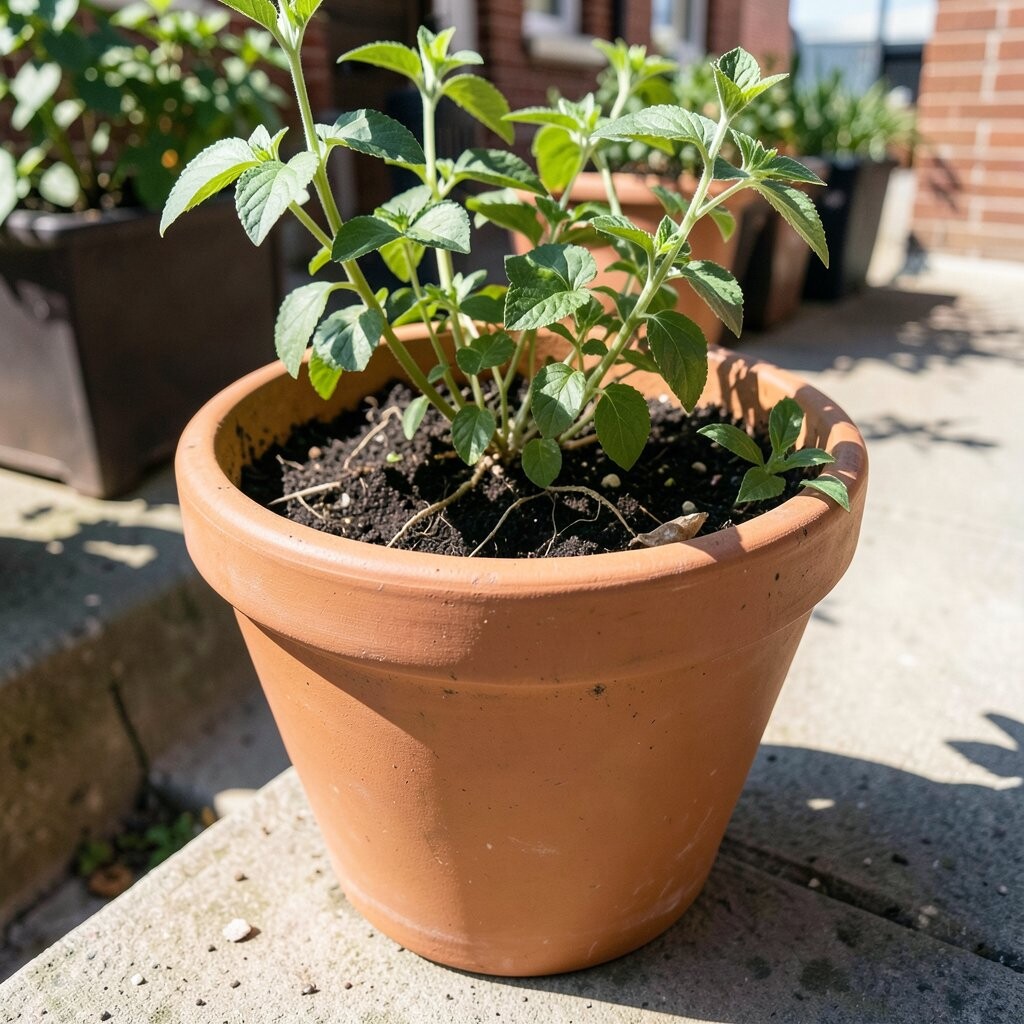
Terracotta can warm up fast when the sun hits it for many hours. On a city balcony, that heat can travel into the soil and stress the roots.
Some plants do fine in this setting, but others can wilt quickly. Pots in dark corners or near glass walls may also get hotter than expected.
Move pots a little away from strong afternoon sun if possible. You can also place a smaller pot inside a larger clay pot to help soften the heat.
7. Breaking During Moves
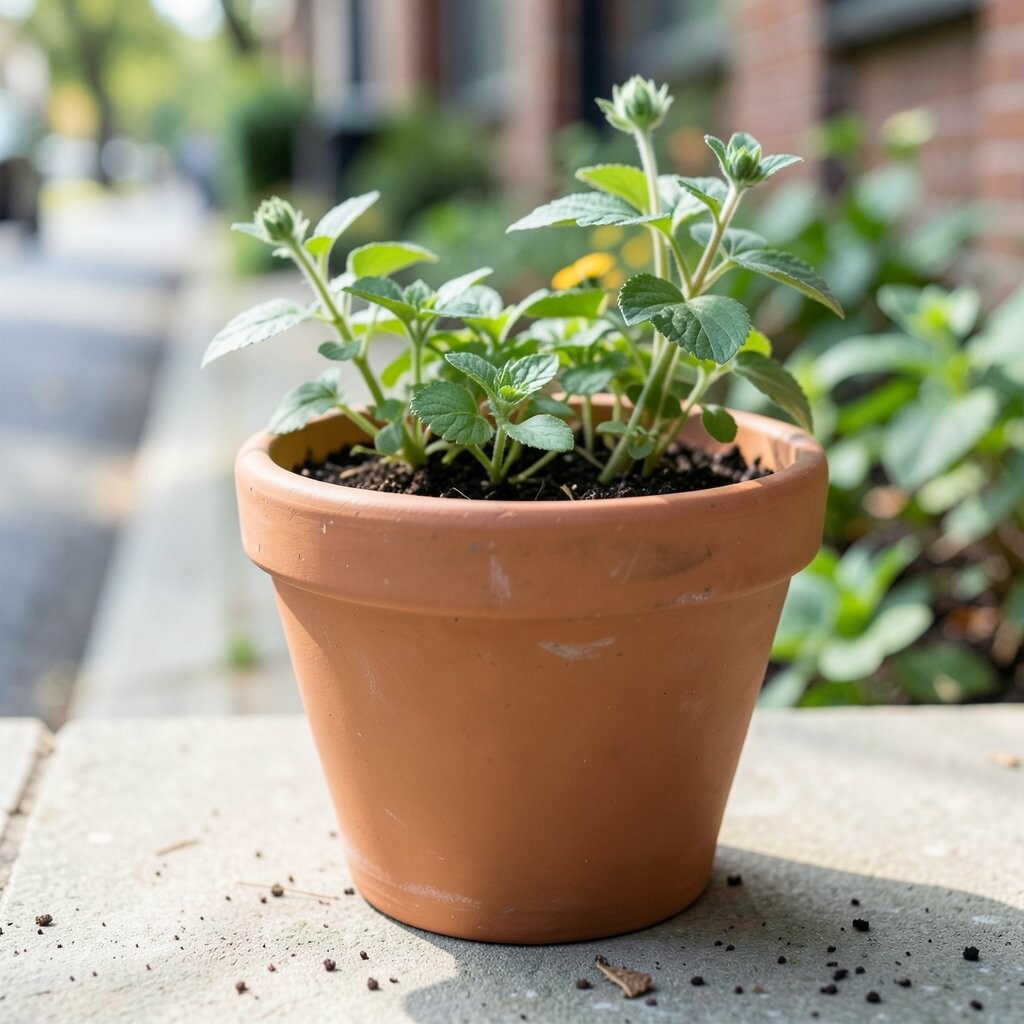
City living often means moving homes, rearranging rooms, or carrying plants up stairs. Terracotta pots can chip or break if they hit a rail, wall, or hard floor.
This makes them less easy to use for people who shift apartments often. Even a small crack can grow over time and leave the pot unsafe for long use.
Wrap pots in old towels or paper when you move them. If you like the look but want less risk, try using terracotta-colored plastic or fiber pots in busy seasons.
8. Mold And White Salt Marks
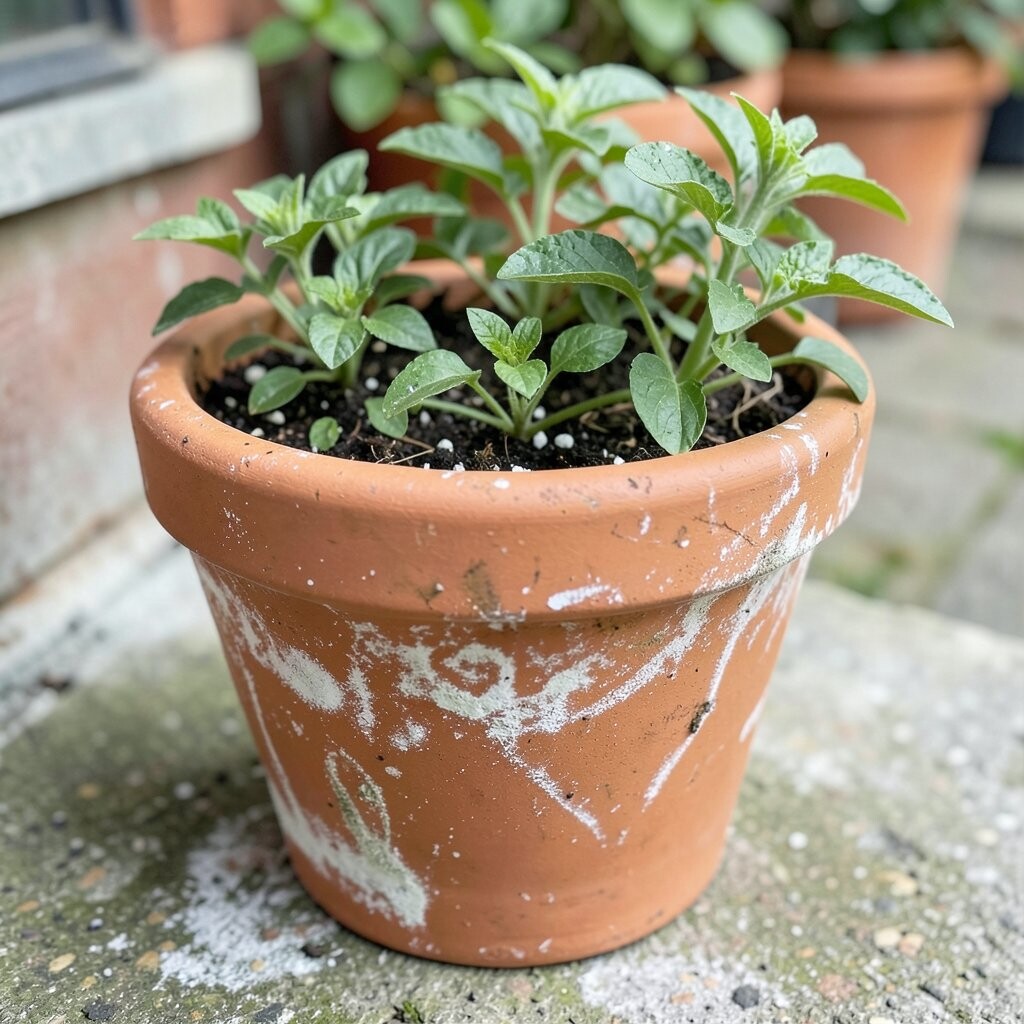
Clay pots can show white marks from salt in water or fertilizer. They can also get mold or algae on the outside if they stay damp for a long time.
These marks are not always harmful, but they can change the look of the pot. In a neat indoor space, that may bother people who want a clean style.
Wipe the pot with a soft brush and plain water now and then. Using less fertilizer and letting the pot dry between waterings can also help reduce buildup.
9. Not Great For Every Plant

Some plants like the dry feel of terracotta, but others need steady moisture. Herbs, succulents, leafy houseplants, and flowers can all react in different ways.
This means one pot style does not fit every plant in a city garden. A plant that does well in clay may fail in a plastic pot, and the reverse can also be true.
Match the pot to the plant instead of using the same type for all of them. Many urban gardeners now keep a mix of clay, plastic, and glazed pots for better results.
10. More Watering Time
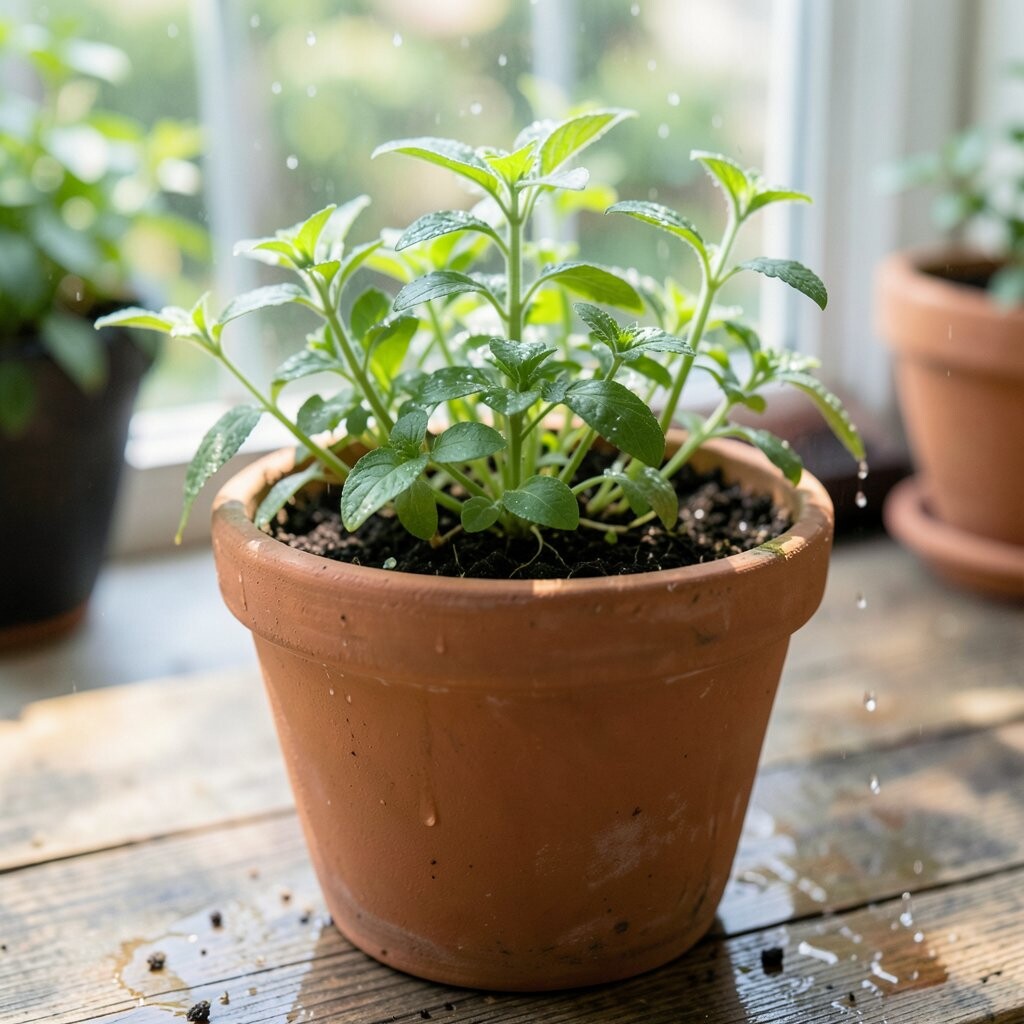
Because terracotta dries soil faster, it can ask for more watering than other pots. That can be a pain for people with busy jobs or tight daily plans.
For a small home garden, this extra care may not seem like much at first. Over time, though, it can become one more task to keep track of.
Set a simple watering routine and check plants at the same time each day. Self-watering inserts and water trays can also help save time in a busy week.
11. Limited Space For Root Growth

Many city gardeners use small pots because balconies, windows, and shelves do not leave much room. Terracotta pots can look nice in these spaces, but the small size may limit root growth.
When roots run out of room, plants may stop growing well or need more care. You may see yellow leaves, slow growth, or dry soil that seems to vanish too fast.
Choose the pot size based on the plant’s full grown size, not just how it looks right now. A simple, plain pot can still fit a modern city style and give roots more space.
12. Cost Adds Up Fast

Terracotta pots often seem cheap when you buy one or two. But the cost can grow fast if you want many pots for a window box, shelf, or rooftop garden.
Good quality clay pots may cost more than basic plastic ones, and larger sizes can be pricey. If some crack or stain, you may end up buying replacements sooner than you planned.
Look for sales, secondhand shops, or local plant swaps if you want to save money. Many people also mix a few clay pots with lower-cost pots to keep the look nice without spending too much.
13. Style Can Feel Too Plain
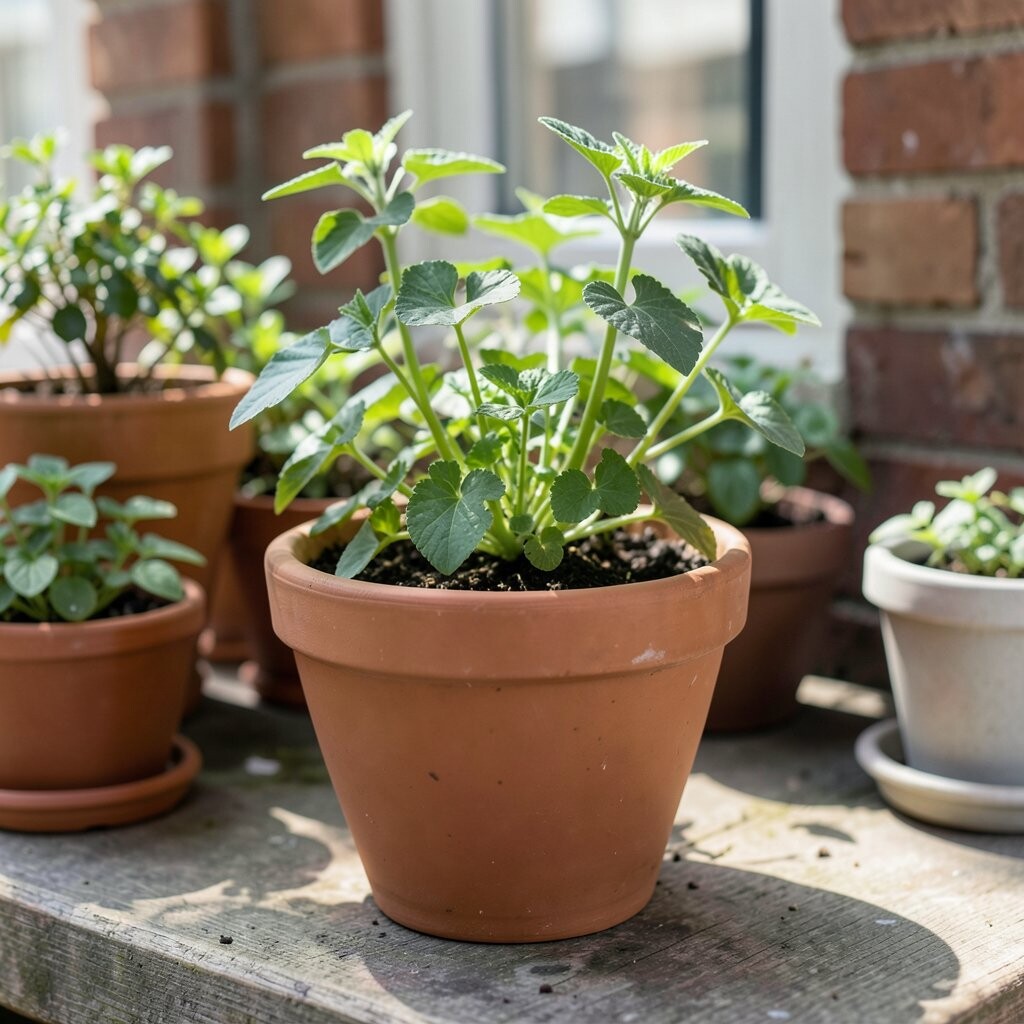
Some people like the warm, earthy look of terracotta, while others want more color. In a modern apartment, plain clay can feel simple, but it may not match every room.
This can matter if you use plants as part of your home decor. The pot is part of the view, so its shape and color can change the whole feel of the space.
You can paint the outside with simple patterns or wrap it with twine for a personal touch. Many city gardeners now like a mix of plain clay, bright glazed pots, and natural baskets for a more balanced look.
14. Need For Daily Checks
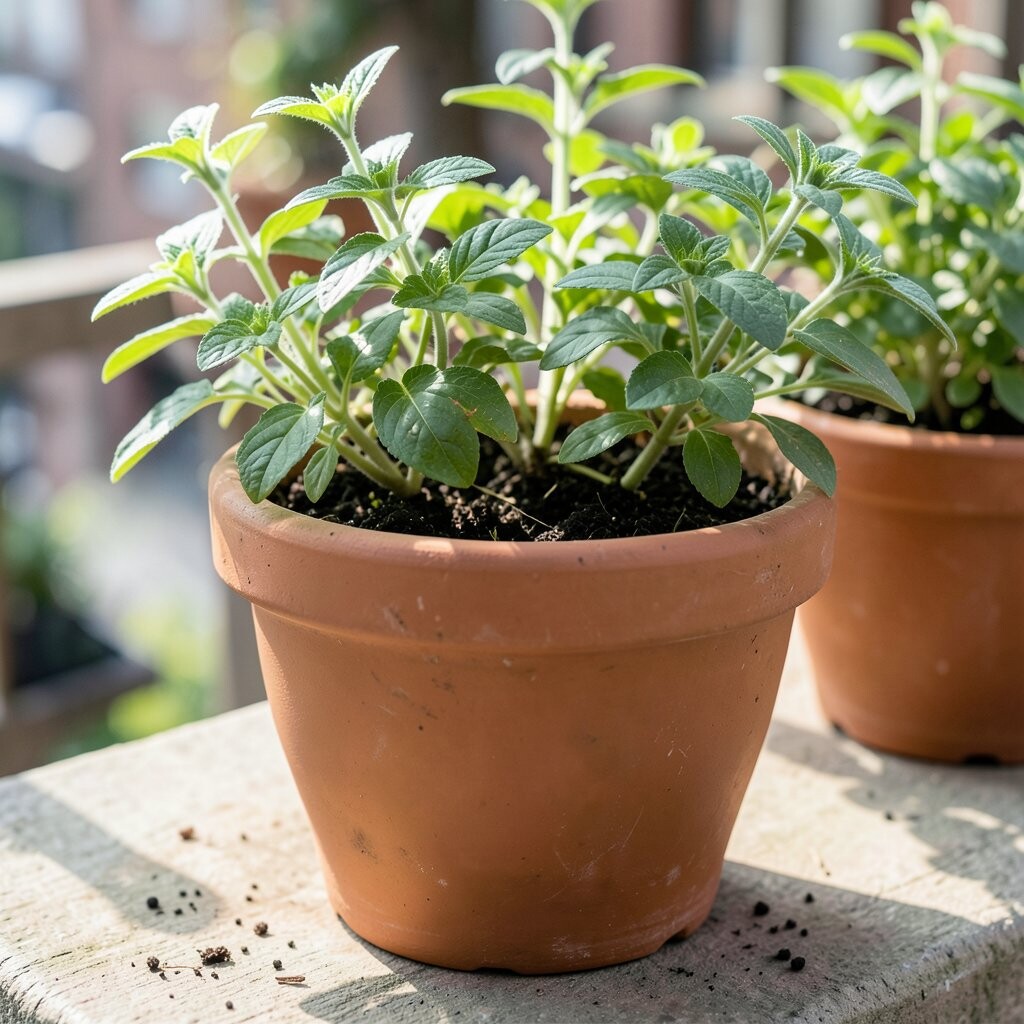
Terracotta pots often ask for more close watching than many people expect. In a city setting, fast sun, wind, and dry indoor air can change soil conditions very quickly.
This means you may need to check leaves, soil, and pot weight more often. A plant that looked fine yesterday can need help today, especially near a hot window or open balcony.
Make a habit of looking at your plants during coffee time or before bed. Small daily checks can help you catch trouble early and make terracotta work better in a busy urban home.