Terracotta pots can make plant care feel simple, but small mistakes can still cause trouble. This guide shows common care errors to avoid so your plants can stay healthy and look good.
1. Ignoring the Need for Drainage

One of the biggest mistakes is using terracotta pots with no drain hole. Water can sit in the bottom and hurt the roots fast. That can make the pot look fine on the outside while the plant starts to fail inside.
Terracotta is known for its dry, earthy look, and that look works best when water can move out. A pot with a drain hole is also easy to use with a simple saucer, so you can keep things neat on a shelf or patio. If you like a clean, natural style, this small detail matters a lot.
When you shop, check the base before you buy. Many low-cost pots look nice, but the drain hole is what makes them useful for real plant care. If you want to use a decorative pot with no hole, place a smaller growing pot inside it instead.
2. Watering Too Often
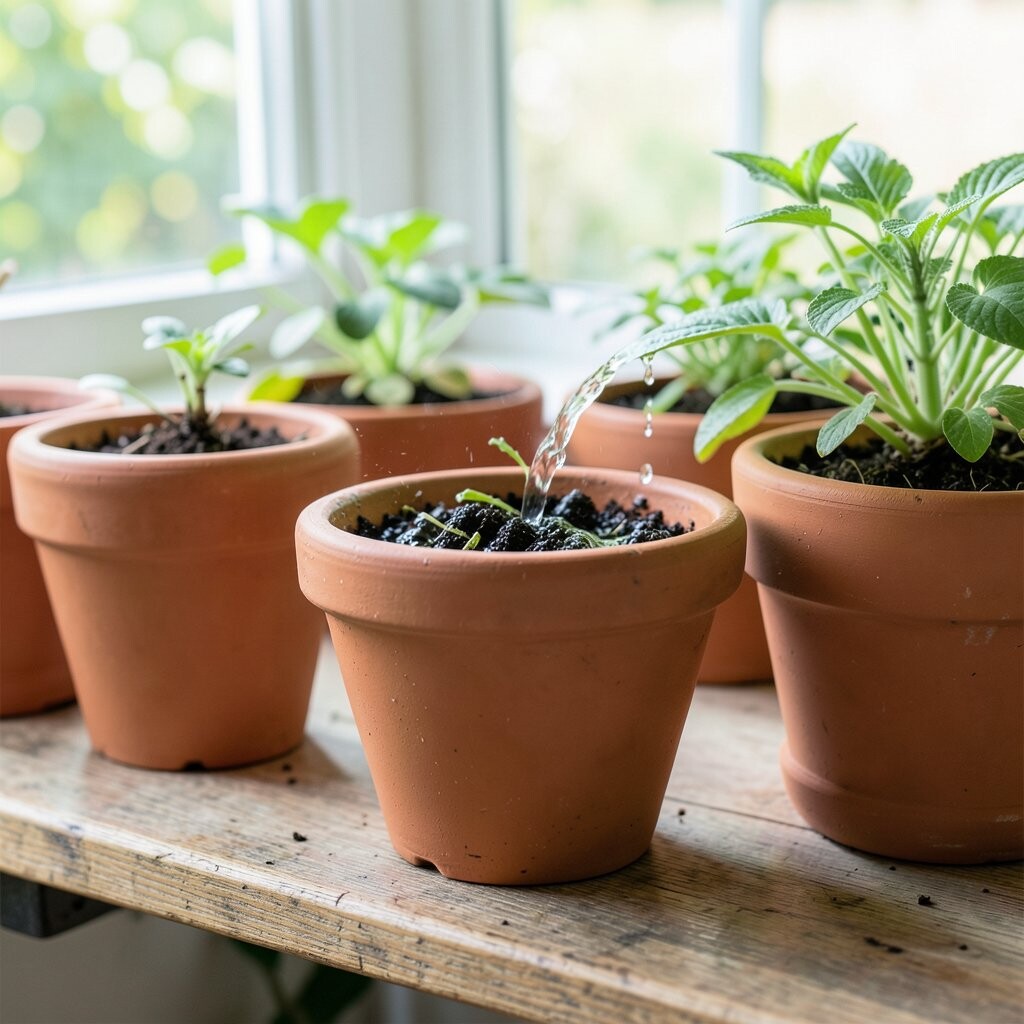
Terracotta dries faster than plastic, but that does not mean plants want water all the time. Many people see the dry outside of the pot and think the plant is thirsty, then water too much. This can lead to weak roots and yellow leaves.
The rough clay surface helps air move through the pot, which is one reason many plant fans like it. That same feature can fool you, since the outside may look dry even when the soil still holds water. A finger test in the soil is often better than judging by the pot alone.
Try to match watering to the plant type, room heat, and season. A cactus needs far less than a fern or herb, even in the same pot style. This kind of care makes each plant feel more personal and helps you save water too.
3. Letting Soil Stay Soaked
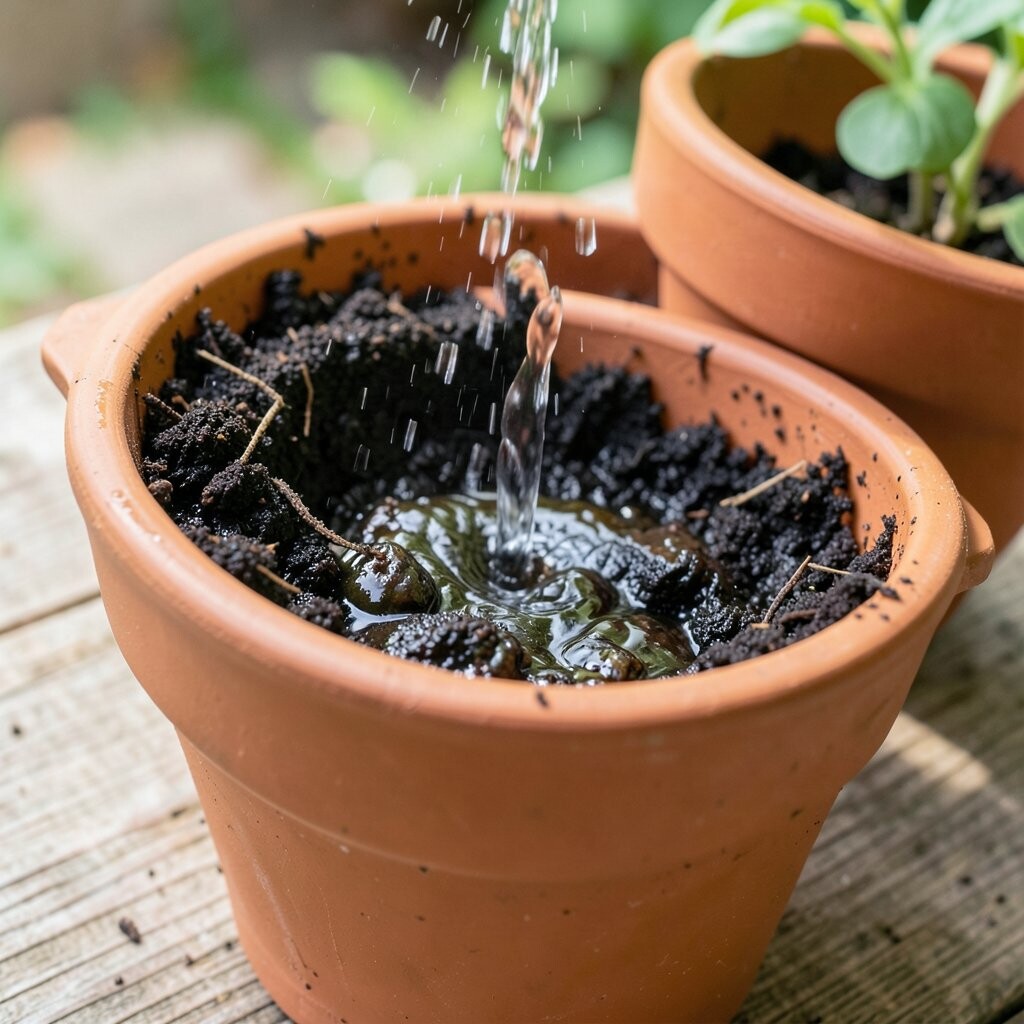
Even with a drain hole, soil can stay wet if it is too heavy or packed too tight. Terracotta works best with soil that drains well and lets roots breathe. If the mix stays soggy, the pot cannot do all the work for you.
This is where the pot’s natural look and the right soil mix go well together. A light mix with bark, perlite, or sand can help water move through faster. That makes the pot more useful and can lower the chance of root rot.
If your plant sits in a tray, empty extra water after a short time. Leaving water under the pot for too long can cause the same problems as overwatering. A small habit like this can make a big difference in how your plants look over time.
4. Picking the Wrong Pot Size
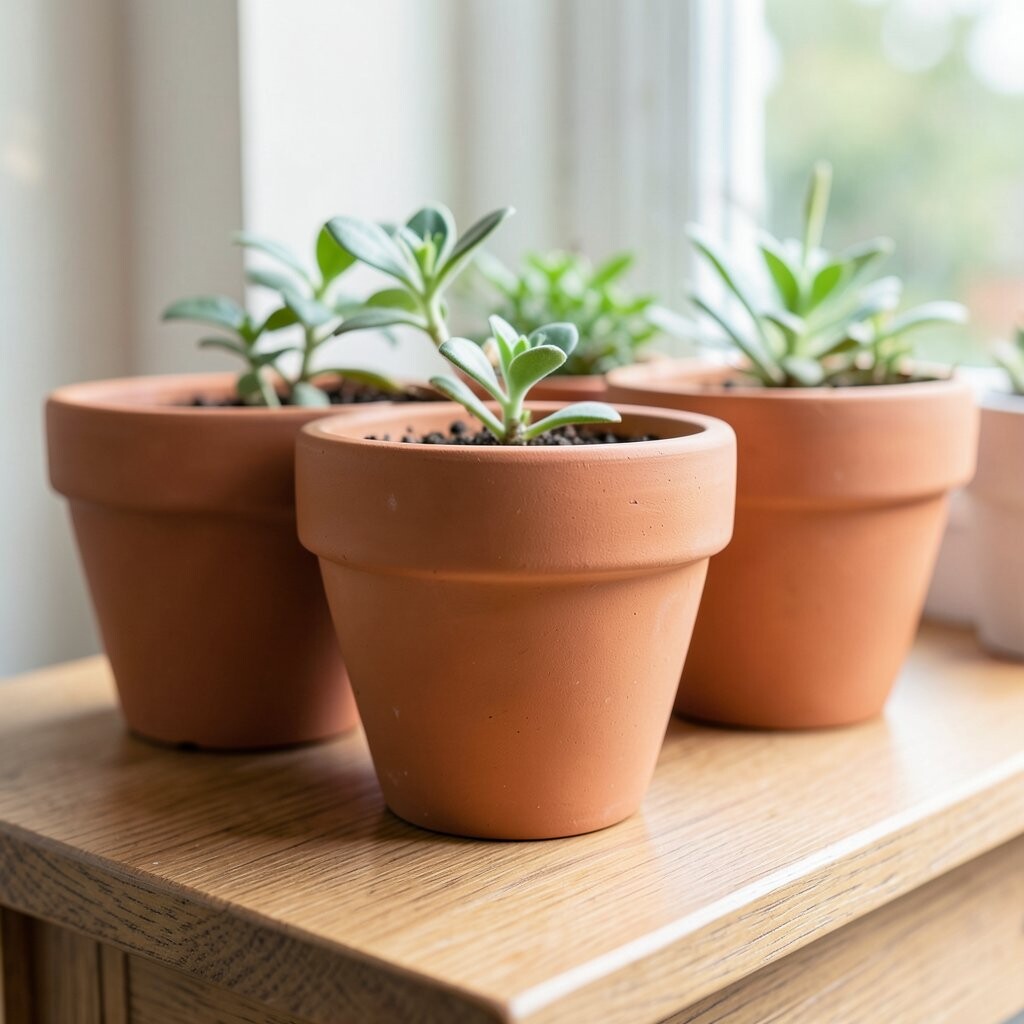
A pot that is too big can hold too much wet soil, while a pot that is too small can crowd the roots. Both choices can make care harder than it should be. The best pot size gives the roots room without leaving a lot of wet space around them.
Terracotta pots come in many shapes, from small round ones to wide, low bowls. That makes them easy to match with different plants and rooms. You can also use size to make a plant feel more personal, like a tiny herb on a kitchen window or a larger plant by a chair.
When you repot, look at the root ball and choose a pot that gives a little extra space. Do not jump to a much larger pot just because it looks nice. A well-sized pot often costs less too, since you do not need to buy more soil than needed.
5. Forgetting to Soak New Pots

New terracotta pots can pull water out of the soil very fast if they are dry. This can stress young plants or make watering seem uneven. Soaking the pot before use helps it start in a more balanced way.
The raw clay color can change a bit when it gets wet, which is part of its simple charm. Some people like that soft color shift because it gives the pot a lived-in look. It also helps the pot work better right from the start.
Before planting, soak the pot in water for a short time and let it dry on the outside. This small step is easy and low cost, but it can help a lot. It is a good habit for anyone who wants strong plants and less guesswork.
6. Using Harsh Cleaners on the Surface
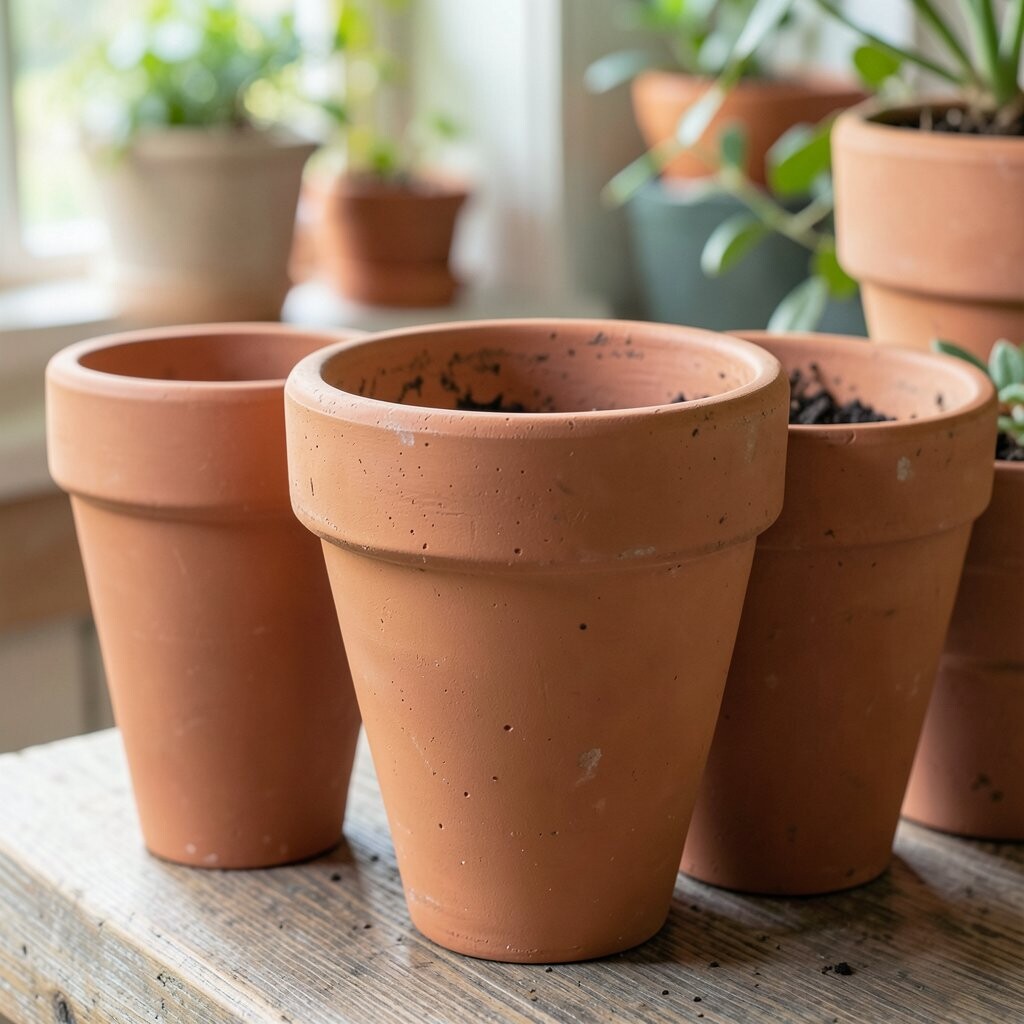
Terracotta can stain, but strong cleaners are not a good fix. Bleach and rough scrubbing can damage the clay and leave it looking dull or chalky. Over time, that can take away the warm, natural look that makes these pots so popular.
A soft brush, warm water, and a little mild soap are often enough. If you like the aged look, some marks and color changes can even add character. Many plant owners enjoy that each pot starts to look a bit different with use.
Clean pots are nice, but safe cleaning matters more than a bright surface. If you sell plants or style a shelf display, a gentle clean keeps the pot looking neat without much cost. It is a simple way to care for both the pot and the plant.
7. Leaving White Salt Buildup Alone
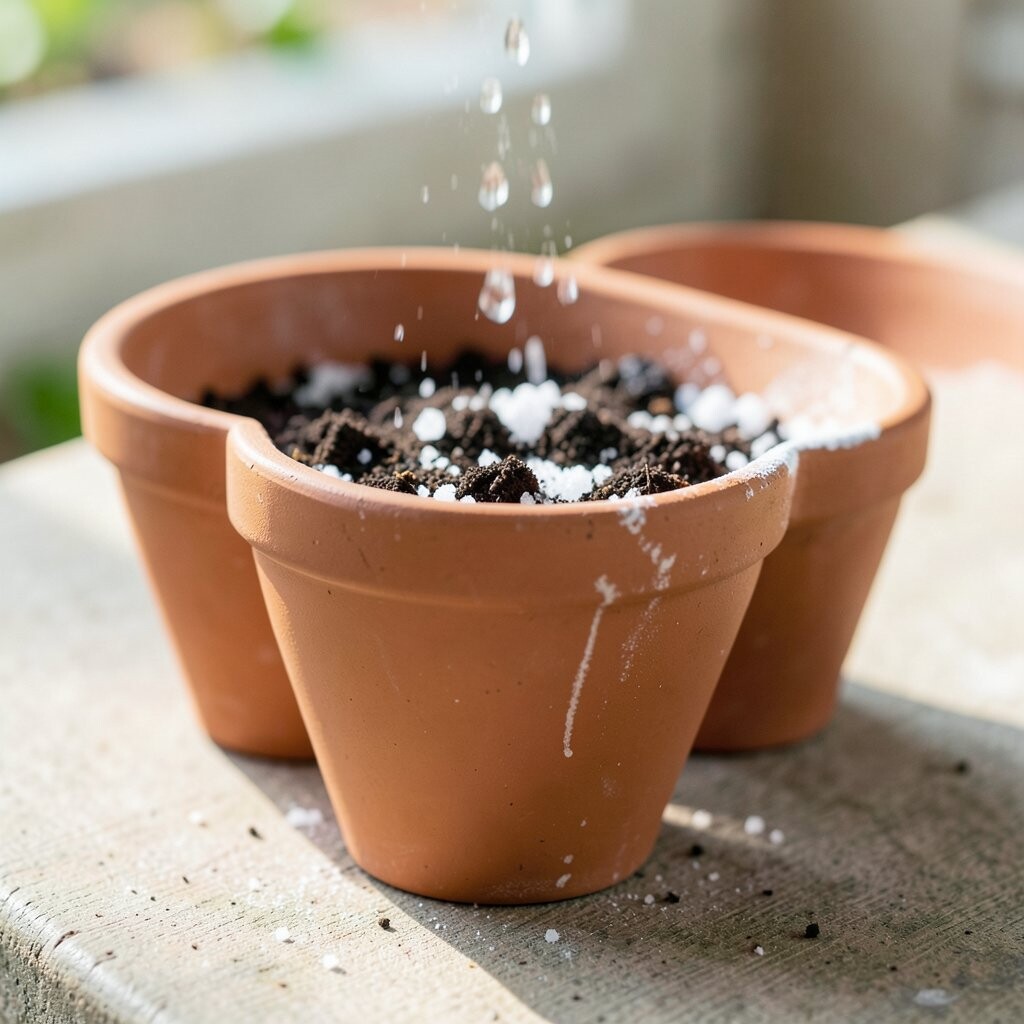
White crust on terracotta is common, especially in places with hard water or fertilizer use. It may look harmless, but it can show that minerals are building up in the pot and soil. That buildup can make the pot look old in a bad way if you do not deal with it.
The good news is that the chalky look is easy to spot, and many people use terracotta because it has a natural, rustic style anyway. Still, too much salt can affect how the pot breathes and how the soil works. A quick wipe now and then can keep things neat.
To help, flush the soil with plain water from time to time or switch to filtered water if needed. You can also clean the outside with a soft brush after the pot dries. These small steps help keep the pot useful and nice to look at.
8. Placing Pots in the Wrong Light
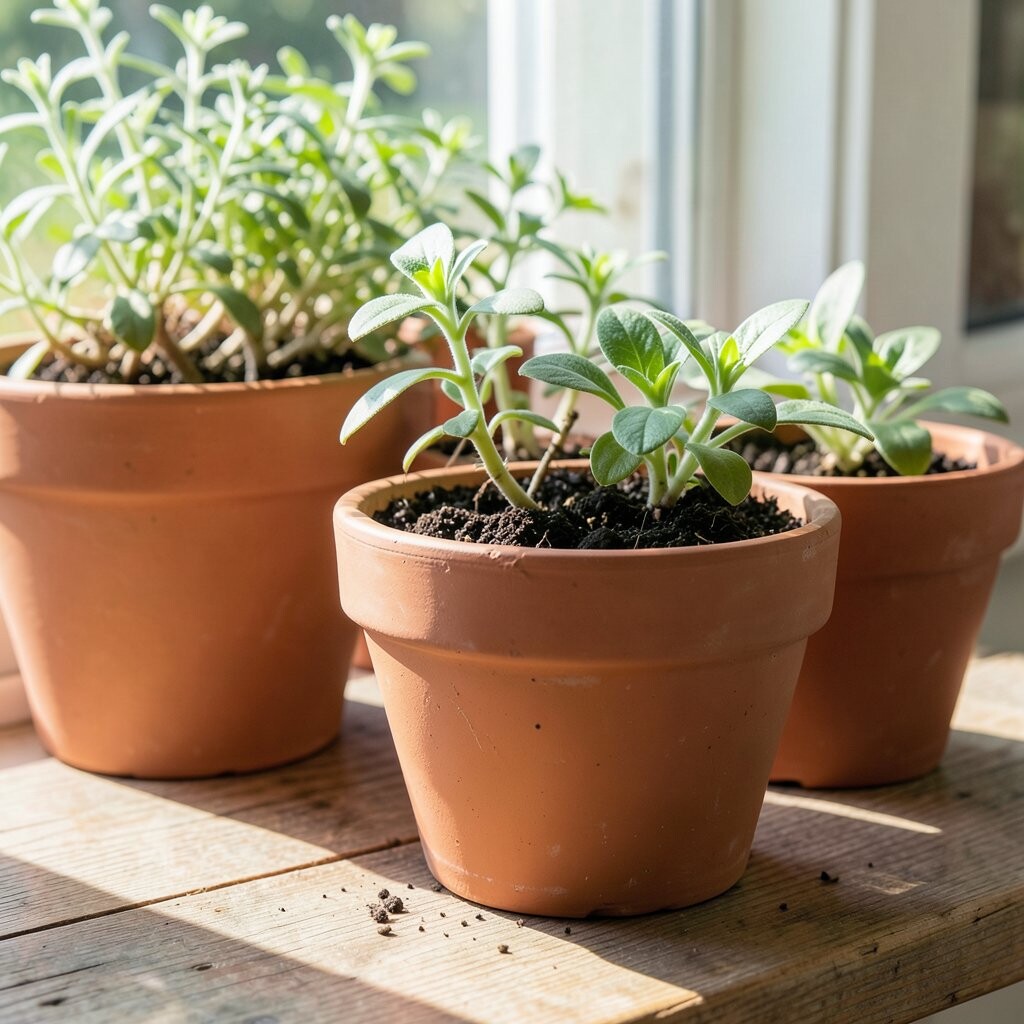
Terracotta pots can sit in sun, shade, or indoors, but the plant inside still has light needs. A sunny window may dry the soil much faster than a dim room. If you ignore the light level, even a good pot can seem like a bad choice.
The warm orange-brown color of terracotta looks good in many spaces, from modern rooms to garden tables. That is one reason it stays popular in home decor trends. It works well as a simple base that does not fight with the plant’s own shape and color.
Move the pot if the plant starts to dry too fast or stretch toward the light. A small change in placement can help a lot and may save you money on replacing plants. Good light plus the right pot location is often better than any fancy fix.
9. Using the Same Care for Every Plant
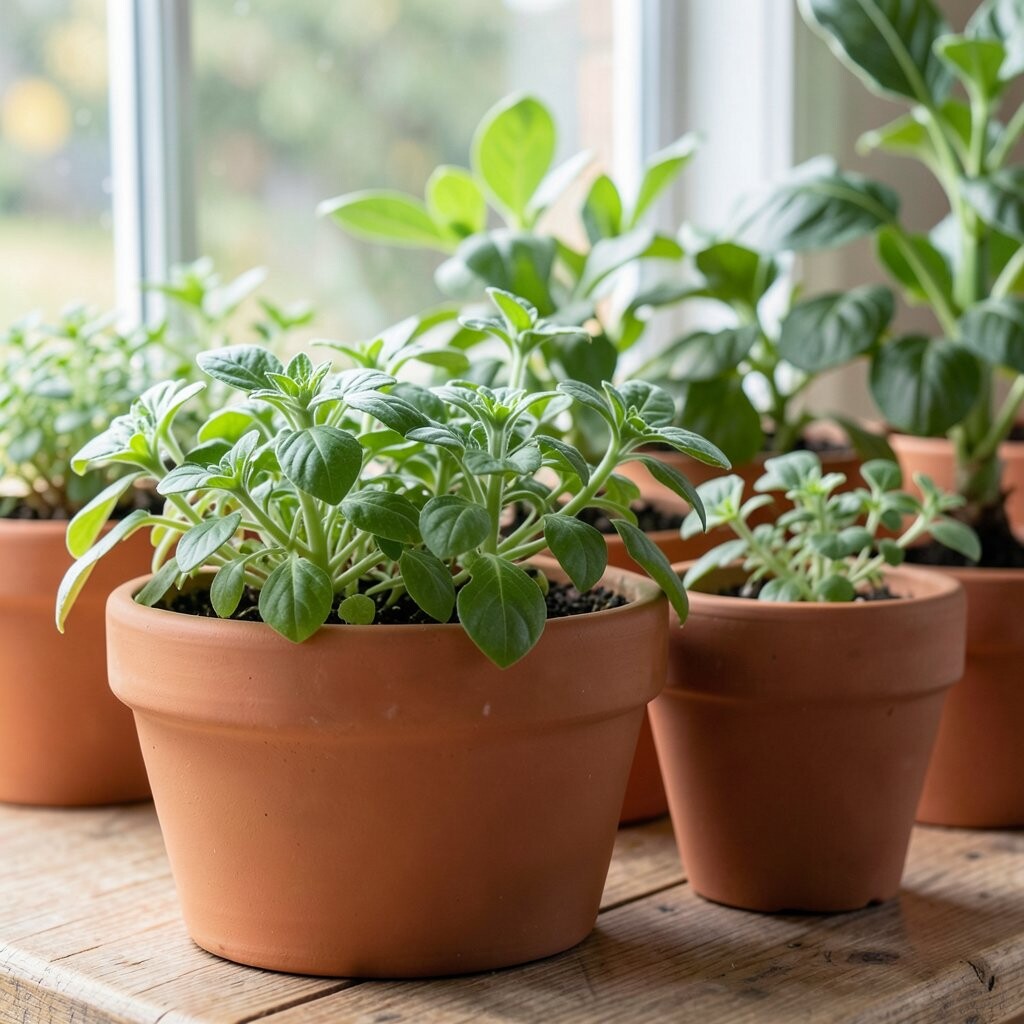
Not every plant wants the same amount of water, sun, or soil. A terracotta pot can be used for many kinds of plants, but the care plan should still change from one plant to the next. Using the same routine for all of them is a common mistake.
This is where terracotta can be fun, because the plain look fits many plant styles. You can use the same pot type for a cactus, herb, or flowering plant and still make each one feel special. The pot stays simple, while the plant choice adds your own touch.
Read basic care notes for each plant and adjust as needed. Some plants like a dry spell, while others want steady moisture. When you match the care to the plant, the pot becomes part of a better system.
10. Letting Pots Crack in Cold Weather
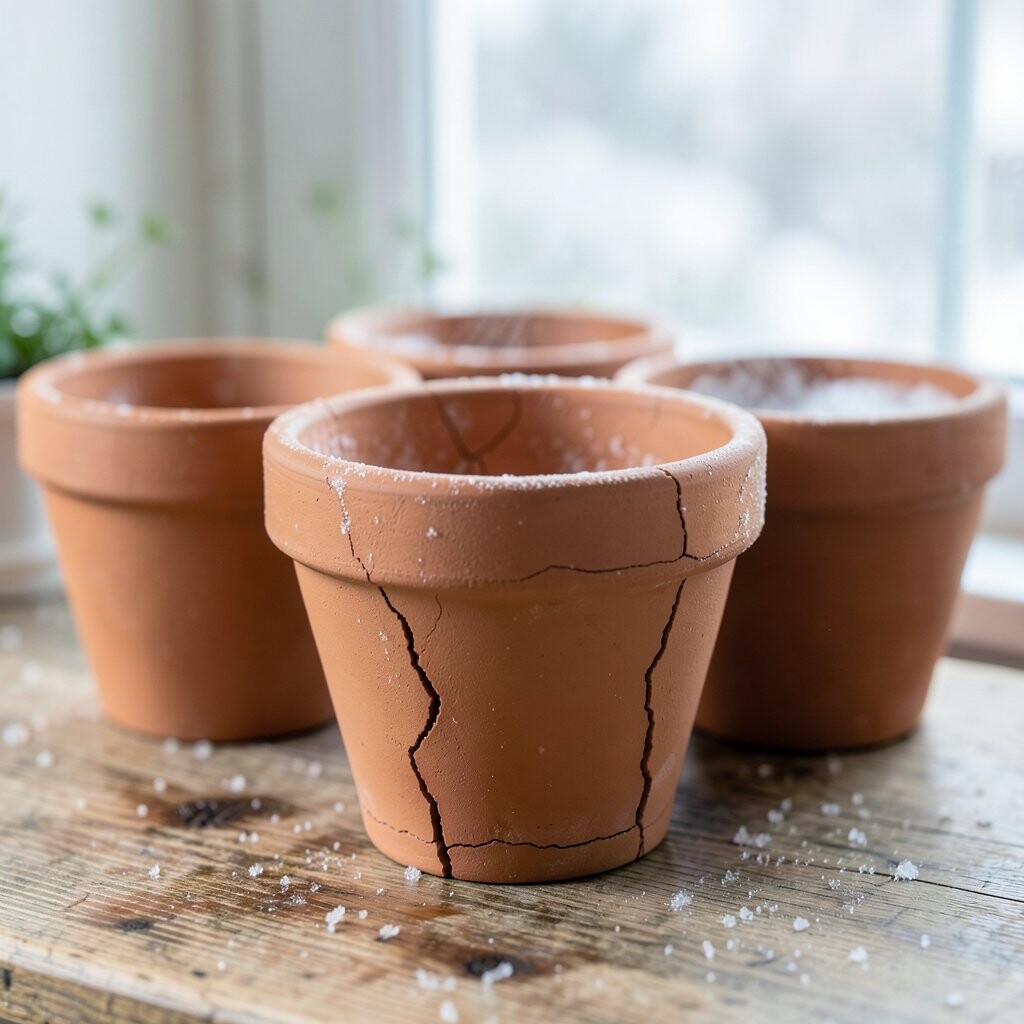
Terracotta can crack if water inside the clay freezes and expands. This is a common problem in cold areas or on open porches in winter. A cracked pot can spill soil and hurt the plant, so it is better to plan ahead.
The clay look is part of the charm, but it also means the pot needs a little care in bad weather. Some people like the trend of aged pots, but a true crack is not the same as a worn look. A damaged pot can fail fast when you least expect it.
Bring pots inside before hard frost or move them to a dry, covered spot. Empty saucers and keep them off wet ground when possible. This kind of care can save both the pot and the plant, and it costs nothing.
11. Choosing Style Over Function
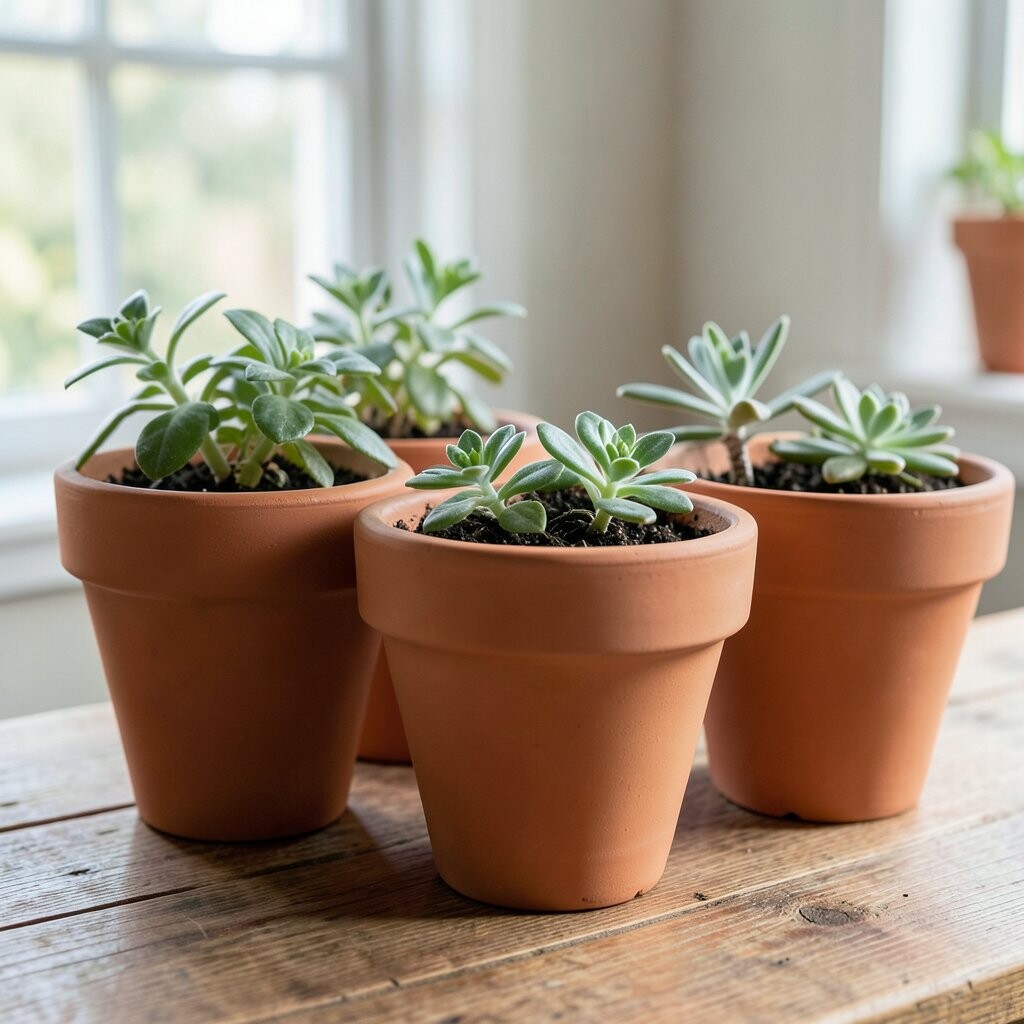
It is easy to buy a pot because it looks good on a shelf or in a store. But if the pot is too shallow, too heavy, or has no drain hole, it may not help the plant at all. A pretty pot should still work well for daily care.
Terracotta has a simple style that fits many homes, which is one reason it stays in style year after year. You can find handmade pieces, low-cost mass-made pots, and even painted ones that show more personal taste. That range makes it easy to match your space without giving up plant health.
When you pick a pot, think about the plant first and the look second. A good pot can still be nice to see, but it should also support root growth and easy watering. In the long run, that saves time, money, and stress.
12. Skipping Repotting When Roots Fill the Pot

Roots can fill a terracotta pot over time and leave little room for new growth. If you wait too long, the plant may dry out fast or stop growing well. The pot may still look fine, but the plant can become cramped inside.
One nice thing about terracotta is that it makes root issues easier to notice if you watch the soil and plant closely. You may see water run through too fast or roots showing at the drain hole. These are signs that the plant needs more space.
Repotting does not have to be hard or costly. Move the plant to a slightly larger pot with fresh soil when needed. That gives the roots room and keeps the plant looking full and healthy.
13. Not Making the Pot Part of the Room

Terracotta pots are not only for plant care. They also add a warm, simple look that can fit shelves, tables, patios, and windows. If you ignore how the pot fits the room, you may miss a chance to make the plant feel more at home.
Many people now use terracotta in small groups, with mixed sizes and plant types for a more personal style. Others like one large pot as a clean focal point. This is a low-cost way to follow a home trend without buying a lot of extra decor.
Think about color, size, and shape when you place the pot. A plain terracotta pot can work in a calm room, a bright kitchen, or a cozy porch with very little effort. When the pot fits the space, the plant looks better and the whole area feels more put together.