Textured surfaces can make a room feel more real and lived in. They also help plain spaces feel warm, calm, and easy to enjoy.
1. Textured Plaster Walls
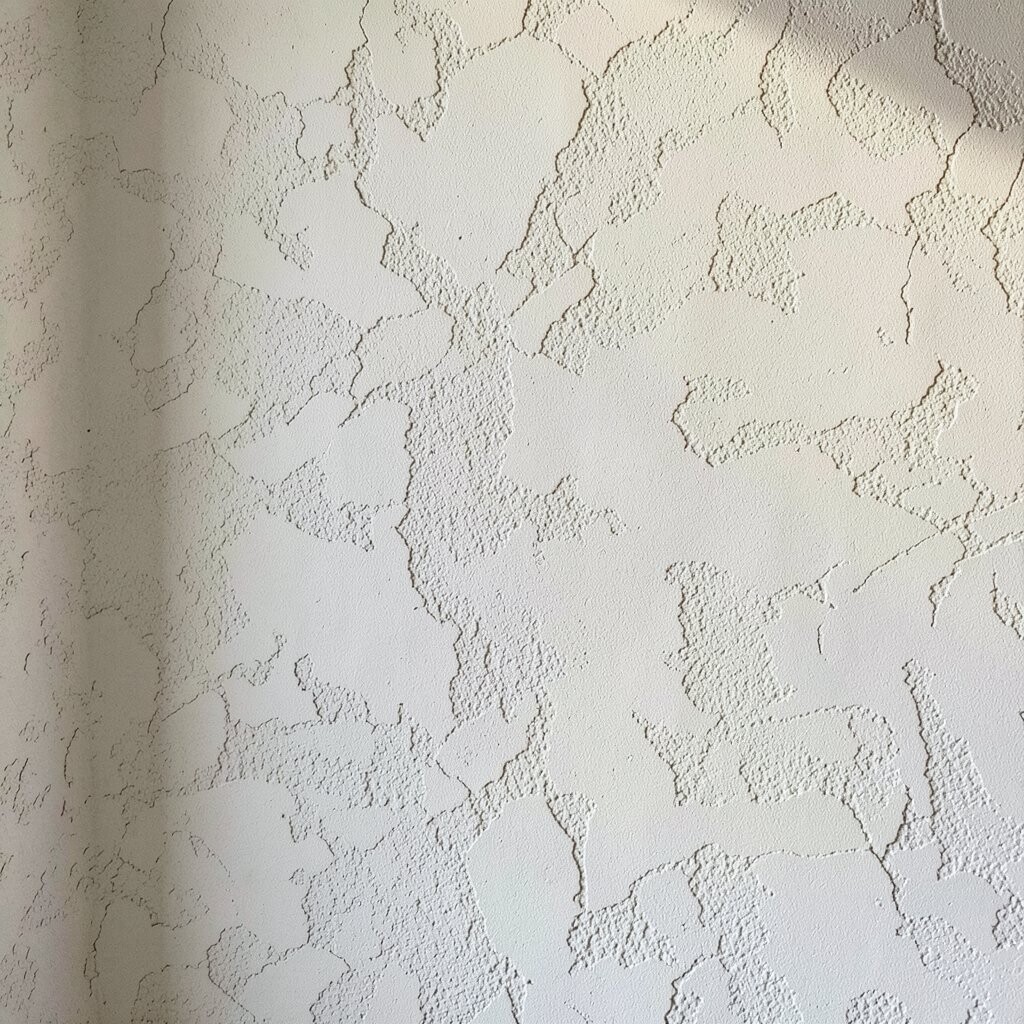
Textured plaster gives a wall a soft, hand-made look that feels calm and steady. It can hide small wall flaws, which makes it a smart choice for older homes or busy rooms.
This finish works well in living rooms, halls, and bedrooms where you want a quiet look. It can cost more than plain paint, but many people like it because it feels unique and lasts well.
You can keep the look light and smooth or go for deeper marks and more shape. Soft beige, warm white, and pale gray are common picks, and they fit many styles.
2. Wood Slat Panels

Wood slat panels add clean lines and a warm feel to a wall or ceiling. The narrow strips make a room look neat, and they can also help soften sound.
This idea is popular in new homes and updated offices because it feels simple but still has style. Real wood costs more, but there are lower-cost panels made from wood-look boards or veneer.
You can use light wood for a fresh feel or dark wood for a richer look. Try them behind a bed, around a TV, or on one small wall to keep the room from feeling too busy.
3. Brick Accent Walls

Brick has a rough, solid look that adds strong texture right away. It can make a room feel old, cozy, or a bit more urban, depending on the color and finish.
Real brick can be costly to add, but brick veneer or brick wallpaper can give a similar look for less money. This is a good pick for people who want texture without a full remodel.
Red brick feels warm, while painted white brick looks lighter and more open. You can leave it rough, seal it for a cleaner look, or pair it with soft furniture to balance the space.
4. Cane and Rattan Details
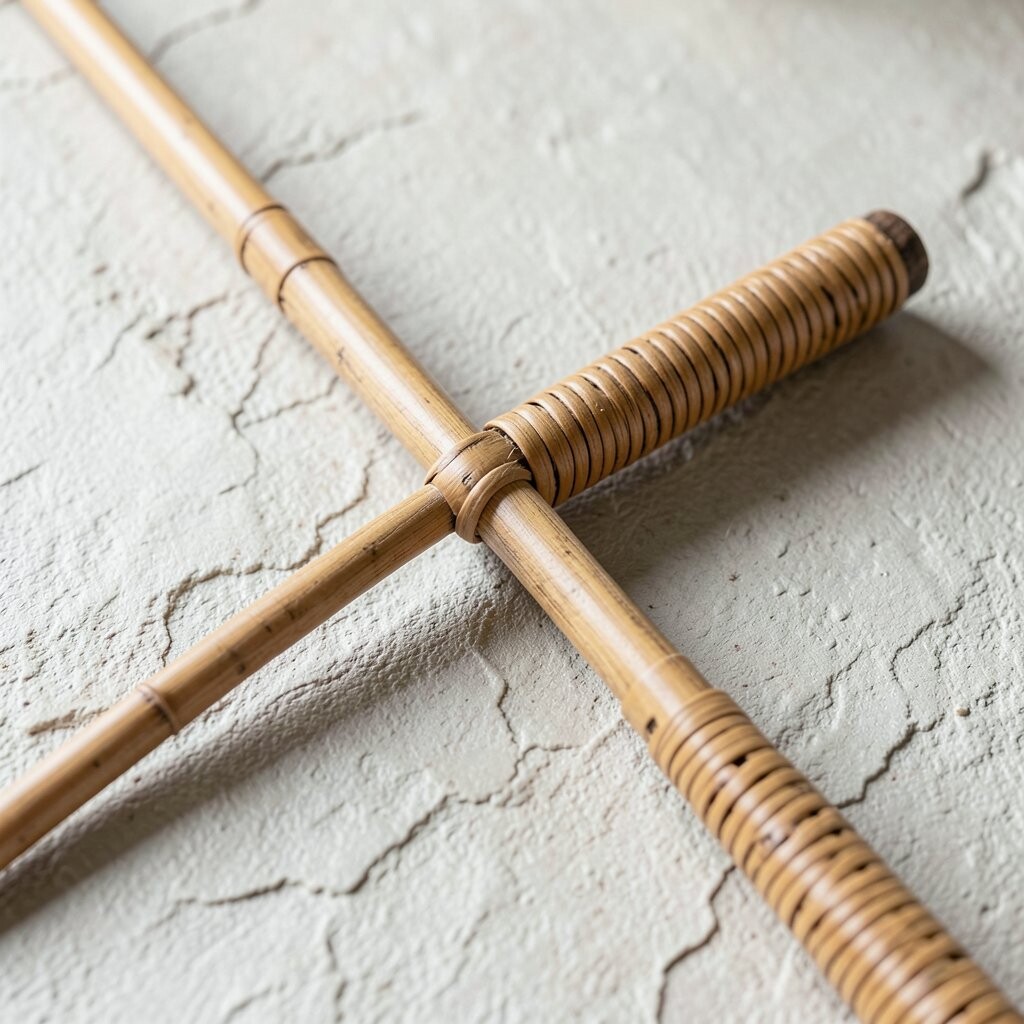
Cane and rattan bring a woven look that feels light and easy. The open pattern adds texture without making a room feel heavy.
These materials are often used on chairs, cabinet doors, lamps, and wall pieces. They fit well with calm, natural rooms and are also seen a lot in current home trends.
They can be a low-cost way to add interest if you use them in small pieces. Try mixing them with wood, linen, or soft paint colors to make the look feel more personal.
5. Stone Feature Walls
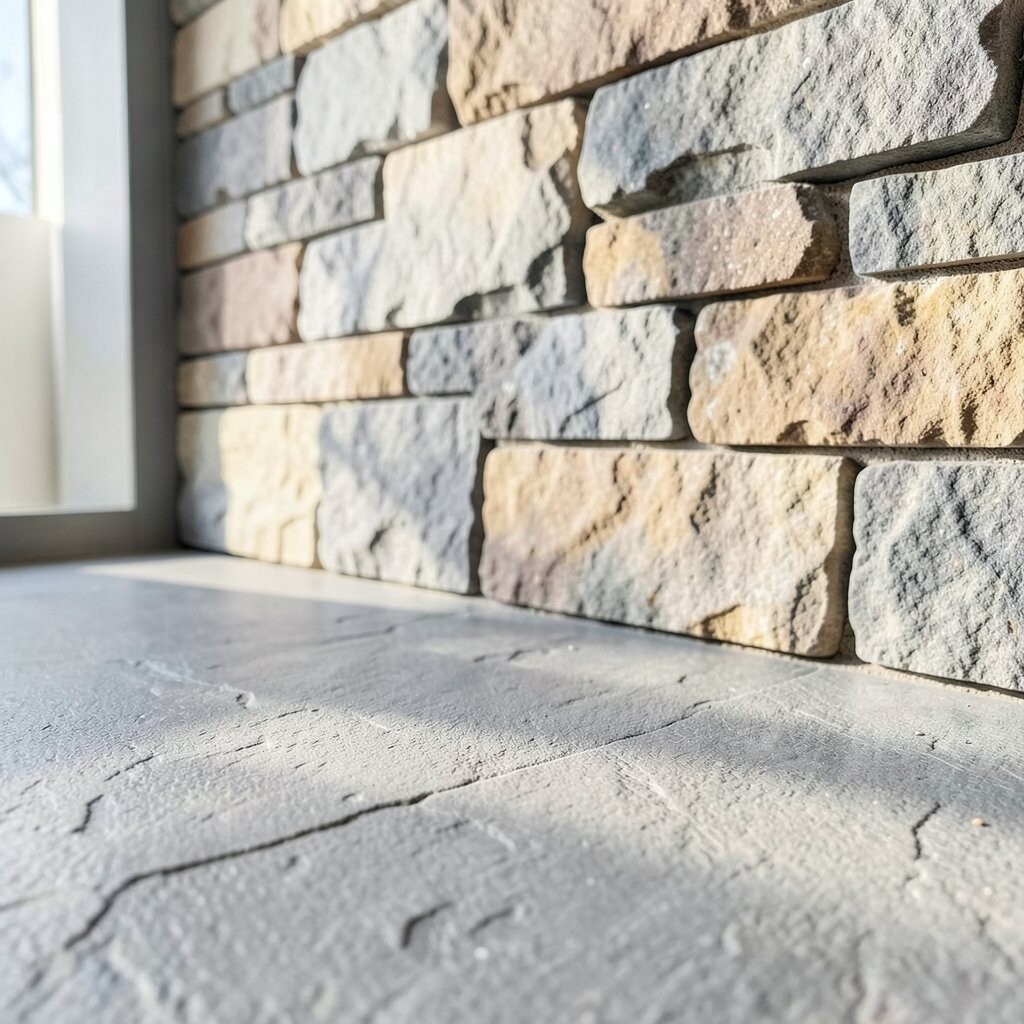
Stone walls have a strong, rough feel that can make a room look steady and grounded. The shape, color, and cut of the stone all change the way the space feels.
Natural stone can cost a lot, but thin stone panels and stone-look tiles can bring in the same kind of texture for less. This makes it easier to use stone in a living room, entry, or bath.
Light stone can help a room feel open, while darker stone can add weight and depth. You can keep the rest of the room simple so the wall stands out in a clean way.
6. Fluted Cabinet Fronts

Fluted fronts have soft ridges that catch light in a nice, even way. They give cabinets and storage units a more finished look without using loud colors or busy shapes.
This style works well in kitchens, baths, and living spaces where you want a bit of detail. It is a strong trend right now because it feels modern, but not cold.
Painted fluted wood can be a good middle-cost choice, while solid wood may cost more. You can use it on a full cabinet set or on just one piece, like a bar or sideboard, to keep the budget in check.
7. Textured Wallpaper
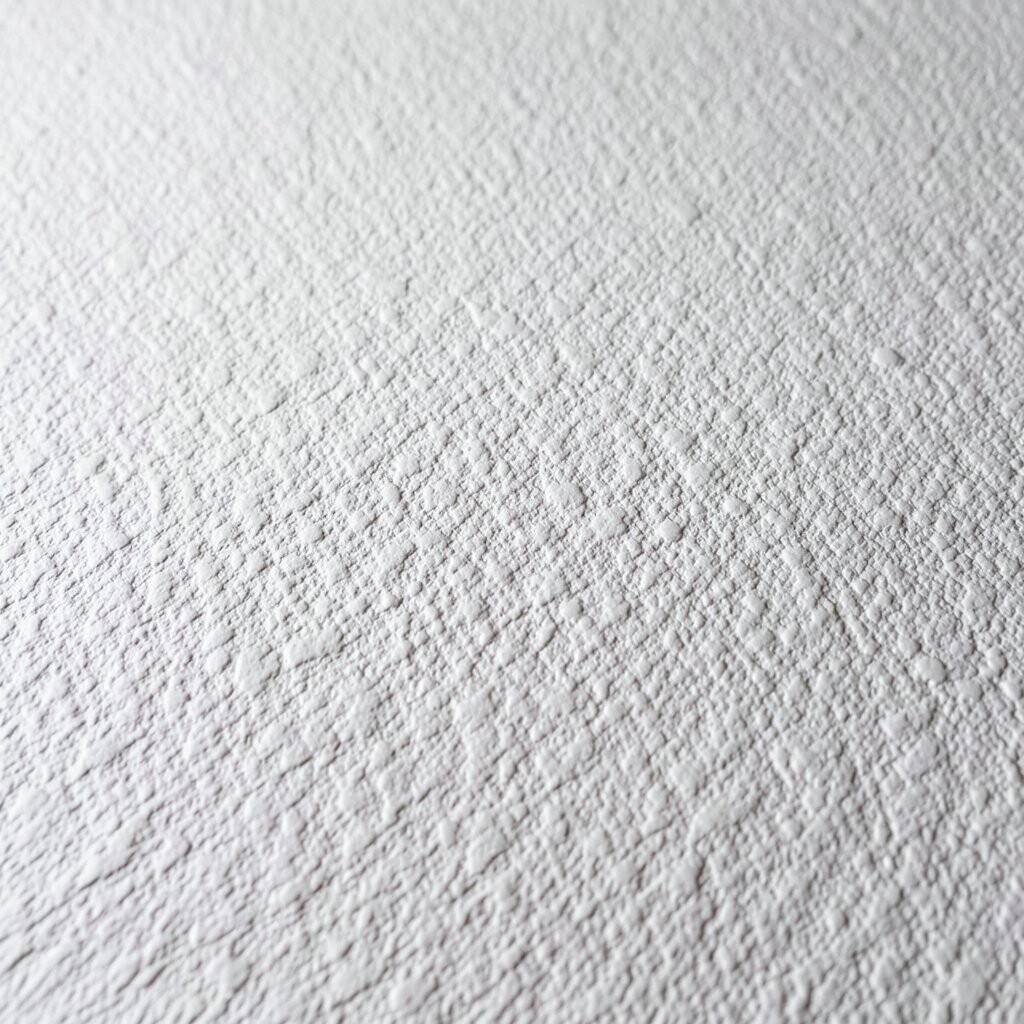
Textured wallpaper can add depth fast, even if the wall itself stays flat. Some types look like linen, grasscloth, brick, or stone, so there are many looks to choose from.
This is a smart option for renters or anyone who wants a change without a big job. Peel-and-stick styles are easy to put up and remove, and they often cost less than wall panels.
Use it on one wall to make a small room feel more special. Pick a soft print or a light texture if you want the room to stay calm and easy to match.
8. Ribbed Glass Dividers
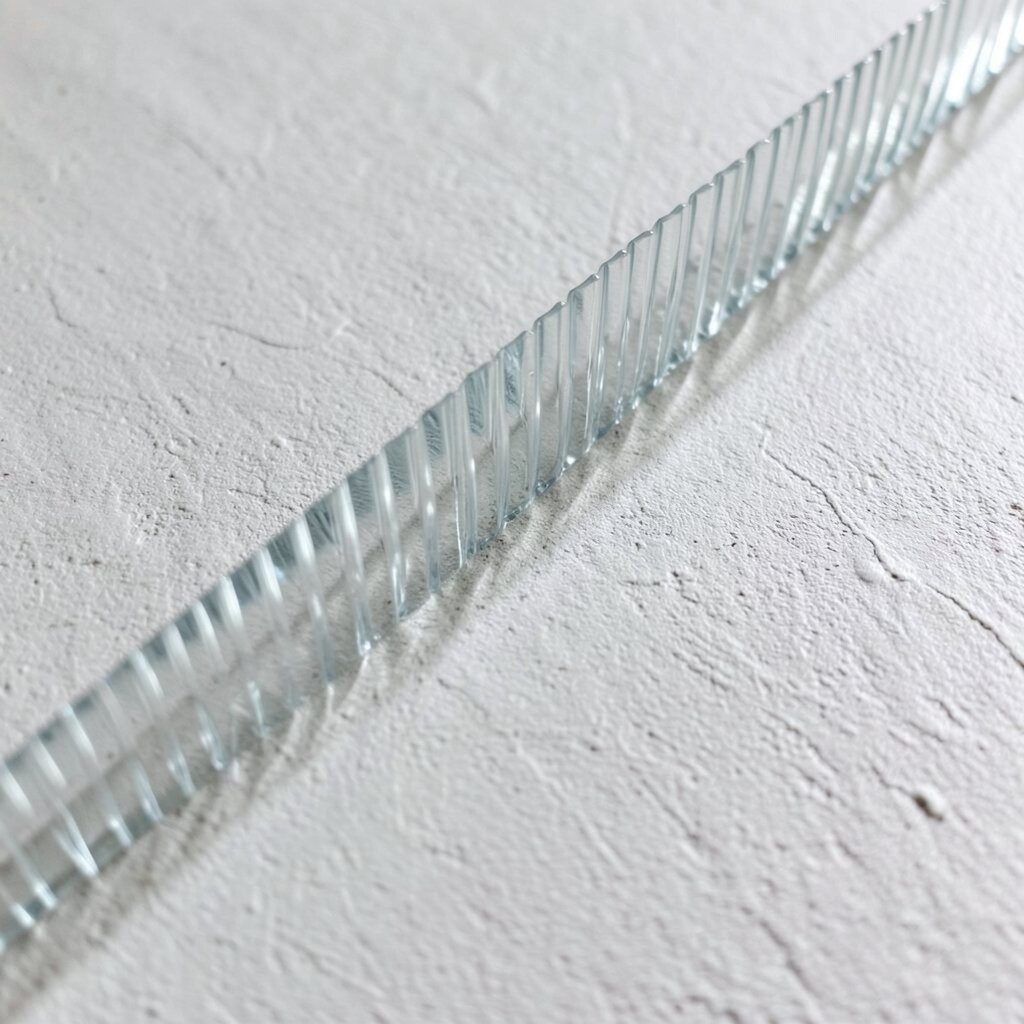
Ribbed glass has fine lines that blur the view just enough while still letting light pass through. It gives a room a clean, modern feel and adds texture in a subtle way.
This is useful for shower doors, room dividers, and cabinet fronts where you want some privacy. It can cost more than plain glass, but many people like it because it looks neat and works well in small spaces.
The lines can be vertical or horizontal, and each one changes the feel of the room a little. Use it with metal, wood, or painted frames to make the look fit your home style.
9. Bouclé Fabrics
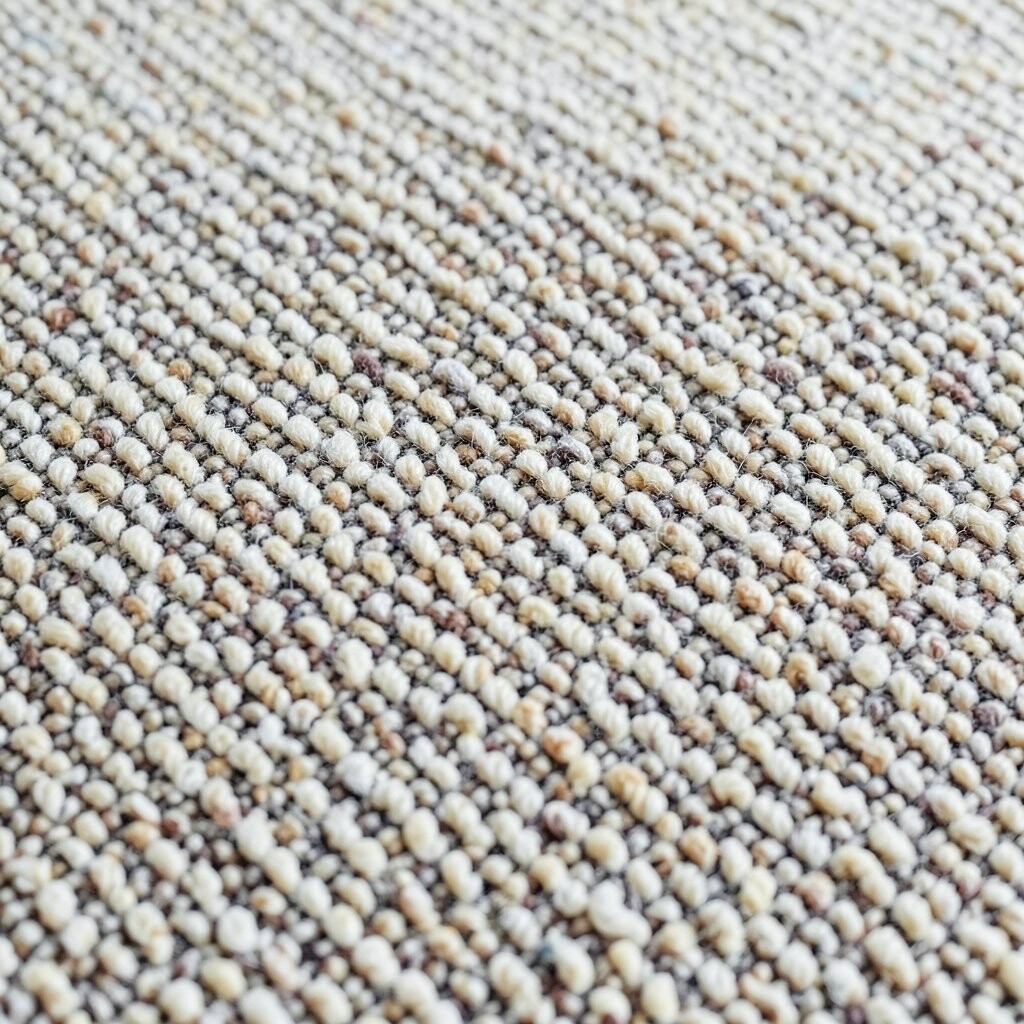
Bouclé has a looped, fuzzy surface that feels soft and full. It is often used on chairs, sofas, and ottomans, where touch matters as much as looks.
This fabric can make a room feel cozy without using bright colors or heavy patterns. It is also a popular choice in current home design because it looks simple but still has depth.
Light colors like cream and sand are common, but darker shades can hide stains better in busy homes. If you want the look for less money, try a bouclé-style pillow or small chair before buying a full sofa.
10. Tile With Raised Patterns

Raised tile adds shape that you can see and feel, which gives a wall or floor more life. The pattern may be small and neat or bold and eye-catching.
This kind of tile works well in kitchens, baths, and entry areas because it is easy to clean and holds up well. It can cost more than flat tile, but it often makes the space feel more custom.
Use a simple grout color if you want the texture to stand out in a calm way. If you want a more personal look, mix plain tile with a few patterned pieces in one small area.
11. Concrete Finishes
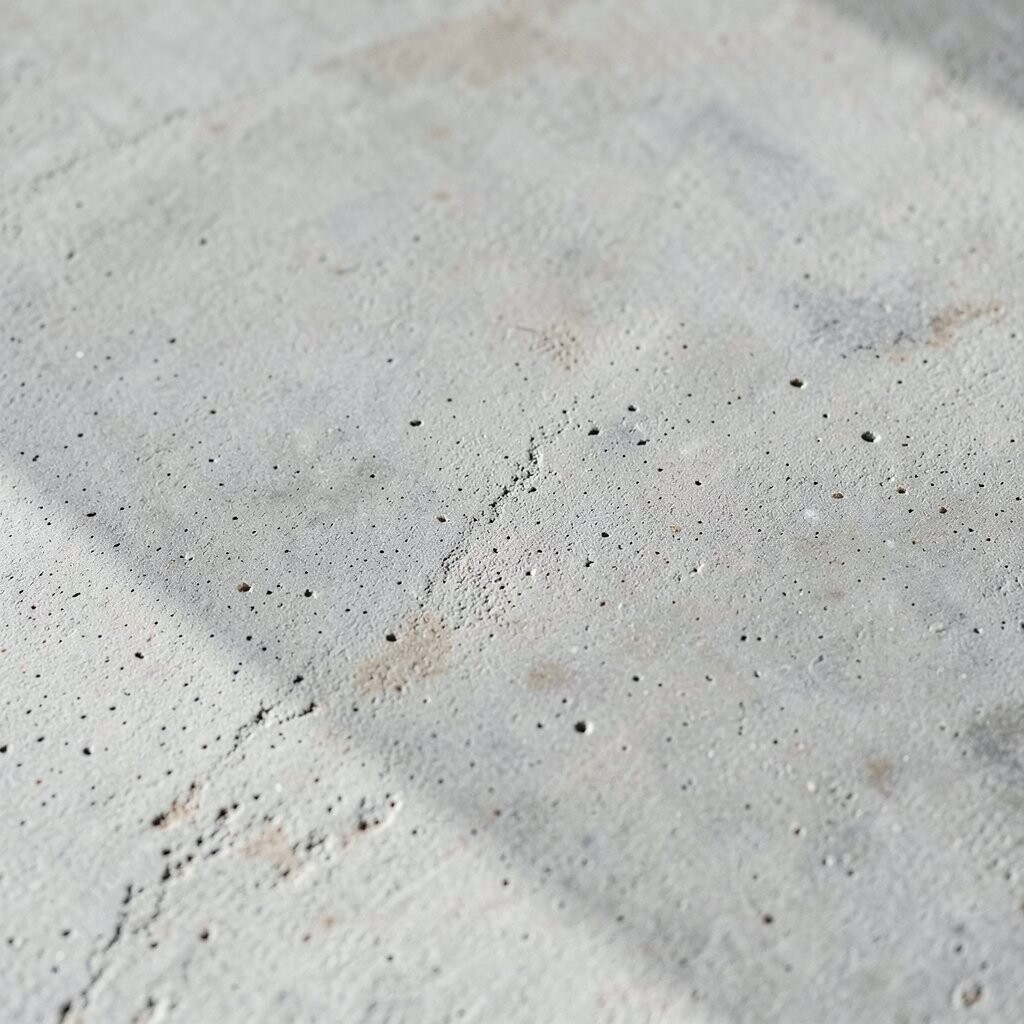
Concrete has a smooth, cool look that still feels full of texture because of its small marks and color shifts. It can make a room feel modern, simple, and strong.
You can use it on floors, counters, walls, or even small decor pieces. Real concrete can be pricey and heavy, but polished cement looks and concrete veneers can lower the cost.
Gray is the most common choice, but warmer tones can feel softer and easier to live with. Pair concrete with wood, fabric, or plants so the room does not feel too hard.
12. Leather Accents
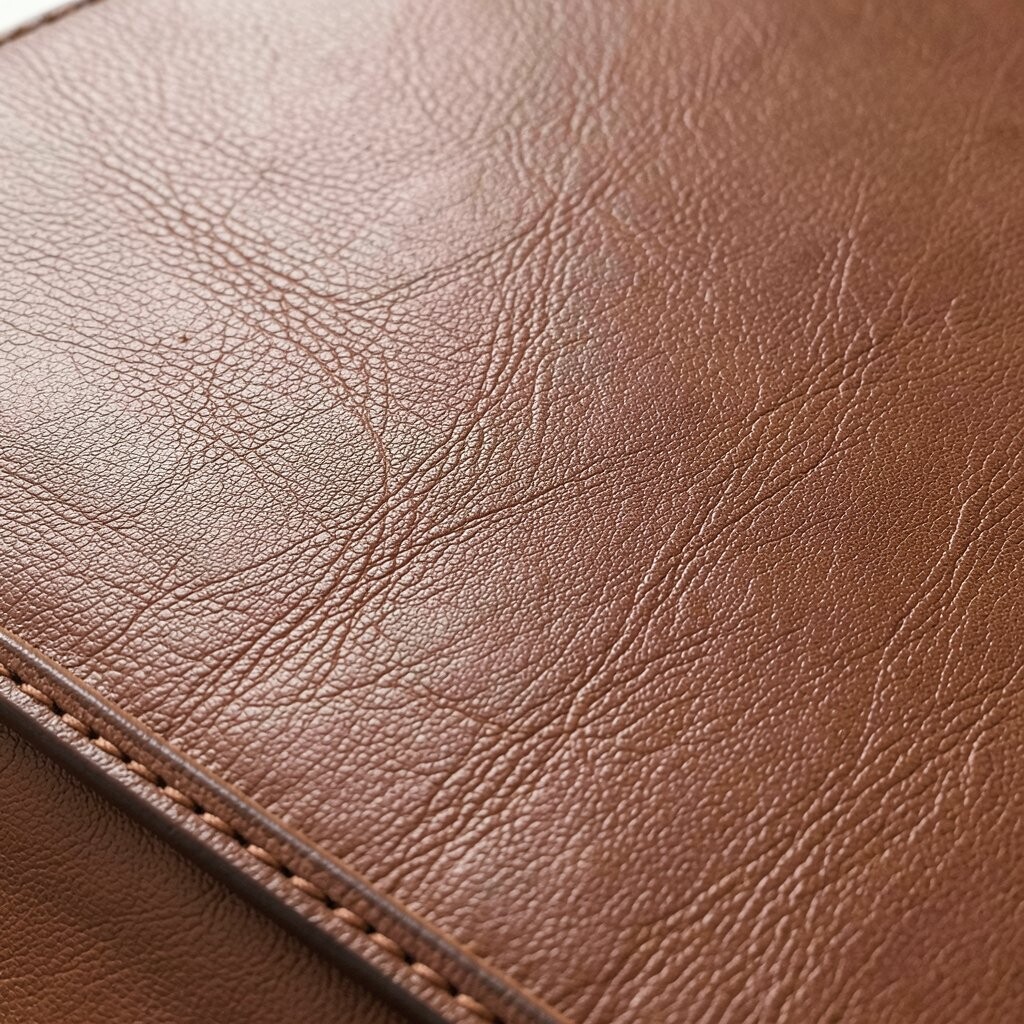
Leather adds a smooth but slightly worn surface that feels rich and easy to use. It works well on chairs, stools, drawer pulls, and wrapped handles.
This material ages in a way many people like, so it can bring more character over time. It may cost more at first, but a small leather piece can still make a room feel more finished.
Tan and brown are classic, while black and deep green can look more modern. If you want a softer budget choice, try faux leather or use leather only in small spots.
13. Mixed Material Shelving
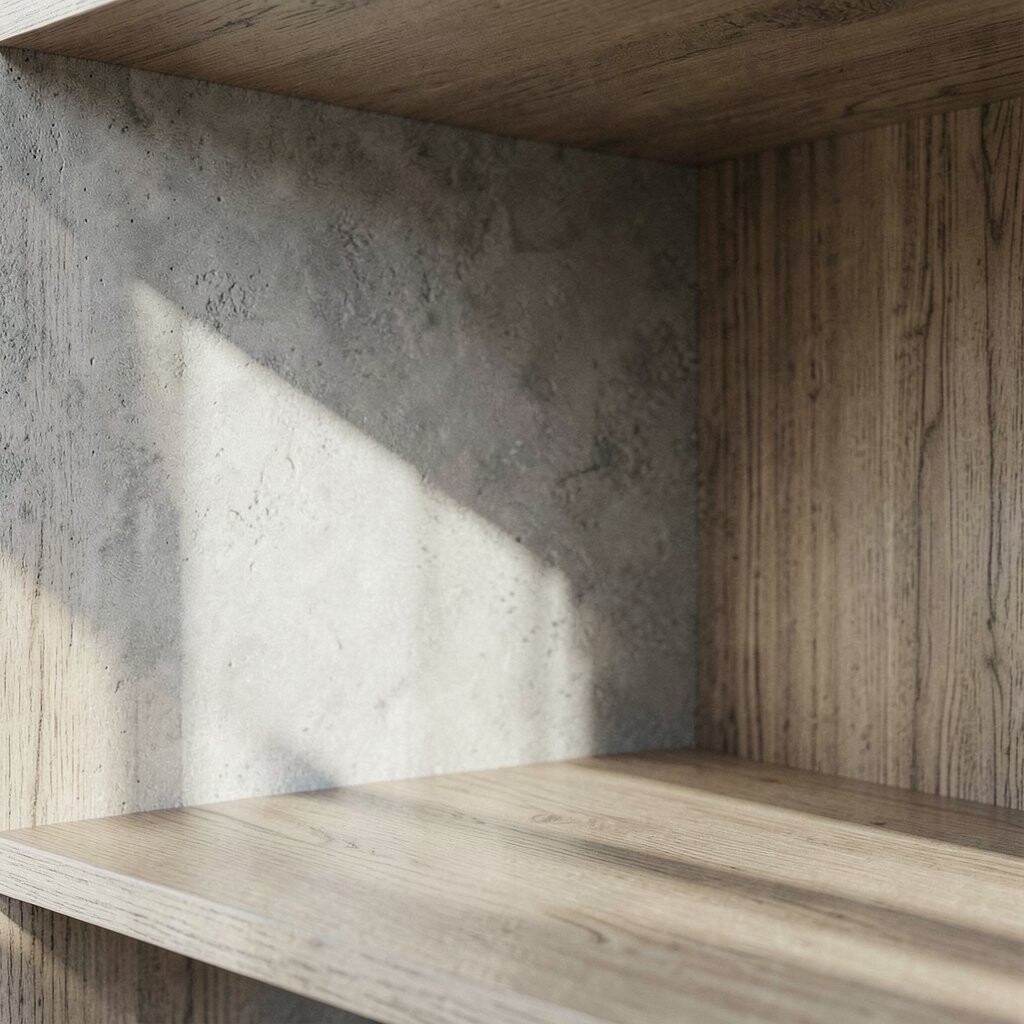
Mixed material shelving uses two or more surfaces, like wood and metal or stone and glass, to add depth. The mix gives each shelf a layered look that feels more thought out than plain storage.
This is a good way to show books, plants, and small art pieces while also adding texture to the room. It can fit many styles, from clean and modern to warm and rustic.
Cost can vary a lot, so you can keep it simple with one strong material and one small accent part. Try matching the shelf finish to other items in the room so the look feels personal and easy to live with.