Clear privacy can still let light move through a space. These barrier ideas can help you make rooms feel open while still keeping them private.
1. Frosted Glass Panels
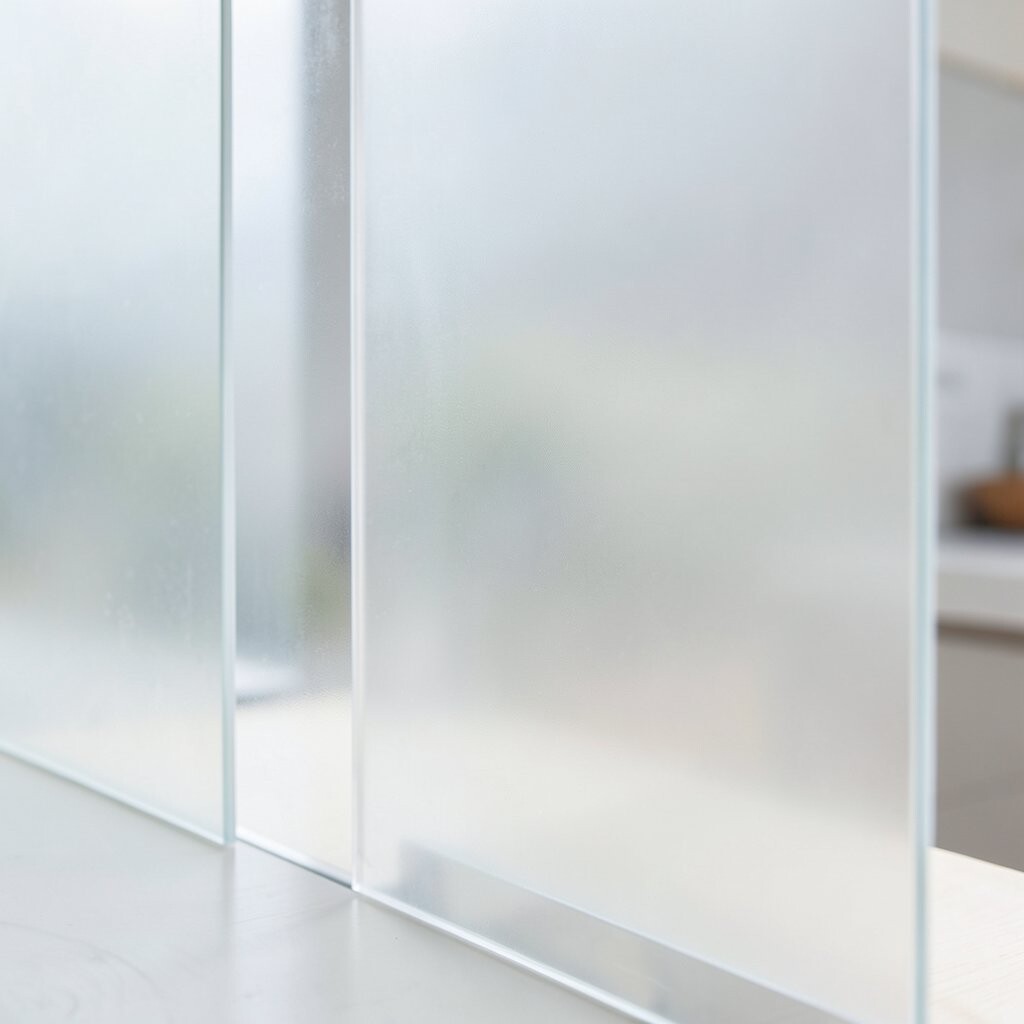
Frosted glass has a soft, cloudy look that lets light pass through while blocking a clear view. It works well in bathrooms, office corners, and entry areas where you want some privacy without making the space feel closed off.
This option has a clean and simple style that fits many homes. It can be made as full panels, sliding doors, or small inserts, and it often costs more than plain film but less than custom decorative glass.
You can use frosted glass in a plain white frame for a calm look or pair it with dark metal for a more modern feel. If you want a custom touch, try a light pattern or a band of clear glass at eye level.
2. Ribbed Glass Screens
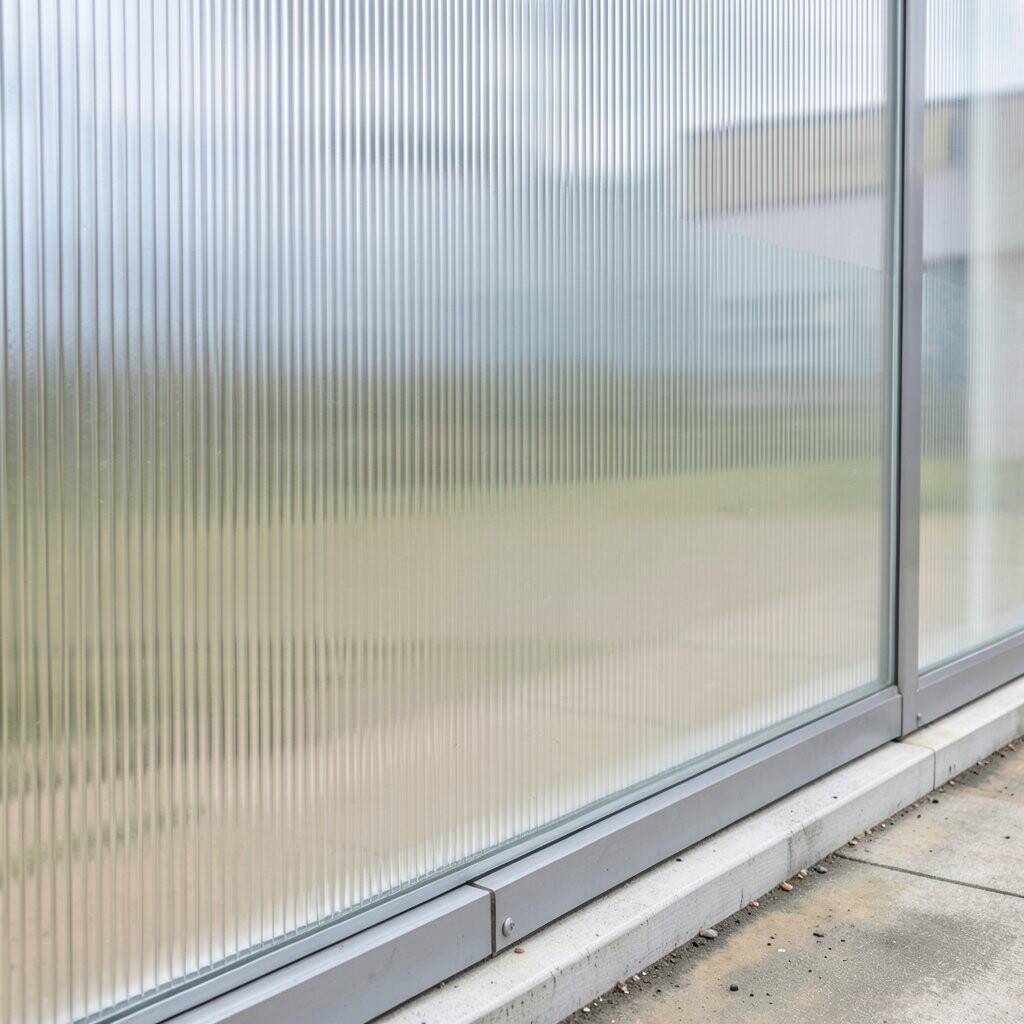
Ribbed glass has raised lines that blur shapes and make a room feel private while still bright. The lines catch light in a nice way, so the screen looks active and neat instead of flat.
This style is common in modern homes because it feels fresh and simple. It can work as a shower wall, a room divider, or a cabinet front, and it often costs a bit more than basic clear glass but less than many art glass choices.
You can choose wide ribs for a bold look or fine ribs for a softer one. It is a good choice if you want privacy that still feels light and airy.
3. Fluted Acrylic Dividers

Fluted acrylic gives the look of ribbed glass but is lighter and easier to move. It is a smart pick for people who want a clear privacy barrier without the weight or break risk of glass.
This material is often used in small rooms, rental spaces, and work areas. It usually costs less than glass and can be cut to fit many shapes, which makes it useful for custom projects on a smaller budget.
Try it in a white, black, or wood frame to match your room. Since it is light, you can also use it for portable screens that move from one spot to another with ease.
4. Patterned Privacy Film
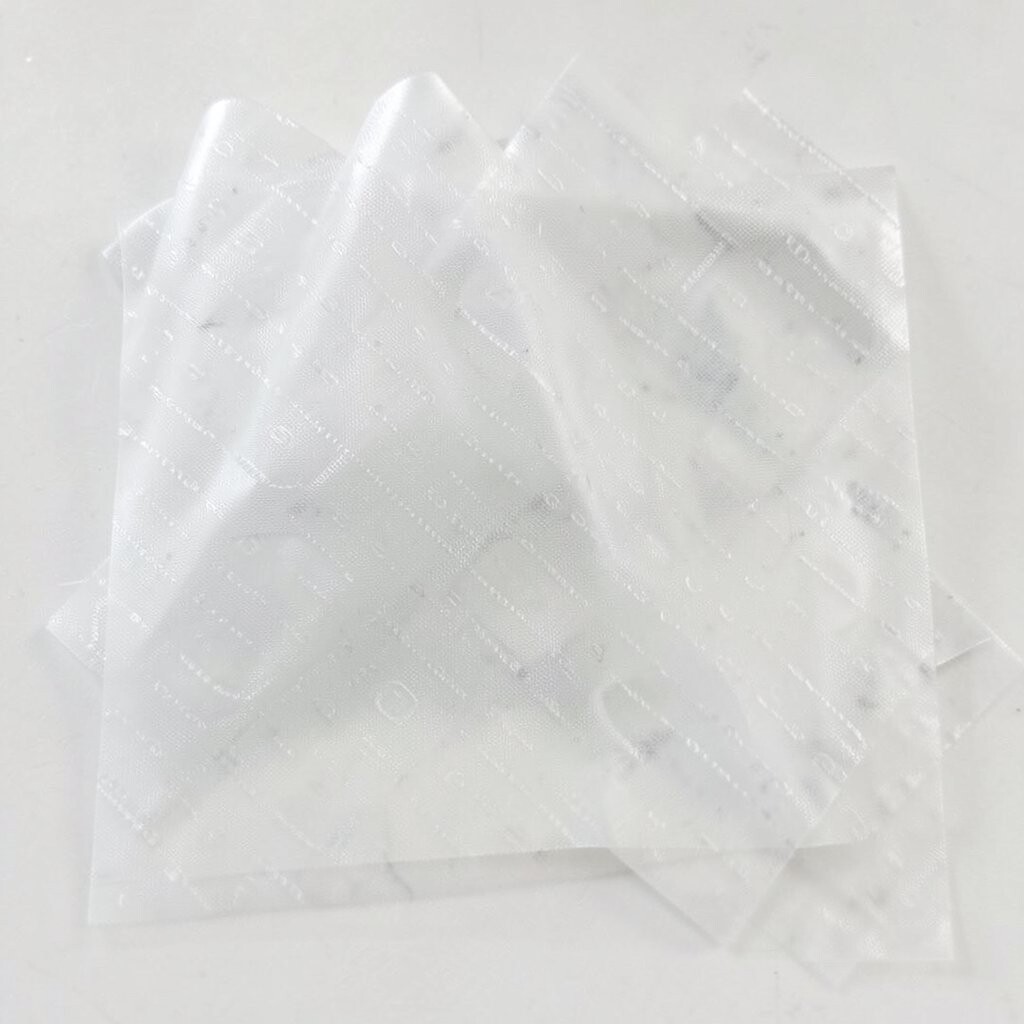
Patterned privacy film sticks to glass and changes a plain pane into a soft screen. It can show dots, lines, leaves, or simple shapes that break up the view while still letting in daylight.
This is one of the easiest and lowest-cost ways to add privacy. It works on windows, shower glass, and glass doors, and many people like it because it can be removed later without much trouble.
You can use a full sheet or just a strip across the center of the glass. If you want a neat look, keep the pattern simple and match it with the rest of the room.
5. Sheer Curtain Layers

Sheer curtains make a room feel soft and calm while cutting down on direct views. They let daylight in, which helps a room stay bright without making it feel bare.
This is a low-cost option that works well in bedrooms, living rooms, and porches. You can hang them alone for a light feel or place them over thicker curtains for more control.
Choose white for a clean look, or try soft gray, beige, or pale green for a warmer feel. If you like a simple trend, use floor-length sheers with plain rods and no heavy trim.
6. Bamboo Slat Panels
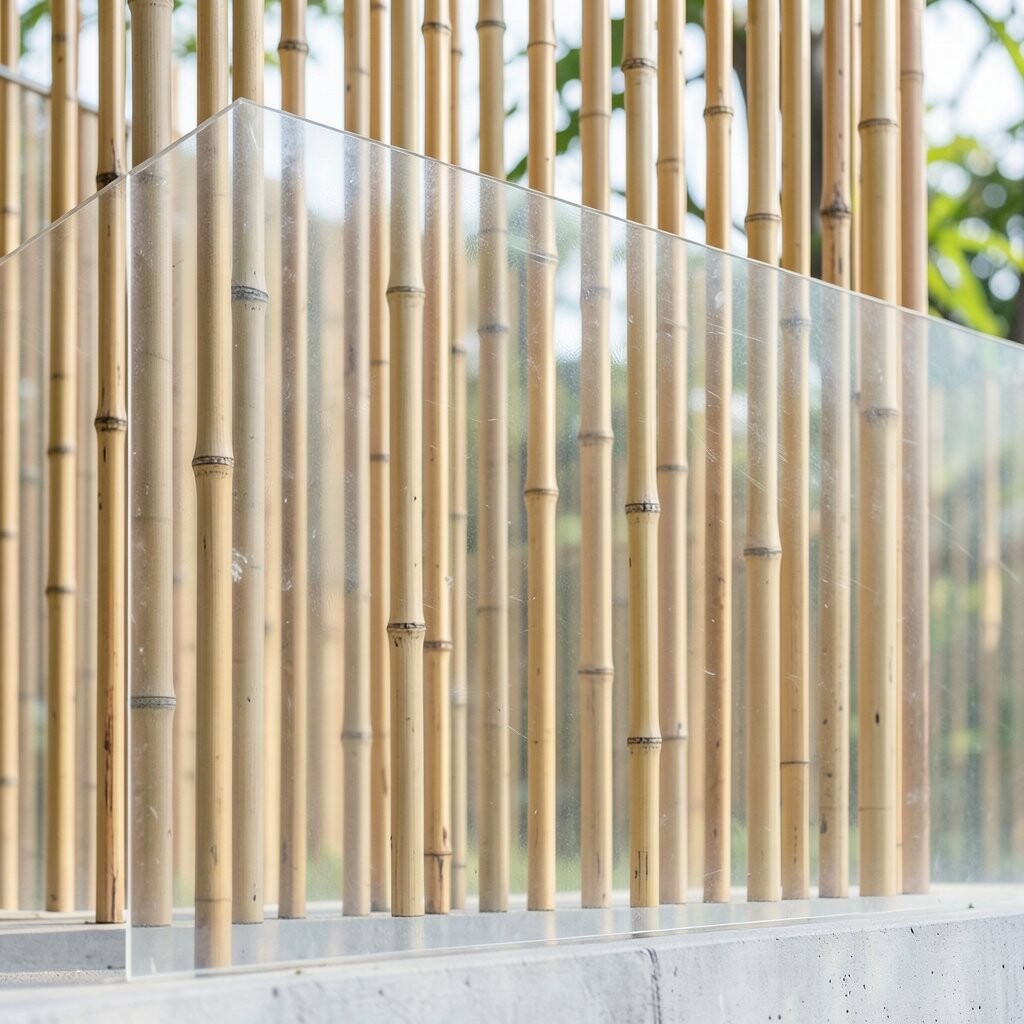
Bamboo slat panels give a natural look with small gaps that soften the view. They add texture to a room and can make a space feel calm and warm.
These panels are often used in home offices, patios, and spa-like rooms. They can be a mid-range cost choice, and they work well if you want something that feels less hard than metal or glass.
You can leave the bamboo in its natural tone or stain it darker for a richer look. For a more personal touch, mix bamboo with fabric or plants to make the barrier feel part of the room.
7. Cane Webbing Partitions
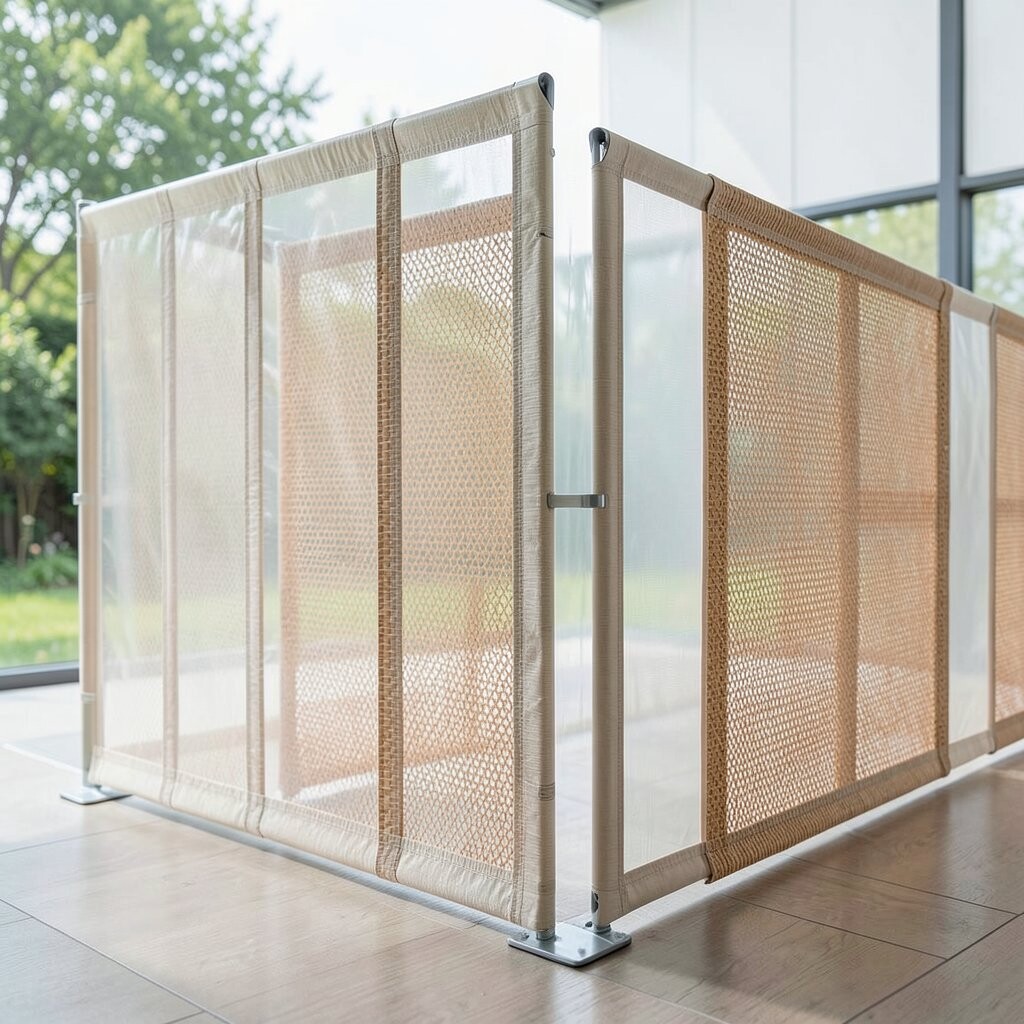
Cane webbing has a woven pattern that gives privacy while still letting some light and air through. It has a warm, handmade look that feels easy and lived in.
This style is popular in chairs, cabinet doors, and room screens. It usually costs less than many custom glass options, and it works well when you want a softer look than solid wood.
Try cane webbing with light wood for a relaxed style or with black frames for a more modern one. It is also easy to mix with other materials, which makes it a flexible choice for many rooms.
8. Etched Window Inserts
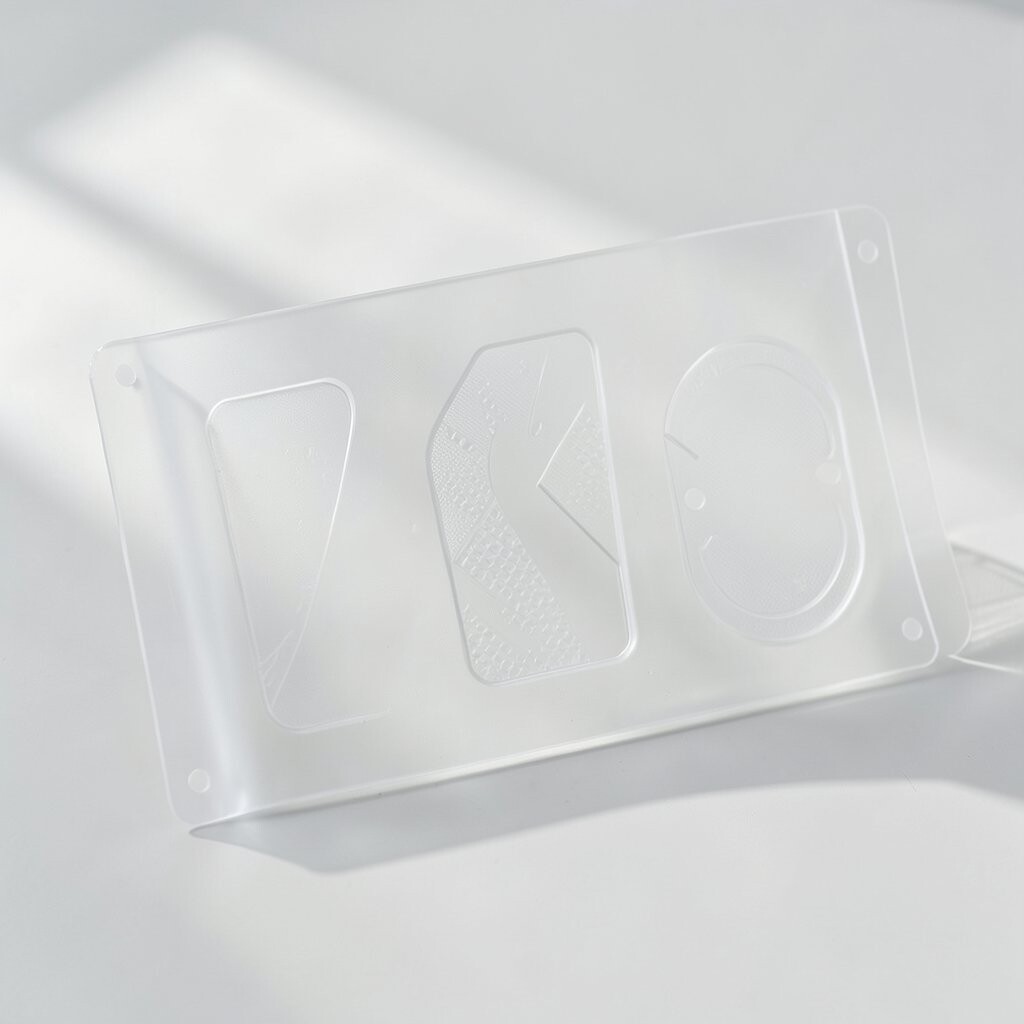
Etched glass has a smooth, carved look that feels more detailed than frosted glass. It can show simple lines, plants, or shapes that give privacy and add quiet style at the same time.
This option works well in front doors, bathroom windows, and side lights near doors. It often costs more than film but can last longer and feel more built in.
You can choose a full etched panel or just a small design in one corner. If you want a personal touch, use a pattern that matches your home style, like leaves, waves, or simple grids.
9. Hanging Bead Curtains
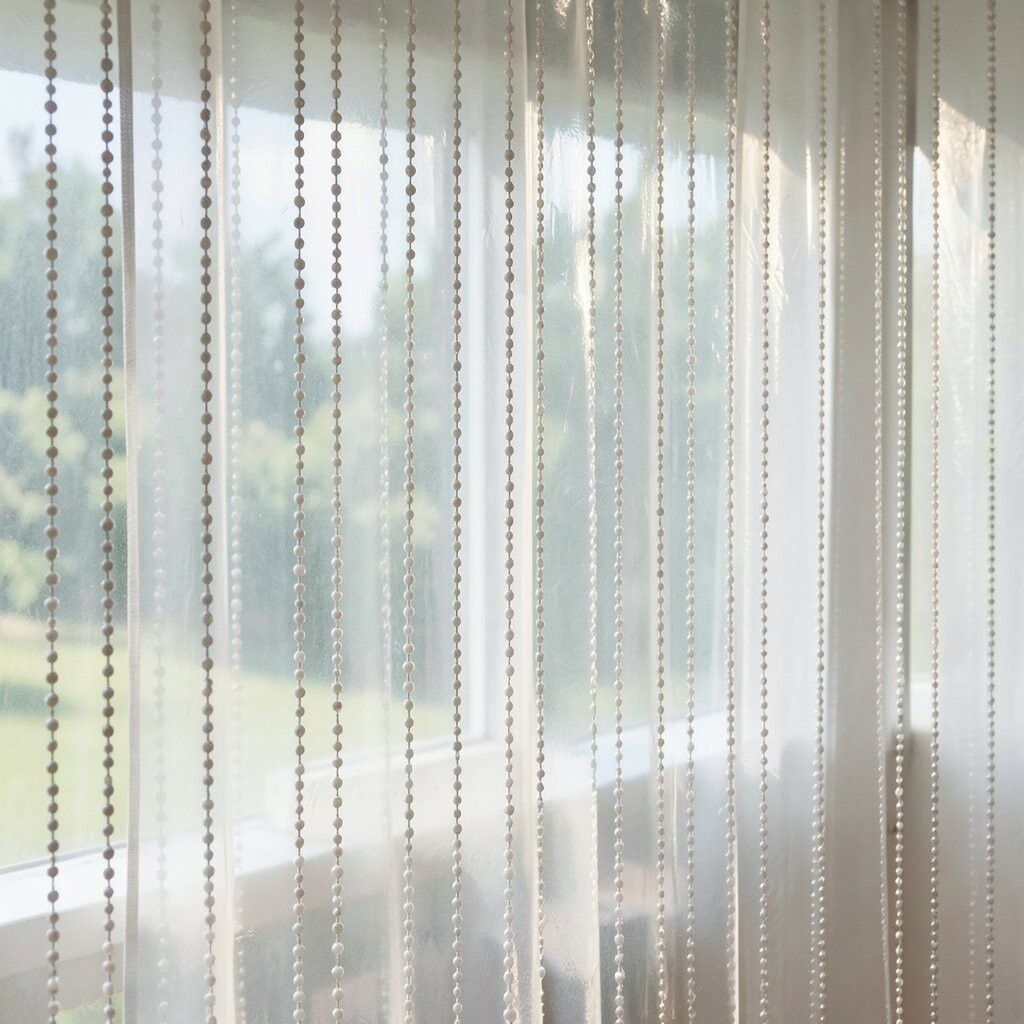
Bead curtains use rows of beads or discs that move a little as air passes through. They break up the view in a light and playful way, which can work well in casual rooms.
This is a low-cost choice that can be easy to hang and replace. It is often used in doorways, craft spaces, and fun room corners where full blockage is not needed.
You can pick wood beads for a natural look, clear beads for a bright style, or colored beads for something more lively. Keep the strands spaced close if you want more privacy and a fuller look.
10. Louvered Wood Screens
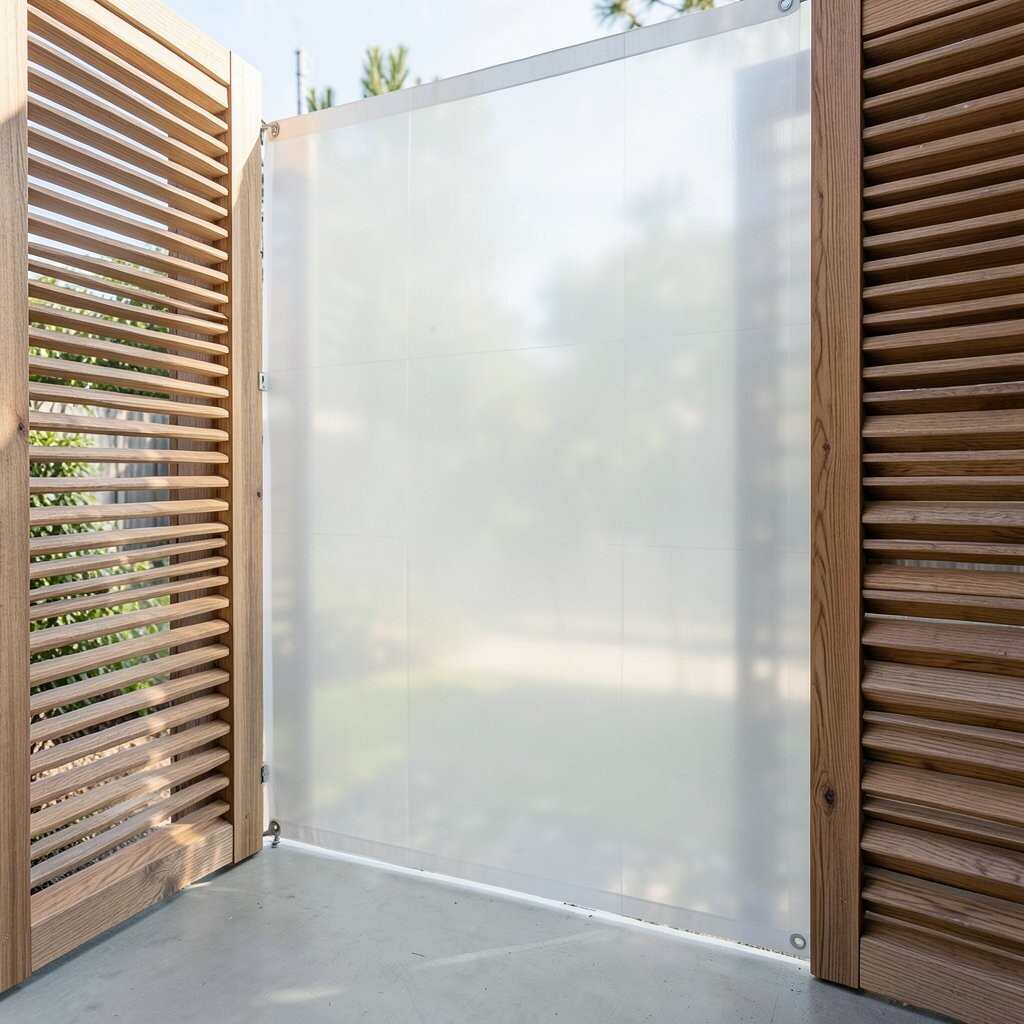
Louvered wood screens use angled slats that block direct views while still allowing air and light to pass. They have a classic look that can feel neat and strong in both old and new homes.
These screens are useful for patios, laundry areas, and small indoor dividers. The cost can range a lot, but simple versions are often easy to find and can be painted or stained to fit your space.
You can paint them white for a clean style or keep the wood tone for a warmer feel. If you want more privacy, place plants or fabric behind the screen to fill in the open gaps.
11. Translucent Polycarbonate Sheets

Polycarbonate sheets look smooth and bright while giving a soft shield from direct views. They are strong and light, which makes them a good option for busy homes or outdoor areas.
This material is often used in sheds, patio walls, and work areas where glass may feel too heavy or fragile. It can be a smart mid-range cost choice, especially when you need a large panel.
Try a clear milky finish for a clean modern look or a lightly textured sheet for more blur. It works well with metal frames and can be cut to fit many custom sizes.
12. Linen Partition Drapes

Linen drapes give a soft and easy look that feels more relaxed than stiff panels. They filter sight lines gently and can make a room feel calm without cutting off all the light.
This is a good choice for bedrooms, studio spaces, and shared living areas. Linen can cost more than basic fabric, but it often looks richer and lasts well when cared for in the right way.
You can hang one panel for a simple look or use several layers for more privacy. Soft earth tones are popular now, but plain white and warm gray still work very well.
13. Sliding Translucent Doors
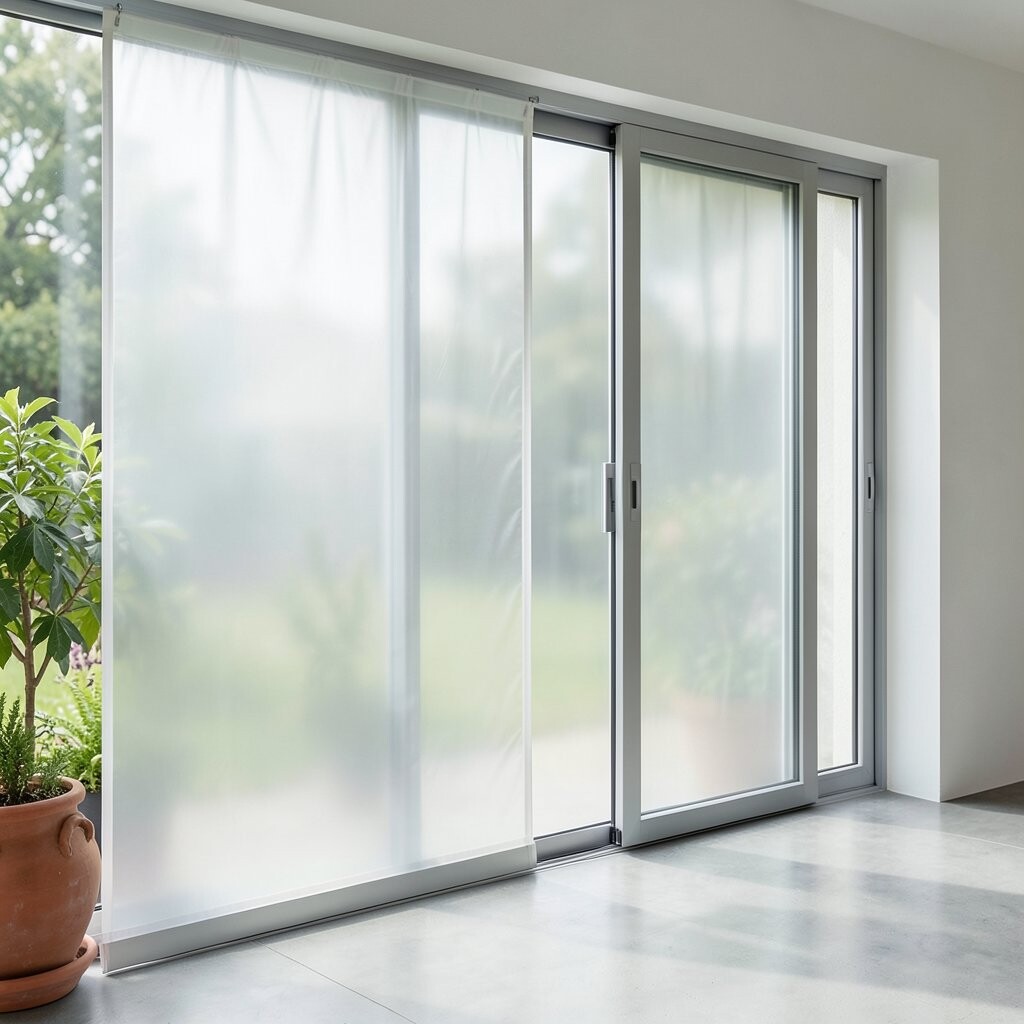
Sliding translucent doors help divide space without needing a full solid wall. They move easily and give a room a neat, open feel while still keeping parts of it private.
These doors are useful in small homes because they save floor space. They can be made from frosted glass, acrylic, or textured panels, and the cost depends on the material and track system.
You can choose a simple frame for a clean look or a bold frame for more style. If you want a personal touch, use a door panel with a soft pattern that matches nearby walls or furniture.
14. Fabric Wrapped Frames
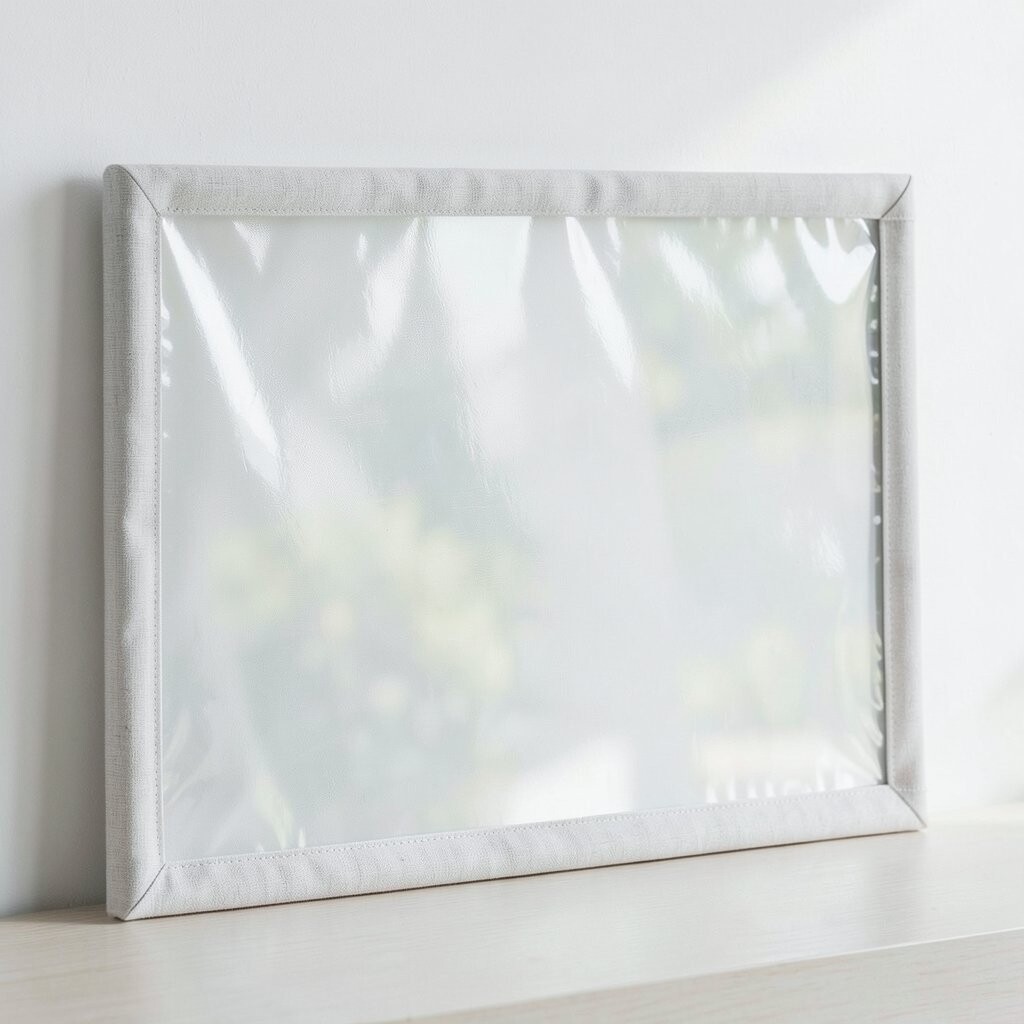
Fabric wrapped frames use stretched cloth over a light frame to make a soft barrier. The fabric blurs the view while adding color and texture to the room.
This is a flexible and often low-cost idea for renters, makers, and small spaces. You can change the fabric later if your style or room colors change, which makes it easy to keep fresh.
Try cotton, linen, or a woven fabric with a tight weave for better privacy. Simple prints, muted solids, and natural textures are all common choices right now.
15. Tinted Clear Panels
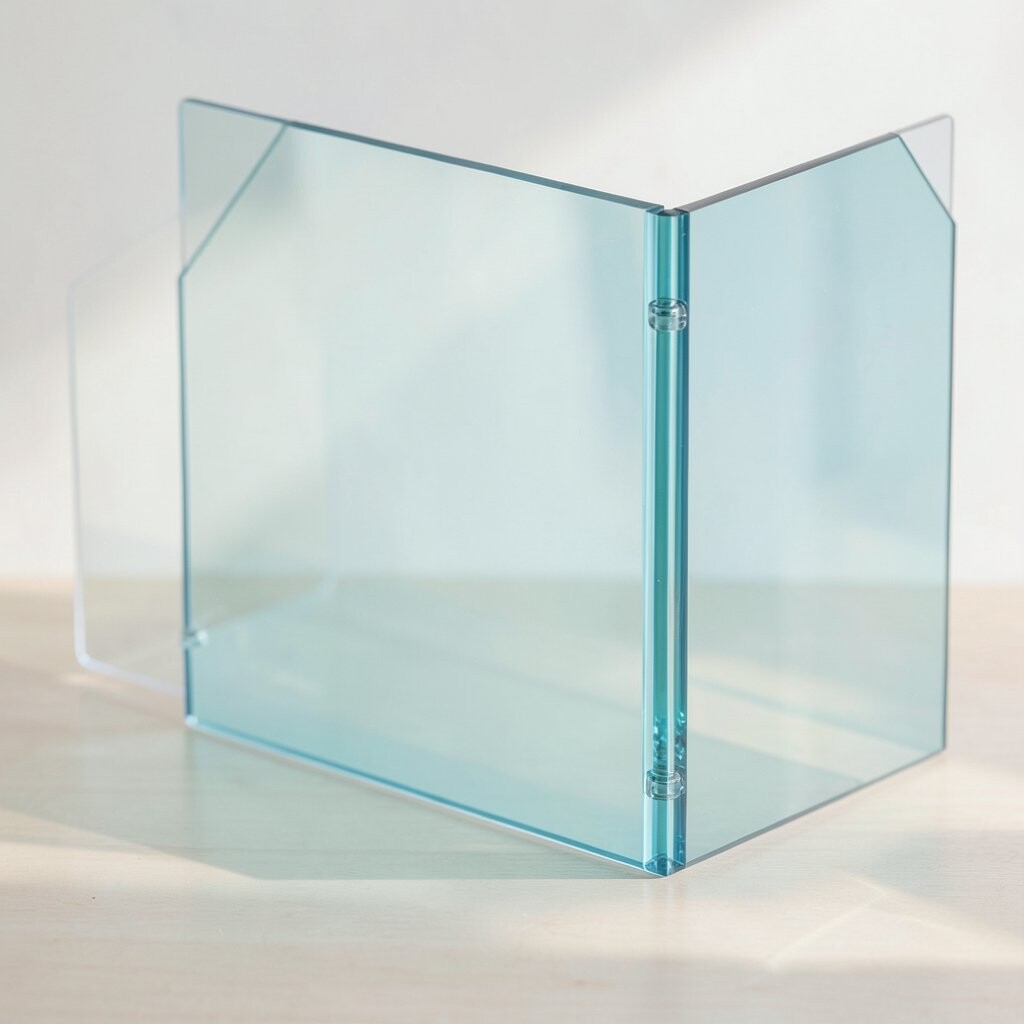
Tinted clear panels have a light color that softens what people can see through them. They can look sleek and modern while still letting in more light than solid walls.
This option works well for balcony rails, office dividers, and shower walls. The cost can be moderate, and the tint can also help cut glare in sunny spaces.
You can choose gray, bronze, or soft blue for a cool look, or warm amber for a cozier feel. If you want a custom result, match the tint with nearby metal, wood, or tile colors.
16. Mixed Material Privacy Walls

Mixed material privacy walls use two or more parts, like glass, wood, fabric, and metal, in one design. This can make the barrier feel more useful and more interesting than a single plain panel.
These walls are a strong trend because they let people balance light, privacy, and style in one piece. They can cost more than simple screens, but they often give a custom look that fits the room well.
You can place clear glass on top and a solid base below, or mix slats with translucent inserts for a layered look. The best part is that you can make it fit your own space, from a soft home corner to a more polished office area.