Leather stitching can change how a project looks and feels. These ideas can help you make clean, useful, and personal pieces with simple tools.
1. Saddle Stitch for Strong Seams

Saddle stitch is a classic choice for leather work because it holds well and looks neat. The line of stitches has a steady, hand-made look that fits bags, belts, and cases.
This stitch is a good pick when you want strength without a big cost. It uses basic tools and thread, so it works well for people who are just starting out.
You can make it look more personal by using waxed thread in brown, black, or red. Many makers still use this style because it feels timeless and fits current handmade trends.
2. Cross Stitch Lacing

Cross stitch lacing makes a bold pattern that stands out right away. The stitches cross over each other, so the edge looks busy and full of life.
This style works well on wallets, straps, and small pouches. It can help cover rough edges and give older leather a fresh look.
It does take more time than a plain seam, but the tools are still simple. You can change the thread color to match your style or make the stitch line pop.
3. Running Stitch for a Clean Line
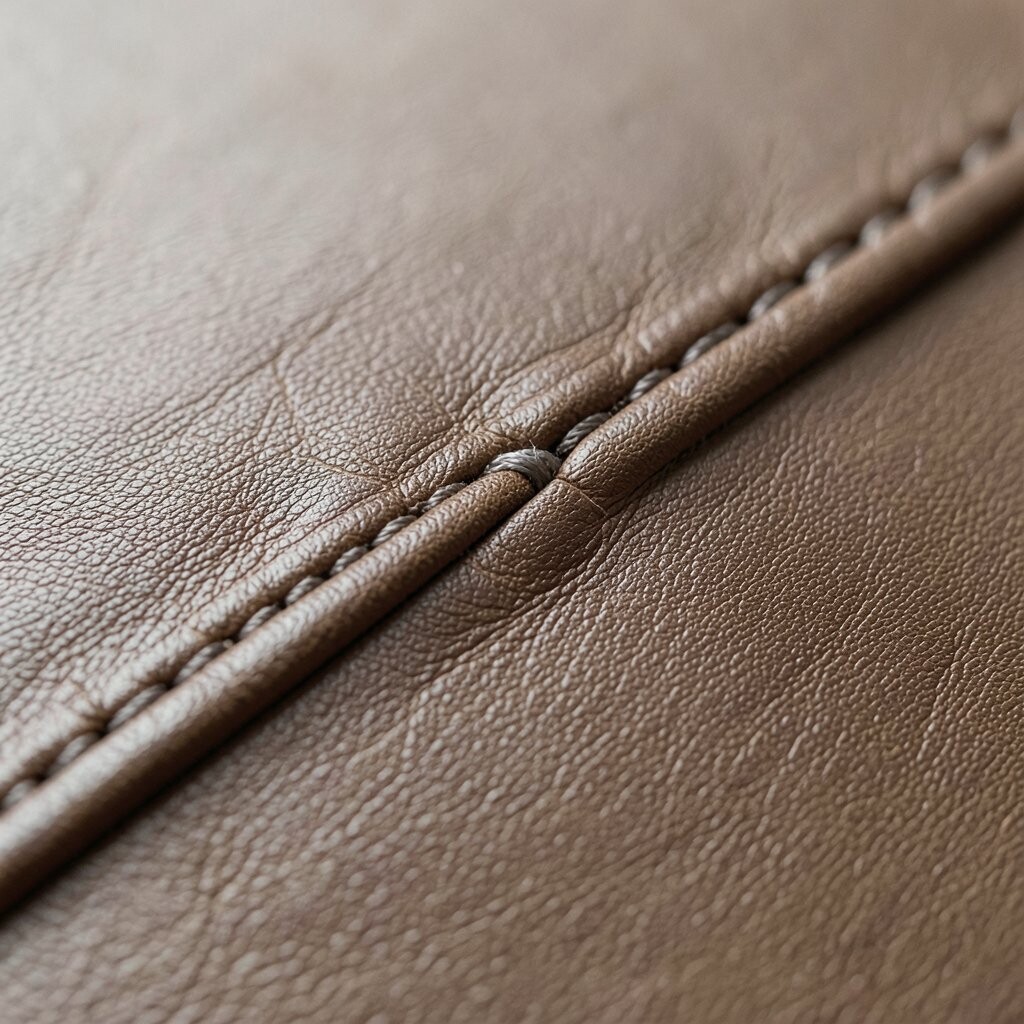
Running stitch gives leather a simple and calm look. The line feels light and neat, which works well on items that do not need a heavy seam.
This is a low-cost choice because it uses less thread and can be done with basic tools. It is also a good way to practice steady hand work before trying harder patterns.
Many people like this stitch for small repairs and light craft work. You can make it feel newer by using bright thread or by placing the stitch line in a visible spot.
4. Whip Stitch Around the Edge
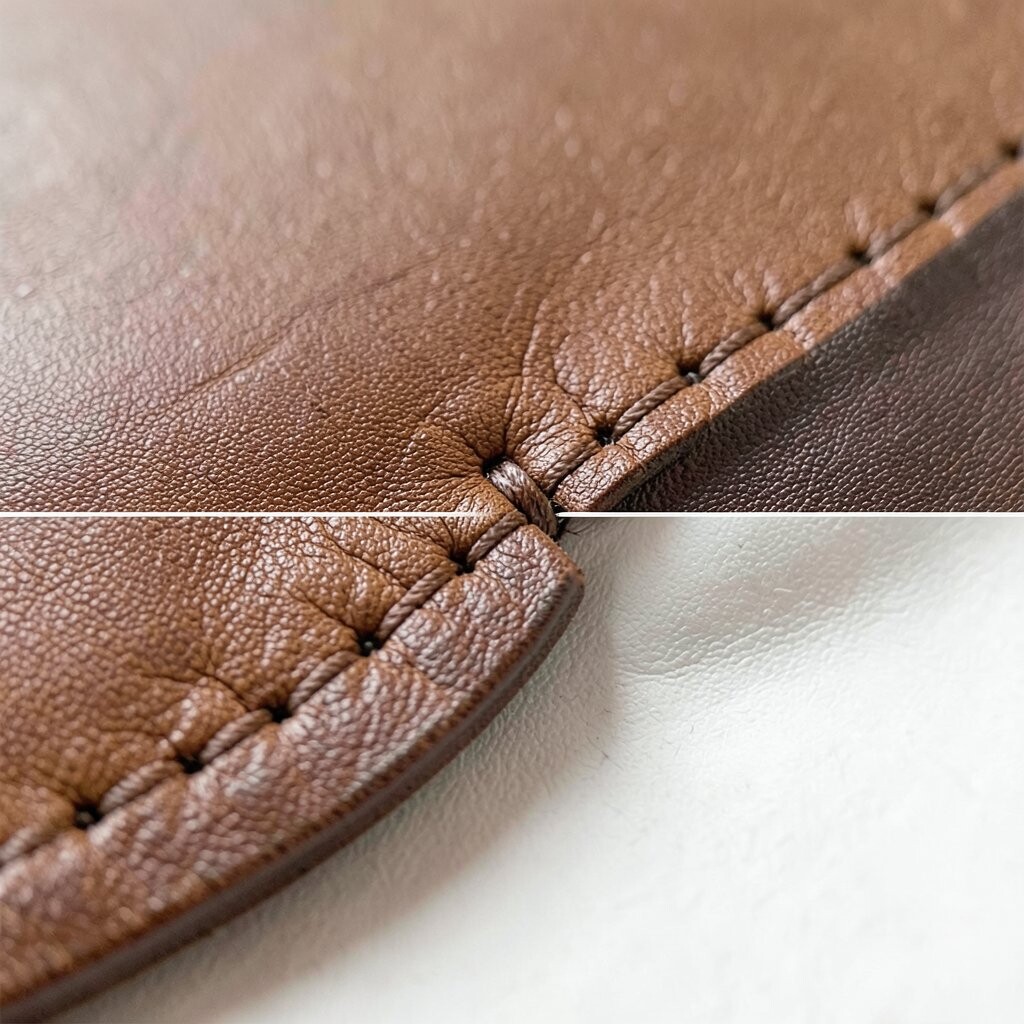
Whip stitch wraps thread around the edge of leather in a simple loop. The result is easy to see and can give a project a handmade edge with a soft feel.
This stitch can help keep layers together while also adding style. It is often used on cases, covers, and small decor pieces where the edge is part of the look.
You can keep it plain for a clean finish or use thick thread for a more rustic style. It is a good choice if you want a fast method that still looks careful.
5. Blanket Stitch for a Soft Border

Blanket stitch gives leather a border that feels neat and friendly. The small loops make the edge look finished without making it feel too stiff.
This stitch can be useful on soft leather items, like covers and craft tags. It also works well when you want the edge to stand out in a simple way.
People often like this style because it looks tidy and has a handmade charm. You can use one color or mix two colors for a more personal touch.
6. Decorative X Stitch

An X stitch adds a bold pattern that looks good on straps and panels. The crossed shape gives the leather a strong visual rhythm.
This is a nice way to make a plain item feel more special without using extra parts. It can also help hide small flaws in the leather edge or seam line.
It is a good fit for people who want a trendier look that still feels simple. You can space the X marks close together or leave more room for a lighter feel.
7. Double Row Stitching
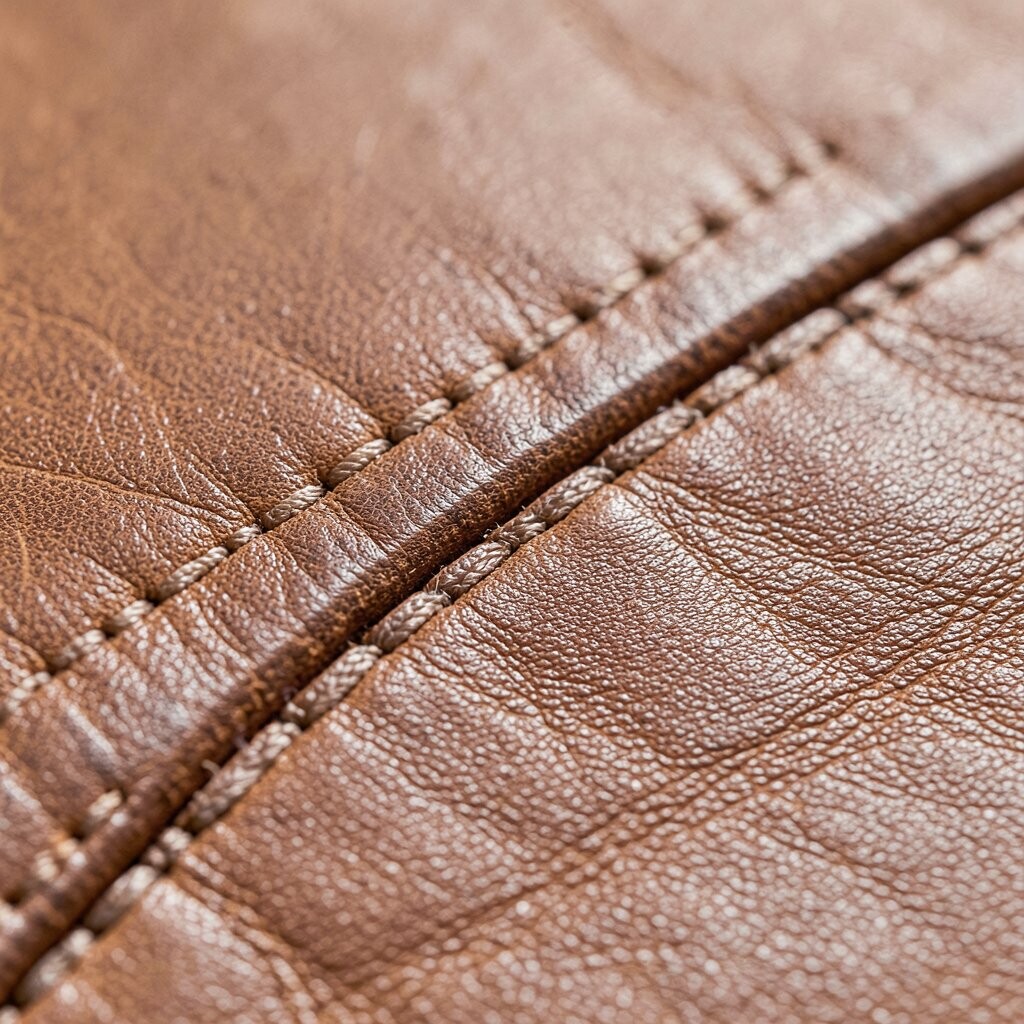
Double row stitching uses two lines of stitches side by side. The look is neat and balanced, and it can make leather goods seem more complete.
This style can help a seam feel stronger and more secure. It is often used on belts, bags, and notebook covers where both style and use matter.
The cost stays fairly low because it mostly needs time and steady work. You can use matching thread for a calm look or a second color for more contrast.
8. Contrast Thread Stitching

Contrast thread stitching uses thread that stands out from the leather color. A light thread on dark leather, or dark thread on light leather, makes the stitch line easy to see.
This is a simple way to add style without changing the whole design. It can make a basic item look more modern and fresh.
Many makers use contrast thread to follow current craft trends. It also helps you check your stitch line more easily while you work.
9. Hidden Stitch Finish

Hidden stitch finish keeps the thread out of sight for a clean and smooth look. The leather seems simple on the outside, which works well for neat, quiet designs.
This style is good for cases, pouches, and items where you want the focus on the shape. It can also help protect the thread from wear.
It may take more care than open stitching, but the final look can feel very polished. If you want a custom style that does not shout for attention, this is a good choice.
10. Saddle Stitch With Thick Thread
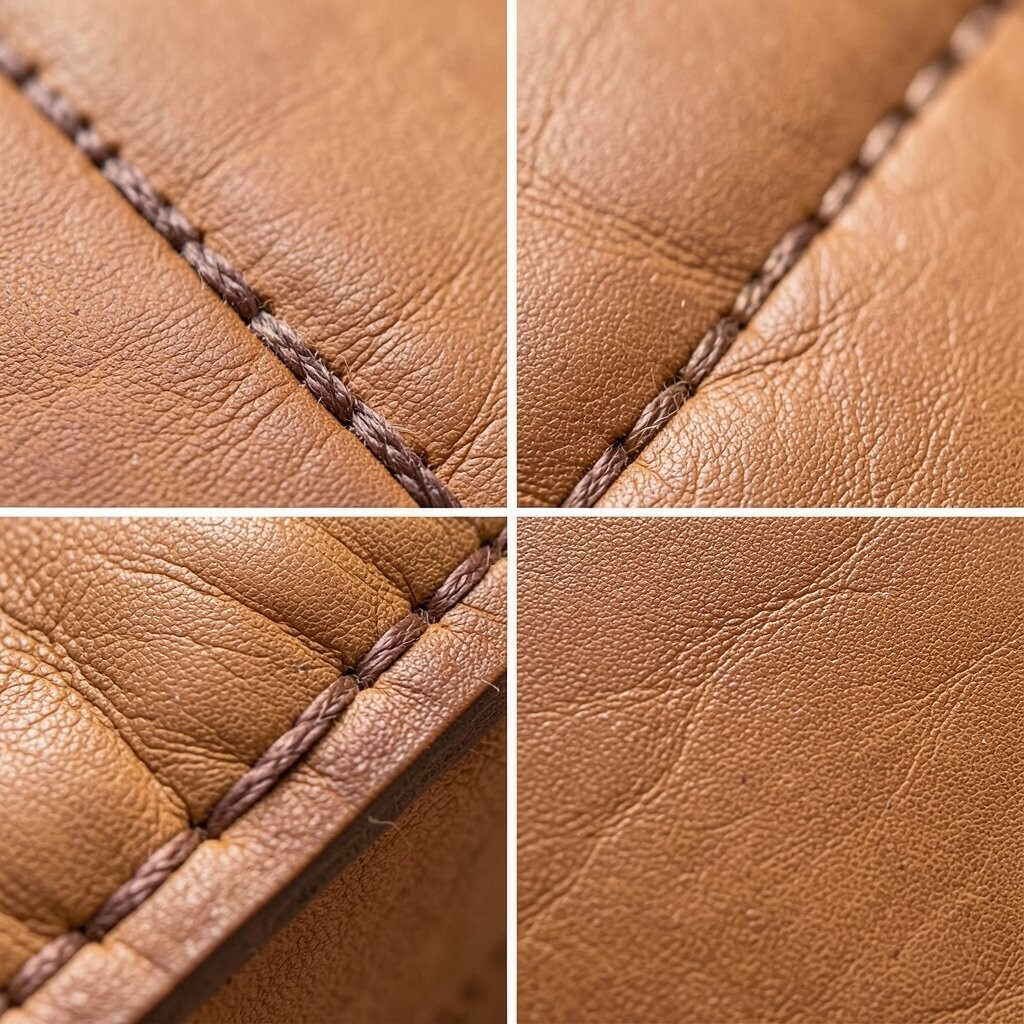
Using thick thread with saddle stitch gives the seam a bold and strong look. The stitches become part of the design instead of staying in the background.
This can help a project feel sturdy and well made. It works well on heavy leather items that need both strength and style.
Thicker thread can cost a little more, but it often gives a better finish on larger pieces. Many makers like this look because it matches the clean, solid feel seen in modern leather goods.
11. Fine Stitch for Small Pieces

Fine stitch is a good choice for small leather items like card holders and key covers. The tiny stitch line looks neat and careful.
This style helps small projects look tidy without adding too much bulk. It can also make the leather bend more easily where needed.
You may need a steady hand, but the tools are still simple. A fine stitch can make a small handmade item feel more special and well planned.
12. Border Stitch Around Shapes
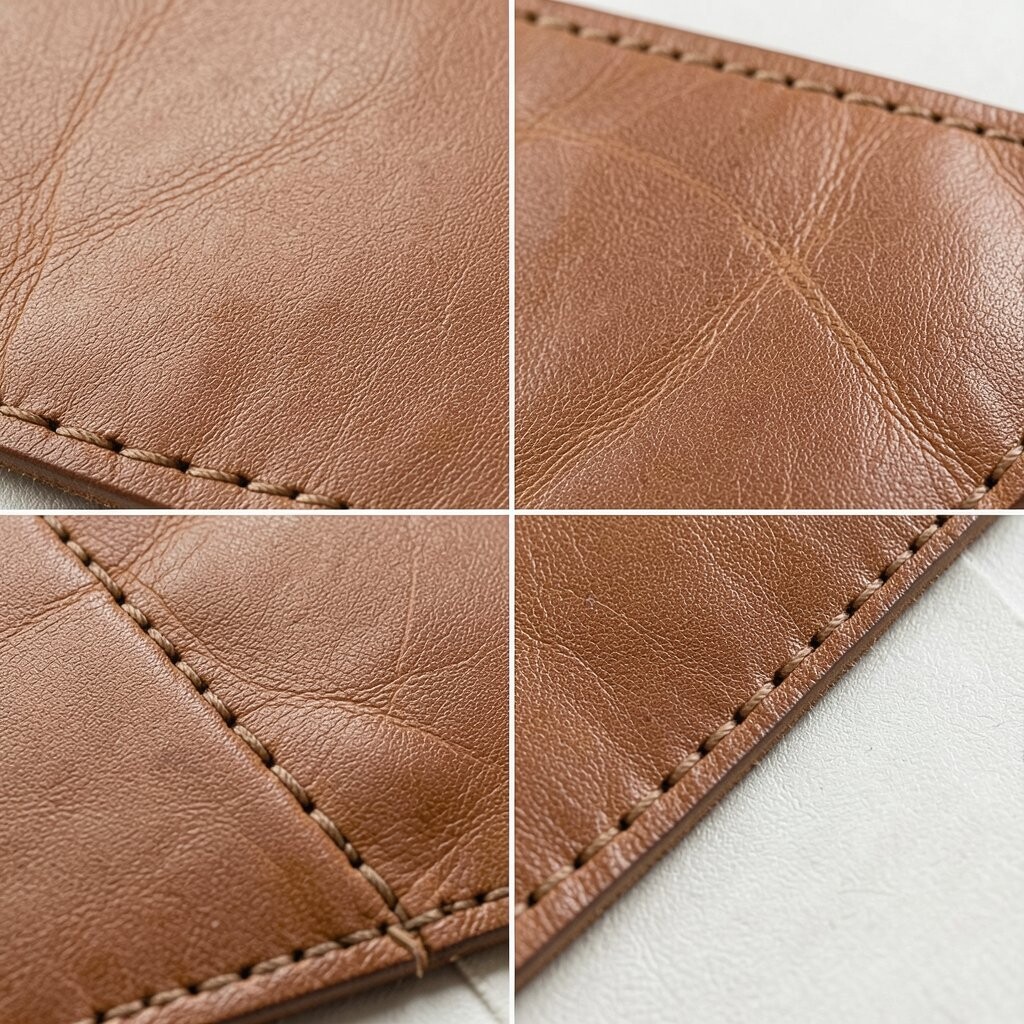
Border stitch follows the edge of a leather shape and frames it in a clear way. It can make circles, squares, and curved pieces look more finished.
This stitch helps guide the eye and can make a simple shape feel more complete. It also gives you a chance to add color or texture near the edge.
Many people use border stitch on patches, covers, and art pieces. It is a nice way to add detail without making the whole item too busy.
13. Zigzag Stitch Pattern
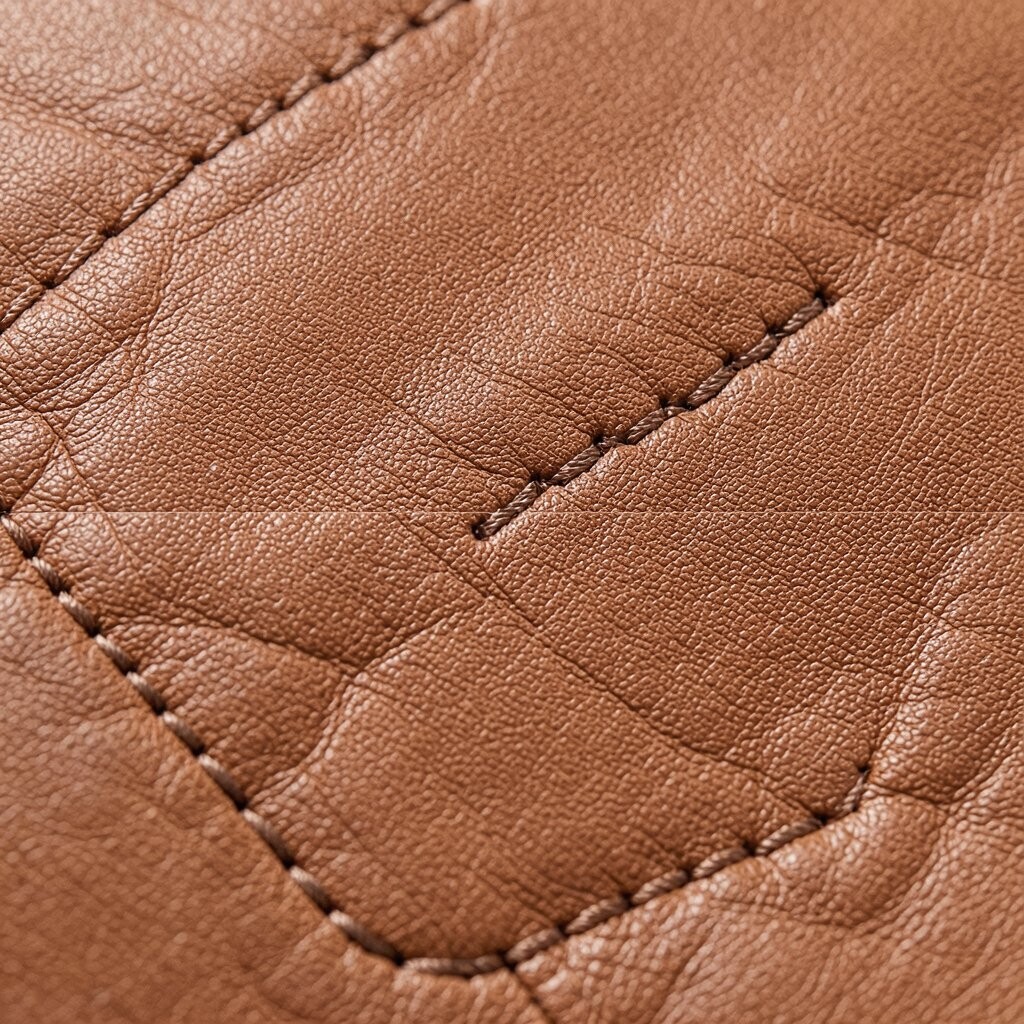
Zigzag stitch brings a lively look to leather work. The angled line has more movement than a straight seam, so it can make a plain item feel more active.
This pattern works well on straps, trim, and decorative panels. It can also help a project stand out in a market full of simple leather goods.
You can make the zigzag wide or tight, based on the look you want. It is a fun option if you want something that feels a bit different but still easy to use.
14. Laced Stitch on the Edge
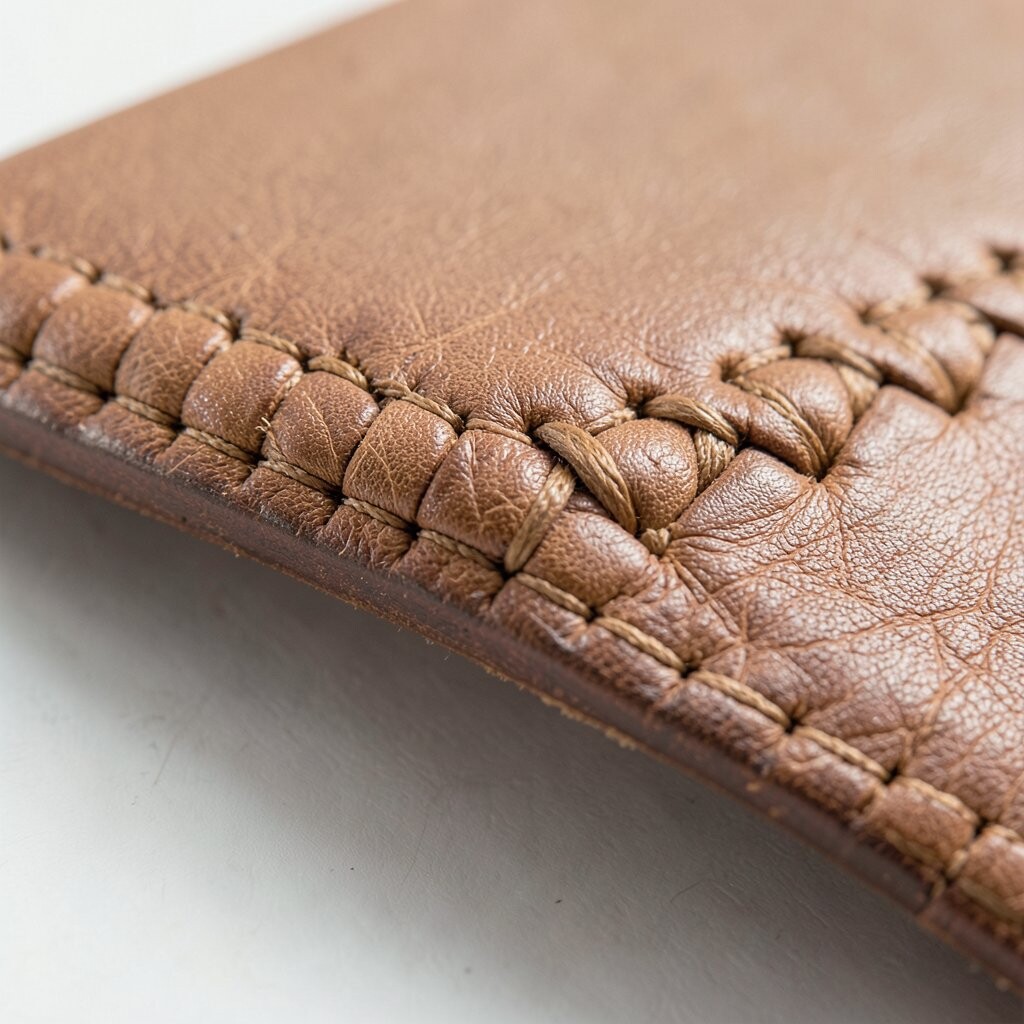
Laced stitch gives leather a classic edge with a strong handmade feel. The thread or lace wraps through the holes and creates a clear border.
This style can help protect edges while also making them look more finished. It is often used on wallets, book covers, and bags that need a tidy frame.
You can use thin lace for a light look or thicker lace for more texture. It is a good way to add style without using many extra parts.
15. Box Stitch for Corners
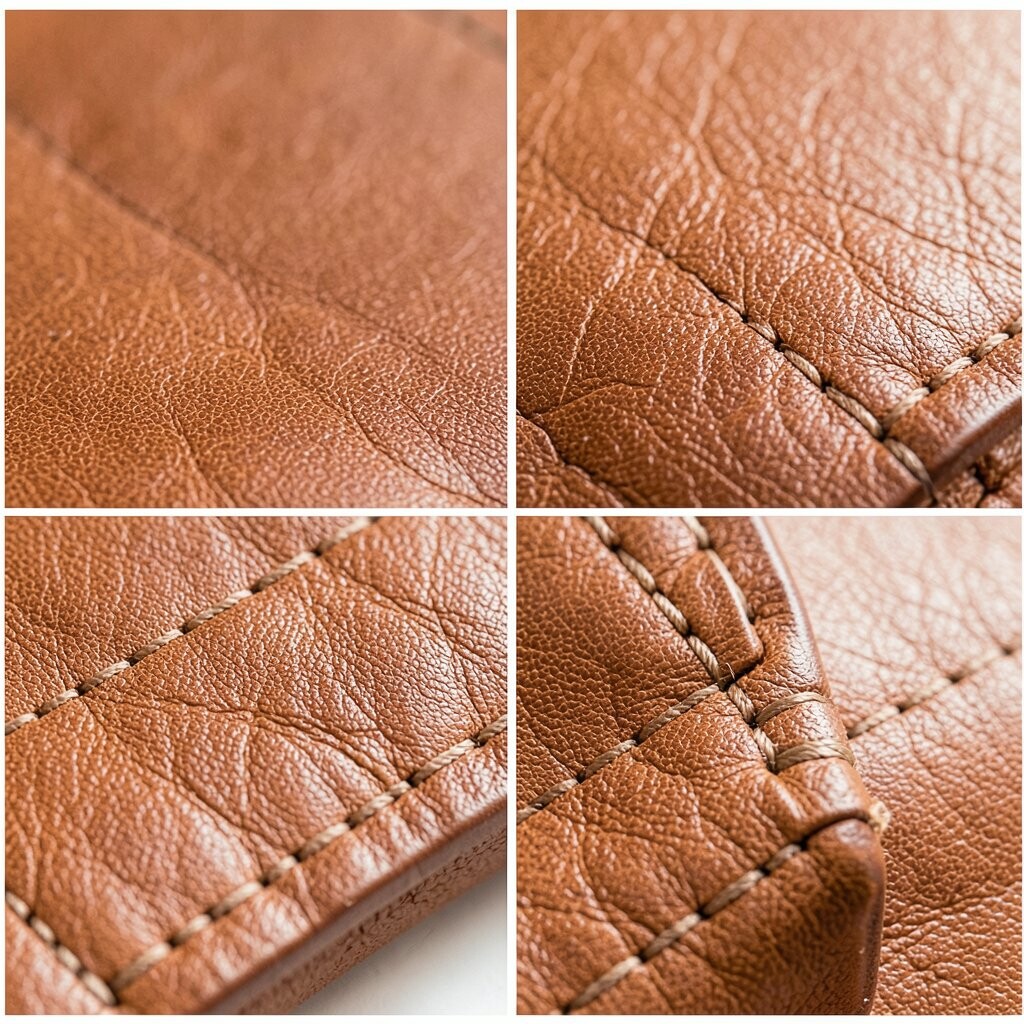
Box stitch is useful when you need a corner that looks secure and neat. The stitch pattern makes the corner feel firm and gives the project a clean shape.
This is a smart choice for cases and small containers. It can help keep the form steady while also adding a tidy design detail.
The look is simple, but it can make a big difference in how finished the item feels. It also works well when you want a clean style that does not cost much.
16. Decorative Spiral Stitch
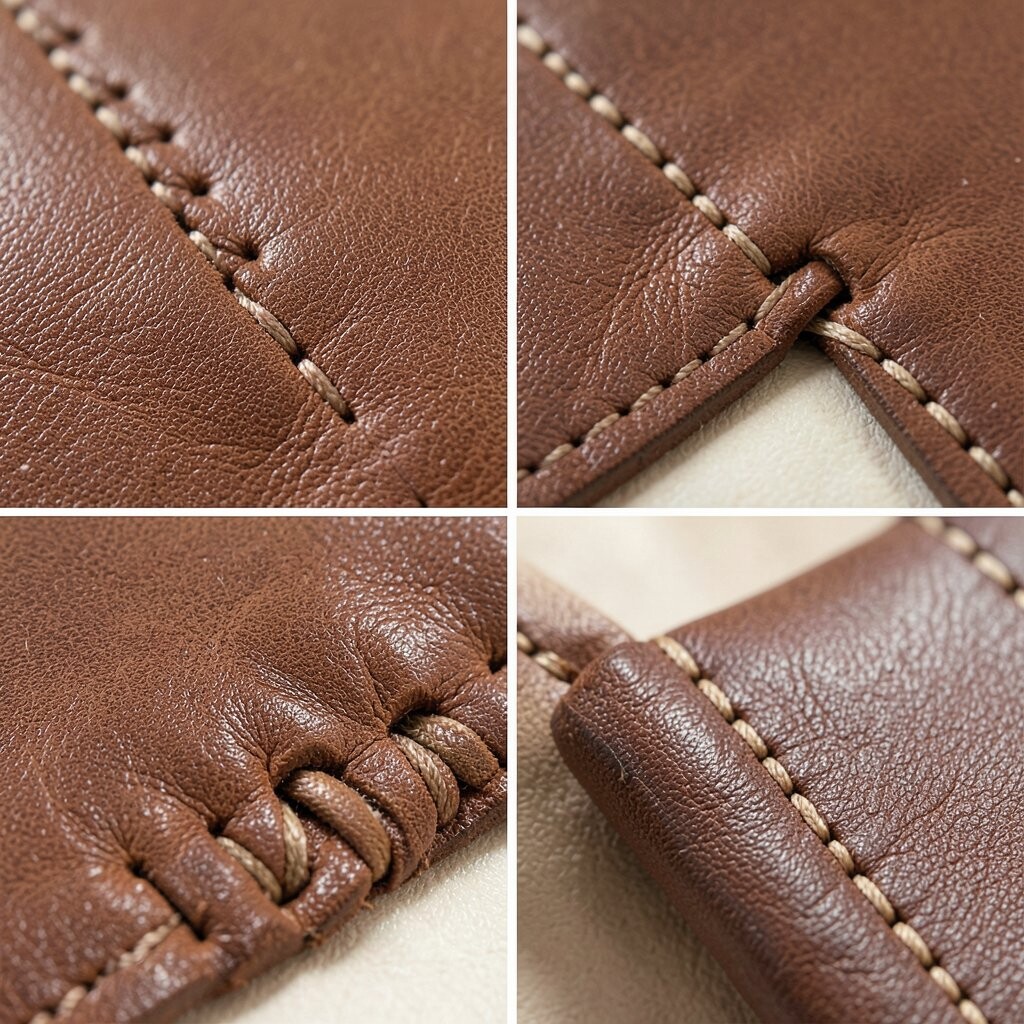
Spiral stitch adds a soft swirl that can make leather look less plain. The curved line feels smooth and can bring a bit of motion to the design.
This style works best on larger flat areas where the stitch pattern can be seen well. It can turn a simple panel into something more unique without much extra material.
People often like spiral details because they feel custom and artsy. You can keep the thread color close to the leather or use a bold color for more impact.
17. Ladder Stitch for a Tidy Join

Ladder stitch makes two edges meet in a neat way. The stitch line can look almost like a small bridge between the sides.
This is helpful for seams that need to stay smooth and close together. It can work well on soft leather items where a flat join matters.
The style is simple, but it can make a project look more careful and well made. It is also a useful stitch to learn if you want to build skill with hand sewing.
18. Edge Stitch With Punch Marks
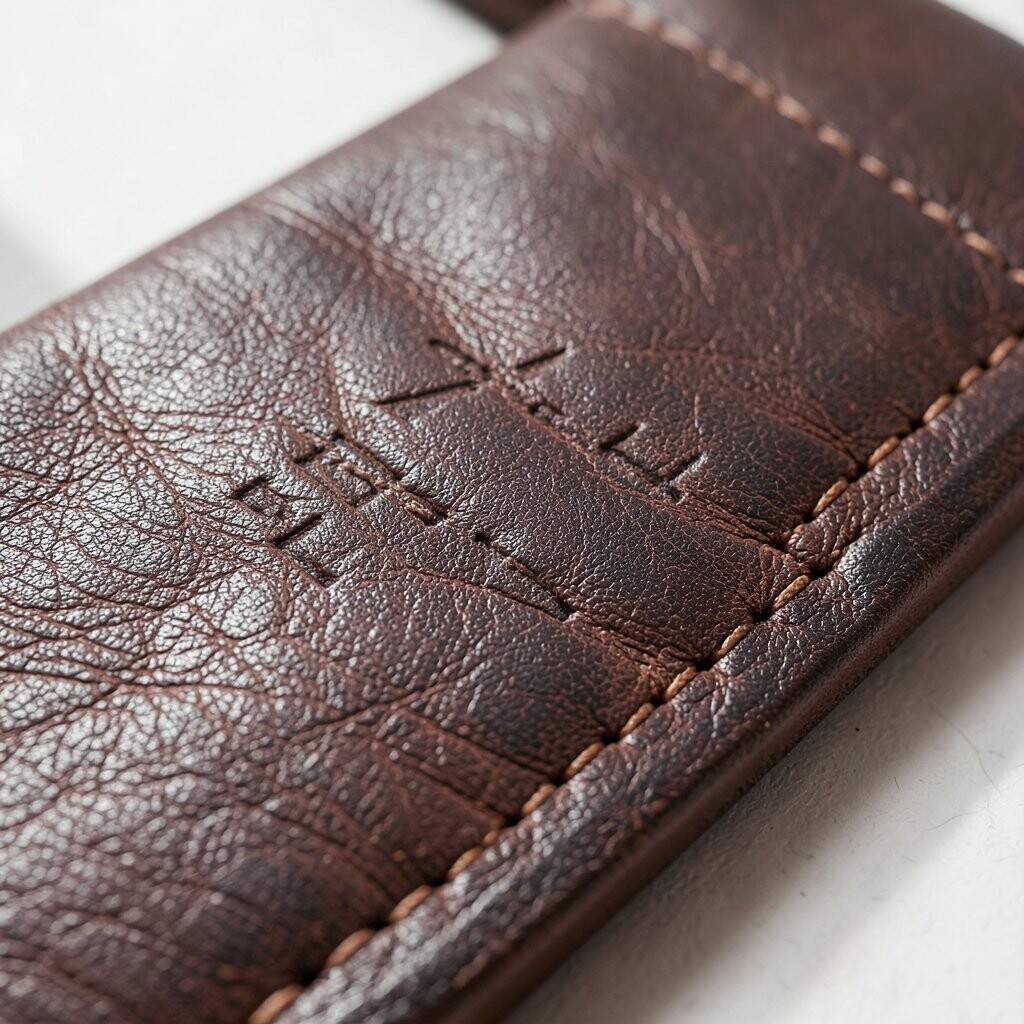
Edge stitch with punch marks gives a clean row of holes near the border. The marks help guide the thread and make the line look even.
This can help a project feel more exact and planned. It is a common choice for belts, straps, and other items where the edge matters a lot.
Using a punch tool can add a small cost, but it often saves time and helps keep the stitch line straight. The result fits well with the neat look many people want today.
19. Herringbone Stitch Style
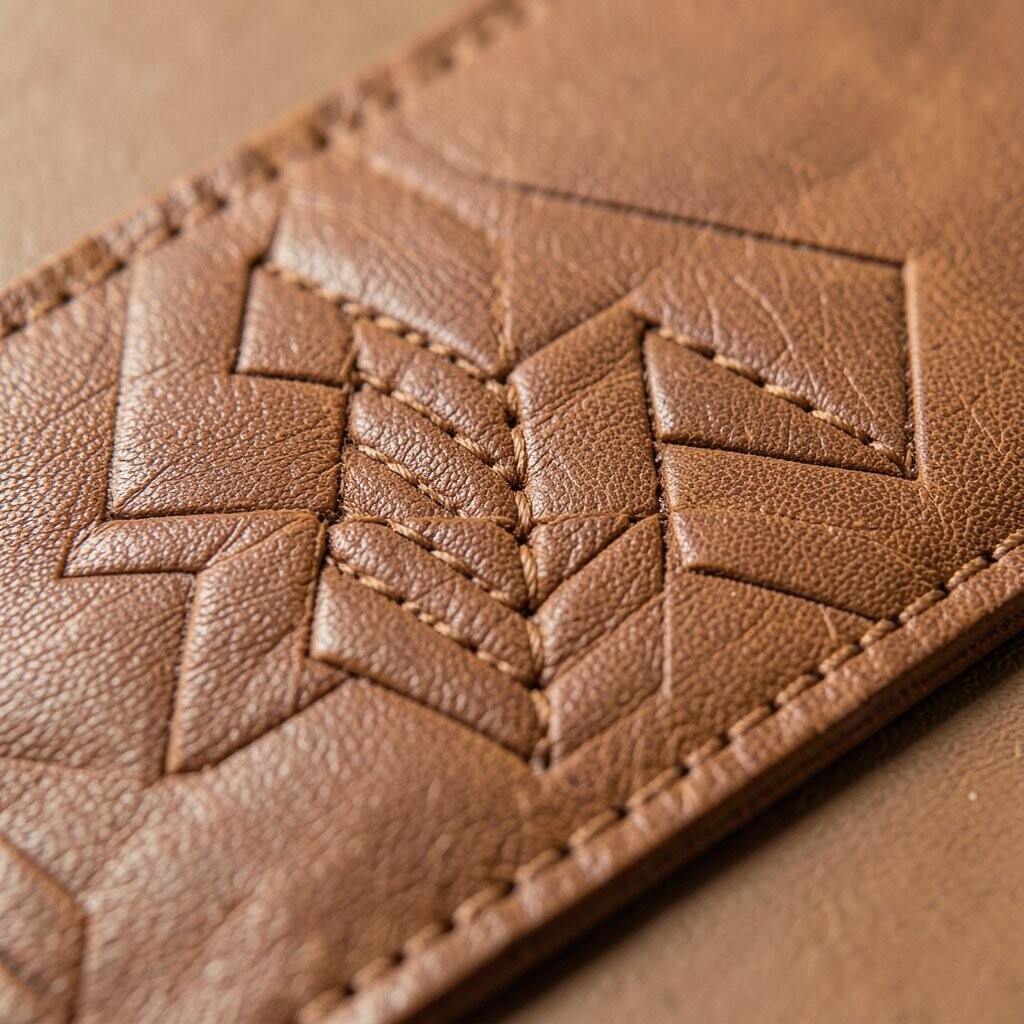
Herringbone stitch gives leather a woven look that feels rich but still simple. The angled lines cross in a pattern that catches the eye.
This style works well on edges, covers, and decorative bands. It can make a plain piece feel more finished and more personal.
Many makers use herringbone when they want a bit more detail without using too many colors. It is a good mix of style, use, and hand-made charm.
20. Split Stitch for a Strong Look

Split stitch makes the thread pass through the middle of older stitches or marked lines. The result is a firm seam with a clear, strong look.
This can be useful when you want the stitch line to feel more solid. It also works well for repairs, since it can blend into older work in a neat way.
The style may take a little more care, but it can be worth it for the clean finish. It is a good choice for people who want both use and a nice look.
21. Beaded Stitch Detail
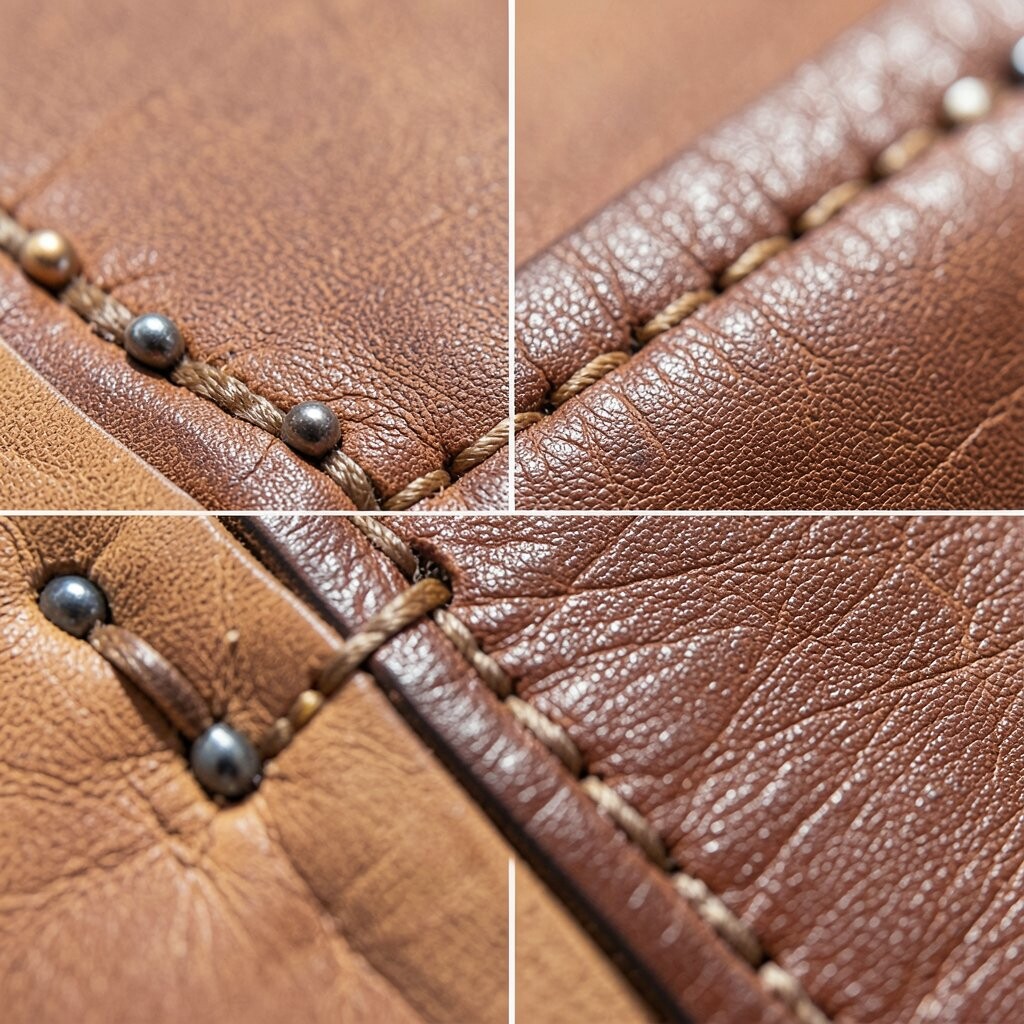
Beaded stitch adds small beads to the stitch line for a more personal touch. The beads can catch the light and make the leather look more lively.
This style works well on bags, straps, and art pieces. It can turn a simple seam into a detail that feels hand-picked and special.
Beads can add a small cost, but you can keep it low by using just a few. Many people like this look because it feels current and lets them show their own taste.
22. Color Block Stitching
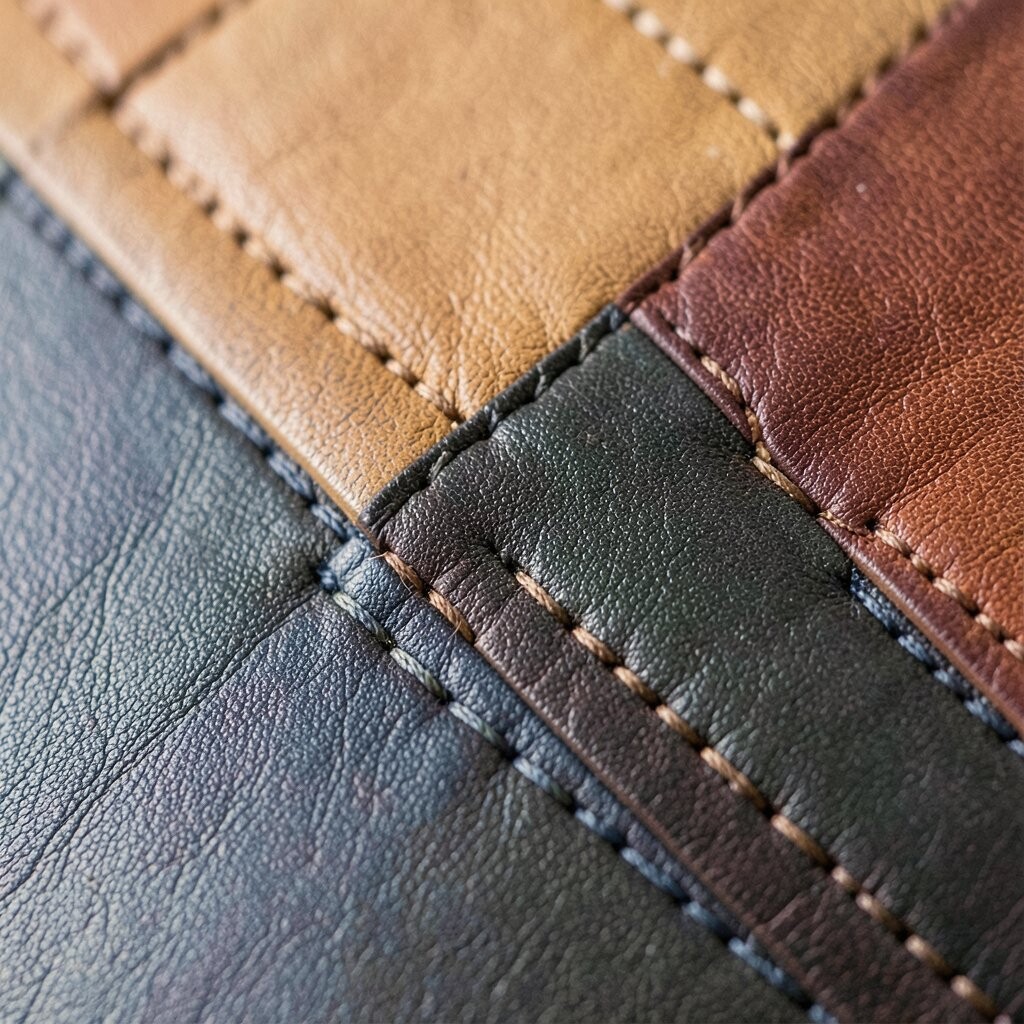
Color block stitching uses thread or stitch sections in different colors. The result can feel bold, clean, and very modern.
This is a good way to make a plain leather item stand out. It can also help you match a bag, wallet, or cover with a favorite outfit or theme.
You can keep the color changes simple or make them bright and playful. This style is popular because it lets people add personality without changing the whole item.
23. Stitching With Waxed Thread

Waxed thread gives leather stitching a smooth feel and a neat finish. It slides well through holes and can help the seam stay in place.
This is a smart choice for items that get used a lot. The wax can also help protect the thread from wear over time.
Waxed thread is easy to find and does not usually cost much. Many makers like it because it works well for both plain and detailed designs.
24. Hand-Sewn Patch Stitch
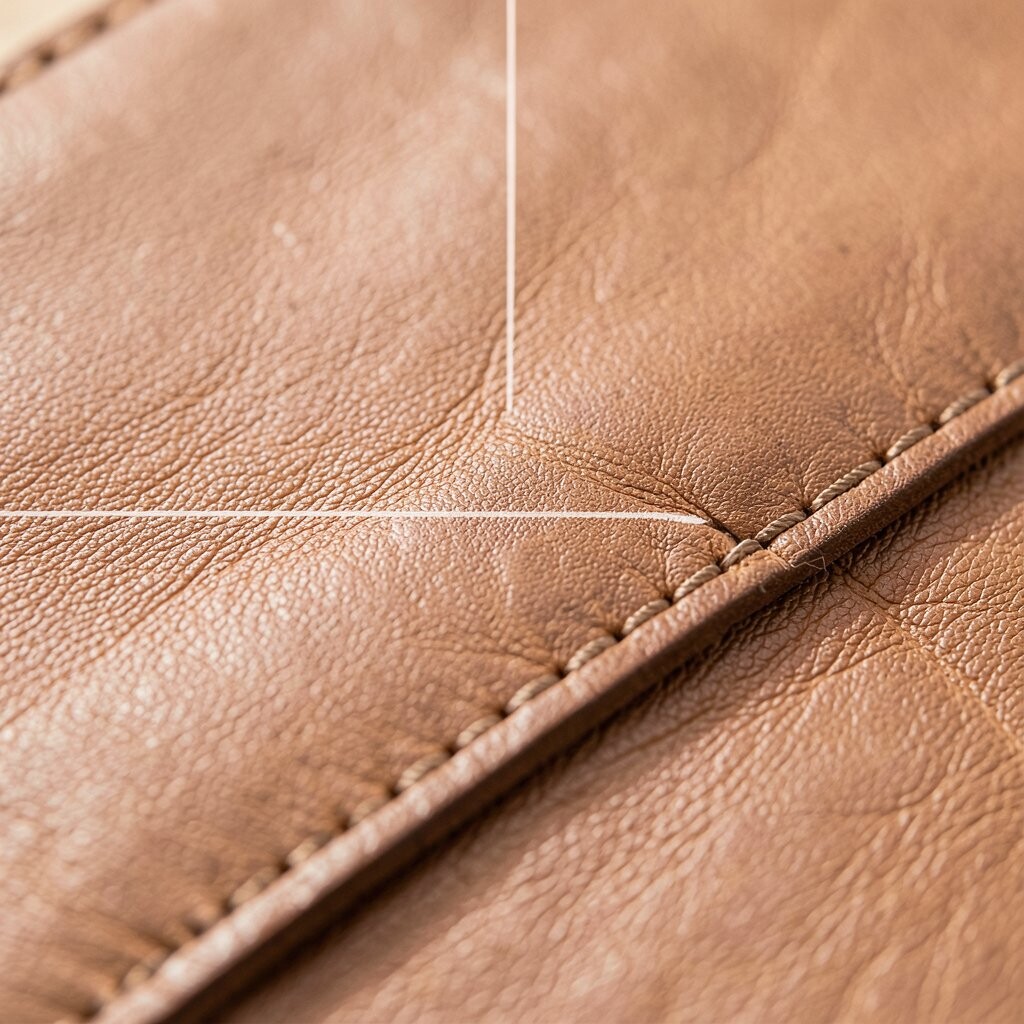
Hand-sewn patch stitch is great for adding a patch to leather or fixing a worn spot. The visible stitches can make the patch look like part of the design.
This is useful when you want to save an old item instead of throwing it away. It can give a bag, jacket piece, or case a new life with very little waste.
You can make the patch blend in or stand out on purpose. This style is also part of the growing interest in repair and reuse.
25. Spiral Hole Stitching
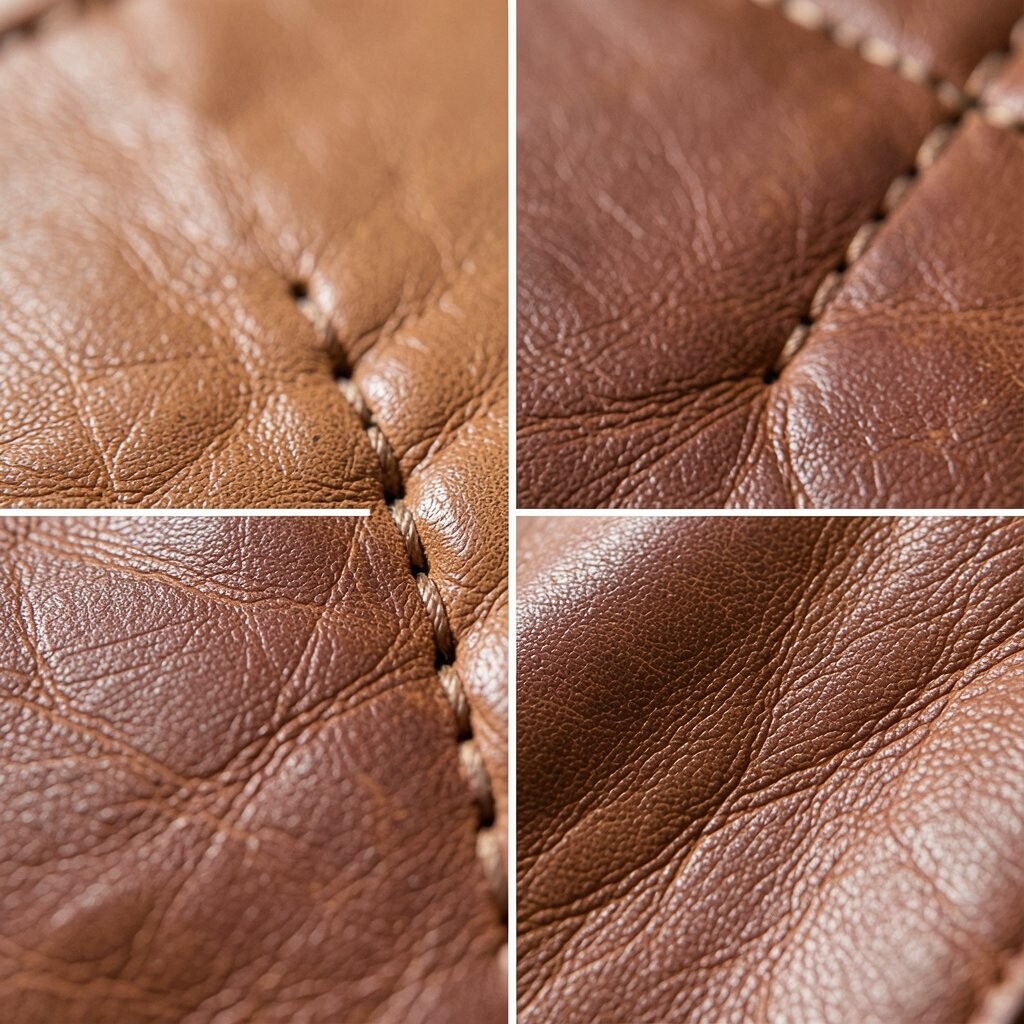
Spiral hole stitching uses holes placed in a curved path, which gives the thread a soft twist. The final look feels different from a straight seam and can add motion to the piece.
This works well on round or curved leather shapes. It can help the stitch line follow the form of the item instead of fighting against it.
The style can look very custom, even when the tools are basic. It is a good way to make a project feel less common and more personal.
26. Diamond Stitch Pattern

Diamond stitch pattern makes a strong visual shape that feels neat and stylish. The repeated diamonds can give leather a polished, planned look.
This pattern works well on larger surfaces like panels, covers, and decorative inserts. It can make the item feel more detailed without needing extra parts.
Many people like diamond stitch because it feels both classic and current. You can use a soft thread color for a calm look or a bright one for more edge.
27. Loop Stitch for Soft Edges
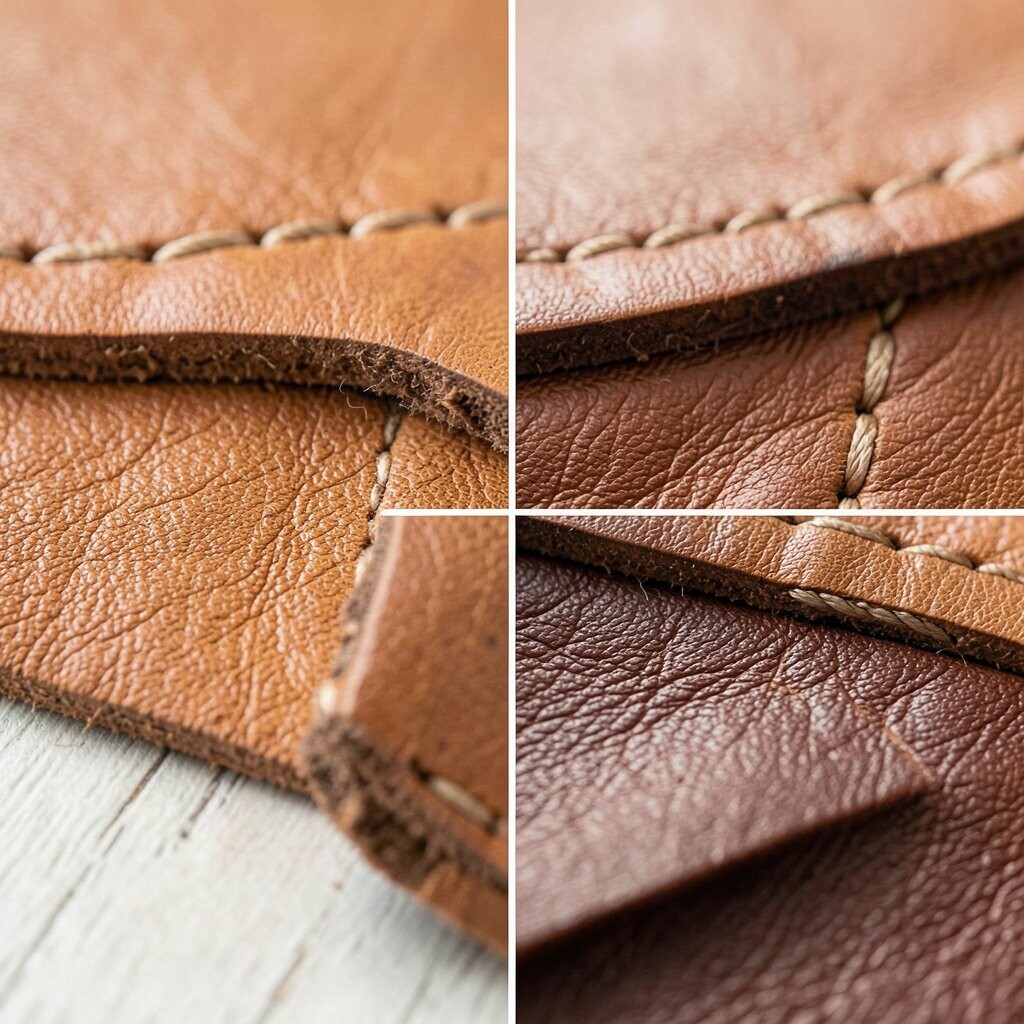
Loop stitch gives the edge a rounded, soft look. The loops can make leather items feel friendly and less sharp.
This is a nice choice for soft cases, journal covers, and small craft items. It can also help hide rough cuts along the edge.
The style is simple, but it adds a lot of charm. You can use it to make a handmade gift feel more warm and personal.
28. Stitching With Mixed Thread Sizes

Mixed thread sizes can make a seam look more lively and less flat. A thin line next to a thicker one can create a nice change in texture.
This is a good way to add detail without adding extra leather parts. It can make the stitch line feel custom and more thought out.
The cost can stay low if you use leftover thread from other projects. This style fits well with makers who like to try fresh looks on simple items.
29. Raised Stitch Detail
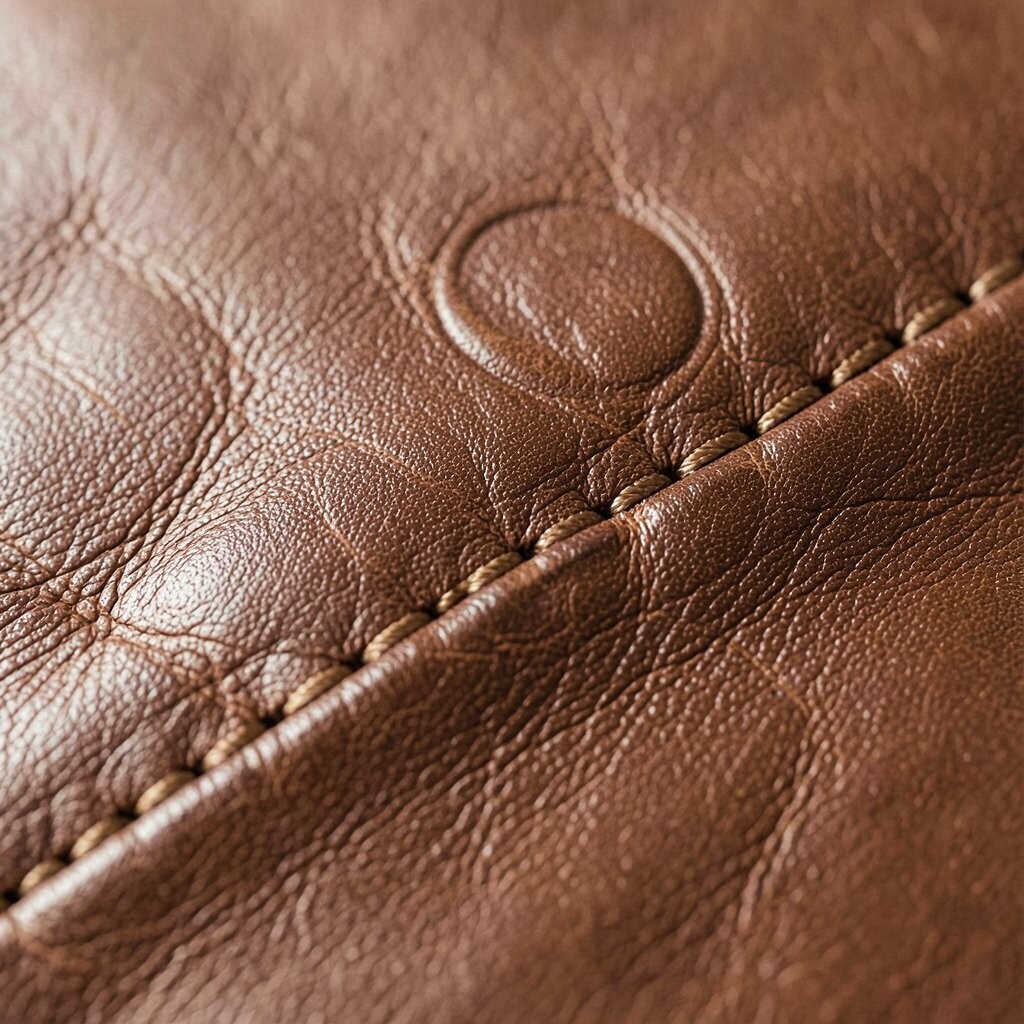
Raised stitch detail sits a little higher on the leather surface. That small lift can make the stitch line easy to see and touch.
This style works well when you want the stitching to be part of the main look. It can add depth to belts, straps, and covers.
Raised stitching can also help a plain design feel more modern. Many people like it because it gives a strong handmade feel without needing extra decoration.
30. Stitching With Natural Tone Thread
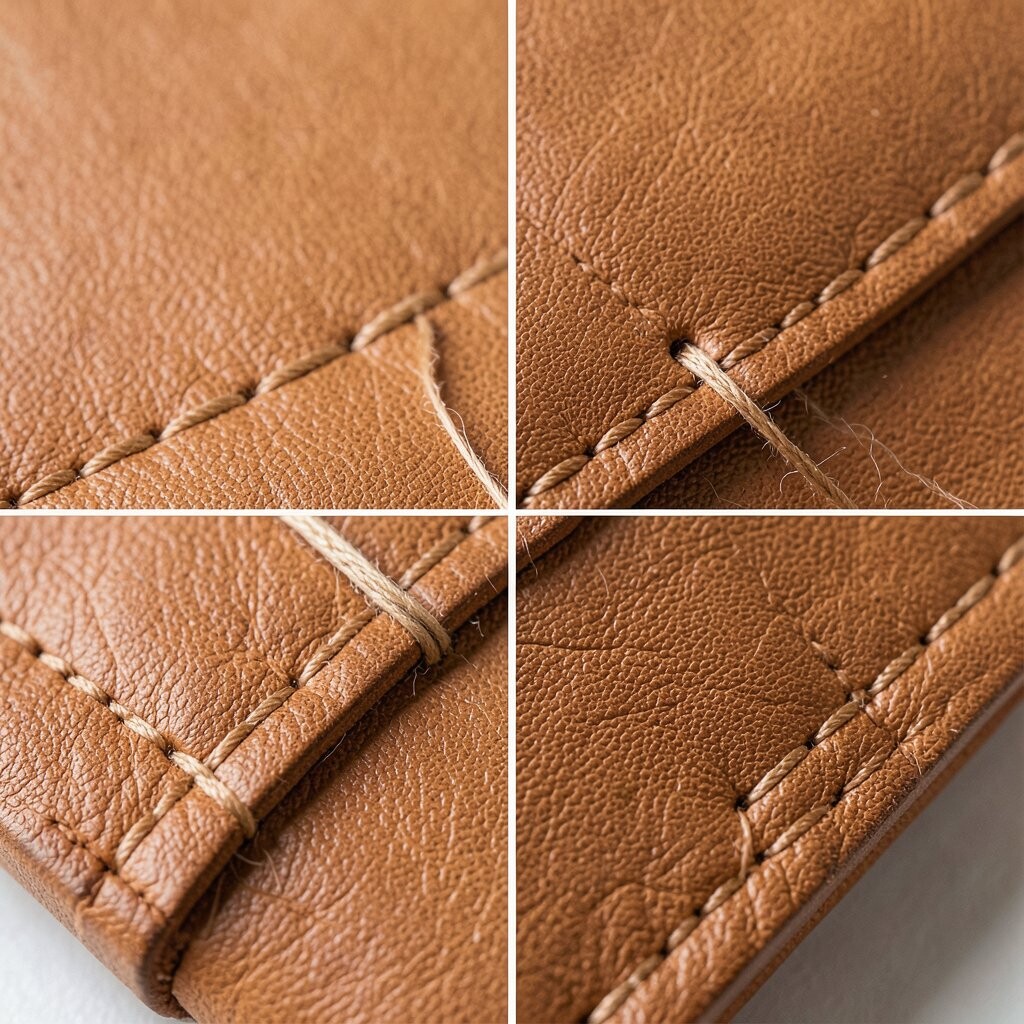
Natural tone thread blends well with many leather colors. It gives a calm and simple look that does not pull too much attention.
This is a good choice for classic items that you want to use for a long time. It can also help small flaws stay less noticeable.
The style is easy to match and often fits a low-cost project. It works well for people who want a clean finish that feels steady and timeless.
31. Bold Border Lacing
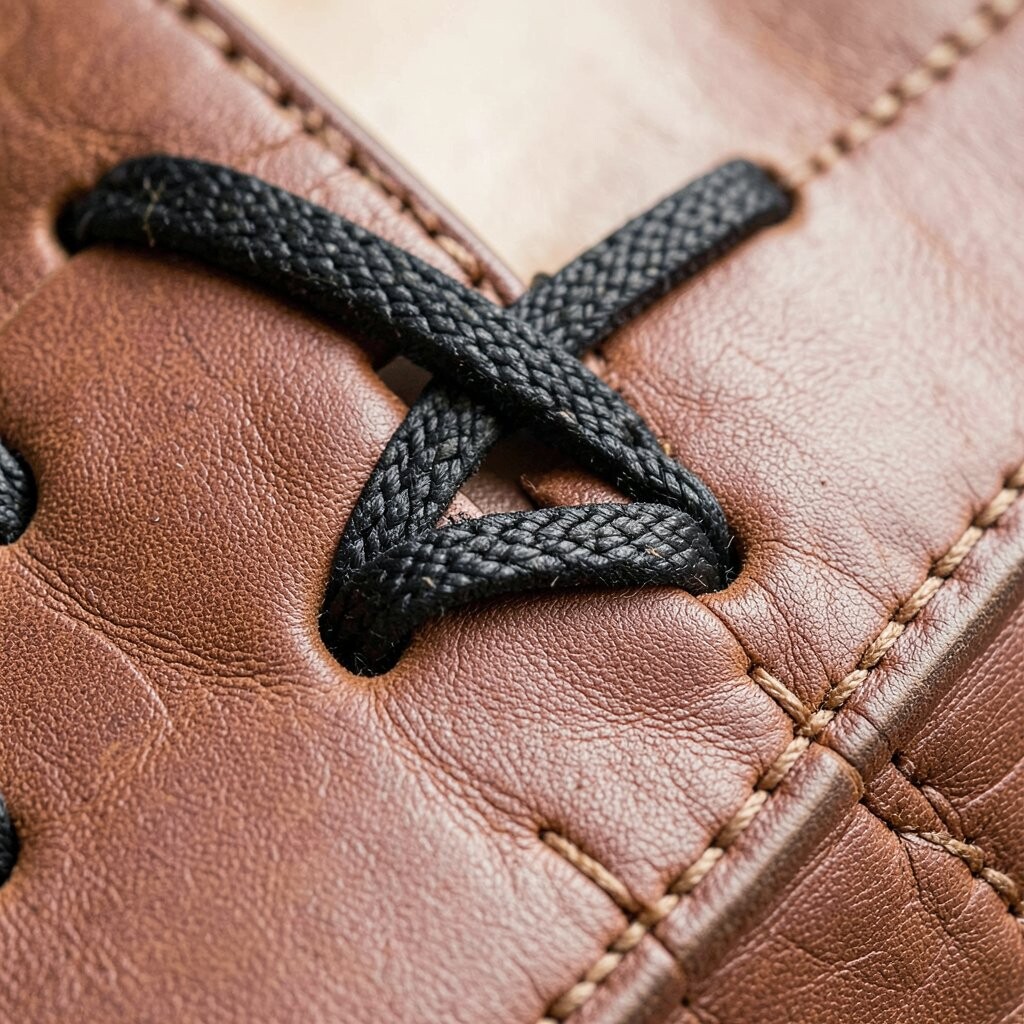
Bold border lacing uses thick lace or cord around the edge of leather. The edge becomes a clear design feature instead of just a finish.
This is helpful when you want the item to look strong and full of character. It can make a wallet, bag, or cover stand out in a simple way.
You can choose a color that matches the leather or one that gives sharp contrast. This style is often seen in handmade work that aims for a rough but neat feel.
32. Stitching With Tiny Gaps
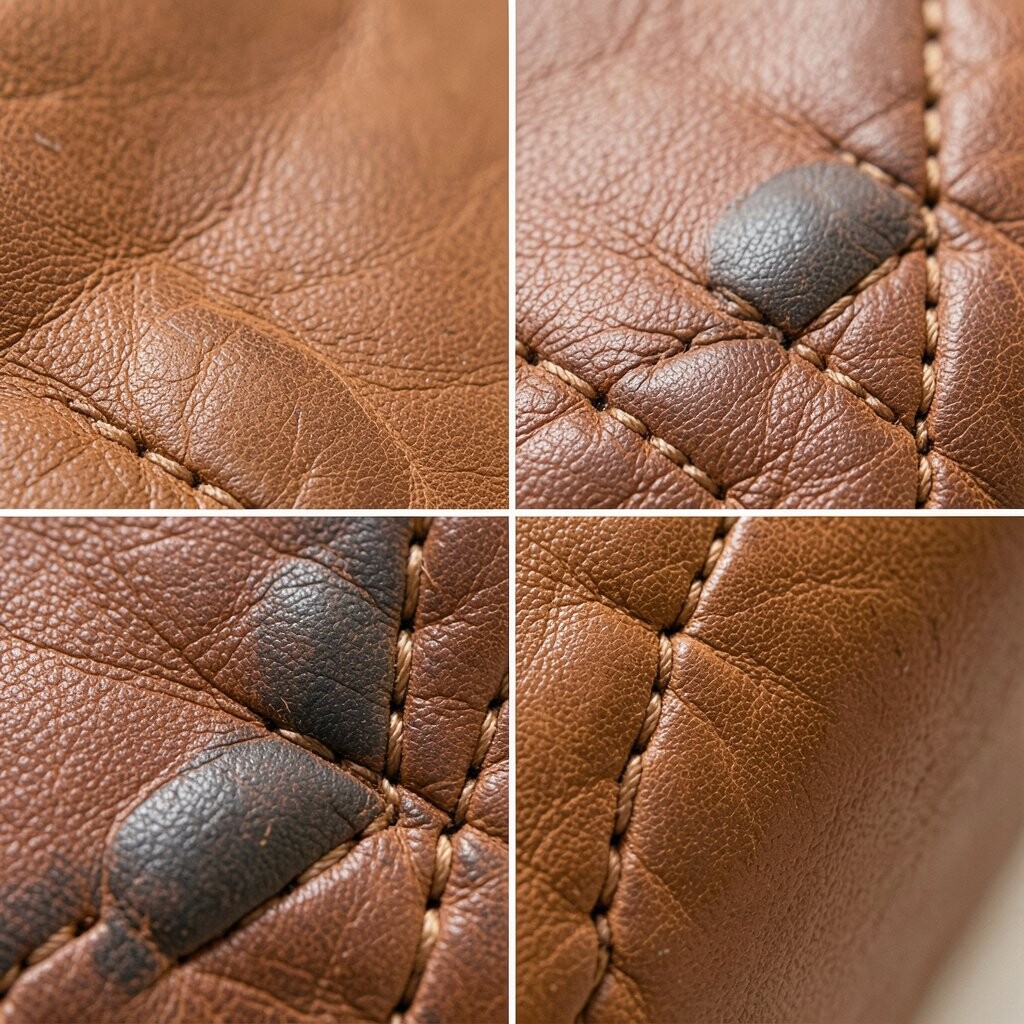
Stitching with tiny gaps gives the seam a light and airy look. The space between stitches can make the line feel less heavy.
This style works well on small items or soft leather where a full seam may feel too busy. It can also help save a bit of thread.
Many makers use this look when they want a quiet, simple style. It is a good way to keep the project clean while still showing hand work.
33. Stitching With Tight Spacing

Tight spacing makes the stitch line look firm and even. The close stitches can give the leather a more finished and careful feel.
This style is useful on items that need extra hold or a more polished look. It is often seen on belts, cases, and daily-use goods.
The close spacing can take more time, but the result often looks worth it. It is a strong choice for people who want a neat and current look.
34. Decorative Corner Wraps
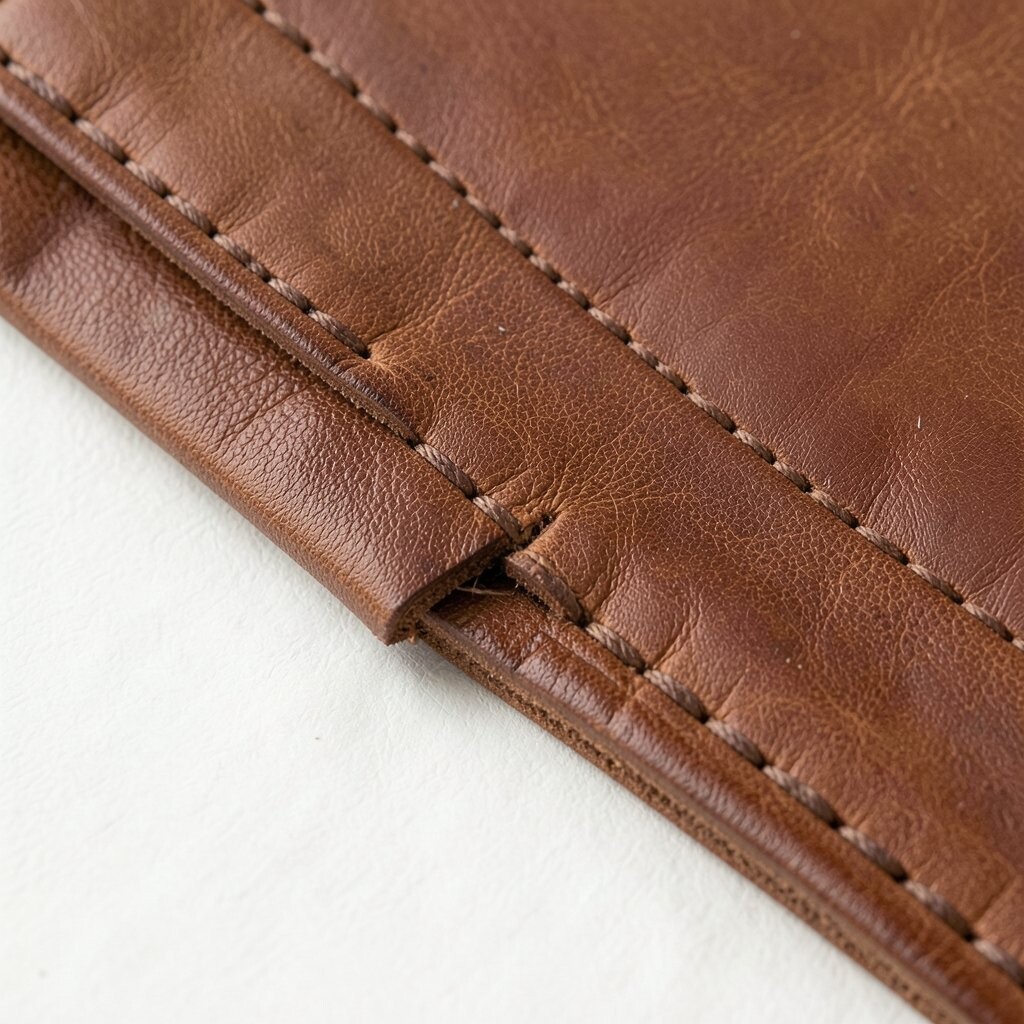
Decorative corner wraps add a special touch to the places where edges meet. The wrapped look can make corners feel protected and stylish at the same time.
This is a smart way to make small details stand out. It can also help corners last longer if the item gets used a lot.
You can keep the wrap simple or make it more bold with thicker thread. This style is great for people who like careful details that still feel easy to use.
35. Stitching With Leather Cord

Leather cord stitching gives a natural look that matches the material well. The cord adds texture and can make the whole piece feel more earthy.
This works well on rustic items, craft gifts, and pieces made for display. It can also be a nice choice when you want to use fewer synthetic materials.
The cost can vary, but small cords are often easy to find. Many people like this style because it feels handmade in a very clear way.
36. Multi-Color Stitch Rows
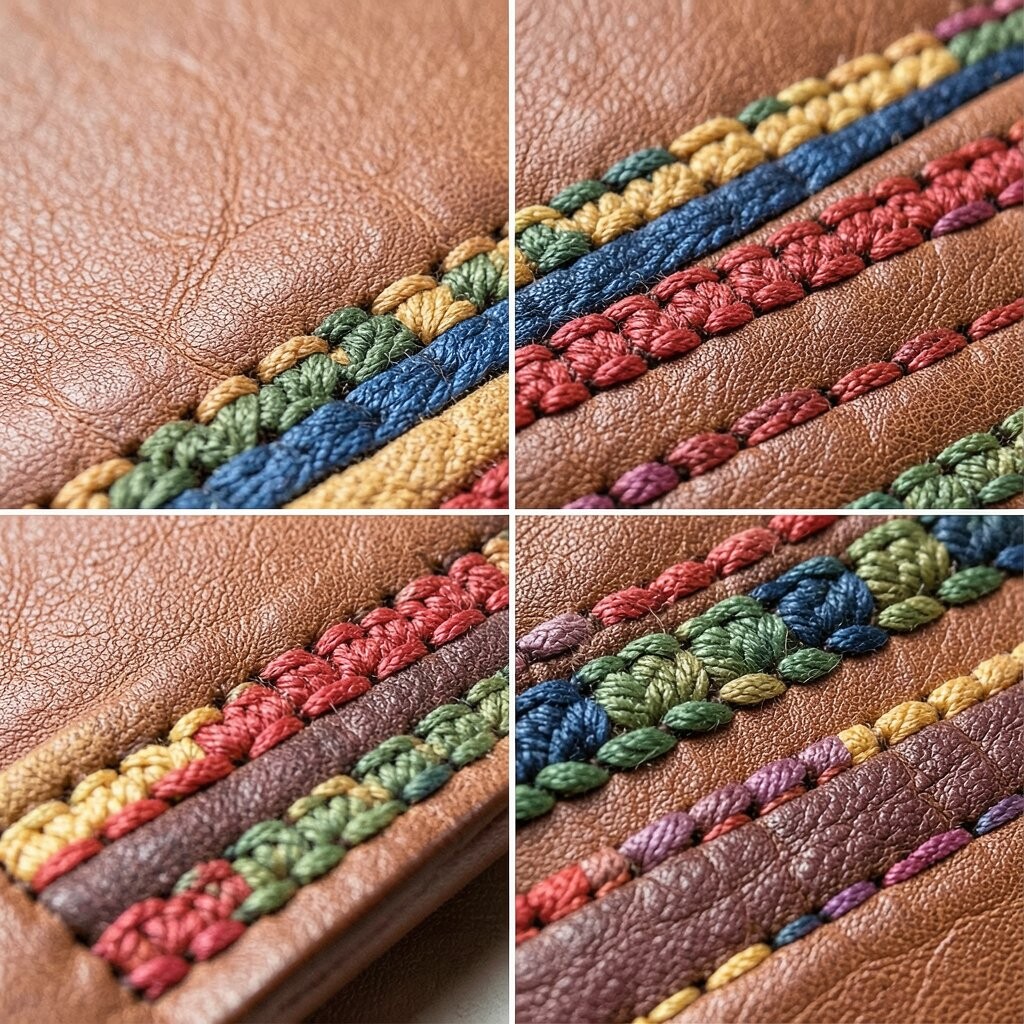
Multi-color stitch rows use more than one thread color in the same project. The result can be playful, bright, or calm, depending on the colors you pick.
This style is a good way to make a custom item feel more like your own. It can help match school colors, team colors, or a favorite set of shades.
It is also a fun way to follow current craft trends that use color in simple but bold ways. You can keep the colors close together or make each row very different.
37. Stitching With Visible Knots
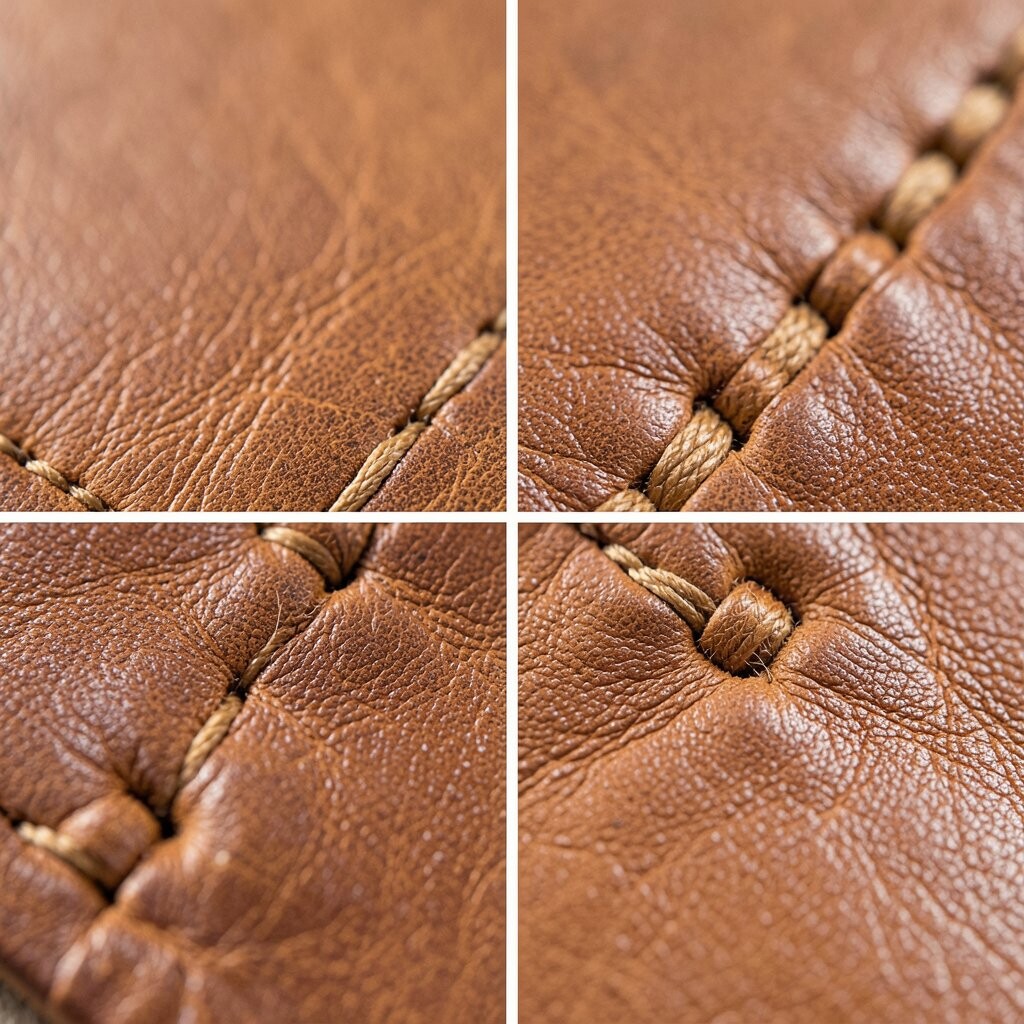
Visible knots can become part of the design instead of being hidden away. They add a rough, honest look that many people enjoy in handmade leather work.
This style can help a project feel more relaxed and less formal. It is useful when you want the item to show clear signs of hand work.
Visible knots can also save time because you do not need to hide every detail. The look fits well with simple, modern craft styles that value real texture.
38. Custom Pattern Stitching

Custom pattern stitching lets you make your own stitch line instead of using a common one. You can mix shapes, colors, spacing, and thread types to fit the item.
This is the best choice when you want a piece that feels truly personal. It can help a simple leather project stand out while still keeping the same useful shape.
Custom work may take more planning, but it does not always need a high cost. Many makers enjoy this style because it gives them room to try new looks and make each piece feel one of a kind.